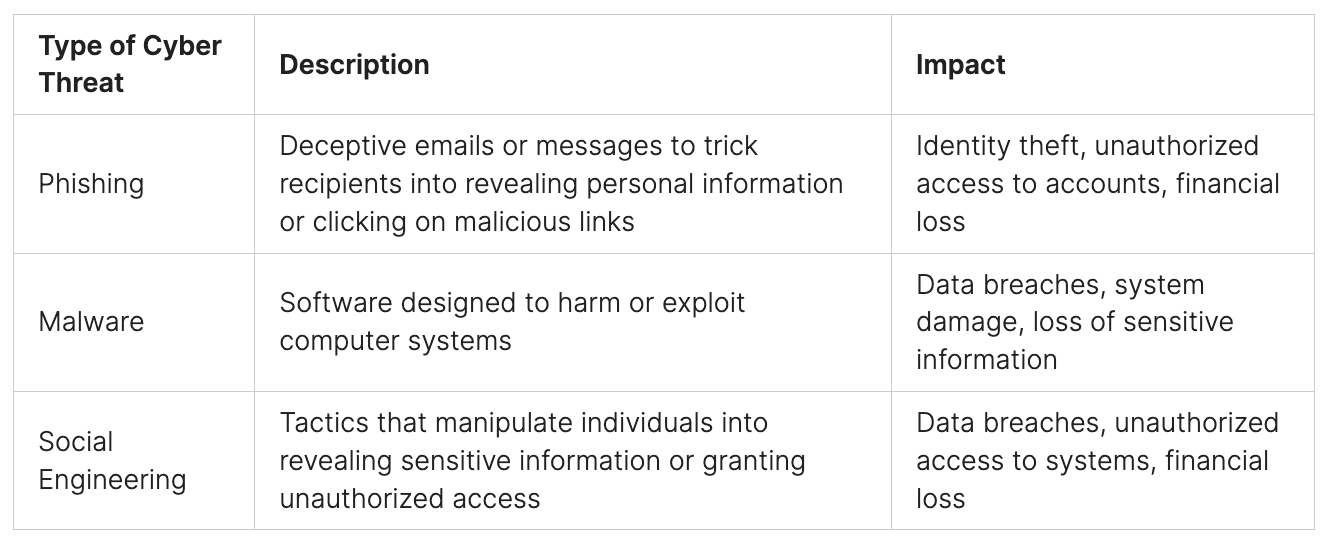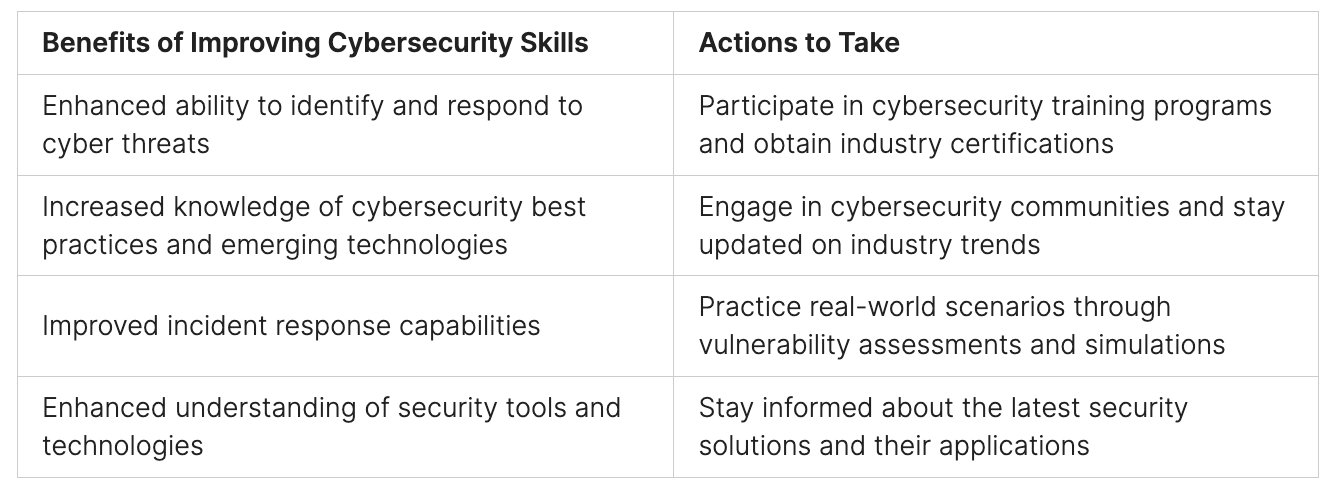
Author: admin

  • Visualize the Threat: The Power of Visualization in Cybersecurity

    Visualize the Threat: The Power of Visualization in Cybersecurity

    Cybersecurity threats are constantly evolving and becoming more sophisticated, posing significant risks to organizations’ valuable data and digital assets. In this digital age, understanding these threats and their potential impact is crucial to implementing effective security measures. That’s where visualization comes in. Visualization is a powerful tool that can help organizations gain a deeper understanding of cybersecurity threats and their role in shaping security strategies.

    By visualizing cybersecurity threats, organizations can transform complex data into intuitive visual representations. This enables security teams to easily identify patterns, relationships, and trends, leading to a more comprehensive understanding of potential vulnerabilities and attack vectors. Visual representations make it easier to communicate complex information across teams, ensuring everyone is on the same page when it comes to identifying and mitigating cybersecurity risks.

    Visualization also empowers organizations to take proactive measures. By providing a clear picture of the threat landscape, visualization enables security teams to prioritize risks, allocate resources effectively, and implement targeted security measures. Through interactive and dynamic visualizations, security professionals can analyze data in real-time, spot anomalies, and respond swiftly to emerging threats.

    Ultimately, the power of visualization lies in its ability to transform abstract cybersecurity concepts into tangible insights. It bridges the gap between technical jargon and meaningful actions, empowering organizations to make informed decisions and strengthen their cybersecurity defenses.

    Key Takeaways:

    • Visualization plays a crucial role in understanding cybersecurity threats
    • Visual representations make complex data and relationships easily comprehensible
    • Visualization enables proactive measures by identifying and prioritizing risks
    • Interactive and dynamic visualizations allow real-time analysis and response
    • Visualization bridges the gap between technical jargon and actionable insights

    Importance of Data Security in Cybersecurity

    Data security is the foundation of cybersecurity. With the expansion of cloud infrastructure and digital transformation, organizations face an increased attack surface and need robust data security solutions.

    Data security involves identifying critical data, controlling access policies, monitoring user activity, and ensuring compliance with privacy mandates. It helps organizations protect sensitive information from breaches, cyberattacks, and other security threats.

    “Data security is not just a technical issue; it is a business imperative. Organizations must prioritize data security to safeguard their reputation, customer trust, and compliance with regulations. Any compromise in data security can result in severe consequences, such as financial losses, legal liabilities, and reputational damage.”

    Protecting Against Breaches and Cyberattacks

    Data security measures are essential for preventing unauthorized access to sensitive information. By implementing strong data security protocols, organizations can reduce the risk of data breaches and cyberattacks.

    Meeting Compliance Requirements

    In today’s regulatory environment, compliance is crucial for organizations to operate securely and avoid penalties. Data security plays a vital role in meeting compliance requirements, such as the General Data Protection Regulation (GDPR) or industry-specific standards like the Payment Card Industry Data Security Standard (PCI DSS).

    Securing Confidential Information

    Confidential data, including customer information, trade secrets, and proprietary business data, requires stringent protection. Data security measures such as encryption, access controls, and secure data storage help safeguard critical information from unauthorized disclosure.

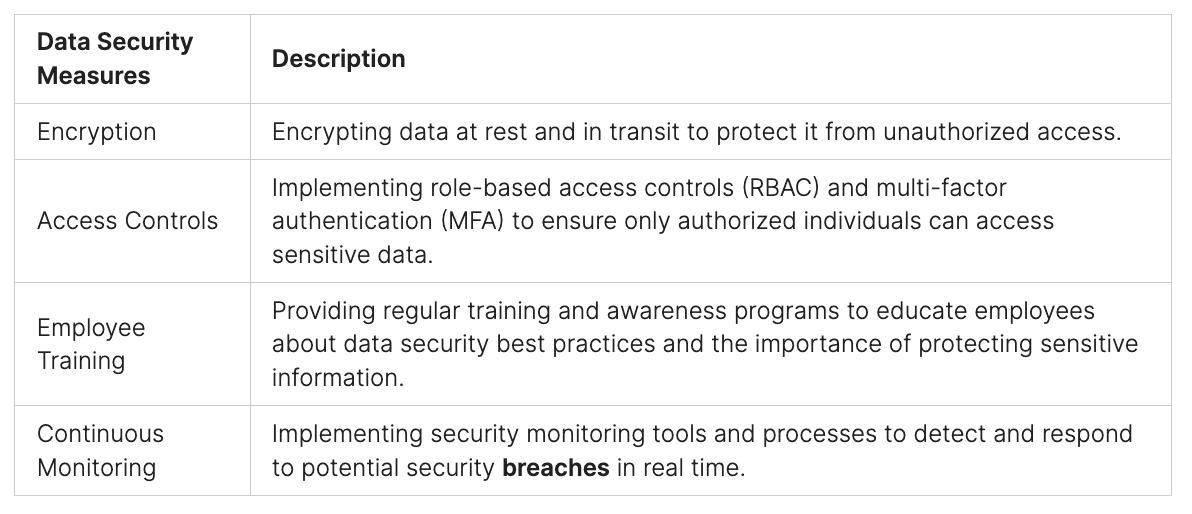
    Implementing robust data security practices is an ongoing effort for organizations. It requires a combination of technology solutions, employee training, and continuous monitoring to stay ahead of evolving cybersecurity threats.
    Comprehensive Data Security Solutions

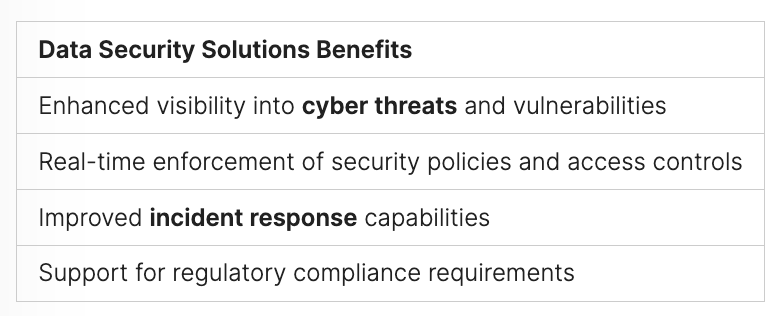
    When it comes to safeguarding sensitive information and mitigating cyber threats, organizations need comprehensive data security solutions that provide visibility, insights, and compliance. These solutions play a vital role in strengthening data security posture and protecting critical data from unauthorized access. By implementing robust data security solutions, organizations can ensure real-time enforcement of security policies and access controls, detect vulnerabilities and risks, and meet regulatory compliance requirements.

    One of the key advantages of data security solutions is the visibility they provide into an organization’s cybersecurity landscape. By gaining visibility, organizations can monitor and investigate potential threats, identify vulnerabilities, and take proactive measures to remediate them. The insights derived from data security solutions enable organizations to make informed decisions about their cybersecurity strategies, prioritize mitigation efforts, and enhance their incident response capabilities.

    “Comprehensive data security solutions offer organizations visibility into their cybersecurity landscape, empowering them to gain insights, investigate threats, and take proactive measures to protect their critical data.”

    Meeting regulatory compliance requirements is essential for organizations across various industries. Data security solutions help organizations ensure compliance by providing the necessary controls and monitoring mechanisms to protect sensitive information and prevent data breaches. By implementing these solutions, organizations can mitigate the risk of non-compliance penalties and reputational damage.

    To illustrate the impact of comprehensive data security solutions, consider the following table:
    Realizing the Full Potential of Data Security Solutions

    Data security solutions form a critical part of an organization’s cybersecurity strategy. By providing visibility, insights, and compliance, these solutions empower organizations to protect their sensitive data and stay ahead of emerging cyberthreats. By taking full advantage of data security solutions, organizations can enhance their overall data security posture and maintain a strong defense against evolving cyber threats.
    The Role of Knowledge Graphs in Cybersecurity

    Knowledge Graphs play a crucial role in bolstering cybersecurity defenses by capturing and visualizing the complex relationships between diverse data points. In the realm of cybersecurity, these dynamic tools excel in real-time threat detection, incident response, and unifying disparate data sources for a holistic view of the cybersecurity landscape.

    Knowledge Graphs serve as digital twins of network data, providing cybersecurity analysts with actionable insights. By leveraging these powerful graphs, organizations can enhance their cybersecurity capabilities and stay ahead of evolving threats.

    “Knowledge Graphs empower organizations to connect the dots and analyze the intricate web of cybersecurity data, offering unparalleled visibility and intelligence,”

    The unique ability of Knowledge Graphs to visualize complex relationships and dependencies enables analysts to identify potential vulnerabilities, detect threats in real-time, and respond swiftly to security incidents. By unifying and mapping the diverse data points, these graphs provide a comprehensive overview that helps organizations thwart cyberattacks and safeguard sensitive information.

    In their research paper “Leveraging Knowledge Graphs for Cybersecurity Intelligence,” Williams et al. highlight the power of Knowledge Graphs in enhancing incident response capabilities and improving threat detection. The study demonstrates that organizations that leverage Knowledge Graphs have a faster incident response time and are better equipped to detect sophisticated cyber threats.

    Benefits of Knowledge Graphs in Cybersecurity:

    • Real-time Threat Detection: Knowledge Graphs enable organizations to monitor and detect complex, interconnected threats in real-time, empowering them to take proactive measures before any potential breaches.
    • Efficient Incident Response: By visualizing network data, Knowledge Graphs provide cybersecurity analysts with a comprehensive view of the attack surface, facilitating swift and efficient incident response actions.
    • Unifying Data Sources: Knowledge Graphs integrate diverse data sources, enabling analysts to identify patterns, correlations, and hidden connections among various cybersecurity events.
    • Enhanced Risk Mitigation: Leveraging Knowledge Graphs allows organizations to gain actionable insights into potential vulnerabilities and prioritize mitigation efforts, reducing the impact of cyber threats.

    The Future of Cybersecurity with Knowledge Graphs

    As the cybersecurity landscape continues to evolve, the importance of leveraging Knowledge Graphs becomes increasingly evident. These powerful tools provide organizations with the means to holistically understand and combat cyber threats through advanced visualization techniques and actionable insights.

    By harnessing the capabilities of Knowledge Graphs and continually adapting to emerging cyber threats, organizations can enhance their cybersecurity resilience, protect critical assets, and stay one step ahead of malicious actors.

    The Crucial Role of Knowledge Graphs in Cybersecurity

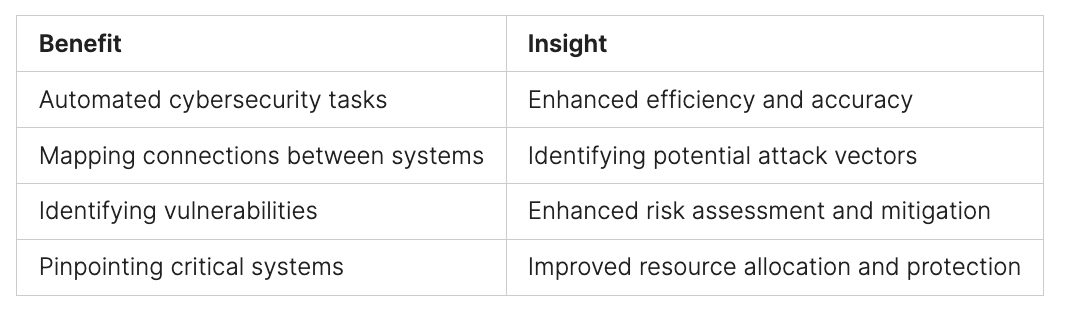
    Knowledge Graphs serve as digital twins, creating comprehensive representations of organizations’ cybersecurity environments. These graphs provide a holistic perspective that helps cybersecurity analysts query and take proactive measures. They automate cybersecurity tasks, map connections between systems, identify vulnerabilities, and pinpoint critical systems requiring heightened protection. Knowledge Graphs offer a visual representation and serve as a dynamic platform for cybersecurity analysts to gain insights, model threats, and predict cybersecurity risks.

    With Knowledge Graphs, cybersecurity analysts can:

    • Automate cybersecurity tasks
    • Map connections between systems
    • Identify vulnerabilities
    • Pinpoint critical systems

    By leveraging these capabilities, organizations can improve their cybersecurity posture and effectively defend against cyber threats.

    Knowledge Graphs provide a visual representation of complex cybersecurity data, enabling analysts to:

    1. Analyze and understand interconnected systems
    2. Identify trends and patterns
    3. Visualize potential attack paths
    4. Identify areas of vulnerability

    This visual representation enhances analysts’ ability to make informed decisions, prioritize resources, and proactively respond to emerging threats.

    “Knowledge Graphs enable cybersecurity analysts to gain deep insights into the organization’s cybersecurity landscape, empowering them with the information necessary to make strategic decisions and mitigate risks effectively.”
    Augmenting the Graph with Software Information

    Integrating software information into Knowledge Graphs is a crucial step in enhancing their comprehensiveness and strengthening organizations’ cybersecurity defenses. By incorporating data from configuration management tools and scanning tools, Knowledge Graphs can be enriched with valuable insights, software versions, health reports, and vulnerability data. This integration allows organizations to gain a more complete understanding of their cybersecurity landscape and identify potential vulnerabilities and attack paths.

    The inclusion of software information in Knowledge Graphs empowers cybersecurity analysts to make informed decisions and take proactive measures to protect critical assets. The comprehensive view provided by the augmented graph enables organizations to prioritize their resources and respond effectively to potential threats.

    The Benefits of Graph Augmentation

    “The integration of software information into Knowledge Graphs plays a pivotal role in strengthening cybersecurity defenses by providing a holistic understanding of vulnerabilities and attack vectors. This enhanced visualization allows organizations to identify potential weak points and take proactive measures to prevent breaches.”

    As organizations continue to depend on complex software systems, understanding the intricacies of software versions and vulnerabilities becomes paramount. By augmenting Knowledge Graphs with software information, organizations can ensure that their cybersecurity efforts are comprehensive and up to date.

    Enhanced Insights and Proactive Defense

    The integration of software information expands the scope and depth of Knowledge Graphs, enabling organizations to unlock valuable insights into their cybersecurity posture. With a more comprehensive understanding of their software ecosystem, organizations can:

    • Identify vulnerabilities and prioritize patching
    • Track software versions and ensure the implementation of necessary updates
    • Detect misconfigurations and proper system settings
    • Monitor system health and performance to detect abnormalities

    These capabilities empower organizations to proactively defend against potential threats and vulnerabilities. By leveraging the enriched Knowledge Graphs, organizations can stay one step ahead of cyber attackers and ensure the resilience of their cybersecurity infrastructure.

    Enriching the Graph with Threat Intelligence

    Integrating threat intelligence into Knowledge Graphs is a crucial step in fortifying cybersecurity defenses. By incorporating industry-standard vulnerability databases and attacker tactics and defensive measures matrices, organizations can enhance their graph with valuable insights. This enrichment process enables organizations to visualize vulnerabilities and discern potential attack paths, gaining a deeper understanding of their cybersecurity risks.

    Threat intelligence serves as a rich source of data that highlights vulnerabilities affecting critical resources and identifies emerging attack patterns. By integrating this intelligence into the Knowledge Graph, organizations can proactively identify risks, prioritize mitigation efforts, and improve incident response capabilities.

    Benefits of Enriching the Graph with Threat Intelligence

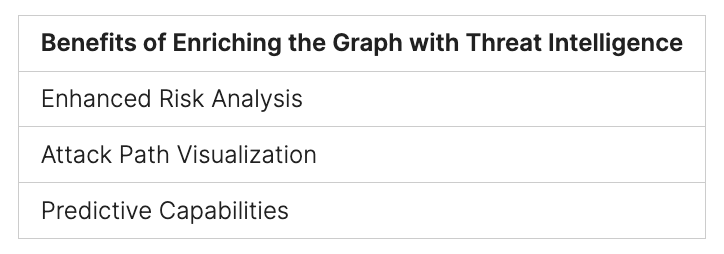
    Enriching the graph with threat intelligence offers several key advantages:

    1. Enhanced Risk Analysis: By incorporating threat intelligence into the graph, organizations can identify and prioritize vulnerabilities based on their potential impact on critical assets. This enables them to allocate resources more effectively and respond promptly to the most significant threats.
    2. Attack Path Visualization: Integrating threat intelligence provides insights into attack patterns and potential paths that adversaries may exploit. Visualizing these attack paths in the graph allows organizations to identify weak points and take proactive measures to strengthen their defenses.
    3. Predictive Capabilities: Enriching the graph with threat intelligence enables organizations to predict cybersecurity risks by identifying trends and patterns in attack vectors. This empowers them to stay one step ahead and implement preemptive measures to counter emerging threats.

    A visually appealing and comprehensive table showcasing the benefits of enriching the graph with threat intelligence:
    By enriching the graph with threat intelligence, organizations gain a comprehensive understanding of their cybersecurity landscape. This empowers them to make informed decisions, prioritize mitigations, and stay ahead of evolving threats.
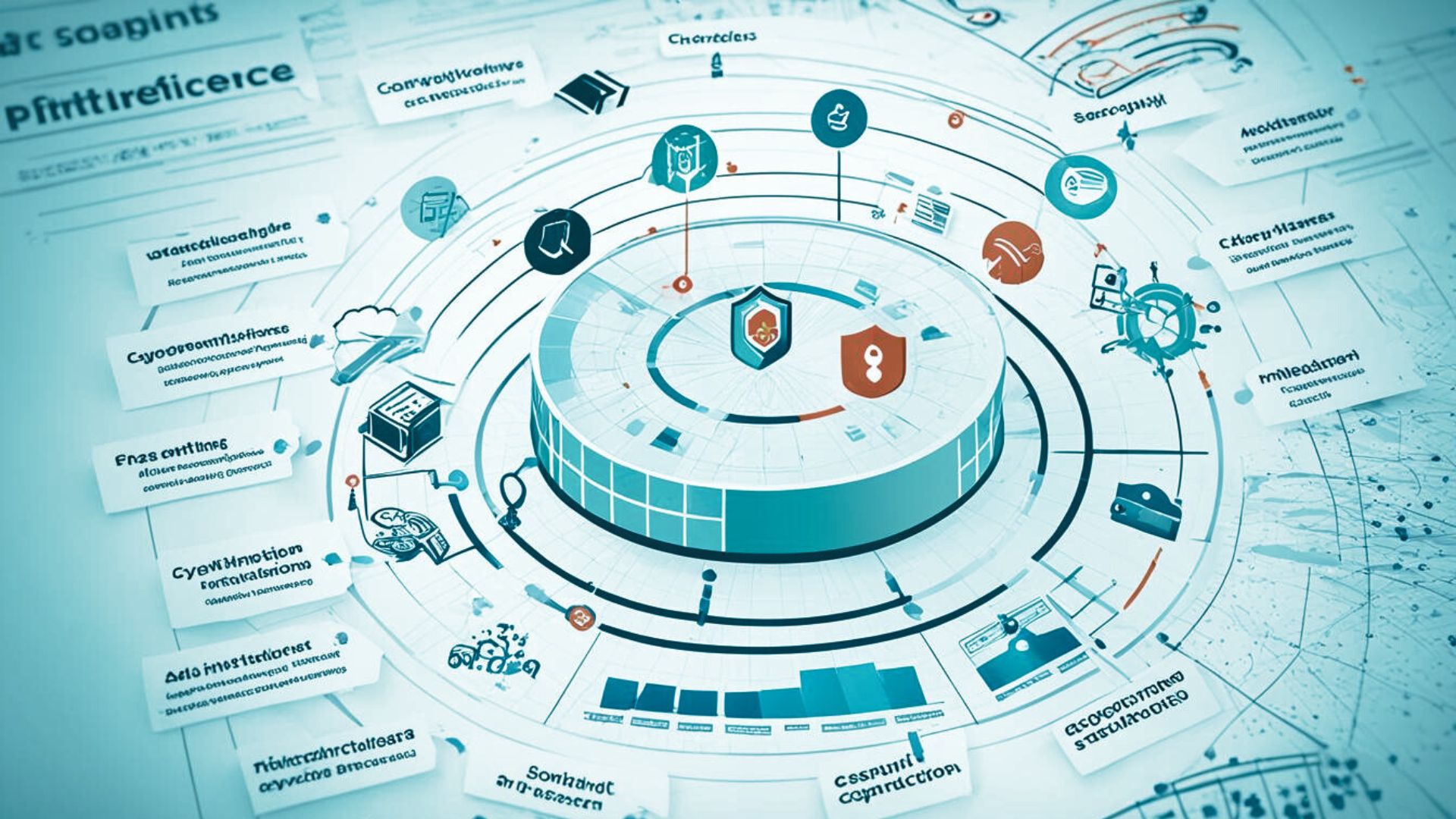
    Visualizing Vulnerabilities and Attack Paths

    In the ever-evolving landscape of cybersecurity, organizations face an array of vulnerabilities and potential attack paths that threaten the security of their critical assets. To effectively defend against these risks, visualization plays a pivotal role in understanding the dynamic nature of cybersecurity threats and enhancing incident response capabilities.

    One powerful method of visualization is through the use of attack graphs. These visual representations showcase interconnected vulnerabilities and potential routes that attackers may take to compromise organizational assets. By visualizing vulnerabilities and attack paths, organizations gain a holistic understanding of their cybersecurity risks, allowing them to prioritize their mitigation efforts accordingly.

    Attack graphs provide a comprehensive overview of the cybersecurity landscape, highlighting the relationships between various vulnerabilities and their impact on critical assets. By visually mapping out these attack paths, organizations can identify the weakest points in their defenses and take proactive measures to strengthen them.

    Through the power of visualization, cybersecurity professionals can analyze complex data and identify patterns that may not be immediately apparent in traditional reports or raw data. This visual representation enables them to gain actionable insights and make informed decisions to protect their digital assets.

    Benefits of Visualizing Vulnerabilities and Attack Paths:

    • Enhanced understanding of the interconnected nature of vulnerabilities
    • Prioritization of mitigation efforts based on identified attack paths
    • Improved incident response capabilities
    • Identification of weak points in the cybersecurity defenses
    • Proactive measures to strengthen organizational security

    “Visualization allows us to grasp the complex web of vulnerabilities and potential attack paths, empowering organizations to stay one step ahead of cyber threats.”

    To better illustrate the power of visualizing vulnerabilities and attack paths, consider the following example:
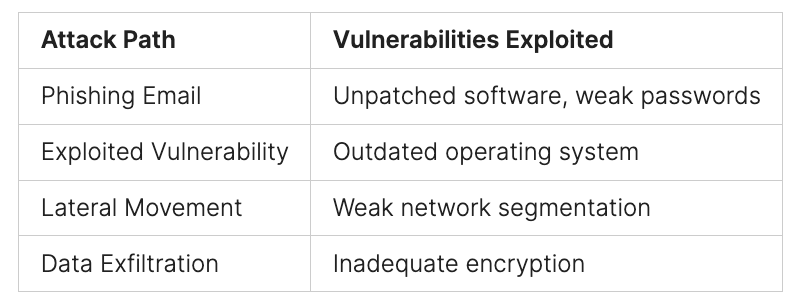
    This simplified table demonstrates how visualization can help identify the vulnerabilities exploited in each step of an attack path. By visualizing the progression of an attack, organizations can understand the sequence of events and implement appropriate security measures to prevent similar incidents.

    By visualizing vulnerabilities and attack paths, organizations can effectively address cybersecurity risks, safeguard their critical assets, and bolster their overall security posture. With the power of visualization at their fingertips, cybersecurity professionals can proactively defend against emerging threats and stay one step ahead of potential attackers.

    The AI and Data Visualization Intelligence Cycle

    The combination of AI and data visualization in the intelligence cycle enhances the investigation process. AI techniques such as machine learning and natural language prompts can analyze and process data, while data visualization enables humans to understand and interpret AI-driven insights. AI can detect patterns and make recommendations, but human investigators play a crucial role in querying, exploring, and making executive decisions based on the visualized data.

    “The insights gained from data visualization empower investigators to connect the dots and uncover hidden relationships, leading to actionable intelligence.”

    With the help of AI, the intelligence cycle becomes more efficient, as it has the capability to sift through vast amounts of data and identify relevant information. Through machine learning algorithms, AI can detect patterns, trends, and anomalies that may go unnoticed by human analysts.

    Data visualization complements AI by providing a visual representation of the insights generated. Visualizations help investigators grasp complex concepts quickly and gain a deeper understanding of the data. By representing data in visual formats such as charts, graphs, and maps, investigators can identify patterns, correlations, and anomalies more intuitively.

    The insights gained from data visualization empower investigators to connect the dots and uncover hidden relationships, leading to actionable intelligence. This collaboration between AI and data visualization enhances the investigation process by leveraging the strengths of both technologies.

    Benefits of AI and Data Visualization in the Intelligence Cycle

    • Enhanced data analysis: AI-powered algorithms assist in processing large volumes of data, extracting valuable insights that might otherwise be missed.
    • Improved decision-making: Data visualization enables investigators to interpret complex information quickly, facilitating informed decision-making during investigations.
    • Uncovering hidden patterns: AI algorithms can identify patterns and correlations in data, while data visualization makes these patterns more apparent to investigators.
    • Effective communication: Visualizing AI-generated insights makes it easier to communicate findings and share information with stakeholders and decision-makers.

    The AI and Data Visualization Intelligence Cycle

    The intelligence cycle, when augmented with AI and data visualization, follows a seamless process:

    1. Data collection: AI algorithms assist in collecting and processing vast amounts of data from various sources.
    2. Data analysis: AI algorithms analyze the collected data, identifying patterns, trends, and anomalies.
    3. Data visualization: Visual representations of AI-driven insights are created to facilitate understanding and exploration.
    4. Investigation and interpretation: Human investigators explore the visualized data, query the AI system, and make informed decisions based on their expertise and the AI-driven insights.
    5. Insight utilization: Actionable intelligence is derived from the investigation process, enabling organizations to respond effectively to threats and enhance their cybersecurity posture.
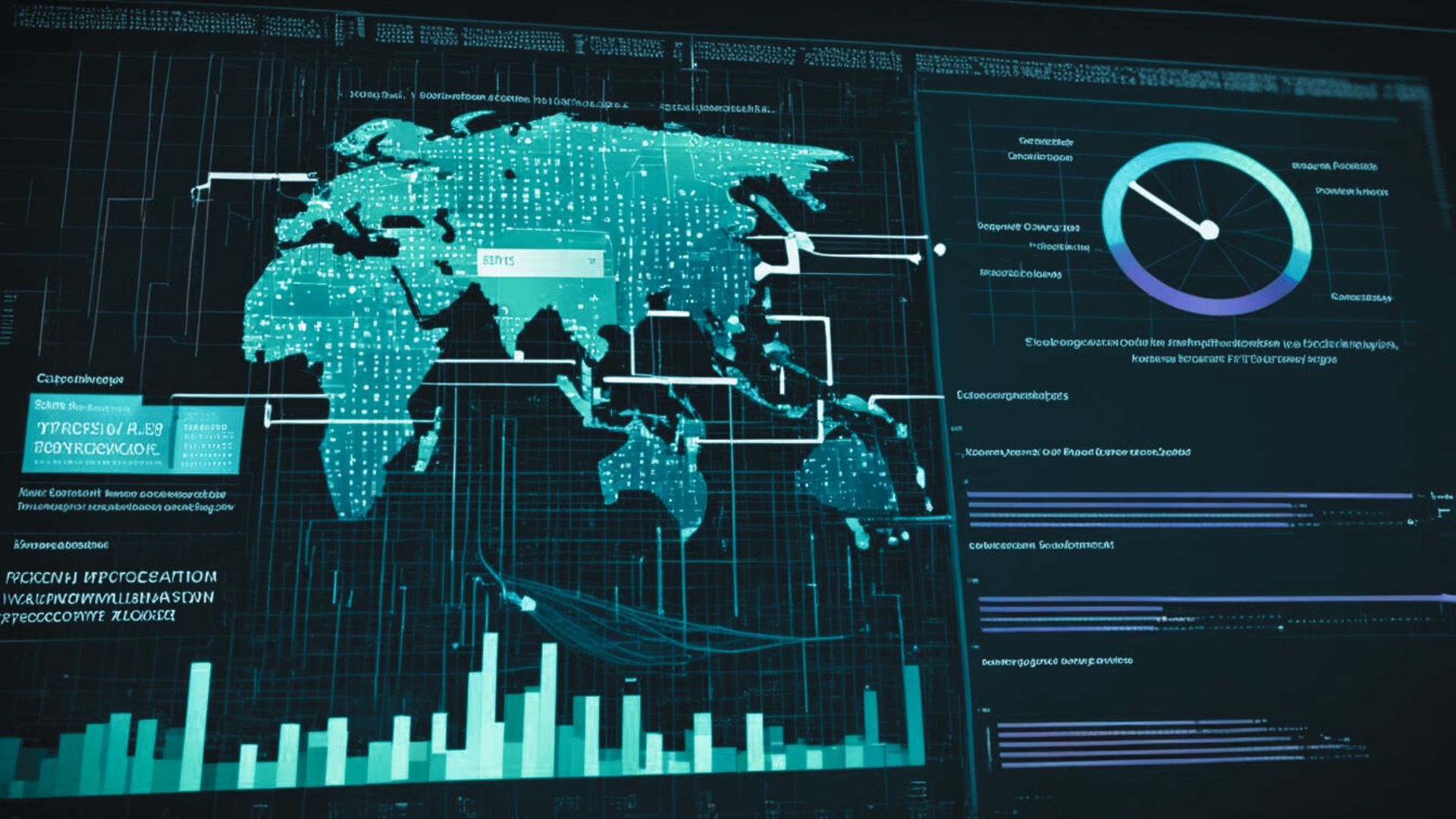
    Data visualization plays a critical role in the intelligence cycle by bridging the gap between AI-driven insights and human understanding. It empowers investigators to make informed decisions based on visualized data, resulting in actionable intelligence that leads to effective threat mitigation and informed decision-making.

    The Five Steps of the Intelligence Cycle

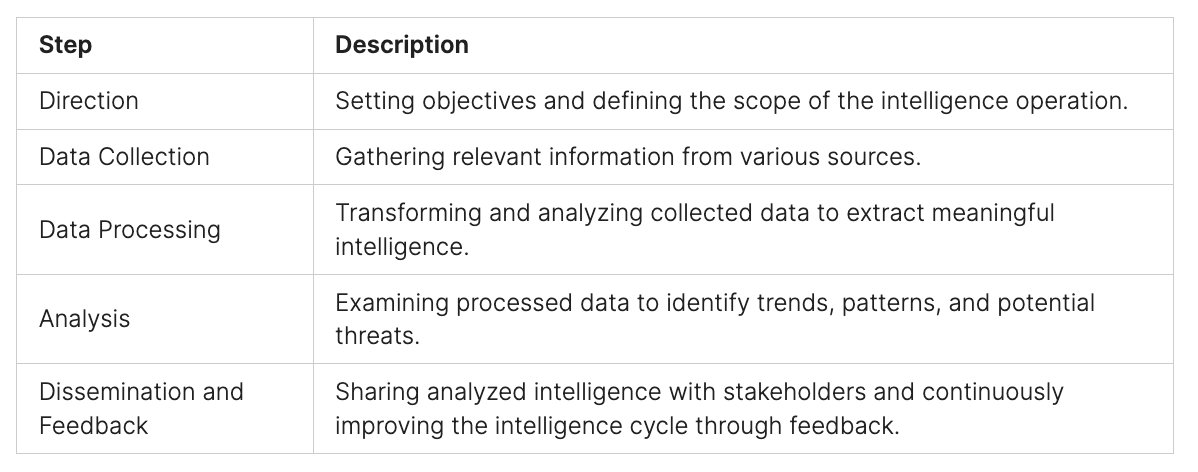
    The intelligence cycle is a systematic process that organizations follow to gather, analyze, and disseminate information to support decision-making and mitigate security threats. It consists of five essential steps: direction, data collection, data processing, analysis, dissemination, and feedback.

    Throughout the intelligence cycle, various tools and techniques, including AI, data visualization, and human reasoning, are utilized to maximize the effectiveness and efficiency of each step.

    Direction

    The direction phase of the intelligence cycle involves setting objectives, determining the information requirements, and defining the scope of the intelligence operation. It is crucial to establish clear goals and priorities to guide the subsequent steps of the cycle.

    Data Collection

    Data collection is the process of gathering relevant information from various sources, both internal and external. This step involves conducting surveillance, utilizing open-source intelligence, and collecting data through human sources or technical means. It is essential to ensure the accuracy, integrity, and reliability of the collected data to generate meaningful insights.

    Data Processing

    Data processing is the transformation and analysis of collected information to extract useful intelligence. AI plays a significant role in this step, leveraging algorithms and machine learning to identify patterns, detect anomalies, and categorize data. By automating data processing, organizations can enhance their ability to handle vast amounts of information efficiently.

    Analysis

    The analysis phase involves examining the processed data to identify trends, patterns, and potential threats. Human analysts with expertise in cybersecurity and threat intelligence are instrumental in interpreting the findings and providing contextual insights. Visualizing the analyzed data through data visualization techniques, such as charts, graphs, and heat maps, enables analysts to gain a comprehensive understanding of the intelligence.

    Dissemination and Feedback

    The dissemination step involves sharing the analyzed intelligence with relevant stakeholders, such as decision-makers, security teams, and law enforcement agencies. It is crucial to communicate the information effectively and tailor it to the recipients’ needs for informed decision-making. Feedback loops are essential to refine the intelligence cycle continually. Evaluating the effectiveness and impact of the intelligence helps improve future investigations and enhance the overall intelligence process.

    In summary, the intelligence cycle encompasses direction, data collection, data processing, analysis, dissemination, and feedback. By leveraging AI, data visualization, and human reasoning at each step, organizations can enhance their ability to gather, analyze, and disseminate intelligence effectively. This approach enables proactive threat detection, informed decision-making, and a more comprehensive understanding of the evolving cybersecurity landscape.
    Conclusion

    In the intricate domain of cybersecurity, visualization emerges as a pivotal tool for deciphering complex threats and forging effective defense strategies. Through the adept application of visualization techniques, organizations gain enhanced clarity on cybersecurity challenges, empowering them to make well-informed decisions to safeguard their digital realms.

    Knowledge Graphs stand out as a potent instrument in the visualization arsenal, offering actionable intelligence and a comprehensive perspective on the intricate web of cyber threats. By marrying these advanced visualization tools with the prowess of AI technology, organizations can significantly boost their incident response efficiency and stay a step ahead in the ever-evolving cybersecurity landscape.

    This fusion of human insight, cutting-edge AI, and sophisticated data visualization techniques heralds a new era of cybersecurity resilience. Leveraging visualization tools and the rich insights provided by Knowledge Graphs enables organizations to not only shield their sensitive data but also pinpoint vulnerabilities and proactively counter cybersecurity challenges. Through informed and knowledge-based decision-making, bolstered by visualization, organizations can fortify their cyber defenses and ensure the integrity of their digital infrastructure.

    For organizations keen on harnessing the power of visualization in cybersecurity, Peris.ai Cybersecurity offers cutting-edge solutions. Our platform empowers you to visualize the cybersecurity landscape with unparalleled clarity, providing the tools and insights necessary for robust digital protection. Dive into the world of Peris.ai Cybersecurity and discover how our visualization techniques and Knowledge Graphs can transform your cybersecurity strategy, ensuring your organization’s resilience in the face of cyber threats. Visit us to explore how we can help you secure a fortified digital future.

    FAQ

    What is the power of visualization in cybersecurity?

    Visualization plays a powerful role in presenting complex cybersecurity data and relationships in an easily comprehensible and actionable way. It enhances understanding and enables organizations to take proactive measures to mitigate risks.

    Why is data security important in cybersecurity?

    Data security is crucial in protecting sensitive information from unauthorized access and data breaches. It involves identifying critical data, controlling access policies, monitoring user activity, and ensuring compliance with privacy mandates.

    How do comprehensive data security solutions help organizations?

    Comprehensive data security solutions provide visibility and insights into cyber threats, enforce security policies, detect vulnerabilities, and help organizations meet regulatory compliance requirements. They improve data security posture and protect critical data from unauthorized access.

    What is the role of Knowledge Graphs in cybersecurity?

    Knowledge Graphs excel in real-time threat detection, incident response, and unifying diverse data sources in cybersecurity. They visualize the cybersecurity landscape, provide actionable insights, and help analysts query and take proactive measures.

    How do Knowledge Graphs enhance cybersecurity capabilities?

    Knowledge Graphs serve as digital twins, creating comprehensive representations of cybersecurity environments. They automate tasks, map connections between systems, identify vulnerabilities, and pinpoint critical systems requiring heightened protection. They offer a visual representation and serve as a dynamic platform for insights, threat modeling, and risk prediction.

    How can software information be integrated into Knowledge Graphs?

    Configuration management and scanning tools can provide software versions, health reports, and vulnerability data that enrich the graph. This integration enhances the comprehensiveness of the graph and helps identify potential vulnerabilities and attack paths within the cybersecurity landscape.

    What role does threat intelligence play in Knowledge Graphs?

    Integrating threat intelligence into Knowledge Graphs helps identify vulnerabilities affecting critical resources and uncover potential attack paths. By enriching the graph with industry-standard vulnerability databases and attacker tactics, organizations can visualize vulnerabilities and gain a deeper understanding of cybersecurity risks.

    How does visualizing vulnerabilities and attack paths help organizations?

    Visual representations such as attack graphs allow organizations to grasp the dynamic nature of cybersecurity threats. By visualizing interconnected vulnerabilities and potential attack routes, organizations can prioritize mitigation efforts and enhance their incident response capabilities.

    What is the role of AI and data visualization in the intelligence cycle?

    AI techniques such as machine learning and natural language prompts can analyze and process data, while data visualization enables human investigators to understand and interpret AI-driven insights. The combination of AI and data visualization enhances the investigation process and supports decision-making in cybersecurity.

    What are the steps of the intelligence cycle?

    The intelligence cycle consists of direction, data collection, data processing, analysis, dissemination, and feedback. Humans set objectives and collect data, AI aids in data processing and analysis, and data visualization enables effective communication of the results. Human decision-making and feedback loops are crucial in enhancing future investigations.

  • Urgent Security Update Needed: Critical Vulnerability in Forminator Affects Over 300,000 WordPress Sites

    Urgent Security Update Needed: Critical Vulnerability in Forminator Affects Over 300,000 WordPress Sites

    The Forminator plugin, a popular tool used on more than 500,000 WordPress websites for creating custom forms, has been compromised due to a severe security flaw. This vulnerability allows malicious actors to execute unrestricted file uploads, posing a significant threat to affected websites.

    Details of the Vulnerability

    Japan’s Computer Emergency Response Team (CERT) issued an alert highlighting a critical flaw in the Forminator plugin, identified as CVE-2024-28890, with a CVSS v3 score of 9.8, indicating its severity. This vulnerability allows remote attackers to upload and execute malicious files on the servers hosting vulnerable sites, potentially leading to unauthorized data access, site alteration, or a Denial-of-Service (DoS) attack.

    Additional Vulnerabilities Reported

    Alongside the critical file upload issue, two additional vulnerabilities have been identified:

    • CVE-2024-31077: An SQL injection vulnerability that enables attackers with admin privileges to execute arbitrary SQL commands within the website’s database.
    • CVE-2024-31857: A cross-site scripting (XSS) flaw that allows attackers to inject arbitrary HTML and script code into the browsers of users who click on specially crafted links.

    Immediate Actions for Site Administrators

    Site administrators are strongly advised to update the Forminator plugin to version 1.29.3 immediately, as this version addresses these vulnerabilities. Despite the release of the update, WordPress.org statistics as of April 8, 2024, indicate that approximately 320,000 sites have yet to install this critical update, leaving them vulnerable to potential exploits.

    No Active Exploits Yet, But High Risk

    While there are currently no public reports of these vulnerabilities being exploited, the nature of the flaws and the simplicity of exploiting them pose a significant risk to any unpatched systems. The high severity of the flaw underlines the urgent need for updates.

    Best Practices for WordPress Site Security

    To safeguard WordPress installations:

    • Limit the number of plugins installed to reduce potential attack vectors.
    • Regularly update all plugins and the core WordPress software to their latest versions.
    • Deactivate and remove any unnecessary or unused plugins.

    Stay Protected with Peris.ai Cybersecurity

    For ongoing updates on this situation and more detailed guidance on maintaining robust cybersecurity hygiene, visit Peris.ai Cybersecurity. Our goal is to provide the tools and knowledge you need to defend against sophisticated cyber threats effectively. Secure your digital presence with proactive measures and stay updated with the latest in cyber defense through Peris.ai Cybersecurity – your trusted partner in cybersecurity.

    Act now to update your Forminator plugin and protect your site from potential cyber threats.

  • Urgent Alert: Hackers Target Windows Systems with New Msupedge Malware via PHP Vulnerability

    Urgent Alert: Hackers Target Windows Systems with New Msupedge Malware via PHP Vulnerability

    A new cybersecurity threat, identified as the Msupedge malware, has been detected in the Windows systems of a university in Taiwan, indicating a potential rise in targeted cyberattacks. This backdoor malware exploits a recently addressed vulnerability in PHP, showcasing the rapid adaptation and sophistication of cyber threat actors.

    Key Developments in the Msupedge Malware Incident

    Exploitation of CVE-2024-4577

    • Vulnerability Insight: CVE-2024-4577 is a severe PHP-CGI argument injection flaw affecting Windows systems configured to run PHP in CGI mode. This vulnerability permits unauthenticated attackers to execute arbitrary code on unpatched systems, leading to potential full system compromise.
    • Malware Deployment: Initial investigations suggest that Msupedge was deployed by exploiting the CVE-2024-4577 flaw, patched in June 2024. Systems that have not applied this critical update are at high risk.

    Characteristics of Msupedge Malware

    • C&C Communication via DNS Tunneling: Uniquely, Msupedge communicates with its command-and-control server using DNS traffic, a method that wraps malicious data within DNS queries to evade detection.
    • Versatile Malware Commands: Msupedge can carry out various commands from creating and managing processes to downloading additional malicious payloads, indicating its high risk and versatility.

    Steps to Combat the Msupedge Threat

    Patch and Update Systems

    • Immediate Updates: Prioritize updating all PHP installations on Windows systems to the latest version to close off the CVE-2024-4577 vulnerability. Continuous software updates are crucial in defending against known exploits.

    DNS Traffic Monitoring

    • Detect Anomalies: Implement advanced monitoring tools to spot unusual DNS traffic patterns. Such anomalies might signal the presence of DNS tunneling activities typical of Msupedge.

    Incident Response Enhancement

    • Protocol Review: Assess and strengthen your incident response strategies to swiftly detect, contain, and mitigate breaches that could stem from this new malware or similar threats.

    Educational Initiatives

    • Team Training: Increase awareness amongst your IT and security personnel about this specific threat and general security best practices, particularly focusing on the novel exploitation methods like DNS tunneling used by Msupedge.

    Proactive Measures Against Emerging Cyber Threats

    The quick exploitation of the CVE-2024-4577 flaw post-patch release underscores the necessity of timely patch management and the need for vigilant threat monitoring. Cybercriminals continue to advance their techniques, exploiting even the slightest delay in software updates.

    To safeguard your systems effectively:

    • Stay current with the latest cybersecurity updates and patches.
    • Monitor your network for any signs of unusual activity.
    • Educate your teams continually about new cyber threats and defensive tactics.

    For ongoing updates and expert cybersecurity insights, ensure to visit our website at peris.ai.

    Stay cautious, stay protected.

  • Unveiling Snapekit: A Sophisticated New Rootkit Targeting Arch Linux

    Unveiling Snapekit: A Sophisticated New Rootkit Targeting Arch Linux

    Rootkits are among the most insidious forms of malware, capable of deeply embedding themselves within the operating system to provide unauthorized access and control, all while remaining undetected. The recent discovery of Snapekit, a new rootkit targeting Arch Linux systems, highlights the ongoing evolution and sophistication of cybersecurity threats. This article delves into Snapekit’s capabilities, its implications for cybersecurity, and offers strategic recommendations for combating such advanced threats.

    ⚠️ Understanding Snapekit

    Advanced Targeting and Stealth Capabilities: Snapekit specifically targets Arch Linux systems running version 6.10.2-arch1-1 on x86_64 architecture. It distinguishes itself through its ability to intercept and modify 21 different system calls, allowing it unprecedented control over system operations.

    Stealth and Evasion Techniques: This rootkit utilizes a user-space dropper, enhancing its stealth by operating in areas typically under-monitored by standard security tools. Furthermore, it actively avoids detection by evading leading security analysis tools such as Cuckoo Sandbox, JoeSandbox, and others, altering its behavior if such tools are detected.

    Anti-Analysis Features: Snapekit is equipped with PTrace detection mechanisms to thwart debugging attempts and employs multiple layers of evasion, resisting both automated analysis tools and manual reverse engineering efforts.

    Implications of the Snapekit Rootkit

    Threat to the Cybersecurity Landscape: Snapekit’s advanced capabilities make it a formidable threat, particularly concerning its potential release as open-source software on GitHub, as indicated by its creator, Humzak711. While this move could foster enhanced defensive tactics among security professionals, it also risks aiding malicious actors in crafting similar threats.

    Challenges for Security Defenses: The rootkit’s robust defense mechanisms, including code obfuscation and anti-debugging routines, present significant challenges for current detection methodologies. Security teams are compelled to innovate, employing advanced tools and collaborative strategies to detect and neutralize such threats.

    ️ Proactive Defense Strategies

    Enhanced Detection and Analysis: Security teams must enhance their capability to detect and analyze sophisticated malware like Snapekit by:

    • Establishing advanced sandboxing environments to isolate and analyze the behavior of potential malware.
    • Utilizing collaborative frameworks that facilitate the sharing of insights and strategies within the cybersecurity community.
    • Developing techniques to bypass anti-debugging and obfuscation measures employed by malware, enabling deeper analysis and understanding of its underlying mechanisms.

    Staying Ahead of Emerging Threats

    The emergence of Snapekit underscores the critical need for vigilance and adaptability in cybersecurity practices. As cyber threats continue to evolve, maintaining an edge requires ongoing education, the use of cutting-edge analytical tools, and a collaborative approach to cybersecurity.

    For ongoing updates and expert insights into managing the latest cybersecurity challenges, visit our website at peris.ai.

    Stay vigilant, stay protected.

  • Unlocking Efficiency: The What, Why, and How of Security Automation!

    Unlocking Efficiency: The What, Why, and How of Security Automation!

    In our digital world today, the number of cyber threats is growing like never before. This makes cybersecurity automation important for security teams. They use it to make their defense stronger and be more proactive.

    Automation in security means spotting, checking, and fixing cyber threats by itself. This can happen without any human touch. It uses programs made for this job. These programs do the work of handling alerts, so the security team can focus on the most critical issues.

    Let’s look closer at security orchestration, automated response (SOAR), and incident response automation. We’ll also see about automated threat remediation. By using these technologies, we’ll find out how AI-driven security operations and autonomous cyber defense are changing the game in cybersecurity.

    Key Takeaways

    • Security automation is the process of automatically detecting, investigating, and remediating cyber threats.
    • Cybersecurity automation helps streamline the multitude of security alerts that teams deal with daily.
    • Security orchestration and automated response (SOAR) are critical components of security automation.
    • AI-driven security operations and autonomous cyber defense are transforming the cybersecurity landscape.
    • Leveraging security automation can enhance an organization’s cyber resilience and responsiveness.

    Understanding Security Automation

    Today, the world of cybersecurity is changing fast. To keep up, many companies are using security automation. This tool helps fight against more and more advanced cyberattacks. It does its work automatically, finding, checking, and fixing threats all on its own.

    What is Security Automation?

    Security automation does a few big tasks. It looks for threats to a company’s safety, sorts them out, and decides which ones need attention first. This helps security teams work better. They get to deal with the most important problems, making the whole security system stronger.

    Capabilities of Security Automation

    Security workflow automation can do lots of jobs. It can find threats, check them out, and fix them. It’s also good at managing problems before they become too big. All these talents mean that security teams can work smarter, making their companies safer without working long hours.

    Automated Threat Detection and Response

    One of the main jobs of security automation is spotting risks and dealing with them. It uses smart algorithms and learning machines to quickly see and rank threats. Then, it takes quick action to keep problems from getting worse. This quick response is key to stopping security issues and managing risks well.

    How Automated Threat Detection and Response Revolutionizes Cybersecurity

    The Need for Cybersecurity Automation

    The need for cybersecurity automation comes from the big increase in cyberattacks. These attacks now happen every 39 seconds. Almost half of all companies had a data breach in the last two years, costing millions each time. This means the growing number and power of cyber threats are too much for security teams to handle alone. It shows why it’s crucial to use security orchestration and SOAR tools to boost incident response automation and deal with threats quickly.

    The Rise of Cyberattacks

    The world of cybersecurity is getting harder to navigate. Cybercriminals are always finding new ways to sneak past our defenses. They use things like advanced persistent threats (APTs) and ransomware. This makes the job of security teams a real challenge. Without the right tools, they can’t keep up with the speed and cleverness of these attacks.

    Challenges of Manual Security Operations

    Depending only on people to handle security has its problems. This leads to issues like missing important alerts, slow responses, and mistakes. With AI-driven security operations getting better, not using cybersecurity automation puts organizations at a big risk. They might fall behind in protecting against smart and frequent cyber threats.

    Signs Your Organization Needs Security Automation

    If your organization is facing these signs, it’s time to think about security automation:

    • Overwhelmed security teams struggling to keep up with the volume of security alerts and incidents
    • Slow response times in detecting, investigating, and remediating security threats
    • High rates of false positive alerts lead to wasted resources
    • Difficulty integrating and correlating data from multiple security tools and systems
    • Lack of visibility into the organization’s overall security posture and risk profile

    Benefits of Security Automation

    With the rise in cybersecurity threats, security automation has become essential. It improves how companies defend against attacks. By handling security incidents automatically, many benefits arise. These include better security and quicker incident responses.

    Faster Threat Detection and Response

    Cybersecurity automation is vital for spotting and reacting to threats quickly. It shortens the time needed to find and stop cyber dangers. It can sift through a lot of data, link events, and take necessary actions, letting security teams act swiftly.

    Reduced Risk of Human Error

    Human mistakes are common in manual security work. They can mean missing threats or not responding on time. With automated threat remediation, the chance for error is cut. Security responses become more reliable and effective. This lowers the risk of attacks causing significant harm.

    Increased Operational Efficiency

    AI-driven security operations make security work smarter. By automating many tasks, it boosts how well the security team operates. This shift means there’s more time for critical security projects. The result is a stronger defense against cyber threats.

    Boosting Operational Efficiency with AI-Driven Automation

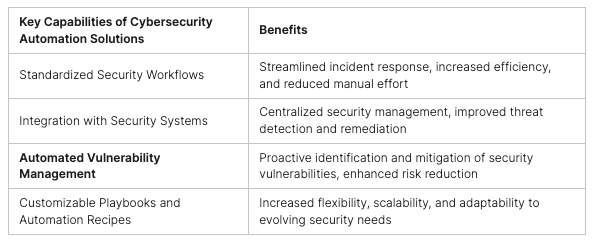
    Cybersecurity Automation Solutions

    Today, organizations are facing more cybersecurity threats. To manage these challenges, they rely on security automation and orchestration tools. Security workflow automation and automated vulnerability management are key features of these tools.

    Standardized Workflows

    Automated cybersecurity solutions create consistent security workflows. These workflows act automatically when specific issues arise. They handle various tasks, from incident responses to managing software vulnerabilities.

    Integration with Security Systems

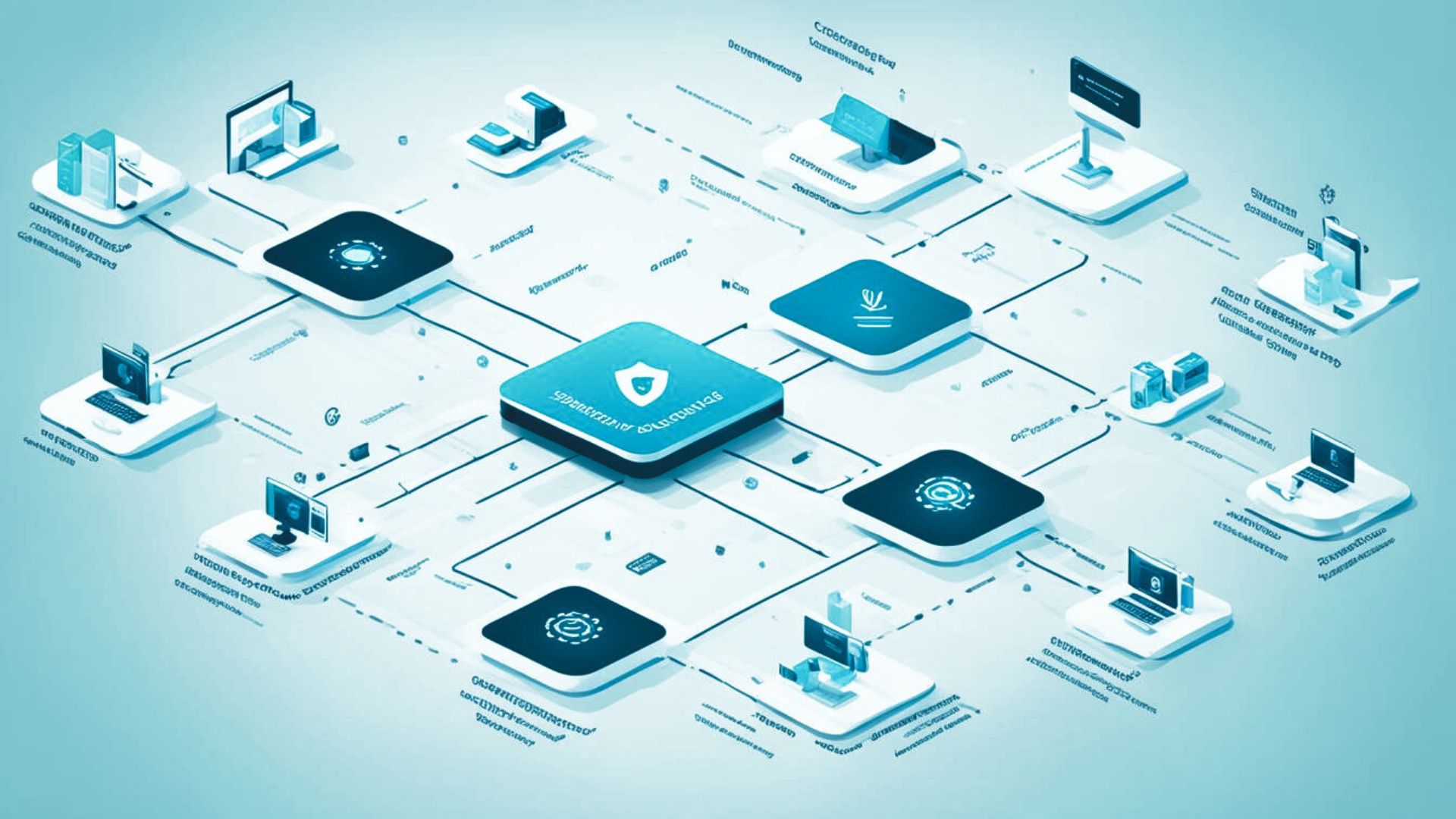
    Good cybersecurity systems work well with your existing security tools. This includes systems for managing security information, scanning for vulnerabilities, and more. By working together, they better find and fix threats.

    Enhancing Cybersecurity Through Integrated Security Systems

    The Evolution of Cybersecurity Automation

    Security automation has become key for organizations facing more cyberattacks. The current cyber threat level requires a swift response. This is where security automation and orchestration play a crucial role. These technologies help find and handle attacks faster.

    The increase in danger from cybercriminals has made manual processes less effective. With more systems to watch, it’s hard to catch every threat. That’s why organizations are increasingly using security orchestration tools. These tools automate parts of the response process, making it easier to manage the flood of security alerts.

    Today, automated response (soar) solutions are more advanced than ever. They feature automated threat spotting and handle incident responses more efficiently. They can work with many security tools. This combined effort makes responses to cyber threats quicker and more effective.

    How Security Automation and SOAR Enhance Cyber Defenses

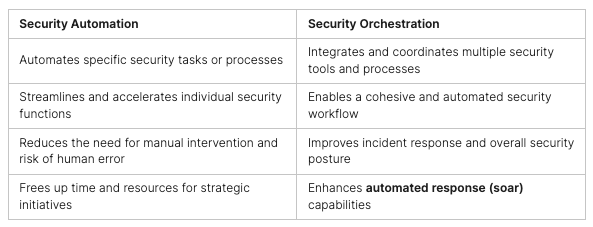
    Automation vs. Orchestration

    The terms “security automation” and “security orchestration” often mix. Yet, understanding their differences is key. Both are vital for security but for different reasons, offering unique advantages.

    Understanding Automation

    Security automation uses tech to do security jobs without human help. This includes spotting and dealing with security issues, managing risks, and making sure rules are followed. It makes these tasks faster, cutting down on mistakes people might make. This lets security teams work better. They can use their time and effort on more important goals.

    Understanding Orchestration

    Security orchestration connects and manages many security tools and tasks. It makes them work together. This isn’t just about automating tasks. It’s about having everything work in sync. This way, when a security issue is found, everything jumps into action together.

    To sum up, security automation is about automating tasks. Meanwhile, security orchestration brings all security tools and tasks together into one big, efficient system. Businesses need both to boost their security to the highest level.

    Security Automation Security Orchestration Automates specific security tasks or processes Integrates and coordinates multiple security tools and processes Streamlines and accelerates individual security functions Enables a cohesive and automated security workflow Reduces the need for manual intervention and risk of human error Improves incident response and overall security posture Frees up time and resources for strategic initiatives Enhances automated response (soar) capabilities

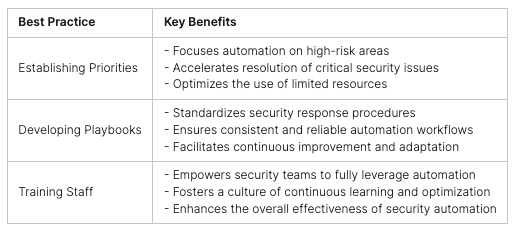
    Best Practices for Security Automation

    To get the most out of security automation, focus on managing automated vulnerability and autonomous cyber defense. It’s key to follow these best practices:

    Establishing Priorities

    First, pinpoint your organization’s biggest security threats and weaknesses. Automate tackling these critical areas to quickly and effectively fix major issues.

    Developing Playbooks

    Create detailed playbooks for security automation. These should explain what to do step by step for different security problems. Make sure to review and update them as threats change.

    Training Staff

    Give your security team comprehensive training on using automation tools well. This lets them get better at their job by adjusting and improving automation workflows.

    Following these guideposts helps companies make the best of security automation and defense. This strengthens their security and readiness against cyber threats.

    Cybersecurity Automation and AI

    Security teams use automation to improve their defense against cyber threats. But, attackers use the same tools to launch more attacks and find weaknesses. Today’s cyberattacks are quick and use many methods, making it hard for defenders. Ai-driven security operations and autonomous cyber defense are key. They help organizations fight against a growing number of threats.

    Fighting AI with AI

    Cybercriminals are turning to AI to automate their malicious efforts. They use these tools from the start of an attack to the very end. To overcome these challenges, security teams must also use AI and ML. Ai-driven security operations process huge amounts of security data in no time. They can spot unusual activities and react to threats quickly.

    Advantages of Automated Security Systems

    Autonomous cyber defense uses AI and automation to watch for threats 24/7 without needing human action. These systems can handle many security tasks on their own. They can investigate issues, sort alerts, and start fixing problems. This lets security experts work on bigger strategies. By automating tasks and cutting down on errors, autonomous cyber defense makes an organization safer and more resilient.

    Conclusion

    In today’s digital landscape, the security of our information is paramount. As cyber threats become more sophisticated, organizations must evolve their protective measures. The integration of security automation and orchestration is essential for responding to threats swiftly and effectively.

    Peris.ai Brahma Fusion offers an advanced solution for security orchestration and automated response. This AI-driven security orchestrator enhances threat management and response across an organization’s IT infrastructure, ensuring a robust defense against cyber threats.

    Key Features of Brahma Fusion:

    • Threat Detection and Analysis: Utilizes advanced AI and machine learning to analyze real-time data, detect threats, and execute predefined playbooks for consistent and efficient incident response.
    • Integration and Interoperability: Seamlessly integrates with diverse security tools via APIs, consolidating operations, and working in harmony with SIEM systems to aggregate and analyze security alerts and logs.
    • Automated Response: Automatically triggers predefined actions in response to detected threats, such as isolating affected systems, blocking malicious IP addresses, and initiating incident response protocols.
    • API Discovery and Asset Monitoring: Provides unparalleled visibility by automatically identifying and cataloging APIs and assets, enabling effective management, vulnerability detection, and robust security.

    Embracing security orchestration and automated response technology like Brahma Fusion allows businesses to manage cyber threats more efficiently. This technology not only facilitates quicker reactions to attacks but also ensures smarter, integrated security operations. With AI-driven capabilities, Brahma Fusion supports autonomous cyber defense and streamlined threat remediation.

    As cybersecurity challenges grow increasingly complex, organizations that prioritize security workflow automation and automated vulnerability management will be better equipped to protect their data and maintain up-to-date security systems. This proactive approach ensures readiness for new challenges and strengthens security efforts over time.

    For more information on how Brahma Fusion can transform your cybersecurity strategy and enhance your threat response capabilities, visit Peris.ai Cybersecurity. Secure your digital future with Peris.ai Brahma Fusion and stay ahead of evolving cyber threats.

    FAQ

    What is security automation?

    Security automation means using programs to find, check, and fix cyber threats on their own. They work without needing humans to do the tasks.

    What are the key capabilities of security automation?

    It offers one system to manage security tasks throughout a company. This includes using the same steps for all issues, working with security tools, and finding and fixing threats automatically.

    Why is there a need for cybersecurity automation?

    The number of cyberattacks is growing fast. They occur every 39 seconds, and nearly half of all companies have faced a breach. Each breach costs about $4.35 million.

    What are the key benefits of security automation?

    Organizations see a lot of advantages with security automation. They can catch and handle threats quicker, lower the risk of mistakes, and work more efficiently.

    What is the difference between security automation and security orchestration?

    Though people often use them together, there’s a difference. Automation refers to making security tasks happen by themselves. Orchestration means making different tools work together smoothly.

    What are the best practices for implementing security automation?

    To benefit the most from security automation, organizations need to do a few things. They should set clear goals, make playbooks, and teach their teams how to use the automated systems.

    How are cybersecurity automation and AI related?

    Now, cybersecurity automation is starting to use AI for more effective defense. This lets organizations combat AI-powered attacks with their smart defense systems.

  • Unlock Benefits Security as a Service (SecaaS) for Organizations in the Digital Era

    Unlock Benefits Security as a Service (SecaaS) for Organizations in the Digital Era

    The digital era has ushered in a new wave of opportunities and challenges for organizations worldwide. As businesses embrace technology and digitize their operations, the need for robust cybersecurity measures has become more critical than ever. Protecting sensitive data, defending against cyber threats, and ensuring compliance with regulations are paramount for organizations operating in the digital landscape.

    One innovative solution that has gained traction in recent years is Security as a Service (SecaaS). This cloud-based security model provides organizations with a host of benefits, including enhanced threat detection, scalable security management, and increased flexibility in adapting to evolving cyber threats.

    Unlocking Cybersecurity Excellence: A Deep Dive into SecaaS Strategies for the Digital Age

    In this article, we will explore the importance of SecaaS in the digital era and the ways it can empower organizations to strengthen their cybersecurity posture. We will delve into key strategies for cyber attack detection, ensuring compliance and data protection, and emerging trends in cloud security. Additionally, we will share best practices for cloud security, strengthening network security, securing endpoints, and building resilience through disaster preparedness.

    Key Takeaways:

    • SecaaS offers organizations enhanced threat detection and scalable security management.
    • Implementing advanced threat detection systems and AI technologies can bolster attack detection in cloud computing.
    • Regular security audits, compliance checks, and encryption protocols are crucial for data protection in the cloud.
    • Emerging trends in cloud security include Security as a Service (SecaaS) and Cloud Access Security Brokers (CASBs).
    • Best practices for cloud security involve continuous monitoring, employee training, and regular patch management.

    Understanding the Evolving Landscape of Cloud Security

    In the digital era, cloud computing has revolutionized the way organizations store and access their data. However, this shift to the cloud has also brought about new security challenges. With cyber attacks becoming increasingly sophisticated, businesses must understand the evolving landscape of cloud security to protect their sensitive information.

    Cloud computing introduces unique vulnerabilities that can be exploited by malicious actors. Data breaches, malware infections, Distributed Denial of Service (DDoS) attacks, and insider threats are just a few examples of the risks that organizations face in the cloud. These threats can lead to significant financial losses, reputational damage, and regulatory non-compliance.

    To mitigate these risks, businesses need to establish robust security measures. This includes implementing advanced threat detection systems, such as Intrusion Detection Systems (IDS) and Intrusion Prevention Systems (IPS), which monitor network traffic and user activities for malicious patterns. Leveraging artificial intelligence (AI) and machine learning technologies can also enhance detection capabilities by analyzing large volumes of data and identifying subtle anomalies.

    “Cloud computing introduces unique vulnerabilities that can be exploited by malicious actors.”

    Additionally, organizations should adopt a Zero Trust model, which involves strict identity verification for every person and device accessing cloud resources. This approach ensures that only authorized individuals can access sensitive data and systems, reducing the risk of insider threats. Regular security audits, compliance checks, and the implementation of encryption and strong authentication protocols further enhance the overall security posture in the cloud environment.

    By understanding the evolving landscape of cloud security and implementing appropriate measures, organizations can safeguard their data and systems from cyber attacks. It is crucial to stay up-to-date with the latest security trends and continuously assess and improve the security posture to effectively counter the ever-evolving threats in the digital era.

    Key Strategies for Cyber Attack Detection in Cloud Computing

    AI & Machine Learning: The Silent Guardians of Cloud Security. Uncover the Power of Adaptive Cyber Attack Detection!

    Ensuring robust cyber attack detection in cloud computing requires the implementation of advanced threat detection systems, such as Intrusion Detection Systems (IDS) and Intrusion Prevention Systems (IPS). These systems play a crucial role in monitoring network traffic and user activities, allowing organizations to identify malicious patterns and anomalies that may indicate a cyber attack. IDS and IPS use sophisticated algorithms and rules to analyze data in real-time, providing an additional layer of defense against various threats.

    Artificial intelligence (AI) and machine learning technologies also contribute to effective cyber attack detection in cloud computing. By analyzing vast amounts of data, AI-powered systems can identify subtle anomalies that may go unnoticed by traditional security measures. Machine learning algorithms continuously adapt to new threats, enabling organizations to stay ahead of cybercriminals and protect their cloud infrastructure.

    The Zero Trust model is another key strategy for cyber attack detection in cloud computing. This model emphasizes strict identity verification for every person and device accessing cloud resources. By implementing a Zero Trust approach, organizations can mitigate the risk of unauthorized access and minimize the impact of potential cyber attacks. This model enforces granular access controls, ensuring that only authorized users and devices can access sensitive data and resources in the cloud.

    Ensuring Compliance and Data Protection in Cloud Security

    Compliance with regulatory requirements and the protection of data are crucial aspects of cloud security. Organizations must conduct regular security audits and compliance checks to ensure the adherence of their cloud infrastructure to industry best practices and regulations such as the General Data Protection Regulation (GDPR), Health Insurance Portability and Accountability Act (HIPAA), and Payment Card Industry Data Security Standard (PCI-DSS).

    Security audits involve assessing the effectiveness of security controls, identifying vulnerabilities, and implementing necessary improvements. Compliance checks ensure that organizations meet the specific requirements and standards set by relevant regulatory bodies. By conducting regular audits and checks, organizations can identify potential weaknesses in their cloud security posture and take appropriate remedial actions to mitigate risks.

    Data protection is another critical aspect of cloud security. Encryption of data at rest and in transit adds an extra layer of security, making it difficult for unauthorized individuals to access sensitive information. Strong authentication protocols, such as multi-factor authentication, ensure that only authorized users can access data and resources in the cloud.

    Overall, ensuring compliance and data protection is essential for organizations that operate in cloud environments. By conducting security audits, implementing necessary compliance measures, and using encryption and strong authentication protocols, organizations can enhance their cloud security posture and safeguard their valuable data.

    Emerging Trends in Cloud Security

    The ever-evolving landscape of cloud security has given rise to several emerging trends that organizations must be aware of to stay ahead of cyber threats. Two prominent trends in cloud security are Security as a Service (SECaaS) and Cloud Access Security Brokers (CASBs).

    Swift and Smart: Navigating the Cyber Threat Landscape with Automated Incident Response in Cloud Security. Stay Ahead, Stay Secure!

    SECaaS is a cloud-based security solution that offers scalable and flexible security management. It provides organizations with the ability to detect and respond to threats such as malware and intrusion attempts. By leveraging the power of the cloud, SECaaS enables organizations to benefit from advanced security capabilities without the need for extensive infrastructure or resources.

    CASBs, on the other hand, act as intermediaries between cloud service consumers and providers. They enforce security policies, ensuring compliance, data security, and threat protection. CASBs offer organizations greater visibility and control over their cloud applications and data, helping to mitigate risks and enhance overall security.

    Another emerging trend in cloud security is automated security incident response. With the increasing volume and complexity of cyber threats, organizations need to respond quickly and effectively to security incidents. Automated incident response tools can help detect and respond to security incidents promptly, reducing the impact of potential breaches and minimizing downtime.

    Best Practices for Cloud Security

    Ensuring robust cloud security is crucial in today’s digital landscape. Implementing best practices can help organizations mitigate the risk of cyber threats and protect their sensitive data. The following are key best practices for cloud security:

    Continuous Monitoring

    Continuous monitoring is essential to detect and respond to suspicious activities promptly. By monitoring network traffic, user behavior, and system logs, organizations can identify potential security breaches and take immediate action. Implementing robust monitoring tools and establishing a proactive security monitoring strategy can significantly enhance cloud security.

    Employee Training

    Human error is one of the leading causes of security breaches. Providing comprehensive training and awareness programs to employees is essential to ensure they understand the importance of following security protocols and best practices. Training should cover topics such as recognizing phishing attempts, creating strong passwords, and maintaining data privacy. Regularly updating employees on emerging cyber threats and conducting simulated phishing exercises can further strengthen their security awareness.

    Data Backup and Recovery

    Data backup and recovery plans are critical for ensuring data resilience and quick recovery in the event of a security incident or system failure. Regularly backing up data, storing backups securely, and regularly testing the restoration process are integral components of a robust data backup and recovery strategy. Organizations should also consider implementing redundant systems and off-site backups to further safeguard critical data.

    Regular Patch Management

    Regularly applying security patches and updates is crucial for protecting cloud infrastructure and systems from known vulnerabilities. Organizations should have a structured patch management process in place to identify and deploy patches promptly. Automated patch management tools can streamline the process and help ensure that systems are up-to-date with the latest security fixes.

    Best Practices for Cloud Security

    • Continuous Monitoring
    • Employee Training
    • Data Backup and Recovery
    • Regular Patch Management
    Safeguarding Your Cloud Infrastructure Through Timely Security Patches and Automated Management. Strengthening Defense, One Update at a Time!

    Strengthening Network Security in the Cloud

    Securing network connections and protecting sensitive data is crucial for maintaining a secure cloud environment. By implementing the right measures such as firewalls, securing Wi-Fi networks, regular software updates, and Virtual Private Networks (VPNs), organizations can enhance their network security and minimize the risk of unauthorized access or data breaches.

    Firewalls

    Firewalls act as the first line of defense in network security. They monitor and control incoming and outgoing network traffic, allowing only authorized communication and blocking potential threats. Implementing firewalls at entry and exit points can help prevent unauthorized access and protect sensitive information.

    Securing Wi-Fi Networks

    Wi-Fi networks are often targeted by hackers due to their vulnerabilities. To ensure secure Wi-Fi connections, organizations should use strong passwords, encrypt network traffic, and regularly update Wi-Fi security protocols. By implementing these measures, organizations can prevent unauthorized access to their network and protect sensitive data from being intercepted.

    Regular Software Updates

    Regular software updates are essential for maintaining a secure cloud environment. Software vendors regularly release updates to patch security vulnerabilities and address emerging threats. By keeping software and systems up-to-date, organizations can protect against known vulnerabilities and reduce the risk of successful cyber attacks.

    Virtual Private Network (VPN)

    A Virtual Private Network (VPN) provides a secure and encrypted connection between devices and the Internet. By routing network traffic through a VPN, organizations can protect data transmission from eavesdropping and unauthorized access. VPNs are especially important when accessing cloud resources from unsecured networks or remote locations, ensuring a secure connection and protecting sensitive information.

    To summarize, implementing firewalls, securing Wi-Fi networks, regularly updating software, and using Virtual Private Networks (VPNs) are essential measures for strengthening network security in the cloud. By adopting these practices, organizations can create a secure environment and minimize the risk of unauthorized access, data breaches, and other security threats.

    Securing Endpoints: Devices and Access Points

    Endpoint Security 101: A Multi-Layered Approach for Fortifying Your Digital Frontiers.

    Securing endpoints such as smartphones, laptops, and other devices is crucial to protecting sensitive data and preventing unauthorized access. By implementing a combination of strong passwords, two-factor authentication, regular software updates, limiting access, data encryption, and backups, organizations can significantly enhance the security of their endpoints.

    Strong passwords: One of the first lines of defense against unauthorized access is using strong, unique passwords for each device and online account. It’s essential to choose complex passwords, containing a combination of uppercase and lowercase letters, numbers, and special characters. Regularly updating passwords and avoiding common phrases or personal information can further strengthen security.

    Two-factor authentication: Adding an extra layer of security, two-factor authentication requires users to provide an additional piece of information, such as a unique code sent to their registered mobile device, in addition to their password. This helps verify the user’s identity and prevents unauthorized access even if the password is compromised.

    Regular software updates: Keeping all devices and software up-to-date with the latest security patches is crucial for addressing any known vulnerabilities. Software updates often include security enhancements and bug fixes that protect against new threats and potential exploits.

    Limiting access: Controlling access to sensitive data and systems is essential for preventing unauthorized individuals from compromising endpoints. Implementing user access controls, such as role-based permissions and least privilege principles, ensures that only authorized individuals can access specific resources.

    Data encryption: Encrypting data stored on endpoints adds a layer of protection. Encryption converts data into a format that is unreadable without the encryption key, making it difficult for unauthorized individuals to access sensitive information in case of a security breach or device theft.

    Backups: Regularly backing up data stored on endpoints is crucial for ensuring quick recovery in case of data loss or device damage. Having reliable backup systems in place allows organizations to restore critical data and minimize downtime in the event of an incident.

    By implementing these measures, organizations can significantly mitigate the risks associated with endpoint security and protect their valuable data from unauthorized access and potential threats.

    Building Resilience: Strengthening Cyber Defenses through Disaster Preparedness

    Disaster preparedness training plays a crucial role in strengthening an organization’s cyber defenses against evolving cyber threats. By identifying vulnerabilities, enhancing incident response capabilities, and developing effective cyber defense strategies, organizations can build resilience in the face of potential attacks. Regular drills and ongoing cybersecurity education are essential for maintaining strong cyber defenses in the ever-changing digital landscape.

    Benefits of Disaster Preparedness Training

    Disaster preparedness training equips organizations with the necessary skills and knowledge to identify and mitigate vulnerabilities that can be exploited by cybercriminals. By conducting vulnerability assessments, organizations can proactively identify weak points in their systems and processes and take appropriate measures to address them. This proactive approach significantly reduces the risk of successful cyber attacks.

    Moreover, disaster preparedness training helps organizations strengthen their incident response capabilities. By simulating cyberattack scenarios, organizations can test their incident response plans and identify areas for improvement. This enables them to respond effectively and efficiently in case of a real cyber attack, minimizing the potential damage and downtime.

    Cyber Defense Strategies and Incident Response

    Effective cyber defense strategies are a critical component of disaster preparedness. Organizations should adopt a multi-layered defense approach that includes implementing robust cybersecurity measures, such as firewalls, intrusion detection systems, and strong encryption protocols. Regular security audits and compliance checks should be conducted to ensure that security measures are up to date and aligned with industry best practices.

    Implementing a strong incident response plan is also vital for effective cyber defense. Organizations should establish clear incident response protocols, including predefined roles and responsibilities, communication channels, and escalation procedures. Regular training and simulations should be conducted to test the effectiveness of the incident response plan and identify areas for improvement.

    Conclusion

    In an era where cyber threats are on the rise, the implementation of robust cybersecurity measures is imperative for organizations navigating the digital landscape. Prioritizing cybersecurity not only fortifies defenses but also shields against potential attacks.

    An integral aspect of bolstering cyber defenses is disaster preparedness training. This proactive approach enables organizations to pinpoint vulnerabilities, enhance incident response capabilities, and formulate effective strategies for mitigating cyber threats.

    To sustain resilient defenses, regular educational sessions and training, coupled with cybersecurity drills, are indispensable. Keeping abreast of the latest cyber threats and consistently refining incident response capabilities empowers organizations to proactively thwart potential risks.

    As technology advances, organizations must evolve their cybersecurity measures to tackle emerging challenges. By investing in disaster preparedness and incident response, organizations can not only minimize the impact of cyber threats but also contribute to creating a safer digital environment.

    For a comprehensive solution tailored to your organization’s cybersecurity needs, we invite you to explore Peris.ai Cybersecurity. Peris.ai is a cybersecurity platform catering to both Web 2 and Web 3 projects. Our mission is to connect organizations with independent IT security researchers worldwide, all under one platform, united by the singular goal of providing a safer digital environment. Visit our website to discover how Peris.ai can enhance your cybersecurity posture.

    FAQ

    What are some key strategies for effective attack detection in cloud computing?

    Implementing advanced threat detection systems, leveraging AI and machine learning, adopting a zero trust security model, conducting regular security audits and compliance checks, and implementing encryption and strong authentication protocols are key strategies for effective attack detection in cloud computing.

    What are some emerging trends in cloud security?

    Some emerging trends in cloud security include Security as a Service (SECaaS), Cloud Access Security Brokers (CASBs), and automated security incident response.

    How can organizations ensure compliance and data protection in cloud security?

    Organizations can ensure compliance and data protection in cloud security by conducting regular security audits and compliance checks, adhering to regulations such as GDPR, HIPAA, and PCI-DSS, implementing encryption and strong authentication protocols, and adopting best practices for data protection.

    What are some best practices for cloud security?

    Best practices for cloud security include continuous monitoring and logging of activities, employee training and awareness programs, data backup and recovery plans, and regular patch management.

    How can network security be enhanced in the cloud?

    Network security in the cloud can be enhanced by implementing firewalls at entry and exit points, securing Wi-Fi networks with strong passwords and encryption, regularly updating software and systems, and using VPNs to establish secure connections.

    How can endpoints such as smartphones and laptops be secured in cloud environments?

    Endpoints such as smartphones and laptops can be secured in cloud environments by using strong passwords, enabling two-factor authentication, regularly updating software, limiting access to sensitive data and systems, encrypting data, and performing regular backups.

    How can organizations strengthen their cyber defenses through disaster preparedness?

    Organizations can strengthen their cyber defenses through disaster preparedness by identifying vulnerabilities, enhancing incident response capabilities, and developing and implementing effective cyber defense strategies.

    What is the importance of ongoing education and training in maintaining strong cyber defenses?

    Ongoing education and training, along with regular cybersecurity drills, are essential for maintaining strong cyber defenses in the ever-changing digital landscape.

  • Understanding the Voldemort Malware Campaign: A New Cybersecurity Threat Using Google Sheets

    Understanding the Voldemort Malware Campaign: A New Cybersecurity Threat Using Google Sheets

    A recently uncovered malware campaign, referred to as “Voldemort,” is targeting organizations globally, employing Google Sheets as a Command and Control (C2) server to orchestrate attacks and manage data theft. This briefing provides an overview of the Voldemort malware’s operations and offers guidance on safeguarding your organization against this sophisticated cyber threat.

    Overview of the Voldemort Malware Campaign

    Campaign Genesis and Scope

    • Initiation Date: Launched on August 5, 2024, Voldemort has since disseminated over 20,000 phishing emails.
    • Targeted Sectors: Key targets include the insurance, aerospace, transportation, and education sectors, indicating the malware’s broad reach and potential impact.
    • Objective: Presumed to be primarily for cyber espionage, the exact identity and motives of the perpetrators remain unclear.

    Phishing Attack Strategies

    • Impersonation Technique: Attackers send phishing emails that impersonate tax authorities to lure recipients into clicking malicious links.
    • Redirection Method: These links redirect victims through multiple URLs, eventually triggering a malicious Python script that activates the malware.

    Malware Functionality and Tactics

    Capabilities of Voldemort

    • Backdoor Access: As a C-based malware, Voldemort can exfiltrate sensitive data, deploy additional malware, execute remote commands, and more.
    • Utilization of Google Sheets for C2 Operations: Uniquely, it uses Google Sheets to store stolen data and facilitate command execution on compromised machines.

    Supported Commands by Voldemort

    • Ping: Confirms connectivity between the malware and its C2.
    • Dir: Lists directories on compromised systems.
    • Download/Upload: Manages file transfers between infected devices and the C2.
    • Exec: Executes specific commands or software.
    • Sleep: Temporarily halts malware activity.
    • Exit: Completely shuts down the malware’s operations.

    Exploiting Google Sheets

    • Command and Control Dynamics: The malware manipulates Google Sheets to both issue commands and conceal stolen data within normal traffic, minimizing detection risks.
    • API Interaction: Voldemort interfaces with Google Sheets using Google’s API, ensuring sustained communication via embedded credentials.

    Protective Measures Against the Voldemort Malware

    Restricting Access

    • File-Sharing Controls: Limit access to external file-sharing services, allowing connections only to verified servers.

    Monitoring for Malicious Activities

    • PowerShell Monitoring: Vigilantly monitor PowerShell executions within your network for anomalies.
    • Google Sheets Surveillance: Scrutinize network interactions with Google Sheets to identify and mitigate misuse.

    Enhancing Employee Cybersecurity Awareness

    • Phishing Defense Training: Educate your workforce on the dangers of phishing and the importance of verifying the legitimacy of emails, especially those purporting to be from tax authorities.
    • Regular Cybersecurity Training: Conduct consistent training sessions to equip employees with the skills needed to recognize and respond to phishing and other cyber threats.

    ️ Conclusion: Proactive Defense Against Sophisticated Cyber Threats

    The Voldemort malware exemplifies the evolving complexity of cyber threats, especially those that exploit commonly used business tools to conduct illicit activities. By implementing stringent cybersecurity protocols and ensuring that your team is aware of the latest phishing tactics, your organization can defend against these advanced threats.

    For ongoing updates and professional guidance on cybersecurity, visit our website at peris.ai.

    Stay vigilant and secure,

    Your Peris.ai Cybersecurity Team #YouBuild #WeGuard

  • Understanding the Risks: What Can Hackers Do With Your Email Address?

    Understanding the Risks: What Can Hackers Do With Your Email Address?

    Email communication is integral to our digital lives, both personally and professionally. However, the same tool that connects us globally also makes us targets for cybercriminals. With cybercrime costs projected to hit $10.5 trillion annually by 2025, understanding the risks associated with email is more crucial than ever.

    How Cybercriminals Exploit Email Addresses

    Email addresses can be compromised through various means, including phishing scams, data breaches, or by purchasing them from the dark web. Once they have your email, hackers can:

    • Launch Phishing Attacks: Cybercriminals send deceptive emails mimicking legitimate sources like banks or familiar retail stores. Their goal is to trick you into providing sensitive information such as passwords or credit card numbers.
    • Email Spoofing: Hackers may send emails that appear to come from your email address to deceive your contacts or spread malware.
    • Access and Hack Other Accounts: Many users have the same password across multiple platforms. With access to your email, hackers can attempt to log into other accounts or reset passwords.
    • Impersonation: If hackers gain control over your email, they can impersonate you to commit fraud, spread malware, or tarnish your reputation.

    Detecting and Responding to Email Compromise

    Knowing your email has been hacked is the first step in mitigating potential damage. Signs of a hacked email may include:

    • Inability to log in.
    • Unexpected emails in your sent folder.
    • Altered account settings or unexpected password reset emails.
    • Strange messages appearing on linked social media accounts.

    If you suspect your email has been compromised:

    • Change Your Password: Immediately update your password to a strong, unique passphrase.
    • Review Account Activity: Look for any unauthorized changes or linked applications and remove them.
    • Notify Your Contacts: Alert your contacts about the breach to prevent them from falling for scams sent from your account.
    • Enhance Security Measures: Consider enabling multi-factor authentication and updating your security software.

    Protecting Your Email from Future Attacks

    To safeguard your email address from scammers:

    • Use Strong, Unique Passwords: Combine uppercase, lowercase, numbers, and symbols.
    • Enable Multi-Factor Authentication: Adds an extra layer of security, making it harder for hackers to gain unauthorized access.
    • Regularly Update Security Software: Keep your devices secure with the latest antivirus software and security patches.
    • Monitor the Dark Web: Services that monitor the dark web can alert you if your personal information is found, allowing you to take proactive steps.

    Conclusion

    Emails play a vital role in our digital communications, but they also open doors for cybercriminals. By understanding the risks, recognizing the signs of a breach, and taking proactive security measures, you can protect your email and reduce the likelihood of significant damage.

    For more insights into email security and to stay updated on the latest in protecting against cyber threats, visit Peris.ai Cybersecurity. Protect your digital identity and ensure your private information remains secure with our expert guidance and solutions.

  • Understanding the New Password Cracking Algorithm: Is Your Password Safe?

    Understanding the New Password Cracking Algorithm: Is Your Password Safe?

    The New Frontier in Password Security

    Recent findings from a Kaspersky study have highlighted a concerning trend in password security. An astonishing 59% of 193 million analyzed passwords were cracked in under 60 minutes, with 45% succumbing in less than 60 seconds. This alarming vulnerability is due to the emergence of a sophisticated brute-force guessing algorithm.

    How Passwords Are Being Cracked at Record Speeds

    Brute-Force Method:

    Traditionally, brute-force attacks attempt to decode passwords by systematically checking all possible combinations until a match is found. While effective, this method is time-consuming and computationally expensive.

    Smart-Guessing Algorithm:

    This advanced method enhances the brute-force approach by integrating a smart-guessing component. It utilizes a trained algorithm on extensive datasets of common password combinations, including dates, common names, and predictable keyboard patterns. This training allows the algorithm to prioritize guesses based on likelihood, significantly reducing the time required to crack a password.

    Statistical Insights: The Impact of Smart-Guessing

    • Under One Minute: With the addition of smart-guessing, 45% of passwords are cracked in under a minute, compared to just 10% by brute-force alone.
    • Under One Hour: The combination of these methods results in 59% of passwords being cracked within an hour.

    These statistics underscore the need for stronger, more sophisticated password strategies to counteract the capabilities of these advanced algorithms.

    Strengthening Your Defenses Against Password Attacks

    Develop Robust Password Habits:

    • Use a Password Manager: Generate and store complex, truly random passwords for each account.
    • Unique Passwords: Avoid reusing passwords across different platforms to minimize the risk of multiple account compromises.
    • Mnemonic Passphrases: Opt for long, memorable phrases that mix unpredictable words and character combinations.
    • Avoid Browser Storage: Instead of saving passwords in browsers, use a secure password manager protected by a robust master password.
    • Enable Two-Factor Authentication (2FA): This adds an essential layer of security, making it harder for attackers to gain unauthorized access even if they crack a password.

    Final Thoughts: Prioritizing Cybersecurity in an AI-Driven World

    The advent of AI-driven smart-guessing algorithms for password cracking represents a significant evolution in cyber threats, making traditional password security measures insufficient. By adopting advanced password management strategies and utilizing multi-factor authentication, individuals and businesses can better protect their sensitive data from these increasingly sophisticated cyber attacks.

    Stay Updated with Peris.ai Cybersecurity

    For further insights into protecting your digital assets and staying one step ahead of cyber threats, visit our website at peris.ai.

    Stay vigilant, stay secure.

    Your Peris.ai Cybersecurity Team #YouBuild #WeGuard

  • Understanding The Dunning-Kruger Effect For Cybersecurity

    Understanding The Dunning-Kruger Effect For Cybersecurity

    The Dunning-Kruger Effect is a cognitive bias that has significant implications for cybersecurity. It refers to the tendency for individuals with limited knowledge or skills in a subject to overestimate their abilities. In the context of cybersecurity, this can lead to dangerous misconceptions and a false sense of security.

    As cyber threats continue to evolve, it is crucial to recognize the impact of cognitive bias on our understanding of cybersecurity. By understanding the Dunning-Kruger Effect and its implications, we can take proactive steps to bridge the knowledge gap and improve our overall security posture.

    Uncover the risks of overestimation in a rapidly evolving cyber landscape

    Key Takeaways:

    • The Dunning-Kruger Effect is a cognitive bias that affects individuals’ self-assessment of their competence in cybersecurity.
    • It can lead to cybersecurity misconceptions and a false sense of security.
    • Overconfidence in one’s abilities can leave organizations vulnerable to cyber threats.
    • Bridging the knowledge gap and seeking expert guidance are crucial in combating the Dunning-Kruger Effect.
    • A culture of continuous improvement and education can enhance cybersecurity skills and risk awareness.

    The Impact of Cognitive Bias in Cybersecurity

    The field of cybersecurity is not immune to the influence of cognitive biases. One common cognitive bias that affects individuals in the cybersecurity realm is the Dunning-Kruger Effect. This bias can lead to overconfidence in one’s cybersecurity abilities and a false sense of security. Instead of recognizing their limitations, individuals may rely on self-assessment and underestimate the complexity of cyber threats.

    Overconfidence in cybersecurity can be detrimental as it can lead to a lack of awareness and preparedness. It may prevent individuals from seeking expert guidance or staying informed about the evolving threat landscape. This can create a significant cybersecurity knowledge gap, leaving organizations vulnerable to attacks.

    To mitigate the impact of cognitive bias in cybersecurity, it is crucial to promote a culture of continuous learning and improvement. By acknowledging the existence of biases and the limitations of one’s knowledge, individuals can actively seek opportunities to enhance their cybersecurity skills. This may involve attending training programs, obtaining certifications, and engaging with cybersecurity communities to stay updated on best practices and emerging threats.

    By addressing cognitive biases and fostering a learning mindset, individuals and organizations can improve their cybersecurity posture and reduce the risks associated with overconfidence and self-assessment. It is essential to recognize that cybersecurity is a complex and ever-changing field, requiring continuous education and a humble approach to ensure effective protection against cyber threats.

    Recognizing the Illusion of Cybersecurity Competence

    The Dunning-Kruger Effect sheds light on the illusion of cybersecurity competence that individuals may experience. This phenomenon occurs when individuals with limited knowledge or skills in cybersecurity mistakenly believe that they possess a high level of competence. The consequences of this illusion can be significant, as it leads to a false sense of security and a failure to recognize the gaps in one’s cybersecurity knowledge.

    To bridge the cybersecurity knowledge gap, it is crucial to address this illusion and take proactive measures to enhance our understanding of cybersecurity. Education and training play a vital role in dispelling misconceptions and developing a more accurate assessment of one’s abilities. By seeking out reputable cybersecurity courses and certifications, individuals can gain the foundational knowledge needed to recognize their limitations and evaluate their true competence.

    Furthermore, self-reflection and humility are essential in combating the cybersecurity competence illusion. It is important to acknowledge that cybersecurity is a complex and rapidly evolving field, and no individual can possess mastery in every aspect. By embracing a growth mindset and being open to feedback and constructive criticism, individuals can continually improve their skills and avoid falling victim to the Dunning-Kruger Effect.

    Bridging the Gap: Understanding the Dunning-Kruger Effect in Cybersecurity

    To illustrate the knowledge gap that the Dunning-Kruger Effect can create, let’s consider a hypothetical scenario. Suppose an individual with limited cybersecurity knowledge believes they are competent in implementing robust security measures. However, without a comprehensive understanding of cyber threats and risk factors, they may overlook critical vulnerabilities in their systems, leaving them susceptible to attacks.

    This table clearly illustrates the disparity between perceived competence and actual competence, highlighting the dangers of the cybersecurity competence illusion. It emphasizes the importance of objective self-assessment and continuous learning to bridge the knowledge gap and improve cybersecurity skills.

    Understanding Cyber Threats and Risks

    When it comes to cybersecurity, understanding the various threats and risks is crucial for protecting sensitive information and maintaining a secure environment. Cyber threats are constantly evolving, and organizations must stay informed and aware to effectively defend against potential attacks. By gaining a comprehensive understanding of these threats, individuals can develop a proactive approach to cybersecurity and minimize the risk of falling victim to malicious activities.

    There are several common cyber threats that individuals should be familiar with. Phishing, for example, involves the use of deceptive emails or messages to trick recipients into providing personal information or clicking on malicious links. Malware refers to any software designed to harm or exploit computer systems, while social engineering tactics manipulate individuals into revealing sensitive information or granting unauthorized access.

    To visually illustrate the different types of cyber threats and their impact, consider the following table:

    By understanding the different types of cyber threats and their potential impact, individuals can better assess their own cybersecurity risk and take appropriate measures to protect themselves and their organizations. It is essential to stay informed about the latest threats and security best practices to maintain a strong defense against cyber attacks.

    Improving Cybersecurity Skills

    Enhancing cybersecurity skills is imperative to counter the effects of the Dunning-Kruger Effect and bolster overall security measures. Here are some key strategies and approaches that can help bridge the cybersecurity knowledge gap and improve individual and organizational cybersecurity competence:

    Continuous Learning and Training Programs

    Participating in dedicated training programs and continuous learning initiatives is essential for keeping up with the ever-evolving cybersecurity landscape. By attending workshops, webinars, and conferences, individuals can gain valuable insights and stay updated on the latest security practices and technologies. Additionally, pursuing industry certifications can demonstrate proficiency and provide a structured framework for skill development.

    Engagement in Cybersecurity Communities

    Active engagement in cybersecurity communities can foster collaboration, knowledge sharing, and access to expert guidance. Joining online forums, participating in discussion groups, and networking with experienced cybersecurity professionals can offer a wealth of insights and support. It also allows individuals to stay informed about emerging threats, best practices, and industry trends.

    Familiarity with Latest Security Tools and Technologies

    Improving cybersecurity skills entails staying abreast of the latest security tools and technologies. This involves familiarizing oneself with emerging solutions, such as advanced threat detection systems, secure coding practices, and encryption protocols. By understanding and leveraging these tools, individuals can enhance their ability to prevent, detect, and mitigate cyber threats.

    Practicing Real-World Scenarios

    To reinforce and apply cybersecurity skills, individuals should engage in practical exercises and simulations that mimic real-world scenarios. This includes conducting vulnerability assessments, penetration testing, and incident response drills. By actively engaging in hands-on exercises, individuals can develop critical thinking, problem-solving, and decision-making abilities, contributing to a more robust cybersecurity skill set.

    By adopting these strategies and actively investing in skill enhancement, individuals and organizations can improve their cybersecurity preparedness, mitigate risks, and develop a more comprehensive understanding of the cybersecurity domain.

    Leveraging Expert Guidance

    Overcoming the Dunning-Kruger Effect in cybersecurity requires recognizing the limitations of one’s knowledge and seeking expert guidance. Cybersecurity experts play a crucial role in providing valuable insights and helping individuals gain a more accurate understanding of their capabilities and potential vulnerabilities. By engaging with these experts through consultations, mentorships, or online communities, individuals can access the expertise and guidance needed to develop effective cybersecurity strategies.

    “Seeking the advice of cybersecurity experts is essential for navigating the complex landscape of threats and risks. Their experience and knowledge can help individuals gain a deeper understanding of the latest trends and best practices, ultimately strengthening their cybersecurity posture.”

    Working with cybersecurity experts allows individuals to tap into a wealth of industry-specific knowledge and experience. These experts can provide tailored advice, recommendations, and strategies based on the unique needs and challenges faced by individuals and organizations. By leveraging their expertise, individuals can bridge the cybersecurity knowledge gap and enhance their overall security defenses.

    Benefits of Seeking Expert Advice in Cybersecurity

    Seeking expert advice in cybersecurity offers several key benefits:

    • Access to up-to-date knowledge and best practices
    • Insights into emerging threats and vulnerabilities
    • Validation of existing security measures
    • Identification of weak points and areas for improvement
    • Guidance in developing effective cybersecurity strategies
    • Potential cost savings by avoiding breaches and incidents

    By leveraging the expertise of cybersecurity professionals, individuals can gain a competitive edge in the ever-evolving cybersecurity landscape. The guidance provided by experts can help individuals make informed decisions, prioritize their security efforts, and stay one step ahead of potential threats.

    Seek guidance from experts to gain a competitive edge in the dynamic cybersecurity landscape

    Fostering a Culture of Continuous Improvement

    To overcome the Dunning-Kruger Effect and cultivate a learning mindset in cybersecurity, it is essential to foster a culture of continuous improvement within organizations and individuals. This involves creating an environment that encourages employees to acknowledge their limitations, embrace feedback and constructive criticism, and actively seek opportunities for growth and development.

    One effective way to foster continuous improvement is through regular training and education programs. By providing employees with access to cybersecurity training resources, organizations can ensure that their workforce stays updated on the latest threats, vulnerabilities, and best practices. This not only enhances the overall cybersecurity knowledge and skills of individuals but also helps to bridge the cybersecurity knowledge gap.

    Another important aspect of fostering continuous improvement is to create a supportive and collaborative work environment. Encouraging employees to share their experiences, insights, and lessons learned can promote knowledge sharing and the exchange of ideas. This can be done through team meetings, workshops, or even online platforms dedicated to cybersecurity discussions.

    By fostering a culture of continuous improvement, organizations can empower their employees to take ownership of their cybersecurity skills and stay proactive in keeping abreast of the evolving threat landscape. This ultimately enhances the organization’s overall security posture and helps mitigate the risks associated with cognitive biases such as the Dunning-Kruger Effect.

    The Role of Education and Awareness

    The role of education and awareness is crucial in addressing the Dunning-Kruger Effect and other cognitive biases in cybersecurity. By providing comprehensive cybersecurity education programs, individuals can gain the knowledge and skills necessary to make informed decisions and protect themselves from cyber threats.

    In addition to education, raising awareness about the Dunning-Kruger Effect is vital. This includes highlighting the risks of overestimating one’s abilities in cybersecurity and emphasizing the importance of seeking expert guidance. By educating individuals about the potential pitfalls of cognitive biases, organizations can foster a culture of self-awareness and accountability.

    One effective way to promote cybersecurity education and awareness is through workshops and training sessions. These sessions can cover a range of topics, such as identifying common cyber threats, understanding the importance of secure password practices, and recognizing social engineering techniques. By equipping individuals with this knowledge, they can better recognize their limitations and take proactive measures to enhance their cybersecurity.

    Cybersecurity EducationBenefits

    Workshops and Training

    • Equips individuals with cybersecurity knowledge and skills
    • Raises awareness about common cyber threats
    • Encourages self-awareness and accountability

    Online Resources and Courses

    • Provides convenient access to cybersecurity materials
    • Allows individuals to learn at their own pace
    • Offers a wide range of topics and expertise

    Professional Certifications

    • Validates individuals’ cybersecurity skills and knowledge
    • Enhances career prospects in the cybersecurity field
    • Demonstrates commitment to ongoing learning and improvement

    In conclusion, education and awareness are essential in combating the Dunning-Kruger Effect and promoting a more informed approach to cybersecurity. By providing comprehensive education programs, raising awareness about cognitive biases, and equipping individuals with the necessary knowledge and skills, organizations can enhance their cybersecurity practices and reduce the risks posed by overconfidence and misinformation.

    Conclusion

    In summary, the Dunning-Kruger Effect emerges as a formidable obstacle in the realm of cybersecurity, fostering overconfidence and misconceptions that jeopardize our collective digital security. Heightened awareness of this cognitive bias is imperative, as it underscores the potential for overlooked risks, rendering individuals and organizations susceptible to cyber threats.

    To navigate the challenges posed by the Dunning-Kruger Effect and fortify cybersecurity defenses, it is paramount to prioritize the cultivation of robust cybersecurity skills. The path forward involves a commitment to continuous learning and enhancement, achieved through participation in comprehensive training programs and the attainment of industry-recognized certifications. These efforts are instrumental in bridging the existing knowledge gap and fostering a more resilient cybersecurity ecosystem.

    Furthermore, seeking expert guidance from seasoned cybersecurity professionals serves as a linchpin in acquiring invaluable insights. Such guidance facilitates a more accurate understanding of one’s capabilities and vulnerabilities, contributing significantly to an elevated level of cybersecurity preparedness. Nurturing a culture of perpetual improvement and fostering a mindset of ongoing learning within organizations are essential elements in advancing cybersecurity practices and mitigating the inherent risks associated with cognitive bias.

    In conclusion, acknowledging the constraints of one’s knowledge, actively engaging in educational initiatives, and staying abreast of evolving cyber threats are pivotal steps toward refining cybersecurity skills and bolstering risk awareness. We invite you to explore further insights and innovative solutions on our website, Peris.ai Cybersecurity, to empower yourself and your organization in the ongoing pursuit of a secure digital landscape. Visit us today to stay ahead in the ever-evolving landscape of cybersecurity.

    FAQ

    What is the Dunning-Kruger Effect in cybersecurity?

    The Dunning-Kruger Effect is a cognitive bias that affects individuals’ self-assessment of their competence in cybersecurity. It refers to the tendency for people with low levels of knowledge or skill in cybersecurity to overestimate their abilities.

    How does cognitive bias impact cybersecurity?

    Cognitive bias in cybersecurity, such as the Dunning-Kruger Effect, can lead to overconfidence, misconceptions, and a lack of awareness of potential risks. This can result in a significant cybersecurity knowledge gap and leave organizations vulnerable to attacks.

    What is the illusion of cybersecurity competence?

    The illusion of cybersecurity competence occurs when individuals with limited knowledge or skills in cybersecurity mistakenly believe that they have a high level of competence. This can lead to a false sense of security and a failure to recognize the gaps in their knowledge.

    How can I understand cyber threats and risks better?

    Understanding cyber threats and risks involves awareness of common attack vectors, such as phishing, malware, and social engineering. Staying informed about the ever-evolving cybersecurity landscape can help individuals better protect themselves and their organizations from cyber attacks.

    How can I bridge the cybersecurity knowledge gap?

    Bridging the cybersecurity knowledge gap requires continuous learning and improvement of cybersecurity skills. This can be achieved through attending training programs, obtaining industry certifications, participating in cybersecurity communities, and staying updated on the latest security practices and technologies.

    How can I leverage expert guidance in cybersecurity?

    Seeking expert guidance from cybersecurity professionals can provide valuable insights and help individuals gain a more accurate understanding of their capabilities and potential vulnerabilities. Engaging with cybersecurity experts through consultations, mentorships, or online communities can offer guidance and support in developing effective cybersecurity strategies.

    How can I foster a culture of continuous improvement in cybersecurity?

    Fostering a culture of continuous improvement in cybersecurity involves encouraging employees to acknowledge their limitations, embrace feedback and constructive criticism, and actively seek opportunities for growth and development. Prioritizing continuous learning and improvement enhances cybersecurity practices and mitigates the risks associated with cognitive bias.

    What is the role of education and awareness in cybersecurity?

    Education and awareness play a critical role in combating misconceptions and cognitive biases in cybersecurity. Providing comprehensive cybersecurity education programs and raising awareness about the Dunning-Kruger Effect and other cognitive biases helps individuals develop a more nuanced understanding of their knowledge and skills, reducing the likelihood of falling victim to cyber threats.

    How can I improve my cybersecurity skills?

    Improving cybersecurity skills requires a commitment to continuous learning and improvement. This can be achieved through various means, such as attending training programs, obtaining industry certifications, participating in cybersecurity communities, and staying updated on the latest security practices and technologies.