Cybersecurity experts at Trend Micro have recently brought to light an ingenious piece of malware, dubbed UNAPIMON, which has been designed to stealthily bypass antivirus solutions. This novel threat is attributed to Winnti, a notorious Chinese state-sponsored group with a history of launching sophisticated cyberattacks on governments, tech companies, think tanks, and more.
A Twist on Traditional Malware Techniques
UNAPIMON stands out from conventional malware through its unique approach to evading detection. Traditional malware often employs API hooking to intercept and manipulate software functions for malicious purposes, a technique also utilized by security tools to monitor and thwart such threats. However, UNAPIMON takes a different path by leveraging Microsoft Detours to unhook critical API functions in child processes, particularly targeting the CreateProcessW API function. This strategic maneuver allows it to slip past antivirus programs undetected.
The Simplicity and Creativity Behind UNAPIMON
What makes UNAPIMON particularly noteworthy is its blend of simplicity and innovation. By utilizing Microsoft Detours, a legitimate debugging library, in a malevolent fashion, the malware showcases the versatility of common tools when wielded with malicious intent. This not only reflects the technical skill and creativity of its creators but also poses a significant challenge to behavioral detection mechanisms due to the tool’s legitimacy.
Winnti’s Track Record of Evasion Tactics
Winnti has long been recognized for its creative methods of avoiding detection. Past exploits include manipulating Windows print processors to conceal malware and persist within target networks, as well as fragmenting a Cobalt Strike beacon into over a hundred pieces to evade detection, only reassembling it when necessary. These incidents, detailed by BleepingComputer, underscore the group’s persistent innovation in crafting tools and methods to circumvent traditional cybersecurity defenses.
Implications and the Path Forward
The emergence of UNAPIMON underscores the ever-evolving landscape of cyber threats and the continuous arms race between cybercriminals and security professionals. It highlights the necessity for cybersecurity defenses to adapt to the increasingly sophisticated and inventive tactics employed by threat actors. As malware writers leverage the potential of common and legitimate tools for malicious purposes, the challenge for cybersecurity solutions to distinguish between benign and malevolent use becomes ever more complex.
Peris.ai Cybersecurity emphasizes the importance of staying informed about the latest malware developments and enhancing detection capabilities to protect against innovative threats like UNAPIMON. The cybersecurity community must remain vigilant and foster a culture of continuous learning and adaptation to counter the sophisticated strategies employed by state-sponsored groups and other cyber adversaries.
Cyber threats are becoming more prevalent and sophisticated, posing a significant risk to organizations of all sizes and industries. In the face of these threats, organizations need to take proactive measures to strengthen their cyber defenses and protect themselves against potential cyber-attacks.
One effective way to improve cyber defenses is by practicing for disasters. Disaster preparedness training can help organizations develop and implement effective cyber defense strategies, identify vulnerabilities, and improve incident response capabilities. In this section, we will explore the importance of practicing for disasters in enhancing cyber defenses and discuss various cyber defense strategies that can be implemented through disaster preparedness training.
Building Resilience: Strengthening Cyber Defenses through Disaster Preparedness
Key Takeaways:
Disaster preparedness training can help organizations strengthen their cyber defenses.
Effective cyber defense strategies can be developed and implemented through disaster preparedness training.
Identifying vulnerabilities through disaster preparedness training can improve overall security posture.
Incident response capabilities can be enhanced through disaster preparedness training.
Regular cybersecurity drills are essential for maintaining strong cyber defenses.
Understanding the Need for Disaster Preparedness Training
Disaster preparedness training is crucial for organizations looking to enhance their cyber defenses. It can help improve overall security posture and reduce risk. Here are some of the key reasons why disaster preparedness training is essential:
Preparation: Disaster preparedness training helps an organization prepare for potential cyber threats. By conducting regular training exercises, organizations can identify vulnerabilities and gaps in their defenses and take measures to address them.
Response: In the event of a cyberattack, disaster preparedness training can help employees respond quickly and effectively. This can minimize the time it takes to contain the attack and reduce the damage caused.
Cost savings:By preventing cyber incidents or minimizing their impact, disaster preparedness training can save organizations significant amounts of money in remediation and recovery costs.
Disaster Preparedness Training Methods
There are several methods that organizations can use to conduct disaster preparedness training:
Training Methods: Options for Effective Disaster Preparedness
These methods can be used to train employees at all levels of an organization, from executives to front-line staff.
Cyber Defense Strategies through Disaster Preparedness Training
Disaster preparedness training can also be used to implement various cyber defense strategies. These might include:
Increased awareness: Training exercises can help employees become more aware of the types of cyber threats they might face, as well as best practices for avoiding them.
Better communication: Training can help facilitate clearer, more effective communication between different departments and levels of an organization, which is essential for responding to cyber incidents.
Improved incident response plans: Disaster preparedness training can help organizations identify weaknesses in their incident response plans and refine them to be more effective.
By incorporating disaster preparedness training into their overall cybersecurity strategy, organizations can significantly reduce their risk of falling victim to a cyberattack and improve their ability to respond to and recover from such incidents.
Strength in Preparedness: Bolstering Cybersecurity Against Cyber Threats
Implementing Disaster Recovery Exercises
Disaster recovery exercises are crucial for improving cyber defenses. Organizations must be prepared for cyber incidents and have a plan in place to mitigate the impact of such incidents. A disaster recovery exercise involves testing the disaster recovery plan and identifying any weaknesses to ensure a quick and effective response to a cyber attack.
To implement disaster recovery exercises, organizations must first define the scope of the exercise and establish a clear goal. The exercise should simulate a real-world scenario as closely as possible, with key stakeholders participating in the exercise. It is also important to establish a timeline for the exercise and define the roles and responsibilities of each participant.
A table can be used to outline the disaster recovery exercise plan, including the scope, goals, timeline, and participants. The table should be visually engaging and clearly organized, with all relevant information included.
Structured Planning: Organizing Your Disaster Recovery Exercise
During the exercise, organizations should assess their ability to detect and respond to a cyber attack, as well as their ability to recover critical data and systems. Any issues or weaknesses identified during the exercise should be addressed promptly to ensure effective cyber defenses.
It is crucial to conduct disaster recovery exercises regularly, as cyber threats are constantly evolving, and organizations must remain agile in their response. These exercises should be incorporated as part of the overall cybersecurity strategy to ensure that cyber defenses are continuously improved.
“Disaster recovery exercises are essential for ensuring that organizations are prepared to respond effectively to a cyber attack. By simulating real-world scenarios, organizations can identify weaknesses in their disaster recovery plan and improve overall response time and effectiveness.”
Enhancing Incident Response through Training
Incident response exercises are critical in improving an organization’s cyber defenses, ensuring that they have the right tools and knowledge to respond quickly to cyber threats. The goal of incident response training is to minimize the impact of an incident and get back to business as usual as smoothly and quickly as possible.
Effective incident response exercises involve training employees on responding to various scenarios, including malware attacks, phishing attempts, and data breaches. The training should cover basic incident response procedures, reporting protocols, and techniques to contain the damage.
The table below provides an overview of the different incident response exercises:
Incident Response Exercises: A Comprehensive Overview
By conducting incident response exercises regularly, organizations can identify gaps and weaknesses in their response plans and improve them accordingly. It also helps in building a culture of vigilance and preparedness among employees, which is crucial in today’s threat landscape.
Overall, incident response exercises are a vital part of any cyber defense strategy. They enable organizations to respond quickly and effectively to cyber threats, minimizing the potential damage and ensuring business continuity.
Exercising for Resilience: Strengthening Cyber Defense with Incident Response
Simulating Cyber Attacks for Better Defense
Simulated cyber attacks have become an essential tool for organizations looking to improve their cyber defenses. By replicating real-world attack scenarios, these simulations can help identify vulnerabilities and weaknesses in existing security measures, enabling organizations to better prepare for potential threats.
Simulations can take many forms, from tabletop exercises that simulate a hypothetical attack to more complex red team-blue team scenarios, where one team assumes the role of a hacker and the other defends against the attack.
Simulation Variety: Exploring Different Forms of Cybersecurity Exercises
Simulations can help organizations better allocate resources for cybersecurity measures by revealing which areas of their existing security infrastructure are most vulnerable to attack. They can also improve incident response capabilities by allowing IT teams to practice responding to attacks in a controlled environment.
However, it’s important to note that simulations are not a silver bullet for improving cyber defense strategies. They should be seen as a complementary tool to other cybersecurity measures, such as disaster preparedness training and incident response exercises.
“Simulated cyber attacks can provide valuable insights into an organization’s security posture, but they should be used in combination with other cybersecurity measures.”
Overall, incorporating simulated cyber attacks into an organization’s cyber defense strategy can help identify weaknesses and improve readiness for potential cyber threats. By regularly conducting simulations, organizations can better prepare for future attacks and minimize damage in the event of a real attack.
Simulated Attacks: Strengthening Cyber Defense and Readiness
Building IT Resilience through Training
One of the most critical aspects of disaster preparedness training is building IT resilience. Organizations must empower their IT teams with the skills and knowledge necessary to respond quickly and effectively to cyber incidents. This requires a comprehensive training program that covers everything from incident response to disaster recovery.
IT resilience training is particularly important because it focuses on building a resilient IT infrastructure that can withstand cyber threats. This involves designing a system that can detect and respond to cyber incidents in real time, minimizing the potential damage to the organization.
There are various IT resilience training programs and certifications available, such as the Certified Information Systems Security Professional (CISSP) and Certified Information Security Manager (CISM). These programs equip IT professionals with the knowledge and skills necessary to design, implement, and maintain a resilient IT infrastructure.
One effective way to incorporate IT resilience training into disaster preparedness training is through simulation exercises. These exercises can replicate real-world cyber incidents, allowing IT teams to practice their incident response procedures and identify any weaknesses in their IT infrastructure.
The Benefits of IT Resilience Training
IT resilience training offers numerous benefits, including:
Reducing downtime: IT resilience training can help organizations minimize downtime in the event of a cyber incident. Resilient IT infrastructure can detect and respond to threats in real-time, allowing organizations to resume normal operations quickly.
Minimizing data loss: A resilient IT infrastructure can help organizations minimize the potential loss of data in the event of a cyber incident. This is achieved through robust backup and recovery procedures.
Enhancing security: IT resilience training can help organizations improve their overall security posture by identifying vulnerabilities and implementing appropriate safeguards.
Implementing IT resilience training as part of disaster preparedness training is essential for organizations that want to enhance their cyber defenses. By building a resilient IT infrastructure, organizations can reduce downtime, minimize data loss, and improve overall security.
“Building Resilience: Enhancing Cyber Defenses with IT Resilience Training
Preventing disasters through proactive measures
One of the most effective ways to enhance cyber defenses is by adopting proactive measures to prevent disasters in the first place. By identifying potential threats and vulnerabilities, organizations can take steps to mitigate risks before they become actualized. Here are some of the most important disaster prevention techniques:
Preventing Cyber Attacks: A Multi-Layered Approach for Optimal Readiness
By implementing these disaster prevention techniques, organizations can significantly reduce the likelihood of cyber-attacks and minimize the potential damage that they can cause. However, it is important to note that no single measure can provide complete protection against all forms of cyber threats. Therefore, a comprehensive cybersecurity strategy that incorporates multiple layers of defense is essential for ensuring optimal cyber readiness.
The role of regular cybersecurity drills
Incorporating regular cybersecurity drills into your organization’s overall cybersecurity strategy is critical for maintaining strong cyber defenses. Cybersecurity drills provide opportunities for your team to practice responding to cyber threats, identify weaknesses in your system, and improve your overall security posture.
Here are some key benefits of regular cybersecurity drills:
Improved incident response times
Better understanding of cyber threats and vulnerabilities
Increased preparedness for potential cyber attacks
Identification and remediation of system weaknesses
Improved collaboration and communication within your team
To maximize the benefits of cybersecurity drills, it’s important to assess and update your training programs regularly. This ensures that your team is equipped with the most up-to-date knowledge and skills to respond effectively to cyber threats.
When designing cybersecurity drills, it’s essential to consider a variety of scenarios, including both internal and external cyber threats. This helps your team prepare for a range of potential scenarios and enhances their ability to respond appropriately. It’s also important to involve all relevant team members in your drills, including IT staff, management, and other key stakeholders.
Regular cybersecurity drills should be an integral part of your overall cybersecurity strategy. By providing opportunities for your team to practice responding to cyber threats and identifying weaknesses in your system, you can strengthen your organization’s cyber defenses and reduce the risk of cyber attacks.
Conclusion
In conclusion, practicing for disasters is a critical component of enhancing cyber defenses. By implementing various cyber defense strategies such as disaster preparedness training, disaster recovery exercises, incident response exercises, simulated cyber attacks, IT resilience training, disaster prevention techniques, and regular cybersecurity drills, organizations can significantly improve their security posture.
To take proactive steps in bolstering your organization’s cybersecurity, we encourage you to visit our website at Peris.ai Cybersecurity. There, you’ll find valuable solutions and resources to help you implement these strategies in a comprehensive and coordinated manner, enabling you to stay ahead of cyber criminals and minimize the impact of potential cyber incidents.
Overall, improving cyber defenses takes effort and dedication, but the benefits of doing so far outweigh the costs. By prioritizing cyber defense strategies and regularly practicing for disasters, organizations can safeguard their assets and reputation in an increasingly digital world. Don’t wait; act now by exploring our solutions at Peris.ai Cybersecurity.
FAQ
What is the importance of practicing for disasters in improving cyber defenses?
Practicing for disasters is crucial in improving cyber defenses as it helps organizations prepare for potential cyber threats and vulnerabilities. By conducting disaster preparedness training, organizations can identify weaknesses in their systems, develop effective response plans, and enhance overall cybersecurity strategies.
Why is disaster preparedness training necessary for enhancing cyber defenses?
Disaster preparedness training is necessary for enhancing cyber defenses because it allows organizations to address potential cyber threats proactively. By familiarizing employees with proper protocols and response procedures, organizations can minimize the impact of cyber incidents and improve their ability to detect, respond to, and recover from cyber-attacks.
What are some techniques and best practices for conducting effective disaster recovery exercises?
To conduct effective disaster recovery exercises, organizations can utilize techniques such as tabletop exercises, scenario-based simulations, and full-scale drills. It is important to involve key stakeholders, create realistic scenarios, and evaluate the results to identify areas for improvement. Regularly updating and refining the disaster recovery plan based on the exercise findings is also essential.
How can incident response exercises enhance cyber defenses?
Incident response exercises play a vital role in enhancing cyber defenses by preparing organizations to handle and respond to cyber threats effectively. By simulating various attack scenarios, organizations can identify potential weaknesses, assess the effectiveness of response plans, and train their teams to react quickly and efficiently in real-world situations.
What is the value of simulating cyber attacks for better defense?
Simulating cyber attacks is valuable for better defense as it allows organizations to identify vulnerabilities and weaknesses in their systems and processes. By conducting simulated attacks, organizations can test their incident response capabilities, evaluate the effectiveness of their security measures, and make necessary improvements to enhance their overall cyber defenses.
How does IT resilience training contribute to building strong cyber defenses?
IT resilience training contributes to building strong cyber defenses by equipping organizations with the skills and knowledge to recover from cyber incidents and minimize potential damage quickly. This type of training helps teams develop robust backup and recovery strategies, implement effective incident response plans, and ensure business continuity in the face of cyber threats.
What proactive measures can organizations employ to prevent cyber disasters?
Organizations can employ various proactive measures to prevent cyber disasters, including implementing strong access controls, conducting regular security audits, staying updated with the latest patches and updates, educating employees on cybersecurity best practices, and implementing robust network monitoring and intrusion detection systems. By taking such measures, organizations can reduce the likelihood of successful cyber attacks.
What is the role of regular cybersecurity drills in maintaining strong cyber defenses?
Regular cybersecurity drills play a critical role in maintaining strong cyber defenses by allowing organizations to assess their readiness, identify vulnerabilities, and fine-tune their incident response capabilities. By conducting drills, organizations can test their incident response plans, train employees on proper procedures, and continuously improve their cybersecurity posture to stay ahead of evolving threats.
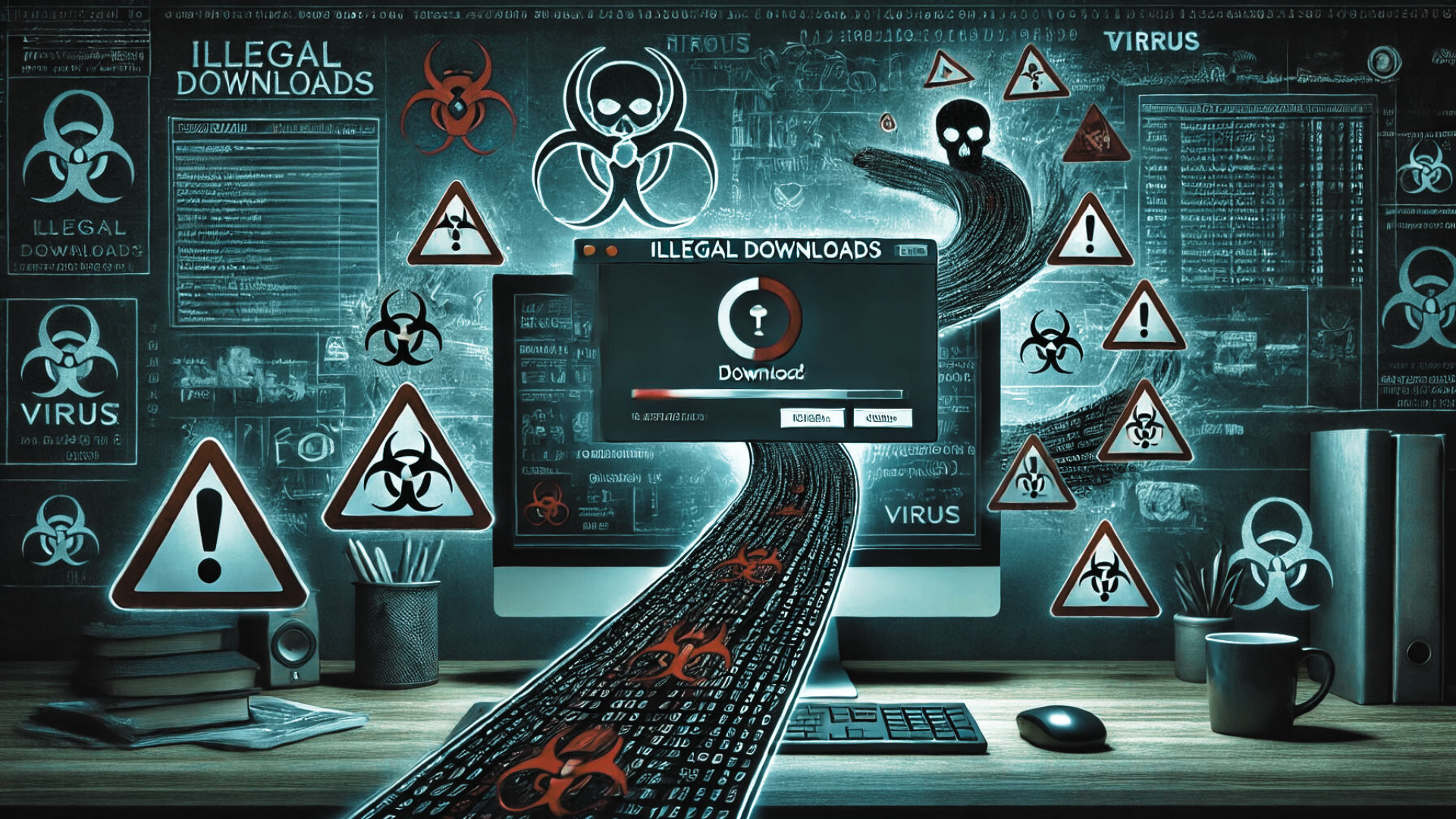
Accessing movies from illegal download sites might seem like a harmless shortcut to entertainment, but it exposes users to significant cybersecurity dangers, including sophisticated malware attacks. A notable example is the recently discovered Peaklight malware, which specifically targets users frequenting these illicit sites.
What is Peaklight?
Memory-based Malware: Peaklight is particularly nefarious because it operates directly within the RAM of your computer, eluding many traditional antivirus programs that scan hard drives for threats.
Infection Mechanism: The malware deploys via PowerShell scripts embedded within pirated movie downloads. Once activated, it can install additional harmful programs like Lumma Stealer and Hijack Loader, compromising personal data or granting cybercriminals remote access to the affected computer.
How Does Peaklight Infect Your Computer?
The infection process is alarmingly straightforward:
Download Deception: Users download a ZIP folder containing what appears to be a movie file but is actually a Windows shortcut (LNK) file.
Execution of Malware: Opening the LNK file triggers embedded JavaScript code, which runs secretly in the computer’s memory to launch the malicious Peaklight PowerShell script.
Further Infection: Peaklight then establishes a connection to a remote server from which it downloads more malware, escalating the potential damage by stealing sensitive information or further compromising the system.
Six Essential Practices to Safeguard Against Malware
To protect yourself from Peaklight and other malware threats, follow these cybersecurity best practices:
Avoid Pirated Content: Always use legitimate platforms for your digital content needs. Illegal download sites are hotbeds for malware disguised as legitimate files.
Regular Software Updates: Ensure your operating system and all applications are up to date. Regular updates include critical security patches that protect against vulnerabilities exploited by malware like Peaklight.
Robust Antivirus Protection: Utilize comprehensive antivirus software that includes real-time scanning capabilities, especially focusing on RAM. It should be capable of detecting and responding to unusual behaviors that indicate hidden malware.
Vigilance with Links and Files: Exercise caution when dealing with links or files from unknown sources. Verify the authenticity of any download, especially those contained within ZIP or other compressed files.
Strong Passwords and Two-Factor Authentication: Secure your online accounts with robust, unique passwords and enable two-factor authentication to add an extra layer of security.
Scrutiny of Compressed Files: Since malware often hides in compressed files like ZIP or RAR, always scan these with your antivirus software before opening them.
Cyber Risks Associated with Illegal Downloads
The allure of free access to movies can be tempting, but the risks of encountering malware like Peaklight are high. This malware exemplifies the severe threats associated with illegal downloads, highlighting the importance of adhering to legal and secure sources for digital content.
For the latest updates on cybersecurity threats and professional advice on safeguarding your digital presence, visit our website at Peris.ai. Remember, staying vigilant and proactive is key to protecting yourself online.
Stay vigilant, stay protected.
Your Peris.ai Cybersecurity Team #YouBuild #WeGuard
Cybersecurity is a big deal for businesses and people. The risk of cyberattacks keeps getting bigger. If you don’t check your security, hackers will find a way in. This can cause huge problems.
Social engineering is behind 70% – 90% of hacking successes. This shows how important it is to be proactive about security. Testing your cyber security, including your website, is key to fighting off hackers.
Testing your security helps find weak spots before hackers do. This is very important. Most companies only train their staff once a year on security. Some don’t train at all.
Only a small part of IT budgets goes to reducing human risk. This leaves many businesses vulnerable. If you don’t test your security, hackers will find a way in. The average cost of a data breach is over $4 million as of 2023.
Key Takeaways
Cyber security testing is key to staying ahead of hackers and protecting your business from cyberattacks.
Website security assessment is a must in cybersecurity testing.
If you don’t test your security, hackers will find a way in, and the consequences can be huge.
Social engineering is behind 70% – 90% of all successful hacking incidents.
Investing in cybersecurity testing can help find and fix vulnerabilities before hackers exploit them.
The average cost of a data breach is over $4 million as of 2023.
60% of SMEs will leave business within 6 months of a data breach.
The $5 Million Breach: A Cautionary Tale
A recent breach cost a company $5 million. It shows why businesses need to be careful. The hackers found weak spots and took advantage of them, causing big trouble. This story teaches us the value of penetration testing services and online security evaluation.
It’s clear that regular vulnerability scanning is key. This helps find and fix problems before hackers can. By doing this, companies can avoid big losses and keep their reputation safe. In 2024, the average cost of a data breach was $4.88 million, with healthcare breaches costing $9.77 million on average.
Some important facts about security testing are:
68% of breaches involved a non-malicious human element
45% of global organizations are expected to be affected by a supply chain attack by 2025
The annual average cost of cybercrime is predicted to exceed $23 trillion by 2027
By focusing on security testing, companies can avoid big problems. Investing in penetration testing services, online security evaluation, and vulnerability scanning helps keep data safe. This way, businesses can protect themselves from costly breaches.
Why Organizations Neglect Security Testing
Many organizations don’t focus on security testing. This might be because they lack resources or don’t fully understand the risks. Cybersecurity auditing is key to keeping systems and data safe. Without security testing, companies are open to cyber threats, which can be very harmful.
Some companies, like Wells Fargo, use ethical hackers to test their defenses. This shows how vital network security tests are in finding and fixing weaknesses. Data breach prevention is also critical to keep information safe and trustworthy with customers.
To make security testing a priority, organizations should:
Do regular cybersecurity auditing to find and fix weaknesses
Use network security tests to mimic real attacks and check defenses
Invest in data breach prevention to safeguard important data
By focusing on security testing and investing in cybersecurity auditing, network security tests, and data breach prevention, companies can lower cyberattack risks. This helps protect their sensitive information.
Security Testing Measure
Cybersecurity Auditing Identifies vulnerabilities and weaknesses
Network Security Tests Simulate real-world attacks and assess defenses
Data Breach Prevention Protects sensitive information and maintains customer trust
If You Don’t Test Your Security, Hackers Will: Understanding the Threat Landscape
The world of cyber threats is always changing. New ways for hackers to attack and common entry points keep popping up. To fight these threats, companies need to use hacker prevention techniques and invest in security testing solutions, like cyber security testing.
Current Cyber Attack Trends
Recent numbers show that the average cost of a data breach worldwide hit $4.88 million in 2024. This is a 10 percent jump from the year before. It shows how vital cyber security testing is to find and fix weaknesses before hackers can use them.
Common Entry Points for Hackers
Some common ways hackers get in include:
Phishing attacks
Weak passwords
Outdated software
These can be fixed with security testing solutions and hacker prevention techniques. For example, updating passwords and training employees are key steps.
The growing costs of data breaches highlight the need for cyber security testing and security testing solutions. Companies that test their systems regularly can lower the chance of financial losses from cyber attacks.
Essential Components of Security Testing
Security testing is key for any company’s cybersecurity plan. A website security assessment finds weak spots in systems and data. This lets companies fix problems before they happen. Penetration testing services mimic cyberattacks to show where systems are at risk.
An online security evaluation spots issues like cross-site scripting and SQL injections. Regular security checks are vital for companies handling credit card info to meet PCI DSS rules. Security tests can save a lot of money by stopping big losses. Companies might face fines or have to stop working if they don’t follow security rules like HIPAA and PCI-DSS.
Some main benefits of security testing are:
It finds problems that automated tools might miss
It cuts the risk of a cyberattack by about 80%
It helps meet rules like PCI DSS, HIPAA, and GDPR
By focusing on security testing, companies can fight off cyber threats. With more data breaches, regular security checks are a must. They keep an organization’s data safe and sound.
Security Testing Method
Penetration Testing Identifies vulnerabilities, reduces risk of cyberattack
Vulnerability Scanning Detects issues such as cross-site scripting and SQL injections
Online Security Evaluation Provides detailed insights into security weaknesses
Understanding Penetration Testing Methodology
Penetration testing is key to security testing. It helps find weaknesses in systems and data. This is done through vulnerability scanning, cybersecurity auditing, and network security tests. It’s a way to fix problems before hackers can find them.
There are different types of penetration testing. For example, Wells Fargo uses ethical hackers to test its defenses. This shows how important it is in the financial world.
Identifying vulnerabilities and assessing existing security measures
Simulating real-world attacks to test incident response capabilities
Providing thorough security advice for different application layers
Adding penetration testing to a security plan can reduce the risk of breaches. It shows a company is serious about protecting its systems and data. This keeps them safe from threats.
Implementing a Comprehensive Security Testing Program
To keep an organization safe from cyber threats, a detailed security testing plan is key. This plan includes data breach prevention, security testing solutions, and cyber security testing. Companies can spot and fix weaknesses in their systems and data by focusing on security testing. This helps lower the chance of a data breach.
It’s important to do cyber security testing often to stay one step ahead of hackers. Studies show that ongoing cybersecurity checks and penetration tests are essential to find vulnerabilities. A good security testing program should have:
Regular vulnerability scanning
Penetration testing
Cybersecurity auditing
Creating a strong security testing program needs a forward-thinking approach. It should include data breach prevention and security testing solutions to reduce risks and keep the organization safe.
The Role of Automated Vulnerability Scanning
Automated vulnerability scanning is key for keeping systems and data safe. It helps find and fix weaknesses in an organization’s defenses. This is vital for small businesses, as they face more cyber threats due to limited resources.
Regular scanning catches problems early, helping organizations stay ahead of threats. It’s important to keep security strong and to meet rules like SOC 2 and PCI DSS. Scanners watch for new risks, making systems safer.
Reduced time required for manual vulnerability identification, leading to cost savings
Real-time detection and addressing of vulnerabilities as they emerge
Improved security posture and reduced risk of data breaches
Compliance with regulatory requirements
Adding automated scanning to security plans helps find weaknesses before they’re used by hackers. It’s a big step in keeping data safe. For a full website security check, scanning is a must.
Building a Security-First Culture
Creating a security-first culture is key to protecting your organization from cyber threats. It means doing cybersecurity auditing and network security tests to find and fix weaknesses. Wells Fargo says using ethical hackers to test defenses is a smart move.
Some important parts of a security-first culture are:
Training programs for employees on cybersecurity best practices
Security awareness efforts to foster a culture of safety
Plans for handling cyberattacks to prepare your team
Employee Training Programs
Training programs for employees are vital. They should cover topics like spotting phishing and using strong passwords. This keeps everyone informed and ready to protect your organization.
Security Awareness Initiatives
Security awareness campaigns are essential. They help create a culture of safety. These campaigns and rewards for reporting security issues encourage everyone to stay vigilant.
Regulatory Compliance and Security Testing
Regulatory compliance is key in security testing. Organizations must follow all relevant rules. Security testing solutions
Organizations must follow rules; These rules require specific steps to protect data. This includes risk assessments, testing, and encryption.
A website security assessment is important for following these rules. It helps find and fix web app vulnerabilities. Regular cyber security testing lowers data breach risks and boosts security.
The benefits of following these rules and testing include:
Less chance of data breaches
Better security
More customer trust
Following the law
In summary, following rules and testing are key to protect against cyber threats. By using security testing solutions and testing regularly, organizations can lower breach risks. This improves their overall security.
The Cost of Prevention vs. The Price of Recovery
When it comes to cyberattacks, stopping them early is much cheaper than fixing the damage later. Penetration testing services and online security evaluation help find and fix weak spots in systems and data. This way, companies can lower the chance of data breaches and boost their security.
Preventing attacks costs less, mainly because of the price of security tests like vulnerability scanning. On the other hand, fixing a breach costs a lot, including paying for notifications, fixing the problem, and legal fees. A recent study found that the average cost of a cyberattack worldwide is $4.88 million. Strong security steps, like penetration testing services and online security evaluation, can help avoid these big costs.
Some important things for companies to think about include:
Regular vulnerability scanning to find and fix weak spots
Strong security training and awareness programs
Doing penetration testing services to mimic real attacks
By focusing on these steps, companies can lower the risk of data breaches and strengthen their security. This saves money in the long run.
Conclusion: Proactive Security Testing is Non-Negotiable
In today’s complex cybersecurity landscape, proactive security testing is essential to prevent data breaches and safeguard critical information. Regular cybersecurity audits and network security tests are vital in identifying and addressing vulnerabilities before attackers can exploit them.
Industry leaders, like Wells Fargo, leverage ethical hackers to simulate real-world threats and fortify their defenses—a strategy proven to enhance security and reduce the financial risks of cyberattacks. Investing in proactive testing solutions not only mitigates threats but also strengthens organizational resilience and compliance with regulatory standards.
Prioritizing proactive security testing demonstrates a commitment to robust cybersecurity, fostering trust with customers and partners. In a digital-first world, proactive testing is no longer a luxury; it’s necessary to stay ahead of evolving threats.
Stay ahead of cyber risks—visit https://www.peris.ai/ to explore our cutting-edge security testing solutions and protect your organization today.
FAQ
What happens if I don’t test my security?
If you don’t test your security, hackers will find your weaknesses. Hackers are always looking for ways to get in. Testing your security helps keep your business safe.
What is the importance of penetration testing services?
Penetration testing finds and fixes security gaps. A big breach that cost $5 million shows why it’s key. It helps keep your systems and data safe.
Why do organizations neglect security testing?
Some ignore security testing because they think they’re safe. They might not have the resources or know the risks. But, it’s vital for keeping your data safe.
What is the current threat landscape?
The threat world is always changing. New attacks and ways for hackers to get in are common. The high cost of breaches shows how important security testing is.
What are the essential components of security testing?
Key parts of security testing are checking your website, using penetration testing, and online security checks. These help find and fix security issues.
What is penetration testing methodology?
Penetration testing is a big part of security testing. It involves different tests to find and fix security problems. This helps keep your systems and data safe.
How can I implement a complete security testing program?
A good security testing program is key to fighting cyberattacks. It includes preventing data breaches and testing your security. This helps find and fix security issues before they become big problems.
What is the role of automated vulnerability scanning?
Automated scanning is very important for finding security issues. It helps keep your systems and data safe. It also helps meet security rules.
How can I build a security-first culture?
Creating a security-focused culture is vital. It means training employees and planning for security issues. This helps keep your data safe and your security strong.
What is the importance of regulatory compliance and security testing?
Following security rules is very important. It means your security testing meets all the necessary standards. This keeps your business safe from cyber threats.
What is the cost of prevention vs. the price of recovery?
Preventing cyberattacks is much cheaper than fixing them. Testing your security helps find and fix problems before they happen. This keeps your data safe and your business secure.
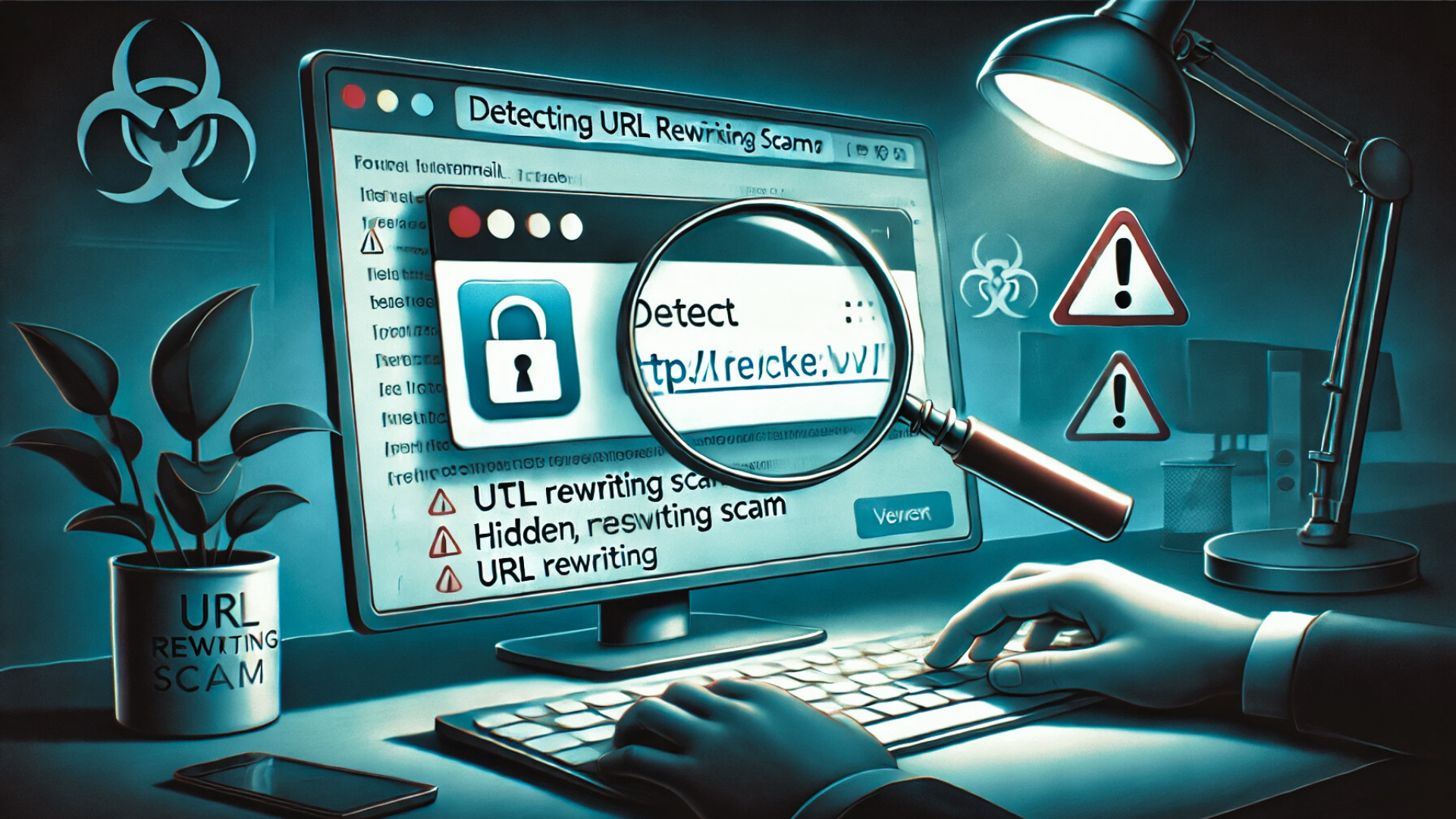
In the realm of cybersecurity, phishing remains one of the most insidious threats, constantly evolving to circumvent even the most sophisticated email security measures. A notable method that cybercriminals have adapted to their advantage is exploiting URL rewriting—a feature originally designed to enhance security by monitoring and scanning email links for threats.
Understanding URL Rewriting and Its Exploitation
What is URL Rewriting?
Purpose: URL rewriting modifies original URLs in emails into safe links, which are then scanned for malicious content when clicked.
Methods:Legacy Approach: Utilizes databases of known malicious URLs.Real-Time Scanning: Employs AI and machine learning to assess links at the moment of interaction for any malicious activity.
Exploitation by Cybercriminals:
Cybercriminals compromise email accounts with URL rewriting features, send “clean” URLs, and later manipulate these URLs to redirect unsuspecting users to phishing sites, employing techniques like CAPTCHA or geo-fencing to avoid detection.
Notable Examples of URL Rewriting Exploits
Double Rewrite Attack
Cross-Target Exploitation
Mimecast’s URL Rewrite
Sophos URL Rewriting in IRS Scam
Best Practices and Solutions to Counter URL Rewriting Exploits
For Organizations:
Proactive Detection: Implement systems that evaluate and verify the safety of URLs before they reach the recipient.
Dynamic Analysis: Utilize behavior-based scanning in real-time to identify and neutralize threats hidden within rewritten URLs.
Continuous Monitoring: Regularly update and assess the security of rewritten URLs to catch any post-delivery manipulations.
For Employees:
Training: Educate employees to recognize and scrutinize URLs meticulously, even those that seem to come from trusted sources.
Vigilance: Promote a culture where suspicious links are immediately reported to the cybersecurity team.
Advanced Technological Solutions:
Dynamic URL Analysis by Perception Point:Proactive Detection: Scans links prior to delivery to prevent threats.Advanced Anti-Evasion: Capable of detecting sophisticated evasion methods like CAPTCHA challenges.Real-Time Reassessment: Continuously monitors and reassesses links for updated threat analysis.
Conclusion: Enhancing Security Against Sophisticated Phishing Techniques
The exploitation of URL rewriting by cybercriminals underscores the necessity for organizations to adopt more dynamic and proactive cybersecurity strategies. By integrating advanced detection technologies and fostering a vigilant workplace culture, businesses can better protect themselves from the ever-evolving landscape of cyber threats.
For additional insights and resources on bolstering your cybersecurity measures, visit Peris.ai. Stay informed and secure with the latest in cyber defense strategies.
Your Peris.ai Cybersecurity Team #YouBuild #WeGuard
In today’s digital era, where technological advancements like artificial intelligence (AI) are revolutionizing industries, the importance of cybersecurity has never been more critical. As devices become smarter, so do the methods employed by cybercriminals aiming to exploit them. Recognizing the signs of a security breach can help protect not only your data but also maintain the integrity of your organization’s digital assets.
Indicators of a Compromised Device
Understanding the red flags associated with a compromised work device is essential for timely and effective response. Here are several indicators that may suggest your device has been breached:
1. Decreased Performance Speed
If your device suddenly becomes sluggish, takes longer to open applications, or frequently freezes, it could be running unauthorized programs in the background. These could be malware attempting to steal sensitive information such as financial details and personal identification.
2. Presence of Unknown Programs
Unexpected or unfamiliar programs appearing on your device can be a sign of a security breach. If new applications launch on startup or unknown programs are running in the background, your device may be compromised. Difficulty in uninstalling these programs further indicates a potential breach.
3. Traffic Redirection
Being redirected to unfamiliar websites, especially those not secured by HTTPS, is a common tactic used by hackers. This redirection can lead to sites laden with malware, such as keyloggers and Trojan horses, aiming to exploit further vulnerabilities in your system.
4. Suspicious Pop-Up Messages
Frequent pop-up messages, especially those mimicking antivirus warnings and asking you to take immediate action, can be deceptive tactics employed by malware. Always verify such messages with your installed security software before taking any action.
5. Unauthorised Emails
Receiving reports from colleagues about spam or unusual emails sent from your account can indicate that your email has been hacked. This not only compromises your security but can also be used to propagate the attack within and beyond your organization.
Protective Measures Against Cyber Threats
Enhancing your device’s security involves more than just recognizing signs of a breach. Here are proactive steps you can take to fortify your defenses:
Regular Software Updates: Keep your operating system, applications, and security software up to date to protect against known vulnerabilities.
Use Strong, Unique Passwords: Implement robust passwords and change them regularly to secure your accounts.
Enable Multi-Factor Authentication: Adding an extra layer of security can significantly decrease the risk of unauthorized access.
Educate and Train: Regular training on cybersecurity best practices can empower you and your colleagues to identify and respond to security threats effectively.
Employ Comprehensive Security Solutions: Utilize reputable antivirus and anti-malware solutions, and consider adopting advanced cybersecurity measures like Security Orchestration, Automation, and Response (SOAR) systems.
Conclusion
As cyber threats evolve, so must our strategies to combat them. By staying vigilant and informed, you can significantly reduce the risk of a security breach and protect the digital infrastructure of your workplace.
For more insights on maintaining cybersecurity and protecting your organizational assets, visit Peris.ai Cybersecurity. Stay updated with the latest in cybersecurity and ensure your digital safety with expert guidance and advanced security solutions from Peris.ai Cybersecurity. Follow us on social media for more useful tips and updates.
Human Risk Management (HRM) is emerging as a pivotal component in cybersecurity, focusing on mitigating risks associated with human behavior in organizations. With over 80% of security incidents attributable to human error, it’s clear that technical defenses alone are insufficient to protect modern businesses. This newsletter delves into the significance of HRM, exploring its principles and how to effectively implement it to safeguard your organization.
Understanding Human Risk Management
HRM Explained: HRM tackles security vulnerabilities that arise from human actions—whether accidental, negligent, or malicious—unlike traditional risk management, which primarily addresses systems and infrastructure. The goal of HRM is to enhance awareness, cultivate safe practices, and significantly diminish the chance of errors through comprehensive training and policy development.
The Importance of Human Risk Management
Human Factors in Cybersecurity:
Human error plays a role in approximately 80% of cybersecurity breaches.
Simple mistakes by employees can lead to significant security threats, including phishing and compromised credentials.
Proactive HRM Strategies:
HRM emphasizes preventative measures over merely reactive responses, aiming to forestall incidents before they occur.
Key to this approach is security awareness training, which equips employees with the skills to identify and thwart potential threats.
Leadership and HRM:
Effective HRM requires robust leadership to embed a security-conscious culture within the organization.
Leaders must ensure that security policies are clear, comprehensive, and understood by all team members.
Core Principles of Human Risk Management
Risk Identification:
It’s crucial to identify behaviors that increase risk, such as negligence or insider threats.
Tools like simulated phishing emails can help pinpoint vulnerabilities.
Risk Mitigation through Training and Policies:
Develop and enforce security awareness programs and policies that minimize risks from common human errors.
Leadership Involvement:
Leaders should actively promote and model security best practices, integrating HRM into the overall risk management framework.
Behavioral Considerations:
Address psychological and cultural elements, such as employee stress or organizational culture, which can inadvertently lead to security breaches.
Building an Effective HRM Framework
Risk Assessment: Employ threat simulation tools to assess how susceptible your organization is to various human-related risks.
Policy Development: Craft explicit security guidelines that are outlined in employee manuals to standardize behaviors across the organization.
Continuous Training: Conduct regular training sessions to keep the workforce informed about the latest cybersecurity threats and prevention techniques.
Monitoring and Feedback: Utilize key performance indicators (KPIs) and analytics to monitor the effectiveness of HRM initiatives and make necessary adjustments.
Cultivating a Security-First Culture: Encourage open discussions about security, recognize secure behaviors, and integrate security into the organizational ethos.
Conclusion: Prioritize Human Factors in Cybersecurity
Human Risk Management is not just a strategy but a necessity in the quest to fortify businesses against cyber threats. By focusing on human factors, companies can enhance their overall security posture and prevent the vast majority of breaches driven by human errors.
For more insights into effective cybersecurity practices and to stay updated with the latest trends, visit Peris.ai.
Your Peris.ai Cybersecurity Team #YouBuild #WeGuard
In the wake of the CrowdStrike crash, opportunistic scammers are taking advantage of the resulting confusion. These fraudsters are devising schemes to deceive users during this vulnerable time. Here’s a comprehensive guide to understanding their tactics and safeguarding yourself.
Key Insights
1. Exploiting Opportunities
Scenario: Scammers are capitalizing on the chaos following the CrowdStrike incident.
Impact: Users seeking to reschedule flights, access banking services, or resolve tech issues are prime targets.
Industries at Risk:
Travel: Airlines see an uptick in scams as customers attempt to rearrange travel plans.
Cybersecurity: Fraudulent actors pose as CrowdStrike support, offering harmful “fixes.”
General: The widespread impact of the crash means no sector is immune to potential scams.
2. Recognizing Scams
Red Flags: Requests for unusual personal information and communications riddled with poor grammar.
Verification: Double-check the origins of calls and messages, recognizing that scammers can convincingly mimic legitimate entities.
3. Resisting Quick-Fix Solutions
Caution: Avoid hastily providing personal details online or over the phone.
Validation: Dedicate time to confirm the authenticity of any service provider before proceeding.
️ Protective Measures to Counter Scams
URL Vigilance: Scrutinize links before clicking. Suspicious URLs often signal deceit.
Social Media Security: Look for verification badges to verify the authenticity of accounts, particularly those purporting to represent major companies.
Reporting: Promptly report any suspicious online behavior or content that appears fraudulent.
Information Security: Be skeptical of requests for sensitive information like social security numbers from supposed service providers.
Patience Pays Off: While responses from legitimate sources may be delayed, they are worth the wait compared to the risks of quick, unverified fixes.
️ Defending Your Data
Phishing and malware exploitation are rampant, particularly during times of widespread disruption, when attackers aim to exploit vulnerabilities and capitalize on the chaos. Events like the CrowdStrike crash necessitate heightened vigilance. It’s essential to verify sources meticulously and handle personal information with utmost caution.
Stay vigilant, stay secure. For more updates and comprehensive cybersecurity insights, visit Peris.ai Cybersecurity. Discover our extensive range of products and services designed to fortify your defenses against evolving cyber threats.
In today’s world, the risk of cyber attacks is high. Organizations must deal with many threats, like advanced malware and persistent attacks. To protect your systems, a good vulnerability management plan is crucial. This plan must focus on risks, fixing the most important vulnerabilities first.
It can be hard to handle all the security updates and patches. You might be wondering how to use your resources wisely to tackle major risks. This guide will show you how to use a risk-focused strategy. It will help you guard against new threats effectively.
Key Takeaways
Understand the key stages of a vulnerability management program, including identification, prioritization, remediation, and reporting.
Learn how to define your environment and risks, creating and maintaining a comprehensive asset inventory.
Discover the importance of continuous network scanning and vulnerability assessments to stay ahead of threats.
Explore strategies for prioritizing vulnerabilities based on risk, including exploitability and system criticality.
Gain insights into effective remediation approaches, from patching and upgrading to implementing compensating controls.
Understanding Vulnerability Management
Vulnerability management is about finding, checking, and fixing holes in a system’s security. It looks at threats like service denial, data exposure, and financial losses. And checks how these can affect the business and its compliance.
What is Vulnerability Management?
This is a way to search for and fix security issues in a company’s systems and apps. It’s key for catching problems before hackers can use them. This approach is a must-have for a strong cyber threat detection and risk assessment plan.
Why Do You Need a Vulnerability Management Program?
Having a solid vulnerability management setup is crucial for many reasons. It keeps security strong, follows the rules, and fights off new threats. It also lessens the risks of data theft, system attacks, and harm to the business’s name and money.
The 4 Stages of a Vulnerability Management Program
Good vulnerability management has four main steps:
Identification: Keep checking the network to find and list all weaknesses.
Assessment: Look at the found issues to see how they could harm the company. This includes things like patch management and risk assessment.
Prioritization: Sort out weaknesses by how harmful they could be and how easy to use for hackers. This helps focus on fixing the worst ones first.
Remediation: Fix the main vulnerabilities by applying patches or other controls. This cuts down on cyber risk.
By sticking to these steps, businesses can stay ahead of cyber threats by managing their vulnerabilities well.
Defining Your Environment and Risks
Starting vulnerability management means knowing your tech world well. It includes checking your network, apps, and work settings for weak spots. When you know where these weak points are, you can act to protect your stuff better.
Evaluating Vulnerabilities in Your Infrastructure
Evaluating your network’s safety is vital. Look for any flaws in firewalls, servers, and more. This helps pinpoint what areas need the most attention to stay secure.
Assessing Vulnerabilities in Applications
It’s also critical to check how safe your apps are. This means seeing if things like who can access what are in good shape. Finding and fixing these spots stops big problems before they happen.
Understanding Your Production Environment
Knowing all about where you make things work is essential. This part is about seeing how everything in your tech world is linked. It helps in finding what must be protected the most to avoid major issues.
Creating and Maintaining an Asset Inventory
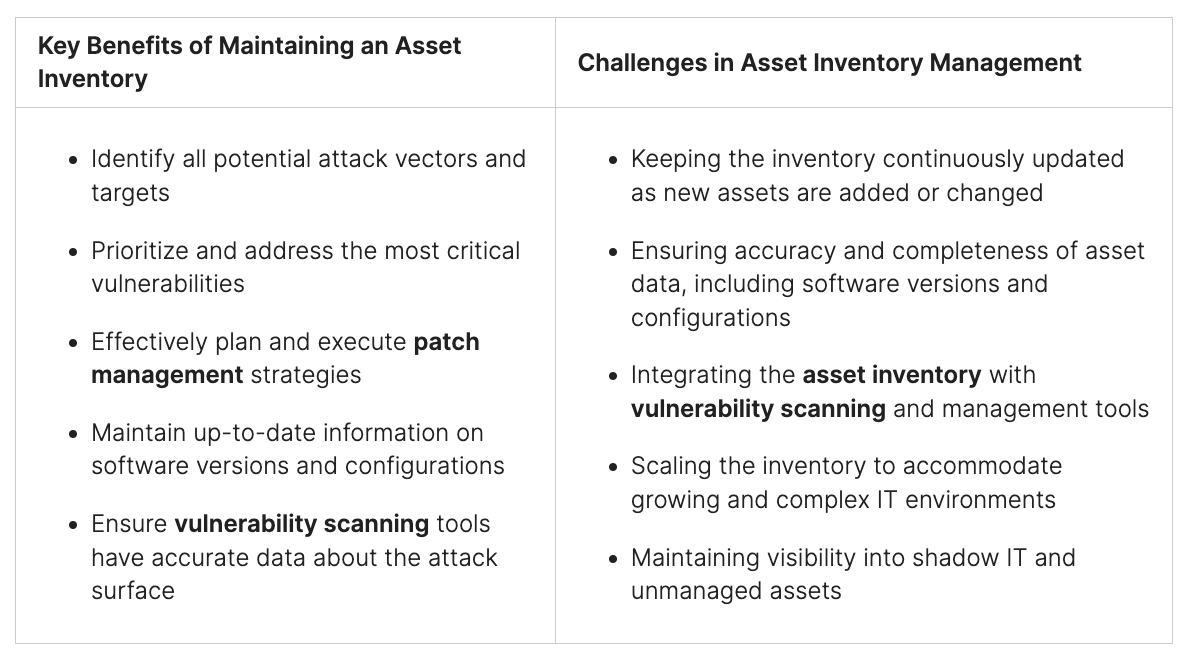
Keeping an updated asset inventory is key to a strong vulnerability management program. This list should include all hardware, software, and network assets. It’s helpful to note software versions and patch levels. , Asset management tools can make this job easier, helping to keep information current for vulnerability scanning tools.
A good asset inventory does a lot. It helps security teams spot where attacks might come from. With this info, they can focus on fixing the most important problems first. Plus, knowing about different software helps teams patch things up before they get hacked.
Dealing with these tasks, organizations should turn to asset management solutions. These can automatically find, sort, and keep track of assets. They connect with vulnerability tools too, keeping the data fresh and reflecting real risks.
Using asset inventory well helps improve overall vulnerability management. It lowers the chance of cyber attacks and makes companies more secure.
Continuous Network Scanning
Nowadays, vulnerability scanning happens all the time, not just occasionally. This change meets the need for organizations to always be ready against new threats. Having a system that scans vulnerabilities both inside and outside is a key part of good security. It helps keep systems safe around the clock by finding and fixing weak spots before attackers can use them.
External Vulnerability Scans
When we talk about external scans, we mean checking how a hacker might attack from the outside. These scans look for open doors in security, like weak points in websites or servers. By doing external scans often, companies can close these doors before any harm is done.
Internal Vulnerability Scans
Internal scans, on the other hand, look within a company’s own network and devices. They help find hidden vulnerabilities, like old software or mistakes in setup. This ongoing check lets companies fix problems fast. It stops attacks and protects important information and services.
Doing both external and internal scans, along with keeping software updated, is crucial. It makes sure businesses are always ready to face new security challenges.
Vulnerability Assessments vs Vulnerability Management
A vulnerability assessment is like taking a picture of a company’s security at one moment. But, vulnerability management is a constant process. It includes scanning, looking for problems, deciding what’s most important to fix first, and then fixing them. This helps companies keep up with the ever-changing threats online.
Vulnerability Assessments: A Snapshot in Time
In a vulnerability assessment, experts check an organization’s IT setup. They are looking for spots that cyber attackers might target. They use network scans, test programs, and check system setups for weak points. This work shows the company’s security status at that time, but it doesn’t give a full picture of possible threats.
Vulnerability Management: An Ongoing Process
Vulnerability management means always watching for and fixing IT weaknesses. This includes frequently scanning the network, deciding which threats are most urgent, and applying fixes. By keeping up with these measures, a company can reduce risks and keep their systems secure.
Prioritizing Vulnerabilities Based on Risk
Deciding which vulnerabilities to deal with first is a key part of managing risks. It’s not just about the vulnerability’s CVSS score. It’s also about how likely it is to be used by hackers in the real world.
Assessing Vulnerability Exploitability
We must figure out how likely a bug is to be used by bad actors. We look at whether there are any known ways to ‘exploit’ the bug out in the open. We also consider how skilled a hacker needs to be and what damage they could do.
By looking deeply into what makes a bug risky, security teams can tackle the most important threats first. This ensures they use their time and effort where it matters most.
Considering System Value and Vulnerability Criticality
It’s also vital to think about what a bug could harm and how crucial that thing is. For example, a bug that threatens a key system is more important to fix fast. This is compared to one that targets something less important.
Organizations should weigh both a bug’s danger and the worth of what it targets. This balanced view helps in creating a strong strategy to fight off cyber dangers. It protects their top assets effectively.
Remediation Strategies
After finding and ranking vulnerabilities, the next step is to fix them. This fix might mean updating software, changing how systems work, or adding extra security measures.
Patching and Upgrading Software
Updating software is a key way to fix problems and strengthen security. Known as patch management, this strategy includes adding new updates and security fixes. This helps to make sure your systems are current and less likely to be targeted by hackers.
Adjusting System Configurations
Besides updating, setting up your systems differently can help. This might involve turning off services you don’t need, controlling who can access what, and using firewalls better. Making these setup changes can be a quick way to fill security holes, especially when updates are still on the way.
Implementing Compensating Controls
At times, fixing problems directly isn’t possible right away. Then, security compliance steps are crucial. This could mean putting in more firewalls, systems to detect intruders or extra security tools. They won’t solve the problem forever, but they add an important shield until the core issues can be solved.
Vulnerability Management and Compliance
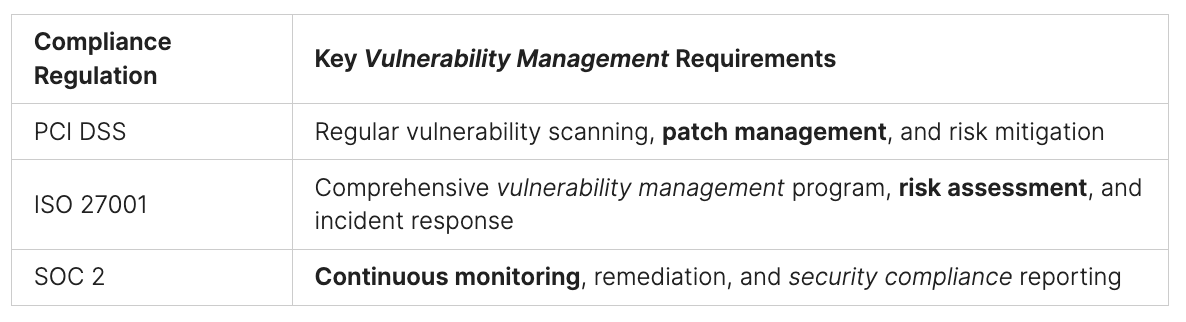
Vulnerability management is very important for a company’s online safety. It also helps with meeting rules in different industries. These rules, like PCI DSS, ISO 27001, and SOC 2, say companies must have strong strategies to keep data and systems safe.
Industry-Specific Regulations
Each type of business has its own set of rules to follow. Good vulnerability management is critical for this. For instance, PCI DSS asks for regular checks on weaknesses and fixing them to keep credit card info safe. ISO 27001 wants companies to set up and keep up detailed vulnerability management plans.
Reporting for Audits and Compliance
Keeping good records is vital for proving your company’s vulnerability management is on point. This helps during checks and audits. The records should show what checks were done, how problems were fixed, and if the plan works well. This kind of reporting shows your company is serious about protecting important info and assets.
Vulnerability Management Best Practices
To succeed in vulnerability management, you need to follow top practices. These include automating important steps and connecting with other security tools. Plus, you must keep an eye on things all the time and be ready to change.
Automating Vulnerability Management Processes
Using automation for every part of handling vulnerabilities makes your safety steps better and quicker. It means you use tools that do tasks like checking for problems, deciding which ones to fix first, and then applying those fixes. This lets your team work on bigger plans.
Integrating with Other Security Tools
For a full view of security, it’s key to connect your vulnerability management with other safety tools. This includes bringing together your systems to watch out for issues, handling incidents, and meeting rules. By doing this, you see your security status better and can fix problems faster and smarter.
Continuously Monitoring and Adapting
Managing vulnerabilities is all about always watching and being ready to change. You need to be on the lookout for new threats and updates on problems. Regular checks and adding new ways from experts help keep your safety plan strong against new dangers.
Vulnerability Management Tools and Resources
Organizations are working hard to set up good vulnerability management programs. Many special tools and resources help with this important work in cybersecurity. Notable vulnerability management tools include Qualys, Tenable, Rapid7, and ServiceNow. They provide everything needed for finding assets, doing vulnerability scanning, assessing risks, and keeping track of fixes.
These tools let companies see their weak points. This way, security teams can find and fix problems in their network and apps fast. Using the power of these vulnerability management tools, companies can improve their cybersecurity and make their defenses stronger.
Besides the top vulnerability management tools, organizations can use many cybersecurity resources. These include trade publications, online groups, and professional organizations. They help companies stay up to date with the best advice, trends, and new threats. By using the best tools and resources, companies can build a strong vulnerability management plan. This plan helps prevent risks and keep vital assets secure.
Conclusion
In today’s dynamic digital landscape, a robust vulnerability management plan is essential for organizations striving to maintain strong security defenses and combat cyber threats effectively. Understanding and implementing comprehensive vulnerability management helps organizations identify their risks, conduct regular network assessments, and address critical issues before they can be exploited.
Staying informed and adopting the latest technologies empowers companies to safeguard their data against emerging cyber threats. Additionally, a solid vulnerability management strategy ensures compliance with industry security standards, further strengthening overall security measures.
As the online environment continues to evolve, the importance of vulnerability management cannot be overstated. By leveraging the right tools and methodologies, organizations can significantly reduce risks and protect their most valuable assets, thereby maintaining the trust and confidence of their stakeholders.
Explore our range of advanced cybersecurity products and services at Peris.ai to learn how we can help your organization enhance its security posture and stay ahead of cyber threats. Secure your future with Peris.ai and ensure your business thrives in the ever-changing digital world.
FAQ
What is vulnerability management?
Vulnerability management deals with finding and fixing security holes. It focuses on an organization’s weak points that attackers might target.
Why do you need a vulnerability management program?
It’s vital for keeping the organization safe from cyber threats. Effective management spots risk early and take action to prevent possible harm.
What are the key stages of a vulnerability management program?
The main steps include finding vulnerabilities, deciding which ones are most urgent, fixing them, and then telling others what you did.
How do you define your environment and risks in vulnerability management?
Start by truly understanding your tech world. Look closely at your network, apps, and how data moves. This insight helps find and fix the most critical risks.
Why is maintaining an asset inventory important for vulnerability management?
Keeping track of every IT asset is key. This list should have everything from hardware to software details. It helps in knowing what needs protection the most.
What is the difference between vulnerability assessments and vulnerability management?
An assessment checks security at a single point. But, management keeps looking and fixing, making security stronger over time.
How do you prioritize vulnerabilities based on risk?
Recognize which ones are urgent by their possible danger and how easy it is to attack. The Common Vulnerability Scoring System score helps with this.
What are some common remediation strategies for vulnerabilities?
Usually, you update software, tweak settings, or add security measures. But sometimes, quick fixes aren’t an option, so you might need temporary solutions.
How does vulnerability management relate to compliance?
It’s essential for good security and keeping up with rules. Many regulations demand strong management of vulnerabilities to stay compliant.
What are the best practices for implementing a successful vulnerability management program?
Key steps include using automated tools, connecting with other security solutions, and always checking and improving your defenses.
What are some popular vulnerability management tools and resources?
Some top tools are Qualys, Tenable, and Rapid7. They help with everything from finding assets to fixing issues and tracking progress.
Ensuring robust cybersecurity has become critical for businesses across all scales. As cyber threats continue to grow in complexity, organizations face an increasing need to adopt proactive measures to protect their sensitive data and valuable assets from malicious actors. Ethical hacking stands out as a powerful ally for companies aiming to assess and fortify their security measures among the arsenal of effective cybersecurity methods available. Also known as penetration testing, ethical hacking involves a controlled and lawful simulation of cyber-attacks on a company’s systems to uncover vulnerabilities and weaknesses. This comprehensive article delves into ethical hacking, exploring its fundamental concepts, highlighting its invaluable benefits, and illustrating how businesses can harness its potential to fortify their cybersecurity posture.
1. Understanding Ethical Hacking
Ethical hacking involves employing skilled professionals, known as ethical hackers or white-hat hackers, to simulate cyber-attacks on a company’s IT infrastructure, applications, and networks. The goal is to identify potential vulnerabilities that malicious hackers could exploit. Unlike malicious hacking, ethical hacking is conducted with the explicit consent of the organization being tested and strictly adheres to legal and ethical guidelines.
2. The Importance of Ethical Hacking for Companies
2.1 Identifying Vulnerabilities
With the rapidly evolving threat landscape, new vulnerabilities are constantly being discovered. Ethical hacking helps businesses stay ahead by proactively identifying these vulnerabilities before malicious actors can exploit them. This process allows companies to patch or mitigate vulnerabilities promptly, reducing the risk of a successful cyber-attack.
2.2 Compliance Requirements
Many industries and regulatory bodies mandate regular security assessments and penetration testing to ensure compliance with data protection laws. Ethical hacking helps businesses meet these requirements and demonstrate their commitment to safeguarding customer data and sensitive information.
2.3 Protecting Reputation
A single cyber-attack can have devastating consequences for a company’s reputation. Customers, partners, and stakeholders trust organizations to protect their data. Ethical hacking helps companies build and maintain this trust by demonstrating a proactive approach to cybersecurity.
3. Conducting Ethical Hacking in Your Organization
3.1 Define Objectives and Scope
Before commencing any ethical hacking activity, it’s essential to establish clear objectives and scope. Determine the specific systems, networks, and applications to be tested, and outline the goals of the assessment. A well-defined scope ensures that ethical hackers focus on areas critical to your organization’s security.
3.2 Assemble a Skilled Team
Ethical hacking requires a team of skilled professionals with expertise in different areas of cybersecurity. Depending on the complexity of your organization’s infrastructure, you may need experts in network security, application security, cryptography, and more. Additionally, the team should include certified ethical hackers who understand ethical hacking methodologies and abide by industry best practices.
3.3 Conduct a Vulnerability Assessment
Ethical hacking typically begins with a vulnerability assessment to identify potential weak points in the organization’s systems. This phase involves scanning networks and applications, using automated tools to discover common vulnerabilities. It provides a starting point for ethical hackers to conduct further in-depth assessments.
3.4 Performing Penetration Testing
Penetration testing is the heart of ethical hacking. It involves manual testing and exploitation of vulnerabilities identified during the assessment phase. Ethical hackers attempt to gain unauthorized access to systems, escalate privileges, and access sensitive data, mimicking the methods used by real attackers. Through this process, they evaluate the actual risk posed by these vulnerabilities.
3.5 Analyzing and Reporting
Once the ethical hacking exercises are complete, the team must analyze the results and prepare a comprehensive report. The report should include details of identified vulnerabilities, the severity of each issue, potential business impact, and recommendations for remediation. This information is crucial for prioritizing and addressing security weaknesses effectively.
4. Benefits of Ethical Hacking
4.1 Proactive Risk Mitigation
Ethical hacking allows businesses to take a proactive stance against cyber threats. Organizations can implement necessary security measures and reduce their attack surface by identifying vulnerabilities before malicious hackers do.
4.2 Cost-Effective Security Enhancement
Investing in ethical hacking can be more cost-effective than dealing with the consequences of a successful cyber-attack. A breach’s financial and reputational damages can be significantly higher than the cost of conducting periodic ethical hacking assessments.
4.3 Enhanced Customer Trust
Customers are likelier to trust companies prioritizing cybersecurity and conducting regular ethical hacking assessments. Demonstrating a commitment to protecting customer data can be a competitive advantage in a data privacy-conscious market.
Conclusion
The escalating cyber threats of the digital age demand unwavering attention to cybersecurity for businesses of all sizes. Ethical hacking emerges as a robust and proactive approach to bolstering their defense mechanisms. By simulating cyber-attacks within a controlled and lawful framework, organizations gain invaluable insights into their vulnerabilities, enabling them to take decisive actions to mitigate risks. Protecting sensitive data and upholding a sterling reputation are no longer just aspirations but imperatives, achievable through the adoption of ethical hacking as a pivotal element of your cybersecurity strategy.
Incorporating ethical hacking practices into your organization’s security protocols can yield numerous benefits beyond risk mitigation. It grants your business a distinct competitive edge by demonstrating your unwavering commitment to safeguarding your assets and the data and trust your customers and partners bestowed upon you. Ethical hackers become instrumental allies in your quest for cybersecurity, actively working to identify potential weak points and fortify your digital infrastructure.
Take charge of your company’s cybersecurity destiny today. Embrace ethical hacking as a formidable tool to navigate the ever-evolving threat landscape and elevate your defense capabilities to unprecedented heights. Safeguard your organization’s reputation, secure your valuable data, and maintain the trust of your stakeholders by integrating ethical hacking into your cybersecurity strategy. To embark on this transformative journey and explore how ethical hacking can be tailored to your needs, visit our website today. Discover how our ethical hacker community skilled can partner with you to build a resilient fortress against the relentless tides of malicious activities. Together, let us forge a secure digital future and lead the way toward a safer, more robust cyber realm. Visit our website now and embark on the path to cybersecurity excellence!