Did you know the container security market is expected to jump from $1.93 billion in 2023 to $12.61 billion by 2032? This is a 23.4% annual growth rate. This growth shows how vital it is to secure containerized environments. Cybercriminals are targeting these new technologies more and more. So, what makes container security so important, and how can businesses tackle these challenges?
Containers have changed how we develop, deploy, and scale apps. But they also bring unique security issues. A single flaw in a container image can put all instances at risk, especially in big deployments. The way containers are connected and share operating systems makes them vulnerable to big attacks. To keep container-based systems safe, we need a detailed plan that covers all security layers.
Key Takeaways:
Container security is a rapidly growing field, with the market projected to reach $12.61 billion by 2032.
Containers present unique security challenges due to their interconnected nature and shared operating system kernels.
Effective container security requires a multi-layered approach to address vulnerabilities, network security, secrets management, and storage protection.
Continuous vulnerability scanning, secure container registries, and runtime security monitoring are essential for maintaining a robust container security posture.
Integrating security practices into the container development lifecycle, from design to deployment, is crucial for securing containerized workloads.
Introduction to Container Security
In today’s fast-paced world, keeping containers secure is crucial for businesses. Containers are great for deploying apps because they’re light and efficient. But, they also bring their own set of security issues that need to be tackled.
Importance of Container Security
Container security is vital. More companies are seeing security as a major challenge with containers. Teams must assess risks by evaluating potential impact.
Also, containers must meet all compliance rules, which can be tricky because they change a lot. Sharing container resources can also pose security risks.
Key Components of Container Security Architecture
The core parts of container security include images, registries, deployment, runtime, secrets, network, and storage. Kubernetes helps with security through features like access control and network policies. Docker supports security with scanning and image hardening, and it has a secure registry.
Containers can run malicious processes, making monitoring hard due to their short lifespans. A lack of skilled experts is also a challenge, leading to potential misconfigurations. Tools for scanning containers are key to keeping workflows secure, checking for vulnerabilities in images.
Kubernetes is complex and can be vulnerable, making it a target for attacks. It’s important for businesses to take steps to secure it when using it in production.
“Securing containerized environments is essential to protect the integrity of your applications and data in a dynamic, fast-paced infrastructure.”
Vulnerability Management for Container Images
Securing container images is key because flaws in an image can spread to all containers made from it. This can cause big security problems. To tackle this, companies should focus on securing their base images and scanning for vulnerabilities all the time.
Securing Container Base Images
Companies should get their base images from trusted places, like official repositories, and keep them updated. This reduces the risk of using old images with known bugs. They should also remove extra software from the images to make them safer.
To make base images more secure, companies should scan them well for bugs and bad software. Using safe sources and scanning deeply can find and fix problems like bad components and too much access.
Continuous Vulnerability Scanning
Scanning for vulnerabilities all the time is key to finding and fixing security issues in container images. This way, companies can spot and fix problems early, keeping their apps safe.
Tools like Trivy and Calico help find and fix many security problems, like bad images and app bugs. Regular scans and fixing issues help keep security strong and follow rules.
Good practices for scanning include making it part of the development process, scanning often, and using safe images. Also, scan third-party stuff, automate scanning, and teach developers about security.
“Continuous vulnerability scanning is essential to detect and address vulnerabilities in container images throughout the development lifecycle.”
By being proactive about container image security and scanning all the time, companies can lower risks. They can keep their apps safe and make their container setup strong.
Securing Container Registries and Deployment
Keeping container registries and deployment safe is key in today’s tech world. These registries hold container images and need strong security to stop unauthorized access. This ensures only trusted images are used. With thousands of images in registries, controlling access and checking image integrity is vital.
When deploying, it’s important to manage containers securely to avoid vulnerabilities. Breaches can lead to many problems, like malicious code and system compromise. To fight these issues, companies must use strong security steps from start to finish.
By tackling security in registries and deployment, companies can make their container setup safer. The shared responsibility model in container security is key. Cloud providers handle the cloud’s security, while users protect their apps.
Runtime Security for Containerized Workloads
Keeping containerized workloads safe is key for businesses. Docker, containerd, and CRI-O are common runtimes with their own security needs. Containers on the same host can share a kernel, making them vulnerable to attacks.
Monitoring and Restricting Container Activities
Good runtime security means watching and controlling what containers do. Mistakes like open ports and weak login checks are big risks. In 2021, about 60% of companies found container mistakes in a year.
Preventing Lateral Movement and Privilege Escalation
One-third of companies faced security issues in 2021. Containers face threats like breakouts and data leaks. To stay safe, limit Docker API access and keep software up to date.
Ignoring security checks and using old software are big no-nos. Handling API keys carefully can stop breaches.
*Container Security: Only as Strong as its Weakest Link Across the Lifecycle:
“Security researchers found over 1,600 malicious containers on Docker Hub in 2022.”
Container Security Challenges and How to Overcome Them
Container technology has brought many benefits, like better app portability and efficiency. But, it also brings unique security challenges that companies must tackle. A recent survey found that 27% of cloud security incidents were due to misconfigurations.
One big challenge is the large attack surface from many containers. Each container is based on different images, which can have vulnerabilities. Containers also add complexity to IT environments, making things harder. Securing both the host and container configurations is a complex task.
To tackle these issues, companies need a solid container security plan. This plan should cover image, registry, deployment, runtime, network, secrets, and storage security. Tools like CloudGuard IaaS can help by temporarily fixing vulnerabilities. Agentless solutions like CloudGuard for Container Security offer deep visibility across all containers.
It’s vital to address compliance risks to avoid damage to reputation and bottom line.
Enterprises should integrate security tools into the software development lifecycle (SDLC) and CI/CD pipelines. This “shift-left” security approach helps catch threats early. By being proactive, companies can protect their assets and keep their container environments safe.
“Majority of organizations are embracing DevOps and the ‘shift-left’ approach, but a common misconception exists regarding the security needs of containers and Kubernetes environments.”
Beating container security challenges needs a multi-faceted strategy. By using the right tools and following best practices, companies can enjoy the benefits of containers while managing risks.
Secure Container Networking and Communications
More companies are using containers for apps, making network security key. Containers share the host OS’s kernel, making them vulnerable to attacks. To keep things safe, strong network rules and encryption are essential.
Implementing Network Policies and Encryption
Network policies are vital for managing traffic between containers and outside. They help block unwanted access and keep data safe. Encryption, like mTLS, keeps data secure as it moves around the network.
With good network policies and encryption, companies can boost container network security and container communications security. This helps protect against unauthorized access and data theft.
Securing containers is a big challenge, but focusing on the network is key. It helps protect container apps and the whole IT setup.
Managing Secrets and Sensitive Data in Containers
Keeping sensitive data safe is key in container security. Containers hold apps that deal with private info like API keys and passwords. It’s vital to manage these “secrets” well to keep the data safe and sound.
Best Practices for Secrets Management
Good secrets management in containers means a few key steps. First, keep sensitive data in a safe place, like a secrets service or encrypted storage. Only give access to secrets when needed, so only the right containers can see them.
Changing secrets often helps prevent data leaks or unauthorized access. Using automated systems for secrets updates keeps things secure without stopping container work.
Managing secrets gets tricky with containers’ dynamic nature. Companies should use container-native secrets solutions that work well with tools like Kubernetes.
Following these steps helps keep sensitive data safe in containers. This way, apps stay secure and protected. Secrets management is a big part of keeping containers safe.
Persistent Storage Security for Containerized Applications
Containerization and microservices are becoming more popular. This makes securing data in containers very important. Persistent storage keeps important data safe even when containers are deleted. This way, valuable information is not lost and can be easily found again.
Protecting persistent storage means keeping the storage safe and controlling who can access it. Companies must fix security issues and follow rules to keep data safe. Rules like CIS Benchmarks and NIST SP 800-190 help make sure data is secure in containers.
Kubernetes storage lets users and admins manage storage needs. It’s key for apps that need to remember things from one use to the next. This makes it easier for developers to work on apps.
LightOS by Lightbits Labs is a fast and secure storage solution for Kubernetes. It works as well as local NVMe® SSDs and keeps data safe. This shows how hard people are working to make storage in containers better.
Containers have grown a lot in the last ten years because they are easy to use and move around. Docker and Kubernetes help with security, but they need more protection. Containers make security harder because they are more complex than old apps.
Using open-source in containers can be risky because of bugs in the software. Without a plan, containers often fail security checks. It’s key to follow security rules for containers from the start.
By tackling the special security needs of containers, companies can keep data safe and follow rules. This lets them use containers fully while avoiding risks.
Integrating Security into the Container Development Lifecycle
Securing the container development lifecycle is key for organizations using containers. A shift-left security approach means adding security early on, from the start to the end. DevSecOps practices blend development, security, and operations. They automate security checks and fixes in the container development pipeline, making security a core part of the process.
Shift-Left Security and DevSecOps Practices
Security used to be an afterthought, added late in the development cycle. The shift-left security approach changes this, starting with security from the beginning. This way, organizations can find and fix problems early, saving time and money.
DevSecOps takes this further by automating security tasks in the container CI/CD pipeline. This includes scanning for vulnerabilities, enforcing policies, and managing security settings. By making security a part of the container development cycle, organizations ensure it’s not just an extra step, but a key part of the process.
By adopting a shift-left security mindset and using DevSecOps, organizations can tackle common container security issues. These include securing container base images, handling secrets and sensitive data, and keeping containerized workloads secure.
“Shifting security left and integrating it into the DevOps process is crucial for organizations to effectively secure their container environments and achieve a robust container security lifecycle.”
Conclusion
With 92% of companies using containers in production, securing these environments has become essential. Organizations face challenges like vulnerabilities in container images and runtime threats, making a strong security strategy crucial.
To protect applications and data, businesses must adopt comprehensive container security best practices. This includes implementing shift-left security, embracing DevSecOps, and using advanced tools for vulnerability scanning and runtime protection. Staying up-to-date with evolving container security strategies ensures that your organization can harness the full potential of containers while minimizing risks.
For a proactive approach to container security, visit Peris.ai Cybersecurity and explore our solutions to keep your containerized environments secure and resilient against emerging threats.
FAQ
What are the key components of container security architecture?
The main parts of container security architecture are container images, registries, and how they are deployed. It also includes runtime, secrets, network, and storage.
Why is securing container images crucial?
Securing container images is key because problems in an image can spread to all containers made from it. This can cause big issues.
How can enterprises secure container registries?
Companies should protect container registries to stop unauthorized access. They should make sure only trusted images are used.
What is the importance of runtime security for containerized workloads?
Runtime security is vital for protecting containers when they’re running. It involves watching and limiting what containers can do to stop bad behavior.
What are the key container security challenges that enterprises need to address?
Big challenges include the attack surface from many containers and the shared kernel architecture. This means securing both the host and container settings.
How can enterprises secure container network communications?
Companies can secure network communications by setting up network policies. They should also use encryption to keep data safe while it’s moving.
Why is proper secrets management crucial in containerized environments?
Good secrets management is key to stop unauthorized access. It makes sure sensitive info is only for containers that need it.
How can enterprises ensure the security of persistent storage for containerized applications?
Companies should protect the storage infrastructure and set up access controls. This prevents unauthorized data access.
What is the importance of integrating security into the container development lifecycle?
Integrating security early in development is crucial. It helps address security challenges by automating checks and fixes in the development pipeline.
In today’s world, companies face many challenges in following new data protection laws and security standards. But, there’s a simple way to tackle this: asset discovery. It helps find, list, and manage all IT, OT, and IoT assets in an organization. This is key for good compliance management.
Groups like the National Institute of Standards and Technology (NIST) and the Center for Internet Security (CIS) say asset discovery is very important. It gives a clear view of what’s in a company’s digital world. This lets security teams find and fix problems, keep data safe, and prepare for audits.
Key Takeaways
Asset discovery is key for following rules from NIST, CIS, ISO 27001, CMMC, and NIS 2.
It makes reporting accurate, improves risk handling, and keeps data safe.
Asset discovery makes audits easier, helps manage compliance, and supports changes.
Keeping up with vulnerabilities and secure settings is crucial for following rules.
Having a solid asset discovery plan and a good IT asset discovery tool is best for compliance.
Understanding Asset Discovery and Its Role in Regulatory Compliance
Asset discovery helps organizations find and list all hardware and software on their network. It also includes users and setup data. This makes it easier to manage IT and follow data privacy and security rules.
What is Asset Discovery?
Asset discovery uses a network scanning tool to find hardware and software on the network. It gives detailed info on each asset, like specs, software, network settings, warranties, and security risks.
Why is Asset Discovery Crucial for Regulatory Compliance?
Asset discovery helps meet many regulatory standards, like GDPR and ISO/IEC 27001. It’s key for staying compliant. Modern tools work with many data sources, making inventory management easier.
Cyber threats are getting worse, as shown in the 2024 CrowdStrike Global Threat Report. Tools like CrowdStrike Falcon Exposure Management help manage risks and meet security standards.
“The IT asset discovery process supports compliance with various regulatory standards, including GDPR, ISO/IEC 27001, PCI DSS, HIPAA, SOX, NIST, FISMA, among others, emphasizing its importance in regulatory compliance efforts.”
Asset discovery tackles many business challenges, like managing diverse assets and keeping up with tech changes. The right tools are crucial for success.
The link between IT and OT systems is growing, making asset discovery even more vital. A recent survey showed more attacks hit both systems, highlighting the need for better protection.
In summary, asset discovery is key for keeping track of technology assets. It helps manage IT and follow rules. Modern tools improve cybersecurity and data protection.
Key Benefits of Asset Discovery for Compliance
Keeping a detailed list of your IT assets is key for following rules. Asset discovery helps businesses in many ways. It makes reporting easier, reduces risks, and protects data better.
Accurate Compliance Reporting
Asset discovery helps make detailed, current reports on IT assets. It lists all hardware, software, cloud, and network items. This way, companies avoid fines and show they’re following rules.
Tools for finding assets give a clear view of everything. This makes it simpler to follow industry rules and laws.
Improved Risk Management
Asset discovery finds and fixes IT risks. It keeps an eye on the IT world. This way, companies can quickly fix security problems and meet cyber and data protection rules.
This helps keep businesses running smoothly. It also prevents big data breaches or failing to meet rules.
Enhanced Data Protection
It’s important to know where sensitive data is. Asset discovery helps find and protect data. It makes sure companies follow rules like GDPR and HIPAA.
With a clear list of data, companies can use strong security. They can watch for security issues and quickly handle data problems.
In short, asset discovery is very helpful for following rules. It makes reporting easier, reduces risks, and protects data. By using this tool, companies can keep up with rules and keep their IT safe.
Compliance Made Simple: How Asset Discovery Helps You Stay Ahead of Regulations
In today’s fast-changing digital world, keeping up with regulations is tough. But, using asset discovery strategies can make it easier. It helps organizations stay on top of new rules.
Asset discovery finds and lists IT assets like hardware and software. It helps manage risks and follow rules. This way, it aligns tech with business goals and keeps things running smoothly.
It’s about knowing what IT assets you have. This knowledge helps with risk management and making smart IT choices. Asset discovery tools automate tasks, making it easier to follow rules and keep up with changes.
The software asset management market is growing fast. This is because companies need to manage audits and follow rules better. Asset discovery tools help by organizing tech assets and spotting odd behavior.
Rules like GDPR and HIPAA set strict standards for data handling. Not following these can lead to big fines. So, having a solid asset management plan is key.
Asset management software tracks all assets. This makes sure everything is accounted for and keeps risks low.
Asset discovery helps organizations follow rules better and improve their IT setup. Using these tools with other IT solutions makes governance and compliance even stronger.
As the digital world keeps changing, asset discovery’s role in following rules will become even more important. By using these strategies, companies can handle compliance with confidence. This sets them up for success in the long run.
Asset Discovery’s Role in Adhering to NIST and CIS Frameworks
Asset discovery is key for following top frameworks like the NIST Cybersecurity Framework and CIS Controls. It gives a clear view of the IT world. This helps organizations meet important rules and stay safe.
NIST Cybersecurity Framework Requirements
The NIST Cybersecurity Framework has important parts for organizations to follow. Asset discovery helps with these parts, like Asset Management and Vulnerability Management. It helps keep track of assets, find and report on risks, and manage settings. This way, organizations stick to safe standards and rules.
CIS Controls and Asset Discovery
Asset discovery is also crucial for CIS Controls, a set of top cybersecurity tips from the Center for Internet Security. It’s used for things like keeping track of hardware and software, and for always checking for risks. Asset discovery tools give a full view of the IT world. This helps keep an accurate list, watch for dangers, and make sure everything is set up securely.
In today’s fast-changing threat world, managing and securing IT assets is very important. Asset discovery tools are vital for organizations to follow rules like NIST and CIS. They help keep the IT world safe and secure.
Best Practices for Effective Asset Discovery and Compliance
Keeping up with changing rules is key for businesses in all fields. Asset discovery best practices and strong compliance management strategies help your company stay on top. By using these methods, you can manage your assets well and make compliance easier.
Set Up a Detailed Asset Discovery Plan: Create a solid plan to find and manage all digital assets. This includes hardware, software, cloud services, and IoT devices.
Do Regular Asset Scans: Keep your IT environment up to date with regular scans. This helps you stay ready for changes and avoid risks.
Watch Assets from Start to End: Have a complete view of your assets, from when you get them to when you get rid of them. This helps with compliance and reduces risks.
Use Automated IT Asset Discovery Tools: Get a tool that makes finding and managing IT assets easy. It should work well with your current systems.
Focus on these asset discovery best practices and compliance management strategies. This way, you keep your data safe, make compliance easier, and stay ahead of new rules.
“Effective asset discovery is the foundation of a robust cybersecurity and compliance program. It provides the visibility and insights needed to mitigate risks and ensure regulatory adherence.”
Choosing the Right Asset Discovery Solution
When picking an asset discovery solution, focus on features that fit your organization’s needs. The best tool offers clear asset visibility and compliance tools. This helps you meet changing regulations.
Key Features to Look for in Asset Discovery Tools
Asset discovery is key for regulatory compliance. It lets you keep an accurate IT asset list. Look for these important features:
Automated asset detection and real-time updates: Make sure the tool finds and tracks assets automatically, from servers to cloud services, with little human help.
Robust reporting and analytics: Find tools with detailed reporting. They help you make compliance reports, check risks, and find ways to get better.
Seamless integration with existing systems: The tool should work well with your CMDB, SIEM/SOAR, and ITSM platforms. This makes your workflow smoother.
Compliance-focused features: Choose tools with special features for compliance, like finding vulnerabilities, managing patches, and enforcing policies.
User-friendly interface: Pick a solution that’s easy to use. This lets your team quickly find and use the data they need.
By picking an asset discovery tool with these features, you boost your compliance, reduce risks, and make your IT team more efficient.
“Effective asset discovery is the foundation of a robust compliance strategy. By maintaining a comprehensive and up-to-date inventory of your IT assets, you can ensure your organization stays ahead of regulatory requirements and mitigates potential risks.” – [Expert Name], Compliance Specialist
The Importance of External Asset Discovery
In today’s digital world, keeping an organization’s digital assets safe is more complex than ever. External asset discovery is key. It helps security and IT leaders find and track digital assets outside their network. This includes web apps, cloud services, IoT devices, and network devices. Knowing what’s out there is vital for protecting against cyber threats.
Understanding Your Attack Surface
An organization’s digital world is always changing. New assets and connections pop up all the time. Keeping up with this can be tough. Regular, automated external asset discovery helps security teams see their digital footprint clearly. They can spot unknown assets that might be at risk of attacks.
Benefits of External Asset Discovery
It gives a clear view of the attack surface, helping manage risks better.
Automated scans find all digital assets, like cloud services and IoT devices, for a full inventory.
It helps meet rules like GDPR and HIPAA by keeping detailed records of assets and their security.
It finds and fixes vulnerabilities fast, lowering the chance of cyber attacks.
Using external asset discovery helps organizations stay ahead of cyber threats. It protects digital assets and keeps up with changing rules.
Modern Approaches to IT Asset Discovery
In the past, finding IT assets was done manually. IT teams would do inventories and list them in spreadsheets. But this old way doesn’t work well anymore. Today, with BYOD, cloud use, and remote work, there are more ways for hackers to get in.
Now, companies are using new tools to find their IT assets. These tools work with many sources like endpoint systems and cloud services. They use AI to find all the assets, known and unknown.
Legacy Manual Approaches
Before, finding IT assets was hard work. IT teams would spend a lot of time making lists in spreadsheets. This method was slow, made mistakes, and missed many assets. It was especially bad with new tech coming out fast.
Today’s Automated Asset Discovery Methods
Now, we have new tools that make finding assets easy. They collect data from many places and use AI to spot all assets. This helps companies keep up with threats and follow rules.
Using these new methods helps companies understand their IT better. They can make better choices, use resources wisely, and improve their security.
“Automated asset discovery is the key to staying ahead of rapidly evolving technology trends and ensuring comprehensive security coverage in today’s dynamic IT environments.”
Conclusion
Asset discovery is essential for simplifying compliance and adapting to evolving regulations. It provides a comprehensive view of an organization’s IT landscape, enabling accurate reporting, effective risk management, and robust data protection.
By aligning with key standards like NIST and CIS, asset discovery supports better asset management, vulnerability identification, and secure configurations. Leveraging modern, automated asset discovery tools enhances compliance strategies, minimizes risks, and fortifies cybersecurity in a dynamic regulatory environment.
The benefits of asset discovery are clear: streamlined compliance, strengthened security, and the ability to stay ahead of regulatory changes. Embrace asset discovery to confidently drive growth and innovation while safeguarding your organization.
Take the first step towards stronger compliance and security. Explore our Products and Services at Peris.ai today!
FAQ
What is Asset Discovery?
Asset Discovery is finding and listing all hardware and software in a network. It includes users and setup data. It gives a full list of a company’s tech assets.
Why is Asset Discovery crucial for Regulatory Compliance?
It’s key for following rules because it keeps an up-to-date list of IT assets. It spots weaknesses and makes sure setups are safe. This is vital for following NIST and CIS rules.
How does Asset Discovery benefit Compliance Reporting?
It makes sure reports are right and detailed. This lowers the chance of fines and makes it clear to regulators. It finds and fixes IT risks, keeping the company in line with security rules.
How does Asset Discovery support NIST and CIS Compliance?
It helps meet NIST Cybersecurity Framework and CIS Controls needs. It keeps track of all assets, finds and reports on risks, and checks setups. This ensures everything is secure and follows the rules.
What are the best practices for effective Asset Discovery and Compliance?
Good practices include having a solid plan for finding assets, scanning regularly, and managing assets well. Use a good IT asset discovery tool that’s easy to use and automates tasks.
What should organizations consider when choosing an Asset Discovery solution?
Look for a tool that finds and tracks many assets well. It should be easy to use and work with other systems like CMDB and SIEM. Important features include automatic scans, updates, and detailed reports.
How does External Asset Discovery benefit Compliance and Security?
It finds and maps digital assets outside the company, like web apps and cloud services. This helps protect against cyber threats. It lets leaders strengthen defenses and add strong security steps.
How have modern approaches to Asset Discovery improved compliance efforts?
New, automated tools have replaced old methods. They gather data from many sources, giving a clear view of the IT world. This helps enforce controls and keep up with changing rules.
In today’s increasingly digital landscape, the need for effective cybersecurity measures has never been more critical. One integral aspect of a robust security strategy is vulnerability testing. This process involves identifying and mitigating security vulnerabilities in systems, networks, and software to protect against potential breaches.
According to a survey by the Ponemon Institute, a staggering 60% of breaches in 2019 involved unpatched vulnerabilities. By regularly conducting comprehensive vulnerability assessments, organizations can reduce the risk of being exposed to cyber attacks and potential data breaches. In this article, we will delve into the world of vulnerability testing, exploring its essential components and highlighting the benefits it brings to organizations.
Key Takeaways:
Vulnerability testing is crucial for identifying and addressing security vulnerabilities in systems, networks, and software.
Regular vulnerability assessments help reduce the risk of cyber attacks and data breaches.
60% of breaches in 2019 involved unpatched vulnerabilities.
By conducting vulnerability assessments, organizations can close security gaps and improve their overall security defenses.
Vulnerability testing is an integral part of a comprehensive cybersecurity strategy.
What Is a Vulnerability Assessment?
A vulnerability assessment is a systematic process of identifying security vulnerabilities in systems, quantifying and analyzing them, and taking remedial actions based on the level of risk. It is an essential component of a comprehensive security program and is recommended by industry standards and compliance regulations. Vulnerability assessments help organizations identify weaknesses in their systems and prioritize actions to strengthen their security defenses.
Benefits of Vulnerability Assessments
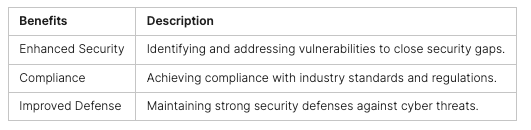
Vulnerability assessments offer numerous advantages to organizations seeking to strengthen their cybersecurity defenses and protect sensitive data. By conducting these assessments, businesses can effectively close security gaps in their network and reduce the risk of successful cyber attacks. Let’s explore the key benefits of vulnerability assessments:
Improved Security: Closing Security Gaps One of the primary benefits of vulnerability assessments is the ability to identify and address security vulnerabilities within a network. By proactively identifying these vulnerabilities, organizations can close security gaps and make their systems more secure. This reduces the attack surface and enhances the overall security posture.
Compliance with Industry Standards Vulnerability assessments are essential for achieving compliance with industry standards and regulations such as HIPAA, PCI DSS, GDPR, and ISO 27001. These assessments help organizations ensure that their security measures align with the required standards, protecting sensitive data and avoiding legal or regulatory penalties.
Maintaining Strong Security Defenses Regular vulnerability assessments help organizations maintain strong security defenses against evolving cyber threats. By identifying vulnerabilities and addressing them promptly, organizations can stay one step ahead of potential attackers. This proactive approach minimizes the likelihood of successful cyber attacks and reduces the impact of security incidents.
“Vulnerability assessments play a crucial role in identifying and mitigating security vulnerabilities. By closing security gaps and achieving compliance, organizations can significantly enhance their cybersecurity defenses and protect their critical assets.” – Security Expert
Implementing vulnerability assessments as part of an organization’s security strategy not only mitigates potential risks but also enhances the overall resilience of the system. By embracing this proactive approach, organizations can effectively safeguard their sensitive data, maintain customer trust, and avoid the detrimental consequences of data breaches.
Example Vulnerability Assessment Benefits
By leveraging vulnerability assessments, organizations can effectively mitigate security risks, protect critical assets, and ensure a robust security posture in today’s ever-evolving threat landscape.
Steps to Performing a Vulnerability Assessment
The vulnerability assessment process consists of several essential steps that organizations need to follow to ensure the effectiveness of their security measures. These steps include:
1. Risk Identification and Analysis
The first step in the vulnerability assessment process is to identify and analyze potential risks. This involves evaluating all assets within the organization and assigning risks based on potential threats they may face. By identifying these risks, organizations can prioritize their efforts to address the most critical vulnerabilities.
2. Developing Vulnerability Scanning Policies and Procedures
Once risks are identified, the next step is to develop comprehensive vulnerability scanning policies and procedures. These policies and procedures provide guidelines for conducting vulnerability assessments effectively and efficiently. They outline scanning protocols, preferred tools, and the frequency of assessments.
3. Identifying Different Types of Vulnerability Scans
Organizations need to determine the different types of vulnerability scans required for their assessment process. This includes external scans that focus on identifying vulnerabilities in public-facing systems and internal scans that assess vulnerabilities within the organization’s internal network. It is essential to identify the appropriate scan types that align with the organization’s specific needs and objectives.
4. Configuring and Performing the Scan
Once vulnerability scanning policies are in place, organizations need to configure and perform the vulnerability scan. This involves utilizing specialized scanning tools to scan the network and identify vulnerabilities. The scan should cover all critical areas and assets, both internally and externally accessible, to ensure a comprehensive assessment.
5. Evaluating and Interpreting Scan Results
After the scan is complete, organizations need to evaluate and interpret the scan results. This includes analyzing the vulnerabilities identified and assessing their potential risks to the organization. By interpreting the scan results, organizations can prioritize vulnerabilities based on their severity and potential impact on their overall security posture.
6. Creating a Remediation Process and Mitigation Plan
The final step in the vulnerability assessment process is to develop a remediation process and mitigation plan. This involves creating a systematic approach to address the identified vulnerabilities. The plan may include activities such as applying patches, implementing security measures, and improving overall vulnerability management practices.
By following these steps, organizations can ensure a thorough and effective vulnerability assessment process. This helps identify and address security vulnerabilities, strengthen overall security defenses, and reduce the risk of cyber attacks.
Conduct Risk Identification And Analysis
Risk identification and analysis play a crucial role in the vulnerability assessment process. It involves identifying all assets within the information system, assigning specific risks to each asset, and conducting a comprehensive analysis to determine the actual level of risk faced by each asset.
This initial step is essential in prioritizing assets based on their level of risk. By identifying critical vulnerabilities first, organizations can focus their efforts on addressing potential threats that pose the greatest risk to their systems.
One effective way to streamline the risk identification and analysis process is by using asset registers. Asset registers provide a structured framework for capturing and organizing information about each asset, including its associated risks, threats, and vulnerabilities.
These registers can be enhanced by adding additional columns for threats and vulnerabilities, enabling organizations to capture crucial information precisely without overlooking any potential risks. By utilizing asset registers, organizations can ensure a comprehensive and systematic approach to risk identification and analysis.
By conducting a thorough risk identification and analysis, organizations can gain valuable insights into the vulnerabilities present within their systems. This information serves as a foundation for developing an effective vulnerability management strategy and prioritizing remediation efforts.
Benefits of Risk Identification and Analysis:
Accurate assessment of potential risks and vulnerabilities
Effective prioritization of critical vulnerabilities
Enhanced security through targeted remediation efforts
Improved alignment with compliance requirements
“Risk identification and analysis enable organizations to proactively address security vulnerabilities and minimize the potential impact of cyber threats.” – Cybersecurity Expert
Steps to Conduct RIsk Identification and Analysis
Identify all assests within the information system
Assign risks to each asset based on potential threats
Perform a comprehensive analysis of the identified risks
Prioritize assests based on their level of risk
Once the risk identification and analysis phase is complete, organizations can proceed to the next steps of the vulnerability assessment process. This includes developing vulnerability scanning policies, identifying the types of vulnerability scans, configuring the scan, and interpreting the scan results.
Vulnerability Scanning Policies and Procedures
Developing effective vulnerability scanning policies and procedures is crucial for conducting a thorough and accurate vulnerability assessment. These policies and procedures provide a set of rules and steps that guide the scanning process, ensuring consistency and adherence to best practices.
Why are Vulnerability Scanning Policies and Procedures Important?
Vulnerability scanning policies and procedures play a vital role in streamlining the vulnerability assessment process. By having well-defined guidelines in place, organizations can:
Ensure that all relevant areas are included in the assessment
Consistently follow industry best practices
Identify vulnerabilities accurately and thoroughly
Having the right policies and procedures in place promotes efficiency and ensures that assessments are conducted in a systematic and standardized manner.
Key Steps in Developing Vulnerability Scanning Policies and Procedures
The development of vulnerability scanning policies and procedures involves several key steps:
Identify the scope: Determine the systems, networks, and applications that will be included in the vulnerability assessment.
Define scanning frequency: Establish how often vulnerability scans will be conducted to ensure regular assessment of the systems.
Select scanning tools: Choose the appropriate scanning tools that align with the organization’s requirements and industry standards.
Configure scanparameters: Set up the scanning parameters based on the specific needs of the organization, such as scanning ports, timing, and scanning depth.
Establish scanning rules: Define rules for conducting the scan, including scanning criteria, exclusions, and reporting requirements.
Create scan reporting templates: Develop standardized reporting templates to ensure consistent and clear presentation of scan results.
Train staff: Provide training and guidance to the staff responsible for conducting vulnerability assessments to ensure proper understanding and implementation of the policies and procedures.
Benefits of Having Well-Defined Vulnerability Scanning Policies and Procedures
Having well-defined vulnerability scanning policies and procedures offers several benefits:
“Well-defined vulnerability scanning policies and procedures are crucial for conducting accurate and effective vulnerability assessments. By following standardized guidelines, organizations can identify vulnerabilities more comprehensively and take appropriate measures to strengthen their security defenses.”
Consistency: Ensures that vulnerability scans are conducted consistently across the organization, eliminating variability in the assessment process.
Adherence to best practices: Helps organizations align with industry best practices and standards for vulnerability management.
Risk mitigation: Enables organizations to identify and address vulnerabilities promptly, reducing the risk of potential cyber attacks.
Efficiency: Streamlines the vulnerability scanning process, saving time and resources.
Compliance: Supports compliance with regulatory requirements and industry standards.
By investing time and effort into developing robust vulnerability scanning policies and procedures, organizations can ensure the effectiveness and accuracy of their vulnerability assessments, leading to stronger security defenses.
Identify The Types Of Vulnerability Scans
During a vulnerability assessment, different types of vulnerability scans can be conducted to ensure comprehensive coverage and accurate identification of vulnerabilities. These scans play a crucial role in strengthening an organization’s overall security defenses.
External Scans
One type of vulnerability scan is the external scan. This scan focuses on publicly available resources such as websites, servers, and applications that are accessible from the internet. By conducting external scans, organizations can assess their public-facing assets for vulnerabilities and potential entry points that could be exploited by cyber attackers.
Internal Scans
Another type of vulnerability scan is the internal scan. This scan targets internal assets such as servers, workstations, and databases within an organization’s network. It helps identify vulnerabilities that may exist internally, which could be exploited by insiders or attackers who have gained access to the internal network. Internal scans provide valuable insights into the security posture of an organization’s internal infrastructure.
In-House Scans
Vulnerability scans can be conducted in-house by organizations using their own dedicated scanning tools and resources. In-house scans provide organizations with greater control over the scanning process, enabling them to tailor it to their specific needs and requirements. This type of scan ensures confidentiality and reduces reliance on external parties, giving organizations a sense of ownership and accountability for their cybersecurity efforts.
Third-Party Scans
Alternatively, vulnerability scans can be outsourced to third-party providers who specialize in cybersecurity assessments. These providers have the expertise, tools, and resources to conduct comprehensive vulnerability assessments on behalf of organizations. Third-party scans offer an unbiased and fresh perspective on an organization’s security posture, providing valuable insights that may be overlooked internally. Organizations can benefit from the expertise of these providers without the need for extensive investment in additional infrastructure and resources.
Choosing the appropriate type of vulnerability scan depends on an organization’s specific needs and objectives. It is essential to consider the nature of the assets being assessed, the desired level of control, and the available resources. By selecting the right type of vulnerability scan, organizations can ensure a thorough assessment of their systems, networks, and applications, ultimately leading to more effective mitigation of vulnerabilities and a stronger overall security posture.
Configure The Scan
Configuring the vulnerability scan is a crucial step in the assessment process. It involves setting up the scanning tools, defining parameters, and determining the scope of the scan. By configuring the scan, organizations can customize the assessment to their specific needs and requirements, ensuring that all relevant areas are included and vulnerabilities are accurately identified.
Scanning tools play a vital role in vulnerability assessments, as they allow organizations to automate the scanning process and efficiently detect security weaknesses. These tools provide a comprehensive view of potential vulnerabilities, helping organizations understand the level of risk they face and prioritize remediation efforts.
During the configuration process, specific parameters need to be defined. Parameters include the scanning frequency, target assets, depth of the scan, and scanning schedule. These parameters help organizations tailor the vulnerability scan to their unique environment and requirements, maximizing the effectiveness of the assessment.
Defining the Scope
Determining the scope of the scan is another critical aspect of configuring the vulnerability assessment. The scope defines the boundaries of the assessment, specifying the systems, networks, and applications that will be included in the scan. A well-defined scope ensures that no critical areas are overlooked and that the assessment provides accurate and actionable results.
When defining the scope, it is essential to consider various factors, such as the organization’s size, infrastructure complexity, and security goals. The scope may include internal and external systems, web applications, mobile apps, and cloud environments. Clearly defining the scope helps in focusing the assessment on the most critical areas and ensures that the scan provides meaningful insights into the organization’s overall security posture.
Key Steps in Configuring the Scan
Step 1: Choose the appropriate scanning tool that suits your organizational needs
Step 2: Define the scanning parameters, such as frequency, depth, and scheduling
Step 3: Determine the scope of the scan, including internal and external systems
Step 4: Ensure that all relevant areas are included and no critical assets are overlooked
Perform The Scan
Performing the vulnerability scan is a crucial stage of the assessment process. It involves utilizing scanning tools to meticulously identify potential vulnerabilities and weaknesses within the system. This step allows organizations to gain a comprehensive understanding of their security landscape and take proactive measures to mitigate risks.
The vulnerability scan can be conducted in two manners: through automated scans using specialized scanning software or through manual testing performed by skilled security experts. Automated scans leverage cutting-edge technology to swiftly scan and analyze system components. These automated scans are highly efficient in detecting common vulnerabilities and weaknesses. On the other hand, manual testing offers a more in-depth analysis, allowing for a thorough investigation of complex vulnerabilities that automated scans may miss.
“The vulnerability scan is like shining a spotlight on potential weaknesses. It’s an opportunity to identify and address critical vulnerabilities that could otherwise be exploited by malicious actors.”
By performing the scan rigorously and comprehensively, organizations can uncover vulnerabilities that need to be addressed to strengthen the system’s security. It is important to note that the vulnerability scan should not be seen as a one-time activity, but rather an ongoing process to ensure continuous protection against emerging threats.
Evaluate And Consider Possible Risks
Once the vulnerability scan is complete, the next crucial step is to evaluate and consider the potential risks associated with the identified vulnerabilities. This process involves conducting a comprehensive risk assessment to determine the severity and impact of each vulnerability.
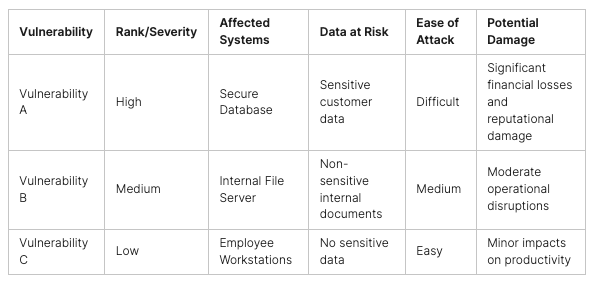
During the evaluation, it is important to assign a rank or severity score to each vulnerability based on various factors. These factors include:
The affected systems: Assess the criticality of the systems that are at risk. Determine if they contain sensitive data or if they play a crucial role in the overall functionality of the organization.
The data at risk: Consider the type of data that could be exposed or compromised if the vulnerability is exploited. Evaluate the sensitivity and potential consequences of unauthorized access or data breaches.
The ease of attack: Analyze the level of complexity and skill required to exploit the vulnerability. Determine if it can be easily exploited by an external attacker or if it requires more advanced techniques.
The potential damage: Assess the potential impact and consequences of a successful attack exploiting the vulnerability. Consider the potential financial losses, reputational damage, and regulatory consequences.
By thoroughly evaluating and considering these possible risks, organizations can prioritize the vulnerabilities that require immediate attention and remediation. This prioritization helps allocate resources effectively and address the most critical vulnerabilities first.
Example Risk Assessment Matrix:
By utilizing a risk assessment matrix like the one shown above, organizations can visualize and categorize vulnerabilities based on their severity and potential impact. This aids in the process of prioritizing vulnerabilities and developing an effective remediation plan to mitigate the identified risks.
Interpret The Scan Results
Interpreting the scan results is a crucial step in the vulnerability assessment process. It involves meticulously analyzing the vulnerabilities identified during the scan and understanding their implications for the organization’s security. By thoroughly interpreting the scan results, organizations can gain valuable insights into the specific weaknesses and potential risks present within their systems.
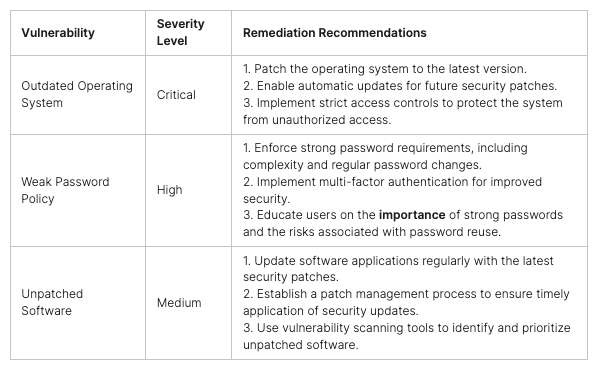
One of the key aspects of interpreting the scan results is vulnerability classification. This involves categorizing the vulnerabilities based on their severity levels, which helps prioritize remediation efforts. By assigning a severity rank to each vulnerability, organizations can focus on addressing the most critical ones that pose the highest risk to their cybersecurity.
Additionally, interpretation of the scan results includes providing remediation recommendations. These recommendations serve as actionable guidelines for effectively addressing the identified vulnerabilities. Remediation recommendations may involve implementing specific security measures, patching software, updating configurations, or improving overall vulnerability management practices. By following these recommendations, organizations can strengthen their security defenses and reduce the likelihood of successful cyber attacks.
Example of Vulnerability Classification and Remediation Recommendations:
By interpreting the scan results accurately and implementing the provided remediation recommendations, organizations can effectively address the identified vulnerabilities and enhance their overall security posture.
Create A Remediation Process And Mitigation Plan
The final step in a vulnerability assessment is to create a comprehensive remediation process and mitigation plan. It involves developing a systematic approach to address the identified vulnerabilities and strengthen the organization’s security defenses.
In the remediation process, organizations implement various activities such as patching software and updating configurations. Regularly applying patches and updates helps protect against known vulnerabilities and ensures that systems are up to date with the latest security measures.
Implementing security measures plays a crucial role in closing security gaps and minimizing risk. This may include enforcing strong access controls, monitoring network traffic, and implementing intrusion detection systems. These security measures contribute to a robust defense strategy that safeguards the organization against potential cyber attacks.
As part of the mitigation plan, organizations should focus on improving vulnerability management practices. This involves conducting routine vulnerability assessments to identify and address vulnerabilities before they can be exploited by malicious actors. By prioritizing and regularly updating the mitigation plan, organizations can continuously strengthen their security posture and reduce the risk of cyber threats.
“The only way to deal with vulnerabilities in your IT infrastructure is with a remediation process that prioritizes the most critical risks and applies mitigation measures effectively.”
Creating a remediation process and mitigation plan allows organizations to take a proactive approach towards enhancing their security defenses. It provides a structured framework for addressing vulnerabilities, mitigating risks, and maintaining a secure environment for critical data and systems.
By incorporating a comprehensive remediation process and mitigation plan, organizations can stay one step ahead of potential cyber threats and ensure the protection of their sensitive assets. Implementing proactive vulnerability management practices is crucial in today’s evolving threat landscape, where cyber attacks are becoming more sophisticated and prevalent.
Vulnerability Assessment Pricing & Frequency
When it comes to vulnerability assessments, pricing can vary depending on various factors. These factors include the complexity of the network being assessed, the goals and objectives of the assessment, and any additional requirements specified by the organization. Typically, vulnerability assessment costs range from $2,000 to $4,000 per report.
In terms of the frequency of vulnerability assessments, best practice suggests conducting assessments at least quarterly. However, the frequency may differ based on several factors unique to each organization. Compliance requirements, changes in infrastructure, and specific business needs can all influence the frequency of assessments. It is important to evaluate these factors and determine the most suitable assessment cadence for your organization.
Some organizations opt for continuous vulnerability management solutions. These solutions allow for ongoing monitoring and assessment of vulnerabilities, ensuring proactive security against the ever-evolving threat landscape. Continuous vulnerability management provides real-time visibility into potential vulnerabilities and allows organizations to address them promptly.
Proactively investing in vulnerability assessments and embracing a regular assessment cadence can significantly enhance an organization’s cybersecurity posture. By identifying and addressing vulnerabilities in a timely manner, businesses can minimize the risk of costly data breaches and potential disruptions to their operations.
Benefits of Regular Vulnerability Assessments:
Identification and mitigation of security vulnerabilities
Reduced risk of cyber attacks
Achievement of compliance with industry standards and regulations
Enhanced security defenses
Protection of sensitive data and customer trust
Vulnerability assessments are an essential component of a comprehensive cybersecurity strategy. By conducting regular assessments, organizations can stay one step ahead of potential threats and ensure their systems are protected against the increasing sophistication of cyber attacks.
By prioritizing vulnerability assessment pricing and frequency, businesses can effectively allocate resources to strengthen their security defenses and safeguard their valuable assets. Investing in vulnerability assessments is a proactive approach to protecting critical data, maintaining customer confidence, and minimizing the impact of potential security incidens.
Conclusion
Vulnerability testing is a crucial component of any organization’s cybersecurity arsenal, serving as a proactive measure to identify and mitigate potential security weaknesses. Regular vulnerability assessments enable businesses to close security gaps and significantly reduce the risk of costly data breaches. Furthermore, such testing is instrumental in ensuring compliance with industry standards, helping organizations fulfill necessary security requirements and maintain regulatory compliance.
The investment in vulnerability testing is critical for any organization that aims to protect sensitive data, uphold customer trust, and safeguard its digital and physical assets. Integrating vulnerability testing into a comprehensive cybersecurity strategy allows businesses to establish and sustain robust security defenses, effectively mitigating potential risks and minimizing the impact of cyber threats.
In the ever-evolving landscape of cyber threats, vulnerability testing must be an ongoing priority. Continuous assessments allow organizations to remain adaptable to new security challenges, promptly detect and remediate newly emerging vulnerabilities, and maintain a step ahead of potential attackers. Consistently prioritizing vulnerability testing helps organizations fortify their security posture, ensuring enduring protection against the myriad threats in today’s digital world.
At Peris.ai Cybersecurity, we recognize the vital role of vulnerability testing in securing organizational assets and data. Our Peris.ai Bima platform offers a comprehensive Vulnerability Assessment service tailored to meet the specific needs of your business. We invite you to visit Peris.ai Bima Vulnerability Assessment to discover how our expert solutions can enhance your security measures. Let us help you implement a proactive defense strategy that keeps your business secure in the face of dynamic and complex cyber threats. Take action today to safeguard your organization’s future.
FAQ
What is vulnerability testing?
Vulnerability testing is a process that helps identify and mitigate security vulnerabilities in systems, networks, and software.
Why is vulnerability testing important for organizations?
Vulnerability testing is important for organizations because it helps reduce the risk of cyber attacks by identifying weaknesses in their systems and prioritizing actions to strengthen their security defenses.
What are the benefits of vulnerability assessments?
Vulnerability assessments offer several benefits, including closing security gaps, achieving compliance with industry standards and regulations, and maintaining strong security defenses to decrease the likelihood of successful cyber attacks.
What are the steps involved in a vulnerability assessment?
The steps in a vulnerability assessment include risk identification and analysis, developing vulnerability scanning policies and procedures, identifying the types of vulnerability scans, configuring the scan, performing the scan, evaluating and considering possible risks, interpreting the scan results, and creating a remediation process and mitigation plan.
How do you conduct risk identification and analysis in a vulnerability assessment?
Risk identification and analysis involve identifying all assets in the information system, assigning risks to each asset, and analyzing the actual risk each asset faces. This helps prioritize assets based on their level of risk and ensure critical vulnerabilities are addressed first.
Why are vulnerability scanning policies and procedures important?
Having well-defined vulnerability scanning policies and procedures is crucial for conducting an effective vulnerability assessment. These policies and procedures provide rules and steps to follow during the scanning process, ensuring consistency, adherence to best practices, and inclusion of all relevant areas.
What are the different types of vulnerability scans?
The different types of vulnerability scans include external scans that focus on publicly available resources, and internal scans that target internal assets. These scans can be conducted in-house or by third-party providers, depending on the organization’s needs and objectives.
How do you configure a vulnerability scan?
Configuring a vulnerability scan involves setting up scanning tools, defining parameters, and determining the scope of the scan. By appropriately configuring the scan, organizations can ensure comprehensive coverage and accurate identification of vulnerabilities.
How is the vulnerability scan performed?
The vulnerability scan can be performed through automated scans using specialized software or through manual testing performed by security experts. It involves using scanning tools to identify vulnerabilities and weaknesses in the system, helping uncover vulnerabilities that need to be addressed to strengthen security.
What is the process for evaluating and considering possible risks?
Evaluating and considering possible risks involves assigning a rank or severity score to each vulnerability based on factors like affected systems, data at risk, ease of attack, and potential damage. By doing this, organizations can prioritize vulnerabilities that require immediate attention and develop an effective remediation plan.
How do you interpret the scan results in a vulnerability assessment?
Interpreting the scan results involves analyzing the vulnerabilities and their implications for the organization’s security. This includes classifying vulnerabilities based on severity and identifying the most critical ones that pose the highest risk, as well as providing remediation recommendations to effectively address the identified vulnerabilities.
What is involved in creating a remediation process and mitigation plan?
Creating a remediation process and mitigation plan involves developing a systematic approach to addressing the identified vulnerabilities. This may include activities like patching software, updating configurations, implementing security measures, and improving overall vulnerability management practices.
How are vulnerability assessments priced and how often should they be performed?
The pricing of vulnerability assessments can vary depending on factors like network complexity, assessment goals, and additional requirements. Costs generally range from $2,000 to $4,000 per report. As for the frequency, it is considered best practice to perform vulnerability assessments at least quarterly, although it may vary based on compliance requirements, infrastructure changes, and business needs.
Is vulnerability testing important for defense against cyber attacks?
Absolutely! Vulnerability testing is a critical component of an organization’s defense strategy against cyber attacks. By conducting regular vulnerability assessments, organizations can identify and address security vulnerabilities, close security gaps, achieve compliance with industry standards, and maintain strong security defenses to protect sensitive data and minimize the risk of costly data breaches.
The landscape of contemporary finance is undergoing a rapid and transformative evolution, with digital banking emerging as an undeniable and commanding presence. This transformation has ushered in a paradigm shift in how individuals and businesses engage with their financial activities. The allure of convenience, unfettered accessibility, and streamlined efficiency that digital banking offers have propelled its adoption to the forefront. Nevertheless, this surge of innovation carries a weighty responsibility—one that stands as a cornerstone within the realm of digital banking: cybersecurity. As financial institutions pivot towards digital platforms, they find themselves entangled in a complex tapestry of challenges, each posing a potential threat to the security, resilience, and trust underpinning their systems. In the ensuing discourse, we shall explore the eminent cybersecurity challenges that loom over the digital banking domain, delving comprehensively into the stratagems and countermeasures wielded in the relentless pursuit to mitigate these multifaceted risks.
1. Sophisticated Cyberattacks
The digital landscape has given rise to a new breed of cybercriminals who employ increasingly sophisticated tactics to breach banking systems. From ransomware attacks that encrypt critical data until a ransom is paid to advanced phishing schemes that trick customers into divulging sensitive information, these cybercriminals continuously adapt and evolve their methods. Financial institutions must contend with the constant arms race against these attackers, as each successful breach could result in substantial financial losses, regulatory penalties, and reputational damage.
2. Data Breaches and Privacy Concerns
Digital banking involves collecting, storing, and processing vast amounts of sensitive customer data. This data, from personal identification information to transaction histories, is a prime target for cybercriminals. A successful data breach can have far-reaching consequences, including identity theft, financial fraud, and potential legal liabilities for the banking institution. Maintaining this data’s privacy and security is a regulatory requirement and fundamental to customer trust.
3. Third-Party Risks
The interconnected nature of modern financial ecosystems often requires digital banking institutions to collaborate with third-party vendors, fintech companies, and other partners to deliver comprehensive services. While these collaborations bring innovation and convenience, they also introduce additional cybersecurity challenges. Weaknesses in the security practices of third-party entities can serve as entry points for cyber attackers. Ensuring that all parties adhere to stringent security standards and best practices is a complex undertaking that demands continuous monitoring and oversight.
4. Regulatory Compliance
The financial industry is subject to many regulations and standards designed to protect the industry and its customers. As digital banking expands, the regulatory landscape has grown more intricate. Banking institutions must navigate complex compliance requirements, including data protection regulations, anti-money laundering (AML) laws, and customer authentication protocols. Non-compliance carries financial penalties, eroding customer trust and damaging the institution’s reputation.
5. Inadequate User Authentication
User authentication is a critical component of digital banking security. Traditional methods like username and password combinations are increasingly vulnerable to brute force and credential stuffing attacks. Multi-factor authentication (MFA) has become an essential tool in combating unauthorized access, but its implementation can vary in effectiveness. Striking the right balance between security and user experience is a challenge that banking institutions must grapple with to ensure that customers’ accounts remain secure without causing undue friction.
6. Insider Threats
While much attention is often directed toward external threats, the potential for insider threats within banking institutions should not be underestimated. Employees, contractors, or even former personnel with access to sensitive systems and data can pose a significant risk. Malicious insiders or individuals inadvertently causing security breaches require robust access controls, continuous monitoring, and comprehensive training programs to mitigate their potential impact.
7. Emerging Technologies
The rapid integration of emerging technologies such as artificial intelligence (AI), machine learning (ML), and the Internet of Things (IoT) into digital banking brings both opportunities and challenges. While these technologies can enhance customer experiences and operational efficiency, they also introduce new attack vectors. For instance, cybercriminals could manipulate AI-powered chatbots to gather sensitive information from unsuspecting customers. Banking institutions must thoroughly assess and address the security implications of adopting these technologies.
8. Cybersecurity Talent Shortage
The evolving and complex nature of cybersecurity requires a skilled workforce to design, implement, and manage effective security measures. However, the demand for cybersecurity professionals far outpaces the supply, leading to a talent shortage in the industry. Banking institutions must compete for qualified personnel, often paying a premium for their expertise. This scarcity further complicates efforts to maintain robust cybersecurity defenses.
Mitigating the Challenges:
Addressing cybersecurity challenges in digital banking demands a comprehensive and proactive approach. Here are some strategies that financial institutions can employ to mitigate these risks:
Continuous Monitoring and Threat Detection: Implement robust monitoring systems that identify unusual patterns or activities, allowing for rapid response to potential threats.
Strong Encryption: Ensure that all sensitive data is properly encrypted during transmission and storage to protect against data breaches.
Employee Training: Educate employees about cybersecurity best practices, emphasizing the importance of maintaining a strong security posture and recognizing potential threats.
Multi-Factor Authentication: Implement MFA across all digital banking platforms to add a layer of security for customer accounts.
Vendor Risk Management: Thoroughly assess the security practices of third-party vendors and partners, ensuring they adhere to stringent cybersecurity standards.
Regulatory Compliance: Stay informed about evolving regulations and proactively implement compliance measures.
Incident Response Plan: Develop a comprehensive incident response plan that outlines steps to take during a cyber attack, minimizing damage and downtime.
Collaboration and Information Sharing: Participate in industry collaborations and information-sharing initiatives to stay updated on emerging threats and best practices.
Investment in Technology: Continuously invest in state-of-the-art cybersecurity technologies and solutions to stay ahead of evolving threats.
Talent Development: Establish training and mentorship programs to nurture and develop cybersecurity talent within the organization.
In Summation
The swift and sweeping digitization of banking services has ushered in an era of unparalleled convenience and operational efficacy for customers worldwide. Yet, within this epoch of transformation, an intricate of cybersecurity challenges has woven itself into the fabric of this progress. The symbiotic relationship between innovation and responsibility becomes strikingly evident as financial institutions traverse the digital landscape. As they navigate this uncharted territory, they must remain steadfastly vigilant, unfailingly adaptable, and perpetually innovative to shield customer data from evil forces, adhere to stringent regulatory frameworks, and safeguard the bedrock of trust upon which their reputation is built.
To this end, the imperative of a robust cybersecurity strategy emerges as a guiding beacon. A multifaceted approach, harmoniously fusing cutting-edge technology, nurtured talent, and synergistic collaboration can serve as an invincible fortress against the ceaseless waves of cyber threats. By proactively fortifying their digital ramparts with the latest security measures, financial institutions can stand resilient in the face of adversities that the digital realm may present. This, in turn, ensures that the promise of a secure and dependable banking experience remains unwavering amidst the flux of the digital age.
As we reflect upon the intricate interplay of digital banking, cybersecurity, and the unceasing quest for progress, we invite you to delve deeper into this realm of knowledge. Explore our website, where solutions converge with insights, empowering individuals and institutions to navigate the dynamic landscape of digital banking confidently. Uncover the arsenal of tools at your disposal, designed to fortify your digital banking infrastructure and elevate the security of your financial ecosystem. In this era where technology is the conduit to possibility, your journey toward a resilient and secure digital banking future awaits – take the first step on our website today.
In the fast-paced landscape of today’s digital era, the specter of cyberattacks has grown more ominous than ever. In an interconnected world where businesses depend on technology for virtually every facet of their operations, the repercussions of a successful cyberattack can be catastrophic. The gravity of this threat has yet to escape the attention of CEOs and corporate boards, who are increasingly vigilant about the need to bolster their organizations’ security defenses. This article delves into the intricate realm of cyber threats, shedding light on their evolution, CEOs and boards’ pivotal roles in confronting these challenges head-on, and their ingenious strategies to thwart the relentless tide of cyberattacks.
The Evolving Landscape of Cyber Threats
Cyber threats have evolved significantly in recent years. Gone are the days when simple viruses and malware were the primary concerns. Today’s cybercriminals are highly sophisticated, employing advanced techniques to breach security systems and steal sensitive data. Some of the most common and concerning cyber threats include:
Ransomware Attacks: Ransomware attacks have become increasingly prevalent, with cybercriminals encrypting an organization’s data and demanding a ransom for its release. High-profile incidents like the Colonial Pipeline attack have highlighted the crippling impact of such attacks on critical infrastructure.
Phishing Attacks: Phishing attacks involve deceptive emails or messages that trick employees into divulging sensitive information, such as login credentials or financial details. These attacks can lead to data breaches or unauthorized access to systems.
Zero-Day Exploits: Cybercriminals frequently target vulnerabilities in software or hardware that are not yet known to the vendor, known as zero-day exploits. These attacks can be particularly challenging to defend against because no patches are available to fix the vulnerabilities.
Insider Threats: Insider threats involve current or former employees who misuse their access to compromise an organization’s security. These threats can be intentional or accidental, making them difficult to predict and prevent.
Supply Chain Attacks: Cybercriminals often target an organization’s supply chain partners to gain access to their systems and, eventually, the primary target. Recent supply chain attacks have demonstrated the need for robust security measures throughout the ecosystem.
The Role of CEOs and Boards in Cybersecurity
Recognizing the severity of these threats, CEOs and corporate boards have taken on a more active role in cybersecurity. Rather than viewing it as solely the responsibility of the IT department, they now understand that it is a strategic concern that requires a holistic approach. Here’s how CEOs and boards are contributing to cybersecurity efforts:
Setting the Tone: CEOs and boards are setting the tone for cybersecurity within their organizations by emphasizing its importance. They are clarifying that cybersecurity is not just an IT issue but a fundamental aspect of business strategy.
Budget Allocation: Cybersecurity budgets have increased significantly in many organizations. CEOs and boards are allocating resources to implement robust security measures, recognizing that investing in prevention is more cost-effective than dealing with the aftermath of a cyberattack.
Risk Assessment: Boards conduct thorough risk assessments to identify potential vulnerabilities and threats to their industry and organization. This helps in prioritizing security measures and allocating resources effectively.
Board-Level Expertise: Many boards now include members with cybersecurity expertise. Having individuals with a deep understanding of cybersecurity on the board ensures that security is a top-level concern and that the latest threats and best practices inform decisions.
Incident Response Planning: CEOs and boards actively develop and test incident response plans. They understand that a quick and coordinated response is essential in mitigating the damage caused by a cyberattack.
Strategies to Thwart Cyberattacks
To fortify their defenses against cyber threats, CEOs and boards are implementing a range of strategies and best practices:
Employee Training: Recognizing that employees can be a weak link in cybersecurity, organizations are investing in comprehensive training programs to educate staff about the dangers of phishing, social engineering, and other common attack vectors.
Multi-Factor Authentication (MFA): MFA adds an extra layer of security by requiring users to provide multiple forms of identification before gaining access to systems or data. It has become a standard practice in many organizations.
Regular Software Updates and Patch Management: To mitigate the risk of zero-day exploits, organizations are diligent about keeping their software and hardware up to date. This includes applying security patches promptly.
Zero Trust Architecture: This approach assumes that no one can be trusted by default, whether inside or outside the organization. Resource access is granted on a need-to-know basis, and continuous verification is required.
Encryption: Data encryption is a fundamental cybersecurity measure. CEOs and boards are implementing encryption protocols to protect sensitive information in transit and at rest.
Cybersecurity Audits and Penetration Testing: Regular audits and penetration testing help organizations identify vulnerabilities and weaknesses in their systems, allowing for proactive remediation.
Collaboration with Law Enforcement: In cases of cyberattacks, organizations are working closely with law enforcement agencies to track down and prosecute cybercriminals. This collaborative effort is crucial in bringing cybercriminals to justice.
Supply Chain Security: Organizations are scrutinizing the security measures of their supply chain partners and implementing stringent requirements to ensure the integrity of their ecosystem.
In Closing
The battle against cyberattacks remains a perpetual and dynamically shifting challenge that organizations must navigate. The steadfast commitment of CEOs and corporate boards to adopt a proactive stance in addressing cybersecurity is an encouraging sign of progress. Through their collective leadership, setting the tone for cybersecurity awareness, resource allocation, and the implementation of robust security measures, organizations are actively fortifying their defenses against the ever-evolving threat landscape.
It is important to emphasize that while there may not be a foolproof defense against cyberattacks, the united efforts of CEOs, boards, and dedicated cybersecurity professionals play a pivotal role in risk reduction and damage mitigation. In a world where digital data holds immeasurable value, the dedication to cybersecurity transcends the realm of corporate responsibility; it represents a fiduciary duty to safeguard stakeholders’ interests and uphold customers’ trust.
We invite you to visit our website for a deeper dive into cybersecurity and to explore cutting-edge solutions to protect your organization from cyber threats. Here, you will find a wealth of resources, expert insights, and innovative tools to help you stay ahead in the ongoing battle against cyberattacks. By staying informed and proactive, we can collectively fortify our digital defenses and secure the future of our organizations in an increasingly interconnected world. Visit our website today and take the first step towards a more resilient cybersecurity posture. Your organization’s digital safety depends on it.
Do you know about the big jump in cyber attack statistics? They could harm your organization’s safety and reputation. The world is facing a more dangerous cyber threat landscape. Reports of data breaches and malware trends don’t look good. Get ready to explore the surprising details about ransomware statistics, phishing scams, DDOS attack data, and the huge cybercrime costs. These issues threaten even the best-prepared companies.
Key Takeaways
Cyber attacks are becoming more sophisticated and prevalent, with organizations facing a growing threat landscape.
Malware, ransomware, and phishing scams are among the most common cyber threats, leading to costly data breaches and downtime.
DDOS attacks and IoT vulnerabilities are crippling online systems, while the financial and healthcare sectors are particularly vulnerable.
Cybercrime costs are skyrocketing, with ransomware and insider threats posing a significant challenge for organizations.
Staying informed about the latest cyber attack statistics and vulnerability exploits is crucial for effective incident response and cybersecurity strategy.
The Alarming Rise of Cyber Attacks
Cyber attacks are happening more often, making cybersecurity experts and companies around the globe worried. A recent study showed that both government-backed groups and smart cybercriminals are a big threat. This is true for businesses and government agencies.
Global Cyber Attacks on the Rise
Microsoft found that Russian groups tried to hack Ukraine’s key systems with a dangerous virus, Industroyer2. Luckily, they didn’t do much harm, but it shows cyber threats are getting more advanced. A company named Sonicware also found over 270,000 new types of malware, highlighting the quick growth of cyber dangers.
Record-Breaking Cybercrime Costs
The costs of cyber attacks are rising, according to the 2022 Verizon report. It mentions that about 30% of these attacks start from phishing emails with harmful links or files. This can lead to serious issues like stealing information, stopping systems, and causing big financial hits to companies.
Understanding the Cyber Risk Landscape
Today, dealing with cyber threats is a top concern for many. A PwC report shows that in 2024, this is a big focus for business and tech leaders. It comes next only to worries about digital and technology issues. Shockingly, 41% of groups had three or more big cyber risk events in the last year. And 58% feel they are at a high risk for cyber attacks.
Prioritizing Cyber Risk Management
In a world where cyber threats are growing both in number and complexity, companies need a solid defense plan. They should focus on assessing risks and finding ways to reduce them. This should be combined with using top-notch security tech and making sure everyone in the company knows how to stay secure. Making cyber risk management a priority helps firms protect themselves better.
Cloud Security Risks on the Horizon
Cloud computing is now a powerful tool for businesses. But, it also brings new threats they must be ready for. To stay safe, they need to look closely at the risks that come with the cloud. Gaining control over who has access to data, encrypting important info, and keeping a close watch on the cloud helps fight off new threats.
AI and Emerging Technologies Shaping Cyber Strategies
Artificial intelligence, or AI, and other new technologies are quickly changing how we do business. But, they’re also influencing how we tackle cyber risks. Companies must use these tools wisely to stay ahead of cyber threats. AI and machine learning, for example, can improve how we spot and respond to cyber dangers. By using these new technologies smartly, firms can boost their cybersecurity defenses.
How AI and Emerging Technologies Are Revolutionizing Cybersecurity Strategies
The Insider Threat: A Growing Concern
Insider attacks, where people within a group harm it, are on the rise. This puts important data and operations at risk. Cybersecurity experts warn that organizations are dealing with more insider threats than ever before.
The Cost and Impact of Insider Threats
The dangers of insider threats are both financial and reputational. A Cybersecurity Insiders study found that many felt vulnerable to these attacks. Securonix reported a jump from 66% to 76% of insider attacks between 2019 and 2024.
The Cybersecurity Insiders study also said that 74% of organizations have seen more insider attacks. This shows a worrying trend of increased activity by malicious insiders.
Detecting and Preventing Insider Attacks
Despite this, detecting and preventing insider threats remains a challenge for many. Securonix stated that 76% noticed more insider threat activity in the last five years. But, less than 30% believe they have the right tools to deal with these threats effectively.
Establishing Insider Threat Programs
Organizations need to set up strong insider threat programs to lower their risk. These programs use tools, education for employees, and other strategies. Their goal is to spot and deal with potential insider threats quickly and well.
Cyber Attack Statistics
As we enter a more digital world, keeping secure is key. There are many cyber threats like malware, ransomware, and phishing. Staying alert and taking steps to protect yourself is vital.
Malware is a top threat, letting hackers into systems to steal info or stop work. Sonicware reported finding over 270,228 new types of malware in 2022. Cybercriminals are always creating new, smarter attacks.
Ransomware is on the rise, affecting more and more companies. In 2023, attacks jumped by 68%. 81% of organizations faced at least one ransomware incident.
Phishing tricks people into giving up personal info through fake messages. 30% of these start with phishing emails. It stays a big issue.
DDoS attacks and IoT botnets are also threats. They flood online systems, causing chaos. This messes with more than just the main business, like its customers too.
Knowing about these cyber threats is crucial for organizations. It helps them build stronger defenses. This way, they can lower the dangers these attacks bring.
Understanding Cyber Threats to Build Stronger Organizational Defenses
Ransomware: A Destructive Force
Ransomware has become a huge threat in recent years. It’s a kind of bad software that locks up your files. You have to pay a price to get them back. This is often used to attack places like hospitals and schools. They are left with a tough choice: pay up or lose their important data.
The Alarming Rise of Ransomware Attacks
Recently, ransomware attacks have shot up by 68% from the year before (Threatdown). Shockingly, about 81% of places like schools and businesses were hit at least once last year (Spycloud). This shows how big and constant the problem is.
Costly Consequences of Ransomware Breaches
Ransomware hits hard. It can shut a place down for more than 6 days, says Wipro 2023. Even if a ransom is paid, it still costs over $1 million to get back on track, according to Spycloud 2023. This shows the huge impact it has, not just on data but on money too.
Phishing: A Persistent Threat
Phishing is still a big problem. Attackers send fake emails aimed at stealing your info. These often lead to being hit by ransomware, with about 30% of infections starting from these emails (Verizon 2022).
DDoS and IoT Attacks: Crippling Online Systems
DDoS attacks pose a big danger to businesses and groups around the globe. Cybercriminals use these attacks to flood online systems with too many requests. This overload causes services to crash, making them hard or impossible to use for real users.
The DDoS attack strategy relies on a group of hacked internet-connected devices. These may be computers or IoT gadgets, which are taken over to send lots of traffic at the target. This can lead to big problems like loss of data, stopping of important work, and harm to a company’s finances and reputation.
The number of internet-connected devices is increasing. This means the danger of IoT-based DDoS attacks is also growing. Hackers are now focusing on these weak points to make their attacks more intense. This makes it very important for companies to boost their IoT security and protect against these new threats.
“DDoS attacks are the digital equivalent of a natural disaster, crippling businesses and disrupting critical infrastructure. Staying vigilant and implementing robust countermeasures is essential to safeguarding online operations.”
Organizations need to develop a strong security plan to fight DDoS and IoT attacks. This should include watching the network closely, filtering traffic, and using advanced threat detection. Keeping up with new threats helps companies protect their online space and keep their work going despite these dangerous cyber attacks.
Crafting Robust Security Plans Against DDoS and IoT Cyber Attacks
Healthcare Industry Under Siege
The healthcare industry is now a top target for cybercriminals. They aim to take advantage of the valuable data medical organizations hold. With data breaches becoming more expensive, the healthcare sector faces strong pressure to improve its cyber defenses.
Escalating Healthcare Data Breach Costs
Between 2020 and 2024, the cost of healthcare data breaches rose by 53.3%. This is according to a report by Mordor Intelligence. The increase shows how much strain these cyber attacks put on healthcare organizations.
Hacking and Unauthorized Access in Healthcare
In February 2024, the UnitedHealth Group’s subsidiary, Change Healthcare, experienced a major cyberattack. This was one of the biggest cyberattacks on healthcare to date. It disrupted 94% of hospitals, showing the severe impact these attacks can have on healthcare services.
Financial Sector: A Lucrative Target
The financial industry is a hot target for cybercriminals due to the wealth of sensitive info. Recent reports show 78% of financial organizations have faced a security breach. Meanwhile, one in three Americans has been a victim of financial cybercrime.
Cryptojacking and Cryptocurrency Attacks
The popularity of cryptocurrencies has brought new risks to the finance world. Cryptojacking attacks have increased by 399% year-over-year from 2022 to 2023. Attacks on cryptocurrency companies also jumped by 600% in Q2 2023 alone.
Phishing and Ransomware Threats
Phishing scams and ransomware attacks are still major issues for the finance sector. These threats take advantage of the importance of financial data. They also target the need for businesses to keep running smoothly.
Conclusion
This article provided an in-depth look at the escalating landscape of cyber attacks, highlighting the increasing prevalence of threats such as ransomware and phishing. It underscores the critical need for organizations across all sectors to strengthen their cyber defenses.
The battle against cybercrime is relentless. As hackers become more sophisticated, leveraging new technologies and exploiting vulnerabilities, businesses, healthcare providers, and government agencies face constant threats, risking data breaches and significant financial losses.
The key takeaway is that vigilance in cybersecurity is non-negotiable. It’s essential for everyone to stay aware of emerging threats and ensure their security measures are current and robust. By fostering a strong security culture and maintaining proactive defenses, we can significantly reduce the risk of cyber attacks.
At Peris.ai Cybersecurity, we are committed to helping you stay ahead of these threats. Our comprehensive suite of products and services is designed to bolster your security posture and protect your valuable data. Visit Peris.ai Cybersecurity to learn more about how we can help you safeguard your digital assets and ensure long-term security. Don’t wait—strengthen your defenses with Peris.ai today!
FAQ
What are the most common types of cyber attacks?
Common cyber attacks are malware, ransomware, and phishing. DDoS and IoT attacks are also on the rise. They can lead to data theft, system issues, and financial harm.
How has the cyber threat landscape evolved in recent years?
Cyber threats are now more serious and complex. State groups and hackers use advanced methods. These attacks happen more often and affect many businesses.
What are the key cyber risk management priorities for organizations?
Reducing cyber risk is crucial for many organizations. It’s their number one concern after digital and tech risks. Over 40% of companies have faced three or more major attacks in the past year.
What is the growing concern around insider threats?
Insider threats worry 74% of companies. They think they could be hit hard. The number of insider attacks has grown. Yet, many companies don’t have the right tools to fight this.
What are the latest trends in ransomware attacks?
In 2023, ransomware attacks went up by 68%. 81% of companies were hit by these. They can be very damaging. Some companies lost over a million dollars to these attacks.
How are DDoS and IoT attacks impacting online systems?
DDoS attacks can shut down online services by flooding servers. This leads to a service blackout and possible data leaks.
How has the healthcare industry been impacted by cyber attacks?
Cyber attacks on healthcare grew big. Data breach costs jumped by over 50% in 4 years. In 2024, a major attack hit 94% of hospitals.
What are the key cyber threats facing the financial sector?
The financial world faces many cyber threats. Almost 80% of these businesses had a breach. Attacks on cryptocurrencies are also growing fast.
The dark web remains shrouded in mystery and often misunderstood. Part of the internet’s deeper, unindexed layers, poses significant cybersecurity threats. Understanding these risks is crucial for safeguarding your organization’s sensitive data and maintaining robust cybersecurity measures. This article delves into the dark web’s landscape, explores the critical function of dark web monitoring, and offers steps to integrate robust security protocols to protect your business.
Understanding the Dark Web
The Iceberg Analogy: The internet is often depicted as an iceberg. The surface web, accessible through standard search engines, represents only the visible tip. Below the surface lies the deep web, which contains unindexed content such as private databases and archives. Deeper still is the dark web—a secluded part of the internet known for its anonymity and a hotspot for illicit activities.
The Risks Lurking in the Dark Web
Data Marketplaces: The dark web serves as a bustling marketplace for trading stolen data, including breached credentials and credit card information. This open exchange can lead to significant financial losses and severe reputational damage for individuals and businesses alike.
Cybercrime Forums: These forums provide a collaborative space for cybercriminals to exchange hacking techniques and coordinate sophisticated cyberattacks.
Malware Distribution: A central hub for distributing malware, the dark web facilitates the spread of harmful software designed to steal data and disrupt operations.
Targeted Attacks: Information about a company’s vulnerabilities can be purchased to launch targeted attacks, exploiting known weaknesses.
Brand Hijacking: Phishers often create counterfeit versions of official websites to deceive users, damaging the company’s reputation and trust.
️♂️ The Role of Dark Web Monitoring
What is Dark Web Monitoring? This specialized cybersecurity service actively searches the dark web for indications of compromised business data, such as exposed employee credentials, confidential information, and proprietary secrets.
Why It Matters:
Prevention of Data Breaches: Early detection of compromised data can mitigate the risk of broader data breaches.
Reputation Management: Swiftly addressing threats helps maintain your business’s public image.
Compliance: Many industries have legal obligations to protect sensitive data, making dark web monitoring a compliance necessity.
Intellectual Property Protection: Monitoring helps prevent the unauthorized distribution or sale of your intellectual property.
Strategic Security Planning: By understanding potential threats and monitoring competitive intelligence, businesses can better strategize their cybersecurity defenses.
️ Steps to Implement Dark Web Monitoring
Understand the Threat Landscape: Recognize that the dark web is a significant part of the internet where anonymity facilitates illegal activities.
Engage a Monitoring Service: Opt for a reputable cybersecurity service that specializes in dark web monitoring to detect threats specific to your business data.
Conduct Regular Risk Assessments: Regularly assess your digital infrastructure to identify and mitigate potential vulnerabilities.
Develop a Robust Cybersecurity Posture: Update your cybersecurity measures continuously to protect against emerging threats. Integrate dark web monitoring into your overall security strategy to ensure comprehensive protection.
Employee Training and Awareness: Educate your employees about the signs of breach indicators and phishing attempts to fortify the first line of defense.
Proactive Safeguarding with Peris.ai
While the dark web only constitutes a small fraction of the internet, the threats it harbors can undermine even the most robust cybersecurity infrastructures. By proactively integrating dark web monitoring and updating security measures, businesses can shield themselves against the evolving landscape of cyber threats. Stay vigilant and protect your digital realm with cutting-edge solutions from Peris.ai.
For more insights on safeguarding your business and to explore our cybersecurity solutions, visit us at Peris.ai Cybersecurity.
As technology continues to advance, so do the tactics and techniques of malicious actors looking to exploit vulnerabilities in software, hardware, and systems. To stay one step ahead of cyber threats, organizations must not only invest in robust security measures but also foster an environment of trust and collaboration with the broader cybersecurity community. One effective way to achieve this is by implementing a robust Vulnerability Disclosure Program (VDP). In this article, we will delve into the importance of VDPs, their key components, and how they can help build trust between organizations and the cybersecurity community.
The Growing Significance of Vulnerability Disclosure Programs
A Vulnerability Disclosure Program (VDP) is a structured process through which individuals or organizations can report security vulnerabilities they discover in a company’s products, services, or infrastructure. The primary goal of a VDP is to encourage ethical hackers, security researchers, and concerned citizens to report vulnerabilities to the organization instead of exploiting them or sharing them on the black market. A well-designed VDP serves as a vital bridge between an organization’s cybersecurity efforts and the wider community interested in improving online safety.
Several factors highlight the growing significance of VDPs:
Rising Cyber Threats: Cyber threats are constantly evolving and becoming more sophisticated. Vulnerabilities in software and systems are a goldmine for attackers. By identifying and addressing these weaknesses proactively, organizations can reduce their attack surface and enhance their cybersecurity posture.
Regulatory Requirements: Many countries and industries now have regulations that mandate the implementation of VDPs. For example, the regulation encourages organizations to adopt appropriate security measures, which include having mechanisms for reporting security breaches.
Reputation and Trust: Public trust is a valuable asset for any organization. When companies demonstrate their commitment to security and transparency through VDPs, they build trust with their customers, partners, and the cybersecurity community.
Collaboration with Ethical Hackers: Ethical hackers and security researchers play a crucial role in identifying vulnerabilities and helping organizations mitigate them. A VDP provides a structured channel for collaboration, ensuring that security issues are addressed promptly and responsibly.
Key Components of an Effective VDP
To build trust through a VDP, organizations should focus on key components that make the program effective and transparent:
Clear Policies and Procedures: A well-documented VDP should outline the process for reporting vulnerabilities, including contact information, preferred communication methods, and any relevant legal protections for the reporter. Transparency is key to building trust.
Responsive Team: Designate a dedicated team within the organization responsible for receiving, evaluating, and mitigating reported vulnerabilities. Timely responses demonstrate commitment to security.
Legal Protections: Ensure that the VDP provides legal protections for security researchers who act in good faith. Clear terms should specify that the organization will not pursue legal action against those who report vulnerabilities responsibly.
Communication Channels: Offer multiple channels for reporting vulnerabilities, such as email, web forms, and encrypted messaging. This makes it easier for reporters to reach out.
Acknowledgment and Tracking: Acknowledge receipt of vulnerability reports and provide a tracking mechanism so reporters can follow the progress of their submissions.
Escalation and Remediation: Define a process for escalating critical vulnerabilities and outline how remediation will occur. A clear timeline for addressing issues is essential.
Public Disclosure Policy: Specify the conditions under which the organization will publicly disclose the vulnerability. Transparency in this regard is vital for all parties involved.
Educational Outreach: Conduct outreach and awareness campaigns to inform the security community about the existence and details of your VDP. This encourages more individuals to participate.
Benefits of a Strong VDP
A well-implemented VDP offers numerous benefits to organizations and the broader cybersecurity community:
Mitigation of Security Risks: By proactively identifying and addressing vulnerabilities, organizations can reduce the risk of cyberattacks and data breaches, protecting their reputation and customer trust.
Enhanced Collaboration: A VDP encourages ethical hackers and security researchers to work collaboratively with organizations to improve cybersecurity. This partnership can lead to more secure products and services.
Compliance with Regulations: Implementing a VDP can help organizations comply with regulatory requirements related to cybersecurity and data protection, potentially avoiding hefty fines.
Positive Public Relations: Demonstrating a commitment to security and transparency through a VDP can enhance an organization’s public image and foster goodwill among customers, partners, and stakeholders.
Continuous Improvement: VDPs create a feedback loop that enables organizations to continually improve their security measures and reduce the likelihood of recurring vulnerabilities.
Conclusion
In a digital landscape where the only constant is change, the significance of cybersecurity cannot be overstated. As the relentless march of technology brings new opportunities, it also presents a continuously shifting battleground for malicious actors seeking to exploit vulnerabilities in software, hardware, and systems. In response to this ever-growing challenge, organizations of all sizes must not merely invest in advanced security measures but also actively cultivate a culture of trust and collaboration with the broader cybersecurity community. One particularly effective avenue for achieving this equilibrium is through the establishment of a robust Vulnerability Disclosure Program (VDP).
Throughout this article, we have delved deep into the pivotal role VDPs play in modern cybersecurity, examining their essential components and how they serve as a bridge between organizations and the dynamic cybersecurity landscape. As the digital sphere evolves, the need for VDPs has become more pronounced, offering not only a means to identify and mitigate vulnerabilities proactively but also an avenue to foster genuine cooperation and trust within the cybersecurity community. In an era where the consequences of data breaches and cyberattacks can be catastrophic, implementing an effective VDP is not merely a choice but a strategic necessity for safeguarding an organization’s digital assets and bolstering its reputation.
The path to cybersecurity excellence begins with a well-structured VDP. It is a proactive step that not only protects your organization but also contributes to the broader digital community’s safety. If you’re inspired to enhance your organization’s cybersecurity posture and build trust with the cybersecurity community, we invite you to take action today. Visit our website to explore resources, guidance, and support that will empower you to create a robust Vulnerability Disclosure Program tailored to your organization’s unique needs. Together, we can fortify our digital world against emerging threats and work towards a safer, more secure digital future. Your journey to cybersecurity resilience begins now – visit our website and take the first step towards a safer tomorrow.
In today’s fast-changing digital world, strong cybersecurity is more important than ever. Cyber attacks can cause huge financial and reputation losses for companies. Ransomware attacks are hitting big and small companies, local governments, and schools hard. They often lead to big financial losses and stop operations.
Organizations must act fast to protect themselves from cyber threats. They should focus on preventing security issues rather than fixing them after they happen. Keeping your data safe is key, as a cyber attack can harm your customers and your reputation.
Key Takeaways
Cybersecurity is a big worry for all kinds of organizations because of cyber attacks and the high costs of data breaches.
It’s important to be proactive in security to stop and lessen cyber threats, not just react after something happens.
Knowing what you have and what’s vulnerable is the first step to a strong cybersecurity plan.
Cybersecurity experts can help you check your security and make it better.
It’s important to keep checking and updating your security as threats and technology change.
Understanding the Importance of Security Posture
The cost of cyber attacks and data breaches is rising fast. In the first quarter of 2023, cyber attacks went up by 7% worldwide. Each week, organizations face an average of 1,248 attacks.
In 2021, 70% of IT and cybersecurity experts found managing security harder than before. 62% said their attack surface grew, and 50% found it hard to manage security because of changes.
The Rising Cost of Cyber Attacks and Data Breaches
Cybersecurity costs and data breach expenses are big risks for companies. 76% of organizations faced cyber attacks due to unmanaged assets. The average cost of a data breach caused by human error is $3.33 million, IBM found.
Nearly three-quarters of IT and cybersecurity professionals only know about less than 80% of their assets. 56% sometimes struggle to know which assets are critical.
Proactive vs. Reactive Cybersecurity Measures
A strong security posture defends against threats like ransomware and phishing. Companies with good security can lower breach costs, like data loss and downtime. Humans are often the weakest link, but training can help.
Automation tools give a clear view of your infrastructure, making it easier to find vulnerabilities. Regular training for employees can prevent threats like phishing. Keeping your team informed on security best practices can also reduce breach risk.
Over 96% of businesses use public cloud systems, showing cloud’s wide adoption. NIST defines security posture as the status of an enterprise’s networks and systems. Security policies, compliance frameworks, and risk management are key to a strong posture.
By being proactive in cybersecurity, organizations can protect their networks and data better.
Defining Security Posture
Security posture is key to an organization’s cybersecurity. It shows how strong its defenses are against threats. It’s about protecting networks, data, and systems from breaches and attacks.
What Security Posture Protects Against
A good security posture fights off many threats. This includes cyber attacks and data breaches. Threats like hacking, phishing, and ransomware are common.
It also covers risks from human mistakes and lost devices. With a strong posture, organizations can protect their assets. They keep their business running and their reputation safe.
Important parts of a strong posture include managing risks, responding to incidents, and following rules. Training employees is also crucial.
Minimize imageEdit imageDelete image
By focusing on these areas, organizations can build a strong security posture. This protects against many cyber threats. Regular checks are important in this fast-changing world.
“A strong security posture is not a one-time achievement, but rather an ongoing process of continuous improvement and adaptation to the changing threat landscape.”
Assessing Your Current Security Posture
To strengthen your security, start by checking your current security steps and finding weak spots. This detailed check looks at your security tools like firewalls and antivirus software. It also checks if they work well.
Identifying Existing Security Controls
Knowing what security tools you have helps you see where you might need to do better. This step gives you a clear view of your security posture. It’s the first step to adding better cybersecurity measures.
Conducting Vulnerability Assessments
Vulnerability assessments are key to checking your security. They use tools or professional services to find weak points in your systems. This helps spot areas that cyber threats could target.
Knowing your weak spots lets you fix them before they’re a problem. This way, you can focus your security efforts better.
“In 2020, the average cost of a data breach was USD 3.86 million globally and USD 8.64 million in the United States, according to IBM.”
Getting a full picture of your security posture helps you build a strong cybersecurity plan. This plan will fit your specific risks and needs.
Setting Clear Cybersecurity Goals
Creating clear cybersecurity goals is key to a strong security posture for your company. These goals should match your business aims and focus on protecting vital data. By setting specific targets, like cutting down security incidents or speeding up response times, you can see how well your program works and tweak it as needed.
A solid cybersecurity posture includes security rules, training for employees, and the right security tools. It shows the state of your software, hardware, networks, and data. Keeping an eye on your cybersecurity posture is vital because hackers are always finding new ways to attack.
Teaching employees about cybersecurity is crucial. It helps create a culture that values protecting sensitive info.
A dedicated cyber team is important. They help watch over your cybersecurity, stop attacks, and follow security rules.
Cybersecurity frameworks, like NIST’s, offer a plan to protect data and systems. They cover Identify, Protect, Detect, Respond, and Recover.
Having a plan for cyberattacks is essential. It helps respond quickly, keeps downtime low, protects your reputation, and saves money.
By setting clear cybersecurity goals, you make sure your security plans and data protection goals match your business needs. This proactive stance in cybersecurity can lessen the damage from security breaches and make your organization stronger.
Checking the cybersecurity of third-party vendors is important. Look at their diligence, user behavior, systems at risk, and security breaches. Building a strong cybersecurity culture means spreading awareness, testing regularly, and training employees to handle cyber threats well.
Finally, always aim to improve your cybersecurity posture. Cyber threats are growing fast, and keeping up with them is crucial for a strong defense.
Developing a Risk Management Plan
A strong risk management plan is key to a good security setup. First, identify the critical information assets your company values most. This could be customer data, intellectual property, or financial records. Knowing what’s most valuable helps you focus on protecting it.
Conducting Risk Assessments
Once you know what’s important, do a detailed risk assessment. Look for threats and weaknesses that could harm your assets. Think about both inside and outside risks, like hackers, natural disasters, or mistakes. Figure out how likely and serious each risk is to decide how to tackle it.
Mitigating Identified Risks
After your risk assessment, plan how to deal with the risks you found. You might use tech like encryption or set rules for employees. Make sure to keep your risk management plan up to date as threats and your company change.
Edit imageMinimize imageDelete image
“Effective cybersecurity practices help prevent unauthorized access, data theft, and cyber espionage.”
By developing a comprehensive risk management plan, organizations can tackle information security challenges. They can lessen the damage from cyber threats and follow the rules.
Implementing Strong Access Controls
Keeping your organization’s sensitive data and systems safe is key today. Strong access controls help block unauthorized access. This protects your important assets.
Role-Based Access Control (RBAC)
Using a role-based access control (RBAC) model is smart for managing user rights. RBAC lets people access only what they need for their jobs. This lowers the chance of data breaches and security issues. It’s also important to check user access often to keep it current with job changes.
Multi-Factor Authentication (MFA)
Adding multi-factor authentication (MFA) makes logins more secure. MFA asks for more than just a password, like a code sent to a phone. This makes it harder for hackers to get in, even if they guess passwords.
Regular Access Reviews
Doing regular access reviews is crucial for strong security. Checking user accounts and access logs helps spot and stop unauthorized access. It also makes sure access is right for everyone, keeping your security strong.
Minimize imageEdit imageDelete image
“Comprehensive cybersecurity is no longer optional as cyberattacks grow more frequent and sophisticated.”
Building a Robust Security Posture: The First Step is Knowing Your Assets
Creating a strong security posture starts with knowing what you have. Keeping an updated asset inventory is key to information security management. It’s the base for a solid security posture foundations.
Identifying and listing all your digital and physical data is important. Also, knowing what third-party vendors access is crucial. This helps you see what needs protection. It’s vital for finding weak spots and fixing them.
A recent survey found that 76% of companies say a good asset inventory is key for security. Also, 83% of companies say doing full risk assessments is important. This helps them understand the risks to their data and systems.
Minimize imageDelete imageEdit image
Keeping an accurate asset inventory helps you understand your risks. It lets you focus on the most important security steps. This step is crucial for a strong and safe security posture against cyber threats.
“Knowing your organization’s assets is the first step in building a strong security posture. It’s the foundation upon which all other security measures are built.”
Monitoring and Updating Software and Systems
Keeping your cybersecurity strong means watching and updating your software and systems closely. It’s important to scan for weaknesses and fix them fast to stop cyber threats.
Establishing a Patch Management Process
Having a solid patch management plan is key to keeping your systems safe. This plan should include checking for vulnerabilities, testing fixes, and applying them quickly. Using automation for updates can reduce mistakes and keep your systems secure.
Prioritizing Legacy System Upgrades
Old systems without updates are easy targets for hackers. It’s important to focus on updating these systems first. If you can’t update, use other security measures to protect them.
Minimize imageDelete imageEdit image
By focusing on updates, you can protect your systems from threats and keep your security strong. Regular checks and upkeep are vital for your technology’s long-term safety.
Conducting Cybersecurity Training and Awareness
Cybersecurity awareness and training are key to a strong security posture for your company. Employees are crucial in keeping your systems and data safe. So, it’s vital to give them thorough security training.
Creating Comprehensive Training Materials
Begin by making engaging and detailed training materials. Cover topics like password safety, phishing, safe browsing, and handling sensitive info. Make sure the training fits your employees’ needs and roles, making it relevant and useful.
Delivering Engaging Training Sessions
Good cybersecurity training educates and engages employees. Use interactive methods like presentations, videos, quizzes, and group talks to keep them involved. Encourage them to share their experiences and concerns to build a security-aware culture.
Reinforcing Training Continuously
Cybersecurity training is ongoing, not just a one-time thing. Hold regular refresher sessions, send email reminders, and do simulated phishing tests. This keeps employees up-to-date and practicing security best practices every day.
With a solid security awareness training program, your employees can be your first defense against cyber threats. Investing in your employees’ education and security culture boosts your organization’s security. It also lowers the risk of data breaches and security incidents.
Delete imageMinimize imageEdit image
“Effective cybersecurity training is not just about educating employees – it’s about fostering a culture of security awareness and responsibility within the organization.”
Monitoring Network Traffic for Anomalies
Keeping an eye on network traffic is key to strong security. Using network monitoring tools, companies can watch network data live. This helps spot odd patterns or security threats early.
These tools can find big data transfers, unauthorized logins, and other signs of trouble.
Establishing a Baseline for Normal Network Behavior
To spot odd behavior, knowing what’s normal is crucial. Security teams watch and study network traffic over time. This helps them know what usual activity looks like.
They use this info to find and flag any odd activity. Keeping this baseline up to date is important, as networks and usage can change.
Analyzing System Logs and Event Data
Security teams also look at system logs and event data. These logs show what users do, system events, and network patterns. A central log system helps gather and analyze these logs from different places.
“Effective network monitoring and anomaly detection can be the difference between identifying a security breach early and discovering it too late.”
By using network tools, setting up a normal activity baseline, and checking logs, companies can catch security threats early. This boosts their security and protects their important stuff.
Developing an Incident Response Plan
A robust incident response plan is crucial for effectively managing security incidents in today’s evolving threat landscape. Cyber threats pose significant risks to businesses worldwide, and a comprehensive plan helps mitigate operational, financial, and reputational damage caused by these challenges.
Adopting frameworks like the NIST 7 Phases of Incident Response ensures a systematic approach to handling incidents, including preparation, detection, containment, eradication, recovery, and post-incident analysis. Regular drills and simulations are essential for refining these plans, enabling businesses to remain resilient during actual cyber events.
For publicly traded companies, compliance with regulatory requirements, such as reporting material cybersecurity incidents within four business days, further underscores the need for meticulous planning. Businesses with strong incident response capabilities can effectively address threats while maintaining continuity and stakeholder trust.
Protect your organization with a tailored incident response strategy. Visit Peris.ai to explore our comprehensive cybersecurity solutions and secure your business today.
FAQ
What is the importance of establishing a strong security posture?
Cyber attacks and data breaches are becoming more common and costly. Globally, they cost $3.86 million on average, and in the U.S., it’s $8.64 million. It’s vital to improve cybersecurity to protect against these financial and reputational losses.
What does security posture entail?
Security posture is how well an organization protects its networks, data, and systems. It shows how likely an organization is to be hit by cyber attacks or data breaches. It also shows how well an organization handles incidents, like having secure backups.
How can organizations assess their current security posture?
To strengthen security, first check what security measures are in place and find weaknesses. Take stock of current security tools and do vulnerability assessments. This helps find areas that could be attacked by cyber threats.
Why is it important to set clear cybersecurity goals?
Clear cybersecurity goals are key. They should match the organization’s business goals. Setting measurable goals helps track progress and make needed changes.
What are the key components of a robust risk management plan?
A good risk management plan starts with identifying key information assets. It involves thorough risk assessments and a plan to reduce risks. This might include technical controls, policies, and regular updates.
How can organizations implement strong access controls?
Strong access controls protect sensitive information and systems. Use a role-based access control (RBAC) model and multi-factor authentication (MFA). Regularly review access to keep it current and appropriate.
Why is it important to maintain an up-to-date asset inventory?
Knowing what assets an organization has is essential for security. It helps identify vulnerabilities and implement the right security measures.
How can organizations ensure their software and systems are secure?
Keeping software and systems updated is key to security. Have a patch management process for timely updates. Also, upgrade old systems that are no longer supported.
What is the importance of cybersecurity training and awareness?
Employees are crucial in keeping systems and data secure. Good training and ongoing awareness help create a culture of security. It ensures employees follow best practices every day.
How can organizations monitor network traffic for anomalies?
Monitoring network traffic helps catch security breaches early. Use network monitoring tools to analyze traffic in real-time. Establish normal behavior baselines and check system logs for security incidents.
Why is an incident response plan important?
An incident response plan is vital for handling security incidents. It should have a team, clear roles, and step-by-step procedures. This helps minimize the impact of an incident.
Cybersecurity experts predict that in 2024, organizations will need to establish a 1% everyday habit to enhance their cyber defenses. This habit involves consistently practicing cybersecurity practices, implementing organizational cybersecurity strategies, and staying up to date with the latest cybersecurity trends.
Key Takeaways:
The 1% everyday habit is crucial for organizations to strengthen their cybersecurity practices in 2024 and beyond.
Consistently practicing cybersecurity measures fosters a stronger security culture within organizations.
Implementing effective cybersecurity strategies, such as advanced threat detection systems and multi-factor authentication, is essential.
Building a security culture requires clear policies, open communication, and shared responsibility among employees.
Continuous education, training, and embracing automation and AI technologies can improve cybersecurity practices.
The Importance of Cybersecurity Habits
Developing strong cybersecurity habits is essential for organizations as cyber threats continue to evolve. In today’s digital landscape, where data breaches and cyberattacks are becoming increasingly common, organizations must prioritize cybersecurity awareness and take proactive measures to protect their sensitive information. By creating a culture of consistent cybersecurity practices, organizations can ensure that employees are aware of potential risks and are equipped with the knowledge to protect themselves and the organization as a whole.
One of the key aspects of improving cybersecurity is the development of cybersecurity habits. These habits involve adopting a proactive approach to cybersecurity rather than simply reacting to threats after they occur. By establishing regular cybersecurity training programs and increasing awareness among employees, organizations can create a foundation for ongoing improvement in their cybersecurity posture. This includes familiarizing employees with best practices for securing their devices, identifying and reporting potential risks, and staying up to date with the latest threat intelligence.
Additionally, cybersecurity habits should encompass the regular evaluation and assessment of security measures to identify any vulnerabilities or weaknesses. By conducting frequent security audits and implementing effective risk management strategies, organizations can detect and mitigate potential threats before they have a chance to cause significant damage.
Quotes:
“Cybersecurity is not a one-time event; it is an ongoing process that requires continuous effort and vigilance.” – Cybersecurity Expert
“Improving cybersecurity requires a collective effort from all employees within an organization, as well as a commitment to lifelong learning and adapting to the ever-changing threat landscape.” – Industry Professional
Organizations can significantly improve their cybersecurity posture by prioritizing cybersecurity habits and fostering a culture of awareness. It is essential for organizations to invest in ongoing training, implement robust security measures, and encourage employees to stay informed about the latest threats and best practices. With cybersecurity threats continuing to evolve, organizations must remain vigilant and proactive in their approach to cybersecurity to protect their valuable data and maintain the trust of their stakeholders.
The 1% Everyday Habit Explained
Implementing a 1% everyday habit is a key cybersecurity practice that organizations should adopt to enhance their defenses in 2024. This habit involves dedicating just 1% of each day to cybersecurity activities, ensuring that organizations consistently prioritize security. Organizations can significantly reduce the risk of cyberattacks and protect sensitive information by allocating a small portion of time to cybersecurity.
Some examples of cybersecurity activities that can be included in the 1% everyday habit are:
Regularly updating software and applications to patch vulnerabilities and protect against emerging threats.
Using strong, unique passwords and implementing multi-factor authentication to prevent unauthorized access.
Practicing safe browsing habits, such as avoiding suspicious websites and clicking on unknown links.
Remaining vigilant against phishing attempts and educating employees about common phishing techniques.
By integrating these activities into daily routines, organizations can strengthen their cybersecurity posture and create a culture of security awareness. The 1% everyday habit ensures that cybersecurity becomes a habit rather than an afterthought, improving overall organizational cybersecurity resilience.
Benefits of the 1% Everyday Habit
Enhanced protection against cyberattacks
Reduced risk of data breaches and loss
Improved security culture within the organization
Increase in cybersecurity awareness among employess
By embracing the 1% everyday habit, organizations can fortify their cybersecurity defenses and stay one step ahead of cyber threats in 2024 and beyond.
Cybersecurity Strategies for 2024
As organizations navigate the ever-evolving landscape of cybersecurity threats, it is crucial for them to adopt effective strategies to protect their digital assets. In 2024, the importance of cybersecurity strategies must be addressed, and organizations must stay ahead of emerging trends to mitigate potential risks.
One key strategy that organizations should prioritize is the implementation of advanced threat detection systems. These systems employ cutting-edge technologies like machine learning and artificial intelligence to identify and respond to cyber threats in real-time. By investing in these solutions, organizations can enhance their ability to detect and neutralize sophisticated attacks.
“The ever-increasing complexity of cyber threats requires organizations to be proactive in their cybersecurity efforts.” – Cybersecurity Expert
Another crucial aspect of cybersecurity strategies is conducting regular vulnerability assessments. These assessments help organizations identify weaknesses in their systems and processes, allowing them to patch vulnerabilities before malicious actors exploit them. Organizations can significantly reduce their risk exposure by adopting a proactive approach to vulnerability management.
Furthermore, organizations should embrace multi-factor authentication to strengthen user account security. By requiring users to provide multiple forms of authentication, such as a password and a fingerprint or a one-time verification code, organizations can significantly reduce the risk of unauthorized access to critical systems and data.
Lastly, investing in employee cybersecurity training is paramount to the success of any cybersecurity strategy. Employees play a crucial role in maintaining the overall security of an organization. By providing comprehensive training programs, organizations can ensure that employees are equipped with the knowledge and skills to identify and respond to potential threats effectively.
In conclusion, organizations must adopt a multi-faceted approach to cybersecurity in 2024. By implementing advanced threat detection systems, conducting regular vulnerability assessments, embracing multi-factor authentication, and investing in employee training, organizations can strengthen their defenses against cyber threats and safeguard their digital assets.
Building a Security Culture
Establishing a strong security culture within organizations is paramount for ensuring long-term cybersecurity success. Integrating cybersecurity into an organization’s fabric becomes a top priority for every employee, from the C-suite to the front lines. Building a security culture involves creating clear policies and procedures, promoting open communication about security concerns, and fostering a sense of shared responsibility among all staff members.
Regular training and education are an effective way to build a security culture. By providing employees with the knowledge and skills necessary to identify and mitigate cybersecurity risks, organizations can empower their workforce to protect sensitive data proactively. Training sessions should cover topics such as safe browsing habits, recognizing phishing attempts, and best practices for password management. Ongoing education also ensures that employees stay up to date with the latest cybersecurity trends and threats.
Another crucial element of building a security culture is fostering a collaborative environment. Organizations should encourage cross-functional teamwork and promote information sharing about potential threats and vulnerabilities. Organizations can gain insights from various perspectives and strengthen their overall cybersecurity posture by facilitating collaboration between departments. Regular communication channels should be established for reporting and addressing security incidents, allowing for swift and coordinated responses.
Creating a security culture requires a holistic approach, encompassing training, collaboration, and clear communication. It is not enough to have strong technical safeguards in place; organizations must also foster a mindset of cybersecurity awareness and responsibility among their employees. By building a security culture, organizations can enhance their overall cybersecurity posture and better protect their critical assets.
Collaboration and Communication
Effective collaboration and communication play a crucial role in ensuring organizational cybersecurity. Organizations can better identify and respond to potential threats by fostering a teamwork and information-sharing culture. Encouraging cross-functional collaboration allows different departments to pool their expertise and insights, resulting in a more comprehensive understanding of cybersecurity risks.
Establishing channels for reporting and addressing security incidents is equally important. Employees should feel empowered to report any security concerns promptly, enabling the organization to take swift action and mitigate potential risks. This open communication culture creates a proactive approach to cybersecurity, allowing organizations to address vulnerabilities before malicious actors can exploit them.
“A culture of collaboration and communication is vital to the success of any cybersecurity strategy. By actively involving all employees in the security process, organizations can tap into a collective intelligence that strengthens their defenses against cyber threats.”
Furthermore, collaboration extends beyond internal efforts. Organizations should also establish communication channels with external partners to share information on potential threats and best practices. Organizations can stay informed about the latest trends and emerging risks by collaborating with industry peers, sharing threat intelligence, and participating in cybersecurity forums.
Benefits of Collaboration and Communication in Organizational Cybersecurity:
Enhanced threat detection and response capabilities
Faster incident identification and mitigation
Improved knowledge sharing and awareness of emerging risks
Strengthened relationships with industry peers and partners
Increased overall cybersecurity resilience
In conclusion, effective collaboration and communication are essential components of a strong organizational cybersecurity posture. By fostering a collaborative environment, establishing communication channels, and actively involving employees, organizations can enhance their ability to detect and respond to cyber threats. Together, we can build a more secure digital future.
The 1% Everyday Habit Explained
Cybersecurity experts predict that in 2024, establishing a 1% everyday habit will be crucial for organizations to enhance their cyber defenses. But what exactly does this habit entail? The 1% everyday habit refers to dedicating just 1% of each day towards cybersecurity practices. By allocating a small portion of time each day, organizations can significantly improve their cybersecurity posture and minimize the risk of cyberattacks.
So, what activities can be considered part of the 1% everyday habit? Regularly updating software and applications, using strong passwords, practicing safe browsing habits, and staying vigilant against phishing attempts are all essential components. When practiced consistently, These seemingly small actions can significantly impact an organization’s overall security culture.
Implementing the 1% everyday habit requires ongoing cybersecurity awareness and education within the organization. By providing regular cybersecurity training sessions, organizations can ensure that employees are equipped with the knowledge and skills to identify and mitigate cyber risks. This continuous education and training empower the workforce to proactively protect sensitive data and improve the organization’s overall cybersecurity.
Benefits of the 1% Everyday Habit
Enhanced cybersecurity posture
Minimization of cyber risks
Improved security culture
The 1% everyday habit is a simple yet effective approach to cybersecurity. By integrating cybersecurity practices into employees’ daily routines, organizations can foster a culture of security and create a strong line of defense against cyber threats. Remember, even the smallest actions can make a significant difference in improving cybersecurity.
Embracing Automation and AI
In the ever-evolving field of cybersecurity, organizations must embrace automation and artificial intelligence (AI) technologies to enhance their defense capabilities. By leveraging these advanced tools, organizations can amplify their cybersecurity strategies and stay ahead of emerging threats.
Automation plays a crucial role in streamlining routine security tasks, allowing organizations to allocate their resources more efficiently. Organizations can reduce the likelihood of human error by automating processes such as software updates, patch management, and threat remediation and ensure that critical security measures are consistently implemented.
“Automation is the future of cybersecurity. By harnessing the power of AI and machine learning algorithms, organizations can detect and respond to threats in real-time, significantly reducing the time needed to contain and remediate security incidents.”
Artificial intelligence, on the other hand, empowers organizations to detect and respond to sophisticated cyber threats more effectively. Machine learning algorithms can analyze vast amounts of data to identify anomalous behavior, enabling early detection of potential breaches. Additionally, AI-driven tools can automatically adapt to new attack vectors and evolving threat landscapes, bolstering organizations’ overall cyber defenses.
Leveraging Automation and AI in Practice
Organizations can leverage automation and AI in several key areas of their cybersecurity strategy:
Threat Detection and Response: AI-powered security analytics platforms can continuously monitor network traffic, detect patterns indicative of malicious activity, and trigger immediate response actions to mitigate risks.
Vulnerability Management: Automated vulnerability scanning tools can identify weaknesses in the IT environment and prioritize remediation efforts, ensuring that critical vulnerabilities are addressed promptly.
Incident Response: AI-driven incident response platforms can automate the collection and analysis of evidence, facilitate rapid investigation, and guide organizations through the containment and remediation process.
By embracing automation and AI technologies, organizations can unlock numerous benefits, including improved efficiency, enhanced threat detection, and rapid incident response. However, it is crucial to address challenges such as ensuring the accuracy and reliability of AI algorithms, addressing ethical and privacy concerns, and providing appropriate training to maximize the potential of these technologies.
Overall, the integration of automation and AI in cybersecurity strategies is an indispensable step for organizations seeking to improve their cyber defenses and stay resilient against evolving threats.
Third-Party Risk Management
Organizational cybersecurity requires effective management of third-party risks. Organizations collaborating with external vendors or partners expose themselves to potential vulnerabilities. Therefore, it is crucial to implement robust third-party risk management practices to protect sensitive data and maintain a strong security posture.
One key aspect of third-party risk management is conducting thorough security assessments. Organizations should evaluate the cybersecurity measures their vendors and partners implement to ensure they meet the required standards. This includes assessing their infrastructure, policies, and procedures to identify any potential weaknesses or vulnerabilities. By regularly conducting these assessments, organizations can proactively address security gaps and mitigate risks.
Monitoring vendor compliance is another critical component of third-party risk management. Organizations should establish clear contractual agreements that outline the cybersecurity responsibilities of each party. Regular audits and compliance checks should be conducted to ensure that vendors are adhering to these agreements. This helps to enforce accountability and ensures that all parties are actively working towards maintaining a high level of security.
Table: Key Steps in Third-Party Risk Management
Organizations should also regularly review and update their security policies to reflect the evolving threat landscape. This includes defining clear guidelines for working with third parties and ensuring all parties know their security responsibilities. Regular communication and collaboration with vendors and partners are essential to maintain a shared understanding of security practices.
Finally, implementing access controls and restrictions is crucial for managing third-party risks effectively. Organizations should carefully define the level of access and privileges granted to external parties. Organizations can reduce the likelihood of unauthorized access by implementing strong access controls and protecting sensitive data from potential breaches.
The Importance of Incident Response and Recovery in Organizational Cybersecurity
Effective incident response and recovery strategies are paramount in organizational cybersecurity. While preventive measures can mitigate the risk of cyberattacks, the reality is that no system is completely impenetrable. Therefore, organizations must be prepared to respond to security incidents and minimize their impact swiftly. Incident response and recovery encompass a set of structured processes and procedures that empower organizations to detect, contain, investigate, and recover from cybersecurity incidents in a timely manner.
Incident response begins with the establishment of dedicated incident response teams comprised of security experts and key stakeholders. These teams are responsible for developing and implementing incident response plans, which outline the specific steps to be taken when a security incident occurs. Regular drills and simulations should be conducted to test the effectiveness of these plans, ensuring that all personnel are familiar with their roles and responsibilities.
When an incident occurs, the response team must quickly assess the situation, identify the nature and scope of the attack, and initiate the appropriate containment measures. This may involve isolating affected systems, shutting down access points, or deactivating compromised accounts. Simultaneously, the team must gather evidence and conduct a thorough investigation to determine the attack’s source and the extent of the damage.
Once the incident has been contained and investigated, the recovery phase begins. This involves restoring systems to their pre-incident state, removing malware or malicious code, and implementing stronger security measures to prevent future attacks. It is crucial for organizations to have proper recovery procedures in place to minimize downtime and resume normal operations as quickly as possible. Regular backups of critical data are essential to facilitate recovery and ensure that valuable information is not permanently lost.
In summary, incident response and recovery are key components of organizational cybersecurity. Organizations can effectively mitigate the impact of security incidents and minimize the potential damage by having well-documented and tested incident response plans. Swift detection, containment, investigation, and recovery are essential for maintaining business continuity and safeguarding sensitive information. Organizations must invest in incident response capabilities and regularly evaluate and update their procedures to keep pace with evolving cyber threats.
Continuous Monitoring and Evaluation
Continuous monitoring and evaluation are essential components of maintaining effective cybersecurity practices. By regularly assessing the security measures in place, organizations can identify vulnerabilities and weaknesses before cyber threats exploit them. Regular security assessments, penetration testing, and vulnerability scanning should be conducted to identify and address potential risks proactively.
Table: Key Areas for Continuous Monitoring and Evaluation
By adopting a proactive approach to monitoring and evaluation, organizations can stay abreast of evolving cyber threats and implement necessary measures to improve their cybersecurity posture. Additionally, regular monitoring allows organizations to assess the effectiveness of their cybersecurity initiatives, identify improvement areas, and make informed decisions regarding resource allocation and future security investments.
Conclusion
Adopting the 1% everyday cybersecurity habit is paramount for organizations seeking to fortify their defenses in 2024 and beyond. This simple commitment to allocating a small fraction of each day towards cybersecurity initiatives can pave the way for a robust security culture, safeguarding sensitive data and minimizing the risk of cyber threats.
Make organizational cybersecurity a daily priority by ensuring regular updates, maintaining strong passwords, practicing safe browsing habits, and staying vigilant against phishing attempts. Your dedication to this 1% habit can be the cornerstone of a resilient cybersecurity strategy.
Take proactive steps by investing in employee education and training. Regular cybersecurity training sessions and continuous updates on the latest threats and mitigation techniques empower your workforce to identify and counter risks effectively.
For comprehensive cybersecurity solutions and further insights, explore Peris.ai Cybersecurity on our website. By leveraging automation and AI technologies, Peris.ai offers cutting-edge tools to enhance the efficiency and effectiveness of your cybersecurity operations. Don’t wait—visit our website now to discover how you can elevate your organization’s cybersecurity posture and stay ahead in the ever-evolving landscape of cybersecurity.
FAQ
What is the 1% everyday habit in cybersecurity?
The 1% everyday habit refers to dedicating just 1% of each day towards practicing cybersecurity measures, such as updating software, using strong passwords, and staying vigilant against phishing attempts.
Why is building cybersecurity habits important for organizations?
Developing strong cybersecurity habits helps organizations create a culture of consistent cybersecurity practices, enhance employee awareness of risks, and protect sensitive data.
What are some examples of cybersecurity practices that organizations should implement?
Examples of cybersecurity practices include regularly updating software and applications, using strong passwords, practicing safe browsing habits, and staying cautious against phishing attempts.
What cybersecurity strategies should organizations focus on in 2024?
Organizations should implement advanced threat detection systems, conduct regular vulnerability assessments, embrace multi-factor authentication, and invest in employee cybersecurity training.
How can organizations build a security culture?
Organizations can build a security culture by creating clear policies and procedures, promoting open communication about security concerns, and fostering a sense of shared responsibility among employees.
Why is collaboration and communication important for cybersecurity?
Collaboration and communication are important for cybersecurity because they encourage cross-functional teamwork, promote information sharing about potential threats, and establish channels for reporting and addressing security incidents.
How can organizations ensure continuous education and training in cybersecurity?
Organizations can ensure continuous education and training in cybersecurity by providing regular training sessions, updating employees on the latest threats and mitigation techniques, and encouraging ongoing learning opportunities.
How can organizations embrace automation and AI in cybersecurity?
Organizations can embrace automation and AI in cybersecurity by leveraging these technologies to automate routine security tasks, enhance threat detection capabilities, and respond rapidly to attacks.
How should organizations manage third-party cybersecurity risks?
Organizations should manage third-party cybersecurity risks by conducting thorough security assessments, monitoring vendor compliance, and establishing clear contractual agreements regarding cybersecurity responsibilities.
What is the importance of incident response and recovery in cybersecurity?
Incident response and recovery are essential for minimizing the impact of a cybersecurity attack. Organizations should establish incident response teams, conduct regular drills and simulations, and ensure proper recovery procedures are in place.
Why is continuous monitoring and evaluation important in cybersecurity?
Continuous monitoring and evaluation are important in cybersecurity to identify weaknesses, address them promptly, and ensure that cybersecurity practices remain effective and up to date.