Blog

  • How Threat Intelligence Analysts Stay Ahead of Cybercriminals

    How Threat Intelligence Analysts Stay Ahead of Cybercriminals

    Cyber threats are getting more complex, making the job of threat intelligence analysts very important. They help prevent attacks by keeping up with the latest threats. So, how do these analysts stay one step ahead, and what strategies do they use?

    Threat intelligence analysts need to know everything about the threat landscape. This includes cybercrime forums and automated shops. They use AI to predict risks and manage risks in the supply chain. They also work with systems like Active Directory to quickly respond to threats.

    Key Takeaways

    • Threat intelligence analysts play a key role in stopping cyber attacks by staying ahead of cybercriminals.
    • They must keep up with the threat landscape, including cybercrime forums and automated shops.
    • AI-powered predictive risk scores help manage third-party risks in the supply chain.
    • Threat intelligence systems need to work with services like Active Directory.
    • Regular training for staff is key to ensure they can understand and act on threat intelligence.
    • Industry-specific threat intelligence groups help understand and prepare for new threats.

    Understanding the Role of Threat Intelligence Analysis

    Threat intelligence analysis is key in cyberthreat prevention and cybersecurity analysis. To analyze threats well, one needs to know about cybersecurity, think analytically, and communicate clearly. This is to make sense of a lot of technical data.

    To succeed, you must know about security, be aware of the cyber world, and understand trends. The cyber threat intelligence lifecycle has six stages: Direction, Collection, Processing, Analysis, Dissemination, and Feedback and Review.

    Good threat intelligence mixes automated tools with human skills. About 90% of data comes from open-source intelligence (OSINT) and technical feeds. The Analysis phase spots new threats, with 78% of firms seeing more attacks in a year.

    *What is Cyber Threat Intelligence? | Threat Intelligence | Cybersecurity Threat Intelligence 2024 https://youtube.com/watch?v=suX59OwGRR0

    Using feedback can make intelligence 40% better, leading to better decisions. Investing in threat intelligence can cut the risk of big security breaches by half.

    The role of cyberthreat prevention and cybersecurity analysis is vital. Cybercrime costs are expected to hit $10.5 trillion by 2025. Knowing about threat intelligence helps organizations fight threats and stay safe.

    Essential Tools in the Threat Intelligence Arsenal

    Threat intelligence analysts use many tools to keep up with cybercriminals. Threat detection techniques are key, helping them spot and act on new threats. The rise of ransomware-as-a-service (RaaS) and AI use by attackers show the need for better threat detection techniques.

    Some important tools for analysts include:

    • Network traffic analysis
    • Malware reverse engineering
    • Behavioral analysis methods

    These tools help analysts watch network devices, find odd behavior, and tackle threats fast.

    With these tools and threat detection techniques, analysts can shield organizations from cyber threats. They keep them ahead of cybercriminals.

    Advanced Threat Detection Techniques

    Cyber threat intelligence is key in fighting threats. Techniques like network traffic analysis, malware reverse engineering, and behavioral analysis are vital. They help us stay one step ahead of cyber threats.

    These methods let us spot and tackle threats as they happen. This cuts down the chance of data breaches and cyber attacks. With cyber threat intelligence, we can strengthen our cybersecurity and keep our data safe.

    Network Traffic Analysis

    Network traffic analysis watches and studies network traffic for threats. It helps us catch and stop cyber attacks, like malware and ransomware. By looking at traffic patterns and spotting oddities, we can prevent attacks.

    Malware Reverse Engineering

    Malware reverse engineering digs into malware to find ways to fight it. It gives us insights into how cyber attackers work. This helps us stay ahead by knowing their tactics and plans.

    Behavioral Analysis Methods

    Behavioral analysis watches how users and networks act for threats. It helps us quickly find and deal with threats. This way, we can lower the risk of data breaches and cyber attacks.

    Using these advanced techniques, we can better protect our data and systems from cyber threats. Cyber threat intelligence is critical in fighting threats. It’s important for organizations to focus on it to stay safe from cyber attacks.

    Leveraging Artificial Intelligence and Machine Learning

    Artificial intelligence (AI) and machine learning (ML) are changing the game in threat intelligence. They help organizations improve their proactive security measures. AI and ML can sift through huge amounts of data, spot patterns, and forecast threats. This keeps them ahead of cybercriminals.

    AI systems are great at speeding up threat response times. They automate tasks like log analysis and vulnerability scanning. This lets security teams focus on more important tasks. AI also looks at past attacks to predict future threats and help prevent them.

    • Automating threat detection and response
    • Identifying anomalies and zero-day threats
    • Prioritizing vulnerabilities based on their impact
    • Assessing IT asset inventory and threat exposure

    By using AI and ML in threat intelligence, organizations can better detect and respond to threats. This improves their overall proactive security measures. As AI and ML in cybersecurity grow, it’s key for organizations to keep up. This way, they can stay ahead of cybercriminals.

    How Threat Intelligence Analysts Stay Ahead of Cybercriminals

    Threat intelligence analysts are key in stopping cyber threats. They give insights that help make smart decisions. To keep up with cybercriminals, they need IT and cybersecurity knowledge. They also must understand the impact of their findings.

    Good cyber threat prevention strategies include predictive analysis and pattern recognition. They also look for new threats. This way, organizations can spot and stop breaches faster, reducing damage.

    • Predictive analysis to identify possible threats
    • Pattern recognition to spot suspicious activities
    • Emerging threat identification to stay ahead of new threats

    Using these cyber threat prevention strategies, companies can lower their risk. They can make their security stronger, reducing the chance of a cyber attack.

    Building and Maintaining Threat Intelligence Networks

    Threat intelligence analysts are key in creating and keeping threat intelligence networks. These networks help organizations share info and best practices. They make it easier to manage and share important intelligence.

    Information sharing frameworks are very important. They let organizations work together and share threat data. This teamwork is vital in today’s world, where cyber threats are getting smarter and more common. Together, they can spot threats faster and respond quicker.

    • Setting up information sharing frameworks
    • Working together across industries
    • Joining global intelligence groups

    These steps help analysts stay one step ahead of cybercriminals. They can then offer strong defense plans to stop cyber threats.

    Using these networks and frameworks helps organizations improve their security plans. This is key today, as a data breach can cost a lot. The average loss is $3.86 million.

    Dark Web Monitoring and Analysis

    Dark web monitoring and analysis are key in cybersecurity. They help organizations spot and stop threats. The dark web, making up about 96% of the web, is full of hidden content. It’s a hot spot for cybercrime.

    Telegram has become a favorite among cybercriminals. It offers strong encryption, anonymity, and is easy to use. Dark web forums, like those in Russia, are used to trade illegal digital goods. Cybersecurity analysis is vital to find and stop these threats.

    Some main benefits of dark web monitoring and analysis are:

    • Early warnings about cyber threats
    • Stronger defenses against attacks
    • Finding stolen login details and personal info
    • Spotting malware and hacking tools

    Using threat detection techniques like AI and NLP tools helps. These tools can scan text in many languages. They find keywords and patterns that show up in bad activities. This lets organizations act fast to stop attacks and data breaches.

    Keeping an eye on the dark web is key. It gives early warnings and boosts defenses. By adding dark web monitoring to their security plans, companies can outsmart cybercriminals. They can keep their data and systems safe.

    Implementing Proactive Defense Strategies

    Organizations can lower their risk of cyber attacks by using proactive defense strategies. This method helps them spot and act on threats early. It also cuts down on data breaches, financial losses, and damage to reputation.

    Key strategies include threat hunting, vulnerability assessment, and risk planning. These help find and fix threats before they happen. With cyber threat intelligence, companies can stay one step ahead of cybercriminals and keep their data safe.

    Studies show that using proactive defense can cut cyber attack success by 70%. Companies with threat intelligence respond 50% faster to incidents than those without. This shows how vital proactive security is today.

    By being proactive, organizations can better face the changing threat world. They need to keep watching and updating to avoid being vulnerable. With the right strategies, they can lower their risk and boost their cybersecurity.

    Incident Response and Real-Time Analysis

    Effective cyber threat prevention strategies need both incident response and real-time analysis. This method helps organizations spot and stop threats fast. It lowers the chance of successful attacks. Studies show, 94% of companies think having an incident response plan is key for good cybersecurity.

    Using cyber threat prevention strategies can greatly lower the risk of successful attacks. Some main benefits include:

    • Quicker incident response, which limits damage and recovery time from security incidents
    • Less time to find a breach, with plans helping cut this time by 50%
    • Better risk mitigation against cyber threats, with 67% of companies saying threat intelligence helps them more

    By using cyber threat prevention strategies, companies can boost their security and cut the cost of attacks. This is very important. The average cost of a data breach can drop by about $1.2 million with good incident response and threat intelligence.

    Future-Proofing Threat Intelligence Operations

    The cyber world is always changing, and threat intelligence analysts must keep up. They need to use new technologies and learn about new threats. By 2025, small and medium-sized businesses will be key in Cyber Threat Intelligence (CTI). About 60% of SMBs have faced cyberattacks in the last year.

    Threat intelligence analysts are vital for keeping organizations safe. They must analyze data, spot patterns, and forecast threats. They need to know the latest tech and threats well. They also have to think critically and make smart choices.

    • Use adaptive defense frameworks to fight new threats
    • Keep learning and updating skills to match new tech and threats
    • Use the newest tools and tech for analysis
    • Work with others to share threat info and best practices

    By being proactive and adaptable, organizations can protect themselves better. Threat intelligence analysts are key to this effort. Their work is vital for the security and success of companies in today’s fast-changing cyber world.

    Conclusion: Staying One Step Ahead in the Cyber Arms Race

    Cyber threats are evolving at an alarming rate, with ransomware attacks surging by over 70% in 2023 and average ransom payments expected to exceed $5.2 million in 2024. As cybercrime damages are projected to reach $10.5 trillion annually by 2025, businesses must adopt proactive security strategies to defend against increasingly sophisticated threats.

    From Advanced Persistent Threats (APTs) to insider risks, the rise of IoT devices has further expanded attack surfaces, making cybersecurity more critical than ever. AI-powered solutions play a key role in identifying anomalies, detecting unauthorized access, and predicting potential breaches before they cause damage.

    Leading-edge AI-driven cybersecurity platforms, such as Darktrace and IBM’s Watson for Cyber Security, have redefined threat detection, analysis, and prevention. By leveraging AI, businesses can stay ahead of cybercriminals, mitigate risks, and protect their digital assets in real time.

    Don’t wait for the next attack—fortify your defenses today. Explore AI-driven cybersecurity solutions at Peris.ai.

    FAQ

    What is the role of threat intelligence analysts in staying ahead of cybercriminals?

    Threat intelligence analysts are key in fighting cybercrime. They look at threats, watch the threat scene, and analyze data. This helps keep organizations safe from cyber threats.

    What are the core responsibilities of threat intelligence analysts?

    Their main jobs are to watch for threats, study data, and give advice. This advice helps organizations fight cybercrime. It’s vital for keeping systems safe.

    What skills are required for threat intelligence analysts to be successful?

    They need to understand cybersecurity, think critically, and communicate well. These skills help them make sense of data and share important insights. This is key for keeping security strong.

    What are the essential tools in the threat intelligence arsenal?

    Important tools include ways to detect threats, like analyzing network traffic and malware. These methods help analysts keep up with cybercriminals and stop threats.

    How do threat intelligence analysts use artificial intelligence and machine learning?

    They use AI and machine learning to improve security. This includes predicting threats and recognizing patterns. It helps them stay one step ahead of cyber attacks.

    What is the importance of building and maintaining threat intelligence networks?

    Building networks is key for sharing info and working together. It keeps analysts informed and helps them fight cybercrime better.

    How does dark web monitoring and analysis help threat intelligence analysts?

    Monitoring the dark web helps them find and stop threats. It’s a big part of keeping systems safe from cybercrime.

    What is the importance of implementing proactive defense strategies?

    Using proactive strategies is vital for stopping threats. This includes hunting for threats and planning for risks. It keeps organizations safe from cyber attacks.

    How does incident response and real-time analysis help threat intelligence analysts?

    Incident response and real-time analysis help them tackle threats fast. It’s important for keeping systems safe and stopping cyber threats.

    What is the importance of future-proofing threat intelligence operations?

    Keeping operations up-to-date is essential for fighting cybercrime. It involves using new tech and learning constantly. It’s how analysts stay ahead of cyber threats.

  • How Threat Detection and Analysis Can Prevent Breaches Before They Happen

    How Threat Detection and Analysis Can Prevent Breaches Before They Happen

    In today’s fast-changing world of cybersecurity, spotting threats early is key. It helps stop breaches before they can harm an organization’s important data and systems. Phishing, ransomware, and identity theft are big problems. New threats like attacks on the supply chain and IoT vulnerabilities add to the danger. To fight these threats, companies need a strong plan. This plan should use people, processes, and technology together.

    Key Takeaways

    • Threat detection and analysis are vital for a solid cybersecurity plan
    • Finding threats early can stop breaches and protect data
    • Using AI and analytics makes spotting threats better
    • Threat hunting and watching for threats can find hidden dangers
    • Having a good plan for responding to threats is crucial

    Understanding Threat Detection and Response

    Threat detection and response are key parts of a strong cybersecurity plan. They help spot and stop harmful activities that could harm a company’s network and data. A good program uses people, processes, and technology to find breaches early and act fast to lessen damage.

    What is Threat Detection and Response?

    Threat detection is finding threats that could harm a company’s assets. This includes watching network traffic, checking user actions, and finding malware or unauthorized access. Threat response is taking steps to stop or lessen the threat, like blocking bad traffic, isolating infected systems, and fixing problems.

    Detecting Known and Unknown Threats

    Security programs need to find both known and unknown threats to work well. Known threats are ones a company has seen before and has defenses for. Unknown threats are new attacks that need advanced methods like behavioral analysis and machine learning to find.

    Using security best practices like making endpoints secure, segmenting networks, and doing risk checks can help find threats better. Also, using frameworks like MITRE ATT&CK can help make defense strategies more effective against specific threats.

    How AI is Revolutionizing Cybersecurity: Real-Time Threat Detection & Protection Against Hackers: https://youtube.com/watch?v=HNFncQzmyRQ

    “Threat detection is the first step of a defense-in-depth security strategy. It can help organizations reduce the risk of data theft, fraud, and other cybercrime, while also identifying vulnerabilities before they can be exploited.”

    It’s important to keep staff up to date on new threats for quick responses. Automated detection tools and managed services can also help find and fix threats early.

    Good threat detection and response are key for strong security and protecting against many cyber threats. By using people, processes, and technology, companies can spot and handle threats fast, reducing the damage from breaches.

    Leveraging Threat Intelligence

    Threat intelligence is key to better cybersecurity. It analyzes past attacks to spot known threats. This lets organizations defend against them early. But its real strength is in finding unknown threats, those we haven’t seen before.

    Role of Threat Intelligence in Threat Detection

    Threat intelligence gives us a peek into how cybercriminals work. It helps us understand threats better and fight them more effectively. Using threat intelligence in security solutions boosts our ability to face new cyber threats.

    User Behavior Analytics and Attacker Behavior Analytics

    User behavior analytics (UBA) and attacker behavior analytics (ABA) are also vital. UBA sets a normal activity baseline and spots anomalies that might mean trouble. ABA looks at known threat actor patterns to help us catch and stop them.

    Together, threat intelligence, UBA, and ABA give us a full view of threats. This lets us take steps to protect our assets. This approach makes our cybersecurity stronger and lowers the chance of cyber attacks.

    “Threat intelligence is the foundation of a robust cybersecurity strategy, providing organizations with the insights they need to stay one step ahead of evolving threats.”

    Responding to Security Incidents

    Incident Response Planning and Coordination

    Getting everyone on board with an incident response plan is key before you start. Having a team and plans in place can save a lot of money, almost half a million dollars on average, according to IBM. But, because of criminal tricks and mistakes, security breaches are almost sure to happen, threatening money, operations, and reputation.

    Important questions in incident response include: Who is in charge at each step? Is communication clear? And when should issues be escalated? A solid plan can help control damage and speed up recovery, reducing downtime and boosting security.

    An incident response plan lists who does what, actions for different situations, and how to finish tasks. It’s about sorting incidents by urgency and importance to decide how to respond.

    Using Digital Forensics and Incident Response (DFIR) can help recover faster, with less disruption and better security. Your plan should cover roles, detection, investigation, and how to handle and notify about breaches.

    Frameworks from NIST, ISO, and SANS Institute have steps like planning, detection, and recovery. Regular drills and reviews are crucial to find weaknesses, check progress, and update the plan.

    Plans need to keep up with new threats, technology, and business changes, with updates at least once a year.

    Essential Components of a Threat Detection Program

    Creating a strong threat detection program is key for keeping your network safe. It uses different tools to gather data from all over the network. This includes login records, network access, and system logs.

    Threat detection technology is important for watching network traffic and activity. It looks at both internal and internet traffic. Endpoint threat detection solutions give detailed info on devices. They help in understanding and solving security issues.

    Penetration testing is also crucial. It helps understand how well your detection works. This way, you can quickly respond to security threats. A good threat detection program uses all these tools. It helps spot and stop cyber threats early.

    Key Components of a Threat Detection Program:

    • Security Event Detection
    • Network Traffic Monitoring
    • Endpoint Threat Detection
    • Penetration Testing

    Good cybersecurity monitoring and threat detection can save a lot of money. Data breaches can cost up to $4.22 million in 2024. Spotting threats early keeps your business running smoothly and protects your reputation.

    A good threat detection program includes SIEM systems, IDS/IPS, and log management. It also has network and endpoint monitoring. These tools give you a clear view of your network. They help detect threats automatically and provide insights to keep your network safe.

    Proactive Threat Detection Techniques

    Organizations are now focusing on proactive cybersecurity measures. They use honeypots and attacker traps to catch and study malicious actors in their networks. This helps security teams understand how threat actors work, leading to better defense strategies.

    Setting Attacker Traps with Honeypots

    Honeypots are fake systems that seem real, attracting attackers. When an attacker falls for it, the security team gets a chance to study their actions. They can then plan better ways to stop them. This method not only finds hidden dangers but also stops attackers’ plans, making the organization safer.

    Threat Hunting for Hidden Threats

    Threat hunting is about looking for signs of trouble in the network and security systems. It uses special tools and knowledge to find threats that others might miss. By hunting for these threats, companies can lower the risk of being hacked and keep their important data safe.

    Using these methods together, organizations can improve their security. They can lessen the damage from possible attacks and stay ahead of new threats.

    How Threat Detection and Analysis Can Prevent Breaches Before They Happen

    Cyber threats are getting smarter and more common. This is because hackers are getting better and technology is advancing fast. Old security tools can’t keep up with these new threats because they only look for known dangers. To fight back, companies need to use proactive threat detection and analysis.

    Cybersecurity analytics uses advanced tools like machine learning and artificial intelligence. These tools help understand threats better. For companies to protect their digital stuff well, using cybersecurity analytics is key. Tools like SentinelOne’s WatchTower help by looking at past and current data to spot and fix weaknesses.

    Real-Time Threat Detection is key to catching threats early, unlike waiting for them to happen. It helps lower how long it takes to find and fix threats. This way, companies can see their whole network and find problems fast, keeping their security strong.

    Cybersecurity analytics also helps meet rules like GDPR and HIPAA, and get ready for audits. It helps use security resources wisely by focusing on real threats and cutting down on false alarms.

    Starting real-time threat detection can be hard because of tech, operational, and money issues. But, the good it does is worth it. With advanced analytics and constant monitoring, companies can stop cyber threats before they start. This keeps their important stuff and good name safe.

    Role of AI and Machine Learning

    Artificial intelligence (AI) and machine learning (ML) are changing how we detect threats. They use AI algorithms to spot patterns and oddities in big data. ML models get better at predicting threats as they learn from more data. AI and ML can handle huge amounts of data faster and more accurately than humans, helping us catch cyber threats quickly.

    Leveraging AI for Threat Detection

    AI is great at looking through lots of data to find small details that others might miss. It can take over routine security tasks, letting experts tackle harder problems. This makes security work more efficient and accurate. AI also keeps getting better at spotting threats by learning from past attacks.

    AI can watch how users behave to find insider threats or stolen accounts. This makes security even stronger.

    Machine Learning Applications in Cybersecurity

    Machine learning helps in two main ways: anomaly detection and behavioral analytics. Anomaly detection finds unusual behavior that might be a threat. Behavioral analytics looks at how users and networks act to find patterns that could mean trouble. These methods help security teams keep up with new and tricky cyber threats.

    AI can handle and analyze data for threat detection in ways humans can’t. Machine learning can spot new threats by looking at data patterns. This has made the cybersecurity field more automated, fast, and predictive.

    But, using AI for security needs special skills and knowledge. AI might not always keep up with the newest cyber threats because they keep changing. There are also worries about privacy because AI uses a lot of data.

    “The shift to AI-based threat detection has accelerated automation, real-time data analysis, and predictive capabilities in the cybersecurity industry.”

    Anomaly Detection and Behavioral Analytics

    In today’s fast-changing cybersecurity world, tools like anomaly detection and behavioral analytics are key. They help stop threats before they can harm us. These tools are especially useful in finance, retail, and cybersecurity. They spot fraud and unusual patterns.

    Banking benefits a lot from anomaly detection. It helps find suspicious activities that don’t follow the usual rules.

    Before, people looked at data points by hand to understand performance. Now, machine learning is used more for anomaly detection. This makes it easier to spot problems early and fix them without spending a lot. But, setting up these systems and finding the right data levels can be hard.

    Behavioral analytics, like User Entity Behavior Analytics (UEBA), offer a new way to fight cyber threats. UEBA sets a baseline for normal user behavior. It then spots unusual activities that might be threats, like insider attacks or APTs.

    UEBA helps find and stop complex cyber threats. It also helps meet data protection rules, making security better overall.

    Anomaly detection and behavioral analytics are great for stopping data breaches and making incident response better. They also help automate fixing problems and analyze trends over time. But, setting them up can be tricky. It involves balancing security and privacy, dealing with false alarms, and keeping up with new threats.

    To use these tools well, organizations need clear goals, lots of data, and tailored security plans. They also need to adjust settings and link these tools with other security systems. This way, businesses can protect themselves from risks and keep their important data safe.

    “Anomaly detection identifies suspicious activities outside of established normal patterns, protecting systems from financial losses and data breaches.”

    As threats grow, using anomaly detection and behavioral analytics is key to protect against data breaches and other dangers. These tools help security teams find and fix threats fast, keeping systems safe.

    Threat Intelligence for Proactive Defense

    Effective cybersecurity strategies need proactive steps to keep up with new threats. Threat intelligence is key, helping organizations spot potential attackers and their plans. This way, they can stop breaches before they happen.

    Integrating Threat Intelligence Data

    The cyber threat intelligence cycle includes planning, collection, and analysis. Each step helps improve defense strategies. By using threat intelligence, companies can better detect and handle threats quickly.

    Cyberattacks happen every 39 seconds, showing the need for early defense. Threat intelligence comes from many sources, like open data and commercial providers. It gives insights into current and future threats.

    Threat intelligence helps with proactive cybersecurity by guiding practices like vulnerability management. By adding threat intelligence to their systems, companies can stay ahead of threats. This strengthens their cybersecurity.

    “Cyber threat intelligence enables organizations to make faster and more informed security decisions, shift from reactive to proactive measures, and reduce the risk of data breaches.”

    Conclusion

    Preventing cyber breaches is critical for businesses to safeguard their data and operations. Leveraging advanced technology, threat intelligence, and expert teams empowers organizations to detect and neutralize threats swiftly, ensuring robust protection.

    Proactive cybersecurity measures yield the best results. By understanding the evolving threat landscape and utilizing tools like threat intelligence and deception technology, businesses can effectively analyze risks and implement strategies to fortify their security.

    Adopting a proactive approach to cybersecurity ensures preparedness against emerging threats. By combining cutting-edge technology, actionable threat intelligence, and comprehensive security training, companies can secure their digital environments and stay ahead of cybercriminals.

    Don’t wait to enhance your defenses—explore our Products and Services at Peris.ai today and take the first step toward a safer digital future.

    FAQ

    What is Threat Detection and Response?

    Threat detection and response is about finding and stopping harmful activities in a network. It uses people, processes, and technology to catch breaches early. This way, threats can be stopped before they cause harm.

    How do you detect known and unknown threats?

    To find threats, security systems must spot both known and unknown dangers. Known threats are recognized because they match known malware or attacks. Unknown threats are new or changing, but threat intelligence helps spot them.

    User behavior analytics (UBA) and attacker behavior analytics (ABA) help find unusual activities. These might show unknown threats.

    What is the role of threat intelligence in threat detection?

    Threat intelligence helps by comparing known attack data to what’s happening in your network. It’s great for known threats but not for new ones. Adding threat intelligence to detection systems makes responses faster and more accurate.

    How important is incident response planning and coordination?

    Good incident response planning is key. It needs everyone to know their role and how to communicate. A solid plan helps reduce damage and keeps things running smoothly during a breach.

    What are the essential components of a threat detection program?

    A strong program uses security event, network, and endpoint detection technologies. These tools gather and analyze data from across the network. Penetration tests and other controls help understand and respond to threats.

    What are some proactive threat detection techniques?

    Proactive techniques include setting traps and threat hunting. These methods help security teams watch over employees, data, and assets. They increase the chance of catching and stopping threats early.

    How can threat detection and analysis prevent breaches?

    Effective detection and analysis stop breaches before they happen. By using advanced tech, threat intelligence, and skilled teams, businesses can spot and act on threats fast. This keeps them safe from attacks.

    How do AI and machine learning contribute to threat detection?

    AI and machine learning change threat detection by finding patterns in data. They learn from past data to predict threats. AI and ML solutions can analyze huge amounts of data quickly, helping detect and respond to threats fast.

    What is the importance of anomaly detection and behavioral analytics?

    Anomaly detection and behavioral analytics are crucial for real-time threat detection. They find unusual behavior that might be malicious. These methods help security teams catch and stop complex attacks by spotting suspicious activities.

    How can threat intelligence improve proactive defense?

    Threat intelligence helps by gathering and analyzing threat data. When added to detection systems, it makes responses faster and more accurate. This helps organizations stay ahead of cyber threats.

  • How Source Code Scanning Prevents Vulnerabilities

    How Source Code Scanning Prevents Vulnerabilities

    In today’s fast-paced software development world, keeping apps safe and secure is key. Source code scanning is a vital tool for finding and fixing security issues before they can be used against us. It checks the app’s code automatically to spot things like buffer overflows and SQL injection. This helps developers take action early to keep their apps safe.

    Adding source code scanning to the development process helps catch and fix problems early. This lowers the chance of security breaches and makes apps safer for everyone. It’s not just about keeping the app safe. It also protects the data it handles and keeps users’ trust. With new threats always coming up, using strong source code scanning is now key for any good security plan in software development.

    Key Takeaways

    • Source code scanning is a critical process for identifying and addressing security vulnerabilities in software development.
    • It involves automatically analyzing the source code of an application to detect potential security flaws, such as buffer overflows and SQL injection.
    • Integrating source code scanning into the software development lifecycle allows developers to catch and fix vulnerabilities early on, reducing the risk of breaches.
    • Source code scanning is a crucial component of a comprehensive security strategy for modern software development teams.
    • The adoption of robust source code scanning practices is essential in the face of the evolving threat landscape.

    Introduction to Source Code Scanning

    Source code scanning, also known as static code analysis, is key in making software secure. It checks the software’s source code for security risks, bugs, and defects. This helps developers find and fix problems early, making the software safer and better.

    What is Source Code Scanning?

    It’s about looking at an app’s source code line by line to find security risks, errors, and flaws. Automated tools do this, using advanced methods like data flow analysis and lexical analysis. They spot issues like buffer overflows and SQL injection vulnerabilities.

    Benefits of Source Code Scanning

    • It makes apps more secure by finding and fixing security risks before they can be used to harm, reducing the chance of security breaches.
    • It saves time and resources by finding problems early, so developers don’t spend more time fixing them later.
    • It helps make the code better by finding coding errors and defects, improving the software’s quality and reliability.
    • It meets security and compliance standards in many industries by ensuring apps are secure and free of vulnerabilities.

    Source code scanning is crucial for making software secure. It lets developers find and fix security risks and other issues before they cause problems.

    How Source Code Scanning Prevents Vulnerabilities

    Source code scanning is key to stopping vulnerabilities and making code secure. It checks the code to find security weaknesses and possible attack paths early. This way, it’s better than waiting to check for security after the code is out there. It helps fix risks while the code is still being made.

    Code scanning tools check the code at every step of making software. They make sure the code is safe, private, and works right before it goes live. Tools like SAST look at the code to find things like unauthorized access risks and outdated software. DAST tests the code by pretending to be an attacker to find issues that SAST might miss, like XSS and SQL injections.

    SCA checks code libraries for known security problems. This shows how important it is to check open-source parts for security risks. Also, Privacy Code Scanning tools help find privacy risks in real-time across different systems.

    By fixing issues found by these tools early, developers can stop them from turning into big problems. Automated scanners also make sure code follows important rules, avoiding big fines for not following them.

    In summary, scanning source code is vital for preventing vulnerabilities and writing secure code. By finding and fixing security issues early, companies can keep their apps safe, protect data, and lower the chance of cyber threats.

    Types of Vulnerabilities Detected by Code Scanning

    Code scanning tools find many security risks, like buffer overflows and SQL injection flaws.

    Buffer Overflows

    Buffer overflow happens when an app puts too much data in a small buffer. This can let an attacker run harmful code and control the system. Scanning tools spot these issues by making a model of how the app works and using known patterns.

    SQL Injection Flaws

    SQL injection happens when bad data changes database queries. This lets attackers see private data. Tools use fuzzing to find these problems by testing the app with strange inputs.

    Scanning code early helps fix these issues before they cause problems, saving time and money.

    *Broken Access Control | Complete Guide: https://youtube.com/watch?v=_jz5qFWhLcg

    Scanning tools also find other risks like XSS, insecure settings, and bad dependencies. Using different scanning methods like SCA, SAST, and IAST gives a full check for vulnerabilities.

    “Effective code scanning helps developers find and fix security problems early, reducing the risk of big attacks.”

    Techniques Used in Source Code Scanning

    Source code scanning uses advanced methods to find security risks in software. These include data flow analysis, taint analysis, and lexical analysis. Each method is key to spotting and fixing potential issues.

    Data Flow Analysis

    Data flow analysis tracks how data moves through the app. It helps spot wrong ways of handling sensitive info. This way, it finds security risks.

    Taint Analysis

    Taint analysis looks for variables touched by user input and follows them to possible weak spots. It’s great at catching injection flaws, where bad data gets into queries or commands.

    Lexical Analysis

    Lexical analysis turns code into tokens for security checks. It helps find issues that aren’t easy to see, like wrong use of security functions or hardcoded passwords.

    Using these techniques, scanning tools can spot many security problems, like buffer overflows and SQL injection. These methods, along with others, make source code scanning vital for software security.

    Strengths and Weaknesses of Source Code Scanning

    Source code scanning has many benefits. It finds problems early in development, letting developers fix them before they’re used. It also makes sure code follows certain rules, making it better and safer. Plus, it automates code checks, making developers’ work more efficient and saving time.

    These tools spot many security risks, like null pointer errors and buffer overflows. They also catch weak passwords and SQL injection attacks, protecting software.

    But, source code scanning has its downsides. Checking all the code takes time, and sometimes it mistakes or misses things. It mainly looks at the code itself, not at bigger security issues.

    Analysts might run into problems with missing libraries or incomplete code, leading to wrong results. These tools can’t always check apps that use closed-source parts or interact with other systems, missing some risks.

    Even though source code scanning tools are getting better, they can’t catch every security problem. Methods like static code analysis help find some issues, but not all.

    As software development changes, it’s key for companies to use a mix of automated tools, manual checks, and other security steps to keep their software safe.

    Selecting the Right Source Code Scanning Tool

    When picking a source code scanning tool, it’s important to look at a few key things. These include the programming languages it supports, the kinds of vulnerabilities it finds, and how well it fits with the team’s tools and workflows.

    Language Support

    It’s key that the tool can handle the programming languages your organization uses. A detailed language support list helps make sure the tool can scan all your code.

    Types of Vulnerabilities Detected

    How well a tool can find different security weaknesses matters a lot. You want it to spot everything from buffer overflows to SQL injection. This ensures a thorough check of your code’s security.

    Integration with Developer Tools

    Working well with developer tools like IDEs and CI pipelines makes the scanning process better. It lets teams add security checks easily into their work.

    By looking at these factors, you can pick a tool that meets your needs and finds and fixes code vulnerabilities.

    Looking at these factors and checking out different tools helps you find the best one for your needs. This way, you can spot and fix vulnerabilities in your codebase.

    “Automated code scanning tools are essential for identifying vulnerabilities in source code and preventing potential cyber attacks. The right tool can make a significant difference in the security of an organization’s codebase.”

    Examples of Source Code Scanning Tools

    The software development world is full of tools to check source code for security. These tools help make apps safer. They use advanced methods like data flow analysis to find security risks in code.

    OWASP’s Source Code Analysis Tools support over 30 programming languages, including Java and Ruby. ReSharper offers over 1,200 quick fixes and checks code quality. Code Climate Quality gives a 10-point check on code quality and how easy it is to maintain.

    CAST Highlight supports over 40 languages and helps with cloud migration. Codacy works with more than 40 languages and frameworks right away. Snyk scans code in real-time and works with Git to find security issues.

    Looking at these tools helps organizations pick the right one for their needs.

    Using these tools helps protect apps from security risks and keeps code safe.

    “Using on-premises source code security analyzers can impair development timelines, hindering speed-to-market.”

    Cloud-based solutions like Veracode are becoming popular for their effectiveness.

    OWASP offers a list of free tools for open source projects. These include tools for checking code security in different ways. Developers have many options to make their apps secure.

    Best Practices for Effective Source Code Scanning

    To make source code scanning work well, follow these best practices. First, add scanning to the software development process. This way, you catch and fix problems early.

    Keep your scanning tool updated. This helps you keep up with new threats and bugs. Also, fix any problems you find quickly to keep your apps safe.

    Teach your developers about secure coding. Make security a big part of your team’s culture.

    Automate your scanning, like putting it in your continuous integration pipelines. This makes sure you find and fix issues often.

    By doing these things, you’ll make your source code scanning better. You’ll also improve your app’s security and handle problems better during development.

    “Effective source code scanning is a critical component of a comprehensive application security strategy, helping organizations identify and address vulnerabilities before they can be exploited.”

    Conclusion

    Source code scanning is now key to making software safe, helping companies spot and fix security issues early. Tools use methods like data flow and lexical analysis to find problems like buffer overflows and SQL injection. Even with its limits, using source code scanning well can make software much safer and lower the chance of data breaches.

    To get the most from source code scanning, companies need to pick the right tools. Look for ones that support your programming languages, find many vulnerabilities, and work well with your team’s workflow. By adding source code scanning to the development process, companies can boost their application security, prevent vulnerabilities, and make sure their software is secure. A strong source code scanning strategy, along with other security steps, is key to protecting systems, data, and customer trust online.

    The role of source code scanning in secure software development will keep growing as software changes. By being alert, using the right tools, and valuing security, companies can tackle code-level risks. This way, they can offer strong, dependable, and safe apps to their users.

    FAQ

    What is source code scanning?

    Source code scanning, also known as static code analysis, checks software applications’ source code automatically. It looks for security weaknesses and defects.

    What are the benefits of source code scanning?

    It makes applications more secure, lowers the risk of security breaches, and speeds up development. It finds problems before they’re deployed.

    How does source code scanning prevent vulnerabilities?

    It checks the code for security weaknesses and attack points. Developers fix these issues early, making the code safer and more secure.

    What types of vulnerabilities can source code scanning detect?

    It finds many security weaknesses, like buffer overflows and SQL injection flaws.

    What techniques are used in source code scanning?

    It uses techniques like data flow analysis, taint analysis, and lexical analysis to find security issues.

    What are the strengths and weaknesses of source code scanning?

    It can scale well and find some vulnerabilities automatically. But, it struggles with complex issues and can show many false positives.

    What should organizations consider when selecting a source code scanning tool?

    Look at the languages it supports, the vulnerabilities it can spot, and how it fits with your team’s tools and workflows.

    What are some examples of source code scanning tools?

    Popular tools include OWASP’s Source Code Analysis Tools, NIST’s Source Code Security Analyzers, and RIPS and pixy.

    What are the best practices for effective source code scanning?

    Make it part of your development cycle, keep the tool updated, fix issues fast, and teach developers about secure coding.

  • How Real-Time Threat Intelligence Protects Your Business

    How Real-Time Threat Intelligence Protects Your Business

    Cyber threats are getting smarter and more common. Businesses need strong cybersecurity to stay safe. The big question is, can how real-time threat intelligence protect your business be the answer to a strong defense? With data breaches costing $4.45 million on average in 2023, according to IBM, using real-time threat intelligence is key to better business security.

    Key Takeaways

    • Organizations that use threat intelligence see big improvements in their defense.
    • Businesses with threat intelligence are 78% more likely to stop breaches early.
    • Companies that use threat intelligence well can cut their costs by 40% after attacks.
    • Good threat intelligence can lower the chance of a cyber attack by up to 30%.
    • Using threat intelligence can cut the time to find breaches by about 70%.
    • Companies with smart cyber threat intelligence spend up to 30% less on fixing problems.

    Understanding Real-Time Threat Intelligence Fundamentals

    Real-time threat intelligence is key for strong cyber defense. It gives insights into new threats as they happen. This lets businesses act fast to stop breaches. Studies show it boosts security by 60% for many companies.

    Modern threat intelligence has grown with cyber threats. It includes real-time checks for vulnerabilities and threats. This helps spot and fix weak spots in systems. It also reduces the time to recover from a breach by about 30%.

    *Future of Threat Intelligence: Enabling Business Processes through Making Them More Secure: https://youtube.com/watch?v=DShF5STkg3Y

    • Improved incident response effectiveness
    • Enhanced security posture
    • Reduced average recovery time from a breach
    • Real-time vulnerability assessments and threat detection

    Knowing about real-time threat intelligence helps businesses fight cyber threats. They use real-time security tools and threat detection. This makes them better at facing new threats.

    The Business Impact of Cyber Threats in Today’s Digital Landscape

    Cyber threats are a big risk to business security. They can cause financial loss, damage to reputation, and disrupt operations. Today, companies must focus on cyber threat protection to avoid these problems. Global cybercrime costs are expected to hit $10.5 trillion by 2025, showing the urgent need for strong cybersecurity.

    Understanding the changing nature of cyber threats is key to good cyber threat protection. Phishing attacks have grown by 150% from 2020, and ransomware attacks have jumped by 400% in 2023. Businesses must act quickly with proactive business security steps, like real-time threat intelligence and employee training.

    • 95% of successful breaches in 2024 were due to phishing attacks
    • 60% of organizations faced supply chain breaches in 2024
    • Over 22 billion records were exposed in data breaches in 2024

    These numbers clearly show why businesses must prioritize business security. They need to use effective cyber threat protection to reduce the risks from cyber threats.

    How Real-Time Threat Intelligence Protects Business Operations

    Real-time threat intelligence is key to keeping businesses safe. It spots threats right away and helps respond quickly. This way, businesses can act fast to protect themselves from harm.

    It uses advanced tools to keep ahead of cyber threats. This ensures businesses can keep running smoothly without interruptions.

    Threat intelligence services find weaknesses before hackers do. This cuts down the time to spot and fix attacks. It also stops malware from harming systems and data.

    Immediate Threat Detection and Response

    Spotting and acting on threats fast is what real-time threat intelligence does best. It uses the latest tech to catch and handle threats quickly. This keeps business operations running smoothly.

    *Google’s James Brodsky on Securing AI and Building Security Ecosystems: https://youtube.com/watch?v=gMCIiAcV4bQ

    Automated Security Protocols

    Automated security steps are a big part of real-time threat intelligence. They help businesses react fast to security issues. This keeps operations running smoothly.

    Implementing Real-Time Threat Intelligence Solutions

    Real-time threat intelligence solutions are key for businesses to fight cyber threats. They help spot, analyze, and stop threats early. This keeps businesses running smoothly, protecting their reputation and money from cyber attacks.

    Using real-time security solutions lowers the chance of breaking the rules by keeping an eye on threats all the time. This is done with data protection services that immediately find and handle threats. They also have automated security steps and watch and analyze things constantly.

    Some main benefits of using real-time threat intelligence solutions are:

    • There is less chance of breaking rules
    • Quicker response to incidents
    • Better detection and response
    • Stronger security overall

    Companies can spot and act on threats faster with advanced tech like machine learning and AI. This makes it harder for cyber attacks to succeed. It’s also important to set up monitoring rules well and manage access controls tightly. This helps keep sensitive data safe from unauthorized access.

    Essential Components of an Effective Threat Intelligence Strategy

    An effective threat intelligence strategy is key for businesses to keep up with cyber threats. It uses real-time threat intelligence to spot and act on threats quickly. In 2025, 90% of companies plan to spend more on threat intelligence.

    The main parts of a good threat intelligence strategy are:

    • Gathering and analyzing data to find new threats
    • Working with current security systems for better defense
    • Creating a plan to handle new threats quickly

    With these parts, businesses can better find threats and boost their cybersecurity. A strong threat intelligence plan can also cut down on false alarms. This lets teams focus on real threats.

    Keeping an eye on threats and updating the threat intelligence plan is vital. This ensures it stays effective against new cyber threats. By using real-time threat intelligence, companies can stay one step ahead of threats and protect their assets.

    Measuring the ROI of Real-Time Threat Intelligence

    Businesses spend a lot on security to fight off cyber threat protection risks. With security spending set to hit $90 billion in 2024, it’s key to see if it’s worth it. Real-time threat intelligence’s ROI comes from saved costs from dodged cyberattacks, quicker response times, and better rule-following.

    Some big pluses of real-time threat intelligence are:

    • Less downtime due to cyberattacks
    • Following rules better which means fewer fines and audit costs
    • Stronger cybersecurity, ready for new threats

    Recent stats show that 88% of boards see cybersecurity as a big risk. And 87% of shoppers won’t shop somewhere they don’t trust with their data. Real-time threat intelligence helps keep businesses running, protects their image, and saves money.

    *Protecting Your Attack Surface: Mitigating First and Third-Party Risks with Threat Intelligence: https://youtube.com/watch?v=n4pt6x8Ia1w

    Companies can make sure their business security works well by being proactive with cyber threat protection and using real-time threat intelligence.

    Common Challenges and Solutions in Threat Intelligence Deployment

    Deploying threat intelligence solutions can be tough for businesses. They face issues like insufficient resources, technical problems, and needing to train staff. To solve these, companies can invest in the right tools and training. This ensures they can use threat intelligence effectively.

    Experts say threat intelligence services help businesses fight off cyber threats. Dealing with all the threat data is hard without the right tools and knowledge.

    The third web source explains, “The sheer volume of threat data can be overwhelming without the right tools and expertise.”

    Key Challenges

    • Resource allocation issues: Businesses often struggle to allocate sufficient resources to support threat intelligence deployment.
    • Technical integration hurdles: Integrating threat intelligence solutions with existing security infrastructure can be complex and time-consuming.
    • Staff training requirements: Providing staff with the necessary training to effectively deploy and utilize threat intelligence solutions is critical.

    To tackle these issues, businesses can use malware prevention and invest in threat intelligence services. These services offer real-time insights and expertise. This way, companies can deploy their threat intelligence strategy well and stay ahead of threats.

    Future Trends in Real-Time Threat Intelligence

    The threat landscape is always changing, with new tech bringing both chances and dangers. To keep up, businesses need to be proactive about cybersecurity. This includes using real-time security solutions. These tools help keep operations running smoothly, protecting reputation, finances, and operations from cyber threats.

    Key trends include AI and machine learning, improving threat detection and response. Cloud-based security solutions are also growing, offering scalability and cost savings. Predictive Threat Intelligence (PTI) is expected to help strengthen cybersecurity by giving early warnings and reducing damage.

    Recent stats show that 60% of small and medium-sized businesses faced cyberattacks last year, leading to big financial losses. Real-time threat intelligence can help prevent these issues. For example, a financial services company saw a 40% drop in fraud after using Cyber Threat Intelligence (CTI). Investing in real-time security and data protection is key to protecting against threats and ensuring success.

    • Improved threat detection and incident response
    • Enhanced data protection services
    • Increased scalability and cost-effectiveness
    • Proactive strengthening of organizational cybersecurity

    Businesses can protect themselves by staying ahead of threats and investing in real-time security. This ensures their long-term success.

    Best Practices for Maintaining Effective Threat Intelligence Systems

    Organizations can stay ahead of cyber threats by using real-time intelligence and AI. This combo helps protect their reputation, finances, and operations. It’s key to fight off the growing number and complexity of cyberattacks.

    Today, detecting and responding to threats is more important than ever. To do this well, businesses should update systems regularly, train teams, and monitor performance. Real-time threat intelligence is key to spotting and stopping threats fast.

    Key Strategies for Threat Intelligence

    • Regular system updates to stay current with the latest threat intelligence
    • Team training and development to enhance threat detection and response capabilities
    • Performance monitoring methods to continuously assess and improve threat intelligence systems

    By using these strategies, companies can lower their cyber risk a lot. Real-time threat intelligence is vital for spotting and stopping threats. This helps protect assets and keeps security strong.

    Conclusion: Strengthening Your Business Security Posture

    Cyber threats are rising rapidly, with attacks increasing by 400% in 2020, posing significant risks to businesses of all sizes. Implementing real-time threat intelligence is no longer optional—it’s essential for moving beyond reactive defenses to proactive prevention.

    Failing to address cybersecurity can lead to devastating consequences 60% of small to medium-sized businesses close within six months of a cyber attack, while the average data breach costs a staggering $3.86 million. This highlights the importance of early detection and robust security strategies.

    By investing in real-time threat intelligence, businesses can reduce data breach risks by up to 90%, protecting their operations, reputation, and financial stability. The global cybersecurity market is projected to reach $345.4 billion by 2026, emphasizing the growing need for advanced security solutions.

    Don’t wait until it’s too late—protect your business now. Discover how Peris.ai can help you secure your digital assets with cutting-edge solutions. Visit https://www.peris.ai/ today.

    FAQ

    What is real-time threat intelligence, and how does it protect my business?

    Real-time threat intelligence helps businesses stay safe from cyber threats. It collects and analyzes threat data. This way, businesses can quickly spot and deal with risks, keeping their operations running smoothly.

    What constitutes real-time threat intelligence, and how does it work?

    Real-time threat intelligence is about tracking and analyzing threats as they happen. It includes checking for vulnerabilities and spotting threats. This gives businesses the tools to stop attacks before they start.

    What is the business impact of cyber threats in today’s digital landscape?

    Cyber threats can harm a company’s reputation, finances, and operations. It’s not just about firewalls anymore. Businesses must understand their vulnerabilities and use real-time threat intelligence to stay safe.

    How does real-time threat intelligence protect business operations?

    It helps by detecting threats quickly and responding quickly. It also sets up automatic security steps and keeps watching for new threats. This keeps businesses running smoothly, even when threats arise.

    What are the essential components of an effective threat intelligence strategy?

    A good strategy includes collecting and analyzing data, working with current security systems, and planning responses. These steps help businesses stay ahead of threats and protect their operations.

    How do I measure the ROI of real-time threat intelligence?

    To see if threat intelligence is worth it, businesses must track its success. By focusing on prevention, companies can keep their operations safe. This protects their reputation and finances from cyber threats.

    What are the common challenges and solutions in threat intelligence deployment?

    Starting threat intelligence can be tough, with issues like finding resources, integrating systems, and training staff. To solve these, businesses can invest in the right tools, ensure systems work together, and train staff well. This ensures that threat intelligence works as it should.

    What are the future trends in real-time threat intelligence?

    The future of threat intelligence is changing fast, with new tech like AI and IoT. To keep up, businesses need to stay proactive in their cybersecurity efforts. This includes using real-time threat intelligence to protect their data and systems.

    What are the best practices for maintaining effective threat intelligence systems?

    Keeping threat intelligence systems up to date is key. This includes regular updates, training staff, and checking how well systems work. By following these steps, businesses can keep their threat intelligence sharp and stay safe from cyber threats.

  • How Incident Response Teams Save Businesses in Crisis

    How Incident Response Teams Save Businesses in Crisis

    Benjamin Franklin once said, “An investment in knowledge pays the best interest.” This is true for incident response teams in saving businesses in crisis. In today’s world, cyber attacks can harm businesses a lot. It’s key to have a plan to handle these attacks.

    Incident response teams are vital in lessening damage and shortening recovery time. They also help prevent future attacks. This shows how important they are in saving businesses in crisis.

    With 55% of companies without a plan, the need for incident response teams is urgent. By understanding their role and using crisis management strategies, businesses can lower the risk of cyber attacks. This ensures they can keep going even in tough times.

    Key Takeaways

    • Incident response teams are essential for managing and responding to cybersecurity incidents.
    • Effective incident response actions can prevent cybersecurity incidents from escalating into full-blown crises.
    • Having a Cybersecurity Incident Response Plan (CSIRP) in place is critical for businesses to recover from security incidents and maintain operations.
    • The National Institute of Standards and Technology (NIST) outlines key phases of an incident response plan, including preparation, detection and analysis, containment, eradication, recovery, and post-incident activity.
    • Regularly updating the CSIRP and conducting drills with the response team are recommended practices for ensuring preparedness and highlighting the importance of incident response team benefits and crisis management strategies in how incident response teams save businesses in crisis.
    • Incident response teams can help businesses minimize damage, reduce recovery time, and prevent future incidents, stressing the importance of incident response team benefits and crisis management strategies in how incident response teams save businesses in crisis.

    Understanding the Critical Role of Incident Response Teams

    Incident response teams are key in handling cybersecurity incidents. They help businesses lessen damage and speed up recovery. Their role is to find, stop, and fix threats, and get systems back online.

    These teams are essential for keeping businesses running smoothly. They make sure organizations can quickly and well handle emergencies.

    Important parts of these teams include plans, communication, and training. They have IT experts who deal with many types of cyber threats. By focusing on the most important actions first, they can protect against harm and loss.

    Defining Incident Response in Modern Business

    In today’s business world, incident response means being proactive about cybersecurity. It includes hunting for threats, gathering intelligence, and managing incidents. Good teamwork between these groups is vital for a strong response.

    Companies need a solid incident response plan. It should cover both internal and external processes for dealing with cyber threats. Regular tests against serious cyberattacks help ensure a fast and effective response.

    Key Components of Effective Response Teams

    Good incident response teams need both technical and non-technical skills. They must have communication strategies, incident response plans, and training programs. They should be able to act fast and keep the business running.

    Using machine learning and behavioral analytics can make them even better. This way, they can respond faster and more effectively.

    Building Your Incident Response Framework

    Creating a solid incident response framework is key for businesses to handle cybersecurity incidents well. It should include plans for incident response, crisis communication practices, and training. A recent study found that 72% of companies see an incident response plan as vital. It helps them quickly deal with incidents and get back to normal.

    A good incident response plan should detail how to handle cybersecurity incidents. This includes steps for detection, containment, and eradication. Disaster recovery solutions must also be part of the plan to keep the business running. Here are the main parts of an incident response framework:

    • Incident response plans
    • Communication strategies
    • Training programs
    • Disaster recovery solutions

    By adding these elements and using crisis communication practices, businesses can respond quickly and effectively. This helps protect their operations and reputation from the effects of cybersecurity incidents.

    *Security Incidents: The Technical, Business, and Incident Response: https://youtube.com/watch?v=Lp-3FiaYwHQ

    Essential Components of How Incident Response Teams Save Businesses in Crisis

    Incident response teams are key in saving businesses from cyber attacks. They need immediate threat assessment, resource mobilization, and stakeholder communication plans. These help teams quickly respond, reduce damage, and protect data.

    Immediate Threat Assessment Protocols

    Quickly assessing threats is vital in cyber incidents. These protocols help teams respond fast and minimize damage. This way, they can tackle threats effectively.

    Resource Mobilization Strategies

    Having the right resources is essential in cyber incidents. Teams need to mobilize people, equipment, and technology. This ensures they can respond well to any situation.

    Stakeholder Communication Plans

    Keeping stakeholders informed is critical in cyber incidents. These plans help teams communicate with customers, employees, and partners. This keeps everyone updated and helps protect the business’s reputation.

    With these components, incident response teams can offer valuable cyber incident response tips. They help businesses avoid cyber crises and enjoy the incident response team benefits.

    Crisis Prevention and Early Warning Systems

    Good crisis management starts with being proactive. It’s about planning for business continuity. This way, companies can act fast and well when a crisis hits. Early warning systems help prevent and lessen the effects of crises.

    Monitoring and detection tools are key to spotting threats early. Risk assessment methodologies help figure out what crises might happen and how bad they could be. By taking steps to prevent crises, businesses can keep running smoothly.

    But, many companies aren’t ready for crises. Only 30% have a crisis team. Yet, with the right strategies and plans, businesses can bounce back stronger and less affected by crises.

    *Crisis Management: Strategies When Communicating with Multiple Stakeholders: https://youtube.com/watch?v=M34M08PB2Vk

    Knowing about different crises and having good plans can make a company more resilient. This way, they can handle crises better and keep running smoothly.

    Emergency Response Protocols and Procedures

    Effective emergency response tactics are key for businesses to tackle cybersecurity issues. The 2023 Business Impact Report from the Identity Theft Resource Center shows 73% of small business owners faced a cyberattack in 2023. On average, a ransomware attack can shut down a business for about 20 days.

    The importance of incident response teams is huge. Cybercrime Magazine reports that 60% of small businesses fail within six months after a data breach. Yet, 75% of organizations with a solid emergency response plan can better manage disaster impacts. This reduces damage to facilities, equipment, and other assets.

    Having an emergency response plan offers many benefits:

    • It lowers the risk of fines and penalties for not following rules.
    • It boosts trust and morale among employees and stakeholders.
    • It improves how well teams work together and stay aware of the situation.
    • It makes handling crises more effective overall.

    By investing in ongoing training for emergency teams and adding business continuity to plans, businesses can better face crisis situations. They can also keep key operations running during a crisis.

    Team Training and Preparation Strategies

    Effective incident response teams need good training and preparation. Crisis communication is key to quick and efficient responses. With nearly twenty years of experience, it’s clear that learning, adapting, and commitment are vital.

    Some important parts of team training and preparation include:

    • Simulation exercises and drills to prepare teams for different types of incidents
    • Certification and compliance requirements to ensure teams are trained and certified to respond to incidents
    • Continuous learning programs to keep teams up-to-date with the latest technologies and threats

    With these strategies, incident response teams can handle cybersecurity incidents better. This helps reduce the impact on their operations.

    Measuring Response Team Effectiveness

    It’s key for businesses to check how well their incident response teams work. They can do this by looking at things like how fast they respond, how well they contain incidents, and how well they get rid of them. Good communication skills are also vital for the team to work together smoothly and make quick decisions during security issues.

    Businesses use metrics like Mean Time to Identify (MTTI) and Mean Time to Respond (MTTR) to see how well they’re doing. By looking at these numbers, they can see if their cyber incident response tips are working. A quick response can stop malware from spreading, prevent data theft, and reduce the damage from security breaches.

    To make sure an incident response team is effective, it needs the right people with the right skills. This means having technical know-how, good communication skills, and the ability to handle stress. By being proactive in gathering threat intelligence and having plans ready for when incidents happen, businesses can stay ahead of threats and respond quickly and well.

    Metrics Description

    • MTTI: Mean Time to Identify
    • MTTR Mean Time to Respond

    Integration with Business Continuity Planning

    Effective incident response teams need to work with business continuity planning. This ensures they align with the company’s overall strategy. It helps organizations respond quickly to crises, keeping downtime low and reputation high.

    Business continuity planning is key for handling disruptions, like cyber attacks. It helps organizations bounce back faster and stronger.

    By adding crisis management to their plans, companies can tackle risks better. They can set recovery goals, build long-term strength, and follow rules like GDPR and ISO 27001.

    Alignment with Corporate Strategy

    Linking incident response with business planning is vital. It means identifying key business areas, understanding risks, and finding ways to reduce them. This way, teams are ready to face crises that support the company’s goals.

    Recovery Time Objectives

    Recovery time objectives are key in business planning. They show how fast a company should get back after a problem. Setting achievable goals helps teams focus on the most important tasks first, cutting downtime.

    Long-term Resilience Building

    Building long-term resilience is critical for companies. It means creating a culture of resilience, training employees, and using strong crisis management. This builds trust, keeps reputation strong, and ensures the company’s survival.

    Conclusion: Strengthening Your Business Through Strategic Crisis Response

    In today’s unpredictable digital landscape, having a dedicated incident response team is crucial to protecting your business from unexpected crises. A strong response strategy minimizes damage, ensures continuity, and prevents future threats from escalating.

    Effective incident response and crisis management involve risk assessment, preparation, rapid response, and recovery—all essential for safeguarding your operations, reputation, and financial stability. Integrating these strategies with advanced security solutions enhances resilience and keeps businesses on track, even in the face of cyber threats.

    Stay ahead of potential risks with Peris.ai. Visit Peris.ai to explore our cybersecurity solutions and fortify your organization’s incident response strategy today.

    FAQ

    What is the primary role of an incident response team in a business setting?

    An incident response team’s main job is to find, stop, and fix threats. They also work to get systems and services back up and running. This helps keep the business running smoothly and prevents future problems.

    What are the key components of an effective incident response team?

    A good incident response team needs plans, ways to communicate, and training. These parts help the team deal with big cybersecurity issues and keep the business safe.

    How can incident response teams save businesses in crisis?

    Incident response teams can help by quickly fixing cybersecurity problems. They do this by acting fast and keeping the business running. This helps avoid big losses and keeps data safe.

    What is the importance of immediate threat assessment protocols in incident response teams?

    Quick threat checks are key for incident response teams. They let the team know how to act fast to lessen the damage. This is very important for handling emergencies well.

    How can businesses prevent and respond to cybersecurity incidents more effectively?

    Businesses can do better by using early warning systems. This includes tools to watch for threats, ways to figure out risks, and steps to stop problems before they start. This helps keep the business safe and running.

    What is the role of team training and preparation strategies in incident response teams?

    Training and getting ready are very important for incident response teams. Things like practice drills and learning new skills help the team be ready for any situation. This is key for keeping the business safe.

    How can businesses measure the effectiveness of their incident response teams?

    Businesses can check how well their teams are doing by looking at things like how fast they respond. They should also review and assess the team’s work often. This helps make sure the team is doing a good job.

    Why is integration with business continuity planning important for incident response teams?

    Working with business continuity planning is important for incident response teams. It makes sure the team fits with the business’s overall plan. This helps the business bounce back quickly after a problem.

    What are the benefits of having an incident response team in place?

    Having an incident response team helps in many ways. It reduces the damage from a problem, stops future issues, and keeps the business running. This is done by protecting data and keeping everyone informed during a crisis.

  • How Hackers Are Using GhostGPT to Develop Malware

    How Hackers Are Using GhostGPT to Develop Malware

    Artificial Intelligence (AI) is rapidly transforming industries, and while it has provided groundbreaking advancements, it has also given cybercriminals a dangerous new tool. GhostGPT, a generative AI model, is being exploited to create highly advanced malware, automate cyberattacks, and refine malicious code, making cybercrime more efficient, scalable, and difficult to detect.

    This new wave of AI-powered cyber threats requires next-generation security defenses. Organizations must understand how hackers are leveraging AI for attacks and take proactive measures to secure their systems.

    How Cybercriminals Are Using GhostGPT

    Hackers are weaponizing GhostGPT’s AI-driven capabilities to create automated and highly evasive cyber threats. Here’s how:

    Automated Malware Creation

    • Instantly generates ransomware, spyware, and trojans to compromise systems.
    • Creates polymorphic malware, which continuously modifies itself to evade detection.
    • Accelerates malware development, reducing the time and effort needed for cyberattacks.

    ️ Refining and Polishing Malicious Code

    • Improves existing malware to bypass antivirus detection and behavioral security tools.
    • Enhances phishing emails, deepfake scams, and social engineering tactics using AI-generated text.
    • Automates malware obfuscation, making threats harder to analyze and stop.

    Exploiting System Vulnerabilities

    • Analyzes security reports and system weaknesses to develop targeted exploits.
    • Automatically generates attack code for known vulnerabilities, even for zero-day exploits.
    • Improves penetration testing for cybercriminals, allowing them to test and refine attacks before execution.

    Key Takeaway: GhostGPT makes hacking more accessible, allowing both experienced attackers and low-skilled cybercriminals to launch sophisticated cyberattacks effortlessly.

    GhostGPT’s Role in AI-Assisted Exploit Generation

    GhostGPT isn’t just making hacking easier—it’s making cyberattacks smarter, faster, and harder to defend against.

    Key Features Driving AI-Powered Exploits:

    Decoding Vulnerability Reports

    • Processes technical security documents to find exploitable weaknesses in software and networks.
    • Generates fully functional attack scripts based on known vulnerabilities.

    Zero-Day Exploit Development

    • Creates custom attack codes for vulnerabilities that haven’t been patched yet.
    • Helps cybercriminals launch devastating attacks before companies can react.

    AI-Simulated Attacks

    • Allows hackers to test their malware and exploits in controlled environments before launching real attacks.
    • Refines attack techniques to maximize success rates and bypass security defenses.

    Key Takeaway: GhostGPT is closing the skill gap in cybercrime—now, even amateur hackers can launch highly effective and evasive cyberattacks.

    ⚠️ Why GhostGPT Is a Game-Changer for Hackers

    The ability to automate and refine attacks with AI gives cybercriminals a massive advantage. GhostGPT is changing the cybersecurity landscape in the following ways:

    • Lower Barrier to Entry – No advanced coding knowledge needed; AI generates malicious scripts instantly.
    • Bypassing Traditional Security – AI-enhanced malware is harder to detect using conventional cybersecurity tools.
    • Anonymity for Cybercriminals – Attackers can operate without leaving digital fingerprints, making it difficult to trace their activities.
    • Speed & Efficiency – Hackers can generate large-scale attacks in seconds, allowing for widespread disruption.

    Key Takeaway: Cybercriminals no longer need deep technical expertise—GhostGPT is making hacking faster, cheaper, and more dangerous.

    Securing the Future Against AI-Powered Threats

    With AI-driven cybercrime on the rise, traditional cybersecurity methods are no longer enough. Organizations need adaptive, AI-powered security solutions to detect, prevent, and respond to emerging threats like GhostGPT.

    How Businesses Can Defend Against AI-Powered Cyber Threats:

    • Implement AI-Driven Threat Detection – Use AI-powered security tools that detect anomalies and unusual behavior in real-time.
    • Enhance Phishing & Social Engineering Awareness – Train employees to recognize AI-generated phishing attacks and deepfake scams.
    • Adopt Zero-Trust Security Models – Restrict access only to necessary users and applications to minimize attack surfaces.
    • Monitor for AI-Generated Malware & Exploits – Use behavioral analytics to detect new, unknown attack patterns before they cause damage.
    • Regularly Patch & Update Systems – Stay ahead of AI-powered vulnerability exploitation by proactively patching security flaws.

    Key Takeaway: The only way to fight AI-driven cybercrime is with AI-powered cybersecurity.

    Stay Ahead of AI-Powered Cyber Threats with Peris.ai

    Cybercriminals are exploiting AI to launch highly sophisticated malware and cyberattacks—is your business prepared?

    Protect your systems with AI-driven security solutions. Peris.ai offers cutting-edge cybersecurity technologies that detect, prevent, and neutralize AI-enhanced cyber threats before they strike.

    Visit Peris.ai to explore advanced cybersecurity solutions.

    Don’t wait for an attack—fortify your digital defenses today.

    Your Peris.ai Cybersecurity Team #PerisAI #Cybersecurity #AIThreats #GhostGPT #YouBuild #WeGuard

  • How Ethical Hackers Expose the Weakest Links in Your System

    How Ethical Hackers Expose the Weakest Links in Your System

    What if your biggest security threat wasn’t an external force but a familiar face? Ethical hackers are the unsung heroes of cybersecurity. They diligently uncover vulnerabilities in systems before malicious actors can exploit them. These “white hat” professionals simulate real attacks to identify weaknesses in network security, web applications, and even human behavior. Their primary goal is to strengthen defenses and safeguard data from falling into the wrong hands.

    Ethical hackers employ a variety of methods, including testing systems, web applications, and conducting social engineering exercises. They identify vulnerabilities in servers, which are critical for data protection and enabling secure remote access to networks. By simulating attacks and exposing weak points, they make systems more secure—not less.

    As cyber threats evolve, so do the techniques ethical hackers use to combat them. These professionals operate under strict guidelines, ensuring their actions are both legal and ethical. With the rising frequency of cyberattacks and data breaches, ethical hacking has become an indispensable component of effective cybersecurity.

    Key Takeaways

    • Ethical hackers legally test systems to identify vulnerabilities
    • Recent data breaches highlight the importance of robust security measures
    • Various hacking techniques are used to simulate real-world attacks
    • Adherence to legal and ethical boundaries is crucial in ethical hacking
    • Continuous learning is essential to stay ahead of evolving cyber threats

    Understanding the Role of Ethical Hackers in Cybersecurity

    Ethical hackers play a crucial role in making our digital world safer. They identify and address security vulnerabilities before malicious actors can exploit them. The demand for skilled cybersecurity professionals has never been greater.

    Defining White Hat Hacking

    White hat hackers are the good guys in cybersecurity. They legally hack to make systems more secure. They start by gathering important info like IP addresses and network details.

    Then, they scan for weak spots to check how secure systems are.

    Legal and Ethical Boundaries

    Legal hacking follows strict rules. Ethical hackers need permission and respect data privacy. They test systems in many ways to see how strong they are.

    Difference Between Ethical and Malicious Hacking

    Ethical hackers protect, while malicious hackers harm. Ethical hackers use sneaky methods to test defenses but leave no trace. This helps keep systems safe from real threats.

    The Five Phases of Ethical Hacking Methodology

    Ethical hacking is a detailed way to test and protect systems. It uses a method that mimics cyber attacks. This helps find and fix weaknesses in systems.

    Reconnaissance and Information Gathering

    The first step is to gather info about the target system. Ethical hackers use different methods to find weak spots. About 70% of the time, they directly interact with the system to get information.

    Scanning and Enumeration

    In this step, hackers use tools to find vulnerabilities. They use port scanning, vulnerability scanning, and banner grabbing in about 85% of cases. These methods help find where attackers might get in.

    Gaining System Access

    The next step is to exploit vulnerabilities to get unauthorized access. This takes up about 60% of the time. Hackers use real-world attack methods to test the system’s defenses.

    Maintaining Access

    After getting in, hackers try to keep control. This is true in over 75% of assessments. It shows how much damage could be done and finds more vulnerabilities.

    Clearing Tracks and Reporting

    The last step is to erase any signs of the hack. This is done in about 80% of cases. It’s like how real attackers try to hide. After all steps, hackers give detailed reports on what they found.

    This method gives a full view of how to test and secure systems. By following these steps, companies can find and fix security issues. This makes their systems safer and reduces risks.

    Common System Vulnerabilities Exposed by Ethical Hackers

    Ethical hackers are essential for identifying security flaws that could lead to significant cyber threats. Their work highlights the importance of detecting and fixing vulnerabilities promptly. Let’s explore some common weaknesses that ethical hackers uncover.

    1. Weak Passwords Weak passwords remain a major issue. Hackers often exploit outdated or poorly constructed passwords to gain unauthorized access to systems. Companies should enforce strong password policies and implement multi-factor authentication to enhance security.
    2. Misconfigured Cloud Services Improperly configured cloud services pose a significant risk. These misconfigurations can provide attackers with unauthorized access to systems. Ethical hackers identify these vulnerabilities and assist in resolving them.
    3. Zero-Day Vulnerabilities Zero-day vulnerabilities are newly discovered security flaws that systems have not yet patched. Ethical hackers diligently work to identify and report these vulnerabilities before malicious actors can exploit them.

    To address these vulnerabilities, companies should implement robust security software and ensure their Wi-Fi networks are well-protected. Regular system updates and employee training on phishing awareness are also crucial. Collaborating with ethical hackers enables businesses to stay proactive and secure against cyber threats.

    How Ethical Hackers Expose the Weakest Links in Your System

    Ethical hackers are key in finding and fixing system weaknesses. They use different methods to find vulnerabilities before bad actors can. This makes systems stronger and safer.

    Penetration Testing Techniques

    Ethical hackers conduct penetration tests to simulate real-world attacks. This process helps identify and address security vulnerabilities early.

    Vulnerability Assessment Methods

    They scan networks and apps to find misconfigurations and unpatched software. Tools like Nmap and Wireshark help in this. This gives a clear view of a company’s security and where to focus on fixes.

    Social Engineering Tests

    Ethical hackers also test human weaknesses through social engineering. They check for phishing and physical access issues. Fixing these can greatly improve a company’s security.

    Ethical hacking can cut data breach and financial loss risks by up to 60% in finance. Regular tests help find and fix security issues. This makes systems more secure and ready for attacks.

    These methods keep companies safe from new cyber threats. Over 80% of e-commerce firms work with ethical hackers to boost their security.

    Essential Tools and Technologies Used in Ethical Hacking

    Ethical hackers use many tools and software to find weaknesses in systems. They have everything from network mapping tools to advanced scanners. These tools help them do deep security checks.

    Network Mapping Tools

    Network mapping tools are very important for ethical hackers. Nmap, a free tool, is used by 57% of them for finding networks and checking security. It helps manage network security and do audits.

    Wireshark, used by over 65% of hackers, is great for analyzing networks in real-time. It uses sniffing to watch network performance and security.

    Vulnerability Scanners

    Finding vulnerabilities is a big part of ethical hacking. Invicti and Nessus are top choices, used by 74% of hackers for scanning and finding weaknesses. Netsparker quickly checks over 1000 web apps for vulnerabilities.

    The OWASP top 10 guide helps 85% of hackers do detailed tests.

    Password Cracking Utilities

    Password cracking tools are key for testing system security. John the Ripper, used by 60% of hackers, uses brute force to check password strength. It can find different encryption types and supports many algorithms.

    These tools find weak passwords and make systems more secure.

    Most ethical hacking tools are open-source, making up over 90% of what they use. This shows how important open-source tools are in cybersecurity and network analysis.

    Real-World Impact of Ethical Hacking Assessments

    Ethical hacking has revolutionized the field of cybersecurity, highlighting its critical role in preventing breaches and managing risks.

    Penetration testing is a cornerstone of ethical hacking. By simulating real-world attacks, ethical hackers can uncover significant security vulnerabilities early. These tests often reveal deeper systemic issues, allowing companies to refine policies, improve employee training, and prepare effectively for potential incidents.

    “Ethical hacking is not just about finding flaws; it’s about building resilience.”

    For example, Tesla worked with ethical hackers who discovered major vulnerabilities in their cars. By addressing these issues, Tesla enhanced both safety and customer trust. Similarly, Facebook (now Meta) collaborated with ethical hackers to identify and fix bugs that could compromise user data. These efforts underscore the importance of ethical hacking in safeguarding sensitive information and preserving brand reputation.

    Ethical hacking goes beyond testing systems—it identifies and mitigates vulnerabilities, playing a key role in risk management and long-term cybersecurity enhancement.

    Building a Career in Ethical Hacking

    Ethical hacking is an exciting field for those passionate about protecting digital landscapes. With cybercrime costs exceeding billions of dollars, the demand for skilled IT security professionals is growing rapidly.

    Required Skills and Certifications

    To start in ethical hacking, you need to know networking, system administration, and scripting languages like Python. Knowing Linux systems is key for success in this field. Getting ethical hacking certifications is also important for career growth and higher pay.

    • Certified Ethical Hacker (CEH)
    • Offensive Security Certified Professional (OSCP)
    • Certified Information Systems Security Professional (CISSP)

    Those with CEH can make up to 44% more than those without. This shows how crucial professional growth is in cybersecurity.

    Career Paths and Opportunities

    The job market for ethical hackers is expanding rapidly, offering numerous career opportunities, including:

    • Penetration Tester
    • Security Analyst
    • Vulnerability Assessor

    Industry Standards and Best Practices

    Ethical hacking involves five main steps: reconnaissance, scanning, gaining access, maintaining access (sometimes referred to as creating a “zombie system”), and evidence removal. Staying updated on new hacking techniques and trends is crucial.

    With cybercrime costs projected to reach $10.5 trillion by 2025, ethical hackers will play a vital role in combating cyber threats. Their expertise in penetration testing is critical for companies seeking to strengthen their security measures.

    By leveraging ethical hacking and hiring skilled professionals, businesses can significantly enhance their cybersecurity, ensuring protection against future threats.

    Conclusion

    Ethical hacking plays a critical role in safeguarding digital assets, offering businesses a proactive defense against cyber threats. By identifying and fixing vulnerabilities before malicious hackers exploit them, ethical hacking not only saves costs but also protects sensitive data from breaches.

    With personal data breaches on the rise, the importance of ethical hacking has never been greater. Techniques like phishing simulations and malware assessments not only fortify systems but also ensure compliance with data protection regulations, helping organizations avoid legal complications.

    As cyber threats continue to evolve, businesses that prioritize regular system assessments and ethical hacking gain a significant edge. While the process may sometimes uncover false positives, the value it provides in strengthening security and building trust far outweighs the challenges.

    Take the first step towards a safer digital future. Visit Peris.ai to explore our ethical hacking and cybersecurity services designed to protect your business and build lasting trust.

    FAQ

    What is ethical hacking?

    Ethical hacking is when experts legally try to break into computer systems and networks. They look for weaknesses to fix them. This is done by security experts, known as white hat hackers, who help make systems safer.

    How does ethical hacking differ from malicious hacking?

    Ethical hackers have permission and follow the law. They aim to make systems safer. Malicious hackers, on the other hand, break into systems without permission and often to harm.

    What are the five phases of ethical hacking?

    Ethical hacking has five steps. First, they gather information about the target. Then, they scan for weaknesses. Next, they try to get into the system. After that, they try to stay in and find more weaknesses. Lastly, they clean up and report what they found.

    What common vulnerabilities do ethical hackers typically find?

    Ethical hackers find many weaknesses. They often find misconfigured systems and unsecured APIs. They also find SQL injection flaws and broken authentication. They look for sensitive data exposure and weaknesses in human behavior.

    What tools do ethical hackers use?

    Ethical hackers use many tools. They use Nmap for network mapping and OWASP ZAP for scanning. They also use Metasploit for exploiting weaknesses. Many prefer Kali Linux for its security tools.

    How can I start a career in ethical hacking?

    To start in ethical hacking, learn networking and system administration. Know cybersecurity basics and Python. Get certifications like CEH or CompTIA Security+. Practice with simulated environments and stay updated with new threats.

    What impact does ethical hacking have on organizational security?

    Ethical hacking greatly improves security. It finds and fixes weaknesses before hackers can. This reduces the risk of breaches and attacks. It leads to fewer security incidents and better fraud prevention.

    Is ethical hacking legal?

    Yes, ethical hacking is legal with permission and within limits. Ethical hackers must follow strict rules and respect data. They need clear agreements before starting.

    How often should an organization conduct ethical hacking assessments?

    The frequency of ethical hacking depends on the organization. Most experts suggest annual tests, with more scans throughout the year. High-risk industries may need more frequent tests.

  • How E-commerce Penetration Testing Can Save Your Business from Cyber Disasters!

    How E-commerce Penetration Testing Can Save Your Business from Cyber Disasters!

    The e-commerce sector is booming, but with this growth, cyber threats are a significant risk, aiming to hurt online retail protection and how much customers trust these platforms. High-profile breach attacks on various e-commerce sites have shown big security holes. Now, more than ever, there’s a massive need for strong e-commerce security. Penetration testing has become key to strengthening cybersecurity and customer trust in this digital age.

    Key Takeaways

    • E-commerce security must be a top priority to protect against growing cyber threats.
    • Penetration testing is an essential practice for maintaining online retail protection.
    • Businesses can prevent cyber disasters by proactively identifying and addressing vulnerabilities.
    • Incorporating cybersecurity measures is vital to sustaining customer trust and loyalty.
    • Staying ahead of cybercriminals is a continuous effort that requires regular risk assessments and updates.

    The Stakes of E-Commerce Security

    Online shopping’s popularity has turned the digital market into a war zone. Here, e-commerce vulnerabilities are targeted by skilled hacker threats. Keeping an organization’s financial cybersecurity strong is crucial. It’s about safeguarding data and strengthening the IT infrastructure. This defense is against common dangers like DDoS attacks.

    Mounting Cyber Threats Against Online Retailers

    E-commerce is familiar with cyber threats. Looking closely at recent events shows a trend of specific attacks. These can cause big financial and reputation losses. There is spear phishing that tricks employees, big DDoS attacks that break systems, and harmful malware. All highlight the risks online stores face.

    The Escalating Cyber Threats Facing Online Retailers

    Real-Life Breaches Undermine Consumer Confidence

    When shoppers hear about major breaches, it affects the whole industry. It shows how critical it is for e-commerce sites to have strong cybersecurity. These actions protect not only money but also the trust shoppers have in online shopping.

    Understanding E-Commerce Penetration Testing

    Penetration testing is key for digital protection. It uses the skills of ethical hacking pros to secure online stores. These experts act like hackers to find and fix weak spots in e-commerce sites.

    They use advanced tools to check user accounts, payment systems, and apps. Even third-party vendors are examined. Their goal is to defend online businesses from various digital threats. This includes simple software issues and serious security flaws.

    Penetration testing is more than fixing problems. It’s like being a detective in the cybersecurity world. It spots cyber risks early, stopping them before they become big problems. This helps protect customer data and keeps online shopping safe.

    Component Security Risk Action by Ethical Hacker Benefit User Accounts Unauthorized access Simulate account breach attempts Strengthen authentication processes Payment Platforms Data interception Test encryption & transaction security Secure financial transactions Mobile Apps Exploitable vulnerabilities Assess for outdated software & flaws Ensure robust app security Third-party Vendors Supply chain breaches Evaluate external system integrations Minimize third-party risks

    In today’s world, cyber threats are constantly changing. Staying ahead with ethical hacking and penetration testing is crucial. It’s not only about safety but also about building business strength. Such detailed checks lead to safer online shopping. This boosts customer trust and loyalty to your brand.

    The Multifaceted Approach of Penetration Testing

    Penetration testing is a key part of total cybersecurity strategies. It uses strong ethical hacking techniques to find vulnerabilities. This is essential for keeping e-commerce sites safe from new cyber threats.

    Strategies to Uncover Vulnerabilities

    Cyber experts use many strategies to find system flaws. They look for outdated software, which hackers often exploit. Mobile app security is also checked for vulnerabilities.

    Strategies to Uncover and Mitigate Cyber Vulnerabilities

    Stress-Testing Against Diverse Attack Vectors

    Penetration testing means testing under various attack scenarios. This helps identify current and future threats. It ensures the system is strong against attacks, offering a solid defense.

    Attack Vector Tactic Purpose SQL Injection Testing input fields for code injection vulnerabilities To prevent unauthorized access to database information Cross-Site Scripting (XSS) Assessing site for client-side script vulnerabilities To avoid the execution of harmful scripts on user browsers Distributed Denial of Service (DDoS) Evaluating network resilience against high traffic attacks To ensure uptime and reliability of online services Phishing Probing the effectiveness of security training and email filters To enhance staff awareness and reaction to deceptive emails

    Ethical hacking techniques allow testers to mimic various cyber attacks. This in-depth testing is vital for quick vulnerability fixes and cybersecurity growth. Strengthening defenses helps protect the business and its customers.

    Proactive Defenses with Penetration Testing

    In our digital world, facing cyber threats is a daily battle. That’s why proactive cybersecurity is critical for online businesses. Penetration testing is key in this fight. It helps find weaknesses before hackers do. Through detailed checks of IT systems, companies can spot serious security holes. They can figure out how bad these could be and take steps to fix them.

    Identification and Prioritization of Threats

    Regular penetration tests are crucial for fighting cyber threats. They let businesses find and sort threats efficiently. This method makes sure that efforts are focused on the most vulnerable areas. Plus, focusing on data protection helps stop attacks. It also helps build trust with customers.

    Improved Response and Recovery Protocols

    Penetration testing does more than just spot problems. It also helps businesses get better at bouncing back from cyber-attacks. Creating strong recovery plans is at the heart of this. It means businesses can fight off threats and fix any damage fast. Including modern defense methods and ongoing staff training boosts security. It keeps both the company’s digital presence and its reputation safe.

    Building Trust with Robust E-Commerce Security

    At the heart of successful e-commerce is the ability to ensure a secure shopping experience. This is key to building consumer trust. It goes beyond stopping data breaches. It’s about showing a strong commitment to data privacy. This dedication helps build customer loyalty. It is crucial for an online retailer’s long-term success.

    Secure Shopping, Loyal Customers: Building Trust Through Robust E-Commerce Security
    • Employ state-of-the-art encryption methodologies to safeguard sensitive customer information during transactions.
    • Implement rigorous transaction verification systems to prevent unauthorized access or fraudulent activities.
    • Minimize data retention, holding only what is necessary for business operations and customer service and doing so with the utmost respect for privacy laws.

    Clear communication about security and privacy policies is vital for standout customer assurance. Customers feel more secure when they know how their data is protected. This trust is crucial.

    Security Feature Impact on Customer Trust Impact on Data Privacy Advanced Encryption Enhances customer confidence in transactional security Protects data integrity from end to end Real-Time Monitoring Builds a reputation for proactive security Ensures immediate response to potential threats Privacy Policy Transparency Strengthens legal and ethical commitment towards customers Clarifies data usage and customer rights.

    In summary, creating a secure shopping experience is a constant effort that demands careful attention and a focus on the customer. By prioritizing data privacy and consumer trust, companies can tackle cybersecurity challenges. They turn them into chances to show reliability and honesty.

    Conclusion

    In digital commerce, the inevitability of cyber-attacks makes cybersecurity not just an option but a necessity. It’s an integral component of modern business strategy, with penetration testing playing a pivotal role. This practice critically assesses e-commerce systems, uncovering vulnerabilities and fortifying digital trust—a vital element in protecting current operations and preparing for future threats.

    The robustness of an e-commerce platform is often demonstrated by its resilience against cyber threats. Regular penetration testing is essential to ensure this strength is maintained and enhanced. It reassures customers that their data is secure, deepening their trust in the brand. Moreover, the benefits of penetration testing extend beyond mere defense; it elevates a brand’s reputation as a secure and reliable player in the digital marketplace.

    Investing in penetration testing is, therefore, investing in the future viability of your e-commerce business. It enhances system security, fosters customer confidence, and facilitates business growth. Prioritizing cybersecurity is crucial to thriving in today’s dynamic and challenging digital environment—it safeguards your business and secures its continued success.

    At Peris.ai Cybersecurity, we understand the critical importance of robust cybersecurity measures, particularly penetration testing, for e-commerce platforms. We invite you to explore our services and discover how we can help enhance your cybersecurity posture. Visit Peris.ai Cybersecurity to learn more about how our tailored solutions can protect your business and help it thrive in the competitive digital landscape. Secure your business’s future today with Peris.ai Cybersecurity.

    FAQ

    What is e-commerce penetration testing, and why is it crucial for online retail protection?

    E-commerce penetration testing mimics cyber attacks on online retail sites to find and fix weak spots. It’s key for defending against digital dangers, keeping customer data safe, and preserving trust online.

    How do cyber threats impact the security of e-commerce businesses?

    Cyber threats can cause data leaks and financial loss and harm a retailer’s good name. They involve hacker attacks, DDoS disruptions, and more. All aim at the weak points in e-commerce systems and IT setups.

    What are some common types of cyber risks assessed during e-commerce penetration testing?

    Penetration tests check for issues like wrong software setup, injection flaws, and old systems. Ethical hackers play a big role in finding these risks. This keeps online shops safe.

    What strategies are employed during penetration testing to uncover vulnerabilities?

    In penetration testing, experts use ethical hacking, stress testing against attacks, and checking software and hardware for weak spots. This helps ensure online safety.

    How does penetration testing help in the identification and prioritization of potential threats?

    Penetration testing spots key weak points that attackers could use. This lets companies focus on stopping the biggest threats first. They beef up their cyber defenses accordingly.

    What steps do businesses take to improve their response and recovery protocols through penetration testing?

    Companies learn from penetration testing to improve their response and recovery. They update systems, use encryption, and train staff in cyber safety. This boosts data security and prepares them for possible attacks.

    How does robust e-commerce security build customer trust?

    Strong security measures, safe transactions, and a secure shopping space show shoppers that businesses care about their data. This builds trust and confidence in the business.

    What are the long-term benefits of investing in cybersecurity and penetration testing for online retailers?

    Investing in good cyber defense and regular testing keeps online shops resilient. It builds digital trust with customers. This supports a business’s overall success and future growth.

  • How AI Is Orchestrating Blue Team Success Against Advanced Threats

    How AI Is Orchestrating Blue Team Success Against Advanced Threats

    The world of cybersecurity is changing fast, with new threats popping up all the time. Artificial intelligence (AI) is becoming a key tool for blue teams, the cybersecurity experts who protect us from cyber attacks. Almost 80% of cybersecurity leaders think AI will make attacks bigger and faster. And 66% believe AI will come up with attacks we can’t even imagine.

    To fight these new threats, blue teams are using AI to help them find, analyze, and tackle cyber threats better.

    AI tools are key to blue team success, but human smarts are also vital. By combining AI and human know-how, blue teams can build a strong defense against the toughest cyber threats.

    Key Takeaways

    • AI-powered solutions are changing how blue teams fight cyber threats.
    • AI tools help find threats, make security work smoother, and help prevent risks.
    • Secure AI and AI Visual Security use advanced analytics to spot odd behaviors and hidden malware, aiding blue teams.
    • Using AI and human skills together is key to making strong, proactive cybersecurity strategies against advanced threats.

    The Role of AI in Cybersecurity SOC Operations

    Artificial intelligence (AI) is changing how organizations fight cyber threats. AI systems can spot anomalies in real-time, catching attacks humans might miss. They also automate tasks like log analysis, letting teams focus on tough problems.

    Predictive Analytics

    Predictive analytics with machine learning help SOCs stop threats before they happen. AI gives deeper insights into cyber threats, helping SOCs make better decisions and plan ahead.

    Enhanced Threat Analysis

    AI makes threat analysis better by handling huge data sets in real-time. This gives security teams a clear view of threats, helping them respond faster and focus on real threats.

    Adding AI to SOC operations is key to better cybersecurity. AI helps SOCs detect threats better, automate tasks, and predict attacks.

    How AI Enhances SOC Capabilities

    Artificial intelligence (AI) has greatly improved how Security Operations Centers (SOCs) work. AI systems watch network traffic and user actions. They use smart algorithms to spot unusual patterns that might mean trouble.

    These systems give SOCs a clear view of threats as they happen. This lets them act fast and well.

    Unsupervised Learning for Anomaly Detection

    Unsupervised learning is key in AI for cybersecurity. It helps SOCs find new threats by looking for odd patterns in data. This is super useful against sneaky, hard-to-spot cyber attacks.

    AI-Driven Cyber Threat Analytics

    AI helps SOCs understand threats better. This means they can make smarter choices and plan better defenses. AI makes data analysis faster and more accurate, helping SOCs stay ahead of threats.

    AI in SOCs brings many benefits, like better threat finding and more efficient work. But, it also brings challenges like making things more complex and worrying about data safety.

    The future of AI in SOCs looks bright. We can expect better threat handling, smarter analytics, and better security across different systems. By using AI, SOCs can keep up with the fast-changing cyber world and protect against the toughest threats.

    Machine Learning for SOC Automation

    Machine learning is key in automating SOC tasks like log analysis and threat hunting. It frees up human analysts to tackle complex security issues. This way, AI tools handle the routine tasks, allowing humans to be more creative and skilled.

    SOAR platforms are a big step forward in using machine learning for SOC. They integrate with many security tools, like SIEM and firewalls. This gives a complete view of security by combining data from different sources.

    SOAR platforms can quickly isolate threats and alert the team. They use AI to predict threats, making detection and response faster and more accurate.

    Machine learning also changes other SOC automation areas. AI tools spot unusual activity that might be threats. Generative AI makes security tasks easier for teams with different skills.

    Using machine learning in SOC brings real benefits. It cuts down on false alarms and speeds up response times. As machine learning in cybersecurity grows, security teams will stay ahead of threats.

    “AI and ML enable SOAR platforms to analyze vast amounts of data in real-time, identifying patterns and anomalies that might indicate a security threat.”

    Predictive Threat Intelligence

    Artificial intelligence (AI) is changing how we fight cyber threats. It helps organizations find and stop threats before they happen. This is thanks to machine-learning algorithms.

    AI can spot patterns in big data that traditional security might miss. This means it can catch threats that others might not see. By focusing on prevention, AI helps stop threats early and respond quickly.

    A good threat intelligence platform gathers and shares threat data. It helps teams work together and respond faster to threats. The first step is planning well, so the whole operation can succeed.

    Collecting different types of data is key to good threat intelligence. This includes open-source info, internal alerts, and special monitoring services.

    AI makes cybersecurity faster and more effective. It analyzes threats in real-time and responds automatically. AI gets better over time, making it a powerful tool against cyber threats.

    AI has made processing threat data much faster. It adds value to alerts and finds patterns in big datasets.

    AI deception technology tricks attackers and keeps important assets safe. It uses fake systems to confuse attackers. Using threat intelligence across the whole organization makes security stronger.

    Working with AI will change cybersecurity for the better. It will help teams make faster decisions and automate routine tasks. Understanding attackers’ tactics helps defend against future threats.

    Proactive strategies like threat hunting are key to staying ahead of threats.

    Microminder CS uses AI to improve cybersecurity. It offers services like MDR, threat intelligence, and AI-based threat analysis. These services help detect threats early and respond quickly.

    Getting help from experts can make security stronger. They can protect against complex threats and improve an organization’s defenses.

    Benefits of AI in SOC Operations

    AI in Security Operations Center (SOC) operations brings many benefits. It helps improve cybersecurity by detecting threats faster and more accurately than old methods. AI can find anomalies and cyber threats quicker than usual security. It also automates boring tasks, making SOC teams more efficient.

    AI’s predictive analytics and threat intelligence help SOCs stop attacks before they start, making security more proactive. AI’s incident response is faster and more effective, lessening the damage of security incidents. It also cuts down on mistakes in threat detection and response.

    Improved Threat Detection

    AI and machine learning (ML) are great at analyzing big data to improve threat intelligence. They watch network activity and user behavior, spotting anomalies and threats better than old security.

    Increased Efficiency

    AI and ML make automating threat detection easier, making SOC work more efficient. This lets security analysts do more important tasks, like looking at complex threats and taking proactive steps.

    Proactive Security Posture

    AI-powered SOCs use predictive analytics and threat intelligence to stop attacks before they happen. This proactive approach helps organizations stay ahead of cyber threats, reducing breach impact.

    Enhanced Incident Response

    AI’s automation in incident response speeds up reaction to security incidents and breaches, lessening their impact. AI can find the incident’s cause, suggest fixes, and automate the response.

    Reduced Human Error

    AI in SOC operations cuts down on human mistakes in threat detection and response. It automates tasks and gives deeper insights, making security operations more accurate and consistent.

    Challenges of Integrating AI in SOC Operations

    Integrating AI in Security Operations Center (SOC) operations is promising but comes with challenges. AI can greatly improve threat detection and make operations more efficient. However, setting up and managing AI systems is complex.

    One big challenge is making AI tools work well with current SOC systems and processes. It takes a lot of effort and time to make sure AI systems and old security tools work together smoothly. Also, there are ethical and legal issues to consider when using AI with sensitive data, adding to the complexity.

    There’s also a lack of people with the right skills in AI and cybersecurity. Finding and training these experts is key to running AI-enhanced SOC operations well. They need to know both AI technology and security well.

    Lastly, the cost of using AI for security can be a big problem for some companies, especially smaller ones. The money needed to buy, set up, and keep AI tools up to date can be hard to handle.

    Even with these challenges, AI can greatly improve SOC capabilities and protect against cyber threats. To use AI effectively, organizations must tackle the integration issues, find skilled people, and manage costs.

    The Future of AI in SOC Operations

    The future of AI in security operations centers (SOCs) looks bright. Experts say we’ll see more autonomous SOCs soon. These AI systems will watch, detect, and act on threats with little human help.

    Real-time threat intelligence and advanced analytics will help SOCs fight threats faster and better. AI will also link security systems across different environments. This will make cyber defense stronger and more unified.

    AI-powered SOCs will be key in fighting advanced threats. Already, 91% of security teams use generative AI in their work. These tools automate tasks, improve threat detection, and offer insights. This lets security teams focus on big-picture tasks.

    With AI SOCs, organizations will see better threat detection, more efficiency, and a stronger security stance. They’ll also handle incidents better.

    But, using AI in SOCs comes with challenges. Finding the right mix of AI, automation, and human skills is crucial for effective security. As AI in cybersecurity grows, teams must adapt to use it fully.

    The future of AI in SOCs is full of promise, leading to a new era of autonomous security operations and better cyber defense. By using AI, organizations can tackle talent shortages, complex threats, and the changing cybersecurity scene. As AI gets better, it will change how we protect our assets and stay safe from new cyber threats.

    How AI Is Orchestrating Blue Team Success Against Advanced Threats

    In the world of cybersecurity, blue teams face new and complex threats every day. AI tools are changing how they defend against these threats. AI helps blue teams spot threats faster, respond quicker, and prevent problems before they start.

    AI uses analytics, automation, and predictive tools to help blue teams fight advanced threats. A study compared two cybersecurity competitions to show how AI improves blue team skills. This helps blue teams make better decisions and stay ahead of cyber threats.

    The future of blue team success depends on using AI tools. With AI, blue teams can defend against advanced threats and keep their organizations safe.

    Conclusion

    Artificial Intelligence (AI) is transforming cybersecurity, giving blue teams the tools to detect and respond to advanced threats with unprecedented speed and accuracy. Through AI-driven threat detection, automated response, and seamless integration with existing security systems, organizations can strengthen their defenses and proactively combat cyber risks.

    By leveraging AI for analytics, automation, and predictive intelligence, blue teams can prevent threats before they escalate, stay ahead of evolving cybersecurity challenges, and achieve significant cost savings in their security operations. Organizations using AI-driven cybersecurity solutions report average savings of $3.05 million in security costs, a testament to the power of advanced technology in reducing risk and enhancing protection.

    As cyber threats continue to grow more sophisticated, AI will remain essential to a strong security strategy. Embrace AI-powered solutions with Peris.ai’s Brahma platform to fortify your defenses, streamline security operations, and stay resilient against the latest threats. Discover more at Peris.ai.

    FAQ

    How is AI transforming the way cybersecurity blue teams defend against advanced threats?

    AI is changing how blue teams fight cyber threats. It brings new tools to Security Operations Centers (SOCs). This helps teams find threats faster and work more efficiently.

    AI helps teams see threats coming and stop them before they happen. It makes them better at facing new challenges in cybersecurity.

    What are the key roles of AI in enhancing cybersecurity SOC operations?

    AI is key in making SOCs better. It helps find threats by looking at data in real-time. It also spots things that might look like threats.

    AI does the boring tasks so teams can focus on the hard stuff. It also helps predict and stop attacks before they start. This gives teams a chance to act before it’s too late.

    How does AI enhance the overall capabilities of cybersecurity teams in SOC operations?

    Adding AI to SOCs makes teams stronger. It watches over networks and user actions, looking for anything out of the ordinary. This means teams can find threats faster.

    AI also looks at data in new ways, finding threats that humans might miss. This helps teams make better decisions and defend against threats more effectively.

    What role does machine learning play in automating SOC processes?

    Machine learning is big in automating SOC tasks. It handles things like checking logs and looking for threats. This lets human analysts focus on the tough stuff.

    How does AI provide predictive threat intelligence to SOCs?

    AI uses past data to guess future threats. This lets SOCs get ready for attacks before they happen. It makes them safer overall.

    What are the key benefits of integrating AI in SOC operations?

    AI brings many good things to SOCs. It finds threats quicker and more accurately. This means fewer breaches go unnoticed.

    It also makes teams more efficient by doing the easy tasks. This lets them handle more incidents and focus on big-picture stuff. AI helps teams see threats coming and stop them before they start. It also makes responses faster and more effective.

    What are the key challenges in integrating AI in SOC operations?

    While AI is great, there are challenges. Adding AI to SOCs can be hard and take a lot of resources. It needs careful planning and execution.

    It’s also important to make sure AI handles data responsibly and follows privacy rules. Finding people who know both AI and cybersecurity can be tough. The cost of AI solutions can also be a big hurdle for some.

    What is the future outlook for AI in SOC operations?

    The future of AI in SOCs looks bright. Experts think we’ll see SOCs that can work on their own more. This means less human help needed.

    AI will also get better at understanding threats in real-time. It will help SOCs stay ahead of threats. AI will work across different security systems, making defense stronger and more unified.

  • Hackers Use AI – So Should You

    Hackers Use AI – So Should You

    Hackers are now using AI to launch complex attacks. It’s vital for companies to use AI to keep up. AI is now a must-have in cyber security, as attacks are getting smarter and more common.

    Phishing, vishing, and deepfake technology are all getting a boost from AI. This makes it easier for hackers to trick people. However, using AI can help companies spot threats faster and keep their data safe.

    Using AI in cyber security is very important. Experts say that multi-factor authentication can cut down on breaches by 99%. However, AI is changing fast, and companies must keep up to protect themselves.

    Key Takeaways

    • Hackers are using AI to launch sophisticated cyber attacks, and organizations must use AI technology to stay ahead of these threats.
    • AI-powered cyber attacks are becoming more common and more effective, with AI-driven phishing attacks, vishing, and deepfake technology on the rise.
    • The use of AI in cyber security can help organizations improve their threat detection and response times and reduce the likelihood of successful breaches.
    • Multi-factor authentication (MFA) can reduce the likelihood of successful breaches by 99% if implemented effectively.
    • Organizations must be prepared to adapt and evolve their security measures to stay ahead of the threats posed by AI-powered cyber attacks.
    • AI technology is essential for cyber security, and organizations that do not use AI will be at a significant disadvantage in the fight against cyber threats.

    The Evolution of AI-Powered Cyber Threats

    Artificial intelligence is changing how cyber-attacks happen. Machine learning makes attacks smarter and more focused. This means companies must find new ways to protect their data. Cybercrime costs are expected to hit $10.5 trillion by 2025, showing the urgent need for strong security.

    Autonomous hacking tools are now part of the threat. They quickly find and use weaknesses in systems. Continuous monitoring and AI operational effectiveness are key to spotting these dangers. Here are some important stats about the threat level:

    • Average annual job openings in IT occupations from 2022 to 2032: 37,600 for computer systems analysts, 10,200 for database administrators and architects, and 19,800 for network and computer systems administrators.
    • Advanced Persistent Threats (APTs) remain undetected for an average of 286 days.
    • Cyber threats are designed to exploit vulnerabilities in devices across digital infrastructures, including personal data theft estimates representing financial losses in the trillions globally.

    *Are you using a Hacked AI system? https://youtube.com/watch?v=YSGiFry4vI4

    Cybercrime is getting more organized and targeted. This has led to a high chance of digital breaches. As AI attacks grow, companies must keep improving their defenses to stay safe.

    How Hackers Leverage AI Technologies

    AI has made hacking tools more advanced, allowing hackers to launch complex attacks easily. It’s vital to have strong hacker prevention tactics to fight these threats. Hackers mainly use AI to crack passwords with machine learning algorithms.

    These algorithms guess passwords with great accuracy, posing a big security risk. AI also powers social engineering attacks, using natural language to craft believable messages.

    *The Implications Of AI In Cyber Security: https://youtube.com/watch?v=kZMLwO3R_8E

    To fight these threats, using multifactor authentication and keeping software updated is key. Keeping up with AI in cybersecurity helps organizations protect against AI attacks.

    Knowing how hackers use AI helps organizations prevent and respond to threats. This way, they can stay ahead of cyber attackers.

    The Financial Impact of AI-Powered Cyber Attacks

    AI-powered cyber-attacks can cost a lot, with big companies facing losses of $1.5 million on average. To avoid these high costs, it’s key to have strong data protection strategies and digital defenses. This means investing in cybersecurity measures like AI for threat detection and response.

    Some important stats about the financial hit from AI-powered cyber attacks are:

    • 71% of organizations faced at least one cyberattack in 2023, with many blaming AI.
    • AI attacks can speed up the reconnaissance phase, cutting research time from weeks to hours.
    • About 85% of cybersecurity experts think AI-powered cyberattacks will grow a lot in the next two years.

    Companies can lessen the financial damage from AI-powered cyber attacks by using strong cybersecurity measures and data protection strategies. This includes using AI to boost digital defenses and speed up response times.

    Hackers Use AI – So Should You: The Defensive Edge

    As hackers increasingly use AI technology, it’s vital for companies to adopt AI in their cyber security. This way, they can keep up with threats and safeguard their data. The use of AI in cyber security creates a race where both sides use the same tech.

    Using AI in security has many advantages. For example, AI can spot vulnerabilities faster than hackers. It also keeps an eye on big networks for weaknesses, focusing on the most critical ones. This helps companies act fast, lessening the harm from attacks.

    Predictive Threat Detection

    Predictive threat detection is a key part of AI-powered security. Ai looks for patterns and oddities in data to find threats early. This lets companies stop attacks before they start, not just after.

    Automated Response Systems

    Automated response systems are another big plus of AI security. They can tackle threats on their own, saving time and effort. This quick action helps companies dodge data breaches and other cyber threats.

    *Learning Cybersecurity FAST with AI: https://youtube.com/watch?v=9eprsQJhfPY

    In summary, AI in cyber security is a major shift in protecting data. By using AI in their security plans, companies can outsmart threats and keep their data safe from cyber-attacks.

    Implementing AI-Driven Security Solutions

    The threat landscape is always changing. It’s key to keep up with AI-driven security solutions. Machine learning algorithms are vital for spotting and stopping cyberattacks. They help protect data and stay ahead of threats.

    When adding AI-driven security, think about cost and how it fits with your current digital defenses. Look at the benefits and make sure they work with what you already have. This way, your security gets stronger and risks lower.

    Some important things to keep in mind when using AI-driven security include:

    • Do a detailed cost-benefit analysis to see if it’s worth it
    • Plan how to integrate it smoothly with your current security
    • Make sure your team knows how to use it with training and support

    By following these steps and using machine learning algorithms, you can build strong data protection strategies. This will help you fight off new threats and keep your data safe from cyberattacks.

    Real-World Success Stories: Companies That Fought Back

    Many companies have used hacker prevention tactics to fight off AI-powered cyber attacks. A Gartner survey found that 34% of organizations are using or planning to use AI security tools. This is to tackle the risks of generative AI.

    Some companies have successfully defended against AI attacks. They’ve done this by using AI advancements in cybersecurity to boost their defenses. For example, Google and Microsoft have created AI-powered security systems. These systems help detect and fight cyber threats.
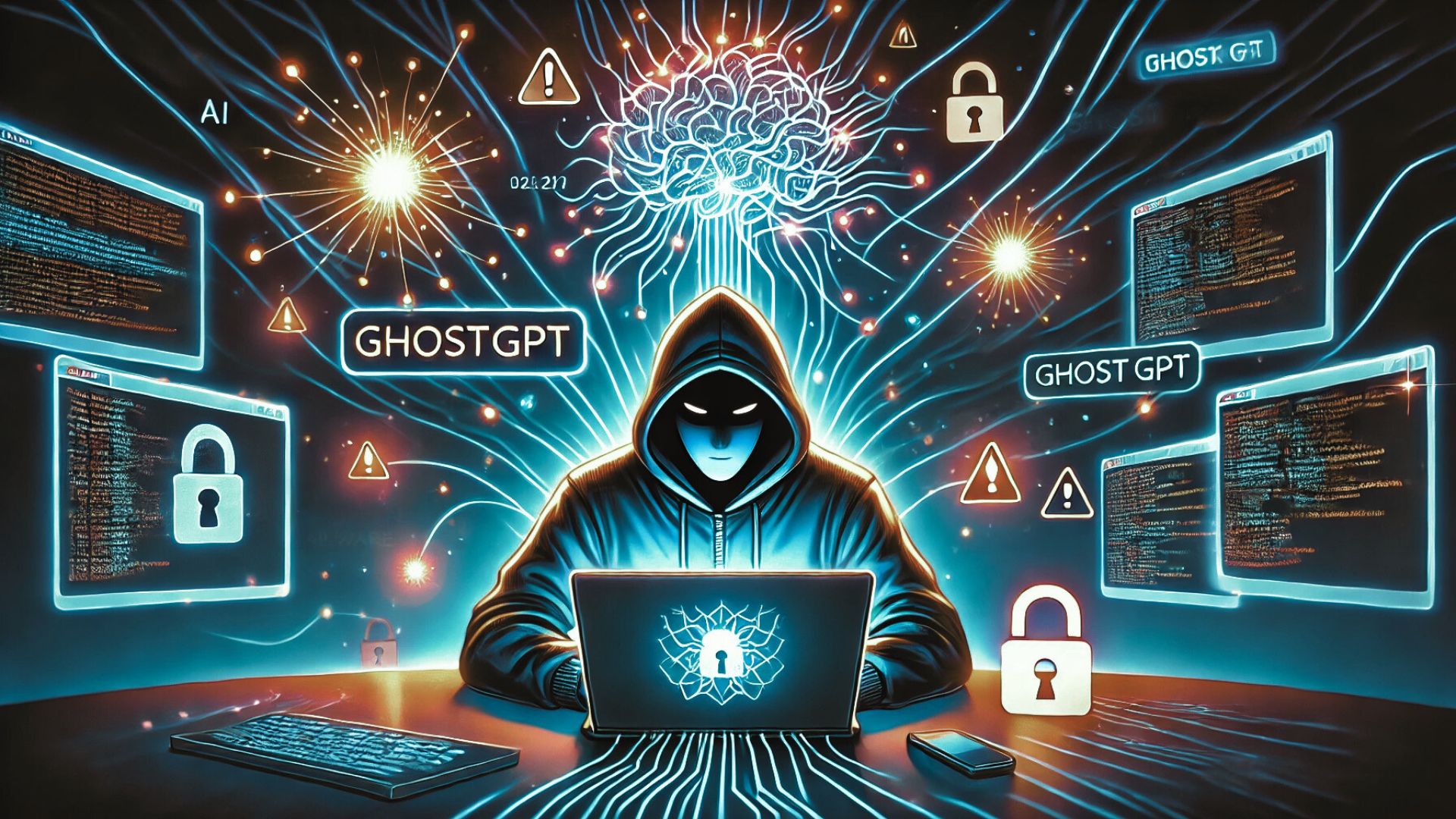
    Here are some key statistics on the importance of hacker prevention tactics and AI advancements in cybersecurity:

    • 73 million current and former AT&T customers were affected by a data breach in April 2024.
    • Over half a billion Ticketmaster customers had their information leaked due to a breach linked to a hack of Snowflake.
    • Approximately 26 billion records were exposed in the “Mother of All Breaches” data leak.

    *AI is Revolutionizing Cybersecurity! (The Battle Against Hackers Just Got Smarter) PART 2: https://youtube.com/watch?v=GZ1ZbOwy-FM

    These numbers show why companies must be proactive in cybersecurity. They need to keep monitoring and improving their defenses. By using effective hacker prevention tactics and staying current with AI advancements in cybersecurity, companies can lower their risk of AI attacks.

    The Human Element: AI as a Security Team Multiplier

    As companies spend more on cyber security, the human touch is key in AI-powered systems. AI can boost digital defenses greatly. But, a skilled team is needed to use these tools well.

    AI is great at handling big data and spotting odd patterns in real time. This makes it better at finding and dealing with threats. Yet, AI needs humans to check its work and fix any issues. Together, AI and human skills create strong cybersecurity measures.

    Staff Augmentation Benefits

    AI can also help security teams do their jobs better. Some good things about using AI include:

    • Enhanced threat detection and response capabilities
    • Improved incident response times
    • Increased efficiency in security operations

    Skill Enhancement Opportunities

    As AI gets better, cybersecurity pros need to learn new skills. They should get training in AI areas like machine learning and natural language processing. They also need to know how to analyze and understand data.

    Investing in team skills is vital. This way, companies can use AI security tools well. And they can stay one step ahead of new threats.

    Future-Proofing Your Digital Defense Strategy

    To stay ahead of cyber threats, organizations must use the latest AI technology. They should invest in artificial intelligence for better cybersecurity. Machine learning algorithms can also improve threat detection.

    Emerging AI security technologies include predictive threat detection and automated response systems. These can help reduce cyber risks and lower false positives in threat detection.

    Adopting AI-driven security solutions offers many benefits. They can automate incident responses, potentially saving millions in damages. AI can also handle complex cyber attacks beyond human capabilities, adapting quickly to new threats.

    Investment Priorities

    Organizations should invest in AI solutions that boost cost efficiency and automate defenses. This allows human resources to focus on important tasks. Investing in machine learning and artificial intelligence for user verification is key.

    By focusing on these investments, organizations can keep their digital defense strategies up-to-date. As cyber-attacks become more common, it’s vital to stay ahead. Investing in the latest AI security technologies is essential.

    Measuring ROI in AI Security Implementation

    Organizations are investing in AI for security. It’s key to measure the return on investment (ROI) to see if these solutions work well. Gartner says security spending will hit $90 billion in 2024, with 42% going to cybersecurity services.

    Good cybersecurity measures can offer a great ROI. 88% of boards now see cybersecurity as a business risk, not just a tech issue. To get the most out of AI security, keep checking how well it works and tweak it as needed.

    • 87% of consumers might leave if they don’t trust a company with their data (PwC)
    • 79% of investors think cybersecurity and privacy are key in their decisions (PwC’s Global Investor Survey)
    • The AI in cybersecurity market was $14.9 billion in 2021 and will hit $133.8 billion by 2030

    Investing in solid cybersecurity measures and data protection strategies helps avoid cyber attacks. This protects sensitive data and boosts ROI on AI security.

    Conclusion: Embracing AI as a Cybersecurity Imperative

    The cybersecurity landscape is evolving rapidly, and automation is no longer a luxury—it’s a necessity. With cyber threats growing more sophisticated, security teams need an intelligent, unified approach to streamline operations, reduce manual intervention, and enhance threat response.

    Brahma Fusion is the answer. As a cutting-edge unified connector, it simplifies security automation by integrating multiple tools and platforms, allowing organizations to respond faster and more efficiently. With features like customizable security responses, a drag-and-drop workflow builder, and the ability to incorporate custom code for precision, Brahma Fusion empowers security teams to stay ahead of modern threats with minimal effort.

    The days of reactive security are over. Brahma Fusion enables proactive, AI-driven automation that enhances efficiency, eliminates errors, and optimizes resource allocation—ultimately transforming security operations.

    Stay ahead of cyber threats with Brahma Fusion. Explore the future of security automation at https://www.peris.ai/.

    FAQ

    What is the main reason why organizations should use AI in cybersecurity?

    Organizations should use AI in cybersecurity because hackers use AI for attacks. This means companies need AI to protect themselves. It helps them stay ahead of threats.

    How do AI-powered cyber threats differ from traditional attack methods?

    AI-powered threats use machine learning and AI to launch complex attacks. These attacks are harder to detect and prevent. This shows the need for strong data protection strategies.

    How do hackers leverage AI technologies to launch cyber attacks?

    Hackers use AI for password cracking and social engineering. They also use automated scanning. This makes it key for companies to prevent attacks and keep up with AI in cybersecurity.

    What is the financial impact of AI-powered cyber attacks on organizations?

    AI-powered attacks can cost organizations a lot. This includes data breaches and attacks. Companies need to protect their data and prevent financial losses.

    What are the benefits of using AI in cybersecurity?

    AI in cybersecurity offers predictive threat detection and automated responses. It also helps in recognizing patterns. These benefits help organizations stay ahead of threats and improve their security.

    What are the key considerations for implementing AI-driven security solutions?

    When implementing AI-driven security, consider cost and benefits. Also, think about integration and training. It’s important to keep developing machine learning and protecting data.

    How can organizations measure the ROI of AI security implementation?

    To measure ROI, monitor and evaluate AI security solutions. Make adjustments as needed. Invest in cybersecurity that offers a good return on investment.

    What is the role of the human element in AI-powered cybersecurity?

    The human element is key in AI-powered cybersecurity. It offers benefits like staff augmentation and skill enhancement. It’s important for organizations to invest in their teams and provide ongoing training.

    How can organizations future-proof their digital defense strategy?

    To future-proof, stay updated with AI in cybersecurity. Invest in emerging technologies. Prioritize AI-driven solutions to enhance security.