In the realm of web browsers, extensions play a pivotal role in enhancing user experience by adding functionality and customization options. However, this flexibility also introduces significant security risks. A groundbreaking study by Stanford University has recently shed light on the alarming vulnerabilities within Chrome extensions, exposing a concerning landscape for Chrome users globally.
Understanding the Threat Landscape
Google Chrome’s Market Influence:
Google Chrome, commanding a 66% share of the desktop browser market, facilitates an ecosystem where over 1.6 billion users worldwide access an array of nearly 125,000 extensions from the Chrome Web Store. This widespread use underscores the critical need for rigorous security measures.
Extent of Exposure:
The research highlighted more than 26,000 extensions that were flagged for severe security vulnerabilities, with around 15,400 of these containing actual malware. This revelation points to a significant oversight in security practices concerning browser extensions.
Chronic Exposure and User Risks
Duration of Vulnerability:
Alarmingly, extensions harboring malware had a presence in the Chrome Web Store for an average of 380 days before removal, while those with vulnerabilities often remained available for up to 1,248 days. Certain extensions, such as “TeleApp,” housed malware for nearly 8.5 years, and “No More Holidays” breached policies for almost 11 years before detection.
Impact on Users:
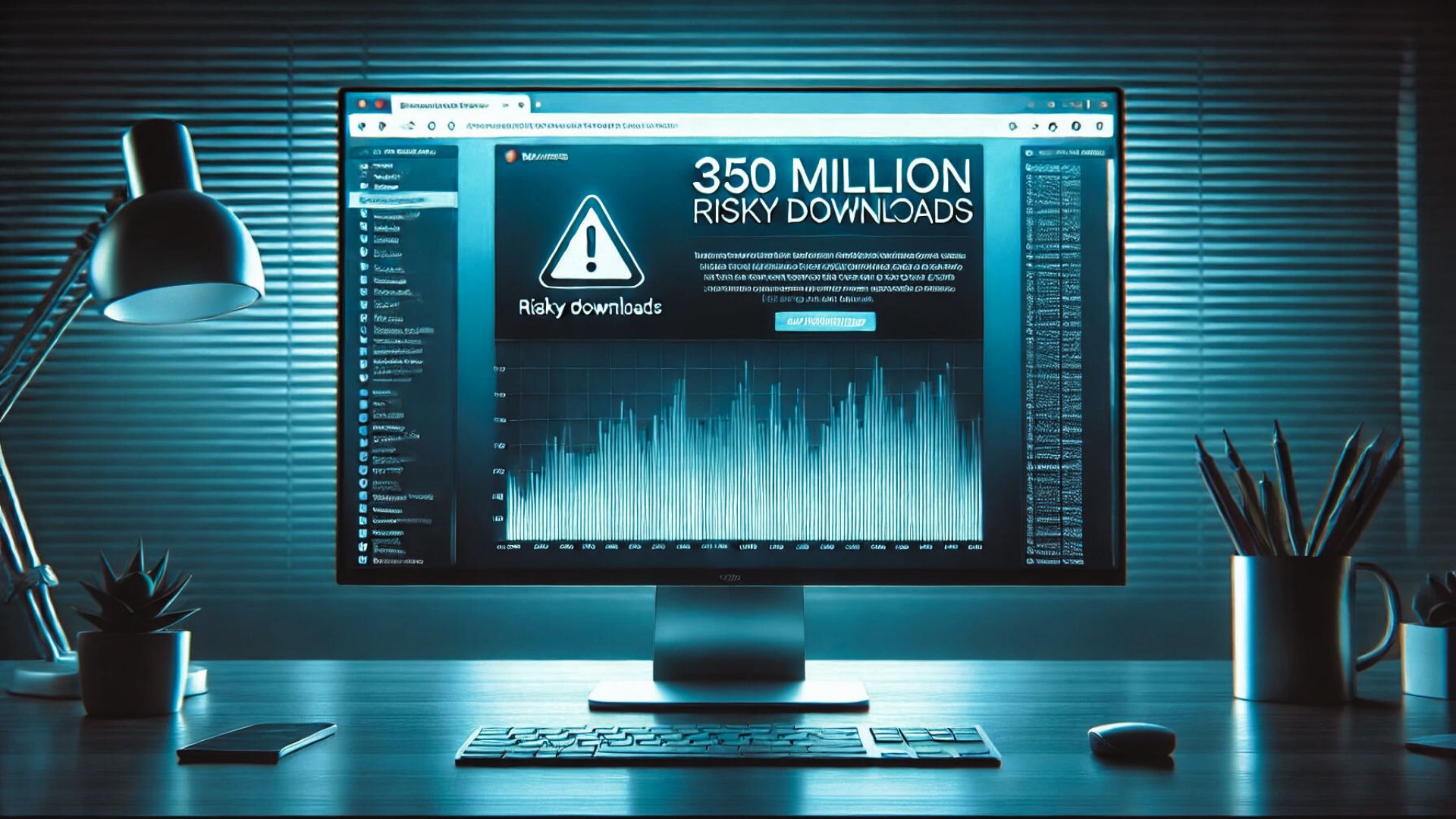
In the past three years alone, over 346 million users have installed at least one insecure extension, and 280 million have installed extensions found to contain malware, demonstrating the widespread risk and the potential for significant personal and business data compromise.
Proactive Measures for Enhanced Security
User Vigilance with Extensions:
Assessment Before Installation: Users should scrutinize the necessity and credibility of each extension. Investigating the developer, reading reviews, and checking the number of downloads can offer insights into the extension’s reliability.
Routine Audits: Regularly review and prune unnecessary or unused extensions to minimize potential exposure.
Enhancing Browser Security:
Antivirus and Anti-Malware Protection: Employ robust antivirus programs that offer real-time protection against malicious software, including harmful browser extensions.
Activate Browser Security Features: Modern browsers come equipped with various security settings that can help shield against untrusted extensions and websites.
Staying Informed:
Security Updates: Keeping abreast of the latest security news, updates, and alerts pertaining to browser extensions is crucial. Utilize community forums, official security bulletins, and trusted cybersecurity news sources.
Security Tools: Leverage tools designed to analyze and report on the security status of browser extensions to ensure your digital safety.
Conclusion: The Critical Need for Vigilant Cybersecurity Practices
The pervasive issue of insecure browser extensions underscores the necessity for vigilant cybersecurity practices. By staying well-informed and implementing strategic security measures, users can safeguard their personal and professional data from potential threats posed by compromised browser extensions.
For ongoing updates and in-depth insights into cybersecurity, ensure you stay connected with us at Peris.ai.
Stay vigilant, stay secure.
Your Peris.ai Cybersecurity Team #YouBuild #WeGuard
Cybersecurity plays a critical role in safeguarding organizations from digital threats. However, structural organizations often need to gain more knowledge when it comes to implementing effective cybersecurity measures. This article examines the challenges these organizations encounter and provides strategies and solutions to bridge the cybersecurity knowledge gap, strengthening defenses and ensuring uninterrupted business operations.
Bridging the Cybersecurity Knowledge Gap: Empowering Organizations to Strengthen Digital Defenses
Key Takeaways:
Structural organizations need a knowledge gap in cybersecurity implementation.
Training and education are essential to address the cybersecurity knowledge gap.
Identifying risks and threats is crucial for effective cybersecurity.
Developing cybersecurity skills among employees is a priority.
Implementing best practices and leveraging cybersecurity solutions enhance defenses.
Understanding the Cybersecurity Knowledge Gap
Many structured organizations need more cybersecurity knowledge among their employees. With proper training and education, employees may be aware of the latest cybersecurity threats, best practices, and strategies. This section delves into the factors contributing to the cybersecurity knowledge gap and the importance of cybersecurity training and education programs.
One of the key factors contributing to the cybersecurity knowledge gap is the rapid evolution of cyber threats. With new techniques and tactics emerging constantly, employees often need help to keep up with the latest security measures. Additionally, structured organizations may need more dedicated cybersecurity teams or departments, leading to a lack of expertise and guidance.
Implementing cybersecurity training and education programs is crucial for addressing this knowledge gap. By providing employees with the necessary skills and knowledge, organizations can empower them to become the first line of defense against cyber threats. Training programs can cover a wide range of topics, from basic cybersecurity awareness to more advanced topics such as secure coding practices and incident response protocols.
Furthermore, cybersecurity education programs can help employees understand the broader impact of cybersecurity on the organization and its stakeholders. By highlighting the potential consequences of a cyberattack, such as data breaches, financial losses, and reputational damage, organizations can foster a sense of responsibility and urgency among employees.
Closing the Knowledge Gap in Structured Organizations through Training and Education
Building a Robust Cybersecurity Culture through Continuous Training and Education
Implementing cybersecurity training and education programs is an ongoing process that requires regular updates and reinforcement. By continuously investing in the development of employees’ cybersecurity knowledge and skills, structured organizations can bridge the knowledge gap and strengthen their overall cybersecurity defenses.
Identifying the Risks and Threats
When it comes to cybersecurity, structured organizations need to be aware of the risks and threats they face. By understanding these potential vulnerabilities, organizations can take proactive measures to protect themselves and bridge the knowledge gap. Let’s explore some common cybersecurity risks and threats that structured organizations should be aware of:
Malware Attacks
Malware attacks are one of the most prevalent cybersecurity threats organizations face today. Malware, short for malicious software, includes viruses, worms, ransomware, and other malicious programs that infiltrate computer systems, disrupt operations, and steal sensitive information. Through social engineering techniques, hackers often trick unsuspecting employees into downloading and opening infected files or clicking on malicious links. The consequences of a malware attack can be devastating, resulting in data breaches, financial losses, and reputational damage.
Data Breaches
Data breaches occur when unauthorized individuals gain access to sensitive information, such as customers’ personal data or confidential business records. These breaches can be the result of various factors, including weak security protocols, unpatched vulnerabilities, or human error. The consequences of a data breach can be severe, ranging from financial repercussions to legal liabilities and damage to the organization’s reputation. Structured organizations must prioritize data protection and implement robust security measures to prevent data breaches.
Phishing Scams
Phishing scams involve cybercriminals posing as trustworthy entities to deceive individuals into revealing sensitive information, such as login credentials or financial details. These scams often occur via email, where attackers send seemingly legitimate messages that trick recipients into clicking on malicious links or providing confidential information. Phishing attacks can lead to identity theft, financial fraud, and unauthorized access to systems. It is crucial for employees in structured organizations to be cautious and vigilant when handling emails and to report any suspicious messages immediately.
Insider Threats
Insider threats refer to cybersecurity risks that originate from within an organization. These threats can be intentional or unintentional and can come from employees, contractors, or third-party vendors with access to sensitive systems and data. Insider threats can involve theft of intellectual property, sabotage, unauthorized sharing of information, or accidental data breaches. Structured organizations must implement proper access controls, monitor user activities, and educate employees about the importance of cybersecurity to mitigate these risks.
By being aware of these common cybersecurity risks and threats, structured organizations can take steps to educate their employees, implement necessary security measures, and bridge the knowledge gap in cybersecurity. Organizations must stay updated with the latest threat landscape and adopt a proactive approach to protect their valuable assets and maintain robust cybersecurity defenses.
Stay Informed, Stay Secure!
Developing Cybersecurity Skills
In order to bridge the knowledge cybersecurity gap in structured organizations, it is essential to focus on developing cybersecurity skills among employees. By equipping individuals with the necessary knowledge and expertise, organizations can significantly enhance their defense against cyber threats. Cybersecurity skills development programs play a vital role in ensuring that employees are well-prepared to identify and mitigate potential risks.
A key component of cybersecurity skills development is creating cybersecurity awareness among employees. This involves educating individuals about the various types of cyber threats, the importance of following best practices, and the role they play in protecting the organization. By fostering a culture of cybersecurity awareness, employees are empowered to take proactive measures to safeguard sensitive information and maintain a secure work environment.
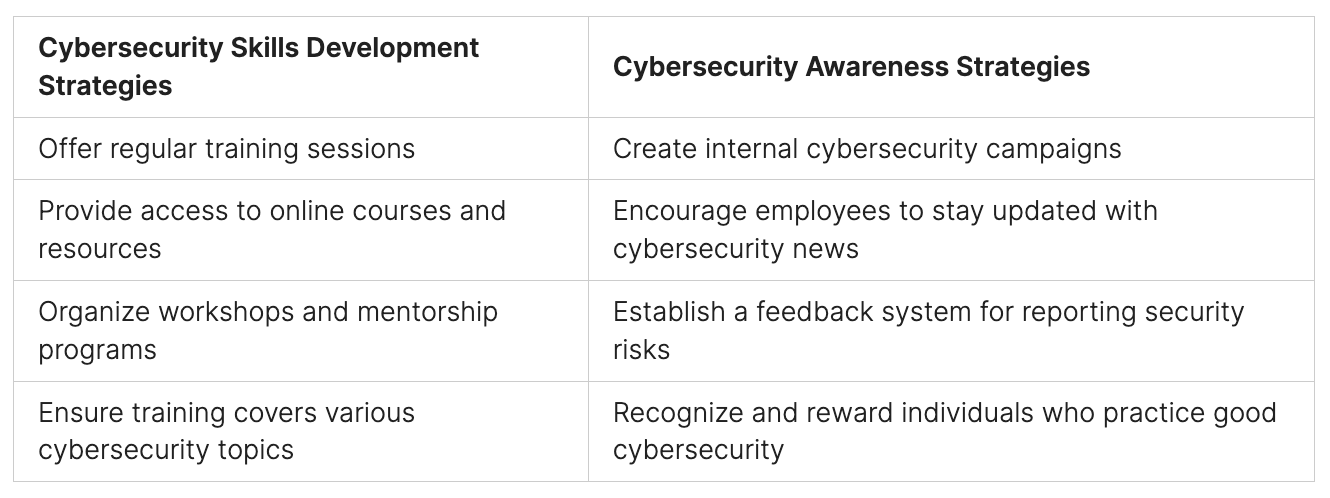
Implementing cybersecurity skills development programs can be approached in various ways, including classroom-style training, online courses, workshops, and mentorship programs. These initiatives should cover topics such as recognizing phishing attempts, creating strong passwords, detecting malware, and understanding social engineering techniques. By providing employees with the necessary tools and knowledge, organizations can build a strong line of defense against cyber threats.
Importance of Cybersecurity Awareness
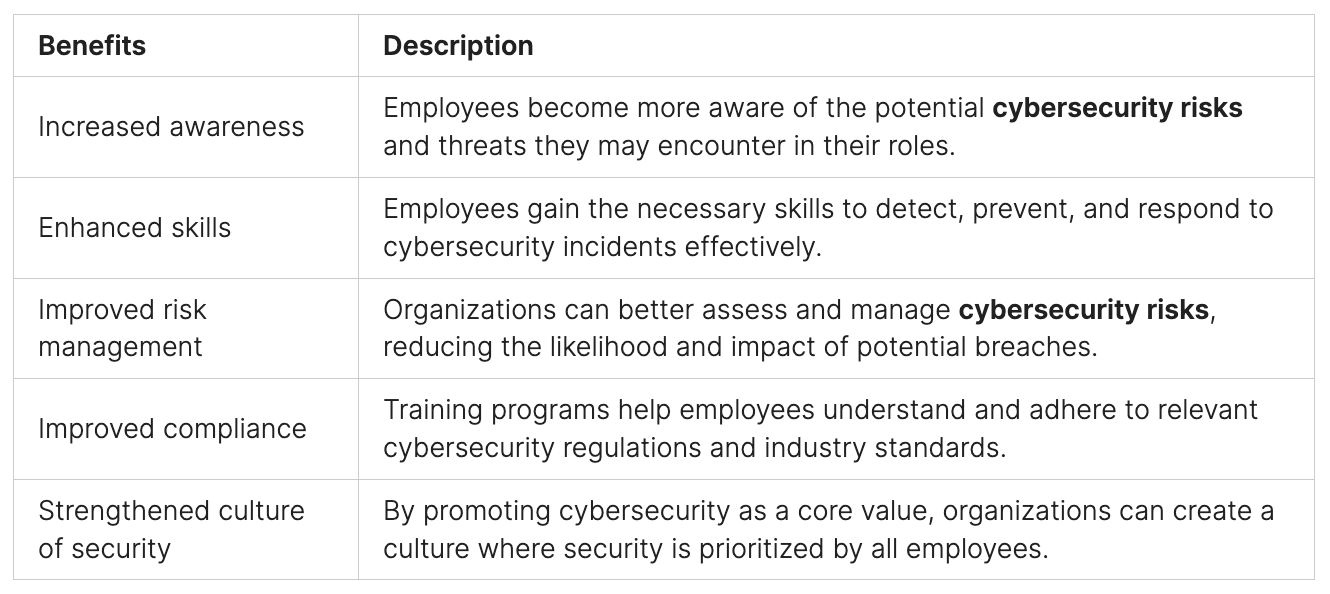
Cybersecurity awareness is critical for all employees, regardless of their role within an organization. It enables individuals to understand the potential risks they may encounter and empowers them to take appropriate actions to mitigate those risks. By prioritizing cybersecurity awareness, organizations can foster a sense of responsibility among employees and create a collaborative effort to protect sensitive data.
Strategies for Promoting Cybersecurity Skills and Awareness
Offer regular cybersecurity training sessions tailored to different levels and roles within the organization.
Create internal cybersecurity campaigns to raise awareness and inform employees about current threats and best practices.
Encourage employees to stay updated with the latest cybersecurity news and trends through industry resources.
Establish a feedback system that allows employees to report potential security risks or incidents.
Recognize and reward individuals who consistently demonstrate good cybersecurity practices.
Proactive Steps to Boost Cybersecurity Skills and Awarenes
Strategies to Boost Cybersecurity Skills and Awareness in Your Organization
Cybersecurity Best Practices and Strategies
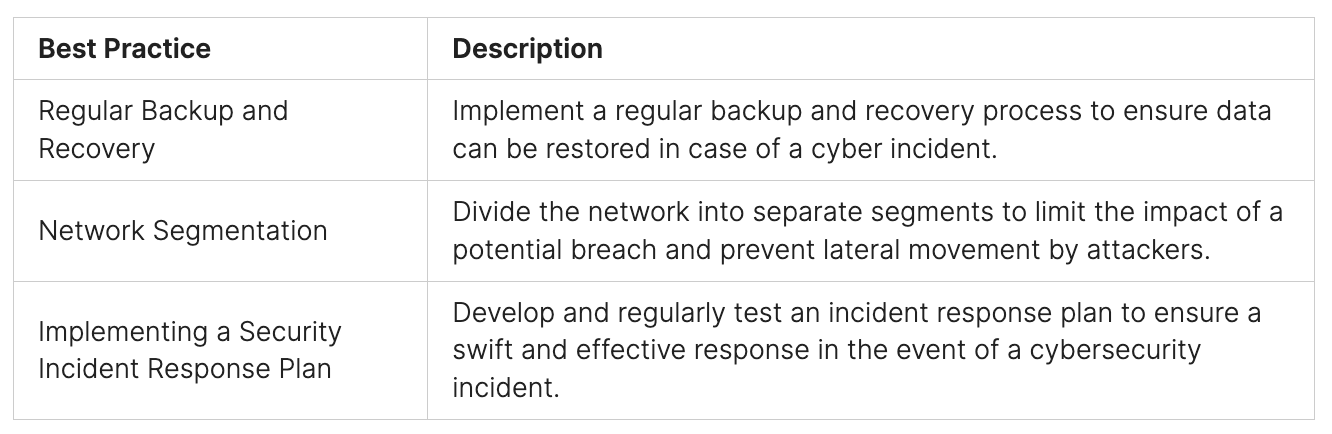
Implementing cybersecurity best practices is essential for structured organizations to protect themselves against cyber threats. By following these strategies, organizations can enhance their defenses and minimize the risk of cybersecurity incidents. Here are some key best practices to consider:
Educate Employees on Cybersecurity
One of the most crucial aspects of cybersecurity is employee awareness and education. Providing comprehensive cybersecurity training programs can empower employees to identify potential threats and take necessary precautions. These programs should cover topics such as phishing awareness, password management, data protection, and safe browsing habits. Regularly reinforcing these best practices will help create a vigilant and security-conscious workforce.
Implement Multi-Factor Authentication
Enforcing multi-factor authentication adds an extra layer of security to prevent unauthorized access to sensitive information. By requiring users to provide multiple forms of verification, such as a password and a unique code sent to their mobile device, organizations can significantly reduce the risk of compromised accounts. Multi-factor authentication should be implemented for all critical systems and applications, including email, remote access, and administrative accounts.
Maintain Regular Software Updates and Patching
Keeping software and applications up to date is essential in preventing vulnerabilities that cybercriminals could exploit. Regularly applying software updates and patches ensures that known security weaknesses are addressed promptly. Establishing a patch management process and monitoring vendor notifications for security updates is crucial for maintaining a robust cybersecurity posture.
The Power of Timely Software Updates
By adhering to these cybersecurity best practices, structured organizations can strengthen their defenses and minimize the risk of cyberattacks. However, it’s important to note that cybersecurity is a continuous effort, requiring ongoing monitoring, updates, and adaptations to stay ahead of evolving threats.
Leveraging Cybersecurity Solutions
Structured organizations can benefit greatly from leveraging cybersecurity solutions to bridge the knowledge gap and enhance their defenses. With the increasing sophistication of cyber threats, it is essential to invest in the right cybersecurity technologies and tools. These solutions can help organizations detect, prevent, and mitigate potential cyber risks, ensuring the security and continuity of their operations.
The Role of Cybersecurity Solutions in Knowledge Enhancement and Defense Strengthening
The Importance of Cybersecurity Technologies
Cybersecurity technologies play a vital role in safeguarding structured organizations from a wide range of cyber threats. These technologies include:
Intrusion Detection Systems (IDS): IDS monitor network traffic for signs of unauthorized access, identifying and alerting IT teams to potential security breaches.
Firewalls: Firewalls act as a barrier between an organization’s internal network and the external internet, monitoring and controlling incoming and outgoing network traffic based on predefined security rules.
Antivirus Software: Antivirus software scans files and programs for known malware, preventing them from causing harm to the organization’s systems.
Encryption Tools: Encryption tools protect sensitive data by converting it into a code that can only be accessed with the correct decryption key, ensuring confidentiality and integrity.
Security Awareness Training Platforms: These platforms provide interactive training modules and simulations to educate employees about cybersecurity best practices, helping them recognize and respond to potential threats.
By implementing these cybersecurity technologies, structured organizations can strengthen their security posture, improve incident response capabilities, and proactively defend against emerging cyber threats.
Choosing the Right Cybersecurity Solutions
When selecting cybersecurity solutions, structured organizations should consider their specific needs and requirements. Conducting a thorough assessment of existing security measures and identifying vulnerabilities will help organizations determine the most appropriate technologies to implement. It is essential to choose solutions that seamlessly integrate with existing IT infrastructure and align with the organization’s overall cybersecurity strategy.
Moreover, structured organizations should regularly evaluate and update their cybersecurity solutions to ensure they remain effective against evolving cyber threats. Engaging with industry experts and staying informed about the latest trends and advancements in cybersecurity technologies can provide valuable insights into emerging solutions that can further enhance an organization’s defense against cyber risks.
The Role of Cybersecurity Solutions in Bridging the Knowledge Gap
Cybersecurity solutions not only bolster the organization’s security infrastructure but also contribute to bridging the knowledge gap. By implementing technologies like security awareness training platforms, organizations can empower their employees with the necessary cybersecurity knowledge and skills. These platforms offer interactive and engaging training modules, quizzes, and simulations that educate employees about the latest threats and best practices.
Overall, structured organizations can leverage cybersecurity solutions to enhance their defenses, fill the knowledge gap, and ensure the resilience of their systems and data in the face of ever-evolving cyber threats.
Building a Cybersecurity Team
One of the key components in bridging the knowledge cybersecurity gap in structured organizations is building a dedicated cybersecurity team. This team consists of cybersecurity experts and professionals who possess the necessary skills and knowledge to implement effective cybersecurity measures. Their expertise, guidance, and support are invaluable in fortifying defenses, mitigating risks, and responding to incidents.
By assembling a cybersecurity team, organizations can benefit from the diverse skill sets and experiences of their members. These experts can conduct comprehensive assessments of the organization’s current cybersecurity posture, identify vulnerabilities, and develop tailored strategies to address them. They can also stay updated with the latest cybersecurity trends and threats, ensuring that the organization remains prepared and resilient in the face of evolving risks.
Having a dedicated cybersecurity team is particularly crucial for structured organizations as they often handle sensitive data and face a higher level of risk due to their size and complexity. These experts can work closely with other departments within the organization, such as IT and legal, to ensure a holistic approach to cybersecurity. They can also provide training and awareness programs to educate employees on best practices and security protocols, empowering them to become the first line of defense.
Benefits of a Cybersecurity Team
“Building a dedicated cybersecurity team allows organizations to tap into specialized expertise, enhance their cybersecurity capabilities, and proactively address potential threats. It also sends a clear message to stakeholders, partners, and customers that the organization prioritizes cybersecurity and is committed to protecting sensitive data.”
By investing in a cybersecurity team, structured organizations can demonstrate their dedication to maintaining a robust cybersecurity posture and instill confidence in their stakeholders. This team plays a critical role in creating a secure and resilient environment, ensuring business continuity, and safeguarding the organization’s reputation.
Building Trust through Cybersecurity: The Strategic Investment in a Dedicated Cybersecurity Team
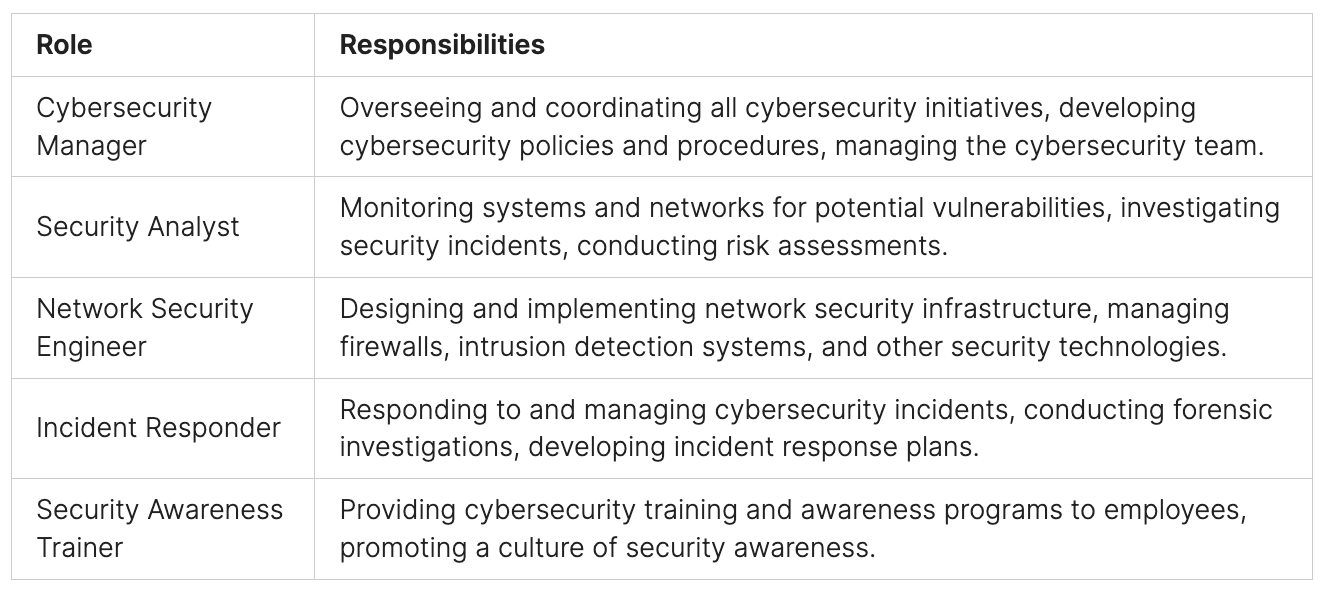
Table: Key Roles and Responsibilities of a Cybersecurity Team
Crafting a Resilient Cybersecurity Team with Varied Expertise
A well-rounded cybersecurity team should consist of individuals with expertise in various areas, including governance and risk management, technology, compliance, and incident response. Each role plays a crucial part in strengthening the organization’s cybersecurity defenses and ensuring a proactive and resilient approach to cybersecurity.
Creating a Cybersecurity Culture
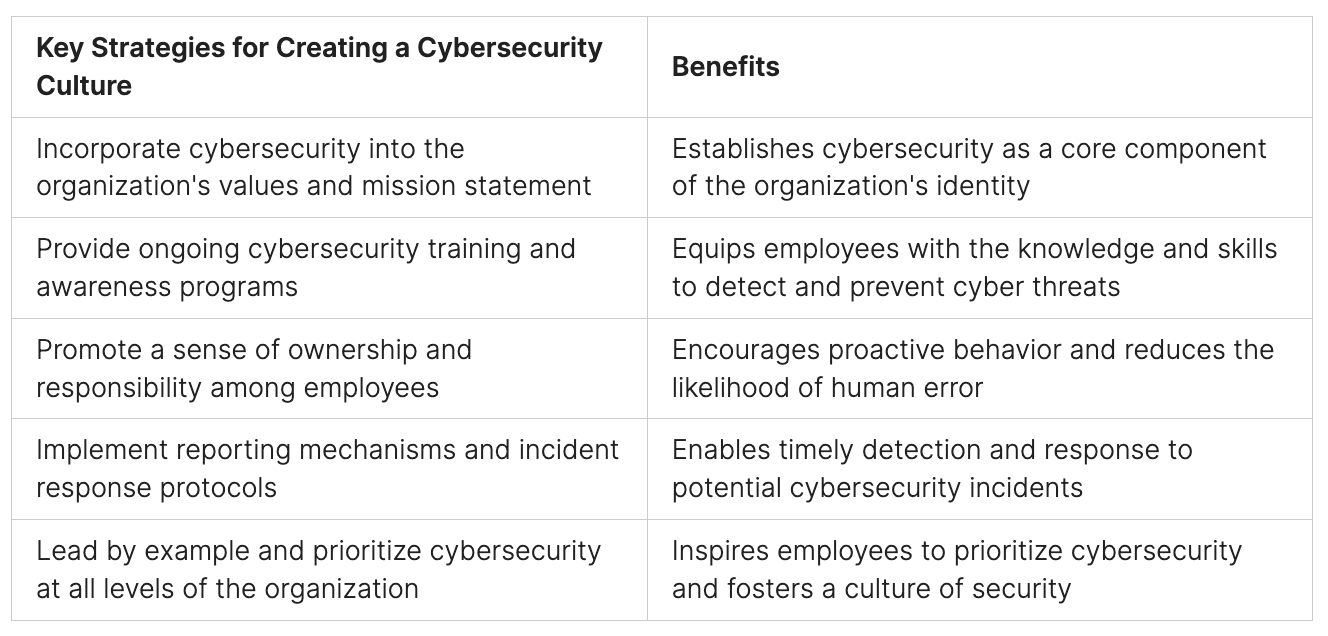
Cultivating a cybersecurity culture is crucial for bridging the knowledge gap in structured organizations. When cybersecurity becomes ingrained in an organization’s values and practices, employees are more likely to prioritize and adhere to cybersecurity best practices. By fostering cybersecurity awareness and promoting a sense of responsibility, organizations can strengthen their defenses and mitigate the risks of cyber threats.
The Importance of Cybersecurity Awareness
One of the key elements in building a cybersecurity culture is creating awareness among employees. This involves educating them about the potential risks and threats they may encounter in their day-to-day work and providing them with the knowledge and skills to identify and respond to such threats. Regular cybersecurity training programs and awareness campaigns are essential for keeping employees informed about the latest cybersecurity trends and best practices. These initiatives can include workshops, webinars, and interactive modules that cover topics like password hygiene, phishing awareness, and device security.
Encouraging a Proactive Approach
A proactive approach to cybersecurity is vital for creating a culture that prioritizes cybersecurity. This involves encouraging employees to take ownership of their cybersecurity responsibilities and empowering them to report any suspicious activities or potential vulnerabilities. Organizations can implement mechanisms such as anonymous reporting channels or cybersecurity incident response teams to facilitate reporting and ensure timely action. By fostering an environment where employees feel comfortable and confident in raising concerns, organizations can strengthen their cyber defenses and prevent potential breaches.
The Role of Leadership
Leadership plays a critical role in establishing and promoting a cybersecurity culture within a structured organization. Executives and managers should lead by example and demonstrate their commitment to cybersecurity by following best practices themselves. They should also provide support and resources for cybersecurity initiatives, including allocating budget and personnel for cybersecurity awareness programs and investing in the latest cybersecurity technologies. By prioritizing cybersecurity at the highest level, leaders can set the tone for the entire organization and inspire employees to embrace a cybersecurity-first mindset.
How Leadership Sets the Tone for Cybersecurity Excellence
By creating a cybersecurity culture, structured organizations can bridge the knowledge gap and ensure that employees are equipped with the necessary skills and awareness to protect against cyber threats. This proactive approach towards cybersecurity will strengthen the organization’s overall security posture and contribute to the resilience and success of the business in an increasingly digital world.
Building Skills, Raising Awareness, and Bolstering Security in Structured Organizations
Continuous Monitoring and Improvement
Bridging the knowledge gap in cybersecurity requires a proactive approach that includes continuous monitoring and improvement. Organizations must stay vigilant and keep up with the ever-evolving cybersecurity landscape to protect their valuable data and systems. Continuous monitoring allows for the detection of potential vulnerabilities and threats, enabling organizations to take prompt action and prevent potential breaches.
Vigilance, Continuous Monitoring, and Proactive Defense in Action
Implementing a robust cybersecurity assessment program is vital for organizations to evaluate their existing security measures and identify areas for improvement. By conducting regular assessments, organizations can gain valuable insights into their cybersecurity posture and make data-driven decisions regarding necessary updates and enhancements. These assessments should cover various aspects of cybersecurity, including network infrastructure, software systems, employee awareness and training, and incident response protocols.
Benefits of Continuous Monitoring and Improvement
Continuous monitoring and improvement offer several key benefits to structured organizations:
Proactive threat detection: Continuous monitoring enables organizations to identify potential threats and vulnerabilities before they can be exploited, allowing for timely remediation.
Enhanced incident response: By continuously monitoring systems and networks, organizations can detect and respond to security incidents more effectively, minimizing the impact and recovery time.
Ongoing compliance: Continuous monitoring helps organizations stay compliant with industry regulations and standards by ensuring that security controls and measures are continuously assessed and updated.
Adaptability: The cybersecurity landscape is constantly evolving, with new threats emerging regularly. Continuous monitoring and improvement enable organizations to adapt to these changes and stay ahead of emerging threats.
In today’s digital landscape, continuous monitoring and improvement are essential for organizations to bridge the knowledge gap in cybersecurity. By adopting a proactive approach and conducting regular cybersecurity assessments, organizations can identify vulnerabilities, detect potential threats, and enhance their security measures. This ongoing monitoring and improvement process ensures that organizations stay resilient and can effectively respond to the evolving cybersecurity landscape.
Collaboration and Knowledge Sharing
Collaboration and knowledge sharing are vital components in bridging the cybersecurity knowledge gap among structured organizations. By working together and exchanging information, organizations can enhance their understanding of cybersecurity threats and best practices, ultimately strengthening their defenses against evolving cyber risks.
One effective way to foster collaboration is by partnering with cybersecurity experts. These professionals bring specialized knowledge and experience to the table, offering valuable insights and guidance on implementing cybersecurity measures. By leveraging their expertise, organizations can gain a competitive edge in the ever-changing cybersecurity landscape.
Industry forums and events also provide opportunities for knowledge sharing and networking. Participating in these gatherings allows organizations to learn from peers, share best practices, and stay updated on the latest trends and advancements in cybersecurity. By actively engaging in these collaborative platforms, organizations can stay ahead of emerging threats and continuously improve their cybersecurity posture.
Furthermore, creating a culture of knowledge sharing within the organization itself is essential. Encouraging employees to share their experiences, lessons learned, and innovative approaches to cybersecurity foster a collective learning environment. This can be achieved through regular knowledge-sharing sessions, internal forums, or even a dedicated communication channel where employees can share insights, ask questions, and contribute to the organization’s cybersecurity knowledge base.
In summary, collaboration and knowledge sharing play a crucial role in bridging the cybersecurity knowledge gap in structured organizations. By partnering with experts, participating in industry events, and fostering a culture of knowledge sharing within the organization, organizations can strengthen their defenses, stay informed about emerging threats, and enhance their overall cybersecurity posture.
Conclusion
Cybersecurity is of utmost importance for structured organizations, but bridging the knowledge gap in this field is a complex task. However, by implementing effective strategies and solutions, structured organizations can fortify their defenses, prevent risks, and boost business continuity in the face of evolving cyber threats.
One of the key steps to bridging the cybersecurity knowledge gap is through implementing cybersecurity training programs. By providing employees with the necessary education and training, organizations can ensure that their workforce is aware of the latest cybersecurity threats, best practices, and strategies.
In addition to training, developing cybersecurity skills among employees and fostering a cybersecurity culture are essential. By promoting cybersecurity awareness and implementing best practices, structured organizations can create a strong defense against cyber threats.
The pivotal components of cybersecurity resilience involve not only bridging the knowledge gap but also strategically leveraging cybersecurity solutions and cultivating a dedicated cybersecurity team. Organizations can significantly enhance their defenses and ensure swift, effective responses to incidents by investing in the right technologies and bringing onboard cybersecurity experts.
For a deeper understanding of how these principles can be tailored to meet your organization’s needs, we’d like to invite you to explore the cybersecurity solutions offered by Peris.ai. Our expertise and innovative technologies stand ready to fortify your digital defenses. Take the proactive step towards a more secure future – visit our website at Peris.ai Cybersecurity. Discover how we can empower your organization to navigate the ever-evolving landscape of cybersecurity challenges with confidence.
FAQ
What is the cybersecurity knowledge gap in structured organizations?
The cybersecurity knowledge gap refers to the need for cybersecurity knowledge among employees in structured organizations, which hinders their ability to protect against cyber threats effectively.
Why is cybersecurity training and education important?
Cybersecurity training and education programs are crucial to ensure employees are aware of the latest threats, best practices, and strategies, enabling them to contribute to a strong cybersecurity defense.
What are the common cybersecurity risks and threats faced by structured organizations?
Structured organizations are susceptible to malware attacks, data breaches, phishing scams, and insider threats, among other cybersecurity risks.
How can structured organizations develop cybersecurity skills?
By implementing cybersecurity skills development programs and awareness campaigns, structured organizations can foster a cybersecurity culture and enhance employees’ cybersecurity skills.
What are some cybersecurity best practices for structured organizations?
Regularly updating software, using strong passwords, implementing multi-factor authentication, conducting security audits, and creating incident response plans are essential cybersecurity best practices.
How can structured organizations leverage cybersecurity solutions?
Structured organizations can utilize intrusion detection systems, firewalls, antivirus software, encryption tools, and security awareness training platforms to bolster their cybersecurity defenses.
Why is building a cybersecurity team important?
Hiring cybersecurity experts and professionals enables structured organizations to benefit from their expertise and receive guidance and support in implementing effective cybersecurity measures.
How can structured organizations create a cybersecurity culture?
By prioritizing cybersecurity in values and practices, promoting awareness, encouraging responsibility, and adopting a proactive approach, structured organizations can foster a cybersecurity culture.
Why is continuous monitoring and improvement essential in cybersecurity?
Regular cybersecurity assessments, system monitoring, staying updated with the latest trends, and addressing vulnerabilities are vital for maintaining a strong cybersecurity posture in structured organizations.
How can collaboration and knowledge sharing contribute to bridging the cybersecurity knowledge gap?
Collaboration with cybersecurity experts, sharing best practices, and participating in industry forums and events facilitate collective learning and knowledge exchange, strengthening cybersecurity defenses.
As we approach the new year, it is crucial for businesses to familiarize themselves with the potential cloud security threats that could jeopardize their operations. With the increasing innovation of attackers and the advancements in technologies such as AI and quantum computing, organizations must be proactive in developing a flexible and comprehensive security strategy. By staying prepared and informed, businesses can safeguard their digital assets and maintain the trust of their customers.
Key Takeaways:
Businesses need to be aware of the potential cloud security threats that could impact their operations.
Developing a flexible and comprehensive security strategy is crucial in safeguarding digital assets.
Technologies such as AI and quantum computing are expected to bring changes to the cloud landscape.
Organizations must adopt quantum-resistant encryption algorithms and protocols to defend against quantum threats.
AI-powered attacks can pose both positive and negative implications for cybersecurity, necessitating robust security controls.
Quantum Disrupting Security: A Growing Threat
Quantum computing is a rapidly emerging technology that has the potential to revolutionize various fields, including encryption and security. With its extraordinary computational power, quantum computers pose a serious threat to the security of current encryption standards.
“As quantum computers become more powerful and accessible, traditional encryption methods may become obsolete.”
Traditional encryption algorithms, such as RSA and AES, rely on the difficulty of certain mathematical problems, such as factoring large numbers, to protect sensitive data. However, quantum computers can solve these problems much faster than classical computers, rendering these encryption methods vulnerable.
To defend against the impending quantum threat, organizations need to adopt quantum-resistant encryption algorithms and protocols. These cryptographic techniques are specifically designed to withstand quantum attacks and provide robust security in the post-quantum era.
It is crucial for organizations to stay proactive and vigilant in monitoring the quantum computing landscape. By staying updated on the latest developments and best practices, businesses can ensure they are well-prepared to mitigate the risks associated with quantum computing.
Quantum-Resistant Encryption Algorithms
Quantum-resistant encryption algorithms, also known as post-quantum cryptography, are designed to resist attacks from both classical and quantum computers. These algorithms are based on mathematical problems that are believed to be hard for both types of computers to solve.
Some of the prominent quantum-resistant encryption algorithms include:
Lattice-based cryptography
Code-based cryptography
Multivariate cryptography
Hash-based cryptography
Isogeny-based cryptography
Implementing these quantum-resistant encryption algorithms and protocols can significantly enhance the security of organizations’ sensitive information in the face of evolving threats from quantum computing.
Staying Ahead of the Quantum Threat
As quantum computing continues to advance, it is essential for businesses and security professionals to stay informed and proactive. Adopting quantum-resistant encryption algorithms is just one aspect of defending against the quantum threat.
Organizations should also:
Regularly assess their security infrastructure and protocols
Upgrade their encryption standards to be quantum-resistant
Monitor the progress in quantum computing research and its potential implications for security
Collaborate with experts and institutions in the field to establish best practices
By taking these proactive measures, businesses can better prepare themselves for the challenges posed by quantum computing and safeguard their sensitive data from future security breaches.
AI-Powered Attacks: Harnessing New Technologies for Malicious Purposes
Artificial intelligence (AI) is revolutionizing various industries, including cybersecurity. While AI presents opportunities for improving security measures, it also introduces new risks and challenges. Cybercriminals are harnessing AI to launch sophisticated and stealthy attacks, posing significant threats to businesses and individuals alike.
Deepfake Attacks: Manipulating Reality for Ill Intent
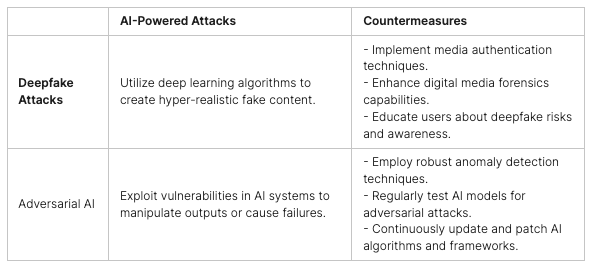
One alarming application of AI in cyber attacks is deepfake technology. Deepfake refers to the use of AI algorithms to manipulate images, videos, and audio, creating hyper-realistic fake content that is difficult to discern from authentic media. Malicious actors leverage deepfake technology to spread misinformation, engage in identity theft, and perpetrate social engineering attacks.
Deepfake attacks can have severe consequences for individuals and organizations. By convincingly impersonating someone, attackers can deceive users into sharing sensitive information, compromising personal and corporate security. As deepfake technology evolves, it becomes increasingly challenging to detect and prevent these malicious activities.
Adversarial AI: Outsmarting Defenses with AI
Another concerning aspect of AI-powered attacks is the use of adversarial AI. Adversarial AI refers to AI algorithms that are designed to exploit vulnerabilities in machine learning systems. These attacks aim to manipulate AI models by subtly altering input data, leading to incorrect outputs or system failures.
Adversarial AI attacks have the potential to bypass traditional security defenses, evade detection mechanisms, and compromise the integrity of AI-powered systems. By exploiting vulnerabilities in AI algorithms or training data, attackers can undermine the reliability and trustworthiness of AI-driven technologies.
Counteracting AI-Powered Attacks: Building Resilient Cybersecurity
To defend against AI-powered attacks, organizations must proactively invest in AI-based cybersecurity solutions. Utilizing AI technologies can help augment security defenses, automate threat detection and response, and enhance incident management capabilities. By leveraging AI, cybersecurity professionals can better analyze vast amounts of data, identify patterns, and detect anomalies in real-time.
However, simply relying on AI-based solutions is not enough. Organizations must also implement robust security controls and policies. This includes implementing multi-factor authentication, regular vulnerability assessments and penetration testing, and user awareness training. Maintaining an educated and proactive workforce is crucial to prevent falling victim to AI-powered attacks.
Moreover, collaboration and information sharing among businesses, cybersecurity experts, and law enforcement agencies are essential. By working together, organizations can strengthen their defenses, share knowledge on emerging threats, and develop effective countermeasures against AI-powered attacks.
In conclusion, the rise of AI-powered attacks poses significant challenges to cybersecurity. Deepfake attacks and adversarial AI techniques are growing threats that require immediate attention. By investing in AI-based cybersecurity solutions, implementing robust security controls, and fostering collaboration within the industry, organizations can effectively counter these malicious AI-driven activities and safeguard their digital assets.
Ransomware: A Persistent and Evolving Threat
Ransomware continues to pose a significant threat in the realm of cybersecurity. This form of malware encrypts victims’ files and holds them hostage until a ransom is paid, often in the form of cryptocurrency.
What makes ransomware especially dangerous is its adaptability. Attackers are constantly evolving their tactics, employing advanced encryption algorithms and sophisticated extortion techniques to maximize their profits and avoid detection.
Organizations must take a proactive approach to protect themselves from ransomware attacks. This involves implementing a comprehensive cybersecurity strategy that encompasses prevention, detection, response, and recovery.
Patching systems and keeping software up to date is crucial in mitigating vulnerabilities that attackers may exploit. Additionally, organizations must employ robust security measures to limit network exposure and ensure proper user education on recognizing and handling phishing emails and suspicious links.
Awareness and preparedness are key to minimizing the impact of ransomware attacks. Regularly backing up important files and storing them offline or in a secure cloud environment can help organizations recover their data without succumbing to the demands of attackers.
It is also essential to have a well-defined incident response plan in place. This plan should include steps to isolate infected systems, identify the type of ransomware, and notify the appropriate authorities.
By understanding the persistent nature of ransomware and implementing effective protection measures, organizations can minimize the risks associated with this ever-evolving cyber threat.
The Impact of Ransomware Attacks
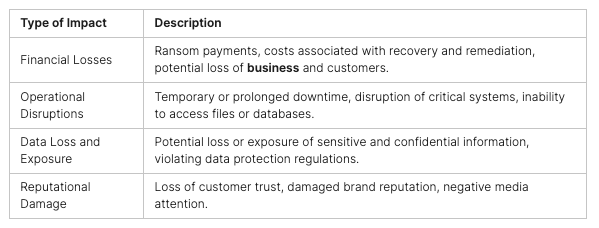
Ransomware attacks can cause significant financial losses and reputational damage for businesses. Organizations that fall victim to ransomware may experience operational disruptions, loss of sensitive data, and potential legal and regulatory liabilities.
It is vital for businesses to prioritize ransomware prevention and preparedness as part of their overall cybersecurity strategy. By investing in robust defenses, regular employee training, and incident response planning, organizations can mitigate the risks and consequences associated with this persistent and evolving threat.
Cloud Computing Challenges: Navigating Data Security and Compliance
While cloud computing offers numerous advantages, it also introduces new challenges in terms of data security and compliance. With the increasing adoption of cloud services, organizations must ensure that their sensitive information is protected and that they meet regulatory requirements.
One of the main challenges is the risk of misconfigured cloud storage accounts. Improperly configured storage settings can expose sensitive data to unauthorized access and increase the likelihood of data breaches. It is essential for businesses to implement proper access controls and regularly audit their cloud storage settings to prevent these vulnerabilities.
Infrastructure vulnerabilities also pose a significant threat to cloud data security. Weaknesses in the underlying cloud infrastructure can be exploited by attackers to gain unauthorized access to data. Organizations must work closely with cloud service providers to ensure that robust security measures are in place to protect their data.
“Ensuring data security and compliance in the cloud is a shared responsibility between the organization and the service provider.”
Organizations must prioritize access control mechanisms to limit who can access their cloud resources and data. Implementing strong authentication methods, such as multi-factor authentication, can help prevent unauthorized access. Additionally, regular monitoring and logging of access activities can provide insight into potential security breaches and aid in incident response.
Compliance with regulations and industry standards is critical in cloud environments. Organizations need to stay up to date with evolving data protection laws and compliance requirements to ensure their cloud operations align with legal and regulatory obligations. Conducting regular compliance assessments and audits can identify any gaps and help organizations address them effectively.
Best Practices for Cloud Data Security and Compliance:
Implement strong access controls, including multi-factor authentication
Regularly review and update cloud storage settings to prevent misconfigurations
Work closely with cloud service providers to ensure robust security measures are in place
Monitor and log access activities for early detection of security breaches
Stay up to date with data protection laws and compliance requirements
Conduct regular compliance assessments and audits
Train employees on cloud security best practices
By addressing these cloud computing challenges and prioritizing data security and compliance, organizations can leverage the benefits of cloud technology while mitigating potential risks and ensuring the confidentiality, integrity, and availability of their data.
Complexity in Multi-Cloud Environments: Managing Security in a Sprawling Landscape
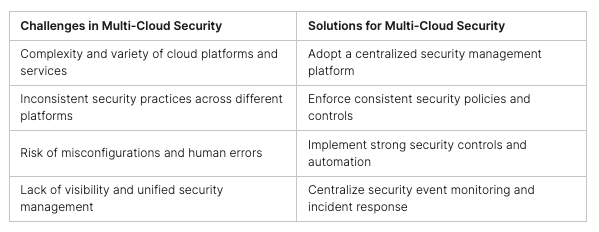
Managing security in multi-cloud environments can be a daunting task due to the complexity and variety of cloud platforms and services. With businesses relying on multiple cloud providers to meet their diverse needs, administrators often struggle to maintain control over their sprawling estates. This complexity introduces potential vulnerabilities, making it crucial for organizations to prioritize cloud security and implement effective security controls.
One of the main challenges in managing security in a multi-cloud environment is ensuring consistent security practices across different platforms. Each cloud provider has its own set of security features and configurations, requiring administrators to have a deep understanding of each provider’s security controls. This can be time-consuming and error-prone, increasing the risk of misconfigurations and leaving cloud environments exposed to cyber threats.
To address these challenges, organizations must adopt a comprehensive security strategy that includes a centralized platform for managing all their cloud assets and configurations. This centralized platform allows administrators to enforce consistent security policies and controls across all cloud providers, simplifying the management process and reducing the risk of human errors. Additionally, it provides a holistic view of the entire multi-cloud environment, enabling administrators to identify potential security gaps and take proactive measures to mitigate them.
Implementing strong security controls is crucial in a multi-cloud environment. This includes deploying robust access management policies, applying encryption to protect sensitive data at rest and in transit, and regularly monitoring the cloud environment for any suspicious activities or vulnerabilities. By leveraging cloud security solutions that offer advanced threat detection and automated security measures, organizations can strengthen their security posture and effectively mitigate the risk of cyber attacks.
Benefits of Centralized Security Management in Multi-Cloud Environments
Centralized security management brings several benefits to organizations operating in multi-cloud environments. Firstly, it provides a unified view of security across all cloud platforms, enabling administrators to monitor security events, investigate incidents, and respond quickly and efficiently. This level of visibility enhances the overall security posture of the organization and simplifies compliance with regulatory requirements.
Secondly, a centralized approach allows for the consistent enforcement of security policies and controls across multiple cloud providers. Administrators can define a set of standardized security configurations and apply them uniformly across all cloud environments, reducing the risk of misconfigurations and ensuring a high level of protection against potential threats.
Finally, centralized security management minimizes complexity in multi-cloud environments. Instead of juggling different security tools and interfaces for each cloud provider, administrators can leverage a single platform that integrates with all their cloud environments. This streamlines security operations, improves efficiency, and enables administrators to focus their time and resources on addressing real security risks rather than managing disparate security systems.
In conclusion, managing security in multi-cloud environments requires organizations to navigate through the complexity and variety of cloud platforms while ensuring consistent security practices across different providers. By adopting a centralized security management approach, organizations can streamline security operations, reduce complexity, and improve their overall security posture. With robust security controls and automated measures in place, businesses can confidently embrace the benefits of multi-cloud environments while effectively mitigating the risks and challenges they present.
Conclusion
As we advance into 2024, the imperative for businesses to intensify their cybersecurity initiatives has never been more critical, especially with the escalating threats in cloud security. The advent of quantum computing, AI-powered attacks, sophisticated ransomware, and the inherent challenges of cloud computing and multi-cloud environments demand a proactive and informed approach to cybersecurity. Businesses must stay abreast of the latest threats and advancements, embrace cutting-edge security solutions, and adopt best practices to safeguard their digital assets effectively.
The landscape of cloud security is continually evolving, necessitating that organizations adopt robust cybersecurity strategies to stay ahead of potential threats. By investing in the latest technologies and solutions, businesses can enhance their defenses and solidify their security postures. Cultivating a culture of awareness and preparedness is essential for mitigating risks associated with cloud security threats.
Furthermore, compliance with regulatory requirements and the implementation of effective access control measures are crucial for maintaining security integrity. Regular security assessments and audits play a vital role in identifying vulnerabilities and fostering continuous improvement in security practices. Additionally, establishing strong partnerships with reliable security providers and engaging actively in industry forums and networks are strategic moves that can significantly boost a business’s preparedness against cloud security challenges.
At Peris.ai Cybersecurity, we are dedicated to equipping businesses with the tools and expertise needed to navigate the complexities of cloud security. Our advanced solutions are designed to address the unique challenges of your business, ensuring compliance, enhancing security, and fostering a resilient cybersecurity posture. Visit us at Peris.ai Cybersecurity to explore how our tailored cybersecurity solutions can help protect your business against the emerging threats of the digital age. Let us help you stay one step ahead in the rapidly evolving world of cloud security.
FAQ
What are the top cloud security threats that businesses should prepare for in 2024?
The top cloud security threats that businesses should prepare for in 2024 include quantum computing disruptions, AI-powered attacks, ransomware, challenges of cloud computing, and managing security in multi-cloud environments.
How does quantum computing pose a threat to encryption and security?
Quantum computing has the potential to render traditional encryption methods obsolete. As quantum computers become more powerful, the encryption standards currently in use may no longer be sufficient. To defend against this threat, organizations need to adopt quantum-resistant encryption algorithms and protocols.
What are AI-powered attacks and how can organizations protect against them?
AI-powered attacks leverage artificial intelligence to create sophisticated and stealthy cyberattacks. To protect against these attacks, organizations need to invest in AI-based cybersecurity solutions, implement robust security controls and policies, and stay updated on the latest developments and best practices.
How can organizations protect themselves from ransomware attacks?
To protect against ransomware attacks, organizations should adopt a comprehensive strategy that includes patching systems, limiting network exposure, educating users, and having a plan to detect, respond to, and recover from attacks.
What are the main challenges of cloud computing in terms of data security and compliance?
The challenges of cloud computing in terms of data security and compliance include misconfigured cloud storage accounts, infrastructure vulnerabilities, and the potential exposure of sensitive information. Organizations must prioritize data security, access control, and compliance by implementing robust security measures, conducting regular assessments, and staying updated on evolving regulations and standards.
How can organizations manage security in multi-cloud environments?
Managing security in multi-cloud environments can be challenging due to the complexity and variety of cloud platforms and services. Organizations can improve security by adopting a comprehensive security strategy that includes a centralized platform for managing all cloud assets and configurations, reducing complexity and providing better control over the sprawling landscape.
How can businesses enhance their preparedness for cloud security threats?
Businesses can enhance their preparedness for cloud security threats by staying informed about the latest threats, adopting advanced security solutions, and implementing best practices such as proactive monitoring, continuous security training, and regular security assessments.
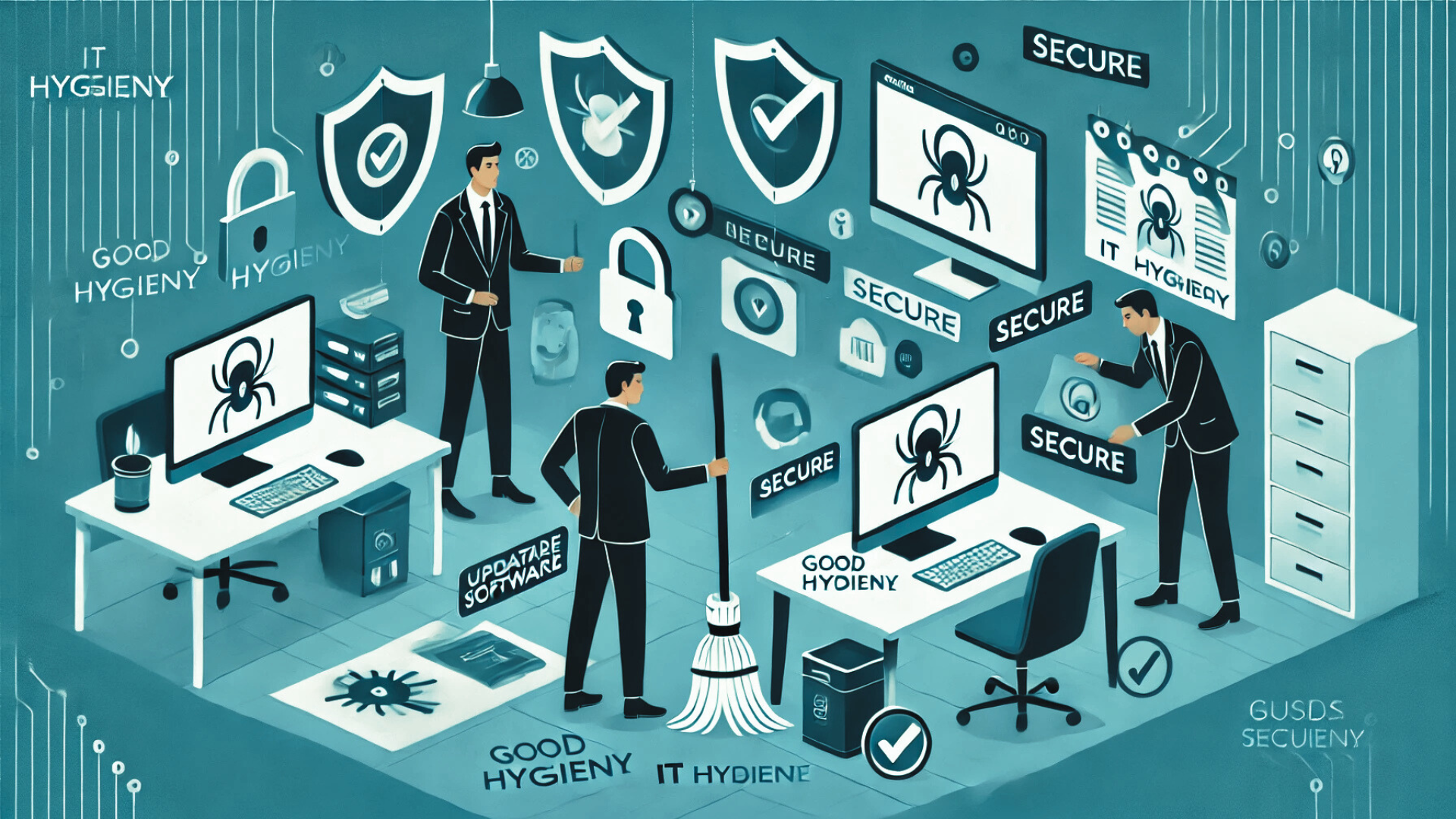
In our digital-first world, the threat of cyberattacks is more prevalent than ever. To combat this growing threat, businesses must emphasize the importance of IT hygiene—a cornerstone in safeguarding systems and data. Adopting proactive security measures is not just a best practice; it’s essential for maintaining the resilience and continuity of any organization.
Crafting a Cybersecurity Playbook
A well-structured cybersecurity playbook is indispensable. It should outline specific protocols for different types of cyber incidents, including clear steps for containment, eradication, and recovery. This guide should also contain essential contact information for rapid response and instructions for documenting incident details. Keeping this playbook updated and accessible ensures that your team can act swiftly and effectively in the face of a cyberattack.
Prioritizing Strong IT Hygiene Practices
Robust IT hygiene involves more than just regular password updates:
System Updates: Regularly apply patches and updates to all systems to close security loopholes.
Vulnerability Assessments: Routinely evaluate your IT infrastructure to identify and mitigate potential vulnerabilities.
Secure Configurations: Ensure that all system configurations adhere to the highest security standards to avoid exploitable weaknesses.
Engaging with Law Enforcement
Developing relationships with local and national law enforcement agencies can provide critical support during cyber incidents. These partnerships can offer valuable resources for incident investigation and recovery, enhancing your overall response strategy.
Training Staff on Cybersecurity Awareness
Employee education is critical:
Phishing Training: Regularly train employees to identify and respond appropriately to phishing attempts and other social engineering attacks.
Suspicious Activity Reporting: Encourage a culture where employees feel comfortable reporting suspicious activities without fear of reprisal.
Fortifying Against Financial Fraud
Financial systems are prime targets for cybercriminals. Strengthening these systems involves:
Transaction Security: Implement robust security measures for all financial transactions.
Audit and Monitoring: Continuously monitor financial activities and conduct regular audits to detect and respond to irregularities promptly.
️ Being Proactive with Cybersecurity
The best defense against cyber threats is a proactive approach. By maintaining excellent IT hygiene, regularly updating your cybersecurity playbook, and fostering a culture of security awareness, your business can defend against and mitigate the effects of cyberattacks.
For more insights into effective cybersecurity strategies and to discover how Peris.ai can enhance your organization’s defenses, visit our website at peris.ai.
Stay proactive, stay secure.
Your Peris.ai Cybersecurity Team #YouBuild #WeGuard
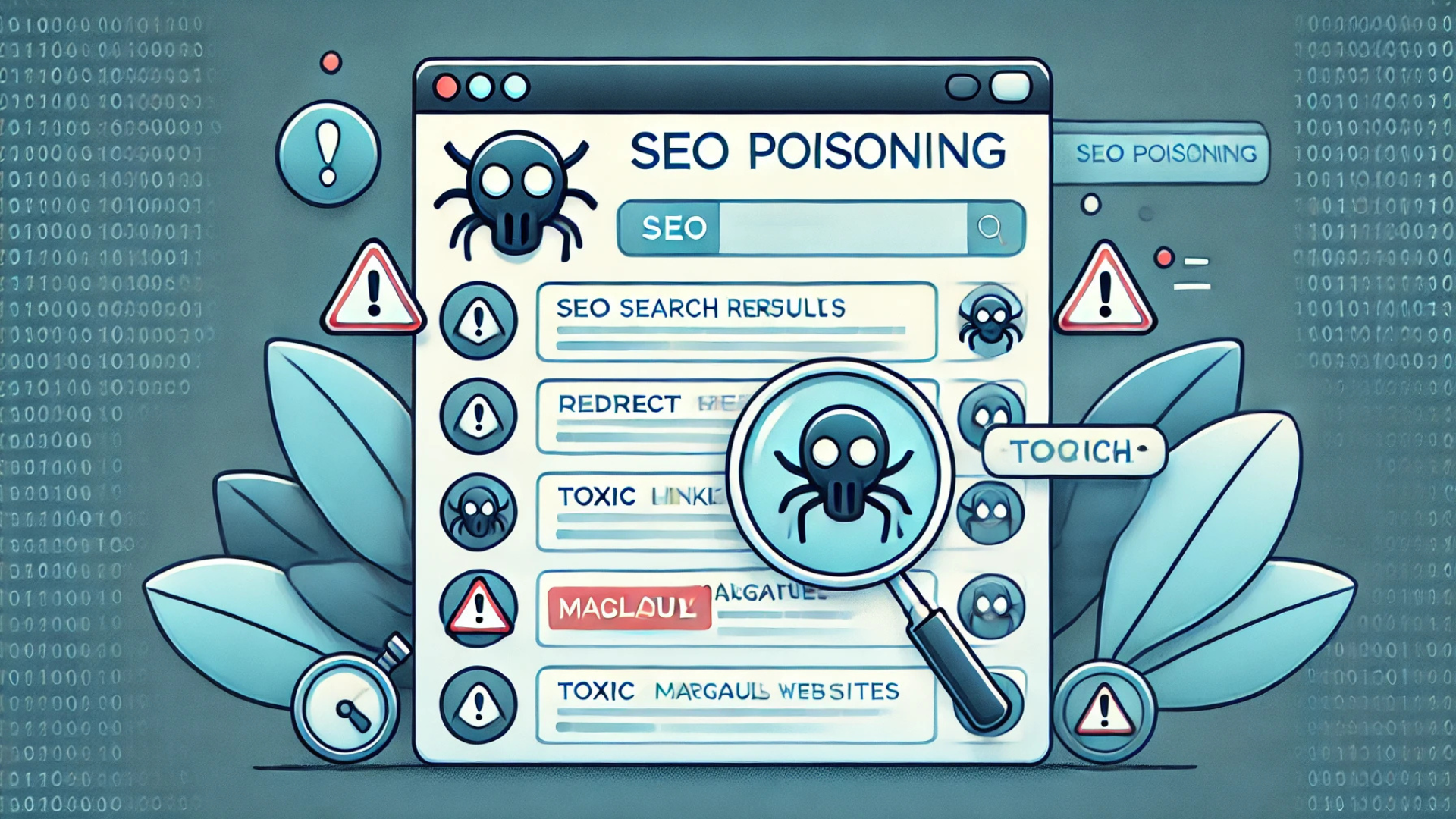
As we delve deeper into the digital age, cybersecurity threats continue to evolve with increasing sophistication. One of the emerging threats that is gaining notoriety is SEO Poisoning. This tactic deviates from traditional cyber threats such as phishing emails and malware-infested websites, instead manipulating search engine rankings to direct users unwittingly to malicious sites.
In this detailed overview, we will explore the mechanics behind SEO Poisoning, its effectiveness as a cyber threat, and strategic measures to safeguard against these covert attacks.
Understanding SEO Poisoning: The Cybercriminal’s New Weapon
SEO Poisoning, also known as Search Engine Poisoning, involves exploiting the mechanisms of Search Engine Optimization (SEO)—a legitimate strategy used by businesses to boost their website visibility on search engines like Google. Cybercriminals hijack this technique to promote malicious websites, leading users into traps that can result in the theft of sensitive data or the infection of devices with malware.
How SEO Poisoning Operates:
Niche Search Targeting: Cybercriminals target specific, less competitive search queries. These could range from legal inquiries about exotic pets to specialized technical support questions.
Manipulating Search Results: By optimizing malicious websites or links for these niche queries, hackers can position their traps at the top of search engine results, capturing the attention of unsuspecting users.
Trust Exploitation: Many users trust search engine results, assuming the top results are safe and verified, which is precisely what cybercriminals capitalize on.
The Efficacy of SEO Poisoning
What makes SEO Poisoning particularly effective is its ability to target curious users seeking quick answers, exploit the inherent trust in search engine results, and bypass conventional cybersecurity training that doesn’t typically cover this type of threat. The dynamic nature of SEO tactics makes these poisoned sites difficult to detect and block continuously.
Defensive Strategies Against SEO Poisoning:
Protecting against SEO Poisoning requires vigilance and a proactive approach to online safety:
Critical Evaluation of Search Results: Scrutinize the credibility of websites that appear in search results, especially for niche or unusual queries.
Enhanced Browser Security: Utilize built-in browser protections and external tools to check the safety of websites before engaging with them.
Education and Awareness: Expand cybersecurity training to include the risks and indicators of SEO Poisoning, emphasizing the importance of verifying online sources.
Cyber Hygiene Best Practices:
Verify Links: Always hover over a link to see the actual URL before clicking. Look out for typosquatting or unfamiliar domain names.
Adjust Browser Settings: Disable auto-downloads to prevent malicious sites from downloading files without consent.
Utilize Security Tools: Employ URL scanners and antivirus programs to check the safety of websites and files before interaction.
Why Staying Informed Matters
As cybercriminals continue to refine their strategies, understanding and anticipating emerging threats like SEO Poisoning is crucial for maintaining robust cybersecurity defenses. Awareness and proper security practices are your best defenses against these covert manipulations.
For further insights and proactive cybersecurity strategies, visit Peris.ai. Stay updated and secure with the latest in cyber defense tactics.
Your Peris.ai Cybersecurity Team #YouBuild #WeGuard
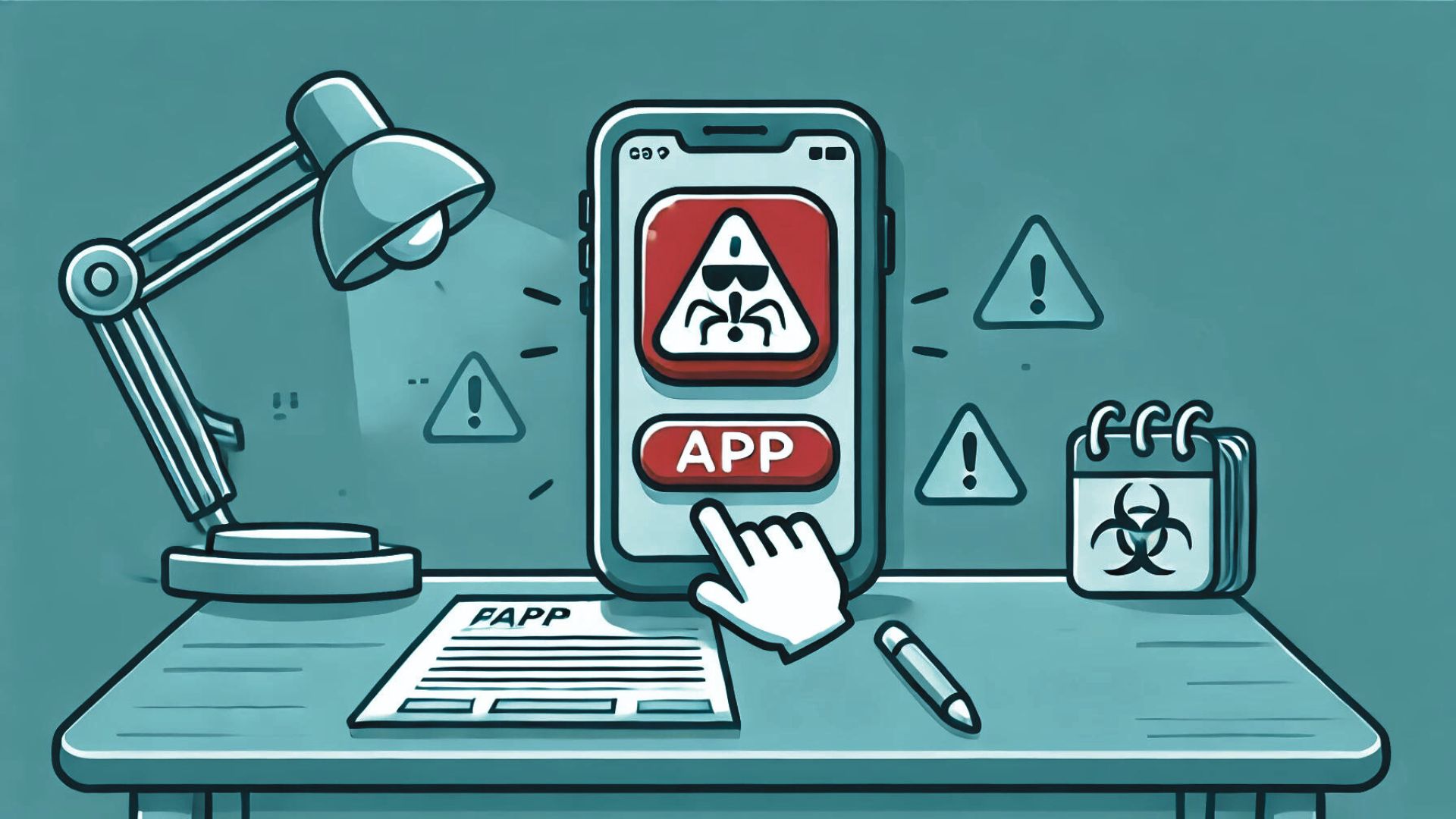
The explosion in popularity of the mobile game “Hamster Kombat” has unfortunately drawn the attention of cybercriminals. Released in March 2024, the game boasts over 250 million players and maintains a significant presence with 53 million users on its Telegram channel. Cybercriminals are capitalizing on this success by distributing fake Android and Windows applications designed to install spyware and steal personal information.
️♂️ Targeting Tactics by Threat Actors
Cybercriminals use various methods to deceive ‘Hamster’ enthusiasts:
Fake Apps on Google Play: A cloned app, titled ‘Hamster Kombat – Earn Crypto’, was identified and removed for spreading malware.
Telegram Channel Exploits: Several unofficial Telegram channels, like ‘HAMSTER EASY’, have been caught distributing Android malware such as the Ratel spyware through APK files masquerading as genuine game enhancements.
Malware Employed in These Scams
The types of malware associated with these fraudulent activities include:
Ratel Spyware: This spyware is particularly intrusive, capable of intercepting SMS messages and device notifications to enroll victims in premium services surreptitiously.
Fake Websites: Sites like ‘hamsterkombat-ua.pro’ mislead visitors with ads, profiting from unwary traffic.
Lumma Stealer: Found on malicious GitHub repositories, this malware purports to offer helpful farming bots for Hamster Kombat but instead steals information. It is available in several programming languages, each tailored to look more convincing, such as a Python version with a graphical installer designed to deceive.
How to Stay Safe from Hamster Kombat Scams
To protect yourself from falling victim to these scams, consider the following safety tips:
Download from Official Sources: Always obtain the game directly from the official Telegram channel or the game’s authentic website.
Avoid Clones: Exercise extreme caution with any apps that resemble Hamster Kombat, as they are often scams or malware carriers.
Exercise Caution with Security: The legitimate Hamster Kombat game itself lacks comprehensive security evaluations, as it isn’t hosted on major platforms like Google Play or the App Store.
Heed User Warnings: Pay attention to community reports, especially those highlighting scams involving clone apps that fail to process promised financial transactions.
Explore Safer Alternatives: Consider engaging with other cryptocurrency gaming projects that have established and verified systems.
Trust but Verify
In an era where digital recreation can unexpectedly turn into a cybersecurity threat, maintaining vigilance is crucial. Always ensure the authenticity of sources for any download, particularly when financial transactions or sensitive data are involved. By staying informed and cautious, you can enjoy digital entertainment without compromising your security.
For continuous updates and more in-depth cybersecurity insights, ensure to visit our website at Peris.ai.
In 2024, a new Android malware called SpyAgent has emerged, threatening cryptocurrency holders by using optical character recognition (OCR) technology to steal private keys from images and screenshots stored on devices. Here’s an in-depth look at how SpyAgent operates and steps you can take to safeguard your digital assets.
Understanding SpyAgent’s Operation
Mechanism of Attack:
Target Applications: SpyAgent masquerades as legitimate applications such as banking, streaming, and government apps to deceive users into installation.
Data Harvesting: Once installed, the malware scans for images and screenshots on the device, specifically searching for cryptocurrency wallet recovery phrases. These private keys are crucial as they grant access to the user’s cryptocurrency funds.
⚠️ Distribution Techniques of SpyAgent
Spread Mechanisms:
Communication Channels: The malware is predominantly spread through malicious links shared via text messages and social media platforms.
Deceptive Installations: Users are tricked into downloading fraudulent apps from websites that mimic reputable sources. These apps are designed to look authentic and trustworthy to elicit user trust and compliance.
Scope of the Attack
Recent Developments:
Geographical Focus: Initially, SpyAgent has heavily targeted users in South Korea, with over 280 fake apps identified as part of the campaign.
Global Expansion: There are indications that SpyAgent’s activities are extending to the UK, and there is ongoing development towards creating a version that could potentially affect iOS users as well.
Strategies to Defend Against SpyAgent
Protective Measures:
App Source Verification: Always download apps from official app stores such as Google Play to minimize the risk of encountering malicious software.
Secure Storage Practices: Avoid storing sensitive information like cryptocurrency recovery phrases on your phone. Opt for physical security devices or dedicated secure storage solutions.
Permission Management: Scrutinize the permissions requested by apps. Limit access to essential functions only, particularly for new or less trusted applications.
System Updates: Maintain up-to-date security measures by regularly updating your device’s operating system and security applications to protect against known vulnerabilities.
☠️ Context: Rising Threats in Cryptocurrency Security
The rise of digital currencies has led to increased activities by cybercriminals aiming to exploit the digital finance space. Tools like SpyAgent and other malware variants, such as the Cthulhu Stealer targeting macOS, highlight the ongoing and evolving threats to cryptocurrency users.
For more comprehensive cybersecurity insights and to stay updated on the latest methods to protect your digital interests, visit our website at peris.ai.
Stay vigilant and secure,
Your Peris.ai Cybersecurity Team #YouBuild #WeGuard
Cybersecurity has never been more critical as cyber threats continue to rise globally. The need for proactive cybersecurity measures is essential to defend against cyber threats. Cybercriminals are continually developing new tactics to breach networks, devices, and systems to access sensitive information. Therefore, it is essential to be aware of the risks and take proactive measures to mitigate them.
This article highlights the significance of being proactive with cybersecurity all year round to defend against cyber threats. It provides insights into different types of cyber threats and the necessary cybersecurity measures to prevent them. It also explores best practices for implementing cybersecurity strategies and safeguarding data and endpoints. Additionally, it emphasizes the importance of ongoing cybersecurity education and training, monitoring and detecting cyber threats, and incident response and recovery.
Year-Round Vigilance: Safeguarding Against Cyber Threats with Proactive Measures
Key Takeaways:
Being proactive with cybersecurity is necessary to defend against cyber threats.
Understanding different types of cyber threats is critical to prevent them.
Implementing cybersecurity best practices enhances cybersecurity defenses.
Safeguarding data and endpoints through encryption and backups is essential.
Ongoing cybersecurity education and training are necessary to maintain cybersecurity awareness.
Understanding Cyber Threats: Types and Trends
Cyber threats are growing more sophisticated and prevalent every year. It’s crucial to have cybersecurity awareness and take preventive measures against these threats. This section will explore several types of cyber threats and highlight their potential impact on individuals and organizations.
Types of Cyber Threats:
There are many different types of cyber threats, including:
Malware: Malicious software that infects a device and can cause damage, steal data, or give a hacker unauthorized access.
Phishing: A fraudulent attempt to steal sensitive information by posing as a trustworthy entity through email, text messages, or other communication channels.
Ransomware: A form of malware that encrypts a user’s files and holds them for ransom until a payment is made.
Denial of Service (DoS) attacks: Disruptive attacks that flood networks or servers with traffic, rendering them unusable.
Man-in-the-middle (MitM) attacks: A type of attack where a hacker intercepts communication between two parties.
These cyber threats can have severe consequences, including data loss, financial damage, and reputational harm.
Trends in Cyber Threats:
Cyber threats are constantly evolving, making it difficult to stay up-to-date with the latest vulnerabilities and attack methods. However, some trends have emerged that are worth keeping an eye on:
Navigating the Cyber Landscape: Trends to Watch for Evolving Threats
It’s essential to stay informed about these trends and take proactive measures to defend against them. Cybersecurity awareness and prevention are key to protecting against potential cyber threats.
Implementing Cybersecurity Best Practices
Implementing effective cybersecurity measures is critical for individuals and organizations alike. By following cybersecurity best practices and strategies, you can significantly reduce your risk of cyber threats.
Here are some cybersecurity best practices and strategies that you can implement:
Creating Strong Passwords and Enabling Two-Factor Authentication
One of the most effective cybersecurity measures is to use strong passwords and enable two-factor authentication. A strong password should be at least 12 characters long and include a mix of uppercase and lowercase letters, numbers, and special characters. Two-factor authentication adds an extra layer of security by requiring a unique code in addition to your password to access your accounts.
Keeping Software and Systems Updated
Keeping software and systems up-to-date is another critical cybersecurity measure. Software updates often include security patches that address vulnerabilities and protect against cyber threats. Regularly updating your software and systems can help reduce your risk of cyber attacks.
Limiting Access to Sensitive Data and Systems
Limiting access to sensitive data and systems is an essential cybersecurity strategy. By granting access only to those who need it, you can significantly reduce your risk of data breaches. Additionally, implementing access controls and monitoring user activity can help detect and prevent unauthorized access.
Backing Up Data Regularly
Backing up your data regularly is an essential cybersecurity measure. In the event of a cyber attack or system failure, backups can help you restore your data quickly and minimize downtime. Ensure that your backup data is stored securely and tested regularly to ensure it can be restored when needed.
Implementing Network Segmentation
Implementing network segmentation is another effective cybersecurity strategy. By separating your network into smaller segments, you can limit the spread of cyber threats and reduce the risk of a widespread network breach. Additionally, implementing firewalls and intrusion detection systems can help detect and prevent unauthorized access.
Implementing these cybersecurity best practices and strategies can enhance your defense against cyber threats and protect your sensitive data and systems.
Strengthening Network Security
Network security is paramount to safeguarding against cyber threats. It involves implementing a range of cybersecurity measures to protect the network infrastructure, data, and communication channels.
One effective way to enhance network security is to install firewalls at the entry and exit points of the network. Firewalls are software programs that monitor network traffic and block unauthorized access attempts. They act as a barrier between the internal network and the external internet, preventing malicious traffic from entering the internal network.
Another crucial aspect of network security is to secure Wi-Fi networks. Unsecured Wi-Fi networks are vulnerable to cyber attacks, allowing hackers to gain unauthorized access to the network and steal sensitive information. To secure Wi-Fi networks, it is essential to use strong passwords, disable remote management, and enable network encryption.
Regular software updates are also an important measure to strengthen network security. Software updates often include security patches that address vulnerabilities that cybercriminals can exploit. Keeping all software, including operating systems, up to date can prevent cyber attacks that rely on exploiting known vulnerabilities.
Guarding the Digital Realm: A Visual Representation of Cyber Protection
Lastly, implementing a Virtual Private Network (VPN) can also help enhance network security. VPNs provide a secure connection between devices on the network and the internet by encrypting data and hiding the IP address. This makes it difficult for cybercriminals to intercept data or launch attacks on devices connected to the network.
Securing Endpoints: Devices and Access Points
Endpoint security is a critical aspect of cybersecurity measures, given that endpoints such as smartphones, laptops, and other devices are often the primary targets of cybercriminals. Individuals and organizations can protect their data and systems from cyber threats by securing endpoints.
Here are some essential tips for securing endpoints:
Use strong passwords and two-factor authentication to secure access to devices and accounts.
Regularly update operating systems, applications, and antivirus software to ensure they have the latest security patches.
Avoid using public Wi-Fi networks for sensitive transactions or use a virtual private network (VPN) to establish a secure connection.
Disable or remove unnecessary applications and services that may pose security risks.
Encrypt sensitive data on devices and backup data regularly to prevent data loss in case of a cybersecurity incident.
Securing Smartphones
Smartphones are a popular endpoint for cybercriminals due to their widespread use and potential vulnerabilities. Here are some specific tips for securing smartphones:
Set up a password or PIN to unlock the phone, and use biometric identification such as fingerprint or facial recognition if available.
Only download applications from trusted sources such as official app stores, and regularly review and remove unnecessary apps.
Use built-in security features such as Find My Phone to locate or remotely wipe a lost or stolen device.
Avoid using public charging stations or unknown cables that may contain malware.
Securing Laptops and Other Devices
Securing laptops and other devices involves similar strategies as securing smartphones, but with some additional considerations:
Use full-disk encryption to protect all data on the device in case of loss or theft.
Physically secure the device with a lock or cable when in public places or unsecured areas.
Install and configure a firewall to block unauthorized access to the device or network.
Disable or restrict unnecessary ports, services, and remote access to reduce the attack surface.
By following these tips, individuals and organizations can enhance their endpoint security and better defend against cyber threats.
Securing the Nexus: Safeguarding Multiple Endpoints in a Digital World
Safeguarding Data: Encryption and Backups
Protecting sensitive data is crucial in today’s digital landscape, where cyber threats loom large. Data protection is critical for both individuals and organizations that handle sensitive information.
One of the best ways to safeguard data is through encryption. Encryption transforms data into an unreadable format, making it difficult for unauthorized parties to access it. It is advisable to use end-to-end encryption for messages and emails.
In addition to encryption, regular backups are also essential for data protection. Backing up data regularly ensures that the latest version of important files is always available, even in the event of a cyber attack. It’s best to store backups in a secure location.
Encrypting and Backing Up: Building a Holistic Cybersecurity Shield
It is important to note that encryption and backups should be part of an overall cybersecurity measures strategy rather than isolated solutions.
Binary Fortress: Defending Digital Assets with Cybersecurity Safeguards
Encryption provides an extra layer of security, making it much harder for anyone to gain unauthorized access to your data. Regular backups can protect against data loss and ensure that important files are always available.
Educating and Training Users
One of the most crucial aspects of cybersecurity is ensuring that all users have a strong understanding of cybersecurity awareness. Individuals and organizations are more vulnerable to cyber threats without proper education and training.
Some essential cybersecurity tips that can be shared with users include:
Creating strong, unique passwords and changing them regularly
Avoiding public Wi-Fi networks when accessing sensitive information
Being cautious when opening emails or clicking on links from unknown sources
Keeping software and systems up to date with the latest patches and updates
It’s also essential to promote a culture of cybersecurity awareness within organizations. This includes ongoing training sessions and reminders about the importance of following cybersecurity best practices.
One effective way to educate and train users is through simulated phishing exercises. These exercises provide a safe environment for individuals to practice identifying and avoiding phishing attacks, a common method cybercriminals use to gain access to sensitive information.
By investing in ongoing cybersecurity education and training, individuals and organizations can significantly reduce their risk of falling victim to cyber threats.
Given the constantly evolving cyber threat landscape, it is essential to have effective measures in place to monitor and detect potential cyber threats. Cyber threat detection requires organizations’ continuous attention and effort to safeguard against cyber attacks.
Cyber Threat Detection Techniques
There are various cyber threat detection techniques that organizations can use to identify potential risks, including:
Penetration Testing: Conducting simulated attacks on systems to identify vulnerabilities.
Network Monitoring: Monitoring network traffic and usage patterns to detect anomalies.
Behavioral Analytics: Using machine learning and artificial intelligence to analyze user behavior and identify suspicious activity.
Log Analysis: Analyzing system logs to detect unusual activity or access attempts.
Cybersecurity Measures for Proactive Detection
Effective cybersecurity measures are crucial for the proactive detection of cyber threats. These measures include:
Strengthening Cyber Defenses: Key Measures for Proactive Threat Detection
In addition, organizations should ensure they have incident response plans to promptly address any detected cyber threats.
Guardians of the Cyber Shield: A Storm of Vigilance and Proactive Defense
Monitoring and detecting cyber threats is crucial in defending against cyber attacks. By having effective monitoring and detection measures in place and continuously improving them, organizations can safeguard themselves against the ever-evolving cyber threat landscape.
Incident Response and Recovery
One of the most critical aspects of cybersecurity strategies is incident response and recovery. No matter how robust the cybersecurity measures are, the possibility of a cyber attack can never be eliminated. Therefore, having a well-defined and tested incident response plan is essential in mitigating the impact of a security breach.
When an organization detects a security breach, the first step is identifying the attack type and assessing the damage’s extent. Once this is done, the incident response team can determine the appropriate course of action to contain the attack and prevent further damage. This could include isolating affected systems, disconnecting from the network, resetting passwords, or even shutting down the entire system.
The next step is to investigate the root cause of the attack and determine the extent of data loss or theft. This information is crucial in devising a recovery plan. For instance, if sensitive data has been compromised, the organization may need to inform affected individuals and take steps to prevent further data leakage.
A well-formulated incident response plan should include clear guidelines and procedures for handling different types of cyber attacks. It should also specify the roles and responsibilities of different team members, including IT staff, legal personnel, and management. Regular testing and updates to the plan can help ensure that it is effective in real-world situations.
Example of an Incident Response Plan
The following table provides an example of the key elements of an incident response plan:
Incident Response Blueprint: A Comprehensive Look at Key Plan Elements
Having a well-defined incident response plan can help organizations minimize the damage caused by cyber attacks and recover more quickly. By following consistent procedures and best practices, incident response teams can ensure they are handling security incidents most effectively.
Continuous Improvement and Adaptation
Cyber threats constantly evolve, so cybersecurity safeguards and strategies must also adapt and improve over time. Here are some valuable cybersecurity tips to help ensure your defenses remain strong:
Stay up to date with the latest cybersecurity threats and technologies by regularly reading security blogs and news articles.
Conduct regular vulnerability assessments and penetration testing to identify vulnerabilities and weaknesses in your system.
Implement multi-factor authentication wherever possible to add an extra layer of security to user authentication.
Ensure that all employees are aware of cybersecurity risks and have been trained on basic security awareness best practices.
Regularly review and update your incident response plan to ensure its effectiveness in the case of a cyber attack.
By implementing these cybersecurity tips and continuously improving and adapting your cybersecurity defenses, you can stay ahead of the ever-changing threat landscape and protect your organization from cyber threats.
Conclusion
In summary, maintaining a proactive stance on cybersecurity is imperative throughout the year to effectively counter cyber threats. Employing robust measures such as adhering to best practices for securing networks and endpoints, ensuring data protection through encryption and regular backups, and fostering ongoing education and training for users are pivotal steps in preventing and mitigating cyber threats.
Sustaining a constant state of cybersecurity awareness is crucial, coupled with the ability to adapt to the ever-evolving landscape of technologies and cyber threats. The incorporation of a well-structured incident response plan is instrumental in enabling organizations to respond to and recover from potential cybersecurity incidents promptly.
In essence, prioritizing cybersecurity and deploying the appropriate safeguards is paramount to shield against cyber threats. To discover comprehensive solutions tailored to your cybersecurity needs, we invite you to explore our website and learn more about our offerings, including Peris.ai Pandava Pentest & Assessment, Peris.ai Korava Bug Bounty Platform, Peris.ai Bima Security as a Services (SecaaS), and Peris.ai Ganesha IT Security Training & Workshop. Visit our website today to fortify your defenses and safeguard sensitive information effectively.
FAQ
How can I be proactive with cybersecurity?
Being proactive with cybersecurity involves implementing various measures such as regularly updating software, using strong and unique passwords, enabling two-factor authentication, and educating yourself about common cyber threats.
What are some common types of cyber threats?
Common types of cyber threats include malware, phishing attacks, ransomware, social engineering, and denial-of-service (DoS) attacks.
How can I strengthen network security?
You can strengthen network security by implementing firewalls, using secure Wi-Fi networks, regularly updating network devices, and monitoring network traffic for any suspicious activities.
What is endpoint security, and how can I secure my devices and access points?
Endpoint security refers to securing devices and access points such as smartphones, laptops, and IoT devices. You can secure your endpoints by using strong passcodes, keeping software and firmware up to date, and avoiding connecting to unsecured public Wi-Fi networks.
How can I safeguard my data?
You can safeguard your data by encrypting sensitive information, implementing regular backup strategies, and storing data securely both locally and in the cloud.
How can I promote cybersecurity awareness and education?
Promote cybersecurity awareness and education by conducting regular training sessions, sharing cybersecurity tips and best practices with employees, and establishing clear policies regarding data protection and safe online practices.
What tools and techniques can I use to monitor and detect cyber threats?
You can use various tools and techniques, such as intrusion detection systems (IDS), security information and event management (SIEM) solutions, and regular network scanning to monitor and detect cyber threats.
What should I do in the event of a cybersecurity incident?
In the event of a cybersecurity incident, follow your organization’s incident response plan, which may include isolating affected systems, notifying appropriate authorities, conducting a thorough investigation, and implementing necessary remediation measures.
How can I continuously improve my cybersecurity practices?
Continuously improve your cybersecurity practices by staying updated with the latest cyber threats and trends, regularly assessing and updating security measures, and seeking professional guidance or engaging with cybersecurity experts.
In today’s digital landscape, cybersecurity is a crucial concern for organizations across the globe. Penetration testing, or pentesting, is an essential practice that helps uncover vulnerabilities in your systems before they can be exploited by attackers. However, a significant decision for many IT security teams is whether to employ automated or manual penetration testing methods—or a combination of both.
Understanding Penetration Testing
What is Penetration Testing?
Penetration testing simulates a cyberattack against your computer system to check for exploitable vulnerabilities. Typically conducted by skilled ethical hackers, these tests mimic the actions of an attacker using various methods and tools to uncover weaknesses.
Automated vs. Manual Penetration Testing: A Comprehensive Overview
Automated Penetration Testing
Automated tools are employed to swiftly identify common vulnerabilities across a wide array of systems. These tools perform scans using predefined algorithms and methodologies to detect known security weaknesses efficiently.
Benefits of Automated Testing:
Speed and Efficiency: Rapidly scans and identifies vulnerabilities, allowing for quick remediation.
Cost-Effectiveness: Generally more affordable, making it suitable for regular security assessments.
Drawbacks of Automated Testing:
Limited Scope: May not detect complex or deeply embedded flaws.
Dependence on Definitions: Relies on known vulnerability signatures which might not cover new or emerging threats.
Manual Penetration Testing
In contrast, manual penetration testing involves security experts who delve deeper into the system to uncover hidden issues that automated tools might miss. This method is particularly effective in identifying logic flaws and complex vulnerabilities that require human intuition to discern.
Benefits of Manual Testing:
Thorough Examination: Offers a detailed assessment of complex system interactions that are often overlooked by automated tools.
Adaptive Tactics: Penetration testers adapt their testing based on real-time findings, offering more comprehensive coverage.
Drawbacks of Manual Testing:
Time-Consuming: Requires more time to execute due to the depth of the tests.
Resource Intensive: More expensive due to the need for skilled professionals.
Choosing the Right Approach for Your Organization
The decision between automated and manual penetration testing often comes down to specific organizational needs, budget, and the critical nature of the systems being tested. Many organizations benefit from a hybrid approach, where automated testing offers quick and regular assessments, while manual testing is used to dive deeper into critical areas.
Integrating Automated and Manual Testing:
A blended approach leverages the speed and frequency of automated tools along with the depth and thoroughness of manual testing, providing a comprehensive security evaluation.
Implementing Penetration Testing as a Service (PTaaS)
What is PTaaS?
Penetration Testing as a Service integrates various testing methods into a cohesive service that delivers continuous security assessments. This service model helps organizations manage their security needs without the overhead of maintaining a full-time internal testing team.
Advantages of PTaaS:
Continuous Security: Offers regular and ongoing testing to ensure up-to-date security.
Scalability: Easily scales to meet the growing needs of the organization.
Expertise: Provides access to a broader range of security expertise than may be available in-house.
Conclusion: Fortifying Cybersecurity Through Strategic Penetration Testing
Penetration testing is an essential element of a comprehensive cybersecurity strategy, whether through automated, manual, or a combination of both methods. By understanding the strengths and limitations of each approach, organizations can customize their security practices to effectively protect their assets from increasingly sophisticated cyber threats.
With Peris.ai Pandava, you can rest assured that your business will stay secure while gaining a competitive edge in the marketplace. Sleep better at night knowing your data is safe. Our ethical hackers conduct thorough penetration testing and provide detailed reports, identifying vulnerabilities before they are exploited. “Finding vulnerabilities and weak points within your digital platform & infrastructures” may sound daunting, but with Peris.ai Pandava Service, it’s something you can rest easy about.
Stay proactive and secure with Peris.ai Cybersecurity.
In today’s fast-changing world of cybersecurity, companies must pick the right software licensing. They need to protect their digital assets and endpoints well. Choosing between asset-based and endpoint-based licensing models is key. It affects their security, cost, and how well they work.
Understanding these licensing types helps leaders make smart choices. They can pick what fits their security needs and budget best.
Endpoint security is more important than ever, with breaches starting on endpoints. The cost of a data breach worldwide is million. Companies must use strong endpoint security. This includes antivirus, anti-malware, and advanced EPP and EDR solutions to fight cyber threats.
When picking a cybersecurity strategy, the licensing choice matters a lot. Asset-based licensing protects specific software or digital assets. Endpoint-based licensing secures each device on the network. Knowing which fits your security needs and setup is key to good cybersecurity and avoiding risks.
Key Takeaways
Endpoint security is critical as 70% of successful data breaches originate on endpoint devices.
The average global cost of a data breach is $3.86 million, underscoring the financial implications of inadequate endpoint security.
Asset-based and endpoint-based licensing models offer different approaches to securing digital assets and endpoints.
Organizations must carefully evaluate their security needs, infrastructure, and budget to determine the optimal licensing model.
Comprehensive endpoint security solutions combining EPP and EDR functionalities are essential for mitigating evolving cyber threats.
Understanding Software Licensing Models
Managing software licensing well is key to keeping in line with licensing compliance and cutting down on IT spending on unused licenses. There are two main types of software licenses: open-source software and proprietary software.
Why Software Licensing Matters
Software licensing is a complex area often overlooked in IT management. Yet, it’s vital for keeping organizations in line with their software agreements and avoiding expensive penalties. Not managing software licenses properly can lead to software audits, which can be a big challenge for companies of all sizes.
Open-Source vs. Proprietary Software Licenses
Open-source software licenses give users different levels of access and modification rights. On the other hand, proprietary software licenses from big vendors usually come in perpetual or subscription-based models. They also have user-based or device-based licensing. Knowing about these licensing types is crucial for matching software use with what the organization needs and can afford.
It’s important for organizations to understand the details of these software licensing models. This knowledge helps make informed decisions and ensures good software asset management.
“Effective software licensing management is crucial for maintaining compliance with software agreements and reducing wasted IT spending on unused or underutilized licenses.”
Asset-Based vs. Endpoint-Based Licensing: What’s Best for Your Cybersecurity?
Choosing the right software licensing model is key for your cybersecurity. You have to decide between asset-based licensing and endpoint-based licensing. This choice depends on your security needs, infrastructure, and risk level.
Asset-based licensing protects specific software or digital assets. It ensures only authorized users can access them. This is good for companies with a controlled software environment and clear asset priorities.
On the other hand, endpoint-based licensing secures individual devices on your network. It keeps them safe from threats. This is best for companies with many different devices, like servers, laptops, and smartphones.
To pick the best licensing model, look at your security needs, infrastructure, and risk management. Matching your cybersecurity investments to your unique needs is key. This helps improve your security and reduce cyber risks.
“Endpoint devices are the most vulnerable entry points for cyber threats, with up to 70% of successful network breaches originating from these devices.”
By weighing asset-based and endpoint-based licensing, companies can make smart choices. These choices can boost their cybersecurity and risk management efforts.
Types of Endpoint Security Solutions
In today’s digital world, endpoint security is key to keeping data safe. Devices like laptops, smartphones, and servers are at risk of cyber threats. To fight these threats, companies use different endpoint security tools.
Endpoint Protection Platforms (EPP)
Endpoint Protection Platforms (EPP) combine many security tools into one. They include antivirus software to find and block malware. EPPs watch for threats and act fast to keep networks safe.
Endpoint Detection and Response (EDR)
EDR uses smart tech to find and fight off advanced cyber threats. It watches networks in real-time and responds quickly to attacks.
XDR is a new tech that uses data from many sources to detect threats better.
Endpoint security also covers IoT, network access, and encryption. This makes sure all devices on the network are safe.
Good endpoint security needs a mix of tools to keep data and networks safe.
“Endpoint security includes the protection and monitoring of all devices connecting to a network, ensuring that both data and network assets are safeguarded from cyber threats.”
With a strong endpoint security plan, companies can protect their digital world. They can lower the chance of data breaches and keep their business running smoothly.
Evaluating Cybersecurity Needs and Risks
Understanding an organization’s cybersecurity needs and risks is key to a strong security plan. This step involves a detailed threat assessment to spot potential attacks and weaknesses. It also helps set security priorities based on the organization’s risk level and goals.
Conducting a Threat Assessment
Cyber risk assessments are vital for spotting and ranking security threats. They use standards like NIST SP 800-53 and ISO 27001:2013. Identity-based risk assessments are also important, focusing on human and machine interactions with systems.
Vulnerability assessments are crucial for reviewing system weaknesses and assigning risk levels. They help fraud and risk teams tackle the most critical vulnerabilities first. Tools like Trivy and Jit with Trivy aid in detecting and managing vulnerabilities.
Code-based risk assessment tools, such as Spectral’s AI engine, find security gaps in applications. Endpoint risk tools, like BitDefender’s ERA and WatchGuard’s MSSP solutions, are essential for endpoint security.
Supply chain risk tools, like BitSight’s data-driven measurements, assess third-party risks and security performance.
Determining Security Priorities
Thorough threat assessments help align security investments with critical risks. This ensures optimal protection and resource use. It helps develop a tailored security strategy for unique challenges, like endpoint security and supply chain risks.
Organizations need clear visibility into their critical assets’ security. They should focus on high-risk vulnerabilities on key business assets. Endpoint security is vital, ensuring systems have required security programs and detect unauthorized software.
Comparing security performance with peers helps identify needed investments. Metrics like Assessment Maturity and Remediation Maturity are key for evaluating vulnerability management.
“Only 44% of infosec leaders say their organization has good visibility into the security of their most critical assets, according to a commissioned study conducted by Forrester Consulting on behalf of Tenable.”
Choosing the Right Licensing Model
Choosing the right software licensing model is key to protecting your digital world. You have to decide between asset-based licensing and endpoint-based licensing. This choice affects your cybersecurity strategy and costs.
Asset-based licensing protects specific digital assets like servers and databases. It’s good for companies with a clear IT setup.
Endpoint-based licensing, however, covers all devices on your network. It’s best for companies with many different devices.
When picking a model, think about your company’s size, IT setup, and security needs.
By comparing each model’s pros and cons, you can choose wisely. This choice boosts your cybersecurity and saves money.
“Choosing the right software licensing model can be a game-changer in your organization’s cybersecurity strategy. It’s about finding the balance between protecting your critical assets and ensuring comprehensive coverage across all devices.” – Cybersecurity Analyst
The secret to good software licensing models is matching them to your business and cybersecurity needs. A smart choice helps you face new threats and keep your digital world safe.
Balancing Costs and Security Benefits
In today’s world, cyber threats are everywhere. Companies must weigh the costs and benefits of cybersecurity solutions. Threats like ransomware, phishing, and DDoS attacks can hurt finances and operations. Data breaches and insider threats can damage reputation and lead to legal issues.
It’s important to look at the total cost of owning cybersecurity solutions. This includes costs like licensing, deployment, and ongoing management. This helps understand the financial impact of different options.
Assessing the return on security investment (ROSI) is key. It helps compare the benefits of security against the costs. This ensures that cybersecurity spending fits within the budget and adds value.
By involving different departments, companies can understand their cybersecurity needs better. This helps make decisions that balance cost and security well.
Total Cost of Ownership
The total cost of owning cybersecurity solutions is more than just the initial cost. Costs like salaries and software licensing must be considered. Variable costs can change based on security activity.
By analyzing the total cost, companies can see the long-term financial impact. This helps make better decisions about security investments.
Return on Security Investment
Calculating the return on security investment (ROSI) is important. It compares the benefits of security against the costs. This helps decide where to spend resources for the best value.
Using data, companies can make strategic decisions. This improves their cybersecurity while staying within budget and meeting business goals.
By carefully weighing costs and benefits, companies can make smart cybersecurity choices. This approach ensures that spending aligns with budget and goals. It helps protect valuable assets and improves overall cybersecurity.
Integrating Endpoint Security with Existing Infrastructure
It’s key to blend endpoint security solutions with your current cybersecurity infrastructure and security ecosystem. This ensures top-notch performance and boosts the whole IT environment. You need to check if the endpoint security fits with your current tech. It should be easy to set up and manage from one place.
Having a unified interoperable cybersecurity setup can make things clearer and faster. It helps in dealing with security issues better. Top endpoint security tools like CrowdStrike Falcon and Microsoft Defender for Endpoint are great at this.
Make sure the endpoint security works well with your current tech and fits into your security ecosystem.
Choose solutions that are easy to use and manage from one spot. This makes things more efficient.
Use advanced threat analytics and updates to keep your security strong.
Follow the Zero Trust model to make your endpoint security even better.
By linking endpoint security with your IT environment, you get a stronger and safer cybersecurity setup. This helps protect your important data and systems.
In 2023, 68 percent of companies faced endpoint attacks that compromised data or IT systems. It’s vital to integrate endpoint security with your current setup to protect your organization. The average cost of a data breach is $4.88 million, showing why strong endpoint security is crucial.
“Effective endpoint security solutions must be based on rich threat analytics, with known indicators of compromise (IOCs) and real-time updates on new malicious campaigns and threats.”
By integrating endpoint security with your current cybersecurity infrastructure, you can boost your security. This makes things clearer and faster, helping you deal with security issues better. It makes your organization stronger against endpoint security threats.
Ensuring Compliance and Reducing Software Waste
Keeping software licensing in check and cutting down on unused licenses is key for companies. Not following licensing rules can lead to expensive audits, extra fees, and penalties from vendors. Good software management, like tracking usage and smart license allocation, helps avoid these issues and saves money on IT costs.
Software Audits and Penalties
Vendors often do software audits, and not meeting their standards can cost a lot. Companies need to manage their software well to get the most out of their cybersecurity spending and avoid waste.
Good software management means keeping a detailed list of software and watching how licenses are used. Tools for finding IT assets help manage networks better, leading to better planning and security.
Key Benefits of Effective Software Asset Management
Maintain software licensing compliance
Optimize license allocation and utilization
Reduce IT spending on unused or underutilized software
Enhance visibility and control over software assets
Identify opportunities for cost savings and software waste reduction
By managing software licenses well and using advanced tools, companies can stay compliant and avoid big costs. This approach is vital for improving cybersecurity and getting the most from technology investments.
Conclusion
In today’s rapidly evolving cybersecurity landscape, selecting the right licensing model—whether asset-based or endpoint-based—is critical for safeguarding digital assets and infrastructure. With 68% of companies encountering endpoint attacks and 81% of breaches tied to weak passwords, a tailored approach to licensing can make all the difference.
Understanding these licensing options enables organizations to align their cybersecurity strategies with business objectives, mitigating risks effectively. As remote work continues to grow, integrating endpoint security and IT asset management is vital for reducing vulnerabilities and ensuring compliance.
By leveraging cloud-based solutions and optimizing software licenses, businesses can protect their IT investments, enhance security, and achieve significant cost savings. Prioritizing cybersecurity licensing not only fortifies defenses but also maximizes the value of digital resources.
Strengthen your cybersecurity with tailored solutions. Visit Peris.ai to explore our products and services designed to protect your digital assets and optimize your IT investments.
FAQ
What is the difference between asset-based and endpoint-based licensing for cybersecurity solutions?
Asset-based licensing protects specific software or digital assets. Endpoint-based licensing secures individual devices on the network. The right choice depends on the organization’s security needs, infrastructure, and risk level.
Why is effective software licensing management important?
Good software licensing management keeps agreements and saves IT money. Knowing about different licensing types helps match software use with needs and budgets.
What are the key considerations when choosing between asset-based and endpoint-based licensing for cybersecurity?
Consider the organization’s security needs, infrastructure, and risk. Weighing the pros and cons of each helps align with unique security needs. This optimizes cybersecurity investments and reduces risks.
What are the different types of endpoint security solutions?
Endpoint security includes Endpoint Protection Platforms (EPP) for comprehensive security. It also includes Endpoint Detection and Response (EDR) for advanced analysis. Emerging technologies like Extended Detection and Response (XDR) integrate data from various security sources.
How should an organization evaluate its cybersecurity needs and risks?
First, do a thorough threat assessment to find vulnerabilities. Then, set security priorities based on risk and business goals. This is key for a strong cybersecurity strategy.
What factors should organizations consider when choosing the right licensing model?
Think about the infrastructure, digital assets, device types, and security strategy. Weighing asset-based versus endpoint-based licensing is crucial.
How can organizations balance the costs and security benefits of cybersecurity solutions?
Look at the total cost of ownership, including fees and maintenance. Compare the risk benefits to the costs. This helps make smart cybersecurity spending decisions.
Why is integrating endpoint security solutions with existing infrastructure important?
Integrating endpoint security with IT infrastructure ensures smooth operation. It boosts the overall cybersecurity posture. This improves visibility, incident response, and security resilience.
How can organizations ensure compliance and reduce software waste?
Effective software asset management tracks license usage and optimizes allocation. This avoids non-compliance and saves money on wasted licenses. Managing software licensing ensures value from cybersecurity investments.