The modern business landscape is intricately woven with technology and interconnected networks, ushering in unparalleled efficiency and innovation. Yet, this digital progress comes hand in hand with a pressing issue that transcends industries and organizational scales – cybersecurity. As technology advances, so do the tactics of cyber threats that loom over businesses. These threats possess the potential to not only disrupt daily operations but also breach sensitive data, casting long-lasting shadows on hard-earned reputations. In the relentless pursuit of mitigating these risks, the internal IT teams are the vanguards entrusted with fortifying an organization’s digital infrastructure. Among the array of tools at their disposal, none shine as brightly as the effective incident reporting platform – a cornerstone of organizational well-being and an embodiment of cutting-edge cybersecurity measures, converging to provide a shield of comprehensive threat protection.
The Landscape of Modern Cybersecurity Threats
Before delving into the significance of an effective incident reporting platform, it’s crucial to comprehend the evolving landscape of cybersecurity threats that organizations encounter today. Cybercriminals have become increasingly sophisticated, employing many tactics to breach digital defenses, including malware, phishing attacks, ransomware, and social engineering. These threats can exploit an organization’s infrastructure vulnerabilities, leading to data breaches, financial losses, and reputational damage.
Role of Internal IT Teams in Cybersecurity
Internal IT teams are the first line of defense against cyber threats. Their responsibilities extend beyond maintaining the organization’s technological infrastructure. They are tasked with monitoring network activity, identifying potential vulnerabilities, deploying security patches, and responding swiftly to incidents. In this context, an incident refers to any suspicious or unauthorized activity that could lead to a security breach.
Challenges in Incident Reporting and Management
Effective incident reporting and management are paramount in maintaining robust cybersecurity. When internal IT teams identify a potential threat, their ability to promptly report and address the incident can differentiate between containment and escalation. However, several challenges can impede this process:
Lack of Centralized Reporting: IT teams may be spread across different departments or locations in larger organizations, making it difficult to centralize incident reporting.
Communication Gaps: Clear communication between IT teams and other departments, such as legal, PR, and upper management, is essential during incident response. Communication breakdowns can lead to mismanagement of the incident.
Data Fragmentation: Incidents generate a wealth of data, including logs, network traffic analysis, and user activity. Without a centralized platform, this data may be scattered, making it challenging to piece together the full scope of the incident.
Delayed Response: Traditional methods of incident reporting, such as emails or manual forms, can lead to delays in response times, allowing cyber threats to propagate.
Enter the Effective Incident Reporting Platform
An effective incident reporting platform addresses these challenges and fortifies an organization’s cybersecurity posture. Such a platform is a centralized hub for reporting, tracking, and managing cybersecurity incidents. Here’s how it contributes to organizational safety and advanced cybersecurity:
1. Centralized Reporting and Tracking:
An incident reporting platform provides a unified interface for IT teams to report and track incidents in real-time. This centralized approach ensures that all incidents are documented, providing a comprehensive overview of the threat landscape. Moreover, authorized personnel can access the platform to view the status of ongoing incidents and track their resolution progress.
2. Streamlined Communication:
Communication gaps can be bridged through the incident reporting platform. IT teams can collaborate seamlessly with other departments by sharing incident-related information, updates, and action items within the platform. This real-time collaboration fosters a holistic approach to incident response, enabling quicker decision-making and more efficient containment strategies.
3. Data Consolidation:
An incident generates a plethora of data from various sources. An incident reporting platform facilitates the aggregation of this data, creating a comprehensive dataset for analysis. This data-driven approach enhances the organization’s understanding of the incident, enabling IT teams to identify patterns, root causes, and potential points of vulnerability.
4. Automated Workflows:
Modern incident reporting platforms often feature automation capabilities. Routine tasks can be automated, such as assigning incident ownership, notifying stakeholders, and triggering predefined response actions. This accelerates the incident response process and reduces the risk of human error.
5. Real-time Analysis:
Incident reporting platforms can integrate with cybersecurity tools that offer real-time analysis of incoming threats. This integration empowers IT teams to identify and respond to incidents as they unfold, enhancing the organization’s ability to thwart cyber threats before they escalate.
Conclusion: Empowering Organizational Resilience through Advanced Incident Reporting
In this digital epoch, where every facet of business is intricately intertwined with technology, the fortification of cybersecurity has emerged as an unassailable imperative. For organizations to thrive, preserving their digital landscapes is paramount, and this demands an unwavering shield against the relentless onslaught of cyber threats. Central to this defense is the internal IT teams – the unsung sentinels who guard invaluable digital assets in the ever-evolving theatre of cyber warfare. Amidst their arsenal of strategies, an exceptional incident reporting platform rises as a beacon of assurance, addressing the multifaceted challenges that IT teams encounter in incident reporting and management. Through its capability to centralize reporting, enhance communication channels, unify disparate data, and propel automation, this platform bestows organizations with the capability to unleash formidable cybersecurity mechanisms that guarantee total protection against a diverse spectrum of threats.
As our digital continues to expand, organizations are in a perpetual dance with dynamic and ingenious cyber adversaries. The manifestation of success now hinges on the ability to anticipate and circumvent these threats before they breach the digital moat. Internal IT teams, often the unsung heroes, are at the forefront of this battle, defending an organization’s digital realm against all odds. Their vigilance ensures operations remain unmarred, sensitive data remains inviolable, and business reputation remains untarnished.
Yet, the challenge is multifaceted. Cyber threats don’t adhere to convention; they evolve, adapt, and proliferate. In this intricate dance, an effective incident reporting platform emerges as a steadfast ally, streamlining the processes at the heart of cyber defense. By seamlessly centralizing incident reporting, this platform bridges the gap between IT teams spread across various domains, fostering a unified front against potential threats. Simultaneously, it becomes a conduit for unimpeded communication, enabling collaboration between IT teams, management, legal experts, and PR departments – all essential components of a swift and effective response to cyber incidents.
The true essence of an incident reporting platform goes beyond mere aggregation; it’s about consolidating data into a strategic advantage. This platform paints a comprehensive picture of the incident through its ability to harmonize diverse data streams. Such insights are indispensable – they unravel patterns, expose vulnerabilities, and pinpoint potential points of compromise. With this knowledge, IT teams are empowered to formulate robust countermeasures, arming the organization against future attacks.
As the symphony of cyber threats continues, adopting an advanced incident reporting platform takes center stage. It transforms a reactionary approach into a proactive strategy, reinforcing an organization’s cyber defenses and bolstering its capacity to thrive in an inherently perilous digital realm. To embark on this transformative journey towards fortified cybersecurity, we invite you to explore our comprehensive incident reporting solution on our website. Elevate your organization’s security posture, equip your internal IT teams with the tools of the future, and secure your digital legacy. Visit our website today and embrace the paradigm shift towards organizational safety and resilience in the face of adversities born in the digital crucible.
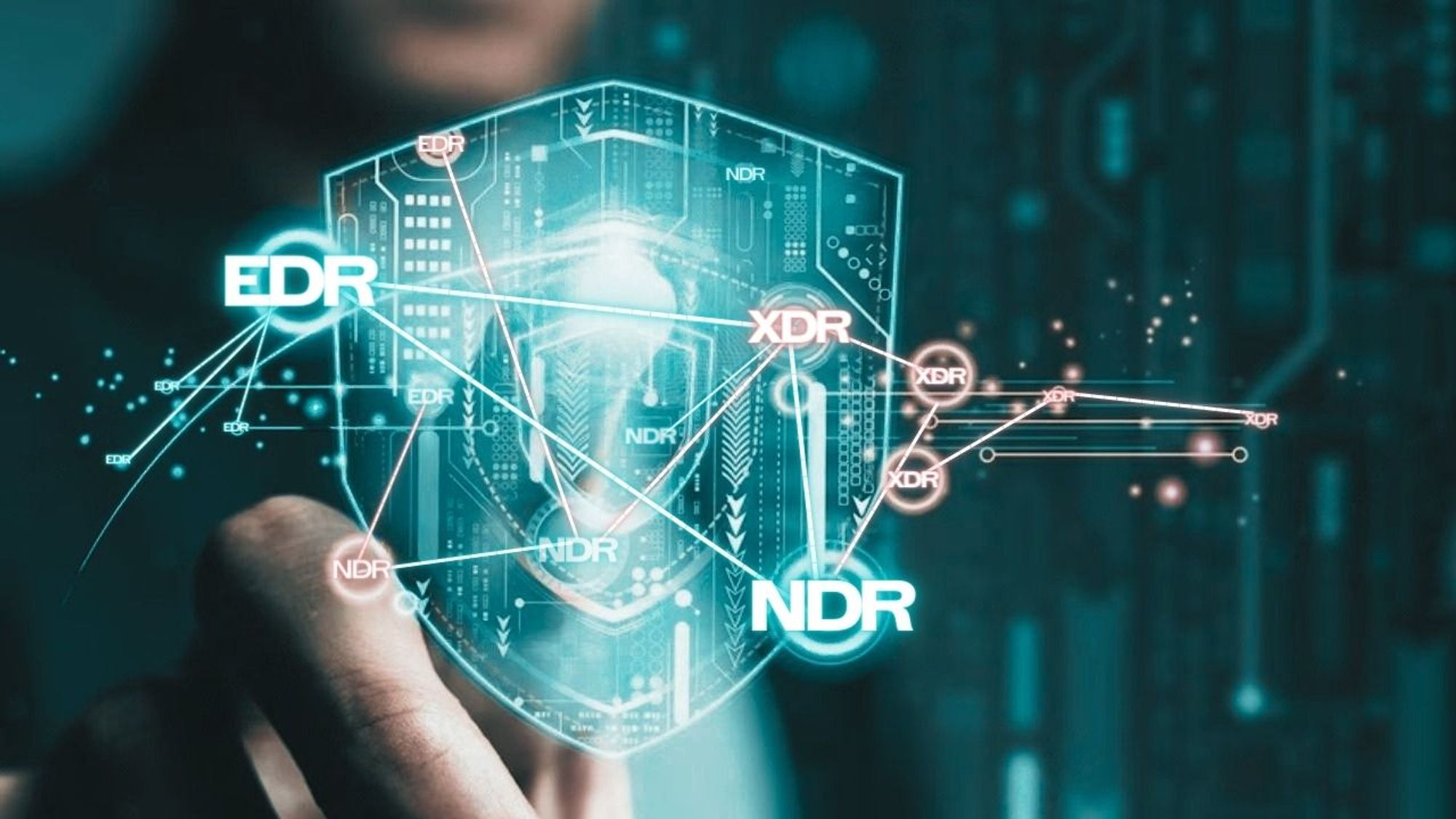
In the rapidly evolving landscape of cybersecurity, organizations are continually searching for the best solutions to protect their data and assets. Two prominent contenders in this field are Endpoint Detection and Response (EDR) and Extended Detection and Response (XDR). While both offer robust threat detection and response capabilities, they differ in several key aspects. This article will explore the differences between EDR and XDR, as well as Network Detection and Response (NDR), to help you understand which solution offers the best protection for your network.
Key Takeaways:
EDR and XDR are both powerful cybersecurity solutions.
EDR focuses on securing individual endpoints, providing detailed visibility into endpoint activity.
XDR takes a holistic approach, integrating data from multiple sources to provide a comprehensive view of the organization’s security posture.
The choice between EDR and XDR depends on the organization’s specific needs and security posture.
EDR: Focus on the Endpoint
Endpoint Detection and Response (EDR) solutions are designed to prioritize the security of individual endpoints, such as laptops, desktops, and servers. These solutions offer comprehensive visibility into endpoint activity, allowing security teams to closely monitor and analyze various aspects, including process execution, network connections, and file access. With this granular level of insight, organizations can swiftly and effectively detect and respond to potential threats.
One of the key advantages of EDR is its deep visibility into endpoint activity. By continuously monitoring endpoint behavior, EDR tools can identify anomalies and suspicious activities in real-time, enabling timely threat detection and response. This proactive approach helps prevent security incidents from escalating and minimizes the potential damage caused by malicious actors.
EDR solutions not only provide visibility but also offer rapid threat detection and response capabilities. Through advanced detection mechanisms and analytics, these tools can quickly identify indicators of compromise and potential security breaches, ensuring that immediate action can be taken to mitigate the risks involved. With EDR, organizations can enhance their incident response capabilities and speed up the resolution process.
Automated incident response is another significant advantage of EDR solutions. By automating routine tasks and response actions, security teams can streamline their operations, enhance efficiency, and reduce human error. This automation ensures that potential threats are promptly addressed, allowing security personnel to focus on more critical and complex security issues.
Overall, EDR solutions offer a powerful and specialized approach to endpoint security. With their deep visibility, rapid threat detection and response, and automated incident response, EDR tools prove invaluable for organizations managing a large number of endpoints.
Key Features of EDR
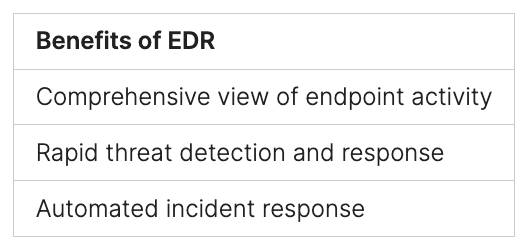
Comprehensive visibility into endpoint activity
Rapid threat detection and response capabilities
Automated incident response
XDR: A Unified Approach
XDR (Extended Detection and Response) takes a holistic approach to security by integrating data from multiple sources, such as endpoints, networks, cloud workloads, and email. This unified platform provides a comprehensive view of the organization’s security posture across the entire IT environment, allowing for more effective threat detection and response.
Unlike traditional security solutions that focus on individual components, XDR breaks down security silos and correlates data from various sources. By analyzing and correlating data from endpoints, networks, and other sources, XDR can detect threats that may go unnoticed by individual security tools. This comprehensive and unified approach maximizes the organization’s ability to identify and respond to potential security incidents.
XDR also simplifies security operations by providing a single platform for managing all security data and activities. This centralized approach streamlines the security workflow, reduces the complexity of managing multiple tools, and improves overall efficiency.
By implementing XDR, organizations can improve their security posture by gaining a deeper understanding of their network’s vulnerabilities, identifying potential threats faster, and responding more effectively. This proactive approach to security helps organizations stay one step ahead of cyber threats and mitigate risks more efficiently.
The Benefits of XDR
XDR offers several key benefits for organizations looking to enhance their threat detection capabilities and strengthen their security posture:
Improved Threat Detection: By correlating data from multiple sources, XDR provides a more comprehensive view of potential threats, allowing organizations to detect and respond to security incidents more effectively.
Reduced Security Silos: XDR breaks down the barriers between different security tools and data sources, enabling a more coordinated and integrated approach to security.
Simplified Security Operations: With a central platform for managing security activities, XDR simplifies the management and orchestration of security processes, reducing complexity and improving operational efficiency.
XDR vs. EDR: A Comparison
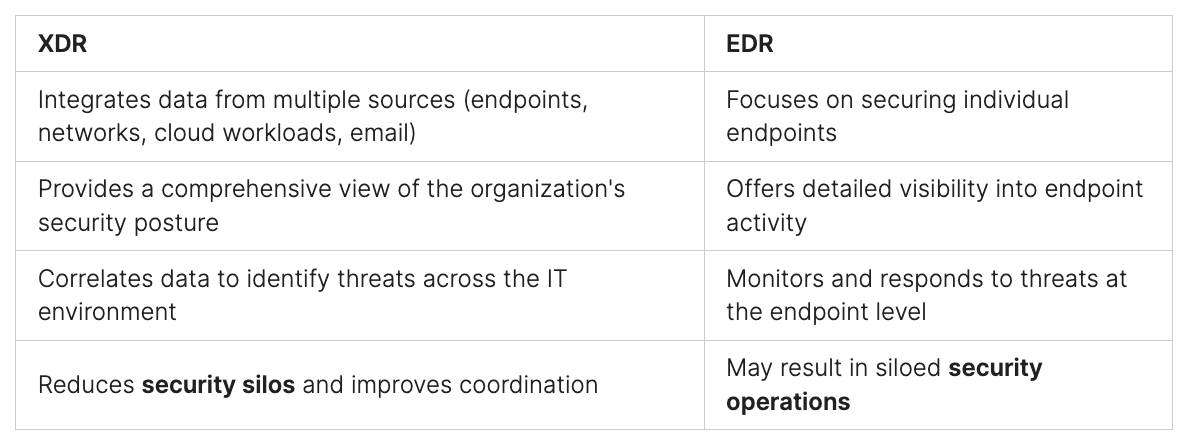
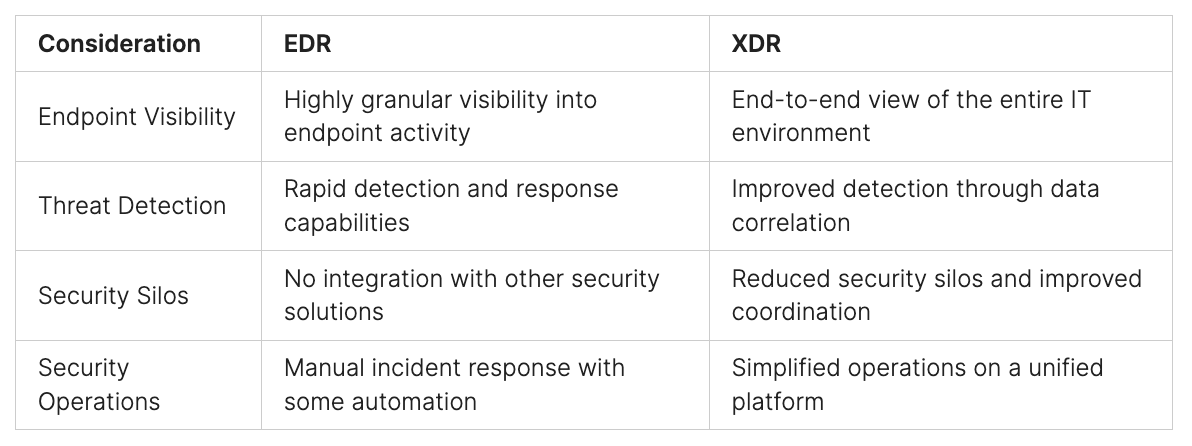
To better understand the benefits of XDR, it is important to compare it to Endpoint Detection and Response (EDR), a widely adopted security solution. While EDR focuses on securing individual endpoints, XDR takes a broader and more integrated approach to threat detection and response.
Here is a comparison of XDR and EDR in terms of their core features:
As the table illustrates, XDR provides a more comprehensive and integrated approach to security by incorporating data from various sources. This broader scope improves threat detection capabilities and reduces security silos.
Benefits of EDR
EDR solutions offer several key benefits that enhance the cybersecurity posture of organizations. By providing a comprehensive view of endpoint activity, EDR enables security teams to gain deep insights into the behavior of individual endpoints. This level of visibility makes it easier to detect anomalous activity and identify potential threats.
With EDR, organizations can quickly and effectively respond to incidents, minimizing the potential damage caused by cyberattacks. The rapid threat detection capabilities of EDR solutions enable security teams to stay one step ahead of malicious actors, proactively mitigating potential risks.
Automated incident response is another significant advantage of EDR. By automating routine tasks, such as isolating compromised endpoints or blocking malicious processes, EDR tools free up valuable time for security teams. This allows them to focus on more strategic and higher-value activities, such as threat hunting and analysis.
“EDR solutions provide comprehensive visibility into endpoint activity, enabling faster threat detection and response.”
Overall, EDR solutions play a critical role in bolstering an organization’s cybersecurity defenses. By offering detailed endpoint activity visibility, rapid threat detection, and automated incident response capabilities, EDR empowers organizations to proactively protect their networks and minimize the impact of security incidents.
Benefits of XDR
Extended Detection and Response (XDR) offers a range of benefits that significantly enhance an organization’s threat detection capabilities, streamline security operations, and break down security silos. By correlating data from multiple sources, XDR provides a more comprehensive view of potential threats, enabling a quicker and more effective response. Here are the key advantages of implementing XDR:
Improved Threat Detection: XDR leverages data from endpoints, networks, cloud workloads, and email to identify threats that may go unnoticed by individual security solutions. By analyzing and correlating data from multiple sources, XDR offers enhanced detection capabilities, enabling proactive threat hunting and rapid incident response.
Reduced Security Silos: Traditional security solutions often operate in silos, making it challenging for security teams to gain a comprehensive view of the threat landscape. XDR breaks down these silos by integrating data from various sources into a unified platform. This integrated approach empowers security teams to identify patterns and trends across the entire IT environment, improving their understanding of potential threats and enabling a more coordinated and effective response.
Simplified Security Operations: Managing security operations can be complex and time-consuming when dealing with multiple security tools and platforms. XDR simplifies security operations by providing a single platform for managing all security data and activities. This centralized approach streamlines workflows, eliminates duplicate efforts, and enables efficient collaboration between security teams, resulting in improved productivity and reduced operational costs.
Implementing XDR allows organizations to take a proactive stance against cyber threats, leveraging comprehensive threat detection capabilities, breaking down security silos, and simplifying security operations. By investing in XDR, organizations can elevate their security postures and stay one step ahead of evolving threats.
Which is Better: EDR or XDR?
The decision of whether EDR or XDR is the better cybersecurity solution depends on an organization’s specific needs and security posture. Both EDR and XDR offer unique capabilities that cater to different requirements.
EDR:
EDR, or Endpoint Detection and Response, is an ideal choice for organizations that manage a large number of endpoints and require detailed visibility into endpoint activity. EDR solutions provide a granular level of insight into processes, network connections, and file access on individual endpoints. This enhanced visibility enables security teams to quickly detect and respond to threats. With automated incident response capabilities, EDR tools streamline the management of security incidents and free up valuable time for security personnel.
XDR:
XDR, or Extended Detection and Response, takes a more holistic approach to cybersecurity. It integrates data from multiple sources, including endpoints, networks, cloud workloads, and email, providing a comprehensive view of an organization’s security posture. XDR offers improved threat detection by correlating data from various sources, which can uncover threats that may have been missed by individual security solutions. Additionally, XDR reduces security silos and simplifies security operations by consolidating security data and activities onto a single platform.
The Future of Cybersecurity
As organizations navigate the ever-evolving landscape of cybersecurity, the need for effective threat detection and response is paramount. Endpoint Detection and Response (EDR) and Extended Detection and Response (XDR) have emerged as powerful solutions in combating cybercrime. While both EDR and XDR offer valuable features, XDR represents the future of cybersecurity with its unified approach and improved security posture.
EDR focuses on securing individual endpoints, providing in-depth visibility into endpoint activity for threat detection and response. While EDR solutions excel in endpoint protection, their limited scope may lead to security gaps in complex IT environments.
XDR, on the other hand, takes a holistic approach to security by integrating data from multiple sources such as endpoints, networks, cloud workloads, and email. This unified platform offers a comprehensive view of an organization’s security posture, enabling improved threat detection and a more coordinated response to emerging threats.
By correlating data across different sources, XDR eliminates security silos and provides a single platform for managing all security activities. As organizations embrace XDR solutions, we can anticipate a significant enhancement in their overall security posture.
“The integration capabilities of XDR are key in taking cybersecurity to the next level. By breaking down silos and fostering collaboration among security tools, XDR enables organizations to stay one step ahead of sophisticated threats.”
With the ever-increasing sophistication of cyber threats, a unified approach like XDR offers unparalleled visibility and protection. By leveraging the power of XDR, organizations can proactively defend against advanced attacks and strengthen their security defenses across the entire IT infrastructure.
Benefits of XDR:
Improved threat detection through correlation of data from multiple sources
Reduced security silos for a more coordinated response to threats
Simplified security operations with a single platform for managing all security activities
Organizations that prioritize a unified approach and an improved security posture should consider adopting XDR as their cybersecurity solution of choice.
Additional Factors to Consider
When choosing between EDR and XDR, there are several additional factors to consider. These factors can help organizations make an informed decision based on their specific needs and requirements. Take a closer look at the following considerations:
Cost
XDR solutions often come with additional features and functionality, which can make them more expensive than EDR solutions. Organizations should carefully evaluate their budget and determine the level of investment they are willing to make in their cybersecurity solution.
Security Expertise
Implementing and managing an XDR solution requires more security expertise compared to EDR. Organizations should assess their internal resources and determine if they have the necessary skills and knowledge to effectively handle an XDR solution. If not, they may need to consider hiring external security experts or seeking assistance from trusted cybersecurity providers.
Integration
Integration with other security tools in the organization’s environment is a vital consideration. EDR and XDR solutions should seamlessly integrate with existing security infrastructure to ensure a cohesive and effective defense strategy. Organizations should verify compatibility and ensure that the chosen solution can integrate smoothly with their current security stack.
Organization’s Specific Needs
Every organization has unique security requirements. It is essential to carefully evaluate these needs before making a decision between EDR and XDR. Consider factors such as the size of the organization, the complexity of the IT environment, and the level of threat exposure. Each solution offers different capabilities, and organizations should choose the one that aligns best with their specific needs and addresses their most critical security challenges.
By considering these additional factors, organizations can make an informed decision about whether EDR or XDR is the best fit for their cybersecurity strategy. It’s crucial to find the right balance between cost-effectiveness, security expertise, integration capabilities, and meeting the organization’s specific needs.
Conclusion
In conclusion, both EDR and XDR are powerful tools that can play a vital role in an organization’s cybersecurity strategy. EDR offers detailed visibility into endpoint activity and rapid threat detection and response capabilities, making it a suitable choice for organizations with a large number of endpoints to manage. XDR, on the other hand, offers a more comprehensive and unified approach to security, providing improved threat detection, reduced security silos, and simplified security operations. The choice between EDR and XDR depends on the organization’s specific needs and security posture.
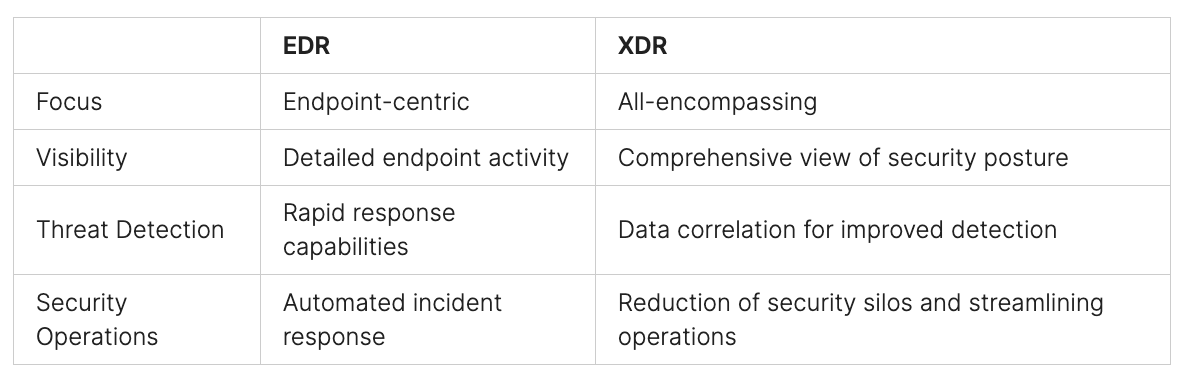
Comparative Analysis: EDR vs. XDR
Based on this comparison, EDR excels in providing detailed visibility into endpoint activity and offering rapid threat detection and response capabilities. On the other hand, XDR goes beyond individual endpoints and provides a comprehensive view of the entire IT environment, enabling improved threat detection, reduced security silos, and simplified security operations.
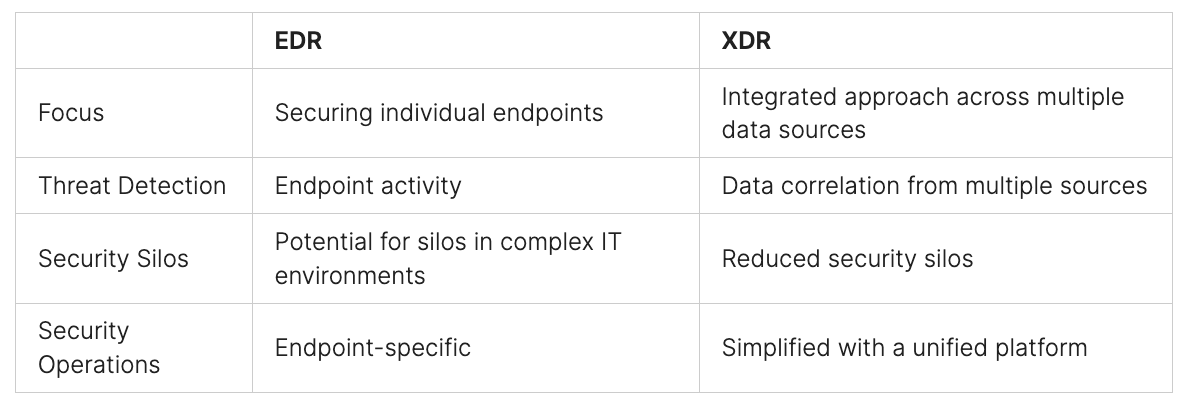
EDR focuses on securing individual endpoints, while XDR takes a more holistic approach by integrating data from multiple sources. This comprehensive approach offered by XDR can detect threats that might be missed by EDR solutions, making it an increasingly attractive choice for organizations.
When selecting between EDR and XDR, organizations should assess their specific needs, IT environment complexity, and desired level of security. Ultimately, the right choice will depend on achieving a comprehensive approach to cybersecurity and comprehensive detection of threats across the organization.
Do You Need Expert Advice?
If you’re uncertain about which cybersecurity solution is best for your business, don’t worry. The Peris.ai Cybersecurity team is here to help you make an informed decision based on your specific needs and requirements. With our expert advice, you can find the perfect cybersecurity solution that offers the optimal level of protection for your business.
Book a call with Peris.ai Cybersecurity today to consult with our professionals. We’ll provide you with guidance and insights to ensure you choose the best cybersecurity solution that is tailored to your business needs. With our expertise, you can navigate through the complex landscape of cybersecurity and implement the solution that’s best for your business.
The Importance of Choosing the Right Cybersecurity Solution
Ensuring the protection of your network and critical data is paramount in today’s digital landscape. With various cybersecurity solutions available, selecting the right one can make all the difference. As you navigate through the options, it is crucial to understand the differences between EDR, NDR, and XDR, and assess your organization’s specific needs.
Endpoint Detection and Response (EDR) focuses on securing individual endpoints, offering detailed visibility into endpoint activity and rapid threat detection and response capabilities. Network Detection and Response (NDR) focuses on monitoring and analyzing network traffic to identify and respond to potential threats. Extended Detection and Response (XDR) takes a more holistic approach, integrating data from multiple sources to provide a comprehensive view of your organization’s security posture.
By evaluating your organization’s specific needs and considering the unique benefits and capabilities of EDR, NDR, and XDR, you can make an informed decision. Protecting your network and critical data requires a cybersecurity solution that aligns with your requirements, ensuring optimal security and peace of mind.
FAQ
What is Endpoint Detection and Response (EDR)?
EDR solutions focus on securing individual endpoints such as laptops, desktops, and servers, providing detailed visibility into endpoint activity, threat detection, and incident response capabilities.
What is Extended Detection and Response (XDR)?
XDR takes a holistic approach to security by integrating data from multiple sources, offering improved threat detection, reduced security silos, and simplified security operations across the entire IT environment.
How does EDR differ from Network Detection and Response (NDR)?
EDR focuses on securing individual endpoints, while NDR focuses on detecting and responding to threats within the network infrastructure.
What are the benefits of EDR?
EDR provides in-depth visibility into endpoint activity, rapid threat detection and response capabilities, and automated incident response, enhancing an organization’s security posture.
What are the benefits of XDR?
XDR offers improved threat detection by correlating data from multiple sources, reduces security silos, and simplifies security operations by providing a unified platform for managing all security data and activities.
Which is better, EDR or XDR?
The choice between EDR and XDR depends on an organization’s specific needs and security posture. EDR is suitable for organizations with a large number of endpoints, while XDR is ideal for those with a complex IT environment.
What is the future of cybersecurity?
XDR represents the future of cybersecurity, offering a unified and comprehensive approach to threat detection and response, improving overall security posture.
What additional factors should be considered when choosing between EDR and XDR?
Factors such as cost, security expertise, and integration with existing security tools should be considered when choosing between EDR and XDR.
How important is it to choose the right cybersecurity solution?
Choosing the right cybersecurity solution is crucial to ensure the protection of your network and critical data.
The digital world is always changing, with new tech popping up everywhere. Cyber threats are getting smarter, targeting people, companies, and governments. Endpoint Detection and Response (EDR) and Managed Endpoint Detection and Response (MEDR) are key in fighting these threats.
It’s important to know the difference between EDR and MEDR. Choosing the right one is vital for keeping your digital world safe. This is especially true in today’s fast-changing threat landscape.
Key Takeaways:
EDR solutions focus on endpoint-specific monitoring and threat detection, while MEDR encompasses advanced processes, threat hunting, and human expertise.
EDR solutions require organizations to have their own cybersecurity expertise, while MEDR providers bring specialized teams to handle threat detection, analysis, and incident response.
EDR is often a reactive approach, while MEDR services take a more proactive stance, actively monitoring and hunting for threats.
MEDR offers 24/7 monitoring and enables businesses to proactively protect their digital assets and sensitive data.
The decision to use EDR, MEDR, or both depends on an organization’s specific needs, resources, and budget.
Understanding Endpoint Security Threats
The Evolving Digital Landscape and Security Risks
More devices are connecting to cloud computing and IoT systems. This creates a bigger target for cyber threats. As devices grow, so do the ways attackers can get into a network. It’s key for companies to know these risks to plan better and defend themselves.
Potential Entry Points for Cyber Threats
Cloud and IoT use has opened up new ways for threats to get in. Companies need to watch these points closely to keep their data safe. A strong security plan can help fight off these new dangers.
Knowing the digital world and where threats can come from helps companies protect their endpoints.
What is Endpoint Detection and Response (EDR)?
Endpoint Detection and Response (EDR) is a key part of cybersecurity. It focuses on finding and handling suspicious activity from all devices on a network. EDR systems record what happens on the network and keep it in a central database. They use AI and ML to help experts sort and analyze the data, find what’s normal, and spot anything out of the ordinary that might be a threat.
Detecting and Reporting Suspicious Endpoint Activity
EDR tools watch over endpoint activity and spot any odd behavior that could mean a security issue. They look for things like unauthorized access, strange file changes, and odd network connections. By always watching, EDR systems can quickly spot and warn about potential threats. This lets security teams jump into action fast to deal with problems.
How EDR Protects Your Network
EDR does more than just find and report on odd activity. It also helps keep your network safe. EDR tools can stop or isolate infected devices, stopping malware from spreading. They also give security teams important details and context, helping them understand and tackle attacks effectively.
“EDR solutions are a critical component of modern cybersecurity, providing organizations with the tools and visibility they need to defend against evolving threats.”
Benefits of EDR Solutions
Endpoint Detection and Response (EDR) solutions are key in today’s digital world. They help security teams tackle threats fast with automated systems. EDR also keeps remote workforces safe by watching endpoints and spotting odd activity. Plus, they work well with other security tools, like Endpoint Protection Platforms (EPP), to protect against cyber threats.
Automated Response Systems
EDR shines with its automated response. It can quickly sort alerts, check big data, find security issues, and give threat info. This helps security teams act fast and right against threats.
Secure Your Remote Workforce
Remote work is common now, making endpoint security vital. EDR gives deep insight into many endpoints, like IoT devices and laptops. This lets teams watch and act on threats across the remote workforce.
Works in Conjunction with Other Security Products
EDR is made to work with other security tools. It teams up with EPP to make a strong defense against cyber threats. This combo gives better visibility, threat finding, and response skills.
“EDR solutions offer a powerful combination of real-time monitoring, endpoint data analytics, and automated response functionality to enhance an organization’s overall cybersecurity posture.”
EDR solutions bring many benefits, like automated response, remote workforce security, and integrated security. These tools help tackle today’s digital threats. By using EDR, companies can get stronger against cyber threats.
EDR vs. MEDR: What’s the Difference and Why it Matters
Endpoint Detection and Response (EDR) solutions are a strong tool against cyber threats. But, they need expert help to work best. Managed Endpoint Detection and Response (MEDR) solutions offer the needed analysis and support for network security.
EDR mainly watches over individual devices like computers and servers. It helps security teams spot threats and handle attacks. MEDR, on the other hand, looks at the whole network, giving a broader view of security.
EDR is good for small and medium-sized businesses. But, MEDR is better for big, complex networks with many devices. MEDR uses outside experts for better threat detection, solving the problem of finding skilled cybersecurity workers.
Choosing between EDR and MEDR depends on several things. These include how big the organization is, the network’s complexity, available resources, and budget. Both have their benefits. EDR improves threat detection with advanced tools. MEDR offers ongoing monitoring and expert help in cybersecurity.
As cyber threats grow, knowing the difference between EDR and MEDR is key. It helps organizations boost their cybersecurity and protect against digital risks.
Managed Endpoint Detection and Response (MEDR)
As the digital world keeps changing, companies face more cybersecurity challenges. More devices and remote work have made it harder to keep things safe. Managed Endpoint Detection and Response (MEDR) is a strong way to protect endpoints and lower security risks.
Key Features and Benefits of MEDR
MEDR uses advanced tech like AI and machine learning for real-time monitoring and threat detection. This helps businesses quickly find and stop security problems, keeping operations and data safe. It includes ongoing monitoring, detailed threat analysis, and fast incident response, all with the help of cybersecurity experts.
Real-time monitoring and detection of suspicious endpoint activity
Prompt incident response and remediation to minimize the impact of security breaches
Expert oversight and support from a dedicated cybersecurity team
Comprehensive coverage and tailored security policies to address unique business needs
MEDR is more focused and proactive than traditional security methods. It combines Endpoint Protection Platform (EPP) and Endpoint Detection and Response (EDR) to fight advanced threats like zero-day exploits and fileless malware.
MEDR’s focus on early detection, quick containment, detailed investigation, and complete threat removal is key for businesses that value uptime and data safety. With MEDR, companies can get help from a dedicated cybersecurity team to improve their security and handle digital landscape changes.
“MEDR solutions offer proactive defense, comprehensive coverage, and strategic response, empowering businesses to stay ahead of the curve in the face of escalating cybersecurity threats.”
Limitations of MEDR in Complex Security Environments
Managed Endpoint Detection and Response (MEDR) solutions are great for protecting endpoints. But, they struggle in today’s connected world. Threats can move easily through networks, cloud services, and even use user behaviors. This makes MEDR’s focus on endpoints not enough for today’s complex threats.
Another big issue is MEDR’s limited view of an organization’s security. It mainly looks at endpoint security. But it misses the big picture of networks, cloud, and user activities. This makes it hard to catch and stop threats that move between different areas.
Remote work and cloud services have made security even harder. Traditional MEDR solutions can’t keep up with these changing environments. Threats can dodge traditional defenses and hit endpoints and cloud services.
To overcome these challenges, organizations might want to look into more advanced solutions. Managed Extended Detection and Response (MXDR) offers a better way to handle threats. It gives a more complete view and works across different areas of the IT infrastructure.
What is Managed Extended Detection and Response (MXDR)?
MXDR is a top-notch security solution that goes beyond traditional endpoint detection. It covers networks, cloud environments, and user behavior. It uses advanced analytics and threat intelligence to fight off complex cyber threats.
MXDR’s Enhanced Capabilities
MXDR uses AI and ML to boost its detection and response abilities. It analyzes huge amounts of data from different sources to spot and stop threats fast. It also automates how it handles incidents, helping organizations respond quickly and well.
The Need for MXDR in Modern Cybersecurity
Cyber threats are getting more complex and varied, making old security methods not enough. With more people working from home, endpoint security is harder to manage. The Internet of Medical Things (IoMT) is also growing fast, adding to the security challenges.
Cloud Service Providers, especially Microsoft, are leading in Extended Detection and Response (XDR). Microsoft’s strong presence in key areas gives it an edge.
“MXDR integrates security across various IT components, offering advanced analytics and threat intelligence, proactive threat hunting, and automated response and remediation capabilities.”
Choosing Between MEDR and MXDR
Organizations face a choice between Managed Endpoint Detection and Response (MEDR) and Managed Extended Detection and Response (MXDR) for endpoint security. It’s important to understand what each offers to protect against cyber threats.
Feature Comparison: MEDR vs. MXDR
MEDR mainly focuses on protecting endpoints. It includes real-time monitoring, anomaly detection, and response for devices like desktops, laptops, and mobile phones. On the other hand, MXDR offers a broader view. It combines data from endpoints, networks, cloud services, and user behavior analytics for a unified security solution.
MXDR offers advanced analytics, automation, and threat intelligence. This makes it a stronger defense against today’s cyber threats.
The choice between MEDR and MXDR depends on your security needs, resources, and IT environment complexity. If you need broad protection, MXDR might be better. For a focus on endpoint security, MEDR could be the way to go.
The Evolution of Endpoint Security Solutions
The world of endpoint security has changed a lot because of new cyber threats. Now, we need protection, detection, and response to keep our IT safe. It all started with simple anti-virus software. Then, we moved to Endpoint Protection Platforms (EPP) that use smarter ways to fight threats.
Next, Endpoint Detection and Response (EDR) solutions came along. They help find and fix problems after a breach. Today, most companies use a mix of EPP and EDR to stay safe from all kinds of threats.
Managed Endpoint Detection and Response (MEDR) is becoming more popular. It’s like EDR but managed by experts. It’s great for companies that can’t handle it on their own. But, bigger companies might choose to manage it themselves.
Choosing between EDR and MEDR depends on a few things. You need a Security Operations Center (SOC) and the right skills. EDR helps find and deal with advanced threats fast. It also keeps your company in line with rules and regulations.
In short, endpoint security has grown a lot. It started with simple anti-virus and now we have EPP, EDR, and MEDR. These updates help protect us from new threats.
“EDR solutions empower security teams to instantly comprehend attacks and boost their response capabilities, crucial in a rapidly evolving cyber threat landscape.”
Conclusion
As cybersecurity changes, companies must review their endpoint security plans. Both Endpoint Detection and Response (EDR) and Managed Endpoint Detection and Response (MEDR) are strong. But Managed Extended Detection and Response (MXDR) is more flexible and effective against today’s threats.
It’s key to understand the value of proactive threat hunting and the limits of passive alerting tools. A good security solution must tackle advanced threats, limited resources, and compliance issues. Companies should look into MXDR for its 24/7 monitoring and active defense across various devices.
Choosing MXDR can boost a company’s cybersecurity efforts. It helps in catching critical incidents and protecting valuable assets. The decision between MEDR and MXDR is vital for an organization’s security in the ever-changing digital world.
FAQ
What is Endpoint Detection and Response (EDR)?
EDR tools and techniques help find and report on suspicious activity from network endpoints. They record network activity and store it in a central database. AI and machine learning help analyze this data.
What are the benefits of EDR solutions?
EDR solutions have many benefits. They include automated response systems and the ability to monitor remote workforces. They also work with other security products for a stronger defense against cyber threats.
What is Managed Endpoint Detection and Response (MEDR)?
MEDR solutions protect endpoint devices with advanced technology and expert oversight. They offer real-time monitoring, sophisticated threat detection, and quick incident response. Cybersecurity experts help manage and respond to security incidents.
What are the limitations of MEDR?
MEDR provides strong protection for endpoints but has limitations. It may not be enough against threats that move across networks and cloud services. It also doesn’t address threats that exploit user behaviors.
What is Managed Extended Detection and Response (MXDR)?
MXDR goes beyond MEDR by offering a more complete defense against cyber threats. It integrates security across networks, cloud services, and user behavior. It uses advanced analytics and threat intelligence for proactive threat hunting and automated response.
How do MEDR and MXDR differ?
MEDR mainly focuses on endpoints, while MXDR covers endpoints, networks, cloud services, and user behavior. MXDR’s broad approach and advanced analytics make it a stronger defense against today’s cyber threats.
The rapid evolution of cybersecurity threats has propelled organizations and individuals into a perpetual struggle to safeguard their digital assets. As technology advances, cybercriminals continuously adapt their tactics, necessitating the adoption of robust security measures by businesses. Three essential acronyms have emerged as foundational pillars of modern cybersecurity defense in this ever-changing landscape: EDR, NDR, and XDR. These acronyms represent cutting-edge approaches to threat detection and response, and understanding their significance is crucial for fortifying the digital realm. This article delves into the meanings, distinctions, and indispensable roles of EDR, NDR, and XDR, empowering readers with the knowledge to protect their digital assets effectively.
Understanding the Acronyms
1. EDR – Endpoint Detection and Response:
EDR, or Endpoint Detection and Response, protects individual endpoints, such as workstations, laptops, servers, and mobile devices. The concept revolves around the idea that a strong defense must focus on preventing threats from entering the network and rapidly identifying and responding to incidents that manage to infiltrate it.
Traditional antivirus solutions primarily rely on signature-based detection, comparing suspicious files against a database of known malware signatures. However, modern threats are often polymorphic, meaning they can change their signatures to evade detection. EDR systems, on the other hand, leverage behavior-based detection, monitoring endpoint activities and network traffic for any unusual or malicious behavior. When suspicious activity is detected, EDR can trigger an immediate response to isolate the threat, limit its impact, and initiate appropriate remediation measures.
2. NDR – Network Detection and Response:
NDR, or Network Detection and Response, shifts the focus from individual endpoints to the network as a whole. While EDR protects the devices and servers, NDR examines the traffic between those endpoints and the larger network infrastructure. This allows NDR systems to identify threats that may have evaded endpoint-based detection or are attempting to move laterally within the network.
NDR employs a combination of deep packet inspection, traffic analysis, and machine learning algorithms to detect suspicious patterns and anomalous behavior in network traffic. It can help uncover hidden threats, such as advanced persistent threats (APTs) and zero-day attacks, that might stealthily spread through the network without triggering any obvious alarms.
3. XDR – Extended Detection and Response:
XDR, or Extended Detection and Response, takes a more holistic approach by unifying the capabilities of EDR and NDR, along with additional security data sources like cloud logs, email gateways, and user behavior analytics. By integrating these different security tools and data streams, XDR provides a more comprehensive and correlated view of the security landscape.
The primary goal of XDR is to break down the silos that often exist between different security solutions, allowing for more efficient threat detection, investigation, and response. This cross-layer visibility enables security analysts to connect the dots between various security incidents, providing a more coherent understanding of the overall threat picture. By understanding how individual threats relate to the broader attack chain, organizations can take more informed and proactive measures to protect against sophisticated cyber threats.
Key Differences and Benefits
Now that we have a clearer understanding of what EDR, NDR, and XDR entail, let’s delve into their differences and the unique advantages they bring to the table.
1. Scope of Protection:
EDR is highly focused on protecting individual endpoints, making it a crucial layer of defense against endpoint-specific threats. It ensures that devices and servers are fortified against malware, ransomware, and other malicious activities that might attempt to compromise them directly.
On the other hand, NDR addresses threats that could bypass endpoint defenses altogether. By analyzing network traffic, NDR can catch threats like the lateral movement of malware, data exfiltration, and command-and-control communications, which may not leave many traces on individual endpoints.
XDR combines endpoint and network visibility to provide a more comprehensive defense posture. By correlating data from both EDR and NDR, XDR offers a more complete understanding of the attack landscape, enabling faster and more accurate incident detection and response.
2. Detection Approach:
EDR’s strength lies in behavior-based detection. It continuously monitors and analyzes endpoint activity, looking for patterns that deviate from normal behavior. This proactive approach allows EDR solutions to detect previously unknown threats, making it particularly effective against zero-day attacks.
NDR excels at traffic analysis, leveraging deep packet inspection and anomaly detection to identify malicious network activity. Since network traffic often reveals crucial information about threats in motion, NDR becomes essential for detecting lateral movement and other network-based threats.
XDR combines the strengths of both EDR and NDR, leveraging a wider range of data sources for a more accurate and contextualized detection process. This holistic approach helps XDR provide a more in-depth understanding of the complete threat chain, reducing false positives and ensuring more effective responses.
3. Incident Response:
EDR’s incident response capabilities focus on endpoints. When a threat is detected on an endpoint, EDR can isolate the device, terminate malicious processes, and initiate remediation actions.
Being network-centric, NDR can block suspicious network activity, quarantine affected systems, and trace the lateral movement of threats within the network.
XDR’s integrated view allows for coordinated responses across endpoints and network components. It streamlines the investigation process, allowing security teams to identify the root cause of an incident, assess its impact, and respond effectively across the entire environment.
4. Integration and Scalability:
EDR solutions often integrate well with endpoint management systems and other security tools but may have limited visibility beyond the devices they protect. They are designed for scalability to handle a large number of endpoints within an organization.
NDR solutions integrate with network infrastructure and security tools to comprehensively view network traffic. However, they might not have as much visibility into the specifics of individual endpoints.
XDR aims to integrate EDR and NDR capabilities and other security data sources. It allows for a more cohesive security architecture, ensuring that different components work together seamlessly.
The Importance of Adopting EDR, NDR, and XDR
Traditional security measures are no longer enough to protect organizations from ever-evolving and sophisticated threats in today’s cyber threat landscape. To strengthen cybersecurity defenses and protect against emerging threats, adopting a combination of EDR, NDR, and XDR becomes crucial.
1. Early Threat Detection:
EDR, NDR, and XDR solutions excel at early threat detection. By identifying threats in real time, organizations can respond promptly and prevent further damage to their digital assets.
2. Mitigating Data Breaches:
Data breaches can lead to severe financial and reputational consequences. EDR, NDR, and XDR play a vital role in minimizing the risk of data breaches by detecting and mitigating threats at different layers of the security infrastructure.
3. Proactive Incident Response:
EDR, NDR, and XDR empower organizations to respond proactively to incidents. With enhanced visibility into the entire attack chain, security teams can take more informed actions and limit the damage caused by cyber-attacks.
4. Compliance and Regulations:
Compliance with data protection and cybersecurity regulations is essential for modern businesses. EDR, NDR, and XDR help organizations meet these requirements by maintaining a strong security posture and promptly detecting and addressing security incidents.
5. Business Continuity:
Cyber-attacks can disrupt business operations, leading to significant financial losses. By adopting EDR, NDR, and XDR, organizations can enhance their resilience against threats and ensure smoother business continuity.
Conclusion
In an era of unprecedented digital expansion, escalating cybersecurity threats require innovative solutions to safeguard valuable assets. EDR, NDR, and XDR have emerged as indispensable components of modern cybersecurity defense, each fulfilling a specific role in threat detection and response. While EDR diligently secures individual endpoints, NDR monitors and protects the entire network infrastructure. XDR seamlessly unifies security data from various sources, providing a comprehensive view of the security landscape.
The synergy among these three pillars of cybersecurity equips organizations with a robust defense against a diverse range of threats. As the cyber landscape evolves, staying one step ahead of adversaries demands a proactive and all-encompassing approach to protecting the digital realm. When combined, EDR, NDR, and XDR technologies establish a formidable security foundation that fortifies organizations against the ever-evolving threat landscape.
As businesses strive to secure their digital assets and maintain continuity, investing in EDR, NDR, and XDR technologies is no longer a mere option but a critical imperative. Organizations must prioritize adopting these cutting-edge solutions to bolster their defense mechanisms and ensure survival in a cyber world fraught with challenges. Neglecting to implement such security measures leaves businesses vulnerable to cyberattacks that can inflict substantial financial and reputational damage.
At Peris.ai Brahma, we understand the urgency and complexity of cybersecurity threats. Our innovative suite of EDR, NDR, and XDR solutions is designed to empower organizations with robust protection and swift incident response capabilities. Don’t wait until it’s too late – take charge of your digital security today. Visit our website to explore our comprehensive cybersecurity solutions and safeguard your digital assets against the ever-evolving threat landscape. Together, we can build a safer and more resilient digital future.
In the digital world, cybersecurity threats are everywhere. They can lead to expensive data breaches. The IBM Cost of a Data Breach Report 2023 found the global average cost of a breach was $4.45 million in 2023, up 15% from 2020. This shows why it’s so important to know the facts about online security and overcome myths that can threaten your safety. Cybersecurity is crucial in our connected lives.
Have you thought about the most common dangers for your digital safety? Things like cross-site scripting (XSS) and SQL injection, broken authentication, and exposing sensitive data are major risks. It’s essential to recognize these issues and know how to steer clear of them. Protecting your online life means understanding these web security threats.
Key Takeaways
The average global cost of a data breach reached $4.45 million in 2023, underscoring the importance of cybersecurity.
Cybersecurity threats extend beyond large enterprises, putting businesses of all sizes at risk.
Relying solely on antivirus software is not enough to protect against sophisticated cyber threats.
Phishing tactics are becoming more advanced, making it crucial to verify the legitimacy of communications.
Understanding the psychology behind clickbait and phishing can help you avoid falling victim to these traps.
Cybersecurity Misconceptions Debunked
Many believe only big companies need to worry about cybersecurity. But that’s not the case. Cybercriminals don’t care how big a business is. They look for weaknesses everywhere, even in small businesses. Small businesses face the same risk of cyberattacks as larger ones because they might not have strong security. Every business, regardless of size, must focus on cybersecurity to stay safe.
Relying Solely on Antivirus Software for Device Protection
Some think just having antivirus software makes their devices safe. Antivirus programs are great at finding and removing known viruses. However, they can’t protect against every cyber threat. Cyber threats like phishing links trick people, not just the computer. Antivirus might not catch these tricks. To really protect ourselves, we need more than antivirus. We should also be careful of phishing, keep our software updated, and use a multi-layered security strategy.
Identifying Phishing Attempts Can Be Simple
It’s often said finding phishing emails is easy. But it’s getting harder. Cybercriminals create emails that look real and urgent. For instance, you might get an email from “your bank” demanding you update personal info by clicking a link. But that link could take you to a fake site. This is why we should be careful, always verify unexpected emails, and check their legitimacy to steer clear of phishing scams.
The Lurking Dangers of Clickbait
Clickbait is content made to catch your eye and make you want to click. But, it can be harmful. Clickbait often shares false stories in flashy ways. These stories might say a famous person is dead when they’re not. This false news can sway how people think about important topics, like politics or social issues.
Clickbait Can Spread Misinformation
Clickbait can also hide dangerous software. Scammers use it to get you to click on harmful links. This can put viruses on your computer or phone. These viruses can steal your personal details or financial info. So, be really careful what you click on.
Clickbait Can Lead to Malware Infection
Yet, clickbait also targets personal information directly. It might promise a free gift, but asks for sensitive data in return, like your address or phone number. This ploy can lead to spam messages, ads, or even identity theft.
The Psychology Behind Irresistible Clickbait
Clickbait aims to spark our curiosity and get us interested. It uses clever ways like catchy, mysterious headlines. These make us want to find out more. For example, a title might say “You won’t believe what this celebrity did!” It pulls us in by hinting something big.
Clickbait also plays on our feelings. It uses words that can stir up emotions like anger or joy. Imagine seeing a headline that says, “This puppy was abandoned on the side of the road, you won’t believe what happens next!” It aims to make us feel and react, so we want to see the story.
Moreover, clickbait loves using bold and exciting words. Phrases like “shocking” or “mind-blowing” can really draw us in. For example, “This woman lost 100 pounds in just one month, you won’t believe how she did it!” Such headlines use strong words to create a buzz. They make us want to click and see what’s so amazing.
Recognizing Web Security Traps to Avoid
Clickbait headlines grab your attention with exciting words. They might say things like “you won’t believe what happens next” or “shocking new discovery.” But, they often don’t tell the whole story and might trick you. Watch out for headlines that sound too good or too crazy to be real.
Misleading Images
An article might show a sad celebrity face to talk about a breakup. But, that breakup might never have happened. The picture aims to make you feel something and click to read more. Don’t be fooled by these emotional pictures. Always fact-check before you click on articles.
False Promises
Headlines in clickbait articles sometimes offer big rewards. They could say they’ll teach you a “secret trick” to shed weight fast or earn easy money. Be careful because these claims might not be true and could be dangerous. Avoid falling for too-good-to-be-true offers. Always check before you trust these articles.
Web Security Traps to Avoid
We’ve talked about web security traps like catchy headlines, false images, and empty promises in clickbait posts. Being aware of these tricks helps keep you safe online. It prevents you from falling into clickbait’s traps, like spreading false info, getting malware, or losing personal info.
It’s key to know the cybersecurity best practices to navigate the web safely. Always question what you see online. Also, keep up with the latest web security traps. This knowledge helps you make smart choices and protect your online world.
The Prevalence and Costs of Phishing Attacks
Phishing scams are a big problem in today’s digital world. In 2022, the FBI got over 300,000 complaints about phishing. This led to a huge $6.9 billion loss.
Globally, it’s said that phishing costs about $17 billion a year. The impact of a phishing attack goes beyond losing money. It can cause identity theft, legal problems, and harm your reputation.
Psychology of Phishing: The Art of Deception
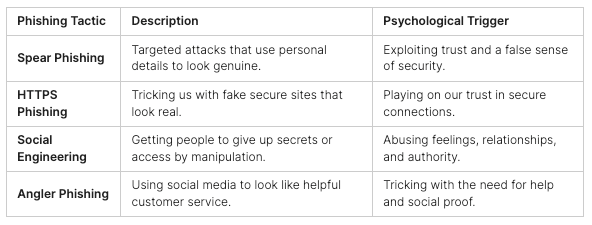
Phishing scams have grown more complex, using social engineering techniques to trick people. They send out messages that look real, making it hard for folks to spot the fraud. Knowing the psychology of phishing and how social engineering tactics work is key to fighting back.
Phishers target our curiosity and trust instincts, making us their easy targets. They pretend to be someone important, asking for quick actions without checking facts. Using our own details makes their messages seem real, and we fall into their traps.
Phishers also know we like things easy and fast. They use tricks like making us think we’re helping with work, but in reality, we’re handing over private info. This deception fools many into giving out more than they should.
Understanding the psychology of phishing and recognizing the tricks used is crucial. It helps people and groups fight back smarter. By being careful and checking the facts behind every message, we can protect ourselves from these cunning schemes.
Knowing the psychology of phishing helps fight against it. We can get better at spotting their scams and avoid getting tricked. It’s important to always double-check messages and not let our emotions make decisions for us.
Common Phishing Tactics Exposed
Cybercriminals keep creating new, tricky ways to trick people through phishing. We’re going to look at some of these common schemes. This will help both you and your organization stay safe from online threats.
The Fake CEO Wire Transfer
The “Fake CEO Wire Transfer” scam is a big one. You might get an email from your CEO asking for money, but it’s not really them. Scammers do their homework to make the email seem real. To stay safe, always check with your boss or someone you trust before sending any money.
The “You’re Being Monitored” Trick
A sneaky trick called the “You’re Being Monitored” scam makes people think they’re in trouble for watching videos or going to bad sites online. The email tries to scare you into clicking a link to “explain.” Real IT teams don’t scare people or send out scary emails. If you get one, call your IT team using a phone number you know is real.
The Conference Call Con
The “Conference Call Con” trick fools people with details of a fake meeting, job interview, or sales pitch. But the link takes your login, not you to the call. Always check on your own to see if the meeting is real. Use official emails, calendars, or known phone numbers to be safe.
The Job Offer/Resume Bait
Phishing also happens in job searches. Both job seekers and employers can fall for it. They might ask for your resume with personal information or send fake resumes with bad links. Job seekers should not put private info on resumes. Employers need to check job applicants very carefully and not click on any strange links.
Your Phishing Defense Toolkit
Always be cautious with messages you didn’t expect. This is even if they seem real. It’s very important to stay skeptical. Maintain a Healthy Dose of Skepticism. Always check things out before you reply. This goes double for emails that want private info or claim it’s urgent. Also, never just trust an email address or the sender’s name. Reach out through known routes to make sure it’s not fake.
Verification is Key
If an email says it’s from your IT team, don’t use the email’s number. Instead, call with the number you already know is right. Also, reach out directly to any supposed senders through known ways. This helps you avoid risky clicks or sharing secret stuff. Without confirming, treat it all as legitimacy of the communication.
Deep Dive: Understanding Different Phishing Techniques
Spear phishing is like a sniper shot, sending customized messages to just one person. Scammers pick info from social media or data leaks to make these messages hit close to home. If an email gets too personal about you or your job, think twice. Check the sender’s details before sharing any info.
HTTPS Phishing
Cybercriminals set up fake sites that look real, often with HTTPS to seem safe. These sites may copy the real login pages of big names. Before logging in, look closely at the site’s URL. If it seems odd or the link is short, don’t risk it. Instead, type the website’s address in your browser to visit safely.
Email Phishing
Email phishing still gets many folks, with scammers pretending to be trusted names like banks. They try to scare or rush you into clicking bad links or sharing your private info. Never click on or respond to shady emails. If you’re not sure, reach out to the company yourself, using info from their official website.
Social Engineering
Social engineering makes use of our feelings to trick us into giving up personal info. For instance, someone might pretend to be from tech support and scare you into doing something harmful to your device. If you get an odd call or message, offering to help or from a brand you like, stay cautious. Always check directly with the company to be sure it’s not a scam.
Angler Phishing
Angler phishing uses social media to reach people, with scammers acting as helpful service agents from famous brands. They send messages with fake promises or great deals. Beware of such messages on social media. If something seems too good to be true or if it’s from a word-of-mouth brand, check the profile’s credibility before replying.
Clone Phishing
Clone phishing is about creating fake emails that look real, but with tiny changes. They might alter the sender’s email or the subject to make you act fast. If you get an email that seems like a copy of one you’ve seen before, be careful. Always check sender details for any differences.
Conclusion
In today’s digital world, understanding web security and phishing is crucial. Staying informed about these threats helps protect your information and enhances your overall security posture. Recognizing the risks of clickbait, phishing attacks, and the tactics scammers use is essential for safeguarding your digital frontier.
Phisland, our advanced phishing simulator, offers a comprehensive solution to bolster your organization’s cybersecurity awareness. By simulating realistic phishing attacks via email, websites, and WhatsApp, Phisland provides invaluable insights into how your team responds to potential threats. This proactive approach enables you to identify vulnerabilities and opportunities for improvement in real-time.
Phisland stands out by not only simulating phishing attacks but also intelligently analyzing and interpreting user responses. With advanced algorithms and customizable analytics, Phisland distills vast amounts of data into actionable intelligence. This allows your organization to create targeted and effective strategies to enhance security awareness and resilience against cyber threats.
Investing in Phisland empowers your workforce with the skills they need to defend against cyber threats. Through realistic simulations, customizable campaigns, and detailed reporting, Phisland prepares employees to recognize and respond to phishing attempts effectively. By choosing Phisland, you can foster a culture of vigilance and significantly reduce the risk of costly phishing attacks.
Don’t wait—take a proactive approach to cybersecurity today. Visit Peris.ai Cybersecurity to learn more about Phisland and how our comprehensive phishing simulator can help your organization stay ahead of cyber threats. Secure your digital world with Peris.ai Ganesha-Phisland and sail safely through phishing waters.
FAQ
What are the common web security traps to avoid?
Avoid falling into web security traps like cross-site scripting (XSS) and SQL injection. Others to watch for are broken authentication, exposing sensitive data, and bad configurations. Don’t forget about using components with known risks, and not enough logging and monitoring.
Why are cybersecurity concerns not limited to just large enterprises?
Cybercriminals target all sizes of businesses for their flaws. This means small businesses are at risk too. Without strong security, they’re just as vulnerable to cyberattacks.
Is relying solely on antivirus software sufficient to protect devices?
Relying only on antivirus isn’t enough. It’s good for malware, but not for phishing or other online traps. You need more tools and a smart, layered defense against many types of threats.
Is identifying phishing attempts always straightforward?
Phishing schemes are getting harder to spot. Criminals use smart tricks to get by our defenses. Always double-check anything that seems odd, as catching fraud early is important.
How can clickbait be dangerous?
Clickbait is more than annoying; it can be risky. It spreads lies, tries to steal data, and tricks you into errors. Distrust headlines that are too good to be true.
What psychological techniques do clickbait articles use to attract clicks?
Clickbait plays on our love for surprises and drama, using catchy but misleading titles. By triggering our emotions and curiosity, these articles can lead us to engage without thinking.
What are some common phishing tactics to be aware of?
Be on the lookout for phishing tactics like the “Fake CEO Wire Transfer,” and the “You’re Being Monitored” trick. Also watch for job scams and other false opportunities. They fake trust, apply pressure, and trick you into sharing info they can use against you.
What are some strategies to defend against phishing attacks?
To stand against phishing, always be skeptical and check sources. Never click on unknown links or give info without first verifying who’s asking. This simple action can protect you from the most common scams.
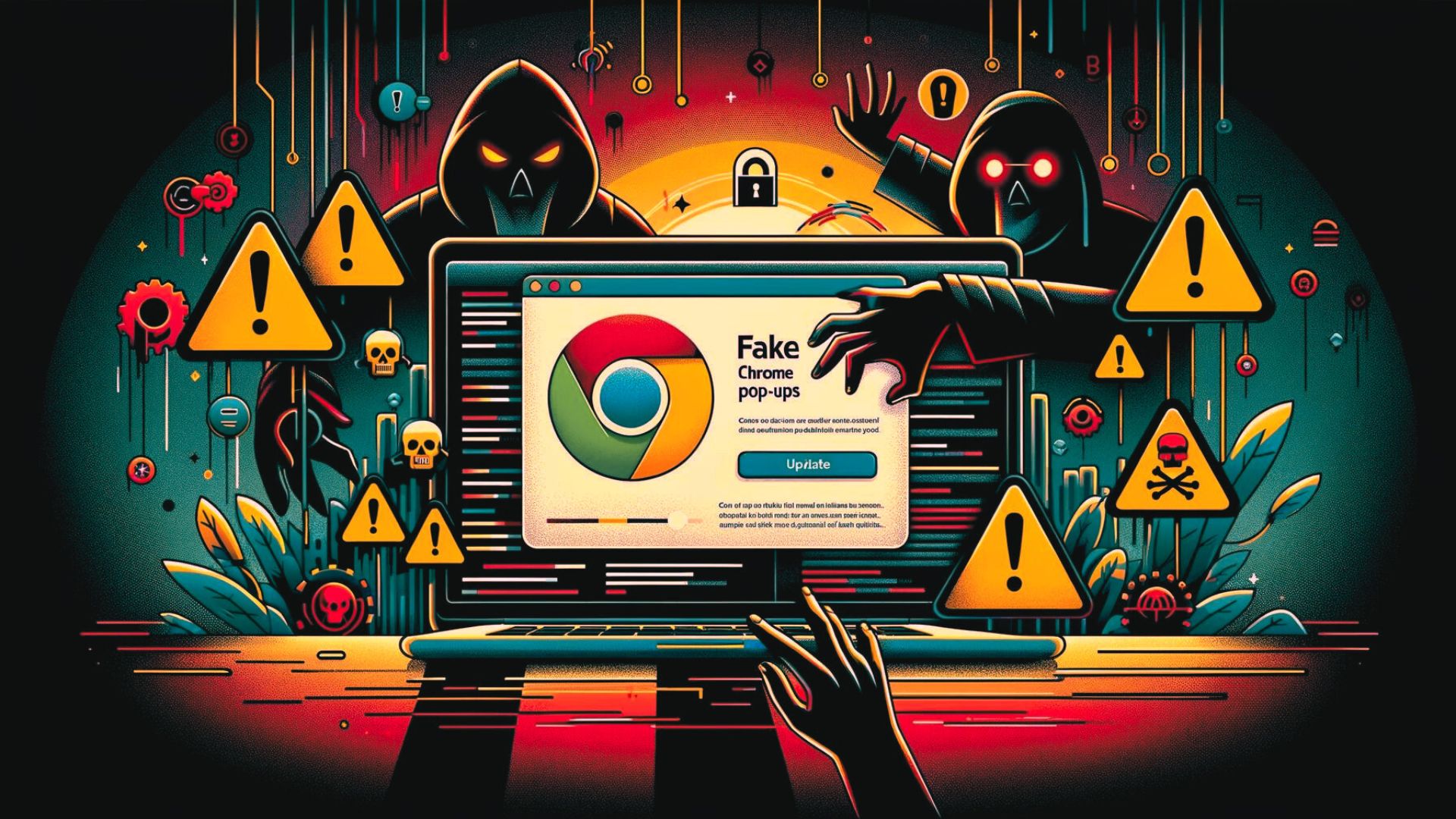
In today’s interconnected world, the creativity of cyber criminals seems to be constantly evolving, posing new and sophisticated threats. A notable trend in the cybersecurity landscape is the emergence of fake Google Chrome update pop-ups, a deceptive tactic that tricks users into downloading malware under the guise of legitimate updates.
Understanding the Fake Chrome Update Scam
How It Operates:
Website Hijacking: Cyber attackers inject malicious code into poorly secured websites. When visitors arrive, a pop-up message falsely claiming to be from Google Chrome appears, usually within a few seconds of the page load.
Deceptive Pop-Ups: The pop-up typically prompts an urgent update with messages like “Warning Exploit Chrome Detect. Update Chrome Browser,” accompanied by a convincing “Update” button.
The Malicious Mechanism Behind the Scam
Clicking the Menace: Users who click on the pop-up are redirected to URLs crafted to initiate the download of malware, such as SocGholish, which includes remote access Trojans and infostealers.
Fake URLs: Examples of these malicious URLs include deceptive links that mimic legitimate update channels but lead to harmful downloads.
The Dangers of Complacency
Broad Impact: This scam is not limited to users of Chrome; the deceptive message pops up even for those using different browsers, broadening the potential victim base.
Advanced Detection: Tools like Sucuri’s SiteCheck can identify these threats, often flagged as malware.fake_update.3, indicating a widespread recognition of the scam within the cybersecurity community.
Strategies to Mitigate Risk and Enhance Security
Proactive Website Security: Implement strict access controls, such as Two-Factor Authentication (2FA), especially for administrative functions. Adopt a minimalistic approach to website privileges—limit plugin use and enforce strong, unique passwords for all user accounts.
Ongoing Vigilance and Maintenance: Regularly update and patch all software components of your website to close any vulnerabilities that could be exploited. Consider deploying a web application firewall (WAF) as a defensive barrier against incoming threats.
Conclusion: Your Defense Against Deceptive Updates
Fake Google Chrome update alerts are a significant threat not just to individual users but also to businesses that depend on the integrity of their websites and online platforms. By understanding the mechanics of this scam and implementing stringent protective measures, you can safeguard your digital assets against such insidious attacks. Always approach update prompts with scepticism, verify through official channels and maintain rigorous cybersecurity practices.
For continuous protection and the latest in cybersecurity defences, visit Peris.ai and empower your digital journey with confidence.
Stay vigilant, and stay secure with Peris.ai Cybersecurity.
For more insights and to keep your guard up against digital threats, follow us at Peris.ai.
Your Peris.ai Cybersecurity Team #YouBuild #WeGuard
As businesses increasingly rely on technology to operate, ensuring cybersecurity has become a critical concern. However, managing security infrastructure can be complex, costly, and time-consuming, especially for small and medium-sized businesses.
Fortunately, Security as a Service (SecaaS) offers a solution that can help businesses protect their digital assets without the hassle and expense of maintaining their security infrastructure in-house. SecaaS provides a range of benefits, including cost-effectiveness, enhanced data protection, and proactive threat monitoring.
This article explores the advantages of implementing Security as a Service (SecaaS) and managed security services, including cloud-based security services. We’ll examine the different types of SecaaS solutions, how they can benefit businesses, and the cost savings compared to traditional security solutions. We’ll also delve into the advanced security measures and technologies utilized in SecaaS solutions and how they can protect against potential threats.
Key Takeaways
Security as a Service (SecaaS) can provide businesses with cost-effective and efficient security solutions.
Cloud-based security services and outsourcing cybersecurity can offer significant advantages for businesses of all sizes.
SecaaS solutions utilize advanced security measures and technologies to enhance data protection and provide proactive threat monitoring.
Managed security services can offer expert guidance and support in maintaining a business’s security infrastructure.
SecaaS solutions can enable businesses to secure their productivity and operate more efficiently.
Understanding Security as a Service (SecaaS)
Security as a Service (SecaaS) is a cloud-based security solution that provides businesses with advanced security measures and technologies without the need for expensive hardware or software. SecaaS solutions allow businesses to outsource cybersecurity and benefit from expert guidance and support while reducing costs.
Cloud-based security services are a popular form of SecaaS. These solutions utilize cloud computing for enhanced security measures, allowing businesses to store and protect sensitive data and applications in the cloud. By outsourcing cybersecurity to a trusted provider, businesses can free up resources to focus on core operations.
SecaaS Solutions
SecaaS solutions come in various forms, including:
Maximizing Security, Minimizing Costs: SecaaS for Efficient Cyber Protection
By outsourcing cybersecurity to SecaaS providers, businesses can benefit from the latest security technologies and expertise without incurring high hardware and software maintenance costs.
Cybersecurity Outsourcing
Outsourcing cybersecurity through SecaaS solutions can provide significant benefits for businesses. By partnering with a trusted provider, businesses can benefit from:
Expert guidance and support in maintaining their security infrastructure
Access to the latest security technologies and solutions
Enhanced security measures and protection against advanced threats
Flexible and scalable security solutions that can adapt to changing needs
Reduced costs compared to traditional security solutions
Overall, Security as a Service (SecaaS) offers businesses a cost-effective and efficient way to enhance their cybersecurity posture and protect against advanced threats.
SecaaS: Elevating Cybersecurity Effectiveness while Controlling Costs
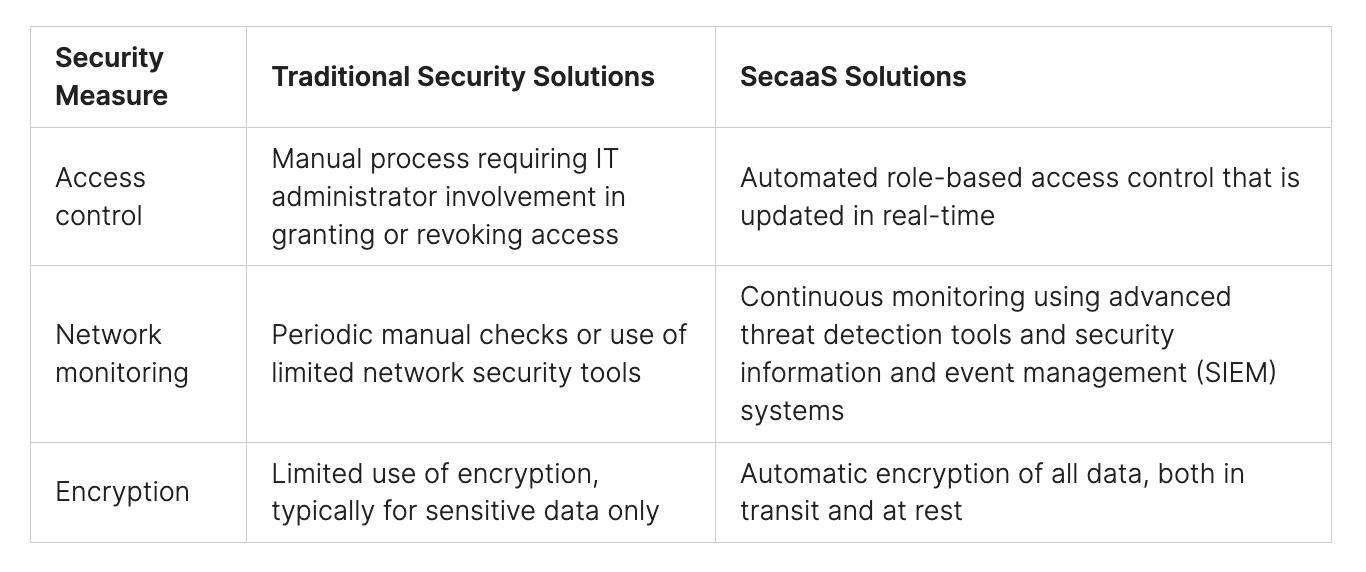
Cost-Effectiveness of SecaaS
Implementing Security as a Service (SecaaS) can provide businesses with cost-effective security services that can help them save money in the long run. This is because SecaaS solutions eliminate the need for businesses to invest in expensive hardware and software, which can be both costly and time-consuming to maintain.
By outsourcing their cybersecurity needs to a trusted SecaaS provider, businesses can benefit from the latest security technologies without having to shoulder the high costs associated with them. Additionally, because SecaaS providers have the expertise and resources to monitor and manage a business’s security infrastructure continuously, there is less risk of security breaches or other related issues that can be costly to remediate.
Comparison of Costs
Cost-Efficiency at a Glance: SecaaS vs. Traditional Security Solutions”
As shown in the comparison table above, implementing SecaaS solutions can provide businesses with significant cost savings when compared to traditional security solutions. This is particularly true for small to medium-sized businesses without the resources or budget to invest in expensive security infrastructure and personnel.
Furthermore, SecaaS providers typically offer flexible pricing models that allow businesses to scale their security services according to their needs and budgets. This means that businesses can enjoy the benefits of advanced security technologies without committing to long-term contracts or overpaying for services they don’t need.
In conclusion, implementing Security as a Service (SecaaS) can provide businesses with cost-effective security solutions that can help them save money while benefitting from advanced security measures and technologies. By outsourcing their cybersecurity needs, businesses can focus on their core competencies and leave the management of their security infrastructure to trusted experts.
Enhanced Data Protection with SecaaS
One of the most significant benefits of implementing Security as a Service (SecaaS) is the enhanced data protection it provides for businesses. SecaaS solutions utilize advanced security measures and technologies to safeguard sensitive information against potential cyberattacks.
With SecaaS, businesses can enjoy heightened protection against data breaches and other security threats. This is particularly important in today’s digital landscape, where cyberattacks are becoming increasingly common. In fact, according to a report by Accenture, the average cost of a data breach for companies worldwide is $3.86 million.
One way SecaaS enhances data protection is by providing continuous monitoring for potential threats. This means that any suspicious activity can be detected and addressed in real time, preventing any damage or serious consequences.
Moreover, SecaaS solutions offer encryption services that help protect data while in transit or at rest. This added layer of security ensures that even if data is accessed by unauthorized personnel, it remains undecipherable and unusable to them.
Example of SecaaS Data Protection
SecaaS vs. Traditional Security: A Clear Advantage in Data Protection
As illustrated in the table above, SecaaS solutions offer an array of advanced security measures that go beyond what traditional security solutions can provide. This translates to better data protection and a reduced risk of costly data breaches that can severely impact a business.
In addition, enhanced data protection can also improve a company’s reputation, as customers and partners are more likely to trust businesses that prioritize their data security.
Elevated Data Security: Building Trust and Reputation
Proactive Threat Monitoring
One of the key advantages of Security as a Service (SecaaS) is its proactive threat monitoring capabilities. With continuous monitoring, businesses can detect potential security threats in real time and take action before they cause any damage.
Proactive threat monitoring involves monitoring networks, systems, and applications for suspicious activity and identifying potential security breaches. This approach helps businesses stay ahead of threats and take appropriate action to mitigate risk.
Staying Ahead of Threats: The Proactive Advantage of SecaaS
By leveraging SecaaS solutions for proactive threat monitoring, businesses can benefit from improved incident response times and reduced risk of data breaches. Managed security services, cloud-based security services, and scalable security solutions are all examples of SecaaS solutions that provide proactive threat monitoring capabilities.
In addition to reducing the risk of security breaches, proactive threat monitoring can help businesses save money in the long run. Businesses can avoid costly security incidents by detecting and addressing potential threats before they cause any damage.
Overall, proactive threat monitoring is a key benefit of Security as a Service (SecaaS). By continuously monitoring for potential security threats, businesses can stay ahead of the curve and take appropriate action to mitigate risk, leading to increased security and peace of mind.
Proactive Protection: SecaaS for Continuous Threat Monitoring and Peace of Mind
Scalable Security Solutions
One of the key benefits of implementing Security as a Service (SecaaS) is the scalability it provides. Unlike traditional security solutions, SecaaS offers businesses the flexibility to adjust their security measures based on their changing needs. This means that businesses can easily scale up or down their security measures as required without the need for costly hardware or software investments.
Scalability is particularly important for businesses that are growing rapidly or experiencing fluctuations in demand. With SecaaS, businesses can easily add or remove security measures as required, making it a cost-effective and efficient solution.
Another advantage of SecaaS is that it allows businesses to access advanced security technologies that may otherwise be prohibitively expensive. By leveraging cloud-based security services, for example, businesses can benefit from cutting-edge security measures without the need for significant investment.
Scalable Security Solutions in Action
To illustrate the benefits of scalable security solutions, consider the following example:
Scaling for Success: Demonstrating the Power of Scalable Security Solutions
As this example illustrates, SecaaS provides businesses with a cost-effective and flexible solution for managing their security needs. By leveraging scalable security solutions, businesses can ensure that they have the right level of security measures in place to protect their data and systems without breaking the bank.
Balancing Security and Budget: The Flexibility of Scalable SecaaS
Managed Security Services
Implementing Security as a Service (SecaaS) solutions can be challenging for organizations with limited IT expertise. That’s where managed security services come in. Managed security services refer to outsourcing security measures to a third party specializing in IT security management. This third party can provide expert guidance and support in maintaining an organization’s security infrastructure.
Managed security services can be particularly beneficial for small- to medium-sized businesses. Often, these organizations do not have the resources to employ a dedicated IT security team. By outsourcing security measures to a managed security services provider, businesses can free up resources to focus on their core competencies. Additionally, managed security services provide a cost-effective alternative to hiring full-time employees with specialized security expertise.
Managed security services can include a wide variety of services, such as:
Diverse Offerings: The Spectrum of Managed Security Services
Managed security services can also be customized to meet an organization’s specific needs. By working with a managed security services provider, businesses can have peace of mind knowing that experts in the field are managing their security measures.
Managed Security Services: Elevating Security, Resources, and Compliance
Outsourcing security measures to a managed security services provider as part of a SecaaS solution can provide numerous benefits for organizations. By leveraging managed security services, businesses can improve their security posture, free up resources, and ensure compliance with industry regulations and standards.
Cloud-Based Security Services
One of the key advantages of Security as a Service (SecaaS) is the availability of cloud-based security services. These services leverage cloud computing to deliver advanced security features and protect against a wide range of threats, from malware and viruses to insider attacks.
Cloud-based security services are designed to be flexible and scalable, making them ideal for businesses of all sizes. They can be quickly and easily deployed, with no need for expensive hardware or infrastructure investments. This makes them a cost-effective solution for businesses looking to enhance their security measures.
Cloud-Based Security Services: A Flexible and Cost-Effective Solution for All
Overall, cloud-based security services are a crucial component of any SecaaS solution. They provide businesses with the flexibility, scalability, and cost-effectiveness they need to enhance their security measures and protect against a wide range of threats.
Cloud Security: The Essential Pillar of SecaaS for Robust Protection
Securing Productivity with SecaaS
One of the key benefits of Security as a Service (SecaaS) is the ability to secure productivity within a business environment. By leveraging advanced security technologies and practices, businesses can ensure that their operations remain safe and efficient.
One way that SecaaS can enhance secure productivity is through the implementation of strict access controls. With the ability to restrict access to sensitive data and systems, businesses can prevent unauthorized access and protect against potential security threats. This enables employees to work confidently and efficiently, without fear of compromising the security of the organization.
In addition, SecaaS solutions can provide real-time threat detection and response capabilities. By continuously monitoring for potential security threats, businesses can address issues as soon as they arise, minimizing the impact on operations and reducing downtime. This enables employees to work without interruption, further enhancing productivity.
Boosting Business Continuity: Real-Time Threat Detection with SecaaS
“By leveraging advanced security technologies and practices, businesses can ensure that their operations remain safe and efficient.”
Overall, the benefits of secure productivity with SecaaS are clear. By protecting against security threats and implementing effective access controls, businesses can operate more efficiently and with confidence.
Benefits of SecaaS for Businesses
Implementing Security as a Service (SecaaS) can provide numerous benefits for businesses seeking to enhance their security measures. The advantages of SecaaS solutions are numerous and effective, making it an ideal choice for businesses of all sizes. Here are some of the key benefits of implementing SecaaS solutions:
Cost Savings: SecaaS solutions can provide significant cost savings compared to traditional security solutions. With SecaaS, businesses can avoid the high upfront costs of purchasing and maintaining their security infrastructure and instead pay a predictable monthly fee for managed security services.
Enhanced Data Protection: SecaaS solutions incorporate advanced security measures and technologies that can significantly enhance data protection for businesses. This can include features such as encryption, multi-factor authentication, and real-time threat monitoring that can detect and address potential security threats before they become a problem.
Proactive Threat Monitoring: SecaaS solutions continuously monitor and address potential security threats in real time. This enables businesses to proactively respond to security threats and prevent damage or data loss from occurring.
Scalable Security Solutions: SecaaS solutions are designed to adjust easily and flexibly based on a business’s changing security needs. This means that businesses can scale their security measures up or down as needed without the need for additional hardware or infrastructure.
Managed Security Services: Implementing managed security services as part of a SecaaS solution can provide businesses with expert guidance and support in maintaining their security infrastructure. This can include services such as 24/7 support, vulnerability assessments, and training to help businesses stay ahead of emerging security threats.
Cloud-Based Security Services: SecaaS solutions often incorporate cloud-based security services, which can provide additional benefits such as increased agility, flexibility, and scalability. Cloud-based security services can also help businesses reduce their reliance on physical hardware and infrastructure, saving additional costs.
Secure Productivity: SecaaS solutions can secure and enhance productivity within a business environment by protecting against security threats and enabling employees to work efficiently. This can include features such as secure remote access, data backup and recovery solutions, and anti-virus and anti-malware protection.
SecaaS: Empowering Businesses with Comprehensive Security and Peace of Mind
The benefits of implementing Security as a Service (SecaaS) are numerous and can significantly enhance a business’s security measures. From cost savings to enhanced data protection, SecaaS solutions can provide businesses with the peace of mind they need to focus on growth and innovation.
Conclusion
Safeguarding your business from the relentless onslaught of security threats is more crucial than ever. That’s where BIMA comes in, offering a comprehensive Cybersecurity-as-a-Service platform that operates 24/7, providing you with the ultimate cybersecurity solution. Don’t wait any longer to protect your digital world; start securing your business with BIMA today!
With BIMA, you can fortify your defenses against even the most advanced cyberattacks. Our array of cybersecurity tools and tailored monitoring solutions are designed to meet the unique requirements of your business. Powered by a combination of potent proprietary and open-source tools, along with access to the latest threat intelligence through our subscription-based scanners, BIMA ensures unparalleled security. And with our pay-as-you-go service, you’ll only pay for what you need, with no upfront costs or hidden fees.
Whether your business is a small startup or a large enterprise, BIMA has got you covered. Our user-friendly platform simplifies the process of monitoring and safeguarding your business from start to finish. With BIMA, you can take control of your cybersecurity and shield your business from any potential threat.
So why leave your digital world vulnerable? Take action today and visit our website, Peris.ai, to explore how BIMA can be the shield your business needs to stay secure in an ever-evolving digital landscape.
Protect your digital world with BIMA because security is paramount in the digital realm.
FAQ
What is Security as a Service (SecaaS)?
Security as a Service (SecaaS) is a cloud-based security solution where businesses outsource their security needs to a third-party provider. It offers a range of security services, including threat monitoring, data protection, and managed security services.
What are the benefits of SecaaS?
SecaaS provides several advantages for businesses, including cost-effectiveness, enhanced data protection, proactive threat monitoring, scalable security solutions, and access to managed security services. It can also secure productivity and provide expert guidance and support.
How does SecaaS enhance data protection?
SecaaS utilizes advanced security measures and technologies to enhance data protection. It employs encryption, access controls, and data loss prevention techniques to safeguard sensitive information from unauthorized access or breaches.
How does SecaaS enable proactive threat monitoring?
With SecaaS, continuous real-time monitoring is implemented to detect and address potential security threats. Advanced threat detection systems and security analytics are used to identify and respond to suspicious activities, ensuring proactive protection against cyber threats.
What do scalable security solutions mean in the context of SecaaS?
Scalable security solutions in SecaaS refer to the ability to easily adjust and adapt security measures to meet changing business needs. Businesses can scale their security infrastructure up or down based on their requirements without the need for significant investments in hardware or personnel.
What are managed security services in SecaaS?
Managed security services are an integral part of SecaaS solutions. They involve outsourcing security management and monitoring to a specialized provider who offers expertise and guidance in maintaining and optimizing a business’s security infrastructure.
How do cloud-based security services fit into the SecaaS framework?
Cloud-based security services are a type of SecaaS solution where security measures are delivered and managed through cloud computing technology. This approach offers numerous benefits, including scalability, flexibility, and the ability to leverage the cloud’s extensive computing resources for enhanced security.
How does SecaaS secure productivity?
SecaaS secures productivity by protecting against security threats that can disrupt or compromise business operations. It ensures that employees can work efficiently and confidently, knowing that their digital assets and communications are safeguarded from potential cyber risks.
What are the main benefits of SecaaS for businesses?
The main benefits of SecaaS for businesses include cost savings, enhanced data protection, proactive threat monitoring, scalability, access to managed security services, cloud-based security solutions, and increased productivity. SecaaS offers a comprehensive and efficient approach to securing an organization’s digital assets.
As the digital world becomes more complex, the need for robust cybersecurity has never been greater. Yet, the terms and jargon associated with data security are often misunderstood, leading to confusion and ineffective protective measures. Whether you’re an individual protecting personal data or an organization safeguarding sensitive information, understanding the nuances of cybersecurity terminology is key to building a solid defense. Let’s clear up some of the most common misconceptions in cybersecurity.
Encryption
Misunderstanding: People often believe that encryption alone can guarantee data security.
Clarification: While encryption is essential for protecting data by converting it into unreadable code for unauthorized users, it isn’t a comprehensive solution. Without proper access controls, secure key management, and monitoring, encrypted data can still be compromised. Effective encryption requires a layered security approach that includes strong passwords, regular updates, and user education on data handling.
Phishing
Misunderstanding: Many think phishing is limited to scam emails.
Clarification: Phishing attacks are not confined to emails. They also occur through text messages (smishing), social media, and phone calls (vishing). Hackers craft these attacks to trick individuals into revealing personal information, login credentials, or financial details. With the increasing sophistication of phishing methods, it’s crucial to recognize phishing across all communication channels to prevent data breaches and identity theft.
Firewall
Misunderstanding: A firewall is seen as a complete security solution.
Clarification: Firewalls are essential for monitoring and controlling network traffic but are not sufficient on their own. A firewall is just one layer in a broader defense strategy. For full protection, firewalls should be paired with intrusion detection systems (IDS), endpoint security, and regular security updates to defend against evolving cyber threats.
Malware
Misunderstanding: Some users believe malware only refers to viruses.
Clarification: Malware encompasses a wide range of malicious software, including viruses, trojans, ransomware, spyware, and more. Each type has different behaviors and purposes, such as stealing data, encrypting files for ransom, or spying on users. A comprehensive security strategy should account for all types of malware and employ preventive tools such as anti-malware software, regular patches, and safe browsing habits.
Data Breach
Misunderstanding: Some think a data breach is only about stolen data.
Clarification: A data breach can involve more than theft. It may include unauthorized access leading to data exposure, alteration, or destruction. Even if no data is stolen, breaches can have severe consequences, such as damaged data integrity, loss of trust, and significant financial repercussions for businesses.
Two-Factor Authentication (2FA)
Misunderstanding: 2FA is often thought of as a foolproof solution.
Clarification: Two-factor authentication adds an extra layer of security, but it is not invulnerable. Hackers can exploit techniques like SIM swapping or sophisticated phishing schemes to bypass 2FA. While 2FA significantly reduces risk, it should be used alongside strong passwords, security awareness, and other identity protection measures.
☁️ Cloud Security
Misunderstanding: Some believe data stored in the cloud is automatically safe.
Clarification: While cloud service providers implement strict security protocols, data security in the cloud is a shared responsibility. Users must also take measures, such as using strong passwords, enabling encryption, and understanding the terms of service regarding data storage and access. Ensuring compliance with regulations and maintaining good cloud hygiene are essential to securing data in cloud environments.
️ Zero Trust
Misunderstanding: Zero Trust is often interpreted as a security approach that trusts no one.
Clarification: The Zero Trust model assumes that threats can originate from anywhere, even within the network. It requires continuous verification of users and devices, regardless of whether they are inside or outside the organization’s network. Zero Trust is not about distrusting everyone but about enforcing strict access controls and reducing risks through constant monitoring and validation.
️ Staying Ahead in Cybersecurity
Understanding these commonly misunderstood terms is critical to developing a robust cybersecurity strategy. Misinterpretations can lead to vulnerabilities and missed opportunities to strengthen defenses. By clarifying these key concepts, both individuals and organizations can take proactive steps to protect sensitive information in an ever-evolving digital landscape.
Stay informed, stay protected. For more updates and expert insights, visit our website at Peris.ai.
Cybersecurity has emerged as a paramount concern, transcending organizational boundaries and affecting entities of every size and industry. The relentless evolution of cyber threats has rendered them more intricate, unyielding, and ever-present than ever before. In light of these escalating risks, organizations must forge resilient defenses to safeguard their digital assets. A pivotal juncture in this pursuit revolves around investing in establishing a Security Operations Center (SOC) or exploring alternative avenues for fortifying cybersecurity. Within the ensuing discourse, this article delves into the nuanced intricacies of this decision, shedding light on the advantages and disadvantages of adopting a SOC versus charting a course without one. Doing so aims to empower organizations with the insights to make informed choices for securing their invaluable digital assets.
The Role of a Security Operations Center (SOC)
A Security Operations Center (SOC) is a centralized unit within an organization responsible for monitoring, detecting, and responding to security incidents. SOC teams are comprised of skilled analysts who continuously monitor network traffic, analyze logs, and investigate potential threats. The primary goal of a SOC is to proactively defend against cyber threats and respond swiftly when incidents occur.
Advantages of Having a SOC
Proactive Threat Detection: One of the most significant advantages of having a SOC is detecting threats proactively. SOC analysts use advanced tools and techniques to monitor network traffic, detect anomalies, and identify potential threats before they escalate.
Rapid Incident Response: SOC teams are trained to respond quickly and effectively to security incidents. This swift response can minimize damage and reduce downtime, saving an organization time and money.
24/7 Monitoring: Many SOC operations run 24/7, ensuring an organization is protected around the clock. This constant vigilance is crucial in today’s threat landscape, where attacks can happen anytime.
Threat Intelligence: SOCs have access to valuable threat intelligence sources, allowing them to stay informed about emerging threats and vulnerabilities. This information helps organizations stay one step ahead of cybercriminals.
Incident Analysis and Forensics: SOC analysts are skilled in incident analysis and digital forensics, which are essential for understanding the scope and impact of security incidents. This knowledge can help prevent future attacks.
Compliance and Reporting: SOCs can assist organizations in meeting compliance requirements by providing detailed reports on security incidents and activities. This is particularly important for industries with strict regulatory standards.
Disadvantages of Having a SOC
Cost: Establishing and maintaining a SOC can be expensive. It requires a significant investment in technology, personnel, and training.
Resource Intensive: Running a SOC demands a dedicated team of skilled professionals, which can be challenging to find and retain.
Complexity: SOC operations can be complex, and organizations must ensure that their SOC is properly configured and maintained to be effective.
False Positives: Overzealous monitoring can lead to many false positives, which can overwhelm the SOC team and divert resources away from genuine threats.
Operating Without a SOC
While having a SOC is a robust approach to cybersecurity, it may not be feasible for every organization, especially smaller ones with limited resources. Operating without a SOC does not mean neglecting cybersecurity altogether but adopting alternative strategies to protect digital assets.
Advantages of Operating Without a SOC
Cost Savings: The most apparent advantage is cost savings. Organizations can allocate resources to other critical areas without the expenses associated with a SOC.
Managed Security Services: Many organizations opt for Managed Security Services (MSS) providers who offer SOC-like services on a subscription basis. This approach provides access to expert security services without needing an in-house SOC.
Simplicity: Operating without a SOC can simplify an organization’s cybersecurity strategy. This can be advantageous for smaller businesses with limited IT resources.
Scalability: Organizations can scale their cybersecurity efforts as needed without the overhead of maintaining a full-time SOC.
Disadvantages of Operating Without a SOC
Lack of Proactive Monitoring: One of the most significant drawbacks is the absence of proactive monitoring. Organizations without a SOC may rely on reactive measures, resulting in delayed incident response.
Limited Expertise: Managing cybersecurity without a dedicated SOC can be challenging, especially when dealing with advanced threats and sophisticated attacks.
Increased Risk: Operating without a SOC can increase an organization’s exposure to cyber threats, making them more vulnerable to attacks.
Regulatory Compliance Challenges: Industries with strict compliance requirements may struggle to meet these standards without a SOC or equivalent security measures.
Choosing the Right Approach
The decision to have a SOC or not should be based on an organization’s specific needs, resources, and risk tolerance. Here are some key considerations when making this decision:
Risk Assessment: Conduct a thorough risk assessment to understand your organization’s vulnerabilities and potential threats. This will help determine the level of security needed.
Budget: Consider your budget constraints and weigh the costs of establishing and maintaining a SOC against other cybersecurity options.
Compliance Requirements: If your industry has strict compliance standards, evaluate whether a SOC or alternative security measures are necessary to meet these requirements.
In-House Expertise: Assess whether your organization has the in-house expertise to manage cybersecurity effectively without a dedicated SOC.
Managed Security Services: Explore the possibility of using Managed Security Services providers as an alternative to a full-scale SOC.
Conclusion
The rapidly evolving cyber-threat landscape demands unwavering attention from organizations. Cybersecurity has emerged as an imperative facet of modern business operations, and the decision regarding the establishment of a Security Operations Center (SOC) carries significant weight. While a SOC presents a robust shield against cyber threats, it’s important to acknowledge the accompanying resource demands and costs. For organizations navigating the intricate cybersecurity terrain, understanding the nuances of this choice is paramount.
Whether to embrace a SOC or seek alternative cybersecurity measures hinges on many factors unique to each organization. Variables like resource availability, risk assessment, and budget constraints are pivotal in shaping this decision. Nevertheless, what remains universally true is the imperative nature of cybersecurity. In today’s digital age, it’s not a matter of ‘if’ but ‘when’ an organization may face a cyber threat. Thus, maintaining a proactive stance and constantly evaluating and adapting security strategies is paramount.
For organizations seeking tailored solutions to safeguard their digital assets, we invite you to explore SOC 24/7 – our comprehensive security suite designed to fortify your defenses against cyber threats. Our SOC 24/7 offers round-the-clock monitoring, proactive threat detection, and rapid incident response, ensuring your business remains resilient despite evolving threats. Visit our website today to learn more about how SOC 24/7 can secure your business in the digital age. Don’t leave your digital assets vulnerable – take proactive steps towards securing your business today with SOC 24/7. Your peace of mind begins here.
The digital age has brought about significant advancements in technology and connectivity, leading to an unprecedented amount of data being generated and collected. In the realm of cybersecurity, data collection plays a crucial role in uncovering valuable insights and developing effective security strategies.
With the rise of cyber threats and attacks, cybersecurity analytics has become an essential component of safeguarding sensitive information. By analyzing vast amounts of security data, organizations can gain valuable cyber insights and intelligence to fortify their defense mechanisms.
Data collection in cybersecurity encompasses the systematic and organized process of information gathering for cyber analysis. It involves the collection, storage, and analysis of diverse data sets, including network logs, system configurations, user actions, and threat intelligence.
However, data collection in cybersecurity is not solely about numbers. It goes beyond quantitative metrics and involves qualitative information that provides context and enhances the overall security strategy. Understanding the motives, tactics, and techniques employed by cybercriminals requires a comprehensive approach that encompasses both quantitative and qualitative data.
By thoroughly analyzing data collected from various sources, cybersecurity professionals can identify patterns, detect anomalous behavior, and respond swiftly to potential threats. The insights derived from data collection enable proactive mitigation measures, ensuring that organizations stay one step ahead in the ever-evolving cyber landscape.
Key Takeaways:
Data collection in cybersecurity involves gathering and analyzing a wide range of security data to develop effective security strategies.
Data analysis provides valuable cyber insights and intelligence that help fortify defense mechanisms.
Cybersecurity professionals utilize qualitative as well as quantitative data to understand cyber threats and attacks.
Thorough analysis of collected data allows for proactive mitigation measures.
Data collection plays a crucial role in staying ahead in the ever-evolving cyber landscape.
Risks of Excessive Data Collection in Cybersecurity
Excessive data collection in cybersecurity poses several risks that can have far-reaching consequences for individuals and organizations. These risks include:
Data Misuse: Unscrupulous individuals or organizations may misuse collected data for questionable purposes, such as identity theft, fraud, or unauthorized surveillance.
Information Overload: The sheer volume of collected data can lead to information overload, making it difficult to extract meaningful insights and hindering effective analysis and decision-making.
Data Leaks: Data breaches and leaks can occur, resulting in the loss or exposure of personal information, leading to reputational damage, financial loss, and potential legal ramifications.
Profiling and Discrimination: Excessive data collection can enable the creation of detailed profiles of individuals, leading to privacy infringements and potential discrimination based on factors such as race, gender, or socio-economic status.
Data Dependency: Overreliance on data analytics without incorporating human intuition and accountability can lead to a false sense of security, overlooking critical vulnerabilities and potential threats.
Excessive data collection in cybersecurity poses risks such as data misuse, information overload, data leaks, profiling and discrimination, and overreliance on data analytics.
To address these risks, it is essential for individuals and organizations to implement necessary safeguards and best practices. This includes establishing robust data privacy and security measures, regularly auditing data collection practices, implementing strict data access controls, and complying with relevant privacy regulations. It is also crucial to strike a balance between data collection and privacy, ensuring that data is collected and used responsibly, with the consent and knowledge of individuals involved.
Protecting Personal Data: The Key to Mitigating Risks
Protecting personal data is a critical step in mitigating the risks associated with excessive data collection. By being mindful of privacy settings, limiting personal information sharing, and using privacy protection tools, individuals can take control of their data and reduce the likelihood of data misuse and unauthorized access. Furthermore, organizations must prioritize data security by implementing robust encryption protocols, conducting regular security audits, and providing cybersecurity training to employees.
The risks of excessive data collection in cybersecurity should not be underestimated. By understanding these risks and taking proactive steps to protect personal data, individuals and organizations can navigate the digital landscape with confidence and ensure the privacy and security of sensitive information.
Protecting Personal Data in the Digital Age
In today’s digital age, protecting personal data has become more crucial than ever. With the increasing prevalence of data breaches and privacy violations, individuals must take proactive steps to safeguard their sensitive information. By following best practices regarding data privacy and utilizing privacy protection tools, individuals can establish a stronger defense against potential threats.
Awareness of Privacy Risks
Being aware of the risks associated with data privacy is the first step towards protecting personal information. Individuals should educate themselves about common threats such as identity theft, phishing scams, and online tracking. This knowledge empowers individuals to make informed decisions regarding their online activities and data-sharing practices.
Limiting Personal Information Sharing
One effective way to protect personal data is by limiting the sharing of personal information online. Individuals should evaluate the necessity and trustworthiness of each platform or service before providing personal details. By being selective with data-sharing, individuals can reduce the likelihood of their information falling into the wrong hands.
Controlling Privacy Settings
Controlling privacy settings on online services and applications is another important aspect of protecting personal data. Individuals should review the default privacy settings and adjust them according to their preferences. This ensures that personal information is only shared with authorized parties and minimizes the risk of unauthorized access.
Using Privacy Protection Tools
Privacy protection tools such as tracking blockers or virtual private networks (VPNs) offer additional layers of security for personal data. Tracking blockers prevent websites and advertisers from collecting browsing data, while VPNs encrypt internet connections, keeping online activities private. By utilizing these tools, individuals can enhance their online privacy and reduce the likelihood of data breaches.
Reading Privacy Policies
Before disclosing personal data to any online platform or service, it is essential to carefully read and understand the privacy policies. These policies outline how and why personal information is collected, used, and shared. By familiarizing themselves with these policies, individuals can make informed decisions about the extent to which they are comfortable sharing their data.
“Protecting personal data is not just about avoiding identity theft; it’s about preserving our fundamental right to privacy in a digital world.”
By adopting these practices and utilizing privacy protection tools, individuals can take meaningful steps towards protecting their personal data. Safeguarding personal information in the digital age requires vigilance, awareness, and a proactive approach to privacy and security.
Challenges of Data Collection in Cybersecurity Management
Cybersecurity managers play a vital role in safeguarding against cyber threats, but they also face significant challenges in data collection. One prominent challenge revolves around evidence collection for prosecuting cyber attacks. To support legal proceedings and ensure justice, accurate and comprehensive evidence is crucial.
Current data collection systems often require manual review and interpretation, which can be time-consuming and prone to errors. The sheer scale of cyber attacks further compounds the challenge, as the volume of data can be overwhelming to handle efficiently.
Organizations may seek third-party assistance to aid in evidence collection, but this can introduce additional costs and complexities. Given the constantly evolving landscape of cyber threats, it is imperative to develop scalable mechanisms that enable efficient data collection and analysis.
The Need for Streamlined Data Policy and Processes
To address these challenges, cybersecurity managers must prioritize the establishment of clear data policies and processes. A well-defined data policy should outline the procedures for collecting, storing, and analyzing data, ensuring compliance with legal and regulatory requirements.
By implementing robust data policies, organizations can streamline data collection processes, mitigate risks, and improve the overall effectiveness of cybersecurity operations.
Effective evidence collection requires collaborative efforts between cybersecurity professionals, legal experts, and law enforcement agencies. By leveraging their expertise and working together, these stakeholders can strengthen the accuracy and reliability of evidence presented in cyber crime investigations.
Streamlining data collection also involves leveraging advanced technologies and automation. AI-powered tools and machine learning algorithms can help identify patterns and anomalies, enabling more efficient and effective evidence collection.
Additionally, the use of data visualization techniques can help cybersecurity managers gain actionable insights from the collected data. Visual representations of complex data sets can aid in identifying trends, patterns, and potential attack vectors, enhancing proactive threat detection and prevention strategies.
Data Collection Challenges in the Face of Cyber Attacks
The rise in cyber attacks poses unique challenges to data collection in cybersecurity management. With the increasing sophistication of attackers, it has become more crucial than ever to stay one step ahead.
Data Breaches: Cyber attacks that result in data breaches can compromise sensitive information, making it imperative to collect evidence promptly and accurately to understand the extent of the breach and mitigate further damage.
Targeted Attacks: Sophisticated cyber attacks often target specific individuals or organizations, necessitating the collection of accurate evidence to identify the attackers, their motivations, and the potential impact on targeted entities.
Malware Analysis: Data collection is vital for analyzing malware and understanding its behavior, origins, and impact to develop effective countermeasures.
Overcoming these challenges requires not only technical expertise but also collaboration between cybersecurity managers, IT teams, legal experts, and law enforcement agencies. Encouraging information sharing and fostering strong partnerships can help streamline data collection processes and improve response times.
Effective Evidence Collection: A Table of Essential Factors
By addressing these challenges and implementing proactive data collection strategies, cybersecurity managers can strengthen their defense against cyber threats and contribute to the broader goal of maintaining a secure digital environment.
The Problem of Unstructured Data in Cybersecurity
Unstructured data poses a significant challenge in the field of cybersecurity, impacting evidence collection and analysis. The lack of uniformity, coherence, and direction in unstructured data complicates investigations, particularly for law enforcement agencies. Most application-generated logs are not designed for law enforcement purposes and are stored in non-queryable formats, hindering the extraction of actionable insights. Without proper data standardization and interoperability, law enforcement struggles to effectively investigate cybercrimes and identify perpetrators.
One of the major obstacles in addressing the issue of unstructured data is the absence of industry-wide standards for storing and formatting cybersecurity-related information. The lack of common guidelines makes it difficult to compare and correlate data from various sources, hindering the identification of patterns and trends. Without standardized data formats, law enforcement agencies face challenges in aggregating and analyzing data from different organizations and systems. This limits their ability to carry out comprehensive investigations and identify crucial information that may be vital to solving cybercrimes.
“The absence of standards in storing and formatting data hampers effective evidence collection and analysis, obstructing law enforcement agencies in their efforts to investigate cybercrimes.”
Efforts towards data standardization and interoperability are crucial to overcoming the challenges posed by unstructured data in cybersecurity. Establishing common reporting standards and formats would enhance the consistency and compatibility of data collection methods, enabling easier collaboration and information sharing between different entities. Improved interoperability would empower law enforcement agencies to extract meaningful insights from diverse data sources, enhancing their ability to identify, track, and apprehend cybercriminals.
The Importance of Log Collection in Cybersecurity
One of the primary forms of unstructured data in cybersecurity is log data, which consists of detailed records of system activities, network traffic, and user actions. Logs serve as a valuable source of information for incident response and forensic investigation, aiding in the identification of anomalous behavior and potential security breaches. However, log collection often presents challenges due to the wide variety of applications and systems involved in an organization’s infrastructure.
Challenges in Log Collection
Addressing the problem of unstructured data and enhancing log collection practices are essential steps towards improving cybersecurity capabilities. By implementing standardized data formats and investing in interoperable systems, organizations can facilitate efficient data analysis, information sharing, and collaboration with law enforcement agencies. These measures will significantly enhance the effectiveness of investigations and contribute to defending against cyber threats in an increasingly interconnected world.
Rethinking Cybersecurity Software for Effective Data Collection
The design of cybersecurity software should prioritize usability for all professionals, including those without deep expertise. Many existing cybersecurity applications are complex and tailored exclusively for experts in the field, which can hinder effective response to cyber attacks. To address this issue, organizations need to invest in user-friendly cybersecurity software that facilitates evidence collection and supports cybersecurity procedures for individuals at all levels of expertise.
By rethinking cybersecurity software design, organizations can bridge the gap between cybersecurity experts and other professionals involved in the data collection process. User-friendly applications will empower individuals with varying levels of expertise to contribute to cybersecurity efforts, enhancing the overall effectiveness of data collection and analysis.
Compliance and the Role of Standards in Cybersecurity
Compliance standards play a crucial role in shaping the cybersecurity landscape and promoting a secure digital environment. By adhering to compliance standards, organizations can minimize the risk of cyber attacks and ensure the protection of critical infrastructure.
Benefits of Compliance Standards
Implementing compliance standards offers a range of benefits, including:
Enhanced cybersecurity: Compliance standards provide a framework for organizations to implement comprehensive cybersecurity measures that address potential vulnerabilities and protect against emerging threats.
Reduced risk of cyber attacks: By aligning with compliance standards, organizations can identify and address potential vulnerabilities, taking proactive measures to mitigate the risk of cyber attacks.
Legal and regulatory compliance: Compliance with industry standards ensures organizations meet the legal and regulatory requirements set forth by governing bodies, avoiding penalties, fines, and legal consequences.
Lower insurance costs: Insurance providers often take compliance with standards into account when setting premiums. By demonstrating a commitment to cybersecurity best practices, organizations may secure lower insurance costs.
Inspiring Similar Approaches in Other Industries
The power industry’s experience with compliance standards can serve as an inspiration for other industries. As cyber threats continue to evolve and target critical infrastructure across various sectors, implementing similar standards can significantly enhance cybersecurity measures and protect against potential disruptions.
The establishment of industry-specific compliance standards enables organizations to share best practices, collaborate with experts, and develop comprehensive cybersecurity strategies. This collaborative approach fosters improved cybersecurity practices, supports information sharing, and ensures a consistent level of protection across industries.
Through compliance with standards, organizations not only strengthen their own cybersecurity posture but contribute to the overall resilience of the cybersecurity landscape. By embracing these standards, industries can safeguard their critical systems, protect sensitive data, and maintain the trust of their stakeholders.
Implementing compliance standards in cybersecurity not only strengthens the defense against cyber threats but also fosters collaboration, ensuring a consistent level of protection across industries. By embracing these standards, organizations contribute to a more secure digital landscape.
Achieving Standardization and Interoperability in Cybersecurity
The field of cybersecurity relies heavily on data collection and analysis to identify and combat cyber threats effectively. However, the lack of standardization and interoperability among different software applications poses significant challenges in this process. Without standardized practices, the cybersecurity industry struggles to establish a unified approach to data collection, resulting in fragmented and inefficient processes.
To address these challenges, it is crucial for the cybersecurity industry to prioritize standardization and interoperability. By establishing common reporting standards and protocols, organizations can ensure consistency in data collection methods and formats. This standardization will enable seamless sharing and integration of data between different software applications, promoting a more collaborative and efficient cybersecurity ecosystem.
Additionally, efforts should be made to develop interoperable APIs (Application Programming Interfaces) that allow different software systems to communicate and share data effectively. This integration of cybersecurity tools with evidence collection capabilities will streamline the process of log collection and analysis, enabling quicker and more accurate identification of potential threats.
Achieving standardization and interoperability in the cybersecurity industry will have several benefits. Firstly, it will improve the efficiency of data collection and analysis, allowing organizations to identify patterns and trends more effectively. This, in turn, will enable proactive threat detection and mitigation, reducing the impact of cyber attacks on individuals and organizations.
Furthermore, standardization and interoperability will enhance the overall evidence structure in cybersecurity. By establishing consistent formats and practices for log collection and analysis, the industry can improve the quality and reliability of evidence, making it easier to attribute cyber attacks and hold accountable those responsible.
In summary, standardization and interoperability are essential for the growth and advancement of the cybersecurity industry. Implementing consistent practices and protocols will streamline data collection and analysis processes, promoting collaboration and efficiency. By investing in these initiatives, the industry can enhance its ability to protect individuals and organizations from cyber threats.
Benefits of Standardization and Interoperability in Cybersecurity
Conclusion
In the rapidly evolving digital landscape, the escalating volume of data collection in cybersecurity highlights the pressing need for robust privacy and security measures. The challenges posed by extensive data gathering are substantial, yet actionable steps exist for both individuals and organizations to secure personal information and diminish these risks effectively.
Key to enhancing data collection methodologies and bolstering evidence gathering endeavors are the principles of standardization, interoperability, and the deployment of user-centric cybersecurity solutions. The adoption of uniform reporting standards, the development of interoperable APIs, and the incorporation of cybersecurity tools equipped with evidence collection features significantly elevate the precision and efficiency of data analysis processes.
Embracing conscientious data management and storage practices is crucial in fostering a culture of security and transparency within the cybersecurity domain. This entails a thorough appreciation for the critical nature of privacy and security, adherence to established data handling protocols, and the utilization of advanced privacy protection technologies. By placing a high value on data integrity, both individuals and organizations play a vital role in preserving sensitive information, maintaining data privacy rights, and contributing to the creation of a more secure digital ecosystem.
At Peris.ai Cybersecurity, we are dedicated to supporting individuals and organizations navigate these complexities by offering innovative solutions designed to enhance data privacy and security. Our suite of tools and services is tailored to meet the challenges of today’s cybersecurity landscape, ensuring that your personal and organizational data is protected with the utmost rigor and sophistication. We invite you to explore the resources available at Peris.ai Cybersecurity and discover how our expertise can assist you in achieving a higher standard of privacy and security in your data collection and cybersecurity practices. Visit us to learn more about how we can help secure your digital future.
FAQ
What are the risks associated with excessive data collection in cybersecurity?
The risks include the potential misuse of data for questionable purposes, information overload that hinders effective analysis, data leaks leading to the loss of personal information, profiling practices resulting in discrimination, and overreliance on data analytics diminishing human intuition and accountability.
How can individuals protect their personal data in the digital age?
Individuals can protect their personal data by being aware of privacy risks, limiting the sharing of personal information, controlling privacy settings on online services and apps, being selective with data-sharing, using privacy protection tools such as tracking blockers or VPNs, and carefully reading privacy policies before disclosing personal data.
What challenges do cybersecurity managers face in data collection?
Cybersecurity managers face challenges in data collection, specifically in evidence collection for prosecuting cyber attacks. Current data collection systems often require manual review and interpretation, leading organizations to seek third-party assistance. However, the process can be time-consuming and costly. Moreover, the sheer number of cyber attacks makes it necessary to develop scalable mechanisms for data collection and analysis.
Why is unstructured data a problem in cybersecurity?
Unstructured data in cybersecurity poses challenges due to the lack of uniformity, coherence, and direction. Most logs generated by applications are not designed for law enforcement efforts and are stored in non-queryable formats. The absence of standards for storing and formatting data complicates evidence collection and analysis, making it difficult for law enforcement to investigate cybercrimes effectively.
How can cybersecurity software be improved for effective data collection?
The design of cybersecurity software should consider the diverse range of professionals who use it, including those without deep expertise in the field. Currently, many cybersecurity applications are complex and intended for cybersecurity experts, hindering effective response to cyber attacks. Organizations need user-friendly software that facilitates evidence collection and supports cybersecurity procedures for various professionals involved in the process.
What is the role of compliance standards in cybersecurity?
Compliance standards, play a crucial role in improving the cybersecurity landscape. These standards provide a set of mandatory requirements that guide organizations in implementing physical and cybersecurity measures. Compliance helps minimize the risk of cyber attacks, avoid fines, and lower insurance costs. The power industry’s experience with standards can inspire other industries to adopt similar approaches.
How can standardization and interoperability be achieved in cybersecurity?
Achieving standardization and interoperability in the cybersecurity industry is crucial for effective data collection and analysis. Currently, there is a lack of standardized practices and interoperability among different software applications. Efforts should be made to establish common reporting standards, interoperable APIs, and better integration of cybersecurity tools with evidence collection capabilities. These changes would facilitate the efficient parsing of data, improve evidence structure, and enhance the overall cybersecurity landscape.
Why is data collection important in cybersecurity?
The constant increase in data collection in cybersecurity highlights the importance of privacy and security. While there are risks associated with excessive data collection, individuals and organizations can take steps to protect personal data and mitigate these risks. Standardization, interoperability, and user-friendly cybersecurity software can improve data collection and support evidence collection efforts. By adopting responsible approaches to data collection and storage, individuals and organizations can promote a culture of protection and transparency in the cybersecurity landscape.