Blog

  • The Cost of a Data Breach: Assessing the Financial Impact of Cybersecurity Incidents

    The Cost of a Data Breach: Assessing the Financial Impact of Cybersecurity Incidents

    Today’s businesses and organizations of all sizes heavily rely on digital systems and networks to operate. However, the rise of technology and connectivity has also increased cybersecurity threats, with hackers and cybercriminals becoming increasingly sophisticated in their methods. As a result, the world of cybersecurity has become a constant game of cat and mouse, with security experts working tirelessly to keep up with evolving threats.

    Despite the best efforts of businesses and organizations to protect their systems and data, data breaches remain an all-too-common occurrence. These breaches can have a devastating financial impact, costing businesses millions of dollars in direct and indirect costs. In addition to the financial impact, data breaches can damage a business’s reputation and erode customer trust.

    In this article, we’ll be taking a closer look at the cost of a data breach and examining the financial impact of cybersecurity incidents. We’ll explore the latest data and statistics on the subject, including the average data breach cost, the sectors most at risk, and the impact of the COVID-19 pandemic on cybersecurity.

    We’ll also delve into the direct and indirect costs of a data breach, including legal and regulatory fees, IT and security costs, lost productivity, and damage to brand reputation. Finally, we’ll provide some actionable tips for businesses and organizations on how to protect themselves from the financial fallout of a data breach, including investing in cybersecurity measures, training employees, having a plan in place for responding to a breach, conducting regular security audits, and considering cyber insurance.

    First, let’s take a look at the current state of data breaches and cybersecurity incidents:

    • According to a report by IBM, the average data breach cost in 2020 was $3.86 million.
    • The same report found that it takes an average of 280 days to identify and contain a data breach, with the longer the breach going undetected, the higher the cost.
    • In 2020, the healthcare sector had the highest average data breach cost at $7.13 million.
    • The financial sector had the second-highest average data breach cost in 2020 at $5.85 million.
    • Small businesses are increasingly becoming targets of cyber attacks, with 43% of all cyber attacks targeting small businesses.
    • The COVID-19 pandemic has significantly increased cyber attacks, with phishing attacks up 350% in 2020.

    These statistics paint a worrying picture of the state of cybersecurity, but what exactly are the costs of a data breach, and how can they impact a business?

    Direct Costs

    The direct costs of a data breach are those that are immediately apparent and can be quantified. These costs can include the following:

    • Legal and regulatory fees: Businesses that suffer a data breach may face fines or other penalties from regulatory bodies. They may also face legal fees if they are sued by customers or partners affected by the breach.
    • IT and security costs: Following a breach, a business may need to invest in additional IT and security measures to prevent future breaches. They may also need outside experts to help contain and investigate the breach.
    • Public relations costs: A data breach can cause significant damage to a business’s reputation, and they may need to invest in public relations efforts to restore customer trust.

    Indirect Costs

    The indirect costs of a data breach are those that are less immediately apparent but can have a significant impact on a business’s bottom line. These costs can include the following:

    • Lost productivity: Following a data breach, a business may need to divert resources from core activities to deal with the fallout. This can lead to a loss of productivity and revenue.
    • Loss of customers: A data breach can erode customer trust and cause them to take their business elsewhere. According to a study by Kaspersky, 33% of customers would stop doing business with a company that suffered a data breach.
    • Damage to brand reputation: A data breach can cause long-lasting damage to a business’s brand reputation, impacting its ability to attract and retain customers.

    Prevention is Key

    Given the high costs of a data breach, it’s clear that prevention is key. Here are some steps that businesses can take to protect themselves:

    • Invest in cybersecurity measures: Businesses should invest in robust cybersecurity measures, such as firewalls, antivirus software, and intrusion detection systems.
    • Train employees: Employees are often the weakest link in a business’s cybersecurity defenses. Businesses should invest in training programs to help employees recognize and avoid common cyber threats like phishing attacks.
    • Have a plan: Businesses should plan how to respond to a data breach. This should include a clear chain of command, clear communication protocols, and a process for containing and investigating the breach.
    • Conduct regular security audits: Businesses should conduct regular security audits to identify potential vulnerabilities in their systems and processes.
    • Backup data: Regularly backing up important data can help businesses recover quickly in the event of a breach.
    • Consider cyber insurance: Cyber insurance can help businesses mitigate the financial impact of a data breach by covering some of the associated costs.

    In conclusion

    We hope this article has shed some light on the costly consequences of a data breach and the importance of cybersecurity for businesses of all sizes. Remember, cybercriminals are always looking for vulnerabilities to exploit, and it only takes one successful attack to cause significant financial damage.

    But fear not! There are steps that businesses can take to protect themselves, including investing in cybersecurity measures, providing regular employee training, and having a plan in place for responding to a data breach. And for those looking for an extra layer of protection, cyber insurance can offer peace of mind and financial assistance in the event of a breach.

    At this point, you may wonder, “How can I ensure that my business is adequately protected against cybersecurity threats?” Well, look no further! Our website offers a range of solutions to help businesses safeguard their systems and data, from comprehensive cybersecurity assessments to customized training programs.

    Don’t wait until it’s too late – take action today to protect your business and its bottom line from the financial impact of a data breach. Visit our website now to learn more about our cybersecurity services and how we can help you stay one step ahead of cyber threats.

  • The Anatomy of a Cyber Attack: Understanding the Techniques and Tactics Used by Hacker

    The Anatomy of a Cyber Attack: Understanding the Techniques and Tactics Used by Hacker

    Today, the prevalence of cyber-attacks has significantly increased due to the advancement of technology. As we become more dependent on computers and the internet, our vulnerability to malicious activities by hackers also rises. These cyber-attacks come in various forms, from phishing scams to ransomware, and the consequences can be devastating. In fact, a report by Cybersecurity Ventures estimated that cybercrime will cost the world $10.5 trillion annually by 2025, making it one of the most pressing issues facing individuals and organizations alike.

    To safeguard ourselves from cyber attacks, it is crucial to understand the techniques and tactics used by hackers. This includes social engineering, malware, SQL injection, DDoS attacks, password attacks, man-in-the-middle attacks, and ransomware. By understanding how these attacks work, we can take the necessary steps to protect ourselves and our organizations from potential threats.

    This article aims to provide a comprehensive guide to the anatomy of a cyber attack, including the different techniques and tactics used by hackers and how we can safeguard ourselves from them. Whether you’re an individual or part of an organization, it is important to take proactive measures to protect yourself from cyber-attacks. So, let’s delve into cyber attacks and learn how to keep ourselves and our data safe.

    1. Social Engineering

    Hackers often use social engineering to trick people into giving away sensitive information. This can be done through phishing emails, fake social media profiles, or phone calls. Hackers often use the guise of a trusted entity, such as a bank or a colleague, to gain the victim’s trust and persuade them to divulge confidential information.

    2. Malware

    Malware is software designed to damage, disrupt, or gain unauthorized access to a computer system. There are various types of malware, including viruses, worms, and Trojans. Hackers can use malware to steal personal information, lock users out of their systems, or even take control of entire networks.

    3. SQL Injection

    SQL injection is a technique that hackers use to exploit vulnerabilities in web applications that use SQL databases. This technique involves inserting malicious code into a website’s SQL query, allowing the attacker to access sensitive information stored in the database.

    4. DDoS Attacks

    A distributed denial-of-service (DDoS) attack overwhelms a website or server with traffic from multiple sources. This can cause the server to crash or become inaccessible to legitimate users. Hackers can use DDoS attacks to extort money from businesses or disrupt their competitors’ operations.

    5. Password Attacks

    Password attacks involve hackers attempting to guess or crack a user’s password. This can be done through brute force attacks, where the attacker uses automated software to try different combinations of letters, numbers, and symbols until the correct password is found. Hackers can also use password phishing techniques to trick users into revealing their passwords.

    6. Man-in-the-Middle Attacks

    A man-in-the-middle (MitM) attack involves a hacker intercepting communication between two parties and relaying messages between them. This allows the attacker to eavesdrop on the conversation and alter messages to suit their purposes. MitM attacks can be particularly dangerous regarding financial transactions or sensitive information exchanges.

    7. Ransomware

    Ransomware is malware that encrypts a user’s files, making them inaccessible until a ransom is paid to the attacker. Ransomware attacks can devastate businesses, resulting in the loss of important data and even the shutdown of operations.

    Now that we have a better understanding of the different techniques and tactics used by hackers let’s look at some ways to protect yourself from cyber attacks:

    1. Use Strong Passwords and Change Them Regularly

    Using strong passwords that are difficult for hackers to guess is essential. A strong password should be at least eight characters long and include a combination of upper and lowercase letters, numbers, and symbols. Changing your password regularly is crucial to prevent it from being compromised.

    2. Keep Software Up-To-Date

    Hackers often exploit vulnerabilities in outdated software to gain access to computer systems. It is crucial to keep your operating system, web browser, and other software up-to-date to ensure any security vulnerabilities are patched.

    3. Use Antivirus Software

    Antivirus software can help detect and remove malware from your computer. It is essential to keep your antivirus software up-to-date and run regular scans to detect any threats.

    4. Be Cautious of Suspicious Emails and Messages

    Be wary of emails or messages that ask you to divulge personal information or download attachments. If you are unsure about the authenticity of an email or message, contact the sender through a different channel, such as a phone call or a separate email, to verify their identity before taking action.

    5. Use Two-Factor Authentication

    Two-factor authentication adds an extra layer of security to your accounts by requiring a second form of identification, such as a code sent to your phone and your password. This can prevent hackers from accessing your accounts, even if they have your password.

    6. Backup Your Data

    Regularly backing up your data can protect you from ransomware attacks, as you can restore your files from a backup if they become encrypted by the malware. It is essential to store backups in a separate location, such as an external hard drive or cloud storage, to ensure they are not affected by a cyber attack on your computer.

    7. Educate Yourself and Your Employees

    Education is key to protecting yourself and your organization from cyber-attacks. It is crucial to stay informed about the latest threats and to educate yourself and your employees about safe online practices, such as avoiding suspicious emails and messages, using strong passwords, and keeping software up-to-date.

    In Conclusion

    In the words of Benjamin Franklin, “An ounce of prevention is worth a pound of cure.” This statement holds, especially when it comes to cyber-attacks. In today’s digital world, cyber-attacks are like the common cold – you never know when you’ll catch them, but there are ways to prevent them from happening. Understanding the anatomy of a cyber attack is the first step in protecting yourself and your organization from potential threats.

    So, what are some ways to prevent cyber-attacks? We’ve covered some of the best practices in this article, such as using strong passwords, two-factor authentication, and keeping software up-to-date. But it doesn’t stop there. Education is key in preventing cyber attacks, so staying informed about the latest threats and educating yourself and your employees about safe online practices is essential.

    But what if you’ve already fallen victim to a cyber attack? Don’t panic just yet. There are still ways to mitigate the damage and recover your data. This includes having a backup system, seeking professional help, and reporting the incident to the appropriate authorities.

    At this point, you may wonder if there’s a one-stop-shop solution to protect yourself and your organization from cyber-attacks. The good news is, yes, there is! Our website offers a range of cybersecurity solutions tailored to your specific needs. From antivirus software to network security, we’ve got you covered. Don’t wait until it’s too late – visit our website today to learn more about how we can help you safeguard your digital world. Prevention is key, but a backup plan is just as important. So, stay informed, stay safe, and visit our website for peace of mind.

  • Why Cybersecurity Field is Rapidly Growing

    Why Cybersecurity Field is Rapidly Growing

    Cybersecurity is one of the fastest-growing occupations in the world. The number of cybersecurity specialists is projected to grow by 26 percent between 2016 and 2026, according to the Bureau of Labor statistics. This is much faster than the average for all occupations, which is projected to be 7 percent over the same period. Demand for skilled cybersecurity professionals is growing as organizations rely more and more on digital networks to run their operations and store sensitive information.

    Cybersecurity is growing, and most businesses simply can’t afford a data breach. The value of protecting an organization’s digital data has never been more excellent. Most organizations store sensitive customer data, financial information, and other valuable assets on digital platforms, which puts them at risk of data breaches and cyberattacks. Securing these digital assets has become a top priority for most businesses. Many organizations are looking for skilled professionals to design and implement adequate security measures to prevent cyberattacks and protect their data.

    Hackers aren’t just targeting computers, websites, and servers; they’re attacking people too. Social media sites and instant messaging services make it easy for users to share information online. Cybercriminals often use social engineering techniques to access users’ accounts or steal their data. Fortunately, the rise of social media and messaging services has also made it much easier to detect and prevent attacks before they happen. A strong background in cybersecurity can help your organization stay one step ahead of cybercriminals and reduce the risk of a data breach. Although the risk of attack can never be eliminated, the proper measures can protect your data from unauthorized breaches and minimize the potential consequences of a breach.

    If you are interested in pursuing a career in cybersecurity, you should learn more about the profession. Peris.ai Ganesha is the right place to kickstart your journey in learning cybersecurity. We have created a comprehensive training program to help you develop the skills you need to secure and manage a digital organization’s resources. Our program focuses on the latest tools and technologies that are at the forefront of the cybersecurity industry.

    Please check Peris.ai Ganesha and contact us for details.

  • Why Cybercriminals Love Small Businesses: Debunking Common Myths About Cybersecurity Risks

    Why Cybercriminals Love Small Businesses: Debunking Common Myths About Cybersecurity Risks

    Welcome to the world of cybersecurity, where the threats are real, and the myths are plenty. It’s a common misconception that cybercriminals only target large corporations, but small businesses are just as vulnerable to cyber attacks, if not more so. Small businesses may not have the same level of security measures in place as their larger counterparts, making them an appealing target for cybercriminals. Recent studies have shown that over half of all cyber-attacks target small businesses.

    Another common myth about cybersecurity risks is that small businesses are immune to cyber-attacks. This couldn’t be further from the truth. Cybercriminals often view small businesses as easy targets, as they may have weaker security measures and less expertise in dealing with cyber threats. Small businesses can be especially vulnerable to ransomware attacks, devastating their operations and finances.

    Finally, there is the myth that external threats, like hackers or viruses, always cause cyber attacks. While these external threats certainly exist, small businesses must also be aware of the risk posed by insider threats, such as employee negligence or malicious behavior. In many cases, these insider threats can be just as damaging as external threats, and small businesses need to take steps to protect themselves against both. This article will debunk these myths and explain why cybercriminals love small businesses.

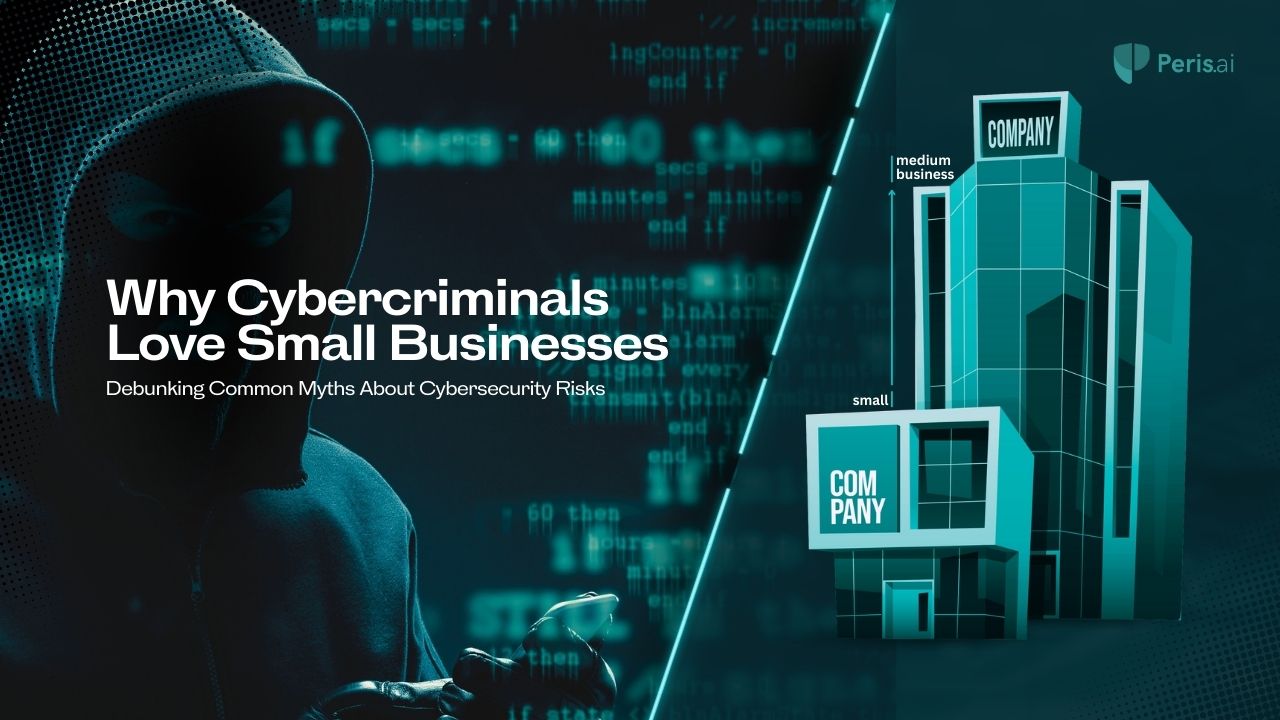
    Cyber Attacks can severely affect small and medium businesses (SMBs).

    Myth #1: Cybercriminals Only Target Large Corporations

    Many people believe that cybercriminals only target large corporations with deep pockets. However, this is not true. Small businesses are often targeted precisely because they lack larger organizations’ security measures and resources. Cybercriminals know that small businesses are easier targets, so they focus their efforts on them.

    Small businesses are often seen as easy prey for cybercriminals because they may not have the same cybersecurity measures as larger companies. For example, a small business may not have a dedicated IT department or be unable to afford the latest cybersecurity tools. This makes them vulnerable to attacks, which can devastate the business.

    Myth #2: Small Businesses Are Immune to Cyber Attacks

    Another common myth about cybersecurity risks for small businesses is that they are immune to cyber-attacks. Some small business owners may think cybercriminals will not bother with their business because they are too small or insignificant. However, this is far from the truth.

    Small businesses are often targeted precisely because they are small. Cybercriminals know that small businesses may not have the same security measures as larger organizations, making them easier targets. Additionally, small businesses often have valuable data that cybercriminals can use for financial gain or to launch attacks on larger organizations.

    Myth #3: Cyber Attacks Are Always Caused by External Threats

    Many small business owners believe that cyber-attacks are always caused by external threats, such as hackers from other countries or cybercriminals looking to make a quick buck. However, this is not always the case. Many cyber attacks are caused by internal threats, such as employees who inadvertently or intentionally cause data breaches.

    Employees can be a significant risk factor for small businesses regarding cybersecurity. Whether through accidental actions, such as clicking on a phishing email, or intentional acts, such as stealing confidential data, employees can cause significant damage to a small business’s cybersecurity. Therefore, small business owners need to educate their employees on the importance of cybersecurity and implement measures to prevent internal threats.

    Why Cybercriminals Love Small Businesses

    Now that we’ve debunked some common myths about cybersecurity risks for small businesses let’s explore why cybercriminals love small businesses.

    First, small businesses often have valuable data that cybercriminals can use for financial gain. For example, small companies may store customer information, such as names, addresses, and credit card numbers. Cybercriminals can use this information to steal money from customers or launch attacks on other organizations.

    Second, small businesses often have weaker security measures than larger organizations. Cybercriminals know this and will specifically target small businesses that they know are vulnerable. Small businesses may not have the budget to invest in the latest cybersecurity tools or may not have the expertise to implement them effectively. This makes them an easy target for cybercriminals.

    Third, small businesses rely on third-party vendors for web hosting, payment processing, and customer relationship management services. These vendors may have security vulnerabilities, which can put small businesses at risk. Cybercriminals know this and specifically target small businesses using vulnerable third-party vendors.

    In Conclusion

    Cybercriminals love small businesses for a variety of reasons. Small businesses are often seen as easy targets due to their weaker security measures, reliance on vulnerable third-party vendors, and lack of resources to respond effectively to cyber attacks. Additionally, small businesses often have valuable data that cybercriminals can use for financial gain or to launch attacks on larger organizations.

    However, it is essential to note that many myths surround cybersecurity risks for small businesses. The belief that cybercriminals only target large corporations or that small businesses are immune to cyber attacks is false. Small businesses must be aware of their risks and take appropriate measures to protect themselves and their customers’ data.

    Ultimately, the best way for small businesses to protect themselves from cyber attacks is to invest in solid cybersecurity measures and educate their employees on the importance of cybersecurity. This includes implementing firewalls, antivirus software, and other cybersecurity tools, regularly updating passwords, and conducting security audits. By taking these steps, small businesses can reduce their risk of falling victim to cybercriminals and protect their valuable data.

    In today’s digital age, cybersecurity is more important than ever before. Small businesses must take cybersecurity seriously and proactively protect themselves from cyber threats. By doing so, they can safeguard their businesses and ensure the trust and loyalty of their customers. So, be smart and stay safe!

  • What is social engineering? Attack technique & how to prevent it

    What is social engineering? Attack technique & how to prevent it

    Social engineering is the art of manipulating people, so they give up confidential information or make mistakes when logging in or accessing their computers. For example, social engineers can trick someone into revealing their password by pretending to be tech support, a bank employee, or posing as a long-lost friend.

    How do they do it? Hackers often use social engineering attacks to entice users to give up information or help them gain access to a system. There are many different ways in which these attacks can be carried out. For example, an attacker might pretend to be a bank employee, tricking a user into giving up their online banking password. Or they might try to gain access to a system by sending a phishing email that appears to come from a legitimate company.

    How can I protect against these attacks? It would be best if you took the following precautions to protect yourself from social engineering attacks:

    * Be wary of unsolicited emails or phone calls requesting personal information, such as your social security number, bank account number, or credit card number.

    * Do not open attachments or follow links in emails or text messages unless you know the sender.

    * Never reveal your password, user name, or PIN to anyone over the phone, in person, or online unless you are sure the person contacting you is legitimate.

    Phishing is a social engineering attack that uses email and the Internet to target individuals and business entities and attempt to acquire sensitive information by masquerading as trustworthy entities.

    Baiting: In this form of social engineering, the attacker tries to entice a victim into disclosing information by posing as a trusted individual or organization. For example, a phishing email will direct the victim to a counterfeit log-in page linked with whatever service the hacker wants the user to access. Once the victim has accessed the fake page, it will send the information entered to the hacker. In this case, the hacker would usually target banking and email accounts.

    Deceptive phishing is a variation of phishing in which the attacker poses as a legitimate company and tricks the victim into providing confidential information via a misleading URL. The attacker might create a landing page that looks like the actual website, but the link takes the victim to a different website that asks for confidential information like passwords and usernames.

    1. Most Common Schemes (https://www.utica.edu/academic/institutes/cimip/idcrimes/schemes.cfm)

    2. Social Engineering (https://www.investopedia.com/terms/s/social-engineering.asp)

    3. How To Crack Passwords And Strengthen Your Credentials Against Brute-Force (https://www.simplilearn.com/tutorials/cyber-security-tutorial/how-to-crack-passwords)

    4. Different Types of Phishing Attacks (https://www.fortinet.com/resources/cyberglossary/types-of-phishing-attacks)

  • Vulnerabilities Classification Based on Priority and Severity

    Vulnerabilities Classification Based on Priority and Severity

    Severity VS Priority

    The severity of a vulnerability is associated with system standards and the technical perspective of the system workflow. Severity examines whether the impact is severe or not. The severity level is less likely to change, while priority might differ.

    Priority indicates how quickly a vulnerability should be fixed and eradicated from an application. It shows a sense of urgency for dealing with a vulnerability in your system, with priority one being the highest and five being the lowest.

    Examples

    High Severity & High Priority (e.g. S1P1)

    A vulnerability that occurs in the basic functionality of the application, if it’s not fixed soon, will impact the business goal immediately. For example,

    • remote code execution (RCE)
    • SQL injection
    • Command Injections
    • or financial theft, direct financial loss

    A P1S1 vulnerability means your website is at risk of being hacked anytime. We recommend that you make it your highest priority to fix these vulnerabilities immediately.

    Mid Severity & Mid Priority (e.g. S3P3)

    A vulnerability that occurs on the application’s functionality that can be exploited by malicious attackers to access sensitive information on the application or server. The impact of S3P3 is relatively limited. For example:

    • It requires more skill to exploit a S3P3 vulnerability and might require some special conditions, such as inexistence of SSL/TLS certificate issues, or need to be in certain location (within target’s proximity location, etc)
    • Server misconfiguration

    Low Severity & Low Priority (S5P5)

    Any vulnerabilities that are acceptable business risks to the organization/company. For example:

    • information leakage (the version number of database, username of admin DB, where attackers could brute force the credentials, etc)
    • configuration errors
    • lack of some security measures

    Things that can be used in conjunction with social engineering to cause a more severe impact on the target.

  • Threat Intelligence: Leveraging Data to Stay Ahead of Cybersecurity Threats

    Threat Intelligence: Leveraging Data to Stay Ahead of Cybersecurity Threats

    In today’s increasingly digital landscape, the risk of cyber attacks is higher than ever. Cybercriminals are finding new and innovative ways to infiltrate computer systems and steal sensitive information, from phishing scams to ransomware attacks. As a result, individuals and organizations alike must remain vigilant and proactive in the face of these evolving threats. One approach that has gained traction in recent years is using threat intelligence data.

    Threat intelligence is collecting, analyzing, and sharing information about potential or current cyber threats. By using data from various sources, such as internal logs, social media, and the dark web, organizations can identify patterns and trends to predict and prevent future attacks. In this article, we will explore the concept of threat intelligence in more detail, discussing how it works and why it is a crucial tool for staying ahead of cybersecurity threats.

    What is Threat Intelligence?

    Threat intelligence is collecting, analyzing, and disseminating information about potential or current cyber threats. It uses data from various sources, including internal logs, social media, the dark web, and other public sources. This data is then analyzed to identify patterns and trends, which can be used to predict and prevent future cyber attacks.

    Why is Threat Intelligence Important?

    Threat intelligence is essential in the fight against cyber threats for several reasons:

    1. Proactive Defense: By analyzing data and identifying patterns, organizations can be more proactive in their approach to cybersecurity. Rather than simply reacting to attacks as they occur, threat intelligence allows organizations to anticipate and prevent potential threats.
    2. Faster Response: Threat intelligence can provide real-time information on emerging threats, allowing organizations to respond quickly and effectively.
    3. Targeted Approach: Threat intelligence enables organizations to focus their resources on the most critical threats. This targeted approach can save time and money while improving cybersecurity measures’ overall effectiveness.
    4. Collaboration: Threat intelligence can also facilitate collaboration between organizations, allowing them to share information and insights on potential threats.

    How Does Threat Intelligence Work?

    Threat intelligence involves several key steps:

    1. Data Collection: Threat intelligence begins with data collection. This data can come from various sources, including internal logs, social media, and other public sources.
    2. Data Analysis: Once data has been collected, it is analyzed to identify patterns and trends. This analysis can be performed manually or through machine learning algorithms.
    3. Threat Identification: Based on the analysis, potential threats are identified. These threats are then prioritized based on their severity and likelihood.
    4. Response Planning: Organizations can develop response plans once threats have been identified and prioritized. These plans may include patching vulnerabilities, improving security protocols, and training employees on cybersecurity best practices.
    5. Ongoing Monitoring: Threat intelligence is an ongoing process, and organizations must continually monitor the threat landscape to stay ahead of emerging threats.

    Leveraging Threat Intelligence

    To leverage threat intelligence effectively, organizations must take several steps:

    1. Develop a Strategy: Organizations must develop a comprehensive strategy for collecting, analyzing, and using threat intelligence data. This strategy should outline goals, metrics, and key performance indicators.
    2. Choose the Right Tools: Organizations must choose the right tools to collect and analyze threat intelligence data. These tools may include security information and event management (SIEM) systems, threat intelligence platforms, and machine learning algorithms.
    3. Collaborate with Others: Threat intelligence is most effective when organizations collaborate and share information. Organizations should seek partnerships with other organizations, industry groups, and government agencies.
    4. Train Employees: Employees are often the weakest link in an organization’s cybersecurity defense. Organizations must invest in cybersecurity training to ensure that employees understand the importance of threat intelligence and are equipped to recognize and respond to potential threats.

    Conclusion

    Threat intelligence is not just a buzzword but a critical element in the ever-evolving world of cybersecurity. As technology continues to advance, so do the methods of cybercriminals. Organizations must stay vigilant and utilize all available tools, including threat intelligence data, to combat these ever-growing threats.

    Developing a comprehensive strategy for threat intelligence may seem daunting, but it is an essential step in protecting valuable data and assets. By investing in the right tools and collaborating with others, organizations can stay ahead of potential threats and minimize the risk of an attack. Additionally, investing in employee training is crucial, as human error remains one of the most significant cybersecurity risks.

    Check out our website if you want a solution to improve your organization’s threat intelligence. We offer various services and tools to help you avoid potential threats and keep your data safe. Remember, cyber threats are not going away any time soon. It is up to us to remain vigilant and proactive in the fight against cybercrime.

  • The ROI of Investing in Cybersecurity

    The ROI of Investing in Cybersecurity

    As the digital landscape continues to grow, businesses increasingly rely on technology for their day-to-day operations. Unfortunately, this also means businesses are becoming more vulnerable to cyberattacks. Investing in comprehensive cybersecurity measures must be balanced, and companies that ignore this reality do so at their peril.

    Investing in cybersecurity makes perfect sense from a financial perspective. According to Fortune Business Insights, the global cybersecurity market will exceed $300 billion by 2026. Investing in the right solutions can protect your business from cyber threats while improving productivity and efficiency.

    Investing in cybersecurity solutions reduces the downtime associated with cyberattacks and data breaches. This is essential for keeping your customers happy and ensuring that your organization’s operations remain online during an attack or breach attempt. Not only does this reduce the cost of returned services due to downtime, but it also preserves customer trust and loyalty, which can often be priceless for a business’s success.

    Another ROI of investing in cybersecurity is improved employee productivity, as security threats can hamper workflow if left unchecked. Cybersecurity solutions like antivirus software and malware protection can protect against malicious actors attempting to gain access to sensitive company data or systems. Also, giving employees regular training on best practices for cybersecurity can help them understand how important it is to keep their computers safe from harm without slowing down their work.

    Finally, investing in cyber threat intelligence helps organizations avoid emerging digital threats while mitigating existing ones. Intelligence-driven security solutions allow companies to identify trends and vulnerabilities earlier than traditional methods by providing real-time insights into digital threats that could go unnoticed until it is too late. Knowing where potential vulnerabilities lie before attackers can exploit them allows organizations to bolster their defenses accordingly and protect against the costly damages associated with successful attacks.

    Cybersecurity investments are necessary for modern businesses looking to safeguard themselves against digital risks while remaining productive during these turbulent times. Considering the numerous advantages outlined above, it quickly becomes clear why savvy organizations have already invested in comprehensive cybersecurity measures, leveraging them for maximum return on investment (ROI).

  • The Real Cost of a Cybersecurity Breach: Understanding the Hidden Consequences of a ‘It won’t happen to us’​ Mentality

    The Real Cost of a Cybersecurity Breach: Understanding the Hidden Consequences of a ‘It won’t happen to us’​ Mentality

    Cybersecurity breaches in today’s digital age have become increasingly common and can have far-reaching consequences beyond the financial impact. The aftermath of a cyber attack can be devastating, with significant damage to a company’s reputation, loss of customer trust, and even legal repercussions. Yet, despite these risks, many organizations continue to adopt a “it won’t happen to us” mentality and do not take sufficient measures to protect themselves from cyber threats. This article will explore the cost of a cybersecurity breach and the hidden consequences that organizations may face due to complacency. By understanding the risks and actual costs of a cyber attack, businesses can better prepare themselves and adopt a proactive approach to cybersecurity.

    Explanation of what cybersecurity is and why it’s important

    Cybersecurity refers to the practice of protecting computer systems, networks, and digital data from unauthorized access, theft, and damage. It encompasses various technologies, processes, and procedures designed to prevent cyber attacks, identify potential threats, and respond to security incidents. Cybersecurity has become an essential part of daily life in today’s interconnected world, where virtually all aspects of business and personal life rely on digital technology. With the growing volume and sophistication of cyber threats, protecting sensitive information, such as financial data, individual details, and confidential business information, is more critical than ever. A cyber attack can have serious consequences, including financial losses, damage to a company’s reputation, and legal liabilities. By implementing effective cybersecurity measures, individuals and organizations can reduce the risk of cyber attacks and safeguard their assets and information from harm.

    The reality of cybersecurity breaches and how they can happen to anyone

    The reality of cybersecurity breaches is that they can happen to anyone, from small businesses to large corporations, from government agencies to individual users. Cybercriminals use a variety of tactics to exploit vulnerabilities in computer systems and networks, including phishing scams, malware attacks, and ransomware. No organization is completely immune to cyber attacks, and even those that invest heavily in cybersecurity can still fall, victim. Many cyber attacks are successful because of human error or complacencies, such as weak passwords, lack of software updates, and failure to follow security protocols. With the increasing use of cloud computing, mobile devices, and Internet of Things (IoT) technology, the attack surface for cybercriminals is expanding, making it even more critical for individuals and organizations to be vigilant and proactive in protecting their digital assets. The reality is that cybersecurity breaches are a growing threat, and everyone must take responsibility for their digital security.

    The purpose of the article post – is to highlight the hidden consequences of a “it won’t happen to us” mentality

    This article post awareness about the hidden consequences of a “it won’t happen to us” mentality regarding cybersecurity. Many individuals and organizations assume that they are not at risk of cyber attacks or that their current security measures are sufficient. However, this complacency can have severe consequences in a cyber attack. This article highlights the often-overlooked cybersecurity breaches, such as reputational damage, loss of customer trust, and legal liabilities. By examining these hidden consequences, this article’s post aims to encourage individuals and organizations to adopt a more proactive approach to cybersecurity and take steps to mitigate the risks of a potential cyber attack. Ultimately, this article post stresses the importance of cybersecurity and the need for constant vigilance in the face of an ever-evolving threat landscape.

    1. Immediate Consequences of a Cybersecurity Breach

    The immediate consequences of a cybersecurity breach can be significant and impact an organization in multiple ways. One of the most immediate consequences is financial losses resulting from the theft of sensitive data or disruption of business operations. Another direct consequence is reputational damage, which can occur when a breach becomes public and erodes customer trust in the organization. Additionally, a breach can lead to legal liabilities if the organization complies with relevant data protection regulations. Immediate consequences can also include costs associated with investigating the breach and restoring affected systems and data and the need to notify affected customers or stakeholders. Overall, the immediate consequences of a cybersecurity breach can be severe and have lasting effects on an organization, making it critical to have effective incident response plans in place to minimize the impact.

    Financial loss and the cost of repairing the damage

    Financial loss is one of the most significant consequences of a cybersecurity breach, and the cost of repairing the damage can be substantial. Repairing the damage includes the direct costs associated with investigating and responding to the breach and indirect costs such as lost revenue and productivity and damage to the organization’s reputation. The direct costs can include fees for forensic investigations, legal fees, and notification costs. Indirect costs can include business interruption costs, loss of customers, and decreased market value. In addition, organizations may also face regulatory fines or lawsuits, which can result in even higher financial costs. The financial loss from a cybersecurity breach can be devastating for small and medium-sized businesses, which may not have the financial resources to absorb the impact. Ultimately, the cost of repairing the damage from a breach underscores the importance of investing in robust cybersecurity measures to prevent or mitigate the risk of a breach and having a comprehensive incident response plan in place.

    Damage to reputation and loss of customer trust

    Damage to reputation and loss of customer trust are significant consequences of a cybersecurity breach. A breach can erode customers’ trust and confidence in an organization, particularly if their personal or financial information has been compromised. The damage to reputation can be long-lasting and difficult to repair, especially in cases where the breach was due to negligence or lack of proper security measures. The loss of customer trust can ripple effect on an organization’s bottom line, resulting in decreased sales, loss of existing customers, and difficulty acquiring new customers. Additionally, a breach can lead to negative media coverage and public scrutiny, further damaging an organization’s reputation. Ultimately, the damage to reputation and loss of customer trust that can result from a cybersecurity breach underscores the importance of taking a proactive approach to cybersecurity and investing in robust security measures, as well as being transparent and communicative with customers in the event of a breach.

    Legal consequences and regulatory fines

    Legal consequences and regulatory fines are other potential consequences of a cybersecurity breach. Organizations that fail to comply with data protection regulations may face significant fines and legal liabilities in case of a breach. Organizations may also face lawsuits from customers or other affected parties, which can result in further financial losses and reputational damage. The legal consequences of a breach could be particularly severe if the breach involves the theft or exposure of sensitive data, such as financial information, medical records, or intellectual property. Organizations can mitigate the risk of legal consequences by implementing robust security measures, complying with relevant data protection regulations, and having a comprehensive incident response plan’s impact to minimize a breach’s impact.

    Impact on employee productivity and morale

    The impact of a cybersecurity breach extends beyond financial and legal consequences and can also affect employee productivity and morale. Employees may experience stress and anxiety due to a breach, particularly if their personal information has been compromised. Additionally, the need to respond to a breach and implement new security measures can divert resources and attention away from other business activities, resulting in decreased productivity and morale. Furthermore, if the breach results in significant financial losses, organizations may be forced to implement cost-cutting measures such as layoffs, which can further erode employee morale. To mitigate the impact on employee productivity and morale, organizations should prioritize communication and transparency with their employees, ensuring that they are informed about the steps to address the breach and the organization’s commitment to improving security measures. Organizations should also prioritize employee training and education on cybersecurity best practices to help prevent future breaches and improve overall security posture.

    2. Hidden Consequences of a Cybersecurity Breach

    In addition to the immediate consequences of a cybersecurity breach, such as financial losses and reputational damage, hidden consequences may not be immediately apparent. For example, the long-term impact on customer trust and brand reputation can extend far beyond the immediate aftermath of a breach. Losing intellectual property or confidential information can have long-term consequences for an organization’s competitive advantage and future success. The stress and anxiety experienced by employees can also have a lasting impact on the organization’s culture and overall well-being. Furthermore, the cost of implementing new security measures and addressing the root causes of a breach can be high, with long-term financial and operational implications. Ultimately, the hidden consequences of a cybersecurity breach highlight the need for organizations to take a proactive approach to cybersecurity and invest in robust security measures to prevent breaches from occurring in the first place.

    Long-term financial impact, such as increased insurance premiums

    The long-term financial impact of a cybersecurity breach can be significant and may include increased insurance premiums. Following a breach, an organization may find it more challenging to obtain cybersecurity insurance, or the insurance cost may increase due to perceived higher risk. This increased cost can have a long-term impact on the organization’s finances, particularly for small and medium-sized businesses that may be more vulnerable to the financial consequences of a breach. Furthermore, the cost of implementing new security measures to prevent future breaches can also be high, with ongoing expenses related to monitoring, testing, and updating security systems. The long-term financial impact of a breach underscores the importance of investing in robust cybersecurity measures and taking a proactive approach to risk management to prevent or mitigate the effects of a breach. Additionally, organizations should consider cybersecurity insurance as part of their risk management strategy and work with their insurance provider to ensure that their coverage adequately reflects their cybersecurity risks and needs.

    Loss of intellectual property and trade secrets

    One of the hidden consequences of a cybersecurity breach is the loss of intellectual property and trade secrets, which can have long-term implications for an organization’s competitive advantage and future success. Intellectual property and trade secrets can include anything from product designs and manufacturing processes to marketing strategies and customer data. A breach that exposes this information to competitors or malicious actors can put an organization at a significant disadvantage and erode its competitive edge. The loss of intellectual property can also impact an organization’s ability to innovate and bring new products or services to market, further impacting its long-term viability. To mitigate the risk of intellectual property loss, organizations should prioritize cybersecurity measures that focus on data protection, such as access controls, encryption, and monitoring. Organizations should also have a comprehensive incident response plan to quickly detect and respond to breaches and minimize the impact on sensitive data.

    Increased vulnerability to future attacks

    Another hidden consequence of a cybersecurity breach is an increased vulnerability to future attacks. Once an organization has experienced a breach, it may become a more attractive target for future attacks, as malicious actors may see it as a weak point in cybersecurity. Additionally, suppose the root cause of the breach is not addressed, such as a vulnerability in a particular system or software. In that case. In that case. In that case. In that case. In that case. In that case, the organization may be at continued risk for future attacks. This increased vulnerability can lead to additional financial and reputational damage in the event of a future breach. To mitigate the risk of future attacks, organizations should conduct a thorough post-incident review to identify the root cause of the breach and take steps to address any vulnerabilities. This may involve implementing new security measures, updating software or systems, or conducting employee training on cybersecurity best practices. Organizations should also prioritize ongoing monitoring and testing to identify and address vulnerabilities before they can exploit malicious actors can exploit the malicious actors can exploit them. By taking a proactive approach to cybersecurity, organizations can reduce the risk of future breaches and minimize the impact of any occurring.

    Damage to organizational culture and employee trust

    Cybersecurity breaches can also damage an organization’s culture and erode employee trust. Employees may feel anxious or stressed after a breach, particularly if their personal information has been compromised. Additionally, if the breach is attributed to employee error or negligence, this can create feelings of guilt, shame, or blame. This can hurt employee morale, engagement, and productivity and may result in higher turnover rates or absenteeism. Furthermore, suppose the organization’s leadership is seen as unprepared or unable to handle the aftermath of a breach. This can damage employee trust and confidence in the organization’s ability to protect their data and maintain a safe and secure work environment. Organizations should prioritize communication and transparency in the aftermath of a breach to mitigate the impact on organizational culture and employee trust. This may involve providing regular updates on the situation, supporting affected employees, and providing ongoing training and education on cybersecurity best practices. By prioritizing employee trust and well-being, organizations can minimize the long-term impact of a breach on their culture and overall performance.

    3. Understanding the ‘It won’t happen to us’ Mentality

    The ‘It won’t happen to us’ mentality is a common and dangerous mindset many organizations fall into regarding cybersecurity. This mentality is often based on the belief that cybersecurity breaches only happen to other companies or that the organization is too tiny, obscure, or insignificant to be targeted by malicious actors. This can lead to a lack of investment in cybersecurity measures, such as firewalls, anti-virus software, and employee training, and a lack of preparedness in the event of a breach. The reality is that cybersecurity breaches can happen to any organization, regardless of size or industry. By failing to take cybersecurity seriously, organizations may be putting themselves at risk for significant financial and reputational damage. Understanding and overcoming the ‘It won’t happen to us’ mentality is critical to protecting an organization’s data, reputation, and long-term viability. This involves recognizing the real and serious risks associated with cybersecurity breaches, prioritizing investment in cybersecurity measures, and taking a proactive and ongoing approach to risk management.

    Common misconceptions about cybersecurity

    Many common misconceptions about cybersecurity can lead organizations to underestimate the risks of a breach or overlook critical vulnerabilities. One common misconception is that cybersecurity is solely the responsibility of IT or security teams. In reality, cybersecurity is a collective responsibility that involves all employees, from executives to front-line staff. Another misconception is that only large organizations are at risk for cyber attacks. Hackers target small and mid-sized businesses because they may have weaker security measures.

    Additionally, many organizations believe that investing in cybersecurity measures is too expensive or unnecessary. However, the cost of a breach can be significantly higher than the cost of preventative measures, and reputational damage can be long-lasting. Finally, there needs to be more aware that they are entirely protected once an organization has implemented cybersecurity measures. In reality, the cybersecurity landscape is constantly evolving, and ongoing monitoring and updates are necessary to stay ahead of new threats. Understanding and addressing these misconceptions is critical to effectively managing cybersecurity risk and protecting an organization’s assets and reputation.

    The dangers of assuming your organization is immune to cyber threats

    Assuming that an organization is immune to cyber threats is a dangerous mindset that can leave an organization vulnerable to attack. It can lead to a lack of investment in cybersecurity measures, a lack of preparedness for a breach, and a false sense of security that attackers can exploit. The reality is that no organization is entirely immune to cyber threats. Even with robust security measures, cybercriminals are constantly developing new and sophisticated attack methods, making it challenging to stay ahead of the curve. Failing to recognize this reality can lead to complacency and a lack of urgency regarding cybersecurity. The best defense against cyber threats is a proactive and ongoing risk management approach involving regular assessments, continuous monitoring, and regular training and education for all employees. By recognizing that no organization is immune and taking the necessary steps to protect against cyber threats, organizations can mitigate the risks of a breach and protect their valuable assets and reputation.

    The importance of proactive measures and staying vigilant

    Proactive measures and staying vigilant are critical to effective cybersecurity risk management. This involves taking a proactive approach to identifying and addressing vulnerabilities in an organization’s systems and processes rather than waiting for a breach to occur. This includes regularly updating and patching software and hardware, training and educating employees, implementing access controls and monitoring systems, and conducting risk assessments. Staying vigilant also means maintaining awareness of the latest cybersecurity threats and trends and adapting security measures accordingly. By staying ahead of the curve and proactively addressing cybersecurity risks, organizations can reduce the likelihood and impact of a breach, protect their reputation, and maintain the trust of their customers and stakeholders. Staying vigilant is a process that requires ongoing attention and resources rather than a one-time task. By prioritizing proactive measures and remaining vigilant, organizations can protect themselves against cyber threats and ensure their long-term viability.

    4. Steps to Mitigate the Risk of a Cybersecurity Breach

    Mitigating the risk of a cybersecurity breach involves taking a comprehensive approach to managing cybersecurity risk. First and foremost, organizations should conduct regular risk assessments to identify potential vulnerabilities and prioritize their response based on their impact and likelihood. This should include implementing robust security measures like firewalls, access controls, and monitoring systems. It is also critical to regularly update and patch software and hardware to address known vulnerabilities. Additionally, regular employee training and education can help reduce the risk of human error, a common cause of breaches. Organizations should also develop and test incident response plans to ensure they are prepared to respond effectively during a breach. Finally, it is essential to regularly monitor systems and networks for signs of suspicious activity and conduct ongoing testing and assessment of security measures to ensure they remain effective over time. By taking a proactive and comprehensive approach to cybersecurity risk management, organizations can effectively mitigate the risk of a breach and protect their valuable assets and reputation.

    Invest in cybersecurity measures, such as firewalls and anti-virus software

    Investing in cybersecurity measures such as firewalls and anti-virus software is critical to protecting an organization’s systems and data. Firewalls can help prevent unauthorized access to an organization’s network, while anti-virus software can detect and remove malicious software from devices. Investing in these measures and keeping them up to date is crucial to ensure their continued effectiveness against the latest threats. In addition to firewalls and anti-virus software, organizations may also consider investing in other security measures such as intrusion detection and prevention systems, data encryption, and access controls. While a cost is associated with investing in these measures, the cost of a cybersecurity breach can be much higher, making it a worthwhile investment to protect an organization’s valuable assets and reputation.

    Educate employees on best practices for cybersecurity

    Educating employees on best practices for cybersecurity is essential to reducing the risk of a cybersecurity breach. Many breaches occur due to human error, such as clicking on a phishing email or using weak passwords. Regular training and education can help employees understand the importance of cybersecurity and how they can contribute to the organization’s security efforts. This includes teaching employees how to identify and avoid common cyber threats, such as phishing scams and malware, and how to create and use strong passwords. It is also essential to provide ongoing training to keep employees informed of the latest cybersecurity threats and trends, as the threat landscape is constantly evolving. By investing in employee education and training, organizations can reduce the risk of a breach and ensure that their employees are well-informed and equipped to contribute to the organization’s cybersecurity efforts.

    Conduct regular security audits and risk assessments

    Regular security audits and risk assessments are critical in maintaining a strong cybersecurity posture. These assessments can help identify vulnerabilities and weaknesses in an organization’s systems, processes, and procedures. Regular audits can help ensure that security measures are correctly implemented and mitigate potential threats effectively. Risk assessments can help organizations prioritize their security efforts based on the level of risk associated with different types of threats. They can also help organizations make informed decisions about which security measures to implement and which to prioritize based on available resources and budget. A qualified third-party professional should conduct regular security audits and risk assessments to ensure that a comprehensive and objective evaluation is performed. By conducting regular assessments and audits, organizations can stay ahead of potential cybersecurity threats and take proactive steps to protect their valuable assets and reputation.

    Develop a comprehensive incident response plan

    Developing a comprehensive incident response plan is essential to ensuring that an organization can quickly and effectively respond to a cybersecurity breach. An incident response plan should outline the steps to be taken in the event of a breach, including identifying the scope of the breach, containing the damage, and restoring systems and data. The plan should also define the roles and responsibilities of individuals involved in the response effort, including internal and external stakeholders, such as IT staff, legal counsel, and law enforcement. In addition, the plan should be regularly tested and updated to ensure that it remains practical and relevant. By having a comprehensive incident response plan in place, organizations can minimize the impact of a breach and reduce the risk of further damage to their systems and data.

    Conclusion

    In conclusion, a cybersecurity breach can have significant and far-reaching consequences for any organization, regardless of size or industry. The hidden costs of a breach can be extensive, including damage to reputation, financial loss, legal consequences, and loss of intellectual property. Organizations must take proactive steps to mitigate the risk of a breach by investing in cybersecurity measures, educating employees on best practices, conducting regular security audits and risk assessments, and developing a comprehensive incident response plan. An ‘It won’t happen to us’ mentality can lead to a false sense of security, leaving organizations vulnerable to cyber threats. By staying vigilant and taking proactive measures, organizations can reduce the risk of a breach and ensure that they are well-equipped to respond quickly and effectively in the event of an attack.

    Recap of the hidden consequences of a cybersecurity breach

    To recap, the hidden consequences of a cybersecurity breach can be extensive and long-lasting. Immediate consequences include financial loss, reputational damage, and loss of customer trust. Legal consequences and regulatory fines can also result from a breach. The impact on employee productivity and morale can be significant, and the loss of intellectual property and trade secrets can have long-term consequences. A breach can also increase an organization’s vulnerability to future attacks and damage its culture and employee trust. Organizations must take proactive measures to mitigate the risk of a breach and develop a comprehensive incident response plan to minimize the impact of a breach should one occur. By taking these steps, organizations can protect their assets, reputation, and customer trust in the face of an ever-evolving threat landscape.

    Emphasis on the importance of proactive cybersecurity measures

    The importance of proactive cybersecurity measures cannot be overstated. It is no longer a question of if an organization will experience a breach but when. Cyber threats are constantly evolving, and attackers are becoming increasingly sophisticated in their methods. Taking a reactive approach to cybersecurity is no longer sufficient. Organizations must take a proactive approach to mitigate the risk of a breach by investing in cybersecurity measures, educating employees on best practices, conducting regular security audits and risk assessments, and developing a comprehensive incident response plan. By staying vigilant and taking proactive measures, organizations can reduce the risk of a breach and minimize the impact of an attack should one occur. The cost of a breach can be high, both financially and in terms of reputation and trust. It is in every organization’s best interest to prioritize cybersecurity and take the necessary steps to protect its assets and customers.

    Encouragement to take action and prioritize cybersecurity in your organization

    In today’s digital age, cybersecurity is not just a concern for IT departments but should be a priority for every organization. The risks of a breach are too significant to ignore, and the costs can be high regarding financial and reputational damage. Organizations that take a proactive approach to cybersecurity can reduce the risk of a breach and build trust with customers and stakeholders. It is time to move away from the “it won’t happen to us” mentality and take action to protect your organization. By investing in cybersecurity measures, educating employees, conducting regular security audits and risk assessments, and developing a comprehensive incident response plan, organizations can stay ahead of the evolving threat landscape and protect their assets and reputation.

    Don’t let a “It won’t happen to us” mentality be the downfall of your business! Visit our solution today to learn more about the actual cost of a cybersecurity breach and how to avoid its hidden consequences. Our experts can offer you witty solution advice and budgeting advice to keep the bank strong. So, what are you waiting for? Click your way to a secure future and visit our solution now!

  • The Benefits of Bug Bounties: Saving Time and Money in Penetration Testing

    The Benefits of Bug Bounties: Saving Time and Money in Penetration Testing

    In the ever-evolving landscape of cybersecurity, cybersecurity has become a top priority for organizations of all sizes. One way that companies are enhancing their security measures is through the implementation of bug bounty programs. Bug bounties are becoming increasingly popular as a cost-effective and efficient method of identifying vulnerabilities in software applications, websites, and other digital assets.

    Bug bounties are rewarding organizations offer to ethical hackers who identify and report security vulnerabilities in their systems. The concept is simple yet incredibly effective. Organizations can identify and address potential security issues before malicious actors exploit them by incentivizing a community of skilled professionals to find and report vulnerabilities.

    While bug bounties are relatively new to cybersecurity, their popularity rapidly grows as organizations recognize their significant benefits. Penetration testing has always been a critical component of any comprehensive cybersecurity program, but traditional methods can be time-consuming, expensive, and often fail to identify all potential vulnerabilities. Organizations can complement and enhance their efforts by incorporating bug bounties into their testing strategy while saving time and money.

    Explanation of what bug bounties are and their growing popularity

    Bug bounties have gained immense popularity recently due to the growing need for cybersecurity measures. Bug bounties are reward programs companies or organizations offer to ethical hackers who can identify and report vulnerabilities or bugs in their systems or applications. This approach is an effective way to crowdsource cybersecurity testing and identify potential vulnerabilities that malicious actors can exploit.

    The growing popularity of bug bounties is due to the increase in cyber-attacks and data breaches. Hackers’ use of advanced technology and techniques has made it challenging for companies to identify system vulnerabilities. Bug bounties enable companies to leverage the knowledge and expertise of ethical hackers worldwide to identify and report vulnerabilities before cybercriminals exploit them. Additionally, bug bounties offer a cost-effective and efficient solution for organizations to enhance their cybersecurity posture.

    The importance of penetration testing and how it relates to bug bounties

    Penetration testing is essential to maintaining a secure network, as it helps identify vulnerabilities and weaknesses in a system. This testing process simulates an attack on the web, and its goal is to expose any vulnerabilities that cybercriminals could exploit. Without proper penetration testing, an organization may not be aware of its weaknesses until it is too late.

    This is where bug bounties come into play. By offering rewards to ethical hackers for finding vulnerabilities, bug bounty programs encourage a more comprehensive range of skilled security experts to identify and report any weaknesses in the system. This means that before any penetration testing takes place, an organization can better understand its vulnerabilities, allowing them to take proactive measures to patch the weaknesses and improve its overall cybersecurity posture. Thus, penetration testing and bug bounties create a more secure network.

    Thus, penetration testing and bug bounties create a more secure network.

    What are Bug Bounties?

    Definition of bug bounties and how they work

    Bug bounties are programs offered by companies and organizations that encourage independent security researchers and ethical hackers to identify and report security vulnerabilities or bugs in their software, website, or application. In return, the researchers receive a monetary reward or recognition for their efforts. Bug bounty programs aim to identify and fix security vulnerabilities before cybercriminals can exploit them.

    Bug bounty programs have become increasingly popular among companies and organizations due to the growing importance of cybersecurity. With more sensitive information being stored and transmitted online, the need to protect against cyber attacks has never been more critical. Bug bounties provide companies with an additional layer of protection, allowing for identifying and resolving vulnerabilities that may have otherwise gone unnoticed. By crowdsourcing security testing to a global network of ethical hackers, companies can quickly and efficiently identify and fix vulnerabilities, ultimately saving time and money in the long run.

    https://www.linkedin.com/posts/perisai-cybersecurity_penetration-testing-or-bug-bounty-program-activity-7021803101112209408-ky5v?utm_source=share&utm_medium=member_desktop

    It is ultimately saving time and money in the long run.

    The history of bug bounties and their evolution

    Bug bounties have come a long way since their inception. The first recorded bug bounty program was launched in 1983 by the US Air Force. The “Friendly Computer Program” rewarded anyone who found and reported security vulnerabilities in Air Force computer systems. However, in the late 1990s, bug bounties began to gain popularity in the tech industry.

    Since then, bug bounty programs have evolved and become more common. Today, many large companies, such as Microsoft, Google, and Facebook, have bug bounty programs. In addition, several third-party platforms connect companies with security researchers and manage bug bounty programs on their behalf. As the prevalence of cyber attacks increases, bug bounty programs will become even more widespread and necessary to ensure online systems’ security.

    The different types of bug bounties and their benefits

    Bug bounties come in various forms, including public, private, and ongoing programs. Public programs are available to the general public and offer monetary rewards for discovering vulnerabilities, while private programs are restricted to a specific group of people or organizations. Ongoing programs are continuously available, and participants are paid for finding and reporting security issues.

    One of the main benefits of bug bounties is that they incentivize ethical hackers to find vulnerabilities in a company’s systems and report them instead of exploiting them for personal gain. This allows companies to identify and fix vulnerabilities before they are discovered and used by malicious actors, potentially saving the company from significant financial and reputational damage. Additionally, bug bounties can help companies improve their overall cybersecurity posture by encouraging the implementation of more robust security measures and providing valuable feedback on the effectiveness of existing security protocols.

    The Benefits of Bug Bounties

    How bug bounties can save time and money in penetration testing

    One of the most significant benefits of bug bounties is their ability to save time and money in penetration testing. With bug bounties, organizations can crowdsource the task of finding vulnerabilities to a large group of security researchers, who will be incentivized to find as many bugs as possible. This can save organizations the time and effort of conducting penetration testing, which can be time-consuming and expensive.

    Another way that bug bounties can save time and money is by allowing organizations to fix vulnerabilities before they become more significant problems. When a security researcher finds a bug through a bug bounty program, they will report it to the organization. The organization can then prioritize and fix the bug, potentially preventing it from being exploited by malicious actors. This can save organizations the time and money to remediate a more significant security incident.

    Finally, bug bounties can help organizations identify vulnerabilities that have gone unnoticed. By incentivizing a large group of security researchers to find vulnerabilities, bug bounty programs can help organizations identify even the most obscure or hard-to-find bugs. This can be especially valuable for organizations trying to maintain a strong cybersecurity posture and stay ahead of emerging threats. By identifying and fixing vulnerabilities before they can be exploited, organizations can save time and money in the long run and avoid potentially costly security incidents.

    The advantages of crowdsourcing and the power of community-driven bug hunting

    Crowdsourcing has become a popular approach to solving complex problems, and bug bounties are no exception. By leveraging the power of a community-driven approach to bug hunting, organizations can quickly identify and fix vulnerabilities that may have otherwise gone unnoticed. The advantages of crowdsourcing are clear: a diverse group of skilled individuals can collaborate to identify and remediate issues quickly and efficiently.

    One of the primary advantages of crowdsourcing is the ability to tap into a vast talent pool. With bug bounty programs, organizations can attract individuals with a wide range of skills, experience, and expertise, and all focused on identifying and addressing potential security issues. This increases the chances of identifying vulnerabilities and provides valuable insights into new and emerging threats.

    Another advantage of community-driven bug hunting is how issues can be identified and remediated. Traditional penetration testing can take weeks or even months, while bug bounties can provide results in days. This rapid feedback loop enables organizations to address vulnerabilities before attackers exploit them quickly.

    Overall, the power of community-driven bug hunting cannot be underestimated. By tapping into a diverse talent pool, organizations can identify vulnerabilities quickly and efficiently, saving time and money. As the threat landscape evolves, bug bounties will remain a critical tool in the fight against cyberattacks.

    Penetration Testing and Bug Bounties

    The role of penetration testing in identifying and addressing vulnerabilities

    Penetration testing is an essential aspect of cybersecurity that involves simulated attacks on a system to identify vulnerabilities and assess its security posture. The goal is to find weaknesses before attackers can exploit them, and it is a crucial step in protecting systems from cyber threats. The penetration testing results can help organizations identify areas where they need to improve their security measures and strengthen their defenses.

    One of the critical benefits of penetration testing is that it allows organizations to identify vulnerabilities that may not have been previously detected. By testing the system in a controlled environment, organizations can better understand their vulnerabilities and assess the effectiveness of their existing security measures. This information can be used to prioritize security enhancements, allocate resources more effectively, and improve overall security posture.

    Another advantage of penetration testing is that it provides a proactive approach to security. Instead of waiting for an attack to occur and then responding, organizations can identify vulnerabilities ahead of time and take action to mitigate them. This can help reduce the risk of data breaches and other security incidents and minimize the potential damage caused by such events.

    Ultimately, penetration testing is crucial in improving an organization’s cybersecurity posture. Organizations can proactively address vulnerabilities and weaknesses and strengthen their defenses against cyber threats by identifying them. It is a valuable tool in the fight against cybercrime, and its importance cannot be overstated.

    Another advantage of penetration testing is that it provides a proactive approach to security.

    How bug bounties can complement penetration testing and improve the overall cybersecurity posture of an organization

    Bug bounties and penetration testing may seem like separate approaches to finding vulnerabilities, but they can work together to create a more comprehensive cybersecurity strategy. Penetration testing is essential for identifying vulnerabilities within a company’s infrastructure and applications, but it has limitations. Penetration testing is often conducted on a set schedule and can only test for known vulnerabilities at that time. This leaves a gap for potential unknown vulnerabilities that may arise in between tests.

    This is where bug bounties can come in handy. Bug bounty programs provide a continuous and proactive approach to vulnerability detection. Companies can open their applications and systems to a global community of security researchers who can search for vulnerabilities anytime, providing an additional layer of security. By using penetration testing and bug bounties, companies can ensure they detect and address known and unknown vulnerabilities, ultimately improving their overall cybersecurity posture.

    Bug bounties can also complement penetration testing by providing a cost-effective way to find vulnerabilities. Penetration testing can be expensive, especially if it involves hiring external consultants to conduct the testing. On the other hand, bug bounties offer an affordable option for vulnerability detection. Companies can set a bounty amount for each vulnerability, incentivizing security researchers to find vulnerabilities without breaking the bank.

    Furthermore, bug bounties can also help companies build a community of security researchers who can provide ongoing feedback and insights into the latest security threats and trends. This community-driven approach can help companies avoid emerging threats and improve their overall security posture.

    In summary, bug bounties and penetration testing can work together to provide a comprehensive and cost-effective approach to cybersecurity. Companies can detect and address known and unknown vulnerabilities using both methods while getting feedback and insights.

    Companies can detect and address known and unknown vulnerabilities using both methods while getting feedback and insights.

    Real-world examples of how bug bounties have enhanced penetration testing efforts

    Bug bounties have become an integral part of many organizations’ cybersecurity strategies, with more and more companies turning to these programs to enhance their penetration testing efforts. One notable example is Microsoft, which launched its first bug bounty program in 2013 and has since expanded it to cover a wide range of products and services. Microsoft has identified and fixed numerous vulnerabilities that might have otherwise gone unnoticed through this program, strengthening its overall security posture.

    Another example is the United States Department of Defense, which launched its “Hack the Pentagon” bug bounty program in 2016. The program invited security researchers to identify vulnerabilities in the department’s public-facing websites and applications, offering monetary rewards for valid findings. The program was a resounding success, with over 1,400 vulnerabilities identified and fixed, and it has since been expanded to cover other department areas.

    Bug bounty programs have also effectively identified vulnerabilities in popular software and services. For instance, in 2019, Google paid over $6.5 million in rewards to researchers who identified security issues in its products, such as Android, Chrome, and Google Cloud. Through these programs, Google was able to identify and patch vulnerabilities before they could be exploited by malicious actors, protecting its users’ data and maintaining trust in its products.

    Overall, these real-world examples demonstrate the value of bug bounty programs in enhancing penetration testing efforts and improving organizations’ cybersecurity posture. By leveraging the skills and expertise of a global community of researchers, organizations can identify and address vulnerabilities that might otherwise go unnoticed, ultimately reducing the risk of security breaches and data loss.

    Best Practices for Implementing Bug Bounties

    The critical considerations for implementing a successful bug bounty program

    Implementing a successful bug bounty program is more challenging than it sounds. There are several key considerations that organizations must take into account to ensure that their program is effective. First and foremost, it is crucial to have clear rules and guidelines in place. This includes defining the program’s scope, setting appropriate rewards for different types of vulnerabilities, and establishing rules of engagement for researchers. Clear guidelines help ensure researchers know what is expected and can work within the program’s constraints.

    Another critical consideration is communication. Organizations must communicate clearly and effectively with both their internal teams and external researchers. This includes providing regular updates on the program’s status, addressing any issues that arise, and providing clear feedback to researchers on the vulnerabilities they have identified. By communicating effectively, organizations can build trust with the research community and ensure they can identify and address vulnerabilities on time.

    Finally, organizations must be prepared to address the vulnerabilities identified through their bug bounty program. This means having a process for verifying and triaging vulnerabilities and a plan for addressing them. Organizations should also have a plan for communicating with their customers and stakeholders about any identified vulnerabilities and the steps to manage them.

    A successful bug bounty program requires careful planning, clear communication, and a commitment to timely addressing vulnerabilities. By considering these fundamental considerations, organizations can reap the benefits of bug bounties and improve their overall cybersecurity posture.

    Clear guidelines, effective communication, and fair rewards are essential

    When implementing a successful bug bounty program, there are a few key considerations to remember. Clear guidelines are essential for bug hunters and the organization running the program. This includes outlining what vulnerabilities are in scope, what tools and techniques are allowed, and how rewards will be distributed. With clear guidelines, bug hunters may save time looking for vulnerabilities that are not eligible for rewards or, worse, may stumble upon sensitive data they should not have access to.

    Effective communication is also crucial within the organization and with the bug-hunting community. This means promptly acknowledging bug reports, providing status updates, and being transparent about the process for evaluating and rewarding vulnerabilities. Good communication can build trust and foster a productive relationship between the organization and the bug-hunting community.

    Finally, fair rewards are essential for a successful bug bounty program. The reward should be proportional to the severity of the vulnerability and the effort required to find it. Offering too low a reward may encourage skilled bug hunters to participate while offering too high a reward can lead to a flood of low-quality reports. Striking the right balance is essential, and organizations should be prepared to adjust their reward structure over time based on their experience with the program.

    In summary, clear guidelines, effective communication, and fair rewards are vital considerations when implementing a bug bounty program. By considering these factors and working closely with the bug-hunting community, organizations can improve their cybersecurity posture and stay one step ahead of potential threats.

    The role of bug bounty platforms and third-party providers

    Bug bounty platforms and third-party providers have become integral to bug bounty programs. These platforms and providers act as intermediaries between the organizations and the bug hunters. They offer various services, such as hosting the program, managing submissions, verifying bugs, and providing support.

    One of the benefits of using a bug bounty platform or third-party provider is that they can help ensure the program runs smoothly and efficiently. They have experience managing bug bounty programs, which means they can provide valuable guidance and support. They can also help ensure the program is well-publicized, increasing the number of participants and the likelihood of finding critical vulnerabilities.

    Another benefit of using a bug bounty platform or third-party provider is that they can provide impartiality to the program. Since they are not part of the organization, they can act as neutral parties when verifying and rewarding bug submissions. This helps ensure that the program is fair and unbiased, which can lead to a higher level of participation and more meaningful results.

    In conclusion, bug bounty platforms and third-party providers play an essential role in the success of bug bounty programs. They can ensure the program runs smoothly and efficiently, provide impartiality, and offer valuable guidance and support.

    Peris.ai Korava, one of the bug bounty platforms, can help identify vulnerabilities and improve an organization’s cybersecurity.

    Conclusion

    Recap the benefits of bug bounties and their impact on penetration testing and cybersecurity

    Bug bounties are becoming increasingly popular among organizations looking to bolster their cybersecurity posture. By crowdsourcing the identification of vulnerabilities in their systems, companies can tap into the collective intelligence of the security community and identify weaknesses that have otherwise gone unnoticed. This approach can save time and money compared to traditional penetration testing methods while providing a more comprehensive picture of an organization’s security posture.

    The benefits of bug bounties extend beyond just finding vulnerabilities. They can also provide valuable feedback to an organization on improving its security practices and policies. Bug bounty programs incentivize security researchers to report their findings responsibly and ethically and help build trust between organizations and the security community. Organizations can encourage researchers to submit high-quality reports and reduce the risk of false positives by implementing clear guidelines, effective communication, and fair rewards.

    Bug bounty platforms and third-party providers are essential in facilitating successful bug bounty programs. These platforms provide a central location for researchers to submit their findings and for organizations to manage their bug bounty programs. They can also offer additional services, such as triage and validation, which can help organizations to prioritize and address vulnerabilities more efficiently. However, organizations must choose a platform that aligns with their specific needs and goals and ensure that it has proper security measures to protect sensitive data.

    Peris.ai Korava, one of the bug bounty platforms, can help identify vulnerabilities and improve an organization’s cybersecurity. Peris.ai Korava answers with organization-specific needs and goals and takes advantage of the collective intelligence of the security community to strengthen organization defenses. Be sure to sign up for our bug bounty program now!

    Peris.ai Korava employs double review to validate the vulnerability report.

    In conclusion, bug bounties are an effective and efficient way to identify vulnerabilities in an organization’s systems and improve its overall cybersecurity posture. By leveraging the power of crowdsourcing and the security community, organizations can save time and money compared to traditional penetration testing methods while receiving valuable feedback on their security practices.

    Prospects for bug bounty programs and their potential to continue revolutionizing the field of cybersecurity

    The prospects for bug bounty programs are bright, and they have the potential to continue revolutionizing the field of cybersecurity. As more and more organizations embrace bug bounty programs, the community of ethical hackers will continue to grow and improve. The result will be increased awareness of vulnerabilities, faster remediation of bugs, and improved overall cybersecurity posture.

    Furthermore, as technology evolves and new threats emerge, bug bounty programs will become even more critical in identifying and mitigating cybersecurity risks. With the rise of the Internet of Things (IoT) and the growing dependence on cloud computing, the attack surface for potential threats continues to expand. Bug bounty programs can help organizations avoid these threats by providing a continuous testing cycle and feedback, leading to more secure systems and networks.

    Overall, bug bounty programs are an essential tool in the fight against cyber threats. By harnessing the power of the crowd and incentivizing ethical hackers to find and report vulnerabilities, organizations can stay ahead of the curve and protect their sensitive data and assets. As the cybersecurity landscape evolves, bug bounty programs will undoubtedly play an increasingly vital role in keeping us safe in the digital world.