The digital landscape is a vibrant tapestry of innovation, interconnection, and interdependence. Within this intricate weave, cybersecurity is an ever-watchful guardian, safeguarding the integrity and confidentiality of digital realms. While propelling technological progress, the expanding network of systems, devices, and applications has opened Pandora’s box of potential security vulnerabilities and breaches. Navigating this intricate terrain demands a proactive stance, compelling organizations to seek and implement methods that efficiently unearth and mitigate vulnerabilities before malicious entities can leverage them. Two distinct yet interrelated strategies have gained prominence in this pursuit: Bug Bounty programs and Vulnerability Disclosure Programs (VDPs). Our expedition through this article will be a comprehensive exploration of the inner workings of these strategies, unraveling their unique characteristics, advantages, and pertinent considerations. By undertaking this comparative voyage, we aim to equip you with the knowledge necessary to make a judicious and well-informed choice between Bug Bounty programs and VDPs, per your specific needs and aspirations.
Bug Bounty Programs: Harnessing the Power of Crowdsourcing
Bug Bounty programs have gained significant popularity for organizations to leverage the collective expertise of ethical hackers, also known as white hat hackers, in identifying and reporting security vulnerabilities. These programs essentially provide a financial incentive for ethical hackers to discover and report vulnerabilities to the organization. The fundamental idea behind Bug Bounty programs is to create a competitive environment that encourages skilled hackers to search for vulnerabilities and report them responsibly and actively.
One of the primary advantages of Bug Bounty programs is their ability to tap into a global talent pool. Ethical hackers from various backgrounds and expertise levels can participate, leading to a diverse range of perspectives that can uncover vulnerabilities that might otherwise go unnoticed. This approach can result in a more comprehensive security assessment of an organization’s digital assets.
Bug Bounty programs also provide a structured framework for vulnerability reporting and management. Organizations define the scope of the program, including the assets in scope, the types of vulnerabilities sought, and the reward structure. This clarity helps both the organization and the hackers involved, ensuring that efforts are focused on areas of critical concern.
Moreover, the financial rewards offered by Bug Bounty programs can be attractive to skilled hackers. Depending on the severity of the reported vulnerability, rewards can range from a few hundred to several thousand dollars or even more in some cases. This can motivate hackers to dedicate their time and skills to uncovering vulnerabilities malicious actors might otherwise exploit.
However, Bug Bounty programs also come with some considerations. The financial commitment can be substantial, especially for organizations with limited resources. Additionally, managing a Bug Bounty program requires a robust infrastructure to handle vulnerability reports, verify their authenticity, and coordinate with the ethical hackers involved. Organizations must also be prepared to respond promptly to reported vulnerabilities and communicate effectively with the researchers.
Vulnerability Disclosure Programs (VDPs): Collaboration and Transparency
Vulnerability Disclosure Programs (VDPs) take a different approach to cybersecurity. Unlike Bug Bounty programs, VDPs focus on establishing a transparent and collaborative relationship between organizations and the security research community. In a VDP, organizations invite researchers to disclose vulnerabilities without the promise of monetary rewards responsibly. Instead, the emphasis is on improving security and protecting user data.
The main advantage of VDPs lies in their commitment to open communication and cooperation. Organizations foster an environment of goodwill and shared responsibility by inviting security researchers to report vulnerabilities without a financial incentive. This can lead to a more ethical and principled approach to vulnerability disclosure, as researchers are driven by a genuine desire to contribute to the greater good.
VDPs also help organizations build a positive reputation within the security community. A transparent and responsive approach to vulnerability disclosure can enhance an organization’s credibility and trustworthiness. Researchers are more likely to engage with organizations that are committed to promptly and responsibly addressing security issues.
Furthermore, VDPs can be a cost-effective alternative to Bug Bounty programs. While organizations may not offer monetary rewards, the resources required to manage a VDP are generally lower. This makes VDPs an attractive option for organizations with limited budgets or those seeking to establish a security culture without the financial burdens associated with Bug Bounty programs.
However, VDPs also have their considerations. Without the allure of monetary rewards, organizations may receive fewer reports, and researchers might prioritize programs that offer financial incentives. Additionally, the lack of financial motivation could lead to less engagement and effort from researchers, potentially affecting the quality and depth of vulnerability discoveries.
Choosing the Right Approach: Factors to Consider
When deciding between a Bug Bounty program and a Vulnerability Disclosure Program, organizations should carefully consider several key factors:
Budget and Resources: Bug Bounty programs require financial rewards and infrastructure commitments, while VDPs are generally more cost-effective. Evaluate your organization’s financial capacity and available resources.
Scope and Assets: Define the scope of the program and the assets you want to protect. Bug Bounty programs are more suited for targeted assessments, while VDPs encourage broad engagement.
Expertise and Diversity: Bug Bounty programs attract a wide range of expertise, potentially leading to diverse vulnerability discoveries. VDPs, on the other hand, emphasize collaboration and transparency.
Engagement Level: Consider the level of engagement you expect from security researchers. Bug Bounty programs may attract more dedicated efforts due to financial incentives.
Reputation and Trust: VDPs can help build a positive reputation among the security community and users. Bug Bounty programs showcase a commitment to security and reward responsible disclosure.
Time Sensitivity: Bug Bounty programs can provide rapid results due to the competitive nature of the approach. VDPs might require more time for researchers to contribute voluntarily.
Long-Term Strategy: Consider whether you want a one-time assessment (Bug Bounty) or an ongoing, collaborative relationship (VDP) with the security community.
Conclusion
In the dynamic cybersecurity arena, the strategic deployment of Bug Bounty programs and Vulnerability Disclosure Programs (VDPs) assumes pivotal significance in the relentless pursuit of identifying and remedying vulnerabilities. The dual facets of this digital coin hold unique roles in the intricate choreography of safeguarding digital landscapes. Like a symphony of collective expertise, Bug Bounty programs orchestrate the harmonious collaboration of ethical hackers fueled by financial incentives. This dynamic orchestration propels laser-focused and competitive vulnerability discovery, an approach underscored by its undeniable efficacy.
Conversely, the narrative shifts with Vulnerability Disclosure Programs (VDPs), a paradigm rooted in openness, cooperation, and transparency. Within VDPs, the orchestra gives way to an ensemble of principled researchers driven not by monetary rewards but by an unwavering commitment to elevating digital security. This ensemble cultivates an environment where shared responsibility flourishes, enabling organizations to cultivate an untarnished reputation and foster trust within the security community.
In the labyrinthine decision-making process, organizations stand at the crossroads of Bug Bounty programs and VDPs, each path illuminated by its own set of luminous beacons. The choice, a reflection of an organization’s aspirations, financial standing, resource allocation, and engagement expectations, can chart the trajectory of its cybersecurity journey. The discerning few might embark on a voyage that seamlessly fuses the merits of both methodologies, forging a hybrid approach that capitalizes on the strengths of Bug Bounty programs and VDPs alike.
As the digital symphony of vulnerabilities and countermeasures continues to evolve, one principle remains immutable: the pursuit of safeguarding digital assets and user data. Here, Peris.ai’s groundbreaking solution, the “Korava Bug Bounty Platform,” emerges as a beacon of promise. Born from the crucible of frustration and forged by the crucible of necessity, Peris.ai Korava is a testament to the commitment to resolving critical vulnerabilities in their infancy, long before they unfurl their malicious intent to the public eye. This platform embodies a balanced equation, offering incentives that resonate equally with organizations and independent IT researchers. A harmony of interests, it weaves a narrative of collaborative security, transcending the confines of traditional paradigms. As you stand on the precipice of your cybersecurity journey, we invite you to explore the realms of Peris.ai Korava, a solution designed to mitigate threats and orchestrate a harmonious synergy between security, assurance, and recognition. Visit our website and embark on a voyage toward a more resilient and secure digital future.
As technology continues to advance, so do the tactics and techniques of malicious actors looking to exploit vulnerabilities in software, hardware, and systems. To stay one step ahead of cyber threats, organizations must not only invest in robust security measures but also foster an environment of trust and collaboration with the broader cybersecurity community. One effective way to achieve this is by implementing a robust Vulnerability Disclosure Program (VDP). In this article, we will delve into the importance of VDPs, their key components, and how they can help build trust between organizations and the cybersecurity community.
The Growing Significance of Vulnerability Disclosure Programs
A Vulnerability Disclosure Program (VDP) is a structured process through which individuals or organizations can report security vulnerabilities they discover in a company’s products, services, or infrastructure. The primary goal of a VDP is to encourage ethical hackers, security researchers, and concerned citizens to report vulnerabilities to the organization instead of exploiting them or sharing them on the black market. A well-designed VDP serves as a vital bridge between an organization’s cybersecurity efforts and the wider community interested in improving online safety.
Several factors highlight the growing significance of VDPs:
Rising Cyber Threats: Cyber threats are constantly evolving and becoming more sophisticated. Vulnerabilities in software and systems are a goldmine for attackers. By identifying and addressing these weaknesses proactively, organizations can reduce their attack surface and enhance their cybersecurity posture.
Regulatory Requirements: Many countries and industries now have regulations that mandate the implementation of VDPs. For example, the regulation encourages organizations to adopt appropriate security measures, which include having mechanisms for reporting security breaches.
Reputation and Trust: Public trust is a valuable asset for any organization. When companies demonstrate their commitment to security and transparency through VDPs, they build trust with their customers, partners, and the cybersecurity community.
Collaboration with Ethical Hackers: Ethical hackers and security researchers play a crucial role in identifying vulnerabilities and helping organizations mitigate them. A VDP provides a structured channel for collaboration, ensuring that security issues are addressed promptly and responsibly.
Key Components of an Effective VDP
To build trust through a VDP, organizations should focus on key components that make the program effective and transparent:
Clear Policies and Procedures: A well-documented VDP should outline the process for reporting vulnerabilities, including contact information, preferred communication methods, and any relevant legal protections for the reporter. Transparency is key to building trust.
Responsive Team: Designate a dedicated team within the organization responsible for receiving, evaluating, and mitigating reported vulnerabilities. Timely responses demonstrate commitment to security.
Legal Protections: Ensure that the VDP provides legal protections for security researchers who act in good faith. Clear terms should specify that the organization will not pursue legal action against those who report vulnerabilities responsibly.
Communication Channels: Offer multiple channels for reporting vulnerabilities, such as email, web forms, and encrypted messaging. This makes it easier for reporters to reach out.
Acknowledgment and Tracking: Acknowledge receipt of vulnerability reports and provide a tracking mechanism so reporters can follow the progress of their submissions.
Escalation and Remediation: Define a process for escalating critical vulnerabilities and outline how remediation will occur. A clear timeline for addressing issues is essential.
Public Disclosure Policy: Specify the conditions under which the organization will publicly disclose the vulnerability. Transparency in this regard is vital for all parties involved.
Educational Outreach: Conduct outreach and awareness campaigns to inform the security community about the existence and details of your VDP. This encourages more individuals to participate.
Benefits of a Strong VDP
A well-implemented VDP offers numerous benefits to organizations and the broader cybersecurity community:
Mitigation of Security Risks: By proactively identifying and addressing vulnerabilities, organizations can reduce the risk of cyberattacks and data breaches, protecting their reputation and customer trust.
Enhanced Collaboration: A VDP encourages ethical hackers and security researchers to work collaboratively with organizations to improve cybersecurity. This partnership can lead to more secure products and services.
Compliance with Regulations: Implementing a VDP can help organizations comply with regulatory requirements related to cybersecurity and data protection, potentially avoiding hefty fines.
Positive Public Relations: Demonstrating a commitment to security and transparency through a VDP can enhance an organization’s public image and foster goodwill among customers, partners, and stakeholders.
Continuous Improvement: VDPs create a feedback loop that enables organizations to continually improve their security measures and reduce the likelihood of recurring vulnerabilities.
Conclusion
In a digital landscape where the only constant is change, the significance of cybersecurity cannot be overstated. As the relentless march of technology brings new opportunities, it also presents a continuously shifting battleground for malicious actors seeking to exploit vulnerabilities in software, hardware, and systems. In response to this ever-growing challenge, organizations of all sizes must not merely invest in advanced security measures but also actively cultivate a culture of trust and collaboration with the broader cybersecurity community. One particularly effective avenue for achieving this equilibrium is through the establishment of a robust Vulnerability Disclosure Program (VDP).
Throughout this article, we have delved deep into the pivotal role VDPs play in modern cybersecurity, examining their essential components and how they serve as a bridge between organizations and the dynamic cybersecurity landscape. As the digital sphere evolves, the need for VDPs has become more pronounced, offering not only a means to identify and mitigate vulnerabilities proactively but also an avenue to foster genuine cooperation and trust within the cybersecurity community. In an era where the consequences of data breaches and cyberattacks can be catastrophic, implementing an effective VDP is not merely a choice but a strategic necessity for safeguarding an organization’s digital assets and bolstering its reputation.
The path to cybersecurity excellence begins with a well-structured VDP. It is a proactive step that not only protects your organization but also contributes to the broader digital community’s safety. If you’re inspired to enhance your organization’s cybersecurity posture and build trust with the cybersecurity community, we invite you to take action today. Visit our website to explore resources, guidance, and support that will empower you to create a robust Vulnerability Disclosure Program tailored to your organization’s unique needs. Together, we can fortify our digital world against emerging threats and work towards a safer, more secure digital future. Your journey to cybersecurity resilience begins now – visit our website and take the first step towards a safer tomorrow.
Bug bounty programs are a game-changer in the world of cybersecurity. By harnessing the power of crowdsourcing, organizations can tap into the collective expertise of security researchers around the globe to strengthen their cyber defenses.
These programs, also known as vulnerability rewards programs, offer monetary incentives to ethical hackers for uncovering and reporting vulnerabilities in a company’s systems. It’s a win-win situation, where organizations benefit from the knowledge and skills of the broader security community, while researchers are rewarded for their efforts.
Crowdsourcing cybersecurity through bug bounties allows organizations to access a diverse pool of talent and perspectives. This enables them to identify a wider range of vulnerabilities and potential attack vectors, ultimately leading to stronger defenses against cyber threats.
Key Takeaways:
Bug bounty programs leverage the expertise of security researchers to identify and report vulnerabilities.
Ethical hackers are rewarded monetarily for their efforts in finding and disclosing bugs.
Crowdsourcing cybersecurity through bug bounties allows organizations to tap into a global talent pool.
Bug bounties promote collaboration between organizations and ethical hackers.
Bug bounty programs contribute to the strengthening of cybersecurity defenses.
The Benefits of Bug Bounty Programs
Bug bounty programs offer several benefits to organizations. Firstly, they provide access to a diverse pool of security researchers who have different backgrounds, perspectives, and expertise. This helps organizations to identify a wider range of vulnerabilities and potential attack vectors.
Additionally, bug bounties promote collaboration between organizations and ethical hackers, creating a mutually beneficial relationship where both parties work together to improve cybersecurity. By incentivizing researchers with rewards, organizations encourage sustained engagement and build long-term relationships with skilled hackers.
“Bug bounty programs provide a platform for organizations to collaborate with ethical hackers from around the world, leveraging their collective expertise to strengthen cybersecurity defenses.”
Bug bounty programs also contribute to the strengthening of cybersecurity defenses by continuously identifying and addressing vulnerabilities. The collaborative nature of bug bounties enables organizations to stay ahead of potential threats and proactively enhance their security posture.
Enhanced Security Expertise and Perspective
Bug bounty programs bring together security researchers with diverse backgrounds and expertise, allowing organizations to tap into a broader range of knowledge and skills. This facilitates the identification of vulnerabilities that may have been overlooked by internal security teams. By embracing the collective wisdom of ethical hackers, organizations gain a fresh perspective on their systems and can better understand potential attack vectors.
Collaboration and Knowledge Sharing
In bug bounty programs, organizations and ethical hackers collaborate closely to identify and fix vulnerabilities. This partnership fosters knowledge sharing and promotes a culture of cybersecurity awareness. By working together, organizations can gain insights into emerging threats and adopt proactive measures to protect their networks, systems, and data.
Continuous Improvement of Cybersecurity Defenses
Bug bounties provide a continuous feedback loop for organizations to strengthen their cybersecurity defenses. As researchers find and report vulnerabilities, organizations can take swift action to address them, making their systems more resilient against potential attacks. Regular engagement with ethical hackers through bug bounty programs allows organizations to stay proactive, adapt to evolving threats, and ensure that their security measures are up to date.
Selecting Bug Bounty Platforms and Companies
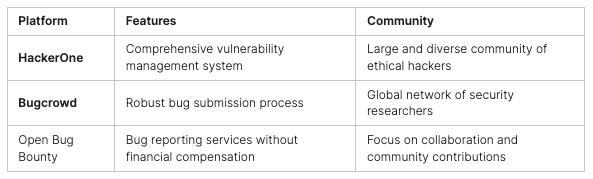
When implementing a bug bounty program, organizations have the option to choose from various bug bounty platforms and companies. These platforms provide the necessary infrastructure for managing bug bounty programs and offer communication channels for researchers to submit vulnerability reports and interact with organizations. Two popular bug bounty platforms are HackerOne and Bugcrowd, which have built a reputation for their robust services and large communities of ethical hackers.
In addition to bug bounty platforms, organizations can also run their bug bounty programs independently. This gives them more control over the program structure and requirements. However, running an independent bug bounty program requires dedicated resources and expertise to manage the program effectively.
Alternatively, organizations can opt to utilize open bug bounty platforms like Open Bug Bounty. These platforms offer bug reporting services without requiring financial compensation. Open Bug Bounty focuses on building a collaborative community and provides opportunities for researchers to contribute to the security of smaller organizations that may not have the resources to run their bug bounty programs.
Benefits of Bug Bounty Platforms and Companies:
Infrastructure for managing bug bounty programs
Communication channels for researchers and organizations
Diverse communities of ethical hackers
Access to a wide range of expertise and perspectives
Opportunity for collaboration and knowledge exchange
Comparison of Bug Bounty Platforms and Open Bug Bounty:
Challenges and Considerations in Bug Bounty Programs
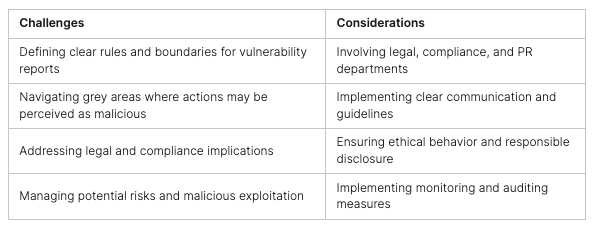
Implementing a bug bounty program presents organizations with a unique set of challenges that must be carefully addressed. One of the major considerations is establishing clear rules and boundaries for determining what constitutes an acceptable vulnerability report and how these vulnerabilities will be addressed.
Organizations must also navigate the legal and compliance implications of bug bounty programs, involving not just technical teams, but also legal, compliance, and PR departments. By involving these stakeholders, organizations can ensure that bug bounty programs align with legal frameworks and comply with regulatory requirements.
Another challenge arises in the grey areas where the actions of security researchers may be perceived as malicious rather than helpful. It is essential to establish clear communication channels and guidelines to avoid misunderstandings and potential conflicts between organizations and researchers.
Additionally, bug bounty programs pose legal implications that must be considered. Organizations should adhere to ethical guidelines and respect user privacy while conducting vulnerability testing. By prioritizing responsible disclosure and ensuring that ethical hackers do not exploit identified vulnerabilities, organizations can avoid potential legal ramifications.
The potential risks associated with bug bounty programs also cannot be ignored. Malicious individuals may exploit bug bounty programs for malicious purposes, such as extortion or unauthorized access. Organizations must implement measures to mitigate these risks and ensure that program activities are closely monitored and audited.
“Ensuring clear rules, engaging multiple stakeholders, promoting responsible disclosure, and mitigating risks are key considerations in implementing bug bounty programs.”
To summarize, the challenges and considerations in bug bounty programs revolve around defining rules, addressing legal implications, navigating grey areas, and mitigating potential risks. By proactively addressing these challenges, organizations can create a secure environment for bug bounty programs and effectively harness the collective expertise of ethical hackers to strengthen their cybersecurity defenses.
Building a Mature Security Culture for Bug Bounties
To effectively implement bug bounty programs, organizations need to have a mature security culture in place. This involves ensuring that all stakeholders, including management, employees, and third-party suppliers, understand the importance of cybersecurity and are committed to it. By fostering a strong security culture, organizations can strengthen their defenses and collaborate more effectively with ethical hackers.
Clear Rules and Processes
Establishing clear rules, boundaries, and processes for vulnerability reporting and handling is essential. This ensures that everyone involved understands their roles and responsibilities, minimizing confusion and streamlining the bug bounty program. Clear guidelines contribute to effective collaboration and help organizations make the most of the expertise offered by ethical hackers.
Involvement of All Departments
It’s crucial to involve not just technical teams but also legal, compliance, and PR departments in bug bounty programs. This interdisciplinary approach helps address legal and compliance implications, communicate with ethical hackers effectively, and manage public relations. By engaging all relevant departments, organizations can ensure a comprehensive and well-coordinated response to vulnerabilities.
Efficient Vulnerability Triage and Resolution
Organizations must have the capability to triage and fix vulnerabilities efficiently. This requires establishing effective communication channels with the security researcher community and having a structured process in place to prioritize and address reported vulnerabilities. Regular and prompt communication helps build trust and encourages ethical hackers to continue collaborating with the organization.
Collaboration with Ethical Hackers
Creating a mature security culture involves fostering collaboration with ethical hackers. Organizations should establish open lines of communication and encourage ethical hackers to provide feedback and suggestions for improving cybersecurity. Recognizing their efforts and offering vulnerability rewards not only incentivizes ethical hackers to participate but also strengthens the relationship between the organization and the wider security community.
Building a mature security culture sets the foundation for successful bug bounty programs. It ensures that bug bounty initiatives are integrated into the organization’s overall cybersecurity strategy and supported by a collaborative and responsive approach. By embracing a mature security culture, organizations can effectively harness the power of bug bounties to strengthen their cybersecurity defenses.
Bug Bounty Programs: Are You Ready?
Bug bounty programs can offer significant benefits to organizations seeking to enhance their cybersecurity defenses by tapping into the expertise of external security researchers. However, these programs may not be suitable for every organization. Before embarking on a bug bounty program, it is crucial to assess your readiness and preparedness.
Organizations should have existing security measures in place, including robust vulnerability disclosure programs that allow for the responsible reporting of bugs. A culture of security internally is also essential, ensuring that all employees understand the importance of cybersecurity and their roles in maintaining it.
Furthermore, organizations should be capable of handling and fixing known vulnerabilities before inviting external researchers to identify new ones. Establishing a bug bounty program requires resources and investment, including the potential hiring of security consultants or a Chief Security Officer (CSO).
Refining and enhancing your vulnerability disclosure program is another key aspect to consider. Clear processes for receiving, evaluating, and addressing vulnerability reports must be established to ensure efficient collaboration between your organization and external researchers.
It is important to note that bug bounty programs should be seen as a supplementary step to build upon existing security efforts, rather than a replacement for them. Organizations need to have a solid foundation of security practices in place before engaging in bug bounty programs.
To summarize, before diving into bug bounty programs, assess your organization’s readiness, ensure you have established security measures and a culture of security, and be prepared to refine and enhance your vulnerability disclosure program. By taking these steps, you can maximize the effectiveness of your bug bounty program and leverage the collective expertise of security researchers to strengthen your cybersecurity defenses.
Key considerations for bug bounty program readiness:
Existing security measures, including vulnerability disclosure programs
A culture of security internally
Capacity to handle and fix known vulnerabilities
Resources and investment, including potential hiring of security consultants or a CSO
Refinement and enhancement of vulnerability disclosure program
Implementing a bug bounty program requires careful consideration and preparation. It is not a one-size-fits-all solution, and organizations should evaluate their readiness before diving in.
Bug Bounty Programs for Beginners
Bug bounty programs provide not only advanced hackers but also beginners with opportunities to learn and develop their skills in cybersecurity. These programs have designed their public platforms to be beginner-friendly, offering approachable entry points for researchers at any skill level.
As a beginner, you can start small and gradually work your way up in bug bounty programs. This allows you to gain hands-on experience in probing production systems without causing any damage or legal trouble. By participating in bug bounty programs, you enter a supportive learning environment where you can build your track record and reputation as you submit valid bug reports.
Successful submissions and eventual recognition in bug bounty programs can open up new opportunities and career advancements in the cybersecurity field. Whether you’re aspiring to become a cybersecurity professional or looking to enhance your existing skills, bug bounty programs provide a platform for learning and growth.
Bug Bounty Platforms: Overview and Key Details
Several bug bounty platforms offer opportunities for security researchers to participate in bug bounty programs. These platforms provide a structured environment for organizations to collaborate with ethical hackers and strengthen their cybersecurity defenses. Here, we provide an overview of some popular bug bounty platforms along with their key features and characteristics.
HackerOne
HackerOne is a widely recognized bug bounty platform that boasts a large and diverse community of ethical hackers. They offer various programs that cater to different organizations and industries. With their robust platform and comprehensive communication tools, HackerOne facilitates effective collaboration between organizations and researchers.
Bugcrowd
Bugcrowd focuses on vulnerability disclosure and bug bounty programs for diverse organizations, ranging from small businesses to large enterprises. Their platform is known for its comprehensive triage and verification processes to ensure high-quality bug submissions. Bugcrowd also emphasizes researcher engagement and offers rewards based on researcher reputation and expertise.
Intigriti
Intigriti is a bug bounty platform that specializes in serving European companies. They have a strong focus on responsible disclosure and ethical hacking practices. Intigriti utilizes their extensive network of security researchers to help European organizations identify and address vulnerabilities effectively.
Open Bug Bounty
Open Bug Bounty distinguishes itself as a non-profit platform that offers bug reporting services without requiring financial compensation. It provides an accessible option for smaller organizations with limited budgets to engage with the security research community. Open Bug Bounty aims to promote the responsible disclosure of vulnerabilities.
HackenProof
HackenProof is a bug bounty platform that focuses on linking ethical hackers to various Web3 projects. With their expertise in blockchain and decentralized technologies, HackenProof enables organizations operating in the Web3 ecosystem to leverage the skills of ethical hackers and enhance their security measures.
Each bug bounty platform offers its unique set of features and characteristics, catering to the diverse needs of organizations and the security research community. Researchers can choose the platform that aligns with their expertise and preferences, ensuring effective collaboration and the discovery of vulnerabilities.
In the next section, we will conclude our exploration of bug bounty programs and their role in strengthening cybersecurity.
Conclusion
In today’s cyber-centric world, where digital threats loom at every corner, the need for comprehensive vulnerability testing has never been more acute. Peris.ai Korava emerges as the ultimate solution in this domain, offering an unparalleled Bug Bounty Platform that leverages the collective expertise of a global community of ethical hackers. This crowdsourced approach to vulnerability testing not only enhances the security posture of organizations but also introduces a level of customization and efficiency unprecedented in the cybersecurity landscape.
Peris.ai Korava distinguishes itself by allowing organizations to tailor their bug bounty programs to their specific requirements. With a variety of customization options, clients can define the scope of their programs and set appropriate rewards, ensuring alignment with their cybersecurity goals and budget. This bespoke approach guarantees optimal results, delivering value that far surpasses traditional vulnerability assessment methods.
At the heart of Korava’s effectiveness is our formidable assembly of guardians—verified ethical hackers from around the globe. Each hacker undergoes a rigorous verification process before participating in any program, ensuring that only the most skilled and ethical professionals contribute to safeguarding your systems. This global network of cybersecurity experts stands ready to identify and report vulnerabilities, providing your organization with the critical insights needed to fortify its defenses.
A standout feature of Korava is its double review process. Before any vulnerability report reaches a client, it undergoes a thorough review by three other ethical hackers. This meticulous process ensures the highest quality of reporting, virtually eliminating the risk of false positives. Such a level of scrutiny not only saves clients valuable time and resources in addressing security issues but also instills confidence in the remediation process.
Peris.ai Korava is more than just a platform; it’s a strategic ally in the ongoing battle against cyber threats. By harnessing the collective intelligence and ethical prowess of a worldwide hacker community, Korava empowers organizations to stay one step ahead of potential vulnerabilities, ensuring their digital assets are secure and resilient against attacks.
To explore how Peris.ai Korava can revolutionize your approach to cybersecurity and vulnerability management, we invite you to visit Peris.ai Cybersecurity. Discover the power of crowdsourced security testing and how our customizable programs, backed by a double review process, can provide your organization with the ultimate in cyber protection. Embrace the future of cybersecurity with Peris.ai Korava and secure your digital landscape today.
FAQ
What are bug bounty programs?
Bug bounty programs are initiatives by companies to enlist the help of security researchers, or ethical hackers, to identify and report vulnerabilities in their systems. Researchers are rewarded with monetary incentives for their efforts.
What are the benefits of bug bounty programs?
Bug bounty programs offer access to a diverse pool of security researchers, promote collaboration between organizations and ethical hackers, and help strengthen cybersecurity defenses by identifying vulnerabilities.
How do I select bug bounty platforms or companies?
There are various bug bounty platforms available, such as HackerOne and Bugcrowd, which provide the infrastructure for managing bug bounty programs. Open Bug Bounty is a platform that offers bug reporting services without financial compensation.
What challenges are involved in bug bounty programs?
Challenges include defining clear rules and boundaries, addressing legal and compliance implications, and navigating potential misunderstandings between organizations and security researchers.
How do I build a mature security culture for bug bounties?
Building a mature security culture involves ensuring all stakeholders understand cybersecurity’s importance, establishing clear rules and processes for vulnerability reporting, and maintaining regular communication with the security researcher community.
Are bug bounty programs suitable for every organization?
Bug bounty programs require organizations to have existing security measures in place, the capacity to handle and fix known vulnerabilities, and resources and investment for implementation. They should be seen as an enhancement to existing security efforts.
Can beginners participate in bug bounty programs?
Bug bounty programs provide opportunities for beginners to learn and develop their skills. Many platforms have designed public programs to be approachable to researchers at any skill level.
What bug bounty platforms are available?
Popular bug bounty platforms include HackerOne, Bugcrowd, Intigriti, Open Bug Bounty, and HackenProof. Each platform has its own unique features and characteristics.
How do bug bounty programs contribute to cybersecurity?
Bug bounties play a crucial role in enhancing cybersecurity by enabling collaboration between organizations and ethical hackers, leveraging their expertise to fortify defenses, and creating a safer digital landscape.
Evolving digital landscape, organizations, governments, and individuals face an ever-increasing threat from cybersecurity breaches. The constant emergence of new vulnerabilities demands a proactive and vigilant approach to ensure the protection of sensitive data and critical systems. As a result, bug bounty programs have emerged as a highly effective and widely adopted strategy to fortify security measures. These programs harness the collective power of ethical hackers from around the world, enabling organizations to uncover and address vulnerabilities, thus strengthening their overall security defenses.
Bug bounty programs have gained immense popularity in recent years due to their ability to leverage ethical hackers’ diverse skill sets and expertise. With interconnected systems becoming more complex and intricate, traditional security measures alone may not be sufficient to identify all potential vulnerabilities. Bug bounty programs, on the other hand, offer a unique solution by engaging a global community of ethical hackers who actively seek out and expose weaknesses within systems. By tapping into this vast pool of talent, organizations gain access to a wealth of knowledge, insights, and testing capabilities that greatly enhance their ability to identify and remediate vulnerabilities.
This article will delve into the secrets behind successful bug bounty programs, shedding light on the key elements that drive their effectiveness. We will explore the intricacies of uncovering vulnerabilities, discussing the importance of clear guidelines and continuous testing. Additionally, we will delve into the crucial aspect of reporting vulnerabilities effectively, emphasizing the significance of transparent communication channels and documentation. Lastly, we will delve into the rewarding experiences that bug bounty programs can offer ethical hackers, highlighting the role of incentives, recognition, and fostering a collaborative environment. By understanding these fundamental principles, organizations can establish and optimize bug bounty programs that serve as a powerful defense mechanism against ever-evolving cybersecurity threats.
1. Uncovering Vulnerabilities: The Power of Crowdsourcing
Bug bounty programs leverage the collective intelligence and diverse skill sets of a global community of ethical hackers. This crowdsourced approach ensures that a broader range of expertise is employed to identify vulnerabilities that may have been missed. By opening up their systems to ethical hackers, organizations benefit from a vast pool of talent, thereby increasing the likelihood of finding critical flaws.
Organizations must establish clear guidelines and scope for testing to maximize the potential of bug bounty programs in uncovering vulnerabilities. Well-defined targets and rules help ethical hackers understand where they should focus their efforts. Continuous testing and periodic assessments ensure that new vulnerabilities are promptly identified and addressed. Regular communication between the organization and ethical hackers is essential for clarifying doubts, discussing potential vulnerabilities, and providing updates on patching progress.
2. Reporting Effectively: Collaboration and Documentation
Once ethical hackers discover vulnerabilities, the next critical step is reporting them to the organization. Clear and effective communication between the ethical hacker and the organization’s security team is vital to ensure that vulnerabilities are understood and addressed promptly. Organizations should provide a secure and easy-to-use reporting mechanism allowing ethical hackers to submit detailed reports, including step-by-step instructions, proof-of-concept code, and supporting evidence.
To encourage effective reporting, organizations should establish open channels of communication, such as email or secure platforms, where ethical hackers can directly engage with security teams. Timely and comprehensive feedback from the organization is crucial in building trust and fostering a cooperative environment between the organization and ethical hackers.
Furthermore, documentation plays a crucial role in reporting vulnerabilities. Both the ethical hacker and the organization should maintain detailed records of the entire process, including vulnerability discovery, disclosure, and remediation. This documentation helps us understand the vulnerability better and serves as a valuable resource for future reference and learning.
3. Rewarding Experiences: Recognition and Incentives
One of the key motivations for ethical hackers to participate in bug bounty programs is the prospect of being rewarded for their efforts. Monetary rewards, recognition, and reputation-building opportunities are essential components of successful bug bounty programs.
Monetary rewards should be commensurate with the severity of the vulnerability discovered. Organizations can adopt a tiered reward structure, where higher rewards are offered for critical vulnerabilities that significantly impact the organization’s security. This approach encourages ethical hackers to focus their efforts on finding high-risk vulnerabilities and increases the overall effectiveness of the bug bounty program.
In addition to monetary rewards, recognition is another crucial aspect of bug bounty programs. Publicly acknowledging and crediting ethical hackers for their discoveries incentivizes further participation and helps build a positive reputation within the ethical hacking community. Organizing events or conferences where ethical hackers can showcase their findings and share their experiences can further enhance their sense of achievement and contribute to their professional growth.
Moreover, organizations can consider offering non-monetary incentives, such as exclusive invitations to security conferences, access to beta programs, or even potential employment opportunities. Organizations demonstrate their commitment to nurturing talent and forging long-term relationships with ethical hackers by providing such benefits.
Conclusion
Bug bounty programs have proven invaluable assets for organizations seeking to strengthen their cybersecurity defenses. By leveraging the collective intelligence of ethical hackers worldwide, these programs enable organizations to uncover vulnerabilities that may have otherwise gone undetected. The key to a successful bug bounty program lies in the establishment of clear guidelines, effective communication channels, and a rewarding experience for ethical hackers.
However, navigating the complexities of bug bounty programs can be challenging for organizations. That’s where the Peris.ai Korava Bug Bounty Platform comes into play. With a strong focus on resolving critical vulnerabilities before they become public, Peris.ai Korava offers a comprehensive solution for organizations looking to enhance their security measures proactively. The platform provides a streamlined process for uncovering vulnerabilities, facilitating effective communication between organizations and ethical hackers, and ensuring that both parties are fairly incentivized.
By partnering with Peris.ai Korava, organizations gain access to a dedicated bug bounty platform that connects them with a global network of skilled, ethical hackers. The platform’s clear guidelines and well-defined scope help ethical hackers focus their efforts on the most critical areas, increasing the chances of uncovering high-risk vulnerabilities. Additionally, Peris.ai Korava ensures open channels of communication, enabling prompt and transparent reporting of vulnerabilities and leading to faster remediation.
Not only does Peris.ai Korava prioritize the security needs of organizations, but it also recognizes the importance of ethical hackers’ contributions. The platform offers competitive recognition, and additional incentives, fostering a collaborative environment and encouraging ethical hackers to continue their valuable work. By balancing the interests of both organizations and ethical hackers, Peris.ai Korava creates a mutually beneficial ecosystem that drives the success of bug bounty programs.
Organizations must stay one step ahead of potential vulnerabilities in a rapidly evolving threat landscape. By taking advantage of bug bounty programs and partnering with Peris.ai Korava, organizations can fortify their security defenses, uncover critical vulnerabilities, and ensure a safer digital environment for all. Join Peris.ai Korava today and embrace the power of bug bounty programs to protect your organization’s valuable assets from cybersecurity threats.
In the ever-evolving landscape of cybersecurity, cybersecurity has become a top priority for organizations of all sizes. One way that companies are enhancing their security measures is through the implementation of bug bounty programs. Bug bounties are becoming increasingly popular as a cost-effective and efficient method of identifying vulnerabilities in software applications, websites, and other digital assets.
Bug bounties are rewarding organizations offer to ethical hackers who identify and report security vulnerabilities in their systems. The concept is simple yet incredibly effective. Organizations can identify and address potential security issues before malicious actors exploit them by incentivizing a community of skilled professionals to find and report vulnerabilities.
While bug bounties are relatively new to cybersecurity, their popularity rapidly grows as organizations recognize their significant benefits. Penetration testing has always been a critical component of any comprehensive cybersecurity program, but traditional methods can be time-consuming, expensive, and often fail to identify all potential vulnerabilities. Organizations can complement and enhance their efforts by incorporating bug bounties into their testing strategy while saving time and money.
Explanation of what bug bounties are and their growing popularity
Bug bounties have gained immense popularity recently due to the growing need for cybersecurity measures. Bug bounties are reward programs companies or organizations offer to ethical hackers who can identify and report vulnerabilities or bugs in their systems or applications. This approach is an effective way to crowdsource cybersecurity testing and identify potential vulnerabilities that malicious actors can exploit.
The growing popularity of bug bounties is due to the increase in cyber-attacks and data breaches. Hackers’ use of advanced technology and techniques has made it challenging for companies to identify system vulnerabilities. Bug bounties enable companies to leverage the knowledge and expertise of ethical hackers worldwide to identify and report vulnerabilities before cybercriminals exploit them. Additionally, bug bounties offer a cost-effective and efficient solution for organizations to enhance their cybersecurity posture.
The importance of penetration testing and how it relates to bug bounties
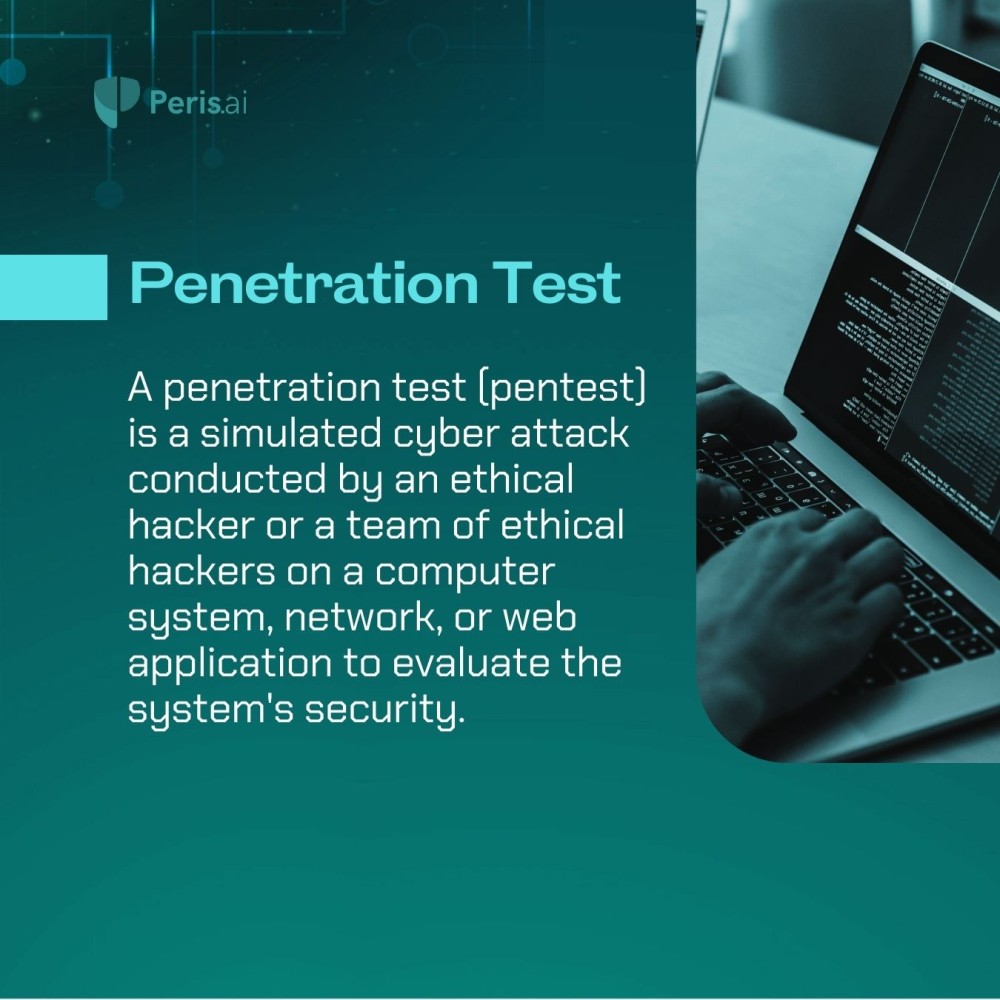
Penetration testing is essential to maintaining a secure network, as it helps identify vulnerabilities and weaknesses in a system. This testing process simulates an attack on the web, and its goal is to expose any vulnerabilities that cybercriminals could exploit. Without proper penetration testing, an organization may not be aware of its weaknesses until it is too late.
This is where bug bounties come into play. By offering rewards to ethical hackers for finding vulnerabilities, bug bounty programs encourage a more comprehensive range of skilled security experts to identify and report any weaknesses in the system. This means that before any penetration testing takes place, an organization can better understand its vulnerabilities, allowing them to take proactive measures to patch the weaknesses and improve its overall cybersecurity posture. Thus, penetration testing and bug bounties create a more secure network.
Thus, penetration testing and bug bounties create a more secure network.
What are Bug Bounties?
Definition of bug bounties and how they work
Bug bounties are programs offered by companies and organizations that encourage independent security researchers and ethical hackers to identify and report security vulnerabilities or bugs in their software, website, or application. In return, the researchers receive a monetary reward or recognition for their efforts. Bug bounty programs aim to identify and fix security vulnerabilities before cybercriminals can exploit them.
Bug bounty programs have become increasingly popular among companies and organizations due to the growing importance of cybersecurity. With more sensitive information being stored and transmitted online, the need to protect against cyber attacks has never been more critical. Bug bounties provide companies with an additional layer of protection, allowing for identifying and resolving vulnerabilities that may have otherwise gone unnoticed. By crowdsourcing security testing to a global network of ethical hackers, companies can quickly and efficiently identify and fix vulnerabilities, ultimately saving time and money in the long run.
It is ultimately saving time and money in the long run.
The history of bug bounties and their evolution
Bug bounties have come a long way since their inception. The first recorded bug bounty program was launched in 1983 by the US Air Force. The “Friendly Computer Program” rewarded anyone who found and reported security vulnerabilities in Air Force computer systems. However, in the late 1990s, bug bounties began to gain popularity in the tech industry.
Since then, bug bounty programs have evolved and become more common. Today, many large companies, such as Microsoft, Google, and Facebook, have bug bounty programs. In addition, several third-party platforms connect companies with security researchers and manage bug bounty programs on their behalf. As the prevalence of cyber attacks increases, bug bounty programs will become even more widespread and necessary to ensure online systems’ security.
The different types of bug bounties and their benefits
Bug bounties come in various forms, including public, private, and ongoing programs. Public programs are available to the general public and offer monetary rewards for discovering vulnerabilities, while private programs are restricted to a specific group of people or organizations. Ongoing programs are continuously available, and participants are paid for finding and reporting security issues.
One of the main benefits of bug bounties is that they incentivize ethical hackers to find vulnerabilities in a company’s systems and report them instead of exploiting them for personal gain. This allows companies to identify and fix vulnerabilities before they are discovered and used by malicious actors, potentially saving the company from significant financial and reputational damage. Additionally, bug bounties can help companies improve their overall cybersecurity posture by encouraging the implementation of more robust security measures and providing valuable feedback on the effectiveness of existing security protocols.
The Benefits of Bug Bounties
How bug bounties can save time and money in penetration testing
One of the most significant benefits of bug bounties is their ability to save time and money in penetration testing. With bug bounties, organizations can crowdsource the task of finding vulnerabilities to a large group of security researchers, who will be incentivized to find as many bugs as possible. This can save organizations the time and effort of conducting penetration testing, which can be time-consuming and expensive.
Another way that bug bounties can save time and money is by allowing organizations to fix vulnerabilities before they become more significant problems. When a security researcher finds a bug through a bug bounty program, they will report it to the organization. The organization can then prioritize and fix the bug, potentially preventing it from being exploited by malicious actors. This can save organizations the time and money to remediate a more significant security incident.
Finally, bug bounties can help organizations identify vulnerabilities that have gone unnoticed. By incentivizing a large group of security researchers to find vulnerabilities, bug bounty programs can help organizations identify even the most obscure or hard-to-find bugs. This can be especially valuable for organizations trying to maintain a strong cybersecurity posture and stay ahead of emerging threats. By identifying and fixing vulnerabilities before they can be exploited, organizations can save time and money in the long run and avoid potentially costly security incidents.
The advantages of crowdsourcing and the power of community-driven bug hunting
Crowdsourcing has become a popular approach to solving complex problems, and bug bounties are no exception. By leveraging the power of a community-driven approach to bug hunting, organizations can quickly identify and fix vulnerabilities that may have otherwise gone unnoticed. The advantages of crowdsourcing are clear: a diverse group of skilled individuals can collaborate to identify and remediate issues quickly and efficiently.
One of the primary advantages of crowdsourcing is the ability to tap into a vast talent pool. With bug bounty programs, organizations can attract individuals with a wide range of skills, experience, and expertise, and all focused on identifying and addressing potential security issues. This increases the chances of identifying vulnerabilities and provides valuable insights into new and emerging threats.
Another advantage of community-driven bug hunting is how issues can be identified and remediated. Traditional penetration testing can take weeks or even months, while bug bounties can provide results in days. This rapid feedback loop enables organizations to address vulnerabilities before attackers exploit them quickly.
Overall, the power of community-driven bug hunting cannot be underestimated. By tapping into a diverse talent pool, organizations can identify vulnerabilities quickly and efficiently, saving time and money. As the threat landscape evolves, bug bounties will remain a critical tool in the fight against cyberattacks.
Penetration Testing and Bug Bounties
The role of penetration testing in identifying and addressing vulnerabilities
Penetration testing is an essential aspect of cybersecurity that involves simulated attacks on a system to identify vulnerabilities and assess its security posture. The goal is to find weaknesses before attackers can exploit them, and it is a crucial step in protecting systems from cyber threats. The penetration testing results can help organizations identify areas where they need to improve their security measures and strengthen their defenses.
One of the critical benefits of penetration testing is that it allows organizations to identify vulnerabilities that may not have been previously detected. By testing the system in a controlled environment, organizations can better understand their vulnerabilities and assess the effectiveness of their existing security measures. This information can be used to prioritize security enhancements, allocate resources more effectively, and improve overall security posture.
Another advantage of penetration testing is that it provides a proactive approach to security. Instead of waiting for an attack to occur and then responding, organizations can identify vulnerabilities ahead of time and take action to mitigate them. This can help reduce the risk of data breaches and other security incidents and minimize the potential damage caused by such events.
Ultimately, penetration testing is crucial in improving an organization’s cybersecurity posture. Organizations can proactively address vulnerabilities and weaknesses and strengthen their defenses against cyber threats by identifying them. It is a valuable tool in the fight against cybercrime, and its importance cannot be overstated.
Another advantage of penetration testing is that it provides a proactive approach to security.
How bug bounties can complement penetration testing and improve the overall cybersecurity posture of an organization
Bug bounties and penetration testing may seem like separate approaches to finding vulnerabilities, but they can work together to create a more comprehensive cybersecurity strategy. Penetration testing is essential for identifying vulnerabilities within a company’s infrastructure and applications, but it has limitations. Penetration testing is often conducted on a set schedule and can only test for known vulnerabilities at that time. This leaves a gap for potential unknown vulnerabilities that may arise in between tests.
This is where bug bounties can come in handy. Bug bounty programs provide a continuous and proactive approach to vulnerability detection. Companies can open their applications and systems to a global community of security researchers who can search for vulnerabilities anytime, providing an additional layer of security. By using penetration testing and bug bounties, companies can ensure they detect and address known and unknown vulnerabilities, ultimately improving their overall cybersecurity posture.
Bug bounties can also complement penetration testing by providing a cost-effective way to find vulnerabilities. Penetration testing can be expensive, especially if it involves hiring external consultants to conduct the testing. On the other hand, bug bounties offer an affordable option for vulnerability detection. Companies can set a bounty amount for each vulnerability, incentivizing security researchers to find vulnerabilities without breaking the bank.
Furthermore, bug bounties can also help companies build a community of security researchers who can provide ongoing feedback and insights into the latest security threats and trends. This community-driven approach can help companies avoid emerging threats and improve their overall security posture.
In summary, bug bounties and penetration testing can work together to provide a comprehensive and cost-effective approach to cybersecurity. Companies can detect and address known and unknown vulnerabilities using both methods while getting feedback and insights.
Companies can detect and address known and unknown vulnerabilities using both methods while getting feedback and insights.
Real-world examples of how bug bounties have enhanced penetration testing efforts
Bug bounties have become an integral part of many organizations’ cybersecurity strategies, with more and more companies turning to these programs to enhance their penetration testing efforts. One notable example is Microsoft, which launched its first bug bounty program in 2013 and has since expanded it to cover a wide range of products and services. Microsoft has identified and fixed numerous vulnerabilities that might have otherwise gone unnoticed through this program, strengthening its overall security posture.
Another example is the United States Department of Defense, which launched its “Hack the Pentagon” bug bounty program in 2016. The program invited security researchers to identify vulnerabilities in the department’s public-facing websites and applications, offering monetary rewards for valid findings. The program was a resounding success, with over 1,400 vulnerabilities identified and fixed, and it has since been expanded to cover other department areas.
Bug bounty programs have also effectively identified vulnerabilities in popular software and services. For instance, in 2019, Google paid over $6.5 million in rewards to researchers who identified security issues in its products, such as Android, Chrome, and Google Cloud. Through these programs, Google was able to identify and patch vulnerabilities before they could be exploited by malicious actors, protecting its users’ data and maintaining trust in its products.
Overall, these real-world examples demonstrate the value of bug bounty programs in enhancing penetration testing efforts and improving organizations’ cybersecurity posture. By leveraging the skills and expertise of a global community of researchers, organizations can identify and address vulnerabilities that might otherwise go unnoticed, ultimately reducing the risk of security breaches and data loss.
Best Practices for Implementing Bug Bounties
The critical considerations for implementing a successful bug bounty program
Implementing a successful bug bounty program is more challenging than it sounds. There are several key considerations that organizations must take into account to ensure that their program is effective. First and foremost, it is crucial to have clear rules and guidelines in place. This includes defining the program’s scope, setting appropriate rewards for different types of vulnerabilities, and establishing rules of engagement for researchers. Clear guidelines help ensure researchers know what is expected and can work within the program’s constraints.
Another critical consideration is communication. Organizations must communicate clearly and effectively with both their internal teams and external researchers. This includes providing regular updates on the program’s status, addressing any issues that arise, and providing clear feedback to researchers on the vulnerabilities they have identified. By communicating effectively, organizations can build trust with the research community and ensure they can identify and address vulnerabilities on time.
Finally, organizations must be prepared to address the vulnerabilities identified through their bug bounty program. This means having a process for verifying and triaging vulnerabilities and a plan for addressing them. Organizations should also have a plan for communicating with their customers and stakeholders about any identified vulnerabilities and the steps to manage them.
A successful bug bounty program requires careful planning, clear communication, and a commitment to timely addressing vulnerabilities. By considering these fundamental considerations, organizations can reap the benefits of bug bounties and improve their overall cybersecurity posture.
Clear guidelines, effective communication, and fair rewards are essential
When implementing a successful bug bounty program, there are a few key considerations to remember. Clear guidelines are essential for bug hunters and the organization running the program. This includes outlining what vulnerabilities are in scope, what tools and techniques are allowed, and how rewards will be distributed. With clear guidelines, bug hunters may save time looking for vulnerabilities that are not eligible for rewards or, worse, may stumble upon sensitive data they should not have access to.
Effective communication is also crucial within the organization and with the bug-hunting community. This means promptly acknowledging bug reports, providing status updates, and being transparent about the process for evaluating and rewarding vulnerabilities. Good communication can build trust and foster a productive relationship between the organization and the bug-hunting community.
Finally, fair rewards are essential for a successful bug bounty program. The reward should be proportional to the severity of the vulnerability and the effort required to find it. Offering too low a reward may encourage skilled bug hunters to participate while offering too high a reward can lead to a flood of low-quality reports. Striking the right balance is essential, and organizations should be prepared to adjust their reward structure over time based on their experience with the program.
In summary, clear guidelines, effective communication, and fair rewards are vital considerations when implementing a bug bounty program. By considering these factors and working closely with the bug-hunting community, organizations can improve their cybersecurity posture and stay one step ahead of potential threats.
The role of bug bounty platforms and third-party providers
Bug bounty platforms and third-party providers have become integral to bug bounty programs. These platforms and providers act as intermediaries between the organizations and the bug hunters. They offer various services, such as hosting the program, managing submissions, verifying bugs, and providing support.
One of the benefits of using a bug bounty platform or third-party provider is that they can help ensure the program runs smoothly and efficiently. They have experience managing bug bounty programs, which means they can provide valuable guidance and support. They can also help ensure the program is well-publicized, increasing the number of participants and the likelihood of finding critical vulnerabilities.
Another benefit of using a bug bounty platform or third-party provider is that they can provide impartiality to the program. Since they are not part of the organization, they can act as neutral parties when verifying and rewarding bug submissions. This helps ensure that the program is fair and unbiased, which can lead to a higher level of participation and more meaningful results.
In conclusion, bug bounty platforms and third-party providers play an essential role in the success of bug bounty programs. They can ensure the program runs smoothly and efficiently, provide impartiality, and offer valuable guidance and support.
Peris.ai Korava, one of the bug bounty platforms, can help identify vulnerabilities and improve an organization’s cybersecurity.
Conclusion
Recap the benefits of bug bounties and their impact on penetration testing and cybersecurity
Bug bounties are becoming increasingly popular among organizations looking to bolster their cybersecurity posture. By crowdsourcing the identification of vulnerabilities in their systems, companies can tap into the collective intelligence of the security community and identify weaknesses that have otherwise gone unnoticed. This approach can save time and money compared to traditional penetration testing methods while providing a more comprehensive picture of an organization’s security posture.
The benefits of bug bounties extend beyond just finding vulnerabilities. They can also provide valuable feedback to an organization on improving its security practices and policies. Bug bounty programs incentivize security researchers to report their findings responsibly and ethically and help build trust between organizations and the security community. Organizations can encourage researchers to submit high-quality reports and reduce the risk of false positives by implementing clear guidelines, effective communication, and fair rewards.
Bug bounty platforms and third-party providers are essential in facilitating successful bug bounty programs. These platforms provide a central location for researchers to submit their findings and for organizations to manage their bug bounty programs. They can also offer additional services, such as triage and validation, which can help organizations to prioritize and address vulnerabilities more efficiently. However, organizations must choose a platform that aligns with their specific needs and goals and ensure that it has proper security measures to protect sensitive data.
Peris.ai Korava, one of the bug bounty platforms, can help identify vulnerabilities and improve an organization’s cybersecurity. Peris.ai Korava answers with organization-specific needs and goals and takes advantage of the collective intelligence of the security community to strengthen organization defenses. Be sure to sign up for our bug bounty program now!
Peris.ai Korava employs double review to validate the vulnerability report.
In conclusion, bug bounties are an effective and efficient way to identify vulnerabilities in an organization’s systems and improve its overall cybersecurity posture. By leveraging the power of crowdsourcing and the security community, organizations can save time and money compared to traditional penetration testing methods while receiving valuable feedback on their security practices.
Prospects for bug bounty programs and their potential to continue revolutionizing the field of cybersecurity
The prospects for bug bounty programs are bright, and they have the potential to continue revolutionizing the field of cybersecurity. As more and more organizations embrace bug bounty programs, the community of ethical hackers will continue to grow and improve. The result will be increased awareness of vulnerabilities, faster remediation of bugs, and improved overall cybersecurity posture.
Furthermore, as technology evolves and new threats emerge, bug bounty programs will become even more critical in identifying and mitigating cybersecurity risks. With the rise of the Internet of Things (IoT) and the growing dependence on cloud computing, the attack surface for potential threats continues to expand. Bug bounty programs can help organizations avoid these threats by providing a continuous testing cycle and feedback, leading to more secure systems and networks.
Overall, bug bounty programs are an essential tool in the fight against cyber threats. By harnessing the power of the crowd and incentivizing ethical hackers to find and report vulnerabilities, organizations can stay ahead of the curve and protect their sensitive data and assets. As the cybersecurity landscape evolves, bug bounty programs will undoubtedly play an increasingly vital role in keeping us safe in the digital world.