In today’s digital age, where cyber threats persistently evolve, compliance with regulatory frameworks isn’t just beneficial—it’s a crucial pillar of an effective cybersecurity strategy. The implications of non-compliance extend beyond hefty fines, affecting customer trust, operational efficacy, and an organization’s expansion potential.
The Vital Role of Compliance in Cybersecurity
Compliance is intertwined with robust information security measures that ensure data confidentiality, integrity, and availability. Adhering to these principles isn’t merely about following rules—it’s about fortifying defenses and enhancing the trust stakeholders place in your organization.
The High Cost of Non-Compliance
Ignoring compliance obligations can lead to severe repercussions:
Financial Burdens: The average cost of data breaches is soaring, with recent figures suggesting a price tag of around $4.88 million (IBM, 2024). This includes direct costs like legal fees and settlements.
Reputational Damage: A breach can diminish consumer trust significantly, with 65% of affected customers likely to lose faith in a brand (Ponemon Institute), impacting customer retention and new client acquisition.
Operational Disruptions: Cyber incidents, especially ransomware, can lead to prolonged downtime, disrupting business operations and incurring substantial recovery costs.
Increased Remediation Costs: Post-breach expenses often involve forensic investigations and bolstering security infrastructures—tasks that are both costly and resource-intensive.
Strained Business Relationships: A history of non-compliance can deter potential partnerships, limiting opportunities in a competitive marketplace.
✅ Strategic Steps to Ensure Compliance
To mitigate these risks and capitalize on compliance as a strategic advantage, businesses should adopt the following measures:
Conduct Regular Risk Assessments: Continuously identify and address vulnerabilities to stay ahead of potential threats.
Empower Employees with Training: Enhance security protocols and reduce human error by implementing regular training sessions focused on cybersecurity awareness.
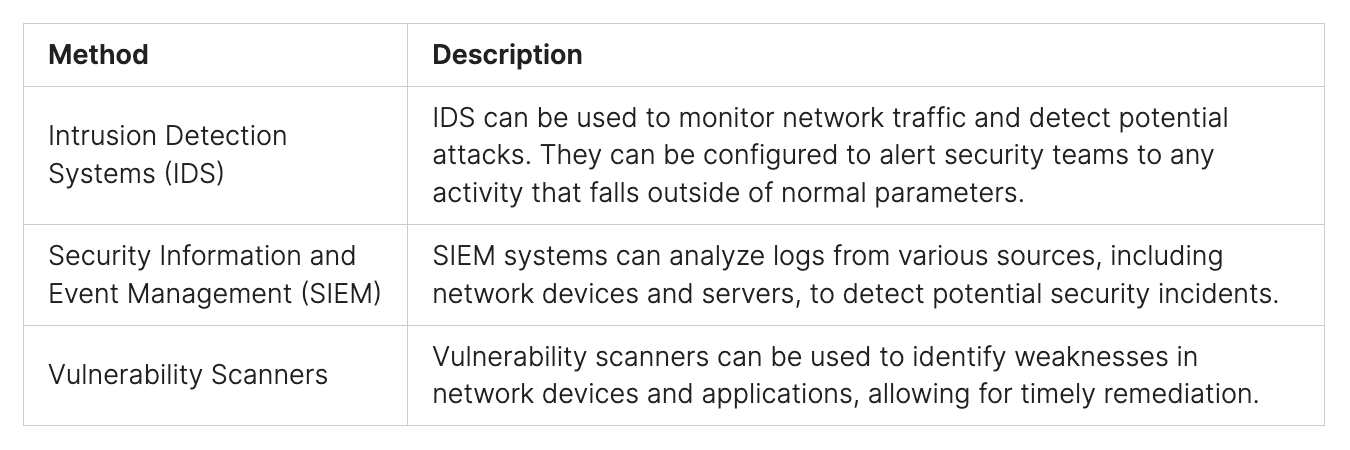
Leverage Advanced Security Technologies: Deploy state-of-the-art solutions like firewalls, encryption, and intrusion detection systems to safeguard digital assets.
Implement Rigorous Data Governance and Access Controls: Strictly regulate access to sensitive data to minimize risks from internal threats.
Turning Compliance into a Competitive Edge
Effective compliance not only mitigates risks but also positions a company as a trusted, secure, and forward-thinking leader in its industry. By investing in comprehensive cybersecurity measures and adhering to regulatory standards, organizations can:
Build and Sustain Consumer Trust: Demonstrating a commitment to data protection helps retain existing customers and attract new ones.
Protect Critical Business Information: Secure the confidentiality and integrity of data, ensuring the operational continuity of the business.
Improve Market Competitiveness: Compliance can serve as a differentiator in industries where consumers are particularly sensitive to data privacy and security.
Conclusion
Compliance is not just a regulatory requirement—it is a cornerstone of modern business strategy that safeguards data, bolsters customer confidence, and ensures sustainable growth. For IT leaders, the choice is clear: embrace compliance to protect, innovate, and lead.
Discover More About Compliance Strategies
For further insights into how compliance can protect and propel your business forward, visit Peris.ai. Explore our cutting-edge cybersecurity solutions that not only meet but exceed industry standards.
Your Peris.ai Cybersecurity Team #YouBuild #WeGuard
In today’s digital landscape, venture capitalists (VCs) increasingly focus on startups, prioritizing robust cybersecurity measures. With the growing importance of protecting sensitive data and intellectual property from security breaches, VCs recognize that a proactive stance on security is vital. By investing in startups that utilize ironclad security systems, venture capitalists mitigate their risk profile. This shift in investment strategies reflects the critical need for comprehensive cybersecurity infrastructures that respond to evolving threats.
Key Takeaways
A strategic focus on robust security measures helps VCs manage risk and safeguard digital assets.
The prevalence of cyber threats has significantly influenced venture capital investment strategies.
Startups with excellent cybersecurity infrastructures are viewed as more secure and attractive investments.
Ironclad security systems play a crucial role in the stability and growth of the startup ecosystem.
The Rise of Cybersecurity Threats and Venture Capital Response
In recent years, the cybersecurity landscape has evolved dramatically, with a sharp increase in the frequency and complexity of cyberattacks. These cybersecurity threats have become a major concern for investors, affecting their approach and investment strategies. Recognizing the potential losses due to data breaches, ransomware, or cybercrime.
Understanding the Current Cybersecurity Climate
There has been an unprecedented rise in cyber threats, ranging from large-scale data breaches to ransomware attacks that can cripple an entire organization.
Investing in the future!
This rapidly evolving cybersecurity climate has made businesses need to deploy robust digital defenses to protect their valuable assets. As a result, venture capital firms have pivoted their investment focus to prioritize securing startups with advanced security measures in place.
How Cyber Threats Influence Investment Strategies
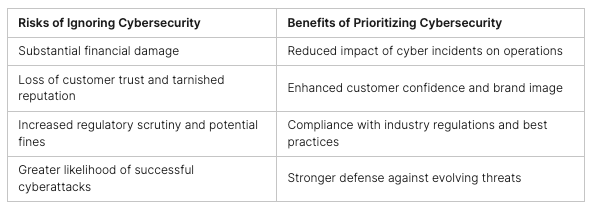
The prevalence of cyber threats has significantly impacted venture capital investment strategies, with investors now scrutinizing the cybersecurity measures of potential startup investments more closely than ever before. VCs know cybersecurity incidents can lead to significant financial damage, tarnish a company’s reputation, and erode customer trust.
As such, they are increasingly looking towards startups with robust security protocols, considering them as safer bets and a means to manage investment risk effectively.
Greater focus on cybersecurity solutions within the startups’ product offerings
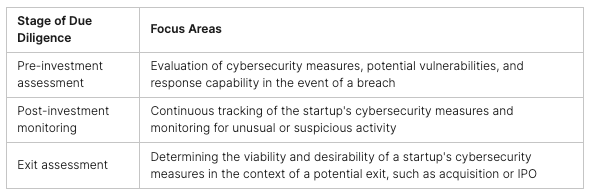
Rigorous evaluation of a startup’s security infrastructure during the due diligence process
Increased investment in startups that prioritize continuous security improvements
These shifts in investment strategies underscore the importance of cybersecurity as a differentiating factor for startup success and the subsequent need for effective risk management in venture capital decisions.
Investment Trends: The Allure of Secure Startup Investments
In recent years, the trend toward investing in startups with formidable cybersecurity systems has gained momentum, as these companies are perceived to have a strategic advantage over their peers. Startups at the forefront benefit from increased attention from venture capitalists who recognize these investments’ long-term growth potential and stability, especially in a world where digital threats are becoming commonplace.
As investors increasingly prioritize secure startup investments, key investment trends have emerged, highlighting the appeal of startups that demonstrate a strong cybersecurity focus:
A startup’s cybersecurity infrastructure is assigned greater weight during initial assessments and due diligence.
There is a higher propensity for investors to fund startups with advanced security systems compared to startups with weaker cybersecurity measures.
With the ever-increasing prevalence of digital threats, venture capitalists are shifting their attention towards startups with robust security systems to ensure their investments remain protected and secure in the long run.
Empowering innovation and security!
By investing in startups with state-of-the-art cybersecurity systems, venture capitalists enhance their investment portfolio and contribute to the digital ecosystem’s overall security. This collaborative effort helps build a strong foundation for the growth and nurturing of startups, cementing the crucial role of cybersecurity in the success and long-term stability of innovative ventures.
Assessing the Financial Impact of Security Breaches on Startups
Security breaches can have a devastating financial impact on startups, ranging from immediate costs associated with addressing the breach to long-term consequences such as loss of customer trust and reduced valuation. As the cost of cybersecurity neglect becomes increasingly apparent, venture capitalists are incorporating cybersecurity risk management into their investment decisions, prioritizing security when identifying and evaluating potential startups for funding.
Securing success from the start!
Case Studies: The Cost of Neglecting Cybersecurity
Several high-profile security breaches have demonstrated the importance of prioritizing cybersecurity in startups. Among these, the 2017 Equifax breach led to the theft of sensitive personal data belonging to 147 million customers, resulting in a financial loss of over $4 billion and a significant hit to the company’s reputation. Similarly, the breach suffered by Yahoo in 2014 exposed the personal data of over 3 billion user accounts, ultimately decreasing the company’s valuation by $350 million in the subsequent Verizon acquisition. Such incidents underscore the seriousness of neglecting cybersecurity and its potential financial consequences on businesses.
The Equifax breach resulted in a financial loss of over $4 billion and a significant hit to the company’s reputation
The Importance of Risk Management in Investment Decisions
Given the potential financial impact of security breaches on startups, cybersecurity risk management has become integral to venture capitalist investment decisions. Due diligence processes now increasingly focus on evaluating the strength of a startup’s cybersecurity measures, ensuring that potential investments have a solid foundation for preventing and managing security incidents:
Investors seek to understand the robustness of a startup’s cybersecurity infrastructure.
Assessing a startup’s vulnerability to various security threats is crucial to identifying potential weaknesses.
Investor confidence in a startup’s ability to manage security risks hinges on demonstrated experience and knowledge.
By incorporating these considerations into the investment decision-making process, venture capitalists can better manage potential risks and more confidently direct their funding toward startups with a strong focus on security. This reduces the chances of significant financial losses due to security breaches and increases investor confidence in a startup’s long-term stability and growth prospects.
Cybersecurity as a Competitive Advantage for Startup Fundraising
In the current landscape of startup fundraising, a strong cybersecurity posture has emerged as a vital competitive advantage. As investors become increasingly security-conscious, they are more inclined to back companies that can demonstrate a solid commitment to protecting their operations and client data from cyber threats. This shift has led to advanced cybersecurity measures becoming non-negotiable components of a startup’s value proposition, with security-savvy businesses leveraging their robust digital defenses to gain investor confidence and secure capital.
Startups with robust cybersecurity gain a competitive edge in the funding landscape.
Several factors highlight the significance of cybersecurity in startup fundraising:
Investor appeal: Investors progressively prioritize startups with a comprehensive cybersecurity strategy, acknowledging the importance of safeguarding valuable digital assets and providing a secure environment.
Reputation management: A well-implemented cybersecurity plan can prevent damaging breaches, which helps maintain a company’s reputation, customer trust, and, consequently, its valuation.
Growth potential: Startups prioritizing cybersecurity can carve out a valuable niche in a rapidly expanding market, positioning themselves for long-term success.
“Cybersecurity has undoubtedly become a critical factor in determining investment success and securing funding – startups that prioritize their security measures will be substantially better-positioned than those that do not.”
As cybersecurity risks continue to rise, it is evident that robust digital defenses have become an essential component in attracting investors and achieving ongoing growth.
The Evolving Landscape of Venture Capital Funding and Security
The landscape of venture capital funding is continuously changing, with a noticeable shift in priorities towards startups with advanced cybersecurity measures. This shift reflects an understanding by VCs that strong security systems are no longer optional but necessary, driving a more rigorous due diligence process that places security at the forefront of investment criteria.
Changing Priorities Amongst Venture Capitalists
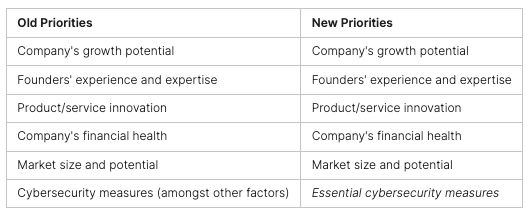
Venture capitalists increasingly recognize the importance of ironclad security systems, moving essential cybersecurity from one of many considerations to a more prominent role. This new focus on security priorities has implications for the VC investment process, as outlined in the table below:
As a result of these changing priorities, due diligence has become more comprehensive when assessing startups for potential investment. VCs are paying closer attention to factors such as the strength of security infrastructure, data protection policies, and employee cybersecurity training programs.
Incorporating Security in the Pitch: A Must for Startups
Startups seeking venture capital funding must now prioritize incorporating cybersecurity into their pitches. By presenting comprehensive cybersecurity strategies as part of their value proposition, they are more likely to attract funding. Security is no longer an afterthought but a critical element for gaining investor interest and capital.
“Security is not a one-time fix; it’s an ongoing process. By embracing security as a core value, startups position themselves to better engage with investors and build trust.” – Cybersecurity Expert
An emphasis on essential cybersecurity can help startups differentiate themselves in a crowded market. Startups can use the following points to incorporate security into their pitch:
Highlight the company’s dedication to staying current with evolving security threats and adapting its defenses accordingly.
Discuss the company’s robust security infrastructure, including technology, personnel, and policies.
Share customer testimonials affirming the startup’s data security and privacy commitment.
Illustrate how the company’s secure environment can reduce the financial risks associated with security breaches, attracting VCs.
Ultimately, by focusing on security as a core value and strategically incorporating it into their pitch, startups are better positioned to attract investments from venture capitalists in today’s evolving venture capital funding and security landscape.
Long-term Benefits: Why VCs Bank on Startups with Robust Security
Venture capitalists bank on startups with robust security due to their long-term benefits, including sustained growth potential and resilience to digital threats. A strong cybersecurity foundation allows startups to protect their intellectual property and user data better, reducing the likelihood of disruptions, ensuring stability, and offering a more attractive investment proposition for VCs focused on steady returns.
Some of the critical benefits that ultimately impact the VC investment rationale are:
Enhanced scalability and growth potential
Increased resilience to cyberattacks and online threats
Improved protection of sensitive data and intellectual property
The lower risk profile for investment
Companies must rely on more than traditional security measures in the modern digital landscape. Instead, they must focus on evolving solutions that proactively address new and emerging threats. The long-term benefits of a strong cybersecurity framework will propel a startup toward success, making it an attractive investment opportunity for VCs seeking steady returns and promising prospects.
“By investing in startups that prioritize robust security, venture capitalists are not only aligning themselves with companies that stand a better chance of surviving in today’s complex threat environment but also are more likely to thrive and scale-up, making it a wise and strategic investment choice.”
Through continued prioritization of cybersecurity investments, venture capitalists can help breed a new generation of startups focusing on long-term success, stability, and robust security, paving the way for the next era of business growth and innovation.
The Role of Ironclad Security Systems in Building a Secure Startup Ecosystem
Ironclad security systems play a pivotal role in building a secure startup ecosystem by providing a framework to protect against cyber threats and ensure data integrity. By adopting stringent cybersecurity protocols, startups secure their immediate operational environment and contribute to the ecosystem’s broader stability and trustworthiness, attracting more investment and fostering innovation.
Cybersecurity protocols encompass a wide array of practices, solutions, and technologies that work in tandem to minimize vulnerabilities and enhance the resilience of the entire ecosystem. These protocols provide a foundation for startups to build upon and use as a launchpad to grow while maintaining their security posture.
By implementing ironclad security systems, startups are proactively contributing to the creation of a secure environment, increasing overall trust in the ecosystem and promoting more investment and collaboration between stakeholders.
With the increasing sophistication and prevalence of cyber threats, the importance of robust security systems in startups cannot be understated. Let us explore some key measures that help create a secure startup ecosystem:
Regular vulnerability assessments and penetration testing
Implementation of end-to-end encryption for data storage and transmission
Use of multi-factor authentication mechanisms
Employee training and establishment of a security-conscious culture
Development and enforcement of detailed cybersecurity policies and procedures
These initiatives provide a strong defensive framework for individual startups and help create an environment conducive to the growth and innovation of all participants in the ecosystem.
Investors play a crucial role in encouraging the development of secure startup ecosystems. Through careful due diligence and a focus on cybersecurity, investors can identify startups that prioritize strong security measures. In turn, this will lead to the funding and growth of these startups, ultimately fostering a more secure ecosystem as a whole.
Ultimately, ironclad security systems are not only essential for protecting individual startups but also act as a catalyst for developing a secure startup ecosystem. By integrating robust cybersecurity protocols, startups contribute to a safer and more prosperous environment for all participants, fueling innovation and ensuring long-term growth.
Conclusion
In the dynamic landscape of startup investments, cybersecurity has emerged as a pivotal factor influencing the trajectory of success. The imperative role of cybersecurity in fortifying startups against digital risks is undeniable, serving as a linchpin for maintaining a competitive advantage.
Acknowledging the profound impact of cybersecurity on investment portfolios, venture capitalists are increasingly recognizing its strategic significance. Prioritizing cybersecurity measures safeguards startups from potential security breaches and enhances their appeal to investors. Consequently, startups with stringent security protocols stand poised to attract investment and thrive in an era where digital resilience is paramount.
In essence, the prevalence of cybersecurity threats has fundamentally shaped the strategies of venture capital investments, underscoring the value placed on startups committed to safeguarding their digital assets. The critical takeaway is that investors must prioritize cybersecurity to evaluate potential investments. For a comprehensive solution tailored to meet the evolving challenges of cybersecurity, we invite you to explore Peris.ai Cybersecurity on our website. Safeguard your investment and confidently navigate the digital landscape – visit us today.
FAQ
Why are venture capitalists increasingly investing in startups with ironclad security systems?
Venture capitalists understand the importance of protecting sensitive data and intellectual property from security breaches, and they recognize that investing in startups with robust cybersecurity measures lowers the risk profile of their investments. Additionally, strong cybersecurity can provide a competitive advantage, making these startups more attractive to investors seeking long-term growth potential and stability.
How do cybersecurity threats influence venture capital investment strategies?
The prevalence of cyber threats has significantly shifted venture capital investment strategies, prompting investors to scrutinize the cybersecurity measures of potential startup investments more closely. As cyber incidents can lead to considerable financial damage, tarnish reputation, and erode customer trust, venture capitalists are increasingly looking for startups with robust security protocols to manage investment risk effectively.
What role does risk management play in venture capital investment decisions?
Risk management plays a crucial role in investment decisions. Venture capitalists examine startup security protocols as an essential component of due diligence to ensure that potential investments have strong cybersecurity foundations. By doing so, investors proactively manage risk and avoid the pitfalls associated with security incidents.
How can cybersecurity serve as a competitive advantage for startup fundraising?
Startups demonstrating strong cybersecurity measures can leverage this attribute to gain investor confidence and secure capital. As investors increasingly know the importance of protecting operations and client data from cyber threats, having a solid cybersecurity foundation can distinguish startups in the competitive fundraising landscape.
What is the role of ironclad security systems in building a secure startup ecosystem?
Ironclad security systems play a critical role in creating a secure startup ecosystem by providing a framework to protect against cyber threats and ensure data integrity. By adopting stringent cybersecurity protocols and systems, startups secure their immediate operational environment and contribute to the ecosystem’s broader stability and trustworthiness, attracting more investment and fostering innovation.
What are some success stories of startups that have secured funding due to their exceptional security measures?
While specific examples of startups should not be cited in this format, there are many instances where startups have successfully secured funding due to their top-tier security measures. By examining these case histories, potential investors and entrepreneurs can gain insights into best practices and understand how prioritizing cybersecurity can lead to successful fundraising efforts and positive growth trajectories.
Ensuring robust cybersecurity has become critical for businesses across all scales. As cyber threats continue to grow in complexity, organizations face an increasing need to adopt proactive measures to protect their sensitive data and valuable assets from malicious actors. Ethical hacking stands out as a powerful ally for companies aiming to assess and fortify their security measures among the arsenal of effective cybersecurity methods available. Also known as penetration testing, ethical hacking involves a controlled and lawful simulation of cyber-attacks on a company’s systems to uncover vulnerabilities and weaknesses. This comprehensive article delves into ethical hacking, exploring its fundamental concepts, highlighting its invaluable benefits, and illustrating how businesses can harness its potential to fortify their cybersecurity posture.
1. Understanding Ethical Hacking
Ethical hacking involves employing skilled professionals, known as ethical hackers or white-hat hackers, to simulate cyber-attacks on a company’s IT infrastructure, applications, and networks. The goal is to identify potential vulnerabilities that malicious hackers could exploit. Unlike malicious hacking, ethical hacking is conducted with the explicit consent of the organization being tested and strictly adheres to legal and ethical guidelines.
2. The Importance of Ethical Hacking for Companies
2.1 Identifying Vulnerabilities
With the rapidly evolving threat landscape, new vulnerabilities are constantly being discovered. Ethical hacking helps businesses stay ahead by proactively identifying these vulnerabilities before malicious actors can exploit them. This process allows companies to patch or mitigate vulnerabilities promptly, reducing the risk of a successful cyber-attack.
2.2 Compliance Requirements
Many industries and regulatory bodies mandate regular security assessments and penetration testing to ensure compliance with data protection laws. Ethical hacking helps businesses meet these requirements and demonstrate their commitment to safeguarding customer data and sensitive information.
2.3 Protecting Reputation
A single cyber-attack can have devastating consequences for a company’s reputation. Customers, partners, and stakeholders trust organizations to protect their data. Ethical hacking helps companies build and maintain this trust by demonstrating a proactive approach to cybersecurity.
3. Conducting Ethical Hacking in Your Organization
3.1 Define Objectives and Scope
Before commencing any ethical hacking activity, it’s essential to establish clear objectives and scope. Determine the specific systems, networks, and applications to be tested, and outline the goals of the assessment. A well-defined scope ensures that ethical hackers focus on areas critical to your organization’s security.
3.2 Assemble a Skilled Team
Ethical hacking requires a team of skilled professionals with expertise in different areas of cybersecurity. Depending on the complexity of your organization’s infrastructure, you may need experts in network security, application security, cryptography, and more. Additionally, the team should include certified ethical hackers who understand ethical hacking methodologies and abide by industry best practices.
3.3 Conduct a Vulnerability Assessment
Ethical hacking typically begins with a vulnerability assessment to identify potential weak points in the organization’s systems. This phase involves scanning networks and applications, using automated tools to discover common vulnerabilities. It provides a starting point for ethical hackers to conduct further in-depth assessments.
3.4 Performing Penetration Testing
Penetration testing is the heart of ethical hacking. It involves manual testing and exploitation of vulnerabilities identified during the assessment phase. Ethical hackers attempt to gain unauthorized access to systems, escalate privileges, and access sensitive data, mimicking the methods used by real attackers. Through this process, they evaluate the actual risk posed by these vulnerabilities.
3.5 Analyzing and Reporting
Once the ethical hacking exercises are complete, the team must analyze the results and prepare a comprehensive report. The report should include details of identified vulnerabilities, the severity of each issue, potential business impact, and recommendations for remediation. This information is crucial for prioritizing and addressing security weaknesses effectively.
4. Benefits of Ethical Hacking
4.1 Proactive Risk Mitigation
Ethical hacking allows businesses to take a proactive stance against cyber threats. Organizations can implement necessary security measures and reduce their attack surface by identifying vulnerabilities before malicious hackers do.
4.2 Cost-Effective Security Enhancement
Investing in ethical hacking can be more cost-effective than dealing with the consequences of a successful cyber-attack. A breach’s financial and reputational damages can be significantly higher than the cost of conducting periodic ethical hacking assessments.
4.3 Enhanced Customer Trust
Customers are likelier to trust companies prioritizing cybersecurity and conducting regular ethical hacking assessments. Demonstrating a commitment to protecting customer data can be a competitive advantage in a data privacy-conscious market.
Conclusion
The escalating cyber threats of the digital age demand unwavering attention to cybersecurity for businesses of all sizes. Ethical hacking emerges as a robust and proactive approach to bolstering their defense mechanisms. By simulating cyber-attacks within a controlled and lawful framework, organizations gain invaluable insights into their vulnerabilities, enabling them to take decisive actions to mitigate risks. Protecting sensitive data and upholding a sterling reputation are no longer just aspirations but imperatives, achievable through the adoption of ethical hacking as a pivotal element of your cybersecurity strategy.
Incorporating ethical hacking practices into your organization’s security protocols can yield numerous benefits beyond risk mitigation. It grants your business a distinct competitive edge by demonstrating your unwavering commitment to safeguarding your assets and the data and trust your customers and partners bestowed upon you. Ethical hackers become instrumental allies in your quest for cybersecurity, actively working to identify potential weak points and fortify your digital infrastructure.
Take charge of your company’s cybersecurity destiny today. Embrace ethical hacking as a formidable tool to navigate the ever-evolving threat landscape and elevate your defense capabilities to unprecedented heights. Safeguard your organization’s reputation, secure your valuable data, and maintain the trust of your stakeholders by integrating ethical hacking into your cybersecurity strategy. To embark on this transformative journey and explore how ethical hacking can be tailored to your needs, visit our website today. Discover how our ethical hacker community skilled can partner with you to build a resilient fortress against the relentless tides of malicious activities. Together, let us forge a secure digital future and lead the way toward a safer, more robust cyber realm. Visit our website now and embark on the path to cybersecurity excellence!
Amidst the ever-changing digital landscape, businesses of all sizes have embraced technology and the internet as essential elements for efficient and effective operations. However, this digital transformation has also exposed them to an ever-increasing risk of cyber threats and attacks. The repercussions of falling victim to such attacks can be devastating, encompassing financial losses and significant harm to a company’s reputation, legal entanglements, and the erosion of customer trust. In light of these menacing risks, investing in cyber safety has transcended the realm of choice and become an absolute necessity for every business. This comprehensive guide aims to underscore the importance of prioritizing cyber safety. It offers actionable steps to fortify your company’s cybersecurity posture, ensuring robust protection of its valuable assets in the face of relentless cyber threats.
The Growing Cybersecurity Threat Landscape
The threat landscape for cybersecurity is constantly evolving, with cybercriminals becoming more sophisticated and relentless in their attacks. Businesses are vulnerable to various cybersecurity risks, from data breaches and ransomware attacks to phishing scams and insider threats. The motivations behind these attacks can range from financial gain to corporate espionage or simply causing disruption. Businesses must understand that cyber-attacks are no longer isolated incidents but continuous, targeted efforts to exploit vulnerabilities.
Understanding the Impact of Cybersecurity Incidents
Before delving into the measures needed to enhance cyber safety, it is essential to comprehend the potential impact of cybersecurity incidents on a company:
Financial Losses: Cybersecurity breaches can lead to substantial financial losses due to the theft of sensitive data, ransom payments, legal expenses, and system repairs.
Reputation Damage: A cyber-attack can tarnish a company’s reputation, eroding customer trust and loyalty. Recovering from the reputational damage can be an uphill battle.
Legal and Compliance Issues: Depending on the industry and location, companies may be subject to various cybersecurity regulations and data protection laws. Failure to comply with these can result in legal penalties.
Disruption of Operations: A successful cyber-attack can disrupt business operations, leading to downtime, loss of productivity, and missed opportunities.
Loss of Intellectual Property: Intellectual property theft can occur in cyber-attacks, causing a loss of competitive advantage and innovation.
Loss of Customer Data: If customer data is compromised, it can lead to identity theft and fraud, exposing the company and its customers to significant risks.
The Importance of Investing in Cyber Safety
Given the potential consequences of cyber-attacks, investing in cyber safety should be a top priority for all businesses. Here are some compelling reasons why your company should allocate resources to bolster its cybersecurity:
1. Protecting Valuable Assets
Your company’s data, intellectual property, and proprietary information are invaluable assets that require robust protection. Investing in cybersecurity measures ensures that these assets remain safe from unauthorized access and theft.
2. Safeguarding Customer Trust
Customer trust is vital for the success of any business. A robust cybersecurity posture reassures customers that their sensitive information is safe, fostering loyalty and long-term relationships.
3. Regulatory Compliance
Many industries have specific cybersecurity regulations that companies must comply with. Investing in cyber safety helps your business meet these requirements and avoids potential legal liabilities.
4. Competitive Advantage
In today’s competitive market, demonstrating a commitment to cybersecurity can give your company a significant edge. Clients and partners are likelier to choose a company with a proven track record of safeguarding data and privacy.
5. Business Continuity
Cyber-attacks can disrupt operations and lead to prolonged downtime. Investing in cyber safety ensures business continuity by minimizing the risk of costly disruptions.
Key Steps to Enhance Cyber Safety
Now that we understand the importance of investing in cyber safety, let’s explore some actionable steps that your company can take to strengthen its cybersecurity posture:
1. Conduct a Cybersecurity Risk Assessment
Start by conducting a comprehensive cybersecurity risk assessment. Identify potential threats, vulnerabilities, and risks specific to your organization. Assess the potential impact of these risks on your business and prioritize them based on severity.
2. Develop a Cybersecurity Policy
Create a clear and concise cybersecurity policy outlining the rules and guidelines for all employees. The policy should cover password management, data handling, network security, and remote work protocols.
3. Educate and Train Employees
Invest in cybersecurity training and awareness programs for all employees. Ensure they understand the latest threats and best practices to avoid falling victim to cyber-attacks like phishing or social engineering.
4. Implement Strong Access Controls
Control access to sensitive data and systems by implementing robust authentication mechanisms like multi-factor authentication (MFA). Limit access privileges to only those who need it for their roles.
5. Regularly Update and Patch Software
Keep all software, including operating systems, applications, and security tools, updated with the latest patches and updates. Cybercriminals often exploit vulnerabilities in outdated software.
6. Secure Your Network
Use firewalls, intrusion detection, and prevention systems (IDPS), and virtual private networks (VPNs) to secure your network. Segment your network to limit the potential impact of a breach.
7. Back Up Data Regularly
Frequently back up all critical data and verify the integrity of the backups. In a ransomware attack or data breach, having secure and up-to-date backups can save your company from severe data loss.
8. Invest in Endpoint Security
Cybercriminals often target endpoint devices, such as laptops and mobile phones. Invest in robust endpoint security solutions to protect these devices from malware and unauthorized access.
9. Monitor and Respond to Threats
Deploy a security operations center (SOC) or partner with a managed security service provider (MSSP) to monitor your network for potential threats 24/7. Implement an incident response plan to respond quickly and effectively to security breaches.
10. Regularly Test and Improve Security Measures
Conduct regular penetration tests and security assessments to identify weaknesses in your cybersecurity measures. Use the results to improve your company’s security posture continually.
Conclusion
Safeguarding your company from cyber threats requires an unwavering dedication to cyber safety, recognizing it as an ongoing and dynamic commitment. The digital landscape evolves rapidly, and cyber criminals continuously devise new tactics to breach defenses. As a result, constant vigilance and adaptability are essential in the battle against cyber-attacks. By following the guidelines outlined in this comprehensive guide, including conducting regular risk assessments, empowering your employees with cybersecurity education, implementing robust access controls, and regularly testing and improving security measures, your company can build a formidable defense against potential threats.
Remember that cybersecurity is not solely the responsibility of your IT team; instead, it is a shared responsibility that involves every individual in your organization. Employees play a vital role in safeguarding the company’s digital assets, and fostering a culture of cyber awareness is crucial. Encourage your team members to remain vigilant and report any suspicious activity promptly. Your company can create a resilient and secure environment to protect against cyber-attacks with collective efforts.
We invite you to visit our website to stay up-to-date with the latest cybersecurity trends, tools, and best practices. Our platform offers many resources, including informative articles, expert insights, and innovative solutions to help fortify your company’s cybersecurity posture. Remember, investing in cyber safety is an investment in your business’s future success and growth. Embrace the challenge of securing your digital assets and forge ahead confidently in this ever-evolving digital age. Together, we can safeguard your company’s data, reputation, and customer trust, ensuring your organization’s resilient and thriving future. Visit our website today and embark on the journey to bolster your cybersecurity defenses.
Cybersecurity threats are becoming increasingly sophisticated, and businesses are under constant pressure to ensure their digital assets are secured and protected from online attacks. Cybersecurity consulting plays a crucial role in safeguarding your business from potential threats and mitigating the risks of cyberattacks.
These consulting services provide businesses with the tools and expertise they need to identify vulnerabilities, develop robust security strategies, and maintain ongoing protection against online threats.
Key Takeaways:
Cybersecurity consulting is essential for protecting digital assets from potential threats.
Expert consultants identify weaknesses in your security measures and provide solutions to mitigate risks.
Implementing cybersecurity best practices and performing regular audits can help detect and prevent security breaches.
Cybersecurity consulting can help businesses develop and implement effective incident response plans.
Continuous monitoring is vital for maintaining robust cybersecurity and protecting digital assets in real time.
Understanding Cybersecurity Consulting Services
Cybersecurity consulting services are designed to provide businesses with tailored solutions to protect their digital assets from potential online threats. With the rise in cyberattacks, it has become essential for businesses to adopt robust cybersecurity measures to safeguard sensitive information and prevent unauthorized access to their systems.
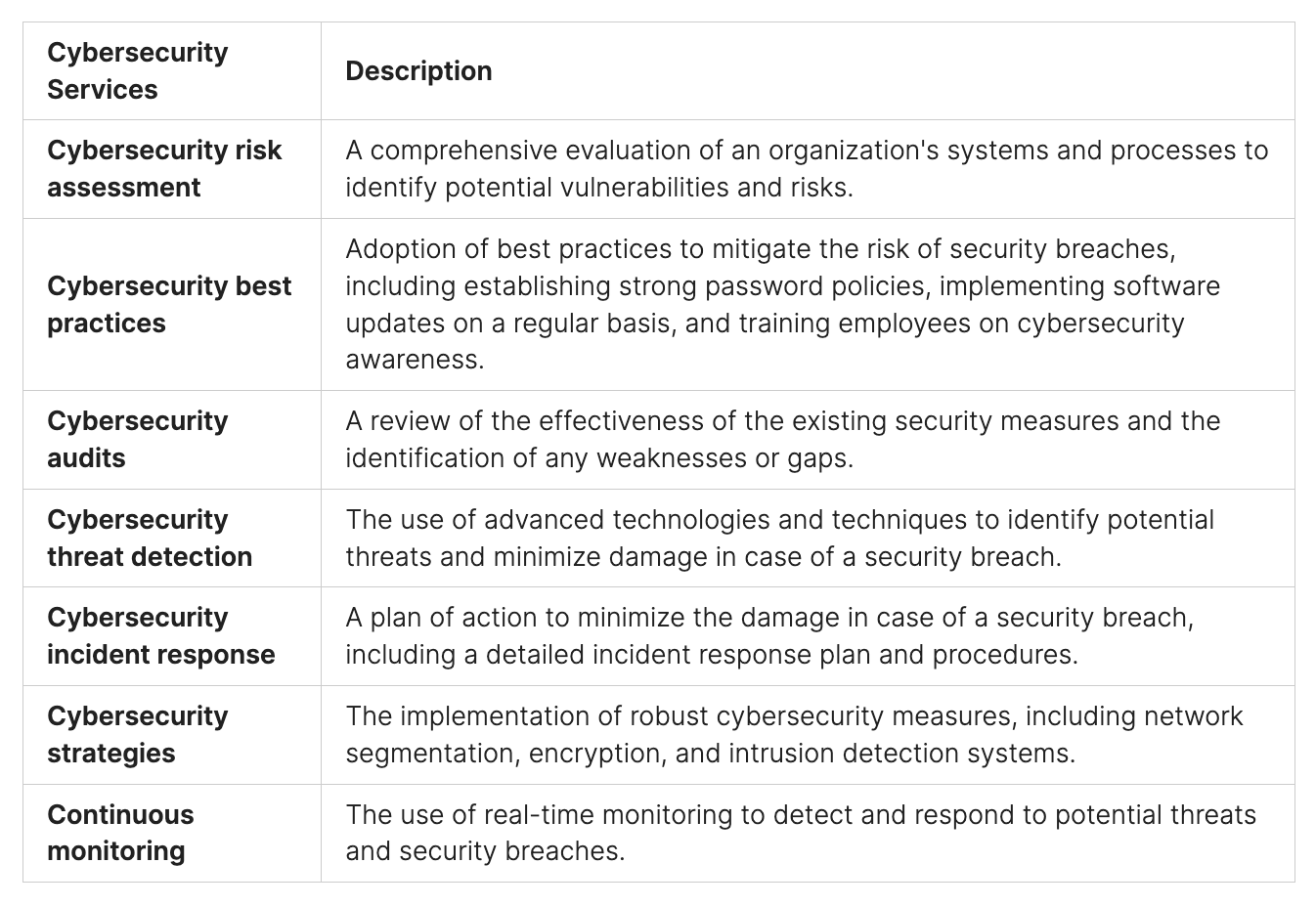
A range of cybersecurity services are available, each designed to address specific security concerns and ensure comprehensive protection of digital assets. These services include:
Cybersecurity Services
By working with a cybersecurity consultant, businesses can customize a combination of these services based on their unique needs and level of risk. Cybersecurity consulting solutions offer peace of mind and protect businesses proactively against potential security threats.
Conducting a Cybersecurity Risk Assessment
Cybersecurity risk assessment is a critical process that enables organizations to identify potential vulnerabilities and threats to their digital assets, including sensitive information, financial data, and intellectual property.
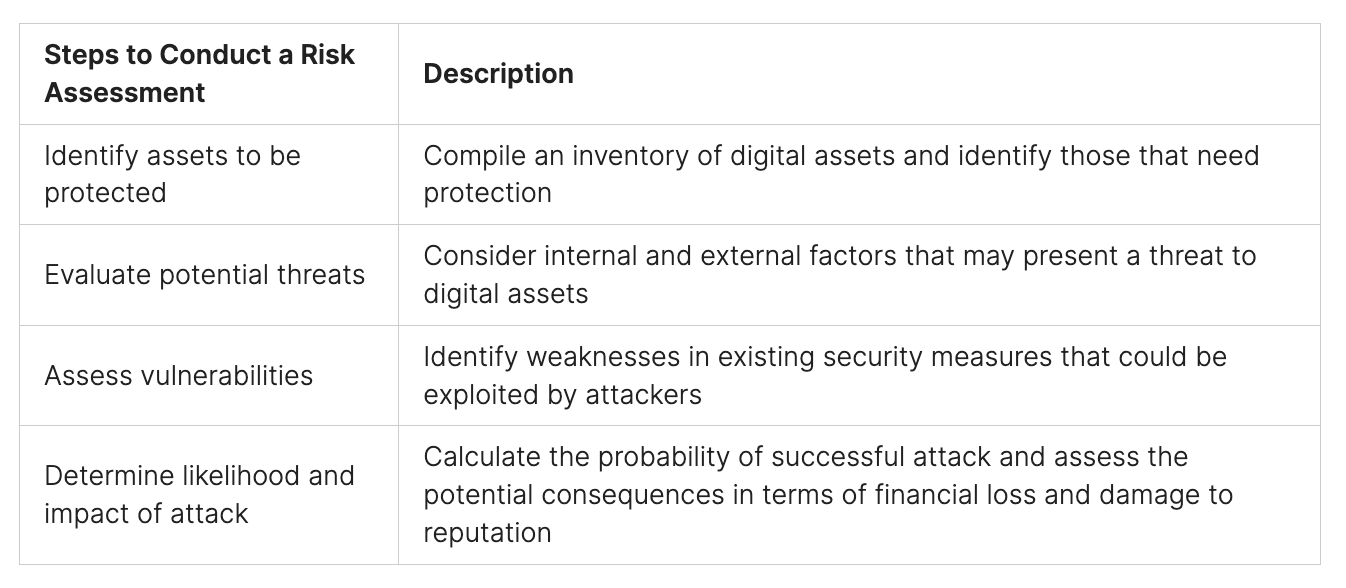
Conducting a risk assessment involves several steps, including identifying assets to be protected, evaluating potential threats, assessing vulnerabilities, and determining the likelihood and impact of a successful attack.
To begin a cybersecurity risk assessment, an organization should compile an inventory of its digital assets, including hardware, software, and data, and identify the individuals responsible for their management and protection.
Cybersecurity Risk Assessment
Once potential threats and vulnerabilities have been identified, an organization can prioritize security measures to mitigate the risks. Common solutions include implementing firewalls and intrusion detection systems, encrypting sensitive data, and conducting regular security audits to identify and address new threats.
Conducting a cybersecurity risk assessment is essential in protecting digital assets against online threats. Organizations can minimize the risk of cybersecurity incidents by identifying potential vulnerabilities, implementing effective security measures, and safeguarding their business operations.
Implementing Cybersecurity Best Practices
As businesses become increasingly reliant on technology, cybersecurity risks continue to grow. Cybersecurity threats can lead to costly data breaches, loss of sensitive information, and damage to reputation. To mitigate these risks, implementing strong cybersecurity best practices is essential.
Here are some essential cybersecurity best practices that businesses should consider:
Create Strong Password Policies: Passwords should be complex and changed regularly. Implementing Multi-Factor Authentication (MFA) can also provide added security.
Regularly Update Software: Cybercriminals often exploit vulnerabilities in outdated software. Regularly updating software can help eliminate these vulnerabilities and strengthen security.
Employee Training: Ensure that employees know cybersecurity risks and how to detect and prevent potential threats. Investing in regular cybersecurity training can significantly reduce the likelihood of cyberattacks caused by human error.
Network Segmentation: Segregating the network can help prevent sensitive data from being easily accessed in the event of a breach.
Encryption: Encrypting sensitive data can provide an extra layer of protection, ensuring that data cannot be accessed or read without authorization.
Intrusion Detection Systems: Implementing intrusion detection systems can detect potential threats and alert administrators to take action before any damage is done.
Implementing these best practices can strengthen cybersecurity and reduce the risk of a successful cyberattack. However, it is important to note that cybersecurity threats are continuously evolving, and businesses must stay vigilant in their efforts to protect their digital assets.
Performing Cybersecurity Audits
Cybersecurity audits are critical in identifying vulnerabilities and assessing the effectiveness of existing security controls in protecting digital assets. These audits are conducted using various methods, including vulnerability assessments, penetration testing, and compliance audits.
Vulnerability assessments involve identifying potential weaknesses in a network or system by scanning for security gaps in software, hardware, and configurations. Penetration testing involves simulating an attack to identify how a system’s defenses respond to potential security threats. Compliance audits, on the other hand, assess a company’s adherence to regulatory standards and industry best practices.
Benefits of Conducting Cybersecurity Audits
Cybersecurity audits provide several benefits to businesses, including:
Identifying potential risks and vulnerabilities before hackers exploit them.
Providing a comprehensive view of the organization’s security posture.
Ensuring compliance with industry regulations and standards.
Improving the overall security of the organization.
What to Expect from a Cybersecurity Audit
During a cybersecurity audit, the auditors will typically follow a structured approach, including:
Collecting information about the organization’s infrastructure, policies, and procedures.
Identifying potential risks and vulnerabilities.
Assessing the effectiveness of existing security controls.
Providing recommendations to address any identified weaknesses or gaps in security.
Providing a detailed report summarizing the findings and recommendations.
Businesses should ensure that a reputable and experienced cybersecurity consultant or service provider conducts their cybersecurity audit. The audit should be conducted regularly to ensure ongoing protection of digital assets and compliance with industry regulations and standards.
Detecting Cybersecurity Threats
Proactive cybersecurity threat detection is crucial in safeguarding your digital assets. Cybercriminals continually adapt their strategies to exploit vulnerabilities, making early detection critical to prevent security breaches. Cybersecurity consultants use a range of techniques to identify potential threats, including:
Active monitoring: This involves real-time analysis of system and network activities to identify unusual behavior that may indicate a security threat. Anomalies such as repeated login failures or unusual data requests can signal a cyberattack.
Penetration testing involves simulating a cyberattack to evaluate the effectiveness of existing security measures. It can identify areas of weakness that require urgent attention.
Threat hunting: This involves actively searching for signs of a security breach, including unusual traffic patterns, unauthorized access attempts, or data exfiltration attempts.
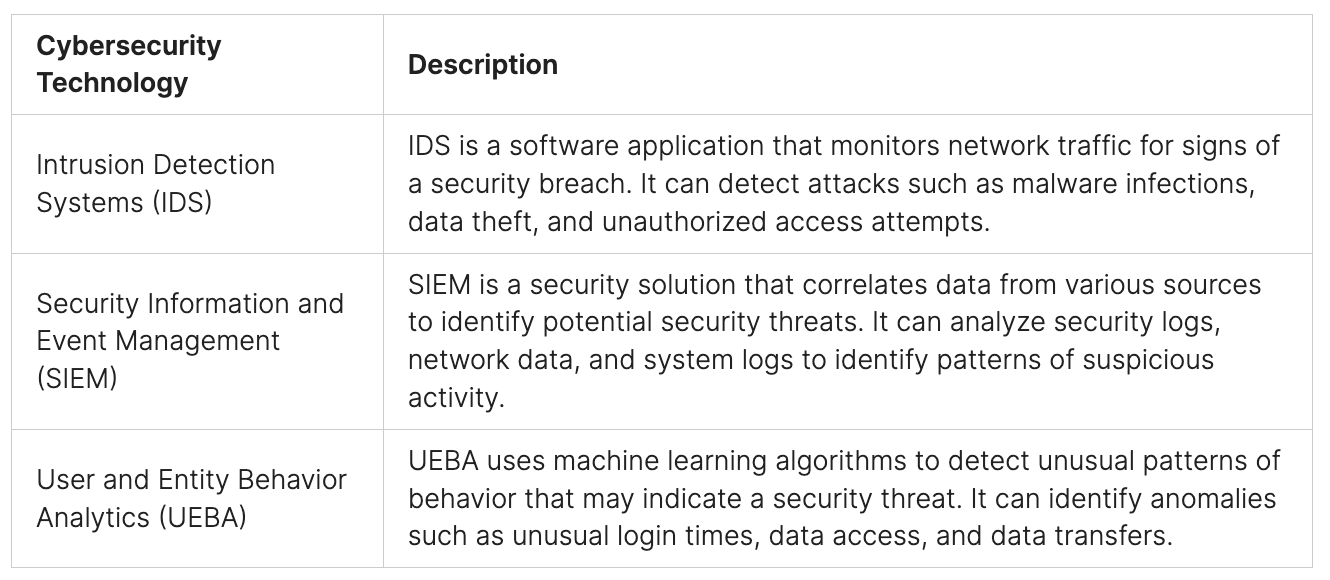
Cybersecurity consultants also leverage advanced technologies to enhance threat detection capabilities. These technologies include:
Cybersecurity Technology
By employing a combination of techniques and technologies, cybersecurity consultants can help businesses identify and respond to potential security threats before they cause significant damage.
Responding to Cybersecurity Incidents
A well-defined incident response plan is critical in minimizing damage in a cybersecurity breach. A quick and efficient response can prevent sensitive information from being compromised and ensure swift resumption of business operations.
As part of the incident response plan, all employees must be trained on the proper procedures to follow in case of a security incident. Designated individuals must execute the plan and coordinate with relevant authorities if necessary.
Key Steps for Incident Response
Identification: The first step in incident response is to identify that a security incident has occurred. This can be through automated tools or manual observation.
Containment: Once the incident has been identified, it must be contained to prevent further damage. This can involve isolating affected systems, blocking access to certain areas, or shutting down parts of the network.
Evaluation: This step involves analyzing the incident to determine its scope and impact. It also includes identifying the source of the incident and whether sensitive information has been compromised.
Response: The incident response team must develop an appropriate response plan based on the evaluation. This can involve restoring affected systems, notifying relevant parties, and taking steps to prevent similar incidents in the future.
Recovery: Once the incident has been resolved, the focus shifts to recovery. This can involve restoring affected systems and ensuring that they are secure before resuming business operations.
Lessons Learned: After the incident has been resolved, it is important to conduct a thorough review to identify any weaknesses in the incident response plan and improve it for the future.
Overall, having a solid incident response plan is crucial in minimizing the impact of a cybersecurity incident. By identifying the incident quickly, containing it, and responding appropriately, businesses can reduce the damage caused by security breaches and maintain the integrity of their digital assets.
Leveraging Cybersecurity Strategies
As businesses increasingly rely on digital technologies to store and process sensitive data, the need for effective cybersecurity strategies becomes paramount. Cybersecurity strategies refer to the set of measures and processes designed to protect digital assets from unauthorized access, theft, or damage. Implementing these strategies can significantly reduce the risk of cyberattacks and ensure businesses can operate safely and securely.
One essential cybersecurity strategy is network segmentation. This technique involves dividing a computer network into smaller subnetworks, each with security protocols and policies. Network segmentation can help contain the spread of cyberattacks and prevent them from affecting the entire network.
Encryption is another crucial cybersecurity strategy that can protect digital assets from unauthorized access. Encryption involves converting sensitive data into a code that can only be deciphered by authorized users. This technique can effectively shield data from cybercriminals and minimize the impact of a security breach.
Intrusion detection and prevention systems (IDPS) are another valuable cybersecurity strategy. These systems can detect and block potential threats in real time, providing businesses with an added layer of protection against cyberattacks. IDPS can be configured to monitor different types of network traffic, including email, web traffic, and file transfers.
Benefits of Cybersecurity Strategies
Implementing robust cybersecurity strategies offers several benefits to businesses, including:
Reduced risk of cyberattacks and data breaches
Enhanced protection of sensitive data and intellectual property
Improved compliance with regulatory requirements
Increased productivity and operational efficiency
Enhanced customer trust and loyalty
While there is no one-size-fits-all approach to cybersecurity, businesses can effectively leverage different strategies to protect their digital assets. By partnering with cybersecurity consulting firms, businesses can gain access to expert guidance and customized solutions tailored to their specific needs and budgets.
Strengthening Cybersecurity with Continuous Monitoring
Continuous monitoring is a critical aspect of maintaining robust cybersecurity. By monitoring network activities in real-time, businesses can detect potential threats and respond proactively, minimizing damage to digital assets.
The benefits of continuous monitoring include:
Timely Threat Detection: Continuous monitoring allows for real-time threat detection, enabling prompt response to potential attacks.
Preventing Data Loss: Continuous monitoring can help prevent data loss by detecting vulnerabilities and addressing them before they are exploited.
Minimizing Downtime: Continuous monitoring can help minimize downtime resulting from security breaches by detecting and responding quickly to potential threats.
Improved Compliance: Continuous monitoring is essential for ensuring compliance with industry regulations and protecting sensitive information.
Implementing Continuous Monitoring
Continuous monitoring can be implemented through various methods, including:
Various Methods
The Importance of Ongoing Monitoring
Cybersecurity threats are continuously evolving, and it is essential to maintain ongoing monitoring to keep up with the latest risks. Regular assessments and updates to monitoring systems should be carried out to ensure ongoing protection of digital assets.
By implementing continuous monitoring, businesses can stay ahead of potential threats and protect their digital assets effectively. It is crucial to maintain robust cybersecurity and safeguard against online attacks.
Conclusion
In today’s fast-evolving digital landscape, safeguarding your digital assets is of paramount importance. As cyber threats persist and mutate, it is imperative for businesses to remain vigilant and resilient in the face of potential financial losses and reputational harm.
Cybersecurity consultation stands as a critical pillar in the defense of your digital assets. Implementing robust cybersecurity measures empowers organizations to thwart potential threats and forestall security breaches proactively. Routine cybersecurity risk assessments, audits, and incident response plans are indispensable for upholding a strong cybersecurity posture.
Moreover, embracing cybersecurity best practices like enforcing stringent password policies, staying up-to-date with software patches, and providing comprehensive employee training can significantly bolster your defenses against cyberattacks. The integration of these practices with advanced cybersecurity strategies such as network segmentation, encryption, and intrusion detection systems equips you with a comprehensive shield against online threats.
Sustained monitoring is equally vital to ensure enduring cybersecurity resilience. Real-time threat detection and swift response mechanisms are the guardians of substantial damage prevention and data security.
Businesses should prioritize cybersecurity and invest in consulting services to safeguard their digital assets. By doing so, they fortify themselves against substantial financial loss, and reputational damage and maintain the trust of their customers. For a solution tailored to your needs, visit our website at Peris.ai today and take the first step towards a safer digital environment.
FAQ
What is cybersecurity consulting?
Cybersecurity consulting is a service that helps businesses protect their digital assets from potential online threats and cyberattacks. It involves assessing vulnerabilities, developing security strategies, and implementing best practices to safeguard sensitive information.
What services do cybersecurity consultants offer?
Cybersecurity consultants offer a range of services, including risk assessments, incident response planning, security audits, and implementation of cybersecurity best practices. They provide guidance on security technologies, policies, and procedures to enhance overall cybersecurity posture.
Why is conducting a cybersecurity risk assessment important?
Conducting a cybersecurity risk assessment is crucial as it helps identify vulnerabilities and potential threats to your digital assets. It allows businesses to prioritize security measures, allocate resources effectively, and develop strategies to mitigate risks.
What are some cybersecurity best practices that businesses should adopt?
Some cybersecurity best practices include implementing strong password policies, regularly updating software and systems, conducting employee training on cybersecurity awareness, and restricting access to sensitive information. These practices help minimize the risk of security breaches.
What is the purpose of cybersecurity audits?
Cybersecurity audits are essential for evaluating the effectiveness of existing security measures. They help identify any vulnerabilities or weaknesses in the system and ensure adequate controls are in place to protect digital assets. Regular audits help maintain a strong cybersecurity posture.
How can cybersecurity threat detection be enhanced?
Proactive cybersecurity threat detection can be enhanced through the use of advanced technologies, such as intrusion detection systems and network monitoring tools. Regular monitoring of network activities and implementing threat intelligence can help identify potential threats and prevent security breaches.
Why is incident response important in cybersecurity?
Incident response is crucial in cybersecurity as it defines the actions to be taken in case of a security breach. A well-defined incident response plan helps minimize damage, contain incidents, and facilitate recovery. It ensures a swift and effective response to cybersecurity incidents.
What are some cybersecurity strategies that businesses can leverage?
Businesses can leverage various cybersecurity strategies, such as network segmentation, encryption, multi-factor authentication, and regular vulnerability scanning. These strategies enhance the overall security of digital assets and help mitigate potential risks.
Why is continuous monitoring important in cybersecurity?
Continuous monitoring is important in cybersecurity, enabling real-time threat detection and response. It allows businesses to promptly identify and respond to security incidents, minimizing potential breaches’ impact. Active monitoring of network activities helps maintain a strong cybersecurity posture.
How does cybersecurity consulting help in protecting digital assets?
Cybersecurity consulting helps businesses protect their digital assets by providing expert guidance on risk assessment, implementing security measures, conducting audits, and developing incident response plans. It helps businesses stay proactive and prepared against online threats.
The digital ecosystem in which companies operate today is a double-edged sword, offering unparalleled connectivity and efficiency yet exposing them to an array of digital threats. The contemporary business landscape relies heavily on the seamless flow of information, making data the lifeblood of modern enterprises. In this context, the specter of data breaches looms ominously, posing a direct threat to the sanctity of sensitive customer information and simultaneously subjecting companies to severe legal and financial repercussions. Against this backdrop, the imperative of investing in robust cybersecurity measures emerges as a central theme, for these measures serve as the bulwark against data breaches and their devastating consequences.
1. Protection against Data Breaches
One of the most significant reasons companies must invest in cybersecurity is to protect against data breaches. Data is the lifeblood of modern businesses, and a breach can have severe consequences. Not only can it result in the loss of sensitive customer information, but it can also lead to legal liabilities, fines, and damage to the company’s reputation.
Data breaches can be financially devastating, with the average cost of a data breach reaching millions of dollars. Investing in cybersecurity measures such as encryption, intrusion detection systems, and robust access controls can significantly reduce the risk of data breaches and the associated costs.
2. Safeguarding Intellectual Property
Companies invest heavily in research and development to create innovative products and services. Protecting intellectual property is crucial to maintaining a competitive edge. Cyberattacks, including corporate espionage and data theft, pose a significant threat to intellectual property.
Investing in cybersecurity can help safeguard valuable trade secrets, patents, and proprietary information. Implementing technologies like digital rights management (DRM) and secure file storage can prevent unauthorized access to intellectual property and mitigate the risk of economic espionage.
3. Preserving Customer Trust
In today’s digital age, customer trust is paramount. Customers entrust companies with their personal information, and any breach of that trust can have long-lasting consequences. A single data breach can erode customer confidence, leading to customer churn and damage to the company’s reputation.
Investing in cybersecurity is a proactive way to preserve customer trust. When customers know that a company takes their data security seriously, they are likelier to remain loyal and continue doing business with that company. Building trust through cybersecurity measures can be a competitive advantage in the marketplace.
4. Meeting Regulatory Compliance
Regulatory bodies around the world have enacted strict data protection laws and regulations. Non-compliance with these regulations can result in hefty fines and legal repercussions.
Investing in cybersecurity is essential for companies to ensure they meet regulatory compliance. This includes implementing data encryption, secure data storage, and comprehensive data breach response plans. By adhering to these regulations, companies can avoid legal troubles and maintain the trust of their customers.
5. Protecting Against Financial Loss
Cyberattacks can have a direct financial impact on a company’s bottom line. Indirect costs should be considered beyond the cost of addressing a breach and potential legal penalties. These may include business interruption, loss of revenue, and increased insurance premiums.
Investing in cybersecurity is an investment in risk mitigation. Companies that take proactive steps to protect their digital assets are better prepared to withstand cyberattacks and the financial losses that may result. It’s a proactive approach that can save a company money in the long run.
6. Ensuring Business Continuity
In today’s technology-driven business environment, downtime can be catastrophic. Cyberattacks can disrupt a company’s operations, causing downtime that can last hours, days, or weeks. This can result in lost revenue, damage to customer relationships, and a tarnished reputation.
Investing in cybersecurity includes implementing disaster recovery and business continuity plans. These plans ensure a company can continue operations during a cyberattack or other unforeseen disasters. This resilience is crucial for maintaining customer trust and business continuity.
7. Staying Ahead of Evolving Threats
Cyber threats constantly evolve, with hackers developing new techniques and tactics to breach security measures. Companies that do not invest in cybersecurity risk falling behind and becoming vulnerable to emerging threats.
By staying ahead of evolving threats, companies can adapt their cybersecurity strategies to address new challenges. This may involve regular security assessments, threat intelligence gathering, and deploying cutting-edge security technologies. A proactive approach is essential in the ever-changing landscape of cyber threats.
8. Protecting Supply Chain and Partners
Companies do not operate in isolation. They are often part of complex supply chains and partner with other organizations. A breach in one part of the supply chain can have a domino effect, impacting multiple companies.
Investing in cybersecurity is about protecting one’s data and safeguarding the entire ecosystem in which a company operates. Companies prioritizing cybersecurity can establish themselves as reliable and secure partners, enhancing their relationships with suppliers, customers, and collaborators.
9. Enhancing Competitive Advantage
In the digital age, cybersecurity can be a significant competitive advantage. Customers and business partners are increasingly selective about whom they work with. They prefer companies that can demonstrate a solid commitment to cybersecurity.
Investing in cybersecurity and showcasing it as a core strength can set a company apart. It can be a key selling point, helping to win new customers and retain existing ones. Moreover, it can attract top talent who want to work for organizations that take their security seriously.
10. Contributing to Ethical and Social Responsibility
Beyond the business benefits, investing in cybersecurity is an ethical and social responsibility. Companies must protect their customers’ data and prevent harm to society. Cyberattacks can have far-reaching consequences, impacting businesses, individuals, and communities.
By investing in cybersecurity, companies fulfill their responsibility to protect the digital infrastructure on which society relies. It demonstrates corporate citizenship and a commitment to the greater good.
Conclusion
In the ever-evolving digital realm, the imperative of cybersecurity transcends being a mere choice – it has become an unequivocal necessity for companies spanning the spectrum of size and industry. The relentless surge in the frequency and sophistication of cyberattacks demands that businesses, from nimble startups to global enterprises, rise to the occasion and fortify their digital defenses. The consequences of underestimating the significance of cybersecurity are not just severe; they can be devastating, potentially leading to data compromise, reputation erosion, and even the disruption of vital business operations.
Consider, for a moment, the pivotal role that data plays in the modern business landscape. The glue binds transactions, informs strategic decisions, and drives innovation. Protecting this invaluable asset has never been more critical, as the specter of data breaches looms large, threatening to expose sensitive customer information and, in doing so, incurring astronomical costs, both financial and reputational. Intellectual property, the lifeblood of innovation and competitive advantage, faces a similar peril in the digital age, making robust cybersecurity measures an indispensable shield against corporate espionage and data theft.
Furthermore, preserving customer trust emerges as a linchpin in the digital era, where consumers entrust companies with their personal information. Neglecting cybersecurity jeopardizes this trust and stands as a potential catalyst for customer churn and reputational damage. Compliance with stringent data protection regulations is not a mere box-ticking exercise; it is a legal and ethical obligation that companies must adhere to rigorously. Fines and legal repercussions await those who falter in this regard, underlining the pragmatic and financial imperative of investing in cybersecurity.
In conclusion, the case for investing in cybersecurity is undeniable, for it extends far beyond business operations. It is a safeguard against the perils of data breaches, a shield for intellectual property, and a testament to a company’s commitment to ethical and social responsibility. As businesses navigate the intricacies of an increasingly interconnected digital world, the proactive steps taken today to secure their digital assets will shape their destiny tomorrow. For those seeking a solution to bolster their cybersecurity posture, we invite you to visit our website to explore a comprehensive range of tools, strategies, and resources to fortify your defenses and embark on a journey toward a safer and more secure digital ecosystem. The time to act is now; together, we can navigate the digital frontier with confidence and resilience.
In the dynamic expanse of today’s digital world, the paramount importance of shielding sensitive information and vital systems from the ever-looming specter of cyber threats cannot be overstated. In the traditional realm, organizations have painstakingly concentrated on crafting robust cybersecurity fortifications to repel attacks and breaches. However, as the threat landscape continues evolving toward greater sophistication and unwavering persistence, a growing realization has taken root: relying solely on conventional cybersecurity measures may no longer suffice. This recognition has spurred a profound paradigm shift toward the concept of cyber resilience – an all-encompassing approach that extends beyond the boundaries of defense. Cyber resilience profoundly emphasizes an organization’s capacity to thwart but adapt and recuperate from the repercussions of cyber incidents. In this exploration, we delve into the intricate tapestry of transitioning from the conventional tenets of cybersecurity to the expansive horizons of cyber resilience. Our journey will traverse the multitude of benefits, the strategic intricacies, and the formidable challenges entwined within this transformative shift.
Understanding Cybersecurity and Its Limitations
Cybersecurity encompasses the practices, technologies, and processes to protect an organization’s digital assets, including networks, systems, and data, from unauthorized access, attacks, and breaches. While cybersecurity measures are crucial, they often operate within a confined framework of prevention and defense. This approach assumes that a strong perimeter and sophisticated tools are enough to deter or mitigate cyber threats. However, the evolving nature of cyber threats – from simple viruses to advanced persistent threats – has exposed the limitations of this approach. Attackers are persistent and innovative, constantly finding new ways to exploit vulnerabilities and breach defenses.
Embracing the Concept of Cyber Resilience
Cyber resilience represents a paradigm shift in how organizations approach cybersecurity. Instead of focusing solely on preventing and repelling attacks, cyber resilience emphasizes an organization’s ability to anticipate, respond to, and recover from cyber incidents. It recognizes that breaches are no longer a question of “if” but rather “when.” The goal is to reduce the impact of cyber incidents on business operations and continuity, ensuring that the organization can quickly adapt and resume normal activities even in the face of a successful attack.
The Benefits of Cyber Resilience
Adaptability: Cyber resilience encourages organizations to adopt a proactive and adaptive stance. By identifying potential vulnerabilities and risks, organizations can develop strategies to mitigate those risks and respond effectively to incidents, reducing downtime and data loss.
Faster Recovery: Traditional cybersecurity often focuses on prevention, but cyber resilience extends its scope to include rapid recovery. Organizations prioritizing stability can recover faster from cyber incidents, minimizing disruptions to services and operations.
Business Continuity: Cyber resilience is tightly linked to business continuity. By preparing for various cyber scenarios, organizations can ensure critical functions can continue even during an attack, limiting financial losses and reputational damage.
Enhanced Trust: Customers, partners, and stakeholders value organizations committed to cyber resilience. The ability to withstand and recover from cyber incidents enhances an organization’s reputation and builds trust in its operations.
Strategies for Transitioning to Cyber Resilience
Risk Assessment: The first step towards cyber resilience is understanding the organization’s risks and vulnerabilities. Conducting regular risk assessments helps identify potential weak points and informs strategies for improvement.
Incident Response Planning: Developing a well-defined incident response plan is crucial for effective cyber resilience. This plan should outline roles, responsibilities, communication protocols, and technical steps to take during a cyber incident.
Employee Training: Humans remain a significant factor in cyber incidents, often unwittingly facilitating attacks through social engineering or other means. Educating employees about cybersecurity best practices and recognizing potential threats is essential to any cyber resilience strategy.
Redundancy and Backups: Regularly backing up critical data and systems ensures that an organization can quickly recover its data and continue operations even if a cyberattack occurs. Redundancy in systems and networks adds an extra layer of protection.
Collaboration and Communication: Cyber resilience involves cross-functional collaboration. IT teams, legal departments, public relations, and executive leadership should work together to address cyber incidents comprehensively.
Continuous Improvement: Cyber threats and technologies evolve rapidly. Organizations must continually update and refine their cyber resilience strategies to address new threats and vulnerabilities.
Challenges on the Path to Cyber Resilience
Cultural Shift: Transitioning to cyber resilience requires a shift in organizational culture. It’s not just an IT concern but a company-wide endeavor that requires commitment from top leadership down to every employee.
Resource Allocation: Developing and maintaining a robust cyber resilience strategy requires resources, including financial investment and skilled personnel. Balancing these resources with other business priorities can be challenging.
Complexity: Cyber resilience involves intricate planning and execution. It requires aligning technology, processes, and people to work harmoniously during and after a cyber incident.
Integration with Business Operations: Cyber resilience cannot be an isolated effort. It must be integrated into the broader business strategy and operations to ensure a seamless response to incidents.
Conclusion
In this era of escalating digital intricacies and ever-advancing cyber threats, the shift from conventional cybersecurity to the comprehensive realm of cyber resilience emerges not as a mere buzzword but as an imperative evolution. The realization that cyber incidents are no longer avoidable dawns upon organizations, compelling them to adeptly equip themselves with the tools to manage and mitigate these inevitable challenges. As we embrace the foundational tenets of cyber resilience – adaptability, swift recovery, uninterrupted business operations, and bolstered trust – we equip ourselves with a compass to navigate the intricate maze of contemporary cyber perils with enhanced assurance and robustness.
Amidst the formidable landscape of cyber threats, the significance of this transition cannot be overstated. The fusion of proactive foresight and responsive action is a bulwark against potential disruptions, ensuring organizations can promptly rebound from the impact of cyber incidents. By fostering a culture of cyber resilience that permeates all levels of an organization, from its leadership to its workforce, a united front is established against the persistent onslaught of cyber threats. This transformation requires an unwavering commitment to continuous learning and improvement, as the cyber threat landscape remains in a perpetual state of flux, demanding vigilance and adaptability.
Because of these imperatives, we invite you to explore our website – a haven for insights, strategies, and solutions dedicated to ushering your organization through the metamorphosis from cybersecurity to cyber resilience. Here, you’ll find a wealth of resources aimed at demystifying the complexities of this transition, empowering you to fortify your defenses, embrace change, and emerge from cyber challenges more robust than before. The journey from cybersecurity to cyber resilience may be intricate. Still, with the proper guidance and resources, you can confidently traverse this path, knowing that your organization can thrive despite adversity. Visit our website today and embark on the transformative voyage towards a cyber-resilient future.
Rapid technological advancements have brought numerous benefits for organizations and exposed them to an ever-growing risk of cyber threats. In today’s digital landscape, where cybercriminals constantly seek to exploit vulnerabilities and gain unauthorized access to sensitive information, organizations must be well-equipped to protect their digital assets. The cornerstone of this protection lies in having a robust incident response plan. Alongside this plan, organizations can leverage the power of an incident response platform to streamline and optimize handling cybersecurity breaches. This article will explore the significance of developing an effective incident response plan and how an incident response platform can strengthen an organization’s ability to detect, respond to, and recover from security incidents.
The rise in cybercrime activities and the ever-evolving techniques employed by malicious actors have made it imperative for organizations to take proactive measures to combat these threats. An incident response plan is a comprehensive blueprint outlining the steps and procedures to be followed when responding to a cybersecurity incident. It serves as a proactive defense mechanism, ensuring that organizations are well-prepared to mitigate and minimize the potential damage caused by a breach.
However, more than an incident response plan must address cybersecurity incidents’ complex and dynamic nature. This is where an incident response platform comes into play. By leveraging the capabilities of an incident response platform, organizations can enhance their incident response capabilities, empowering their security teams to effectively detect, respond to, and recover from security incidents in a coordinated and efficient manner. The platform acts as a centralized hub, integrating various functionalities and providing a structured framework for incident management, collaboration, automation, and analysis. Together, an effective incident response plan and a powerful incident response platform form a robust defense system, equipping organizations with the tools they need to safeguard their critical assets and ensure business continuity in the face of cyber threats.
Understanding the Incident Response Plan
An incident response plan outlines the step-by-step procedures and guidelines an organization must follow when responding to a cybersecurity incident. It encompasses various aspects, including incident identification, containment, eradication, recovery, and lessons learned. Developing a comprehensive incident response plan is crucial as it ensures that the organization can swiftly and effectively respond to security incidents, minimizing the potential damage caused by a breach.
The Importance of an Effective Incident Response Plan
Minimizing Damage: An effective incident response plan allows organizations to detect and respond to security incidents promptly, minimizing the damage caused by a breach. By having predefined processes in place, organizations can contain the incident, mitigate its impact, and prevent further compromise of critical systems and data.
Reducing Downtime: Cybersecurity incidents often result in system disruptions and downtime. An incident response plan helps organizations recover quickly by providing guidelines on restoring systems and services to normal operations. This reduces the overall impact on productivity and ensures business continuity.
Preserving Reputation and Customer Trust: A cybersecurity breach can severely damage an organization’s reputation and erode customer trust. By having an effective incident response plan, organizations demonstrate their commitment to cybersecurity and their ability to handle security incidents. Timely and transparent communication with stakeholders can help mitigate reputational damage.
Compliance with Regulations: Many industries have stringent data protection regulations and compliance requirements. An incident response plan helps organizations fulfill these obligations by providing a framework to handle security incidents while adhering to legal and regulatory requirements.
The Role of an Incident Response Platform
An incident response platform is a comprehensive tool that assists organizations in managing the entire incident response lifecycle. It integrates various functionalities and features to facilitate incident detection, analysis, containment, and recovery. Let’s explore some key capabilities of an incident response platform:
Centralized Incident Management: An incident response platform is a central hub for managing security incidents. It enables organizations to log, track, and prioritize incidents, ensuring no incident goes unnoticed or unresolved.
Real-time Incident Monitoring: By integrating security monitoring tools and systems, an incident response platform provides real-time visibility into potential security incidents. This allows organizations to detect and respond to threats swiftly, minimizing the time to remediation.
Automated Incident Response Workflows: An incident response platform automates predefined response workflows, enabling organizations to respond to incidents promptly and consistently. Automated workflows help streamline and standardize the response process, reducing the chances of human error and ensuring a coordinated effort.
Collaboration and Communication: Effective incident response often requires collaboration among various teams and stakeholders. An incident response platform facilitates communication and coordination by providing a shared workspace where incident responders can collaborate, share information, and update the status of ongoing incidents.
Forensic Analysis and Investigation: An incident response platform assists in conducting forensic analysis and investigation to understand the nature and scope of a security incident. It provides capabilities for collecting and analyzing relevant data, identifying the root cause, and preserving evidence for legal or regulatory purposes.
Reporting and Documentation: Documentation is a critical aspect of incident response. An incident response platform simplifies the documentation process by automatically generating reports, capturing key details, and maintaining an audit trail of actions taken during the incident response process.
Conclusion
In today’s digital landscape, where cyber threats continue to grow in complexity and frequency, organizations must be bold regarding their cybersecurity measures. Developing a robust incident response plan and using an incident response platform is vital for effective incident management. By implementing a well-defined plan and leveraging a centralized platform that supports the entire incident response lifecycle, organizations can minimize the impact of security breaches, protect their reputation, and ensure uninterrupted business operations.
The importance of embracing an incident response platform cannot be overstated. It offers organizations a proactive approach to cybersecurity, enabling them to stay one step ahead of potential threats. The platform’s comprehensive features, such as real-time incident monitoring, automated response workflows, collaboration capabilities, forensic analysis tools, and reporting functionalities, empower organizations to detect, respond to, and recover from security incidents promptly and efficiently.
We invite you to visit our solution to explore the benefits and capabilities of our Incident Response Platform Team’s solution. Our platform is designed to enhance your incident response capabilities, providing you with the necessary tools and functionalities to combat cyber threats effectively. Our solution allows you to streamline incident management processes, improve team collaboration, and bolster your cybersecurity posture. Don’t wait until a security breach occurs – take a proactive stance and equip your organization with the Incident Response Platform Team’s solution to fortify your defenses and protect your valuable assets.
Visit our solution today and discover how our Incident Response Platform can enhance your organization’s incident response capabilities. Safeguard your digital assets, mitigate risks, and ensure the resilience of your operations in the face of evolving cyber threats.
Data breaches have emerged as a pressing issue, capturing the attention of organizations across various industries. As cybercriminals continue to refine their tactics and exploit vulnerabilities in security systems, it has become increasingly evident that technological advancements alone are not sufficient to safeguard sensitive information. In the midst of sophisticated firewalls, encryption, and intrusion detection systems, one critical aspect often underestimated is the human factor. Employee errors and insider threats pose significant challenges to data security, demanding a comprehensive understanding and proactive measures to address these risks effectively.
While organizations invest substantial resources in enhancing their technological defenses, they must not overlook the critical role played by employees within their security ecosystem. The inadvertent and deliberate actions of individuals entrusted with sensitive data can expose vulnerabilities that cybercriminals quickly exploit. This article aims to shed light on the significance of the human factor in data breaches, focusing on the common errors made by employees and the potential threats posed by insiders. By recognizing and analyzing these aspects, organizations can develop robust strategies to mitigate risks and fortify their overall data security posture.
The Human Factor in Data Breaches
As technology evolves, organizations face increasingly complex challenges in safeguarding sensitive information. While technological solutions such as firewalls, encryption, and intrusion detection systems are vital, they can only provide partial protection. Humans, as both users and custodians of data, possess the ability to introduce vulnerabilities that cybercriminals can exploit. Understanding and addressing the human factor is crucial for maintaining data security.
Employee Errors
Employees can unintentionally expose an organization to data breaches despite their best intentions. Common employee errors include:
Phishing Attacks: Phishing remains a prevalent attack vector, often tricking employees into revealing sensitive information or clicking on malicious links. Proper education and training programs can help employees recognize phishing attempts and prevent falling victim to such scams.
Weak Passwords: Weak passwords are a significant vulnerability in data security. Employees frequently use easily guessable passwords or reuse them across multiple accounts, making it easier for cybercriminals to gain unauthorized access. Employers should enforce strong password policies, encourage the use of password managers, and promote regular password updates.
Negligence in Handling Data: Employees may inadvertently mishandle sensitive data by leaving it unattended, sharing it insecurely, or failing to follow proper data disposal procedures. Regular training, clear data handling, and protection guidelines are essential to mitigate such risks.
Insider Threats
Insider threats pose an equally significant risk to an organization’s data security. These threats can be malicious or unintentional and can arise from current or former employees, contractors, or business partners. Common types of insider threats include:
Malicious Actions: Disgruntled employees or those enticed by financial gain may intentionally steal or leak sensitive data. Implementing access controls, monitoring user activities, and fostering a positive work environment with open lines of communication can help deter such malicious actions.
Carelessness: Employees who are unaware of security protocols or negligent in their actions can inadvertently cause data breaches. This may include mishandling sensitive data, using unauthorized software or devices, or accessing restricted information without proper authorization. Organizations should invest in comprehensive training programs to educate employees about security best practices and emphasize the importance of following protocols.
Addressing Employee Errors and Insider Threats
To effectively address the human factor in data breaches, organizations can adopt the following strategies:
Comprehensive Training and Awareness: Regular training programs should be implemented to educate employees about various cybersecurity threats, including phishing attacks, social engineering, and the importance of strong passwords. Promoting a culture of security awareness and providing employees with the tools and knowledge they need to identify and respond to potential threats are crucial steps in reducing human errors.
Strict Access Controls: Organizations should implement stringent access controls, ensuring that employees have access only to the data required for their specific roles. Regular audits should be conducted to review and revoke unnecessary access privileges. Additionally, the principle of least privilege should be followed, granting employees access to sensitive information on a need-to-know basis.
Monitoring and Detection Systems: Implementing robust monitoring and detection systems can help identify suspicious activities and potential insider threats. User behavior analytics (UBA) and data loss prevention (DLP) tools can provide valuable insights into employee actions and detect anomalies or patterns indicative of malicious intent.
Encouraging Reporting: Employees should feel comfortable reporting security concerns or suspicious activities. Establishing clear reporting channels and a non-punitive reporting culture can encourage employees to speak up and help prevent potential data breaches.
Continuous Evaluation and Improvement: Organizations should regularly evaluate their security protocols, procedures, and training programs to identify areas for improvement. Internal assessments, external audits, and red teaming exercises can help identify vulnerabilities and enhance the overall security posture.
In Conclusion
Recognizing the importance of the human factor in data breaches is essential for organizations seeking to bolster their overall security posture. Technological safeguards alone are insufficient in the face of employee errors and insider threats. By prioritizing comprehensive training programs, organizations can equip their employees with the knowledge and skills necessary to identify and respond to potential security risks. Implementing strict access controls ensures that sensitive data remains accessible only to authorized personnel, reducing the likelihood of internal breaches.
Robust monitoring systems are crucial for detecting suspicious activities and potential insider threats. Organizations can proactively identify and address anomalies or deviations from normal user behavior by leveraging advanced technologies such as user behavior analytics and data loss prevention tools. Additionally, fostering a culture of security awareness and encouraging employees to report any security concerns or potential breaches creates an environment where everyone is actively involved in safeguarding sensitive information.
In light of these insights, organizations must proactively address the human factor in data breaches. Organizations can stay one step ahead of cyber threats by investing in continuous evaluation and improvement, regularly assessing security protocols, and engaging in external audits. Staying abreast of evolving cybersecurity trends and adapting strategies is crucial.
We invite you to visit our website to explore effective solutions and comprehensive approaches to data breach prevention. Our team of experts is dedicated to providing the latest insights, tools, and resources to help organizations address the human factor in data breaches and enhance their overall data security. Together, let’s reinforce the human element of cybersecurity and build a resilient defense against data breaches.
In the fast-paced world of technology and digital services, incidents and disruptions are inevitable. From software glitches to hardware failures, incidents can disrupt business operations and impact customer satisfaction. Organizations rely on metrics that provide insights into incident resolution times and overall incident management processes to manage and minimize the impact of incidents effectively. Among these metrics, three key performance indicators (KPIs) stand out: MTTR, MTTAR, and MTTD. These metrics provide valuable information about incident response and resolution, helping organizations identify areas for improvement and maintain service levels. In this article, we’ll delve into the details of MTTR, MTTAR, and MTTD, exploring their definitions, significance, and how they work together to keep incidents in check.
Let’s start with a quick overview of the three metrics:
MTTR (Mean Time to Repair/Resolve): MTTR measures the average time it takes to repair or resolve an incident. It starts when an incident is reported or detected and ends when it is fully resolved, and services are restored to normal. MTTR is a vital metric that reflects the efficiency and effectiveness of incident response and resolution processes. Organizations strive to keep MTTR as low as possible to minimize downtime and restore services promptly.
MTTAR (Mean Time to Acknowledge and Respond): MTTAR measures the average time it takes for an organization to acknowledge an incident and initiate a response. It begins when an incident is reported or detected and ends when the organization acknowledges the incident and starts taking action to address it. MTTAR is crucial for ensuring prompt attention to incidents and promptly initiating the incident management process.
MTTD (Mean Time to Detect): MTTD measures the average time it takes to detect an incident from the moment it occurs until it is recognized by the organization’s monitoring systems or human operators. MTTD is a critical metric in incident management, as a shorter MTTD implies early detection, enabling swift response and mitigation efforts. Organizations aim to minimize MTTD to identify and address incidents promptly, preventing further impact on services.
Now, let’s delve deeper into each metric and understand its significance:
MTTR: Efficient Incident Resolution
MTTR focuses on the time it takes to resolve an incident. By tracking MTTR, organizations can assess the effectiveness of their incident response teams, processes, and tools. A low MTTR indicates that incidents are quickly resolved, minimizing service disruptions and reducing the negative impact on customers and end-users. On the other hand, a high MTTR suggests potential inefficiencies or bottlenecks in incident management processes that need to be addressed. By analyzing MTTR, organizations can identify areas for improvement, such as optimizing incident workflows, enhancing communication channels, or investing in better incident management tools.
MTTAR: Prompt Incident Acknowledgment and Response
MTTAR measures the time it takes for an organization to acknowledge an incident and initiate a response. It reflects the organization’s ability to promptly react to incidents, ensuring that the appropriate personnel is notified and necessary actions are taken. A low MTTAR indicates that incidents are being acknowledged and addressed promptly, reducing the time between incident detection and initiating the incident management process. By monitoring MTTAR, organizations can identify any delays in acknowledging incidents and take steps to improve incident reporting mechanisms, enhance incident escalation processes, or provide additional training to incident responders.
MTTD: Early Incident Detection
MTTD focuses on the time it takes to detect an incident. Early incident detection is crucial for minimizing the impact of incidents and reducing downtime. A shorter MTTD enables organizations to identify incidents early, enabling swift response and containment actions. By tracking MTTD, organizations can evaluate the effectiveness of their monitoring systems, alert mechanisms, and proactive incident detection practices. If MTTD is relatively long, it may indicate a need to improve monitoring capabilities, implement more sophisticated alerting systems, or enhance anomaly detection algorithms.
The Synergy of MTTR, MTTAR, and MTTD:
While each metric provides valuable insights individually, their true power lies in their synergy. By analyzing MTTR, MTTAR, and MTTD collectively, organizations can gain a holistic view of their incident management processes and make informed decisions to improve overall incident response and resolution capabilities.
Here’s how these metrics work together:
Faster MTTD leads to shorter MTTR: By detecting incidents early with a shorter MTTD, organizations can initiate the incident management process sooner, reducing the overall time to resolve incidents (MTTR). Early detection allows incident responders to act promptly, preventing incidents from escalating and causing more significant disruptions.
Efficient MTTAR ensures timely incident response: A low MTTAR ensures that incidents are acknowledged and responded to promptly. This timeliness in response enables organizations to minimize the time between incident detection and the start of incident management activities. When incidents are addressed promptly, the overall incident resolution time (MTTR) is reduced, improving service levels and customer satisfaction.
Continuous improvement through data-driven insights: By analyzing trends and patterns in MTTR, MTTAR, and MTTD, organizations can identify areas for improvement in their incident management processes. These metrics provide actionable data to drive continuous improvement initiatives, optimize incident response workflows, enhance monitoring capabilities, and invest in the right tools and technologies.
In conclusion
MTTR, MTTAR, and MTTD are indispensable metrics for organizations seeking to manage incidents and maintain high service levels effectively. These metrics offer invaluable insights into incident response, resolution, and detection processes, enabling organizations to make data-driven decisions. By diligently monitoring and analyzing MTTR, MTTAR, and MTTD, businesses can pinpoint areas for enhancement, streamline incident management practices, and minimize operational disruptions. With a dedicated focus on these metrics, organizations can successfully mitigate incidents, enhance incident response capabilities, and ultimately elevate overall customer satisfaction.
To ensure your organization is equipped with the right tools and strategies to monitor and optimize these crucial metrics effectively, we encourage you to visit our website. Our comprehensive solution provides a range of features designed to streamline incident management and improve key metrics such as MTTR, MTTAR, and MTTD. By leveraging our cutting-edge technology, you can enhance your incident response processes, detect and resolve incidents faster, and minimize downtime. Visit our website today to learn more about our solution and discover how it can empower your organization to keep incidents in check and maintain exceptional service levels.
Don’t let incidents derail your operations. Take charge of incident management and leverage the power of MTTR, MTTAR, and MTTD to drive continuous improvement. Visit our website now and unlock the potential of efficient incident resolution, prompt acknowledgment and response, and early incident detection. Your organization’s success and customer satisfaction depend on it.