Tag: cybersecurity-for-fintech

  • Challenges in Cybersecurity for Digital Banking

    Challenges in Cybersecurity for Digital Banking

    The landscape of contemporary finance is undergoing a rapid and transformative evolution, with digital banking emerging as an undeniable and commanding presence. This transformation has ushered in a paradigm shift in how individuals and businesses engage with their financial activities. The allure of convenience, unfettered accessibility, and streamlined efficiency that digital banking offers have propelled its adoption to the forefront. Nevertheless, this surge of innovation carries a weighty responsibility—one that stands as a cornerstone within the realm of digital banking: cybersecurity. As financial institutions pivot towards digital platforms, they find themselves entangled in a complex tapestry of challenges, each posing a potential threat to the security, resilience, and trust underpinning their systems. In the ensuing discourse, we shall explore the eminent cybersecurity challenges that loom over the digital banking domain, delving comprehensively into the stratagems and countermeasures wielded in the relentless pursuit to mitigate these multifaceted risks.

    1. Sophisticated Cyberattacks

    The digital landscape has given rise to a new breed of cybercriminals who employ increasingly sophisticated tactics to breach banking systems. From ransomware attacks that encrypt critical data until a ransom is paid to advanced phishing schemes that trick customers into divulging sensitive information, these cybercriminals continuously adapt and evolve their methods. Financial institutions must contend with the constant arms race against these attackers, as each successful breach could result in substantial financial losses, regulatory penalties, and reputational damage.

    2. Data Breaches and Privacy Concerns

    Digital banking involves collecting, storing, and processing vast amounts of sensitive customer data. This data, from personal identification information to transaction histories, is a prime target for cybercriminals. A successful data breach can have far-reaching consequences, including identity theft, financial fraud, and potential legal liabilities for the banking institution. Maintaining this data’s privacy and security is a regulatory requirement and fundamental to customer trust.

    3. Third-Party Risks

    The interconnected nature of modern financial ecosystems often requires digital banking institutions to collaborate with third-party vendors, fintech companies, and other partners to deliver comprehensive services. While these collaborations bring innovation and convenience, they also introduce additional cybersecurity challenges. Weaknesses in the security practices of third-party entities can serve as entry points for cyber attackers. Ensuring that all parties adhere to stringent security standards and best practices is a complex undertaking that demands continuous monitoring and oversight.

    4. Regulatory Compliance

    The financial industry is subject to many regulations and standards designed to protect the industry and its customers. As digital banking expands, the regulatory landscape has grown more intricate. Banking institutions must navigate complex compliance requirements, including data protection regulations, anti-money laundering (AML) laws, and customer authentication protocols. Non-compliance carries financial penalties, eroding customer trust and damaging the institution’s reputation.

    5. Inadequate User Authentication

    User authentication is a critical component of digital banking security. Traditional methods like username and password combinations are increasingly vulnerable to brute force and credential stuffing attacks. Multi-factor authentication (MFA) has become an essential tool in combating unauthorized access, but its implementation can vary in effectiveness. Striking the right balance between security and user experience is a challenge that banking institutions must grapple with to ensure that customers’ accounts remain secure without causing undue friction.

    6. Insider Threats

    While much attention is often directed toward external threats, the potential for insider threats within banking institutions should not be underestimated. Employees, contractors, or even former personnel with access to sensitive systems and data can pose a significant risk. Malicious insiders or individuals inadvertently causing security breaches require robust access controls, continuous monitoring, and comprehensive training programs to mitigate their potential impact.

    7. Emerging Technologies

    The rapid integration of emerging technologies such as artificial intelligence (AI), machine learning (ML), and the Internet of Things (IoT) into digital banking brings both opportunities and challenges. While these technologies can enhance customer experiences and operational efficiency, they also introduce new attack vectors. For instance, cybercriminals could manipulate AI-powered chatbots to gather sensitive information from unsuspecting customers. Banking institutions must thoroughly assess and address the security implications of adopting these technologies.

    8. Cybersecurity Talent Shortage

    The evolving and complex nature of cybersecurity requires a skilled workforce to design, implement, and manage effective security measures. However, the demand for cybersecurity professionals far outpaces the supply, leading to a talent shortage in the industry. Banking institutions must compete for qualified personnel, often paying a premium for their expertise. This scarcity further complicates efforts to maintain robust cybersecurity defenses.

    Mitigating the Challenges:

    Addressing cybersecurity challenges in digital banking demands a comprehensive and proactive approach. Here are some strategies that financial institutions can employ to mitigate these risks:

    1. Continuous Monitoring and Threat Detection: Implement robust monitoring systems that identify unusual patterns or activities, allowing for rapid response to potential threats.
    2. Strong Encryption: Ensure that all sensitive data is properly encrypted during transmission and storage to protect against data breaches.
    3. Employee Training: Educate employees about cybersecurity best practices, emphasizing the importance of maintaining a strong security posture and recognizing potential threats.
    4. Multi-Factor Authentication: Implement MFA across all digital banking platforms to add a layer of security for customer accounts.
    5. Vendor Risk Management: Thoroughly assess the security practices of third-party vendors and partners, ensuring they adhere to stringent cybersecurity standards.
    6. Regulatory Compliance: Stay informed about evolving regulations and proactively implement compliance measures.
    7. Incident Response Plan: Develop a comprehensive incident response plan that outlines steps to take during a cyber attack, minimizing damage and downtime.
    8. Collaboration and Information Sharing: Participate in industry collaborations and information-sharing initiatives to stay updated on emerging threats and best practices.
    9. Investment in Technology: Continuously invest in state-of-the-art cybersecurity technologies and solutions to stay ahead of evolving threats.
    10. Talent Development: Establish training and mentorship programs to nurture and develop cybersecurity talent within the organization.

    In Summation

    The swift and sweeping digitization of banking services has ushered in an era of unparalleled convenience and operational efficacy for customers worldwide. Yet, within this epoch of transformation, an intricate of cybersecurity challenges has woven itself into the fabric of this progress. The symbiotic relationship between innovation and responsibility becomes strikingly evident as financial institutions traverse the digital landscape. As they navigate this uncharted territory, they must remain steadfastly vigilant, unfailingly adaptable, and perpetually innovative to shield customer data from evil forces, adhere to stringent regulatory frameworks, and safeguard the bedrock of trust upon which their reputation is built.

    To this end, the imperative of a robust cybersecurity strategy emerges as a guiding beacon. A multifaceted approach, harmoniously fusing cutting-edge technology, nurtured talent, and synergistic collaboration can serve as an invincible fortress against the ceaseless waves of cyber threats. By proactively fortifying their digital ramparts with the latest security measures, financial institutions can stand resilient in the face of adversities that the digital realm may present. This, in turn, ensures that the promise of a secure and dependable banking experience remains unwavering amidst the flux of the digital age.

    As we reflect upon the intricate interplay of digital banking, cybersecurity, and the unceasing quest for progress, we invite you to delve deeper into this realm of knowledge. Explore our website, where solutions converge with insights, empowering individuals and institutions to navigate the dynamic landscape of digital banking confidently. Uncover the arsenal of tools at your disposal, designed to fortify your digital banking infrastructure and elevate the security of your financial ecosystem. In this era where technology is the conduit to possibility, your journey toward a resilient and secure digital banking future awaits – take the first step on our website today.
  • The ROI of Investing in Cybersecurity

    The ROI of Investing in Cybersecurity

    As the digital landscape continues to grow, businesses increasingly rely on technology for their day-to-day operations. Unfortunately, this also means businesses are becoming more vulnerable to cyberattacks. Investing in comprehensive cybersecurity measures must be balanced, and companies that ignore this reality do so at their peril.

    Investing in cybersecurity makes perfect sense from a financial perspective. According to Fortune Business Insights, the global cybersecurity market will exceed $300 billion by 2026. Investing in the right solutions can protect your business from cyber threats while improving productivity and efficiency.

    Investing in cybersecurity solutions reduces the downtime associated with cyberattacks and data breaches. This is essential for keeping your customers happy and ensuring that your organization’s operations remain online during an attack or breach attempt. Not only does this reduce the cost of returned services due to downtime, but it also preserves customer trust and loyalty, which can often be priceless for a business’s success.

    Another ROI of investing in cybersecurity is improved employee productivity, as security threats can hamper workflow if left unchecked. Cybersecurity solutions like antivirus software and malware protection can protect against malicious actors attempting to gain access to sensitive company data or systems. Also, giving employees regular training on best practices for cybersecurity can help them understand how important it is to keep their computers safe from harm without slowing down their work.

    Finally, investing in cyber threat intelligence helps organizations avoid emerging digital threats while mitigating existing ones. Intelligence-driven security solutions allow companies to identify trends and vulnerabilities earlier than traditional methods by providing real-time insights into digital threats that could go unnoticed until it is too late. Knowing where potential vulnerabilities lie before attackers can exploit them allows organizations to bolster their defenses accordingly and protect against the costly damages associated with successful attacks.

    Cybersecurity investments are necessary for modern businesses looking to safeguard themselves against digital risks while remaining productive during these turbulent times. Considering the numerous advantages outlined above, it quickly becomes clear why savvy organizations have already invested in comprehensive cybersecurity measures, leveraging them for maximum return on investment (ROI).

  • Why Cybercriminals Love Small Businesses: Debunking Common Myths About Cybersecurity Risks

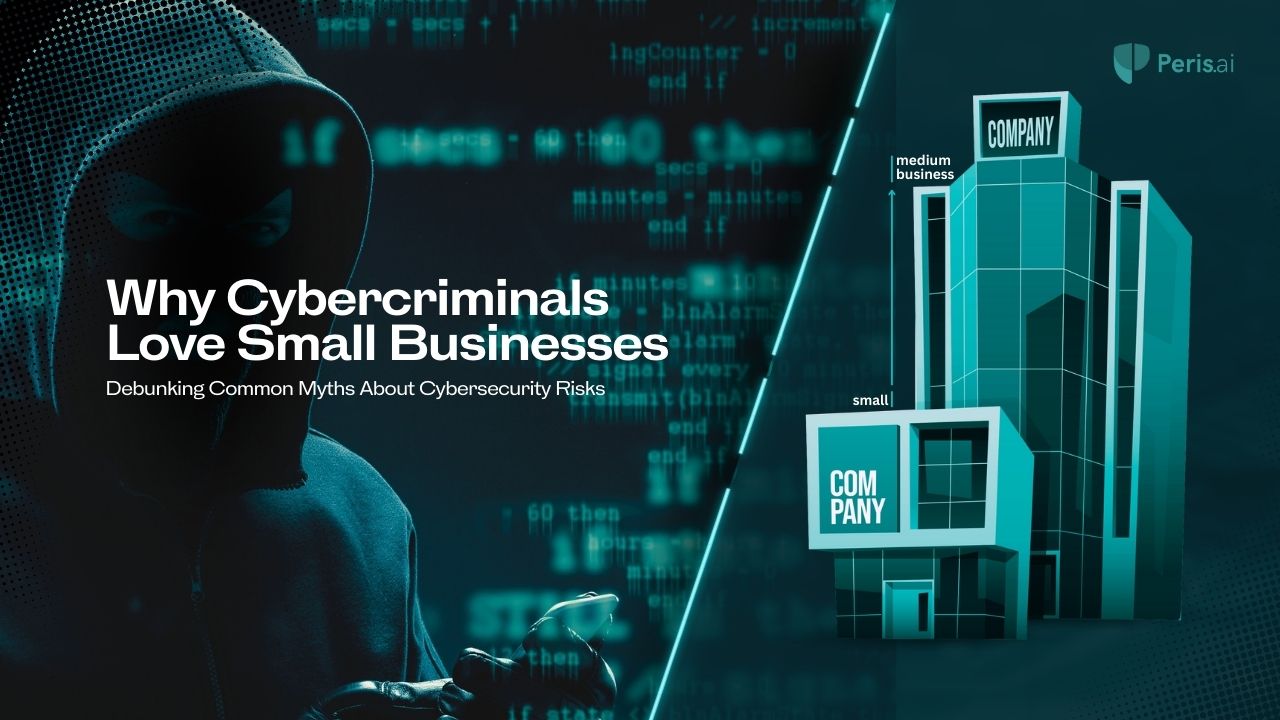
    Why Cybercriminals Love Small Businesses: Debunking Common Myths About Cybersecurity Risks

    Welcome to the world of cybersecurity, where the threats are real, and the myths are plenty. It’s a common misconception that cybercriminals only target large corporations, but small businesses are just as vulnerable to cyber attacks, if not more so. Small businesses may not have the same level of security measures in place as their larger counterparts, making them an appealing target for cybercriminals. Recent studies have shown that over half of all cyber-attacks target small businesses.

    Another common myth about cybersecurity risks is that small businesses are immune to cyber-attacks. This couldn’t be further from the truth. Cybercriminals often view small businesses as easy targets, as they may have weaker security measures and less expertise in dealing with cyber threats. Small businesses can be especially vulnerable to ransomware attacks, devastating their operations and finances.

    Finally, there is the myth that external threats, like hackers or viruses, always cause cyber attacks. While these external threats certainly exist, small businesses must also be aware of the risk posed by insider threats, such as employee negligence or malicious behavior. In many cases, these insider threats can be just as damaging as external threats, and small businesses need to take steps to protect themselves against both. This article will debunk these myths and explain why cybercriminals love small businesses.

    Cyber Attacks can severely affect small and medium businesses (SMBs).

    Myth #1: Cybercriminals Only Target Large Corporations

    Many people believe that cybercriminals only target large corporations with deep pockets. However, this is not true. Small businesses are often targeted precisely because they lack larger organizations’ security measures and resources. Cybercriminals know that small businesses are easier targets, so they focus their efforts on them.

    Small businesses are often seen as easy prey for cybercriminals because they may not have the same cybersecurity measures as larger companies. For example, a small business may not have a dedicated IT department or be unable to afford the latest cybersecurity tools. This makes them vulnerable to attacks, which can devastate the business.

    Myth #2: Small Businesses Are Immune to Cyber Attacks

    Another common myth about cybersecurity risks for small businesses is that they are immune to cyber-attacks. Some small business owners may think cybercriminals will not bother with their business because they are too small or insignificant. However, this is far from the truth.

    Small businesses are often targeted precisely because they are small. Cybercriminals know that small businesses may not have the same security measures as larger organizations, making them easier targets. Additionally, small businesses often have valuable data that cybercriminals can use for financial gain or to launch attacks on larger organizations.

    Myth #3: Cyber Attacks Are Always Caused by External Threats

    Many small business owners believe that cyber-attacks are always caused by external threats, such as hackers from other countries or cybercriminals looking to make a quick buck. However, this is not always the case. Many cyber attacks are caused by internal threats, such as employees who inadvertently or intentionally cause data breaches.

    Employees can be a significant risk factor for small businesses regarding cybersecurity. Whether through accidental actions, such as clicking on a phishing email, or intentional acts, such as stealing confidential data, employees can cause significant damage to a small business’s cybersecurity. Therefore, small business owners need to educate their employees on the importance of cybersecurity and implement measures to prevent internal threats.

    Why Cybercriminals Love Small Businesses

    Now that we’ve debunked some common myths about cybersecurity risks for small businesses let’s explore why cybercriminals love small businesses.

    First, small businesses often have valuable data that cybercriminals can use for financial gain. For example, small companies may store customer information, such as names, addresses, and credit card numbers. Cybercriminals can use this information to steal money from customers or launch attacks on other organizations.

    Second, small businesses often have weaker security measures than larger organizations. Cybercriminals know this and will specifically target small businesses that they know are vulnerable. Small businesses may not have the budget to invest in the latest cybersecurity tools or may not have the expertise to implement them effectively. This makes them an easy target for cybercriminals.

    Third, small businesses rely on third-party vendors for web hosting, payment processing, and customer relationship management services. These vendors may have security vulnerabilities, which can put small businesses at risk. Cybercriminals know this and specifically target small businesses using vulnerable third-party vendors.

    In Conclusion

    Cybercriminals love small businesses for a variety of reasons. Small businesses are often seen as easy targets due to their weaker security measures, reliance on vulnerable third-party vendors, and lack of resources to respond effectively to cyber attacks. Additionally, small businesses often have valuable data that cybercriminals can use for financial gain or to launch attacks on larger organizations.

    However, it is essential to note that many myths surround cybersecurity risks for small businesses. The belief that cybercriminals only target large corporations or that small businesses are immune to cyber attacks is false. Small businesses must be aware of their risks and take appropriate measures to protect themselves and their customers’ data.

    Ultimately, the best way for small businesses to protect themselves from cyber attacks is to invest in solid cybersecurity measures and educate their employees on the importance of cybersecurity. This includes implementing firewalls, antivirus software, and other cybersecurity tools, regularly updating passwords, and conducting security audits. By taking these steps, small businesses can reduce their risk of falling victim to cybercriminals and protect their valuable data.

    In today’s digital age, cybersecurity is more important than ever before. Small businesses must take cybersecurity seriously and proactively protect themselves from cyber threats. By doing so, they can safeguard their businesses and ensure the trust and loyalty of their customers. So, be smart and stay safe!