Tag: cybersecurity-for-startups

  • Hacker Tidak Hanya Mengincar Perusahaan Besar: Mengapa Startup dan UKM Indonesia Kini Jadi Target Utama Kejahatan Siber

    Hacker Tidak Hanya Mengincar Perusahaan Besar: Mengapa Startup dan UKM Indonesia Kini Jadi Target Utama Kejahatan Siber

    Bayangkan toko Anda (fisik maupun digital) dibiarkan terbuka tanpa kunci setiap malam. Tidak ada gembok, tidak ada alarm, tidak ada kamera. Siapa pun bisa masuk, mengambil apa yang mereka mau, dan pergi tanpa jejak. Itulah kondisi keamanan siber sebagian besar startup dan UKM digital di Indonesia hari ini.

    Banyak pemilik bisnis dan pendiri startup masih beranggapan: “Saya bukan target. Hacker hanya mengincar bank besar, perusahaan multinasional, atau pemerintah.” Anggapan ini bukan hanya salah, ini berbahaya. Dan ini tepatnya yang membuat bisnis kecil dan menengah menjadi target yang lebih menarik bagi sebagian besar pelaku kejahatan siber.

    Faktanya: Indonesia adalah negara yang paling banyak diserang serangan siber di Asia Tenggara pada 2026. Rata-rata, organisasi di Indonesia menerima ribuan serangan siber setiap minggu. Dan mayoritas korbannya bukan Fortune 500, melainkan bisnis seperti milik Anda.

    Mengapa Startup dan UKM Justru Lebih Menarik bagi Pelaku Kejahatan Siber?

    Logikanya sederhana: hacker mencari keuntungan maksimal dengan risiko minimal. Perusahaan besar memiliki tim keamanan siber penuh waktu, sistem monitoring canggih, dan prosedur respons insiden yang matang. Startup dan UKM, di sisi lain, sering kali:

    • Tidak memiliki tim IT keamanan khusus
    • Menggunakan password yang sama di banyak akun
    • Belum mengaktifkan autentikasi dua faktor (2FA)
    • Menyimpan data pelanggan tanpa enkripsi yang memadai
    • Menggunakan software bajakan atau tidak diperbarui

    60% target ransomware global adalah UKM, bukan korporasi besar. Alasannya: UKM memiliki data berharga (data pelanggan, rekening bisnis, sistem kasir), tetapi jarang memiliki backup yang memadai atau tim respons insiden. Artinya, tekanan untuk membayar tebusan jauh lebih besar.

    Biaya rata-rata satu insiden siber terhadap UKM: $25.000 sampai $50.000, atau setara ratusan juta rupiah — cukup untuk menutup bisnis yang baru berjalan beberapa tahun.

    5 Ancaman Siber Paling Umum yang Mengancam Startup Indonesia di 2026

    1️⃣ Ransomware via Email Phishing

    Ransomware adalah jenis malware yang mengenkripsi semua file di komputer Anda, lalu meminta tebusan agar Anda bisa mengaksesnya kembali. Cara masuknya paling sering melalui email yang terlihat sah, seolah dari kurir, bank, atau mitra bisnis, tetapi mengandung lampiran berbahaya.

    Bayangkan: seluruh data pelanggan Tokopedia seller Anda, laporan keuangan, database GoPay merchant semua terkunci. Anda tidak bisa operasional. Setiap jam, kerugian bertambah.

    2️⃣ Pencurian Data Pelanggan

    Data pelanggan seperti nama, email, nomor telepon, alamat, riwayat transaksi yang memiliki nilai tinggi di pasar gelap. Hacker yang berhasil mengakses database bisnis Anda bisa menjual data tersebut, menggunakannya untuk penipuan, atau mengancam untuk mempublikasikannya kecuali Anda membayar.

    Di bawah UU Perlindungan Data Pribadi (UU PDP) yang berlaku sejak 2024, kebocoran data pelanggan wajib dilaporkan dan dapat mengakibatkan sanksi, tidak ada pengecualian untuk UKM.

    3️⃣ Penipuan Email Bisnis (Business Email Compromise / BEC)

    Hacker meretas atau meniru akun email pimpinan perusahaan, lalu mengirimkan instruksi transfer ke tim keuangan. Email terlihat sah, menggunakan nama dan gaya penulisan yang familiar, dan mendesak tindakan segera.

    Korban BEC di Indonesia meningkat signifikan seiring adopsi email bisnis yang meluas. WhatsApp Business dan email Google Workspace yang tidak dilindungi 2FA adalah target utama.

    4️⃣ Cryptomining via Server Cloud yang Salah Konfigurasi

    Startup yang menggunakan layanan cloud (AWS, Google Cloud, DigitalOcean) sering kali salah mengkonfigurasi pengaturan akses, tanpa disadari membuka akses ke server mereka untuk publik. Hacker memanfaatkan ini bukan untuk mencuri data, tetapi untuk menjalankan program penambangan cryptocurrency menggunakan sumber daya komputasi Anda, yang berarti tagihan cloud Anda melonjak drastis.

    5️⃣ Serangan Rantai Pasokan Digital

    Plugin WordPress, ekstensi browser, aplikasi pihak ketiga yang terintegrasi dengan sistem Anda, semuanya adalah potensi pintu masuk. Kelompok APT Lotus Blossom, yang aktif di Asia Tenggara, telah menargetkan startup teknologi regional melalui software populer yang sudah dikompromikan.

    Apa yang Terjadi Jika Bisnis Anda Terkena Serangan Siber?

    Mari kita bicara nyata. Ketika bisnis kecil terkena serangan siber:

    • Operasional berhenti. Tidak bisa mengakses sistem POS, database pelanggan, atau platform e-commerce.
    • Kerugian langsung. Kehilangan transaksi, biaya pemulihan data, potensi pembayaran tebusan.
    • Kehilangan kepercayaan pelanggan. Berita kebocoran data menyebar cepat, terutama di era media sosial.
    • Sanksi regulasi. UU PDP dan regulasi BSSN No. 1/2024 mengharuskan pelaporan insiden siber, kegagalan melapor menambah masalah hukum.
    • Dampak jangka panjang. Reputasi bisnis yang rusak butuh waktu lama untuk dipulihkan, bahkan setelah sistem teknis kembali normal.

    ✅ Checklist 5 Langkah Praktis yang Bisa Dilakukan Hari Ini

    Kabar baiknya: ada langkah-langkah dasar yang tidak membutuhkan anggaran besar tetapi memberikan perlindungan signifikan.

    Langkah 1: Aktifkan Autentikasi Dua Faktor (2FA) di Semua Akun Penting

    Email bisnis (Gmail/Google Workspace), akun Tokopedia Seller, OVO bisnis, GoPay merchant, internet banking, dan platform cloud, semua harus dilindungi 2FA. Ini adalah satu langkah yang paling efektif mencegah pengambilalihan akun, meskipun password Anda bocor.

    Cara: Masuk ke pengaturan keamanan masing-masing platform dan aktifkan “Two-Step Verification” atau “Autentikasi 2 Langkah.” Gunakan aplikasi Google Authenticator atau SMS OTP.

    Langkah 2: Backup Data Secara Otomatis Setiap Hari

    Ransomware kehilangan kekuatannya jika Anda memiliki backup terbaru. Atur backup otomatis harian ke lokasi yang terpisah dari sistem utama: cloud storage (Google Drive, Dropbox bisnis) ATAU hard drive eksternal yang tidak selalu terhubung ke komputer.

    Aturan 3-2-1: 3 salinan data, di 2 media berbeda, dengan 1 salinan di lokasi berbeda (offsite atau cloud).

    Langkah 3: Latih Semua Karyawan Mengenali Email Phishing

    Satu karyawan yang mengklik lampiran berbahaya bisa menghancurkan seluruh sistem. Pelatihan singkat 1 jam per tahun terbukti mengurangi risiko phishing lebih dari 60%. Ajarkan tim Anda untuk:

    • Selalu periksa alamat email pengirim dengan teliti (bukan hanya nama tampilan)
    • Jangan pernah mengklik lampiran dari pengirim yang tidak dikenal
    • Hubungi pengirim melalui saluran lain jika menerima instruksi transfer yang mencurigakan
    • Laporkan email mencurigakan ke tim IT atau pimpinan

    Langkah 4: Perbarui Semua Software Secara Rutin

    Software yang tidak diperbarui mengandung kelemahan keamanan yang sudah diketahui publik, dan oleh hacker. Aktifkan pembaruan otomatis untuk sistem operasi, browser, aplikasi bisnis, dan plugin website.

    Jika menggunakan WordPress, perbarui plugin dan tema secara berkala. Plugin WordPress yang usang adalah salah satu vektor serangan paling umum untuk website UKM Indonesia.

    Langkah 5: Gunakan Password yang Kuat dan Unik untuk Setiap Akun

    Password seperti “toko123” atau “namabisnis2024” dapat diretas dalam hitungan detik. Gunakan password manager seperti Bitwarden (gratis) atau 1Password untuk membuat dan menyimpan password yang kuat dan unik untuk setiap akun. Jangan pernah menggunakan password yang sama di lebih dari satu akun.

    Seberapa Besar Biaya Keamanan Siber vs. Biaya Insiden?

    Ini perbandingan yang perlu dipertimbangkan setiap pemilik bisnis:

    Biaya Perlindungan Biaya Jika Tidak Terlindungi
    Layanan monitoring keamanan dasar: mulai dari jutaan rupiah/bulan Rata-rata kerugian ransomware UKM: ratusan juta rupiah
    Pelatihan anti-phishing karyawan: 1 jam/tahun Kehilangan kepercayaan pelanggan: permanen
    Password manager: gratis, ratusan ribu rupiah/bulan Sanksi UU PDP: belum ditetapkan, namun signifikan
    Backup cloud otomatis: puluhan ribu, ratusan ribu rupiah/bulan Downtime operasional: ratusan juta rupiah per hari

    Investasinya kecil. Konsekuensi tidak berinvestasi bisa fatal untuk bisnis.

    Bagaimana Peris.ai Membantu Startup dan UKM Indonesia?

    Peris.ai adalah perusahaan keamanan siber berbasis agentic AI yang berkantor di Singapura, Indonesia (Jakarta), dan UAE. Kami memahami bahwa tidak semua bisnis memiliki tim SOC internal yang lengkap, itulah mengapa solusi kami dirancang untuk berbagai skala bisnis, termasuk startup dan UKM yang baru membangun fondasi keamanan digitalnya.

    Pandava adalah layanan penetration testing (uji penetrasi) Peris.ai, langkah penting bagi startup yang ingin tahu seberapa aman sistem mereka sebelum hacker menemukannya lebih dulu. Pandava mensimulasikan serangan nyata terhadap website, aplikasi mobile, dan infrastruktur cloud Anda, lalu menghasilkan laporan lengkap tentang celah yang ditemukan beserta rekomendasi perbaikannya. Seperti memanggil “pencuri profesional” untuk menguji keamanan toko Anda, lebih baik tahu sekarang daripada setelah kejadian.

    Korava adalah platform bug bounty Peris.ai yang memungkinkan bisnis Anda memanfaatkan komunitas peneliti keamanan siber untuk menemukan kerentanan di sistem Anda secara berkelanjutan. Alih-alih mengandalkan satu tim internal, Korava menghubungkan Anda dengan ratusan ethical hacker yang dibayar hanya ketika mereka berhasil menemukan bug nyata, model yang efisien secara biaya untuk UKM yang ingin keamanan berlapis tanpa anggaran besar. Ini adalah cara startup-startup teknologi terkemuka dunia menjaga keamanan produk mereka secara proaktif.

    Layanan Konsultasi 1-1 Peris.ai tersedia bagi startup yang membutuhkan panduan keamanan siber yang disesuaikan dengan kebutuhan dan anggaran spesifik mereka. Tim Peris.ai terdiri dari praktisi dengan pengalaman lebih dari 10 tahun di red team dan operasional SOC.

    Peris.ai juga terdaftar di BSSN (Badan Siber dan Sandi Negara), memberikan keyakinan tambahan bahwa layanan yang Anda dapatkan memenuhi standar keamanan siber nasional Indonesia.

    Tidak Ada “Terlalu Kecil untuk Diserang”

    Setiap bisnis yang memiliki data pelanggan, rekening bisnis, atau sistem digital adalah target potensial. Semakin besar adopsi digital, semakin Anda mengandalkan GoPay, Tokopedia, WhatsApp Business, Google Workspace, dan layanan cloud semakin besar pula permukaan serangan yang perlu dilindungi.

    Pernyataan “saya terlalu kecil untuk diserang” adalah yang paling diharapkan oleh pelaku kejahatan siber untuk terus Anda percayai.

    Indonesia mencatat rata-rata ribuan serangan siber per minggu per organisasi. Serangan berikutnya mungkin mengincar bisnis Anda dan pertanyaannya bukan jika, tapi kapan. Persiapan hari ini menentukan dampaknya saat itu terjadi.

    Kunjungi Peris.ai dan temukan solusi keamanan siber berbasis AI yang akan memperkuat pertahanan digital Anda dari ancaman modern. Mulai dengan konsultasi gratis dan pahami apa saja yang perlu dilindungi dalam bisnis Anda!

    Pertanyaan yang Sering Diajukan

    Apakah bisnis kecil benar-benar menjadi target hacker?

    Ya, dan sangat sering. 60% target ransomware global adalah UKM karena mereka memiliki data berharga tetapi pertahanan yang lebih lemah. Indonesia adalah negara paling banyak diserang di Asia Tenggara pada 2026.

    Apa langkah pertama yang harus dilakukan untuk melindungi bisnis dari serangan siber?

    Aktifkan autentikasi dua faktor (2FA) di semua akun penting, email bisnis, perbankan digital, platform e-commerce, dan layanan cloud. Ini adalah langkah paling efektif dengan biaya nol.

    Apakah UU PDP berlaku untuk UKM dan startup?

    Ya. UU Perlindungan Data Pribadi Indonesia yang berlaku sejak 2024 tidak memiliki pengecualian berdasarkan ukuran bisnis. Setiap bisnis yang memproses data pribadi pelanggan wajib mematuhi ketentuan perlindungan data, termasuk kewajiban pelaporan kebocoran.

    Berapa biaya rata-rata serangan siber terhadap UKM?

    Biaya rata-rata insiden siber terhadap UKM berkisar $25.000 hingga $50.000 (atau setara ratusan juta rupiah) menurut data FBI IC3 2024. Ini belum termasuk kerugian operasional, kerusakan reputasi, dan potensi sanksi regulasi.

    Bagaimana cara mengetahui apakah bisnis saya sudah jadi target serangan siber?

    Tanda-tanda umum: kecepatan sistem yang tiba-tiba melambat, tagihan cloud yang melonjak tidak wajar, akun yang mengirim email tanpa sepengetahuan Anda, atau pelanggan melaporkan menerima pesan mencurigakan dari akun bisnis Anda. Jika Anda mencurigai adanya insiden, segera hubungi tenaga ahli keamanan siber.


  • The Myth of “Too Small to Hack”

    The Myth of “Too Small to Hack”

    Many small and mid-sized businesses (SMBs) cling to a dangerous assumption: “We’re too small to be on a hacker’s radar.” This mindset has lulled organizations across industries into a false sense of security—leaving them exposed, unprepared, and frequently blindsided by modern cyber threats.

    In today’s digital economy, cybercriminals no longer discriminate by size. They prioritize ease of access, automation potential, and data monetization—not revenue size or employee count. Whether you’re a local fintech startup, a regional retailer, or a lean SaaS team with rapid growth, you’re a potential target.

    This article dismantles the “too small to hack” myth and explores how businesses of all sizes can build cyber resilience—especially when they adopt accessible, AI-driven, and scalable security platforms like those offered by Peris.ai Cybersecurity.

    The Dangerous Assumptions Behind “Too Small to Hack”

    Common Misconceptions:

    • “We don’t have anything worth stealing.”
    • “Hackers go after large enterprises, not local companies.”
    • “We’ve never had a breach, so we’re doing fine.”
    • “Cybersecurity is too expensive for us.”

    Reality Check:

    • Data is data—whether it’s one customer’s credit card or ten thousand. Even limited data sets can be sold on the dark web.
    • Automation tools make it cheap and easy for attackers to mass-target thousands of small businesses at once.
    • Supply chain attacks exploit small vendors to compromise larger partners.
    • Silent breaches often go undetected for months in smaller firms, which typically lack the monitoring tools to flag intrusion.

    The Growing Risk Landscape for SMBs

    Why Hackers Love Targeting Small Businesses:

    • Weaker or nonexistent cybersecurity defenses
    • Slower patch cycles and outdated systems
    • Minimal employee training on phishing/social engineering
    • No dedicated SOC or incident response team
    • Limited awareness of compliance requirements (GDPR, ISO, HIPAA)

    What the Data Says:

    • 43% of all cyberattacks target SMBs (Verizon DBIR 2024)
    • 60% of small businesses go out of business within six months of a major cyber incident (National Cyber Security Alliance)
    • 81% of SMBs are not financially prepared to recover from a ransomware attack (CyberCatch Report 2024)

    Attack Vectors Commonly Exploited in Small Businesses

    Phishing & Social Engineering

    • Employees often fall for fake invoices or IT requests.
    • No email filtering or security awareness training.

    Unpatched Systems

    • Legacy software or ignored updates lead to known CVEs being exploited.

    Poor Access Controls

    • One leaked admin credential can expose the entire database.
    • Unsecured Web Apps
    • Exposed APIs or admin panels with default passwords.

    Shadow IT

    • Employees installing unauthorized tools or cloud apps without IT oversight.

    The Business Cost of Believing the Myth

    Financial Damage

    • Ransomware demands, legal fines, downtime losses, and recovery costs.
    • Small businesses often pay more proportionally than enterprises due to lack of internal resources.

    Regulatory Penalties

    • Non-compliance with ISO 27001, GDPR, PCI DSS, or local data laws can result in serious penalties—even for small firms.

    Reputation and Client Trust

    • For startups and SMBs, trust is currency. One breach can erode years of brand-building overnight.

    Missed Business Opportunities

    • Larger enterprises increasingly require strong security posture from their vendors. Weak cybersecurity = lost contracts.

    Why Traditional Security Fails Small Businesses

    Too Complex: Most traditional cybersecurity tools are designed for large IT teams—not lean SMBs.

    Too Expensive: SIEMs, EDRs, and compliance audits cost tens of thousands. Budget-conscious firms skip them entirely.

    Too Fragmented: Managing endpoint, network, and application security across tools is overwhelming without centralized visibility.

    Too Reactive: Manual detection and response delay mitigation, increasing breach damage.

    A Better Path Forward with Peris.ai Cybersecurity

    At Peris.ai, we’ve seen this myth cause too much damage. That’s why we’ve built cybersecurity solutions that are:

    • Modular – Start small, scale as needed
    • Agentic AI-driven – Let automation handle repetitive detection and triage
    • Unified – Centralized visibility across endpoints, networks, apps, and cloud
    • Accessible – Designed for technical and non-technical teams alike
    • Affordable – Pay-as-you-go or bundled services based on company size

    How Peris.ai Secures SMBs with Enterprise-Grade Technology

    Use Case: Early-stage Fintech Startup

    • Pain Point: Lacked monitoring tools and patch workflows
    • Solution: Deployed BIMA RED for real-time asset scanning and exposure scoring
    • Outcome: Detected 3 vulnerable endpoints before attackers did

    Use Case: Regional Retail Chain

    • Pain Point: No incident response protocol, phishing rampant
    • Solution: Adopted Brahma Fusion to automate alert triage and response
    • Outcome: Cut response time from 45 minutes to under 5 minutes

    Use Case: Creative Agency with Sensitive Client Data

    • Pain Point: Weak identity management
    • Solution: Integrated Peris.ai EDR with behavioral analytics
    • Outcome: Detected unauthorized access from a compromised contractor account

    What You Can Do Today

    Quick Wins for SMB Cybersecurity

    • Enable MFA on all accounts
    • Regularly update and patch software
    • Back up critical data offsite or in the cloud
    • Train staff to spot phishing
    • Monitor your digital assets (web, app, API) for exposure

    Strategic Investments

    • Deploy automated detection and response tools
    • Consider penetration testing (like Pandava by Peris.ai)
    • Engage a managed security partner or leverage modular platforms like Brahma Fusion

    No Business Is Too Small to Hack. But You Can Be Too Slow to Respond.

    The myth of “too small to hack” is not just outdated—it’s dangerous. Threat actors don’t care about your headcount. They care about weak defenses, slow response, and easy monetization.

    By building a modern, AI-enhanced cybersecurity foundation, small businesses can level the playing field. Peris.ai’s mission is to democratize cybersecurity—giving lean teams the tools and automation they need to defend like the big players.

    Conclusion: Security is Now a Startup Strategy

    Security is no longer a cost center—it’s a competitive edge.

    Whether you’re pitching investors, onboarding enterprise clients, or expanding globally, a strong security posture builds trust and resilience. And with scalable solutions from Peris.ai Cybersecurity, that edge is now within reach for teams of all sizes.

    Ready to secure your business? Visit www.peris.ai to explore our agentic AI and hyperautomation solutions tailored to startups and SMBs.

  • Scaling SaaS Securely with Peris.ai’s Modular Security Platform

    Scaling SaaS Securely with Peris.ai’s Modular Security Platform

    For Software-as-a-Service (SaaS) companies, growth is both the goal and the challenge. Rapid user adoption, global expansion, and infrastructure complexity are signs of success—but they also multiply security risks. As you scale, your attack surface widens, compliance requirements become tougher, and downtime becomes costlier.

    SaaS teams often face a harsh reality: security can’t keep up with the pace of product innovation. Manual processes, patchwork tools, siloed teams, and reactive incident handling create a dangerous gap between speed and safety.

    Peris.ai Cybersecurity was built to close that gap—by enabling SaaS companies to scale securely, intelligently, and efficiently using a modular, AI-powered cybersecurity platform tailored for fast-moving digital products.

    This article explores how Peris.ai helps modern SaaS platforms scale without compromise.

    Chapter 1: The Hidden Security Struggles of Scaling SaaS

    While SaaS companies chase product-market fit, they often overlook how their security posture evolves (or degrades) with scale. Common challenges include:

    1. Expanding Attack Surface

    Each new integration, subdomain, or feature release potentially opens a new door for attackers. From exposed APIs to forgotten staging servers, SaaS growth often leaves security blind spots.

    ⚙️ 2. DevSecOps Misalignment

    Engineering teams push new features fast. Security teams chase vulnerabilities slower. This disconnect delays releases, frustrates developers, and leads to friction that slows innovation—or worse, leads to risky shortcuts.

    3. Inconsistent Identity & Access Management

    As teams grow and roles shift, access rights are rarely updated. SaaS platforms face risks from overprivileged users, ex-employee credentials, and misconfigured IAM.

    4. Patchwork Security Stack

    Most SaaS teams start with point solutions—an EDR here, a vulnerability scanner there—but lack orchestration. The result? Alert fatigue, disconnected workflows, and no single source of truth.

    5. Compliance Lag

    New markets often bring new regulations. GDPR, SOC 2, ISO 27001, HIPAA—each one adds overhead. Without automation, compliance becomes a bottleneck instead of a growth enabler.

    Chapter 2: Peris.ai’s Modular Security Architecture for SaaS

    Peris.ai offers a hyperautomated, modular platform that adapts to your architecture, use case, and growth stage. Unlike monolithic tools that force rigid workflows, Peris.ai allows SaaS providers to plug in exactly what they need—across visibility, threat detection, automation, and compliance.

    Core Modules for Scaling SaaS Securely

    ️ 1. BimaRed – Attack Surface Management (ASM)

    As you add new endpoints, domains, and microservices, BimaRed continuously scans your environment, identifies vulnerabilities, and prioritizes them based on exploitability and business impact.

    Benefits for SaaS:

    • Discover shadow APIs and forgotten subdomains
    • Prioritize CVEs based on exposure level
    • Enable developers to patch via integrated ticketing (e.g., JIRA, GitLab)

    Use Case Example: A SaaS analytics provider used BimaRed to reduce their public-facing vulnerabilities by 62% in 3 weeks—without disrupting development sprints.

    2. IndraCTI – Contextual Threat Intelligence (CTI)

    Scaling introduces exposure to targeted attacks, phishing, and zero-day exploits. IndraCTI ingests global threat feeds, correlates them with internal telemetry, and provides context-aware alerts.

    Benefits for SaaS:

    • Detects emerging threats relevant to your tech stack
    • Correlates phishing campaigns with targeted domains
    • Prioritizes response based on industry-specific risks

    Use Case: A SaaS HR tech company prevented credential stuffing attacks after IndraCTI detected dark web chatter about a targeted email campaign.

    ⚙️ 3. BrahmaFusion – Hyperautomation & SOAR-like Engine

    At the heart of Peris.ai’s platform is BrahmaFusion—an AI-driven orchestration and automation engine. It replaces repetitive tasks, speeds up triage, and connects all your tools and teams.

    Capabilities:

    • Automated alert triage & ticket creation
    • Real-time compliance control checks
    • Response playbooks with auto-remediation actions

    Impact for SaaS Teams:

    • Cut Mean Time to Respond (MTTR) by over 40%
    • Eliminate 35% of manual workloads
    • Scale security workflows across cloud environments

    4. Pandava – Pentest-as-a-Platform

    Every SaaS product needs periodic penetration testing—especially to meet SOC 2, ISO 27001, and investor diligence. Pandava brings this in-house with a real-time dashboard, verified ethical hackers, and continuous testing workflows.

    Features:

    • Collaborative dashboard between dev and security
    • Track remediation in real time
    • Support for ISO, OWASP, and custom frameworks

    5. IRP – Incident Response Platform

    SaaS teams can’t afford downtime or reputation damage. The IRP module ensures rapid, orchestrated response across IT, security, and engineering.

    Includes:

    • Centralized incident case management
    • Playbook builder for breach response
    • Integration with email, Slack, ticketing, and firewalls

    Chapter 3: Business Benefits of Peris.ai for SaaS Companies

    1. Security That Scales with You

    Peris.ai grows as you grow—supporting everything from early-stage MVPs to enterprise-grade multi-cloud systems.

    2. Compliance Simplified

    With automation and real-time mapping to frameworks like SOC 2 and ISO 27001, compliance becomes an ongoing advantage—not an annual headache.

    3. Data-Driven Security Decisions

    Get real-time visibility into threats, compliance gaps, and asset exposure—turning security from a black box into a business driver.

    Chapter 4: Real-World Case Studies

    Case Study 1: SaaS Fintech Scaling to Southeast Asia

    Problem: The company lacked visibility over its cloud attack surface and was unprepared for SOC 2 audits as it expanded into three new countries.

    Solution with Peris.ai:

    • BimaRed scanned and prioritized over 300 exposed assets
    • BrahmaFusion automated compliance control checks for SOC 2
    • IRP handled 3 security incidents with under 5-minute response times

    Outcome: The company passed its SOC 2 audit with zero findings, cut response time by 66%, and onboarded 10,000+ new users confidently.

    ⚙️ Case Study 2: AI SaaS Startup Using Multi-Cloud

    Problem: Rapid releases and infrastructure sprawl across AWS and GCP led to misconfigurations and IAM drift.

    Solution with Peris.ai:

    • IndraCTI detected abnormal login behavior tied to leaked credentials
    • Pandava helped simulate attacks across cloud environments
    • BrahmaFusion automated revocation of suspicious tokens

    Impact: Prevented breach escalation, tightened access controls, and built executive confidence in security maturity—essential for Series A fundraising.

    Chapter 5: Why Modular Matters in SaaS Security

    Peris.ai’s modular approach means you don’t need to over-engineer your security stack. You can:

    • Start with ASM and CTI
    • Add IRP and Pandava during scale
    • Enable full compliance automation as you expand into regulated sectors

    This flexibility lowers friction, reduces costs, and increases adoption across both technical and non-technical teams.

    Conclusion: Secure Growth Starts with Smart Architecture

    Scaling a SaaS product is hard. Doing it securely is harder. But it shouldn’t be.

    Peris.ai brings the modularity, automation, and intelligence needed to build a secure SaaS company without slowing down growth. From discovery to detection, compliance to containment, you get a scalable cybersecurity framework built for agility—not bureaucracy.

    Whether you’re building your first MVP or entering new markets, Peris.ai is the security partner that helps you move fast—without breaking things.

    Ready to Secure Your SaaS Platform?

    Discover how Peris.ai helps SaaS companies accelerate growth securely with modular, AI-driven security automation.

    Learn more at www.peris.ai Contact our team: contact@peris.ai

  • Startup Security 101: 6 Ways to Protect Your Venture With Minimal Spend!

    Startup Security 101: 6 Ways to Protect Your Venture With Minimal Spend!

    In the world of startups, speed, and growth matter a lot. But often, cybersecurity doesn’t get enough focus. With startups facing limits in both staff and money, protecting their business well seems tough. The good news? You can keep your startup safe without spending too much. It just takes smart moves and the right strategies for startup security on a budget.

    Key Takeaways

    • Startups can find cost-effective ways to enhance their cybersecurity posture by focusing on “low-hanging fruit” – steps that are inexpensive but highly impactful.
    • Understanding the cybersecurity landscape and assessing an organization’s needs are crucial first steps in developing an effective security strategy, especially for startups with limited resources.
    • Startups possess valuable data and ideas that make them attractive targets for cybercriminals, underscoring the importance of prioritizing cybersecurity.
    • Embedding a security-conscious culture within a startup, with leaders setting the tone and providing consistent training, can significantly improve overall security.
    • Implementing a robust incident response and remediation plan is a low-cost investment that can help startups stay ahead of potential security breaches and minimize their impact.

    The Importance of Cybersecurity for Startups

    Startups often focus more on growth than on cybersecurity, thinking it’s not urgent. Yet, not securing their digital information can be very costly. Startups with low-security spending and few resources are high on hackers’ lists. About 43% of cyberattacks target these underfunded companies. And sadly, nearly 60% of them close within six months of being attacked.

    Limited Resources Make Startups Prime Targets

    Startups face big challenges with cybersecurity, no matter how far along they are. They usually can’t afford to protect their systems as well as they’d like. Because of this, they become easy prey for hackers wanting to steal their data. Having a small security budget and a lean security strategy makes startups more vulnerable. This is because they appear weaker, inviting cybercriminals to attack them.

    The High Cost of Cyberattacks on Small Businesses

    If a startup gets hit by a cyberattack, it can hurt them. They might not recover from the financial and reputational harm. Shockingly, almost 60% shut down within six months of a breach. This is why having at least minimum viable security is crucial for startups. It helps protect key startup cybersecurity priorities like customer data and intellectual property. Doing so keeps their trust, brand, and long-term venture capital security expenses secure.

    Planning a Cybersecurity Strategy on a Budget

    Startups often find it hard to balance risk and resources. They must secure data without using up all their funds. It’s important to focus on cybersecurity investments wisely. By doing so, they can protect their business well, without overspending. The goal is to focus on what’s most important, create a smart plan, and start with a basic, but effective, security setup.

    Understanding Your Cyber Threat Landscape

    The first step in planning for security is to know your risks. It means looking at what threats your type of business is likely to face. This involves looking at what similar companies spend on security. This helps to focus on the most common security issues and spend your money wisely.

    Assessing Your Digital Footprint and Risks

    Next, you need to check how much you’re exposed online and where. This means looking at your website, social media, and more. It’s important to know what a security breach could mean for your business. Knowing this helps to decide where to put your security budget.

    Evaluating Your Cybersecurity Maturity Level

    Understanding how ready your security measures are is crucial. This step shows where your security strengths and weaknesses lie. It helps to better spend your budget. This ensures you are making the best decisions for your startup.

    Designing a Lean Cybersecurity Architecture

    After knowing your risks and current security level, it’s time to act. Focus on building a simple but effective security plan. This method aims to do what’s necessary and nothing extra. It saves money and boosts security where it’s needed most. that effectively addresses their unique startup cybersecurity priorities and security spending constraints, ultimately enhancing their overall resilience and protecting their valuable assets.

    Low-Cost Cybersecurity Measures for Startups

    Startups can boost their security even on a tight budget. They can start by training their staff to spot and avoid phishing scams. This step helps decrease the risk of cyberattacks. Also, they can use free security options like multi-factor authentication and encryption. These help without costing extra.

    Employee Security Awareness Training

    Phishing is a big issue for startup security. But with the right training, employees can learn to beat these tricks. This not only saves money but also shields the startup from cyber threats. It protects their startup security spend and early-stage company security budget.

    Enabling Free Security Features

    Free tools like multi-factor authentication are available from many services. These tools help protect vital startup data without more costs. Startups can thus build a strong security base without heavy spending. It’s key for security spending for startups and bootstrapped security spending.

    Implementing a Patching Routine

    Keeping software up-to-date is crucial, even for small businesses. Regular patches can help prevent cyberattacks and protect data. This approach strengthens the startup’s security measures, safeguarding their startup cybersecurity priorities.

    The Role of Resource Tagging in Security

    In today’s startup security spend world, resource tagging has become a key player. It’s known for being both low-cost and very effective. Experts say adding labels to resources is crucial for startups with venture capital security expenses constraints. Tagging helps these early companies improve their security a lot.

    When you tag your resources clearly, it’s easy to see who manages them. This is super helpful when there’s a security issue. Knowing this quickly can decrease the time it takes to fix a problem. It’s all about getting things done fast, a big deal in startup cybersecurity priorities.

    Also, tagging is seen as a smart, basic part of a security plan. It’s a key for security spending for startups and bootstrapped security spending. With tagging, you’re setting up a lean security strategy beautifully.

    Resource tagging doesn’t have to cost a lot. It can help startups do more with less, improving their security step by step. This approach fits well with the thinking of those who focus on their startup security spend and cybersecurity investments. It’s keeping in mind what’s best for their business.

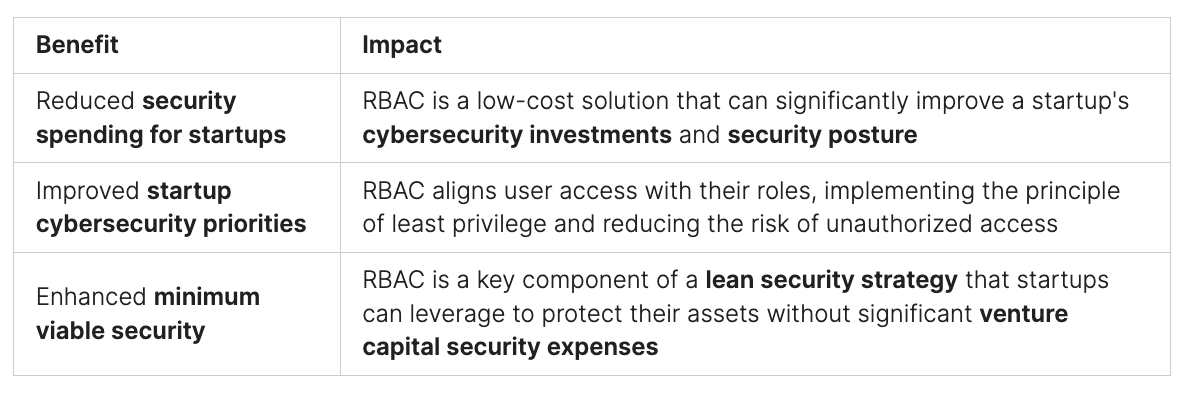
    1. Leveraging Role-Based Access Control (RBAC)

    When thinking about how much to spend on startup security, cybersecurity investments, and total security budget for startups, many overlook Role-Based Access Control (RBAC). This approach is a cost-effective way for startups to boost their security level. Yet it’s something often forgotten in security budgets for early-stage companies and seed funding security plans.

    Instead of giving users the exact access they need, startups usually just give everyone admin rights. This makes things quicker and easier but not safe. The source points out that using RBAC to set specific access for each user takes less effort than fixing a cyber-attack from user accounts with too much access.

    The advice for startups is clear, no matter their bootstrapped security finances or size. They should use RBAC. This will make their security level better and reduce the risk from accounts that have too much access.

    2. Startup Security Spend: Password Management Solutions

    When thinking about startup security spend, password management is key. The best option is a single sign-on (SSO) system. It lets employees use all their apps with just one login. This method cuts down on the chances for thieves to steal credentials.

    SSO services, however, can be hard on the wallet and need a lot of resources. This makes it tough for early-stage companies with slim cybersecurity investments. Instead, password managers are a budget-friendlier choice. They create strong, unique passwords for each app and service. You only need to remember one master password to access them all. This strategy is smarter than using the same password for everything since it lowers the chances of being attacked.

    Starting a business often means racing to make products while trying to bring in money. But, the importance of securing passwords shouldn’t be forgotten, no matter the budget. A good password manager can be a smart, money-saving choice for bootstrapped or venture-backed startups. It’s proof that you can increase your security without breaking the bank.

    3. Embedding a Security-Conscious Culture

    Startups must build a culture focused on security. This is key for strong cybersecurity planning. The culture not only shapes who joins. It also affects the values the team lives by and the choices they make daily.

    Leaders must set a good example. They should show a deep commitment to security spending. This means being serious about investing in cybersecurity.

    Leading by Example from the Top

    Employees watch what their leaders do. When leaders make security a core value, the whole team follows. Leaders show security is a top concern by budgeting for it carefully. This moves the team to think the same way.

    Consistent Cybersecurity Training Programs

    Startups need to invest in training. This is part of the security budget. Everyone must know how to stay safe online. Such training confirms the company’s priority on cybersecurity.

    Sprinto’s training programs are a good example. They help startups spread a security-focused mindset throughout their teams.

    4. Monitoring, Detection, and Defense Strategies

    As startups use the cloud more, their devices are key for smooth work. It’s important to put serious thought into startup security spend and cybersecurity investments. This means making sure monitoring, detection, and defense are top priorities in their lean security strategy.

    Antivirus Software and Intrusion Detection

    Their first step should be installing good antivirus software and setting up an intrusion detection system. These tools find and stop threats early, which is critical for protecting early-stage company security budgets and seed funding security allocation.

    Log Management and Activity Tracking

    On top of that, startups need log management and activity tracking to watch over their online tracks. Keeping an eye on what networks and users do helps catch and handle any dangers right away. This makes the risk of big costs from venture capital security expenses lower.

    They should also look into compliance automation platforms like Sprinto. These help with tracking the rules and making sure you’re keeping up. Training workers to use strong and unique security spending for startups and bootstrapped security spending also goes a long way in making systems more secure.

    5. Incident Response and Remediation Planning

    In today’s fast-moving startup scene, cybersecurity investments and security spending for startups are tight. So, it’s critical to have a strong incident response and remediation plan. This is key even though putting effort into preventing and spotting issues is a must. Planning to fix problems is as vital. It helps early-stage companies deal with setbacks smartly, instead of reacting in chaos to every security incident.

    To keep threats at bay and reduce the harm to their work, startups should invest in this area. A solid incident response and remediation plan shows that bootstrapped startups take cybersecurity priorities seriously. It doesn’t just safeguard their data and ideas. It also makes investors, big-business clients, and authorities trust them more.

    Having a well-thought-out incident response and remediation plan is key for startups. It lets them catch problems early, take steps ahead of time, and lessen the impact of security snags. With this smart strategy and other low-cost cybersecurity measures, early-stage companies can boost their security. This prepares them for a bright future in the competitive startup world.

    6. Following Best Cybersecurity Practices

    Startups face threats beyond just financial loss. Cybercriminals aim at the valuable data they own. This info includes things like usernames, emails, and credit cards. If this gets out, it can badly hurt the startup’s future and how customers see it. So, it’s crucial for startup founders to not skip spending on security. It’s not just about money; it’s about protecting the company’s ideas, customer info, and image too.

    Protecting Valuable Data Beyond Finances

    Hackers don’t always go for money. Often, they want personal data that startups have. For startups, investing in strong data protection is critical, even if their budget is tight. They need to focus on keeping their info safe from hacks, no matter the cost of protection.

    Startups can protect their info without spending too much. They can do this by focusing on the most important security steps first. These include training their staff, controlling who has access to their data, and planning how to handle any security emergencies. This creates a strong security culture that helps the company keep growing and doing well.

    Conclusion

    Startups may have limited budgets, but they can still effectively defend against cyber threats by implementing cost-effective cybersecurity practices. These measures are essential for maintaining security, demonstrating due diligence, and building trust with investors, large clients, and certification bodies.

    Protecting data is crucial for startups, as they often hold valuable information and innovative ideas that make them prime targets for cybercriminals. Strategic budgeting for cybersecurity is vital for staying ahead of emerging threats and regulatory requirements. Wise investments in security can ensure ongoing protection and compliance.

    Utilizing free security tools and ensuring regular security updates can establish a solid foundation. Additionally, fostering a workplace culture that prioritizes security is indispensable. Implementing password managers and automated compliance tools further enhances a startup’s security posture. These strategies not only safeguard the startup’s assets but also support sustainable growth in the digital landscape.

    For comprehensive cybersecurity solutions tailored to your needs, visit Peris.ai Cybersecurity. Explore our range of products and services designed to protect your business and help you thrive in the ever-evolving cyber world. Don’t wait—secure your startup today with Peris.ai Cybersecurity.

    FAQ

    What are the major challenges startups face in managing cybersecurity risks?

    Startups often struggle with limited staff and funds for strong cybersecurity. They focus more on their products and earning money. Due to this, security sometimes comes as an afterthought.

    Why are startups prime targets for cyberattacks?

    Less-funded companies face about 43% of all cyberattacks. Sadly, almost 60% of small businesses close after being attacked. Startup data and new ideas make them tempting for cybercriminals.

    What are the key steps in developing an effective cybersecurity strategy for startups?

    Startups need to learn about the cyberspace threats they face. It’s crucial they check their risks and digital profile. By knowing their security readiness, they can build a good security plan with limited resources.

    What are some low-cost cybersecurity measures startups can implement?

    Employee training on security is crucial. Using free security tools like multi-factor authentication and encryption is a smart move. It’s also important to regularly update software to fix bugs.

    How can resource tagging improve security for startups?

    Resource tagging helps figure out who’s responsible for a resource during a security threat. This quickens response times and cuts down on fixing time.

    How can startups leverage Role-Based Access Control (RBAC) to enhance their security?

    Startups often make everyone an admin to save time. But, this makes their systems less secure. Enabling RBAC is easy and better than dealing with a security breach.

    What are the options for startups to manage passwords cost-effectively?

    While a single sign-on (SSO) would be great, it can be too expensive. Password managers, which are cheaper, offer a good alternative. They create and store unique passwords, keeping accounts safe.

    How can startups embed a security-conscious culture?

    Leaders must show security matters by their actions. They should encourage staff with consistent training on security. This helps teach employees how to keep the business safe.

    What monitoring, detection, and defense strategies should startups implement?

    Startups should use antivirus software and have an intrusion detection system. Keeping logs of network activities is essential. They should also look into a compliance platform to stay in line with regulations.

    Why is incident response and remediation planning crucial for startups?

    Planning for fixing security issues is vital for startups. It helps them deal with problems more calmly. This approach lets them avoid the chaos that can follow a security incident.

    Why is it important for startups to follow best cybersecurity practices?

    There’s a myth that hackers only want money. In truth, they often target valuable data. Keeping this data safe is key to a startup’s good name and future.

  • The ROI of Investing in Cybersecurity

    The ROI of Investing in Cybersecurity

    As the digital landscape continues to grow, businesses increasingly rely on technology for their day-to-day operations. Unfortunately, this also means businesses are becoming more vulnerable to cyberattacks. Investing in comprehensive cybersecurity measures must be balanced, and companies that ignore this reality do so at their peril.

    Investing in cybersecurity makes perfect sense from a financial perspective. According to Fortune Business Insights, the global cybersecurity market will exceed $300 billion by 2026. Investing in the right solutions can protect your business from cyber threats while improving productivity and efficiency.

    Investing in cybersecurity solutions reduces the downtime associated with cyberattacks and data breaches. This is essential for keeping your customers happy and ensuring that your organization’s operations remain online during an attack or breach attempt. Not only does this reduce the cost of returned services due to downtime, but it also preserves customer trust and loyalty, which can often be priceless for a business’s success.

    Another ROI of investing in cybersecurity is improved employee productivity, as security threats can hamper workflow if left unchecked. Cybersecurity solutions like antivirus software and malware protection can protect against malicious actors attempting to gain access to sensitive company data or systems. Also, giving employees regular training on best practices for cybersecurity can help them understand how important it is to keep their computers safe from harm without slowing down their work.

    Finally, investing in cyber threat intelligence helps organizations avoid emerging digital threats while mitigating existing ones. Intelligence-driven security solutions allow companies to identify trends and vulnerabilities earlier than traditional methods by providing real-time insights into digital threats that could go unnoticed until it is too late. Knowing where potential vulnerabilities lie before attackers can exploit them allows organizations to bolster their defenses accordingly and protect against the costly damages associated with successful attacks.

    Cybersecurity investments are necessary for modern businesses looking to safeguard themselves against digital risks while remaining productive during these turbulent times. Considering the numerous advantages outlined above, it quickly becomes clear why savvy organizations have already invested in comprehensive cybersecurity measures, leveraging them for maximum return on investment (ROI).

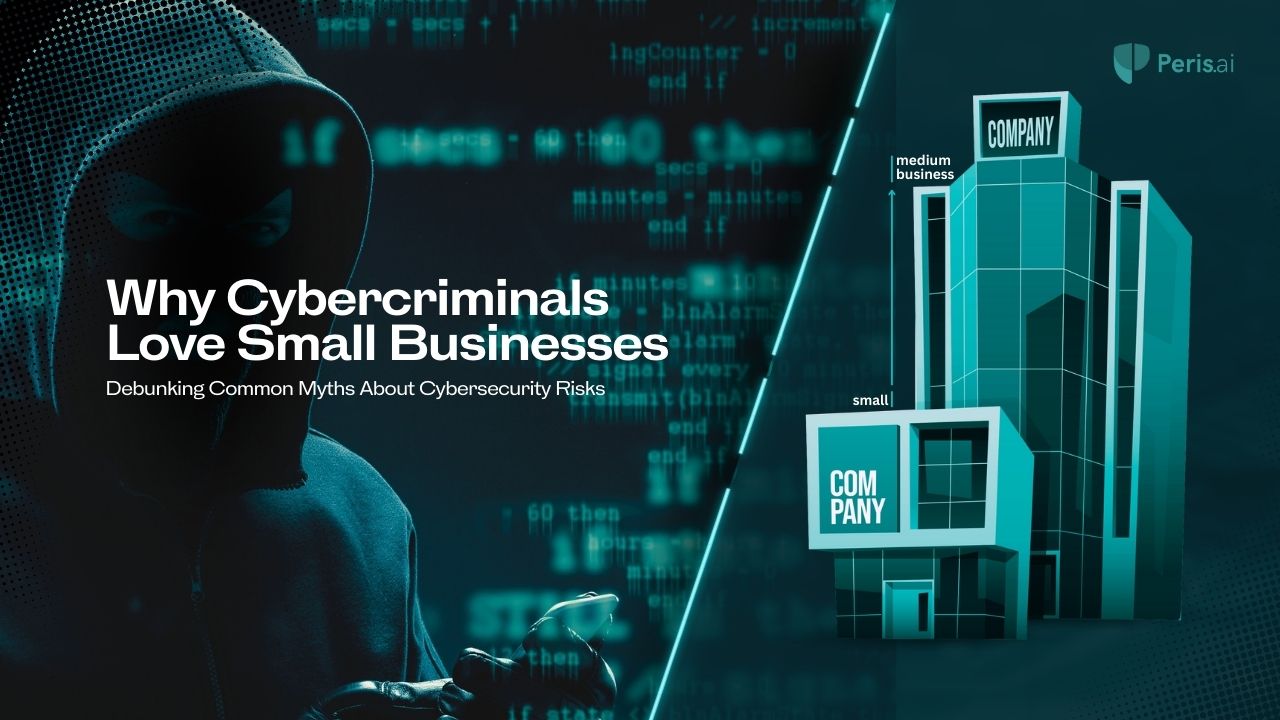
  • Why Cybercriminals Love Small Businesses: Debunking Common Myths About Cybersecurity Risks

    Why Cybercriminals Love Small Businesses: Debunking Common Myths About Cybersecurity Risks

    Welcome to the world of cybersecurity, where the threats are real, and the myths are plenty. It’s a common misconception that cybercriminals only target large corporations, but small businesses are just as vulnerable to cyber attacks, if not more so. Small businesses may not have the same level of security measures in place as their larger counterparts, making them an appealing target for cybercriminals. Recent studies have shown that over half of all cyber-attacks target small businesses.

    Another common myth about cybersecurity risks is that small businesses are immune to cyber-attacks. This couldn’t be further from the truth. Cybercriminals often view small businesses as easy targets, as they may have weaker security measures and less expertise in dealing with cyber threats. Small businesses can be especially vulnerable to ransomware attacks, devastating their operations and finances.

    Finally, there is the myth that external threats, like hackers or viruses, always cause cyber attacks. While these external threats certainly exist, small businesses must also be aware of the risk posed by insider threats, such as employee negligence or malicious behavior. In many cases, these insider threats can be just as damaging as external threats, and small businesses need to take steps to protect themselves against both. This article will debunk these myths and explain why cybercriminals love small businesses.

    Cyber Attacks can severely affect small and medium businesses (SMBs).

    Myth #1: Cybercriminals Only Target Large Corporations

    Many people believe that cybercriminals only target large corporations with deep pockets. However, this is not true. Small businesses are often targeted precisely because they lack larger organizations’ security measures and resources. Cybercriminals know that small businesses are easier targets, so they focus their efforts on them.

    Small businesses are often seen as easy prey for cybercriminals because they may not have the same cybersecurity measures as larger companies. For example, a small business may not have a dedicated IT department or be unable to afford the latest cybersecurity tools. This makes them vulnerable to attacks, which can devastate the business.

    Myth #2: Small Businesses Are Immune to Cyber Attacks

    Another common myth about cybersecurity risks for small businesses is that they are immune to cyber-attacks. Some small business owners may think cybercriminals will not bother with their business because they are too small or insignificant. However, this is far from the truth.

    Small businesses are often targeted precisely because they are small. Cybercriminals know that small businesses may not have the same security measures as larger organizations, making them easier targets. Additionally, small businesses often have valuable data that cybercriminals can use for financial gain or to launch attacks on larger organizations.

    Myth #3: Cyber Attacks Are Always Caused by External Threats

    Many small business owners believe that cyber-attacks are always caused by external threats, such as hackers from other countries or cybercriminals looking to make a quick buck. However, this is not always the case. Many cyber attacks are caused by internal threats, such as employees who inadvertently or intentionally cause data breaches.

    Employees can be a significant risk factor for small businesses regarding cybersecurity. Whether through accidental actions, such as clicking on a phishing email, or intentional acts, such as stealing confidential data, employees can cause significant damage to a small business’s cybersecurity. Therefore, small business owners need to educate their employees on the importance of cybersecurity and implement measures to prevent internal threats.

    Why Cybercriminals Love Small Businesses

    Now that we’ve debunked some common myths about cybersecurity risks for small businesses let’s explore why cybercriminals love small businesses.

    First, small businesses often have valuable data that cybercriminals can use for financial gain. For example, small companies may store customer information, such as names, addresses, and credit card numbers. Cybercriminals can use this information to steal money from customers or launch attacks on other organizations.

    Second, small businesses often have weaker security measures than larger organizations. Cybercriminals know this and will specifically target small businesses that they know are vulnerable. Small businesses may not have the budget to invest in the latest cybersecurity tools or may not have the expertise to implement them effectively. This makes them an easy target for cybercriminals.

    Third, small businesses rely on third-party vendors for web hosting, payment processing, and customer relationship management services. These vendors may have security vulnerabilities, which can put small businesses at risk. Cybercriminals know this and specifically target small businesses using vulnerable third-party vendors.

    In Conclusion

    Cybercriminals love small businesses for a variety of reasons. Small businesses are often seen as easy targets due to their weaker security measures, reliance on vulnerable third-party vendors, and lack of resources to respond effectively to cyber attacks. Additionally, small businesses often have valuable data that cybercriminals can use for financial gain or to launch attacks on larger organizations.

    However, it is essential to note that many myths surround cybersecurity risks for small businesses. The belief that cybercriminals only target large corporations or that small businesses are immune to cyber attacks is false. Small businesses must be aware of their risks and take appropriate measures to protect themselves and their customers’ data.

    Ultimately, the best way for small businesses to protect themselves from cyber attacks is to invest in solid cybersecurity measures and educate their employees on the importance of cybersecurity. This includes implementing firewalls, antivirus software, and other cybersecurity tools, regularly updating passwords, and conducting security audits. By taking these steps, small businesses can reduce their risk of falling victim to cybercriminals and protect their valuable data.

    In today’s digital age, cybersecurity is more important than ever before. Small businesses must take cybersecurity seriously and proactively protect themselves from cyber threats. By doing so, they can safeguard their businesses and ensure the trust and loyalty of their customers. So, be smart and stay safe!