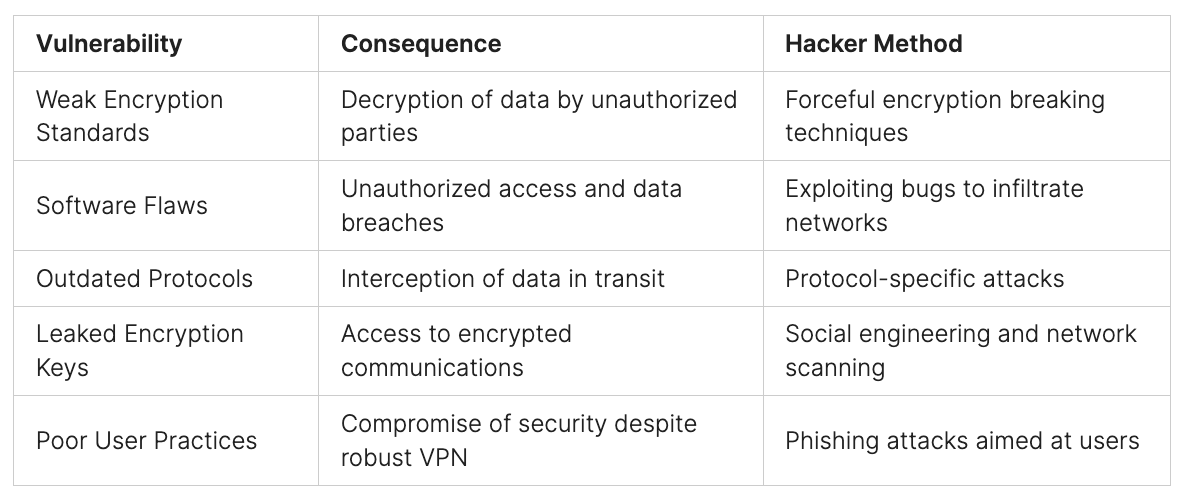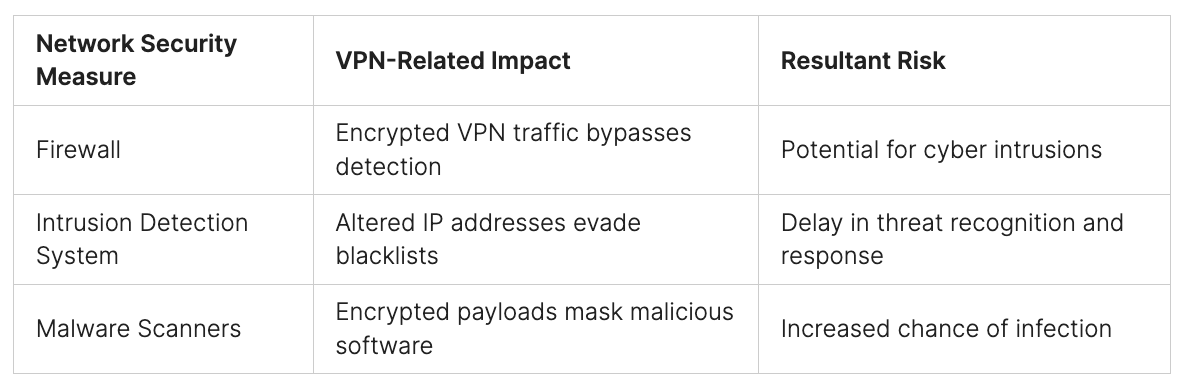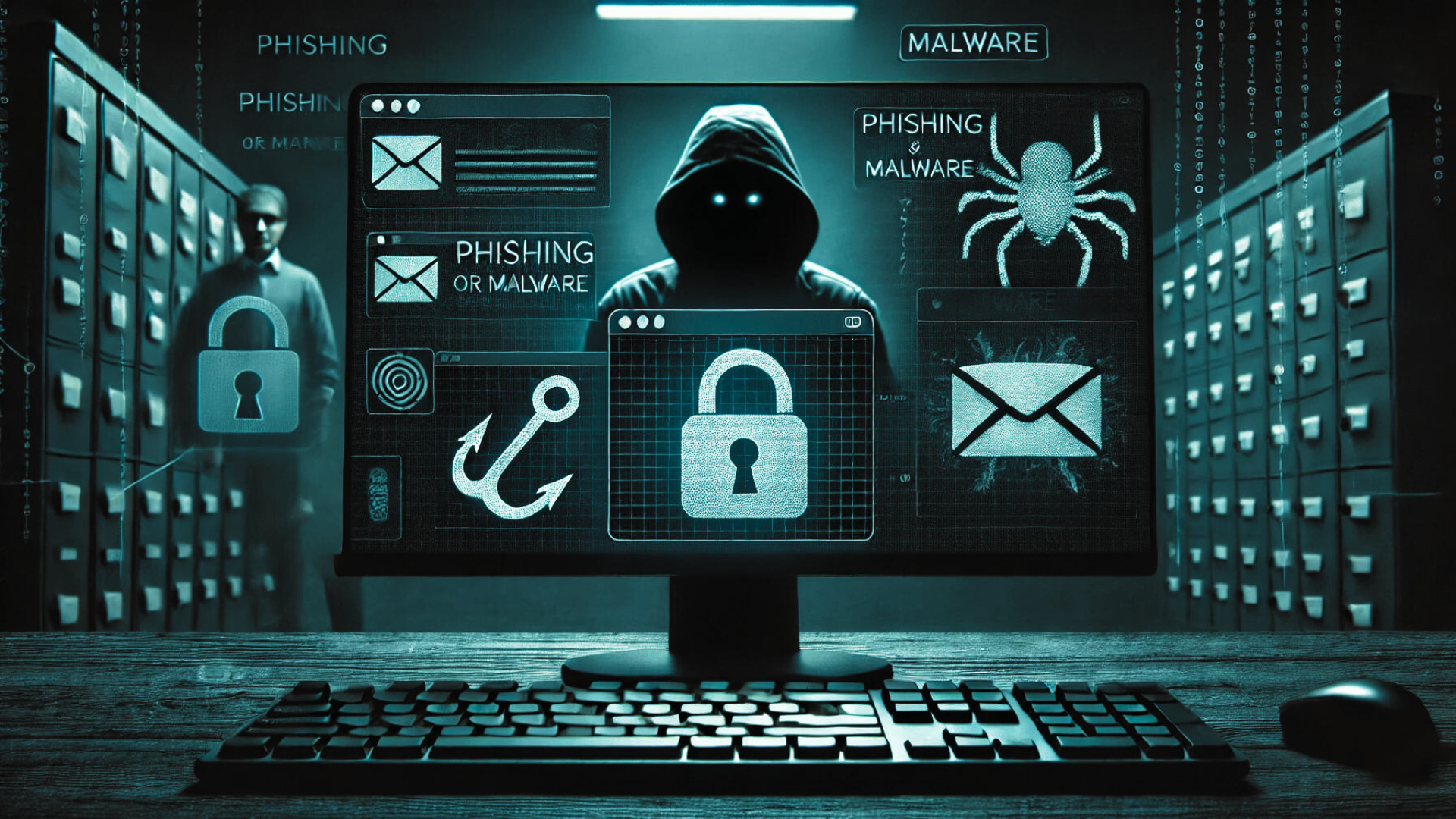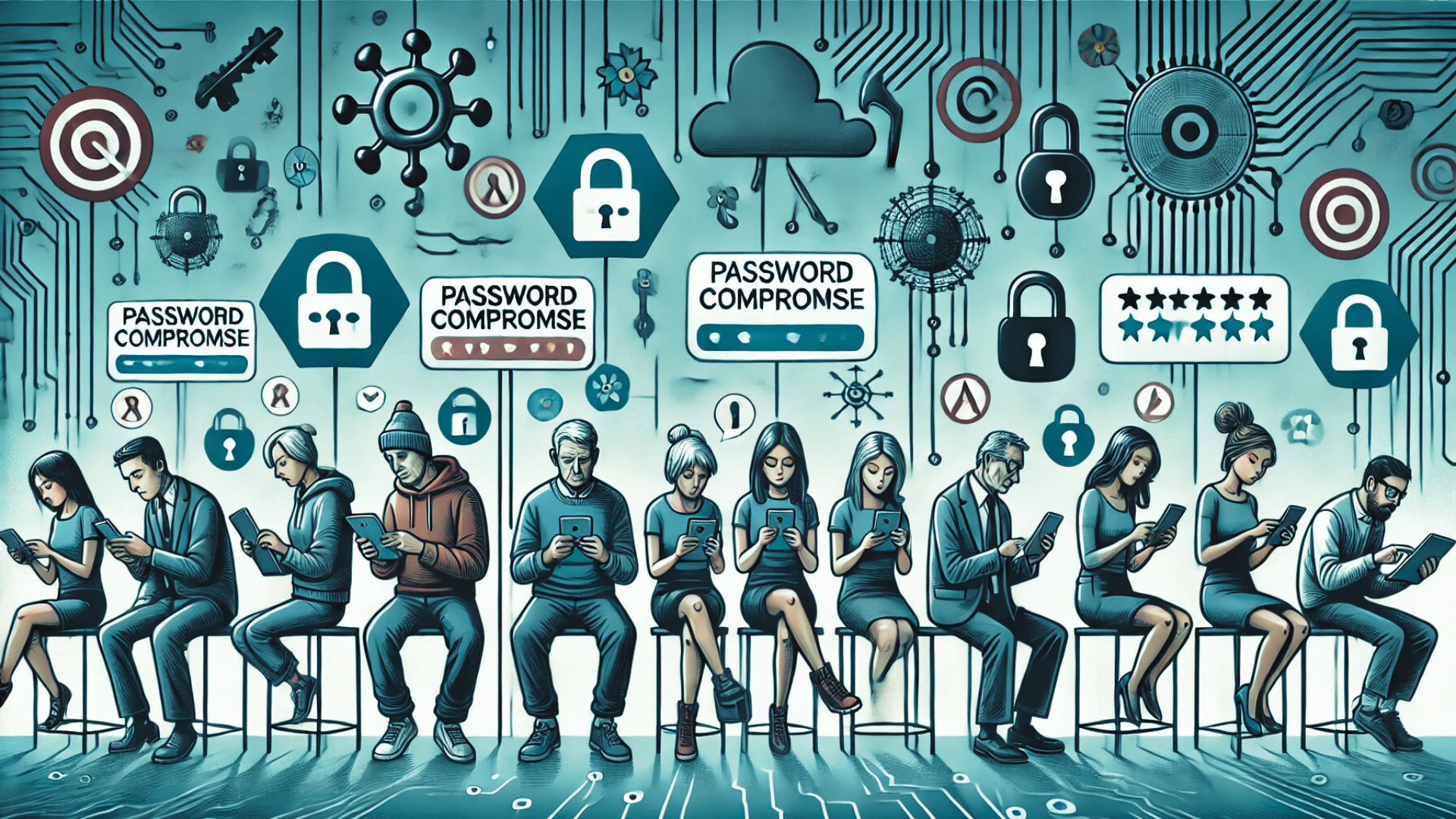
Do you know about the big jump in cyber attack statistics? They could harm your organization’s safety and reputation. The world is facing a more dangerous cyber threat landscape. Reports of data breaches and malware trends don’t look good. Get ready to explore the surprising details about ransomware statistics, phishing scams, DDOS attack data, and the huge cybercrime costs. These issues threaten even the best-prepared companies.
Key Takeaways
Cyber attacks are becoming more sophisticated and prevalent, with organizations facing a growing threat landscape.
Malware, ransomware, and phishing scams are among the most common cyber threats, leading to costly data breaches and downtime.
DDOS attacks and IoT vulnerabilities are crippling online systems, while the financial and healthcare sectors are particularly vulnerable.
Cybercrime costs are skyrocketing, with ransomware and insider threats posing a significant challenge for organizations.
Staying informed about the latest cyber attack statistics and vulnerability exploits is crucial for effective incident response and cybersecurity strategy.
The Alarming Rise of Cyber Attacks
Cyber attacks are happening more often, making cybersecurity experts and companies around the globe worried. A recent study showed that both government-backed groups and smart cybercriminals are a big threat. This is true for businesses and government agencies.
Global Cyber Attacks on the Rise
Microsoft found that Russian groups tried to hack Ukraine’s key systems with a dangerous virus, Industroyer2. Luckily, they didn’t do much harm, but it shows cyber threats are getting more advanced. A company named Sonicware also found over 270,000 new types of malware, highlighting the quick growth of cyber dangers.
Record-Breaking Cybercrime Costs
The costs of cyber attacks are rising, according to the 2022 Verizon report. It mentions that about 30% of these attacks start from phishing emails with harmful links or files. This can lead to serious issues like stealing information, stopping systems, and causing big financial hits to companies.
Understanding the Cyber Risk Landscape
Today, dealing with cyber threats is a top concern for many. A PwC report shows that in 2024, this is a big focus for business and tech leaders. It comes next only to worries about digital and technology issues. Shockingly, 41% of groups had three or more big cyber risk events in the last year. And 58% feel they are at a high risk for cyber attacks.
Prioritizing Cyber Risk Management
In a world where cyber threats are growing both in number and complexity, companies need a solid defense plan. They should focus on assessing risks and finding ways to reduce them. This should be combined with using top-notch security tech and making sure everyone in the company knows how to stay secure. Making cyber risk management a priority helps firms protect themselves better.
Cloud Security Risks on the Horizon
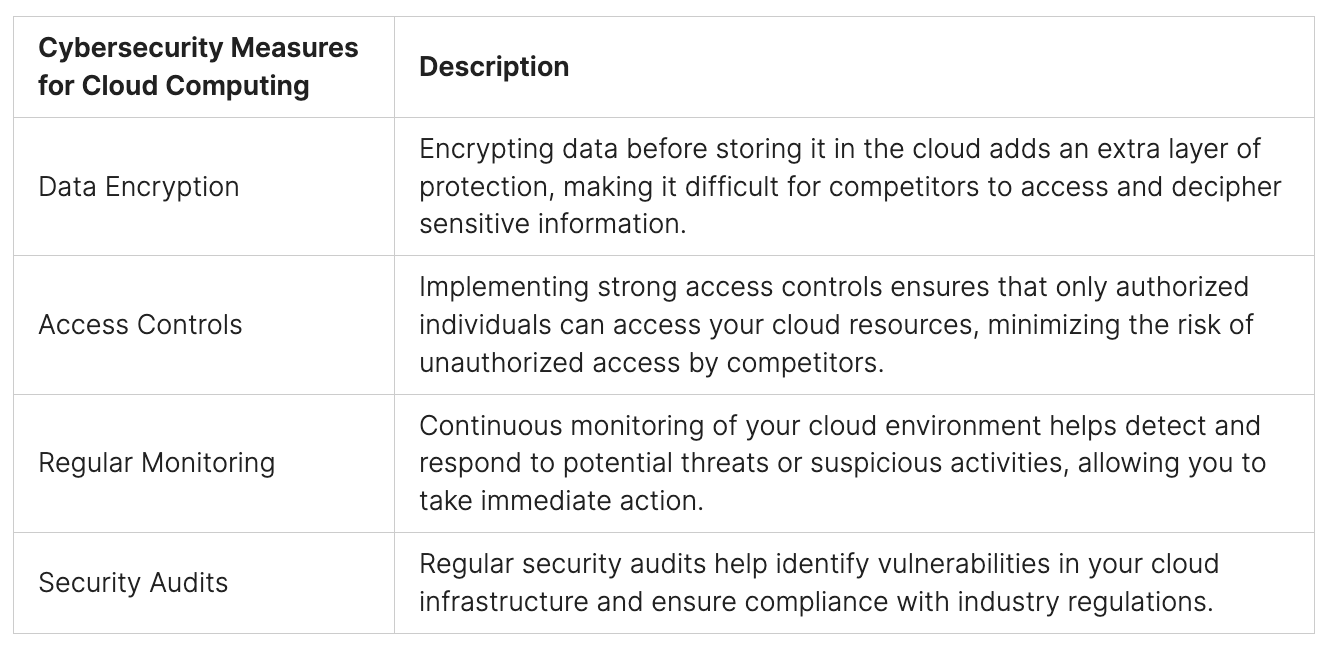
Cloud computing is now a powerful tool for businesses. But, it also brings new threats they must be ready for. To stay safe, they need to look closely at the risks that come with the cloud. Gaining control over who has access to data, encrypting important info, and keeping a close watch on the cloud helps fight off new threats.
AI and Emerging Technologies Shaping Cyber Strategies
Artificial intelligence, or AI, and other new technologies are quickly changing how we do business. But, they’re also influencing how we tackle cyber risks. Companies must use these tools wisely to stay ahead of cyber threats. AI and machine learning, for example, can improve how we spot and respond to cyber dangers. By using these new technologies smartly, firms can boost their cybersecurity defenses.
How AI and Emerging Technologies Are Revolutionizing Cybersecurity Strategies
The Insider Threat: A Growing Concern
Insider attacks, where people within a group harm it, are on the rise. This puts important data and operations at risk. Cybersecurity experts warn that organizations are dealing with more insider threats than ever before.
The Cost and Impact of Insider Threats
The dangers of insider threats are both financial and reputational. A Cybersecurity Insiders study found that many felt vulnerable to these attacks. Securonix reported a jump from 66% to 76% of insider attacks between 2019 and 2024.
The Cybersecurity Insiders study also said that 74% of organizations have seen more insider attacks. This shows a worrying trend of increased activity by malicious insiders.
Detecting and Preventing Insider Attacks
Despite this, detecting and preventing insider threats remains a challenge for many. Securonix stated that 76% noticed more insider threat activity in the last five years. But, less than 30% believe they have the right tools to deal with these threats effectively.
Establishing Insider Threat Programs
Organizations need to set up strong insider threat programs to lower their risk. These programs use tools, education for employees, and other strategies. Their goal is to spot and deal with potential insider threats quickly and well.
Cyber Attack Statistics
As we enter a more digital world, keeping secure is key. There are many cyber threats like malware, ransomware, and phishing. Staying alert and taking steps to protect yourself is vital.
Malware is a top threat, letting hackers into systems to steal info or stop work. Sonicware reported finding over 270,228 new types of malware in 2022. Cybercriminals are always creating new, smarter attacks.
Ransomware is on the rise, affecting more and more companies. In 2023, attacks jumped by 68%. 81% of organizations faced at least one ransomware incident.
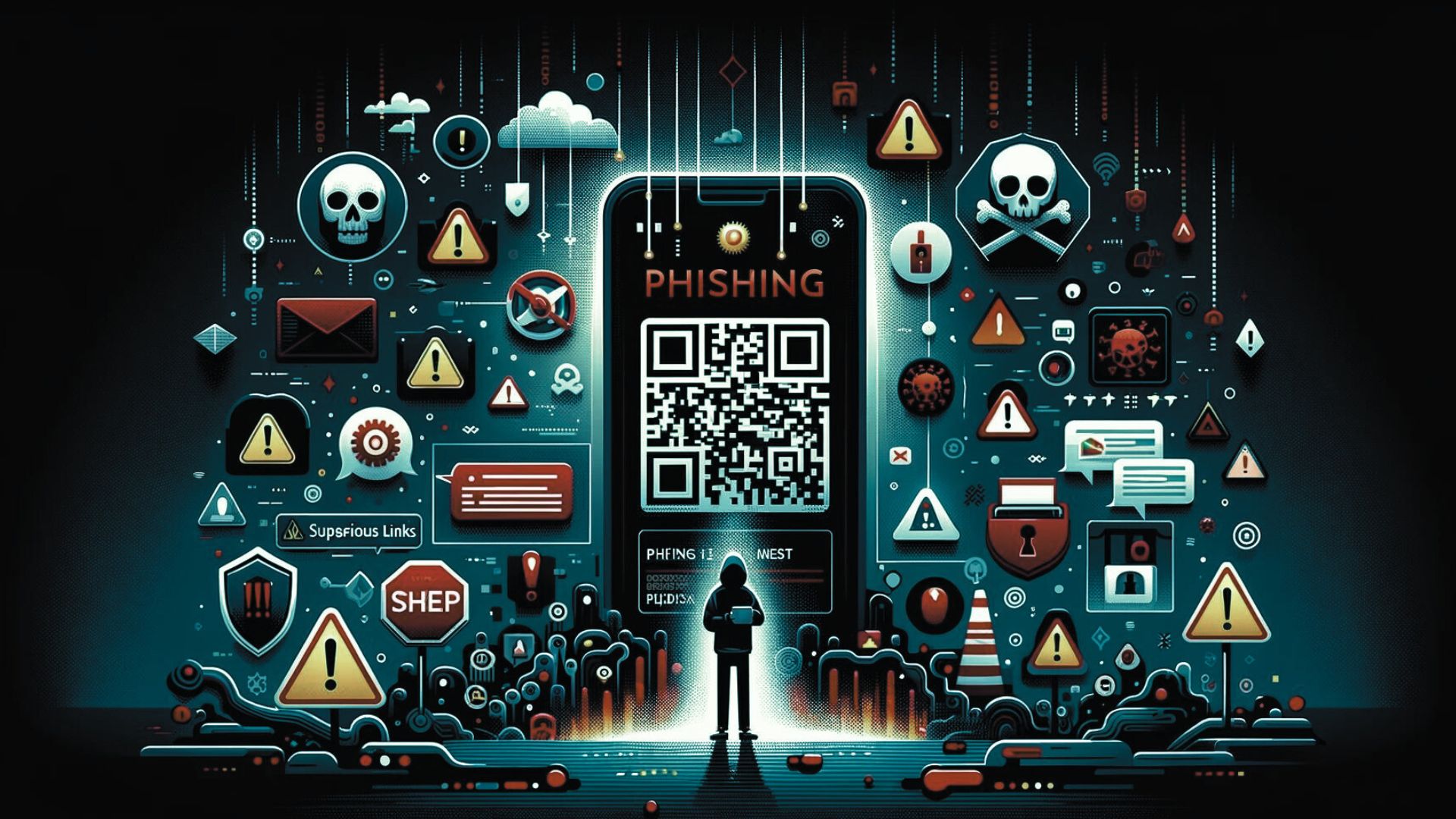
Phishing tricks people into giving up personal info through fake messages. 30% of these start with phishing emails. It stays a big issue.
DDoS attacks and IoT botnets are also threats. They flood online systems, causing chaos. This messes with more than just the main business, like its customers too.
Knowing about these cyber threats is crucial for organizations. It helps them build stronger defenses. This way, they can lower the dangers these attacks bring.
Understanding Cyber Threats to Build Stronger Organizational Defenses
Ransomware: A Destructive Force
Ransomware has become a huge threat in recent years. It’s a kind of bad software that locks up your files. You have to pay a price to get them back. This is often used to attack places like hospitals and schools. They are left with a tough choice: pay up or lose their important data.
The Alarming Rise of Ransomware Attacks
Recently, ransomware attacks have shot up by 68% from the year before (Threatdown). Shockingly, about 81% of places like schools and businesses were hit at least once last year (Spycloud). This shows how big and constant the problem is.
Costly Consequences of Ransomware Breaches
Ransomware hits hard. It can shut a place down for more than 6 days, says Wipro 2023. Even if a ransom is paid, it still costs over $1 million to get back on track, according to Spycloud 2023. This shows the huge impact it has, not just on data but on money too.
Phishing: A Persistent Threat
Phishing is still a big problem. Attackers send fake emails aimed at stealing your info. These often lead to being hit by ransomware, with about 30% of infections starting from these emails (Verizon 2022).
DDoS and IoT Attacks: Crippling Online Systems
DDoS attacks pose a big danger to businesses and groups around the globe. Cybercriminals use these attacks to flood online systems with too many requests. This overload causes services to crash, making them hard or impossible to use for real users.
The DDoS attack strategy relies on a group of hacked internet-connected devices. These may be computers or IoT gadgets, which are taken over to send lots of traffic at the target. This can lead to big problems like loss of data, stopping of important work, and harm to a company’s finances and reputation.
The number of internet-connected devices is increasing. This means the danger of IoT-based DDoS attacks is also growing. Hackers are now focusing on these weak points to make their attacks more intense. This makes it very important for companies to boost their IoT security and protect against these new threats.
“DDoS attacks are the digital equivalent of a natural disaster, crippling businesses and disrupting critical infrastructure. Staying vigilant and implementing robust countermeasures is essential to safeguarding online operations.”
Organizations need to develop a strong security plan to fight DDoS and IoT attacks. This should include watching the network closely, filtering traffic, and using advanced threat detection. Keeping up with new threats helps companies protect their online space and keep their work going despite these dangerous cyber attacks.
Crafting Robust Security Plans Against DDoS and IoT Cyber Attacks
Healthcare Industry Under Siege
The healthcare industry is now a top target for cybercriminals. They aim to take advantage of the valuable data medical organizations hold. With data breaches becoming more expensive, the healthcare sector faces strong pressure to improve its cyber defenses.
Escalating Healthcare Data Breach Costs
Between 2020 and 2024, the cost of healthcare data breaches rose by 53.3%. This is according to a report by Mordor Intelligence. The increase shows how much strain these cyber attacks put on healthcare organizations.
Hacking and Unauthorized Access in Healthcare
In February 2024, the UnitedHealth Group’s subsidiary, Change Healthcare, experienced a major cyberattack. This was one of the biggest cyberattacks on healthcare to date. It disrupted 94% of hospitals, showing the severe impact these attacks can have on healthcare services.
Financial Sector: A Lucrative Target
The financial industry is a hot target for cybercriminals due to the wealth of sensitive info. Recent reports show 78% of financial organizations have faced a security breach. Meanwhile, one in three Americans has been a victim of financial cybercrime.
Cryptojacking and Cryptocurrency Attacks
The popularity of cryptocurrencies has brought new risks to the finance world. Cryptojacking attacks have increased by 399% year-over-year from 2022 to 2023. Attacks on cryptocurrency companies also jumped by 600% in Q2 2023 alone.
Phishing and Ransomware Threats
Phishing scams and ransomware attacks are still major issues for the finance sector. These threats take advantage of the importance of financial data. They also target the need for businesses to keep running smoothly.
Conclusion
This article provided an in-depth look at the escalating landscape of cyber attacks, highlighting the increasing prevalence of threats such as ransomware and phishing. It underscores the critical need for organizations across all sectors to strengthen their cyber defenses.
The battle against cybercrime is relentless. As hackers become more sophisticated, leveraging new technologies and exploiting vulnerabilities, businesses, healthcare providers, and government agencies face constant threats, risking data breaches and significant financial losses.
The key takeaway is that vigilance in cybersecurity is non-negotiable. It’s essential for everyone to stay aware of emerging threats and ensure their security measures are current and robust. By fostering a strong security culture and maintaining proactive defenses, we can significantly reduce the risk of cyber attacks.
At Peris.ai Cybersecurity, we are committed to helping you stay ahead of these threats. Our comprehensive suite of products and services is designed to bolster your security posture and protect your valuable data. Visit Peris.ai Cybersecurity to learn more about how we can help you safeguard your digital assets and ensure long-term security. Don’t wait—strengthen your defenses with Peris.ai today!
FAQ
What are the most common types of cyber attacks?
Common cyber attacks are malware, ransomware, and phishing. DDoS and IoT attacks are also on the rise. They can lead to data theft, system issues, and financial harm.
How has the cyber threat landscape evolved in recent years?
Cyber threats are now more serious and complex. State groups and hackers use advanced methods. These attacks happen more often and affect many businesses.
What are the key cyber risk management priorities for organizations?
Reducing cyber risk is crucial for many organizations. It’s their number one concern after digital and tech risks. Over 40% of companies have faced three or more major attacks in the past year.
What is the growing concern around insider threats?
Insider threats worry 74% of companies. They think they could be hit hard. The number of insider attacks has grown. Yet, many companies don’t have the right tools to fight this.
What are the latest trends in ransomware attacks?
In 2023, ransomware attacks went up by 68%. 81% of companies were hit by these. They can be very damaging. Some companies lost over a million dollars to these attacks.
How are DDoS and IoT attacks impacting online systems?
DDoS attacks can shut down online services by flooding servers. This leads to a service blackout and possible data leaks.
How has the healthcare industry been impacted by cyber attacks?
Cyber attacks on healthcare grew big. Data breach costs jumped by over 50% in 4 years. In 2024, a major attack hit 94% of hospitals.
What are the key cyber threats facing the financial sector?
The financial world faces many cyber threats. Almost 80% of these businesses had a breach. Attacks on cryptocurrencies are also growing fast.
Cyberspace is growing fast, and so are cyber threats. Cybersecurity protects computer systems and networks from attacks. It includes areas like application security and physical security. Knowing these domains is key to a strong cybersecurity plan.
Cybersecurity domains cover many areas, each with its own challenges. These include security architecture and threat intelligence. By focusing on these areas, companies can better protect their digital world.
Key Takeaways
Cybersecurity domains are the specialized areas within the field of cybersecurity, each with its own unique set of challenges and best practices.
Understanding cybersecurity domains is crucial for implementing effective cybersecurity strategies and building a comprehensive security policy.
The key cybersecurity domains include security architecture, frameworks and standards, enterprise risk management, application security, threat intelligence, user education, and physical security.
Adopting a holistic approach to these domains can help organizations enhance their overall cybersecurity posture and resilience.
The cybersecurity industry is facing a significant talent shortage, with an estimated 3.5 million professionals needed globally.
Introduction to Cybersecurity Domains
What are Cybersecurity Domains?
Cybersecurity domains are the different areas where we can apply cybersecurity methods. They cover things like threat intelligence, risk assessment, and application security. The cyber world has five main parts: the physical, logical, data, application, and user domains. Companies use frameworks like NIST CSF and PCI DSS to make their cybersecurity plans.
Importance of Understanding Cybersecurity Domains
Knowing about cybersecurity domains is key for companies to make strong security plans. It helps them fight off many cyber threats by focusing on each domain’s security needs. For example, application security means making apps safe and secure.
Risk assessment is about finding and managing risks, like doing asset inventories and scanning for vulnerabilities. Enterprise risk management (ERM) includes things like crisis management and cyber insurance.
Threat intelligence is about gathering and analyzing data to lower cybersecurity risks. Teaching employees about security helps protect against data breaches. Security operations cover things like disaster recovery and physical security.
By knowing about all these domains, companies can protect their assets better and reduce risks. This knowledge helps them make good security policies and use the right controls to fight off cyber threats.
This detailed look at cybersecurity domains gives a solid base for understanding the many parts of cybersecurity. By tackling these areas, businesses can improve their security and protect against cyber threats.
“Cybersecurity is no longer just an IT issue; it’s a business issue that requires a comprehensive, cross-functional approach.” –
Frameworks and Standards
Cybersecurity frameworks and standards are key for organizations to build a strong security base. They offer a clear way to handle cybersecurity risks, follow rules, and use the best practices. The NIST Cybersecurity Framework, ISO 27001, and OWASP Top 10 are well-known examples.
NIST Cybersecurity Framework
The NIST Cybersecurity Framework is made by the National Institute of Standards and Technology. It helps organizations understand and manage their cybersecurity risks. It focuses on key sectors and guides on setting up security processes and policies.
In 2024, the NIST Cybersecurity Framework got a big update from its 2018 version.
ISO 27001
ISO 27001 is a global standard for managing information security systems. It offers detailed controls and guidelines to protect information assets. It ensures data stays safe, complete, and accessible.
The ISO 27000 series has 60 standards covering many security topics. These include cloud security, disaster recovery, and healthcare data security.
OWASP Top 10
The OWASP Top 10 is a key standard for web application security. It lists the top security risks for web apps. It helps organizations focus on the most dangerous vulnerabilities, like injection flaws and sensitive data exposure.
Cybersecurity frameworks and standards are vital for managing risks. They offer a structured way to implement security measures and follow rules. By using these, organizations can improve their cybersecurity and protect their important assets from threats.
Risk Assessment
Effective risk assessment is key to a strong cybersecurity plan. It involves looking at threats, weaknesses, and the value of assets. This helps risk analysts and assessors focus on the most critical security issues.
Penetration Testing: Probing for Weaknesses
Penetration testing is a vital part of risk assessment. It mimics real attacks to find vulnerabilities in systems and networks. This helps organizations understand their risks and improve their defenses.
Vulnerability Scanning: Uncovering Weaknesses
Vulnerability scanning is also crucial. It helps find and fix security issues in IT systems. By scanning, analysts can spot problems like outdated software and weak passwords.
Asset Inventory: Knowing What Needs Protection
Keeping an accurate asset inventory is essential. It lists all digital and physical assets, their value, and how critical they are. This lets analysts focus on protecting the most important and vulnerable assets.
By using penetration testing, scanning, and inventory, organizations can better understand their cybersecurity. They can then make smart choices to improve their security.
“Cybersecurity risk assessments are considered invaluable in highly regulated sectors such as finance and healthcare.”
As threats grow, regular risk assessments are vital. They help organizations stay ahead of cyber threats and protect their key assets.
Enterprise Risk Management
In today’s fast-changing digital world, companies face many risks. These include cyber threats, data breaches, and disruptions in operations. Enterprise Risk Management (ERM) helps businesses tackle these risks in a big way. It makes them stronger, protects their reputation, and keeps them going for the long haul.
Risk Appetite: Setting the Boundaries
ERM also involves setting a company’s risk appetite. This is how much risk a business is okay with to reach its goals. Knowing their risk appetite helps companies make smart choices, control risks, and match their cybersecurity plans with their goals. This way, they can manage their cyber risks better.
Proactive Risk Monitoring: Staying Ahead of Threats
Good risk monitoring is key to keeping cybersecurity strong. Companies need to always check their threats, weaknesses, and how well they’re fighting risks. With strong monitoring, they can quickly spot, handle, and bounce back from cyber attacks. This helps avoid big losses, keeps their reputation safe, and keeps operations running smoothly.
By using a full ERM plan, businesses can face the complex world of cybersecurity with confidence. This ensures they can keep going strong and succeed in the long run.
“Effective Enterprise Risk Management Frameworks help banks lower risks, prevent financial losses, and attract more customers and investors.”
Governance
Effective governance is key to a strong cybersecurity strategy. It includes making strategic decisions, setting up accountability, and putting policies into action. This guides how an organization handles digital risks. At the federal level, the Cybersecurity and Infrastructure Security Agency (CISA) looks after information security policies for federal agencies. They create and enforce rules to tackle new threats.
States also play a role, like the Homeland Security Systems Engineering and Development Institute (HSSEDI). They share how states manage cybersecurity as a big issue.
Cybersecurity Policies: Defining the Rules of Engagement
Cybersecurity policies are the base of an organization’s security. They outline how to manage digital assets, reduce risks, and handle incidents. Good policies use industry standards, like the NIST Cybersecurity Framework. It has six main areas: Govern, Identify, Protect, Detect, Respond, and Recover.
Compliance and Regulations: Navigating the Regulatory Landscape
Following laws and rules is crucial for cybersecurity governance. Companies must keep up with data privacy laws and security standards. This ensures they operate legally. Compliance analysts and security auditors are key in this area. They check for gaps and help keep organizations in line with the law.
By focusing on governance, making smart policies, and following rules, companies can build a strong security culture. This approach helps them make smart choices, reduce risks, and protect their digital world in a changing threat environment.
“Cybersecurity governance is the foundation upon which an organization’s security posture is built. It’s not just about implementing security controls, but about aligning digital risk management with strategic business objectives.”
Threat Intelligence
Threat intelligence, or cyber threat intelligence (CTI), is about gathering and analyzing data on cyber threats. It helps organizations prepare for and respond to cyber attacks. This way, they can avoid financial and reputational losses.
Cyber Threat Monitoring
Monitoring cyber threats is key to threat intelligence. Tools like Domain Watch keep an eye on domain registrations. They spot domains that might be used for phishing or malware.
Digital Forensics and Incident Response experts then check these alerts. They decide if a threat is real and pass it on to the security team.
Threat Analysis
Good threat analysis is the heart of a strong threat intelligence program. Security teams use special techniques to understand threats. This helps them fight specific threats more effectively.
They also use this knowledge to train employees. This training helps employees spot and avoid phishing scams.
Adding threat intelligence to a security system makes it stronger. It gives security teams the tools they need to act fast against threats. This way, organizations can protect their important assets.
“Threat intelligence represents a force multiplier for organizations dealing with sophisticated threats.”
User Education
Protecting an organization’s information is a big challenge. User education is key in this fight. It aims to teach employees how to keep data safe from attacks or loss.
The CIA triad is at the core of user education. It stands for confidentiality, integrity, and availability. These three parts are the base of keeping information safe. Employees learn to protect sensitive data, keep information accurate, and ensure systems are always available.
Security Awareness Training: A Crucial Component
Security awareness training is essential. It teaches employees to spot and stop cyber threats. They learn about phishing, password safety, social engineering, and how to report incidents.
More people are looking for ways to learn about cybersecurity. They want to get better at protecting themselves and their companies. By teaching security awareness, companies can make their cybersecurity stronger.
“Cybersecurity is a team effort, and user education is the foundation upon which a resilient organization is built.”
Adding user education to a company’s cybersecurity plan is vital. It helps keep information safe, systems running smoothly, and data available when needed. As cyber threats grow, having good user education programs is crucial. It helps employees fight back against cyber attacks.
Cybersecurity covers many areas where security is key. It’s important for those in the field to know these domains well. This knowledge helps in creating a solid security plan and in career growth. The main areas include security architecture, frameworks, application security, and more.
Security architecture is about designing systems with security in mind from the start. It ensures that security is built into every part of the technology.
Frameworks and standards, like NIST and ISO 27001, offer guidelines for better security. They help professionals follow industry standards and stay compliant with laws.
Application security focuses on making software safe from hackers. It’s vital for keeping data safe in software applications.
Risk assessment involves finding and fixing security risks. Enterprise risk management looks at all risks and how to manage them.
Governance makes sure security practices match business goals and laws.
Threat intelligence helps by gathering and analyzing threat data. It helps defend against new cyber threats.
User education teaches employees to spot and handle security threats.
Security operations keep an eye on and handle security issues as they happen.
Physical security protects places, data centers, and hardware from harm.
Knowing these cybersecurity areas helps professionals plan their careers.
“Understanding the diverse cybersecurity domains is crucial for professionals to build comprehensive security strategies and plan their career development.”
By mastering these areas, professionals can have successful careers in cybersecurity.
Conclusion
Cybersecurity domains are the foundation of a comprehensive defense strategy. Understanding these key areas enables organizations to build effective cybersecurity plans, while helping professionals navigate their career paths and specialize in areas they are passionate about.
This article explored critical cybersecurity domains, including security architecture, frameworks, application security, and more. Each of these domains plays a vital role in defending organizations against diverse cyber threats, offering both protection and growth opportunities for cybersecurity experts.
As the cybersecurity landscape evolves, it’s crucial for businesses to align their strategies with these domains to stay protected. By adopting a proactive approach and leveraging expertise across these key areas, organizations can safeguard their assets and stay resilient against emerging threats.
For expert guidance and advanced solutions to strengthen your cybersecurity strategy, visit Peris.ai Cybersecurity. Let us help you stay ahead in the ever-changing digital security landscape.
FAQ
What are Cybersecurity Domains?
Cybersecurity domains are different areas where security methods are applied. These include application security, physical security, risk assessment, and threat intelligence. Knowing these domains is key to creating a solid cybersecurity plan.
Why is it important to understand Cybersecurity Domains?
It’s vital for companies to grasp cybersecurity domains to craft a strong security plan. For professionals, it helps in focusing on specific areas of interest and career growth.
What are the key Cybersecurity Frameworks and Standards?
Important frameworks and standards include the NIST Cybersecurity Framework, ISO 27001, and OWASP Top 10. They help in setting up a robust security program by defining risk tolerance and controls.
What is Application Security?
Application security involves adding defenses in software and services to protect against threats. It includes API security, security QA, and source code scans.
What is Risk Assessment?
Risk assessment involves analyzing the workplace to identify potential threats. It includes penetration testing, vulnerability scanning, and keeping an inventory of assets.
What is Enterprise Risk Management (ERM)?
ERM is a strategy to manage risks in finances, objectives, and operations. It covers crisis management, cyber insurance, and risk acceptance.
What is Cybersecurity Governance?
Cybersecurity governance provides a strategic view of risk management. It involves making decisions on security policies and ensuring legal compliance.
What is Threat Intelligence?
Threat intelligence is about gathering information on potential attacks. It helps in analyzing and reducing cybersecurity risks.
What is the importance of User Education in Cybersecurity?
User education aims to teach employees how to protect themselves and the company from cyber threats. Security awareness training is a key part of this.
In an era where digital transformations are ubiquitous, the rapid evolution of cyber threats presents unprecedented risks that extend beyond traditional IT challenges. With cybercrime costs expected to soar dramatically, the urgency for robust cybersecurity measures is paramount for businesses across all sectors. This article delves into the multifaceted nature of modern cyber threats and underscores why prioritizing cybersecurity is indispensable in today’s digital economy.
Understanding the Escalation of Cyber Threats
Soaring Costs of Cybercrime
Projected to hit $10.5 trillion annually by 2025, cybercrime costs are increasing by 15% each year, outstripping revenues from global illicit trades like drugs. This stark statistic highlights the lucrative nature of cybercrime and the critical need for businesses to fortify their digital defenses.
The Imperative for Cyber Resilience
A significant 62% of businesses have experienced operational disruptions due to cyber incidents, affecting everything from supply chains to daily communications. Establishing a resilient cybersecurity framework is no longer optional but a cornerstone of business continuity.
The Surge in Ransomware Incidents
With a 102% increase in just one year, ransomware poses one of the fastest-growing threats to corporate security. Implementing stringent backup solutions and disaster recovery plans is essential to mitigate these pervasive attacks.
Phishing: The Gateway to Cyberattacks
Accounting for over 75% of cyber incidents, phishing remains a primary vector for security breaches. Enhancing email security protocols and conducting continuous employee training are crucial steps in combating these threats.
Pandemic-Driven Increase in Cyberattacks
The COVID-19 pandemic has triggered a 300% surge in cyberattacks, particularly targeting the financial sector. Adapting cybersecurity strategies to address these changes is vital for protecting sensitive information and maintaining trust.
Costly Downtime from Cyber Incidents
Cyber-related disruptions can incur costs up to $5 million per hour in downtime for affected industries. Investing in proactive resilience strategies can drastically reduce the financial impact of these incidents.
Risks in Hybrid and Cloud Environments
The shift towards hybrid and cloud computing has introduced new vulnerabilities, with some organizations experiencing a significant decline in security resilience. Regular security assessments and robust management practices are key to securing these environments.
Exposure Through Third-Party Associations
Nearly all companies are linked to third parties that have experienced breaches, highlighting the need for comprehensive vendor risk assessments to shield against indirect threats.
Coverage Gaps in Cyber Insurance
While larger firms are more likely to have cyber insurance, only a quarter of small organizations are covered, exposing them to severe financial risks post-incident. Expanding access to affordable cyber insurance can provide a safety net for smaller entities.
Advantages of Zero Trust Security Models
Implementing a Zero Trust framework can significantly enhance an organization’s defensive posture by strictly controlling access to its resources, thereby minimizing the chances of unauthorized breaches.
Strategic Cybersecurity Measures to Consider
To safeguard against the dynamic and sophisticated nature of modern cyber threats, businesses must deploy a comprehensive array of security measures. These include embracing the Zero Trust model, enhancing email security, securing adequate cyber insurance, conducting thorough third-party assessments, and continuously updating and testing their cybersecurity frameworks.
Future-Proofing Your Business Against Cyber Risks
The landscape of cybercrime is continually evolving, but so are the strategies to combat it. By staying informed and proactive, businesses can not only defend against current threats but also anticipate and prepare for future challenges.
Explore cutting-edge cybersecurity solutions and gain more insights by visiting Peris.ai. Equip your business to thrive securely in an increasingly digital world.
Your Peris.ai Cybersecurity Team #YouBuild #WeGuard
Welcome to the digital era, where social sharing has become a ubiquitous part of our lives. From posting pictures and updates on social media platforms to participating in online challenges, we willingly share our lives with the world. But have you ever considered the risks of this seemingly innocent act?
Social sharing exposes your online data to potential hackers, making you a prime target for cyber attacks. This article will explore the unseen threats of social sharing and shed light on the vulnerabilities it creates in your online presence. Understanding these risks is crucial in safeguarding your personal information and maintaining digital security.
Key Takeaways:
Social sharing puts your online data at risk of privacy breaches.
Hackers target individuals who expose personal information through social media.
Understanding the risks of social sharing is essential for safeguarding your data.
Enhancing digital literacy and cybersecurity awareness is crucial in protecting against online threats.
Educating yourself about privacy breaches and recognizing warning signs can help prevent cyber attacks.
Social Sharing: A Stealthy Risk for Online Data Exposure to Hackers!
Social sharing has become an integral part of our lives in today’s digital age. From posting updates on social media platforms to participating in popular challenges, we constantly seek connection and engagement. However, most individuals need to realize that their social sharing activities can expose them to privacy breaches and cyber attacks.
The Paradox of Social Connectivity and Privacy Risks
While social media platforms offer us the opportunity to connect with friends, family, and even strangers, this connectivity comes with a trade-off. Hackers can potentially exploit each piece of personal information we share. From birth dates, educational background, and addresses to our interests and preferences, every detail can be valuable to cybercriminals seeking to steal our identities or gain unauthorized access to our data.
It’s a paradoxical situation where the very act of connecting with others exposes us to privacy risks. However, by understanding this paradox, we can become more aware of the potential dangers and take necessary precautions to safeguard our online data.
Understanding the Hacker’s Playbook: Strategies Exploited in Social Media
Hackers have developed sophisticated strategies to exploit social media platforms and gain access to personal information. These strategies include:
Phishing: Sending deceptive emails or messages that trick users into revealing sensitive information or downloading malicious software.
Social engineering: Manipulating individuals into divulging confidential details through psychological manipulation and deception.
Malware: Disguising viruses, worms, or other malicious software as innocent-looking files or links, which, once clicked, can compromise the security of our devices and data.
By understanding hackers’ tactics, we can better protect ourselves and our online data from exploitation.
The Perils of Insta Story and Post Challenges for User Privacy
The challenge with Caution: How Social Media Trends Can Expose You to Cyber Risks
One popular trend on social media platforms is participating in challenges. These challenges often involve sharing personal information or completing specific tasks, which can unwittingly expose users to privacy vulnerabilities.
For example, the Insta Story Challenge prompts users to share personal details like their first car, childhood pet’s name, educational background, or favorite travel destination. While seemingly harmless, hackers can use this information to answer security questions or even attempt to hijack user accounts.
Similarly, post challenges, such as sharing your first job or internship experience, can provide cybercriminals with valuable information for social engineering or phishing attacks targeting unsuspecting individuals.
Be cautious when participating in these challenges and avoid sharing sensitive personal information that could compromise your privacy and online security.
“In the era of social media, our innocence can become a gateway for hackers to exploit. Together, let’s raise cybersecurity awareness and protect our online identities.”
The Role of Digital Literacy in Safeguarding Personal Data
In today’s digital age, where personal data is increasingly vulnerable to cyber threats, it has become imperative for individuals to possess digital literacy skills. Digital literacy refers to navigating and effectively using digital technologies, including computers, smartphones, and the Internet. By developing digital literacy, individuals can actively safeguard their data and protect themselves from cyber attacks.
Imparting Cybersecurity Awareness in the Workplace
One crucial aspect of digital literacy is cybersecurity awareness. Organizations must prioritize educating employees about the risks of social sharing and online data vulnerability. By fostering a culture of cybersecurity awareness, employees can recognize potential threats, such as phishing scams or malicious links, and take appropriate measures to protect sensitive information.
Empowering with Awareness: The Role of Cybersecurity Education in Digital Literacy
Training Programs Key To Bridging Digital Skills Gaps
However, it’s important to note that many individuals still face gaps in digital skills, leaving them vulnerable to cyber threats. Training programs focused on digital literacy should be implemented to address this issue. These programs can equip individuals with the necessary knowledge and skills to navigate the digital landscape safely. By bridging the digital skills gaps, we can empower individuals to make informed decisions and take proactive measures to safeguard their personal information.
Digital literacy and cybersecurity awareness go hand in hand in creating a secure digital environment. By promoting digital literacy and providing training programs, organizations, and individuals can build a strong defense against cyber threats and ensure the protection of personal data.
Recognizing the Subtle Signs of Privacy Breaches
This section will focus on helping readers recognize the subtle signs of privacy breaches. It is crucial to be aware of the tactics employed by cybercriminals, including social engineering and phishing attacks, to protect our online data from being compromised. By staying vigilant and identifying these warning signs, individuals can take immediate action to safeguard their personal information and mitigate the risks posed by hackers.
Recognizing Social Engineering and Phishing Attacks
Social engineering and phishing attacks are two common methods cybercriminals use to gain unauthorized access to personal data. Understanding the characteristics and techniques associated with these attacks is essential to prevent falling victim to them.
Social engineering: Cybercriminals often employ social engineering tactics to manipulate individuals into disclosing sensitive information or performing actions compromising their security. These tactics exploit human psychology and trust to deceive victims. Some common forms of social engineering include:
Impersonating trusted individuals or organizations.
Creating a sense of urgency or fear to pressure people into taking immediate action.
Building rapport and establishing a relationship to gain trust.
Using pretexting involves creating a fabricated scenario to manipulate victims.
Phishing attacks: Phishing attacks typically involve using fraudulent emails, messages, or websites that appear to be from legitimate sources. The goal is to trick individuals into revealing sensitive information such as passwords, credit card numbers, or social security numbers. Common characteristics of phishing attacks include:
Urgent requests for personal information or account credentials.
Spelling or grammatical errors in messages.
Unfamiliar or suspicious email senders.
Misleading website URLs or domain names.
By familiarizing ourselves with the methods and telltale signs of social engineering and phishing attacks, we can enhance our ability to detect and protect against these threats.
Vigilance in the Virtual World: Recognizing and Preventing Privacy Breaches Online
Recognizing the subtle signs of privacy breaches is crucial for safeguarding our data. By staying informed and implementing proactive measures, we can significantly reduce the risk of falling victim to social engineering and phishing attacks, ensuring a more secure online experience.
Building a Secure Digital Footprint in the Age of Social Sharing
Building a secure digital footprint is essential in today’s age of social sharing. With the increasing amount of personal information available online, it is important to take proactive measures to protect yourself from potential privacy breaches and unauthorized access to your data.
Managing your online profiles is the first step towards building a secure digital footprint. Regularly review your privacy settings on social media platforms to ensure that only the necessary information is visible to others. Please be careful about the personal details you share online, and consider limiting the personal information you provide on public platforms.
Controlling your privacy settings is not the only way to secure your digital footprint. Securing your personal information through strong passwords and multifactor authentication is also crucial. Use unique and complex passwords for each of your online accounts, and consider using a reputable password manager to help you keep track of them.
Crafting a Secure Digital Footprint: Privacy Management and Protection in the Age of Social Sharing
Best Practices for Building a Secure Digital Footprint
Regularly review and update your privacy settings on social media platforms.
Be cautious about the personal information you share online, especially on public platforms.
Use strong and unique passwords for each of your online accounts.
Consider using a password manager to store and manage your passwords securely.
Enable multifactor authentication whenever possible to add an extra layer of security.
Be mindful of the apps and services you grant access to your personal information.
Regularly monitor your online presence and proactively address potential privacy vulnerabilities.
Following these best practices can minimize the risk of exposing your data to hackers and ensure a safer online presence. Remember, building a secure digital footprint is an ongoing process that requires continual vigilance and attention to detail. Stay informed, stay proactive, and protect your digital identity.
How Your Casual Online Behavior Can Attract Cybercriminals
In today’s interconnected world, it’s easy to underestimate the vulnerabilities associated with our online behavior. However, cybercriminals are constantly looking for opportunities to exploit online data vulnerabilities. Even seemingly casual actions can attract their attention, risking our personal information.
“Cybersecurity is not just about using secure passwords and installing antivirus software, it’s about understanding the consequences of our online behavior,” says cybersecurity expert, “We need to be mindful of how our actions can create opportunities for cybercriminals.”
The Consequences of Underestimating Online Data Vulnerability
The consequences of underestimatingonline data vulnerability can be severe on an individual and organizational level. Individuals and companies become easy targets for cybercriminals by neglecting to prioritize cybersecurity measures. The repercussions can include:
Identity theft: Cybercriminals can use stolen personal information for fraud, such as opening credit accounts or conducting financial transactions.
Financial loss: Online data breaches can result in financial loss, including unauthorized transactions, stolen funds, or fraudulent use of credit cards.
Reputation damage: For businesses, a data breach can lead to a loss of customer trust, damage to brand reputation, and potential legal consequences.
Privacy invasion: Cybercriminals can access personal information, including sensitive data such as social security numbers and medical records, compromising an individual’s privacy.
Case Studies: Real-Life Incidents of Cyber Attacks Through Social Media
Real-life incidents serve as cautionary tales, highlighting the devastating impact of cyber attacks through social media platforms. Let’s take a look at two notable case studies:
The Facebook Data Breach: In 2018, it was revealed that the personal data of approximately 87 million Facebook users was improperly shared with the now-defunct political consulting firm Cambridge Analytica. The incident raised concerns about privacy violations and demonstrated how social media platforms can be manipulated to influence public opinion and political processes.
The Twitter Bitcoin Scam: In July 2020, a massive Twitter hack targeted high-profile accounts, including those of prominent individuals and organizations. The hackers used these compromised accounts to promote a Bitcoin scam, resulting in financial loss and damage to the reputation of the affected accounts.
These case studies underscore the importance of recognizing the potential risks of online behavior and taking proactive steps to protect ourselves and our data from cybercriminals.
By understanding how our casual online behavior can attract cybercriminals and the consequences of underestimating online data vulnerability, we can become more vigilant in safeguarding our personal information. Taking steps such as using strong passwords, enabling two-factor authentication, and being cautious about sharing sensitive information online can reduce the risk of falling victim to cyber attacks.
Defending Against Hacker Targets: Best Practices for Personal Data Security
In today’s digital age, personal data security is of utmost importance. Hackers and cybercriminals are constantly on the prowl, looking for opportunities to exploit vulnerabilities and gain unauthorized access to sensitive information. To protect yourself from potential security breaches, it is crucial to implement best practices for personal data security. This section will discuss two essential measures: strong password management and multifactor authentication.
Tips for Strong Password Management
Creating and managing strong passwords is the first line of defense against hackers. Here are some tips to enhance your password security:
Use a unique password for each of your accounts.
Make your passwords complex by combining uppercase and lowercase letters, numbers, and special characters.
Avoid using common or easily guessable passwords, such as “123456” or “password.”
Regularly change your passwords to minimize the risk of unauthorized access.
Consider using a password manager tool to store and generate strong passwords securely.
By following these tips, you can significantly reduce the chances of your data being compromised due to weak passwords.
Multifactor Authentication: An Extra Layer of Security
While strong passwords are essential, utilizing multifactor authentication adds more security to your accounts. Multifactor authentication requires users to provide two or more pieces of evidence to verify their identity. This can include something they know (password), something they have (a smartphone or hardware token), or something they are (biometric data).
By enabling multifactor authentication for your online accounts, even if hackers manage to obtain your password, they would still need the additional verification factor to gain unauthorized access. This greatly enhances the security of your accounts and significantly reduces the risk of personal data breaches.
Benefits of Strong Password Management and Multifactor Authentication
Enhances the security of your online accounts
Reduces the risk of unauthorized access and data breaches
Provides peace of mind knowing that your data is protected
Mitigates the potential financial and emotional consequences of a breach
By implementing strong password management practices and enabling multifactor authentication, you can fortify your data security and defend against the ever-evolving tactics of hackers. Protecting your data is a continuous effort; adopting these best practices is essential to safeguarding your online presence.
Evaluating Your Digital Exposure: Steps to Assess Your Online Data Vulnerability
In today’s digital age, evaluating your digital exposure and assessing your online data vulnerability is essential. You can proactively enhance your online security by understanding your digital presence’s potential weaknesses and vulnerabilities. This section will outline the steps to evaluate digital exposure and protect online data.
Tools and Techniques for Scanning Digital Presence
One of the key steps in assessing your online data vulnerability is to utilize tools and techniques for scanning your digital presence. These tools can help you identify potential risks and vulnerabilities in your online accounts and activities. Here are some recommended tools and techniques to consider:
Digital Footprint Scanners: These tools scan the internet for any mention of your personal information, such as your name, email address, or phone number. By identifying where your information is exposed, you can take steps to mitigate the risk of it being misused.
Website Vulnerability Scanners: If you have a website or blog, it is crucial to scan it for vulnerabilities regularly. Website vulnerability scanners can detect weaknesses in your site’s security, such as outdated software or misconfigured settings, and provide recommendations for improvement.
Social Media Privacy Auditing Tools: As social media platforms are a common target for data breaches, it is important to review and adjust your privacy settings regularly. You can use privacy auditing tools on social media platforms to identify settings that may expose your personal information and adjust them accordingly.
Email Security Scanners: Email is a common method hackers use to access personal data. Use email security scanners to scan your inbox for suspicious emails, phishing attempts, or malware attachments. These scanners can help you identify potential threats and take appropriate measures to protect your data.
By leveraging these tools and techniques, you can actively monitor and identify potential risks to your online data. I’d like to point out that regularly scanning your digital presence is crucial in maintaining a proactive approach to online security.
Instilling Internet Safety Norms for Comprehensive Protection
Instilling internet safety norms is crucial for comprehensive protection when protecting ourselves online. By educating individuals about online risks and promoting awareness, we can create a culture of cybersecurity that minimizes the chances of falling victim to hackers.
Internet safety starts with understanding the potential dangers and taking proactive steps to mitigate them. Here are some practical tips for staying safe while using the internet:
Use strong and unique passwords for all your online accounts. Avoid using common passwords like “123456” or “password”. Consider using a password manager to store and generate strong passwords securely.
Enable two-factor authentication whenever possible. This adds an extra layer of security by requiring you to provide an additional code or confirmation to access your accounts.
Be cautious when sharing personal information online. Avoid posting sensitive details such as your full name, address, phone number, or financial information on public platforms.
Think before you click. Avoid clicking on suspicious links or downloading files from unknown sources. These can contain malware or lead to phishing attempts.
Regularly update your devices and software to ensure you have the latest security patches and bug fixes.
Be mindful of your online presence and the information you share on social media. Adjust your privacy settings to restrict who can see your posts and personal information.
Educate yourself about common online scams and tactics used by hackers. Understanding their methods can help you recognize and avoid potential threats.
Following these internet safety norms can significantly enhance online security and protect your data from cyber threats. Remember, comprehensive protection requires ongoing vigilance and adherence to best practices.
Conclusion
Personal Vigilance: Your Key Shield in the Digital Age
In today’s highly interconnected digital world, personal vigilance is a critical defense mechanism in protecting our online data. This article has shed light on the hidden dangers of social sharing, which inadvertently make us susceptible to hacker exploits. Embracing vigilance and awareness of these risks enables us to adopt proactive strategies for safeguarding our privacy.
Creating a secure digital presence demands understanding the intricate balance between social connectivity and the risks to privacy it brings. Identifying the subtle indications of privacy intrusions and honing our skills to traverse the digital world safely is essential. By valuing digital literacy, exercising prudent online conduct, and approaching social media cautiously, we can significantly diminish our vulnerability to cyber threats.
Continual Learning and Adaptation: Paving the Path to Cyber Fortitude
Educational initiatives play a pivotal role in forging a resilient digital environment. Cultivating cybersecurity awareness in professional settings and addressing the digital skill gap through educational programs empower individuals and organizations. This knowledge is vital in detecting social engineering and phishing attempts and comprehending the gravity of underestimating online data vulnerabilities.
Ongoing education and adaptation are indispensable in keeping pace with the dynamic cyber landscape. Keeping abreast of cybersecurity trends and practices reinforces our cyber resilience. Robust password management, multi-factor authentication, and regular reviews of our digital footprint are key practices that position us ahead of cybercriminals, safeguarding our online personas.
In summation, personal vigilance is your foremost ally in the digital era. We can navigate toward a more secure digital existence by remaining informed, practicing responsible digital habits, and continuously educating ourselves. As we progress through the ever-evolving digital era, let’s commit to the significance of personal vigilance and continuous growth in cyber resilience.
For a deeper exploration into securing not just computers but our society and to connect with a global network of independent IT security researchers, we invite you to visit Peris.ai Cybersecurity. Our mission is to facilitate a safer digital environment by uniting organizations with top-tier cybersecurity experts under one platform. Join us in our quest to create a more secure digital world at Peris.ai Cybersecurity.
FAQ
What are the risks associated with social sharing?
Social sharing exposes your online data to hackers, making you a target for privacy breaches and cyber attacks. By sharing personal information on social media platforms, you inadvertently put yourself at risk of having your data compromised.
How does social connectivity contribute to privacy risks?
While social media platforms allow us to connect and share with others, they also create opportunities for hackers to exploit our data. The desire for connection often leads users to share more than they should, increasing their vulnerability to privacy breaches.
What strategies do hackers employ on social media platforms?
Hackers use various tactics, such as social engineering and phishing attacks, to access personal data on social media platforms. They exploit the trust and personal information shared on these platforms to deceive users and access sensitive information.
What are the privacy vulnerabilities created by popular social media challenges like the Insta Story and Post challenges?
Social media challenges like the Insta Story and Post challenges often require users to share personal information or engage in activities that can compromise their privacy. These challenges may unknowingly expose users to privacy risks, making them more susceptible to hacker targets.
How does digital literacy play a role in safeguarding personal data?
Digital literacy is crucial in protecting personal data. By understanding the risks associated with social sharing and being aware of cybersecurity best practices, individuals can make informed decisions and take proactive measures to safeguard their personal information.
How can cybersecurity awareness be imparted in the workplace?
Cybersecurity awareness can be promoted in the workplace through training programs that educate employees about the risks associated with social sharing and provide them with the skills to identify and prevent potential privacy breaches.
How do training programs bridge digital skills gaps?
Training programs help bridge digital skills gaps by providing individuals with the necessary knowledge and skills to navigate the digital landscape securely. These programs empower individuals to understand privacy risks, recognize warning signs, and take appropriate actions to protect their online data.
What are the signs of privacy breaches?
Privacy breaches can manifest in various ways, including unauthorized access to accounts, unusual online activity, unsolicited emails or messages, and changes in personal information. Recognizing these signs is essential in taking immediate action to protect your online data.
How can social engineering and phishing attacks be identified and prevented?
Social engineering and phishing attacks can be identified by being vigilant of suspicious requests for personal information or login credentials, verifying the legitimacy of emails or messages before responding, regularly updating passwords, and enabling two-factor authentication.
How can a secure digital footprint be built?
Building a secure digital footprint involves managing online profiles, controlling privacy settings, and securing personal information. By being mindful of the information you share online and implementing security measures, you can minimize the risk of your data being exposed to hackers.
What are the consequences of underestimating online data vulnerability?
Underestimating online data vulnerability can result in various consequences, including identity theft, financial loss, reputation damage, and compromised personal and professional relationships. Being aware of the risks and taking proactive measures can prevent these consequences.
Can you provide real-life case studies of cyber attacks through social media platforms?
Yes, there have been numerous cases of cyber attacks through social media platforms. These attacks range from identity theft and phishing scams to account hijacking and malware distribution. These real-life examples highlight the importance of online data security and privacy protection.
What are the best practices for personal data security?
Best practices for personal data security include using strong and unique passwords, enabling two-factor authentication, regularly updating software and apps, being cautious of suspicious links or attachments, and regularly monitoring and reviewing online accounts for any unauthorized activity.
How can one evaluate their digital exposure and assess online data vulnerability?
Evaluating your digital exposure and assessing online data vulnerability can be done by conducting a comprehensive review of your online presence, including social media accounts, online profiles, and websites. Additionally, using tools and techniques for scanning and monitoring your digital presence can provide insights into potential weaknesses and vulnerabilities.
What are some tips for staying safe while using the internet?
To stay safe while using the internet, you should practice good internet safety norms such as using strong passwords, updating software regularly, avoiding suspicious links and attachments, being cautious of sharing personal information online, and being aware of common online scams and threats.
The digital era has ushered in a new wave of opportunities and challenges for organizations worldwide. As businesses embrace technology and digitize their operations, the need for robust cybersecurity measures has become more critical than ever. Protecting sensitive data, defending against cyber threats, and ensuring compliance with regulations are paramount for organizations operating in the digital landscape.
One innovative solution that has gained traction in recent years is Security as a Service (SecaaS). This cloud-based security model provides organizations with a host of benefits, including enhanced threat detection, scalable security management, and increased flexibility in adapting to evolving cyber threats.
Unlocking Cybersecurity Excellence: A Deep Dive into SecaaS Strategies for the Digital Age
In this article, we will explore the importance of SecaaS in the digital era and the ways it can empower organizations to strengthen their cybersecurity posture. We will delve into key strategies for cyber attack detection, ensuring compliance and data protection, and emerging trends in cloud security. Additionally, we will share best practices for cloud security, strengthening network security, securing endpoints, and building resilience through disaster preparedness.
Key Takeaways:
SecaaS offers organizations enhanced threat detection and scalable security management.
Implementing advanced threat detection systems and AI technologies can bolster attack detection in cloud computing.
Regular security audits, compliance checks, and encryption protocols are crucial for data protection in the cloud.
Emerging trends in cloud security include Security as a Service (SecaaS) and Cloud Access Security Brokers (CASBs).
Best practices for cloud security involve continuous monitoring, employee training, and regular patch management.
Understanding the Evolving Landscape of Cloud Security
In the digital era, cloud computing has revolutionized the way organizations store and access their data. However, this shift to the cloud has also brought about new security challenges. With cyber attacks becoming increasingly sophisticated, businesses must understand the evolving landscape of cloud security to protect their sensitive information.
Cloud computing introduces unique vulnerabilities that can be exploited by malicious actors. Data breaches, malware infections, Distributed Denial of Service (DDoS) attacks, and insider threats are just a few examples of the risks that organizations face in the cloud. These threats can lead to significant financial losses, reputational damage, and regulatory non-compliance.
To mitigate these risks, businesses need to establish robust security measures. This includes implementing advanced threat detection systems, such as Intrusion Detection Systems (IDS) and Intrusion Prevention Systems (IPS), which monitor network traffic and user activities for malicious patterns. Leveraging artificial intelligence (AI) and machine learning technologies can also enhance detection capabilities by analyzing large volumes of data and identifying subtle anomalies.
“Cloud computing introduces unique vulnerabilities that can be exploited by malicious actors.”
Additionally, organizations should adopt a Zero Trust model, which involves strict identity verification for every person and device accessing cloud resources. This approach ensures that only authorized individuals can access sensitive data and systems, reducing the risk of insider threats. Regular security audits, compliance checks, and the implementation of encryption and strong authentication protocols further enhance the overall security posture in the cloud environment.
By understanding the evolving landscape of cloud security and implementing appropriate measures, organizations can safeguard their data and systems from cyber attacks. It is crucial to stay up-to-date with the latest security trends and continuously assess and improve the security posture to effectively counter the ever-evolving threats in the digital era.
Key Strategies for Cyber Attack Detection in Cloud Computing
AI & Machine Learning: The Silent Guardians of Cloud Security. Uncover the Power of Adaptive Cyber Attack Detection!
Ensuring robust cyber attack detection in cloud computing requires the implementation of advanced threat detection systems, such as Intrusion Detection Systems (IDS) and Intrusion Prevention Systems (IPS). These systems play a crucial role in monitoring network traffic and user activities, allowing organizations to identify malicious patterns and anomalies that may indicate a cyber attack. IDS and IPS use sophisticated algorithms and rules to analyze data in real-time, providing an additional layer of defense against various threats.
Artificial intelligence (AI) and machine learning technologies also contribute to effective cyber attack detection in cloud computing. By analyzing vast amounts of data, AI-powered systems can identify subtle anomalies that may go unnoticed by traditional security measures. Machine learning algorithms continuously adapt to new threats, enabling organizations to stay ahead of cybercriminals and protect their cloud infrastructure.
The Zero Trust model is another key strategy for cyber attack detection in cloud computing. This model emphasizes strict identity verification for every person and device accessing cloud resources. By implementing a Zero Trust approach, organizations can mitigate the risk of unauthorized access and minimize the impact of potential cyber attacks. This model enforces granular access controls, ensuring that only authorized users and devices can access sensitive data and resources in the cloud.
Ensuring Compliance and Data Protection in Cloud Security
Compliance with regulatory requirements and the protection of data are crucial aspects of cloud security. Organizations must conduct regular security audits and compliance checks to ensure the adherence of their cloud infrastructure to industry best practices and regulations such as the General Data Protection Regulation (GDPR), Health Insurance Portability and Accountability Act (HIPAA), and Payment Card Industry Data Security Standard (PCI-DSS).
Security audits involve assessing the effectiveness of security controls, identifying vulnerabilities, and implementing necessary improvements. Compliance checks ensure that organizations meet the specific requirements and standards set by relevant regulatory bodies. By conducting regular audits and checks, organizations can identify potential weaknesses in their cloud security posture and take appropriate remedial actions to mitigate risks.
Data protection is another critical aspect of cloud security. Encryption of data at rest and in transit adds an extra layer of security, making it difficult for unauthorized individuals to access sensitive information. Strong authentication protocols, such as multi-factor authentication, ensure that only authorized users can access data and resources in the cloud.
Overall, ensuring compliance and data protection is essential for organizations that operate in cloud environments. By conducting security audits, implementing necessary compliance measures, and using encryption and strong authentication protocols, organizations can enhance their cloud security posture and safeguard their valuable data.
Emerging Trends in Cloud Security
The ever-evolving landscape of cloud security has given rise to several emerging trends that organizations must be aware of to stay ahead of cyber threats. Two prominent trends in cloud security are Security as a Service (SECaaS) and Cloud Access Security Brokers (CASBs).
Swift and Smart: Navigating the Cyber Threat Landscape with Automated Incident Response in Cloud Security. Stay Ahead, Stay Secure!
SECaaS is a cloud-based security solution that offers scalable and flexible security management. It provides organizations with the ability to detect and respond to threats such as malware and intrusion attempts. By leveraging the power of the cloud, SECaaS enables organizations to benefit from advanced security capabilities without the need for extensive infrastructure or resources.
CASBs, on the other hand, act as intermediaries between cloud service consumers and providers. They enforce security policies, ensuring compliance, data security, and threat protection. CASBs offer organizations greater visibility and control over their cloud applications and data, helping to mitigate risks and enhance overall security.
Another emerging trend in cloud security is automated security incident response. With the increasing volume and complexity of cyber threats, organizations need to respond quickly and effectively to security incidents. Automated incident response tools can help detect and respond to security incidents promptly, reducing the impact of potential breaches and minimizing downtime.
Best Practices for Cloud Security
Ensuring robust cloud security is crucial in today’s digital landscape. Implementing best practices can help organizations mitigate the risk of cyber threats and protect their sensitive data. The following are key best practices for cloud security:
Continuous Monitoring
Continuous monitoring is essential to detect and respond to suspicious activities promptly. By monitoring network traffic, user behavior, and system logs, organizations can identify potential security breaches and take immediate action. Implementing robust monitoring tools and establishing a proactive security monitoring strategy can significantly enhance cloud security.
Employee Training
Human error is one of the leading causes of security breaches. Providing comprehensive training and awareness programs to employees is essential to ensure they understand the importance of following security protocols and best practices. Training should cover topics such as recognizing phishing attempts, creating strong passwords, and maintaining data privacy. Regularly updating employees on emerging cyber threats and conducting simulated phishing exercises can further strengthen their security awareness.
Data Backup and Recovery
Data backup and recovery plans are critical for ensuring data resilience and quick recovery in the event of a security incident or system failure. Regularly backing up data, storing backups securely, and regularly testing the restoration process are integral components of a robust data backup and recovery strategy. Organizations should also consider implementing redundant systems and off-site backups to further safeguard critical data.
Regular Patch Management
Regularly applying security patches and updates is crucial for protecting cloud infrastructure and systems from known vulnerabilities. Organizations should have a structured patch management process in place to identify and deploy patches promptly. Automated patch management tools can streamline the process and help ensure that systems are up-to-date with the latest security fixes.
Best Practices for Cloud Security
Continuous Monitoring
Employee Training
Data Backup and Recovery
Regular Patch Management
Safeguarding Your Cloud Infrastructure Through Timely Security Patches and Automated Management. Strengthening Defense, One Update at a Time!
Strengthening Network Security in the Cloud
Securing network connections and protecting sensitive data is crucial for maintaining a secure cloud environment. By implementing the right measures such as firewalls, securing Wi-Fi networks, regular software updates, and Virtual Private Networks (VPNs), organizations can enhance their network security and minimize the risk of unauthorized access or data breaches.
Firewalls
Firewalls act as the first line of defense in network security. They monitor and control incoming and outgoing network traffic, allowing only authorized communication and blocking potential threats. Implementing firewalls at entry and exit points can help prevent unauthorized access and protect sensitive information.
Securing Wi-Fi Networks
Wi-Fi networks are often targeted by hackers due to their vulnerabilities. To ensure secure Wi-Fi connections, organizations should use strong passwords, encrypt network traffic, and regularly update Wi-Fi security protocols. By implementing these measures, organizations can prevent unauthorized access to their network and protect sensitive data from being intercepted.
Regular Software Updates
Regular software updates are essential for maintaining a secure cloud environment. Software vendors regularly release updates to patch security vulnerabilities and address emerging threats. By keeping software and systems up-to-date, organizations can protect against known vulnerabilities and reduce the risk of successful cyber attacks.
Virtual Private Network (VPN)
A Virtual Private Network (VPN) provides a secure and encrypted connection between devices and the Internet. By routing network traffic through a VPN, organizations can protect data transmission from eavesdropping and unauthorized access. VPNs are especially important when accessing cloud resources from unsecured networks or remote locations, ensuring a secure connection and protecting sensitive information.
To summarize, implementing firewalls, securing Wi-Fi networks, regularly updating software, and using Virtual Private Networks (VPNs) are essential measures for strengthening network security in the cloud. By adopting these practices, organizations can create a secure environment and minimize the risk of unauthorized access, data breaches, and other security threats.
Securing Endpoints: Devices and Access Points
Endpoint Security 101: A Multi-Layered Approach for Fortifying Your Digital Frontiers.
Securing endpoints such as smartphones, laptops, and other devices is crucial to protecting sensitive data and preventing unauthorized access. By implementing a combination of strong passwords, two-factor authentication, regular software updates, limiting access, data encryption, and backups, organizations can significantly enhance the security of their endpoints.
Strong passwords: One of the first lines of defense against unauthorized access is using strong, unique passwords for each device and online account. It’s essential to choose complex passwords, containing a combination of uppercase and lowercase letters, numbers, and special characters. Regularly updating passwords and avoiding common phrases or personal information can further strengthen security.
Two-factor authentication: Adding an extra layer of security, two-factor authentication requires users to provide an additional piece of information, such as a unique code sent to their registered mobile device, in addition to their password. This helps verify the user’s identity and prevents unauthorized access even if the password is compromised.
Regular software updates: Keeping all devices and software up-to-date with the latest security patches is crucial for addressing any known vulnerabilities. Software updates often include security enhancements and bug fixes that protect against new threats and potential exploits.
Limiting access: Controlling access to sensitive data and systems is essential for preventing unauthorized individuals from compromising endpoints. Implementing user access controls, such as role-based permissions and least privilege principles, ensures that only authorized individuals can access specific resources.
Data encryption: Encrypting data stored on endpoints adds a layer of protection. Encryption converts data into a format that is unreadable without the encryption key, making it difficult for unauthorized individuals to access sensitive information in case of a security breach or device theft.
Backups: Regularly backing up data stored on endpoints is crucial for ensuring quick recovery in case of data loss or device damage. Having reliable backup systems in place allows organizations to restore critical data and minimize downtime in the event of an incident.
By implementing these measures, organizations can significantly mitigate the risks associated with endpoint security and protect their valuable data from unauthorized access and potential threats.
Building Resilience: Strengthening Cyber Defenses through Disaster Preparedness
Disaster preparedness training plays a crucial role in strengthening an organization’s cyber defenses against evolving cyber threats. By identifying vulnerabilities, enhancing incident response capabilities, and developing effective cyber defense strategies, organizations can build resilience in the face of potential attacks. Regular drills and ongoing cybersecurity education are essential for maintaining strong cyber defenses in the ever-changing digital landscape.
Benefits of Disaster Preparedness Training
Disaster preparedness training equips organizations with the necessary skills and knowledge to identify and mitigate vulnerabilities that can be exploited by cybercriminals. By conducting vulnerability assessments, organizations can proactively identify weak points in their systems and processes and take appropriate measures to address them. This proactive approach significantly reduces the risk of successful cyber attacks.
Moreover, disaster preparedness training helps organizations strengthen their incident response capabilities. By simulating cyberattack scenarios, organizations can test their incident response plans and identify areas for improvement. This enables them to respond effectively and efficiently in case of a real cyber attack, minimizing the potential damage and downtime.
Cyber Defense Strategies and Incident Response
Effective cyber defense strategies are a critical component of disaster preparedness. Organizations should adopt a multi-layered defense approach that includes implementing robust cybersecurity measures, such as firewalls, intrusion detection systems, and strong encryption protocols. Regular security audits and compliance checks should be conducted to ensure that security measures are up to date and aligned with industry best practices.
Implementing a strong incident response plan is also vital for effective cyber defense. Organizations should establish clear incident response protocols, including predefined roles and responsibilities, communication channels, and escalation procedures. Regular training and simulations should be conducted to test the effectiveness of the incident response plan and identify areas for improvement.
Conclusion
In an era where cyber threats are on the rise, the implementation of robust cybersecurity measures is imperative for organizations navigating the digital landscape. Prioritizing cybersecurity not only fortifies defenses but also shields against potential attacks.
An integral aspect of bolstering cyber defenses is disaster preparedness training. This proactive approach enables organizations to pinpoint vulnerabilities, enhance incident response capabilities, and formulate effective strategies for mitigating cyber threats.
To sustain resilient defenses, regular educational sessions and training, coupled with cybersecurity drills, are indispensable. Keeping abreast of the latest cyber threats and consistently refining incident response capabilities empowers organizations to proactively thwart potential risks.
As technology advances, organizations must evolve their cybersecurity measures to tackle emerging challenges. By investing in disaster preparedness and incident response, organizations can not only minimize the impact of cyber threats but also contribute to creating a safer digital environment.
For a comprehensive solution tailored to your organization’s cybersecurity needs, we invite you to explore Peris.ai Cybersecurity. Peris.ai is a cybersecurity platform catering to both Web 2 and Web 3 projects. Our mission is to connect organizations with independent IT security researchers worldwide, all under one platform, united by the singular goal of providing a safer digital environment. Visit our website to discover how Peris.ai can enhance your cybersecurity posture.
FAQ
What are some key strategies for effective attack detection in cloud computing?
Implementing advanced threat detection systems, leveraging AI and machine learning, adopting a zero trust security model, conducting regular security audits and compliance checks, and implementing encryption and strong authentication protocols are key strategies for effective attack detection in cloud computing.
What are some emerging trends in cloud security?
Some emerging trends in cloud security include Security as a Service (SECaaS), Cloud Access Security Brokers (CASBs), and automated security incident response.
How can organizations ensure compliance and data protection in cloud security?
Organizations can ensure compliance and data protection in cloud security by conducting regular security audits and compliance checks, adhering to regulations such as GDPR, HIPAA, and PCI-DSS, implementing encryption and strong authentication protocols, and adopting best practices for data protection.
What are some best practices for cloud security?
Best practices for cloud security include continuous monitoring and logging of activities, employee training and awareness programs, data backup and recovery plans, and regular patch management.
How can network security be enhanced in the cloud?
Network security in the cloud can be enhanced by implementing firewalls at entry and exit points, securing Wi-Fi networks with strong passwords and encryption, regularly updating software and systems, and using VPNs to establish secure connections.
How can endpoints such as smartphones and laptops be secured in cloud environments?
Endpoints such as smartphones and laptops can be secured in cloud environments by using strong passwords, enabling two-factor authentication, regularly updating software, limiting access to sensitive data and systems, encrypting data, and performing regular backups.
How can organizations strengthen their cyber defenses through disaster preparedness?
Organizations can strengthen their cyber defenses through disaster preparedness by identifying vulnerabilities, enhancing incident response capabilities, and developing and implementing effective cyber defense strategies.
What is the importance of ongoing education and training in maintaining strong cyber defenses?
Ongoing education and training, along with regular cybersecurity drills, are essential for maintaining strong cyber defenses in the ever-changing digital landscape.
In today’s world, keeping our digital lives safe is more important than ever. We need to protect our personal messages and money transfers from prying eyes. Cryptography, a mix of math and computer science, is key to this digital safety.
This ancient art of hiding and revealing messages has grown with time. Now, it’s vital for keeping our online chats and transactions safe. But why is cryptography so important for our digital safety? And how does it adapt to new tech and threats?
Key Takeaways
Cryptography is the foundation of digital security, safeguarding data confidentiality, integrity, and authentication.
The field of cryptography has a long history, dating back to ancient civilizations, and has continued to evolve to meet modern challenges.
Cryptographic algorithms, such as symmetric-key and asymmetric-key encryption, play a vital role in securing digital communications and transactions.
Cryptographic protocols like SSL/TLS and digital signatures ensure the protection of sensitive information in everyday digital activities.
Cryptography is essential in emerging technologies like blockchain and quantum computing, ensuring the continued security of our digital world.
The Importance of Cryptography in the Digital Age
In today’s world, data is key to our daily lives. The internet and computers have led to a huge increase in data. This has brought us closer together, sparking creativity and innovation. But, it has also made cybersecurity a big challenge. That’s why cryptography is vital for keeping our digital world safe.
The Pervasiveness of Data and the Need for Protection
Now, data is everywhere, making strong data protection and information security more important than ever. Cyber threats can harm individuals, businesses, and governments. This shows how crucial digital trust is in our digital lives.
Cryptography’s Role in Ensuring Confidentiality, Integrity, and Authentication
Cryptography is key to keeping our privacy and data safe. It encrypts data so only the right people can see it. This keeps it confidential. Cryptographic protocols also check the integrity of messages and prove who is sending them, ensuring authentication.
In short, cryptography is crucial for digital security. It protects our digital lives by keeping data safe and secure. As we use technology more, cryptography’s role in the digital age is more important than ever.
“Cryptography is the foundation of digital security, ensuring the confidentiality, integrity, and authentication of our data and communications in the digital age.”
The Fundamentals of Cryptography
Cryptography is the art and science of keeping data safe. It relies on two key parts: the algorithm and the key. The algorithm, or cipher, is a math function for encrypting and decrypting data. The key helps the cipher do these tasks.
Encryption and Decryption Algorithms
Cryptography has two main types: symmetric and asymmetric. Symmetric cryptography uses the same key for both encrypting and decrypting data. Asymmetric cryptography, or public-key cryptography, uses two different keys: one for encrypting and another for decrypting.
Symmetric and Asymmetric Cryptography
Symmetric-key cryptography is often used for keeping data secret because it’s fast and efficient. Asymmetric cryptography is used for key exchange, digital signatures, and verifying identity, since it doesn’t need a shared secret key.
Cryptographic algorithms, like DES and AES, help keep data safe, secure, and authentic. Hash functions, such as SHA-256 and MD5, turn data into fixed-size outputs to check data integrity and prevent tampering.
Cryptography is key for secure online transactions, digital signatures, password protection, and in military and intelligence fields. But, the rise of quantum computing could threaten current encryption methods. This means we need to keep improving cryptography to keep digital info safe.
Mathematical Foundations of Cryptography
Cryptography is all about keeping messages safe. It’s built on number theory, a branch of math. Things like prime numbers and modular math are key to making secure systems.
Algebraic structures like groups and rings are also crucial. They help create secure ways to send messages and sign documents online. This math is essential for keeping our digital info safe.
Elliptic Curve Cryptography
Elliptic curve cryptography (ECC) is a special part of math used in crypto. It uses curves to make secure keys. ECC is strong like RSA but uses shorter keys, which is great for devices with less power.
The link between cryptographic mathematics and our digital safety is strong. As tech gets better, we’ll need stronger crypto solutions. So, math like number theory and algebra will keep being key to secure online talks.
“Cryptography is the essential building block of independence for organisations and individuals in the digital age.” – Eric Schmidt, former CEO of Google
Public-Key Cryptography: Secure Communication Without Prior Interaction
In today’s digital world, public-key cryptography is key for safe talks between people who’ve never met. It uses two keys: a public key shared openly and a private key kept secret.
RSA, a top public-key method, uses number theory for safe data sharing. To send a secure message, one uses the recipient’s public key for encryption. Only the private key can open it, keeping messages safe. This method means you don’t need to share keys before talking, changing the game for secure communication and key exchange.
Finding a private key by chance is like finding a grain of sand in the universe. Random Number Generation (RNG) uses computer processes and more to make private keys hard to guess or copy.
In Bitcoin and other digital coins, elliptic curve cryptography (ECC) makes public keys hard to turn back into private ones. Bitcoin uses SHA-256 and RIPEMD-160 to make a unique wallet address from the public key.
SSL certificates started using public key cryptography in the 1990s for online safety. Now, public key cryptography is key for keeping online data safe.
Companies need special ways to keep private keys safe, like cold storage wallets and multi-sig wallets. These keep important info safe and build trust with customers online.
“Public-key cryptography has changed how we safely talk online, letting unknown people share sensitive info with confidence.”
Cryptography in Everyday Life
Cryptography is now a big part of our daily digital lives. It keeps our online activities safe. In e-commerce, it’s key for keeping our transactions secure. It protects things like credit card numbers and personal info. Apps like WhatsApp and Signal use end-to-end encryption to keep messages private, so only the intended people can read them.
E-Commerce and Online Transactions
E-commerce has made cryptography a must-have for secure online deals. Public-key cryptography is important for checking who sent a message and making sure it’s real. Tools like Pretty Good Privacy (PGP) add extra security to emails and files, making our digital chats safer.
Secure Communication and Messaging
Cryptographic methods are key to keeping our online chats and messages safe. Email encryption makes sure only the right people can read our messages. OpenPGP adds another layer of security to emails. Apps like WhatsApp and Signal use special codes to keep our messages safe and private.
“Cryptography is the foundation of digital security, ensuring the confidentiality, integrity, and authenticity of our online interactions and transactions.”
Cryptography is now a big part of our daily lives, keeping our data and messages safe. It helps with secure online shopping and private chats. Thanks to cryptography, we can trust and feel safe in our digital world.
Cryptography in Digital Security
In today’s digital world, cryptography is key to keeping data safe. Data encryption helps protect sensitive info by making it unreadable to others. Digital authentication checks who you are, making sure you’re who you say you are, for safe online talks and deals.
Data Protection and Encryption
Data encryption is a big part of keeping data safe. It turns plain text into code that only the right people can read. This keeps your data private, stops others from getting in, and keeps it safe while it’s moving or being stored.
Authentication and Digital Signatures
Digital authentication is key to making sure you’re really who you say you are online. Digital signatures use special codes to prove you’re talking to the right people, keeping out fakes and fraud. This tech is used in many places, like online banking and government services.
Data Integrity and Hash Functions
Cryptographic hash functions help keep data safe by checking if it’s been changed. They make a special code from your data, so you can tell if it’s been messed with. This is super important in fields like healthcare and finance, where keeping data right is crucial.
Cryptography is used in many areas, from the military to entertainment. As we use more technology, the need for data integrity, digital authentication, and data encryption grows. It’s a key tool against cybercrime and protecting important info.
“Cryptography is not just about privacy and secrecy, but also about ensuring the integrity and authenticity of digital information.”
Cryptography helps in many fields, from the military to entertainment. As technology gets better, the role of data integrity, digital authentication, and data encryption grows. It’s vital in fighting cybercrime and protecting important info.
Challenges and Future of Cryptography
The digital world is always changing, and the ways we keep our online secrets safe are facing big challenges. Quantum computing, a new tech with huge power, is a big worry for old encryption methods. This new tech could break many encryption methods very fast and efficiently.
Also, cyber threats are getting worse, making it vital to have strong cryptographic resilience. Companies need to keep up with new threats and be ready for quantum computing’s impact.
Quantum Computing and Its Impact
By 2024, quantum computing will start to be a real threat in the cybersecurity world. Quantum computers can do lots of calculations at once, solving hard problems much faster than old computers.
Evolving Cyber Threats and the Need for Robust Cryptography
To fight these threats, experts are working on quantum-resistant cryptography, or PQC. Big groups like NIST, ENISA, and NCSC are leading the way, making sure we have strong encryption.
Switching to quantum-resistant cryptography is tricky because it must be secure, fast, and work with current systems. In 2024, we’ll see more global work on these new encryption methods because we need to get ready for quantum threats.
Waiting to use quantum-resistant cryptography could leave companies open to big risks. Moving to these new standards is hard because they might be slower and need bigger keys, but they’re key for keeping data safe.
In 2024, companies and cybersecurity experts should start moving to quantum-resistant standards to keep data safe. Keeping an eye on quantum computing and joining in on discussions is important for updating security plans.
Conclusion
Cryptography is key to keeping our digital world safe from threats. As cyber threats grow and new tech like quantum computing comes, we need strong cryptography more than ever. By focusing on cryptography, governments and companies can strengthen their defenses and keep people safe in our digital world.
It’s important to find the right mix of policy, money, and advanced cryptography for digital security. With more of our lives online, we need strong cryptography to protect us. Companies that use encryption, authentication, and data integrity will be ready for cyber threats and keep their customers’ trust.
In the end, cryptography leads the way in fighting fast-changing digital threats. By using cryptography and staying ahead of new challenges, we can make a safer digital future. This future will support innovation, protect privacy, and make us trust the digital world more.
FAQ
What is the role of cryptography in digital security?
Cryptography is key to keeping digital info safe. It uses complex math to protect information. This ensures that digital messages and transactions stay private and secure.
What are the two fundamental components of cryptography?
Cryptography relies on two main parts: the algorithm and the key. The algorithm is a math function for encrypting and decrypting data. The key is a special piece of data that helps with the process.
What are the two main types of cryptography?
There are two main types of cryptography. Symmetric cryptography uses the same key for both encrypting and decrypting data. Asymmetric cryptography, or public-key cryptography, uses two different keys: one for encrypting and another for decrypting.
What is the role of number theory and algebraic structures in cryptography?
Number theory is vital in modern cryptography. It deals with prime numbers and other math concepts crucial for many algorithms. Algebraic structures help build cryptographic protocols, like Elliptic Curve Cryptography (ECC).
How does public-key cryptography enable secure communication between parties?
Public-key cryptography lets people communicate safely, even if they’ve never met. It uses a public key that anyone can see and a private key that’s kept secret. RSA, a well-known algorithm, uses math to keep data safe.
How is cryptography used in everyday life?
Cryptography is used in many parts of our lives. It keeps online shopping safe and protects messages in apps like WhatsApp and Signal. This ensures our privacy and keeps our communications secure.
What are the key challenges facing cryptography?
Cryptography faces big challenges, like quantum computing, which could break some encryption methods. Cyber threats also keep getting worse, targeting weak spots in cryptography. This means we need to keep improving our encryption methods.
In today’s digital world, knowing about cybersecurity is key to keeping your workplace safe. Every employee needs to learn 5 important cybersecurity lessons. This knowledge helps protect both the employee and the workplace from cyber threats.
As cyber threats grow, employees need to understand the risks. They need to know how to protect themselves and their workplace. This is where learning these 5 cybersecurity lessons comes in. Can your company afford to ignore the need for cybersecurity training?
Key Takeaways
Understanding the importance of 5 cybersecurity lessons every employee must learn is key to safety.
Cybersecurity training for employees is vital to stop cyber threats.
Employees are essential in keeping their organization’s data safe and preventing cyber attacks.
Cyber threats keep changing, so employees must stay alert and informed.
Using best cybersecurity practices can greatly lower the risk of cyber attacks and data breaches.
Understanding the Modern Cybersecurity Landscape
The world of cybersecurity is complex and always changing. New threats pop up every day. It’s key for employees to know about these threats and the dangers of a security breach. By focusing on cybersecurity awareness and employee training, companies can lower the chance of mistakes and boost their security.
Keeping sensitive info safe is a big deal. This can be done by training employees often, using strong access controls, and checking for risks regularly. The cost of security breaches is huge, with global cybercrime costs expected to hit $10.5 trillion by 2025.
Current Cyber Threats in the Workplace
Workplace cyber threats include social engineering attacks. These are common and very dangerous. They use AI and tricks to get employees to share sensitive info. Mistakes by employees are a big reason for security breaches, showing the need for constant training and awareness programs.
By making cybersecurity awareness and employee training a priority, companies can turn their employees into a strong part of their defense. This helps lower the risk of security breaches and keeps sensitive info safe.
The Foundation of Digital Security at Work
It’s vital to understand that over 90% of security breaches come from human mistakes. This shows how important cybersecurity training is. It helps employees know how to spot and handle cyber threats. This way, companies can lower the chance of mistakes and get better at security.
In 2023, 39% of companies said they would spend on training to fight cyber threats. This shows they’re serious about teaching their teams about cybersecurity. Training regularly helps create a security-focused culture. It keeps everyone learning and watching out for threats.
Some main benefits of good cybersecurity training are:
Lowering the chance of mistakes and making security better
Making employees more aware and careful
Building a security-focused culture in the company
By spending on training and boosting awareness, companies can greatly cut down on security risks. This protects their good name and money. It also makes employees feel they’re part of keeping things safe.
Essential Password Management Strategies
Password management is key to keeping your data safe. It’s important for employees to make strong, unique passwords. Using password manager tools helps stop phishing attacks. This way, companies can keep their sensitive information safe from unauthorized access.
Creating Strong, Unique Passwords
A good password should have at least 12 characters. But, making it 14 characters with a mix of letters, numbers, and symbols makes it even stronger. Forrester Research shows that 80% of security breaches happen because of weak passwords. So, it’s vital to protect your passwords well.
Password Manager Tools and Implementation
Tools like 1Password, Dashlane, NordPass, or Bitwarden make password management easier. They automatically create and store strong, unique passwords for each account. These tools help fight phishing attacks and keep your data safe.
Multi-Factor Authentication Basics
Adding multi-factor authentication to your password strategy adds extra security. It helps stop phishing attacks and keeps your data safe. Using password managers and multi-factor authentication protects your passwords. This ensures your data stays secure from cyber threats.
To stop phishing attacks, knowing about cybersecurity is key. Training programs teach employees about different phishing types, like email, smishing, and vishing. Phishing causes 36% of data breaches, making it a big threat.
Companies can lower phishing risks by training their staff well. They should offer courses that fit different learning styles, like hearing, seeing, and doing. This investment can save a lot of money from security issues.
Here are some ways to avoid phishing attacks:
Be careful with emails and attachments from unknown senders
Check if emails and websites are real
Use strong passwords and multi-factor authentication
By using these tips and staying updated on phishing tricks, you can lower your risk. With more cybersecurity jobs coming, it’s vital to focus on awareness and prevention.
5 Cybersecurity Lessons Every Employee Must Learn
To keep an organization’s sensitive info safe, employees need to know about cybersecurity awareness. This includes data protection best practices and ongoing employee training. AI-driven phishing simulations and gamified learning help employees learn to spot and handle threats.
Some key lessons include:
Secure data handling protocols to prevent unauthorized access to sensitive information.
Email security best practices, such as verifying sender addresses and being cautious with attachments.
Safe internet browsing guidelines, including avoiding suspicious websites and using strong passwords.
Mobile device security, such as using encryption and keeping software up-to-date.
By learning and applying these lessons, employees can help protect their organization’s sensitive info. This stops cyber attacks.
Regular cybersecurity awareness training is key. It makes sure employees know how to keep their organization’s info safe. This training can include online modules, workshops, and phishing simulations.
Building a Security-First Mindset
To fight cyber threats, an organization must put security first. This means creating a culture where everyone works to protect the company. Cybersecurity awareness training helps employees spot risks and report problems. This lowers the chance of mistakes and boosts security.
Training and resources for employees can lower cyber attack risks. Key steps include:
Daily security habits, like strong passwords and careful email use
Learning to assess risks and find solutions
Having clear ways to report security issues
These steps help organizations stay safe from cyber threats.
Organizations also need to keep their security plans up to date. Regular training and updates keep everyone alert. By focusing on employee training and awareness, companies can fight off cyber attacks and keep their data safe.
As we move to more remote work, keeping data safe is key. Cybersecurity awareness and employee training are vital. Research shows 86% of business leaders believe data breaches are more common when working from home. This makes it critical for companies to have strict security rules for remote work.
Organizations must regularly train employees on security. This includes teaching them about VPNs and how to protect data from hackers. With the right training, companies can lower the chance of cyber attacks and stay secure.
Some important steps to secure remote work include: Using VPNs to encrypt internet traffic Strong password policies and multi-factor authentication Regular security audits and risk assessments Secure devices and software for employees * Clear plans for handling security incidents
By focusing on cybersecurity awareness and training, companies can keep their remote work safe from cyber threats. This is important for keeping trust and following the law.
Implementing Security Protocols in Team Collaboration
It’s vital to talk about cybersecurity awareness and employee training in team work. Security protocols play a big role here. By training employees well, companies can lower the chance of mistakes and boost their security. This includes safe file sharing, secure communication, and keeping cloud storage safe.
Here are some important steps for setting up security protocols:
Make sure to follow laws like GDPR and HIPAA with cybersecurity awareness training
Use data protection best practices like encryption and access controls to protect sensitive data
Keep giving employee training and updates on security to help them face threats
By focusing on cybersecurity awareness and employee training, teams can make smart choices. They can also take steps to fight cyber threats. This makes the company’s data protection stronger.
Social Engineering Defense Strategies
To stop phishing attacks and boost cybersecurity awareness, it’s key to know the different social engineering attacks. These include phishing, smishing, and vishing. Employees can help protect their company’s sensitive info by knowing these threats. It’s wise to have regular training sessions, ideally every six months, to keep up with new security threats.
Some effective ways to fight social engineering attacks are to be cautious of unexpected info requests and use multi-factor authentication. Keeping devices updated with software patches is also vital, as it fixes vulnerabilities hackers might use. Using password managers can also help create unique passwords for each account, lowering the chance of unauthorized access.
Creating a culture of security awareness, led by senior management, helps everyone feel responsible for cybersecurity. This can be done through training programs that teach employees how to spot and handle social engineering attacks. By doing this, organizations can improve their cybersecurity awareness and stop phishing attacks, keeping their sensitive info safe.
Organizations should watch out for phishing, pretexting, baiting, quid pro quo, and tailgating attacks. By knowing these threats and taking the right steps, organizations can boost their cybersecurity awareness. This helps prevent phishing attacks and keeps their sensitive information safe from cyber threats.
Conclusion: Empowering Your Cybersecurity Journey
Cybersecurity is more than just technology—it’s about knowledge, preparedness, and continuous learning. Building a strong security culture starts with equipping employees with the right skills to identify and respond to threats. Through ongoing cybersecurity awareness training, hands-on exercises, and real-world applications, organizations can significantly reduce human error and strengthen their defenses.
A proactive approach to cybersecurity includes not only best practices like strong password management, multi-factor authentication, and timely software updates but also ensuring employees can recognize threats like phishing and social engineering attacks. By making security education a priority, businesses can foster a culture of resilience and preparedness against evolving cyber threats.
Take your cybersecurity skills to the next level with Peris.ai Ganesha—our hands-on training solution designed to bridge the gap between theory and real-world application. Visit Peris.ai to explore our expert-led training programs and start securing your digital future today.
FAQ
What are the 5 cybersecurity lessons every employee must learn to protect their organization’s sensitive information?
Employees need to learn about secure data handling, email security, and safe browsing. They should also know how to protect mobile devices and manage passwords. This helps prevent phishing and keeps sensitive info safe.
Why is cybersecurity awareness and employee training essential for organizations to stay ahead of cyber threats?
Cybersecurity training helps reduce human error and boosts security. Every employee is key in protecting sensitive info and stopping cyber attacks.
How can organizations implement secure password management strategies to prevent phishing attacks?
Organizations should train employees to create strong, unique passwords. They should use password managers and multi-factor authentication. This adds security to password management.
What are some common types of phishing attacks that employees should be aware of to prevent cyber attacks?
Employees need to know about email phishing, smishing, and vishing. They should learn how to spot and handle these attacks. This helps protect sensitive info and company assets.
How can organizations build a security-first mindset to stay ahead of cyber threats?
Organizations should foster a security culture. They should empower employees to protect company assets. Providing training and resources helps develop security habits and skills.
What are some best practices for securing remote work environments to prevent cyber attacks?
Use VPNs and access public Wi-Fi safely. Protect remote work from cyber threats. Train employees to use these security measures effectively.
How can organizations implement security protocols in team collaboration to prevent cyber attacks?
Provide training on secure file sharing and communication platform security. Promote a culture of security awareness. This helps protect team collaboration from cyber threats.
What are some social engineering defense strategies that organizations can use to prevent phishing attacks?
Educate employees on phishing recognition and response. This helps prevent unauthorized access and protects assets. Promote a culture of cybersecurity awareness.
Why is it essential for organizations to provide employees with regular cybersecurity awareness training programs?
Regular training educates employees on handling sensitive info and safe internet use. It promotes a culture of security awareness. This protects against cyber threats.
In today’s highly digitalized world, organizations are continuously bombarded by cyber threats ranging from malware attacks to full-scale data breaches and denial-of-service (DDoS) incidents. These types of cyberattacks not only disrupt business operations but also erode customer trust and can result in significant regulatory penalties. While preventive measures are critical, a proactive and responsive approach is essential to ensure that your business can recover from these attacks. Cybersecurity forensics has emerged as a vital component in identifying, analyzing, and mitigating the impacts of such threats.
Understanding Cybersecurity Forensics
Cybersecurity forensics, often referred to as digital forensics, involves the meticulous collection, analysis, and preservation of digital evidence following a cyberattack. This approach allows organizations to not only identify the root causes and methods used in an attack but also implement stronger preventive measures. More importantly, cybersecurity forensics goes beyond just responding to an incident—it helps organizations prepare by identifying weaknesses before they are exploited.
Why Is Cybersecurity Forensics Crucial for Your Business?
Proactive Threat Analysis
Cyber forensics enables a deep dive into the tactics and techniques employed by attackers, which is essential for identifying potential vulnerabilities in your network. By understanding these methods, organizations can strengthen their defenses and prevent future attacks from happening.
Legal and Regulatory Compliance
Industries governed by strict data protection regulations must ensure they handle breaches correctly. Cyber forensics plays a critical role in meeting these legal obligations by offering concrete evidence that can be used to demonstrate compliance and avoid hefty fines.
Supporting Legal Action
Cybercriminals can often be brought to justice with the help of evidence gathered during forensic investigations. Whether it’s identifying the origin of an attack or the specific methods used, the data collected can lead to prosecution and serve as a deterrent for future cybercriminal activities.
Containing the Damage
One of the most critical roles of cybersecurity forensics is assessing the full scope of a breach, including what data was compromised and how much damage was done. With this insight, organizations can act swiftly to contain the attack, minimize losses, and restore normal operations.
Strengthening Future Defenses
Forensic investigations highlight weak points in an organization’s security infrastructure. This valuable insight can guide IT teams in updating security protocols and deploying new measures to prevent similar attacks.
⚙️ Key Elements in Cybersecurity Forensics
The Growing List of Cyber Threats
Malware: Malicious software designed to infiltrate and harm systems.
Ransomware: Encrypts data and demands a ransom to restore access.
Phishing: Deceives individuals into revealing sensitive information.
DDoS Attacks: Floods servers with traffic to disrupt services.
Insider Threats: Harmful actions taken by employees or individuals within the organization.
Core Forensic Principles
Data Integrity: Ensuring that digital evidence remains untouched and reliable throughout the investigation.
Chain of Custody: Carefully tracking who has accessed or handled evidence to maintain its admissibility in legal proceedings.
Confidentiality: Protecting sensitive data discovered during the investigation from further exposure.
️ The Forensic Process: Step-by-Step
Incident Response: Quickly contain the cyber threat while documenting all actions taken.
Evidence Collection: Gather essential data such as logs, system images, and other key pieces of information while maintaining their integrity.
Data Preservation: Create a forensic snapshot of the affected systems to preserve a reference point for the investigation.
Analysis and Examination: Scrutinize the breach to identify how it occurred, the methods used by the attackers, and the extent of the damage.
Reporting and Documentation: Summarize the findings and offer recommendations for preventing similar incidents in the future.
Best Practices for Cybersecurity Forensics
Incident Readiness
Develop clear incident response policies and ensure that your staff is well-trained in forensic practices. Preparedness is key to minimizing the impact of an attack.
Collaboration
Establish partnerships with public and private organizations, including law enforcement, to share intelligence and coordinate responses to large-scale cyber threats.
Leveraging Forensic Tools
Utilize leading forensic tools such as EnCase, FTK, and Peris.ai’s cybersecurity solutions to enhance evidence collection, analysis, and reporting processes.
Future-Proof Your Organization with Cybersecurity Forensics
In today’s ever-evolving cyber threat landscape, rapid and precise incident response is essential. Semar stands as the ultimate solution for organizations seeking to elevate their cybersecurity posture. By integrating advanced threat detection, seamless automation, and robust integration capabilities, Semar empowers security teams to identify, investigate, and respond to threats with unmatched efficiency.
With Semar’s real-time monitoring, automated workflows, and comprehensive insights, your organization can stay ahead of cyber threats while ensuring operational continuity. Whether it’s detecting subtle anomalies or swiftly mitigating security incidents, Semar equips your team with the tools they need to safeguard your digital assets.
Ready to fortify your defenses? Discover how Semar can transform your cybersecurity strategy by visiting Peris.ai. Protect your organization today with cutting-edge DFIR technology.
In an era of unprecedented digital connectivity, the specter of hacking casts a shadow of unprecedented magnitude. The contemporary landscape is marred by many cyber threats ranging from the clandestine usurpation of personal identities to the grand orchestration of colossal data breaches. The repercussions of a triumphant cyber assault reverberate with a potency that can wreak havoc on both personal lives and entire organizations. Nevertheless, within this intricate interplay of vulnerabilities and virtual predators lie unassuming yet potent measures individuals can adopt to fortify themselves against hacking. Throughout this exposition, we shall delve into the realm of these unobtrusive actions, exploring their profound implications and underscoring their pivotal role in erecting barriers that safeguard our most private and sensitive information.
1. Strengthen Your Passwords
It might sound like a broken record, but the importance of strong passwords must be balanced. A strong password is a fundamental defense against hacking attempts. Gone are the days when “123456” or “password” could offer any protection. Hackers use sophisticated tools that can quickly crack weak passwords, potentially granting them access to your accounts and data.
To shield yourself from hacking attempts, create passwords at least 12 characters long and include a mix of uppercase and lowercase letters, numbers, and symbols. Avoid using easily guessable information such as birthdates, names, or common words. Consider using passphrases, which are longer and easier to remember than complex passwords. Additionally, enable two-factor authentication (2FA) wherever possible to add an extra layer of security.
2. Regular Software Updates
Those pop-up notifications urging you to update your software might be annoying, but they are crucial for digital security. Software updates often include patches for known vulnerabilities that hackers could exploit. Cybercriminals are constantly looking for weaknesses in popular software, so keeping your operating system, applications, and antivirus software up to date is a small action that can go a long way in shielding you from hacking attempts.
3. Beware of Phishing Attempts
Phishing remains one of the most common and effective tactics hackers use to gain unauthorized access to personal information. Phishing emails, messages, or websites are designed to trick you into revealing sensitive information, such as passwords or credit card numbers. These messages often come from legitimate sources, such as banks or reputable companies.
To protect yourself from phishing, be cautious when clicking links or downloading attachments from unknown or unexpected sources. Check the sender’s email address carefully, as hackers often use addresses that are very similar to legitimate ones. Avoid providing sensitive information through email or messages, especially if the request seems unusual or urgent. Contact the company or individual directly through official channels to verify the request when in doubt.
4. Secure Your Wi-Fi Network
Your home Wi-Fi network can weaken your digital defenses if not correctly secured. A compromised Wi-Fi network can provide hackers a gateway to your devices and data. To shield yourself from potential attacks, follow these steps:
Change the default username and password for your router.
Use strong encryption (WPA3 is the latest standard) to protect your network.
Disable remote management of your router.
Regularly update your router’s firmware.
5. Be Cautious on Public Wi-Fi
Public Wi-Fi networks, such as coffee shops, airports, and hotels, are convenient but often need proper security. Hackers can exploit vulnerabilities in public Wi-Fi networks to intercept data transmitted between your device and the internet. Avoid accessing sensitive information, such as online banking or shopping, when connected to public Wi-Fi.
If you need public Wi-Fi, consider using a virtual private network (VPN) to encrypt your internet connection and protect your data from potential eavesdroppers. Additionally, ensure that your device’s firewall is enabled to provide an extra layer of protection.
6. Regularly Back Up Your Data
Data breaches or ransomware attacks can result in losing valuable personal information or important files. Regularly backing up your data is a simple yet effective way to ensure that you can recover from such incidents. Use an external hard drive, cloud storage, or both to back up your essential files. Ensure your backups are secure using strong passwords and encryption where possible.
7. Use Secure Websites
When browsing or conducting transactions online, ensure you’re on secure websites. Look for “https://” in the website’s URL and a padlock symbol in the address bar. These indicate that the website encrypts the data transmitted between your browser and the server, making it harder for hackers to intercept or manipulate the information.
8. Monitor Your Financial Statements
Regularly reviewing your bank and credit card statements can help you detect unauthorized or suspicious transactions early on. If you notice any discrepancies, contact your financial institution immediately. Timely action can prevent further damage and help resolve any issues quickly.
9. Educate Yourself and Your Family
Cybersecurity is not just an individual responsibility; it’s a family matter. Educate yourself and your family about the hacking risks and the steps to protect personal information. Teach children about the dangers of sharing personal information online and encourage safe online practices.
10. Stay Informed
Cybersecurity is ever-evolving, with new threats and attack methods emerging regularly. Stay informed about the latest trends in hacking and cybersecurity best practices. Follow reputable sources, attend webinars, and consider taking online courses to enhance your knowledge.
In Summation
The modern digital terrain may appear perilous, an arena where unseen adversaries wait. Yet, the power to confront and thwart these threats resides within the grasp of every individual. The seemingly modest measures we have explored here bear the potential to exert a profound impact on our digital security landscape. By weaving these small yet formidable threads of action into the fabric of our online existence, we not only shield ourselves from the ever-looming specter of hacking but also actively contribute to the collective resilience of the digital realm.
Each proactive step emerges as a sentinel against potential cyber onslaughts in this dynamic interplay of vigilance and preparation. Cybercriminals are drawn to vulnerabilities like moths to flame, but a well-fortified digital persona repels their advances. Through the vigorous embrace of robust passwords, the steadfast evasion of phishing attempts, the unwavering commitment to software updates, and the meticulous curation of secure networks, individuals become the architects of their digital citadels. Furthermore, staying attuned to the fluid dynamics of cybersecurity through continuous education and information absorption is akin to keeping one’s sentries perpetually alert, ready to sound the alarm at the slightest sign of intrusion.
As we navigate this intricate tapestry of interconnectedness, the significance of our actions extends beyond personal security – it resonates throughout the broader digital ecosystem. In this spirit, we invite you to explore further insights and solutions on our website, where a wealth of resources awaits to empower you on your journey toward fortified digital resilience. By arming yourself with knowledge and embracing these small yet mighty actions, you become an agent of change, a sentinel of cybersecurity. Together, we can fortify the digital realm and stand resolute against the tide of hacking threats, for in this digital age, our actions define the landscape we inhabit.
A new cybersecurity threat, identified as the Msupedge malware, has been detected in the Windows systems of a university in Taiwan, indicating a potential rise in targeted cyberattacks. This backdoor malware exploits a recently addressed vulnerability in PHP, showcasing the rapid adaptation and sophistication of cyber threat actors.
Key Developments in the Msupedge Malware Incident
Exploitation of CVE-2024-4577
Vulnerability Insight: CVE-2024-4577 is a severe PHP-CGI argument injection flaw affecting Windows systems configured to run PHP in CGI mode. This vulnerability permits unauthenticated attackers to execute arbitrary code on unpatched systems, leading to potential full system compromise.
Malware Deployment: Initial investigations suggest that Msupedge was deployed by exploiting the CVE-2024-4577 flaw, patched in June 2024. Systems that have not applied this critical update are at high risk.
Characteristics of Msupedge Malware
C&C Communication via DNS Tunneling: Uniquely, Msupedge communicates with its command-and-control server using DNS traffic, a method that wraps malicious data within DNS queries to evade detection.
Versatile Malware Commands: Msupedge can carry out various commands from creating and managing processes to downloading additional malicious payloads, indicating its high risk and versatility.
Steps to Combat the Msupedge Threat
Patch and Update Systems
Immediate Updates: Prioritize updating all PHP installations on Windows systems to the latest version to close off the CVE-2024-4577 vulnerability. Continuous software updates are crucial in defending against known exploits.
DNS Traffic Monitoring
Detect Anomalies: Implement advanced monitoring tools to spot unusual DNS traffic patterns. Such anomalies might signal the presence of DNS tunneling activities typical of Msupedge.
Incident Response Enhancement
Protocol Review: Assess and strengthen your incident response strategies to swiftly detect, contain, and mitigate breaches that could stem from this new malware or similar threats.
Educational Initiatives
Team Training: Increase awareness amongst your IT and security personnel about this specific threat and general security best practices, particularly focusing on the novel exploitation methods like DNS tunneling used by Msupedge.
Proactive Measures Against Emerging Cyber Threats
The quick exploitation of the CVE-2024-4577 flaw post-patch release underscores the necessity of timely patch management and the need for vigilant threat monitoring. Cybercriminals continue to advance their techniques, exploiting even the slightest delay in software updates.
To safeguard your systems effectively:
Stay current with the latest cybersecurity updates and patches.
Monitor your network for any signs of unusual activity.
Educate your teams continually about new cyber threats and defensive tactics.
For ongoing updates and expert cybersecurity insights, ensure to visit our website at peris.ai.