Tag: security-awareness

  • APAC Under Siege: Key Cybersecurity Lessons from the 2025 X-Force Threat Intelligence Report

    APAC Under Siege: Key Cybersecurity Lessons from the 2025 X-Force Threat Intelligence Report

    Cyberattacks across Asia-Pacific (APAC) are rising faster than ever. According to the IBM X-Force Threat Intelligence Index 2025, over one-third of all global cyberattacks in 2024 targeted the APAC region—revealing a deeply concerning pattern. From ransomware in manufacturing to credential theft and remote access exploitation, the cyber threat landscape in APAC is evolving rapidly.

    As digital transformation accelerates across industries, organizations must move from reactive defense to proactive threat prevention—especially in high-risk verticals like manufacturing, finance, and logistics.

    This article unpacks the key findings from the 2025 X-Force report and outlines actionable strategies for businesses looking to strengthen their cybersecurity posture in the region.

    Top Cyber Threats Affecting APAC in 2025

    1. Manufacturing Is the Prime Target

    40% of all cyberattacks in APAC were directed at the manufacturing sector—making it the region’s most targeted industry by a wide margin.

    • Legacy infrastructure and low cyber maturity in industrial systems make them vulnerable.
    • Ransomware actors are targeting operational technology (OT) environments to pressure companies into fast payments.
    • Finance (16%) and transportation (11%) are the next most-targeted sectors.

    The increasing convergence of IT and OT means that once-isolated systems are now attack vectors—especially when paired with slow patch cycles.

    2. Ransomware Still Dominates the Threat Landscape

    Despite law enforcement pressure on ransomware gangs, ransomware remains the most common attack outcome in APAC.

    Why? Because it’s still profitable—and many businesses remain unprepared.

    • Detection delays are allowing attackers to encrypt or exfiltrate before response teams act.
    • Repeat targeting is common, especially when ransom payments are made.
    • Decentralized ransomware models (post-Wizard Spider, QakBot takedowns) are harder to trace and dismantle.

    3. Weak Entry Points Enable Breaches

    External remote services accounted for 45% of all initial access vectors.

    This includes:

    • Unsecured VPNs
    • Misconfigured firewalls
    • Exposed APIs
    • Weak MFA or none at all

    In addition, 18% of attacks leveraged known vulnerabilities, often exploiting delayed patch cycles or forgotten systems.

    4. Identity-Based Attacks and Credential Theft Are Exploding

    Phishing and info-stealing malware have reached new highs in APAC:

    • Infostealer attacks rose 180% YoY, driven by phishing campaigns and malware-as-a-service kits.
    • Credential theft is now easier, faster, and more scalable than ever before.
    • MFA bypass techniques are on the rise—often using social engineering or token hijacking.

    This shift is reducing attacker overhead while increasing success rates, making identity-based attacks the new standard.

    5. Linux and AI Environments Are Now Prime Targets

    Cybercriminals are expanding their focus beyond Windows.

    • Over 50% of Red Hat Enterprise Linux systems had at least one unpatched critical vulnerability.
    • Top ransomware groups (e.g., LockBit, RansomHub) are now targeting both Linux and Windows ecosystems.
    • Meanwhile, AI agent frameworks have shown early signs of remote code execution vulnerabilities, signaling the next frontier of exploitation.

    Organizations leveraging AI for automation and analytics must begin securing AI pipelines with the same rigor as any production system.

    What APAC Organizations Must Do Now

    1. Modernize Authentication Practices

    Don’t rely on outdated MFA methods. Use phishing-resistant MFA and ensure it’s enforced across all cloud apps, VPNs, and internal systems.

    2. Invest in Real-Time Threat Detection

    Adopt solutions that enable real-time threat hunting and behavioral analytics. Time-to-detection is the difference between containment and crisis.

    3. Improve Patch Management & Visibility

    Track every asset, vulnerability, and endpoint across your environment. Pair CVE intelligence with dark web monitoring to stay ahead of exploits.

    4. Harden Remote Services

    Secure all externally facing infrastructure. Validate VPN configurations, firewall rules, and access control policies—most breaches still start here.

    5. Prepare for Linux and AI-Specific Threats

    Ensure Linux servers, containers, and AI systems are integrated into your broader risk management and vulnerability scanning program.

    Final Takeaway: Prevention Starts with Visibility and Speed

    The 2025 X-Force Report is not just a warning—it’s a blueprint. It highlights how ransomware remains a high-impact threat, how identity is the new perimeter, and why legacy systems across APAC are still being exploited at scale.

    To protect the future, businesses must rethink cybersecurity fundamentals—visibility, authentication, detection speed, and patch discipline.

    Stay Ahead with Peris.ai Cybersecurity

    At Peris.ai, we help APAC organizations detect evolving threats, secure vulnerable infrastructure, and train teams to respond before damage is done. Whether you need visibility into credential theft, real-time threat detection, or ransomware containment strategies—our cybersecurity solutions are built for scale, speed, and precision.

    Visit peris.ai to explore threat intelligence insights, AI-secure solutions, and endpoint-to-cloud protection strategies designed for today’s APAC cyber challenges.


  • Predictive Cybersecurity: Don’t Just Defend—Anticipate

    Predictive Cybersecurity: Don’t Just Defend—Anticipate

    Cybersecurity is undergoing a fundamental shift. Organizations once relied on reactive defenses to block known threats. But today’s attacks are stealthier, faster, and more dynamic than ever. Threat actors now leverage automation, artificial intelligence, and globally distributed infrastructure to launch campaigns that bypass conventional defenses within seconds.

    In this volatile environment, defending against yesterday’s threats is no longer sufficient. What organizations now need is predictive cybersecurity—a strategy focused on anticipating threats before they strike, identifying vulnerabilities before they are exploited, and automating defense mechanisms to stay ahead of adversaries.

    This article explores the persistent pain points in modern cybersecurity, highlights the limitations of reactive strategies, and demonstrates how predictive cybersecurity—when effectively implemented—transforms risk management from passive defense into proactive resilience. It also shows how Peris.ai’s focused and integrated solutions enable this evolution, without relying on a hard sell of its full product lineup.

    Pain Points: Why Traditional Cybersecurity Fails to Keep Up

    1. Alert Fatigue and Missed Threats

    Security teams are inundated with thousands of alerts daily from SIEMs, EDRs, and firewalls. Most are false positives or redundant. As a result, genuine threats are often overlooked, delayed, or ignored—making quick and accurate responses nearly impossible.

    2. Delayed Detection and Response

    In many cases, detection occurs after an attacker has already established a foothold in the system. In numerous sectors, average dwell time still exceeds 200 days. By the time a breach is discovered and investigated, the damage has often become irreversible.

    3. Lack of Context and Threat Intelligence

    Without real-time, contextual threat intelligence, alerts lack actionable meaning. Security analysts struggle to prioritize incidents or determine which threats pose an immediate and significant risk.

    4. Reactive Security Postures

    Most organizations maintain static security policies and controls that fail to adapt to evolving adversary tactics. Reactive postures focus on firewalls and traditional endpoints, offering little defense against social engineering, insider threats, or cloud misconfigurations.

    5. Limited Human Resources

    The global talent shortage in cybersecurity leaves many teams under-resourced. Most security operations centers (SOCs) don’t have enough analysts to monitor threats around the clock or investigate anomalies in real time.

    The Case for Predictive Cybersecurity

    From Indicators to Anticipation

    Predictive cybersecurity fundamentally changes how organizations approach threats. Instead of reacting post-breach, predictive strategies identify early indicators, model attacker behavior, and trigger preemptive actions to mitigate risk.

    This includes capabilities such as:

    • Behavioral analytics and anomaly detection
    • Threat hunting powered by machine learning
    • Continuous asset and vulnerability scanning
    • Real-time correlation with external threat intelligence
    • Simulation of likely attack paths before they’re exploited

    Strategic Benefits

    • Early Threat Containment: Stop threats before lateral movement begins
    • Faster Incident Response: Reduce the time between signal and action
    • Reduced False Positives: Improve alert fidelity and triage speed
    • Better Resource Allocation: Focus teams on high-impact tasks
    • Proactive Vulnerability Management: Prioritize exposures before exploitation

    Predictive cybersecurity is especially critical in hybrid environments, where the attack surface spans cloud infrastructure, mobile endpoints, on-premise systems, and third-party platforms.

    Key Capabilities for Predictive Defense

    To implement predictive cybersecurity effectively, organizations must build or adopt the following capabilities:

    1. Behavioral Detection and Baseline Analysis

    Machine learning algorithms establish baseline behavior for users, devices, and networks—then flag anomalies in real time. This allows organizations to detect threats such as credential misuse or insider attacks before they escalate.

    2. Continuous Asset Discovery and Risk Assessment

    A dynamic asset inventory, enriched with external scanning and internal telemetry, helps identify which systems are most exposed. Open ports, outdated configurations, and internet-facing services must be continuously monitored and assessed.

    3. Threat Intelligence Integration

    Aggregating threat data from global sources—including malware campaigns, dark web chatter, and APT activity—enables organizations to anticipate attacks targeted at their industry, geography, or tech stack.

    4. Automation Playbooks

    Standardized response workflows triggered by specific behavioral patterns (e.g., brute-force login attempts, beaconing activity) reduce response times and eliminate human delay in high-confidence scenarios.

    5. Red Team Simulation and Retesting

    Regular simulation of adversary techniques allows teams to validate their detection capabilities. Retesting ensures defensive improvements are effective and continuously aligned with evolving threat tactics.

    How Peris.ai Enables Predictive Cybersecurity

    Instead of offering a bloated array of disjointed tools, Peris.ai delivers targeted, deeply integrated solutions that empower predictive defense without overwhelming security teams.

    INDRA: Threat Intelligence Integration That Adds Context

    One of the biggest challenges in predictive cybersecurity is turning data into actionable insight. INDRA solves this by:

    • Correlating real-time threat data with internal activity patterns
    • Prioritizing alerts based on known attacker infrastructure and intent
    • Enriching detections with context from ongoing APT campaigns or malware families

    INDRA goes beyond collecting indicators—it helps organizations anticipate what’s coming next and prepare accordingly.

    BimaRed: Mapping the Most Probable Entry Points

    Visibility is foundational to prediction. BimaRed delivers this by:

    • Continuously scanning for exposed cloud, on-prem, IoT, and SaaS assets
    • Assigning adaptive risk scores based on attacker reconnaissance trends
    • Simulating the external view of attackers to identify where they’re most likely to strike

    This allows organizations to reinforce vulnerable points before they’re targeted.

    Brahma Fusion: Automating Pre-Incident Response

    Knowing a threat exists is only useful if you can respond in time. Brahma Fusion closes the gap by:

    • Auto-triaging alerts and suppressing benign patterns
    • Activating playbooks based on behavioral deviation or threat context
    • Simulating expert analyst decisions to reduce mean time to response (MTTR)

    Brahma Fusion empowers SOCs to act on early signals, not just react to confirmed breaches.

    Real-World Scenarios: Predictive Defense in Action

    Scenario 1: Anticipating a Credential Stuffing Attack

    Anomalous login attempts are detected across a public-facing portal. INDRA correlates this with a recently reported breach of a third-party service used by the client.

    Action: Brahma Fusion initiates conditional MFA, blocks risky IPs, and flags the accounts for verification—before any compromise occurs.

    Scenario 2: Preventing Cloud Exploitation

    BimaRed discovers a misconfigured S3 bucket with write permissions open to the public. Based on trending attack vectors in INDRA’s feed, this is flagged as a high-probability target.

    Action: The system preemptively restricts permissions and notifies the cloud security team—closing the gap before it’s weaponized.

    Scenario 3: Early Containment of Insider Threats

    A developer begins accessing large volumes of R&D files at abnormal hours. INDRA identifies that the access pattern resembles known espionage tactics.

    Action: Brahma Fusion temporarily limits access, initiates a full session audit, and Pandava launches a simulated exfiltration test. The threat is neutralized internally without user disruption.

    Key Outcomes of Predictive Cybersecurity with Peris.ai

    • Reduced Investigation Time: Alerts arrive enriched with relevant threat context, minimizing triage cycles
    • Early Warning: See patterns that predict attacks before payloads are delivered
    • Smarter Prioritization: Distinguish between anomalies and genuine threats quickly
    • Operational Efficiency: Automate early-stage detection and containment
    • Adaptive Resilience: Defenses improve over time by learning from every event, not just attacks

    Best Practices for Building a Predictive Cybersecurity Strategy

    1. Start with What You Know

    • Map all existing assets and user behaviors
    • Identify critical systems and data flows

    2. Integrate Threat Intelligence Early

    • Don’t just collect threat feeds—use them to drive risk scoring and automated actions

    3. Test Continuously

    • Simulate common attack scenarios such as phishing, credential stuffing, and API abuse regularly

    4. Use Machine Learning Thoughtfully

    • Focus on augmenting analysts—not replacing them—with predictive insights and baselines

    5. Automate with Confidence Thresholds

    • Set risk-based triggers for containment that balance speed with accuracy to avoid false flags or downtime

    Predictive Cybersecurity Isn’t a Luxury—It’s a Necessity

    Today’s threats move fast. Tomorrow’s will move faster.

    Predictive cybersecurity is how modern organizations stay ahead. It’s how they protect sensitive data, meet compliance mandates, reduce response times, and ensure business continuity in an ever-evolving threat landscape.

    Peris.ai makes this possible—not through a flood of tools, but through intelligence, automation, and integrated action embedded across critical defense layers.

    Conclusion: Don’t Just Defend—Anticipate

    Proactive organizations don’t just react to cyberattacks. They anticipate them. They prepare in advance. They disrupt the attack chain before it begins.

    Predictive cybersecurity with Peris.ai means:

    • Seeing beyond the immediate alert
    • Acting before an attacker makes a move
    • Building systems that learn, adapt, and respond on your behalf

    Start defending forward. Predict what’s coming. Secure what matters.

    Learn more at https://peris.ai/

  • How Secure Is Your Password? A 2025 Cybersecurity Reality Check

    How Secure Is Your Password? A 2025 Cybersecurity Reality Check

    The massive RockYou2024 leak, exposing almost 10 billion passwords, might seem like a distant event. Yet, its repercussions continue to ripple through today’s digital world. The sheer volume of compromised credentials available online amplifies the risks of credential stuffing, identity theft, and unauthorized account access. If password reuse is still part of your daily habits, it’s time for a serious rethink. Ask yourself: How secure is your password really?

    Why Password Strength Isn’t Just “Nice to Have”—It’s Essential

    Weak passwords are often the lowest-hanging fruit for attackers. In an era where cyber threats evolve faster than ever, using “123456” or “password” isn’t just careless—it’s dangerous.

    Here’s why password strength matters:

    • Common passwords are cracked in seconds. Tools for brute-forcing are publicly available and frighteningly efficient.
    • Weak passwords multiply risk. Once hackers gain access to one of your accounts, they can often penetrate others using the same credentials.

    Creating strong, unique passwords for every account is not just good practice; it’s a non-negotiable defense line. It’s the cybersecurity equivalent of locking your front door — with reinforced steel instead of paper.

    The Most Hacked Passwords You Must Avoid (Seriously)

    Despite widespread awareness, millions still rely on ultra-weak passwords. These five culprits top the danger list:

    • 123456
    • 123456789
    • 12345678
    • password
    • Qwerty123

    If any of these look familiar, change them immediately. Reused or simple passwords are prime targets for automated hacking tools, putting your personal and professional life at risk.

    Password Strength Self-Check: 7 Essential Questions

    Evaluating your password strength takes only a minute but could save you from a future breach. Score 1 point for every “yes” below:

    • Is it at least 12 characters long?
    • Does it mix upper and lowercase letters?
    • Are numbers included?
    • Are special symbols used (!, @, #, etc.)?
    • Is the password unique to this account?
    • Does it avoid personal information like birthdays?
    • Has it been updated within the last 90 days?

    Scoring:

    • 0–2 Points: Extremely vulnerable. Immediate update required.
    • 3–4 Points: ⚠️ Exposed to moderate risk. Time for an upgrade.
    • 5–6 Points: Solid effort. Small improvements needed.
    • 7 Points: Cybersecure! Keep up the discipline.

    Strong passwords form the first—and often best—barrier between your data and cybercriminals.

    What to Do If Your Passwords Are Weak

    Finding out your passwords aren’t strong enough isn’t a reason to panic—it’s an opportunity to strengthen your defenses.

    Here’s your action plan:

    • Manually Create Strong Passwords Build passwords of 12+ characters, using upper/lowercase letters, numbers, and special characters. Avoid any names, birthdays, or easy-to-guess patterns.
    • Enable Two-Factor Authentication (2FA) Adding an extra verification step significantly reduces the chance of account compromise, even if your password is leaked.
    • Use a Password Generator Instead of trying to invent complex passwords yourself, use a password generator. These tools instantly produce random, highly secure combinations that are far stronger than anything humans typically create.

    Password Managers: Your Secret Weapon for Digital Safety

    Handling dozens of unique, complex passwords can feel overwhelming—that’s where password managers shine. A good password manager:

    • Creates unbreakable passwords instantly.
    • Stores and encrypts your credentials securely.
    • Auto-fills login details, saving time and reducing errors.
    • Monitors for data breaches and alerts you if your information is compromised.
    • Organizes everything neatly across all your devices.

    Instead of relying on memory or insecure spreadsheets, password managers streamline and protect your access across platforms—making cybersecurity easier and smarter.

    Conclusion: Protect Your Digital Identity Now

    One compromised password can undo years of personal and professional progress. But strengthening your security isn’t complex—it starts with taking control of your credentials.

    Here’s your next step checklist:

    • Audit your current passwords.
    • Replace weak ones with strong, unique passwords.
    • Implement a trusted password manager.
    • Activate 2FA wherever available.
    • Stay vigilant against new threats.

    At Peris.ai Cybersecurity, we believe digital safety starts at the human layer—with proactive habits that outsmart evolving threats.

    Visit peris.ai to explore our cybersecurity solutions, expert tips, and how we help individuals and organizations build digital resilience every day.

    #Cybersecurity #PasswordSecurity #DataProtection #CyberAwareness #StayProtected #DigitalDefense #YouBuild #WeGuard

  • The Corporate Cost of Cybercrime—and How Peris.ai Helps You Fight Back

    The Corporate Cost of Cybercrime—and How Peris.ai Helps You Fight Back

    Cybercrime is no longer a distant threat; it is a present and rapidly escalating reality. Every sector—from finance to healthcare to government—is now a target. Cyberattacks have evolved from simple malware infections into highly sophisticated, multi-vector campaigns causing massive financial, operational, and reputational damage.

    Yet, despite increased cybersecurity spending, organizations continue to suffer costly breaches, ransomware attacks, insider threats, supply chain compromises, and regulatory penalties.

    This article delves deep into the true corporate cost of cybercrime, highlights the vulnerabilities companies face, and explains how Peris.ai Cybersecurity’s integrated, AI-driven approach empowers organizations to fight back and build resilient defenses.

    The Rising Financial Cost of Cybercrime

    According to Cybersecurity Ventures, the global cost of cybercrime is projected to reach $10.5 trillion annually by 2025—up from $3 trillion in 2015. For corporations, the impact is felt across multiple dimensions:

    1. Direct Financial Loss

    • Ransomware payments
    • Fraudulent fund transfers
    • Intellectual property theft

    2. Business Disruption

    • Downtime and lost productivity
    • Supply chain interruptions
    • Delayed service delivery

    3. Regulatory and Legal Penalties

    • Non-compliance fines (GDPR, HIPAA, PCI DSS)
    • Class action lawsuits
    • Breach notification costs

    4. Reputational Damage

    • Loss of customer trust
    • Stock price declines
    • Brand degradation and market erosion

    5. Long-Term Recovery Costs

    • Incident response consulting and post-breach investigations
    • System rebuilds and infrastructure upgrades
    • Increased insurance premiums and reduced coverage terms

    Insight: These financial impacts are often cumulative, meaning the total cost can multiply over months or even years after the initial breach.

    Pain Points: Why Organizations Struggle Against Cybercrime

    1. Fragmented Security Posture

    Organizations often deploy dozens of cybersecurity tools that operate in silos, resulting in alert fatigue, visibility gaps, inefficient workflows, and missed threats.

    2. Lack of Real-Time Visibility

    You cannot protect what you cannot see. Shadow IT, cloud misconfigurations, undocumented APIs, and unmanaged third-party access often go undetected, leaving critical vulnerabilities exposed.

    3. Resource Constraints

    The global shortage of skilled cybersecurity professionals leaves security teams overwhelmed, stretched thin, and unable to maintain proactive defense at scale.

    4. Slow Detection and Response

    The average time to detect a breach remains over 200 days in many industries. During this dwell time, attackers can escalate privileges, pivot laterally across networks, and exfiltrate sensitive data unnoticed.

    5. Third-Party and Supply Chain Risk

    Organizations increasingly rely on third-party services and vendors—each representing a potential backdoor for attackers to exploit, bypassing traditional perimeter defenses.

    Sector-Specific Impacts of Cybercrime

    Finance

    • Online banking fraud and credential stuffing attacks
    • Compliance violations under regulations
    • Growing exposure from third-party fintech providers

    Healthcare

    • Ransomware attacks locking critical Electronic Medical Records (EMR)
    • HIPAA violations stemming from data breaches
    • Vulnerabilities in connected medical devices

    Retail & E-commerce

    • Payment card data theft and Magecart attacks
    • Account takeover (ATO) attacks through credential leaks
    • Fraud targeting loyalty programs and rewards platforms

    Government

    • Nation-state espionage and cyber warfare operations
    • Citizen data breaches through vulnerable portals
    • Disruption of critical public infrastructure and services

    Education

    • Phishing attacks against students and faculty accounts
    • Theft of sensitive research or intellectual property
    • Attacks disrupting online learning platforms and systems

    Hidden Costs of Cybercrime: Beyond the Obvious

    While direct financial losses are highly visible, hidden costs often have a more enduring and corrosive impact:

    • Customer Churn: Post-breach, trust is hard to regain; many customers leave permanently.
    • Recruitment Challenges: Organizations with high-profile breaches struggle to attract top talent.
    • Operational Drag: Increased audit requirements, compliance reporting, and cybersecurity insurance demands.
    • Strategic Delays: Innovation projects and digital transformation initiatives are often paused or scaled back after breaches.

    Insight: Hidden costs can silently undermine competitiveness for years after a breach.

    How Peris.ai Helps Organizations Fight Back

    Peris.ai offers a holistic, AI-driven cybersecurity platform, combining automation, deep threat intelligence, hyperautomation, and human expertise into a seamless defense ecosystem.

    Brahma Fusion: Agentic-AI Hyperautomation for Cyber Defense

    • Playbook-Driven Automation: Recreates analyst workflows for faster threat detection and response
    • Agentic Decision-Making: Emulates experienced human reasoning to triage, prioritize, and act
    • Cross-Stack Integration: Seamlessly connects EDR, SIEM, NVM, cloud security, ticketing, and case management tools
    • Real-Time Orchestration: Automates containment, remediation, and documentation within minutes, not days

    Brahma IRP: Unified Incident Response Platform

    • Endpoint, Network, and Extended Detection: Holistic telemetry across infrastructure
    • Built-In Digital Forensics: Rapid evidence preservation, chain-of-custody management, and root cause analysis
    • Advanced Correlation Engine: Connects seemingly isolated events to reveal hidden attack paths

    INDRA: Cyber Threat Intelligence (CTI) Engine

    • Global Threat Feeds: Monitors dark web forums, malware campaigns, and APT activities
    • Contextual Enrichment: Adds threat actor motivations, TTPs (Tactics, Techniques, and Procedures) to alerts
    • Actionable Intelligence: Provides proactive detection indicators and hunting guides

    BimaRed: Attack Surface Management (ASM)

    • Continuous Asset Discovery: Maps all digital assets—known and unknown—across cloud, SaaS, IoT, and legacy environments
    • Prioritized Risk Views: Highlights exposures based on real-world attack likelihood
    • Shadow IT and Rogue Device Detection: Secures blind spots created by business units or partners

    Pandava: Penetration Testing Platform

    • Continuous Security Validation: Simulates active attacker behavior to uncover vulnerabilities
    • Remediation Playbooks: Guides technical teams on closing high-risk gaps
    • Retesting Workflows: Confirms the effectiveness of mitigation efforts through repeat validation

    Korava: Bug Bounty Management

    • Ethical Hacker Crowdsourcing: Expands vulnerability detection beyond internal resources
    • Streamlined Submission Evaluation: Prioritizes critical findings quickly and efficiently
    • Reward Management: Engages the cybersecurity community while controlling costs

    Best Practices for Fighting Cybercrime

    1. Adopt Continuous Monitoring: Static defenses are outdated; threats evolve daily.
    2. Automate Wherever Possible: Free human analysts for strategic decision-making.
    3. Invest in Threat Intelligence: Know your adversaries, anticipate their tactics.
    4. Validate Defenses Regularly: Test your systems with ethical hacking and penetration testing.
    5. Foster a Security-First Culture: Train every employee to be part of your cyber defense perimeter.

    The Strategic Value of Partnering with Peris.ai

    Partnering with Peris.ai means:

    • Achieving enterprise-grade cybersecurity through an integrated single-pane-of-glass platform
    • Empowering small teams to defend at massive scale
    • Adopting modular, AI-driven capabilities designed to evolve with future threats
    • Turning cybersecurity from a cost center into a business enabler and competitive advantage

    Conclusion: Cybercrime Is Inevitable—Impact Isn’t

    Cyberattacks will continue to evolve, becoming faster, stealthier, and more damaging. No organization is immune. However, the scale of the damage is not predetermined.

    With proactive monitoring, real-time response, continuous validation, and intelligent automation, the balance of power can shift in your favor.

    Peris.ai equips organizations with not just visibility, but active defense, resilience, and foresight—building cybersecurity ecosystems prepared for tomorrow’s threats.

    Cybercrime is costly. Resilience is priceless.

    Learn how to fortify your organization with Peris.ai: https://peris.ai/

  • Cloud Security SLA Metrics: What You Should Demand from Vendors

    Cloud Security SLA Metrics: What You Should Demand from Vendors

    As organizations increasingly move workloads to the cloud, understanding what lies within a Service Level Agreement (SLA) becomes mission-critical. SLAs are not just formalities—they define your operational reliability, data integrity, and, ultimately, your business continuity. Yet, many businesses still sign agreements without thoroughly assessing the metrics that matter most.

    Let’s explore what key cloud security SLA metrics you should demand and how they can shape a secure, efficient, and long-lasting vendor relationship.

    Why Cloud SLAs Matter More Than Ever

    In the modern cloud-driven landscape, SLAs are more than a list of promises—they are benchmarks of trust. A well-structured SLA defines not only service availability but also outlines the roles, responsibilities, and performance guarantees of the provider. These details help prevent costly miscommunications and service interruptions.

    Long gone are the days when uptime was the only metric. Today’s SLAs include response time, resolution timelines, compliance requirements, and detailed performance logs—all of which are vital for enterprise-grade security and reliability.

    A strong SLA helps you:

    • Align expectations between vendor and customer
    • Protect business operations from prolonged outages
    • Ensure accountability with transparent reporting
    • Establish remediation protocols for service failures

    What to Look for in Cloud Security SLA Metrics

    Not all SLAs are created equal. Knowing what to look for helps you demand better service and mitigate operational risks. Here’s what should be non-negotiable in your vendor SLA.

    1. Availability/Uptime Commitments

    Look for uptime guarantees like 99.9%, 99.99%, or even 99.999%. Each of these figures significantly affects how much downtime you’re exposed to yearly. For example, 99.99% uptime equals about 52 minutes of downtime per year, while 99.9% can result in over 8 hours.

    2. Response and Recovery Time (MTTR)

    Mean Time to Recovery (MTTR) defines how quickly a provider can restore your services after a disruption. Lower MTTR values suggest a more robust incident response process.

    3. Latency and Performance Standards

    High-latency applications suffer when metrics are not tightly defined. Real-time operations—like transaction systems or video streaming—require latency guarantees under 150ms and packet loss below 1%.

    4. Error Rates and First-Time Resolution

    How often do services fail? What’s the rate of resolution on the first attempt? These performance indicators matter in determining how reliable your provider is.

    5. Security and Compliance Clauses

    Cloud SLAs must include commitments around data privacy, regulatory compliance, and security audits. These clauses form your first line of defense against breaches and non-compliance risks.

    KPIs That Build Confidence (and Secure Your Operations)

    Many businesses make the mistake of assuming SLA performance without verifying metrics regularly. To avoid surprises, insist on tracking these indicators:

    • Uptime: 99.999% = 5 minutes downtime/year
    • MTTR: Under 1 hour = faster issue resolution
    • Latency: <150ms = real-time performance
    • Packet Loss: <1% = smooth communications
    • Error Rates: <5% = stable platform usage

    Continuous monitoring of these KPIs is a competitive edge, especially for industries like e-commerce, fintech, and telecom, where downtime equals loss.

    Setting Clear Expectations to Mitigate Risk

    A powerful SLA does more than just outline numbers. It establishes trust. Clearly defined expectations ensure that any service degradation or downtime is met with rapid escalation and resolution procedures.

    Consider adding:

    • Escalation paths for unresolved issues
    • Service credits or penalties for SLA violations
    • Regular SLA reviews to match evolving business needs
    • Transaction-level reporting for transparent audits

    These details transform your SLA from a static document into a dynamic shield against business disruption.

    Leveraging AI and Automation to Strengthen SLA Delivery

    Technology is reshaping SLA performance. With AI-powered observability and automation, cloud vendors can now offer faster incident detection, predictive analytics, and reduced human errors in service delivery.

    • Automation streamlines incident triage and minimizes delays.
    • AI monitoring anticipates service failures before they occur.
    • Predictive dashboards provide actionable insights for future planning.

    The use of intelligent tools ensures SLA promises aren’t just theoretical—they’re consistently delivered.

    Reading the Fine Print: Avoiding Common SLA Pitfalls

    While vendors may market high uptime, buried exclusions often paint a different picture. Planned maintenance, third-party service failures, or force majeure events are frequently excluded from SLA calculations—skewing the perceived performance.

    Common SLA exclusions to watch for:

    • Planned maintenance windows
    • Downtime caused by third-party integrations
    • Force majeure clauses with vague wording

    Tip: Always ask for a breakdown of how uptime is calculated and which events are excluded.

    Best Practices for Evaluating Cloud SLA Metrics

    Getting the SLA right requires a systematic approach. Here are some expert-backed practices:

    • Audit your business requirements before negotiation.
    • Match SLA metrics with your operational and compliance needs.
    • Request historical performance data from vendors.
    • Set quarterly SLA review meetings.
    • Use dashboards or third-party tools to monitor metrics continuously.

    SLAs should be a living document—reviewed, tested, and improved over time.

    Conclusion: Building Resilience Through the Right SLA

    Cloud security SLA metrics aren’t just technical specifications—they’re critical to your business’s health and trust in your digital infrastructure. By demanding precise performance commitments, continuous reporting, and transparent accountability, you pave the way for a more secure and efficient operation.

    A resilient cloud strategy begins with asking the right questions—and holding vendors to clear, measurable standards.

    At Peris.ai Cybersecurity, we help organizations identify risks and optimize digital defenses—from infrastructure assessments to SLA strategy advisory. Learn more about how you can build a stronger cybersecurity posture tailored to your business goals.

    Need guidance aligning your SLA with real-world performance? Visit Peris.ai to discover actionable resources and services that support smarter cloud decisions.

    FAQ: Cloud SLA Metrics Explained

    What is a cloud SLA? A Service Level Agreement in the cloud defines the standards for service delivery, including availability, response time, and issue resolution.

    Why is uptime so important? High uptime ensures minimal disruption, which is vital for industries like banking, retail, and SaaS.

    What’s the difference between response time and MTTR? Response time measures how fast the vendor acknowledges an issue. MTTR measures how quickly it is resolved.

    How can I ensure my SLA stays relevant? Review it quarterly, compare it to actual performance data, and update it to reflect new business needs.

    What role does automation play in SLA management? Automation reduces manual errors and improves reaction time, helping vendors meet their SLA targets more consistently.

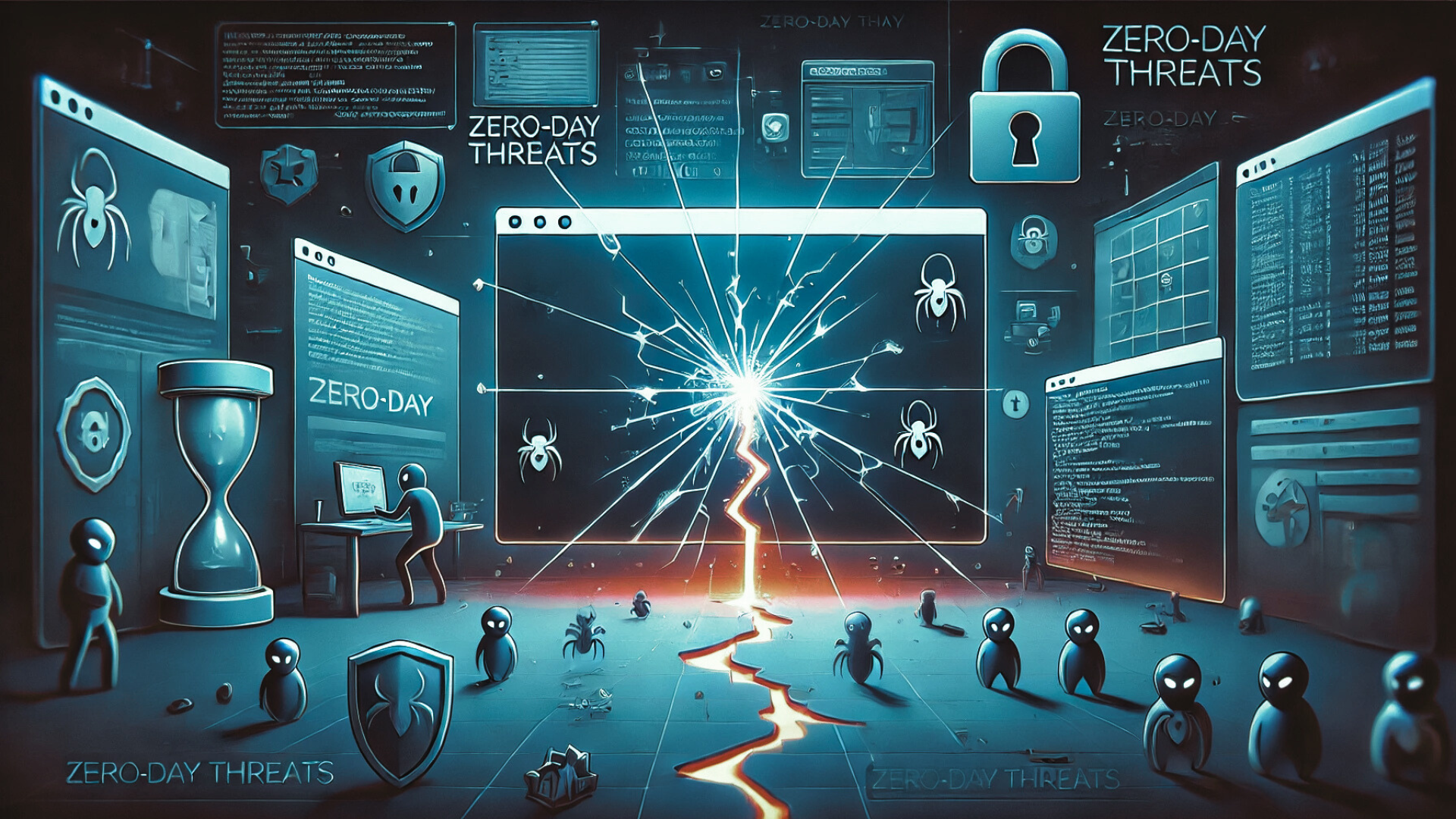
  • Zero-Day Threats Are Real: What Netflix’s Zero Day Doesn’t Exaggerate

    Zero-Day Threats Are Real: What Netflix’s Zero Day Doesn’t Exaggerate

    Netflix’s Zero Day may feel like a gripping cyber-thriller, but the risks it highlights aren’t fiction. Zero-day vulnerabilities—unknown software flaws that hackers exploit before a patch exists—pose serious threats to everything from personal devices to national infrastructure.

    At Peris.ai Cybersecurity, we believe awareness is your first line of defense. Here’s what you need to know and how you can take action.

    ⚠️ What Is a Zero-Day Vulnerability?

    A zero-day flaw is a hidden security hole in software or hardware—discovered and exploited by attackers before the vendor knows it exists. Since there’s “zero” time to patch, threat actors can silently infiltrate systems, steal data, or deploy malware without detection.

    Real-World Zero-Day Attacks That Made Headlines

    • Stuxnet (2010): Targeted Iranian nuclear systems using multiple zero-day exploits
    • WannaCry (2017): Paralyzed hospitals and businesses worldwide with ransomware
    • Pegasus (2023): Used a zero-day in iMessage to spy on users via zero-click attacks
    • Kaseya (2021): A supply chain attack that spread ransomware through an IT management tool

    These weren’t just isolated cases—they caused global disruption, proving how serious zero-days can be.

    How You Can Protect Yourself from Zero-Day Threats

    You can’t always predict a zero-day, but you can make it harder for attackers to succeed. Here’s how:

    • Enable Automatic Updates: Patch software as soon as fixes are available. Delay gives attackers time.
    • Use Advanced Security Tools: Behavioral-based antivirus solutions catch unusual activity, not just known viruses.
    • Think Before You Click: Many zero-day attacks begin with a phishing email or a malicious link.
    • Turn on 2FA: Two-factor authentication protects your accounts even if passwords are stolen.
    • Back Up Data Frequently: Ransomware can lock you out—backups help you bounce back.
    • Avoid Suspicious Downloads: Only install software from trusted, official sources.

    What Zero Day Got Right—and Why It Matters

    While dramatized, Zero Day shines a spotlight on real threats. Critical systems like healthcare, energy, and finance are vulnerable. These aren’t just IT problems—they’re national and personal security risks.

    Your everyday decisions—whether you update your phone, enable 2FA, or click suspicious links—can make or break your defense.

    ✅ Final Word: Awareness + Action = Protection

    Zero-day threats are invisible, fast-moving, and increasingly common. But you don’t need to be defenseless. With the right tools, habits, and awareness, you can stay one step ahead.

    Visit Peris.ai to explore next-gen cybersecurity tools, real-time threat intelligence, and strategies to safeguard your data.

    #PerisAI #Cybersecurity #YouBuild #WeGuard Let’s secure your digital life—before the next zero day strikes.

  • How to Conduct an Access Control Audit: Key Metrics to Track

    How to Conduct an Access Control Audit: Key Metrics to Track

    In today’s digital-first environment, securing access to critical data and systems is a top priority for any organization. One of the most effective ways to protect sensitive information is by conducting a comprehensive access control audit. This process ensures that user permissions align with job roles, regulatory requirements are met, and security risks are minimized. At Peris.ai Cybersecurity, we emphasize the importance of proactive audits to bolster identity and access management (IAM) strategies.

    Understanding the Purpose of an Access Control Audit

    An access control audit is a structured evaluation of who has access to what within an organization’s IT ecosystem. It involves assessing user accounts, permissions, authentication mechanisms, and privileged roles to ensure compliance, eliminate risks, and reinforce internal controls. Rather than being a one-time activity, these audits should be integrated into an ongoing risk management program.

    Key goals include:

    • Verifying user permissions against current job responsibilities
    • Identifying orphaned or inactive accounts
    • Ensuring compliance with standards like ISO 27001, GDPR, and HIPAA
    • Detecting anomalies in access patterns

    Why Regular Reviews Are Critical

    Access rights can quickly become outdated as employees change roles, leave the organization, or gain unnecessary privileges over time. Regular reviews:

    • Prevent privilege creep by enforcing the principle of least privilege
    • Improve visibility into who has access to sensitive systems
    • Support operational efficiency through role-based access control (RBAC)

    Organizations that neglect this step risk not only security breaches but also regulatory penalties.

    Key Metrics to Track During an Audit

    To conduct an effective audit, monitoring the following metrics is crucial:

    • Authentication Success and Failure Rates: High failure rates may signal unauthorized access attempts or usability issues.
    • Number of Privileged Accounts: A high count of admin-level accounts increases your attack surface.
    • Inactive and Orphaned Accounts: Dormant accounts present unnecessary risk if not removed promptly.
    • Password Reset Requests: Frequent reset requests could highlight password fatigue or poor password policy.
    • Time to Provision/Deprovision Access: Delays in onboarding and offboarding users can lead to access inconsistencies.

    Steps to Conduct a Robust Access Audit

    1. Define Objectives and Scope
    2. Collect and Analyze Access Data
    3. Evaluate Access Against Role Requirements
    4. Detect Anomalies
    5. Implement Corrective Actions
    6. Document and Report

    IAM Tools That Support Auditing

    Modern cybersecurity frameworks rely on IAM tools that streamline the audit process:

    • Automated Reporting Dashboards for tracking access logs and audit results
    • Privileged Access Management (PAM) for managing elevated permissions
    • Role-Based Access Controls (RBAC) to align user access with roles
    • Multi-Factor Authentication (MFA) to enhance login security

    These tools allow teams to scale their auditing processes while maintaining accuracy and consistency.

    Addressing Access in Hybrid and Cloud Environments

    As organizations adopt hybrid and multi-cloud infrastructures, it becomes even more essential to apply consistent access policies across environments. Ensure your audit includes:

    • Cloud access logs (e.g., from AWS, Azure)
    • Integration of on-prem and cloud IAM systems
    • Centralized control panels for unified visibility

    Preparing Teams for Access Reviews

    Employee involvement is a key factor in successful audits. Educate teams on the importance of:

    • Adhering to the least privilege principle
    • Reporting access issues or suspicious activity
    • Following secure password practices and MFA usage

    Regular training improves both compliance and cybersecurity awareness across departments.

    Enhancing Security Through Continuous Monitoring

    An audit shouldn’t be a reactive task. Real-time monitoring of user activity can serve as an early warning system for potential threats. Implementing threshold alerts, session timeouts, and anomaly detection can significantly enhance your access control framework.

    Final Thoughts: Make Audits a Core Part of Cyber Hygiene

    Conducting regular access control audits is a foundational practice for any cybersecurity strategy. They reinforce trust, safeguard sensitive information, and help maintain compliance in a rapidly changing threat landscape.

    Take proactive steps today. At Peris.ai Cybersecurity, we help organizations build secure, auditable, and automated IAM systems. Whether you’re managing a growing team or securing hybrid environments, we offer real-time insights and advanced tools tailored to your access control needs.

    Learn more about improving your access control audits at Peris.ai.

  • Melindungi Aset Digital: Pentingnya Mitigasi Risiko Siber

    Melindungi Aset Digital: Pentingnya Mitigasi Risiko Siber

    Apakah aset digital Anda benar-benar aman? Ancaman siber terus berkembang, menyerang bisnis dari berbagai sektor dengan teknik yang semakin canggih. Tanpa strategi mitigasi yang tepat, risiko kebocoran data, pencurian informasi, dan gangguan operasional bisa semakin meningkat.

    Serangan siber tidak hanya mengancam sistem IT, tetapi juga bisa berdampak pada stabilitas finansial, reputasi perusahaan, dan hubungan dengan pelanggan. Oleh karena itu, mitigasi risiko siber harus menjadi prioritas utama dalam strategi keamanan bisnis.

    Lanskap Ancaman Siber Saat Ini

    Lanskap ancaman siber terus berubah seiring dengan inovasi teknologi. Pelaku kejahatan digital kini semakin cerdas dalam mengeksploitasi celah keamanan, baik melalui ransomware, phishing, maupun serangan berbasis kecerdasan buatan (AI).

    Beberapa tantangan utama yang dihadapi organisasi saat ini meliputi:

    • Meningkatnya jumlah serangan ransomware, yang memblokir akses ke data perusahaan hingga tebusan dibayarkan.
    • Serangan phishing yang semakin canggih, menargetkan karyawan untuk mencuri kredensial login dan akses ke sistem internal.
    • Eksploitasi kerentanan dalam perangkat lunak yang belum diperbarui, memungkinkan peretas menyusup tanpa terdeteksi.

    Tanpa langkah mitigasi yang proaktif, perusahaan dapat mengalami kerugian operasional, kehilangan kepercayaan pelanggan, dan ancaman litigasi akibat kebocoran data.

    Strategi Utama untuk Melindungi Aset Digital

    Untuk melindungi aset digital dari ancaman yang terus berkembang, perusahaan perlu menerapkan pendekatan keamanan yang komprehensif dan berlapis. Berikut adalah beberapa strategi utama yang dapat diterapkan:

    1. Enkripsi Data dan Keamanan Informasi

    • Menggunakan enkripsi data untuk melindungi informasi sensitif dari akses tidak sah.
    • Mengimplementasikan proteksi email untuk mencegah malware dan serangan phishing masuk ke dalam sistem.

    2. Kontrol Akses dan Multi-Factor Authentication (MFA)

    • Menetapkan kebijakan akses berbasis peran (RBAC) agar hanya pihak yang berwenang dapat mengakses informasi penting.
    • Menerapkan MFA untuk memastikan bahwa akses ke sistem hanya dilakukan oleh pengguna yang terverifikasi.

    3. Keamanan Jaringan dan Infrastruktur IT

    • Memanfaatkan firewall generasi terbaru dan sistem deteksi intrusi (IDS/IPS) untuk mencegah akses berbahaya.
    • Melakukan audit keamanan secara berkala untuk mengidentifikasi dan memperbaiki celah dalam jaringan perusahaan.

    4. Manajemen Kerentanan dan Patching Otomatis

    • Memastikan perangkat lunak diperbarui secara berkala untuk menutup celah keamanan sebelum dieksploitasi.
    • Menggunakan sistem manajemen patch otomatis untuk mempercepat proses pembaruan keamanan.

    5. Pelatihan Kesadaran Keamanan bagi Karyawan

    • Melatih karyawan dalam mendeteksi email phishing dan ancaman siber lainnya.
    • Membuat kebijakan keamanan data yang jelas untuk mengurangi risiko kesalahan manusia dalam pengelolaan informasi.

    Dengan menerapkan strategi ini, perusahaan dapat mengurangi risiko serangan siber, meningkatkan ketahanan sistem, dan menjaga data tetap aman dari eksploitasi.

    Pentingnya Cyber Insurance dalam Mitigasi Risiko

    Selain menerapkan teknologi keamanan yang kuat, asuransi siber (cyber insurance) menjadi elemen penting dalam strategi mitigasi risiko bisnis.

    Manfaat Cyber Insurance:

    • Menutupi biaya pemulihan setelah serangan siber, termasuk investigasi forensik dan pemulihan data.
    • Melindungi perusahaan dari gangguan operasional akibat serangan ransomware atau kebocoran data.
    • Membantu dalam penyelesaian hukum jika terjadi pelanggaran privasi pelanggan.

    Cyber insurance menjadi solusi tambahan yang memastikan perusahaan memiliki perlindungan finansial saat menghadapi insiden keamanan siber yang tidak terduga.

    Kesimpulan: Mitigasi Risiko Siber Adalah Investasi, Bukan Pengeluaran

    Di dunia digital saat ini, tidak ada bisnis yang kebal terhadap serangan siber. Oleh karena itu, menerapkan strategi mitigasi risiko bukan lagi opsi—tetapi kebutuhan utama.

    Perusahaan harus mengadopsi pendekatan keamanan yang komprehensif, termasuk enkripsi data, kontrol akses ketat, dan pembaruan sistem yang rutin.
    Asuransi siber dapat menjadi pelindung tambahan, membantu perusahaan menghadapi dampak finansial akibat serangan.
    Kesadaran karyawan terhadap keamanan siber sangat penting, karena banyak serangan yang mengeksploitasi kesalahan manusia.

    Jangan biarkan serangan siber mengganggu pertumbuhan bisnis Anda. Saatnya berinvestasi dalam perlindungan siber yang efektif dan memastikan keamanan aset digital Anda tetap terjaga.

    Lindungi bisnis Anda sebelum terlambat! Kunjungi Peris.ai dan temukan solusi keamanan siber berbasis AI yang akan memperkuat pertahanan digital Anda dari ancaman modern.

  • How Vendor Security Ratings Help Organizations Reduce Cyber Threats

    How Vendor Security Ratings Help Organizations Reduce Cyber Threats

    As digital ecosystems become increasingly complex, organizations face growing exposure to cybersecurity risks originating from third-party vendors. With vendors having access to critical systems, data, and operations, a single vulnerability in their infrastructure can lead to widespread consequences. To manage this ever-evolving threat landscape, vendor security ratings have emerged as a key tool in strengthening cybersecurity postures across industries.

    Vendor security ratings are standardized assessments that evaluate a vendor’s cybersecurity strength. These scores are calculated based on criteria such as historical data breaches, compliance status, endpoint security, and patch management. By leveraging these ratings, businesses gain measurable, data-driven insights into the security risks associated with third-party relationships.

    Why Vendor Risk Is a Business Imperative

    Partnering with vendors is essential for operational efficiency, but it also introduces risks. Engineering firms, healthcare providers, and financial institutions increasingly rely on SaaS providers, cloud vendors, and managed service providers. If these third parties suffer a breach, the ripple effect can be devastating.

    High-profile incidents like the MOVEit Transfer vulnerability, which affected over a hundred organizations through a third-party file transfer tool, have made it clear: vendor risk is business risk. This underscores the importance of continuous monitoring and the use of objective, quantitative risk metrics.

    Key Benefits of Vendor Security Ratings

    • Quantitative Risk Assessment: Vendor ratings offer a numerical representation of cybersecurity posture, helping organizations identify and prioritize high-risk vendors.
    • Continuous Monitoring: Real-time data and alerts provide visibility into changes in a vendor’s security practices, allowing proactive threat mitigation.
    • Informed Decision-Making: Businesses can integrate these ratings into procurement, onboarding, and contract renewal processes.
    • Compliance and Audit Readiness: Ratings support regulatory requirements like GDPR, HIPAA, and ISO/IEC 27001 by providing evidence of due diligence.

    Continuous Monitoring and Real-Time Insights

    Relying on periodic risk assessments is no longer sufficient. With threat landscapes evolving daily, continuous monitoring becomes critical. Platforms like Bitsight and UpGuard continuously analyze vast data streams from the internet, deep web, and open-source intelligence to provide real-time updates.

    This enables organizations to:

    • Detect vulnerabilities faster
    • Reduce incident response time
    • Monitor multiple vendors simultaneously

    Automated tools reduce the need for manual oversight while improving accuracy and efficiency. They scan for exposed credentials, misconfigured cloud services, and unpatched systems, flagging risks before they are exploited.

    Integrating Security Ratings with Compliance Frameworks

    Security ratings play a vital role in compliance management. Regulatory frameworks increasingly require organizations to evaluate the cybersecurity of their supply chains.

    Vendor ratings streamline compliance by offering:

    • Audit-ready documentation
    • Automated risk scoring
    • Visibility into third-party data handling practices

    Leveraging Threat Intelligence and Predictive Analytics

    Advanced vendor risk management solutions incorporate threat intelligence and AI-driven analytics to stay ahead of potential breaches. These technologies enable:

    • Predictive Analytics: Identifying vendors at risk before incidents occur.
    • Machine Learning: Detecting behavioral anomalies in vendor systems.
    • Threat Correlation: Linking known threat actors to vendor vulnerabilities.

    Such proactive intelligence enhances the accuracy of security ratings, supporting smarter, faster decisions.

    Engaging Vendors in Remediation

    A low vendor security score doesn’t always mean severing ties. Engaging vendors in collaborative remediation strengthens partnerships and improves overall supply chain resilience.

    Best practices include:

    • Open communication about findings
    • Providing support and guidance
    • Regular reassessments and score improvements

    Updating SLAs to include security expectations, continuous monitoring clauses, and incident response timelines ensures accountability and alignment.

    Best Practices for Sustainable Vendor Risk Management

    Effective vendor risk management requires a structured and continuous approach. Here are best practices to implement:

    • Perform Risk-Based Tiering: Categorize vendors based on access and criticality.
    • Conduct Periodic Reviews: Reassess security ratings semi-annually or after major changes.
    • Automate Where Possible: Use risk management platforms to streamline assessments.
    • Integrate with Procurement: Make security ratings part of vendor selection workflows.
    • Educate Internal Stakeholders: Ensure procurement, legal, and IT teams understand rating metrics and their implications.

    Final Thoughts: Security Starts With Visibility

    Vendor security ratings provide the visibility organizations need to manage third-party cyber risk effectively. In a world where supply chain attacks are on the rise, relying solely on contractual agreements is not enough. Organizations must adopt a data-driven, real-time approach to assess, monitor, and engage vendors.

    By integrating vendor security ratings into cybersecurity and compliance programs, businesses can reduce risk exposure, enhance operational resilience, and build trust with stakeholders.

    Take the next step toward stronger third-party security. Visit peris.ai for expert guidance, advanced monitoring tools, and end-to-end cybersecurity solutions.

  • Meningkatkan Keamanan Bisnis dengan Praktik Cyber Hygiene yang Kuat

    Meningkatkan Keamanan Bisnis dengan Praktik Cyber Hygiene yang Kuat

    Serangan siber berkembang dengan cepat dan menjadi ancaman nyata bagi perusahaan. Tanpa praktik cyber hygiene yang kuat, bisnis berisiko mengalami kebocoran data, pencurian informasi sensitif, hingga gangguan operasional akibat serangan siber.

    Cyber hygiene adalah serangkaian langkah preventif yang bertujuan untuk melindungi aset digital, data, dan infrastruktur IT dari ancaman yang terus berkembang. Dengan menerapkan praktik keamanan yang tepat, perusahaan dapat mengurangi risiko pelanggaran keamanan dan meningkatkan ketahanan terhadap serangan siber.

    Strategi Utama Cyber Hygiene untuk Keamanan yang Lebih Baik

    Agar bisnis tetap aman dari ancaman siber, berikut adalah beberapa strategi cyber hygiene yang dapat diterapkan:

    1. Pemantauan Aset Digital Secara Real-Time

    • Mengapa penting?
      Perangkat atau perangkat lunak yang tidak terpantau dapat menjadi celah bagi malware dan akses ilegal. Dengan pemantauan yang konsisten, perusahaan dapat mengidentifikasi dan menangani ancaman lebih cepat sebelum berkembang menjadi masalah serius.
    • Langkah yang bisa dilakukan:
      • Menggunakan alat pemantauan yang otomatis untuk mendeteksi perangkat dan sistem yang tidak dikenal.
      • Memastikan inventaris aset IT selalu diperbarui untuk menghindari shadow IT.

    2. Pembaruan dan Manajemen Patch Secara Otomatis

    • Mengapa penting?
      Perangkat lunak yang tidak diperbarui membuka celah bagi serangan zero-day dan eksploitasi keamanan. Sistem yang tidak diperbarui adalah target empuk bagi peretas.
    • Langkah yang bisa dilakukan:
      • Menggunakan sistem otomatis untuk menerapkan patch dan memperbarui perangkat lunak.
      • Memastikan setiap pembaruan diuji sebelum diterapkan untuk menghindari ketidakcocokan sistem.

    3. Backup Data yang Aman dan Terjadwal

    • Mengapa penting?
      Serangan ransomware dapat mengunci akses data penting perusahaan. Tanpa cadangan yang aman, bisnis berisiko kehilangan data atau harus membayar tebusan besar.
    • Langkah yang bisa dilakukan:
      • Menggunakan solusi backup otomatis dan terenkripsi.
      • Menguji cadangan data secara berkala untuk memastikan dapat dipulihkan jika terjadi serangan.

    4. Kontrol Akses yang Ketat terhadap Data Sensitif

    • Mengapa penting?
      Akses yang tidak terkontrol dapat menyebabkan kebocoran data akibat kesalahan manusia atau penyalahgunaan informasi oleh pihak internal.
    • Langkah yang bisa dilakukan:
      • Menerapkan prinsip least privilege, memastikan hanya pengguna yang benar-benar membutuhkan akses yang diberi izin.
      • Menggunakan sistem otomatis untuk mencabut akses pengguna yang sudah tidak aktif.

    5. Pengelolaan Kata Sandi yang Kuat dan Aman

    • Mengapa penting?
      Kata sandi yang lemah dan sering digunakan ulang adalah salah satu penyebab utama peretasan akun.
    • Langkah yang bisa dilakukan:
      • Menggunakan kebijakan kata sandi yang kuat dan diperbarui secara berkala.
      • Memanfaatkan password manager untuk menyimpan dan mengelola kredensial dengan aman.

    6. Multi-Factor Authentication (MFA) untuk Lapisan Keamanan Ekstra

    • Mengapa penting?
      Jika kata sandi dicuri, MFA dapat mencegah akses tidak sah dengan memerlukan verifikasi tambahan.
    • Langkah yang bisa dilakukan:
      • Menggunakan verifikasi biometrik, OTP (One-Time Password), atau aplikasi autentikasi untuk keamanan tambahan.

    7. Menerapkan Prinsip Zero Trust Security

    • Mengapa penting?
      Serangan internal dan pencurian kredensial semakin meningkat. Dengan Zero Trust, setiap akses harus diverifikasi, tanpa asumsi kepercayaan.
    • Langkah yang bisa dilakukan:
      • Menerapkan kebijakan akses berbasis autentikasi ketat.
      • Menggunakan sistem yang dapat mendeteksi dan membatasi akses yang mencurigakan.

    8. Menggunakan Solusi Keamanan yang Canggih dan Terintegrasi

    • Mengapa penting?
      Menggunakan solusi keamanan yang tidak memadai dapat meninggalkan celah besar dalam sistem pertahanan perusahaan.
    • Langkah yang bisa dilakukan:
      • Memilih solusi keamanan yang mampu mendeteksi dan merespons ancaman secara otomatis.
      • Memastikan alat keamanan dapat terintegrasi dengan infrastruktur IT yang ada.

    Pentingnya Cyber Hygiene untuk Kelangsungan Bisnis

    Serangan siber bukan hanya menyebabkan kerugian finansial, tetapi juga dapat mengganggu operasional bisnis. Dengan menerapkan praktik cyber hygiene yang tepat, perusahaan dapat mengurangi kemungkinan serangan dan meningkatkan ketahanan terhadap ancaman siber.

    Kesadaran akan keamanan siber bukan lagi opsi, tetapi kebutuhan bagi semua bisnis di era digital.

    Jangan Tunggu Hingga Terjadi Serangan—Ambil Langkah Sekarang!

    Jika bisnis Anda belum menerapkan cyber hygiene yang kuat, sekaranglah saatnya untuk memperkuat pertahanan Anda. Keamanan siber bukan sekadar tren, tetapi fondasi utama bagi bisnis yang ingin bertahan dan berkembang di era digital.

    Lindungi bisnis Anda dengan solusi keamanan siber berbasis AI dari Peris.ai. Jangan biarkan celah keamanan menjadi pintu masuk bagi peretas—ambil tindakan sekarang!