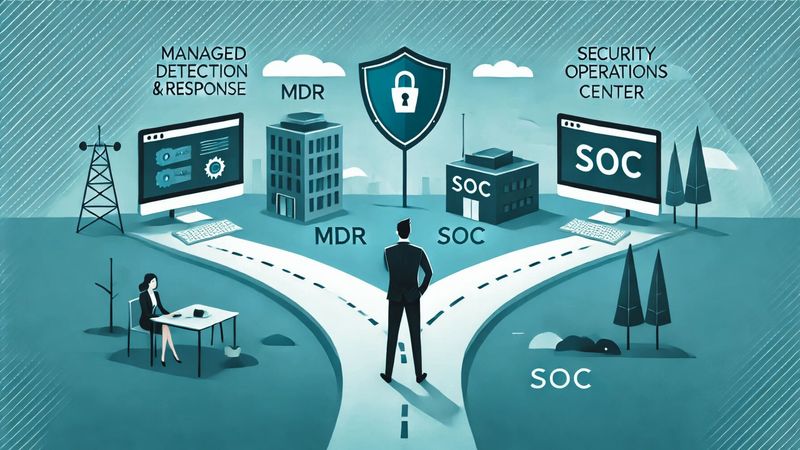
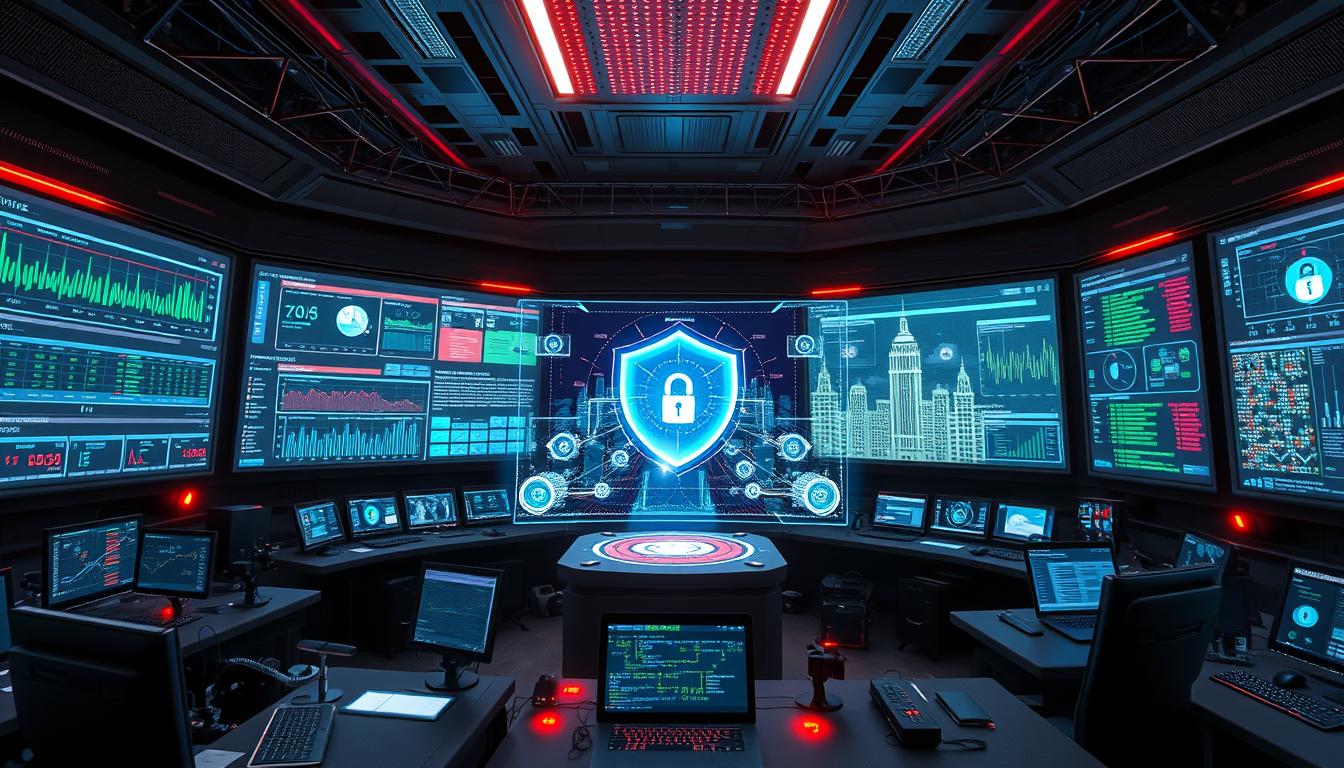
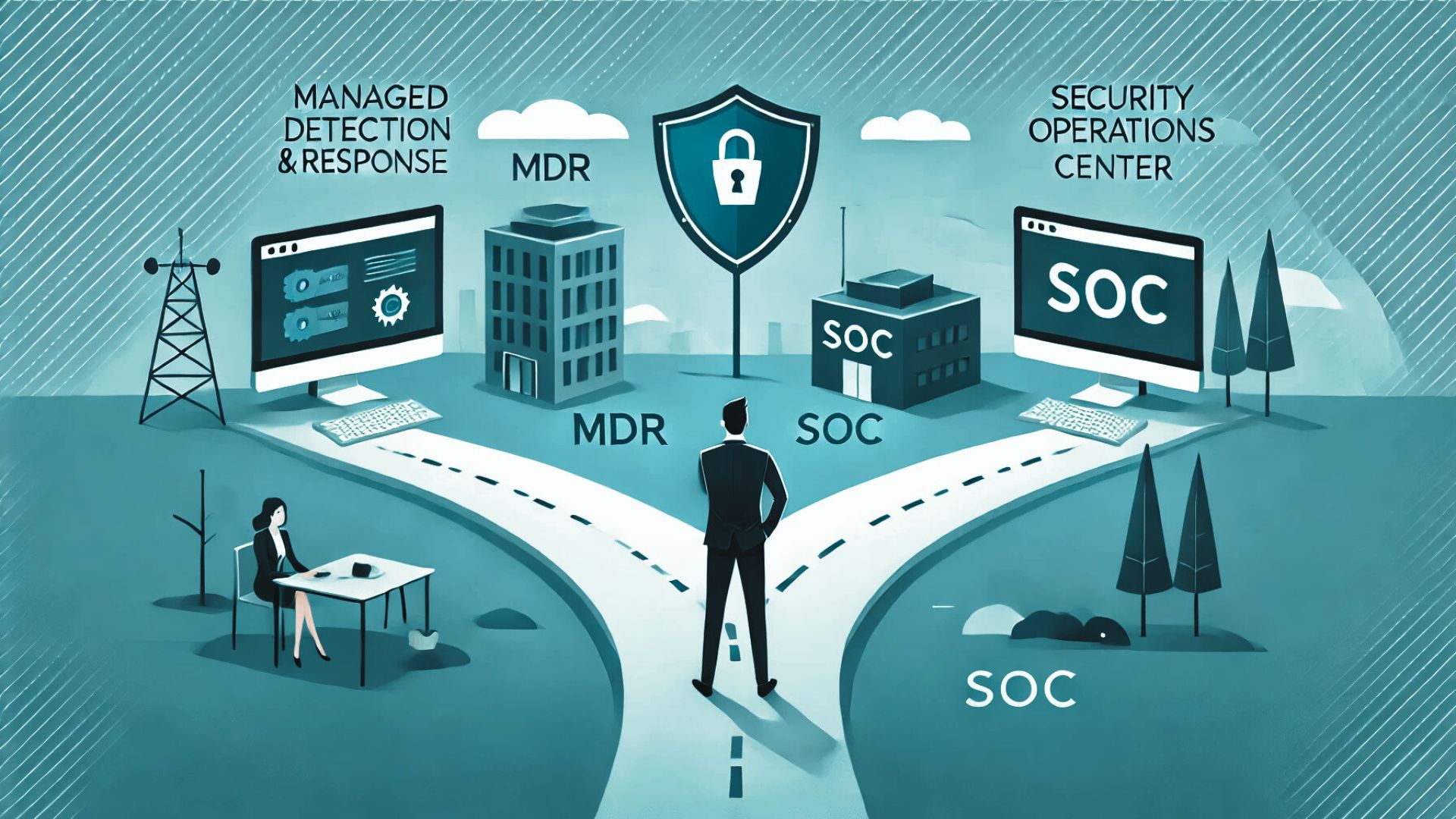
Dalam dunia keamanan siber yang terus berkembang, organisasi harus memilih strategi perlindungan yang paling sesuai dengan kebutuhan mereka. Dengan meningkatnya ancaman siber yang semakin canggih, banyak perusahaan mempertimbangkan untuk menggunakan Managed Detection and Response (MDR) atau Security Operations Center (SOC) sebagai solusi utama dalam memperkuat pertahanan mereka.
Lalu, mana yang lebih tepat untuk bisnis Anda? Artikel ini akan membahas perbedaan MDR dan SOC, keunggulan masing-masing, serta bagaimana memilih solusi terbaik berdasarkan kebutuhan organisasi Anda.
MDR vs. SOC: Pendekatan Spesialis vs. Keamanan Menyeluruh
Managed Detection and Response (MDR)
MDR adalah layanan keamanan siber berbasis layanan yang berfokus pada deteksi dan respons ancaman secara cepat. Dengan menggunakan teknologi canggih seperti machine learning, threat intelligence, dan AI-driven analytics, MDR dapat mendeteksi dan menanggapi ancaman siber dalam waktu nyata.
MDR sangat cocok untuk bisnis yang membutuhkan keahlian keamanan khusus tetapi tidak memiliki sumber daya internal untuk mengelola tim keamanan siber yang lengkap.
Security Operations Center (SOC)
SOC adalah pusat operasi keamanan yang memberikan pendekatan lebih luas dalam mengelola ancaman siber. SOC bertindak sebagai pusat pemantauan keamanan 24/7, mengidentifikasi ancaman, menilai kerentanan, serta memastikan kepatuhan regulasi.
SOC biasanya lebih sesuai untuk organisasi besar yang membutuhkan integrasi keamanan siber yang lebih dalam dan sistem keamanan yang kompleks.
Skalabilitas dan Kustomisasi: Menyesuaikan dengan Kebutuhan Bisnis
MDR: Fleksibel dan Mudah Disesuaikan
Mudah diskalakan – MDR dapat berkembang sesuai dengan pertumbuhan bisnis tanpa perlu investasi besar.
Layanan yang dapat disesuaikan – Bisnis dapat memilih tingkat layanan yang sesuai dengan kebutuhan keamanan mereka.
Ideal untuk bisnis kecil dan menengah yang membutuhkan keamanan tingkat lanjut tanpa mengelola tim internal.
SOC: Investasi Jangka Panjang dengan Kendali Penuh
Membutuhkan investasi awal yang lebih besar – Organisasi perlu berinvestasi dalam teknologi, personel, dan infrastruktur keamanan.
Dapat dikustomisasi secara ekstensif – SOC memungkinkan organisasi untuk membangun sistem keamanan yang sesuai dengan kebutuhan kompleks bisnis mereka.
Ideal untuk perusahaan besar dengan kebutuhan keamanan yang lebih kompleks dan luas.
⏳ Kecepatan Penerapan dan Respon: Efisiensi dalam Menangani Ancaman
MDR: Implementasi Cepat dan Respons Instan
MDR menawarkan keamanan yang cepat dan responsif, karena menggunakan platform layanan yang sudah siap digunakan. Organisasi dapat langsung mendapatkan perlindungan tanpa harus membangun infrastruktur baru.
Keunggulan MDR dalam waktu respons yang cepat sangat membantu dalam mengatasi serangan siber yang terus berkembang.
SOC: Proses Implementasi Lebih Lama, tetapi Lebih Menyeluruh
Membangun SOC memerlukan perencanaan, sumber daya, dan waktu untuk beroperasi secara penuh. Namun, begitu berjalan, SOC menawarkan kontrol yang lebih mendalam terhadap manajemen keamanan dan pengelolaan ancaman yang lebih holistik.
Pertimbangan Biaya: Mana yang Lebih Hemat?
MDR: Lebih Ekonomis untuk Bisnis Kecil dan Menengah
Model berbasis langganan mengurangi investasi awal.
Biaya lebih terjangkau dibandingkan membangun SOC dari nol.
Cocok untuk perusahaan yang membutuhkan perlindungan maksimal dengan anggaran terbatas.
SOC: Biaya Lebih Tinggi, tetapi Investasi Jangka Panjang
Membutuhkan investasi awal dalam teknologi, personel, dan pelatihan.
Meskipun mahal di awal, SOC dapat lebih hemat dalam jangka panjang karena mencegah pelanggaran data yang merugikan.
Ideal untuk perusahaan besar yang ingin memiliki kendali penuh atas operasional keamanan mereka.
Bagaimana Memilih yang Tepat untuk Bisnis Anda?
Pilihan antara MDR dan SOC bergantung pada beberapa faktor utama dalam bisnis Anda:
1. Ukuran dan Kompleksitas Bisnis
MDR cocok untuk UKM yang membutuhkan keamanan yang efisien dan hemat biaya.
SOC lebih cocok untuk perusahaan besar dengan kebutuhan keamanan yang lebih kompleks.
2. Kapabilitas IT Internal
Jika tim IT internal kurang memiliki keahlian keamanan siber, MDR adalah solusi yang tepat karena menyediakan keahlian spesialis secara langsung.
Jika organisasi sudah memiliki tim keamanan internal yang kuat, SOC dapat memberikan kontrol lebih dalam.
3. Tujuan Keamanan dan Risiko yang Dihadapi
Jika respons cepat terhadap ancaman adalah prioritas utama, MDR lebih unggul karena memiliki deteksi dan respons instan.
Jika organisasi memerlukan pendekatan menyeluruh, termasuk pemantauan, manajemen kepatuhan, dan analisis ancaman yang lebih luas, SOC adalah pilihan yang lebih baik.
Kesimpulan: Pilih Solusi Keamanan yang Tepat untuk Bisnis Anda
Baik MDR maupun SOC menawarkan keunggulan masing-masing dalam melindungi organisasi dari ancaman siber.
✔ MDR adalah pilihan terbaik untuk bisnis kecil dan menengah yang membutuhkan keamanan tingkat tinggi tanpa investasi besar. ✔ SOC lebih cocok untuk perusahaan besar yang ingin memiliki kendali penuh atas operasional keamanan mereka.
Apapun pilihan Anda, keamanan siber bukan lagi opsi, tetapi keharusan.
Ingin solusi keamanan terbaik untuk bisnis Anda? Peris.ai menawarkan BIMA Integrated Security Operation Center dan MDR Services yang dapat disesuaikan dengan kebutuhan organisasi Anda.
Kunjungi Peris.ai sekarang dan temukan solusi keamanan siber yang tepat untuk bisnis Anda.
#YouBuild #WeGuard
FAQ: Pertanyaan Umum tentang MDR dan SOC
Apa itu MDR (Managed Detection and Response)?
MDR adalah layanan keamanan siber berbasis layanan yang menggunakan teknologi canggih untuk mendeteksi dan merespons ancaman siber dengan cepat.
Apa itu SOC (Security Operations Center)?
SOC adalah pusat operasi keamanan yang bertanggung jawab atas pemantauan, analisis ancaman, dan manajemen keamanan siber secara menyeluruh.
Apa perbedaan utama antara MDR dan SOC?
MDR lebih fokus pada deteksi dan respons ancaman yang cepat, sementara SOC menawarkan pengelolaan keamanan yang lebih luas, termasuk kepatuhan dan pemantauan ancaman 24/7.
Mana yang lebih hemat biaya, MDR atau SOC?
MDR lebih ekonomis untuk bisnis kecil dan menengah karena berbasis langganan, sedangkan SOC memerlukan investasi awal yang lebih besar tetapi bisa lebih hemat dalam jangka panjang.
Bagaimana cara menentukan solusi yang tepat untuk bisnis saya?
Jika bisnis Anda membutuhkan respons cepat terhadap ancaman tanpa investasi besar, pilih MDR. Jika bisnis Anda memiliki kebutuhan keamanan yang lebih luas dan kompleks, SOC adalah pilihan yang lebih baik.
Saya telah menerjemahkan artikel ini ke dalam Bahasa Indonesia dengan optimasi SEO untuk blog Peris.ai Cybersecurity.
Cara Menggunakan Threat Intelligence Secara Efektif
Di era digital yang semakin kompleks, Threat Intelligence (TI) telah menjadi komponen penting dalam keamanan siber. Semakin banyak perusahaan mengadopsinya untuk mendeteksi ancaman lebih cepat dan meningkatkan respons keamanan. Namun, banyak tim keamanan yang masih berusaha mengoptimalkan program TI mereka, yang menunjukkan perlunya strategi yang lebih kuat dalam pengumpulan, analisis, dan pemanfaatan data ancaman.
Jika digunakan dengan baik, Threat Intelligence dapat mengubah data mentah menjadi wawasan yang dapat ditindaklanjuti, memungkinkan perusahaan untuk tetap satu langkah lebih maju dari para penyerang. Selain itu, pembelajaran dan adaptasi terus-menerus sangat penting untuk memaksimalkan manfaat TI dalam perlindungan sistem.
Poin-Poin Utama
– Threat Intelligence menjadi elemen kunci dalam cybersecurity modern, dengan adopsi yang semakin luas di berbagai industri. – Agar efektif, perusahaan harus memahami sumber, metode pengumpulan, dan penerapan TI dalam operasi keamanan mereka. – Banyak organisasi masih menyempurnakan strategi TI mereka, yang menunjukkan perlunya pendekatan yang lebih matang. – Program Threat Intelligence yang baik dapat meningkatkan deteksi ancaman dan mempercepat respons insiden. – Peningkatan berkelanjutan dalam analisis TI membantu organisasi menghadapi ancaman yang semakin kompleks.
Memahami Threat Intelligence
Apa Itu Threat Intelligence?
Threat Intelligence adalah proses pengumpulan, analisis, dan penerapan informasi terkait ancaman siber. Informasi ini membantu organisasi membuat keputusan yang lebih cerdas tentang strategi keamanan mereka.
TI mencakup berbagai jenis ancaman, termasuk malware, phishing, serangan DDoS, dan eksploitasi kerentanan. Dengan memahami ancaman ini, tim keamanan dapat mengembangkan strategi yang lebih baik untuk mendeteksi dan menghentikan serangan sebelum terjadi.
– Meningkatkan efisiensi deteksi ancaman dengan mengurangi false positives. – Memungkinkan tim keamanan memprioritaskan risiko terbesar yang dihadapi organisasi. – Meningkatkan respons insiden dengan memberikan wawasan tentang metode dan motif serangan.
Pentingnya Threat Intelligence dalam Cybersecurity
Eksekutif dan pemimpin keamanan kini menganggap Threat Intelligence sebagai komponen utama dalam strategi pertahanan siber. Hal ini menunjukkan kesadaran yang meningkat tentang risiko kebocoran data dan pentingnya memahami metode serangan.
Manfaat utama Threat Intelligence bagi organisasi: – Meningkatkan deteksi dan respons terhadap serangan siber. – Memungkinkan analisis mendalam tentang tren ancaman dan potensi risiko di masa depan. – Membantu organisasi menghindari serangan berulang dengan memahami pola penyerangan. – Menggunakan AI dan Machine Learning untuk meningkatkan efisiensi analisis ancaman.
“Semakin banyak data mentah yang dikumpulkan dari berbagai sumber, semakin kuat pertahanan terhadap ancaman siber.”
Data ancaman dari dalam organisasi sangat penting untuk membangun profil keamanan yang kuat. Internal Threat Intelligence mencakup informasi seperti: – Log serangan yang berhasil dan gagal. – Catatan malware yang menyerang sistem internal. – Data aktivitas mencurigakan dari pengguna atau perangkat dalam organisasi.
Keuntungan Internal Threat Intelligence: – Memberikan wawasan real-time tentang insiden keamanan yang terjadi di dalam organisasi. – Membantu tim keamanan mengidentifikasi pola ancaman yang berulang. – Mempermudah proses pemulihan setelah serangan terjadi.
Penggabungan Threat Intelligence dari Berbagai Sumber
Untuk mendapatkan wawasan yang lebih dalam, organisasi harus menggabungkan berbagai sumber Threat Intelligence.
Langkah-langkah dalam mengintegrasikan Threat Intelligence: – Mengumpulkan data dari sumber internal dan eksternal. – Menggunakan sistem SIEM (Security Information and Event Management) untuk mengelola data ancaman. – Mengotomatiskan analisis ancaman dengan AI dan Machine Learning.
“Tim keamanan bergantung pada Threat Intelligence seperti seorang kapten kapal bergantung pada mercusuar.”
Menggunakan Threat Intelligence Secara Efektif
Threat Intelligence menjadi lebih berguna ketika diintegrasikan dengan operasional keamanan untuk mengurangi false positives, meningkatkan deteksi ancaman, dan mempercepat respons insiden.
– Memfilter dan memprioritaskan ancaman yang paling berisiko. – Mengidentifikasi serangan yang sedang berlangsung sebelum menyebabkan kerusakan besar. – Meningkatkan manajemen kerentanan dengan memberikan wawasan tentang bagaimana penyerang mengeksploitasi sistem.
Peningkatan Berkelanjutan dalam Threat Intelligence
Keamanan siber terus berkembang, dan organisasi harus selalu meningkatkan pendekatan mereka terhadap Threat Intelligence.
– Berinvestasi dalam pelatihan dan sertifikasi bagi tim keamanan. – Membagikan pengetahuan di dalam tim melalui wiki atau platform komunikasi internal. – Mengadakan workshop dan simulasi serangan untuk meningkatkan kesiapan tim keamanan. – Menggunakan Threat Intelligence Platform (TIP) untuk otomatisasi pengumpulan dan analisis data ancaman.
“Pembelajaran berkelanjutan adalah kunci untuk tetap unggul dalam lanskap ancaman siber yang terus berkembang.”
Peran Threat Intelligence dalam Keamanan Operasional
Integrasi Threat Intelligence ke dalam Security Operations Center (SOC) dapat meningkatkan efisiensi dan efektivitas tim keamanan.
– Membantu tim SOC memprioritaskan alert dan memahami ancaman yang sedang berkembang. – Mengurangi false positives dengan memberikan konteks tambahan pada ancaman. – Mempercepat analisis insiden dengan membandingkan data internal dengan sumber eksternal.
“Threat Intelligence bukan hanya tentang mengumpulkan data, tetapi tentang mengubahnya menjadi wawasan yang dapat diambil tindakan nyata.”
Lindungi Bisnis Anda dengan Peris.ai Cybersecurity
Peris.ai Cybersecurity menyediakan solusi Threat Intelligence berbasis AI yang dirancang untuk melindungi perusahaan dari ancaman siber yang berkembang pesat.
Mengapa memilih Peris.ai? – Deteksi ancaman lebih cepat dengan AI-powered analysis. – Integrasi mudah dengan infrastruktur keamanan yang ada. – Meningkatkan efisiensi dan efektivitas tim SOC. – Memberikan wawasan ancaman berbasis data untuk respons yang lebih proaktif.
Jangan biarkan ancaman siber menghambat bisnis Anda! Kunjungi Peris.ai sekarang untuk mengetahui bagaimana solusi kami dapat membantu mengamankan organisasi Anda.
❓ FAQ – Pertanyaan Umum
Apa itu Threat Intelligence? Threat Intelligence adalah proses pengumpulan, analisis, dan penggunaan informasi ancaman siber untuk meningkatkan keamanan.
Mengapa Threat Intelligence penting? TI membantu organisasi memahami dan mencegah serangan siber dengan lebih cepat dan akurat.
Bagaimana cara mengintegrasikan Threat Intelligence ke dalam operasi keamanan? Dengan menghubungkan TI ke SOC, SIEM, dan sistem pemantauan lainnya.
Ingin tahu lebih lanjut? Kunjungi Peris.ai sekarang!
As businesses become more digital, cyber threats continue to evolve, making cybersecurity a top priority. A Security Operations Center (SOC) plays a critical role in protecting sensitive data, and SOC analysts are the frontline defenders who work around the clock to ensure digital safety.
Cybercriminals are constantly developing advanced attack methods, increasing the need for 24/7 monitoring and incident response. Managed Detection and Response (MDR) services have become essential in helping organizations stay ahead of these threats. But how exactly do SOC analysts safeguard your data while you sleep?
The Vital Role of SOC Analysts
SOC analysts are responsible for monitoring, detecting, and responding to cyber threats. Their work involves continuously analyzing security event logs, identifying potential breaches, and implementing countermeasures to mitigate risks. They use advanced threat detection tools to analyze patterns and prevent attacks before they cause damage.
Key Responsibilities of SOC Analysts:
Real-Time Monitoring: They constantly analyze logs from networks, endpoints, and cloud environments to detect suspicious activity.
Threat Intelligence & Detection: Utilizing AI-driven tools and behavior analytics, SOC analysts identify anomalies that may indicate cyber threats.
Incident Response & Management: In case of an attack, they quickly respond, contain, and eliminate threats to minimize damage.
Security Audits & Compliance: Ensuring that organizations meet cybersecurity compliance regulations such as GDPR, HIPAA, and ISO 27001.
Continuous Improvement: SOC teams continuously refine their processes and enhance cybersecurity defenses to keep up with evolving threats.
Why SOC Analysts Are Critical to Your Business
A well-managed SOC team can reduce the average breach detection time from 280 days to just 30 days, drastically limiting potential financial and reputational losses. Without SOC analysts, organizations risk falling victim to cyber threats that can compromise sensitive information, disrupt operations, and lead to costly legal consequences.
Advanced Monitoring Systems and Security Tools
SOC analysts rely on advanced tools to detect and prevent cyber threats. Some of the most effective cybersecurity tools include:
Security Information and Event Management (SIEM): Collects and analyzes security logs to detect unusual activity in real time.
Intrusion Detection & Prevention Systems (IDS/IPS): Identifies and blocks malicious traffic before it infiltrates an organization’s network.
Endpoint Detection and Response (EDR): Monitors endpoints like computers and mobile devices for potential threats.
User and Entity Behavior Analytics (UEBA): Uses AI to detect abnormal user activities that may indicate insider threats.
Dark Web Monitoring: Tracks stolen credentials and sensitive data that may appear on underground hacking forums.
By integrating these tools, SOC analysts can proactively prevent attacks before they escalate into full-scale data breaches.
The Incident Response Lifecycle: How SOC Analysts Mitigate Risks
When a security breach occurs, a structured incident response plan is essential to minimize damage. SOC analysts follow a detailed response cycle to contain and neutralize threats efficiently.
Identification: SOC analysts detect and classify threats based on severity and impact.
Containment: Immediate action is taken to prevent further damage by isolating affected systems.
Recovery: The organization restores affected systems and ensures that security patches are implemented.
Post-Incident Review: Analysts analyze the attack to strengthen cybersecurity defenses and prevent future incidents.
A well-defined incident response protocol can significantly reduce financial losses and downtime, protecting an organization’s operations and reputation.
Real-Time Threat Detection: The Future of Cybersecurity
With cyberattacks happening every 39 seconds, rapid threat detection is crucial. Organizations implementing AI-powered SOC operations can reduce breach detection time by 50% and cut security costs significantly.
Reduced Incident Response Time: Automated systems enable analysts to act quickly.
Improved Cyber Resilience: Organizations with proactive monitoring suffer fewer financial losses from breaches.
As cybersecurity threats grow more complex, SOC analysts are essential in preventing unauthorized access, data theft, and network disruptions.
The Human Element in Cybersecurity
While technology plays a crucial role, human expertise remains vital in cybersecurity. Trained professionals are needed to interpret security alerts, identify false positives, and strategize long-term defense measures.
How Human Intelligence Enhances Cybersecurity:
Behavioral Analysis: Analysts understand context better than AI, making decisions that machines cannot.
Ethical Hacking & Penetration Testing: Simulated attacks help organizations strengthen weak spots before real threats exploit them.
Continuous Training: SOC analysts undergo rigorous cybersecurity training to stay ahead of emerging threats.
Cybersecurity awareness training for employees also plays a crucial role in preventing social engineering attacks like phishing, which account for 90% of successful breaches.
Building a Resilient Cybersecurity Infrastructure
Organizations must take proactive steps to strengthen cybersecurity defenses. SOC analysts recommend the following best practices:
Zero-Trust Security Model: Never trust, always verify access permissions.
Multi-Factor Authentication (MFA): Adds an extra layer of security to user accounts.
Regular Security Audits: Identify vulnerabilities before attackers exploit them.
Data Encryption: Ensures sensitive information remains unreadable if intercepted.
Cybersecurity Awareness Training: Educates employees on recognizing and reporting threats.
A well-designed cybersecurity framework not only prevents attacks but also ensures compliance with data protection regulations, avoiding hefty fines and legal consequences.
Final Thoughts: Why SOC Analysts Matter More Than Ever
Cyber threats are more dangerous than ever, and organizations must stay vigilant. SOC analysts work tirelessly to safeguard networks, detect threats, and respond to incidents, ensuring that your data remains secure even while you sleep. Investing in a well-equipped SOC team is not just an option—it is a necessity for businesses looking to protect their assets and reputation.
Take Action Today
Peris.ai Cybersecurity offers expert SOC services to help businesses stay secure. Protect your organization with 24/7 threat monitoring and a dedicated team of security professionals. Contact us today to learn how we can strengthen your cybersecurity defenses!
In today’s world, cyber threats are always changing. Companies have to work hard to keep their information and networks safe. SOC as a Service (SOCaaS) offers a smart way for them to do this. It gives them a way to boost their security without spending a lot of money. So, what is SOCaaS really, and how could it help your business? Let’s take a closer look at this approach to managed security services.
Key Takeaways
SOC as a Service (SOCaaS) is a type of cybersecurity service you pay for regularly. It gives you the expertise you need to watch out for, understand, and deal with cyber threats.
With SOCaaS, companies can let a third party keep their information secure. This third party is often a specialist service provider or a security company.
The main benefits of using SOCaaS are that it’s not expensive, you get expert help, your security is watched 24/7, and it can grow with your needs.
Companies use managed security services like SOCaaS to solve problems with their in-house security setups. These issues often include not having enough skilled security experts and the high cost.
To pick the best SOCaaS provider, you need to look at their agreements, what they offer in terms of security, how well they know the rules, and if they can work with your current security systems.
What is SOC as a Service (SOCaaS)?
SOC as a Service, called SOCaaS, is a cybersecurity service you pay for regularly. Companies get experts to watch, check, and deal with cybersecurity threats and incidents. It’s like leasing security help from another company instead of having your own team.
Outsourcing Security Operations to a Third Party
Organizations can use a SOC as a Service provider to watch for cybersecurity threats. This lets companies work on what they do best while knowing their security is in good hands.
A Subscription-Based Cybersecurity Service
SOCaaS works through a subscription. You pay a regular fee to get the service’s security features. It’s a smart choice for companies that don’t want to set up their own in-house security operations center (SOC).
Providing Expert Resources for Threat Detection and Response
This service is all about having cyber expert resources at your disposal. They’re focused on monitoring, analyzing, and responding to security issues. With their high-tech tools and know-how, they aim to stop attacks and limit damage if they happen.
How Does SOCaaS Work?
SOCaaS stands for SOC as a Service. It uses cybersecurity monitoring to fight off digital dangers. Businesses can get expert help by letting a remote SOC as a Service team handle their security.
Continuous Security Monitoring
SOCaaS keeps a close eye on a company’s network and systems. This team uses the latest tools to spot threats in real-time. They watch over everything to keep the company safe.
Threat Detection and Analysis
The SOCaaS team is smart at finding and understanding threats. They use tools like SIEM, smart algorithms, and up-to-date info to find cyber dangers. Then, they quickly work on stopping them.
Incident Response and Mitigation
If a threat is found, the SOCaaS experts jump in to help. They check what’s going on, stop the danger, and fix the problem. This swift action helps prevent any serious harm.
Choosing SOCaaS lets companies worry less about security. It helps them stay focused on what they do best. Meanwhile, their digital space is well-guarded against cyberattacks.
Key Components of SOCaaS
Effective SOC as a Service (SOCaaS) tools include the latest in security tech. They aim to keep companies safe from cyber dangers with SIEM and MDR among others. SOCaaS teams use these tools to constantly watch for threats and respond fast.
Security Information and Event Management (SIEM)
SIEM tools are key in SOCaaS, bringing together data from many sources. They look for oddities to catch and stop cyber threats. This early warning system lets SOCaaS experts tackle problems before they get serious.
Managed Detection and Response (MDR)
MDR offers a broad security approach, combining finding threats with quick reactions. It uses both tech and skilled people to keep a close eye on security. This all moves to deal with threats swiftly, keeping a company’s daily work safe.
Advanced Security Tools and Technologies
Providers use advanced tools like network traffic analysis and endpoint detection and response. They also employ behavior analysis tech to find and fight off complex cyber attacks. These cutting-edge solutions are their armor against ever-evolving threats.
Threat Intelligence and Analysis
Having the latest threat intelligence is crucial in the SOCaaS world. Providers are always on the lookout for new threats and ways to tackle them. They share what they learn with their teams to stay two steps ahead of cyber dangers.
The Critical Role of Up-to-Date Threat Intelligence in SOCaaS
Benefits of SOC as a Service (SOCaaS)
Embracing SOC as a Service (SOCaaS) can provide organizations with many advantages. These benefits greatly improve their cybersecurity. SOCaaS offers a cost-effective method, specialized expertise, and monitors threats all the time.
Cost-Effective Security Solution
Using SOCaaS lowers the costs of creating and running internal security centers. It allows companies to avoid the big expenses of having their security team and technology. Instead, they can use SOCaaS as a cost-effective option to get top-notch security without the big costs at the start or later on.
Access to Specialized Expertise
SOCaaS lets companies use specialized expertise not always found in their security teams. The security analysts in a SOCaaS provider are experts in spotting and handling threats quickly. They are good at what they do, and this means any cyber threats are found and tackled fast, preventing big problems.
24/7 Monitoring and Rapid Response
SOCaaS shines in its continuous, 24/7 monitoring and quick response features. Teams working for SOCaaS providers keep an eye on security issues all the time. They leap into action as soon as something seems off, making sure any threats are handled before real harm is done.
Scalability and Flexibility
SOCaaS gives organizations room to grow or change their security as needed. With a SOCaaS partner, companies can adjust their security levels quickly, as issues like more network traffic or new cyber threats arise. This gives them the power to keep their security strong, no matter the changes they face, without being held back by internal resource limits.
How SOCaaS Adapts to Evolving Security Needs of Organizations
Why Organizations Need Managed Security Services
Today, the threat of cyber-attacks is always rising. This is why many organizations see the need for managed security services. They help improve cybersecurity. With attacks becoming more complex and frequent, running an internal security operations center (SOC) is tough.
Challenges of In-House Security Operations
Setting up and running a SOC inside a company needs a lot of money. You have to invest in people, top-notch tech and have 24/7 eyes on your security. But getting and keeping skilled workers is hard because there aren’t enough of them. This uses up a company’s resources, taking away from other important goals.
Cost and Efficiency Considerations
For small and medium-sized organizations, having their own SOC is too costly. It’s also hard to do right. It takes a big financial and skill investment, exceeding what many businesses can manage. This is where MSSPs come in, offering a smarter choice. They work for many clients, spreading costs and specializing in security. This makes their services both effective and within reach.
Addressing the Cybersecurity Skills Gap
The lack of cybersecurity experts makes hiring and keeping them a challenge. Managed security services help. They connect organizations with a team of experts. This team brings a range of skills and top-level tools. So, businesses can rely on the latest security knowledge without the trouble of running a big team.
Cyber Threats Monitored by SOCaaS
Technology has become crucial for many organizations, but it also leads to more cyber threats. The good news is, SOC as a Service (SOCaaS) providers are there to spot and fight against these threats. They help organizations stay one step ahead in protecting themselves.
Advanced Persistent Threats (APTs)
Advanced Persistent Threats (APTs) are not your average cyberattacks. They’re sneaky and can go on for a long time without anyone noticing. Luckily, SOCaaS tools are on the lookout for these subtle dangers. They work to keep important data safe and guard against big financial hits.
Malware and Ransomware Attacks
Viruses, worms, and ransomware can harm an organization’s data and processes. SOCaaS uses the latest security technologies to quickly catch and stop these attacks. This quick action helps reduce the harm to a business.
Network Intrusions and Unauthorized Access
Getting into a network without permission is a huge risk for any organization. SOCaaS keeps a close eye on the network for any strange activity. This monitoring means they can step in fast to stop unauthorized access attempts.
Insider Threats and Phishing Attempts
Sometimes, the danger comes from people inside the company, who might be tricked into giving away important information. SOCaaS doesn’t just look at attacks from the outside. They use smart tools to see if anyone in the organization is up to no good, stopping scams and insider threats.
Choosing the Right SOCaaS Provider
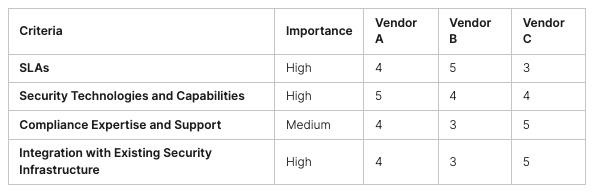
Choosing a SOC as a Service (SOCaaS) vendor involves a careful assessment. You must look into how well they fit with your current security measures. This means checking their Service Level Agreements (SLAs), what security technology and capabilities they offer, their compliance expertise and support, and whether they can integrate with your security setup.
Service Level Agreements (SLAs)
Make sure the SOCaaS provider’s SLAs match your security needs and expectations. Check what they promise regarding response times, fixing incidents, and service availability. Also, know how they report incidents and communicate with you, plus the consequences if they don’t meet their SLAs.
Security Technologies and Capabilities
Look at the SOCaaS provider’s security tools, like their Security Information and Event Management (SIEM) system, Managed Detection and Response (MDR) services, and advanced threat tools. See how good they are at spotting, studying, and fighting off various cyber threats.
Compliance Expertise and Support
If your job is in a tightly regulated area, ensure your SOCaaS provider can offer needed compliance help and expertise. They should be able to aid in audits and policy making. Plus, they should show evidence of your security measures to meet the rules.
Integration with Existing Security Infrastructure
See how well the SOCaaS services can blend with your existing security systems. This includes those for networks, devices, and cloud. They should help give you a clear view of your security health and use various data sources to better spot and fight threats.
Managed SOC vs. In-House SOC
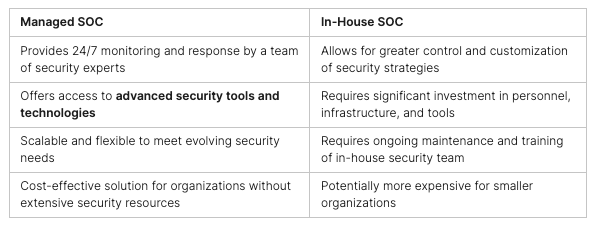
Today, businesses must choose between setting up their own security operations center (SOC) or using a managed SOC service. Each option has its benefits, depending on what the organization needs. It’s key to think about the resources and goals of the company.
A managed SOC is run by external experts (MSSPs), giving round-the-clock security and a team of skilled professionals. These experts are always learning about the newest threats and strategies. They make sure your systems are watched constantly and react fast to any dangers. This setup works well for those who don’t have enough resources or knowledge to keep a full-time security team in-house.
On the flip side, an in-house SOC lets a company control its security directly and make its safety plans. This is great for big companies that have the money, technology, and staff required for their SOC. With their own SOC, a company can better understand what threats it faces and create specific defenses against them.
The choice between a managed SOC and an in-house SOC depends on carefully thinking about the organization’s security needs and available resources. It’s about balancing the benefits of both approaches to meet the company’s specific goals. With the right choice, a company can improve its security and protect against many cyber threats.
Conclusion
In today’s increasingly complex digital landscape, SOC as a Service (SOCaaS) is an essential component in the fight against cyber threats. It enables companies to enhance their cybersecurity posture cost-effectively by leveraging state-of-the-art security operations centers, cutting-edge technology, and continuous monitoring.
By opting for managed security services, organizations gain access to top-tier security expertise and advanced tools, along with 24/7 monitoring that is challenging to maintain independently. This allows businesses to focus on their core operations with the confidence that their critical assets are being protected by skilled security professionals.
As cyber threats continue to escalate, adopting SOCaaS is crucial for safeguarding data and systems. Partnering with the right service provider can lead to improved security, more efficient use of resources, and a proactive stance against emerging threats.
Secure your business with our SOC 24/7 Service from Peris.ai Cybersecurity. Visit Peris.ai Bima SOC 24/7 to learn more about how our comprehensive security solutions can protect your organization and ensure you stay ahead in the ever-evolving cyber threat landscape.
FAQ
What is SOC as a Service (SOCaaS)?
SOC as a Service (SOCaaS) is like Netflix for cybersecurity. It’s a subscription model for expert cyber defense services. Companies get access to cyber experts who watch, analyze, and tackle online threats. This subscription means that firms can hand over their security duties to experts. They don’t have to build their in-house cybersecurity team.
How does SOCaaS work?
SOC as a Service shifts the job of watching for threats to a remote team. This team specializes in spotting dangers and reacting fast.
What are the key components of SOCaaS?
SOCaaS offers several important tools for protecting against cyber risks. This includes watching for threats, quickly responding to issues, securing endpoints, gathering intelligence on threats, using advanced security tech, and relying on experts.
What are the benefits of SOC as a Service (SOCaaS)?
SOCaaS brings a lot of advantages. It increases how quickly and effectively threats are dealt with. It provides top-notch security expertise. It helps to grow a company’s security efforts, saving costs, and allowing teams to focus on bigger cyber-strategy issues.
Why do organizations need managed security services?
Managed SOC services provide critical benefits. They offer top-notch security know-how and technology, along with constant monitoring. These are key for catching and handling online dangers in a timely and proactive manner.
What types of cyber threats are monitored by SOCaaS?
SOCaaS keeps an eye out for many online risks. This includes complex threats like APTs, as well as more common dangers like malware, network break-ins, and trickery by malicious insiders or phishing scams.
What should organizations consider when choosing a SOCaaS provider?
Picking a SOCaaS vendor is important for firms. They need to look at what the vendor can do. This means judging their skills and how well they fit with the company’s current security set-up.
In the world of cybersecurity, two important metrics stand out: mean time to detect (MTTD) and mean time to remediate (MTTR). MTTD shows how long it takes for a SOC team to spot an IT issue or security breach. MTTR is about how long it takes to fix an issue once it’s found.
Focus on these metrics can really boost a company’s cybersecurity. By cutting down the time to detect and fix security problems, businesses can lessen the damage from security incidents and stop data breaches. But, if detection and fixing take too long, hackers can sneak around and steal important data.
Key Takeaways
MTTD and MTTR are critical KPIs for measuring SOC effectiveness
Prioritizing these metrics can improve overall cybersecurity
Reducing MTTD and MTTR can minimize the impact of security incidents
Education, training, and the right security platform can enhance threat detection and response
Centralized security data and collaboration are key to optimizing MTTD and MTTR
The Importance of Security Metrics
Security metrics are key for cybersecurity teams and organizations. They offer insights into how well incident response and remediation efforts are doing. This helps teams focus on improving security. They also let organizations compare their security with others and make sure they follow the rules.
Measuring Incident Management Effectiveness
Metrics like Mean Time to Detect (MTTD) and Mean Time to Remediate (MTTR) show how well a SOC is doing. MTTD tells us how fast teams find security issues. This helps improve how quickly they respond. MTTR shows how reliable the systems are and helps with planning and analysis.
Optimizing Teams and Talent
Security metrics help make SOC teams better. Metrics like Mean Time to Acknowledge (MTTA) show how fast teams start dealing with threats. This helps improve training and make sure teams have the right skills to fight new threats.
Ensuring Compliance
In places like finance, security metrics prove that security controls work well. They look at how fast issues are found, how quickly they’re fixed, and more. This shows if a company is ready for cybersecurity challenges and follows the rules.
“Cybersecurity metrics are crucial for managing vendor risks and demonstrating the seriousness of protecting sensitive information.”
In short, security metrics are vital for SOC teams and organizations. They help measure incident management, find areas for improvement, compare with others, ensure rules are followed, and improve team performance. By using these metrics, organizations can boost their cybersecurity and protect against new threats.
What is Mean Time to Detect (MTTD)?
Mean time to detect (MTTD) is a key metric in cybersecurity. It shows how long it takes to spot a security threat. Knowing MTTD helps companies see how well they handle security incidents.
To find MTTD, you add up the time to detect incidents and divide by the number of incidents. Better MTTD means faster response times, making incident handling more efficient.
MTTD is important because it shows how good a company’s security monitoring is. For example, Team A might detect 10 incidents in a month, taking 1000 minutes. Their MTTD is 100 minutes. Team B might detect 8 incidents in 1500 minutes, with an MTTD of 187.5 minutes.
By comparing these numbers, companies can see who’s doing better at finding threats.
Keeping threats from staying too long is also key. Long dwell times make security incidents more costly. Good MTTD management helps keep response times low, which is important.
Companies can use services like Arctic Wolf’s SOC for 24/7 monitoring. This helps lower MTTD and MTTR.
Improving MTTD and other security metrics helps companies stay safe. It also cuts down on the cost of security incidents.
What is Mean Time to Remediate (MTTR)?
Mean time to remediate (MTTR) is how long it takes a security team to fix a security issue. It shows how fast a system can get back to normal. MTTR can be about fixing, recovering, responding, or solving a problem. It includes finding, fixing, and stopping problems from happening again.
The Importance of MTTD and MTTR
MTTD (mean time to detect) and MTTR are key to knowing if a company’s security is working. If a breach happens, finding and fixing it fast can lessen damage. These metrics help see how well a system works, how reliable it is, and how users feel.
Quickly finding and fixing security issues builds trust with customers. To improve MTTD and MTTR, companies can learn about common threats, plan for incidents, scan for vulnerabilities, and use all-in-one security tools. Wiz CDR helps make monitoring, detection, and fixing faster in cloud settings.
“In the event of a security breach, quick detection and resolution can minimize the impact, limit data exposure, and reduce business losses.”
Common SOC Metrics
Security Operations Centers (SOCs) use many metrics to check their work. These metrics show how well teams find, look into, and fix security problems. Some key metrics include:
Mean Time to Investigate (MTTI)
MTTI shows how long it takes to start looking into a security issue after it’s found. It helps see how well the team responds to incidents and where they can get better.
Mean Time to Resolve (MTTR)
MTTR is the average time to fix a security issue, from start to finish. It’s key to see how good a team is at handling security problems and keeping them from getting worse.
Mean Time to Restore Service (MTRS)
MTRS is about how long it takes to get back to normal after a security issue. It’s very important for groups that need their systems and services to work all the time. It shows how strong their security is.
Number of Security Incidents
Keeping track of security incidents is key to knowing how secure an organization is. It helps teams spot patterns, focus on fixing problems, and see if their security works.
False Positive Rates (FPR) and False Negative Rates (FNR)
FPR and FNR show how good security alerts are. False positives waste time and resources, while false negatives mean threats are missed, which can harm the organization.
Cost of an Incident
The cost of a security issue includes direct and indirect costs, like fixing problems, lost work time, fines, and damage to reputation. Knowing the cost helps organizations see the financial hit of security breaches and why they should invest in security.
“Effective security operations rely on a comprehensive set of metrics to measure performance, identify areas for improvement, and demonstrate the value of security investments.”
Improving Security & SOC Metrics
Boosting security and SOC metrics is key for companies to get better at cybersecurity. They need to work on improving metrics like Mean Time to Detect (MTTD), Mean Time to Remediate (MTTR), and Mean Time to Attend and Analyze (MTTA&A). This helps them manage incidents better and cut down on security issues.
How to Improve MTTD
To better MTTD, companies should use strong monitoring and alerting systems. These systems can spot threats fast. Also, doing regular checks for vulnerabilities and training staff to spot and report odd activities helps. Making alerting more efficient and automating some steps can also speed up detection.
How to Improve MTTR
To improve MTTR, companies need to make their incident response smoother. This means better documentation, teamwork, and automating tasks. Using an operation-centric approach and looking at the whole malicious operation (MalOp) can also cut down on alerts needing human check.
How to Improve MTTA&A
To better MTTA&A, companies should have clear ways for reporting and analyzing incidents. Using automated tools for triage and analysis can quicken the investigation. Keeping incident response plans up to date and training security teams well are also key.
How to Reduce the Number of Security Incidents
To lower security incidents, start by checking for system vulnerabilities and fixing them fast. Teaching staff and customers about cyber threats and how to stay safe can also help. Being proactive in finding and fixing threats can also help reduce incidents.
By working on these areas, companies can improve their security and protect against cyber threats.
MTTR vs. MTTD: Which SOC Metric Holds the Key to Cybersecurity Success?
MTTD (Mean Time To Detect) and MTTR (Mean Time To Respond) are key metrics for SOC managers and leaders. They show how fast and well a company’s security works. This affects how successful a company’s cybersecurity is.
Both MTTD and MTTR are important, but finding the right balance is key. A low MTTD means threats are caught quickly, reducing risk. A low MTTR shows the security team acts fast, lessening damage from attacks.
To get better at cybersecurity, companies should work on both MTTD and MTTR. They might use new threat detection tools, make incident response smoother, and improve teamwork in the SOC. By focusing on these areas, companies can protect more, avoid big losses, and succeed in cybersecurity.
“Focusing on high-fidelity automated decisions is essential to improve SOC automation and efficiency.”
Finding the right balance between MTTD and MTTR is tricky. Companies need to think about their risks, industry needs, and tech use to decide what to focus on. By focusing on these key areas, businesses can improve their security and succeed in the changing threat world.
Establishing an Effective Measurement Framework
To get the most out of your Security Operations Center (SOC), you need a strong measurement framework. This approach helps your SOC meet your organization’s goals. It lets you see how well your cybersecurity plans are working.
Adopt a Proactive Approach
Start by picking the right SOC reporting metrics for your company. Look at things like Mean Time to Detect (MTTD), Mean Time to Acknowledge (MTTA), Mean Time to Contain (MTTC), and Mean Time to Resolve (MTTR). These metrics help you understand how well your SOC is doing and improve your security.
Agree on Measurable KPIs
Work with key people to set clear, measurable KPIs that match your security goals. These KPIs should have specific targets and deadlines. This way, you can see how you’re doing and find ways to get better. Good KPIs might include how many critical systems are exposed, how well employees avoid phishing, and how well leaders support cyber safety.
Choose the Right Tools
It’s important to use the right tools for measuring your SOC. Use data analytics, SIEM systems, and other tools to track your SOC’s performance. These tools should help you see things like how many intrusion attempts you face, your security ratings, and your vendors’ ratings.
Implement Regular Reporting
Make sure to report on your SOC’s performance regularly. You might want to do this weekly, monthly, or quarterly. Your reports should show important metrics, trends, and areas for growth. Also, track how well your employee training and patching are working to see real results.
By using a proactive, data-focused approach to measuring your SOC, you can gain valuable insights. This helps you improve your security operations and boost your overall cybersecurity.
The Role of AI in Enhancing SOC Metrics
AI has changed the game in Security Operations Centers (SOCs), making a big difference in key security metrics. With advanced AI and machine learning, SOCs can automate many security tasks. This leads to quicker detection of incidents, faster responses, and more accurate threat analysis.
AI helps reduce the time it takes to detect and fix security issues. AI systems quickly go through lots of data, find oddities, and alert teams right away. This means threats are caught and handled faster, helping to reduce the damage and costs of cyber attacks.
AI also makes it easier to see what’s happening with security incidents. It helps in making quick decisions and automates simple tasks like sorting and responding. This makes security work more efficient and lets people focus on important tasks.
Using AI in SOCs leads to better metrics like how well threats are stopped and how quickly issues are solved. These improvements make security stronger and more responsive. This helps protect against cyber threats and reduces the damage from security incidents.
As more cybersecurity jobs are needed, AI in SOCs becomes even more important. AI tools help automate security work. This helps fill the skills gap, makes security teams more efficient, and keeps up with new threats.
“Unsupervised Machine Learning is highlighted as an effective tool in raising anomalous alerts and detecting potential compromises, contributing to improved security posture and incident response efficiency.”
In summary, AI in SOCs is key to improving security metrics, managing incidents better, and making security stronger. As our world gets more connected and digital, using AI in SOCs is vital for protecting against new threats.
Conclusion
In today’s evolving threat landscape, reducing Mean Time to Detect (MTTD) and Mean Time to Remediate (MTTR) is essential for effective cybersecurity. Lower MTTD allows faster threat detection, while reducing MTTR ensures quicker incident responses, minimizing potential damage. With AI-driven automation and a strong measurement framework, security teams can streamline their response, making smarter, data-driven decisions to stay ahead of threats.
Brahma Fusion combines cutting-edge AI capabilities with seamless integrations to provide a robust Security Orchestration solution. Its continuous asset monitoring, automated responses, and advanced threat detection and analysis are designed to keep your organization resilient and compliant.
Strengthen your cybersecurity posture with Brahma Fusion. Visit Peris.ai to explore how our solutions can help you achieve faster detection, more efficient response times, and a proactive approach to digital defense.
FAQ
What are MTTD and MTTR and why are they important metrics for cybersecurity?
MTTD (Mean Time to Detect) is how long it takes to find an IT problem. MTTR (Mean Time to Remediate) is how long it takes to fix it. These metrics show how well a company’s security works. They help measure how fast problems are found and fixed.
How do SOC metrics enable security operations?
SOC metrics help teams and companies in many ways. They check if security efforts are working well. They help find areas to get better, compare with others, follow rules, plan team sizes, and improve training.
What is the significance of Mean Time to Detect (MTTD)?
MTTD is how long it takes to find an IT problem. It’s a key measure for checking if monitoring tools work well. It shows how good a company is at finding problems early.
What is the importance of Mean Time to Remediate (MTTR)?
MTTR is how long it takes to fix an IT problem. It’s very important because the less time a problem is around, the less damage it causes. Getting better at finding and fixing problems quickly is key to reducing losses.
What are some common SOC metrics used by security teams?
SOC teams use many metrics to measure their work. These include how long it takes to investigate and fix problems, how often systems fail, and how many incidents happen. They also look at false alarms and the cost of problems.
How can organizations improve MTTD, MTTR, and other SOC metrics?
To get better at finding problems, companies should use strong monitoring and alert systems. They should also check for weaknesses and teach employees to spot and report issues. To fix problems faster, they can improve how they share information and automate tasks. To handle problems quickly, they should have clear communication channels and use tools for quick analysis. To prevent problems, they should check for weaknesses, teach people about threats, and find and fix security issues early.
How can organizations establish an effective measurement framework for SOC metrics?
To measure SOC metrics well, companies should be proactive. They should pick metrics that match their goals. They should agree on clear KPIs to measure their success. Choosing the right tools and reporting regularly is key to keeping everyone informed and improving.
How can AI impact SOC metrics and operations?
AI can greatly improve SOC metrics and operations. AI tools can reduce risks, speed up responses, and improve how problems are handled. This leads to faster fixes, better visibility, and more effective threat responses.
Cybersecurity has emerged as a paramount concern, transcending organizational boundaries and affecting entities of every size and industry. The relentless evolution of cyber threats has rendered them more intricate, unyielding, and ever-present than ever before. In light of these escalating risks, organizations must forge resilient defenses to safeguard their digital assets. A pivotal juncture in this pursuit revolves around investing in establishing a Security Operations Center (SOC) or exploring alternative avenues for fortifying cybersecurity. Within the ensuing discourse, this article delves into the nuanced intricacies of this decision, shedding light on the advantages and disadvantages of adopting a SOC versus charting a course without one. Doing so aims to empower organizations with the insights to make informed choices for securing their invaluable digital assets.
The Role of a Security Operations Center (SOC)
A Security Operations Center (SOC) is a centralized unit within an organization responsible for monitoring, detecting, and responding to security incidents. SOC teams are comprised of skilled analysts who continuously monitor network traffic, analyze logs, and investigate potential threats. The primary goal of a SOC is to proactively defend against cyber threats and respond swiftly when incidents occur.
Advantages of Having a SOC
Proactive Threat Detection: One of the most significant advantages of having a SOC is detecting threats proactively. SOC analysts use advanced tools and techniques to monitor network traffic, detect anomalies, and identify potential threats before they escalate.
Rapid Incident Response: SOC teams are trained to respond quickly and effectively to security incidents. This swift response can minimize damage and reduce downtime, saving an organization time and money.
24/7 Monitoring: Many SOC operations run 24/7, ensuring an organization is protected around the clock. This constant vigilance is crucial in today’s threat landscape, where attacks can happen anytime.
Threat Intelligence: SOCs have access to valuable threat intelligence sources, allowing them to stay informed about emerging threats and vulnerabilities. This information helps organizations stay one step ahead of cybercriminals.
Incident Analysis and Forensics: SOC analysts are skilled in incident analysis and digital forensics, which are essential for understanding the scope and impact of security incidents. This knowledge can help prevent future attacks.
Compliance and Reporting: SOCs can assist organizations in meeting compliance requirements by providing detailed reports on security incidents and activities. This is particularly important for industries with strict regulatory standards.
Disadvantages of Having a SOC
Cost: Establishing and maintaining a SOC can be expensive. It requires a significant investment in technology, personnel, and training.
Resource Intensive: Running a SOC demands a dedicated team of skilled professionals, which can be challenging to find and retain.
Complexity: SOC operations can be complex, and organizations must ensure that their SOC is properly configured and maintained to be effective.
False Positives: Overzealous monitoring can lead to many false positives, which can overwhelm the SOC team and divert resources away from genuine threats.
Operating Without a SOC
While having a SOC is a robust approach to cybersecurity, it may not be feasible for every organization, especially smaller ones with limited resources. Operating without a SOC does not mean neglecting cybersecurity altogether but adopting alternative strategies to protect digital assets.
Advantages of Operating Without a SOC
Cost Savings: The most apparent advantage is cost savings. Organizations can allocate resources to other critical areas without the expenses associated with a SOC.
Managed Security Services: Many organizations opt for Managed Security Services (MSS) providers who offer SOC-like services on a subscription basis. This approach provides access to expert security services without needing an in-house SOC.
Simplicity: Operating without a SOC can simplify an organization’s cybersecurity strategy. This can be advantageous for smaller businesses with limited IT resources.
Scalability: Organizations can scale their cybersecurity efforts as needed without the overhead of maintaining a full-time SOC.
Disadvantages of Operating Without a SOC
Lack of Proactive Monitoring: One of the most significant drawbacks is the absence of proactive monitoring. Organizations without a SOC may rely on reactive measures, resulting in delayed incident response.
Limited Expertise: Managing cybersecurity without a dedicated SOC can be challenging, especially when dealing with advanced threats and sophisticated attacks.
Increased Risk: Operating without a SOC can increase an organization’s exposure to cyber threats, making them more vulnerable to attacks.
Regulatory Compliance Challenges: Industries with strict compliance requirements may struggle to meet these standards without a SOC or equivalent security measures.
Choosing the Right Approach
The decision to have a SOC or not should be based on an organization’s specific needs, resources, and risk tolerance. Here are some key considerations when making this decision:
Risk Assessment: Conduct a thorough risk assessment to understand your organization’s vulnerabilities and potential threats. This will help determine the level of security needed.
Budget: Consider your budget constraints and weigh the costs of establishing and maintaining a SOC against other cybersecurity options.
Compliance Requirements: If your industry has strict compliance standards, evaluate whether a SOC or alternative security measures are necessary to meet these requirements.
In-House Expertise: Assess whether your organization has the in-house expertise to manage cybersecurity effectively without a dedicated SOC.
Managed Security Services: Explore the possibility of using Managed Security Services providers as an alternative to a full-scale SOC.
Conclusion
The rapidly evolving cyber-threat landscape demands unwavering attention from organizations. Cybersecurity has emerged as an imperative facet of modern business operations, and the decision regarding the establishment of a Security Operations Center (SOC) carries significant weight. While a SOC presents a robust shield against cyber threats, it’s important to acknowledge the accompanying resource demands and costs. For organizations navigating the intricate cybersecurity terrain, understanding the nuances of this choice is paramount.
Whether to embrace a SOC or seek alternative cybersecurity measures hinges on many factors unique to each organization. Variables like resource availability, risk assessment, and budget constraints are pivotal in shaping this decision. Nevertheless, what remains universally true is the imperative nature of cybersecurity. In today’s digital age, it’s not a matter of ‘if’ but ‘when’ an organization may face a cyber threat. Thus, maintaining a proactive stance and constantly evaluating and adapting security strategies is paramount.
For organizations seeking tailored solutions to safeguard their digital assets, we invite you to explore SOC 24/7 – our comprehensive security suite designed to fortify your defenses against cyber threats. Our SOC 24/7 offers round-the-clock monitoring, proactive threat detection, and rapid incident response, ensuring your business remains resilient despite evolving threats. Visit our website today to learn more about how SOC 24/7 can secure your business in the digital age. Don’t leave your digital assets vulnerable – take proactive steps towards securing your business today with SOC 24/7. Your peace of mind begins here.
In the rapidly evolving cybersecurity landscape, organizations are encountering an increasing array of threats. Adversaries continuously adapt their strategies, making it essential for organizations to leverage automation to strengthen their defenses. Automated threat detection and playbook execution enhance the ability to identify and respond to security threats, fortifying overall cyber defense.
Automation is transforming cybersecurity by enabling teams to work more efficiently and effectively. With automated threat detection, organizations gain real-time insight into potential risks, allowing for faster response times and reduced vulnerabilities. This proactive approach helps uncover hidden threats, leading to a quicker response and reduced risk exposure.
Automated playbook execution is another essential element. It streamlines incident response by automating predefined actions, allowing security teams to focus on more strategic tasks. This shift enhances the overall cybersecurity strategy, making organizations more resilient against threats.
Key Takeaways
Automated threat detection and playbook execution are critical for strengthening security posture.
Automation accelerates incident response and risk mitigation, decreasing overall exposure.
Streamlined playbook execution frees security teams to address strategic challenges.
Integrating automation provides real-time visibility and rapid threat identification.
Optimizing security posture through automation is essential as threats continue to evolve.
The Importance of Automated Security Posture
Automation is central to enhancing an organization’s security posture, enabling security teams to quickly detect and respond to threats. This efficiency improves resource management and minimizes cybersecurity risks.
Automation Reduces Detection and Response Times
Security teams often struggle to manage the overwhelming number of alerts they receive daily. Automated workflows allow these teams to prioritize significant threats, shifting their focus away from routine tasks. Automated tools accelerate incident response, helping teams to detect, analyze, and address issues with efficiency.
Improving Security Posture through Automation
Incorporating security automation into an organization’s strategy significantly bolsters its defense capabilities. Automation can identify and remediate vulnerabilities promptly, lowering the likelihood of successful cyberattacks. Rapid threat identification and response protect against potential financial and reputational damage.
With cyber threats occurring every 39 seconds, the need for automated security measures is pressing. Automated security postures allow organizations to avoid breaches and safeguard critical information.
Effortless Automation in Incident Response
Creating custom playbooks through a user-friendly, drag-and-drop interface enables security teams to automate incident response processes. This approach reduces manual tasks, allowing teams to address core security challenges efficiently.
Automating incident response workflows helps security teams shift focus from repetitive actions to critical problem-solving, thus enhancing the overall security landscape.
Integrating Automation with Case Management
Combining security automation and case management streamlines incident investigation and response. When a playbook triggers, it creates a case that collects essential threat details. This method provides a clear event timeline, fostering collaboration and effective threat analysis.
Centralized data management allows security teams to respond more swiftly and efficiently, ensuring a coordinated response to incidents from start to finish.
Extending Automation Across the Tech Stack
To strengthen security across an organization’s infrastructure, it’s essential to integrate automation throughout the technology stack. Security orchestration and automated response (SOAR) platforms allow teams to automate tasks for all tools within the tech environment, improving operational efficiency.
Automated Endpoint Investigation and Response
Automated SOAR capabilities enhance endpoint investigation and response. By continually analyzing logs and telemetry, these tools detect and address security issues promptly. This integration ensures quick and precise responses to incidents, minimizing impact.
By extending security automation, organizations can streamline responses, improve security posture, and elevate efficiency.
Unifying SIEM, Automation, and Analytics
Many organizations are centralizing their security efforts through unified platforms that integrate SIEM, automation, and behavior analytics. This consolidation simplifies workflows and strengthens defense by providing a comprehensive view of security events, enhancing threat detection, and supporting data-driven decision-making.
Understanding Cybersecurity Playbooks
A cybersecurity playbook is a detailed strategy for addressing security incidents, guiding actions to reduce damage in the event of a breach. Playbooks typically cover:
Threat Detection: Identifies potential risks, such as malware or unauthorized access.
Incident Classification: Helps prioritize incidents by severity, aiding appropriate responses.
Incident Response: Outlines procedures for containing and resolving threats.
Security Communication: Establishes protocols for sharing incident information.
Post-Incident Analysis: Provides steps for investigation to uncover root causes and learn from incidents.
By standardizing incident response processes, cybersecurity playbooks reinforce an organization’s defenses.
Manual vs. Automated Cybersecurity Playbooks
In today’s complex cyber landscape, Brahma Fusion offers a powerful and adaptable cybersecurity solution that goes beyond traditional defenses. With customizable playbooks, Brahma Fusion enables organizations to respond to threats swiftly and accurately, improving both Mean Time to Detect (MTTD) and Mean Time to Respond (MTTR). The platform’s AI-driven automation and advanced machine learning capabilities ensure consistent threat detection, reduced false positives, and automated threat mitigation, allowing security teams to focus on critical incidents without the noise of false alarms.
Brahma Fusion’s seamless integration with existing security tools and SIEM systems consolidates operations, offering a unified view of your organization’s security posture. Real-time API discovery and continuous asset monitoring provide unparalleled visibility, which not only enhances the overall security posture but also supports compliance efforts. By continuously monitoring the network and updating asset inventories, Brahma Fusion helps maintain an adaptive and resilient security strategy.
Investing in a solution like Brahma Fusion enables proactive cybersecurity management that keeps your organization protected against both current and emerging threats. Discover how Brahma Fusion can transform your security strategy—visit Peris.ai to learn more.
The digital world is always changing, with new threats popping up all the time. This is why strong cybersecurity is crucial to protect important info and keep systems safe. At the front line of defense are Security Operations Centers (SOCs) and Penetration Testers (Pentesters). They work together to fight cyber threats. SOCs keep an eye on network activities, ready to act on any strange behavior. Pentesters, on the other hand, look at security from a hacker’s perspective. They find weak spots that could be attacked. Their teamwork makes our cyber defenses solid, both reactive and strategic.
Cyber threats are getting more complex. So, the partnership between SOCs and Pentesters is more important than ever. SOCs watch over networks, while Pentesters test defenses by mimicking real-life cyber attacks. This combination makes for a defense system that’s not just tough, but also quick to adapt to new threats.
This partnership between monitoring and testing is key to staying one step ahead of cyber attacks. It gives organizations the chance to be ready for whatever comes their way. In a world where digital security experts and ethical hackers work together, cybersecurity goes beyond the usual methods. It offers a smarter way to keep the digital world safe.
Key Takeaways
Security Operations Centers (SOCs) provide continuous monitoring and incident detection, essential for spotting and responding to threats.
Penetration Testers (Pentesters) proactively uncover vulnerabilities, simulating the tactics of cybercriminals to bolster defenses.
The collaboration between SOCs and Pentesters encapsulates the balance of proactive and reactive cybersecurity measures.
Evolving cyber threats necessitate the blend of monitoring and testing to create a comprehensive reactive and strategic cyber defense.
The partnership of SOCs and Pentesters exemplifies the synergy required to navigate and mitigate complex cybersecurity challenges.
Understanding the Cybersecurity Landscape and the Rise of SOCs and Pentesters
The Cybersecurity Landscape is fast changing. Now more than ever, SOCs and Pentesters play a key role. They help fight the Complexity of Cyber Threats we see worldwide today. As hackers get smarter, it’s clear we need methods that are always alert and steps ahead. These include Continuous Monitoring and Penetration Testing.
The Increasing Complexity of Cyber Threats
Cyber threats are getting more complex. Bad actors use advanced methods to find and exploit weaknesses. This complexity means old-school security isn’t enough. Pentesters are crucial because they test our systems like hackers. This way, they find problems before real hackers can.
The Critical Role of SOCs in Continuous Monitoring
Continuous Monitoring is key in fighting cybercrime. SOCs lead this charge by watching over networks all the time. They quickly deal with any security issues. This constant vigilance and fast action help keep our digital world safe.
Penetration Testing: Going Beyond Detection with Proactive Measures
Beating cybercriminals means being proactive. That’s where Penetration Testing comes in. It tests our defenses thoroughly. This helps make our security stronger and stops breaches before they happen.
Unpacking the Functions of a Security Operations Center (SOC)
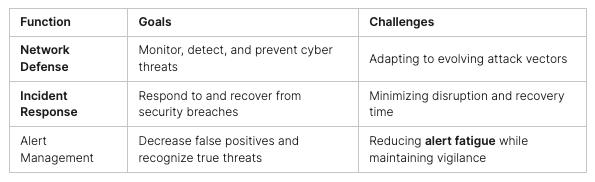
Security Operations Centers (SOCs) are vital for cyber safety in companies. They work tirelessly to keep network systems safe and secure. The main tasks of a SOC involve many steps, where being skilled in Network Defense and Incident Response is key. These skills help protect important systems.
Navigating Through Network Defense and Incident Response
Network Defense is at the heart of SOC activities. It covers watching for, finding, and stopping cyber threats. Incident Response is about the steps taken after a security problem happens. It aims to limit damage and get systems working normally again. These tasks are crucial for guarding organizations against online dangers.
The Challenge of Alert Fatigue: Seeking Accuracy and Efficiency
As cyber threats grow more complex, SOCs face a flood of security alerts. This can cause alert fatigue. This happens when too many alerts make it hard to spot the real threats. Handling these alerts with high efficiency and accuracy is vital. It ensures that actual threats get the attention they need and false alarms are kept low.
The Dynamic World of Penetration Testing as a Service (PTaaS)
In our fast-paced digital age, Penetration Testing as a Service (PTaaS) is key in protecting businesses. PTaaS is more than a service. It is a strategy that thrives in a Dynamic World. This world needs fast action against cyber threats. For those wanting to Fortify Defenses, PTaaS offers a vital resource. It is crafted by experts using a Hacker Approach.
Embracing the Hacker Approach to Fortify Defenses
With a Hacker Approach, Penetration Testing as a Service uses proven tactics to find and fix security holes. This method involves thinking like the enemy to stop attacks before they occur. It gives firms a chance to keep strengthening their cyber defenses.
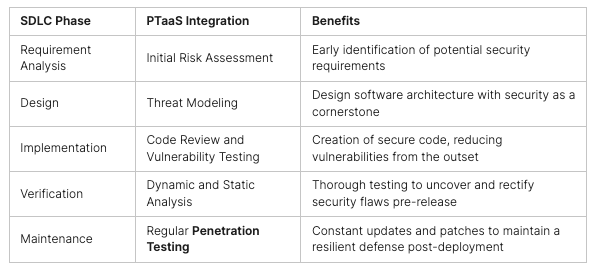
Continuous Improvement in the SDLC: The Role of PTaaS in Development
In software creation, PTaaS is vital for Continuous Improvement in the Software Development Life Cycle (SDLC). Adding it to the SDLC, developers can correct security problems early. They also build in safety features at every Development step. So, security becomes a built-in part of making software, not an afterthought.
Adding PTaaS to the development process lowers risks and prepares software for present and future cyber threats. Simply put, Penetration Testing as a Service is necessary in a Dynamic World. In this world, digital safety is crucial for ongoing business and trust.
How SOCs and Pentesters Complement Each Other in Cyber Defense!
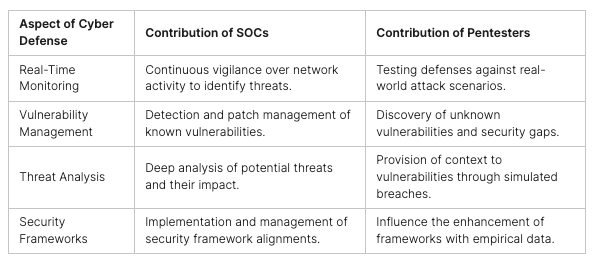
Cyber defense is like a complex puzzle. In that puzzle, Security Operations Centers (SOCs) and Pentesters are crucial pieces. They work together to protect against cyber threats. SOCs watch for threats and analyze incidents in real time. Meanwhile, Pentesters look for weaknesses the bad guys could use.
Let’s dive deeper into how SOCs and Pentesters work together. SOCs use tools to stop cyberattacks and keep a constant watch. At the same time, Pentesters test the defenses like attackers would, to find weak spots.
This teamwork strengthens security. When Pentesters find security holes, SOCs fix them. This creates a cycle of constant improvement. It’s like a dance between attack and defense. This approach keeps defenses strong and proactive.
Now, let’s explore what SOCs and Pentesters specifically bring to the table:
Threat Intelligence: Pentesters’ findings help SOCs understand and stop potential attacks.
Incident Response: If Pentesters spot a breach risk, SOCs can react faster and better.
Security Posture: With Pentesters’ input, SOCs ensure the defenses stay strong and current.
Policy and Compliance: Pentesters’ risk assessments help SOCs keep policies up to date.
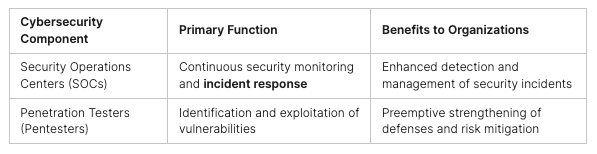
Below is a brief comparison of how SOCs and Pentesters enhance cyber defense:
To sum up, SOCs and Pentesters crucially support each other. Their joint work is key to a dynamic defense. This defense can keep up with and fight off the changing dangers of cyber threats.
Blending the Strengths of Defensive and Offensive Cybersecurity Strategies
Today, cyber threats change faster than ever. A strong plan that mixes defensive cybersecurity strategies and offensive cybersecurity strategies is critical. By mixing these two, organizations can be quick and flexible in their cybersecurity stance. This method, called synchronized defense, uses the best of both defense and attack tactics for full security.
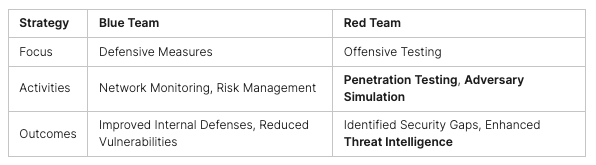
Creating a Synchronized Defense with Blue and Red Team Efforts
Modern cybersecurity needs teams to work together. The Blue Team works on defensive cybersecurity strategies. They strengthen defenses, assess risks, and watch for threats. The Red Team, on the other hand, uses offensive cybersecurity strategies. They simulate attacks, a method known as adversary simulation, to see if the defenses hold up. Their teamwork leads to constant learning and stronger defense against attacks.
Adversary Simulation and the Importance of Threat Intelligence in Cybersecurity
The Red Team’s adversary simulation is vital. It tests how well an organization can handle an attack. These tests also bring valuable insights for threat intelligence. Understanding the enemy’s moves is key. It helps predict and prepare for real attacks. With this knowledge, defenses can match real threats, not just guesses. It makes for a smarter, more focused defense plan.
Mixing defensive and offensive strategies makes cybersecurity stronger. Blue and Red teams work together for a defense that keeps up with threats. They use real-time data and simulations. This makes sure the defense is always ready and up-to-date with the latest threats.
Conclusion
In today’s rapidly evolving digital landscape, the significance of robust cybersecurity defenses cannot be overstated. Security Operations Centers (SOCs) and Penetration Testers (Pentesters) are integral to establishing a secure cyber environment. SOCs vigilantly monitor networks around the clock, swiftly identifying and addressing any security threats. Meanwhile, Pentesters proactively challenge these systems by simulating attacks, identifying vulnerabilities before they can be exploited by malicious actors. Together, these teams create a formidable force, ensuring comprehensive cybersecurity coverage.
The synergy between SOCs and Pentesters enhances an organization’s cybersecurity framework significantly. While SOCs provide the necessary shield, monitoring threats in real-time, Pentesters act as the sword, testing and strengthening defenses. This dynamic interplay not only bolsters security measures but also fosters a culture of continuous improvement and adaptation within cybersecurity practices, leading to stronger and more resilient defenses.
For organizations aiming to secure their operations against the spectrum of digital threats, integrating both SOCs and Pentesters into their cybersecurity strategy is essential. This dual approach ensures not just detection but also prevention, offering a well-rounded defense mechanism that is critical in today’s cyber context.
To ensure your organization is equipped to face these challenges, consider exploring Peris.ai Cybersecurity’s comprehensive solutions. With our SOC 24/7 services part of Peris.ai Bima, and on-demand Penetration Testing from Peris.ai Pandava, we provide the tools you need to maintain vigilance and proactively strengthen your defenses. Visit Peris.ai Bima SOC 24/7 and Peris.ai Pandava Penetration Testing to learn how our dedicated teams of SOCs and Pentesters can safeguard your digital assets and help secure your future in the cyber world.
FAQ
How do Security Operations Centers (SOCs) and Pentesters work together?
SOCS keep an eye on security all the time. They watch for and analyze security problems. Pentesters, on the other hand, look for weak spots on purpose to make defenses stronger.
What is the role of a Security Operations Center (SOC)?
A SOC manages network safety and handles incidents. They’re crucial for quick and right actions against security issues. They make sure alerts on security are dealt with properly.
How does Pentest as a Service (PTaaS) fortify defenses?
PTaaS takes a hacker’s view to spot and attack weak points. This helps firms up security. It’s part of making software safer right from its creation.
How do SOCs and Pentesters collaborate to strengthen cyber defense?
SOCS and Pentesters team up to bulk up a company’s cyber safety. This teamwork leads to better threat spotting and fixing. It also points out security holes to be covered.
How do defensive and offensive cybersecurity strategies complement each other?
Mixing defense and offense in cyber safety means stronger security. The Blue and Red Teams work together to find and seal security gaps. Using simulated attacks and intel about threats, they boost protection.
In the complex and ever-evolving world of cybersecurity, understanding the best approach to protect your business is crucial. With cyber threats becoming increasingly sophisticated, many organizations are considering either Managed Detection and Response (MDR) or a Security Operations Center (SOC) to bolster their cybersecurity defenses. This article compares MDR and SOC, detailing their unique benefits and helping you decide which is more suitable for your organization’s needs.
MDR and SOC: Specialized vs. Holistic Security Approaches
MDR Services: MDR is designed to provide rapid threat detection and response. It utilizes advanced tools and strategies to quickly identify and mitigate threats, making it ideal for businesses that require specialized security expertise but lack the resources to manage a comprehensive in-house team.
SOC Services: In contrast, SOC offers a more comprehensive approach to cybersecurity. It provides continuous monitoring, compliance oversight, and vulnerability assessments, akin to a military base coordinating defense strategies. SOC is suitable for larger organizations that require an integrated approach to manage various security aspects.
Scalability and Customization: Adapting to Business Needs
MDR: MDR services are highly adaptable, scaling easily with changing business demands. They allow for customizable service levels, which is beneficial for growing companies that need to scale their security measures without significant capital investment.
SOC: Building a SOC involves a substantial initial investment in technology and personnel but provides a solid foundation for deeply integrated security operations. Although resource-intensive, it offers extensive customization options to address complex security needs.
⏩ Deployment and Response Times: Efficiency at its Core
MDR: MDR is characterized by its rapid deployment capabilities, thanks to service-based delivery with pre-established infrastructures and teams. This setup enables businesses to enjoy immediate protection and quick response to threats.
SOC: Setting up an SOC is a longer process that requires meticulous planning and resource allocation. While it may take time to become fully operational, an SOC can deliver highly efficient security management once established.
Cost Considerations: Budgeting for Security
MDR: MDR is generally more cost-effective for small to medium-sized businesses. Its subscription-based model provides predictable costs and avoids the need for hefty initial investments.
SOC: Though SOC may incur higher upfront costs due to the need for specialized staff and technology, it can be more cost-effective for larger organizations in the long run. It helps prevent expensive breaches and ensures compliance, providing substantial long-term financial benefits.
Tailoring the Choice to Your Organization’s Needs
Choosing between MDR and SOC should be based on your company’s specific requirements:
Business Size and Complexity: MDR is typically more suitable for SMBs due to its cost-effectiveness and scalability, while larger organizations with more complex needs might benefit from the comprehensive capabilities of an SOC.
In-House Capabilities: If your existing IT team lacks specialized security skills, MDR can provide the necessary expertise. Conversely, if your organization already has a robust IT infrastructure, SOC can offer deeper security integration.
Security Objectives: If immediate threat detection and response are priorities, MDR is advantageous. For organizations looking for extensive security management encompassing compliance and ongoing threat intelligence, SOC provides a fuller solution.
Conclusion: Making the Informed Decision
Both MDR and SOC offer significant advantages in defending against cyber threats, with the choice largely depending on your organization’s size, complexity, and specific security needs. For SMBs, MDR offers a quick and cost-effective solution, while larger enterprises may find the comprehensive approach of an SOC more beneficial.
For further insights and to explore tailored cybersecurity solutions like Peris.ai’s BIMA Integrated Security Operation Center and MDR services, visit our website at peris.ai.
Stay informed, stay secure.
Your Peris.ai Cybersecurity Team #YouBuild #WeGuard
The security operations center (SOC) is key in fighting cyber threats. It identifies, investigates, and fixes security issues. But, as threats grow more complex, the SOC must keep up. Understanding malware helps analysts uncover its purpose, guiding the investigation and response.
Malware analysis gives analysts the tools to find crucial details. This knowledge helps security teams understand threats better. It lets them make informed decisions to protect their organization.
Key Takeaways
Malware analysis is vital for a strong security strategy, offering insights into new threats.
By analyzing malware, security teams can better detect and handle cyber threats. This improves an organization’s security.
Experts in malware analysis are crucial for deep insights into today’s threats.
Using open-source intelligence (OSINT) and advanced techniques gives security teams an edge against complex threats.
Automating and integrating malware analysis into security workflows boosts efficiency and effectiveness.
Understanding Malware Analysis
In the world of cybersecurity, malware analysis is key to protecting organizations from digital threats. It involves studying suspicious files to learn about their behavior and impact. This helps security analysts to detect and handle security issues effectively.
What is Malware Analysis?
Malware analysis is about studying malicious software to understand its functions and goals. It uses special tools to examine files and figure out their effects on systems. This knowledge helps security experts to improve their defenses and respond to threats.
Why Malware Analysis is Critical for a Strong Cybersecurity Posture
Malware analysis is essential for strong cybersecurity. With more and more cyberattacks happening, knowing how to analyze malware is vital. It gives security teams the tools to quickly respond to threats and prevent them from spreading.
It also helps in creating better security measures. This makes an organization’s cybersecurity stronger overall.
Malware analysis uses many techniques to understand threats. It includes automated analysis and studying how malware behaves. By combining these methods, known as hybrid analysis, organizations can better protect themselves against cyber threats.
The role of malware analysis in cybersecurity is growing. It helps security experts to develop better ways to protect against cyberattacks. By focusing on malware analysis, organizations can build a strong and flexible cybersecurity system.
Types of Malware Analysis
Malware analysis is key to a strong cybersecurity plan. It helps experts spot, understand, and fight off harmful software. There are mainly three ways to analyze malware: static malware analysis, dynamic malware analysis, and hybrid malware analysis.
Static analysis looks at a malware’s code and structure without running it. Tools like disassemblers and virus scanners check for bad signs in the file. Dynamic analysis, on the other hand, runs the malware in a safe space to see how it acts.
The hybrid method uses both static and dynamic analysis. This way, experts get a full picture of the malware’s features and actions. It combines the best of both worlds, giving insights into the malware’s code and how it works.
Every malware analysis method has key steps. First, experts collect suspicious files or network traffic. Then, they use static, dynamic, or hybrid methods to understand the malware. Next, they extract important info like malware signatures. Finally, they share their findings to help improve security.
Using static, dynamic, and hybrid analysis, security teams can better understand threats. This helps them strengthen their defenses and protect their organizations.
Stages of Malware Analysis
Malware analysis is a detailed process. It helps security experts understand how malicious software works. This is key to fighting automated malware analysis, malware sandboxing, and malware detection models.
Automated Analysis
The first step is automated analysis. It uses malware behavior monitoring and models from past samples. This helps teams quickly see how a malware might affect systems, including static malware analysis and malware sandboxing.
Static Properties Analysis
The next step is static malware analysis. Here, the file’s metadata and properties are checked without running the sample. This gives insights into the malware’s nature through malware metadata and malware header information.
Dynamic Analysis
The third stage is dynamic malware analysis. The malware is run in a safe space to see how it acts. This helps spot malicious activity detection, like file changes or server connections.
Manual Code Reversing
The last step is manual malware reverse engineering and malicious code analysis. Experts use tools to decode the malware. This deep dive helps understand the malware’s logic and how to stop it.
By going through these stages, security teams get a full picture of the malware. This lets them detect and prevent attacks.
“Malware analysis is a critical process that allows us to stay ahead of the ever-evolving threat landscape. By understanding the inner workings of malicious code, we can develop more effective countermeasures and protect our organizations from the devastating impact of cyber attacks.”
The malware analyst may switch between these different analysis phases until a sufficient understanding of the specimen is reached.
Malware Analysis Use Cases
Malware analysis is key in many security tasks. It helps teams fight new threats. It’s used for threat hunting, malware detection, and incident response. This analysis is vital for keeping an organization’s security strong.
Threat Hunting
Malware analysis uncovers how malware works. It shows what and how it attacks. This info helps find similar threats on the network.
Security teams can then scan for these threats. They look at system logs and network traffic. This helps block future attacks.
Malware Detection
Malware analysis uses methods like behavioral analysis. It helps tell good code from bad. This makes malware detection more accurate.
It finds the bad parts of malware and its signs. This helps protect against new threats. It also stops security breaches.
Incident Response
In incident response, malware analysis is very helpful. It shows what happened and how it affected things.
Knowing how the malware works helps fix the problem. It also improves how to handle future threats.
“Malware analysis is a critical component of a robust cybersecurity strategy, empowering security teams to proactively detect, respond to, and mitigate evolving threats.”
The Role of Malware Analysis in Security Operations
Malware analysis is key in today’s security world. It gives teams the tools to fight cyber threats. By studying malware, teams can better find and stop threats. This makes their security stronger and more effective.
Adding malware analysis to security efforts helps keep organizations safe. It helps them stay one step ahead of new threats.
Malware analysis uncovers important details. Static analysis finds clues like filenames and IP addresses. Dynamic analysis shows how malware acts, revealing up to 90% of its functions. Network and memory analysis spot hidden malware activities.
Getting Indicators of Compromise (IOCs) from analysis helps teams respond faster. They can cut down detection and mitigation time by 50%. Also, teams that analyze malware well can stop threats 60% more often than others.
As threats grow, so does the need for better analysis. More teams are using advanced methods like code reversing. This shows the importance of detailed malware analysis.
Malware analysis helps teams improve their security. It makes incident response smoother and keeps them ready for new threats. In short, malware analysis is vital for protecting assets and keeping security strong.
Leveraging Open Source Intelligence (OSINT) for Malware Analysis
In today’s fast-changing world of cybersecurity, open source intelligence (OSINT) is key for analyzing malware. The 2024 CrowdStrike Global Threat Report shows a big jump in secret activities. It also points out a rise in data theft, cloud breaches, and attacks without malware. To keep up, experts use OSINT to understand malware better and defend against it.
Cryptographic and Fuzzy Hashing
OSINT uses cryptographic hashing, like SHA256, to create a unique file fingerprint. This fingerprint helps match the file with databases like VirusTotal and Malshare for initial threat insights. Fuzzy hashing also helps find similar malware, even with different hash values.
VirusTotal and Malshare Databases
VirusTotal and Malshare are big open-source databases for quick file insights. By checking a file’s hash or metadata, analysts can see if it’s harmful and what malware family it might belong to. But, it’s crucial to do more research to make sure the file is safe for your specific environment.
Using OSINT with cryptographic hashing and databases like VirusTotal and Malshare helps security teams start malware analysis and malware identification easily. This way, organizations can improve their threat intelligence and boost their cybersecurity.
Advanced Malware Analysis Techniques
Security analysts use tools like CyberChef to uncover malware’s secrets. They decode and decompress payloads to understand the malicious code’s purpose. This helps in incident response and threat hunting.
Security teams use various analysis techniques to identify malware families and behaviors. This knowledge is key for incident response, helping to assess impact and create mitigation strategies. It also enriches threat intelligence by revealing the tactics of threat actors.
Decoding and Deobfuscating Malicious Payloads
Advanced techniques like payload decoding and deobfuscation are crucial. Tools like CyberChef help analysts remove encryption and obfuscation. This reveals the malicious payload’s true function.
Identifying Malware Families and Behaviors
Malware analysis goes beyond technical details. It involves identifying malware families and understanding their behaviors. Security teams use various analysis methods to gain insights into threat actors’ tactics. This knowledge is essential for effective incident response.
Advanced malware analysis techniques help security professionals understand threats better. This empowers them to respond more effectively to incidents and improve their cybersecurity posture.
“Cybersecurity Ventures forecasts the worldwide expense of cybercrime to reach $10.5 trillion per year by 2025, driven primarily by advanced malware assaults.”
“Gartner’s research indicates that organizations incorporating malware analysis into security procedures are 30% more likely to identify and mitigate sophisticated threats before significant harm occurs.”
By using these advanced techniques, security professionals can better understand threats. This enhances their cybersecurity posture.
Automating Malware Analysis
Security teams face a huge challenge in analyzing the vast number of potentially harmful files. Malware analysts can only look at a tiny fraction of these files due to the sheer volume. By automating this process, teams can quickly analyze many samples and respond to threats more swiftly. This also saves money, as manual analysis is costly and time-consuming.
Automated analysis ensures consistency and accuracy, reducing human mistakes. Tools like Swimlane Turbine make automating malware analysis easier with user-friendly interfaces. Teams can use both internal and external tools to quickly sort through alerts. These tools also give detailed scores on threats, helping teams make informed decisions.
Automating malware analysis is key to a strong security strategy. Dynamic analysis can spot unknown malware by running code in a safe environment. This approach helps teams respond fast, understand threats, and fix problems quickly. Sandboxes are essential for this, saving time and providing insight into malware.
Integrating tools like Cortex XSOAR helps teams manage security better. Automated playbooks make it easier to handle data from various sources, improving efficiency. A good playbook is simple and easy to use, making it accessible for all analysts.
Automating malware analysis boosts an organization’s security efforts. It lets teams analyze more, respond faster, and strengthen their cybersecurity.
“Automating malware analysis through security orchestration playbooks can reduce response time effectively, allowing security teams to focus on decision-making and control, with significant time savings.”
What Is the Role of Malware Analysis in Security Operations?
Malware analysis is key in today’s security world. It helps detect and fight cyber threats. By studying malware, teams can improve their threat hunting and incident response. This keeps organizations safe from new threats.
Malware analysis helps find and stop threats by creating Indicators of Compromise (IoCs). It’s hard to get these IoCs from other methods. This makes malware analysis very important in finding hidden threats.
It also plays a big part in handling incidents. When a threat is found, teams use malware analysis to understand it. This helps them stop the threat and fix the damage.
Malware analysis is also key in threat hunting. It helps teams find and stop threats before they happen. This is done by understanding how attackers work.
Lastly, it helps make better security systems. By studying malware, teams can make systems that catch threats without false alarms. This makes the whole security system stronger.
In short, malware analysis is very important in security. It helps with threat detection, incident response, and making better security systems. By using malware analysis, organizations can stay safe from cyber threats.
The table above shows the different roles in a Security Operations Center (SOC). It highlights how important malware analysis and reverse engineering are in fighting threats.
“Deep malware analysis coupled with response methodology can enable stopping breaches successfully.”
The right tools and skills in the SOC are crucial during a breach. By using open source intelligence and advanced malware analysis, teams can keep up with cyber threats. This keeps organizations safe.
Conclusion
Malware analysis is a critical part of a robust cybersecurity strategy. It allows security teams to detect, understand, and mitigate cyber threats effectively. By leveraging both automated scans and in-depth manual code analysis, teams gain valuable insights into malware behavior, which strengthens overall security measures.
Integrating malware analysis into daily operations enables teams to detect threats early, respond swiftly, and reduce the impact of malware attacks. Effective malware detection is the first line of defense against hackers and data breaches. Advanced tools like AI-driven platforms quickly identify and block threats, ensuring that businesses stay protected.
As malware threats continue to evolve, staying vigilant and using cutting-edge analysis tools is essential. This proactive approach helps safeguard critical data and maintain seamless operations. For more on how to enhance your cybersecurity with the latest tools and expertise, visit Peris.ai Cybersecurity.
FAQ
What is the role of malware analysis in security operations?
Malware analysis is key in security operations. It helps teams spot, study, and tackle cyber threats. By learning about malware, organizations can better find threats, improve detection, and handle incidents more effectively.
What is malware analysis?
Malware analysis uses tools and methods to understand suspicious files. It aims to find and stop threats. Analysts learn about the malware’s actions, goals, and risks.
Why is malware analysis critical for a strong cybersecurity posture?
Malware analysis is vital for a strong cybersecurity plan. It gives teams the tools to find, study, and tackle threats. This knowledge helps in hunting threats, improving detection, and enhancing incident response.
What are the main types of malware analysis?
There are three main types: static, dynamic, and hybrid. Static analysis looks at code without running it. Dynamic analysis runs the malware to see its actions. Hybrid uses both methods.
What are the stages of malware analysis?
Malware analysis has four stages. First, automated analysis uses models. Then, static analysis looks at file metadata. Next, dynamic analysis runs the malware in a safe space. Finally, manual reversing decodes the malware’s logic.
How is malware analysis used in threat hunting?
Malware analysis reveals malware behavior. This info helps build a malware profile. The profile can then detect and block future threats by matching indicators in logs and traffic.
How does malware analysis support incident response?
Incident response teams use malware analysis to quickly grasp the cause and impact of malware. The insights guide the cleanup and recovery. They also help improve future response efforts.
How can open-source intelligence (OSINT) be used for malware analysis?
OSINT offers a starting point for malware analysis. It uses tools and databases like VirusTotal to quickly understand threats. This helps in initial threat assessment.
What advanced malware analysis techniques are available?
Advanced techniques include decoding malicious payloads with CyberChef. They also involve identifying malware families and their behaviors. This enhances incident response and threat hunting.
How can malware analysis be automated?
Automation simplifies and scales malware analysis. It quickly checks files and memory for threats. This frees teams to focus on deeper analysis and response. These tools often work with threat intelligence platforms.