In today’s world, the risk of cyber attacks is high. Organizations must deal with many threats, like advanced malware and persistent attacks. To protect your systems, a good vulnerability management plan is crucial. This plan must focus on risks, fixing the most important vulnerabilities first.
It can be hard to handle all the security updates and patches. You might be wondering how to use your resources wisely to tackle major risks. This guide will show you how to use a risk-focused strategy. It will help you guard against new threats effectively.
Key Takeaways
Understand the key stages of a vulnerability management program, including identification, prioritization, remediation, and reporting.
Learn how to define your environment and risks, creating and maintaining a comprehensive asset inventory.
Discover the importance of continuous network scanning and vulnerability assessments to stay ahead of threats.
Explore strategies for prioritizing vulnerabilities based on risk, including exploitability and system criticality.
Gain insights into effective remediation approaches, from patching and upgrading to implementing compensating controls.
Understanding Vulnerability Management
Vulnerability management is about finding, checking, and fixing holes in a system’s security. It looks at threats like service denial, data exposure, and financial losses. And checks how these can affect the business and its compliance.
What is Vulnerability Management?
This is a way to search for and fix security issues in a company’s systems and apps. It’s key for catching problems before hackers can use them. This approach is a must-have for a strong cyber threat detection and risk assessment plan.
Why Do You Need a Vulnerability Management Program?
Having a solid vulnerability management setup is crucial for many reasons. It keeps security strong, follows the rules, and fights off new threats. It also lessens the risks of data theft, system attacks, and harm to the business’s name and money.
The 4 Stages of a Vulnerability Management Program
Good vulnerability management has four main steps:
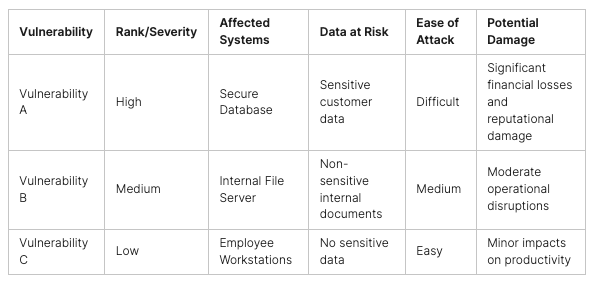
Identification: Keep checking the network to find and list all weaknesses.
Assessment: Look at the found issues to see how they could harm the company. This includes things like patch management and risk assessment.
Prioritization: Sort out weaknesses by how harmful they could be and how easy to use for hackers. This helps focus on fixing the worst ones first.
Remediation: Fix the main vulnerabilities by applying patches or other controls. This cuts down on cyber risk.
By sticking to these steps, businesses can stay ahead of cyber threats by managing their vulnerabilities well.
Defining Your Environment and Risks
Starting vulnerability management means knowing your tech world well. It includes checking your network, apps, and work settings for weak spots. When you know where these weak points are, you can act to protect your stuff better.
Evaluating Vulnerabilities in Your Infrastructure
Evaluating your network’s safety is vital. Look for any flaws in firewalls, servers, and more. This helps pinpoint what areas need the most attention to stay secure.
Assessing Vulnerabilities in Applications
It’s also critical to check how safe your apps are. This means seeing if things like who can access what are in good shape. Finding and fixing these spots stops big problems before they happen.
Understanding Your Production Environment
Knowing all about where you make things work is essential. This part is about seeing how everything in your tech world is linked. It helps in finding what must be protected the most to avoid major issues.
Creating and Maintaining an Asset Inventory
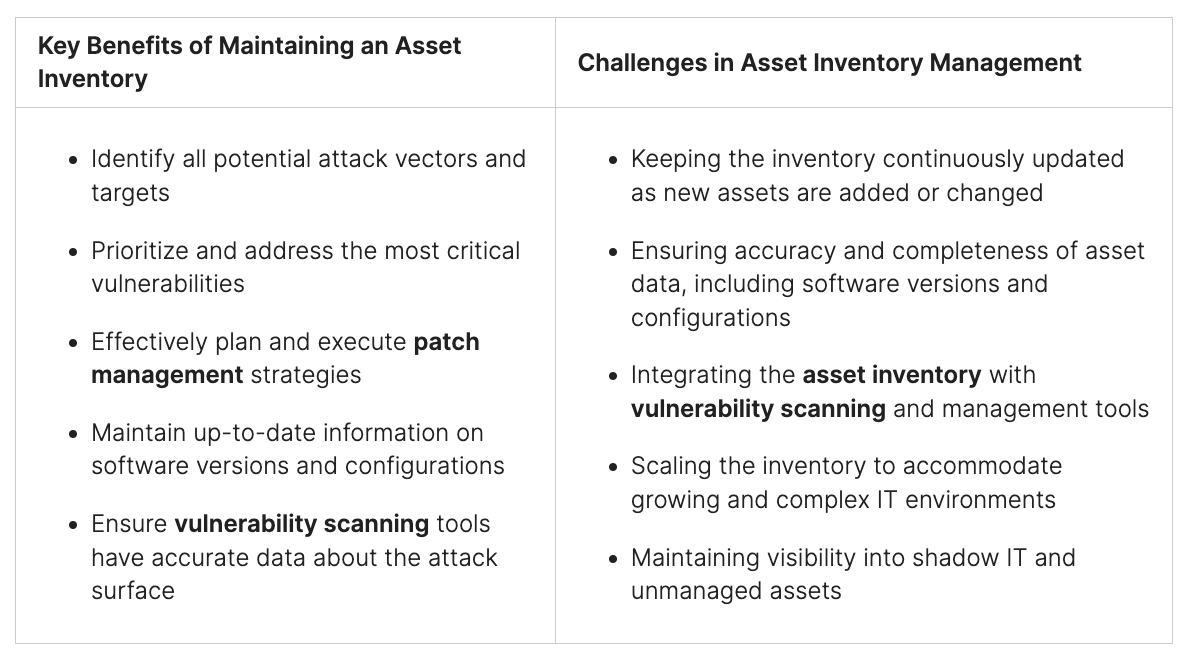
Keeping an updated asset inventory is key to a strong vulnerability management program. This list should include all hardware, software, and network assets. It’s helpful to note software versions and patch levels. , Asset management tools can make this job easier, helping to keep information current for vulnerability scanning tools.
A good asset inventory does a lot. It helps security teams spot where attacks might come from. With this info, they can focus on fixing the most important problems first. Plus, knowing about different software helps teams patch things up before they get hacked.
Dealing with these tasks, organizations should turn to asset management solutions. These can automatically find, sort, and keep track of assets. They connect with vulnerability tools too, keeping the data fresh and reflecting real risks.
Using asset inventory well helps improve overall vulnerability management. It lowers the chance of cyber attacks and makes companies more secure.
Continuous Network Scanning
Nowadays, vulnerability scanning happens all the time, not just occasionally. This change meets the need for organizations to always be ready against new threats. Having a system that scans vulnerabilities both inside and outside is a key part of good security. It helps keep systems safe around the clock by finding and fixing weak spots before attackers can use them.
External Vulnerability Scans
When we talk about external scans, we mean checking how a hacker might attack from the outside. These scans look for open doors in security, like weak points in websites or servers. By doing external scans often, companies can close these doors before any harm is done.
Internal Vulnerability Scans
Internal scans, on the other hand, look within a company’s own network and devices. They help find hidden vulnerabilities, like old software or mistakes in setup. This ongoing check lets companies fix problems fast. It stops attacks and protects important information and services.
Doing both external and internal scans, along with keeping software updated, is crucial. It makes sure businesses are always ready to face new security challenges.
Vulnerability Assessments vs Vulnerability Management
A vulnerability assessment is like taking a picture of a company’s security at one moment. But, vulnerability management is a constant process. It includes scanning, looking for problems, deciding what’s most important to fix first, and then fixing them. This helps companies keep up with the ever-changing threats online.
Vulnerability Assessments: A Snapshot in Time
In a vulnerability assessment, experts check an organization’s IT setup. They are looking for spots that cyber attackers might target. They use network scans, test programs, and check system setups for weak points. This work shows the company’s security status at that time, but it doesn’t give a full picture of possible threats.
Vulnerability Management: An Ongoing Process
Vulnerability management means always watching for and fixing IT weaknesses. This includes frequently scanning the network, deciding which threats are most urgent, and applying fixes. By keeping up with these measures, a company can reduce risks and keep their systems secure.
Prioritizing Vulnerabilities Based on Risk
Deciding which vulnerabilities to deal with first is a key part of managing risks. It’s not just about the vulnerability’s CVSS score. It’s also about how likely it is to be used by hackers in the real world.
Assessing Vulnerability Exploitability
We must figure out how likely a bug is to be used by bad actors. We look at whether there are any known ways to ‘exploit’ the bug out in the open. We also consider how skilled a hacker needs to be and what damage they could do.
By looking deeply into what makes a bug risky, security teams can tackle the most important threats first. This ensures they use their time and effort where it matters most.
Considering System Value and Vulnerability Criticality
It’s also vital to think about what a bug could harm and how crucial that thing is. For example, a bug that threatens a key system is more important to fix fast. This is compared to one that targets something less important.
Organizations should weigh both a bug’s danger and the worth of what it targets. This balanced view helps in creating a strong strategy to fight off cyber dangers. It protects their top assets effectively.
Remediation Strategies
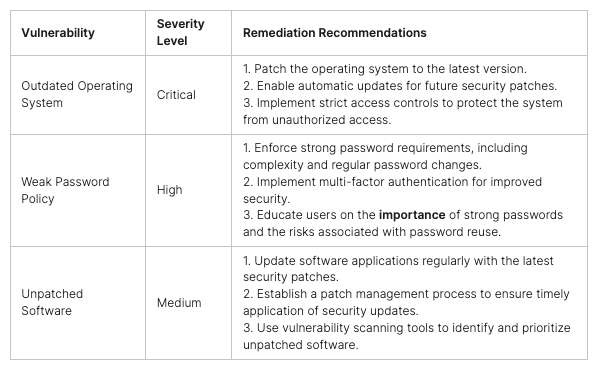
After finding and ranking vulnerabilities, the next step is to fix them. This fix might mean updating software, changing how systems work, or adding extra security measures.
Patching and Upgrading Software
Updating software is a key way to fix problems and strengthen security. Known as patch management, this strategy includes adding new updates and security fixes. This helps to make sure your systems are current and less likely to be targeted by hackers.
Adjusting System Configurations
Besides updating, setting up your systems differently can help. This might involve turning off services you don’t need, controlling who can access what, and using firewalls better. Making these setup changes can be a quick way to fill security holes, especially when updates are still on the way.
Implementing Compensating Controls
At times, fixing problems directly isn’t possible right away. Then, security compliance steps are crucial. This could mean putting in more firewalls, systems to detect intruders or extra security tools. They won’t solve the problem forever, but they add an important shield until the core issues can be solved.
Vulnerability Management and Compliance
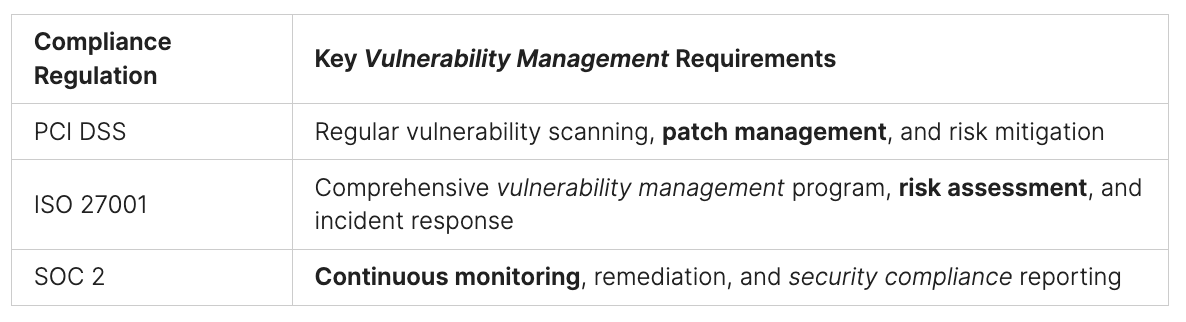
Vulnerability management is very important for a company’s online safety. It also helps with meeting rules in different industries. These rules, like PCI DSS, ISO 27001, and SOC 2, say companies must have strong strategies to keep data and systems safe.
Industry-Specific Regulations
Each type of business has its own set of rules to follow. Good vulnerability management is critical for this. For instance, PCI DSS asks for regular checks on weaknesses and fixing them to keep credit card info safe. ISO 27001 wants companies to set up and keep up detailed vulnerability management plans.
Reporting for Audits and Compliance
Keeping good records is vital for proving your company’s vulnerability management is on point. This helps during checks and audits. The records should show what checks were done, how problems were fixed, and if the plan works well. This kind of reporting shows your company is serious about protecting important info and assets.
Vulnerability Management Best Practices
To succeed in vulnerability management, you need to follow top practices. These include automating important steps and connecting with other security tools. Plus, you must keep an eye on things all the time and be ready to change.
Automating Vulnerability Management Processes
Using automation for every part of handling vulnerabilities makes your safety steps better and quicker. It means you use tools that do tasks like checking for problems, deciding which ones to fix first, and then applying those fixes. This lets your team work on bigger plans.
Integrating with Other Security Tools
For a full view of security, it’s key to connect your vulnerability management with other safety tools. This includes bringing together your systems to watch out for issues, handling incidents, and meeting rules. By doing this, you see your security status better and can fix problems faster and smarter.
Continuously Monitoring and Adapting
Managing vulnerabilities is all about always watching and being ready to change. You need to be on the lookout for new threats and updates on problems. Regular checks and adding new ways from experts help keep your safety plan strong against new dangers.
Vulnerability Management Tools and Resources
Organizations are working hard to set up good vulnerability management programs. Many special tools and resources help with this important work in cybersecurity. Notable vulnerability management tools include Qualys, Tenable, Rapid7, and ServiceNow. They provide everything needed for finding assets, doing vulnerability scanning, assessing risks, and keeping track of fixes.
These tools let companies see their weak points. This way, security teams can find and fix problems in their network and apps fast. Using the power of these vulnerability management tools, companies can improve their cybersecurity and make their defenses stronger.
Besides the top vulnerability management tools, organizations can use many cybersecurity resources. These include trade publications, online groups, and professional organizations. They help companies stay up to date with the best advice, trends, and new threats. By using the best tools and resources, companies can build a strong vulnerability management plan. This plan helps prevent risks and keep vital assets secure.
Conclusion
In today’s dynamic digital landscape, a robust vulnerability management plan is essential for organizations striving to maintain strong security defenses and combat cyber threats effectively. Understanding and implementing comprehensive vulnerability management helps organizations identify their risks, conduct regular network assessments, and address critical issues before they can be exploited.
Staying informed and adopting the latest technologies empowers companies to safeguard their data against emerging cyber threats. Additionally, a solid vulnerability management strategy ensures compliance with industry security standards, further strengthening overall security measures.
As the online environment continues to evolve, the importance of vulnerability management cannot be overstated. By leveraging the right tools and methodologies, organizations can significantly reduce risks and protect their most valuable assets, thereby maintaining the trust and confidence of their stakeholders.
Explore our range of advanced cybersecurity products and services at Peris.ai to learn how we can help your organization enhance its security posture and stay ahead of cyber threats. Secure your future with Peris.ai and ensure your business thrives in the ever-changing digital world.
FAQ
What is vulnerability management?
Vulnerability management deals with finding and fixing security holes. It focuses on an organization’s weak points that attackers might target.
Why do you need a vulnerability management program?
It’s vital for keeping the organization safe from cyber threats. Effective management spots risk early and take action to prevent possible harm.
What are the key stages of a vulnerability management program?
The main steps include finding vulnerabilities, deciding which ones are most urgent, fixing them, and then telling others what you did.
How do you define your environment and risks in vulnerability management?
Start by truly understanding your tech world. Look closely at your network, apps, and how data moves. This insight helps find and fix the most critical risks.
Why is maintaining an asset inventory important for vulnerability management?
Keeping track of every IT asset is key. This list should have everything from hardware to software details. It helps in knowing what needs protection the most.
What is the difference between vulnerability assessments and vulnerability management?
An assessment checks security at a single point. But, management keeps looking and fixing, making security stronger over time.
How do you prioritize vulnerabilities based on risk?
Recognize which ones are urgent by their possible danger and how easy it is to attack. The Common Vulnerability Scoring System score helps with this.
What are some common remediation strategies for vulnerabilities?
Usually, you update software, tweak settings, or add security measures. But sometimes, quick fixes aren’t an option, so you might need temporary solutions.
How does vulnerability management relate to compliance?
It’s essential for good security and keeping up with rules. Many regulations demand strong management of vulnerabilities to stay compliant.
What are the best practices for implementing a successful vulnerability management program?
Key steps include using automated tools, connecting with other security solutions, and always checking and improving your defenses.
What are some popular vulnerability management tools and resources?
Some top tools are Qualys, Tenable, and Rapid7. They help with everything from finding assets to fixing issues and tracking progress.
In our digital world today, threats are always on the horizon. It’s key to find and fix problems before they’re used against you. Continuous vulnerability scanning is a way to keep your defenses up all the time. It could be the thing that stops a big attack on your data. So, are you ready to step up and keep your organization safe from growing online dangers?
Key Takeaways
Continuously scanning for vulnerabilities helps you stay ahead by finding and fixing holes in your security.
Network security monitoring and automated vulnerability detection are crucial for strong cybersecurity.
With real-time vulnerability assessment, you can quickly tackle new and potential threats.
A full vulnerability management platform gives you deep insights into cyber threat intelligence.
To lower the chances of successful cyber attacks, good patch management and compliance auditing are necessary.
Understanding Continuous Vulnerability Scanning
Vulnerability scanning helps organizations find and fix security problems in their technology. It involves routinely checking networks, systems, and apps for known issues. The tools used for this, called vulnerability scanners, look for things like outdated security patches or setup mistakes.
What is Vulnerability Scanning?
Imagine closely checking your organization’s digital stuff, like its networks, computers, and programs. Vulnerability scanning does just that. It identifies areas that could be a target for cyber attacks. By doing this, it shows the weak points in an organization’s security.
Why Vulnerability Scanning Matters
There are several reasons for using vulnerability scanning. It keeps security strong, helps meet rules, saves money by avoiding attacks, makes assets easier to track, and raises an organization’s safety level.
Types of Vulnerability Scanning Use Cases
Different scanning types focus on various IT security needs. Categories include network, web app, database, host, and checking virtual environments. Matching the scan to specific needs helps see and fix security risks across all digital areas.
How Continuous Vulnerability Scanning Works
The process starts by looking for weaknesses in networks and applications. Then, it moves to check and fix those problems. This method helps to keep IT systems safe from cyber threats.
Stage 1: Scoping
Teams first decide what areas to check for vulnerabilities. They list the devices and software to focus on. Doing this helps make the scanning process more effective and covers every potential risk.
Stage 2: Tool Selection
Next, selecting the right vulnerability management platform is key. It must meet a company’s unique security needs. The tool should watch over the network’s safety, find issues automatically, and give quick insights into ongoing threats.
Stage 3: Configuration
Settings like where to search, how deep, and what tools to use are chosen at this point. Setting up the scanning tool just right ensures that all possible vulnerabilities are spotted. This step is tailored to fit an organization’s specific setup.
Stage 4: Scan Initiation
Scanning starts now, maybe set to run automatically on a schedule. This proactive step helps catch new threats early. It makes sure that the system to fix problems is always ready.
Stage 5: Vulnerability Detection
At this step, the tool looks for common security issues across the network. It also checks if the system matches known dangerous setups. Such checks find things like old software that need updates or settings that could let in attackers.
Stage 6: Vulnerability Analysis
After scanning, the tool makes a detailed list of what’s found, sorting them from small to big risk. It also clears out any false alarms. This helps the team know where to start fixing issues right away.
Stage 7: Remediation and Rescanning
Here, the team works on fixing the problems found. They then run a new scan to check if the fixes worked. This keeps the system updated and guards against new threats.
Stage 8: Continuous Monitoring
The last part is to keep checking regularly for new threats. This constant monitoring is essential for a secure network. It helps in staying one step ahead of cyber threats.
Vulnerability Management: The Bigger Picture
Vulnerability management means keeping tabs on weaknesses in tech. This includes looking out for vulnerabilities and fixing them quickly. The goal is to make sure an organization’s systems and data stay safe.
Vulnerability management is key for solid cybersecurity. It helps teams spot and resolve issues before they can cause harm. This process includes keeping track of all tech assets, scanning for threats non-stop, and reacting fast to incidents.
Continuous Vulnerability Scanning vs. Penetration Testing
Continuous vulnerability scanning and penetration testing are both key in keeping a business’s digital assets safe. But they work in different ways and have different goals.
Continuous vulnerability scanning uses automated checks to find known issues like outdated software. It’s a proactive method that gives a real-time look at security status. This way, teams can fix issues before they cause trouble.
Penetration testing, on the other hand, is a more hands-on kind of test. It involves experts trying to break in, like real hackers might. This deep method shows exactly how a weakness could be used against a system.
The best security comes from a mix of both methods. Regular scans plus detailed testing spot issues fast and show their big-picture risks. This dual approach helps keep digital info safe and meets safety standards.
Common Vulnerability Scanning Challenges
Continuous vulnerability scanning is key for a strong network security monitoring plan. However, it faces its own set of issues. The main challenges are sharing resources and dealing with wrong results.
Resource Sharing
The work of automated vulnerability detection sometimes fights for the same network and computer resources as the day-to-day operations of the company. This fight can hurt the swiftness and accuracy of the real-time vulnerability assessment. It might cause scans to be slow or not completed at all. It’s vital to balance the needs of the vulnerability management platform and the tasks the company usually does. This keeps the cyber threat intelligence from the scans credible.
False Positives and Negatives
In continuous vulnerability scanning, dealing with wrong results like false positives and negatives is a common issue. False positives are errors where there seems to be a problem, but there isn’t. False negatives, on the other hand, miss real problems. Both can waste the security team’s time and effort. They might also mistakenly think they’re safe from real threats. It’s important to properly set up and check the vulnerability scanning tool. This ensures it works well and the patch management and compliance auditing procedures are solid.
Importance of Vulnerability Assessment
Vulnerability assessment is key for spotting and ranking weak points in systems. It highlights areas that bad actors could exploit, showing ways to lower these risks. This step is vital for any company wanting to boost its online safety.
Identification of Security Weaknesses
Such assessments are great at finding security flaws. Things like old software, bad setups, and missing security measures are spotted early. Fixing these issues beforehand keeps a company’s digital home sturdy against attacks.
Prioritization of Threats
It helps in figuring out which risks are most dangerous. By ranking threats, organizations can focus on tackling the big problems. This makes sure they use their time and money where it matters most.
Compliance with Regulations
For many industries, keeping up with rules is a must. Vulnerability assessments make it easier to meet security standards like HIPAA or GDPR. By showing they’re on top of weaknesses, companies avoid fines for not following the rules.
Minimizing Internal and External Attack Surfaces
These tests help find and fix spots where outsiders could get in. Doing so shrinks the chances of cyberattacks hitting home. It also safeguards valued info and tech from getting into the wrong hands.
The Vulnerability Assessment Process
Doing a full vulnerability assessment is a key part of ongoing vulnerability scanning. It helps groups understand their IT setup better. They can spot security threats. Let’s check out the main steps in a vulnerability assessment:
Discover IT Assets
First, find and list all tech resources your company owns or uses. This includes things like computers, software, and items saved in the cloud. This list gives us a good look at our digital area. It’s key for managing vulnerabilities and making sure we don’t miss any important assets during scans.
Identify Vulnerabilities
After listing all our tech stuff, the next stop is to find vulnerabilities. We use both automatic tools and human checks to look for weak spots. This real-time vulnerability assessment finds issues like old software, wrong settings, and open secret info. Potential hackers could use these against us.
Document the Vulnerabilities
It’s very important to write down all the vulnerabilities we find. We need to note where they are, how severe they are, and what they could do. This info helps us say which issues need fixing first. And it helps us make a good plan to solve them.
Create Remediation Guidance
So, how do we fix these vulnerabilities? The last step is making a plan for each problem. This could mean updating our software or tweaking our settings. The goal is to stop new vulnerabilities from popping up. The plan helps us deal with risks. It makes our cyber threat intelligence and security posture stronger.
Types of Vulnerability Scans
There are many kinds of continuous vulnerability scanning tools and methods. They aim to find possible security problems in a company’s network. These scans fall into different categories based on what they focus on and how they operate.
Network-Based Scans: These look for weak points in a network’s gear, like routers and firewalls. They make sure the network gets checked for problems all the time. This way, they help keep the network safe.
Host-Based Scans: These find vulnerabilities in individual devices, like computers, phones, or servers. They check the software and systems on these devices, making the whole network more secure.
Wireless Network Scans: These scans are specifically for wireless networks. They look for issues in how the network is set up, like problems with privacy and user access. This work makes wireless networks safer.
Application Scans: Application scans find issues in software, like websites or mobile apps. They ensure these programs meet security standards. This keeps the applications safe.
Database Scans: These scans focus on databases. They look for things like bad set-ups or ways to get in without the right permission. Such scans help keep data safe.
By using a mix of these scanning methods, groups can really understand their security level. They can find and fix weak spots early. This makes their whole security stronger.
Conclusion
In today’s digital landscape, security threats are omnipresent. Regular vulnerability scanning is crucial for maintaining strong cybersecurity, providing real-time updates on your security posture and helping to address weaknesses before they can be exploited by malicious actors. By identifying and resolving these vulnerabilities, you significantly reduce the risk of cyberattacks, resulting in safer systems and minimized damage.
Incorporating continuous vulnerability scanning into a comprehensive vulnerability management program is a strategic move. This program should encompass patch management, configuration management, and incident response to create a robust and secure IT environment. Such an integrated approach to vulnerability management forms the backbone of a solid cybersecurity strategy, keeping organizations protected against emerging threats while ensuring compliance with industry standards and regulations.
Automated vulnerability detection and real-time assessment enhance network security monitoring, enabling quick identification and remediation of security flaws. This proactive approach is essential for safeguarding digital assets against the evolving landscape of cyber threats. Commitment to continuous vulnerability management fosters a secure and resilient IT infrastructure.
At Peris.ai, we understand the critical importance of cybersecurity in today’s digital world. Our comprehensive Cybersecurity-as-a-Service platform, BIMA, offers the ultimate solution for your business. Available 24/7, BIMA provides a wide range of tailored cybersecurity tools and monitoring services to meet your unique needs. Our powerful proprietary and open-source tools deliver unparalleled security, while our subscription-based scanners keep you informed with the latest threat intelligence. With a flexible pay-as-you-go service model, you only pay for what you need—no upfront costs, no hidden fees.
Whether you’re a small business or a large enterprise, BIMA has you covered. Our user-friendly platform simplifies the process of monitoring and protecting your business from start to finish. Take control of your cybersecurity today and protect your business from potential threats with BIMA.
Don’t wait—start securing your business with BIMA today! Visit Peris.ai Bima to learn more about how our solutions can help you safeguard your digital world.
FAQ
What is vulnerability scanning?
Vulnerability scanning is all about spotting and rating security issues in IT setups. Scanners poke around to find gaps, like missing updates or bad settings, that could let bad actors in.
Why is vulnerability scanning important?
It helps list all the parts of a network, digging up the risks each one might hide. This info is key for keeping everything current and safe, making sure nothing falls through the cracks.
What are the different types of vulnerability scanning use cases?
There are many angles to dig at, like checking network, app, or even database safety. Each has a unique approach but all aim to guard against incoming threats.
What are the steps involved in the vulnerability scanning process?
First, you scope out what and where to check. Then, pick the right tools and set them up. After that, you run the scans, review the findings, fix what’s broken, and then start over to keep things safe.
How does vulnerability management fit into the bigger picture?
It’s part of a bigger plan to keep on top of security issues, using tools and rules to constantly check and fix problems. This ongoing effort helps shield an organization’s digital stuff.
How does continuous vulnerability scanning differ from penetration testing?
Vulnerability scanning is more systematic, often using automated tools to check for everyday risks. Penetration testing is hands-on and less frequent, aiming to find hidden flaws like a hacker might.
What are some common challenges with vulnerability scanning?
Sharing scanning resources can slow things down. Plus, finding and fixing false alarms or misses can be a headache. Both mix-ups might make you think you’re safer than you are.
Why is vulnerability assessment important?
It’s a deep dive into a network’s weak spots, pulling out the big threats and showing where you’re doing well or not. This checkup keeps you step ahead of the bad guys.
What are the key steps in the vulnerability assessment process?
You start by finding what’s out there, then find and list the issues. After, you help make a plan to fix them. This cycle keeps the checkup going strong.
What are the different types of vulnerability scans?
There are scans for many setups, from networks to specific apps. By looking at each part closely, you keep the whole thing locked tight.
Penetration testing (pen testing) has emerged as a vital practice for evaluating the security resilience of systems, networks, and applications. By emulating real-world cyberattacks, pen testing aims to unearth vulnerabilities that malicious hackers could exploit. The process encompasses two primary methodologies: manual and automated testing. Each method brings distinct advantages and drawbacks, making it crucial for security professionals to strike a harmonious balance between the two to conduct thorough and effective security assessments. This article delves into the art and science of pen testing, shedding light on the strengths and weaknesses inherent in manual and automated approaches. By comprehensively exploring these techniques, we aim to provide valuable insights into how organizations can bolster their cybersecurity defenses.
Understanding Manual Pen Testing
As the name suggests, manual penetration testing involves human intervention, where skilled and experienced security professionals simulate real-world attacks on the target systems. They act as ethical hackers, employing a mix of technical expertise and creativity to uncover vulnerabilities. Manual pen testers utilize various tools, techniques, and methodologies to explore potential weaknesses and misconfigurations.
The Art of Manual Pen Testing
Contextual Understanding: Manual pen testers bring contextual understanding to their assessments. They can interpret results in the context of the organization’s unique infrastructure, business processes, and industry-specific challenges. This insight enables them to prioritize risks accurately and identify complex interdependencies.
Adaptability: Skilled manual testers can adapt their approach during the testing process based on their findings. If they uncover a particularly promising avenue of attack, they can pivot and explore it further, which is not always possible in automated testing.
Uncovering Logical Flaws: Automated tools are often better suited for finding technical vulnerabilities, but manual testers excel at discovering logical flaws and scenarios where several seemingly minor vulnerabilities combine to create a significant risk.
Social Engineering: Manual testing allows for social engineering assessments, where testers attempt to manipulate people within the organization to reveal sensitive information or grant unauthorized access. Such techniques often prove to be highly valuable for assessing overall security awareness.
Limitations of Manual Pen Testing
Time-Consuming: Manual pen testing can be time-consuming, especially for large and complex environments. Testers must manually explore various attack vectors, which might lead to a longer testing cycle.
Subjectivity: Different testers might have varying skill levels and approaches, leading to potential subjectivity in identifying and prioritizing vulnerabilities.
Scalability: Manual testing might not be practical for organizations with frequent and large-scale updates or for companies expanding rapidly.
Understanding Automated Pen Testing
Automated pen testing involves using software tools and scripts to perform vulnerability assessments and simulate attacks. These tools scan the target systems and applications, identify potential weaknesses, and generate reports outlining the discovered vulnerabilities.
The Science of Automated Pen Testing
Speed and Efficiency: Automated testing can quickly cover many potential vulnerabilities. It can scan large networks and systems comprehensively in a fraction of the time it would take a human to do the same.
Consistency: Automated tools consistently perform tests, reducing the risk of human errors and ensuring the same set of tests is run repeatedly.
Regularity: Automated tests can be scheduled regularly, allowing organizations to maintain continuous monitoring and assessment of their security posture.
Comprehensive Database: Many automated tools leverage extensive databases of known vulnerabilities, ensuring they stay up-to-date with emerging threats.
Limitations of Automated Pen Testing
Limited Creativity: Automated tools lack the creativity and intuition of human testers. They might miss complex vulnerabilities that require a deeper understanding of the target environment.
False Positives/Negatives: Automated tools can produce false positives and negatives. Sometimes, they might flag specific non-vulnerable configurations as risks or overlook less apparent vulnerabilities.
Inability to Address Logical Flaws: Automated tools primarily focus on technical aspects and may overlook logical flaws in the system’s design or processes.
Limited Scope: Automated testing is confined to predefined tests and might not explore novel attack vectors.
Finding the Right Balance
The key to successful penetration testing is finding the right balance between manual and automated approaches. Organizations can leverage the strengths of both methods while mitigating their respective weaknesses.
Hybrid Approach
A hybrid approach combines manual and automated testing to achieve comprehensive results. Manual testing can be used for in-depth assessments of critical assets, applications, and functionalities where human expertise is crucial. On the other hand, automated testing can be employed for regular vulnerability scanning of the entire infrastructure to identify low-hanging fruits and potential new threats.
Integrating Automation in Manual Testing
Manual testers can benefit from integrating specific automated tools into their workflow. These tools can help with preliminary reconnaissance, scanning, and repetitive tasks, freeing up more time for testers to focus on creative attacks and logical flaws.
Continuous Testing
As cybersecurity threats evolve continuously, conducting pen tests regularly is essential. Automated testing is vital in implementing continuous testing, especially for organizations with dynamic environments that undergo frequent changes.
Conclusion
Penetration testing remains a critical pillar of cybersecurity, empowering organizations to proactively detect and address vulnerabilities before malicious adversaries can exploit them. Striking the delicate balance between manual and automated techniques is at the core of achieving comprehensive and efficient security assessments.
Manual testing brings a human touch to the process, combining contextual understanding, adaptability, and creative thinking. It allows skilled testers to identify technical vulnerabilities, logical flaws, and potential social engineering risks. However, manual testing can be time-consuming and subjective, making scaling for large and complex environments challenging.
On the other hand, automated testing offers speed, efficiency, and consistency in scanning vast networks and systems, making it ideal for regular vulnerability assessments. It can quickly pinpoint low-hanging fruits, helping organizations maintain a continuous monitoring approach to cybersecurity. Yet, automated testing may fall short of identifying intricate vulnerabilities that require a deeper understanding of the target infrastructure.
Organizations are encouraged to adopt a hybrid approach that harnesses manual and automated testing strengths for a robust cybersecurity posture. Automating automation into manual workflows can streamline repetitive tasks, enabling testers to focus on more complex and creative attack scenarios. Implementing continuous testing ensures that security assessments keep pace with the ever-changing threat landscape.
If you seek a comprehensive and effective solution to fortify your digital platforms and infrastructures against potential threats, look no further than Peris.ai Pandava (Pentest & Assessment). Our cutting-edge proprietary utilities and tools, combined with the expertise of verified ethical hackers, enable us to conduct penetration testing with precision and depth. By leveraging our services, you can uncover vulnerabilities and weak points within your digital ecosystem and receive detailed reports to bolster your cybersecurity defenses. Safeguard your assets today and stay ahead in the ongoing battle against cyber threats with Peris.ai Pandava. Visit our website to learn more and schedule a consultation with our team of experts.
Is your company’s cybersecurity up to snuff? With cyber threats always changing, getting security assessments is key for all businesses. But handling these audits and assessments by yourself, especially with a lack of staff, can be tough. That’s where top cybersecurity assessment providers come in. They’re experts in fighting off digital attacks.
This guide will point you towards the best cybersecurity assessment companies. They specialize in making sure your business is ready for the changing world of cyber risks. They’ll find vulnerabilities, check risk analysis, and boost your security posture. These top companies have the skills and tools to protect what matters most to you.
But first, let’s talk about the big issue: What’s stopping businesses from doing these checks and evaluations regularly? It’s mainly the time and not having enough people to do it. So, how can you make sure your company stays strong against digital dangers?
Key Takeaways
Cybersecurity assessments are crucial for identifying vulnerabilities, evaluating risks, and improving security posture.
Businesses often struggle with time constraints and lack of personnel when conducting regular cybersecurity assessments.
Partnering with experienced cybersecurity assessment providers can help overcome these challenges and fortify your organization’s defenses.
This guide will introduce you to the top cybersecurity assessment companies that can help secure your business.
By leveraging the expertise of these service providers, you can ensure your organization remains resilient against evolving cyber threats.
Importance of Cybersecurity Assessments
Cybersecurity assessments are key for organizations. They help find holes in security, understand cyber risks, and improve security posture. Businesses partner with top cybersecurity assessment companies to check for system flaws, predict threats, and boost defenses. This proactive method keeps companies safe from new cyber dangers and guards their important assets.
Identifying Vulnerabilities
The first step to make systems safer is finding their weak spots. This is a key part of a cybersecurity assessment. It lets companies see where they might be attacked. By fixing these weak areas, they can lower the chance of successful attacks and improve security posture.
Evaluating Cyber Risks
Knowing potential risks is as important as finding weak spots. This includes looking at what cyber threats might happen and how bad they could be. It helps companies focus on what parts of security need more attention. With this knowledge, they can choose smart actions to fight off risks.
Enhancing Security Posture
The big aim of a cybersecurity assessment is to boost overall security. Companies use what they learn to tweak their defenses. They might upgrade tech, train their staff more, or set up better ways to react to a cyber emergency. By always working to be safer, companies protect their most important data and keep doing business well, even in the face of new cyber threats.
Challenges in Conducting Regular Assessments
Cybersecurity assessments are key for strong online safety. But many organizations struggle to do them often. A Statista study shows 41% of businesses point to time constraints as a top issue. They also say a lack of personnel is a big hurdle for these checks.
Facing cybersecurity assessment challenges can weaken a firm’s security readiness. When companies lack people and time, they find it hard to spot risks and fix them. And this could open the door to cyber attacks and data theft.
One solution is for companies to work with seasoned cybersecurity assessment providers. These experts have the right skills and tools for regular checks. This way, a business can keep its security strong without losing focus on other important tasks.
Selection Criteria for Cybersecurity Assessment Companies
Choosing the right cybersecurity assessment company is key. It’s important to look at several factors. This ensures you find a partner you can trust. Look for a provider with extensive experience in keeping data safe. They should have a good history of providing strong security solutions. Checking reviews and rankings on sites like Clutch helps gauge their reputation and service quality.
It’s also vital that the chosen cybersecurity assessment company has a wide range of services. These should include risk, vulnerability, and penetration testing. This will help cover all security bases for your organization. Working with a top provider in these aspects lets you know your security position better. It allows you to focus on improving your weak spots against new cyber threats.
Choosing a Cybersecurity Assessment Company with Diverse Services
Security Assessment
Cybersecurity assessment companies offer a wide range of services. They work to find and fix security issues. Their services include risk evaluation, vulnerability testing, and penetration testing. These are key to keeping a business secure.
Risk Evaluation
The first step is risk evaluation. This means looking at the chance and impact of different online dangers. It helps companies see where they are most at risk. Then, they can focus on fixing the most important problems.
Vulnerability Testing
Next, they do vulnerability testing. This checks for weak spots in a company’s tech systems. Finding these weaknesses early is vital. It allows them to fix the problems before anyone can exploit them.
Penetration Testing
Last but not least is penetration testing. This testing acts like a real hacker attack. It finds deep-hidden weaknesses. This helps businesses know their real risks. Then, they can make strong defenses.
Using these services, companies learn more about their safety. They can then make smart choices to protect themselves from new cyber threats.
Top Cybersecurity Assessment Companies
Our research found some of the top cybersecurity assessment companies. They are experts in keeping companies’ IT and data safe. These firms give complete security services to tackle today’s cyber threats.
N-iX
N-iX is a top name in cybersecurity. They have a team of over 2,200 tech experts. N-iX offers various services, from checking for security gaps to setting up strong digital defenses. They make sure businesses can protect their online spaces.
Edvantis
Edvantis stands out in protecting digital spaces too. They help with security monitoring and data backup, besides keeping up with compliance rules. Edvantis focuses on keeping businesses ahead of security risks, protecting their important data and systems.
Dataprise
Dataprise has been in the IT scene for a while. They excel at detailed security checks, both inside and out. Their services include continuous scans to find and fix security issues. Dataprise boosts companies’ security efforts and makes sure they follow the rules.
Guardians of the Net
Cybersecurity Compliance and Certifications
Cybersecurity assessment companies are key in helping organizations meet rules and standards. They work with things like PCI DSS for credit card use, HIPAA for health information, and ISO 27001 for info security. By following these standards, companies protect data and avoid fines and bad PR.
PCI DSS
The PCI DSS aims to keep credit card info safe and prevent fraud. Specialized companies ensure businesses follow these standards. They check, advise, and keep an eye on security measures.
HIPAA
HIPAA is vital for keeping patient health info secure. These cybersecurity teams check healthcare systems. They find and fix weak spots to protect important medical data.
ISO 27001
ISO 27001 sets global info security management standards. Cybersecurity experts help businesses get and keep this certification. This shows they take information security seriously and manage risks well.
Managed Security Services
Cybersecurity companies offer managed security services to keep organizations safe. They run a Security Operations Center (SOC). This center watches for and deals with security issues as they happen. They also use Managed Detection and Response (MDR) to find and stop threats quickly.
Outsourcing security work lets companies use experts. This keeps them safe from changing cyber threats. It helps them focus on their main work, knowing experts take care of security.
How Cybersecurity Assessment Companies Help Meet Regulatory Compliance
Security Operations Center (SOC)
A Security Operations Center (SOC) is a control center that uses people, tools, and skills to stay ahead of threats. It finds and stops threats fast. This means less harm to a company’s systems and information.
Managed Detection and Response (MDR)
Managed Detection and Response (MDR) is more advanced than usual managed security services. It uses new tech like machine learning. This lets it watch systems closely, find odd activities, and act fast to fix problems.
When businesses team up with security experts, they get better safety. They free up their own IT teams while keeping up with new security challenges.
Industry-Specific Cybersecurity Solutions
Leading assessment companies are adapting their cybersecurity services. They are focusing on different industries’ unique challenges. This approach ensures their solutions meet specific requirements and needs.
Finance and Banking
Cybersecurity companies in finance ensure rules like PCI DSS are followed. They work to protect financial data from breaches. Their goal is to keep sensitive data safe.
Healthcare
In healthcare, HIPAA rules are key for cybersecurity. Companies fight the rising threat of ransomware. They protect health records and other important medical data.
Government and Public Sector
Government and public sectors deal with special security issues. Cybersecurity experts in these areas provide unique solutions. They help protect critical government info and services.
Working with experts tailors security to meet specific needs and regulations. This helps businesses address industry risks effectively.
Choosing the Right Cybersecurity Assessment Partner
When you choose a cybersecurity assessment company, consider several important points. Experience and expertise in the cybersecurity field is vital. You want a partner who has a strong history of solving security problems.
Experience and Expertise
A top-notch cybersecurity assessment company should have lots of experience. They should have a team of experts who know about current security issues and the best solutions. Picking a skilled partner means your security assessments will be detailed and well-suited to your needs.
Industry Specialization
Each industry has its own cybersecurity needs. It’s crucial to choose a industry specialization that fits your field. Whether you’re in finance, healthcare, or government, your assessment partner should understand your specific challenges and rules.
Compliance and Certifications
It’s important that your assessment provider follows the right standards and has the needed compliance and certifications. Look for companies compliant with PCI DSS, HIPAA certified, and ISO 27001 certified. These achievements show they are serious about keeping data and systems secure.
Leading Cybersecurity Firms Customize Services for Industry-Specific Challenges
With these factors in mind, you can find a reliable cybersecurity assessment partner. They will help protect your business from cyber threats and ensure your vital information is safe for the long run.
Cybersecurity Best Practices
To stay strong against cyber threats, businesses should follow top practices. These practices include regular checks, training employees to be alert, and setting up plans for when something goes wrong.
Regular Assessments
It’s key to often check for weak spots in a company’s tech. Skilled cybersecurity assessment teams do these checks. They find and fix issues, predict threats, and boost the safety of systems.
Employee Awareness Training
Telling employees what to watch out for online is vital. With the right employee awareness training, workers spot dangers, follow safety rules, and alert if something seems off. This makes the whole company safer.
Incident Response Planning
When a security breach happens, quick and smart action is a must. A detailed incident response plan helps keep problems small and controlled. This plan, made with expert cybersecurity assessment help, lays out steps for spotting, stopping, and bouncing back from attacks.
Using these best practices helps businesses fight off cyber dangers better. It ensures they can stop, find, and deal with various threats. In the end, this helps protect important company info for the long run.
Conclusion
Cybersecurity assessments are crucial for safeguarding businesses against the ever-evolving landscape of cyber threats. Partnering with leading cybersecurity assessment companies enables organizations to identify vulnerabilities and evaluate risks effectively. This collaboration allows businesses to enhance their security posture through informed strategies and proactive measures.
In today’s dynamic cybersecurity environment, obtaining comprehensive assessment services is essential for protecting valuable assets and addressing emerging security challenges. These assessments provide the necessary insights to combat cyber threats and maintain resilience in the face of new risks.
The significance of cybersecurity assessments cannot be overstated. By teaming up with top security solutions providers, companies gain the tools and expertise needed to ensure long-term protection of their critical assets.
For businesses seeking robust cybersecurity assessment services, Peris.ai Cybersecurity offers an exceptional option. Our comprehensive solutions are designed to help you stay ahead of threats and secure your digital environment. Visit Peris.ai Cybersecurity to learn more about how we can support your cybersecurity needs and fortify your defenses against potential cyber threats. Don’t wait—enhance your cybersecurity posture with Peris.ai today!
FAQ
What is a cybersecurity assessment?
A cybersecurity assessment checks how safe an organization’s digital systems are. It finds and fixes weak spots to improve safety.
Why are cybersecurity assessments important?
These checks are key in keeping businesses safe. They help find and fix issues before hackers do, making sure digital systems are strong.
What are the main challenges in conducting regular cybersecurity assessments?
Time and not enough people are big issues. 41% of companies say they struggle with the time needed. Another problem is finding enough trained staff.
What are the key criteria to consider when choosing a cybersecurity assessment company?
Look at how much experience they have and what people say about their work. Their services should cover testing for risks and weak points in your system.
What services do cybersecurity assessment companies typically offer?
They test your system for risks, weak points, and how well it works against attacks. This helps you understand your safety level and make it stronger.
Which are some of the leading cybersecurity assessment companies?
Top companies include N-iX, Edvantis, Dataprise, andPeris.ai Cybersecurity. They provide many services, including tests, advice, and looking out for security.
How do cybersecurity assessment companies help with compliance?
They ensure businesses follow security rules like PCI DSS and HIPAA. Doing so protects important data and avoids fines and bad publicity.
What are the managed security services offered by cybersecurity assessment companies?
They offer services to keep your system secure all the time. This includes managing safety centers and looking out for any attacks.
How do cybersecurity assessment companies tailor their services to different industries?
They adjust their services to meet specific security needs. For finance, it’s about rules like PCI DSS. Health care focuses more on HIPAA and stopping ransomware.
What are the key factors to consider when selecting a cybersecurity assessment company?
Look at how much they know and focus on what your industry needs. They should also meet high security standards to ensure they’re the best fit.
What are the best practices for maintaining a robust cybersecurity posture?
Good digital safety means regular checks, training for employees, and clear plans for when things go wrong. These measures and professional help can greatly improve your digital security.
In the world of cybersecurity, vulnerability victories refer to the successful identification and remediation of security flaws. Contrary to what one might think, uncovering more flaws is actually a sign of cyber strength. Organizations reinforce their defenses by continuously assessing and discovering vulnerabilities and are better prepared to protect against potential threats. This article delves into the concept of vulnerability victories and explains why they are crucial in building robust cybersecurity programs.
Key Takeaways:
Vulnerability victories involve the successful identification and remediation of security flaws.
Uncovering more flaws is a sign of cyber strength as it demonstrates a proactive approach to cybersecurity.
Continuous vulnerability assessment is essential for reinforcing defenses and preparing for potential threats.
Vulnerability management practices, such as scanning and patching, contribute to overall cybersecurity success.
Embracing vulnerability discoveries as opportunities for growth and resilience is crucial for organizations.
Vulnerability management is a crucial aspect of cybersecurity. It involves proactively identifying and addressing flaws in an organization’s systems and infrastructure. This approach, known as vulnerability victories, plays a significant role in building robust cybersecurity programs.
The Concept of Vulnerability Victories
Vulnerability victories are achieved by continuously assessing and discovering vulnerabilities within an organization’s network and systems. Contrary to popular belief, uncovering more flaws is actually a sign of cyber strength. Organizations can reinforce their defenses and proactively protect against potential cyber threats by identifying vulnerabilities.
Importance of Continual Vulnerability Assessment
Continual vulnerability assessment is a vital component of vulnerability management. It involves regular detection and remediation of vulnerabilities to maintain a strong cybersecurity posture. By constantly evaluating the security landscape, organizations can stay one step ahead of cybercriminals and minimize their attack surface.
Key Components of an Effective Cybersecurity Program
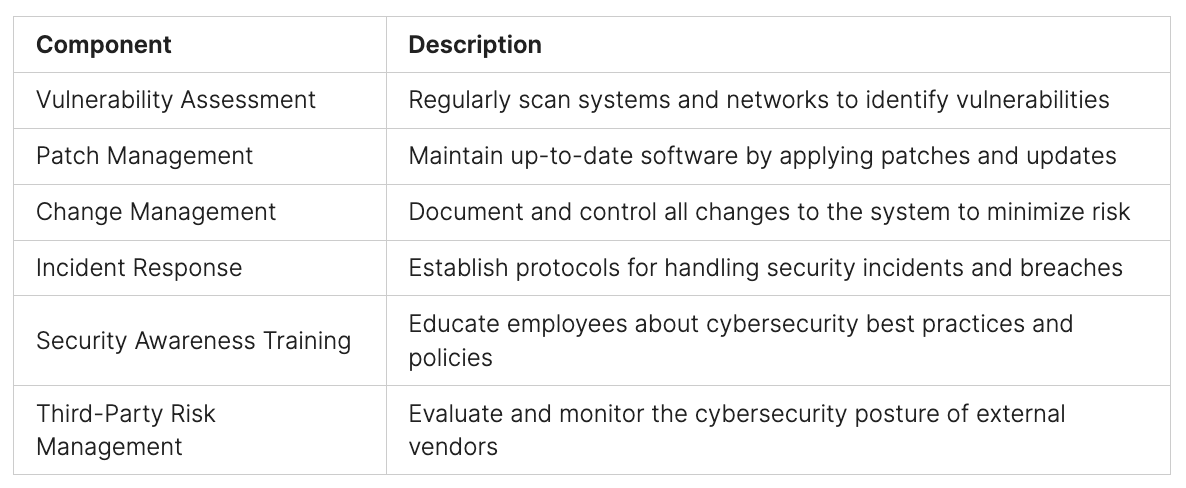
An effective cybersecurity program encompasses various key components that contribute to successful vulnerability management:
Vulnerability scanning: Regularly scanning networks and systems to identify potential vulnerabilities.
Patch management: Ensuring that software and systems are up to date with the latest security patches.
Risk assessment: Evaluating and prioritizing vulnerabilities based on their potential impact.
By incorporating these components into their cybersecurity program, organizations can establish a strong foundation for vulnerability management and enhance their overall security posture.
Flaw Detection in Cybersecurity: Methods and Tools
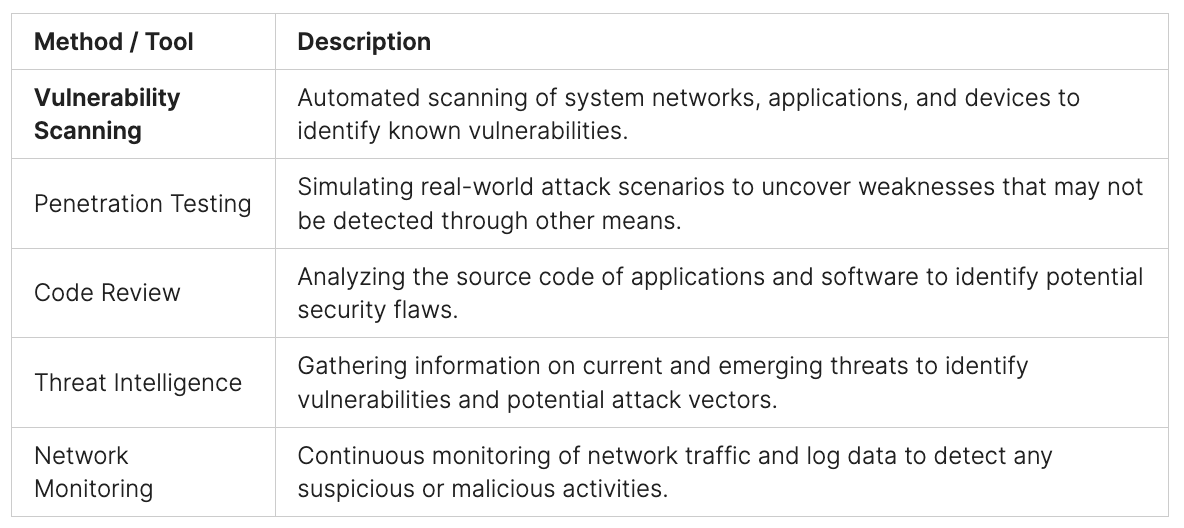
Flaw detection in cybersecurity is a critical aspect of maintaining a strong defense against potential threats. Organizations can effectively identify vulnerabilities and prioritize their remediation efforts by employing various methods and utilizing cybersecurity tools.
One commonly employed technique in flaw detection is vulnerability scanning. This process involves the use of specialized software to scan system networks, applications, and devices for potential weaknesses. Vulnerability scanners analyze the configuration, code, and network infrastructure to identify known vulnerabilities and assess their risk level. This helps organizations understand their security posture and prioritize the mitigation of critical vulnerabilities.
In addition to vulnerability scanning, cybersecurity tools such as penetration testing frameworks provide valuable insights into potential flaws. These tools simulate real-world attack scenarios to identify weaknesses that may not be detected through other means. By mimicking the techniques used by hackers, organizations can uncover hidden vulnerabilities and address them before they can be exploited.
Proactive Protection: Enhancing Cybersecurity with Advanced Vulnerability Detection and Remediation
By leveraging these methods and tools, organizations can enhance their ability to detect and address vulnerabilities in their cybersecurity defenses. Proactively identifying and remedying flaws strengthens overall security posture and reduces the risk of successful cyber attacks.
Proactive Cyber Vulnerability Discovery for Enhanced Protection
Proactively discovering vulnerabilities is essential for enhancing cybersecurity protection. Organizations can stay one step ahead of cyber threats by actively seeking out and identifying potential weaknesses in systems and infrastructure. This section explores systematic approaches to discovering vulnerabilities and showcases case studies that highlight the effectiveness of proactive vulnerability identification in strengthening overall security posture.
Systematic Approaches to Discovering Vulnerabilities
Effective vulnerability discovery requires systematic approaches that enable organizations to identify and address security flaws at various stages of the development lifecycle. Here are some key systematic approaches:
Threat Modeling: By analyzing system architecture, potential threats can be identified, and appropriate security measures can be implemented.
Code Review: Conducting thorough code reviews helps uncover coding errors or vulnerabilities that may have been missed during development.
Penetration Testing: Proactively simulating cyberattacks helps identify vulnerabilities and assess the security readiness of systems.
By adopting these systematic approaches, organizations can establish proactive vulnerability discovery processes that minimize the risk of exploitation and enhance overall cybersecurity resilience.
Case Studies: Proactive Identifications Leading to Security Fortifications
Real-world examples demonstrate the effectiveness of proactive vulnerability identification in strengthening security. Let’s explore two case studies:
Case Study 1: Company X
Company X, a leading financial institution, implemented a proactive vulnerability discovery program that included regular threat modeling exercises and external penetration testing. As a result, several critical vulnerabilities were identified and remediated before any malicious exploitation occurred. This proactive approach reinforced their security posture and protected valuable customer data.
Case Study2: Organization Y
Organization Y, a government agency, integrated code review into its software development lifecycle. By conducting regular code reviews, they identified and addressed vulnerabilities early on, significantly reducing the risk of cyberattacks. This systematic approach to vulnerability discovery enabled them to fortify their systems and ensure the confidentiality and integrity of sensitive information.
These case studies highlight the value of proactive vulnerability identification in preventing potential security breaches and strengthening overall cyber defenses.
Vulnerability Victories: Why Uncovering More Flaws is a Sign of Cyber Strength!
Reiterating the importance of vulnerability victories, this section explores why uncovering more flaws should be seen as a positive sign of cyber strength. It emphasizes the significance of continuous improvement and adaptability in cybersecurity practices, encouraging organizations to embrace vulnerability discoveries as opportunities for growth and resilience.
Embracing Flaws for Cyber Strength: The Positive Power of Uncovering Vulnerabilities
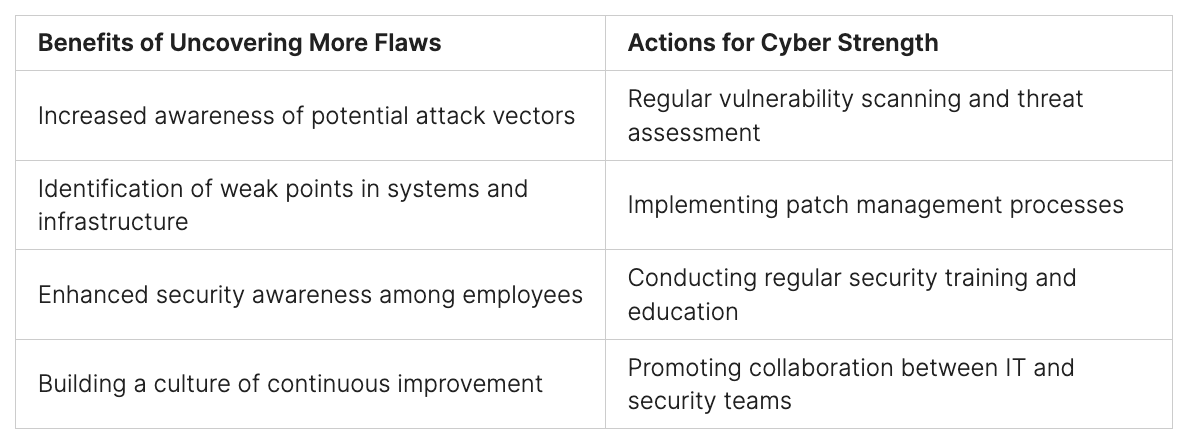
Vulnerability victories signify an organization’s commitment to proactive cybersecurity measures. By actively uncovering and addressing cyber flaws, businesses strengthen their defenses and ensure a robust security posture. Rather than considering vulnerability discoveries as a sign of weakness, they should be viewed as indicators of a strong and dynamic cybersecurity strategy.
Cyber threats are constantly evolving, and maintaining a state of perpetual vigilance is crucial. Uncovering more flaws reflects the organization’s readiness to adapt and continuously improve its security protocols. Every identified vulnerability presents an opportunity for growth and enhancement, allowing companies to refine their defense mechanisms and fortify their systems against potential attacks.
“The greatest victory is not in never falling, but in rising every time we fall.”
Embracing vulnerability victories requires a proactive approach to cybersecurity. Organizations must prioritize regular vulnerability assessments and establish comprehensive vulnerability management practices. Businesses can stay one step ahead of potential threats by conducting periodic scans and adopting robust risk assessment frameworks.
The process of uncovering cyber flaws and addressing them is an essential part of building cyber strength. It enables organizations to identify vulnerabilities, assess their potential impact, and implement timely remediation measures. This continuous improvement cycle strengthens their security defenses and enhances their overall resilience.
Uncovering more flaws provides organizations with valuable insights into their cybersecurity landscape. Each identified vulnerability serves as an opportunity to bolster their defenses, implement necessary changes, and refine incident response plans. It demonstrates an organization’s commitment to maintaining a proactive stance against emerging cyber threats.
In conclusion, vulnerability victories are not signs of weakness but rather indicators of an organization’s cyber strength. By embracing vulnerability discoveries and continuously improving their security practices, businesses improve their defenses and overall resilience. The proactive approach to identifying and addressing cyber flaws establishes a solid foundation for robust cybersecurity programs, safeguarding valuable assets and ensuring long-term business success.
How Identifying Security Weaknesses Builds Cyber Resilience
Identifying security weaknesses is a crucial component of building cyber resilience. By proactively assessing and addressing vulnerabilities, organizations strengthen their defenses and enhance their ability to withstand and recover from cyber threats. In this section, we explore the role of resilience in cybersecurity, strategies to turn vulnerabilities into strengths, and real-world examples that demonstrate the power of resilience in response to exposed flaws.
The Role of Resilience in Cybersecurity
Cyber resilience is an organization’s capacity to anticipate, respond to, and recover from cyber incidents while maintaining the availability and functionality of its critical systems and assets. Resilience goes beyond traditional cybersecurity measures and encompasses a holistic approach to managing and mitigating risks. It involves proactive planning, effective incident response, and continuous improvement to adapt to evolving threats.
Strategies to Turn Vulnerabilities into Strengths
Turning vulnerabilities into strengths requires a proactive and systematic approach. Organizations can employ various strategies to achieve this:
Vulnerability Prioritization: Focusing on critical vulnerabilities and addressing them first enables organizations to allocate resources effectively and minimize the potential impact of cyber attacks.
Patch Management: Keeping systems up to date with the latest patches helps mitigate known vulnerabilities and reduces the attack surface.
Continuous Monitoring: Implementing real-time monitoring and threat intelligence allows organizations to promptly detect and respond to emerging threats.
Employee Training: Educating employees about cybersecurity best practices and fostering a culture of security awareness can help prevent and mitigate the human factor in cyber attacks.
Real-World Examples of Resilience in Response to Exposed Flaws
In the face of exposed flaws and vulnerabilities, organizations have demonstrated remarkable resilience in responding to and recovering from cyber incidents. Real-world examples showcase their ability to bounce back and enhance their cybersecurity posture:
“Company A, a leading financial institution, experienced a major data breach due to a software vulnerability. However, they quickly activated their incident response plan, notified affected customers promptly, and implemented enhanced security measures to prevent future incidents. This incident not only strengthened their internal cybersecurity protocols but also rebuilt trust with their customer base.”
“Organization B, a multinational corporation, identified a critical vulnerability in their supply chain management system. They immediately patched the vulnerability, conducted a thorough security audit, and established stronger vendor security requirements. This proactive response not only protected their internal systems but also safeguarded their ecosystem of partners and suppliers.”
Strengthening Cyber Defenses Through Collaborative Efforts
Strengthening cyber defenses is a collective responsibility that requires collaboration between organizations, industry professionals, and security researchers. By working together and sharing information, stakeholders can create a unified front against cyber threats and enhance overall cybersecurity resilience.
Collaborative cybersecurity efforts play a crucial role in strengthening defenses and mitigating potential risks. Through coordinated vulnerability disclosure programs, organizations can establish channels for researchers to report vulnerabilities, enabling prompt remediation responsibly. This transparent and collaborative approach fosters a culture of cooperation, trust, and accountability in the cybersecurity community.
In addition to information sharing, partnerships between organizations and industry professionals further enhance cyber defenses. Stakeholders can develop innovative solutions, identify emerging threats, and share best practices by pooling their collective knowledge, expertise, and resources. Collaborative efforts not only fortify individual organizations but also contribute to strengthening the entire cyber ecosystem.
“Collaboration is the key to building robust cyber defenses. By combining our strengths and knowledge, we can stay one step ahead of cyber adversaries and create a safer digital environment for all.”
One of the crucial aspects of collaborative cybersecurity is the establishment and participation in information-sharing platforms and organizations. These platforms provide a conducive environment for exchanging threat intelligence, sharing cybersecurity insights, and discussing emerging trends. By actively engaging in these collaborative forums, organizations can learn from each other’s experiences, gain valuable insights, and adapt their cybersecurity strategies accordingly.
Furthermore, collaboration also extends to public-private partnerships, where government agencies and private organizations join forces to enhance cybersecurity resilience on a national level. These partnerships enable the sharing of critical information, integration of resources, and the development of joint initiatives to combat cyber threats effectively.
The Impact of Public-Private Partnerships on National Resilience
Analyzing the Risk: Quantifying the Benefits of Finding Cyber Flaws
When it comes to cybersecurity, analyzing the risk and quantifying the benefits of finding cyber flaws are crucial steps in building a strong defense. By understanding the value of vulnerability identification, organizations can better prioritize their efforts and allocate resources effectively. This section discusses various metrics for measuring cybersecurity strength and highlights the impact of vulnerability identification on an organization’s overall security posture.
Metrics for Measuring Cybersecurity Strength
Measuring cybersecurity strength requires the use of specific metrics that provide insights into an organization’s level of preparedness and resilience against cyber threats. Here are some key metrics to consider:
Vulnerability discovery rate: This metric measures the frequency and rate at which vulnerabilities are identified. A higher rate indicates an organization’s proactive approach to vulnerability management.
Patch deployment speed: The speed at which security updates and patches are deployed is a critical metric. Rapid patch deployment reduces the window of opportunity for attackers to exploit vulnerabilities.
Incident response time: Measures the time it takes for an organization to detect, respond, and recover from a cybersecurity incident. A shorter response time indicates effective incident management.
Security training effectiveness: Evaluate the effectiveness of security awareness training programs in educating employees about cybersecurity best practices and reducing human error.
Compliance with security standards: Measures the extent to which an organization complies with industry-specific security standards and regulatory requirements.
By tracking and analyzing these metrics, organizations can gain valuable insights into their cybersecurity strength and identify areas for improvement.
Impact of Vulnerability Identification on Organizational Security Posture
The impact of vulnerability identification on an organization’s security posture cannot be underestimated. When vulnerabilities are identified and addressed, the organization’s overall security posture improves in several ways:
Reduced risk: By identifying and addressing vulnerabilities, organizations can minimize the potential risk of cyber attacks and data breaches.
Enhanced incident response: When vulnerabilities are proactively identified, organizations can develop effective incident response plans and implement necessary controls to mitigate the impact of potential threats.
Improved trust and reputation: Demonstrating a commitment to identifying and addressing vulnerabilities enhances an organization’s reputation as a trustworthy custodian of sensitive data.
Cost savings: Identifying vulnerabilities early can help organizations avoid costly data breaches and associated financial damages.
In conclusion, analyzing the risk and quantifying the benefits of finding cyber flaws are essential in building a strong cybersecurity program. By utilizing the right metrics and understanding the impact of vulnerability identification, organizations can take proactive steps to strengthen their overall security posture and better protect against cyber threats.
The Psychological Impact of Vulnerability Disclosures on Cybersecurity Teams
Vulnerability disclosures can have a profound psychological impact on cybersecurity teams. The process of uncovering and reporting vulnerabilities can evoke a range of emotions, from excitement and satisfaction to anxiety and fear. Organizations need to recognize and address these psychological factors to cultivate a security culture and promote their cybersecurity teams’ well-being.
Cultivating a Culture of Security Through Transparency
Transparency plays a key role in cultivating a culture of security within organizations. When vulnerabilities are discovered and disclosed, the information needs to be shared openly and transparently with the relevant teams. This creates an environment of trust and collaboration, where everyone is aware of the potential risks and can work together to address them. By fostering a culture of security through transparency, organizations effectively empower their cybersecurity teams to manage vulnerabilities without fear of blame or retribution.
Overcoming the Stigma Associated with Vulnerability Reporting
Unfortunately, there is often a stigma attached to vulnerability reporting within organizations. Some individuals may fear that reporting vulnerabilities will reflect negatively on their skills or the organization’s overall security posture. This stigma can hinder the effectiveness of vulnerability management efforts and discourage individuals from reporting vulnerabilities. To overcome this stigma, organizations need to emphasize the importance of vulnerability reporting as a critical component of their cybersecurity program. Organizations can create an environment that encourages open communication and collaboration by recognizing and rewarding the efforts of those who disclose vulnerabilities.
Overcoming the psychological barriers associated with vulnerability disclosures is vital for the success of vulnerability management efforts. By cultivating a culture of security through transparency and overcoming the stigma associated with vulnerability reporting, organizations can empower their cybersecurity teams to effectively identify and address vulnerabilities, leading to a stronger and more resilient security posture.
Fostering a Culture of Transparency for Stronger Vulnerability Management
Integrating Vulnerability Victories Into Security Policies and Protocols
Integrating vulnerability victories into security policies and protocols is essential for maintaining a proactive cybersecurity posture. By incorporating vulnerability management practices into organizational frameworks, businesses can ensure that identifying and addressing flaws is integral to everyday operations.
Effective security policies establish guidelines and best practices for vulnerability assessment, remediation, and ongoing monitoring. They provide a structured framework for identifying vulnerabilities, prioritizing remediation efforts, and implementing security controls to mitigate risks.
Security protocols, on the other hand, outline the specific steps and procedures that need to be followed when vulnerabilities are discovered. They define the responsibilities of different stakeholders, establish incident response processes, and ensure a coordinated and swift remediation process.
Organizations create a culture of continuous improvement and resilience by integrating vulnerability victories into security policies and protocols. This helps them stay ahead of potential threats, enhance their overall security posture, and protect critical assets from cyberattacks.
To illustrate the importance of this integration, consider the following table that showcases the key components of a comprehensive security framework:
Integrating vulnerability victories into these components ensures that organizations have a holistic approach to cybersecurity and are well-equipped to detect, respond, and recover from potential threats.
By adopting a proactive stance towards vulnerability management and making it an integral part of their security policies and protocols, organizations can effectively strengthen their cyber defenses and minimize the risk of successful cyberattacks.
Conclusion
To sum up, the identification of vulnerabilities is a pivotal aspect in fortifying an organization’s cyber defense mechanisms and boosting its overall cybersecurity resilience. Through regular vulnerability assessments, organizations can proactively strengthen their systems and infrastructure, thereby enhancing their defenses against potential cyber threats.
This article has delved into the concept of ‘vulnerability victories,’ emphasizing the significance of ongoing vulnerability assessments. We’ve examined essential elements of a robust cybersecurity program, including vulnerability scanning, patch management, and risk assessment, all of which are integral to successful vulnerability management.
Looking forward, the trajectory of cybersecurity vulnerability management is filled with potential. In the face of an ever-changing threat landscape, it’s critical for organizations to keep abreast of the latest developments and technological advancements. The future of this field will likely see a significant influence from automation and artificial intelligence, leading to more efficient and precise detection of vulnerabilities.
Cultivating a proactive security culture within organizations is key to achieving lasting improvements in cybersecurity. Such a culture, emphasizing transparency, open communication, and collaboration, creates a conducive environment for vulnerability identification and management. This shift in mindset is crucial for continuous enhancement and enables cybersecurity teams to address vulnerabilities with promptness and efficiency.
For an in-depth exploration of vulnerability management strategies and to discover how our specialized solutions can bolster your cybersecurity, we invite you to visit Peris.ai Cybersecurity. Embrace the future of cybersecurity with us, where proactive measures and cutting-edge technology combine to safeguard your digital landscape.
FAQ
What are vulnerability victories?
Vulnerability victories refer to the successful identification and remediation of security flaws.
Why is uncovering more flaws a sign of cyber strength?
Uncovering more flaws indicates that organizations continuously assess and fortify their defenses against potential threats.
What is vulnerability management?
Vulnerability management is the proactive approach to identifying and addressing an organization’s systems and infrastructure flaws.
How does vulnerability scanning contribute to vulnerability management?
Vulnerability scanning is a commonly employed technique that allows organizations to detect and prioritize potential weaknesses.
What are the key components of an effective cybersecurity program?
The key components include vulnerability scanning, patch management, and risk assessment.
How can organizations detect flaws in their cybersecurity?
Organizations can use methods and tools such as vulnerability scanning, penetration testing frameworks, and other cybersecurity tools to detect flaws.
Why is proactive vulnerability discovery important?
Proactively discovering vulnerabilities helps organizations identify weaknesses at various development lifecycle stages and enhances cybersecurity protection.
Can you provide examples of proactive vulnerability identification?
Threat modeling, code review, and penetration testing are examples of proactive vulnerability identification methods.
Why should organizations embrace vulnerability discoveries?
Embracing vulnerability discoveries allows organizations to view them as opportunities for growth and resilience in their cybersecurity practices.
How can security weaknesses contribute to building cyber resilience?
Identifying security weaknesses helps organizations understand potential threats and develop strategies to turn vulnerabilities into strengths.
What are some strategies for turning vulnerabilities into strengths?
Strategies include risk assessment, patch management, and implementing proper security protocols based on vulnerability discoveries.
How do collaborative efforts strengthen cyber defenses?
Collaborative efforts facilitate information sharing, coordinated vulnerability disclosure programs, and partnerships, which create a unified front against cyber threats.
How can organizations measure their cybersecurity strength?
Metrics such as vulnerability identification rates, time to remediation, and the impact of vulnerabilities on the overall security posture help measure cybersecurity strength.
What is the psychological impact of vulnerability disclosures on cybersecurity teams?
Vulnerability disclosures can create psychological stress, but cultivating a culture of security through transparency and open communication can mitigate these effects.
How can organizations create a culture of security?
Organizations can create a culture of security by encouraging vulnerability reporting, valuing open communication, and fostering collaboration among cybersecurity teams.
How can vulnerability victories be integrated into security policies and protocols?
Integrating vulnerability victories involves incorporating vulnerability management practices into organizational frameworks, ensuring that identifying and addressing flaws is integral to everyday operations.
In today’s digital world, software plays a key role in business. That’s why we need strong security. Secure Software Development Lifecycle (S-SDLC) is a way to make software safer. It adds security steps at every stage, from planning to maintenance.
This approach helps lower the chance of security problems. It makes software safer for everyone.
S-SDLC is vital today because threats and software complexity grow. It deals with security at each step of making software. This way, companies can fight off many cyber threats.
Key Takeaways
S-SDLC adds security steps at every stage of making software.
It helps create a culture focused on security, lowering the chance of software flaws.
Using S-SDLC can make making software faster and cheaper by finding security issues early.
Regular testing and using security tools are key parts of S-SDLC.
Training developers on security is important for making secure applications.
Introduction to Secure Software Development Lifecycle (S-SDLC)
The Secure Software Development Lifecycle (S-SDLC) makes the traditional SDLC better by adding security steps at every stage. It puts security first for all teams working on software. This way, security is a key part from the start, not just an afterthought.
Definition and Importance of S-SDLC
S-SDLC is key because it offers a detailed and flexible way to handle security for today’s software development and deployment. Adding security at each step of the process helps lower the chance of security issues. It also makes software more secure.
Benefits of Implementing S-SDLC
Using S-SDLC brings many benefits, like cutting costs and focusing on security first. It also improves how development is planned and makes software more secure. Some main benefits include:
Finding and fixing security problems early, which saves money
Adding security best practices into development, creating a culture that values security
Matching security goals with business aims for a strategic approach to software security
Boosting overall security and lowering the risk of attacks or data breaches
By following S-SDLC, companies can make their software more secure and resilient. This helps protect their data and assets from cyber threats.
Phases of Secure SDLC
The Secure Software Development Lifecycle (S-SDLC) makes the traditional SDLC better by adding security steps at every stage. It aims to cut down on risks, meet compliance needs, and make secure apps from the start.
Planning: Assessing Risks and Security Landscape
In the planning phase, teams look at security risks and the threat scene. They plan how to use resources, schedule projects, and prepare for security from the beginning.
Requirements: Defining Security Requirements
The requirements phase focuses on setting clear security needs, knowing about laws, and adding them to the project. This makes security a key part of making software, not just an add-on.
Design: Incorporating Security Considerations
In design, security is a big part of planning, including threat modeling and checking design’s security effects. It’s important to use secure coding and testing to find and fix code issues.
The National Institute of Standards and Technology (NIST) made the Secure Software Development Framework (SSDF) to guide secure SDLC practices. The SSDF suggests training developers in secure coding, automating security checks, and securing open source parts.
Microsoft’s Security Development Lifecycle (SDL) and CLASP, a rule-based security framework, are more ways to boost security early in development.
Secure Coding Practices and Tools
Secure coding practices are key in the Secure Software Development Lifecycle (S-SDLC). They make sure the code is safe and has no bugs. This means cleaning inputs, not using hard-coded secrets, and using tools to find bugs early.
Developers need to learn about secure coding and follow security rules for their languages and frameworks. Checking the code often, with help from security experts, helps spot security problems early.
Tools like software composition analysis (SCA) and penetration testing are crucial in the S-SDLC. They find bugs in open-source parts and the app itself. These tools help teams see, fix, and prevent security issues at every stage of development.
Using secure coding and security tools in the S-SDLC makes software safer. It lowers the chance of data breaches and keeps customers trusting the brand.
Security Testing in S-SDLC
Security testing is key in the Secure Software Development Lifecycle (S-SDLC). It makes sure the software works right and is safe for users. This process uses manual tests, big tests in real-like settings, and security checks by special teams.
Static and Dynamic Testing Techniques
S-SDLC uses static and dynamic testing to find security problems during development. Static testing looks at the code without running it. Dynamic testing checks the software while it’s running. These methods help spot issues like SQL injection, which hits 9% of web apps, says OWASP.Using whitelisting and blacklisting can cut code injection risks by 70%.
Penetration Testing and Vulnerability Scanning
S-SDLC also has deep checks like penetration testing and scanning for vulnerabilities. Experts do these tests to find any security weak spots before the software goes live. Role-Based Access Control (RBAC) can cut down on unauthorized access by 50%.Multi-factor authentication (MFA) boosts security by 80% over single-factor methods.
Adding security testing at different S-SDLC stages helps find and fix security issues early. This makes software safer overall.
“Effective security testing is not just about finding vulnerabilities, but about understanding the context and potential impact of those vulnerabilities on the overall system.”
Using a full security testing plan in S-SDLC makes software safer and lowers cyber threat risks.
Deployment and Continuous Security Monitoring
In the secure software development lifecycle (S-SDLC), deployment and continuous security monitoring are key. They make sure the application stays secure over time. It’s important to set up the application securely from the start to avoid risks. Continuous security monitoring helps spot and fix security threats quickly, keeping the application safe.
Secure Configuration and Deployment Practices
Setting up the application securely means it’s ready for production with strong security measures. This includes using least privilege access and multi-factor authentication, and doing risk assessments. Adding security early in the development process helps find and fix problems before they’re big, saving time and money.
Monitoring and Responding to Vulnerabilities
Keeping an eye on the application for new threats is crucial. This way, security issues can be caught and fixed fast, keeping the application safe. Using DevSecOps and CI/CD/CS pipelines makes it 50% less likely to have a data breach, and it’s used more often in 2023.
By making security a part of the development process, we can make more secure applications. This reduces the chance of vulnerabilities and keeps production environments safe.
“Secure deployment and continuous security monitoring are essential components of the Secure SDLC, ensuring the long-term security and integrity of the application.”
What Is S-SDLC and How It Enhances Security
The Secure Software Development Lifecycle (S-SDLC) is a way to make software safer from start to finish. It starts with security in mind, tackling risks early. This method covers phases like gathering requirements, designing, implementing, testing, and deploying, making security key at each step.
Using an S-SDLC boosts software security a lot. Experts say it’s a must for any modern web app developer to cut down on risks. It helps find and fix problems early, making software safer, cheaper, and more efficient.
Old ways of testing security don’t work well with today’s fast-paced software making and using. That’s why we need agile security testing methods like the Secure Software Development Framework. S-SDLC makes apps safer, saves money, and meets deadlines, which is key in today’s fast-paced software world.
Secure coding, like using safe SQL queries, helps protect against attacks. Finding security problems early can also cut down on costs, as fixing them later can be very expensive, up to 100 times more.
S-SDLC doesn’t replace old security checks but adds security to the making of software. There are different security models, like Waterfall and Agile, based on the Software Development Life Cycle. The ISO standard on software development, ISO/IEC 12207, outlines how to do software development safely.
By using S-SDLC, companies can make their software safer, lower risks, and make security a team effort in making software. This way, they can reduce attacks, keep data safe, and keep users’ trust.
DevSecOps: Integrating Security into DevOps
DevSecOps blends security into the DevOps process. It makes sure development, operations, and security teams work together. This way, security is always part of the continuous process.
Goals and Principles of DevSecOps
DevSecOps aims to make software safer and faster. It does this by finding security problems early and making the release process quicker. It also uses automation to lower risks and make security more visible.
This approach helps avoid costly fixes and protects the app’s good name.
Implementing DevSecOps Practices
Using DevSecOps makes security a key part of making software. It uses tools like open source vulnerability scanning. It also uses Static and Dynamic Application Security Testing, and container image scanners.
These scans check for security problems at different stages of making and building the software.
DevSecOps also means getting new features and fixes out faster. It makes sure updates don’t break the app. This way, fixing security issues is cheaper and done early.
Tools like GitHub Actions, Trivy, Starboard, and OWASP ZAP help automate security checks. They find vulnerabilities and make security a key part of making software.
Software Supply Chain Security
Software development’s security is now a top concern. It’s about keeping the whole chain of components and entities safe from start to finish. This means protecting development tools, source code, and all systems in the Software Development Life Cycle (SDLC).
Importance of Software Supply Chain Security
Software supply chain security is very important. The SolarWinds attack showed how vulnerable software chains can be, affecting 18,000 customers. President Biden’s order to improve software security shows we need strong measures now.
Best Practices for Software Supply Chain Security
It’s key to follow best practices to protect against software risks and attacks. These include:
Implementing least-privilege access to limit the impact of potential breaches.
Hardening the security of connected devices and sensitive data to prevent unauthorized access.
Knowing and evaluating your suppliers to ensure the integrity of the entire supply chain.
Continuously monitoring the software supply chain for potential vulnerabilities or threats.
Organizations use tools like Synopsys Black Duck® for analyzing software, Coverity® for testing, and WhiteHat Dynamic for dynamic testing. These tools help see into the supply chain, find risks, and fix security issues early.
As attacks on software supply chains grow more common and complex, it’s time to review our security steps. Frameworks like SSDF (Software Supply Chain Defense) and SLSA (Supply-chain Levels for Software Artifacts) help with strong security controls. They ensure the software supply chain is safe and secure.
“Securing the software supply chain is no longer an option, it’s a necessity. Proactive measures and the adoption of best practices are crucial to protect against the growing threats in this space.”
By following best practices and using advanced tools, organizations can protect their software development. This helps fight the risks from supply chain attacks.
Conclusion
Implementing a Secure Software Development Lifecycle (S-SDLC) is crucial for creating secure software applications. By integrating security considerations and best practices into every phase of development, S-SDLC helps minimize security risks, enhance overall security posture, and ensure that security remains a top priority across all teams.
The advantages of adopting S-SDLC are clear. It results in lower costs, fosters a security-first mindset, improves development processes, and strengthens application security. By embracing S-SDLC alongside practices like DevSecOps and software supply chain security, companies can develop safer, more resilient, and secure software.
As the pace of software development accelerates, the need for a comprehensive secure SDLC becomes more critical than ever. By adopting S-SDLC principles and best practices, companies can position themselves as leaders in cybersecurity, reducing risks and delivering high-quality, secure software in today’s digital landscape.
To learn more about enhancing your software security and exploring our comprehensive range of cybersecurity solutions, visit Peris.ai Cybersecurity. Secure your software development process and protect your digital assets with Peris.ai today!
FAQ
What is S-SDLC and why is it important?
S-SDLC stands for Secure Software Development Lifecycle. It makes sure security is part of making software from start to finish. This helps lower the chance of security problems and makes software safer. In today’s world, security threats are always changing, so this is key.
What are the key benefits of implementing S-SDLC?
Using S-SDLC brings many benefits. It cuts costs, makes security a top priority, and helps plan better. It also makes software more secure overall. By adding security at every step, software becomes safer and more secure.
How does S-SDLC integrate security into the different phases of the software development process?
S-SDLC adds security to each step of making software. It starts by looking at security risks early on. Then, it sets clear security goals and makes sure the design is secure.
It also makes sure the code is secure, tests it well, and keeps it secure after it’s made. This makes the software safer and more secure.
What are the key secure coding practices and tools used in S-SDLC?
Secure coding is a big part of S-SDLC. It means writing code that’s safe and doesn’t have bugs. This includes cleaning inputs, avoiding secrets in code, and using tools to find problems.
Developers need to know how to code securely and follow the rules for their languages and frameworks.
What types of security testing are performed in the S-SDLC framework?
Security testing is key in S-SDLC. It checks that software works right and is safe. This includes tests by developers, big tests in real-like settings, and security checks by experts.
It uses different tests like SAST and IAST to find bugs. Penetration testing and scanning for vulnerabilities are also done to find any security issues before it’s released.
How does S-SDLC address security during the deployment and maintenance phases?
S-SDLC also looks at security when the software is put into use and kept up. It makes sure the software is set up safely in production. It also keeps an eye on it to catch any new security problems.
This helps fix security issues fast, keeping the software safe over time.
What are the key principles and practices of DevSecOps, and how does it relate to S-SDLC?
DevSecOps combines security with the DevOps process. It aims to make software safer and faster. It does this by finding security issues early, speeding up releases, and making security automatic.
By using DevSecOps, security is part of making and updating software. This makes sure security is always looked after in the S-SDLC.
Why is software supply chain security an important aspect of S-SDLC?
Software supply chain security is vital for S-SDLC. It protects all parts of the software’s journey from making to using. This includes keeping development tools and data safe.
Good practices include giving access only when needed, securing devices, knowing suppliers, and watching for threats. This keeps the software supply chain safe.
In the digital world of today, cybersecurity threats keep changing. Have you ever thought about how companies check their information security and guard against attacks? The key is a detailed security audit. But what does this audit mean, and why is it vital for companies of all sizes?
A security audit closely looks at an organization’s information systems, networks, and processes. It finds any weak spots cybercriminals could use. This check also looks at how well security controls, policies, and procedures are working. It sees if they meet industry best practices and compliance standards. The main goal is to let companies know how good their security is. It also helps them understand specific risks and find ways to avoid threats.
Why is a security audit important for every organization? What makes it so critical that you can’t ignore it? Let’s look into what a security audit really involves and why it matters so much.
Key Takeaways
A security audit is a comprehensive assessment of an organization’s information security posture, identifying vulnerabilities and weaknesses that could be exploited by cybercriminals.
The goal of a security audit is to help organizations assess their security posture, understand specific risks, and identify ways to protect the business against potential threats.
By conducting regular security audits, organizations can proactively manage risks, and safeguard against financial loss, reputational damage, and operational disruptions, ensuring the business’s sustainability and growth.
Security audits evaluate the effectiveness of security controls, policies, and procedures, and determine if they align with industry best practices and compliance standards.
Implementing best practices for security audits, such as regular monitoring, employee training, and collaboration, is crucial for ensuring their effectiveness and ongoing success.
The Importance of Security Information Audits
Security information audits are crucial for keeping an organization’s systems safe and strong. They check if the systems follow the rules well. This is important for protecting against dangers.
Preventing Data Breaches
These audits find system weaknesses early, helping avoid data breaches. Breaches can hurt the company’s finances and how it is seen by the public. They also lower how much customers trust the company. By working through these audits, experts offer ways to fix these issues. This keeps the company’s information safe from those who shouldn’t have it.
Compliance with Regulations
Security audits also help the company follow important laws like Sarbanes-Oxley and GDPR. Not following these laws can lead to big fines and harm the company’s image. With these regular checks, companies show they take data privacy and laws seriously. This builds trust with everyone involved.
Understanding a Security Audit
A security audit checks an organization’s information systems and processes. It finds any weak points that hackers might use. This check looks at how well security rules and plans are working. It also shows if they are following strong standards and rules.
Definition and Objectives
The main goal of a security audit is to see how safe an organization is. It looks for places where trouble might start. Then, it suggests ways to make the organization’s safety better. Doing these checks helps a group know where they are strong and where they need to work harder.
Internal vs. External Audits
Security audits are either done inside a company or by outside experts. Inside audits are by the company’s IT crew. They know the organization well. External checks are done by outsiders. They look at security without any biases. This gives a clear view of what’s happening.
Frequency and Timing
How often a security check is done depends on many things. The size of the organization and its field matter. So does how much risk it can take. Usually, a security audit should happen every year. For places handling secret data or in strict fields, more checks are needed. This keeps security strong against new threats.
Planning and Preparation
Getting ready for a security audit means carefully checking everything in your business. You start by choosing what parts of your IT system will be looked at. This might be your network security or how you keep customer data safe. You also make sure to follow special rules for handling important info, like HIPAA for healthcare data. Or PCI for card info.
Determining Scope and Goals
It’s key to clearly define the scope and goals of the security audit. This makes sure everything important gets checked. You figure out what’s most valuable and what could go wrong. Then, you set audit goals that match how you keep things safe in your business.
Gathering Documentation
Now, it’s time to collect all the paperwork needed for the audit. You make a security audit checklist to do this. This includes copies of your policies, procedures, and any old audit reports. Having all this info together helps the auditors grasp how secure your business is and if you follow the rules.
Selecting Audit Tools
The right audit tools will include things like code checkers or software that watches what users do. These tools help point out where your systems might be weak. They also check if your current safety steps are good enough. And they gather the facts needed for their advice.
Lastly, you should team up with the auditors. Choose people from your IT team who know your systems very well. Working together makes the audit go smoother and ensures it meets your specific business needs.
Conducting the Audit
The work of a security audit follows several important steps. First, a risk assessment happens. The auditor looks at what the company values most, how important it is, and what risks are connected. This includes trying to hack into systems, searching for weak spots, and seeing if staff are likely to fall for trickery. The findings help us understand how safe the company is. Then, the audit checks on the evaluation of security measures. This looks deeply at how well the company’s security rules and procedures work. The auditor checks if access controls are strong, if the network is secure, if web apps are safe, and how well staff know to stay safe. By spotting where the company’s security is weak, the audit can suggest clear ways to do better.
Security Audit
A security audit is key for managing risks in any business. It checks an organization’s info systems, networks, and processes. The goal is to spot vulnerabilities that cybercriminals might use. The audit also looks at whether the security controls, rules, and steps follow what’s best in the industry and if they meet compliance standards.
The audit starts with a risk assessment. Here, the auditor figures out what valuable assets the organization has. They look at how important these are and what risks they face. This step may use penetration testing, checks for weaknesses, and see if employees can be tricked by social engineering. The test results give a clear picture of how good the organization’s security is against possible risks.
Regular security audits let companies stay ahead of risks. They help avoid money loss, harm to their reputation or stops in their work. This keeps the company growing. The suggestions from the audit are a guide to make cybersecurity and data protection better. In the end, they make the organization stronger against new cyber threats.
Reporting and Follow-Up
After the security audit, the auditor makes an audit report. This report shows what they looked at, what they found, and how to make things better. It aims to boost the organization’s security posture.
Audit Report and Recommendations
The audit report is a detailed document. It points out where the organization is strong, where it’s weak, and how to improve. It’s like a map to fix any problems and make sure the company is safe online.
Implementing Recommendations
After getting the audit report, the company starts improving security. This can mean making new rules, adding security measures, training employees, or meeting certain standards. They choose what to do first by looking at the most serious risks and the biggest impacts on the business.
Continuous Improvement
Security audits are not just once. They should happen often. This way, the company keeps getting better at security. By testing and improving regularly, they stay ready for new security threats to keep their security posture strong.
Key Areas of Focus
Experts focus on certain key areas when they do a full security audit. They make sure to check website security, network security, and data privacy and protection. All these areas are very important for keeping an organization safe.
Website Security
An organization’s website must be very secure. It’s the main way the public sees the company and can be a big target for online attacks. A security audit looks at things like SSL/TLS, web application firewalls, and how the site deals with vulnerabilities.
This check finds any weak spots that could be used by hackers. Then, the organization can make its security stronger. This protects the company’s presence online.
Network Security
Network security is key and gets a lot of attention during a security audit. This part checks the structure of the organization’s network. It looks at things like firewalls, routers, and the controls in place.
The goal is to make sure everything is set up right to keep out threats. The audit also looks at things like remote access and cloud services for a full view of network safety.
Data Privacy and Protection
Protecting data is very important in our world today. A security audit reviews how an organization manages its data. It covers the use of access controls, encryption, and making sure data can be properly backed up and recovered.
This check also looks at how well the organization follows data protection laws. By doing this, the organization can protect its data well. It also keeps the trust of its customers and others.
Audit Tools and Resources
For a thorough security audit, one needs a set of special tools. These help find weaknesses, check how well security works now, and suggest ways to improve.
Intruder is a leading audit tool. It’s a vulnerability scanner that checks all security points. Its deep scans look at networks, web apps, and clouds. It also gives a detailed list of what needs fixing.
Mozilla Observatory is also key. It checks a site’s security features closely. Things it looks at include SSL/TLS setup and security headers. This helps spot and fix website security problems.
Organizations can use both free and paid tools for their audits. They include best practices, rules, and advice on tools and methods.
Tool:
CyCognito: CyCognito automates vulnerability management, prioritizing critical issues by business impact, not just severity. It continuously monitors your attack surface and uses context to intelligently prioritize threats.
Tenable: Tenable scans on-premises and cloud assets for vulnerabilities. It uses Nessus for deep network inspection and offers web application scanning for real-world testing.
Qualys: Qualys scans all IT assets in the cloud for vulnerabilities (Qualys VM) and offers real-time web application testing (DAST) to find security holes.
Rapid7: Rapid7’s InsightVM goes beyond basic scans. It offers live monitoring, and real-time risk analysis, and integrates with Metasploit for simulating attacks to find exploitable vulnerabilities.
Acunetix by Invicti: Invicti (formerly Acunetix) scans web apps for vulnerabilities (reducing false positives) and simulates attacks to find critical issues like SQL injection and XSS.
Burp Suite: Burp Suite (PortSwigger) is a pen tester’s toolkit for web application security testing. It offers manual and automated tools, including an intercepting proxy and vulnerability scanning, to find security weaknesses.
Frontline VM: Frontline VM (Digital Defense) simplifies vulnerability management in the cloud. It analyzes risks, prioritizes issues, offers remediation guidance, and integrates with security tools for faster fixes – even for non-experts.
OpenVAS: OpenVAS is a free, open-source vulnerability scanner for networks, servers, and web apps. It offers a big vulnerability database, scales well, and has a supportive community. However, setup might be more complex than commercial options.
OWASP ZAP: ZAP (OWASP) is a free, open-source scanner for web application security. It helps find vulnerabilities during development and testing with automated scans and manual testing tools. ZAP integrates with development pipelines for better security throughout the process.
Nmap: Nmap (free, open-source) maps networks, finds open ports & services, and even checks for vulnerabilities using scripts. It’s great for both network recon and targeted vulnerability assessments.
Managed Security Audit Services
Businesses can get help with managed security audit services from outside experts. These services have many benefits. They include:
Working with a team of skilled security audits experts.
Always check and update your security with frequent security audits.
Getting an outside viewpoint on your security issues.
Saving money compared to having a whole in-house security team.
Changing the number and kind of security audits as needed.
Choosing the right managed security audit service helps companies keep their tech safe. This is especially key for small or mid-sized companies with not much IT staff.
Best Practices for Security Audits
It’s crucial to follow the best practices for the success of security audits. These practices include:
Regular Audits and Monitoring
Companies should regularly check for security gaps. They must keep an eye on their IT setups to catch and fix any problems fast.
Employee Training and Awareness
Teaching workers about security best practices matter a lot. When everyone knows how to keep things safe, risks go down. This especially helps against tricks like social engineering.
Collaboration and Communication
Working together is key for security audits to work well. The IT team, bosses, and others must talk and agree on safety goals. This makes it easier to act on any advice given.
Conclusion | Don’t Settle for Fragile Security – Take Control with BIMA
In today’s ever-evolving digital landscape, cyber threats are a constant concern. Regular security audits are crucial for identifying vulnerabilities before they’re exploited. However, relying solely on audits can leave your business exposed between assessments.
Here’s where BIMA steps in.
BIMA is your comprehensive Cybersecurity-as-a-Service (SecaaS) platform, offering 24/7 protection against even the most sophisticated attacks. Our powerful suite of security tools, combining proprietary and open-source technology with cutting-edge threat intelligence, provides unparalleled security without breaking the bank.
BIMA gives you the power to:
Proactively identify and mitigate risks before they impact your business.
Simplify security management with our user-friendly platform.
Scale your security needs seamlessly, whether you’re a startup or a large enterprise.
Benefit from a pay-as-you-go model, only paying for the services you need.
Don’t wait for the next cyberattack to disrupt your business. Secure your digital world with BIMA today!
A security audit checks how safe and strong the systems are. It looks at an organization’s tech, like its computers and networks. The goal is to find and fix any weak spots that hackers could use.
The audit sees if the organization follows security rules and advice. It also checks to make sure that the systems meet certain standards.
Why are security information audits crucial?
A security audit is important for keeping data safe. It tells an organization if they are meeting important rules. By finding and fixing problems, audits help stop data leaks.
Data leaks can be very expensive and damage an organization’s reputation. Audits also make sure an organization follows the law. Not doing so can lead to big fines and a bad image.
What are the different types of security audits?
There are two main types of security audits. Internal audits are done by the organization itself. External audits are carried out by outside experts.
The type and how often audits happen depend on the organization’s size and its risks. They also follow industry rules.
How should an organization prepare for a security audit?
To get ready for an audit, an organization needs to carefully check its business. They must look at possible weak spots in their tech. This means looking at things like online safety, data privacy, or how apps are secured.
They need to make sure they’re following important rules for sensitive data, like those in HIPAA for health info. And they should gather proof of their rules and past checks. Organizations also need the right tools for the audit, like software that looks for problems in code or watches how users behave.
They should pick a team to work with the auditors. This team should know a lot about the tech and security.
What are the key steps in conducting a security audit?
The process starts with identifying what matters most – an organization’s “crown jewels”. Then, the auditor rates how risky these assets are. They may try out ways to break in, check for weak points, and see if staff can be tricked into giving access.
All these tests help understand how well an organization’s security works. They give insight into what needs to improve.
What happens after the security audit is completed?
After auditing, a detailed report is made by the auditor. It highlights what was looked at, and what was found, and recommends how to be safer.
What are the key areas of focus in a security audit?
A security audit looks at website safety, network protection, and how data is kept private and secure.
What tools and resources are available for security audits?
There are many tools for audits. For example, Intruder finds and reports on security problems. Mozilla’s Observatory checks how safe a website is in detail.
Cybersecurity has never been more critical as cyber threats continue to rise globally. The need for proactive cybersecurity measures is essential to defend against cyber threats. Cybercriminals are continually developing new tactics to breach networks, devices, and systems to access sensitive information. Therefore, it is essential to be aware of the risks and take proactive measures to mitigate them.
This article highlights the significance of being proactive with cybersecurity all year round to defend against cyber threats. It provides insights into different types of cyber threats and the necessary cybersecurity measures to prevent them. It also explores best practices for implementing cybersecurity strategies and safeguarding data and endpoints. Additionally, it emphasizes the importance of ongoing cybersecurity education and training, monitoring and detecting cyber threats, and incident response and recovery.
Year-Round Vigilance: Safeguarding Against Cyber Threats with Proactive Measures
Key Takeaways:
Being proactive with cybersecurity is necessary to defend against cyber threats.
Understanding different types of cyber threats is critical to prevent them.
Implementing cybersecurity best practices enhances cybersecurity defenses.
Safeguarding data and endpoints through encryption and backups is essential.
Ongoing cybersecurity education and training are necessary to maintain cybersecurity awareness.
Understanding Cyber Threats: Types and Trends
Cyber threats are growing more sophisticated and prevalent every year. It’s crucial to have cybersecurity awareness and take preventive measures against these threats. This section will explore several types of cyber threats and highlight their potential impact on individuals and organizations.
Types of Cyber Threats:
There are many different types of cyber threats, including:
Malware: Malicious software that infects a device and can cause damage, steal data, or give a hacker unauthorized access.
Phishing: A fraudulent attempt to steal sensitive information by posing as a trustworthy entity through email, text messages, or other communication channels.
Ransomware: A form of malware that encrypts a user’s files and holds them for ransom until a payment is made.
Denial of Service (DoS) attacks: Disruptive attacks that flood networks or servers with traffic, rendering them unusable.
Man-in-the-middle (MitM) attacks: A type of attack where a hacker intercepts communication between two parties.
These cyber threats can have severe consequences, including data loss, financial damage, and reputational harm.
Trends in Cyber Threats:
Cyber threats are constantly evolving, making it difficult to stay up-to-date with the latest vulnerabilities and attack methods. However, some trends have emerged that are worth keeping an eye on:
Navigating the Cyber Landscape: Trends to Watch for Evolving Threats
It’s essential to stay informed about these trends and take proactive measures to defend against them. Cybersecurity awareness and prevention are key to protecting against potential cyber threats.
Implementing Cybersecurity Best Practices
Implementing effective cybersecurity measures is critical for individuals and organizations alike. By following cybersecurity best practices and strategies, you can significantly reduce your risk of cyber threats.
Here are some cybersecurity best practices and strategies that you can implement:
Creating Strong Passwords and Enabling Two-Factor Authentication
One of the most effective cybersecurity measures is to use strong passwords and enable two-factor authentication. A strong password should be at least 12 characters long and include a mix of uppercase and lowercase letters, numbers, and special characters. Two-factor authentication adds an extra layer of security by requiring a unique code in addition to your password to access your accounts.
Keeping Software and Systems Updated
Keeping software and systems up-to-date is another critical cybersecurity measure. Software updates often include security patches that address vulnerabilities and protect against cyber threats. Regularly updating your software and systems can help reduce your risk of cyber attacks.
Limiting Access to Sensitive Data and Systems
Limiting access to sensitive data and systems is an essential cybersecurity strategy. By granting access only to those who need it, you can significantly reduce your risk of data breaches. Additionally, implementing access controls and monitoring user activity can help detect and prevent unauthorized access.
Backing Up Data Regularly
Backing up your data regularly is an essential cybersecurity measure. In the event of a cyber attack or system failure, backups can help you restore your data quickly and minimize downtime. Ensure that your backup data is stored securely and tested regularly to ensure it can be restored when needed.
Implementing Network Segmentation
Implementing network segmentation is another effective cybersecurity strategy. By separating your network into smaller segments, you can limit the spread of cyber threats and reduce the risk of a widespread network breach. Additionally, implementing firewalls and intrusion detection systems can help detect and prevent unauthorized access.
Implementing these cybersecurity best practices and strategies can enhance your defense against cyber threats and protect your sensitive data and systems.
Strengthening Network Security
Network security is paramount to safeguarding against cyber threats. It involves implementing a range of cybersecurity measures to protect the network infrastructure, data, and communication channels.
One effective way to enhance network security is to install firewalls at the entry and exit points of the network. Firewalls are software programs that monitor network traffic and block unauthorized access attempts. They act as a barrier between the internal network and the external internet, preventing malicious traffic from entering the internal network.
Another crucial aspect of network security is to secure Wi-Fi networks. Unsecured Wi-Fi networks are vulnerable to cyber attacks, allowing hackers to gain unauthorized access to the network and steal sensitive information. To secure Wi-Fi networks, it is essential to use strong passwords, disable remote management, and enable network encryption.
Regular software updates are also an important measure to strengthen network security. Software updates often include security patches that address vulnerabilities that cybercriminals can exploit. Keeping all software, including operating systems, up to date can prevent cyber attacks that rely on exploiting known vulnerabilities.
Guarding the Digital Realm: A Visual Representation of Cyber Protection
Lastly, implementing a Virtual Private Network (VPN) can also help enhance network security. VPNs provide a secure connection between devices on the network and the internet by encrypting data and hiding the IP address. This makes it difficult for cybercriminals to intercept data or launch attacks on devices connected to the network.
Securing Endpoints: Devices and Access Points
Endpoint security is a critical aspect of cybersecurity measures, given that endpoints such as smartphones, laptops, and other devices are often the primary targets of cybercriminals. Individuals and organizations can protect their data and systems from cyber threats by securing endpoints.
Here are some essential tips for securing endpoints:
Use strong passwords and two-factor authentication to secure access to devices and accounts.
Regularly update operating systems, applications, and antivirus software to ensure they have the latest security patches.
Avoid using public Wi-Fi networks for sensitive transactions or use a virtual private network (VPN) to establish a secure connection.
Disable or remove unnecessary applications and services that may pose security risks.
Encrypt sensitive data on devices and backup data regularly to prevent data loss in case of a cybersecurity incident.
Securing Smartphones
Smartphones are a popular endpoint for cybercriminals due to their widespread use and potential vulnerabilities. Here are some specific tips for securing smartphones:
Set up a password or PIN to unlock the phone, and use biometric identification such as fingerprint or facial recognition if available.
Only download applications from trusted sources such as official app stores, and regularly review and remove unnecessary apps.
Use built-in security features such as Find My Phone to locate or remotely wipe a lost or stolen device.
Avoid using public charging stations or unknown cables that may contain malware.
Securing Laptops and Other Devices
Securing laptops and other devices involves similar strategies as securing smartphones, but with some additional considerations:
Use full-disk encryption to protect all data on the device in case of loss or theft.
Physically secure the device with a lock or cable when in public places or unsecured areas.
Install and configure a firewall to block unauthorized access to the device or network.
Disable or restrict unnecessary ports, services, and remote access to reduce the attack surface.
By following these tips, individuals and organizations can enhance their endpoint security and better defend against cyber threats.
Securing the Nexus: Safeguarding Multiple Endpoints in a Digital World
Safeguarding Data: Encryption and Backups
Protecting sensitive data is crucial in today’s digital landscape, where cyber threats loom large. Data protection is critical for both individuals and organizations that handle sensitive information.
One of the best ways to safeguard data is through encryption. Encryption transforms data into an unreadable format, making it difficult for unauthorized parties to access it. It is advisable to use end-to-end encryption for messages and emails.
In addition to encryption, regular backups are also essential for data protection. Backing up data regularly ensures that the latest version of important files is always available, even in the event of a cyber attack. It’s best to store backups in a secure location.
Encrypting and Backing Up: Building a Holistic Cybersecurity Shield
It is important to note that encryption and backups should be part of an overall cybersecurity measures strategy rather than isolated solutions.
Binary Fortress: Defending Digital Assets with Cybersecurity Safeguards
Encryption provides an extra layer of security, making it much harder for anyone to gain unauthorized access to your data. Regular backups can protect against data loss and ensure that important files are always available.
Educating and Training Users
One of the most crucial aspects of cybersecurity is ensuring that all users have a strong understanding of cybersecurity awareness. Individuals and organizations are more vulnerable to cyber threats without proper education and training.
Some essential cybersecurity tips that can be shared with users include:
Creating strong, unique passwords and changing them regularly
Avoiding public Wi-Fi networks when accessing sensitive information
Being cautious when opening emails or clicking on links from unknown sources
Keeping software and systems up to date with the latest patches and updates
It’s also essential to promote a culture of cybersecurity awareness within organizations. This includes ongoing training sessions and reminders about the importance of following cybersecurity best practices.
One effective way to educate and train users is through simulated phishing exercises. These exercises provide a safe environment for individuals to practice identifying and avoiding phishing attacks, a common method cybercriminals use to gain access to sensitive information.
By investing in ongoing cybersecurity education and training, individuals and organizations can significantly reduce their risk of falling victim to cyber threats.
Given the constantly evolving cyber threat landscape, it is essential to have effective measures in place to monitor and detect potential cyber threats. Cyber threat detection requires organizations’ continuous attention and effort to safeguard against cyber attacks.
Cyber Threat Detection Techniques
There are various cyber threat detection techniques that organizations can use to identify potential risks, including:
Penetration Testing: Conducting simulated attacks on systems to identify vulnerabilities.
Network Monitoring: Monitoring network traffic and usage patterns to detect anomalies.
Behavioral Analytics: Using machine learning and artificial intelligence to analyze user behavior and identify suspicious activity.
Log Analysis: Analyzing system logs to detect unusual activity or access attempts.
Cybersecurity Measures for Proactive Detection
Effective cybersecurity measures are crucial for the proactive detection of cyber threats. These measures include:
Strengthening Cyber Defenses: Key Measures for Proactive Threat Detection
In addition, organizations should ensure they have incident response plans to promptly address any detected cyber threats.
Guardians of the Cyber Shield: A Storm of Vigilance and Proactive Defense
Monitoring and detecting cyber threats is crucial in defending against cyber attacks. By having effective monitoring and detection measures in place and continuously improving them, organizations can safeguard themselves against the ever-evolving cyber threat landscape.
Incident Response and Recovery
One of the most critical aspects of cybersecurity strategies is incident response and recovery. No matter how robust the cybersecurity measures are, the possibility of a cyber attack can never be eliminated. Therefore, having a well-defined and tested incident response plan is essential in mitigating the impact of a security breach.
When an organization detects a security breach, the first step is identifying the attack type and assessing the damage’s extent. Once this is done, the incident response team can determine the appropriate course of action to contain the attack and prevent further damage. This could include isolating affected systems, disconnecting from the network, resetting passwords, or even shutting down the entire system.
The next step is to investigate the root cause of the attack and determine the extent of data loss or theft. This information is crucial in devising a recovery plan. For instance, if sensitive data has been compromised, the organization may need to inform affected individuals and take steps to prevent further data leakage.
A well-formulated incident response plan should include clear guidelines and procedures for handling different types of cyber attacks. It should also specify the roles and responsibilities of different team members, including IT staff, legal personnel, and management. Regular testing and updates to the plan can help ensure that it is effective in real-world situations.
Example of an Incident Response Plan
The following table provides an example of the key elements of an incident response plan:
Incident Response Blueprint: A Comprehensive Look at Key Plan Elements
Having a well-defined incident response plan can help organizations minimize the damage caused by cyber attacks and recover more quickly. By following consistent procedures and best practices, incident response teams can ensure they are handling security incidents most effectively.
Continuous Improvement and Adaptation
Cyber threats constantly evolve, so cybersecurity safeguards and strategies must also adapt and improve over time. Here are some valuable cybersecurity tips to help ensure your defenses remain strong:
Stay up to date with the latest cybersecurity threats and technologies by regularly reading security blogs and news articles.
Conduct regular vulnerability assessments and penetration testing to identify vulnerabilities and weaknesses in your system.
Implement multi-factor authentication wherever possible to add an extra layer of security to user authentication.
Ensure that all employees are aware of cybersecurity risks and have been trained on basic security awareness best practices.
Regularly review and update your incident response plan to ensure its effectiveness in the case of a cyber attack.
By implementing these cybersecurity tips and continuously improving and adapting your cybersecurity defenses, you can stay ahead of the ever-changing threat landscape and protect your organization from cyber threats.
Conclusion
In summary, maintaining a proactive stance on cybersecurity is imperative throughout the year to effectively counter cyber threats. Employing robust measures such as adhering to best practices for securing networks and endpoints, ensuring data protection through encryption and regular backups, and fostering ongoing education and training for users are pivotal steps in preventing and mitigating cyber threats.
Sustaining a constant state of cybersecurity awareness is crucial, coupled with the ability to adapt to the ever-evolving landscape of technologies and cyber threats. The incorporation of a well-structured incident response plan is instrumental in enabling organizations to respond to and recover from potential cybersecurity incidents promptly.
In essence, prioritizing cybersecurity and deploying the appropriate safeguards is paramount to shield against cyber threats. To discover comprehensive solutions tailored to your cybersecurity needs, we invite you to explore our website and learn more about our offerings, including Peris.ai Pandava Pentest & Assessment, Peris.ai Korava Bug Bounty Platform, Peris.ai Bima Security as a Services (SecaaS), and Peris.ai Ganesha IT Security Training & Workshop. Visit our website today to fortify your defenses and safeguard sensitive information effectively.
FAQ
How can I be proactive with cybersecurity?
Being proactive with cybersecurity involves implementing various measures such as regularly updating software, using strong and unique passwords, enabling two-factor authentication, and educating yourself about common cyber threats.
What are some common types of cyber threats?
Common types of cyber threats include malware, phishing attacks, ransomware, social engineering, and denial-of-service (DoS) attacks.
How can I strengthen network security?
You can strengthen network security by implementing firewalls, using secure Wi-Fi networks, regularly updating network devices, and monitoring network traffic for any suspicious activities.
What is endpoint security, and how can I secure my devices and access points?
Endpoint security refers to securing devices and access points such as smartphones, laptops, and IoT devices. You can secure your endpoints by using strong passcodes, keeping software and firmware up to date, and avoiding connecting to unsecured public Wi-Fi networks.
How can I safeguard my data?
You can safeguard your data by encrypting sensitive information, implementing regular backup strategies, and storing data securely both locally and in the cloud.
How can I promote cybersecurity awareness and education?
Promote cybersecurity awareness and education by conducting regular training sessions, sharing cybersecurity tips and best practices with employees, and establishing clear policies regarding data protection and safe online practices.
What tools and techniques can I use to monitor and detect cyber threats?
You can use various tools and techniques, such as intrusion detection systems (IDS), security information and event management (SIEM) solutions, and regular network scanning to monitor and detect cyber threats.
What should I do in the event of a cybersecurity incident?
In the event of a cybersecurity incident, follow your organization’s incident response plan, which may include isolating affected systems, notifying appropriate authorities, conducting a thorough investigation, and implementing necessary remediation measures.
How can I continuously improve my cybersecurity practices?
Continuously improve your cybersecurity practices by staying updated with the latest cyber threats and trends, regularly assessing and updating security measures, and seeking professional guidance or engaging with cybersecurity experts.
In today’s increasingly digital landscape, the need for effective cybersecurity measures has never been more critical. One integral aspect of a robust security strategy is vulnerability testing. This process involves identifying and mitigating security vulnerabilities in systems, networks, and software to protect against potential breaches.
According to a survey by the Ponemon Institute, a staggering 60% of breaches in 2019 involved unpatched vulnerabilities. By regularly conducting comprehensive vulnerability assessments, organizations can reduce the risk of being exposed to cyber attacks and potential data breaches. In this article, we will delve into the world of vulnerability testing, exploring its essential components and highlighting the benefits it brings to organizations.
Key Takeaways:
Vulnerability testing is crucial for identifying and addressing security vulnerabilities in systems, networks, and software.
Regular vulnerability assessments help reduce the risk of cyber attacks and data breaches.
60% of breaches in 2019 involved unpatched vulnerabilities.
By conducting vulnerability assessments, organizations can close security gaps and improve their overall security defenses.
Vulnerability testing is an integral part of a comprehensive cybersecurity strategy.
What Is a Vulnerability Assessment?
A vulnerability assessment is a systematic process of identifying security vulnerabilities in systems, quantifying and analyzing them, and taking remedial actions based on the level of risk. It is an essential component of a comprehensive security program and is recommended by industry standards and compliance regulations. Vulnerability assessments help organizations identify weaknesses in their systems and prioritize actions to strengthen their security defenses.
Benefits of Vulnerability Assessments
Vulnerability assessments offer numerous advantages to organizations seeking to strengthen their cybersecurity defenses and protect sensitive data. By conducting these assessments, businesses can effectively close security gaps in their network and reduce the risk of successful cyber attacks. Let’s explore the key benefits of vulnerability assessments:
Improved Security: Closing Security Gaps One of the primary benefits of vulnerability assessments is the ability to identify and address security vulnerabilities within a network. By proactively identifying these vulnerabilities, organizations can close security gaps and make their systems more secure. This reduces the attack surface and enhances the overall security posture.
Compliance with Industry Standards Vulnerability assessments are essential for achieving compliance with industry standards and regulations such as HIPAA, PCI DSS, GDPR, and ISO 27001. These assessments help organizations ensure that their security measures align with the required standards, protecting sensitive data and avoiding legal or regulatory penalties.
Maintaining Strong Security Defenses Regular vulnerability assessments help organizations maintain strong security defenses against evolving cyber threats. By identifying vulnerabilities and addressing them promptly, organizations can stay one step ahead of potential attackers. This proactive approach minimizes the likelihood of successful cyber attacks and reduces the impact of security incidents.
“Vulnerability assessments play a crucial role in identifying and mitigating security vulnerabilities. By closing security gaps and achieving compliance, organizations can significantly enhance their cybersecurity defenses and protect their critical assets.” – Security Expert
Implementing vulnerability assessments as part of an organization’s security strategy not only mitigates potential risks but also enhances the overall resilience of the system. By embracing this proactive approach, organizations can effectively safeguard their sensitive data, maintain customer trust, and avoid the detrimental consequences of data breaches.
Example Vulnerability Assessment Benefits
By leveraging vulnerability assessments, organizations can effectively mitigate security risks, protect critical assets, and ensure a robust security posture in today’s ever-evolving threat landscape.
Steps to Performing a Vulnerability Assessment
The vulnerability assessment process consists of several essential steps that organizations need to follow to ensure the effectiveness of their security measures. These steps include:
1. Risk Identification and Analysis
The first step in the vulnerability assessment process is to identify and analyze potential risks. This involves evaluating all assets within the organization and assigning risks based on potential threats they may face. By identifying these risks, organizations can prioritize their efforts to address the most critical vulnerabilities.
2. Developing Vulnerability Scanning Policies and Procedures
Once risks are identified, the next step is to develop comprehensive vulnerability scanning policies and procedures. These policies and procedures provide guidelines for conducting vulnerability assessments effectively and efficiently. They outline scanning protocols, preferred tools, and the frequency of assessments.
3. Identifying Different Types of Vulnerability Scans
Organizations need to determine the different types of vulnerability scans required for their assessment process. This includes external scans that focus on identifying vulnerabilities in public-facing systems and internal scans that assess vulnerabilities within the organization’s internal network. It is essential to identify the appropriate scan types that align with the organization’s specific needs and objectives.
4. Configuring and Performing the Scan
Once vulnerability scanning policies are in place, organizations need to configure and perform the vulnerability scan. This involves utilizing specialized scanning tools to scan the network and identify vulnerabilities. The scan should cover all critical areas and assets, both internally and externally accessible, to ensure a comprehensive assessment.
5. Evaluating and Interpreting Scan Results
After the scan is complete, organizations need to evaluate and interpret the scan results. This includes analyzing the vulnerabilities identified and assessing their potential risks to the organization. By interpreting the scan results, organizations can prioritize vulnerabilities based on their severity and potential impact on their overall security posture.
6. Creating a Remediation Process and Mitigation Plan
The final step in the vulnerability assessment process is to develop a remediation process and mitigation plan. This involves creating a systematic approach to address the identified vulnerabilities. The plan may include activities such as applying patches, implementing security measures, and improving overall vulnerability management practices.
By following these steps, organizations can ensure a thorough and effective vulnerability assessment process. This helps identify and address security vulnerabilities, strengthen overall security defenses, and reduce the risk of cyber attacks.
Conduct Risk Identification And Analysis
Risk identification and analysis play a crucial role in the vulnerability assessment process. It involves identifying all assets within the information system, assigning specific risks to each asset, and conducting a comprehensive analysis to determine the actual level of risk faced by each asset.
This initial step is essential in prioritizing assets based on their level of risk. By identifying critical vulnerabilities first, organizations can focus their efforts on addressing potential threats that pose the greatest risk to their systems.
One effective way to streamline the risk identification and analysis process is by using asset registers. Asset registers provide a structured framework for capturing and organizing information about each asset, including its associated risks, threats, and vulnerabilities.
These registers can be enhanced by adding additional columns for threats and vulnerabilities, enabling organizations to capture crucial information precisely without overlooking any potential risks. By utilizing asset registers, organizations can ensure a comprehensive and systematic approach to risk identification and analysis.
By conducting a thorough risk identification and analysis, organizations can gain valuable insights into the vulnerabilities present within their systems. This information serves as a foundation for developing an effective vulnerability management strategy and prioritizing remediation efforts.
Benefits of Risk Identification and Analysis:
Accurate assessment of potential risks and vulnerabilities
Effective prioritization of critical vulnerabilities
Enhanced security through targeted remediation efforts
Improved alignment with compliance requirements
“Risk identification and analysis enable organizations to proactively address security vulnerabilities and minimize the potential impact of cyber threats.” – Cybersecurity Expert
Steps to Conduct RIsk Identification and Analysis
Identify all assests within the information system
Assign risks to each asset based on potential threats
Perform a comprehensive analysis of the identified risks
Prioritize assests based on their level of risk
Once the risk identification and analysis phase is complete, organizations can proceed to the next steps of the vulnerability assessment process. This includes developing vulnerability scanning policies, identifying the types of vulnerability scans, configuring the scan, and interpreting the scan results.
Vulnerability Scanning Policies and Procedures
Developing effective vulnerability scanning policies and procedures is crucial for conducting a thorough and accurate vulnerability assessment. These policies and procedures provide a set of rules and steps that guide the scanning process, ensuring consistency and adherence to best practices.
Why are Vulnerability Scanning Policies and Procedures Important?
Vulnerability scanning policies and procedures play a vital role in streamlining the vulnerability assessment process. By having well-defined guidelines in place, organizations can:
Ensure that all relevant areas are included in the assessment
Consistently follow industry best practices
Identify vulnerabilities accurately and thoroughly
Having the right policies and procedures in place promotes efficiency and ensures that assessments are conducted in a systematic and standardized manner.
Key Steps in Developing Vulnerability Scanning Policies and Procedures
The development of vulnerability scanning policies and procedures involves several key steps:
Identify the scope: Determine the systems, networks, and applications that will be included in the vulnerability assessment.
Define scanning frequency: Establish how often vulnerability scans will be conducted to ensure regular assessment of the systems.
Select scanning tools: Choose the appropriate scanning tools that align with the organization’s requirements and industry standards.
Configure scanparameters: Set up the scanning parameters based on the specific needs of the organization, such as scanning ports, timing, and scanning depth.
Establish scanning rules: Define rules for conducting the scan, including scanning criteria, exclusions, and reporting requirements.
Create scan reporting templates: Develop standardized reporting templates to ensure consistent and clear presentation of scan results.
Train staff: Provide training and guidance to the staff responsible for conducting vulnerability assessments to ensure proper understanding and implementation of the policies and procedures.
Benefits of Having Well-Defined Vulnerability Scanning Policies and Procedures
Having well-defined vulnerability scanning policies and procedures offers several benefits:
“Well-defined vulnerability scanning policies and procedures are crucial for conducting accurate and effective vulnerability assessments. By following standardized guidelines, organizations can identify vulnerabilities more comprehensively and take appropriate measures to strengthen their security defenses.”
Consistency: Ensures that vulnerability scans are conducted consistently across the organization, eliminating variability in the assessment process.
Adherence to best practices: Helps organizations align with industry best practices and standards for vulnerability management.
Risk mitigation: Enables organizations to identify and address vulnerabilities promptly, reducing the risk of potential cyber attacks.
Efficiency: Streamlines the vulnerability scanning process, saving time and resources.
Compliance: Supports compliance with regulatory requirements and industry standards.
By investing time and effort into developing robust vulnerability scanning policies and procedures, organizations can ensure the effectiveness and accuracy of their vulnerability assessments, leading to stronger security defenses.
Identify The Types Of Vulnerability Scans
During a vulnerability assessment, different types of vulnerability scans can be conducted to ensure comprehensive coverage and accurate identification of vulnerabilities. These scans play a crucial role in strengthening an organization’s overall security defenses.
External Scans
One type of vulnerability scan is the external scan. This scan focuses on publicly available resources such as websites, servers, and applications that are accessible from the internet. By conducting external scans, organizations can assess their public-facing assets for vulnerabilities and potential entry points that could be exploited by cyber attackers.
Internal Scans
Another type of vulnerability scan is the internal scan. This scan targets internal assets such as servers, workstations, and databases within an organization’s network. It helps identify vulnerabilities that may exist internally, which could be exploited by insiders or attackers who have gained access to the internal network. Internal scans provide valuable insights into the security posture of an organization’s internal infrastructure.
In-House Scans
Vulnerability scans can be conducted in-house by organizations using their own dedicated scanning tools and resources. In-house scans provide organizations with greater control over the scanning process, enabling them to tailor it to their specific needs and requirements. This type of scan ensures confidentiality and reduces reliance on external parties, giving organizations a sense of ownership and accountability for their cybersecurity efforts.
Third-Party Scans
Alternatively, vulnerability scans can be outsourced to third-party providers who specialize in cybersecurity assessments. These providers have the expertise, tools, and resources to conduct comprehensive vulnerability assessments on behalf of organizations. Third-party scans offer an unbiased and fresh perspective on an organization’s security posture, providing valuable insights that may be overlooked internally. Organizations can benefit from the expertise of these providers without the need for extensive investment in additional infrastructure and resources.
Choosing the appropriate type of vulnerability scan depends on an organization’s specific needs and objectives. It is essential to consider the nature of the assets being assessed, the desired level of control, and the available resources. By selecting the right type of vulnerability scan, organizations can ensure a thorough assessment of their systems, networks, and applications, ultimately leading to more effective mitigation of vulnerabilities and a stronger overall security posture.
Configure The Scan
Configuring the vulnerability scan is a crucial step in the assessment process. It involves setting up the scanning tools, defining parameters, and determining the scope of the scan. By configuring the scan, organizations can customize the assessment to their specific needs and requirements, ensuring that all relevant areas are included and vulnerabilities are accurately identified.
Scanning tools play a vital role in vulnerability assessments, as they allow organizations to automate the scanning process and efficiently detect security weaknesses. These tools provide a comprehensive view of potential vulnerabilities, helping organizations understand the level of risk they face and prioritize remediation efforts.
During the configuration process, specific parameters need to be defined. Parameters include the scanning frequency, target assets, depth of the scan, and scanning schedule. These parameters help organizations tailor the vulnerability scan to their unique environment and requirements, maximizing the effectiveness of the assessment.
Defining the Scope
Determining the scope of the scan is another critical aspect of configuring the vulnerability assessment. The scope defines the boundaries of the assessment, specifying the systems, networks, and applications that will be included in the scan. A well-defined scope ensures that no critical areas are overlooked and that the assessment provides accurate and actionable results.
When defining the scope, it is essential to consider various factors, such as the organization’s size, infrastructure complexity, and security goals. The scope may include internal and external systems, web applications, mobile apps, and cloud environments. Clearly defining the scope helps in focusing the assessment on the most critical areas and ensures that the scan provides meaningful insights into the organization’s overall security posture.
Key Steps in Configuring the Scan
Step 1: Choose the appropriate scanning tool that suits your organizational needs
Step 2: Define the scanning parameters, such as frequency, depth, and scheduling
Step 3: Determine the scope of the scan, including internal and external systems
Step 4: Ensure that all relevant areas are included and no critical assets are overlooked
Perform The Scan
Performing the vulnerability scan is a crucial stage of the assessment process. It involves utilizing scanning tools to meticulously identify potential vulnerabilities and weaknesses within the system. This step allows organizations to gain a comprehensive understanding of their security landscape and take proactive measures to mitigate risks.
The vulnerability scan can be conducted in two manners: through automated scans using specialized scanning software or through manual testing performed by skilled security experts. Automated scans leverage cutting-edge technology to swiftly scan and analyze system components. These automated scans are highly efficient in detecting common vulnerabilities and weaknesses. On the other hand, manual testing offers a more in-depth analysis, allowing for a thorough investigation of complex vulnerabilities that automated scans may miss.
“The vulnerability scan is like shining a spotlight on potential weaknesses. It’s an opportunity to identify and address critical vulnerabilities that could otherwise be exploited by malicious actors.”
By performing the scan rigorously and comprehensively, organizations can uncover vulnerabilities that need to be addressed to strengthen the system’s security. It is important to note that the vulnerability scan should not be seen as a one-time activity, but rather an ongoing process to ensure continuous protection against emerging threats.
Evaluate And Consider Possible Risks
Once the vulnerability scan is complete, the next crucial step is to evaluate and consider the potential risks associated with the identified vulnerabilities. This process involves conducting a comprehensive risk assessment to determine the severity and impact of each vulnerability.
During the evaluation, it is important to assign a rank or severity score to each vulnerability based on various factors. These factors include:
The affected systems: Assess the criticality of the systems that are at risk. Determine if they contain sensitive data or if they play a crucial role in the overall functionality of the organization.
The data at risk: Consider the type of data that could be exposed or compromised if the vulnerability is exploited. Evaluate the sensitivity and potential consequences of unauthorized access or data breaches.
The ease of attack: Analyze the level of complexity and skill required to exploit the vulnerability. Determine if it can be easily exploited by an external attacker or if it requires more advanced techniques.
The potential damage: Assess the potential impact and consequences of a successful attack exploiting the vulnerability. Consider the potential financial losses, reputational damage, and regulatory consequences.
By thoroughly evaluating and considering these possible risks, organizations can prioritize the vulnerabilities that require immediate attention and remediation. This prioritization helps allocate resources effectively and address the most critical vulnerabilities first.
Example Risk Assessment Matrix:
By utilizing a risk assessment matrix like the one shown above, organizations can visualize and categorize vulnerabilities based on their severity and potential impact. This aids in the process of prioritizing vulnerabilities and developing an effective remediation plan to mitigate the identified risks.
Interpret The Scan Results
Interpreting the scan results is a crucial step in the vulnerability assessment process. It involves meticulously analyzing the vulnerabilities identified during the scan and understanding their implications for the organization’s security. By thoroughly interpreting the scan results, organizations can gain valuable insights into the specific weaknesses and potential risks present within their systems.
One of the key aspects of interpreting the scan results is vulnerability classification. This involves categorizing the vulnerabilities based on their severity levels, which helps prioritize remediation efforts. By assigning a severity rank to each vulnerability, organizations can focus on addressing the most critical ones that pose the highest risk to their cybersecurity.
Additionally, interpretation of the scan results includes providing remediation recommendations. These recommendations serve as actionable guidelines for effectively addressing the identified vulnerabilities. Remediation recommendations may involve implementing specific security measures, patching software, updating configurations, or improving overall vulnerability management practices. By following these recommendations, organizations can strengthen their security defenses and reduce the likelihood of successful cyber attacks.
Example of Vulnerability Classification and Remediation Recommendations:
By interpreting the scan results accurately and implementing the provided remediation recommendations, organizations can effectively address the identified vulnerabilities and enhance their overall security posture.
Create A Remediation Process And Mitigation Plan
The final step in a vulnerability assessment is to create a comprehensive remediation process and mitigation plan. It involves developing a systematic approach to address the identified vulnerabilities and strengthen the organization’s security defenses.
In the remediation process, organizations implement various activities such as patching software and updating configurations. Regularly applying patches and updates helps protect against known vulnerabilities and ensures that systems are up to date with the latest security measures.
Implementing security measures plays a crucial role in closing security gaps and minimizing risk. This may include enforcing strong access controls, monitoring network traffic, and implementing intrusion detection systems. These security measures contribute to a robust defense strategy that safeguards the organization against potential cyber attacks.
As part of the mitigation plan, organizations should focus on improving vulnerability management practices. This involves conducting routine vulnerability assessments to identify and address vulnerabilities before they can be exploited by malicious actors. By prioritizing and regularly updating the mitigation plan, organizations can continuously strengthen their security posture and reduce the risk of cyber threats.
“The only way to deal with vulnerabilities in your IT infrastructure is with a remediation process that prioritizes the most critical risks and applies mitigation measures effectively.”
Creating a remediation process and mitigation plan allows organizations to take a proactive approach towards enhancing their security defenses. It provides a structured framework for addressing vulnerabilities, mitigating risks, and maintaining a secure environment for critical data and systems.
By incorporating a comprehensive remediation process and mitigation plan, organizations can stay one step ahead of potential cyber threats and ensure the protection of their sensitive assets. Implementing proactive vulnerability management practices is crucial in today’s evolving threat landscape, where cyber attacks are becoming more sophisticated and prevalent.
Vulnerability Assessment Pricing & Frequency
When it comes to vulnerability assessments, pricing can vary depending on various factors. These factors include the complexity of the network being assessed, the goals and objectives of the assessment, and any additional requirements specified by the organization. Typically, vulnerability assessment costs range from $2,000 to $4,000 per report.
In terms of the frequency of vulnerability assessments, best practice suggests conducting assessments at least quarterly. However, the frequency may differ based on several factors unique to each organization. Compliance requirements, changes in infrastructure, and specific business needs can all influence the frequency of assessments. It is important to evaluate these factors and determine the most suitable assessment cadence for your organization.
Some organizations opt for continuous vulnerability management solutions. These solutions allow for ongoing monitoring and assessment of vulnerabilities, ensuring proactive security against the ever-evolving threat landscape. Continuous vulnerability management provides real-time visibility into potential vulnerabilities and allows organizations to address them promptly.
Proactively investing in vulnerability assessments and embracing a regular assessment cadence can significantly enhance an organization’s cybersecurity posture. By identifying and addressing vulnerabilities in a timely manner, businesses can minimize the risk of costly data breaches and potential disruptions to their operations.
Benefits of Regular Vulnerability Assessments:
Identification and mitigation of security vulnerabilities
Reduced risk of cyber attacks
Achievement of compliance with industry standards and regulations
Enhanced security defenses
Protection of sensitive data and customer trust
Vulnerability assessments are an essential component of a comprehensive cybersecurity strategy. By conducting regular assessments, organizations can stay one step ahead of potential threats and ensure their systems are protected against the increasing sophistication of cyber attacks.
By prioritizing vulnerability assessment pricing and frequency, businesses can effectively allocate resources to strengthen their security defenses and safeguard their valuable assets. Investing in vulnerability assessments is a proactive approach to protecting critical data, maintaining customer confidence, and minimizing the impact of potential security incidens.
Conclusion
Vulnerability testing is a crucial component of any organization’s cybersecurity arsenal, serving as a proactive measure to identify and mitigate potential security weaknesses. Regular vulnerability assessments enable businesses to close security gaps and significantly reduce the risk of costly data breaches. Furthermore, such testing is instrumental in ensuring compliance with industry standards, helping organizations fulfill necessary security requirements and maintain regulatory compliance.
The investment in vulnerability testing is critical for any organization that aims to protect sensitive data, uphold customer trust, and safeguard its digital and physical assets. Integrating vulnerability testing into a comprehensive cybersecurity strategy allows businesses to establish and sustain robust security defenses, effectively mitigating potential risks and minimizing the impact of cyber threats.
In the ever-evolving landscape of cyber threats, vulnerability testing must be an ongoing priority. Continuous assessments allow organizations to remain adaptable to new security challenges, promptly detect and remediate newly emerging vulnerabilities, and maintain a step ahead of potential attackers. Consistently prioritizing vulnerability testing helps organizations fortify their security posture, ensuring enduring protection against the myriad threats in today’s digital world.
At Peris.ai Cybersecurity, we recognize the vital role of vulnerability testing in securing organizational assets and data. Our Peris.ai Bima platform offers a comprehensive Vulnerability Assessment service tailored to meet the specific needs of your business. We invite you to visit Peris.ai Bima Vulnerability Assessment to discover how our expert solutions can enhance your security measures. Let us help you implement a proactive defense strategy that keeps your business secure in the face of dynamic and complex cyber threats. Take action today to safeguard your organization’s future.
FAQ
What is vulnerability testing?
Vulnerability testing is a process that helps identify and mitigate security vulnerabilities in systems, networks, and software.
Why is vulnerability testing important for organizations?
Vulnerability testing is important for organizations because it helps reduce the risk of cyber attacks by identifying weaknesses in their systems and prioritizing actions to strengthen their security defenses.
What are the benefits of vulnerability assessments?
Vulnerability assessments offer several benefits, including closing security gaps, achieving compliance with industry standards and regulations, and maintaining strong security defenses to decrease the likelihood of successful cyber attacks.
What are the steps involved in a vulnerability assessment?
The steps in a vulnerability assessment include risk identification and analysis, developing vulnerability scanning policies and procedures, identifying the types of vulnerability scans, configuring the scan, performing the scan, evaluating and considering possible risks, interpreting the scan results, and creating a remediation process and mitigation plan.
How do you conduct risk identification and analysis in a vulnerability assessment?
Risk identification and analysis involve identifying all assets in the information system, assigning risks to each asset, and analyzing the actual risk each asset faces. This helps prioritize assets based on their level of risk and ensure critical vulnerabilities are addressed first.
Why are vulnerability scanning policies and procedures important?
Having well-defined vulnerability scanning policies and procedures is crucial for conducting an effective vulnerability assessment. These policies and procedures provide rules and steps to follow during the scanning process, ensuring consistency, adherence to best practices, and inclusion of all relevant areas.
What are the different types of vulnerability scans?
The different types of vulnerability scans include external scans that focus on publicly available resources, and internal scans that target internal assets. These scans can be conducted in-house or by third-party providers, depending on the organization’s needs and objectives.
How do you configure a vulnerability scan?
Configuring a vulnerability scan involves setting up scanning tools, defining parameters, and determining the scope of the scan. By appropriately configuring the scan, organizations can ensure comprehensive coverage and accurate identification of vulnerabilities.
How is the vulnerability scan performed?
The vulnerability scan can be performed through automated scans using specialized software or through manual testing performed by security experts. It involves using scanning tools to identify vulnerabilities and weaknesses in the system, helping uncover vulnerabilities that need to be addressed to strengthen security.
What is the process for evaluating and considering possible risks?
Evaluating and considering possible risks involves assigning a rank or severity score to each vulnerability based on factors like affected systems, data at risk, ease of attack, and potential damage. By doing this, organizations can prioritize vulnerabilities that require immediate attention and develop an effective remediation plan.
How do you interpret the scan results in a vulnerability assessment?
Interpreting the scan results involves analyzing the vulnerabilities and their implications for the organization’s security. This includes classifying vulnerabilities based on severity and identifying the most critical ones that pose the highest risk, as well as providing remediation recommendations to effectively address the identified vulnerabilities.
What is involved in creating a remediation process and mitigation plan?
Creating a remediation process and mitigation plan involves developing a systematic approach to addressing the identified vulnerabilities. This may include activities like patching software, updating configurations, implementing security measures, and improving overall vulnerability management practices.
How are vulnerability assessments priced and how often should they be performed?
The pricing of vulnerability assessments can vary depending on factors like network complexity, assessment goals, and additional requirements. Costs generally range from $2,000 to $4,000 per report. As for the frequency, it is considered best practice to perform vulnerability assessments at least quarterly, although it may vary based on compliance requirements, infrastructure changes, and business needs.
Is vulnerability testing important for defense against cyber attacks?
Absolutely! Vulnerability testing is a critical component of an organization’s defense strategy against cyber attacks. By conducting regular vulnerability assessments, organizations can identify and address security vulnerabilities, close security gaps, achieve compliance with industry standards, and maintain strong security defenses to protect sensitive data and minimize the risk of costly data breaches.
The digital landscape is rapidly evolving, and with it, the threat of cyberattacks looms larger than ever. Every day, more than 2,000 cyberattacks are reported, affecting everyone from small businesses to large healthcare and government organizations. This escalating threat underscores the urgent need for robust cybersecurity measures to identify and rectify vulnerabilities before malicious actors can exploit them.
Understanding Vulnerability Reports
Vulnerability reports are crucial tools that offer a clear picture of your cybersecurity posture. They identify hidden flaws in your digital systems and networks, enabling you to take proactive steps to protect your online assets. This article explores the significant impact of vulnerability reports and how they enhance organizational resilience against cyber threats.
Key Takeaways
Detailed Security Insights: Vulnerability reports provide in-depth insights into your organization’s security, helping to identify and address critical vulnerabilities.
Mitigation of Threats: Comprehensive assessments can help mitigate threats and reduce overall risk exposure.
Transparency and Trust: Responsible vulnerability disclosure builds trust and confidence in your cybersecurity practices.
AI and Automation: Leveraging artificial intelligence and automation can enhance vulnerability management capabilities.
The Escalating Cybersecurity Threat Landscape
Cyberattacks are becoming more sophisticated, impacting various sectors, including manufacturing, finance, healthcare, government, and education. Small and medium enterprises (SMEs) are particularly vulnerable due to limited resources and expertise in cybersecurity. The rising frequency of attacks on these sectors highlights the critical need for comprehensive security measures.
Vulnerability Assessment and Penetration Testing
Vulnerability assessment and penetration testing are essential components of a robust cybersecurity strategy. They help organizations identify security gaps and weaknesses, enabling them to implement effective countermeasures.
Identifying Security Gaps: Through thorough assessments, organizations can pinpoint potential vulnerabilities in their systems and networks.
Proactive Threat Mitigation: Simulated attacks (penetration testing) help organizations understand their preparedness and develop strategies to prevent real attacks.
The Role of Vulnerability Reports
Vulnerability reports play a pivotal role in enhancing cybersecurity by providing detailed information about system flaws. They prioritize critical issues, enabling timely remediation and reducing the risk of cyberattacks.
Detailed Identification and Reporting: These reports meticulously outline security flaws, guiding organizations on what to address immediately.
Responsible Vulnerability Disclosure and Transparency
Adhering to best practices for vulnerability disclosure is crucial for building trust in cybersecurity practices. Being transparent about identified vulnerabilities and remediation steps fosters confidence among stakeholders.
Industry Best Practices: Following established standards ensures responsible disclosure and effective communication of security issues.
Building Trust and Confidence: Transparency in handling vulnerabilities helps build a trustworthy relationship with stakeholders.
Continuous Improvement and Root Cause Analysis
A focus on root cause analysis and continuous improvement ensures long-term security enhancements. By addressing underlying issues, organizations can prevent recurring vulnerabilities.
Addressing Underlying Flaws: Identifying and rectifying root causes of security issues leads to more sustainable security solutions.
Continuous Improvement: Regularly evaluating and improving security measures keeps defenses robust against evolving threats.
Innovative Approaches in Cybersecurity
Leveraging artificial intelligence and automation can significantly improve vulnerability management. Advanced tools and technologies enable more efficient identification and remediation of security issues.
AI and Automation: Using AI and automation reduces false positives and simplifies vulnerability management.
Emerging Trends: Keeping up with new technologies and trends ensures organizations stay ahead of potential threats.
Conclusion
In today’s digital world, security threats are everywhere. Vulnerability reports are indispensable in the fight against these cyber threats. They provide detailed insights into security vulnerabilities, empowering organizations to strengthen their defenses and mitigate risks effectively. Staying proactive and informed through comprehensive vulnerability assessments is crucial to maintaining robust cybersecurity.
Protect Your Digital World with BIMA: the ultimate cybersecurity solution for your business. Available 24/7, BIMA offers a wide range of cybersecurity tools and monitoring services, all tailored to fit the unique needs of your business. Our powerful proprietary and open-source tools provide unparalleled security, while our subscription-based scanners give you access to the latest threat intelligence. And with our pay-as-you-go service, you only pay for what you need—no upfront costs, no hidden fees.
Whether you’re a small business or a large enterprise, BIMA has you covered. Our easy-to-use platform simplifies the process of monitoring and protecting your business from start to finish. With BIMA, you can finally take control of your cybersecurity and protect your business from any potential threat.
Don’t wait—start securing your business with BIMA today! Visit Peris.ai Bima to learn more about how our comprehensive Cybersecurity-as-a-Service platform can safeguard your digital world.
FAQ
What are vulnerability reports, and how can they benefit organizations?
Vulnerability reports detail security issues within an organization’s technology infrastructure, enabling the identification and rectification of vulnerabilities.
Why is the cybersecurity threat landscape escalating, and which industries are most affected?
The expanding digital footprint and increasing sophistication of cyberattacks affect various industries, particularly SMEs, healthcare, and education.
What is the importance of vulnerability assessment and penetration testing?
These assessments identify security gaps and weaknesses, allowing organizations to implement effective countermeasures.
How do vulnerability reports help organizations strengthen their cybersecurity?
By providing detailed information on security issues, vulnerability reports guide organizations on prioritizing and addressing critical vulnerabilities.
What is the approach to responsible vulnerability disclosure and transparency?
Adhering to best practices and being transparent about vulnerabilities builds trust and ensures effective communication of security issues.
How does focusing on root cause analysis and continuous improvement benefit organizations?
Addressing the root causes of security issues leads to sustainable solutions and prevents recurring vulnerabilities.
What sets innovative cybersecurity approaches apart?
Leveraging AI and automation in vulnerability management enhances efficiency and accuracy, ensuring robust security measures.