Dalam dunia digital saat ini, ancaman siber terus berkembang dan semakin kompleks. Bagaimana perusahaan memastikan sistem keamanan mereka tetap kuat dan terlindungi dari serangan siber? Jawabannya adalah melalui security audit yang menyeluruh.
Tapi, apa sebenarnya security audit itu? Mengapa setiap organisasi wajib melakukan audit keamanan untuk memastikan sistem mereka tetap aman dan sesuai regulasi?
Security audit adalah proses pemeriksaan mendalam terhadap sistem informasi, jaringan, dan kebijakan keamanan organisasi. Audit ini bertujuan untuk mengidentifikasi kerentanan yang dapat dimanfaatkan oleh peretas serta mengevaluasi efektivitas kontrol keamanan yang diterapkan.
Dengan melakukan security audit secara berkala, organisasi dapat mencegah kebocoran data, memastikan kepatuhan terhadap regulasi, dan menghindari kerugian finansial akibat serangan siber.
Mengapa Security Audit Sangat Penting?
Security audit bukan hanya tentang memeriksa sistem keamanan, tetapi juga memastikan kelangsungan bisnis di era digital. Beberapa alasan utama mengapa audit keamanan informasi sangat penting adalah:
1. Mencegah Kebocoran Data
Serangan siber dapat menyebabkan kebocoran data yang merugikan secara finansial dan merusak reputasi perusahaan. Security audit membantu mengidentifikasi titik lemah dalam sistem sebelum dieksploitasi oleh peretas.
Sebagai contoh, dalam kasus pelanggaran data Equifax, kesalahan dalam manajemen patch menyebabkan pencurian data 143 juta pengguna, yang akhirnya menimbulkan denda lebih dari 600 juta dolar AS.
2. Memastikan Kepatuhan terhadap Regulasi
Organisasi harus mematuhi regulasi seperti GDPR, ISO 27001, dan PCI DSS. Pelanggaran terhadap regulasi ini dapat menyebabkan denda besar dan hilangnya kepercayaan pelanggan. Security audit memastikan kepatuhan terhadap standar industri dan kebijakan keamanan.
3. Mengurangi Risiko Operasional
Sistem yang tidak aman bisa menyebabkan downtime, yang berdampak pada operasional bisnis dan produktivitas karyawan. Dengan security audit, perusahaan dapat mengantisipasi potensi gangguan dan memastikan kelangsungan operasional bisnis.
Jenis Security Audit: Internal vs. Eksternal
Security audit terbagi menjadi dua jenis utama, yaitu:
Internal Audit
Dilakukan oleh tim IT internal perusahaan.
Bertujuan untuk mengevaluasi kebijakan keamanan dan infrastruktur sebelum diperiksa oleh pihak eksternal.
Biasanya dilakukan sebagai bagian dari program kepatuhan internal.
External Audit
Dilakukan oleh auditor pihak ketiga yang independen.
Memberikan perspektif yang lebih objektif terhadap kesiapan dan keamanan organisasi.
Digunakan untuk memastikan bahwa sistem telah memenuhi standar industri dan regulasi yang berlaku.
Security audit sebaiknya dilakukan setidaknya satu kali dalam setahun, atau lebih sering jika perusahaan beroperasi di sektor dengan risiko keamanan tinggi, seperti keuangan dan layanan kesehatan.
Proses Security Audit: Dari Perencanaan Hingga Implementasi
Security audit bukan hanya satu langkah, tetapi serangkaian proses yang harus dilakukan secara menyeluruh. Berikut adalah tahapan utama dalam security audit:
1️⃣ Perencanaan dan Persiapan
Sebelum audit dimulai, organisasi harus: ✔ Menentukan cakupan audit – Apakah audit akan mencakup jaringan, aplikasi, data, atau seluruh infrastruktur IT? ✔ Mengumpulkan dokumentasi – Seperti kebijakan keamanan, prosedur akses, dan laporan audit sebelumnya. ✔ Memilih tools audit yang tepat – Seperti vulnerability scanners, penetration testing tools, dan monitoring software.
2️⃣ Pelaksanaan Security Audit
Security audit dilakukan dengan serangkaian metode evaluasi, seperti:
Risk assessment – Mengidentifikasi aset penting dan potensi risiko keamanan.
Penetration testing – Mensimulasikan serangan untuk mengetahui apakah sistem bisa ditembus.
Security compliance check – Memeriksa apakah kebijakan keamanan sudah sesuai dengan regulasi yang berlaku.
3️⃣ Pelaporan dan Rekomendasi
Setelah audit selesai, auditor akan membuat laporan audit yang mencakup: ✔ Temuan utama – Kerentanan dan kelemahan dalam sistem. ✔ Tingkat risiko – Evaluasi dampak dari setiap risiko yang ditemukan. ✔ Rekomendasi perbaikan – Solusi dan langkah-langkah untuk memperkuat sistem keamanan.
4️⃣ Implementasi Perbaikan
Setelah menerima laporan audit, organisasi harus segera menerapkan rekomendasi yang diberikan.
Prioritaskan perbaikan pada kerentanan kritis yang dapat menyebabkan kebocoran data atau pelanggaran regulasi.
Security audit bukan hanya satu kali dilakukan, tetapi harus diulang secara berkala untuk memastikan keamanan tetap terjaga terhadap ancaman yang terus berkembang.
Area yang Wajib Diperiksa dalam Security Audit
Saat melakukan security audit, beberapa aspek utama yang harus diperiksa meliputi:
1. Keamanan Jaringan
Memeriksa firewall, router, dan konfigurasi jaringan untuk mencegah akses tidak sah.
Menganalisis keamanan pada remote access dan layanan cloud.
2. Keamanan Website dan Aplikasi
Menguji kerentanan pada aplikasi web, seperti SQL injection dan cross-site scripting (XSS).
Memastikan sertifikat SSL/TLS dan keamanan autentikasi telah diterapkan dengan benar.
3. Perlindungan Data dan Privasi
Mengevaluasi kebijakan enkripsi dan akses data untuk mencegah kebocoran informasi sensitif.
Memastikan kepatuhan terhadap regulasi seperti GDPR dan ISO 27001.
⚙️ Tools yang Digunakan dalam Security Audit
Beberapa tools yang umum digunakan dalam security audit meliputi:
✔ Tenable – Menganalisis kerentanan pada jaringan dan aplikasi web. ✔ Qualys – Melakukan scanning pada seluruh aset IT, termasuk cloud. ✔ Burp Suite – Menilai keamanan aplikasi web dengan simulasi serangan. ✔ OWASP ZAP – Menguji keamanan aplikasi dengan metode penetration testing. ✔ Nmap – Memeriksa keamanan jaringan dan mendeteksi port yang terbuka.
Penggunaan tools yang tepat dapat membantu mempercepat proses audit dan meningkatkan akurasi deteksi ancaman.
Jangan Tunggu Sampai Terjadi Serangan! Amankan Sistem Anda dengan Peris.ai BIMA
Audit keamanan hanya langkah awal dalam strategi keamanan siber. Untuk perlindungan yang lebih kuat, organisasi memerlukan solusi yang dapat mendeteksi dan merespons ancaman secara real-time.
BIMA dari Peris.ai adalah solusi Cybersecurity-as-a-Service (SecaaS) yang menyediakan: ✔ Pemantauan keamanan 24/7 untuk mendeteksi dan mencegah serangan sebelum terjadi. ✔ Manajemen risiko berbasis AI untuk mengidentifikasi ancaman secara proaktif. ✔ Fleksibilitas layanan yang dapat disesuaikan dengan kebutuhan bisnis Anda.
Jangan tunggu sampai terlambat! Lindungi sistem Anda dengan BIMA dari Peris.ai dan tingkatkan keamanan siber bisnis Anda hari ini!
➡ Kunjungi Peris.ai untuk solusi keamanan terbaik!
#YouBuild #WeGuard
❓ FAQ: Pertanyaan Umum tentang Security Audit
Apa itu security audit?
Security audit adalah proses pemeriksaan menyeluruh terhadap sistem IT, jaringan, dan kebijakan keamanan organisasi untuk mengidentifikasi dan mengatasi kerentanan.
Seberapa sering security audit harus dilakukan?
Idealnya, security audit dilakukan setidaknya satu kali dalam setahun, atau lebih sering jika perusahaan beroperasi di industri dengan risiko keamanan tinggi.
Apa manfaat utama dari security audit?
Security audit membantu mencegah serangan siber, memastikan kepatuhan regulasi, dan melindungi data sensitif dari pencurian atau kebocoran.
In the world of cybersecurity, vulnerability victories refer to the successful identification and remediation of security flaws. Contrary to what one might think, uncovering more flaws is actually a sign of cyber strength. Organizations reinforce their defenses by continuously assessing and discovering vulnerabilities and are better prepared to protect against potential threats. This article delves into the concept of vulnerability victories and explains why they are crucial in building robust cybersecurity programs.
Key Takeaways:
Vulnerability victories involve the successful identification and remediation of security flaws.
Uncovering more flaws is a sign of cyber strength as it demonstrates a proactive approach to cybersecurity.
Continuous vulnerability assessment is essential for reinforcing defenses and preparing for potential threats.
Vulnerability management practices, such as scanning and patching, contribute to overall cybersecurity success.
Embracing vulnerability discoveries as opportunities for growth and resilience is crucial for organizations.
Vulnerability management is a crucial aspect of cybersecurity. It involves proactively identifying and addressing flaws in an organization’s systems and infrastructure. This approach, known as vulnerability victories, plays a significant role in building robust cybersecurity programs.
The Concept of Vulnerability Victories
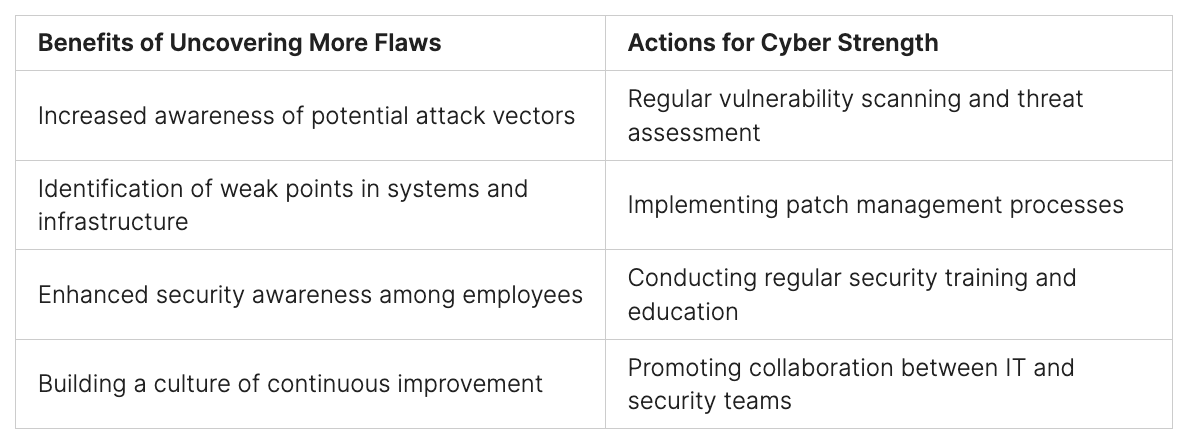
Vulnerability victories are achieved by continuously assessing and discovering vulnerabilities within an organization’s network and systems. Contrary to popular belief, uncovering more flaws is actually a sign of cyber strength. Organizations can reinforce their defenses and proactively protect against potential cyber threats by identifying vulnerabilities.
Importance of Continual Vulnerability Assessment
Continual vulnerability assessment is a vital component of vulnerability management. It involves regular detection and remediation of vulnerabilities to maintain a strong cybersecurity posture. By constantly evaluating the security landscape, organizations can stay one step ahead of cybercriminals and minimize their attack surface.
Key Components of an Effective Cybersecurity Program
An effective cybersecurity program encompasses various key components that contribute to successful vulnerability management:
Vulnerability scanning: Regularly scanning networks and systems to identify potential vulnerabilities.
Patch management: Ensuring that software and systems are up to date with the latest security patches.
Risk assessment: Evaluating and prioritizing vulnerabilities based on their potential impact.
By incorporating these components into their cybersecurity program, organizations can establish a strong foundation for vulnerability management and enhance their overall security posture.
Flaw Detection in Cybersecurity: Methods and Tools
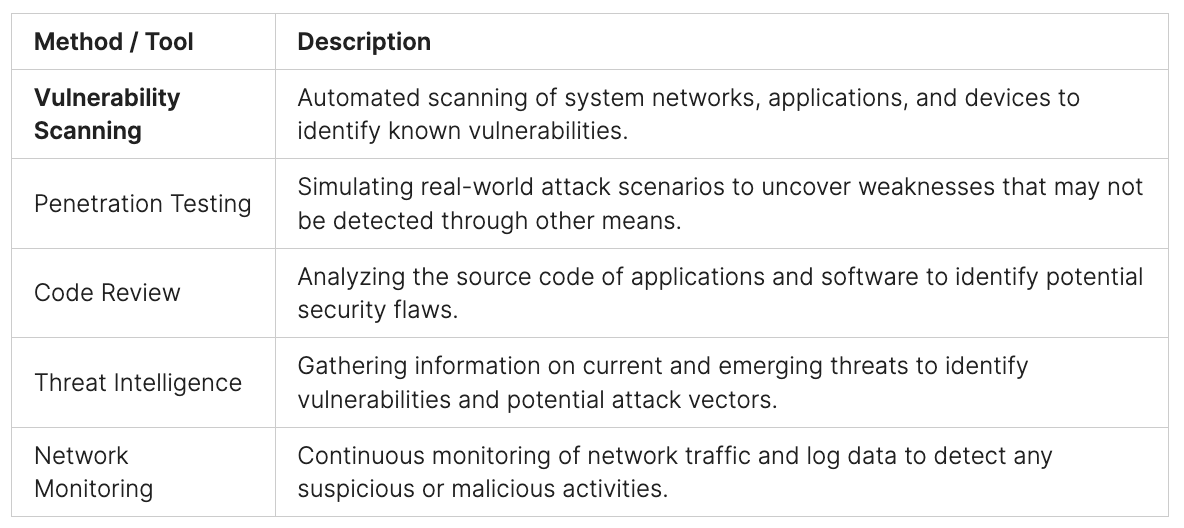
Flaw detection in cybersecurity is a critical aspect of maintaining a strong defense against potential threats. Organizations can effectively identify vulnerabilities and prioritize their remediation efforts by employing various methods and utilizing cybersecurity tools.
One commonly employed technique in flaw detection is vulnerability scanning. This process involves the use of specialized software to scan system networks, applications, and devices for potential weaknesses. Vulnerability scanners analyze the configuration, code, and network infrastructure to identify known vulnerabilities and assess their risk level. This helps organizations understand their security posture and prioritize the mitigation of critical vulnerabilities.
In addition to vulnerability scanning, cybersecurity tools such as penetration testing frameworks provide valuable insights into potential flaws. These tools simulate real-world attack scenarios to identify weaknesses that may not be detected through other means. By mimicking the techniques used by hackers, organizations can uncover hidden vulnerabilities and address them before they can be exploited.
Proactive Protection: Enhancing Cybersecurity with Advanced Vulnerability Detection and Remediation
By leveraging these methods and tools, organizations can enhance their ability to detect and address vulnerabilities in their cybersecurity defenses. Proactively identifying and remedying flaws strengthens overall security posture and reduces the risk of successful cyber attacks.
Proactive Cyber Vulnerability Discovery for Enhanced Protection
Proactively discovering vulnerabilities is essential for enhancing cybersecurity protection. Organizations can stay one step ahead of cyber threats by actively seeking out and identifying potential weaknesses in systems and infrastructure. This section explores systematic approaches to discovering vulnerabilities and showcases case studies that highlight the effectiveness of proactive vulnerability identification in strengthening overall security posture.
Systematic Approaches to Discovering Vulnerabilities
Effective vulnerability discovery requires systematic approaches that enable organizations to identify and address security flaws at various stages of the development lifecycle. Here are some key systematic approaches:
Threat Modeling: By analyzing system architecture, potential threats can be identified, and appropriate security measures can be implemented.
Code Review: Conducting thorough code reviews helps uncover coding errors or vulnerabilities that may have been missed during development.
Penetration Testing: Proactively simulating cyberattacks helps identify vulnerabilities and assess the security readiness of systems.
By adopting these systematic approaches, organizations can establish proactive vulnerability discovery processes that minimize the risk of exploitation and enhance overall cybersecurity resilience.
Case Studies: Proactive Identifications Leading to Security Fortifications
Real-world examples demonstrate the effectiveness of proactive vulnerability identification in strengthening security. Let’s explore two case studies:
Case Study 1: Company X
Company X, a leading financial institution, implemented a proactive vulnerability discovery program that included regular threat modeling exercises and external penetration testing. As a result, several critical vulnerabilities were identified and remediated before any malicious exploitation occurred. This proactive approach reinforced their security posture and protected valuable customer data.
Case Study2: Organization Y
Organization Y, a government agency, integrated code review into its software development lifecycle. By conducting regular code reviews, they identified and addressed vulnerabilities early on, significantly reducing the risk of cyberattacks. This systematic approach to vulnerability discovery enabled them to fortify their systems and ensure the confidentiality and integrity of sensitive information.
These case studies highlight the value of proactive vulnerability identification in preventing potential security breaches and strengthening overall cyber defenses.
Vulnerability Victories: Why Uncovering More Flaws is a Sign of Cyber Strength!
Reiterating the importance of vulnerability victories, this section explores why uncovering more flaws should be seen as a positive sign of cyber strength. It emphasizes the significance of continuous improvement and adaptability in cybersecurity practices, encouraging organizations to embrace vulnerability discoveries as opportunities for growth and resilience.
Embracing Flaws for Cyber Strength: The Positive Power of Uncovering Vulnerabilities
Vulnerability victories signify an organization’s commitment to proactive cybersecurity measures. By actively uncovering and addressing cyber flaws, businesses strengthen their defenses and ensure a robust security posture. Rather than considering vulnerability discoveries as a sign of weakness, they should be viewed as indicators of a strong and dynamic cybersecurity strategy.
Cyber threats are constantly evolving, and maintaining a state of perpetual vigilance is crucial. Uncovering more flaws reflects the organization’s readiness to adapt and continuously improve its security protocols. Every identified vulnerability presents an opportunity for growth and enhancement, allowing companies to refine their defense mechanisms and fortify their systems against potential attacks.
“The greatest victory is not in never falling, but in rising every time we fall.”
Embracing vulnerability victories requires a proactive approach to cybersecurity. Organizations must prioritize regular vulnerability assessments and establish comprehensive vulnerability management practices. Businesses can stay one step ahead of potential threats by conducting periodic scans and adopting robust risk assessment frameworks.
The process of uncovering cyber flaws and addressing them is an essential part of building cyber strength. It enables organizations to identify vulnerabilities, assess their potential impact, and implement timely remediation measures. This continuous improvement cycle strengthens their security defenses and enhances their overall resilience.
Uncovering more flaws provides organizations with valuable insights into their cybersecurity landscape. Each identified vulnerability serves as an opportunity to bolster their defenses, implement necessary changes, and refine incident response plans. It demonstrates an organization’s commitment to maintaining a proactive stance against emerging cyber threats.
In conclusion, vulnerability victories are not signs of weakness but rather indicators of an organization’s cyber strength. By embracing vulnerability discoveries and continuously improving their security practices, businesses improve their defenses and overall resilience. The proactive approach to identifying and addressing cyber flaws establishes a solid foundation for robust cybersecurity programs, safeguarding valuable assets and ensuring long-term business success.
How Identifying Security Weaknesses Builds Cyber Resilience
Identifying security weaknesses is a crucial component of building cyber resilience. By proactively assessing and addressing vulnerabilities, organizations strengthen their defenses and enhance their ability to withstand and recover from cyber threats. In this section, we explore the role of resilience in cybersecurity, strategies to turn vulnerabilities into strengths, and real-world examples that demonstrate the power of resilience in response to exposed flaws.
The Role of Resilience in Cybersecurity
Cyber resilience is an organization’s capacity to anticipate, respond to, and recover from cyber incidents while maintaining the availability and functionality of its critical systems and assets. Resilience goes beyond traditional cybersecurity measures and encompasses a holistic approach to managing and mitigating risks. It involves proactive planning, effective incident response, and continuous improvement to adapt to evolving threats.
Strategies to Turn Vulnerabilities into Strengths
Turning vulnerabilities into strengths requires a proactive and systematic approach. Organizations can employ various strategies to achieve this:
Vulnerability Prioritization: Focusing on critical vulnerabilities and addressing them first enables organizations to allocate resources effectively and minimize the potential impact of cyber attacks.
Patch Management: Keeping systems up to date with the latest patches helps mitigate known vulnerabilities and reduces the attack surface.
Continuous Monitoring: Implementing real-time monitoring and threat intelligence allows organizations to promptly detect and respond to emerging threats.
Employee Training: Educating employees about cybersecurity best practices and fostering a culture of security awareness can help prevent and mitigate the human factor in cyber attacks.
Real-World Examples of Resilience in Response to Exposed Flaws
In the face of exposed flaws and vulnerabilities, organizations have demonstrated remarkable resilience in responding to and recovering from cyber incidents. Real-world examples showcase their ability to bounce back and enhance their cybersecurity posture:
“Company A, a leading financial institution, experienced a major data breach due to a software vulnerability. However, they quickly activated their incident response plan, notified affected customers promptly, and implemented enhanced security measures to prevent future incidents. This incident not only strengthened their internal cybersecurity protocols but also rebuilt trust with their customer base.”
“Organization B, a multinational corporation, identified a critical vulnerability in their supply chain management system. They immediately patched the vulnerability, conducted a thorough security audit, and established stronger vendor security requirements. This proactive response not only protected their internal systems but also safeguarded their ecosystem of partners and suppliers.”
Strengthening Cyber Defenses Through Collaborative Efforts
Strengthening cyber defenses is a collective responsibility that requires collaboration between organizations, industry professionals, and security researchers. By working together and sharing information, stakeholders can create a unified front against cyber threats and enhance overall cybersecurity resilience.
Collaborative cybersecurity efforts play a crucial role in strengthening defenses and mitigating potential risks. Through coordinated vulnerability disclosure programs, organizations can establish channels for researchers to report vulnerabilities, enabling prompt remediation responsibly. This transparent and collaborative approach fosters a culture of cooperation, trust, and accountability in the cybersecurity community.
In addition to information sharing, partnerships between organizations and industry professionals further enhance cyber defenses. Stakeholders can develop innovative solutions, identify emerging threats, and share best practices by pooling their collective knowledge, expertise, and resources. Collaborative efforts not only fortify individual organizations but also contribute to strengthening the entire cyber ecosystem.
“Collaboration is the key to building robust cyber defenses. By combining our strengths and knowledge, we can stay one step ahead of cyber adversaries and create a safer digital environment for all.”
One of the crucial aspects of collaborative cybersecurity is the establishment and participation in information-sharing platforms and organizations. These platforms provide a conducive environment for exchanging threat intelligence, sharing cybersecurity insights, and discussing emerging trends. By actively engaging in these collaborative forums, organizations can learn from each other’s experiences, gain valuable insights, and adapt their cybersecurity strategies accordingly.
Furthermore, collaboration also extends to public-private partnerships, where government agencies and private organizations join forces to enhance cybersecurity resilience on a national level. These partnerships enable the sharing of critical information, integration of resources, and the development of joint initiatives to combat cyber threats effectively.
The Impact of Public-Private Partnerships on National Resilience
Analyzing the Risk: Quantifying the Benefits of Finding Cyber Flaws
When it comes to cybersecurity, analyzing the risk and quantifying the benefits of finding cyber flaws are crucial steps in building a strong defense. By understanding the value of vulnerability identification, organizations can better prioritize their efforts and allocate resources effectively. This section discusses various metrics for measuring cybersecurity strength and highlights the impact of vulnerability identification on an organization’s overall security posture.
Metrics for Measuring Cybersecurity Strength
Measuring cybersecurity strength requires the use of specific metrics that provide insights into an organization’s level of preparedness and resilience against cyber threats. Here are some key metrics to consider:
Vulnerability discovery rate: This metric measures the frequency and rate at which vulnerabilities are identified. A higher rate indicates an organization’s proactive approach to vulnerability management.
Patch deployment speed: The speed at which security updates and patches are deployed is a critical metric. Rapid patch deployment reduces the window of opportunity for attackers to exploit vulnerabilities.
Incident response time: Measures the time it takes for an organization to detect, respond, and recover from a cybersecurity incident. A shorter response time indicates effective incident management.
Security training effectiveness: Evaluate the effectiveness of security awareness training programs in educating employees about cybersecurity best practices and reducing human error.
Compliance with security standards: Measures the extent to which an organization complies with industry-specific security standards and regulatory requirements.
By tracking and analyzing these metrics, organizations can gain valuable insights into their cybersecurity strength and identify areas for improvement.
Impact of Vulnerability Identification on Organizational Security Posture
The impact of vulnerability identification on an organization’s security posture cannot be underestimated. When vulnerabilities are identified and addressed, the organization’s overall security posture improves in several ways:
Reduced risk: By identifying and addressing vulnerabilities, organizations can minimize the potential risk of cyber attacks and data breaches.
Enhanced incident response: When vulnerabilities are proactively identified, organizations can develop effective incident response plans and implement necessary controls to mitigate the impact of potential threats.
Improved trust and reputation: Demonstrating a commitment to identifying and addressing vulnerabilities enhances an organization’s reputation as a trustworthy custodian of sensitive data.
Cost savings: Identifying vulnerabilities early can help organizations avoid costly data breaches and associated financial damages.
In conclusion, analyzing the risk and quantifying the benefits of finding cyber flaws are essential in building a strong cybersecurity program. By utilizing the right metrics and understanding the impact of vulnerability identification, organizations can take proactive steps to strengthen their overall security posture and better protect against cyber threats.
The Psychological Impact of Vulnerability Disclosures on Cybersecurity Teams
Vulnerability disclosures can have a profound psychological impact on cybersecurity teams. The process of uncovering and reporting vulnerabilities can evoke a range of emotions, from excitement and satisfaction to anxiety and fear. Organizations need to recognize and address these psychological factors to cultivate a security culture and promote their cybersecurity teams’ well-being.
Cultivating a Culture of Security Through Transparency
Transparency plays a key role in cultivating a culture of security within organizations. When vulnerabilities are discovered and disclosed, the information needs to be shared openly and transparently with the relevant teams. This creates an environment of trust and collaboration, where everyone is aware of the potential risks and can work together to address them. By fostering a culture of security through transparency, organizations effectively empower their cybersecurity teams to manage vulnerabilities without fear of blame or retribution.
Overcoming the Stigma Associated with Vulnerability Reporting
Unfortunately, there is often a stigma attached to vulnerability reporting within organizations. Some individuals may fear that reporting vulnerabilities will reflect negatively on their skills or the organization’s overall security posture. This stigma can hinder the effectiveness of vulnerability management efforts and discourage individuals from reporting vulnerabilities. To overcome this stigma, organizations need to emphasize the importance of vulnerability reporting as a critical component of their cybersecurity program. Organizations can create an environment that encourages open communication and collaboration by recognizing and rewarding the efforts of those who disclose vulnerabilities.
Overcoming the psychological barriers associated with vulnerability disclosures is vital for the success of vulnerability management efforts. By cultivating a culture of security through transparency and overcoming the stigma associated with vulnerability reporting, organizations can empower their cybersecurity teams to effectively identify and address vulnerabilities, leading to a stronger and more resilient security posture.
Fostering a Culture of Transparency for Stronger Vulnerability Management
Integrating Vulnerability Victories Into Security Policies and Protocols
Integrating vulnerability victories into security policies and protocols is essential for maintaining a proactive cybersecurity posture. By incorporating vulnerability management practices into organizational frameworks, businesses can ensure that identifying and addressing flaws is integral to everyday operations.
Effective security policies establish guidelines and best practices for vulnerability assessment, remediation, and ongoing monitoring. They provide a structured framework for identifying vulnerabilities, prioritizing remediation efforts, and implementing security controls to mitigate risks.
Security protocols, on the other hand, outline the specific steps and procedures that need to be followed when vulnerabilities are discovered. They define the responsibilities of different stakeholders, establish incident response processes, and ensure a coordinated and swift remediation process.
Organizations create a culture of continuous improvement and resilience by integrating vulnerability victories into security policies and protocols. This helps them stay ahead of potential threats, enhance their overall security posture, and protect critical assets from cyberattacks.
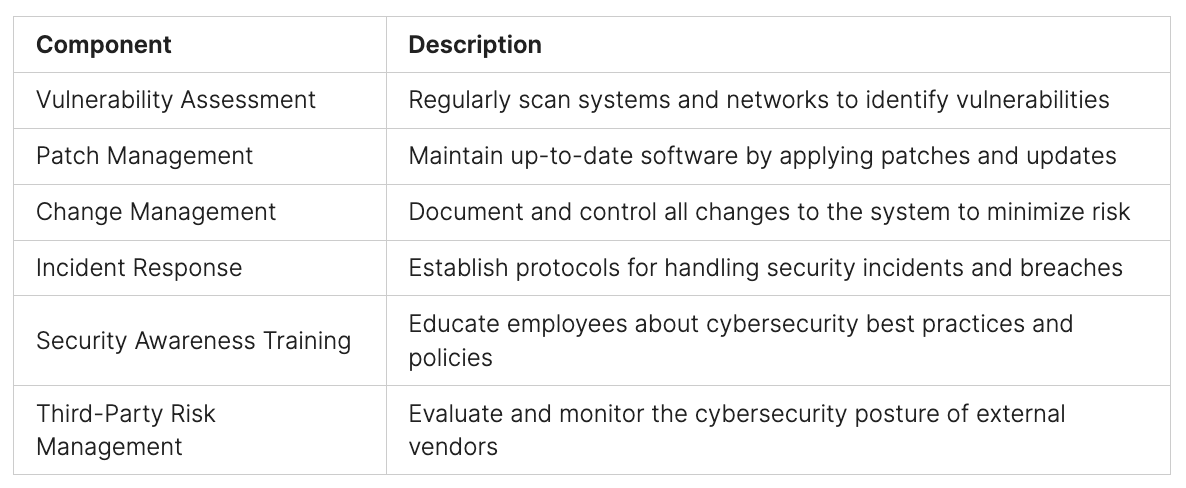
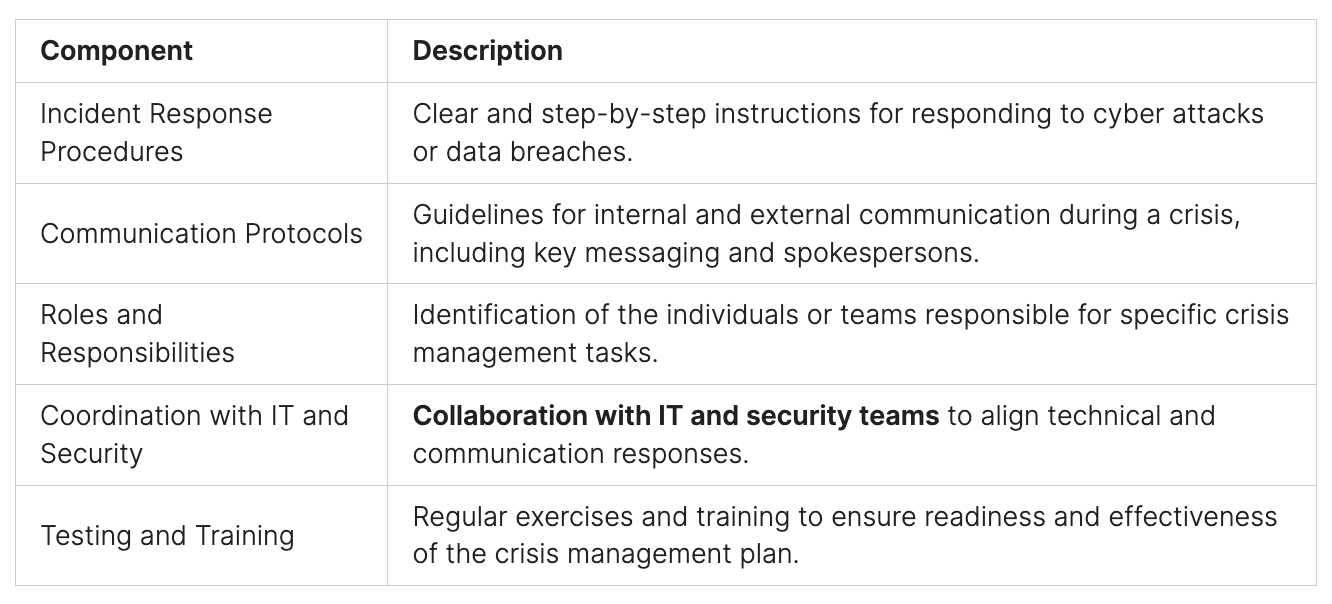
To illustrate the importance of this integration, consider the following table that showcases the key components of a comprehensive security framework:
Integrating vulnerability victories into these components ensures that organizations have a holistic approach to cybersecurity and are well-equipped to detect, respond, and recover from potential threats.
By adopting a proactive stance towards vulnerability management and making it an integral part of their security policies and protocols, organizations can effectively strengthen their cyber defenses and minimize the risk of successful cyberattacks.
Conclusion
To sum up, the identification of vulnerabilities is a pivotal aspect in fortifying an organization’s cyber defense mechanisms and boosting its overall cybersecurity resilience. Through regular vulnerability assessments, organizations can proactively strengthen their systems and infrastructure, thereby enhancing their defenses against potential cyber threats.
This article has delved into the concept of ‘vulnerability victories,’ emphasizing the significance of ongoing vulnerability assessments. We’ve examined essential elements of a robust cybersecurity program, including vulnerability scanning, patch management, and risk assessment, all of which are integral to successful vulnerability management.
Looking forward, the trajectory of cybersecurity vulnerability management is filled with potential. In the face of an ever-changing threat landscape, it’s critical for organizations to keep abreast of the latest developments and technological advancements. The future of this field will likely see a significant influence from automation and artificial intelligence, leading to more efficient and precise detection of vulnerabilities.
Cultivating a proactive security culture within organizations is key to achieving lasting improvements in cybersecurity. Such a culture, emphasizing transparency, open communication, and collaboration, creates a conducive environment for vulnerability identification and management. This shift in mindset is crucial for continuous enhancement and enables cybersecurity teams to address vulnerabilities with promptness and efficiency.
For an in-depth exploration of vulnerability management strategies and to discover how our specialized solutions can bolster your cybersecurity, we invite you to visit Peris.ai Cybersecurity. Embrace the future of cybersecurity with us, where proactive measures and cutting-edge technology combine to safeguard your digital landscape.
FAQ
What are vulnerability victories?
Vulnerability victories refer to the successful identification and remediation of security flaws.
Why is uncovering more flaws a sign of cyber strength?
Uncovering more flaws indicates that organizations continuously assess and fortify their defenses against potential threats.
What is vulnerability management?
Vulnerability management is the proactive approach to identifying and addressing an organization’s systems and infrastructure flaws.
How does vulnerability scanning contribute to vulnerability management?
Vulnerability scanning is a commonly employed technique that allows organizations to detect and prioritize potential weaknesses.
What are the key components of an effective cybersecurity program?
The key components include vulnerability scanning, patch management, and risk assessment.
How can organizations detect flaws in their cybersecurity?
Organizations can use methods and tools such as vulnerability scanning, penetration testing frameworks, and other cybersecurity tools to detect flaws.
Why is proactive vulnerability discovery important?
Proactively discovering vulnerabilities helps organizations identify weaknesses at various development lifecycle stages and enhances cybersecurity protection.
Can you provide examples of proactive vulnerability identification?
Threat modeling, code review, and penetration testing are examples of proactive vulnerability identification methods.
Why should organizations embrace vulnerability discoveries?
Embracing vulnerability discoveries allows organizations to view them as opportunities for growth and resilience in their cybersecurity practices.
How can security weaknesses contribute to building cyber resilience?
Identifying security weaknesses helps organizations understand potential threats and develop strategies to turn vulnerabilities into strengths.
What are some strategies for turning vulnerabilities into strengths?
Strategies include risk assessment, patch management, and implementing proper security protocols based on vulnerability discoveries.
How do collaborative efforts strengthen cyber defenses?
Collaborative efforts facilitate information sharing, coordinated vulnerability disclosure programs, and partnerships, which create a unified front against cyber threats.
How can organizations measure their cybersecurity strength?
Metrics such as vulnerability identification rates, time to remediation, and the impact of vulnerabilities on the overall security posture help measure cybersecurity strength.
What is the psychological impact of vulnerability disclosures on cybersecurity teams?
Vulnerability disclosures can create psychological stress, but cultivating a culture of security through transparency and open communication can mitigate these effects.
How can organizations create a culture of security?
Organizations can create a culture of security by encouraging vulnerability reporting, valuing open communication, and fostering collaboration among cybersecurity teams.
How can vulnerability victories be integrated into security policies and protocols?
Integrating vulnerability victories involves incorporating vulnerability management practices into organizational frameworks, ensuring that identifying and addressing flaws is integral to everyday operations.
In the digital world of today, cybersecurity threats keep changing. Have you ever thought about how companies check their information security and guard against attacks? The key is a detailed security audit. But what does this audit mean, and why is it vital for companies of all sizes?
A security audit closely looks at an organization’s information systems, networks, and processes. It finds any weak spots cybercriminals could use. This check also looks at how well security controls, policies, and procedures are working. It sees if they meet industry best practices and compliance standards. The main goal is to let companies know how good their security is. It also helps them understand specific risks and find ways to avoid threats.
Why is a security audit important for every organization? What makes it so critical that you can’t ignore it? Let’s look into what a security audit really involves and why it matters so much.
Key Takeaways
A security audit is a comprehensive assessment of an organization’s information security posture, identifying vulnerabilities and weaknesses that could be exploited by cybercriminals.
The goal of a security audit is to help organizations assess their security posture, understand specific risks, and identify ways to protect the business against potential threats.
By conducting regular security audits, organizations can proactively manage risks, and safeguard against financial loss, reputational damage, and operational disruptions, ensuring the business’s sustainability and growth.
Security audits evaluate the effectiveness of security controls, policies, and procedures, and determine if they align with industry best practices and compliance standards.
Implementing best practices for security audits, such as regular monitoring, employee training, and collaboration, is crucial for ensuring their effectiveness and ongoing success.
The Importance of Security Information Audits
Security information audits are crucial for keeping an organization’s systems safe and strong. They check if the systems follow the rules well. This is important for protecting against dangers.
Preventing Data Breaches
These audits find system weaknesses early, helping avoid data breaches. Breaches can hurt the company’s finances and how it is seen by the public. They also lower how much customers trust the company. By working through these audits, experts offer ways to fix these issues. This keeps the company’s information safe from those who shouldn’t have it.
Compliance with Regulations
Security audits also help the company follow important laws like Sarbanes-Oxley and GDPR. Not following these laws can lead to big fines and harm the company’s image. With these regular checks, companies show they take data privacy and laws seriously. This builds trust with everyone involved.
Understanding a Security Audit
A security audit checks an organization’s information systems and processes. It finds any weak points that hackers might use. This check looks at how well security rules and plans are working. It also shows if they are following strong standards and rules.
Definition and Objectives
The main goal of a security audit is to see how safe an organization is. It looks for places where trouble might start. Then, it suggests ways to make the organization’s safety better. Doing these checks helps a group know where they are strong and where they need to work harder.
Internal vs. External Audits
Security audits are either done inside a company or by outside experts. Inside audits are by the company’s IT crew. They know the organization well. External checks are done by outsiders. They look at security without any biases. This gives a clear view of what’s happening.
Frequency and Timing
How often a security check is done depends on many things. The size of the organization and its field matter. So does how much risk it can take. Usually, a security audit should happen every year. For places handling secret data or in strict fields, more checks are needed. This keeps security strong against new threats.
Planning and Preparation
Getting ready for a security audit means carefully checking everything in your business. You start by choosing what parts of your IT system will be looked at. This might be your network security or how you keep customer data safe. You also make sure to follow special rules for handling important info, like HIPAA for healthcare data. Or PCI for card info.
Determining Scope and Goals
It’s key to clearly define the scope and goals of the security audit. This makes sure everything important gets checked. You figure out what’s most valuable and what could go wrong. Then, you set audit goals that match how you keep things safe in your business.
Gathering Documentation
Now, it’s time to collect all the paperwork needed for the audit. You make a security audit checklist to do this. This includes copies of your policies, procedures, and any old audit reports. Having all this info together helps the auditors grasp how secure your business is and if you follow the rules.
Selecting Audit Tools
The right audit tools will include things like code checkers or software that watches what users do. These tools help point out where your systems might be weak. They also check if your current safety steps are good enough. And they gather the facts needed for their advice.
Lastly, you should team up with the auditors. Choose people from your IT team who know your systems very well. Working together makes the audit go smoother and ensures it meets your specific business needs.
Conducting the Audit
The work of a security audit follows several important steps. First, a risk assessment happens. The auditor looks at what the company values most, how important it is, and what risks are connected. This includes trying to hack into systems, searching for weak spots, and seeing if staff are likely to fall for trickery. The findings help us understand how safe the company is. Then, the audit checks on the evaluation of security measures. This looks deeply at how well the company’s security rules and procedures work. The auditor checks if access controls are strong, if the network is secure, if web apps are safe, and how well staff know to stay safe. By spotting where the company’s security is weak, the audit can suggest clear ways to do better.
Security Audit
A security audit is key for managing risks in any business. It checks an organization’s info systems, networks, and processes. The goal is to spot vulnerabilities that cybercriminals might use. The audit also looks at whether the security controls, rules, and steps follow what’s best in the industry and if they meet compliance standards.
The audit starts with a risk assessment. Here, the auditor figures out what valuable assets the organization has. They look at how important these are and what risks they face. This step may use penetration testing, checks for weaknesses, and see if employees can be tricked by social engineering. The test results give a clear picture of how good the organization’s security is against possible risks.
Regular security audits let companies stay ahead of risks. They help avoid money loss, harm to their reputation or stops in their work. This keeps the company growing. The suggestions from the audit are a guide to make cybersecurity and data protection better. In the end, they make the organization stronger against new cyber threats.
Reporting and Follow-Up
After the security audit, the auditor makes an audit report. This report shows what they looked at, what they found, and how to make things better. It aims to boost the organization’s security posture.
Audit Report and Recommendations
The audit report is a detailed document. It points out where the organization is strong, where it’s weak, and how to improve. It’s like a map to fix any problems and make sure the company is safe online.
Implementing Recommendations
After getting the audit report, the company starts improving security. This can mean making new rules, adding security measures, training employees, or meeting certain standards. They choose what to do first by looking at the most serious risks and the biggest impacts on the business.
Continuous Improvement
Security audits are not just once. They should happen often. This way, the company keeps getting better at security. By testing and improving regularly, they stay ready for new security threats to keep their security posture strong.
Key Areas of Focus
Experts focus on certain key areas when they do a full security audit. They make sure to check website security, network security, and data privacy and protection. All these areas are very important for keeping an organization safe.
Website Security
An organization’s website must be very secure. It’s the main way the public sees the company and can be a big target for online attacks. A security audit looks at things like SSL/TLS, web application firewalls, and how the site deals with vulnerabilities.
This check finds any weak spots that could be used by hackers. Then, the organization can make its security stronger. This protects the company’s presence online.
Network Security
Network security is key and gets a lot of attention during a security audit. This part checks the structure of the organization’s network. It looks at things like firewalls, routers, and the controls in place.
The goal is to make sure everything is set up right to keep out threats. The audit also looks at things like remote access and cloud services for a full view of network safety.
Data Privacy and Protection
Protecting data is very important in our world today. A security audit reviews how an organization manages its data. It covers the use of access controls, encryption, and making sure data can be properly backed up and recovered.
This check also looks at how well the organization follows data protection laws. By doing this, the organization can protect its data well. It also keeps the trust of its customers and others.
Audit Tools and Resources
For a thorough security audit, one needs a set of special tools. These help find weaknesses, check how well security works now, and suggest ways to improve.
Intruder is a leading audit tool. It’s a vulnerability scanner that checks all security points. Its deep scans look at networks, web apps, and clouds. It also gives a detailed list of what needs fixing.
Mozilla Observatory is also key. It checks a site’s security features closely. Things it looks at include SSL/TLS setup and security headers. This helps spot and fix website security problems.
Organizations can use both free and paid tools for their audits. They include best practices, rules, and advice on tools and methods.
Tool:
CyCognito: CyCognito automates vulnerability management, prioritizing critical issues by business impact, not just severity. It continuously monitors your attack surface and uses context to intelligently prioritize threats.
Tenable: Tenable scans on-premises and cloud assets for vulnerabilities. It uses Nessus for deep network inspection and offers web application scanning for real-world testing.
Qualys: Qualys scans all IT assets in the cloud for vulnerabilities (Qualys VM) and offers real-time web application testing (DAST) to find security holes.
Rapid7: Rapid7’s InsightVM goes beyond basic scans. It offers live monitoring, and real-time risk analysis, and integrates with Metasploit for simulating attacks to find exploitable vulnerabilities.
Acunetix by Invicti: Invicti (formerly Acunetix) scans web apps for vulnerabilities (reducing false positives) and simulates attacks to find critical issues like SQL injection and XSS.
Burp Suite: Burp Suite (PortSwigger) is a pen tester’s toolkit for web application security testing. It offers manual and automated tools, including an intercepting proxy and vulnerability scanning, to find security weaknesses.
Frontline VM: Frontline VM (Digital Defense) simplifies vulnerability management in the cloud. It analyzes risks, prioritizes issues, offers remediation guidance, and integrates with security tools for faster fixes – even for non-experts.
OpenVAS: OpenVAS is a free, open-source vulnerability scanner for networks, servers, and web apps. It offers a big vulnerability database, scales well, and has a supportive community. However, setup might be more complex than commercial options.
OWASP ZAP: ZAP (OWASP) is a free, open-source scanner for web application security. It helps find vulnerabilities during development and testing with automated scans and manual testing tools. ZAP integrates with development pipelines for better security throughout the process.
Nmap: Nmap (free, open-source) maps networks, finds open ports & services, and even checks for vulnerabilities using scripts. It’s great for both network recon and targeted vulnerability assessments.
Managed Security Audit Services
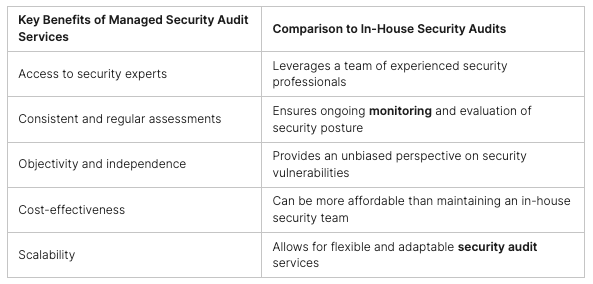
Businesses can get help with managed security audit services from outside experts. These services have many benefits. They include:
Working with a team of skilled security audits experts.
Always check and update your security with frequent security audits.
Getting an outside viewpoint on your security issues.
Saving money compared to having a whole in-house security team.
Changing the number and kind of security audits as needed.
Choosing the right managed security audit service helps companies keep their tech safe. This is especially key for small or mid-sized companies with not much IT staff.
Best Practices for Security Audits
It’s crucial to follow the best practices for the success of security audits. These practices include:
Regular Audits and Monitoring
Companies should regularly check for security gaps. They must keep an eye on their IT setups to catch and fix any problems fast.
Employee Training and Awareness
Teaching workers about security best practices matter a lot. When everyone knows how to keep things safe, risks go down. This especially helps against tricks like social engineering.
Collaboration and Communication
Working together is key for security audits to work well. The IT team, bosses, and others must talk and agree on safety goals. This makes it easier to act on any advice given.
Conclusion | Don’t Settle for Fragile Security – Take Control with BIMA
In today’s ever-evolving digital landscape, cyber threats are a constant concern. Regular security audits are crucial for identifying vulnerabilities before they’re exploited. However, relying solely on audits can leave your business exposed between assessments.
Here’s where BIMA steps in.
BIMA is your comprehensive Cybersecurity-as-a-Service (SecaaS) platform, offering 24/7 protection against even the most sophisticated attacks. Our powerful suite of security tools, combining proprietary and open-source technology with cutting-edge threat intelligence, provides unparalleled security without breaking the bank.
BIMA gives you the power to:
Proactively identify and mitigate risks before they impact your business.
Simplify security management with our user-friendly platform.
Scale your security needs seamlessly, whether you’re a startup or a large enterprise.
Benefit from a pay-as-you-go model, only paying for the services you need.
Don’t wait for the next cyberattack to disrupt your business. Secure your digital world with BIMA today!
A security audit checks how safe and strong the systems are. It looks at an organization’s tech, like its computers and networks. The goal is to find and fix any weak spots that hackers could use.
The audit sees if the organization follows security rules and advice. It also checks to make sure that the systems meet certain standards.
Why are security information audits crucial?
A security audit is important for keeping data safe. It tells an organization if they are meeting important rules. By finding and fixing problems, audits help stop data leaks.
Data leaks can be very expensive and damage an organization’s reputation. Audits also make sure an organization follows the law. Not doing so can lead to big fines and a bad image.
What are the different types of security audits?
There are two main types of security audits. Internal audits are done by the organization itself. External audits are carried out by outside experts.
The type and how often audits happen depend on the organization’s size and its risks. They also follow industry rules.
How should an organization prepare for a security audit?
To get ready for an audit, an organization needs to carefully check its business. They must look at possible weak spots in their tech. This means looking at things like online safety, data privacy, or how apps are secured.
They need to make sure they’re following important rules for sensitive data, like those in HIPAA for health info. And they should gather proof of their rules and past checks. Organizations also need the right tools for the audit, like software that looks for problems in code or watches how users behave.
They should pick a team to work with the auditors. This team should know a lot about the tech and security.
What are the key steps in conducting a security audit?
The process starts with identifying what matters most – an organization’s “crown jewels”. Then, the auditor rates how risky these assets are. They may try out ways to break in, check for weak points, and see if staff can be tricked into giving access.
All these tests help understand how well an organization’s security works. They give insight into what needs to improve.
What happens after the security audit is completed?
After auditing, a detailed report is made by the auditor. It highlights what was looked at, and what was found, and recommends how to be safer.
What are the key areas of focus in a security audit?
A security audit looks at website safety, network protection, and how data is kept private and secure.
What tools and resources are available for security audits?
There are many tools for audits. For example, Intruder finds and reports on security problems. Mozilla’s Observatory checks how safe a website is in detail.
The digital landscape is rapidly evolving, and with it, the threat of cyberattacks looms larger than ever. Every day, more than 2,000 cyberattacks are reported, affecting everyone from small businesses to large healthcare and government organizations. This escalating threat underscores the urgent need for robust cybersecurity measures to identify and rectify vulnerabilities before malicious actors can exploit them.
Understanding Vulnerability Reports
Vulnerability reports are crucial tools that offer a clear picture of your cybersecurity posture. They identify hidden flaws in your digital systems and networks, enabling you to take proactive steps to protect your online assets. This article explores the significant impact of vulnerability reports and how they enhance organizational resilience against cyber threats.
Key Takeaways
Detailed Security Insights: Vulnerability reports provide in-depth insights into your organization’s security, helping to identify and address critical vulnerabilities.
Mitigation of Threats: Comprehensive assessments can help mitigate threats and reduce overall risk exposure.
Transparency and Trust: Responsible vulnerability disclosure builds trust and confidence in your cybersecurity practices.
AI and Automation: Leveraging artificial intelligence and automation can enhance vulnerability management capabilities.
The Escalating Cybersecurity Threat Landscape
Cyberattacks are becoming more sophisticated, impacting various sectors, including manufacturing, finance, healthcare, government, and education. Small and medium enterprises (SMEs) are particularly vulnerable due to limited resources and expertise in cybersecurity. The rising frequency of attacks on these sectors highlights the critical need for comprehensive security measures.
Vulnerability Assessment and Penetration Testing
Vulnerability assessment and penetration testing are essential components of a robust cybersecurity strategy. They help organizations identify security gaps and weaknesses, enabling them to implement effective countermeasures.
Identifying Security Gaps: Through thorough assessments, organizations can pinpoint potential vulnerabilities in their systems and networks.
Proactive Threat Mitigation: Simulated attacks (penetration testing) help organizations understand their preparedness and develop strategies to prevent real attacks.
The Role of Vulnerability Reports
Vulnerability reports play a pivotal role in enhancing cybersecurity by providing detailed information about system flaws. They prioritize critical issues, enabling timely remediation and reducing the risk of cyberattacks.
Detailed Identification and Reporting: These reports meticulously outline security flaws, guiding organizations on what to address immediately.
Responsible Vulnerability Disclosure and Transparency
Adhering to best practices for vulnerability disclosure is crucial for building trust in cybersecurity practices. Being transparent about identified vulnerabilities and remediation steps fosters confidence among stakeholders.
Industry Best Practices: Following established standards ensures responsible disclosure and effective communication of security issues.
Building Trust and Confidence: Transparency in handling vulnerabilities helps build a trustworthy relationship with stakeholders.
Continuous Improvement and Root Cause Analysis
A focus on root cause analysis and continuous improvement ensures long-term security enhancements. By addressing underlying issues, organizations can prevent recurring vulnerabilities.
Addressing Underlying Flaws: Identifying and rectifying root causes of security issues leads to more sustainable security solutions.
Continuous Improvement: Regularly evaluating and improving security measures keeps defenses robust against evolving threats.
Innovative Approaches in Cybersecurity
Leveraging artificial intelligence and automation can significantly improve vulnerability management. Advanced tools and technologies enable more efficient identification and remediation of security issues.
AI and Automation: Using AI and automation reduces false positives and simplifies vulnerability management.
Emerging Trends: Keeping up with new technologies and trends ensures organizations stay ahead of potential threats.
Conclusion
In today’s digital world, security threats are everywhere. Vulnerability reports are indispensable in the fight against these cyber threats. They provide detailed insights into security vulnerabilities, empowering organizations to strengthen their defenses and mitigate risks effectively. Staying proactive and informed through comprehensive vulnerability assessments is crucial to maintaining robust cybersecurity.
Protect Your Digital World with BIMA: the ultimate cybersecurity solution for your business. Available 24/7, BIMA offers a wide range of cybersecurity tools and monitoring services, all tailored to fit the unique needs of your business. Our powerful proprietary and open-source tools provide unparalleled security, while our subscription-based scanners give you access to the latest threat intelligence. And with our pay-as-you-go service, you only pay for what you need—no upfront costs, no hidden fees.
Whether you’re a small business or a large enterprise, BIMA has you covered. Our easy-to-use platform simplifies the process of monitoring and protecting your business from start to finish. With BIMA, you can finally take control of your cybersecurity and protect your business from any potential threat.
Don’t wait—start securing your business with BIMA today! Visit Peris.ai Bima to learn more about how our comprehensive Cybersecurity-as-a-Service platform can safeguard your digital world.
FAQ
What are vulnerability reports, and how can they benefit organizations?
Vulnerability reports detail security issues within an organization’s technology infrastructure, enabling the identification and rectification of vulnerabilities.
Why is the cybersecurity threat landscape escalating, and which industries are most affected?
The expanding digital footprint and increasing sophistication of cyberattacks affect various industries, particularly SMEs, healthcare, and education.
What is the importance of vulnerability assessment and penetration testing?
These assessments identify security gaps and weaknesses, allowing organizations to implement effective countermeasures.
How do vulnerability reports help organizations strengthen their cybersecurity?
By providing detailed information on security issues, vulnerability reports guide organizations on prioritizing and addressing critical vulnerabilities.
What is the approach to responsible vulnerability disclosure and transparency?
Adhering to best practices and being transparent about vulnerabilities builds trust and ensures effective communication of security issues.
How does focusing on root cause analysis and continuous improvement benefit organizations?
Addressing the root causes of security issues leads to sustainable solutions and prevents recurring vulnerabilities.
What sets innovative cybersecurity approaches apart?
Leveraging AI and automation in vulnerability management enhances efficiency and accuracy, ensuring robust security measures.
With the rise of digital threats in a connected world, organizations are increasingly recognizing the importance of API security in safeguarding their digital assets. In this article, we will explore the key reasons why API security is crucial in 2024 and how organizations can mitigate the risks associated with APIs. By understanding the evolving cybersecurity norms, emerging API vulnerabilities, and the financial and reputational impacts of API security failures, organizations can develop comprehensive security strategies to protect their systems and data. Additionally, we will discuss the role of AI in enhancing API security and the predictions for the surge of AI integration in 2024. Overall, investing in API security is a must for modern enterprises to maintain trust, protect sensitive information, and mitigate the potential consequences of security breaches.
Key Takeaways:
API security is crucial for organizations in 2024 due to the rise of digital threats and the reliance on APIs.
Understanding evolving cybersecurity norms and emerging API vulnerabilities is essential for developing comprehensive security strategies.
API security failures can have significant financial and reputational impacts on organizations.
The integration of AI in API security can enhance threat detection and response capabilities.
Investing in API security is crucial for maintaining trust, protecting sensitive information, and navigating the complex cybersecurity landscape of 2024.
The Rise of Digital Threats in a Connected World
In a progressively connected world, the rise of digital threats poses significant challenges to organizations. Hackers and bad actors target vulnerabilities in Application Programming Interfaces (APIs) to gain unauthorized access to sensitive data. As more people and devices go online, the risk of API attacks increases. This section will explore the evolving landscape of digital threats, emphasizing the need for robust API security measures to protect organizations from cyber attacks. By understanding the nature and scale of these threats, organizations can develop effective strategies to mitigate risks and secure their digital assets.
Innovative Strategies to Mitigate API Risks
Effective API risk mitigation requires organizations to employ innovative strategies and leverage advanced technologies. In this section, we will explore the role of AI in enhancing API security and the importance of employing advanced security frameworks specifically tailored for APIs.
The Role of AI in Enhancing API Security
With its ability to analyze vast amounts of data and detect patterns, AI plays a crucial role in enhancing API security. Machine learning algorithms can continuously analyze API traffic, identify anomalies, and alert organizations about potential security threats. Organizations can strengthen their API security posture by leveraging AI-powered threat detection and response capabilities and proactively defend against emerging threats.
Furthermore, AI can assist in automating security processes, reducing manual effort, and enabling rapid incident response. With real-time threat intelligence and automated remediation, organizations can efficiently mitigate API risks and minimize the impact of security breaches.
Employing Advanced Security Frameworks for APIs
APIs require specific security measures beyond traditional network security protocols. Organizations should adopt advanced security frameworks designed explicitly for API environments to address the unique risks associated with APIs.
These advanced frameworks provide comprehensive security controls, including secure authentication and authorization mechanisms, robust access controls, and thorough data validation. By implementing these frameworks, organizations can ensure that only authorized entities can access APIs and that sensitive data is protected against unauthorized access and tampering.
Moreover, advanced security frameworks offer encryption capabilities to safeguard data in transit and at rest. This ensures the confidentiality and integrity of API communications, protecting sensitive information from interception or manipulation.
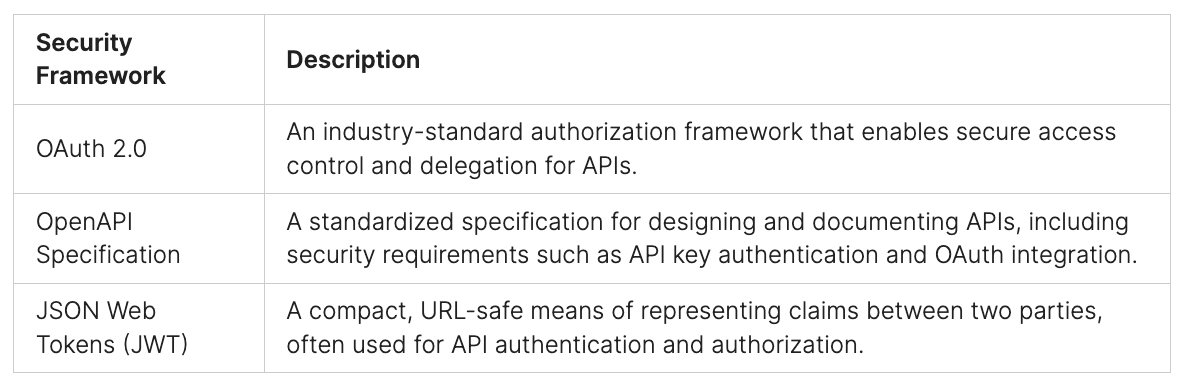
The table below provides examples of some advanced security frameworks for APIs:
By incorporating advanced security frameworks into their API security strategy, organizations can proactively mitigate risks, protect sensitive data, and ensure the integrity of their APIs.
Emerging API Vulnerabilities and How to Prevent Them
As the adoption of APIs continues to grow, organizations must be vigilant of the emerging vulnerabilities that come with it. Failure to address these vulnerabilities can potentially lead to data breaches and cyber attacks. This section will discuss the key API vulnerabilities that organizations need to be aware of and provide preventive measures to mitigate these risks.
One of the primary emerging API vulnerabilities is insecure authentication. Malicious actors can exploit weak or improper authentication mechanisms to gain unauthorized access to sensitive data. Organizations must implement strong authentication protocols, such as multi-factor authentication and secure token-based authentication, to prevent unauthorized access.
In addition, insufficient access controls pose a significant risk to API security. Organizations must ensure that only authorized users have access to the necessary resources and restrict privileges based on roles and responsibilities. Implementing proper access control mechanisms, such as role-based access control (RBAC) and attribute-based access control (ABAC), can help prevent unauthorized access and data breaches.
Inadequate data validation is another critical API vulnerability. If input data is not validated properly, it can lead to security breaches, such as injection attacks or cross-site scripting (XSS) attacks. Organizations should implement thorough input validation techniques, including regular expression matching and input filtering, to ensure that only the API processes valid and safe data.
By proactively addressing these emerging API vulnerabilities through robust security measures, organizations can strengthen their defenses and reduce the risk of data breaches and cyber attacks. It is essential to keep API security up to date and regularly review and update security protocols to mitigate the evolving risks associated with APIs.
The Evolution of Cybersecurity Norms: Integrating API Safety
As cyber threats continue to evolve, organizations are faced with the challenge of adapting their security practices to protect their digital assets. This section explores the evolution of cybersecurity norms and the growing importance of integrating API safety into organizational security strategies.
Legal Implications of API Security Breaches
API security breaches can have severe legal consequences for organizations. In the event of a breach, companies may face regulatory fines, lawsuits from affected parties, and long-term reputational damage. It is crucial for organizations to understand the legal implications associated with API security breaches and take proactive measures to mitigate these risks.
Developing a Culture of Cyber Defense within Organizations
Developing a culture of cyber defense is essential for organizations to protect against cyber threats effectively. This involves fostering a security-conscious mindset among employees and implementing proactive security measures. By actively involving employees in maintaining a secure environment, organizations can minimize the risk of security breaches and ensure a strong defense against evolving cyber threats.
Why API Security is Important in 2024
We live in a digital era where organizations heavily rely on Application Programming Interfaces (APIs) to facilitate seamless communication and integration between systems and applications. While APIs offer numerous benefits, it is crucial to recognize the importance of API security in this ever-evolving cybersecurity landscape of 2024.
Organizations must prioritize API security to safeguard their digital operations from potential threats and vulnerabilities. Failure to secure APIs can have severe consequences, including financial losses, data breaches, reputational damage, and loss of customer trust. In a world where data breaches and cyber attacks are becoming increasingly common, investing in robust API security measures is essential to mitigate risks and protect valuable assets.
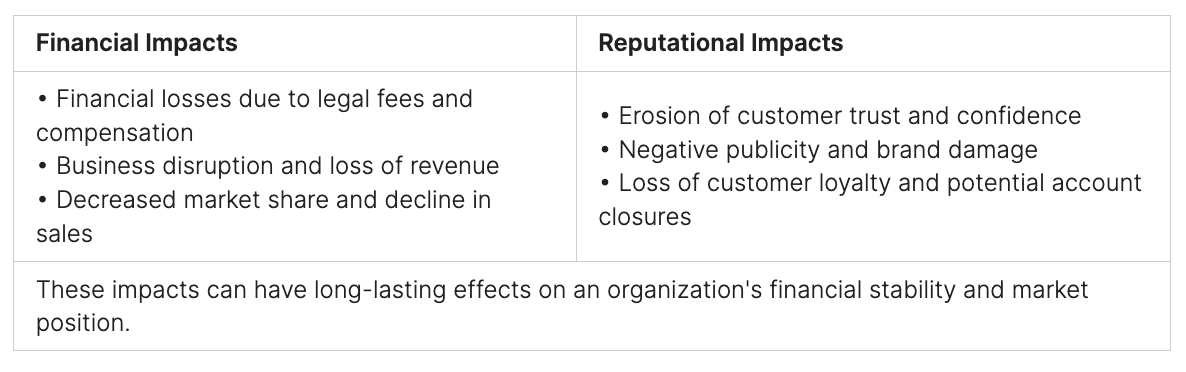
API security failures can lead to significant financial repercussions for organizations. Companies may incur costs associated with recovering from a breach, including forensic investigations, legal fees, customer notification, and potential regulatory fines. These financial impacts can strain resources and disrupt normal business operations, affecting profitability and sustainability.
In addition to financial implications, API security failures can also damage an organization’s reputation. A data breach can tarnish a company’s brand image, erode customer trust, and result in the loss of existing and potential customers. Rebuilding a damaged reputation is a challenging and time-consuming process that can have long-term negative effects on the success of an organization.
Organizations must implement comprehensive API security measures to mitigate these risks and protect their systems, data, and overall business operations. These measures may include secure authentication and authorization processes, encryption of sensitive data, regular security assessments and audits, and the adoption of industry best practices.
With the increasing sophistication of cyber threats, organizations must stay vigilant and adapt their API security strategies accordingly. It is crucial to stay updated with emerging security technologies and trends to address the evolving nature of API vulnerabilities. By prioritizing API security and investing in the necessary resources, organizations can enhance their overall cybersecurity posture, reduce the risk of breaches, and build trust with their stakeholders.
The Increasing Relevance of APIs in Daily Operations
APIs have become essential components of modern digital ecosystems, enabling seamless integration and collaboration between different software systems. As organizations strive for operational efficiency, scalability, and innovation, APIs play a vital role in facilitating these objectives. Across various industries, APIs are increasingly being utilized in daily operations to streamline processes, enhance communication between systems, and drive productivity.
One of the key reasons for the growing relevance of APIs in daily operations is their ability to connect disparate systems and applications. With APIs, organizations can integrate their CRM systems with their marketing automation platforms, allowing for seamless data transfer and real-time synchronization. This integration leads to more efficient customer relationship management, improved lead generation and nurturing, and enhanced overall business performance.
Furthermore, APIs enable organizations to leverage the capabilities of third-party applications and services, amplifying their product offerings. By incorporating APIs from popular platforms such as Google Maps, social media sites, and payment gateways, businesses can enhance their products with location-based services, social media sharing functionalities, and secure payment processing respectively. This integration enhances the user experience and expands the range of services a business can provide its customers.
Operational scalability is another significant advantage offered by APIs. As organizations grow and expand, APIs provide the flexibility to easily integrate new systems and adapt to changing business needs. A scalable API architecture allows for the seamless addition of new functionalities, services, and data sources, enabling organizations to respond to evolving market demands rapidly. This scalability ensures that businesses can sustain growth without compromising the efficiency and effectiveness of their daily operations.
Lastly, APIs foster innovation by enabling organizations to develop new products, services, and business models. With the increasing prevalence of digital transformation, businesses must constantly innovate to stay competitive. APIs provide the necessary building blocks for creating innovative solutions by allowing organizations to combine and reconfigure existing functionalities and data sources in new and unique ways. This fosters creativity, encourages experimentation, and ultimately drives innovation within organizations.
However, with the increasing usage and integration of APIs in daily operations, organizations must prioritize the security of their APIs. As APIs become more interconnected and handle sensitive data, the risk of security breaches and data leaks also increases. Hence, implementing robust API security measures is crucial to protect the integrity and reliability of these daily operations.
In conclusion, APIs have become indispensable in modern daily operations, offering operational efficiency, scalability, and innovation. They enable seamless integration, enhance product offerings, and promote business growth. However, organizations must ensure the security of their APIs to safeguard their systems, data, and overall business operations.
The Financial and Reputational Impacts of API Security Failures
When it comes to API security, the consequences of failures can be significant, both in financial terms, and damage to a company’s reputation. Real-world case studies of API breaches shed light on the potential fallout organizations may face due to inadequate API security measures.
Case Studies of API Breaches and Organizational Consequences
“Company X, a leading e-commerce platform, suffered a major API security breach that resulted in sensitive customer data being exposed. As a result, the company faced not only financial losses due to legal fees, customer compensation, and business disruption but also severe damage to its brand reputation. The breach eroded customer trust, leading to a decline in sales and a loss of market share.”
“In another case, a financial institution experienced an API security failure that led to unauthorized access to customer accounts. This breach not only resulted in financial losses in the form of stolen funds but also caused irreparable damage to the institution’s reputation. Customers lost confidence in the security of the institution’s services, leading to a wave of account closures and a loss of customer loyalty.”
These are just a few examples highlighting API security failures’ potential financial and reputational impacts. The loss of customer trust, negative publicity, legal consequences, and customer churn can have long-lasting effects on an organization’s bottom line and market position.
By examining these real-world case studies, organizations can gain valuable insights into the consequences of inadequate API security practices. This understanding can catalyze organizations to prioritize API security, invest in robust protective measures, and implement comprehensive security strategies.
Security Trends: Adapting to the Dynamics of API Threats
The threat landscape is constantly evolving, and organizations need to adapt to stay ahead of cybercriminals. In the context of API security, understanding the latest security trends and leveraging emerging technologies are crucial to countering API threats effectively.
One of the key security trends is the adoption of zero-trust architecture. Unlike traditional perimeter-based security models, a zero-trust approach assumes that every API request is potentially malicious, requiring continuous authentication and authorization. By implementing zero-trust principles, organizations can better mitigate API threats and reduce the risk of unauthorized access to sensitive data.
Another trend is the use of threat intelligence to enhance API security. Threat intelligence involves collecting, analyzing, and sharing information about potential threats and vulnerabilities. By leveraging threat intelligence feeds and platforms, organizations can stay informed about the latest trends in API attacks and proactively implement countermeasures.
Continuous monitoring is also an essential trend in API security. Organizations should develop robust monitoring systems that provide real-time visibility into API activity and detect any suspicious behavior. By monitoring API traffic and analyzing logs, organizations can identify potential threats and take immediate actions to mitigate them.
“Staying informed about the latest security trends and leveraging cutting-edge technologies is crucial for organizations to proactively address API threats and maintain a strong security posture.”
In conclusion, adapting to the dynamics of API threats requires organizations to stay ahead of the evolving threat landscape. By embracing security trends such as zero-trust architecture, threat intelligence, and continuous monitoring, organizations can effectively mitigate API threats and ensure the integrity and security of their digital assets.
Enhancing Digital Protection through Comprehensive API Security Strategies
To ensure robust digital protection, organizations must develop comprehensive API security strategies. Organizations can effectively mitigate the evolving threats in the digital landscape by implementing proactive security measures and continuously improving their security infrastructure.
Key components of comprehensive API security strategies include:
Risk assessment: Organizations should conduct regular risk assessments to identify potential vulnerabilities in their APIs and prioritize security measures accordingly.
Access control mechanisms: Implementing strong access controls ensures that only authorized parties can interact with the APIs, reducing the risk of unauthorized access and data breaches.
Encryption: Encrypting API data during transmission and storage adds protection, making it more difficult for hackers to intercept and exploit sensitive information.
Security testing: Regular security testing, including penetration testing and vulnerability assessments, helps organizations identify and address potential weaknesses in their API security.
By adopting these comprehensive API security strategies, organizations can enhance their overall digital protection and minimize the risk of security breaches. It is essential for organizations to prioritize API security as part of their broader cybersecurity initiatives to safeguard their systems, protect sensitive data, and maintain the trust of their customers.
Predictions on API Usage: The Surge of AI Integration in 2024
The integration of AI into various applications is on the rise, and APIs play a central role in enabling this integration. This section will discuss predictions on the surge of AI integration in 2024, with a focus on the role of APIs in next-generation AI applications. It will also highlight the risks associated with AI-driven APIs, such as data privacy and ethical concerns, and provide countermeasures to mitigate those risks. By understanding the intersection of APIs and AI, organizations can harness the power of AI while ensuring the security and integrity of their systems and data.
APIs at the Core of Next-Gen AI Applications
The utilization of APIs will significantly influence the development of next-generation AI applications in 2024. With the increased adoption of AI technologies, organizations are increasingly seeking ways to integrate AI capabilities into their existing systems and workflows. APIs serve as the bridge between AI models and applications, allowing for seamless interaction and exchange of information.
APIs enable developers to access and leverage pre-trained AI models, allowing for faster and more efficient development of AI-driven applications. By integrating with AI APIs, developers can tap into advanced capabilities such as natural language processing, image recognition, and predictive analytics without having to develop these models from scratch. This expedites the development process while ensuring high accuracy and performance.
Furthermore, APIs empower organizations to leverage the collective intelligence of AI by accessing and integrating with AI platforms and ecosystems. This collaboration between different AI systems through APIs enables organizations to combine the strengths and capabilities of multiple AI models, creating more robust and comprehensive AI applications.
Risks Associated with AI-driven APIs and Countermeasures
While the integration of AI and APIs offers numerous benefits, it also introduces certain risks that organizations need to address. Some of the key risks associated with AI-driven APIs include:
Data privacy concerns: AI models require large amounts of data for training and continuous improvement. Organizations must ensure that the data accessed and processed through AI-driven APIs are adequately protected and comply with privacy regulations.
Ethical considerations: AI models are capable of making autonomous decisions and predictions that can have profound ethical implications. It is crucial for organizations to develop ethical frameworks and guidelines for the responsible use of AI-driven APIs to prevent biased or discriminatory outcomes.
Security vulnerabilities: The integration of AI-driven APIs introduces potential security vulnerabilities, such as malicious attacks targeting AI models or unauthorized access to sensitive data. Organizations must implement robust security measures to protect both the AI models and the data processed through the APIs.
Transparency and explainability: As AI-driven APIs become more complex, ensuring transparency and explainability becomes critical. Organizations need to understand how AI models make decisions and ensure that they can provide clear explanations when required.
To mitigate the risks associated with AI-driven APIs, organizations should consider implementing the following countermeasures:
Implement strong data protection measures, including encryption, access controls, and anonymization techniques.
Develop and enforce ethical guidelines for AI applications to prevent biased or unfair outcomes.
Regularly assess and update the security measures in place to identify and address vulnerabilities.
Ensure transparency and explainability by implementing techniques such as model interpretability and auditing processes.
By integrating AI-driven APIs while addressing the associated risks, organizations can fully leverage the power of AI to drive innovation and achieve their business objectives in a secure and responsible manner.
Investing in API Security: A Must for Modern Enterprises
Investing in API security is crucial for modern enterprises to safeguard their digital assets and maintain the trust of their customers. In today’s interconnected world, where cyber threats are on the rise, organizations cannot afford to overlook the importance of API security.
There are several key reasons why organizations should prioritize API security and allocate resources to establish robust security measures.
Regulatory Compliance: With the increasing number of data protection and privacy regulations, organizations must ensure that their APIs are secure and comply to avoid hefty fines and legal consequences.
Customer Trust: API security plays a critical role in building and maintaining customer trust. Customers expect their personal and sensitive information to be protected when interacting with an organization’s APIs. By investing in API security, organizations can demonstrate their commitment to safeguarding customer data and protect their brand reputation.
Competitive Advantage: In today’s competitive landscape, organizations that prioritize API security gain a competitive edge. Organizations can position themselves as reliable and trustworthy partners in the digital ecosystem by offering secure APIs that customers and partners trust.
Organizations can proactively protect their systems, data, and reputation by recognizing the importance of investing in API security. Advanced security measures, such as encryption, access controls, and continuous monitoring, can help organizations mitigate the risks associated with API vulnerabilities and ensure the integrity of their digital operations.
Conclusion
In summary, the significance of API security for organizations in 2024 cannot be overstated. With digital threats on the rise and APIs increasingly becoming a core element of business operations, it’s imperative for organizations to adopt thorough security strategies and proactive measures to defend their digital assets.
Staying abreast of the evolving cybersecurity environment allows organizations to anticipate and mitigate potential risks and vulnerabilities associated with APIs. Effectively managing API risks involves a multifaceted approach, incorporating sophisticated security frameworks and integrating AI technology to bolster threat detection and response capabilities.
Investing in API security transcends the mere safeguarding of sensitive information; it is also crucial for maintaining financial stability and upholding reputational integrity. Organizations that prioritize API security will not only gain a competitive advantage but also establish trust with their customers and diminish the impact of any security breaches.
The essential insights from this discussion underscore the need to comprehend the risks associated with API security, embrace cutting-edge technologies, and forge comprehensive security strategies. By applying the knowledge and insights from this article, organizations can adeptly navigate the intricate cybersecurity environment of 2024, ensuring robust protection for their digital infrastructure, data, and overall business health.
For expert guidance and bespoke solutions in API security, we invite you to visit Peris.ai Cybersecurity. Our expertise and resources are tailored to help you secure your APIs against the sophisticated cyber threats of today’s digital landscape. Join us in fortifying your cybersecurity posture and safeguarding your organization’s future.
FAQ
Why is API security important in 2024?
API security is crucial in 2024 due to the rising digital threats and the increased reliance on APIs for digital operations. Organizations need to prioritize API security to safeguard their systems, data, and overall business operations.
What are the key reasons for organizations to invest in API security?
Organizations should invest in API security to comply with cybersecurity norms, maintain customer trust, gain a competitive advantage, and mitigate API security failures’ potential financial and reputational impacts.
What are the emerging API vulnerabilities that organizations need to be aware of?
Organizations need to be aware of emerging API vulnerabilities, such as insecure authentication, insufficient access controls, and inadequate data validation. These vulnerabilities can expose systems to unauthorized access and data breaches.
How can organizations prevent API vulnerabilities?
Organizations can prevent API vulnerabilities by implementing best practices such as strong authentication mechanisms, robust access controls, thorough data validation, and regular security testing. Proactive measures can significantly reduce the risk of API vulnerabilities.
What is the role of AI in enhancing API security?
AI plays a crucial role in enhancing API security by enabling advanced threat detection and response capabilities. Machine learning and automation can identify and mitigate potential API attacks in real-time, strengthening overall security defenses.
How can organizations employ advanced security frameworks for APIs?
Organizations can employ advanced security frameworks specifically tailored for APIs. These frameworks focus on API-specific security controls, including encryption, secure communication protocols, and effective access control mechanisms.
What are the legal implications of API security breaches?
API security breaches can have legal implications, including potential fines, lawsuits, and reputational damage. Organizations need to ensure compliance with regulations and implement robust security measures to mitigate the risk of legal consequences.
How can organizations develop a culture of cyber defense within their organizations?
Organizations can develop a culture of cyber defense by actively involving employees in maintaining a secure environment. This includes regular cybersecurity training, promoting awareness of security practices, and encouraging a sense of responsibility towards cyber defense.
What are the financial and reputational impacts of API security failures?
API security failures can result in significant financial losses, data breaches, brand damage, and erosion of customer trust. These impacts can have long-term consequences on an organization’s financial stability and reputation.
What security trends should organizations be aware of to counter the dynamics of API threats?
Organizations should stay informed about security trends such as zero-trust architecture, threat intelligence, and continuous monitoring. These trends can help them effectively counter the evolving dynamics of API threats.
How can organizations enhance their digital protection through comprehensive API security strategies?
Organizations can enhance their digital protection by developing comprehensive API security strategies that include risk assessment, access control mechanisms, encryption, and regular security testing. Proactive measures and continuous improvement are essential to mitigate evolving threats.
What are the predictions for API usage and AI integration in 2024?
It is predicted that AI integration will surge in 2024, with APIs playing a central role in next-generation AI applications. However, organizations need to be aware of the risks associated with AI-driven APIs, such as data privacy and ethical concerns, and implement suitable countermeasures.
Why is investing in API security a must for modern enterprises?
Investing in API security is essential for modern enterprises to safeguard their digital assets, maintain customer trust, and mitigate the potential consequences of security breaches. It ensures the integrity and reliability of systems and data in an interconnected world.
In today’s world, the risk of cyber attacks is high. Organizations must deal with many threats, like advanced malware and persistent attacks. To protect your systems, a good vulnerability management plan is crucial. This plan must focus on risks, fixing the most important vulnerabilities first.
It can be hard to handle all the security updates and patches. You might be wondering how to use your resources wisely to tackle major risks. This guide will show you how to use a risk-focused strategy. It will help you guard against new threats effectively.
Key Takeaways
Understand the key stages of a vulnerability management program, including identification, prioritization, remediation, and reporting.
Learn how to define your environment and risks, creating and maintaining a comprehensive asset inventory.
Discover the importance of continuous network scanning and vulnerability assessments to stay ahead of threats.
Explore strategies for prioritizing vulnerabilities based on risk, including exploitability and system criticality.
Gain insights into effective remediation approaches, from patching and upgrading to implementing compensating controls.
Understanding Vulnerability Management
Vulnerability management is about finding, checking, and fixing holes in a system’s security. It looks at threats like service denial, data exposure, and financial losses. And checks how these can affect the business and its compliance.
What is Vulnerability Management?
This is a way to search for and fix security issues in a company’s systems and apps. It’s key for catching problems before hackers can use them. This approach is a must-have for a strong cyber threat detection and risk assessment plan.
Why Do You Need a Vulnerability Management Program?
Having a solid vulnerability management setup is crucial for many reasons. It keeps security strong, follows the rules, and fights off new threats. It also lessens the risks of data theft, system attacks, and harm to the business’s name and money.
The 4 Stages of a Vulnerability Management Program
Good vulnerability management has four main steps:
Identification: Keep checking the network to find and list all weaknesses.
Assessment: Look at the found issues to see how they could harm the company. This includes things like patch management and risk assessment.
Prioritization: Sort out weaknesses by how harmful they could be and how easy to use for hackers. This helps focus on fixing the worst ones first.
Remediation: Fix the main vulnerabilities by applying patches or other controls. This cuts down on cyber risk.
By sticking to these steps, businesses can stay ahead of cyber threats by managing their vulnerabilities well.
Defining Your Environment and Risks
Starting vulnerability management means knowing your tech world well. It includes checking your network, apps, and work settings for weak spots. When you know where these weak points are, you can act to protect your stuff better.
Evaluating Vulnerabilities in Your Infrastructure
Evaluating your network’s safety is vital. Look for any flaws in firewalls, servers, and more. This helps pinpoint what areas need the most attention to stay secure.
Assessing Vulnerabilities in Applications
It’s also critical to check how safe your apps are. This means seeing if things like who can access what are in good shape. Finding and fixing these spots stops big problems before they happen.
Understanding Your Production Environment
Knowing all about where you make things work is essential. This part is about seeing how everything in your tech world is linked. It helps in finding what must be protected the most to avoid major issues.
Creating and Maintaining an Asset Inventory
Keeping an updated asset inventory is key to a strong vulnerability management program. This list should include all hardware, software, and network assets. It’s helpful to note software versions and patch levels. , Asset management tools can make this job easier, helping to keep information current for vulnerability scanning tools.
A good asset inventory does a lot. It helps security teams spot where attacks might come from. With this info, they can focus on fixing the most important problems first. Plus, knowing about different software helps teams patch things up before they get hacked.
Dealing with these tasks, organizations should turn to asset management solutions. These can automatically find, sort, and keep track of assets. They connect with vulnerability tools too, keeping the data fresh and reflecting real risks.
Using asset inventory well helps improve overall vulnerability management. It lowers the chance of cyber attacks and makes companies more secure.
Continuous Network Scanning
Nowadays, vulnerability scanning happens all the time, not just occasionally. This change meets the need for organizations to always be ready against new threats. Having a system that scans vulnerabilities both inside and outside is a key part of good security. It helps keep systems safe around the clock by finding and fixing weak spots before attackers can use them.
External Vulnerability Scans
When we talk about external scans, we mean checking how a hacker might attack from the outside. These scans look for open doors in security, like weak points in websites or servers. By doing external scans often, companies can close these doors before any harm is done.
Internal Vulnerability Scans
Internal scans, on the other hand, look within a company’s own network and devices. They help find hidden vulnerabilities, like old software or mistakes in setup. This ongoing check lets companies fix problems fast. It stops attacks and protects important information and services.
Doing both external and internal scans, along with keeping software updated, is crucial. It makes sure businesses are always ready to face new security challenges.
Vulnerability Assessments vs Vulnerability Management
A vulnerability assessment is like taking a picture of a company’s security at one moment. But, vulnerability management is a constant process. It includes scanning, looking for problems, deciding what’s most important to fix first, and then fixing them. This helps companies keep up with the ever-changing threats online.
Vulnerability Assessments: A Snapshot in Time
In a vulnerability assessment, experts check an organization’s IT setup. They are looking for spots that cyber attackers might target. They use network scans, test programs, and check system setups for weak points. This work shows the company’s security status at that time, but it doesn’t give a full picture of possible threats.
Vulnerability Management: An Ongoing Process
Vulnerability management means always watching for and fixing IT weaknesses. This includes frequently scanning the network, deciding which threats are most urgent, and applying fixes. By keeping up with these measures, a company can reduce risks and keep their systems secure.
Prioritizing Vulnerabilities Based on Risk
Deciding which vulnerabilities to deal with first is a key part of managing risks. It’s not just about the vulnerability’s CVSS score. It’s also about how likely it is to be used by hackers in the real world.
Assessing Vulnerability Exploitability
We must figure out how likely a bug is to be used by bad actors. We look at whether there are any known ways to ‘exploit’ the bug out in the open. We also consider how skilled a hacker needs to be and what damage they could do.
By looking deeply into what makes a bug risky, security teams can tackle the most important threats first. This ensures they use their time and effort where it matters most.
Considering System Value and Vulnerability Criticality
It’s also vital to think about what a bug could harm and how crucial that thing is. For example, a bug that threatens a key system is more important to fix fast. This is compared to one that targets something less important.
Organizations should weigh both a bug’s danger and the worth of what it targets. This balanced view helps in creating a strong strategy to fight off cyber dangers. It protects their top assets effectively.
Remediation Strategies
After finding and ranking vulnerabilities, the next step is to fix them. This fix might mean updating software, changing how systems work, or adding extra security measures.
Patching and Upgrading Software
Updating software is a key way to fix problems and strengthen security. Known as patch management, this strategy includes adding new updates and security fixes. This helps to make sure your systems are current and less likely to be targeted by hackers.
Adjusting System Configurations
Besides updating, setting up your systems differently can help. This might involve turning off services you don’t need, controlling who can access what, and using firewalls better. Making these setup changes can be a quick way to fill security holes, especially when updates are still on the way.
Implementing Compensating Controls
At times, fixing problems directly isn’t possible right away. Then, security compliance steps are crucial. This could mean putting in more firewalls, systems to detect intruders or extra security tools. They won’t solve the problem forever, but they add an important shield until the core issues can be solved.
Vulnerability Management and Compliance
Vulnerability management is very important for a company’s online safety. It also helps with meeting rules in different industries. These rules, like PCI DSS, ISO 27001, and SOC 2, say companies must have strong strategies to keep data and systems safe.
Industry-Specific Regulations
Each type of business has its own set of rules to follow. Good vulnerability management is critical for this. For instance, PCI DSS asks for regular checks on weaknesses and fixing them to keep credit card info safe. ISO 27001 wants companies to set up and keep up detailed vulnerability management plans.
Reporting for Audits and Compliance
Keeping good records is vital for proving your company’s vulnerability management is on point. This helps during checks and audits. The records should show what checks were done, how problems were fixed, and if the plan works well. This kind of reporting shows your company is serious about protecting important info and assets.
Vulnerability Management Best Practices
To succeed in vulnerability management, you need to follow top practices. These include automating important steps and connecting with other security tools. Plus, you must keep an eye on things all the time and be ready to change.
Automating Vulnerability Management Processes
Using automation for every part of handling vulnerabilities makes your safety steps better and quicker. It means you use tools that do tasks like checking for problems, deciding which ones to fix first, and then applying those fixes. This lets your team work on bigger plans.
Integrating with Other Security Tools
For a full view of security, it’s key to connect your vulnerability management with other safety tools. This includes bringing together your systems to watch out for issues, handling incidents, and meeting rules. By doing this, you see your security status better and can fix problems faster and smarter.
Continuously Monitoring and Adapting
Managing vulnerabilities is all about always watching and being ready to change. You need to be on the lookout for new threats and updates on problems. Regular checks and adding new ways from experts help keep your safety plan strong against new dangers.
Vulnerability Management Tools and Resources
Organizations are working hard to set up good vulnerability management programs. Many special tools and resources help with this important work in cybersecurity. Notable vulnerability management tools include Qualys, Tenable, Rapid7, and ServiceNow. They provide everything needed for finding assets, doing vulnerability scanning, assessing risks, and keeping track of fixes.
These tools let companies see their weak points. This way, security teams can find and fix problems in their network and apps fast. Using the power of these vulnerability management tools, companies can improve their cybersecurity and make their defenses stronger.
Besides the top vulnerability management tools, organizations can use many cybersecurity resources. These include trade publications, online groups, and professional organizations. They help companies stay up to date with the best advice, trends, and new threats. By using the best tools and resources, companies can build a strong vulnerability management plan. This plan helps prevent risks and keep vital assets secure.
Conclusion
In today’s dynamic digital landscape, a robust vulnerability management plan is essential for organizations striving to maintain strong security defenses and combat cyber threats effectively. Understanding and implementing comprehensive vulnerability management helps organizations identify their risks, conduct regular network assessments, and address critical issues before they can be exploited.
Staying informed and adopting the latest technologies empowers companies to safeguard their data against emerging cyber threats. Additionally, a solid vulnerability management strategy ensures compliance with industry security standards, further strengthening overall security measures.
As the online environment continues to evolve, the importance of vulnerability management cannot be overstated. By leveraging the right tools and methodologies, organizations can significantly reduce risks and protect their most valuable assets, thereby maintaining the trust and confidence of their stakeholders.
Explore our range of advanced cybersecurity products and services at Peris.ai to learn how we can help your organization enhance its security posture and stay ahead of cyber threats. Secure your future with Peris.ai and ensure your business thrives in the ever-changing digital world.
FAQ
What is vulnerability management?
Vulnerability management deals with finding and fixing security holes. It focuses on an organization’s weak points that attackers might target.
Why do you need a vulnerability management program?
It’s vital for keeping the organization safe from cyber threats. Effective management spots risk early and take action to prevent possible harm.
What are the key stages of a vulnerability management program?
The main steps include finding vulnerabilities, deciding which ones are most urgent, fixing them, and then telling others what you did.
How do you define your environment and risks in vulnerability management?
Start by truly understanding your tech world. Look closely at your network, apps, and how data moves. This insight helps find and fix the most critical risks.
Why is maintaining an asset inventory important for vulnerability management?
Keeping track of every IT asset is key. This list should have everything from hardware to software details. It helps in knowing what needs protection the most.
What is the difference between vulnerability assessments and vulnerability management?
An assessment checks security at a single point. But, management keeps looking and fixing, making security stronger over time.
How do you prioritize vulnerabilities based on risk?
Recognize which ones are urgent by their possible danger and how easy it is to attack. The Common Vulnerability Scoring System score helps with this.
What are some common remediation strategies for vulnerabilities?
Usually, you update software, tweak settings, or add security measures. But sometimes, quick fixes aren’t an option, so you might need temporary solutions.
How does vulnerability management relate to compliance?
It’s essential for good security and keeping up with rules. Many regulations demand strong management of vulnerabilities to stay compliant.
What are the best practices for implementing a successful vulnerability management program?
Key steps include using automated tools, connecting with other security solutions, and always checking and improving your defenses.
What are some popular vulnerability management tools and resources?
Some top tools are Qualys, Tenable, and Rapid7. They help with everything from finding assets to fixing issues and tracking progress.
Keeping organizations secure in an increasingly digital world is a complex challenge, and cybersecurity incidents can have devastating consequences. In these times of crisis, communicators play a crucial role in helping organizations navigate through the storm. By mastering the art of crisis communication and developing effective strategies, communicators can help organizations weather the storm and emerge stronger.
Strategies and principles for communicators to successfully navigate cybersecurity crises.
This article will explore the key principles and strategies communicators can employ to navigate cybersecurity crises successfully. From crisis management and communication planning to reputation management, we will delve into the essential elements that can make a significant difference in effectively managing and mitigating the impact of cyber attacks and data breaches.
Key Takeaways:
Communicators play a vital role in navigating organizations through cybersecurity crises.
Effective crisis management and communication planning are essential in mitigating the impact of cyber attacks and data breaches.
Reputation management is crucial before, during, and after a cybersecurity incident.
Collaboration with IT and security teams is essential for a comprehensive and coordinated response.
Continuous monitoring and intelligence gathering help in proactively identifying and mitigating cybersecurity risks.
The Importance of Cybersecurity in Today’s Digital Landscape
In today’s digital landscape, organizations face an ever-growing threat of cyber threats and attacks. The rise in data breaches and cyber attacks highlights the critical importance of cybersecurity in protecting sensitive information and maintaining stakeholders’ trust. As key players in crisis management and communication, Communicators play a vital role in navigating these cybersecurity crises.
Cyber threats come in various forms, from sophisticated hacking attempts to malware and phishing attacks. Organizations need robust strategies to handle data breaches and effectively respond to and mitigate the impact of cyber attacks. Communicators must be prepared to navigate the complexities of managing public relations during a cyber crisis, ensuring transparency and maintaining the trust and confidence of stakeholders.
As organizations increasingly rely on digital platforms and technologies, the potential consequences of a cybersecurity breach can be severe. The loss of customer data, financial implications, and reputational damage can be devastating. Therefore, communicators must be well-versed in navigating PR in a cyber crisis and be equipped with the necessary knowledge and skills to communicate effectively with various stakeholders during such incidents.
Key Points
Cyber threats: Organizations face diverse cyber threats, necessitating robust cybersecurity measures.
Handling data breaches: Communicators must have strategies in place to handle data breaches effectively.
Navigating PR in a cyber crisis: Communicators play a crucial role in managing public relations during a cyber crisis, ensuring transparency, and maintaining stakeholder trust.
By recognizing the importance of cybersecurity and building the necessary expertise in handling cyber threats and data breaches, communicators can effectively support organizations in navigating through crises and safeguarding their reputations. With proper crisis management plans, crisis communication strategies, and a focus on stakeholder engagement, communicators can contribute to minimizing the impact of cybersecurity incidents and maintaining trust in an increasingly vulnerable digital landscape.
Developing a Comprehensive Crisis Management Plan
When it comes to cybersecurity crises, having a comprehensive crisis management plan is essential. This plan should include clear protocols and procedures for responding to cyber attacks and data breaches, allowing organizations to navigate these crises effectively. Communicators play a crucial role in developing and implementing such plans, collaborating closely with IT and security teams to address the crisis’s technical and communication aspects.
One key aspect of a comprehensive crisis management plan is cybersecurity incident response. This involves outlining the steps to be taken during a cyber attack or data breach, including how to contain the incident, investigate the cause, and restore systems or data. By having well-defined incident response procedures in place, organizations can minimize the impact of the crisis and ensure a swift recovery.
Table: Key Components of a Comprehensive Crisis Management Plan
In addition to incident response procedures, a comprehensive crisis management plan should include clear communication protocols. This involves defining the channels and methods of communication to be used during a crisis, as well as the key messaging and spokespersons. Communicators should work closely with internal stakeholders, such as executives and legal teams, to ensure consistent and timely communication that maintains stakeholder trust.
Organizations can effectively navigate cybersecurity crises by developing a comprehensive crisis management plan, minimizing damage, and maintaining stakeholder trust. This plan should be regularly reviewed and updated to adapt to evolving cyber threats and industry best practices. Incorporating the insights gained from past incidents can strengthen their crisis management strategies and enhance cybersecurity readiness.
Crisis Communication Planning: Navigating Public Relations During Cyber Attacks
In today’s digital landscape, organizations face the constant threat of cyber attacks, making crisis communication planning a crucial aspect of cybersecurity preparedness. Effective communication becomes paramount in managing public relations and maintaining stakeholder trust when a cyber attack occurs. A well-developed crisis communication plan ensures that organizations can respond quickly and efficiently, mitigating the damage caused by cyber attacks and protecting their reputation.
In a crisis communication plan, key messaging is critical in conveying accurate and transparent information to stakeholders. The plan should outline the specific messages to be delivered during a cyber attack and identify designated spokespersons responsible for disseminating information. Organizations can effectively manage public perception and minimize potential reputational damage by providing timely updates and addressing stakeholder concerns. Additionally, the plan should detail the various communication channels, such as press releases, social media, and website updates, ensuring consistent and coordinated messaging across all platforms.
Amid a cyber attack, protecting sensitive information is of utmost importance. While transparency is crucial, organizations must balance providing necessary information and safeguarding sensitive data. The crisis communication plan should include protocols for handling data breaches, outlining measures to prevent further compromise of information. Organizations can instill confidence in stakeholders and preserve their reputation by prioritizing data protection and demonstrating a commitment to security.
Benefits of Crisis Communication Planning
Ensures timely and accurate information dissemination
Provides a consistent and coordinated approach to communication
Minimizes reputational damage through transparency and stakeholder engagement
Protects sensitive information while maintaining a strong stance on cybersecurity
By prioritizing crisis communication planning, organizations can effectively navigate public relations challenges during cyber attacks and safeguard their reputation. By establishing clear protocols, defining key messaging, and protecting sensitive information, communicators can play a vital role in managing the fallout of a cyber attack and instilling confidence in stakeholders.
Building and Maintaining Reputation in Cybersecurity
Reputation management plays a critical role in navigating through cybersecurity crises. In the face of cyber attacks and data breaches, organizations must proactively manage and protect their reputation to maintain stakeholder trust. Communicators are at the forefront of these efforts, implementing crisis communication strategies that prioritize transparency, address stakeholder concerns, and demonstrate the organization’s commitment to resolving the crisis and preventing future incidents.
One of the key challenges in reputation management during a cyber crisis is effectively navigating public relations. Communicators must strike a delicate balance between providing timely and transparent updates to stakeholders and ensuring that sensitive information is protected and not further compromised. By maintaining open lines of communication and consistently sharing accurate information, organizations can build trust with stakeholders and minimize reputational damage.
Furthermore, reputation management in cybersecurity requires a proactive approach. Communicators should develop a comprehensive crisis communication plan that outlines key messaging, spokespersons, and communication channels for a crisis. This plan should be regularly tested and updated to ensure its effectiveness and relevance. Additionally, organizations should invest in ongoing monitoring and intelligence gathering to stay informed about the latest cyber threats and vulnerabilities. Organizations can proactively mitigate damage and protect their reputation by staying ahead of potential risks.
In conclusion, building and maintaining a reputation in cybersecurity requires a proactive and strategic approach from communicators. By implementing effective reputation management strategies, navigating public relations during a cyber crisis, and staying ahead of potential risks, organizations can protect their reputation and mitigate the damage caused by cyber attacks and data breaches.
Engaging Stakeholders and Managing Expectations
Effective communication with stakeholders is essential in cybersecurity crises. As communicators, engaging with internal and external stakeholders, including employees, customers, partners, and regulators is crucial. By providing regular updates, addressing concerns, and managing expectations, communicators can maintain trust and confidence in the organization’s ability to navigate the crisis.
Internally, communicators should ensure that employees are informed about the cyber crisis and its potential impact on the organization. Clear and transparent communication can help alleviate anxiety and foster a sense of unity and collaboration in addressing the situation. Providing employees with the necessary information and resources to support them during this challenging time is important.
Externally, communicators must contact customers, partners, and regulators to address any concerns and provide reassurance. Efforts should be made to explain the steps to mitigate the crisis and prevent future incidents. By demonstrating transparency and a commitment to resolving the situation, communicators can help maintain positive relationships with key stakeholders.
Key Strategies for Stakeholder Engagement:
Regular communication updates that provide accurate and timely information.
Addressing concerns and questions promptly to maintain stakeholder trust.
Proactively reaching out to stakeholders with relevant updates and reassurances.
Ensuring clear and consistent messaging across all communication channels.
Providing resources and support to internal stakeholders during the crisis.
“Effective stakeholder engagement is crucial in cybersecurity crises. By maintaining open lines of communication and addressing concerns, organizations can foster trust and collaboration, ultimately overcoming the challenges presented by cyber threats and crises.”
In conclusion, managing stakeholder expectations and engaging with key stakeholders is vital in navigating cybersecurity crises. By developing a comprehensive stakeholder communication strategy and implementing key strategies for engagement, communicators can contribute to the organization’s ability to manage the crisis and protect its reputation effectively.
Coordinating with IT and Security Teams
Effective communication and collaboration with IT and security teams are crucial during a cybersecurity crisis. By working closely with these teams, communicators can ensure a coordinated and comprehensive response that addresses the crisis’s technical aspects and the communication strategies required to mitigate its impact.
“Collaboration with IT and security teams is essential for understanding the technical aspects of the crisis, developing incident response procedures, and ensuring that communication is aligned with the actions being taken to address the cyber attack or data breach,” “By actively engaging with these teams, communicators can gain valuable insights into the nature of the incident, its potential implications, and the progress being made in resolving it.”
“During a cyber crisis, the IT and security teams work tirelessly to investigate the breach, contain the damage, and restore systems,” “Collaboration with communicators helps us ensure that the right information is shared with stakeholders in a timely and accurate manner, which is crucial for maintaining trust and minimizing reputational damage.”
Effective communication in a cyber crisis involves regular briefings and updates between communicators, IT, and security teams. It is essential to establish clear lines of communication, designate key points of contact, and ensure that roles and responsibilities are clearly defined. This collaborative approach allows for the timely dissemination of accurate information, helps manage stakeholder expectations, and ensures a unified effort to resolve the crisis.
The crucial role of effective communication in cybersecurity crises.
Table: Key Elements of Collaborating with IT and Security Teams
Training and Preparedness for Cybersecurity Crises
In today’s digital landscape, where cyber threats are becoming increasingly sophisticated and widespread, organizations must prioritize training and preparedness to navigate cybersecurity crises effectively. Communicators play a vital role in this process by ensuring they have the knowledge, skills, and resources to respond quickly and effectively to cyber attacks and data breaches.
Training for cyber crises should be an ongoing effort, involving regular exercises and simulations to test response capabilities and identify areas for improvement. These exercises should encompass a range of scenarios, allowing communicators to practice crisis communication, incident response procedures, and coordination with IT and security teams. By regularly engaging in these training exercises, communicators can enhance their readiness and ability to mitigate the impact of cybersecurity incidents.
Preparedness for cybersecurity incidents goes hand in hand with training. It involves staying current with the latest cybersecurity best practices, monitoring emerging threats, and gathering intelligence to anticipate potential risks. Communicators should also ensure they have comprehensive crisis management plans and crisis communication strategies, outlining clear protocols, messaging, and communication channels to use during a cyber crisis.
Training and Preparedness Tips for Communicators:
Conduct regular training exercises and simulations to practice crisis response and improve capabilities.
Stay current with cybersecurity trends, best practices, and emerging threats.
Develop comprehensive crisis management plans and crisis communication strategies.
Collaborate with IT and security teams to align communication efforts with technical actions.
Monitor cyber threats and gather intelligence to anticipate potential risks.
By investing in training and preparedness, communicators can effectively navigate cybersecurity crises and help organizations protect their reputations, maintain stakeholder trust, and minimize the damage caused by cyber attacks and data breaches.
Monitoring Cyber Threats and Gathering Intelligence in Cybersecurity
In the ever-evolving landscape of cybersecurity, it is crucial for organizations to consistently monitor cyber threats and gather intelligence to stay one step ahead of potential risks. By proactively identifying and analyzing cyber threats, communicators can play a vital role in mitigating cybersecurity incidents and safeguarding the reputation and security of their organizations.
Continuous Monitoring:
Continuous monitoring of cyber threats allows for early detection of potential vulnerabilities and malicious activities. By leveraging advanced tools and technologies, organizations can gather real-time data on emerging threats like malware, phishing attacks, or data breaches. Communicators can work closely with IT and security teams to establish robust monitoring systems that provide valuable insights into potential risks and enable prompt responses to mitigate the impact of cybersecurity incidents.
Gathering Intelligence:
Gathering intelligence in cybersecurity involves collecting and analyzing relevant information to understand threat actors’ motives, techniques, and tactics. This includes monitoring online forums, dark web marketplaces, and other sources to identify potential threats and vulnerabilities specific to the organization’s industry or sector. Communicators can collaborate with intelligence experts and security professionals to gain valuable insights that inform strategic decision-making and enhance the organization’s overall cybersecurity posture.
“Effective monitoring and intelligence gathering are integral components of a robust cybersecurity strategy. By staying informed about emerging threats and understanding the evolving tactics of cybercriminals, organizations can proactively protect their systems, data, and reputation.”
Evaluating and Responding:
Monitoring cyber threats and gathering intelligence is only valuable if organizations take appropriate action based on the insights gained. Communicators can work closely with IT and security teams to evaluate the severity and potential impact of identified threats, enabling them to prioritize response efforts accordingly. This may involve implementing security patches, strengthening defenses, or developing targeted communication strategies to address potential reputational risks arising from the specific threat.
In conclusion, monitoring cyber threats and gathering intelligence is critical in maintaining effective cybersecurity. Organizations can better protect themselves from cyber attacks and safeguard their most valuable assets by continuously monitoring for potential risks, collecting relevant intelligence, and evaluating and responding to emerging threats. With their expertise in crisis management and communication strategies, communicators are well-positioned to collaborate with IT and security teams in these efforts, ensuring a comprehensive and proactive approach to cybersecurity.
Learning from Past Cybersecurity Crises
Communicators must examine past incidents and conduct post-crisis analysis to navigate these crises effectively. By closely analyzing these events, organizations can gain valuable insights and identify lessons learned to enhance their crisis management and communication strategies.
Post-crisis analysis offers an opportunity to evaluate the effectiveness of incident response procedures, crisis communication plans, and reputation management efforts. This analysis comprehensively explains the organization’s strengths and weaknesses in dealing with cybersecurity incidents. It allows communicators to identify areas for improvement and implement necessary changes to enhance future cybersecurity readiness.
Organizations can proactively address vulnerabilities and strengthen their defense against future attacks by learning from past cybersecurity crises. This includes refining incident response protocols, strengthening communication channels, and continuously updating security measures to adapt to evolving threats. Additionally, post-crisis analysis helps organizations demonstrate a commitment to improving cybersecurity practices, instilling confidence in stakeholders, and enhancing the organization’s reputation.
Strengthening cybersecurity defenses through proactive measures and continuous improvement.
Key Takeaways:
Post-crisis analysis allows organizations to learn from past cybersecurity incidents and improve crisis management and communication strategies.
Examining the effectiveness of incident response procedures, crisis communication plans, and reputation management efforts helps identify areas for improvement.
Learning from past crises strengthens an organization’s defense against future cyber attacks and enhances its cybersecurity readiness.
Post-crisis analysis demonstrates a commitment to cybersecurity improvement, instilling stakeholder confidence, and enhancing the organization’s reputation.
Collaboration and Partnerships in Cybersecurity
Collaboration and partnerships are critical in navigating crises in today’s complex and rapidly evolving cybersecurity landscape. By joining forces with industry peers, government agencies, law enforcement, and other stakeholders, organizations can leverage collective expertise and resources to strengthen their cybersecurity defenses and response capabilities. Collaborative efforts foster information
Sharing, best practices exchange, and mutual learning enable organizations to stay one step ahead of cyber threats.
Partnerships in crisis management are especially valuable when it comes to cyber incidents. Organizations can access specialized knowledge and guidance during crises by establishing relationships with external experts, such as incident response firms and forensic investigators. These partnerships provide a valuable extension to internal capabilities, ensuring a more comprehensive and effective response to cyber threats. Collaboration with communication and public relations professionals can also help navigate the complexities of crisis communication and reputation management.
One of the key benefits of collaboration and partnerships in cybersecurity is the ability to share threat intelligence. Organizations can collectively enhance their understanding of the threat landscape by pooling information on emerging threats, attack patterns, and vulnerabilities. This shared intelligence enables proactive threat detection and response, allowing organizations to mitigate cyber risks and prevent potential breaches preemptively. Moreover, collaborative efforts contribute to developing industry-wide standards, frameworks, and guidelines that promote consistent and effective cybersecurity practices.
In the face of sophisticated cyber threats, no organization can afford to work in isolation. Collaboration and partnerships foster resilience, enabling organizations to respond swiftly to cyber incidents, minimize damages, and protect critical assets. By building strong relationships and leveraging collective expertise, organizations can form a united front against cyber threats, ensuring a safer digital ecosystem for all.
Table: Benefits of Collaboration and Partnerships in Cybersecurity
Through collaboration and partnerships, organizations can harness the collective power of the cybersecurity community to protect their assets better, respond to incidents, and mitigate risks. By embracing a collaborative mindset and seeking meaningful partnerships, organizations can proactively defend against cyber threats and safeguard their digital infrastructure.
Conclusion
In conclusion, effective cybersecurity crisis management must be considered in today’s digitally driven environment. Communicators stand at the forefront of safeguarding organizational safety and reputation during such crises. Developing comprehensive crisis management plans encompassing incident response procedures and crisis communication strategies is paramount to proactively minimizing the repercussions of cyber attacks and data breaches.
Communicators must emphasize reputation management by upholding transparency and addressing stakeholder concerns. Building trust and confidence amidst a cyber crisis requires active stakeholder engagement and effective collaboration with IT and security teams. Seamless communication and coordination are pivotal in mounting a thorough and cohesive response.
Training and preparedness emerge as critical elements for successfully navigating cybersecurity crises. Communicators must possess the knowledge and skills to respond swiftly, staying abreast of the latest cybersecurity best practices. Continuous monitoring of cyber threats and gathering intelligence enables communicators to promptly anticipate and counter potential risks.
In summary, implementing these strategies and a commitment to ongoing learning from past incidents empowers communicators to enhance their readiness and response to cybersecurity challenges. Through proactive and strategic communication, they become instrumental in helping organizations effectively manage and mitigate the impact of cyber attacks and data breaches, safeguarding the organization’s reputation and ensuring its enduring success.
For a comprehensive solution tailored to your organization’s cybersecurity needs, we invite you to explore our website at Peris.ai Cybersecurity. Stay informed, stay secure.
FAQ
What is the role of communicators in cybersecurity crises?
Communicators are vital in navigating cybersecurity crises by developing and implementing comprehensive crisis management plans and communication strategies.
Why is cybersecurity a top priority for organizations?
The digital landscape is becoming increasingly vulnerable to cyber threats, making cybersecurity a critical concern for organizations.
What should be included in a comprehensive crisis management plan for cybersecurity crises?
A comprehensive crisis management plan should include clear protocols and procedures for responding to cyber attacks and data breaches.
How can communicators effectively manage communication during a cybersecurity crisis?
Communicators can effectively manage communication during a cybersecurity crisis by developing a communication plan outlining key messaging, spokespersons, and communication channels.
Why is reputation management important in cybersecurity crises?
Reputation management is crucial in cybersecurity crises to maintain the trust and confidence of stakeholders and demonstrate the organization’s commitment to resolving the crisis.
How can communicators engage with stakeholders during a cybersecurity crisis?
Communicators can engage with stakeholders by providing timely updates, addressing concerns, and managing expectations.
How should communicators collaborate with IT and security teams during a cybersecurity crisis?
Communicators should work closely with IT and security teams to understand the technical aspects of the crisis and align communication with the actions being taken to address the cyber attack or data breach.
What is the importance of training and preparedness in cybersecurity crises?
Training and preparedness are key factors in effectively navigating cybersecurity crises, as communicators must have the knowledge, skills, and resources to respond quickly and effectively.
Why is continuous monitoring of cyber threats important in cybersecurity?
Continuous monitoring of cyber threats allows communicators to identify and mitigate cybersecurity risks proactively, minimizing potential damage and maintaining organizational reputation.
How can organizations learn from past cybersecurity crises?
Organizations can learn from past cybersecurity crises by conducting post-crisis analyses to identify strengths, weaknesses, and areas for improvement in their crisis management and communication strategies.
Why are collaboration and partnerships important in cybersecurity?
Collaboration and partnerships in cybersecurity allow for sharing information, best practices, and learning from each other’s experiences to improve the overall response to cyber-attacks and data breaches.
In the rapidly evolving digital landscape, choosing between on-premises and cloud-based cybersecurity is crucial for safeguarding data, infrastructure, and operations. This article breaks down the key differences to help you determine the best fit for your business needs.
On-premises security needs physical servers or digital video recorders in a building. It also uses a lot of energy for power and cooling. Cloud security, on the other hand, doesn’t need on-premises hardware. It’s managed in secure data centers and offers unlimited storage based on your subscription. This change affects your business in many ways, from upkeep and management to disaster recovery and costs.
Key Takeaways
On-premises security solutions require physical infrastructure and energy consumption, while cloud-based systems are managed in secure data centers.
Cloud security offers infinite storage capacity, while on-premises solutions have finite storage that can quickly reach limits.
Reliability and uptime for on-premises solutions depend on internal components, while cloud-based security relies on external factors like the internet and host system.
Cost and pricing models differ between on-premises and cloud-based security, with the latter offering more flexible and scalable options.
Data control, privacy, and compliance are critical factors to consider when choosing between on-premises and cloud-based security solutions.
Key Differences Between On-Premises and Cloud Security
Organizations face a choice between on-premises and cloud-based cybersecurity solutions. Each has its own benefits and drawbacks. It’s important to weigh these carefully to choose the best fit for your business.
On-Premises Security Infrastructure
An on-premises solution needs physical servers, software, and a network. It uses energy and must be sized for your security needs.
Cloud Security Infrastructure
A cloud system doesn’t need physical space. It’s managed by a third-party in the cloud. It sends data over the internet, storing it in the cloud.
Many think cloud security is less safe than on-premises. But, big cloud providers spend a lot on security and have many experts. They offer features like firewalls and encryption, making cloud data as secure as on-premises.
On-premises solutions give more control and customization. They’re good for companies with special compliance needs. It’s key to check a solution’s security, certifications, and cost savings.
When looking at cloud solutions, check the provider’s data centers and disaster plans. For on-premises, focus on the physical security of data centers and backup systems.
Infrastructure and Deployment Considerations
Choosing the right security setup is key for businesses. On-premises solutions need space, resources, and a skilled IT team. Cloud-based options save space and don’t need on-site gear. The choice depends on space, IT skills, and how complex the setup is.
For firms with sensitive data or strict rules, on-premises might be best. In law, 80% choose on-premises for compliance. But, for scalability and cost, cloud is often preferred. In healthcare, 78% use cloud for better security.
Many now mix on-premises and cloud for the best of both. A study shows 70% of big firms use this mix for better security. It lets them control data and use cloud’s benefits.
When picking security, think about costs, upkeep, and how hard it is to set up. On-premises costs a lot upfront, but cloud is more predictable. Cloud also needs less IT help.
The choice between on-premises and cloud depends on the business’s needs. By looking at the pros and cons, companies can pick the right security for their strategy and data protection.
Management, Maintenance, and Connectivity
On-Premises Management and Maintenance
Businesses handle the upkeep of on-premises security solutions. This task falls on the in-house IT team. They need the right skills and time to manage the security and networks. Small to medium-sized businesses might find upfront costs lower if they already have an IT team.
Keeping the system running smoothly is key. But, it can take a lot of time from the IT team.
Cloud Management and Connectivity
Cloud security systems let the hosting company handle management and maintenance. This is part of the subscription cost. The hosting company’s experts manage the cloud, freeing up the in-house team.
But, cloud systems rely on the internet for data. Internet quality can vary, causing issues. On-premise systems use an internal network, while cloud systems send data over the internet.
The debate between on-premise and cloud security solutions is subjective, and choosing between them depends on an organization’s priorities and needs.
“Currently, only 5% of cloud security failures are due to a cloud provider, while 95% of breaches can be attributed to customers.”
Storage Capacity and Data Management
Choosing between on-premises and cloud storage affects a business’s data management. On-premises solutions have limited storage, forcing businesses to manage their data carefully. This might mean deleting old data or adding new storage.
Cloud security systems, on the other hand, offer almost unlimited storage. Businesses can adjust their plans as needed. This makes data management easier, allowing businesses to focus on their main tasks.
Some companies are moving back to on-premises data centers due to cloud regret. Yet, cloud computing is growing fast with new technologies like AI and Blockchain. These advancements give businesses more choices.
The choice between on-premises and cloud storage depends on a business’s needs. Small businesses might prefer cloud storage for its cost and flexibility. Larger companies might choose on-premises for more control and server upgrades.
As cybersecurity changes, businesses must think about their data management. Understanding the differences between on-premises and cloud storage helps make better choices. This ensures the security and access of sensitive information.
Reliability and Uptime
Keeping security systems up and running is key for businesses. Cloud-based solutions are flexible and easy to use. But, on-premises systems give more control and fit specific needs better.
On-Premises Reliability and Redundancy
On-premises systems depend on the reliability of their parts, like servers and network gear, to keep running. To avoid downtime, having backup plans and regular checks are crucial. The in-house IT team keeps the system running smoothly and securely.
One big plus of on-premises systems is the ability to add redundancy, like backup power and failover plans. This control is great for businesses needing high uptime or working in critical areas.
Cloud-based security is good for availability and growing. But, on-premises systems let businesses customize their security. This ensures the best on-premises reliability and on-premises redundancy for their security system uptime.
“On-premises security solutions offer businesses greater control and customization, ensuring high reliability and redundancy to meet their specific security needs.”
Disaster Recovery and Business Continuity
In the world of cybersecurity, surprises can happen anytime. On-premises security gives control but can be a problem in disasters. Cloud security, however, is more reliable and keeps businesses running even in tough times.
When disaster hits on-premises systems, it can really slow down operations. Getting services back up and data accessible takes a lot of time and effort. But, cloud security means no loss of service or data access, as everything is in the cloud.
Cloud services grow easily without needing a lot of money upfront, making it simple to add more storage.
Cloud providers offer quick disaster recovery by mirroring data in the cloud, ready to switch over if needed.
Clouds automate many tasks, like setting up servers, backing them up, and updating them, all without human help.
Clouds keep businesses ready for surprises by backing up data regularly and making it easy to get back.
Clouds offer flexible storage and automated backups, fitting the needs of different businesses well.
When looking for cloud services, it’s smart to compare providers and pick the one that best fits your business.
Cloud disaster recovery is faster than old on-premises methods. It lets IT teams focus on projects that make money. DRaaS meets important recovery goals well.
Businesses must get ready for any event that could stop operations or make recovery hard. Clouds offer quick access to important data from anywhere. DRaaS and IaaS help with fast data recovery and protection. BaaS keeps backups safe from tampering. Clouds help businesses meet recovery goals fast.
“Cloud-based disaster recovery solutions offer a more resilient and reliable solution, ensuring business continuity even when disaster strikes.”
On-Premises or Cloud? Finding the Right Cybersecurity Fit for Your Business
Deciding on the right cybersecurity solution is crucial for your business. You have to choose between on-premises or cloud-based options. Each has its own benefits and drawbacks, depending on your security needs, compliance, budget, and how you operate.
On-premises solutions mean buying hardware like control boards and server licenses. This gives you control and customization, letting your IT team meet specific security needs. But, it also means you have to keep it running and secure yourself.
Cloud-based solutions, on the other hand, offer a pay-as-you-go model. They include services like monitoring and encryption updates. Cloud security is managed remotely and is more affordable, with better ROI through automation.
Choosing between on-premises or cloud security depends on your business needs. Some industries, like government and healthcare, might prefer on-premises for strict rules. But, cloud solutions are better for those who need scalability and cost-effectiveness.
The right choice for your business depends on your unique needs. Consider security, compliance, cost, and how you operate. Knowing the differences between on-premises and cloud security helps you make a decision that fits your business goals.
For businesses in sensitive fields, like government and finance, a mix of on-premises and cloud security might work best.
“The choice between on-premises or cloud-based cybersecurity is not a one-size-fits-all decision. It requires a careful analysis of your organization’s specific needs and priorities.”
Cost and Pricing Considerations
When deciding between on-premises and cloud-based cybersecurity, it’s key to look at costs and pricing models. On-premises solutions need a big upfront investment for hardware, software, and IT maintenance. Cloud security, however, uses a subscription model. This means you only pay for what you use, making it more flexible and cost-effective.
On-premises might be cheaper for some industries, but it can be expensive upfront and ongoing. Cloud providers handle the upkeep, saving your IT team’s time and resources. Plus, cloud services can grow or shrink as needed, which is great for changing demands.
Choosing between on-premises and cloud cybersecurity needs careful thought about cost, scalability, security, and your organization’s needs. The wrong choice can lead to inefficiency, higher costs, lower productivity, and security risks.
“Choosing the right cybersecurity solution is essential for maintaining data security, operational efficiency, and cost-effectiveness. Organizations must carefully weigh the advantages and disadvantages of on-premises and cloud-based options to find the optimal fit for their specific needs.”
Data Control, Privacy, and Compliance
Businesses in finance, healthcare, and government must follow strict data rules. On-premises data control solutions keep data safe because it stays in the company. This reduces the chance of data leaks. On-premises security is better for companies needing strict data security and regulatory compliance rules.
Cloud services also offer strong security, but on-premises data control lets companies tailor their data protection. This is key in finance, healthcare, and government where rules are strict. Keeping data in-house helps protect it and follow rules.
On-Premises Data Control and Compliance
On-premises security lets companies tailor their data and compliance plans. This is crucial for those with sensitive data. They can set up strong access controls and monitoring to meet regulatory compliance needs.
Also, on-premises data control helps companies understand their data fully. This ensures they can handle security issues or audits well. This is harder with cloud services, where the provider manages more of the data.
“On-premises security solutions offer a higher degree of control over sensitive data, as it remains within the company’s premises, reducing the risk of data breaches.”
Scalability and Flexibility
Scalability and adaptability are key in cybersecurity. Cloud-based security solutions are great at scaling up or down as needed. They use a pay-as-you-go model, which saves money by only charging for what you use. On-premises solutions, while customizable, can be slow to scale.
On-premises solutions need a big upfront investment and ongoing maintenance. This can be a problem for businesses with tight budgets. Cloud solutions, on the other hand, don’t require big upfront costs and are easy to maintain.
Cloud solutions are great for businesses with changing needs. They can quickly scale up for big events or busy times. Cloud computing makes it easy to adjust resources as needed.
On-premises solutions need constant upkeep. Cloud solutions, like those from AWS, Azure, or GCP, handle upgrades themselves. On-premises solutions can be tailored, but cloud solutions might have limits.
Choosing between on-premises and cloud-based security depends on your growth plans and flexibility needs. The right choice can make processes more efficient, save money, and improve security. The wrong choice can lead to inefficiencies, higher costs, and security risks.
“The cloud offers businesses unparalleled scalability and flexibility, allowing them to adapt their security solutions to their evolving needs with ease.”
Security and Risk Management
On-Premises Security Advantages
On-premises security gives companies more control over their defenses. They can tailor their security to fit their needs and follow strict standards. This control helps protect sensitive data from breaches, keeping it safe within the company’s walls.
On-premises solutions also use VPN and API tools. These tools grow with the company, ensuring strong threat protection.
Cloud Security Advantages
Cloud security has improved a lot. Now, many cloud providers offer strong security features. Clouds provide flexible security tools that grow with the company.
Clouds also have advanced security teams and technologies like AI. These help detect and fight threats, which can be hard for small companies to do alone.
Using frameworks like NIST CSF and ISO/IEC 27001 helps manage cybersecurity risks. Adding cybersecurity to Enterprise Risk Management makes risks clearer. It’s important to identify and manage risks to stay safe from threats.
Choosing between on-premises or cloud security depends on the company’s needs. A good plan with tailored security and IAM is key. Doing thorough security checks and training can also boost security.
The right security choice depends on the company’s goals and how much risk they can handle. With the right steps, businesses can keep their data safe, whether on-premises or in the cloud.
Conclusion
Choosing the Right Cybersecurity Solution: On-Premises or Cloud? Selecting the best cybersecurity approach is essential for safeguarding your business. Organizations must evaluate their unique needs to decide between on-premises or cloud-based solutions, each offering distinct advantages.
On-premises solutions can provide long-term savings for companies with substantial upfront resources, avoiding recurring subscription costs. On the other hand, cloud-based services leverage a pay-as-you-go model, reducing maintenance and upgrade costs while delivering access to the latest technologies and features.
Understanding these differences allows businesses to align their cybersecurity strategy with their operational goals. Factors such as data control, privacy, scalability, and future growth should guide this critical decision. As the cloud market rapidly expands, making the right choice ensures your business stays competitive and secure.
Explore flexible, cutting-edge cybersecurity solutions tailored to your needs—on-premises or cloud. Visit Peris.ai to learn more.
FAQ
What are the key differences between on-premises and cloud-based security solutions?
On-premises security needs physical servers and networks. Cloud-based security doesn’t need these, as it’s managed online.
How does the management and maintenance differ between the two approaches?
On-premises security is managed by the IT team. Cloud-based security is handled by the hosting company, included in the cost.
How do the storage capacities compare between on-premises and cloud-based security?
On-premises has limited storage that needs to be managed. Cloud-based offers unlimited storage that grows as needed.
How do the cost structures differ between on-premises and cloud-based security?
On-premises requires a big upfront cost for hardware and software. Cloud-based has a flexible, subscription-based model that grows with your needs.
What are the key considerations regarding data control, privacy, and compliance?
On-premises offers more control over data, keeping it safer. Cloud-based might be harder to customize for specific standards.
How do the security and risk management capabilities compare between the two approaches?
On-premises gives more control over security, allowing for custom defenses. Cloud-based uses advanced security technologies, but might be harder for small organizations to maintain.
Vulnerability management is key to protecting against cyber threats. It helps find and fix weaknesses in systems. Over 80% of breaches could have been stopped with better vulnerability management.
Companies need to focus on this area. Good vulnerability management can cut data breach risks by half. It also makes responding to attacks faster and more effective.
Continuous vulnerability management can lower the chance of attacks by up to 70%. Many breaches happen because known vulnerabilities are not fixed. This makes it a critical part of keeping systems safe.
Companies that keep up with vulnerability management can see a 40% boost in security. This shows how important it is to stay secure online.
Key Takeaways
Over 80% of breaches involve a vulnerability that could have been mitigated through proper vulnerability management practices.
Organizations with continuous vulnerability management processes reduce their risk of data breaches by an estimated 50%.
Effective vulnerability management can help organizations respond to incidents more efficiently and reduce the average time to contain a breach.
Vulnerability management is a key component of cybersecurity best practices and can improve an organization’s security efficiency rating.
Continuous monitoring and addressing vulnerabilities can mitigate up to 80% of potential breaches.
Organizations that implement effective vulnerability management can decrease the likelihood of exploitation by up to 70%.
Understanding the Fundamentals of Vulnerability Management
Vulnerability management is key to any company’s cybersecurity plan. It uses vulnerability assessment tools to find and fix vulnerabilities quickly. A good vulnerability management program includes scanning, risk assessment, and fixing issues.
The vulnerability lifecycle is about always watching, finding, checking, and fixing vulnerabilities. Knowing how these steps work together is essential for a strong defense against cyber threats.
Some critical parts of vulnerability management are:
Identify: Finding assets and vulnerabilities
Prioritize: Figuring out how essential assets are and the risks they face
Remediate: Fixing security problems
Continuous Monitoring: Always checking and assessing vulnerabilities
Assessing Your Organization’s Security Posture
It’s key to check your security posture often. This helps spot weak spots and figure out the risk of cyber attacks. You look at your current security steps and vulnerability assessment methods to see how good you are at cyber risk management.
Doing a deep check helps you focus on the biggest risks. This way, you can use your resources wisely. Most importantly, keeps you ready for new threats and strong in cyber defense. Some important facts to remember are:
A good security stance can be essential for cyber attacks, which can range from $3.86 million to $8.64 million per breach.
Having a solid incident response plan can cut down the time to find and fix a data breach. This lowers the cost of a breach a lot.
Cybercriminals use unpatched software to attack 60% of the time. This shows why good vulnerability management is so important.
It’s vital to do security posture assessments often. This helps find gaps in compliance and spot significant vulnerabilities. It helps you act early to stop threats and significantly reduce the chance of security breaches.
Essential Tools for Vulnerability Detection and Assessment
Vulnerability scanning software is key for any company’s cybersecurity plan. It uses automated scanning tools to find weaknesses in systems and networks fast. Continuous monitoring helps spot and fix these issues quickly, keeping attackers out.
Using this software has many benefits:
It cuts down the time to fix vulnerabilities by up to 75%
It finds more vulnerabilities, with credentialed scans spotting 40% more than non-credentialed ones
It helps sort vulnerabilities by how serious they are and their impact
With continuous monitoring and automated scanning tools, companies can improve their security. Keeping the software up to date can also cut the time exposed to serious threats by 50%.
The Critical Role of Vulnerability Management in Cyber Defense: A Strategic Overview
Vulnerability management is key to a strong cyber defense. It helps prevent threats and lowers risk. By focusing on vulnerability management, companies can stay ahead of threats and keep their edge in the digital world.
Good vulnerability management fits with a company’s goals and risk level. This way, companies can focus on the most critical vulnerabilities first. Proactive threat mitigation is essential to stop data breaches and keep systems safe.
Some essential stats show why vulnerability management matters:
Misconfigurations cause crucial data breaches.
85% of attacks on businesses come from unpatched vulnerabilities.
Regular Vulnerability Assessments and Penetration Testing (VAPT) can cut data breach risk by up to 70%.
With a strong vulnerability management program, companies can lower data breach risk. They can also meet regulatory needs and keep their systems and data safe.
Implementing an Effective Vulnerability Scanning Protocol
Creating a strong vulnerability scanning protocol is key to finding and fixing weaknesses. It should have a scanning schedule that finds threats quickly without slowing down systems. It’s also important to scan all critical systems and networks.
The protocol should spot vulnerabilities as they happen so threats can be dealt with quickly. This is done by scanning continuously. This way, companies can see how well their security plans are working.
Some important things to think about when setting up a good vulnerability scanning protocol include:
Choosing a scannisuitablechedule that finds threats fast but doesn’t slow down systems
Deciding what to scan to make sure all key systems and networks are covered
Handling scan results well to focus on the most serious threats first
With a solid vulnerability scanning protocol, companies can keep their online defenses strong. Regular checks of networks and web apps are a must to meet rules like SOC 2 and PCI DSS. The Common Vulnerability Scoring System (CVSS) helps rate threats based on how hard they are to exploit and their impact.
Prioritizing Vulnerabilities Based on Risk Assessment
Risk-based vulnerability management focuses on the most critical vulnerabilities first. This helps organizations manage their resources better. It ensures that the most critical cyber risk management threats are addressed first.
When assessing risks, it’s essential to to look at the impact and likelihood of each vulnerability. Tools like the Common Vulnerability Scoring System (CVSS) help measure this. This way, organizations can prioritize their efforts effectively.
Some benefits of this approach include:
Improved operational efficiency by optimizing resource allocation towards addressing critical risks
Reduced wasted effort on low-risk issues
Enhanced proactive defense by prioritizing fixes for vulnerabilities that could be exploited immediately
Using a risk-based approach to vulnerability prioritization leads to faster response times. It also helps in better resource allocation. This way, organizations can reduce the chance of a security breach.
Developing a Robust Patch Management Strategy
Effective patch management is key to fixing vulnerabilities and stopping cyberattacks. A strong strategy includes a patch testing environment to check patches before they’re used. This makes sure patches don’t cause new problems or slow down systems.
It’s also essential to have clear patch deployment procedures. This helps patches go out smoothly, cutting down on downtime and risk. The Ponemon Institute found that 60% of 2019 data breaches were due to unpatched vulnerabilities.
A good patch management plan can cut breach risk by up to 70%. It involves having a solid policy, focusing on the most critical patches, and always watching for new threats.
18,378 vulnerabilities were reported in 2021, according to the National Institute of Standards and Technology (NIST).
Ransomware attacks rose by 600% during the COVID-19 pandemic.
Organizations fall victim to a cyberattack every 11 seconds.
With a solid patch management plan, companies can lower cyberattack risks and keep their data safe.
Building an Incident Response Framework
A practical incident response framework is key for handling cyber attacks and fixing vulnerabilities. Incident response plans detail how to act when a cyber attack happens. They help organizations quickly stop and fix problems.
This framework should also cover vulnerability remediation. It ensures quick fixes to stop more attacks.
A good incident response shows in quick fixes and fast Recovery. Organizations with firm plans can recover faster. Cyber risk management is also vital for stopping and handling cyber attacks.
Some key parts of an incident response framework include:
Preparation: setting up an incident management team and training staff
Detection and analysis: finding and checking for incidents
Containment: stopping the incident to avoid more damage
Eradication and Recovery: fixing the problem and getting back to normal
Post-incident activity: looking over and improving the response process
With a good incident response plan, organizations can lessen cyber attack damage. They keep a strong cyber risk management strategy. This includes incident response plans and steps for vulnerability remediation.
Measuring and Reporting Vulnerability Management Success
Effective vulnerability management means constantly checking and improving an organization’s security. It’s about tracking important KPIs like Mean Time To Remediation, Risk Score, and Average Vulnerability Age. These metrics help find where to get better and make the program stronger.
It’s key to make reports for executives to show how well the security is doing. These reports should have KPIs like Total Risk Remediated and Asset Inventory/Coverage. This helps everyone make wise choices. It shows how good the security program is and where it can get better.
Some important metrics to watch include:
Mean Time To Remediation
Risk Score
Average Vulnerability Age
Total Risk Remediated
Asset Inventory/Coverage
By keeping an eye on these metrics and making reports for executives, organizations can make their vulnerability management program a success. This helps lower the chance of security breaches.
Integration with Enterprise Risk Management
Effective vulnerability management is key to enterprise risk management. It helps organizations align their vulnerability management with their business objectives. This way, they can use their resources wisely to reduce risks.
Doing a cost-benefit analysis of security measures is vital. It helps organizations see which vulnerabilities to tackle first. This ensures they focus on the most critical ones.
Some crucial steps for integrating vulnerability management with essential risk management include:
Aligning vulnerability management with business objectives to ensure efficient resource allocation
Conducting regular cost-benefit analyses to evaluate the effectiveness of security measures
Prioritizing vulnerabilities based on their impact on business operations
By taking a complete approach to vulnerability and risk management, organizations can boost their cybersecurity. This helps them avoid security breaches.
Common Challenges and Solutions in Vulnerability Management
Organizations face many vulnerability management challenges. These include a huge number of vulnerabilities and not enough resources. Cybersvastity threat analyses show that there are about 1,000 new vulnerabilities every month. To tackle these issues, using solutions like automation, prioritization, and constant monitoring is key.
Another big challenge is the lack of formal vulnerability management policies. This problem affects 60% of organizations. It can lead to more risks and compliance failures, causing fines of about $4 million. Automated vulnerability scanning can help, cutting down the time to find vulnerabilities by up to 80%.
Some essential stats about vulnerability management include the following:
70% of crucial chess comes from unpatched vulnerabilities
More than 50% of cybersecurity pros face a lack of resources
On average, organizations without a patch management plan wait 45 days to deploy patches
By using effective vulnerability management solutions and focusing on cyber risk management, organizations can lower the chance of attacks. They can also keep their cyber defenses strong.
Conclusion: Strengthening Your Cyber Defense Through Effective Vulnerability Management
Effective vulnerability management is essential for building a strong cyber defense. By identifying and addressing weaknesses, organizations can significantly reduce the risk of data breaches and maintain compliance with regulatory requirements—avoiding costly fines and protecting critical assets.
Implementing best practices like automated updates, regular assessments, and prioritizing critical threats ensures that security measures stay robust and adaptive to evolving risks. This proactive approach not only enhances system security but also strengthens overall organizational resilience.
Managing vulnerabilities is an ongoing process that requires vigilance and timely action. By staying proactive, businesses can secure their systems, safeguard sensitive data, and maintain trust in an ever-changing threat landscape.
Take the next step toward stronger cybersecurity. Visit https://www.peris.ai/ to explore our comprehensive vulnerability management solutions and protect your organization today.
FAQ
What is the critical role of vulnerability management in cyber defense?
Vulnerability management is key in cyber defense. It finds and fixes weaknesses in systems and networks. This helps protect against cyber attacks and keeps defenses strong.
What are the key components of a vulnerability management program?
A good program includes tools for scanning and assessing vulnerabilities. It also involves risk assessment and fixing issues. These parts work together to manage risks well.
How do I assess my organization’s security posture?
To check your security, you can just look at your current controls and find vulnerabilities. Use tools and methods to see how likely and harmful a cyber attack could be.
What are the essential tools for vulnerability detection and assessment?
Essential tools include automated scanners and manual checks. Continuous monitoring systems are also key. They help find and fix problems fast.
Why is vulnerability management a strategic component of an organization’s overall cybersecurity strategy?
It’s strategic because it helps prevent threats and keeps defenses strong. This aligns with the business goals and cyber defense plans.
How do I implement an effective vulnerability scanning protocol?
Start by setting a scanning schedule and deciding what to scan. Use software to manage the results. This ensures that scans are effective.
What is the importance of prioritizing vulnerabilities based on risk assessment?
Prioritizing vulnerabilities is key. It lets you tackle the most critical issues first. This way, you use resources wisely to address the most significant risks.
How do I develop a robust patch management strategy?
Create a patch testing area and set up deployment plans. Manage emergency patches, too. This keeps systems secure.
What is the role of incident response in vulnerability management?
Incident response helps handle cyber attacks and fix vulnerabilities. It lets you act fast to contain and fix issues.
How do I measure and report vulnerability management success?
Track essential metrics and make reports for executives. Monitor how well you’re fixing problems. This shows if your program is working.
Why is integration with enterprise risk management essential for vulnerability management?
Integrating with risk management aligns your program with your business strategy. It ensures that resources are used well and effectively.
What are the common challenges in vulnerability management, and how can they be overcome?
Challenges include too many vulnerabilities and limited resources. Use automation, prioritization, and constant monitoring to tackle these. This keeps risks under control.