Category: Article

  • The ROI of Investing in Cybersecurity

    The ROI of Investing in Cybersecurity

    As the digital landscape continues to grow, businesses increasingly rely on technology for their day-to-day operations. Unfortunately, this also means businesses are becoming more vulnerable to cyberattacks. Investing in comprehensive cybersecurity measures must be balanced, and companies that ignore this reality do so at their peril.

    Investing in cybersecurity makes perfect sense from a financial perspective. According to Fortune Business Insights, the global cybersecurity market will exceed $300 billion by 2026. Investing in the right solutions can protect your business from cyber threats while improving productivity and efficiency.

    Investing in cybersecurity solutions reduces the downtime associated with cyberattacks and data breaches. This is essential for keeping your customers happy and ensuring that your organization’s operations remain online during an attack or breach attempt. Not only does this reduce the cost of returned services due to downtime, but it also preserves customer trust and loyalty, which can often be priceless for a business’s success.

    Another ROI of investing in cybersecurity is improved employee productivity, as security threats can hamper workflow if left unchecked. Cybersecurity solutions like antivirus software and malware protection can protect against malicious actors attempting to gain access to sensitive company data or systems. Also, giving employees regular training on best practices for cybersecurity can help them understand how important it is to keep their computers safe from harm without slowing down their work.

    Finally, investing in cyber threat intelligence helps organizations avoid emerging digital threats while mitigating existing ones. Intelligence-driven security solutions allow companies to identify trends and vulnerabilities earlier than traditional methods by providing real-time insights into digital threats that could go unnoticed until it is too late. Knowing where potential vulnerabilities lie before attackers can exploit them allows organizations to bolster their defenses accordingly and protect against the costly damages associated with successful attacks.

    Cybersecurity investments are necessary for modern businesses looking to safeguard themselves against digital risks while remaining productive during these turbulent times. Considering the numerous advantages outlined above, it quickly becomes clear why savvy organizations have already invested in comprehensive cybersecurity measures, leveraging them for maximum return on investment (ROI).

  • Threat Intelligence: Leveraging Data to Stay Ahead of Cybersecurity Threats

    Threat Intelligence: Leveraging Data to Stay Ahead of Cybersecurity Threats

    In today’s increasingly digital landscape, the risk of cyber attacks is higher than ever. Cybercriminals are finding new and innovative ways to infiltrate computer systems and steal sensitive information, from phishing scams to ransomware attacks. As a result, individuals and organizations alike must remain vigilant and proactive in the face of these evolving threats. One approach that has gained traction in recent years is using threat intelligence data.

    Threat intelligence is collecting, analyzing, and sharing information about potential or current cyber threats. By using data from various sources, such as internal logs, social media, and the dark web, organizations can identify patterns and trends to predict and prevent future attacks. In this article, we will explore the concept of threat intelligence in more detail, discussing how it works and why it is a crucial tool for staying ahead of cybersecurity threats.

    What is Threat Intelligence?

    Threat intelligence is collecting, analyzing, and disseminating information about potential or current cyber threats. It uses data from various sources, including internal logs, social media, the dark web, and other public sources. This data is then analyzed to identify patterns and trends, which can be used to predict and prevent future cyber attacks.

    Why is Threat Intelligence Important?

    Threat intelligence is essential in the fight against cyber threats for several reasons:

    1. Proactive Defense: By analyzing data and identifying patterns, organizations can be more proactive in their approach to cybersecurity. Rather than simply reacting to attacks as they occur, threat intelligence allows organizations to anticipate and prevent potential threats.
    2. Faster Response: Threat intelligence can provide real-time information on emerging threats, allowing organizations to respond quickly and effectively.
    3. Targeted Approach: Threat intelligence enables organizations to focus their resources on the most critical threats. This targeted approach can save time and money while improving cybersecurity measures’ overall effectiveness.
    4. Collaboration: Threat intelligence can also facilitate collaboration between organizations, allowing them to share information and insights on potential threats.

    How Does Threat Intelligence Work?

    Threat intelligence involves several key steps:

    1. Data Collection: Threat intelligence begins with data collection. This data can come from various sources, including internal logs, social media, and other public sources.
    2. Data Analysis: Once data has been collected, it is analyzed to identify patterns and trends. This analysis can be performed manually or through machine learning algorithms.
    3. Threat Identification: Based on the analysis, potential threats are identified. These threats are then prioritized based on their severity and likelihood.
    4. Response Planning: Organizations can develop response plans once threats have been identified and prioritized. These plans may include patching vulnerabilities, improving security protocols, and training employees on cybersecurity best practices.
    5. Ongoing Monitoring: Threat intelligence is an ongoing process, and organizations must continually monitor the threat landscape to stay ahead of emerging threats.

    Leveraging Threat Intelligence

    To leverage threat intelligence effectively, organizations must take several steps:

    1. Develop a Strategy: Organizations must develop a comprehensive strategy for collecting, analyzing, and using threat intelligence data. This strategy should outline goals, metrics, and key performance indicators.
    2. Choose the Right Tools: Organizations must choose the right tools to collect and analyze threat intelligence data. These tools may include security information and event management (SIEM) systems, threat intelligence platforms, and machine learning algorithms.
    3. Collaborate with Others: Threat intelligence is most effective when organizations collaborate and share information. Organizations should seek partnerships with other organizations, industry groups, and government agencies.
    4. Train Employees: Employees are often the weakest link in an organization’s cybersecurity defense. Organizations must invest in cybersecurity training to ensure that employees understand the importance of threat intelligence and are equipped to recognize and respond to potential threats.

    Conclusion

    Threat intelligence is not just a buzzword but a critical element in the ever-evolving world of cybersecurity. As technology continues to advance, so do the methods of cybercriminals. Organizations must stay vigilant and utilize all available tools, including threat intelligence data, to combat these ever-growing threats.

    Developing a comprehensive strategy for threat intelligence may seem daunting, but it is an essential step in protecting valuable data and assets. By investing in the right tools and collaborating with others, organizations can stay ahead of potential threats and minimize the risk of an attack. Additionally, investing in employee training is crucial, as human error remains one of the most significant cybersecurity risks.

    Check out our website if you want a solution to improve your organization’s threat intelligence. We offer various services and tools to help you avoid potential threats and keep your data safe. Remember, cyber threats are not going away any time soon. It is up to us to remain vigilant and proactive in the fight against cybercrime.

  • Vulnerabilities Classification Based on Priority and Severity

    Vulnerabilities Classification Based on Priority and Severity

    Severity VS Priority

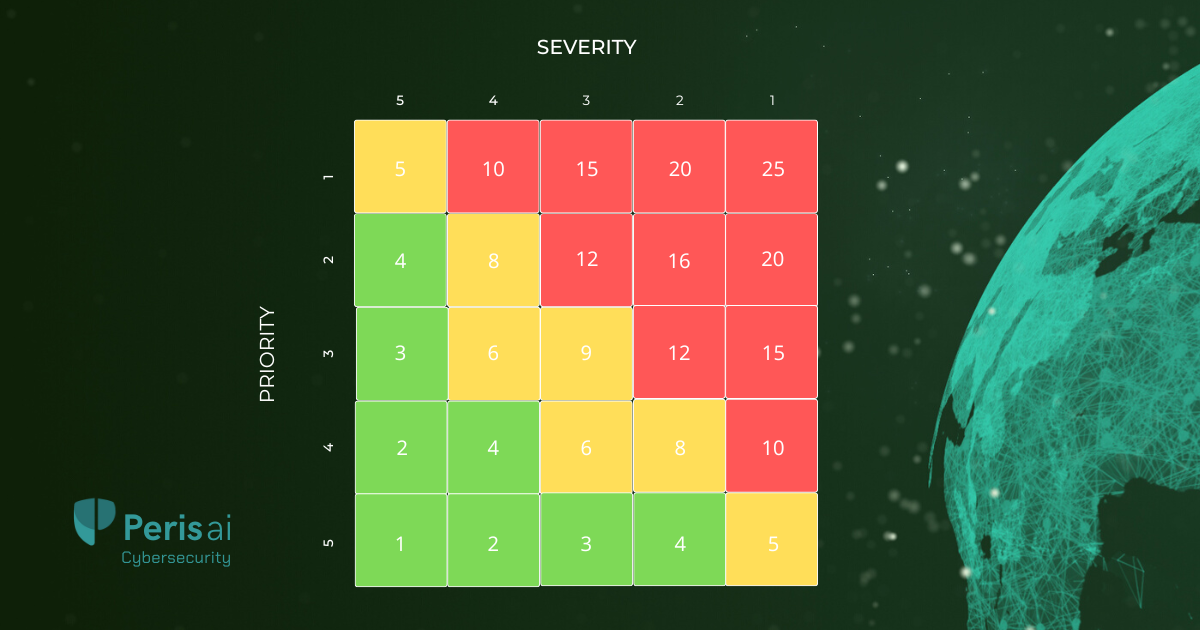
    The severity of a vulnerability is associated with system standards and the technical perspective of the system workflow. Severity examines whether the impact is severe or not. The severity level is less likely to change, while priority might differ.

    Priority indicates how quickly a vulnerability should be fixed and eradicated from an application. It shows a sense of urgency for dealing with a vulnerability in your system, with priority one being the highest and five being the lowest.

    Examples

    High Severity & High Priority (e.g. S1P1)

    A vulnerability that occurs in the basic functionality of the application, if it’s not fixed soon, will impact the business goal immediately. For example,

    • remote code execution (RCE)
    • SQL injection
    • Command Injections
    • or financial theft, direct financial loss

    A P1S1 vulnerability means your website is at risk of being hacked anytime. We recommend that you make it your highest priority to fix these vulnerabilities immediately.

    Mid Severity & Mid Priority (e.g. S3P3)

    A vulnerability that occurs on the application’s functionality that can be exploited by malicious attackers to access sensitive information on the application or server. The impact of S3P3 is relatively limited. For example:

    • It requires more skill to exploit a S3P3 vulnerability and might require some special conditions, such as inexistence of SSL/TLS certificate issues, or need to be in certain location (within target’s proximity location, etc)
    • Server misconfiguration

    Low Severity & Low Priority (S5P5)

    Any vulnerabilities that are acceptable business risks to the organization/company. For example:

    • information leakage (the version number of database, username of admin DB, where attackers could brute force the credentials, etc)
    • configuration errors
    • lack of some security measures

    Things that can be used in conjunction with social engineering to cause a more severe impact on the target.

  • Ransomware Attacks: How They Work and How to Prevent Them

    Ransomware Attacks: How They Work and How to Prevent Them

    In recent years, the increasing use of digital technology has led to a rise in cybercrime, with ransomware attacks being one of the most common and damaging forms of attack. A ransomware attack occurs when a cybercriminal gains access to a victim’s computer or network and encrypts their files, rendering them unusable. The victim is then faced with the difficult decision of whether to pay the ransom or risk losing their data forever.

    These attacks are not limited to large corporations but can also affect individuals, small businesses, and government agencies. The cost of these attacks can be significant in terms of the ransom demanded and restoring data and systems. In addition to financial costs, ransomware attacks can cause reputational damage and disrupt operations, leading to lost productivity and revenue.

    Therefore, individuals and organizations must be aware of the risks posed by ransomware attacks and take steps to protect themselves. This article will provide an overview of how ransomware attacks work, the different types, and, most importantly, practical tips on preventing them. Following the advice in this article can reduce the risk of falling victim to a ransomware attack and protect your data and systems from harm.

    How Ransomware Attacks Work

    Ransomware attacks typically follow a similar pattern, which involves the following steps:

    1. Infection: The attacker infects the victim’s computer or network with malware, typically by sending an email with a malicious attachment or link or exploiting software or operating system vulnerabilities.
    2. Encryption: Once the malware is installed, it encrypts the victim’s files, making them inaccessible without a decryption key.
    3. Ransom: The attacker then demands a ransom from the victim in exchange for the decryption key, typically payable in cryptocurrency.
    4. Payment: If the victim pays the ransom, the attacker may provide the decryption key, allowing the victim to regain access to their files. However, there is no guarantee that the attacker will provide the decryption key, even if the ransom is paid.

    Types of Ransomware

    There are several types of ransomware, each with its unique characteristics. Some of the most common types include:

    1. File-encrypting ransomware: This type of ransomware encrypts the victim’s files and demands a ransom in exchange for the decryption key.
    2. Screen-locking ransomware: This type of ransomware locks the victim’s computer screen, preventing them from accessing their files or using their computer.
    3. Master boot record (MBR) ransomware: This type of ransomware infects the MBR of the victim’s computer, preventing it from booting up properly and displaying a ransom message instead.
    4. Mobile ransomware: This type of ransomware infects mobile devices, typically by tricking users into downloading malicious apps.

    How to Prevent Ransomware Attacks

    Preventing ransomware attacks requires a multi-layered approach involving technical and non-technical measures. Some of the most effective ways to prevent ransomware attacks include:

    1. Keep your software up to date: Install the latest security updates and patches for your software and operating system.
    2. Use antivirus software: Install reputable antivirus software and keep it up to date.
    3. Backup your files: Regularly back up your files to an external hard drive or cloud storage service so that you can restore them if they become encrypted.
    4. Be cautious online: Don’t click on links or download attachments from unknown or suspicious sources, and use caution when browsing the internet or downloading software.
    5. Use strong passwords: Use unique passwords for all your online accounts and enable two-factor authentication whenever possible.
    6. Educate yourself: Learn how to recognize and avoid phishing emails and other social engineering tactics used by attackers to trick you into downloading malware.

    In Conclusion

    It does not matter if but when you’ll encounter a ransomware attack. So, don’t be caught off guard; take action now to protect yourself. By implementing the preventative measures outlined in this article, you’ll be well on your way to securing your data and keeping your computer safe from harm.

    Remember, ransomware attacks can happen to anyone, from large corporations to individuals working from home. So, don’t think you’re immune just because you’re not a Fortune 500 company. Cybercriminals are equal-opportunity attackers and will target anyone they can. But with the right precautions, you can make yourself a less attractive target and deter them from targeting you.

    To learn more about protecting yourself from ransomware attacks and other cyber threats, check our website for helpful tips and resources. Don’t wait until it’s too late to take action. Start securing your data today and ensure you’re prepared for whatever cyber criminals throw your way.

  • Securing the Supply Chain: Best Practices for Ensuring Your Third-Party Vendors are Cyber-Secure

    Securing the Supply Chain: Best Practices for Ensuring Your Third-Party Vendors are Cyber-Secure

    In today’s interconnected world, businesses rely on third-party vendors more than ever to provide a wide range of goods and services. While these vendors can help organizations streamline operations and increase efficiency, they also present significant cybersecurity risks. A cyber-attack on a third-party vendor can compromise sensitive data, disrupt operations, and damage a company’s reputation.

    As such, businesses must prioritize supply chain security and take proactive measures to ensure their third-party vendors are cyber-secure. This requires a comprehensive approach that includes identifying potential risks, establishing security requirements, monitoring vendor compliance, educating employees, and having a response plan. Failure to do so can leave organizations vulnerable to cyber threats and undermine business continuity.

    This article will explore some best practices for securing the supply chain and ensuring that third-party vendors are cyber-secure. By following these recommendations, businesses can minimize risk exposure, protect their assets, and safeguard their reputation. Let us explore these practices more detail and learn how to build a robust supply chain security strategy.

    1. Know Your Vendors

    Know your vendors is a critical component of supply chain security. It involves doing diligence to assess the cyber risk of your third-party vendors, understanding their cybersecurity posture, and ensuring that they meet your organization’s security requirements. Here are some best practices for “Know Your Vendors”:

    • Identify all third-party vendors: To manage cyber risk effectively, you must know all the vendors that have access to your systems, data, or facilities. Create a comprehensive inventory of all third-party vendors, including their contact information, services provided, and criticality level.
    • Assess vendor security: Conduct a risk assessment to identify the cybersecurity risks associated with each vendor. The assessment should cover the vendor’s security controls, security policies and procedures, incident response plans, and security audit reports.
    • Verify vendor compliance: Verify that each vendor meets your organization’s security requirements, including compliance with applicable laws, regulations, and industry standards. Require vendors to provide evidence of their compliance, such as certification, audit reports, or assessments.
    • Monitor vendor security: Regularly monitor each vendor’s security posture to ensure they maintain adequate security controls and practices. Monitor vendor activity on your network, review security audit reports, and conduct periodic security assessments.
    • Include security requirements in contracts: Clearly define your organization’s security requirements in vendor contracts, including security controls, incident response plans, and breach notification requirements. Consider including clauses for indemnification, liability, and contract termination for security violations.

    By knowing your vendors and assessing their cybersecurity posture, you can identify potential vulnerabilities in your supply chain and take steps to mitigate the risks. A comprehensive “Know Your Vendors” program can help ensure that your third-party vendors are cyber-secure and meet your organization’s security requirements.

    2. Perform Risk Assessments

    Risk assessments are crucial in securing the supply chain and ensuring that third-party vendors are cyber-secure. Here are some key points to understand this practice:

    • Identify potential risks: Assessing risks involves identifying vulnerabilities that cybercriminals could exploit. This includes identifying potential weaknesses in your vendor’s IT infrastructure, data storage systems, and network security protocols.
    • Evaluate the likelihood of risk occurrence: Once potential risks have been identified, evaluate the likelihood of each risk occurring. This helps prioritize which risks to address first and allocate resources appropriately.
    • Determine the impact of risks: Evaluate the potential impact of each identified risk on your organization. This includes assessing the financial impact, reputational damage, and operational disruption that could result from a successful cyber-attack.
    • Determine the level of risk: Determine the level of risk associated with each identified risk by assessing the likelihood and impact of the risk. This helps prioritize which risks to address first and allocate resources accordingly.
    • Create a risk mitigation plan: Develop a plan to address the identified risks. This plan should include specific actions to mitigate or reduce the risks and contingency plans in case a risk materializes.

    Organizations can identify and mitigate potential risks associated with third-party vendors by performing risk assessments. This helps prevent cybersecurity incidents and ensures that the supply chain is secure.

    3. Establish Security Requirements

    Establishing security requirements is important to ensure that third-party vendors are cyber-secure. Here are some key points to understand about this practice:

    • Define security requirements: Define the security requirements your third-party vendors must meet to do business with your company. These requirements may include technical controls, security policies, data encryption, access controls, and other measures.
    • Align with industry standards: Align your security requirements with industry standards and best practices to ensure they are relevant and effective. This may include standards such as ISO 27001, NIST Cybersecurity Framework, etc.
    • Include in contracts: Incorporate your security requirements into your vendor contracts and ensure they are enforceable. This can help to hold vendors accountable for meeting your security standards.
    • Monitor compliance: Regularly monitor vendor compliance with your security requirements and hold them accountable for any non-compliance. This may include conducting security audits, penetration testing, and other assessments.
    • Communicate with vendors: Communicate your security requirements to your vendors and ensure they understand their responsibilities. This can help to foster a culture of security and ensure that your vendors are committed to meeting your standards.

    4. Monitor Vendor Compliance

    Monitoring vendor compliance is a critical component of ensuring the cyber-security of your supply chain. Here are some key points to keep in mind:

    • Regularly review vendor contracts and agreements to ensure they are complying with security requirements.
    • Use software tools to automate compliance monitoring and tracking.
    • Regularly request vendor security reports and updates to ensure they meet security standards and requirements.
    • Conduct on-site audits and assessments of vendor security practices and processes.
    • Regularly test vendor systems and processes to ensure they function as expected and are secure.
    • Follow up on any identified compliance issues and work with the vendor to implement corrective actions.
    • Maintain a clear and open line of communication with vendors to ensure ongoing compliance and collaboration.

    By following these best practices, you can ensure that your vendors meet your organization’s security requirements and minimize risk exposure.

    5. Educate Your Employees

    Educating employees is an essential part of supply chain security. Your employees can inadvertently expose your business to cyber threats if they are unaware of security risks and how to protect against them. Here are some ways to educate your employees:

    • Train employees on cybersecurity best practices, such as creating strong passwords, identifying phishing emails, and protecting sensitive information.
    • Conduct regular security awareness training sessions to reinforce the importance of supply chain security and remind employees of their role in protecting the business.
    • Implement policies and procedures requiring employees to report suspicious activity or potential security incidents.
    • Encourage employees to report any security incidents or breaches promptly and provide a clear procedure for reporting incidents.
    • Reward and recognize employees who demonstrate good cybersecurity practices and raise awareness of the importance of supply chain security.

    6. Have a Response Plan in Place

    A response plan is essential to manage any security incidents involving third-party vendors effectively. Here are some key points to keep in mind when creating a response plan:

    • Define roles and responsibilities for each member of the incident response team.
    • Establish communication channels and procedures for notifying relevant stakeholders, including vendors and customers.
    • Develop a step-by-step plan for incident containment, investigation, and resolution.
    • Determine criteria for when to escalate the incident to higher management or law enforcement levels.
    • Regularly review and update the response plan to ensure it remains relevant and effective in addressing new and emerging threats.

    With a response plan, businesses can minimize the impact of security incidents and quickly return to normal operations.

    7. Stay Up to Date

    Staying up to date with the latest trends and threats in supply chain security is crucial for maintaining a cyber-secure environment. Some tips to consider are:

    • Keep track of emerging threats and vulnerabilities impacting your supply chain security posture.
    • Attend relevant industry events and conferences to stay informed and exchange best practices with peers.
    • Follow relevant news sources, security blogs, and social media channels to stay updated on the latest security trends and alerts.
    • Stay in touch with your vendors and partners to understand their security posture and receive updates on their security practices.
    • Regularly review and update your supply chain security policies and procedures to ensure they align with the latest industry standards and regulatory requirements.

    By staying up to date, businesses can proactively identify and mitigate emerging risks, make informed decisions, and ensure their supply chain remains resilient against cyber threats.

    In Conclusion

    In the immortal words of Benjamin Franklin, “An ounce of prevention is worth a pound of cure.” And nowhere is this truer than in the realm of supply chain security. By taking the necessary steps to ensure that your third-party vendors are cyber-secure, you can prevent a potential security incident from becoming a costly and reputation-damaging disaster.

    Remember, your supply chain security is only as strong as its weakest link. So, whether you’re a small startup or a multinational corporation, it’s crucial to implement best practices such as risk assessments, security requirements, vendor monitoring, employee education, and response planning. By doing so, you’ll be well on your way to building a resilient and robust supply chain that can weather even the most severe cyber threats.

    At this point, you might be wondering, “But where do I start?” Fortunately, many tools and resources are available to help businesses of all sizes and sectors secure their supply chains. For instance, you can check our website, which offers comprehensive solutions for supply chain security. With our cutting-edge technologies and expert guidance, you can ensure that your third-party vendors are cyber-secure and that your business is well-protected from cyber threats. So why wait? Visit our website today and take the first step toward securing your supply chain.