In the fast-changing world of cybersecurity, a key question stands out: Are humans the weakest part of our security? While technology continues to advance, the risk often comes from us, the people. It’s vital to understand how our mistakes can harm our digital safety. Cybersecurity presents a significant challenge for both large companies and individuals. Recognizing the impact of our actions can help us all be safer online.
Introduction to the Human Factor in Cybersecurity
Humans stand as the weakest link in the cybersecurity chain. Their actions often lead to security breaches and leak sensitive info. More than 90% of cyber incidents come from human error within groups, not from malicious attackers. This makes it vital to understand and deal with the role of human error in cyber breaches.
The Significance of Human Error in Cyber Breaches
Employees often make mistakes that lead to cyber breaches. They play a huge part in an organization’s security. Their slip-ups can open the door for bad actors to get to important data and systems.
The Urgency of Addressing Human-Related Risks
It’s crucial to deal with human-related risks in cybersecurity now. The results can be really bad. Just look at the fallout from big data breaches and the WannaCry issue, where human error sped up the malware. Ignoring the human side of security leaves companies wide open to serious problems, like losing money, harming their reputation, and breaking laws.
Common Human Errors Leading to Cyber Threats
People often make mistakes that let hackers in. These errors can let harmful actors attack computer systems. Mistakes like falling for fake emails, using easy passwords, and skipping updates can put a company at risk.
Phishing Attacks and Social Engineering Tactics
Phishing attacks and social engineering tactics exploit human psychology. Bad actors trick people into revealing sensitive information by creating a sense of urgency or exploiting emotions.
Weak or Reused Passwords
Using weak or the same passwords over and over is a big risk. It makes it easy for hackers to get into computers and steal information. To fight this, companies should make sure their employees use strong, different passwords and turn on extra security steps.
Failure to Install Software Updates
Delaying software updates provides an entry point for hackers, who exploit known vulnerabilities. Keeping software up to date is essential for maintaining digital security.
Humans the Weakest Link in Cyber Security
Humans are often the weakest link in keeping things safe online. They lack the right knowledge to protect themselves and their groups. Many see computers as magical, which can lead them to fall for tricks by bad guys.
This means hackers can use feelings like fear or the need to act fast to get people to share info they shouldn’t. This is known as social engineering.
Lack of Cyber Literacy and Awareness
Not knowing much about how tech works is a big worry for many. It makes people easy targets for those who want to use their feelings against them. Teaching people simple ways to stay safe online is really important. It helps lower the chances of getting tricked by cybercriminals.
Psychological Vulnerabilities Exploited by Cybercriminals
Cybercriminals are really good at using our feelings to get what they want. They can make someone feel like they have to do something now, or make them too curious to not click on a bad link. This can cause big security problems.
To fight this, it’s important to learn about and deal with these feelings they play on. It makes the human part of keeping things safe online stronger.
Remote Work Challenges and Increased Attack Surface
The shift to remote work has expanded the attack surface for cyber threats. Ensuring that remote workers are adequately trained and equipped to handle cybersecurity risks is crucial.
The Impact of Human Error on Cyber Incidents
Human error has a big effect on cyber incidents. This is clear from events a ransomware and big data breaches. These incidents happened because of people’s actions
Mitigating Human-Related Cybersecurity Risks
Organizations need to use many tools to fight human-related cybersecurity risks. They should use cybersecurity training and awareness programs along with multi-factor authentication and password managing tools. They also need user behavior analytics and anomaly detection.
Comprehensive Cybersecurity Training and Awareness Programs
It’s key for employees to have up-to-date cybersecurity training. This helps them spot phishing, know security rules, and use the best methods. A culture of security awareness makes employees the best defense against cyber threats.
Multi-Factor Authentication and Password Management Solutions
Multi-factor authentication makes it harder for unauthorized entry, even if passwords leak. Pairing this with robust password management fights risks from weak or overused passwords. Cybercriminals often target these areas.
User Behavior Analytics and Anomaly Detection
User behavior analytics watches how users act to find odd actions. This can spot early signs of trouble, like breaches. Using advanced analytics and anomaly detection, companies catch and fix harmful actions fast, lessening the effect of security threats.
The Role of Employees in Cybersecurity Defense
Employees are key in fighting off cyber threats. Companies need to make sure their staff understands the security awareness culture. This way, each worker becomes the first defense against cyber attacks.
Striking a Balance: Technology and Human Vigilance
Dealing with cybersecurity risks means finding a balance. This balance is between tech solutions and human watchfulness. Tools like firewalls and antivirus software are key in stopping threats. But, they need human eyes and a shared focus on cybersecurity.
The Future of Human-Centric Cybersecurity
The field of cybersecurity is always changing. The future of protecting people online will mix emerging trends and best practices. Organizations need to keep up with new social engineering tactics and password management improvements. They also need to use artificial intelligence and machine learning to watch user actions closely and spot odd behavior.
Emerging Trends and Best Practices
Businesses need to watch the latest in protecting people online. They should see how social engineering tactics are getting smarter, letting bad actors trick workers more easily by using their feelings. They should also look into strong best practices for passwords. This includes adding more than one security check when logging in and using tools to manage passwords. That way, they can lower the chance of passwords being broken or used again by attackers.
The Role of Artificial Intelligence and Machine Learning
Artificial intelligence and machine learning are about to change how we keep people safe online. They will help check how people usually act online. If something strange comes up, they can alert us. This helps catch harmful actions early.
By caring about people’s online safety and not just the technology, companies can be safer. They should mix new tech with good training and teach everyone to think about being safe. With new information and using the latest tools, they can protect their online stuff better. So, being careful and keeping up is key for a strong defense against online threats.
Conclusion
In today’s ever-evolving digital security landscape, staying one step ahead of cyber threats is crucial. People can be both the weakest link and the strongest defense in cybersecurity. For organizations to truly bolster their security posture, they must prioritize human factors alongside technological solutions. Addressing vulnerabilities caused by human error is a critical component in thwarting cyber attacks.
Organizations must educate their employees and integrate technology, policies, and human vigilance. By ensuring everyone is informed, alert, and unified in their approach to security, companies can significantly enhance their defenses against cyber threats. This holistic approach not only strengthens overall security but also enables more effective responses to potential threats.
Looking forward, the human aspect of cybersecurity will become even more pivotal. Fostering a security-minded culture and providing continuous education, combined with cutting-edge technology, will keep companies ahead in the cybersecurity race. This approach safeguards assets and maintains the organization’s reputation, even against internal threats.
At Peris.ai Cybersecurity, we offer comprehensive solutions to address these needs. Phisland, our sophisticated phishing simulator, helps organizations enhance security awareness by simulating phishing attacks via email, websites, and WhatsApp. Gain invaluable insights into how your team responds to potential threats and strengthen your cybersecurity posture.
Complementing this, Ganesha IT Security Training & Workshop provides hands-on learning materials formulated from years of experience. Practice and apply this knowledge in real-world scenarios to elevate your team’s skills and readiness.
What is the significance of human error in cybersecurity breaches?
More than 90% of cybersecurity issues stem from human mistakes within organizations.
What are some common human errors that can lead to cyber threats?
Key mistakes include falling for phishing attacks, using weak passwords, and failing to install software updates.
Why are humans considered the weakest link in cybersecurity?
People often lack sufficient knowledge about cyber threats, making them easy targets for cybercriminals.
How can organizations mitigate human-related cybersecurity risks?
Organizations can reduce risks by providing comprehensive cybersecurity training, implementing multi-factor authentication, and using robust password management solutions.
What is the role of employees in defending against cyber threats?
Employees are essential in maintaining cybersecurity. A culture of security awareness and open communication enhances an organization’s defense against cyber threats.
How can organizations strike a balance between technological solutions and human vigilance?
Combining advanced technological tools with active human oversight ensures a stronger defense against cyber threats.
In today’s highly competitive business landscape, the importance of cybersecurity cannot be overstated. With the increasing number of cyber threats and breaches, businesses must take proactive measures to protect their data and network from potential attacks.
Competitors may be actively targeting your cybersecurity system, seeking to gain a competitive advantage, or obtain valuable information. Therefore, it is paramount to implement robust security measures to safeguard your business from these threats.
Key Takeaways:
Competitors may pose a significant threat to your cybersecurity system.
Prioritizing cybersecurity is essential to protect your data and operations.
Implement proactive measures such as regular security audits and employee training.
Partner with a trusted cybersecurity provider for comprehensive protection.
Stay updated with the latest technologies to stay ahead of potential attacks.
The Importance of Cybersecurity in Today’s Business Landscape
In today’s fast-paced and interconnected business landscape, the importance of cybersecurity cannot be overstated. As businesses embrace digital transformation and rely more heavily on technology, they become vulnerable to various cyber threats and attacks. Competitors may exploit these vulnerabilities to gain unauthorized access to sensitive information, disrupt operations, or even steal valuable intellectual property.
Cybersecurity serves as the first line of defense against these potential threats. By implementing robust security measures, businesses can protect their data, systems, and reputation. A strong cybersecurity system not only safeguards sensitive information but also instills confidence in customers and partners, enhancing the overall trustworthiness of the organization.
Investing in cybersecurity is not just a matter of compliance or risk mitigation; it is a strategic imperative for businesses operating in today’s digital landscape. The cost of a security breach can be devastating, leading to financial losses, legal repercussions, and irreparable damage to the brand’s image. On the other hand, a proactive approach to cybersecurity can give businesses a competitive edge by assuring customers and partners that their data is safe, fostering stronger relationships built on trust.
The Evolving Threat Landscape
The threat landscape is constantly evolving, with hackers and cybercriminals developing new tactics and techniques to bypass security defenses. Competitors, with insider knowledge of an organization’s operations and vulnerabilities, can pose a significant risk. Businesses must stay informed about the latest cyber threats and adapt their security measures accordingly.
By employing a comprehensive cybersecurity strategy that includes regular risk assessments, threat intelligence gathering, and employee training, businesses can better protect themselves against attacks. This strategy should also involve staying up to date with emerging technologies such as artificial intelligence and machine learning, which can enhance threat detection and response capabilities.
Ultimately, the role of cybersecurity in today’s business landscape must be considered. It is not only about protecting critical assets but also about maintaining trust, reputation, and competitive advantage. By prioritizing cybersecurity, businesses can ensure their long-term success in an increasingly interconnected and digital world.
Common Cybersecurity Threats from Competitors
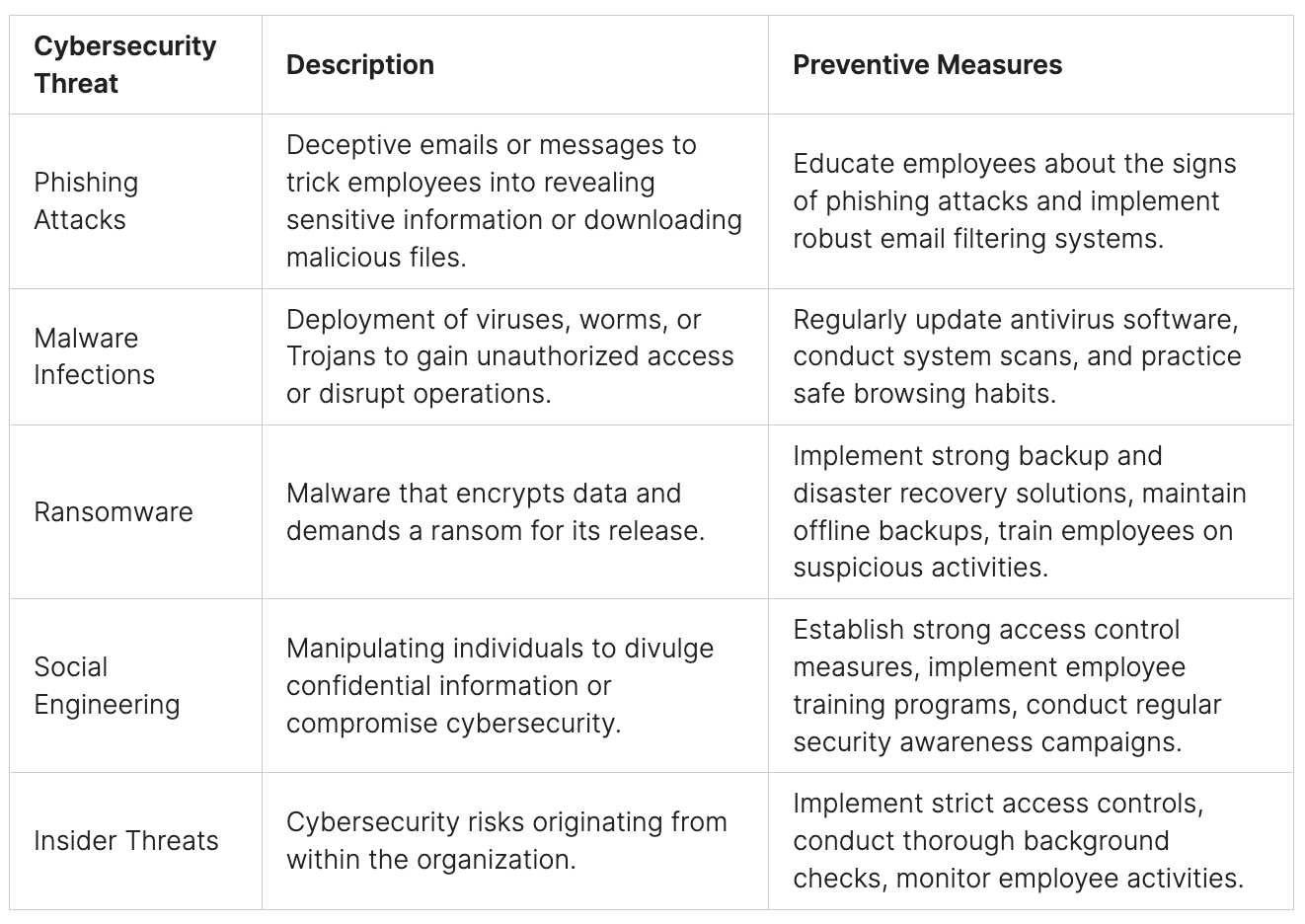
Competitors in today’s business landscape are becoming increasingly sophisticated in their attempts to undermine the cybersecurity systems of other companies. Businesses must be aware of the common cybersecurity threats posed by competitors and take appropriate measures to protect their sensitive data and networks. The following are some of the prevalent threats that businesses need to be vigilant about:
Phishing Attacks
Phishing attacks involve the use of deceptive emails or messages to trick employees into revealing sensitive information or downloading malicious files. These attacks can be highly convincing, impersonating trusted sources and leading unsuspecting individuals to disclose passwords, financial information, or other confidential data. Businesses should educate their employees about the signs of phishing attacks and implement robust email filtering systems to prevent such intrusions.
Malware Infections
Competitors may deploy malware, such as viruses, worms, or Trojans, to gain unauthorized access to a company’s network or disrupt its operations. Malware can be distributed through infected websites, email attachments or phishing campaigns. Regularly updating antivirus software, conducting thorough system scans, and practicing safe browsing habits can help protect against malware infections.
Ransomware
Ransomware is a type of malware that encrypts a company’s data and demands a ransom for its release. Competitors may employ ransomware to disrupt business operations, steal sensitive information, or exploit vulnerabilities in a company’s cybersecurity system. Implementing strong backup and disaster recovery solutions, maintaining offline backups, and training employees on suspicious activities can help mitigate the risks posed by ransomware attacks.
Social Engineering
Social engineering involves manipulating individuals to divulge confidential information or take actions that compromise their cybersecurity. Competitors may use social engineering techniques, such as pretexting, baiting, or tailgating, to gain unauthorized access to a company’s premises, systems, or data. Establishing strong access control measures, implementing employee training programs, and conducting regular security awareness campaigns can help prevent social engineering attacks.
Insider Threats
Insider threats refer to cybersecurity risks originating from within an organization, including employees, contractors, or business partners. Competitors may target individuals with access to sensitive information or attempt to recruit insiders to carry out malicious activities. Implementing strict access controls, conducting thorough background checks, and monitoring employee activities can help mitigate the risks associated with insider threats.
Understanding the Impact of Competitor Attacks
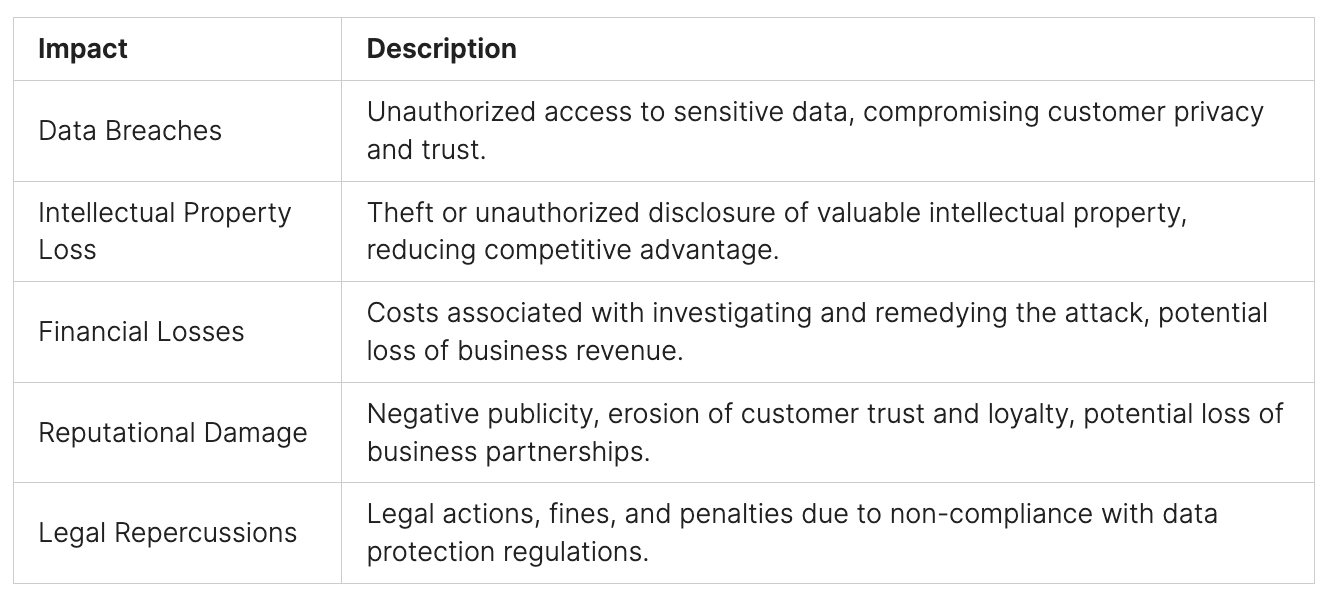
Competitor attacks on your cybersecurity system can have severe consequences for your business. These attacks can result in data breaches, loss of valuable intellectual property, financial losses, reputational damage, and legal repercussions. It is essential to understand the potential impact of such attacks and take proactive steps to prevent them.
Table 1 below provides a comprehensive overview of the potential impact of competitor attacks:
As shown in Table 1, the impact of competitor attacks can be multi-faceted and far-reaching. Businesses must prioritize cybersecurity measures to prevent and mitigate these risks.
By implementing robust security protocols, regularly updating software and systems, conducting thorough risk assessments, and fostering a culture of cybersecurity awareness, businesses can significantly minimize the potential impact of competitor attacks. Furthermore, establishing incident response plans and regularly testing them will help ensure a swift and effective response in the event of an attack.
Proactive Measures to Protect Your Cybersecurity System
In order to safeguard your cybersecurity system from competitor attacks, it is crucial to implement a range of proactive measures. These measures will not only enhance the security of your data and network but also help to prevent potential breaches. By staying one step ahead of your competitors, you can maintain the integrity of your cybersecurity system and protect your business.
Regular Security Audits
Regular security audits are an essential part of maintaining the strength of your cybersecurity system. These audits involve a comprehensive review of your IT infrastructure, identifying any vulnerabilities, and implementing necessary updates or patches. By conducting these audits on a consistent basis, you can proactively identify and address any weaknesses in your system before competitors can exploit them.
Employee Training on Cybersecurity Best Practices
Employees are often the first line of defense against cyber threats, so it is crucial to provide them with the necessary training on cybersecurity best practices. This can include educating them on how to identify and report suspicious activities, the importance of strong passwords, and the potential risks associated with social engineering attacks. By equipping your employees with the knowledge and skills to protect your cybersecurity system, you can significantly reduce the likelihood of successful competitor attacks.
Robust Backup and Disaster Recovery Solutions
In the event of a cyber attack, having robust backup and disaster recovery solutions in place is essential. These solutions ensure that your data is regularly backed up and stored securely, allowing you to quickly recover and restore your systems in the event of a breach. By implementing these solutions, you can minimize the impact of competitor attacks and ensure business continuity.
Implementing these proactive measures will help protect your cybersecurity system from competitor attacks and minimize the potential damage they can cause. By taking a proactive approach to cybersecurity, you can significantly reduce the risk of successful attacks and maintain the security of your business.
Stay Ahead, Stay Secure!
The Role of Cybersecurity in Cloud Computing
Cloud computing has revolutionized the way businesses operate, providing scalability, flexibility, and cost-efficiency. However, the adoption of cloud-based systems also introduces new cybersecurity challenges. Competitors may exploit vulnerabilities in your cloud infrastructure, aiming to access sensitive data or disrupt critical operations. Understanding the role of cybersecurity in cloud computing is essential for protecting your business from such attacks.
Strengthen your cloud security game now!
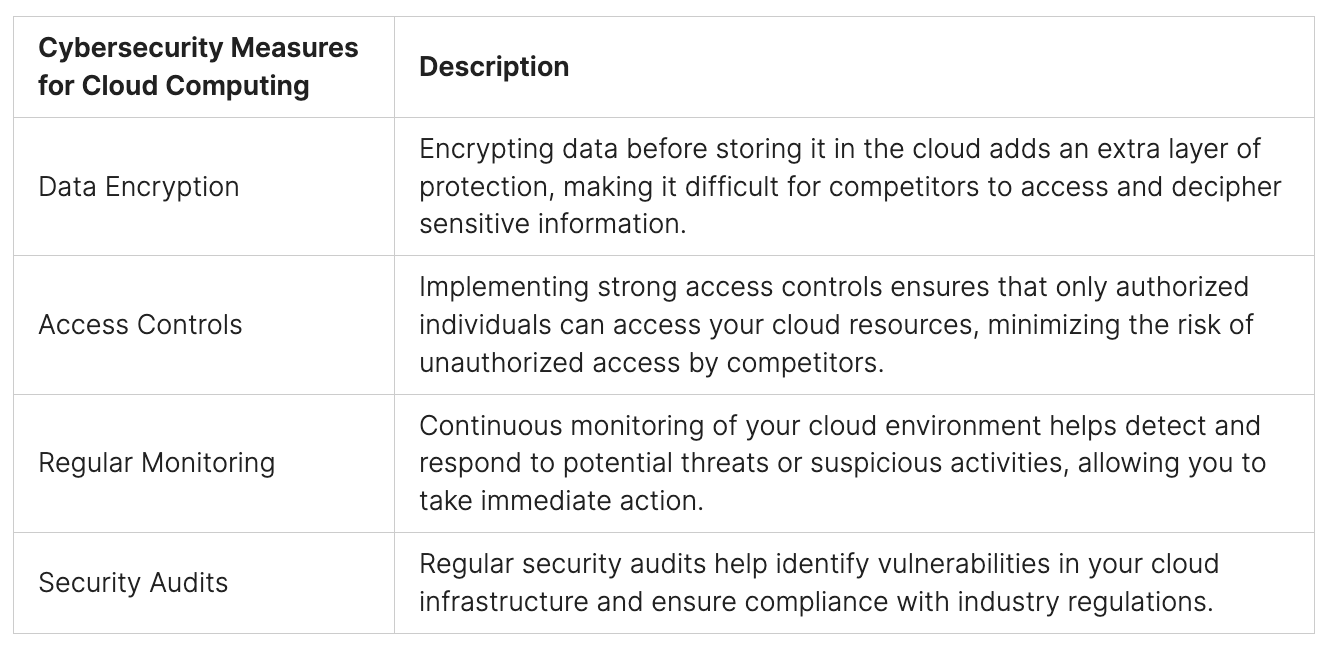
One of the key aspects of securing cloud-based systems is data encryption. By encrypting your data before storing it in the cloud, you add a layer of protection. This ensures that even if a competitor gains unauthorized access to your cloud environment, they will not be able to make sense of the encrypted data.
Access controls are another critical element of cloud security. Implementing strong access controls ensures that only authorized individuals can access your cloud resources. This helps prevent unauthorized access by competitors and reduces the risk of data breaches or disruptions.
In the ever-evolving landscape of cloud computing, businesses must prioritize cybersecurity to protect their valuable data and operations from competitor attacks. By implementing robust security measures such as data encryption and access controls, and regularly monitoring your cloud environment, you can mitigate the risks associated with cloud-based systems and maintain a secure infrastructure.
The Significance of Artificial Intelligence in Cybersecurity
Artificial intelligence (AI) has emerged as a game-changer in the field of cybersecurity, revolutionizing the way businesses protect their sensitive data and networks. By leveraging advanced algorithms and machine learning capabilities, AI-powered cybersecurity solutions have proven to be highly effective in detecting and mitigating potential threats from competitors.
One of the primary reasons for the significance of artificial intelligence in cybersecurity is its ability to analyze vast amounts of data in real-time. Traditional security measures often need help to keep pace with the rapidly evolving threat landscape. Still, AI can quickly identify patterns, detect anomalies, and flag suspicious activities that may indicate a potential cyber attack. This enables businesses to take proactive measures to mitigate risks and prevent a breach before it occurs.
Moreover, AI-powered cybersecurity solutions can adapt and learn from new threats, continuously improving their detection capabilities over time. This dynamic and responsive approach is crucial in an environment where attackers are constantly developing new techniques and exploiting vulnerabilities. By leveraging AI, businesses can stay one step ahead of their competitors and ensure robust protection for their cybersecurity systems.
Benefits of Artificial Intelligence in Cybersecurity
The integration of artificial intelligence in cybersecurity offers several key benefits. First and foremost, AI can significantly enhance the speed and accuracy of threat detection and response. With the ability to analyze vast amounts of data in real-time, AI-powered systems can quickly identify and prioritize potential threats, allowing businesses to take immediate action.
Additionally, AI can help reduce false positives by accurately distinguishing between legitimate activities and actual threats. This minimizes the burden on cybersecurity teams and ensures that resources are allocated effectively to address genuine risks. Furthermore, AI can improve overall cybersecurity posture by automating routine tasks, freeing up human personnel to focus on more complex and strategic aspects of cybersecurity.
In conclusion, the significance of artificial intelligence in cybersecurity cannot be overstated. By harnessing the power of AI, businesses can strengthen their defense against competitor attacks and stay ahead in the ongoing battle against cyber threats. With its ability to analyze vast amounts of data, adapt to new risks, and enhance threat detection and response capabilities, AI is a critical tool in safeguarding sensitive information, maintaining business continuity, and ensuring a competitive edge in today’s digital landscape.
Stay Ahead with AI in Cybersecurity!
The Need for Strong Communication Channels in Cybersecurity
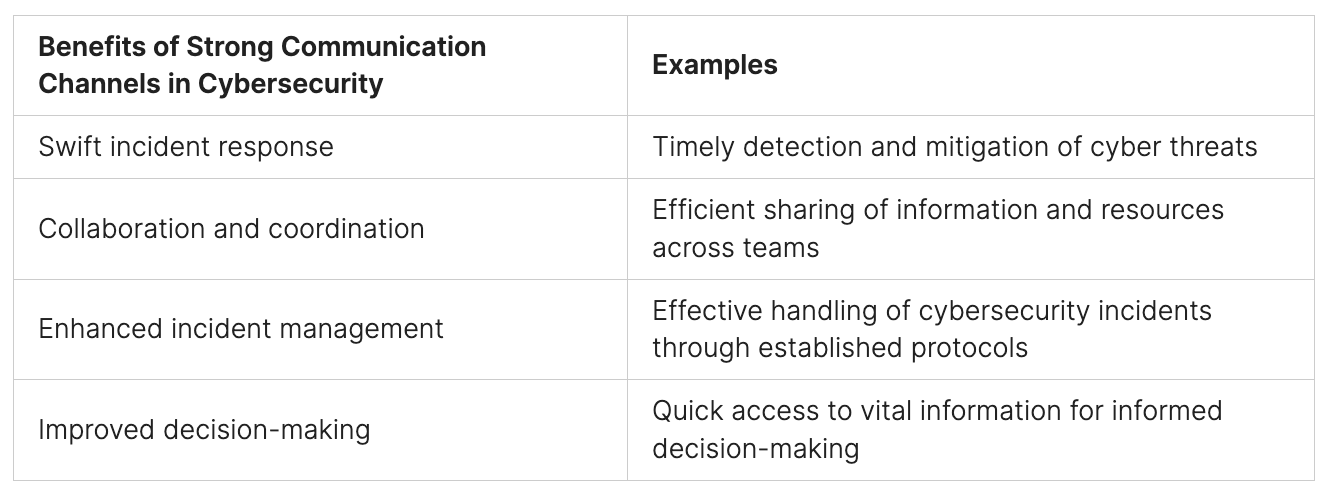
Effective communication is vital in maintaining a strong cybersecurity system. Clear and efficient communication channels within your organization ensure swift dissemination of critical information regarding potential threats or incidents is done. This allows for quick response and mitigation, minimizing the impact of cyber attacks.
Regular training programs, incident response protocols, and fostering a culture of security awareness are essential components of establishing strong communication channels. By keeping everyone within the organization informed and prepared, you create a unified front against cybersecurity challenges posed by competitors.
Not only do strong communication channels enable rapid information sharing, but they also facilitate collaboration and coordination among different teams and departments. This collaboration enhances incident response capabilities and ensures that the right actions are taken promptly to address cyber threats.
The Role of Incident Response Teams
One crucial aspect of strong communication channels is the establishment of dedicated incident response teams. These teams consist of professionals with specialized knowledge and skills in handling cybersecurity incidents. Their primary responsibility is to detect, analyze, and respond to any potential threats or attacks.
Incident response teams should have clearly defined protocols and escalation procedures to ensure seamless communication flow during critical situations. Regular training and rehearsals help keep the team members prepared to handle a wide range of cyber threats effectively.
In conclusion, strong communication channels within your organization are key to maintaining a robust cybersecurity system. By establishing clear protocols, fostering a culture of security awareness, and forming dedicated incident response teams, you can effectively protect your business from cyber attacks. Swift and efficient communication enables timely response, collaboration, and coordination, ultimately safeguarding your data, operations, and reputation.
Conclusion
In conclusion, the escalating threat of competitors targeting your cybersecurity system requires a proactive stance to protect data and network integrity. Prioritizing cybersecurity is paramount in today’s dynamic business environment, serving as a bulwark against unauthorized access and preserving the sanctity of sensitive information. Familiarity with prevalent cybersecurity threats, such as phishing attacks and malware infections, empowers businesses to deploy effective countermeasures.
Understanding the potential repercussions of competitor attacks—ranging from data breaches to financial losses and reputational harm—underscores the urgency of taking decisive action. By instating proactive measures like routine security audits, comprehensive employee training, robust password policies, and encryption practices, businesses can fortify their cybersecurity defenses. Embracing cutting-edge technologies, particularly artificial intelligence, and fostering transparent communication channels within the organization facilitates rapid detection, response, and mitigation efforts.
To fortify against competitor threats and maintain a competitive edge, businesses must prioritize cybersecurity. The adoption of resilient cybersecurity protocols, staying abreast of the latest technological advancements, and cultivating a security-focused culture all play pivotal roles in shielding data, operations, and reputation. With a holistic cybersecurity approach firmly in place, businesses can confidently navigate the competitive landscape.
Please take the next step in securing your business by exploring the innovative solutions offered on our website, Peris.ai Cybersecurity. Visit us today to discover how our comprehensive cybersecurity measures can empower your organization to thrive in an increasingly complex digital landscape.
FAQ
What are some common cybersecurity threats from competitors?
Some common cybersecurity threats from competitors include phishing attacks, malware infections, ransomware, social engineering, and insider threats.
What can be the consequences of competitor attacks on my cybersecurity system?
Competitor attacks on your cybersecurity system can result in data breaches, loss of valuable intellectual property, financial losses, reputational damage, and legal repercussions.
What proactive measures can I take to protect my cybersecurity system?
You can implement proactive measures such as regular security audits, employee training on cybersecurity best practices, strong password policies, multi-factor authentication, network segmentation, encryption, regular software updates and patches, and robust backup and disaster recovery solutions.
How can I protect my business’s cloud computing environment from competitor attacks?
Implementing strong security measures, such as data encryption, access controls, and regular monitoring, is essential to protect your business’s cloud computing environment from competitor attacks.
How does artificial intelligence play a role in cybersecurity?
Artificial intelligence (AI) enables businesses to detect and respond to potential threats more effectively. AI-powered cybersecurity solutions can analyze vast amounts of data, identify patterns, and flag suspicious activities in real time.
Why is effective communication important for cybersecurity?
Effective communication within your organization is crucial for cybersecurity as it enables the swift sharing of critical information about potential threats or incidents, allowing for quick response and mitigation.
With the rise of digital threats in a connected world, organizations are increasingly recognizing the importance of API security in safeguarding their digital assets. In this article, we will explore the key reasons why API security is crucial in 2024 and how organizations can mitigate the risks associated with APIs. By understanding the evolving cybersecurity norms, emerging API vulnerabilities, and the financial and reputational impacts of API security failures, organizations can develop comprehensive security strategies to protect their systems and data. Additionally, we will discuss the role of AI in enhancing API security and the predictions for the surge of AI integration in 2024. Overall, investing in API security is a must for modern enterprises to maintain trust, protect sensitive information, and mitigate the potential consequences of security breaches.
Key Takeaways:
API security is crucial for organizations in 2024 due to the rise of digital threats and the reliance on APIs.
Understanding evolving cybersecurity norms and emerging API vulnerabilities is essential for developing comprehensive security strategies.
API security failures can have significant financial and reputational impacts on organizations.
The integration of AI in API security can enhance threat detection and response capabilities.
Investing in API security is crucial for maintaining trust, protecting sensitive information, and navigating the complex cybersecurity landscape of 2024.
The Rise of Digital Threats in a Connected World
In a progressively connected world, the rise of digital threats poses significant challenges to organizations. Hackers and bad actors target vulnerabilities in Application Programming Interfaces (APIs) to gain unauthorized access to sensitive data. As more people and devices go online, the risk of API attacks increases. This section will explore the evolving landscape of digital threats, emphasizing the need for robust API security measures to protect organizations from cyber attacks. By understanding the nature and scale of these threats, organizations can develop effective strategies to mitigate risks and secure their digital assets.
Innovative Strategies to Mitigate API Risks
Effective API risk mitigation requires organizations to employ innovative strategies and leverage advanced technologies. In this section, we will explore the role of AI in enhancing API security and the importance of employing advanced security frameworks specifically tailored for APIs.
The Role of AI in Enhancing API Security
With its ability to analyze vast amounts of data and detect patterns, AI plays a crucial role in enhancing API security. Machine learning algorithms can continuously analyze API traffic, identify anomalies, and alert organizations about potential security threats. Organizations can strengthen their API security posture by leveraging AI-powered threat detection and response capabilities and proactively defend against emerging threats.
Furthermore, AI can assist in automating security processes, reducing manual effort, and enabling rapid incident response. With real-time threat intelligence and automated remediation, organizations can efficiently mitigate API risks and minimize the impact of security breaches.
Employing Advanced Security Frameworks for APIs
APIs require specific security measures beyond traditional network security protocols. Organizations should adopt advanced security frameworks designed explicitly for API environments to address the unique risks associated with APIs.
These advanced frameworks provide comprehensive security controls, including secure authentication and authorization mechanisms, robust access controls, and thorough data validation. By implementing these frameworks, organizations can ensure that only authorized entities can access APIs and that sensitive data is protected against unauthorized access and tampering.
Moreover, advanced security frameworks offer encryption capabilities to safeguard data in transit and at rest. This ensures the confidentiality and integrity of API communications, protecting sensitive information from interception or manipulation.
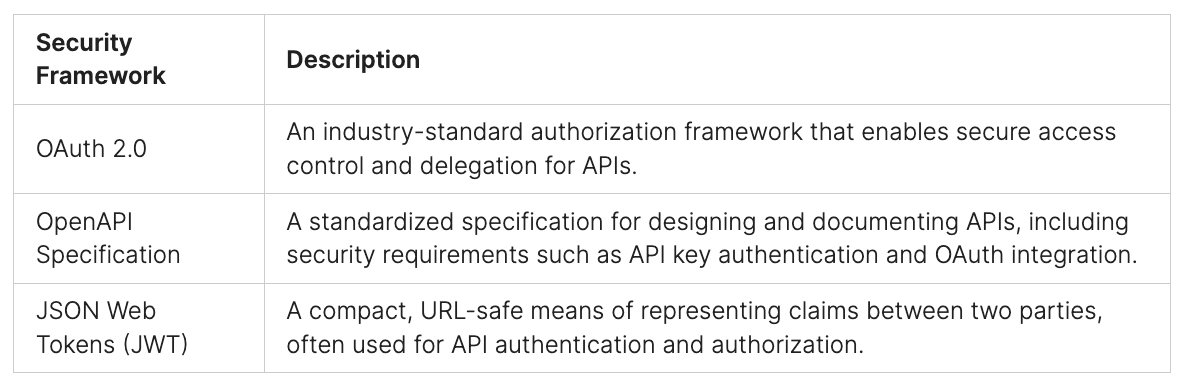
The table below provides examples of some advanced security frameworks for APIs:
By incorporating advanced security frameworks into their API security strategy, organizations can proactively mitigate risks, protect sensitive data, and ensure the integrity of their APIs.
Emerging API Vulnerabilities and How to Prevent Them
As the adoption of APIs continues to grow, organizations must be vigilant of the emerging vulnerabilities that come with it. Failure to address these vulnerabilities can potentially lead to data breaches and cyber attacks. This section will discuss the key API vulnerabilities that organizations need to be aware of and provide preventive measures to mitigate these risks.
One of the primary emerging API vulnerabilities is insecure authentication. Malicious actors can exploit weak or improper authentication mechanisms to gain unauthorized access to sensitive data. Organizations must implement strong authentication protocols, such as multi-factor authentication and secure token-based authentication, to prevent unauthorized access.
In addition, insufficient access controls pose a significant risk to API security. Organizations must ensure that only authorized users have access to the necessary resources and restrict privileges based on roles and responsibilities. Implementing proper access control mechanisms, such as role-based access control (RBAC) and attribute-based access control (ABAC), can help prevent unauthorized access and data breaches.
Inadequate data validation is another critical API vulnerability. If input data is not validated properly, it can lead to security breaches, such as injection attacks or cross-site scripting (XSS) attacks. Organizations should implement thorough input validation techniques, including regular expression matching and input filtering, to ensure that only the API processes valid and safe data.
By proactively addressing these emerging API vulnerabilities through robust security measures, organizations can strengthen their defenses and reduce the risk of data breaches and cyber attacks. It is essential to keep API security up to date and regularly review and update security protocols to mitigate the evolving risks associated with APIs.
The Evolution of Cybersecurity Norms: Integrating API Safety
As cyber threats continue to evolve, organizations are faced with the challenge of adapting their security practices to protect their digital assets. This section explores the evolution of cybersecurity norms and the growing importance of integrating API safety into organizational security strategies.
Legal Implications of API Security Breaches
API security breaches can have severe legal consequences for organizations. In the event of a breach, companies may face regulatory fines, lawsuits from affected parties, and long-term reputational damage. It is crucial for organizations to understand the legal implications associated with API security breaches and take proactive measures to mitigate these risks.
Developing a Culture of Cyber Defense within Organizations
Developing a culture of cyber defense is essential for organizations to protect against cyber threats effectively. This involves fostering a security-conscious mindset among employees and implementing proactive security measures. By actively involving employees in maintaining a secure environment, organizations can minimize the risk of security breaches and ensure a strong defense against evolving cyber threats.
Why API Security is Important in 2024
We live in a digital era where organizations heavily rely on Application Programming Interfaces (APIs) to facilitate seamless communication and integration between systems and applications. While APIs offer numerous benefits, it is crucial to recognize the importance of API security in this ever-evolving cybersecurity landscape of 2024.
Organizations must prioritize API security to safeguard their digital operations from potential threats and vulnerabilities. Failure to secure APIs can have severe consequences, including financial losses, data breaches, reputational damage, and loss of customer trust. In a world where data breaches and cyber attacks are becoming increasingly common, investing in robust API security measures is essential to mitigate risks and protect valuable assets.
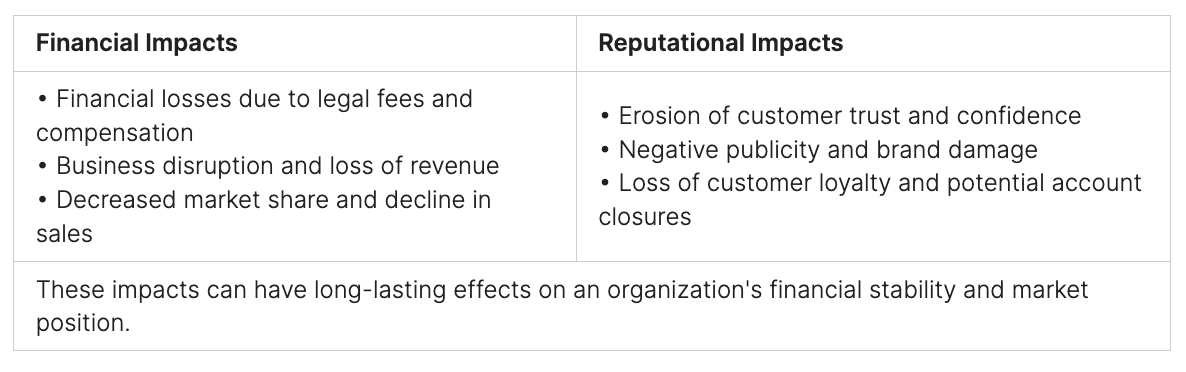
API security failures can lead to significant financial repercussions for organizations. Companies may incur costs associated with recovering from a breach, including forensic investigations, legal fees, customer notification, and potential regulatory fines. These financial impacts can strain resources and disrupt normal business operations, affecting profitability and sustainability.
In addition to financial implications, API security failures can also damage an organization’s reputation. A data breach can tarnish a company’s brand image, erode customer trust, and result in the loss of existing and potential customers. Rebuilding a damaged reputation is a challenging and time-consuming process that can have long-term negative effects on the success of an organization.
Organizations must implement comprehensive API security measures to mitigate these risks and protect their systems, data, and overall business operations. These measures may include secure authentication and authorization processes, encryption of sensitive data, regular security assessments and audits, and the adoption of industry best practices.
With the increasing sophistication of cyber threats, organizations must stay vigilant and adapt their API security strategies accordingly. It is crucial to stay updated with emerging security technologies and trends to address the evolving nature of API vulnerabilities. By prioritizing API security and investing in the necessary resources, organizations can enhance their overall cybersecurity posture, reduce the risk of breaches, and build trust with their stakeholders.
The Increasing Relevance of APIs in Daily Operations
APIs have become essential components of modern digital ecosystems, enabling seamless integration and collaboration between different software systems. As organizations strive for operational efficiency, scalability, and innovation, APIs play a vital role in facilitating these objectives. Across various industries, APIs are increasingly being utilized in daily operations to streamline processes, enhance communication between systems, and drive productivity.
One of the key reasons for the growing relevance of APIs in daily operations is their ability to connect disparate systems and applications. With APIs, organizations can integrate their CRM systems with their marketing automation platforms, allowing for seamless data transfer and real-time synchronization. This integration leads to more efficient customer relationship management, improved lead generation and nurturing, and enhanced overall business performance.
Furthermore, APIs enable organizations to leverage the capabilities of third-party applications and services, amplifying their product offerings. By incorporating APIs from popular platforms such as Google Maps, social media sites, and payment gateways, businesses can enhance their products with location-based services, social media sharing functionalities, and secure payment processing respectively. This integration enhances the user experience and expands the range of services a business can provide its customers.
Operational scalability is another significant advantage offered by APIs. As organizations grow and expand, APIs provide the flexibility to easily integrate new systems and adapt to changing business needs. A scalable API architecture allows for the seamless addition of new functionalities, services, and data sources, enabling organizations to respond to evolving market demands rapidly. This scalability ensures that businesses can sustain growth without compromising the efficiency and effectiveness of their daily operations.
Lastly, APIs foster innovation by enabling organizations to develop new products, services, and business models. With the increasing prevalence of digital transformation, businesses must constantly innovate to stay competitive. APIs provide the necessary building blocks for creating innovative solutions by allowing organizations to combine and reconfigure existing functionalities and data sources in new and unique ways. This fosters creativity, encourages experimentation, and ultimately drives innovation within organizations.
However, with the increasing usage and integration of APIs in daily operations, organizations must prioritize the security of their APIs. As APIs become more interconnected and handle sensitive data, the risk of security breaches and data leaks also increases. Hence, implementing robust API security measures is crucial to protect the integrity and reliability of these daily operations.
In conclusion, APIs have become indispensable in modern daily operations, offering operational efficiency, scalability, and innovation. They enable seamless integration, enhance product offerings, and promote business growth. However, organizations must ensure the security of their APIs to safeguard their systems, data, and overall business operations.
The Financial and Reputational Impacts of API Security Failures
When it comes to API security, the consequences of failures can be significant, both in financial terms, and damage to a company’s reputation. Real-world case studies of API breaches shed light on the potential fallout organizations may face due to inadequate API security measures.
Case Studies of API Breaches and Organizational Consequences
“Company X, a leading e-commerce platform, suffered a major API security breach that resulted in sensitive customer data being exposed. As a result, the company faced not only financial losses due to legal fees, customer compensation, and business disruption but also severe damage to its brand reputation. The breach eroded customer trust, leading to a decline in sales and a loss of market share.”
“In another case, a financial institution experienced an API security failure that led to unauthorized access to customer accounts. This breach not only resulted in financial losses in the form of stolen funds but also caused irreparable damage to the institution’s reputation. Customers lost confidence in the security of the institution’s services, leading to a wave of account closures and a loss of customer loyalty.”
These are just a few examples highlighting API security failures’ potential financial and reputational impacts. The loss of customer trust, negative publicity, legal consequences, and customer churn can have long-lasting effects on an organization’s bottom line and market position.
By examining these real-world case studies, organizations can gain valuable insights into the consequences of inadequate API security practices. This understanding can catalyze organizations to prioritize API security, invest in robust protective measures, and implement comprehensive security strategies.
Security Trends: Adapting to the Dynamics of API Threats
The threat landscape is constantly evolving, and organizations need to adapt to stay ahead of cybercriminals. In the context of API security, understanding the latest security trends and leveraging emerging technologies are crucial to countering API threats effectively.
One of the key security trends is the adoption of zero-trust architecture. Unlike traditional perimeter-based security models, a zero-trust approach assumes that every API request is potentially malicious, requiring continuous authentication and authorization. By implementing zero-trust principles, organizations can better mitigate API threats and reduce the risk of unauthorized access to sensitive data.
Another trend is the use of threat intelligence to enhance API security. Threat intelligence involves collecting, analyzing, and sharing information about potential threats and vulnerabilities. By leveraging threat intelligence feeds and platforms, organizations can stay informed about the latest trends in API attacks and proactively implement countermeasures.
Continuous monitoring is also an essential trend in API security. Organizations should develop robust monitoring systems that provide real-time visibility into API activity and detect any suspicious behavior. By monitoring API traffic and analyzing logs, organizations can identify potential threats and take immediate actions to mitigate them.
“Staying informed about the latest security trends and leveraging cutting-edge technologies is crucial for organizations to proactively address API threats and maintain a strong security posture.”
In conclusion, adapting to the dynamics of API threats requires organizations to stay ahead of the evolving threat landscape. By embracing security trends such as zero-trust architecture, threat intelligence, and continuous monitoring, organizations can effectively mitigate API threats and ensure the integrity and security of their digital assets.
Enhancing Digital Protection through Comprehensive API Security Strategies
To ensure robust digital protection, organizations must develop comprehensive API security strategies. Organizations can effectively mitigate the evolving threats in the digital landscape by implementing proactive security measures and continuously improving their security infrastructure.
Key components of comprehensive API security strategies include:
Risk assessment: Organizations should conduct regular risk assessments to identify potential vulnerabilities in their APIs and prioritize security measures accordingly.
Access control mechanisms: Implementing strong access controls ensures that only authorized parties can interact with the APIs, reducing the risk of unauthorized access and data breaches.
Encryption: Encrypting API data during transmission and storage adds protection, making it more difficult for hackers to intercept and exploit sensitive information.
Security testing: Regular security testing, including penetration testing and vulnerability assessments, helps organizations identify and address potential weaknesses in their API security.
By adopting these comprehensive API security strategies, organizations can enhance their overall digital protection and minimize the risk of security breaches. It is essential for organizations to prioritize API security as part of their broader cybersecurity initiatives to safeguard their systems, protect sensitive data, and maintain the trust of their customers.
Predictions on API Usage: The Surge of AI Integration in 2024
The integration of AI into various applications is on the rise, and APIs play a central role in enabling this integration. This section will discuss predictions on the surge of AI integration in 2024, with a focus on the role of APIs in next-generation AI applications. It will also highlight the risks associated with AI-driven APIs, such as data privacy and ethical concerns, and provide countermeasures to mitigate those risks. By understanding the intersection of APIs and AI, organizations can harness the power of AI while ensuring the security and integrity of their systems and data.
APIs at the Core of Next-Gen AI Applications
The utilization of APIs will significantly influence the development of next-generation AI applications in 2024. With the increased adoption of AI technologies, organizations are increasingly seeking ways to integrate AI capabilities into their existing systems and workflows. APIs serve as the bridge between AI models and applications, allowing for seamless interaction and exchange of information.
APIs enable developers to access and leverage pre-trained AI models, allowing for faster and more efficient development of AI-driven applications. By integrating with AI APIs, developers can tap into advanced capabilities such as natural language processing, image recognition, and predictive analytics without having to develop these models from scratch. This expedites the development process while ensuring high accuracy and performance.
Furthermore, APIs empower organizations to leverage the collective intelligence of AI by accessing and integrating with AI platforms and ecosystems. This collaboration between different AI systems through APIs enables organizations to combine the strengths and capabilities of multiple AI models, creating more robust and comprehensive AI applications.
Risks Associated with AI-driven APIs and Countermeasures
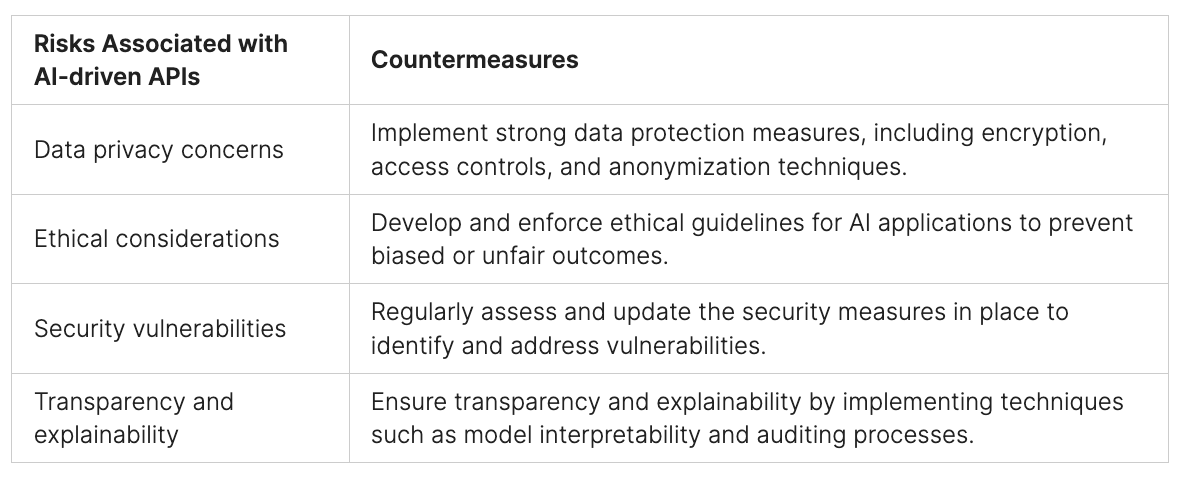
While the integration of AI and APIs offers numerous benefits, it also introduces certain risks that organizations need to address. Some of the key risks associated with AI-driven APIs include:
Data privacy concerns: AI models require large amounts of data for training and continuous improvement. Organizations must ensure that the data accessed and processed through AI-driven APIs are adequately protected and comply with privacy regulations.
Ethical considerations: AI models are capable of making autonomous decisions and predictions that can have profound ethical implications. It is crucial for organizations to develop ethical frameworks and guidelines for the responsible use of AI-driven APIs to prevent biased or discriminatory outcomes.
Security vulnerabilities: The integration of AI-driven APIs introduces potential security vulnerabilities, such as malicious attacks targeting AI models or unauthorized access to sensitive data. Organizations must implement robust security measures to protect both the AI models and the data processed through the APIs.
Transparency and explainability: As AI-driven APIs become more complex, ensuring transparency and explainability becomes critical. Organizations need to understand how AI models make decisions and ensure that they can provide clear explanations when required.
To mitigate the risks associated with AI-driven APIs, organizations should consider implementing the following countermeasures:
Implement strong data protection measures, including encryption, access controls, and anonymization techniques.
Develop and enforce ethical guidelines for AI applications to prevent biased or unfair outcomes.
Regularly assess and update the security measures in place to identify and address vulnerabilities.
Ensure transparency and explainability by implementing techniques such as model interpretability and auditing processes.
By integrating AI-driven APIs while addressing the associated risks, organizations can fully leverage the power of AI to drive innovation and achieve their business objectives in a secure and responsible manner.
Investing in API Security: A Must for Modern Enterprises
Investing in API security is crucial for modern enterprises to safeguard their digital assets and maintain the trust of their customers. In today’s interconnected world, where cyber threats are on the rise, organizations cannot afford to overlook the importance of API security.
There are several key reasons why organizations should prioritize API security and allocate resources to establish robust security measures.
Regulatory Compliance: With the increasing number of data protection and privacy regulations, organizations must ensure that their APIs are secure and comply to avoid hefty fines and legal consequences.
Customer Trust: API security plays a critical role in building and maintaining customer trust. Customers expect their personal and sensitive information to be protected when interacting with an organization’s APIs. By investing in API security, organizations can demonstrate their commitment to safeguarding customer data and protect their brand reputation.
Competitive Advantage: In today’s competitive landscape, organizations that prioritize API security gain a competitive edge. Organizations can position themselves as reliable and trustworthy partners in the digital ecosystem by offering secure APIs that customers and partners trust.
Organizations can proactively protect their systems, data, and reputation by recognizing the importance of investing in API security. Advanced security measures, such as encryption, access controls, and continuous monitoring, can help organizations mitigate the risks associated with API vulnerabilities and ensure the integrity of their digital operations.
Conclusion
In summary, the significance of API security for organizations in 2024 cannot be overstated. With digital threats on the rise and APIs increasingly becoming a core element of business operations, it’s imperative for organizations to adopt thorough security strategies and proactive measures to defend their digital assets.
Staying abreast of the evolving cybersecurity environment allows organizations to anticipate and mitigate potential risks and vulnerabilities associated with APIs. Effectively managing API risks involves a multifaceted approach, incorporating sophisticated security frameworks and integrating AI technology to bolster threat detection and response capabilities.
Investing in API security transcends the mere safeguarding of sensitive information; it is also crucial for maintaining financial stability and upholding reputational integrity. Organizations that prioritize API security will not only gain a competitive advantage but also establish trust with their customers and diminish the impact of any security breaches.
The essential insights from this discussion underscore the need to comprehend the risks associated with API security, embrace cutting-edge technologies, and forge comprehensive security strategies. By applying the knowledge and insights from this article, organizations can adeptly navigate the intricate cybersecurity environment of 2024, ensuring robust protection for their digital infrastructure, data, and overall business health.
For expert guidance and bespoke solutions in API security, we invite you to visit Peris.ai Cybersecurity. Our expertise and resources are tailored to help you secure your APIs against the sophisticated cyber threats of today’s digital landscape. Join us in fortifying your cybersecurity posture and safeguarding your organization’s future.
FAQ
Why is API security important in 2024?
API security is crucial in 2024 due to the rising digital threats and the increased reliance on APIs for digital operations. Organizations need to prioritize API security to safeguard their systems, data, and overall business operations.
What are the key reasons for organizations to invest in API security?
Organizations should invest in API security to comply with cybersecurity norms, maintain customer trust, gain a competitive advantage, and mitigate API security failures’ potential financial and reputational impacts.
What are the emerging API vulnerabilities that organizations need to be aware of?
Organizations need to be aware of emerging API vulnerabilities, such as insecure authentication, insufficient access controls, and inadequate data validation. These vulnerabilities can expose systems to unauthorized access and data breaches.
How can organizations prevent API vulnerabilities?
Organizations can prevent API vulnerabilities by implementing best practices such as strong authentication mechanisms, robust access controls, thorough data validation, and regular security testing. Proactive measures can significantly reduce the risk of API vulnerabilities.
What is the role of AI in enhancing API security?
AI plays a crucial role in enhancing API security by enabling advanced threat detection and response capabilities. Machine learning and automation can identify and mitigate potential API attacks in real-time, strengthening overall security defenses.
How can organizations employ advanced security frameworks for APIs?
Organizations can employ advanced security frameworks specifically tailored for APIs. These frameworks focus on API-specific security controls, including encryption, secure communication protocols, and effective access control mechanisms.
What are the legal implications of API security breaches?
API security breaches can have legal implications, including potential fines, lawsuits, and reputational damage. Organizations need to ensure compliance with regulations and implement robust security measures to mitigate the risk of legal consequences.
How can organizations develop a culture of cyber defense within their organizations?
Organizations can develop a culture of cyber defense by actively involving employees in maintaining a secure environment. This includes regular cybersecurity training, promoting awareness of security practices, and encouraging a sense of responsibility towards cyber defense.
What are the financial and reputational impacts of API security failures?
API security failures can result in significant financial losses, data breaches, brand damage, and erosion of customer trust. These impacts can have long-term consequences on an organization’s financial stability and reputation.
What security trends should organizations be aware of to counter the dynamics of API threats?
Organizations should stay informed about security trends such as zero-trust architecture, threat intelligence, and continuous monitoring. These trends can help them effectively counter the evolving dynamics of API threats.
How can organizations enhance their digital protection through comprehensive API security strategies?
Organizations can enhance their digital protection by developing comprehensive API security strategies that include risk assessment, access control mechanisms, encryption, and regular security testing. Proactive measures and continuous improvement are essential to mitigate evolving threats.
What are the predictions for API usage and AI integration in 2024?
It is predicted that AI integration will surge in 2024, with APIs playing a central role in next-generation AI applications. However, organizations need to be aware of the risks associated with AI-driven APIs, such as data privacy and ethical concerns, and implement suitable countermeasures.
Why is investing in API security a must for modern enterprises?
Investing in API security is essential for modern enterprises to safeguard their digital assets, maintain customer trust, and mitigate the potential consequences of security breaches. It ensures the integrity and reliability of systems and data in an interconnected world.
In a significant cybersecurity alert, researchers have identified a series of malicious Android applications that have been implicated in a widespread scheme to compromise banking data. Over 90 apps, accumulating more than 5.5 million downloads, were found disseminating malware on the Google Play Store. Here’s an in-depth look at the nature of these threats and how you can safeguard your devices.
Critical App Removal
Apps to Uninstall:
PDF Reader & File Manager by TSARKA Watchfaces
QR Reader & File Manager by risovanul
Despite their removal from the Google Play Store, these apps may still pose a risk if previously installed. It is crucial for users to manually uninstall these applications to prevent potential data breaches.
️ Understanding Dropper Apps
Functionality: Dropper apps cleverly evade initial security screenings by Google, appearing harmless upon download. However, once installed, these apps establish connections to hacker-controlled servers from which they then download and install malware onto the device.
Malware Specifics: The primary threat from these apps is the Anatsa banking trojan, which targets a vast array of banking applications.
The Threat of the Anatsa Banking Trojan
Target Scope: Anatsa aggressively targets over 650 banking and financial apps across the US, UK, Europe, and Asia.Methodology: This trojan employs overlay attacks to steal login credentials by superimposing fraudulent login screens over legitimate banking apps.Potential Impact: The Anatsa trojan is capable of initiating transactions directly from the infected device, posing severe financial threats to the user.
️ Protective Measures Against Malicious Apps
To shield your device from such vulnerabilities, consider adopting the following security measures:
App Limitation: Install only essential applications to minimize potential exposure to malware.
Developer Credibility: Opt for apps created by reputable developers known for their history of secure software.
Review Authenticity: Exercise caution with app reviews as they can be manipulated. Video reviews may offer a more trustworthy perspective.
Google Play Protect: Activate this feature to allow continuous scanning of your apps, ensuring immediate detection and response to any malicious software.
Antivirus Solutions: Augment your device’s security with top-tier Android antivirus applications that may also provide additional features like VPNs or password managers.
Google’s Proactive Steps
In response to the discovery of these threats, Google has taken swift action by removing all identified malicious apps from the Play Store. Google Play Protect continues to play a crucial role in safeguarding Android devices by automatically disabling or removing apps known to harbor this malware.
Stay Informed and SecureRemaining vigilant and informed is your best defense against the evolving landscape of cyber threats. Regular updates, cautious app installations, and robust cybersecurity practices are paramount.
For further insights and continuous updates on protecting your digital life, visit Peris.ai Cybersecurity. We are committed to equipping you with the tools and knowledge needed to defend against sophisticated digital threats.
Your Peris.ai Cybersecurity Team#YouBuild #WeGuard
By staying informed and proactive, you can significantly enhance the security of your devices and personal data.
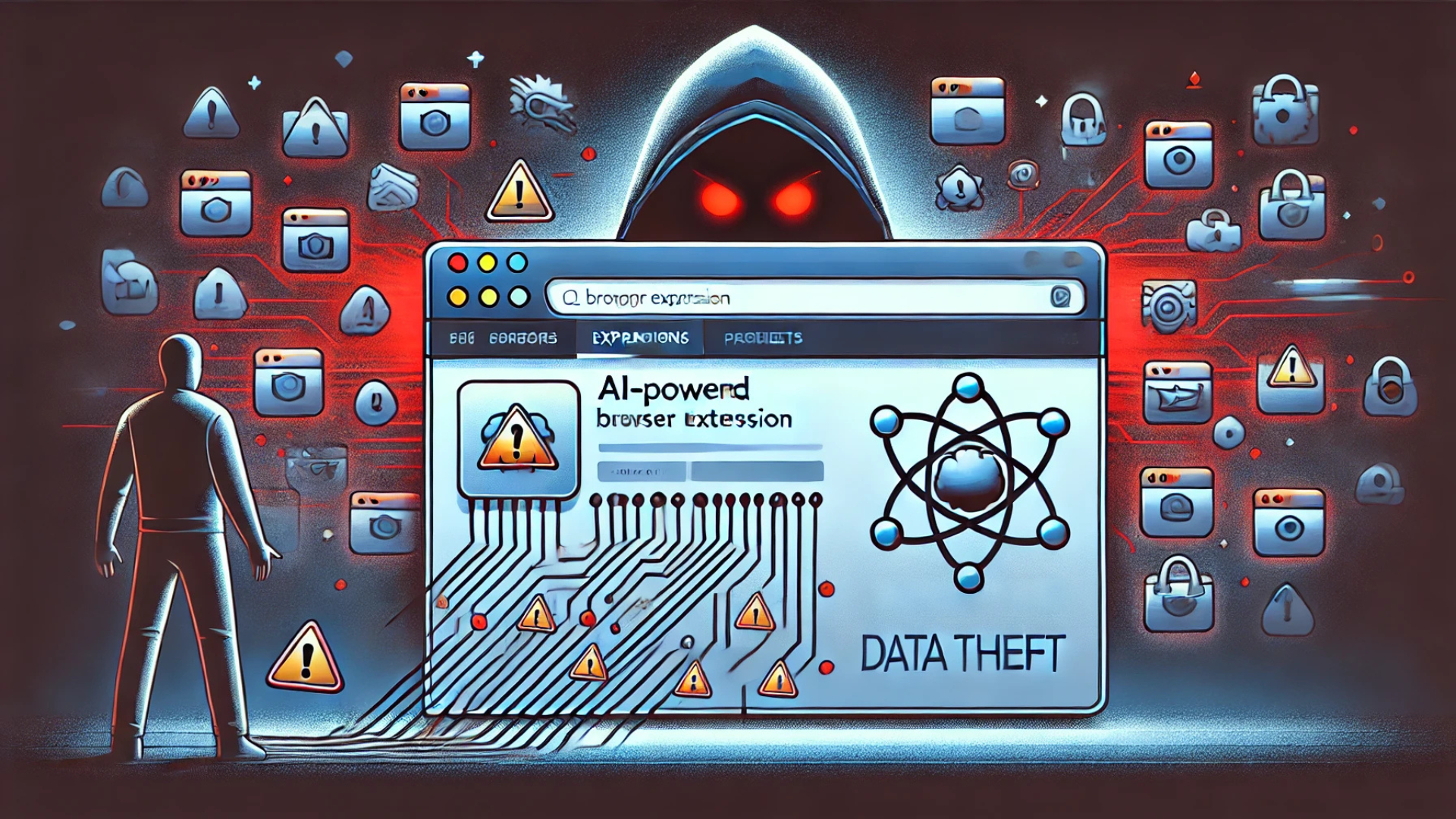
In the rapidly evolving digital age, AI-driven browser extensions are indispensable tools for small businesses, enhancing productivity and simplifying daily tasks. However, a recent cybercriminal campaign has put millions of users at risk by compromising at least 36 Google Chrome extensions that mimic popular AI and VPN services. This breach primarily affects small businesses and digital marketers, exposing them to severe data theft.
The Rising Threat: Compromise of AI and VPN Chrome Extensions
What You Need to Know:
Cybercriminals have hijacked 36 Chrome extensions, impacting over 2.6 million users.
These extensions, disguised as popular AI and VPN tools, were manipulated to deliver malware through seemingly legitimate updates.
The compromised extensions include names like “Bard AI Chat,” “ChatGPT for Google Meet,” and several VPN-related tools not affiliated with official providers like OpenAI or Google.
Immediate Action Required: For a comprehensive list of affected extensions and detailed guidance, refer to the official security report linked at the end of this newsletter.
How the Compromised Extensions Can Affect Your Business
Malware Disguised as Updates:
Attackers distribute fake updates that, once installed, inject malicious code into the browser, enabling them to steal sensitive data.
Data Targeted by Cybercriminals:
The focus is on Facebook Ads accounts from which attackers can extract login credentials, payment information, and critical business advertising data.
Ongoing Risks:
Although many malicious extensions have been removed from the Chrome Web Store, some remain active and continue to pose a threat to users.
Steps to Protect Your Business from Compromised Extensions
Uninstall Suspicious Extensions: Immediately remove any questionable AI or VPN Chrome extensions not directly sourced from trusted developers like Google or OpenAI. Regularly review and adjust extension permissions to minimize potential exposure.
Use Verified First-Party Extensions Only: To ensure security, utilize official extensions provided by recognized entities and avoid third-party tools that offer duplicated functionalities.
Educate Your Team on Browser Security: Inform your staff about the risks associated with unauthorized extensions and enforce a browser security policy that limits the use of unverified extensions.
Deploy Advanced Security Solutions: Implement comprehensive endpoint security software to detect and prevent malware infections. Ensure continuous protection against various cyber threats including spyware, ransomware, and phishing attacks.
Regular Monitoring and Auditing: Conduct frequent security audits on browser extensions and enforce multi-factor authentication (MFA) to safeguard business accounts from unauthorized access.
Key Takeaways for Safeguarding AI-Enhanced Workflows
The hijacking of 36 AI and VPN Chrome extensions highlights a significant cybersecurity threat, requiring immediate removal to protect your data.
Small businesses and marketers managing Facebook Ads accounts are at heightened risk and must prioritize security.
Adopt stringent security measures, restrict the use of browser extensions, and rely only on verified tools from reputable developers.
Ensure your cybersecurity defenses are robust, with up-to-date endpoint security solutions providing comprehensive protection.
Stay Secure with Peris.ai
With AI-driven cybersecurity threats becoming more sophisticated, it is critical for businesses to proactively secure their digital environments. Peris.ai is dedicated to equipping businesses with state-of-the-art cybersecurity solutions to combat and prevent emerging cyber threats.
For more insights on how to protect your business and to explore advanced cybersecurity solutions, visit Peris.ai.
Your Peris.ai Cybersecurity Team #YouBuild #WeGuard
In today’s digital age, small and medium-sized businesses (SMBs) often find themselves particularly vulnerable to cyberattacks. While resource limitations can pose challenges, effective cybersecurity is still within reach. Here are practical, cost-effective measures SMBs can implement to enhance their cybersecurity posture without substantial investments.
️ Employee Cybersecurity Training
Empower Your Team: Employees can act as your first line of defense against cyber threats. Regular training sessions can enhance their ability to recognize and respond to security threats like phishing and social engineering.
Actions: Conduct routine training workshops, disseminate updates on the latest threats, and establish a clear protocol for reporting suspicious activities.
Strong Password Policies
Secure Access Control: Enforcing robust password policies is crucial for safeguarding your business from unauthorized access.
Strategies: Mandate complex passwords that include a mix of characters, implement multi-factor authentication (MFA), promote the use of password managers, and require regular password changes for sensitive accounts.
Regular System Updates
Patch and Protect: Keeping software and operating systems up to date is one of the simplest yet most effective defenses against cyber threats.
Implementation: Activate automatic updates for software and hardware, conduct periodic checks for updates, and phase out unsupported systems that might be vulnerable to attacks.
Data Backup and Recovery
Prepare for the Worst: Regular backups can mitigate the impact of data loss due to cyber incidents like ransomware.
Backup Protocol: Automate data backups, ensure backups are stored in multiple, secure locations (including cloud storage), regularly test backup integrity, and encrypt backups to secure sensitive data from unauthorized access.
️ Cost-Effective Cybersecurity Tools
Leverage Affordable Solutions: Protecting your network need not be prohibitively expensive. Various budget-friendly tools can significantly fortify your defenses.
Tools to Consider: Utilize reliable antivirus software, deploy firewalls to monitor and control incoming and outgoing network traffic, set up email filtering to curb phishing threats, and use a virtual private network (VPN) for secure remote access.
Conclusion: Maximizing Cyber Resilience on a Budget
For SMBs, robust cybersecurity doesn’t require extravagant spending. By prioritizing key protective measures—employee education, strong password policies, regular updates, secure backups, and strategic tool deployment—you can effectively shield your business from a range of cyber threats.
For ongoing tips and personalized guidance on safeguarding your operations, visit Peris.ai. Protect your enterprise with tailored solutions that ensure you stay secure in the evolving threat landscape.
Your Peris.ai Cybersecurity Team #YouBuild #WeGuard
Recent investigations by cybersecurity researchers have unveiled a revitalized espionage campaign leveraging the LightSpy iOS spyware against users in South Asia. Notably advanced, this spyware, also known as ‘F_Warehouse,’ is designed to infiltrate iPhones with an array of spying functionalities. This campaign, extensively detailed in a report by the BlackBerry Threat Research and Intelligence Team, represents a significant threat, particularly to users in India, as indicated by VirusTotal submissions.
Origins and Evolution of LightSpy
Initially identified in 2020 by Trend Micro and Kaspersky, LightSpy is known for its sophisticated backdoor capabilities on iOS devices, usually spread through compromised news websites in watering hole attacks. The latest findings highlight the spyware’s modular architecture which enables the extraction of sensitive data such as contacts, SMS messages, location details, and even VoIP call recordings.
Linkages and Expanded Threat Capabilities
An October 2023 analysis by ThreatFabric revealed that LightSpy shares infrastructure and functionality with DragonEgg, an Android spyware attributed to the Chinese nation-state group APT41, also known as Winnti. The intricate nature of LightSpy allows it not only to gather traditional data but also to access files and data from popular applications like Telegram, QQ, and WeChat, alongside iCloud Keychain data and browsing history from Safari and Google Chrome.
Sophisticated Espionage Framework
The spyware’s latest iteration includes new features for extensive data exfiltration. It can now list connected Wi-Fi networks, identify installed apps, take pictures using the device’s camera, record audio, and execute shell commands remotely. This comprehensive suite of capabilities suggests potential full device control by the attackers.
Stealth and Communication Security
One of LightSpy’s notable defenses against detection is its use of certificate pinning, which shields its communication with the command-and-control (C2) server from interception, particularly on monitored networks. Moreover, interactions with the C2 server, found at an IP address hosting an admin panel displaying errors in Chinese, suggest involvement of native Chinese speakers and hints at state-sponsored motivations behind the malware’s deployment.
Global Implications and User Alerts
The resurgence of LightSpy and its evolution into the ‘F_Warehouse’ framework signifies a significant escalation in mobile espionage threats, according to BlackBerry. The enhanced abilities of this malware present a formidable risk to individuals and organizations across Southern Asia. In response, Apple has issued threat notifications to users in 92 countries, including India, warning them of potential targeting by this and other sophisticated spyware threats.
Concluding Security Recommendations
As cyber threats like LightSpy become more sophisticated, it’s crucial for users and organizations to adopt stringent cybersecurity measures. Regular updates, cautious interaction with unknown websites and links, and awareness of the latest security threats are paramount in safeguarding sensitive personal and organizational data.
In today’s digital age, IT security and penetration testing are critical for organizations of all shapes and sizes. The growing risk of cyber threats means that a robust IT security system is more important than ever.
However, procuring the right penetration testing service provider for your business can be challenging. That’s why we’ve created this comprehensive guide for IT security teams in penetration testing procurement. Our guide will take you through the entire process, from understanding IT security and penetration testing to managing the engagement and leveraging results.
Key Takeaways:
IT security and penetration testing are crucial for organizations to safeguard systems in today’s digital age.
Procuring the right penetration testing service provider can be challenging, but it’s essential for effective IT security.
This comprehensive guide will take you through the entire penetration testing procurement process, from assessment to ongoing monitoring and improvement.
By following the best practices outlined in our guide, IT security teams can optimize the procurement process to ensure maximum effectiveness.
Our guide provides actionable insights organizations can use to enhance their security posture.
1. Understanding IT Security and Penetration Testing
IT security and penetration testing are essential components of any organization’s security strategy. IT security involves protecting an organization’s information, data, and systems from unauthorized access, theft, or damage. Penetration testing, on the other hand, is a simulated attack on an organization’s systems to identify potential vulnerabilities that attackers could exploit.
Effective IT security requires a comprehensive approach that includes preventive measures, such as firewalls, encryption, and access controls, and proactive activities, such as vulnerability scanning and penetration testing. Penetration testing helps identify vulnerabilities that may have been missed during the initial security assessment and provides an opportunity to validate the effectiveness of existing security controls.
Penetration testing can be conducted externally, simulating an attack from outside the organization, or internally, simulating an attack from within. Both methods are essential to ensure that an organization’s network and data are fully protected from cyber threats.
IT security teams must understand the importance of penetration testing and its role in identifying and mitigating cybersecurity risks. They are responsible for overseeing the testing process, ensuring that it is conducted in a controlled and safe manner, and working with penetration testing providers to address any vulnerabilities that are identified. By conducting regular penetration testing, organizations can reduce the risk of a cyber-attack and protect their sensitive information from theft or damage.
2. The Role of IT Security Teams in Procuring Penetration Testing Services
IT security teams are critical stakeholders in the procurement process of penetration testing services. Their involvement and expertise can ensure that the right testing methodology is selected, adequate scope of testing is defined, and the engagement results are thoroughly evaluated and utilized to improve the organization’s security posture.
IT security teams should participate in all phases of the procurement process in partnership with the procurement team. During the scoping phase, IT security teams should work closely with business and technical stakeholders to understand the systems, applications, and data that need to be tested. They should ensure that all stakeholders understand the goals of the engagement, the testing methodology, and the expected deliverables.
During the vendor evaluation phase, IT security teams should use their expertise to identify and vet potential penetration testing providers. They should consider the vendor’s experience, certifications, references, and reputation in the industry. They should also ensure that the vendor has the expertise and experience to test the systems, applications, and data in scope.
During the proposal evaluation phase, IT security teams should evaluate the vendor proposals against the project goals, scope, and expected deliverables. They should ensure that the proposal includes a detailed methodology, testing approach, and scope of testing. They should also ensure that the pricing is reasonable and competitive.
Finally, during the engagement phase, IT security teams should closely manage the vendor to ensure that the testing is performed according to the project goals, scope, and methodology. They should ensure that the vendor has access to the systems, applications, and data in scope and performs testing securely and non-disruptively.
3. Assessing the Organization’s Security Needs
Before procuring penetration testing services, assessing an organization’s security needs is critical. This involves identifying potential vulnerabilities, understanding the scope of testing required, and aligning it with business objectives. An IT security team plays a crucial role in this process, leveraging their expertise to determine the appropriate testing approach.
The first step is conducting a comprehensive security assessment, identifying potential weaknesses in the organization’s systems. This can include assessing network security, system configuration, user access controls, and data encryption protocols. The IT security team can then prioritize the identified vulnerabilities based on their severity and likelihood of exploitation.
Once vulnerabilities have been identified, the IT security team can determine the testing scope required to address them adequately. This can include determining the systems or applications to be tested, the level of detail required, and the testing methodology to be used. The team should also take into account any compliance requirements the organization may be subject to.
The scope of testing should be aligned with the organization’s business objectives, ensuring that the testing helps achieve the desired outcomes. This can involve evaluating the impact of potential security breaches on the business and identifying critical systems that require additional testing. The IT security team should also consider the organization’s risk appetite and tolerance when determining the appropriate level of testing.
Assessing an organization’s security needs is a critical step in the penetration testing procurement process. By identifying potential vulnerabilities, determining the scope of testing required, and aligning it with business objectives, IT security teams can ensure that their organization is adequately protected from security threats.
Once an organization has assessed its security needs, the next step is to identify suitable penetration testing providers. The IT procurement team should be involved in this process to ensure that the provider selected aligns with the organization’s IT procurement policies and procedures. Factors to consider include:
Experience and expertise in the type of testing required
Certifications and accreditations, such as ISO 27001
Reputation, including reviews from other organizations and references
Availability and flexibility to accommodate the organization’s schedule and requirements
Cost and pricing model
It is important to take the time to research and evaluate potential providers thoroughly. Seeking recommendations from other industry colleagues or security experts can be helpful in identifying reliable and effective penetration testing providers.
5. Evaluating Penetration Testing Proposals
Once the IT security team has identified potential penetration testing providers, the next step is to evaluate the proposals received from these providers. This evaluation process is critical to ensure that the selected provider aligns with the organization’s requirements and that the engagement delivers the desired outcomes.
When evaluating proposals, several key criteria must be considered. One of these is the provider’s methodology. The methodology should be well-defined, structured, and aligned with industry best practices. The methodology must also include appropriate tools and techniques to identify vulnerabilities and mitigate risks.
Tip: Ensure to check whether the provider has experience in assessing the specific systems and applications that require testing. They should also be skilled in handling the testing of cloud environments.
The scope coverage is another critical factor to consider. The proposal should outline precisely what systems, software, and networks the engagement covers. This includes the types of vulnerabilities to be targeted and the depth of testing required.
Tip: Ensure that the scope of work is well defined and includes all systems, applications, and networks that are critical to the organization’s operations.
Finally, pricing is also a critical consideration. Providers should provide clear and transparent pricing information for the proposed engagement. This should be aligned with the scope of work and the requirements identified during the initial scoping process.
Tip: Consider whether pricing is competitive for the services offered. Ensure to consider the cost of any supplementary services, such as retesting, that may be required post-engagement.
Evaluating proposals requires significant expertise and experience. Therefore, it is crucial that IT security teams involve appropriate stakeholders, including management and procurement professionals, in the decision-making process.
Conclusion:
Evaluating penetration testing proposals is a crucial aspect of the procurement process. IT security teams must ensure that they evaluate provider methodologies, scope coverage, and pricing in detail before making a decision. By conducting a thorough evaluation, teams can select a provider that aligns with their organization’s requirements and delivers an effective engagement.
6. The Role of IT Security Teams in Procuring Penetration Testing Services
Procuring penetration testing services requires a thorough understanding of the organization’s IT security needs and the expertise to evaluate potential providers. IT security teams play a critical role in this process, ensuring that the penetration testing engagement is aligned with business objectives and effectively addresses potential vulnerabilities.
To successfully navigate contract negotiations for penetration testing procurement, IT security teams should prioritize establishing clear expectations and defining essential terms. This includes outlining the scope of testing, delivery timelines, and pricing considerations, among others.
During the negotiation process, IT security teams should also focus on assessing and mitigating any potential legal or financial risks. This includes identifying areas of potential liability and ensuring that the provider has adequate insurance coverage.
By engaging effectively with potential providers and negotiating favorable terms, IT security teams can ensure that the procurement process meets the organization’s needs and aligns with its IT security priorities.
7. Managing the Penetration Testing Engagement
Once a suitable provider has been selected and a contract has been negotiated and signed, it is essential to manage the penetration testing engagement effectively. This involves ensuring that the testing objectives are achieved, communication is maintained between the IT security and penetration testing teams, and any challenges that arise during the engagement are addressed.
A key factor in the engagement’s success is clearly understanding the scope and methodology of the testing. The IT security team should work closely with the penetration testing team to ensure that the scope covers all critical assets and vulnerabilities and that the methodology is thorough and effective.
Regular communication between the IT security and penetration testing teams is also crucial throughout the engagement. This includes providing updates on the progress of testing, sharing findings and recommendations, and addressing any questions or concerns that may arise.
It is important to establish clear lines of communication and set expectations for the frequency and content of updates from the penetration testing team. Additionally, it is beneficial to designate a point person from the IT security team to serve as the primary contact for the penetration testing team.
Should any challenges arise during the engagement, it is important to address them promptly and effectively. This may involve reassessing the scope of testing, adjusting the methodology, or working collaboratively to address technical issues.
By effectively managing the penetration testing engagement, IT security teams can ensure that the testing objectives are met, vulnerabilities are identified and addressed, and the organization’s overall security posture is strengthened.
Penetration testing teams can help facilitate the management of the engagement by providing clear and concise updates, being responsive to questions and concerns, and collaborating with the IT security team to address challenges and ensure a successful engagement.
8. Leveraging Penetration Testing Results
After conducting a comprehensive penetration testing exercise, IT security teams must leverage the results to enhance their organization’s overall security posture.
The first step in leveraging the penetration testing results is to carefully analyze the findings and identify any vulnerabilities that were discovered. These vulnerabilities must be prioritized based on their potential impact on the organization’s operations and their likelihood of exploitation by attackers.
Once the vulnerabilities have been identified and prioritized, IT security teams must plan and implement remediation measures to address them. This may include patching systems, updating software, and improving security configurations.
Documenting the remediation measures taken and monitoring their effectiveness is also important. Regular testing should be conducted to confirm that the vulnerabilities have been successfully mitigated.
In addition to remediation, IT security teams can leverage the results of the penetration testing exercise to identify areas for improvement in their overall security posture. For example, if the testing reveals weaknesses in access controls, the team may implement stronger authentication mechanisms or more granular access policies.
Overall, the results of a penetration testing exercise can provide valuable insights into an organization’s security posture. By leveraging these insights and taking appropriate actions, IT security teams can strengthen their organization’s defenses against cyber threats.
9. Monitoring and Continuous Improvement
IT security and penetration testing procurement are crucial for any organization hoping to maintain an effective security posture. However, it doesn’t end there. Continuous monitoring and improvement are essential components of any robust security strategy.
Penetration testing provides valuable insights into an organization’s security vulnerabilities, but these need to be acted upon. IT security teams must take action based on the findings and recommendations to enhance their organization’s security measures.
This process includes ongoing monitoring of potential security threats and reassessing existing security measures. Regular penetration testing should also be conducted to ensure the measures remain effective and up-to-date.
Staying updated on emerging threats is critical, as cyberattacks are continually evolving. IT security teams must remain vigilant and adapt their measures accordingly to protect their organization against these threats effectively.
Regularly reassess security measures.
Stay updated on emerging threats.
Conduct regular penetration testing.
Respond to findings and recommendations.
Organizations can stay ahead of potential threats by adopting a proactive approach to IT security and maintain a robust security posture. Continuous improvement is essential to ensure they are well-prepared for any security breaches, and penetration testing plays a crucial role in achieving this goal.
10. Best Practices in Penetration Testing Procurement
Effective IT security management involves thorough and considered procurement practices for penetration testing services. Here are some key best practices to aid in the process:
Understand your organization’s security needs. Conduct a thorough assessment of potential vulnerabilities and align penetration testing scope with business objectives.
Involve IT security teams in every step of the procurement process. IT security teams bring essential expertise to the table and should actively identify providers, evaluate proposals, and negotiate contracts.
Consider provider experience, certifications, and reputation. These factors can help determine the provider’s capabilities and reliability in delivering quality penetration testing services.
Evaluate proposals based on methodology, scope coverage, and pricing. Ensure the provider’s approach aligns with organization needs and budget.
Negotiate contracts effectively. Pay attention to essential terms such as confidentiality, liability, deliverables, and the provider’s obligations and warranties.
Manage the engagement effectively. Streamline communication between the IT security team and the provider, ensure testing objectives are met, and address any issues that arise promptly.
Utilize penetration testing results to enhance overall security posture. Take action based on findings and recommendations to strengthen system security effectively.
Stay updated on emerging threats and reassess security measures regularly. Regular penetration testing and implementing security measures that align with industry standards can help continuously enhance an organization’s security posture.
By following these best practices, IT security teams can ensure the procurement process for penetration testing services is optimized, effective, and aligned with the organization’s overall security objectives.
Conclusion
In summary, the significance of IT security and penetration testing procurement cannot be overstated as fundamental elements of an organization’s overarching security strategy. Understanding the pivotal role of IT security teams in the procurement process, assessing security requisites, selecting suitable providers, and proficient management of the engagement all collectively empower organizations to fortify their security defenses and minimize potential vulnerabilities.
The outcomes of penetration testing offer invaluable insights, enabling IT security teams to pinpoint vulnerabilities and take prompt corrective actions. Sustained vigilance and a commitment to ongoing enhancements are indispensable in upholding a robust security stance.
Best Practices in Penetration Testing Procurement To optimize the penetration testing procurement process, adhering to best practices is imperative:
Involve IT security teams at every stage of procurement.
Clearly articulate the testing objectives and scope.
Evaluate potential providers based on their experience, certifications, and reputation.
Thoroughly assess received proposals.
Negotiate contracts that unambiguously delineate responsibilities, deliverables, and liability.
Efficiently manage the engagement to ensure objectives are met, and challenges are addressed.
Harness the results of penetration testing to elevate overall security defenses.
Continuously monitor and refine security measures.
By steadfastly adhering to these best practices, organizations can streamline their penetration testing procurement process, guaranteeing the acquisition of the most effective testing services.
In essence, IT security and penetration testing procurement serve as the cornerstones for an organization’s safety and security. By following the guidelines presented in this guide and embracing best practices, IT security teams can fortify their organization’s security posture, thereby reducing potential risks. Take action now to safeguard your digital assets and gain the upper hand in the realm of cybersecurity. Visit our website to explore Perisai Pandava – Pentest & Assessment services and rest easy, knowing that your business is shielded from potential threats. Sleep soundly, for your data is in secure hands.
FAQ
What is IT security?
IT security protects information and systems from unauthorized access, use, disclosure, disruption, modification, or destruction. It aims to ensure data and technology resources’ confidentiality, integrity, and availability.
What is penetration testing?
Penetration testing, also known as ethical hacking or white-hat hacking, is a method of assessing the security of a computer system, network, or application by simulating real-world attacks. It involves identifying vulnerabilities and weaknesses to help organizations strengthen their defenses.
Why is IT security and penetration testing important for organizations?
IT security and penetration testing are crucial for organizations to safeguard their sensitive information, protect against data breaches, and maintain the trust of their customers. They help identify vulnerabilities before malicious actors can exploit them and ensure that appropriate security measures are in place.
What is the role of IT security teams in procuring penetration testing services?
IT security teams play a vital role in the procurement process for penetration testing services. They are responsible for assessing the organization’s security needs, identifying suitable providers, evaluating proposals, negotiating contracts, managing the engagement, and leveraging the results to enhance security.
How can organizations assess their security needs?
Assessing an organization’s security needs involves identifying potential vulnerabilities, understanding the scope of testing required, and aligning it with business objectives. This can be done through risk assessments, vulnerability scans, and consultations with IT security experts.
How can IT security teams identify suitable penetration testing providers?
IT security teams can identify suitable penetration testing providers by considering factors such as experience, certifications, reputation, expertise in specific industry sectors, methodologies used, and the ability to meet the organization’s unique requirements.
What should be evaluated when reviewing penetration testing proposals?
When reviewing penetration testing proposals, key criteria to consider include the provider’s methodology, scope coverage, deliverables, pricing, turnaround time, reporting format, and the level of support and collaboration offered during and after the engagement.
What should be considered during contract negotiations for penetration testing?
During contract negotiations, essential terms to consider include confidentiality agreements, liability provisions, intellectual property rights, dispute resolution mechanisms, compliance with legal and regulatory requirements, and the specific objectives and deliverables of the engagement.
How can IT security teams effectively manage the penetration testing engagement?
IT security teams can effectively manage the penetration testing engagement by establishing clear communication channels, setting realistic objectives, providing necessary documentation and access, monitoring progress, addressing any challenges promptly, and ensuring that findings and recommendations are acted upon.
How can organizations leverage the results of penetration testing?
Organizations can leverage penetration testing results by using the findings and recommendations to enhance their overall security posture. This may involve implementing remediation measures, conducting additional testing in specific areas, and raising awareness among employees about potential vulnerabilities.
Why is continuous monitoring and improvement important in IT security?
Continuous monitoring and improvement in IT security are essential because the threat landscape is constantly evolving. Regular monitoring helps detect and respond to emerging threats, reassess security measures, and validate the effectiveness of existing controls. Penetration testing should be conducted regularly to ensure ongoing security readiness.
What are the best practices for penetration testing procurement?
Some best practices for penetration testing procurement include defining clear objectives and expectations, conducting thorough research on potential providers, involving IT security teams throughout the process, evaluating proposals based on technical capabilities and alignment with business needs, and establishing robust communication and reporting mechanisms.
Incident response failures can have serious consequences for organizations, leading to data breaches, financial losses, and damage to reputation. Businesses must understand the common cybersecurity mistakes that can result in these failures and implement effective prevention strategies to avoid them.
Security protocols play a vital role in incident response, providing a framework for organizations to respond swiftly and effectively to cyber threats. By prioritizing risk avoidance and adhering to established security protocols, organizations can enhance their incident response capabilities and protect themselves against potential breaches.
Key Takeaways:
Incident response failures can lead to significant consequences, such as data breaches and financial losses.
Understanding common cybersecurity mistakes is crucial for avoiding incident response failures.
Prevention strategies, including implementing security protocols, can help mitigate the risk of failures.
Risk avoidance should be a priority in incident response planning to enhance overall cybersecurity.
The Importance of IT Asset Management in Incident Response
IT asset management (ITAM) plays a crucial role in incident response by ensuring that all IT assets are properly accounted for and protected. In today’s digital landscape, organizations face cybersecurity vulnerabilities that can lead to costly data breaches and reputational damage. By implementing strong ITAM practices, organizations can enhance their incident response capabilities and safeguard against cyber threats.
Regular audits of IT assets are essential to keep systems up-to-date and secure. These audits help identify vulnerabilities, gaps in security protocols, and potential risk areas. By staying proactive and vigilant in IT asset management, organizations can mitigate the risk of cyberattacks and strengthen their incident response strategies.
ITAM software tools are invaluable resources for organizations as they provide real-time insights and automate various processes. These tools offer comprehensive visibility into an organization’s IT infrastructure, allowing for effective asset tracking and management. By leveraging ITAM software tools, organizations can streamline their incident response efforts and address vulnerabilities swiftly.
The Benefits of IT Asset Management Software Tools
“ITAM software tools provide organizations with critical capabilities in incident response, enabling proactive protection against cyber threats and improving overall cybersecurity posture.”
Real-time Visibility:ITAM software tools offer real-time insights into an organization’s IT assets, providing a comprehensive view of the entire infrastructure. This visibility helps identify potential vulnerabilities and respond promptly to incidents.
Automation and Efficiency: ITAM software tools automate various IT asset management processes, reducing manual effort and human error. Organizations can allocate their resources more effectively by eliminating time-consuming manual tasks and enhancing incident response efficiency.
Compliance and Audit Support: ITAM software tools assist organizations in maintaining compliance with regulatory requirements. These tools facilitate proper documentation, asset tracking, and reporting, streamlining the audit process and ensuring adherence to industry standards.
Centralized Data and Reporting: ITAM software tools provide centralized data storage and reporting capabilities, enabling easy access to relevant information during incident response. This centralized approach enhances collaboration and communication among incident response teams.
Investing in ITAM practices and partnering with the right ITAM provider is crucial for organizations seeking to enhance their incident response capabilities. By prioritizing IT asset management and leveraging the power of ITAM software tools, organizations can effectively shield themselves from cyberattacks and strengthen their overall cybersecurity posture.
The Impact of Compliance Issues on Incident Response
Compliance with regulations and industry-specific standards is crucial for effective incident response. Failure to adhere to compliance requirements can have severe consequences, including financial penalties and reputational damage to organizations. Organizations must prioritize compliance in their incident response strategies to protect sensitive information and maintain stakeholder trust.
In particular, organizations must ensure that their incident response efforts align with relevant regulatory requirements, such as the General Data Protection Regulation (GDPR) and the Health Insurance Portability and Accountability Act (HIPAA). These regulations define strict guidelines for handling personal data and protected health information. Organizations can safeguard individuals’ privacy and prevent legal ramifications by incorporating these requirements into incident response plans.
Another aspect of compliance in incident response is vendor management. Organizations must extend their high standards and requirements to their vendors and ensure that their assets and practices comply with security and regulatory standards. This includes verifying that vendors have strong IT asset management (ITAM) practices to protect data and prevent cybersecurity breaches.
“Compliance with regulations and industry-specific standards is critical for effective incident response.”
By proactively addressing compliance issues throughout the entire incident response process, organizations can strengthen their defenses against cyber threats. Integrating compliance requirements into incident response plans, training employees on regulatory obligations, and conducting regular audits are key steps toward maintaining compliance. Organizations should also collaborate with legal and compliance teams to ensure a comprehensive approach to an incident response that aligns with both cybersecurity best practices and regulatory obligations.
“Failure to adhere to compliance requirements can have severe consequences for organizations.”
Furthermore, organizations should regularly review and update their incident response plans to reflect any changes in compliance regulations. By staying up to date with evolving regulatory requirements, organizations can adapt their incident response strategies accordingly and ensure ongoing compliance.
Key Takeaways
Compliance with regulations and industry-specific standards is crucial for effective incident response.
Non-compliance can result in financial and reputational damage to organizations.
Organizations must ensure that their incident response efforts align with regulatory requirements, such as GDPR and HIPAA.
Vendors should also adhere to good ITAM practices and maintain assets compliant with security and regulatory requirements.
“By proactively addressing compliance issues throughout the entire incident response process, organizations can strengthen their defenses against cyber threats.”
The Role of Incident Response Planning in Effective Cybersecurity Management
Effective cybersecurity management requires well-defined incident response planning. Incident Response Plans (IRPs) provide a structured framework for security personnel to handle and mitigate the impact of cyber threats. By establishing comprehensive IRPs, organizations can enhance their incident response capabilities and be better prepared for cybersecurity incidents.
One way to optimize the creation of IRPs is by leveraging the power of Large Language Models (LLMs) like ChatGPT. These advanced AI models can assist organizations in drafting initial incident response plans, suggesting best practices, and identifying documentation gaps. With the assistance of LLMs, organizations can create more robust and efficient IRPs, tailored to their specific needs and industry requirements.
Continuous refinement is essential for ensuring the effectiveness of IRPs. Regularly reviewing, updating, and testing the plans allows organizations to stay up-to-date with emerging threats and adapt their incident response strategies accordingly. By embracing a proactive approach to incident response planning, organizations can stay ahead of cyber threats and minimize the potential impact of security incidents.
Benefits of Incident Response Planning:
Structured Response: IRPs provide clear guidelines and procedures for security personnel to follow during an incident, ensuring a coordinated and effective response.
Faster Resolution: Well-defined IRPs enable organizations to respond promptly, reducing the time to detect, contain, and mitigate the impacts of security incidents.
Minimized Damage: Through timely and efficient incident response, organizations can prevent the escalation of cyber threats, minimizing potential data breaches and financial losses.
Compliance Adherence: IRPs help organizations meet regulatory requirements by establishing predefined processes for incident response and data breach notification.
“Having a well-structured incident response plan in place is like having a roadmap during a crisis. It provides clarity and confidence to security teams, guiding them through the chaos and enabling a more effective response.” – John Smith, Chief Information Security Officer, ABC Corporation.
Organizations must also consider the integration of Standard Operating Procedures (SOPs) within their IRPs. SOPs provide granular instructions and specific steps for incident responders to follow. By combining IRPs and SOPs, organizations can ensure consistent and standardized incident response practices throughout the entire organization.
Key Elements of Comprehensive Incident Response Planning:
Minimize imageEdit imageDelete image
By incorporating robust incident response planning into their cybersecurity management practices, organizations can enhance their ability to detect, respond to, and recover from security incidents. Through the integration of LLMs, continuous refinement, and the utilization of SOPs, organizations can strengthen their incident response capabilities and better protect their critical assets from cyber threats.
Common Challenges in Incident Response Planning
Effective incident response planning is critical for organizations to mitigate risks and respond promptly to security incidents. However, there are several common challenges that organizations face in this process:
Complex systems: With the increasing complexity of IT infrastructures, incident response planning becomes more challenging. Coordinating responses across multiple systems and applications can be overwhelming.
High turnover rates: Employee turnover can impact incident response planning and capabilities. New team members need to be onboarded and trained, while knowledge gaps may arise when experienced team members leave.
Legacy technologies: Many organizations still rely on legacy technologies that are no longer supported or updated. These technologies may lack proper documentation and pose a significant challenge in incident response planning.
Lack of documentation: Inadequate documentation can hinder developing, reviewing, and refining incident response plans. Without proper documentation, ensuring consistency and accuracy in response processes is difficult.
To overcome these challenges, organizations can leverage advanced technologies such as Large Language Models (LLMs) and incorporate artificial intelligence (AI) into their incident response planning processes. LLMs can streamline the planning process by suggesting innovative solutions, providing best practices, and identifying documentation gaps. By harnessing these technologies, organizations can enhance their incident response planning capabilities and improve their preparedness for security incidents.
One example of an LLM that can assist in incident response planning is ChatGPT. ChatGPT can help organizations develop initial incident response plans, offer guidance on best practices, and identify areas that require documentation improvement.
Implementing comprehensive incident response planning that considers these challenges and leverages the power of LLMs and AI technologies can significantly enhance an organization’s incident response capabilities and ensure a swift and effective response to security incidents.
Best Practices for Incident Response Planning
Implementing best practices in incident response planning is crucial for effective cybersecurity management. By following these best practices, organizations can enhance their incident response capabilities and improve their overall cybersecurity posture.
1. Tailor Incident Response Plans: Develop incident response plans (IRPs) specifically tailored to your organization’s culture, environment, and business goals. Consider your organization’s unique challenges and vulnerabilities and create plans that address them effectively.
2. Continuous Refinement: Regularly refine and update your IRPs to ensure their relevance and effectiveness. Cyber threats constantly evolve, and your response plans should reflect these changes. Conduct thorough reviews and assessments, and make necessary adjustments to your plans.
3. Documentation is Key: Document all aspects of your incident response planning process, including procedures, protocols, and communication channels. Clear and comprehensive documentation ensures that all team members clearly understand their roles and responsibilities during an incident.
4. Training and Education: Provide ongoing training and education to your incident response team. Keep them updated on the latest cybersecurity threats, techniques, and best practices. Regular training exercises and simulated incidents can help your team stay prepared and test the effectiveness of your IRPs.
5. Regular Testing and Evaluation: Test your IRPs regularly to ensure their effectiveness and compatibility with emerging threats. Conduct incident response drills and exercises to assess your team’s readiness and identify areas for improvement. Evaluate the outcomes of these tests and make necessary adjustments to your plans.
6. Embrace a Culture of Continuous Improvement: Encourage and foster a culture of continuous improvement within your organization’s incident response team. Foster an environment where feedback is welcomed, lessons learned from past incidents are shared, and new insights are integrated into the planning process.
Quote:
“Best practices for incident response planning require organizations to tailor their plans, continuously refine them, prioritize documentation and training, and regularly conduct testing. By following these guidelines, organizations can enhance their incident response capabilities and better protect against cyber threats.”
By adhering to these best practices, organizations can strengthen their incident response planning and be better prepared to mitigate the impact of cybersecurity incidents. The continuous refinement of incident response plans, coupled with comprehensive documentation and ongoing training, allows organizations to adapt to evolving threats and respond effectively to incidents.
Common Mistakes to Avoid in Incident Response Planning
When it comes to incident response planning, there are several common mistakes that organizations should avoid. By learning from these mistakes, organizations can enhance their incident response capabilities and avoid common pitfalls. Let’s explore these mistakes and understand how to overcome them:
Overcomplicating Response Procedures: One of the most prevalent mistakes in incident response planning is overcomplicating response procedures. When response procedures are overly complex, it can hinder investigations and slow down incident resolution. Organizations should strive for simplicity in their response procedures, ensuring they are clear, concise, and easy to follow.
Using Outdated Plans: Another notable mistake is relying on outdated plans that are ineffective against evolving threats. In the rapidly changing landscape of cybersecurity, it is crucial to regularly review and update incident response plans to address emerging risks and vulnerabilities. Organizations should prioritize maintaining up-to-date plans that align with current cybersecurity best practices.
Neglecting Regular Testing and Evaluation: Regular testing and evaluation of Incident Response Plans (IRPs) is essential for effective incident response. Neglecting this crucial step can lead to ineffective incident response during critical situations. By conducting regular testing exercises and evaluations, organizations can identify and address any weaknesses or gaps in their IRPs, ensuring their readiness to handle security incidents.
By prioritizing simplicity, currency, and testing in incident response planning, organizations can avoid these common mistakes and optimize their incident response efforts.
Effective Communication in Incident Response
Effective communication is vital to incident response, particularly in organizations with segmented functions. Coordinating and interacting with key stakeholders can be challenging, but implementing a centralized communication dashboard can significantly streamline the communication process and enhance incident response capabilities.
A centralized communication dashboard provides incident response teams with a dedicated platform for efficient information exchange during critical incidents. This centralized system allows teams to publish detailed information, retrieve relevant data, and ensure accurate and timely communication without relying on overloaded email systems.
This centralized approach to communication offers several benefits:
Streamlined communication: All incident-related communication is consolidated in one central location, facilitating easy access and ensuring all team members are on the same page.
Real-time information: The dashboard provides real-time updates on incident status, allowing teams to stay informed and make informed decisions quickly.
Enhanced collaboration: Clear communication channels foster collaboration among team members, enabling effective coordination and faster incident resolution.
In addition to these benefits, a centralized communication dashboard can provide a platform for incident documentation and knowledge sharing, allowing teams to maintain a repository of valuable incident response insights and best practices.
To illustrate the impact of a centralized communication dashboard, consider the following scenario:
An organization encounters a sophisticated cyberattack that targets sensitive customer information. The incident response team needs to coordinate with multiple departments, including IT, legal, and public relations. Without a centralized communication dashboard, team members must rely on emails, phone calls, and in-person meetings to exchange crucial information.
In summary, effective communication is a fundamental aspect of incident response. Organizations can enhance coordination, streamline information exchange, and facilitate efficient incident resolution by implementing a centralized communication dashboard. Clear communication channels, supported by a centralized system, are essential for successful incident response efforts.
Building a Skilled and Well-Managed Incident Response Team
Building a skilled and well-managed incident response team is crucial for effective incident response. Organizations of all sizes face challenges in selecting the right personnel and allocating resources appropriately. Small organizations may assign incident response responsibilities to employees with technical knowledge but lacking experience in crisis management. Large organizations may struggle with resource allocation. It is important to carefully assess the need for training and seek assistance recruiting experienced staff for the incident response team. Strong leadership, clear roles and responsibilities, and ongoing training contribute to the team’s success.
When forming an incident response team, organizations should consider the following:
Select individuals with diverse skills: Incident response involves various technical and non-technical tasks. Ensure the team comprises members with expertise in areas such as network security, forensics, and communication.
Assign clear roles and responsibilities: Define the functions and responsibilities of each team member to ensure efficient collaboration and workflow.
Provide thorough training: Regular and continuous training is essential to keep the team updated on the latest security threats, incident response strategies, and tools.
Cultivate strong leadership: A skilled and knowledgeable team leader can inspire and guide the team, promote effective decision-making, and ensure smooth coordination.
Organizations must also establish effective team management practices, such as:
Regularly reviewing and evaluating team performance to identify areas for improvement and implement necessary changes.
Promoting a culture of collaboration and open communication within the team to facilitate information sharing and knowledge transfer.
Providing the necessary resources and support enables the team to carry out their incident response tasks effectively.
Encouraging a proactive approach to incident response by fostering a sense of ownership and responsibility among team members.
By building a skilled and well-managed incident response team, organizations can enhance their incident response capabilities and effectively mitigate the impact of cybersecurity incidents.
Preserving Evidence in Incident Response
Preserving evidence is a critical aspect of incident response, ensuring the integrity and accuracy of investigations. In this process, support service personnel play a crucial role, working alongside the incident response team to secure evidence and facilitate an effective incident investigation.
Support staff should be trained to recognize indicators that require the involvement of the incident response team. By understanding the significance of potential evidence, support personnel can promptly escalate incidents, ensuring that critical information is not overlooked or lost.
Documentation is key in evidence preservation. Support staff should meticulously document their activities when responding to incidents. This includes capturing relevant information such as timestamps, actions taken, and any observations made during the incident response process. Detailed documentation helps maintain a clear and accurate incident record, contributing to comprehensive investigations.
Actions taken by support staff to fix user problems should be carefully managed to avoid inadvertently destroying key evidence. Organizations can balance resolving issues promptly and preserving potential evidence by implementing proper incident response protocols.
Creating a culture of documentation is paramount in preserving evidence. Organizations should emphasize the importance of documentation in incident response and ensure that support staff are aware of their role in evidence preservation. This can be achieved through regular training programs, reinforcing the significance of accurate record-keeping and providing guidelines for documenting incidents and their corresponding actions.
By prioritizing evidence preservation and fostering a culture of documentation, organizations can strengthen their incident response efforts. The preservation of evidence enables thorough investigations, aiding in the identification of attackers, the understanding of attack vectors, and the implementation of effective security measures to prevent future incidents.
Key Points:
Support service personnel play a crucial role in evidence preservation during incident response.
Documentation of activities and actions is essential for maintaining an accurate record of incidents.
Avoiding the destruction of evidence while resolving user problems requires careful management.
Creating a culture of documentation and providing training are vital for effective evidence preservation.
Leveraging Incident Response Tools for Effective Incident Management
Incident response tools are essential for efficiently managing and resolving security incidents. However, organizations must ensure these tools are adequately implemented, properly managed, regularly tested, and fully utilized. By optimizing incident response tool management, organizations can enhance their incident management capabilities and effectively address cybersecurity threats.
Proper Tool Management
Proper tool management is crucial to ensure the functionality, reliability, and effectiveness of incident response tools. Centralizing records of the tools used and regularly evaluating their performance can help organizations maintain optimal tool functionality. Organizations can identify and address any issues or gaps in tool capabilities by keeping track of tool updates and conducting periodic assessments.
Data Accessibility
Data accessibility is critical in incident response, as access to relevant information is vital for effective incident management. Organizations must ensure that incident response tools provide easy and timely access to critical data. Missing or unavailable information can hinder incident response efforts and potentially prolong the resolution time. Therefore, it is imperative to establish proper data accessibility protocols to facilitate efficient incident management.
Threat Intelligence Integration
Integrating threat intelligence into incident response processes enhances organizations’ understanding of potential threats and enables proactive incident management. By leveraging threat intelligence feeds and integrating them into incident response tools, organizations can quickly identify emerging threats, patterns, and indicators of compromise. This integration allows incident responders to make informed decisions and act promptly to mitigate risks.
In their words…
“Proper management and utilization of incident response tools is essential for effectively addressing cybersecurity incidents. By ensuring tool functionality, data accessibility, and threat intelligence integration, organizations can enhance their incident management capabilities and mitigate risks effectively.” – Cybersecurity Expert
Minimize imageEdit imageDelete image
Leveraging incident response tools and integrating them into incident management processes significantly improves an organization’s ability to respond to security incidents effectively. By adopting proper tool management practices, ensuring data accessibility, and integrating threat intelligence, organizations can enhance their incident response capabilities and better protect against cyber threats.
Conclusion
In today’s digital landscape, the consequences of incident response failures are far-reaching, potentially jeopardizing an organization’s data security, financial stability, and reputation. Yet, by adopting proactive measures, organizations can significantly mitigate these risks and enhance their incident response capabilities.
The key to preventing such failures is the implementation of robust cybersecurity strategies. This includes regularly updating security protocols and leveraging the latest in cybersecurity technology. Organizations can fortify their defenses and reduce the likelihood of significant incidents by keeping cybersecurity management a top priority and staying vigilant against emerging threats.
Moreover, crafting and maintaining a comprehensive incident response plan (IRP) is crucial for effective cybersecurity management. Organizations should develop these plans and continually refine and test them to ensure they are effective when most needed. Utilizing advanced technologies, such as Large Language Models (LLMs), can aid in drafting and improving these IRPs, optimizing an organization’s readiness to respond to incidents.
Successful incident response also hinges on having skilled technical expertise, ensuring clear communication channels, establishing well-thought-out processes, and providing ongoing training for all involved. These elements are critical for organizations looking to enhance their cybersecurity measures and maintain readiness against potential threats.
Peris.ai Cybersecurity recognizes the critical need for advanced, proactive cybersecurity solutions. Our platform is designed to support organizations in developing, refining, and implementing comprehensive incident response strategies that are robust and effective. Visit Peris.ai Cybersecurity to explore how our tools and services can help safeguard your organization against cybersecurity threats and enhance your incident response capabilities. Don’t wait for a security failure to realize the importance of proactive incident management—partner with us today to secure your organization’s future.
FAQ
What are some shocking incident response failures?
Incident response failures can include data breaches, financial losses, and damage to the reputation of organizations.
How can organizations avoid incident response failures?
Organizations can avoid incident response failures by implementing effective prevention strategies, following security protocols, and prioritizing risk avoidance.
What is the importance of IT Asset Management in incident response?
IT Asset Management (ITAM) ensures that all IT assets are properly accounted for and protected, reducing the risk of cyberattacks.
How can ITAM software tools help in incident response?
ITAM software tools provide real-time insights and automate processes, helping organizations maintain comprehensive cybersecurity.
What impact do compliance issues have on incident response?
Non-compliance with regulations and industry-specific standards can result in financial and reputational damage for organizations.
How can organizations address compliance issues in incident response?
Organizations should ensure that their vendors adhere to good ITAM practices and maintain assets that are compliant with security and regulatory requirements.
What role does incident response planning play in cybersecurity management?
Incident response plans (IRPs) provide a framework for guiding security personnel during incidents and mitigating the impact of cyber threats.
How can organizations enhance their incident response planning efforts?
Organizations can leverage Large Language Models (LLMs) to draft initial plans, suggest best practices, and identify documentation gaps.
What are some common challenges in incident response planning?
Challenges in incident response planning include complex systems, high turnover rates, and the lack of documentation for legacy technologies.
How can organizations overcome challenges in incident response planning?
Organizations can leverage LLMs and incorporate AI technologies to streamline processes and improve organizational preparedness for security incidents.
What are the best practices for incident response planning?
Best practices for incident response planning include developing tailored IRPs, continuous refinement, documentation, training, and regular testing and evaluation.
What are some common mistakes to avoid in incident response planning?
Common mistakes to avoid include overcomplicating response procedures, relying on outdated plans, and neglecting regular testing and evaluation of IRPs.
How does effective communication impact incident response?
Effective communication, facilitated by a centralized communication dashboard, enhances collaboration and ensures accurate and timely information during incidents.
How can organizations build a skilled and well-managed incident response team?
Organizations can build a skilled and well-managed incident response team by carefully assessing training needs and recruiting experienced staff.
What is the role of support service personnel in incident response?
Support service personnel play a crucial role in preserving evidence and should be trained to recognize indicators that require the involvement of the incident response team.
How can organizations leverage incident response tools for effective incident management?
Organizations should ensure that incident response tools are adequate, properly managed, regularly tested, and fully utilized to improve their incident response capabilities.
How can organizations avoid incident response failures and improve their cybersecurity readiness?
By implementing prevention strategies, prioritizing cybersecurity management, and following best practices in incident response planning, organizations can mitigate risks and enhance their incident response capabilities.
In today’s digital world, knowing about cybersecurity is key to keeping your workplace safe. Every employee needs to learn 5 important cybersecurity lessons. This knowledge helps protect both the employee and the workplace from cyber threats.
As cyber threats grow, employees need to understand the risks. They need to know how to protect themselves and their workplace. This is where learning these 5 cybersecurity lessons comes in. Can your company afford to ignore the need for cybersecurity training?
Key Takeaways
Understanding the importance of 5 cybersecurity lessons every employee must learn is key to safety.
Cybersecurity training for employees is vital to stop cyber threats.
Employees are essential in keeping their organization’s data safe and preventing cyber attacks.
Cyber threats keep changing, so employees must stay alert and informed.
Using best cybersecurity practices can greatly lower the risk of cyber attacks and data breaches.
Understanding the Modern Cybersecurity Landscape
The world of cybersecurity is complex and always changing. New threats pop up every day. It’s key for employees to know about these threats and the dangers of a security breach. By focusing on cybersecurity awareness and employee training, companies can lower the chance of mistakes and boost their security.
Keeping sensitive info safe is a big deal. This can be done by training employees often, using strong access controls, and checking for risks regularly. The cost of security breaches is huge, with global cybercrime costs expected to hit $10.5 trillion by 2025.
Current Cyber Threats in the Workplace
Workplace cyber threats include social engineering attacks. These are common and very dangerous. They use AI and tricks to get employees to share sensitive info. Mistakes by employees are a big reason for security breaches, showing the need for constant training and awareness programs.
By making cybersecurity awareness and employee training a priority, companies can turn their employees into a strong part of their defense. This helps lower the risk of security breaches and keeps sensitive info safe.
The Foundation of Digital Security at Work
It’s vital to understand that over 90% of security breaches come from human mistakes. This shows how important cybersecurity training is. It helps employees know how to spot and handle cyber threats. This way, companies can lower the chance of mistakes and get better at security.
In 2023, 39% of companies said they would spend on training to fight cyber threats. This shows they’re serious about teaching their teams about cybersecurity. Training regularly helps create a security-focused culture. It keeps everyone learning and watching out for threats.
Some main benefits of good cybersecurity training are:
Lowering the chance of mistakes and making security better
Making employees more aware and careful
Building a security-focused culture in the company
By spending on training and boosting awareness, companies can greatly cut down on security risks. This protects their good name and money. It also makes employees feel they’re part of keeping things safe.
Essential Password Management Strategies
Password management is key to keeping your data safe. It’s important for employees to make strong, unique passwords. Using password manager tools helps stop phishing attacks. This way, companies can keep their sensitive information safe from unauthorized access.
Creating Strong, Unique Passwords
A good password should have at least 12 characters. But, making it 14 characters with a mix of letters, numbers, and symbols makes it even stronger. Forrester Research shows that 80% of security breaches happen because of weak passwords. So, it’s vital to protect your passwords well.
Password Manager Tools and Implementation
Tools like 1Password, Dashlane, NordPass, or Bitwarden make password management easier. They automatically create and store strong, unique passwords for each account. These tools help fight phishing attacks and keep your data safe.
Multi-Factor Authentication Basics
Adding multi-factor authentication to your password strategy adds extra security. It helps stop phishing attacks and keeps your data safe. Using password managers and multi-factor authentication protects your passwords. This ensures your data stays secure from cyber threats.
To stop phishing attacks, knowing about cybersecurity is key. Training programs teach employees about different phishing types, like email, smishing, and vishing. Phishing causes 36% of data breaches, making it a big threat.
Companies can lower phishing risks by training their staff well. They should offer courses that fit different learning styles, like hearing, seeing, and doing. This investment can save a lot of money from security issues.
Here are some ways to avoid phishing attacks:
Be careful with emails and attachments from unknown senders
Check if emails and websites are real
Use strong passwords and multi-factor authentication
By using these tips and staying updated on phishing tricks, you can lower your risk. With more cybersecurity jobs coming, it’s vital to focus on awareness and prevention.
5 Cybersecurity Lessons Every Employee Must Learn
To keep an organization’s sensitive info safe, employees need to know about cybersecurity awareness. This includes data protection best practices and ongoing employee training. AI-driven phishing simulations and gamified learning help employees learn to spot and handle threats.
Some key lessons include:
Secure data handling protocols to prevent unauthorized access to sensitive information.
Email security best practices, such as verifying sender addresses and being cautious with attachments.
Safe internet browsing guidelines, including avoiding suspicious websites and using strong passwords.
Mobile device security, such as using encryption and keeping software up-to-date.
By learning and applying these lessons, employees can help protect their organization’s sensitive info. This stops cyber attacks.
Regular cybersecurity awareness training is key. It makes sure employees know how to keep their organization’s info safe. This training can include online modules, workshops, and phishing simulations.
Building a Security-First Mindset
To fight cyber threats, an organization must put security first. This means creating a culture where everyone works to protect the company. Cybersecurity awareness training helps employees spot risks and report problems. This lowers the chance of mistakes and boosts security.
Training and resources for employees can lower cyber attack risks. Key steps include:
Daily security habits, like strong passwords and careful email use
Learning to assess risks and find solutions
Having clear ways to report security issues
These steps help organizations stay safe from cyber threats.
Organizations also need to keep their security plans up to date. Regular training and updates keep everyone alert. By focusing on employee training and awareness, companies can fight off cyber attacks and keep their data safe.
As we move to more remote work, keeping data safe is key. Cybersecurity awareness and employee training are vital. Research shows 86% of business leaders believe data breaches are more common when working from home. This makes it critical for companies to have strict security rules for remote work.
Organizations must regularly train employees on security. This includes teaching them about VPNs and how to protect data from hackers. With the right training, companies can lower the chance of cyber attacks and stay secure.
Some important steps to secure remote work include: Using VPNs to encrypt internet traffic Strong password policies and multi-factor authentication Regular security audits and risk assessments Secure devices and software for employees * Clear plans for handling security incidents
By focusing on cybersecurity awareness and training, companies can keep their remote work safe from cyber threats. This is important for keeping trust and following the law.
Implementing Security Protocols in Team Collaboration
It’s vital to talk about cybersecurity awareness and employee training in team work. Security protocols play a big role here. By training employees well, companies can lower the chance of mistakes and boost their security. This includes safe file sharing, secure communication, and keeping cloud storage safe.
Here are some important steps for setting up security protocols:
Make sure to follow laws like GDPR and HIPAA with cybersecurity awareness training
Use data protection best practices like encryption and access controls to protect sensitive data
Keep giving employee training and updates on security to help them face threats
By focusing on cybersecurity awareness and employee training, teams can make smart choices. They can also take steps to fight cyber threats. This makes the company’s data protection stronger.
Social Engineering Defense Strategies
To stop phishing attacks and boost cybersecurity awareness, it’s key to know the different social engineering attacks. These include phishing, smishing, and vishing. Employees can help protect their company’s sensitive info by knowing these threats. It’s wise to have regular training sessions, ideally every six months, to keep up with new security threats.
Some effective ways to fight social engineering attacks are to be cautious of unexpected info requests and use multi-factor authentication. Keeping devices updated with software patches is also vital, as it fixes vulnerabilities hackers might use. Using password managers can also help create unique passwords for each account, lowering the chance of unauthorized access.
Creating a culture of security awareness, led by senior management, helps everyone feel responsible for cybersecurity. This can be done through training programs that teach employees how to spot and handle social engineering attacks. By doing this, organizations can improve their cybersecurity awareness and stop phishing attacks, keeping their sensitive info safe.
Organizations should watch out for phishing, pretexting, baiting, quid pro quo, and tailgating attacks. By knowing these threats and taking the right steps, organizations can boost their cybersecurity awareness. This helps prevent phishing attacks and keeps their sensitive information safe from cyber threats.
Conclusion: Empowering Your Cybersecurity Journey
Cybersecurity is more than just technology—it’s about knowledge, preparedness, and continuous learning. Building a strong security culture starts with equipping employees with the right skills to identify and respond to threats. Through ongoing cybersecurity awareness training, hands-on exercises, and real-world applications, organizations can significantly reduce human error and strengthen their defenses.
A proactive approach to cybersecurity includes not only best practices like strong password management, multi-factor authentication, and timely software updates but also ensuring employees can recognize threats like phishing and social engineering attacks. By making security education a priority, businesses can foster a culture of resilience and preparedness against evolving cyber threats.
Take your cybersecurity skills to the next level with Peris.ai Ganesha—our hands-on training solution designed to bridge the gap between theory and real-world application. Visit Peris.ai to explore our expert-led training programs and start securing your digital future today.
FAQ
What are the 5 cybersecurity lessons every employee must learn to protect their organization’s sensitive information?
Employees need to learn about secure data handling, email security, and safe browsing. They should also know how to protect mobile devices and manage passwords. This helps prevent phishing and keeps sensitive info safe.
Why is cybersecurity awareness and employee training essential for organizations to stay ahead of cyber threats?
Cybersecurity training helps reduce human error and boosts security. Every employee is key in protecting sensitive info and stopping cyber attacks.
How can organizations implement secure password management strategies to prevent phishing attacks?
Organizations should train employees to create strong, unique passwords. They should use password managers and multi-factor authentication. This adds security to password management.
What are some common types of phishing attacks that employees should be aware of to prevent cyber attacks?
Employees need to know about email phishing, smishing, and vishing. They should learn how to spot and handle these attacks. This helps protect sensitive info and company assets.
How can organizations build a security-first mindset to stay ahead of cyber threats?
Organizations should foster a security culture. They should empower employees to protect company assets. Providing training and resources helps develop security habits and skills.
What are some best practices for securing remote work environments to prevent cyber attacks?
Use VPNs and access public Wi-Fi safely. Protect remote work from cyber threats. Train employees to use these security measures effectively.
How can organizations implement security protocols in team collaboration to prevent cyber attacks?
Provide training on secure file sharing and communication platform security. Promote a culture of security awareness. This helps protect team collaboration from cyber threats.
What are some social engineering defense strategies that organizations can use to prevent phishing attacks?
Educate employees on phishing recognition and response. This helps prevent unauthorized access and protects assets. Promote a culture of cybersecurity awareness.
Why is it essential for organizations to provide employees with regular cybersecurity awareness training programs?
Regular training educates employees on handling sensitive info and safe internet use. It promotes a culture of security awareness. This protects against cyber threats.