Tag: penetration-testing

  • Third-Party Pen Testing: Why It’s Essential and Who Does It Best!

    Third-Party Pen Testing: Why It’s Essential and Who Does It Best!

    Today, our digital world is growing fast, but so are cyber threats. This makes it key to regularly check our online security. But what makes some third-party pen testing teams stand out? Let’s delve into how important they are and find out who’s great at keeping our data safe.

    Key Takeaways

    • Penetration testing, or ethical hacking, is a critical cybersecurity practice that identifies vulnerabilities in systems and networks.
    • Third-party penetration testing services leverage the expertise of specialized cybersecurity professionals to provide an objective and comprehensive security assessment.
    • Partnering with a reputable third-party provider can help organizations uncover hidden vulnerabilities, enhance their cybersecurity measures, and maintain regulatory compliance.
    • Investing in third-party pen testing is a strategic decision that can protect digital assets and stay ahead of potential threats.
    • The selection of the right third-party provider is crucial, as their expertise, methodology, and support can significantly impact the effectiveness of the assessment.

    Understanding Third-Party Penetration Testing Service

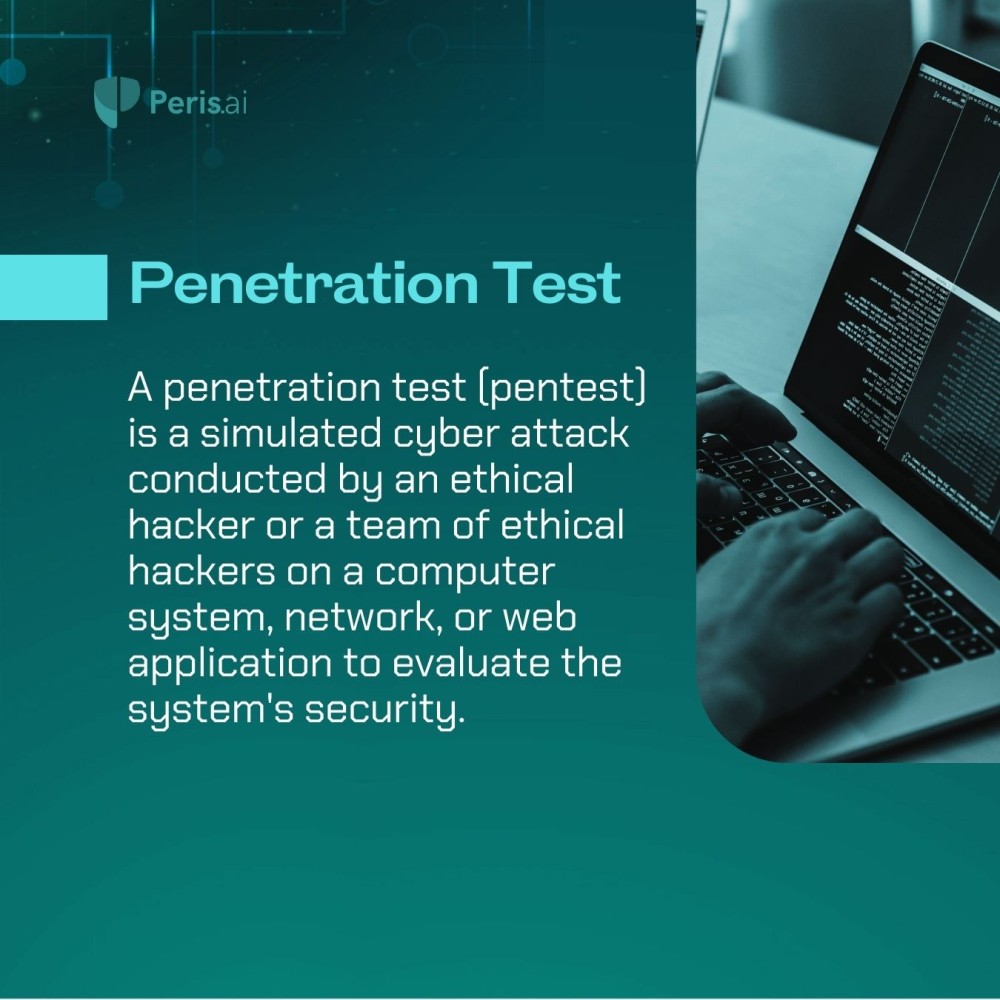
    Penetration testing, often called “pen testing,” simulates cyberattacks to find system and network flaws. This testing uses real hackers’ tactics to uncover security holes. You can then fix these areas before they’re misused.

    What is Penetration Testing?

    Penetration testing uses hackings tools and strategies, but for good, to make an organization more secure. It’s about enhancing security, not causing trouble. This ethical hacking process offers a full view of how security works in an organization.

    Importance of Ethical Hacking

    Ethical hacking, or penetration testing, is essential. It helps cybersecurity experts stop attacks before they happen. By imitating attacks, ethical hackers show organizations how to better protect themselves and follow security rules.

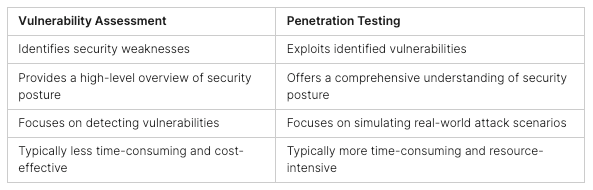
    Vulnerability Assessment vs. Penetration Testing

    Vulnerability assessments find security problems. Penetration tests then try to use these weaknesses to see the whole security situation. This helps companies focus on fixing the most important security issues.

    Types of Third-Party Penetration Testing Services

    Third-party penetration testing services can focus on different parts of a company’s security. These include special checks designed to find weak spots and make the company’s cybersecurity better.

    Web Application Penetration Testing

    This type looks for weak spots in web applications. It finds common issues like XSS, SQL injection, and weak logins. By acting like real hackers, these experts help make online services safer and keep data secure.

    Network Penetration Testing

    This service checks how secure an organization’s networks are. It looks at things like firewalls and servers. By finding and fixing problems early, it helps keep out cyber attackers.

    Wireless Penetration Testing

    Here, the focus is on making sure wireless networks are safe. Because these are often easy targets for cybercriminals. The testers look at things like who can access the network and encryption to stop attacks before they can happen.

    IoT Penetration Testing

    With more smart devices around, IoT testing is very important. These checks make sure smart devices are hard to hack. They help because many smart gadgets don’t always have the best security.

    Thick Client Penetration Testing

    This service looks at apps on computers or laptops. They check for security holes against different kinds of attacks. By looking at apps, they make sure the whole computer system is safe.

    Benefits of Third-Party Penetration Testing Service

    Hiring a third-party for penetration testing has several key benefits. It allows companies to enhance their cybersecurity. These services use experts and advanced methods to find vulnerabilities missed by internal teams.

    They do a full check of security gaps and weak points. Then, they help put in place better defenses. This improves a company’s network and web security greatly.

    Identifying Vulnerabilities

    Third parties like penetration testing as a service use the latest tools for deep security checks. Their goal is to find and exploit weaknesses. This way, they unearth hidden vulnerabilities that might otherwise go unnoticed.

    They simulate real-life cyber attacks. This gives companies a clear picture of their security level. And it helps them understand the risk of actual cyber threats.

    Enhancing Cybersecurity Posture

    The information from these tests is vital. It lets companies make smart security choices. By fixing vulnerabilities, they improve their overall security and resilience against cyber threats.

    This comprehensive security approach keeps them safe from evolving threats. And it ensures a strong and ongoing security position.

    Compliance and Regulatory Requirements

    Many industries need regular security checks because of rules and standards. Third-party services are key in meeting these demands. They show that the company is serious about keeping data and systems safe.

    Fulfilling these tests builds trust and keeps the company’s image positive. It also helps avoid fines or legal issues related to security breaches.

    Choosing the Right Third-Party Penetration Testing Service Provider

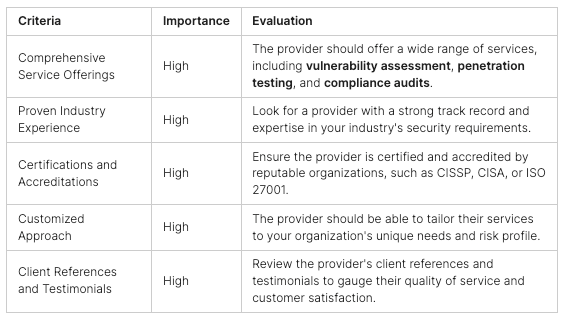
    When picking a third-party penetration testing service provider, it’s key to check their skills and certifications. Find one with a strong history of doing thorough security assessments. They should also know a lot about the latest threat landscape.

    Expertise and Certifications

    Good penetration testing as a service providers have teams with ethical hackers and cybersecurity consultants. These experts are great at vulnerability assessment and network security audits. They hold certificates like Certified Ethical Hacker (CEH) and Offensive Security Certified Professional (OSCP). All of this shows they’re skilled in web application security testing and red team operations.

    Methodology and Approach

    It’s smart to look at how the provider plans to work. Make sure their methods suit your security goals. They should use a solid and detailed process for external penetration testing. This should include checking your network security, web applications, and IoT devices.

    Reporting and Remediation Support

    Think about the reports and help they’ll give you after the tests. Good reports and clear advice on fixing issues are vital. They can make your information security audit work better. This can boost your company’s cybersecurity posture.

    Third-Party Penetration Testing vs. In-House Testing

    Organizations can do in-house penetration testing. But working with a third-party service provider has its benefits. These providers have more tools and techniques at their disposal. This can help find weaknesses not caught by in-house teams. Plus, they bring a fresh look. This shows problems that might be hard for those inside to see.

    Cost Considerations

    Money talks when it comes to cybersecurity. Maintaining a penetration testing team inside can be costly. By going outside to a specialized team, organizations can save big. They get top-notch security assessments without the cost of a full in-house team.

    Objectivity and Fresh Perspective

    Being objective benefits everyone. A third-party penetration testing as a service provider offers clear eyes and thoughts. This can pinpoint weaknesses that might have been missed. Such security audits spot overlooked issues, improving an organization’s cybersecurity stance.

    Access to Advanced Tools and Techniques

    Specialists have special tools. Third-party penetration testing service providers have a plethora of leading tools and techniques. They’re ideal for red team operations and external penetration testing. This cutting-edge information security audit gear is hard to maintain in-house. Relying on them is smart and cost-efficient.

    Preparing for a Third-Party Penetration Test

    Getting ready for a third-party penetration test is important. There are three main steps to take. You need to know what the test will cover, set up how you’ll communicate, and get permission to do the test.

    Defining Scope and Objectives

    The first thing is to decide what the test will look at and what it should achieve. This helps the third-party penetration testing service understand what your company needs. The tests will match your main security goals, giving you the most useful results.

    Establishing Communication Channels

    Talk well with the testing provider is key. Good communication makes the test run smoothly. It lets you share information quickly and solve any problems fast. This way, you and the provider stay on the same page.

    Securing Necessary Approvals

    Getting the green light from those in charge is vital before the test starts. You might need permission from management or IT. These approvals make sure the test goes ahead without issues.

    Interpreting Penetration Testing Results

    Finishing a third-party third-party penetration testing service is just the start of making a place more secure. Knowing what the test results mean and the risk ratings is critical. This helps in fixing the most dangerous security issues first.

    Understanding Risk Ratings

    Pen testing reports give vulnerabilities a risk rating, from low to critical. These ratings show how much damage a flaw could do if hackers use it. It’s important for teams to really understand these risks to fix them.

    Prioritizing Remediation Efforts

    With the risk ratings clear, organizations can set priorities. They should fix the biggest security holes first. By doing this, they lower the chance of facing serious cyber threats.

    Developing a Comprehensive Security Strategy

    Insights from penetration tests should help make a full security plan. This plan includes using the right controls, policies, and checks. With this strategy, a place can keep its defenses strong and protect its digital stuff well.

    Cybersecurity Consulting and Managed Services

    After hiring a third-party penetration testing service, businesses can keep getting help with cybersecurity consulting and managed services. These ongoing services include continuous monitoring and threat detection. They help keep an eye out for new security threats.

    Continuous Monitoring and Threat Detection

    These solutions let organizations always monitor their systems and networks. They watch for any weird activity or vulnerability risks. Using advanced analytics and SIEM technologies, services quickly find and fight cybersecurity incidents. This can reduce harm and prevent worse damage.

    Incident Response and Forensics

    If there’s a security breach, having incident response and forensic capabilities is key. They ensure a fast and strong reaction. This helps contain the incident, gather evidence, and get back to normal soon. Working with skilled cybersecurity consulting teams prepares businesses for handling security issues well.

    Security Awareness Training

    A good security posture needs everyone in the company to be involved. Security training is vital. It creates a culture where staff can spot and report dangers. It also teaches them how to keep important information and digital assets safe. With the right security awareness training, a company improves its network security audits and web application security testing.

    Conclusion

    In today’s rapidly evolving landscape of security threats, maintaining robust cybersecurity measures is more crucial than ever. Partnering with a trusted third-party penetration testing service can identify and address vulnerabilities within your digital infrastructure before they can be exploited. This proactive approach not only protects your sensitive data but also ensures compliance with industry regulations.

    Opting for third-party penetration testing is a strategic move. It prepares your company for potential threats by leveraging the expertise of ethical hackers to uncover and resolve hidden issues. This thorough security assessment ensures your online assets remain secure, giving you peace of mind and a competitive edge.

    The demand for third-party penetration testing and red team operations is increasing. Businesses that embrace this approach are better equipped to safeguard their critical assets and demonstrate a serious commitment to security, which is essential in today’s digital age.

    With Peris.ai Pandava, you can rest assured that your business will stay secure while gaining a competitive edge in the marketplace. Sleep better at night knowing your data is safe. Our ethical hackers conduct thorough penetration testing and provide detailed reports, identifying vulnerabilities before they’re exploited. “Finding vulnerabilities and weak points within your digital platform & infrastructures” may sound daunting, but with Peris.ai Pandava Service, it’s something you can rest easy about.

    Visit Peris.ai Cybersecurity to learn more about Peris.ai Pandava and how our services can help you secure your business against evolving cyber threats. Secure your digital future today!

    FAQ

    What is penetration testing?

    Penetration testing, also known as ethical hacking, is a way to find system or network problems. It’s like a cyber-attack test run by experts to see where a company’s security is weak.

    What is the difference between vulnerability assessment and penetration testing?

    Vulnerability assessments look for security flaws. Penetration testing takes it further by trying to use those flaws. This helps understand how safe an organization really is.

    What are the different types of third-party penetration testing services?

    There are many types of third-party tests. These include checks on web applications, networks, wireless tech, IoT, and thick client services.

    What are the benefits of engaging a third-party penetration testing service provider?

    Having outside experts test your security finds more issues. It boosts your security measures and helps meet rules and standards.

    What should organizations consider when selecting a third-party penetration testing service provider?

    Look for a provider with a deep skillset. They should have known certifications and use solid methods. Their reports and help to fix issues should be top-notch.

    What are the advantages of third-party penetration testing over in-house testing?

    Outsiders can bring new tools and thinking. They might find hidden problems that your team missed.

    How should organizations prepare for a third-party penetration test?

    Get ready by setting clear goals and sharing the plan with all involved. Make sure everyone knows what’s being tested and approved for the test.

    How should organizations interpret and act on the results of a penetration test?

    Put the found problems in order of risk and fix what’s most urgent first. Use the test findings to build a stronger security plan.

    What additional cybersecurity services can organizations benefit from beyond penetration testing?

    They can gain from services like ongoing checking, spotting threats, dealing with attacks, exploring attacks afterwards, and training people to be more security aware.

  • Why Cybersecurity Audits Are Your Best Defense Against Digital Threats!

    Why Cybersecurity Audits Are Your Best Defense Against Digital Threats!

    In today’s digital world, keeping data safe is crucial for all sorts of businesses. Cyberattacks are always a risk. So, how can companies protect their valuable info and avoid big losses? The key is having regular cybersecurity audits.

    Cybersecurity audits help keep companies and their data secure. These checks look at how strong a company’s security is, find any weak spots, and show how to get better. By doing these audits often, companies can find and fix security risks. This makes info safer, helps follow the rules, and makes their security processes better.

    Cybersecurity audits are very important in today’s world of growing cyber dangers. For instance, someone could try to attack your company’s systems about every 39 seconds. And if they succeed, it might cost around $2.6 million. That’s why doing cybersecurity audits regularly is a smart way for businesses to stay strong and flexible in a changing digital landscape.

    Key Takeaways:

    • Cybersecurity audits provide a comprehensive evaluation of an organization’s security measures and uncover vulnerabilities.
    • Regular cybersecurity audits allow for proactive identification and mitigation of security risks.
    • Cybersecurity audits enhance the protection of sensitive data, ensure compliance, and improve security processes.
    • Cybersecurity audits are essential in the face of increasing cyber threats, such as cyberattacks and malware incidents.
    • Investing in regular cybersecurity audits is a strategic move to safeguard businesses and maintain resilience in the digital age.

    Understanding Cybersecurity Audits

    In today’s world, keeping an organization’s digital info safe is super important. A cybersecurity audit checks an organization’s info systems, rules, and setups to see if they’re safe. It looks for weak spots and threats to the data and suggests ways to fix them.

    What is a Cybersecurity Audit?

    A cybersecurity audit carefully checks how secure an organization’s info is. It looks at the control measures used to protect data, spots any vulnerabilities, and tells how to make things safer. This check reviews an organization’s tech, policies, and responses to security events to meet top standards.

    Objectives of a Cybersecurity Audit

    The main goals of a cybersecurity audit are to:

    1. Find vulnerabilities and weaknesses in the organization’s info systems.
    2. Check if the current security controls can stop risks.
    3. Ensure the organization follows regulatory requirements and standards.
    4. Suggest ways to reduce risks and make data and response systems better.

    Benefits of Cybersecurity Audits

    Doing regular cybersecurity audits offers many pluses for organizations:

    • Identification and mitigation of vulnerabilities help avoid attacks.
    • Prioritization and management of risks make security plans better.
    • Following industry rules and legal needs avoid fines and bad press.
    • Improving security and response plans prepares for incidents better.
    • Better data protection and privacy keep sensitive info safe.
    • Improved control on who gets access protects important data.
    • Teaching employees about security helps them protect themselves better.
    • Saving money by finding issues early avoids big costly surprises.
    • Boosting trust from customers and partners shows they’re serious about security.

    Cybersecurity Audits for Cloud Computing

    The rise of cloud computing has changed how we store and handle data. This shift has made cloud security auditing crucial. It ensures that data is safe, private, and easy to get to.

    Importance of Cloud Security Auditing

    Cloud security audits look at how safe cloud systems are. They check on data storage, user access control, networks, and systems, and how threats are handled. These checks find weaknesses, make sure rules are followed, and earn trust.

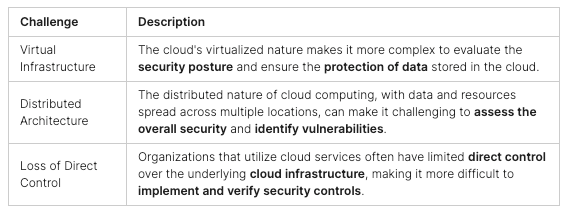
    Challenges in Cloud Security Auditing

    Evaluating cloud security has its own set of issues. The nature of being virtual spread out, and having less control over tech can be tough. This makes protecting and checking cloud systems hard.

    Dealing with these issues needs a group effort. It involves working with cloud providers and using special tools. This way, businesses keep their data safe and meet rules in cloud computing.

    The Cybersecurity Audit Process

    Conducting a thorough cybersecurity audit is key to keeping an organization safe from cyber threats. The process looks closely at how secure the organization’s digital assets are. It finds areas that need to get better.

    Step 1: Determine Audit Range and Goals

    The first step is setting the audit’s objectives and scope. This means picking the rules and goals to follow. It helps in focusing the audit on areas that need attention.

    Step 2: Collect Pertinent Data

    To understand the security setup, we need to gather lots of data. This includes info on the IT systems, network, and security policies. This step gives the auditor a full picture to find and fix weaknesses.

    Step 3: Review Existing Safeguards

    After collecting data, the auditor looks at the security controls in place. They check if these are working well. They aim to spot areas for improvement or extra protection.

    Step 4: Document Findings

    Now, the auditor shares their findings in a detailed report. The report talks about the threats, weaknesses, and recommendations. It helps the organization understand and act on these security issues.

    Step 5: Put Recommendations into Action

    The last step is acting on the audit’s results. A plan is made to fix the security problems. This plan might involve adding security measures, updating staff, or training employees. Following this plan well strengthens the organization’s security.

    Key Areas Covered in a Cybersecurity Audit

    A cybersecurity audit looks closely at an organization’s security setup. It aims to keep the company safe in every way. Here are the main points that get checked:

    Information Security Policies and Procedures

    The auditor checks the organization’s security rules and steps. They make sure these are recent, complete, and working well. It makes sure the right security policies are there to keep important data safe, guide how workers act, and deal with security events.

    Physical Security

    The auditor looks into how the company keeps its spaces safe. They see if the right steps are taken to control who gets in, to protect the borders, and to watch over areas with cameras. This makes sure that the company’s places and things are well-guarded.

    Network Security

    The auditor checks how well the organization protects its network. They look at systems like firewalls and tools that spot if someone’s trying to break in. This work aims to find and fix any security holes in the company’s network.

    Application Security

    The auditor reviews how the organization’s software is guarded. They check that good practices are used like making sure data put in the app is safe. This step helps protect important software from threats and weak spots.

    User Security

    The auditor examines how the organization makes its users safe. They look at how passwords are handled, how security is taught to employees, and how important data is only accessible by the right people. This check makes sure that people working for the company also help keep it safe.

    Cybersecurity Audits for Regulatory Compliance

    Today’s businesses face the challenge of meeting various laws to keep data safe and trust. They use cybersecurity audits to check their compliance with rules and protect their work.

    PCI DSS Compliance

    Companies dealing with credit card payments must pass cybersecurity audits to follow PCI DSS rules. These checks look at their security, data safety, and how they respond to problems. They ensure customer payment info stays safe and that rules are met.

    HIPAA Compliance

    In healthcare, these audits help meet HIPAA rules that protect patient info. They review security, who can access data and handling procedures. This keeps health details private and follows the law.

    GDPR Compliance

    Companies handling EU people’s data must do these audits to align with GDPR. They check how data is protected, if people agree to use their data, and what to do if there’s a problem. This proves the company follows strict privacy standards.

    Conducting audits often helps lower the risks of breaking the law and facing penalties. It shows a company cares about keeping data safe, which builds trust with customers and protects its image.

    Cybersecurity Audits

    Cybersecurity audits are key for organizations to hit major goals. They help in finding and lessening risks. This protects important info and makes the organization’s security better.

    Identifying and Mitigating Risk

    These audits are critical. They help find security holes and dangers. This way, businesses can focus on fixing the most important risks. It helps make their systems safer from cyber dangers.

    Protecting Sensitive Information

    Keeping security controls updated is the job of cybersecurity audits. They check that important data is safe. This means using tools like encryption, access rules, and strong data backup. These steps are vital for keeping critical info private, safe, and available.

    Improving Security Posture

    After an audit finds weaknesses, organizations work on them. This makes their security stronger. A better defense against cyber threats is the result. Plus, customers and partners trust them more.

    Conducting a Cybersecurity Audit

    A cybersecurity audit is a thorough check of an organization’s digital security. It helps find weak points, review safety measures, and suggest how to get better. This process ensures the organization’s tech setup and risks are carefully looked at. The goal is to offer tips that can help.

    Planning and Scoping the Audit

    The first task is to understand the IT setup, the goals, and the risks of the organization. This insight shapes the audit’s focus and methods. It ensures the audit meets the specific needs of the company. Through planning, the audit offers valuable insights that are on point.

    Gathering Information and Data

    Next, it’s time to gather info. This includes checking for risks, finding flaws, and testing how easy it is to break in. By looking at this data, the auditor can figure out where to focus and suggest improvements.

    Evaluating Cybersecurity Controls

    The auditor then checks the security controls in place. They look at how well the organization manages who can access their system, how they encrypt data and their response to incidents. The goal is to see if these measures are enough to stay safe.

    Reviewing Data and Identifying Vulnerabilities

    The auditor reviews all data to find weaknesses in the organization’s defenses. This step is crucial to understanding the whole security picture. It points out what needs fixing right away.

    Documenting Findings and Recommendations

    The last part involves creating a detailed report. It lists what was found, what needs to change, and how to improve. This document gives a clear guide for making the organization’s digital space safer and stronger.

    Benefits of Regular Cybersecurity Audits

    Doing regular checks on cybersecurity helps many aspects of a business. It makes the business safer, keeps it in line with the law, builds trust with customers, and ensures the business keeps running smoothly. Now, let’s look into these benefits more closely:

    Enhanced Security

    Cybersecurity audits find and fix weak spots in a company’s tech and networks. By looking for these issues early, a company can add extra layers of protection. This helps lower the chance of getting hit by hackers or losing important data. So, checking risks and fixing them is key for a strong, safe tech setup.

    Compliance Assurance

    Many areas of business are now closely watched to make sure they are following the rules. This includes things like protecting people’s private info (HIPAA, GDPR) or handling credit card data safely (PCI DSS). Regular checks ensure a company is following these rules. Avoiding fines and other problems linked to rule-breaking is a big plus.

    Customer Confidence

    Showing that cybersecurity is a top priority through scheduled checks can do wonders for trust. In today’s world, where a data breach can shake things up, having your customers’ trust is gold. It keeps a company’s reputation and business strong, even if something bad happens.

    Business Continuity

    Strong cybersecurity and the ability to quickly react to threats, highlighted by these audits, are vital. They help a business keep running, even in tough times. This is how a company weathers through cyberattacks and stays in business in the long run.

    In wrapping up, cybersecurity checks bring big benefits. They make a business more secure, help it stay on the right side of the law, boost customer trust, and ensure the business keeps going. Being proactive about security is crucial for businesses to protect what they’ve built, facing future digital challenges with confidence.

    Choosing the Right Cybersecurity Audit Provider

    It’s key to pick a cybersecurity audit provider with the right skills and background. They should be good at cybersecurity audits, network security assessments, and vulnerability scanning. Make sure they offer lots of services like penetration testing, risk management, and compliance audits. This ensures they can meet all your data protection and ethical hacking needs.

    The best provider should know a lot about the security needs of your industry and how to respond to incidents. Check their success stories, recommendations from other clients, and certificates. This will confirm they have what it takes to give you great cybersecurity audits.

    By looking at these points, you can ensure your organization works with experts. They should be able to do great security assessments that keep your important data safe and meet rules.

    Conclusion

    In today’s digital age, cybersecurity audits are essential for safeguarding organizations against the increasing threats in the online world. These audits provide a thorough examination of security measures, ensuring that risks are mitigated, regulatory requirements are met, and overall safety is enhanced.

    As businesses increasingly rely on technology and the internet, robust cybersecurity practices become even more critical. Cybersecurity audits are a wise investment, identifying and addressing vulnerabilities, protecting sensitive data, and instilling confidence in customers.

    In summary, cybersecurity audits play a pivotal role in combating online threats. By adhering to their recommendations, organizations can stay ahead of cyber threats, protect their digital assets, and maintain customer trust and safety.

    For comprehensive cybersecurity solutions, including audits, penetration testing, and more, visit Peris.ai Cybersecurity. Explore our wide range of products and services designed to keep your business secure in an ever-evolving digital landscape. Secure your business today with Peris.ai.

    FAQ

    What is a cybersecurity audit?

    A cybersecurity audit deeply looks into an organization’s info systems. It checks policies, procedures, and technology used. The aim is to make sure these systems are effectively keeping data safe.

    What are the objectives of a cybersecurity audit?

    The goal of a cybersecurity audit is to find and fix weak spots. It wants to make sure an organization’s data is secure from every possible threat. This includes suggesting ways to upgrade and protect data better.

    What are the key benefits of cybersecurity audits?

    These audits are helpful in many ways. They find and fix security gaps. They help companies follow laws and rules. Audits make security policies and responses to problems better. They also improve how well data is kept safe and private.

    Why is cloud security auditing crucial?

    Cloud security audits are key for keeping cloud-stored data safe. They check how secure the cloud’s systems are. This includes looking at how data is stored, who can access it, and how threats are handled.

    What are the challenges in cloud security auditing?

    The main challenge in auditing cloud security is the unique nature of cloud services. Their virtual setup and wide-reaching structure make control hard. This can make it tough to check and ensure full security.

    What are the key steps in the cybersecurity audit process?

    The main steps in a cybersecurity audit start with planning. They go on to collect important info and then review what’s already in place. Finally, after noting down any issues, the audit makes recommendations to fix problems.

    What key areas does a comprehensive cybersecurity audit typically cover?

    A broad cybersecurity audit usually looks into several important aspects. This includes policy and procedure checks, site and data security, protecting digital networks, securing software, and making sure users are safe.

    How do cybersecurity audits help with regulatory compliance?

    Cybersecurity audits are important for meeting legal rules and data standards. They ensure that an organization’s security measures satisfy required laws, like PCI DSS, HIPAA, and GDPR.

    What are the key objectives of conducting cybersecurity audits?

    The main goals of cybersecurity audits are to lower risks, protect important data, and make security measures stronger. They aim to keep businesses and their customers safe from cyber threats and data risks.

    What are the steps in conducting a comprehensive cybersecurity audit?

    To carry out a deep cybersecurity audit, planning comes first. It’s followed by information collection and a full check of security setups. After identifying any weak points, the audit reports its findings and provides solutions.

    What are the key benefits of regular cybersecurity audits?

    Having cybersecurity audits often brings several advantages. It tightens security, ensures rule compliance, boosts customer trust, and keeps business operations running smoothly. This is why regular check-ups are important.

  • Why Hack Yourself Non-Stop? The Brilliance Behind Continuous Penetration Testing

    Why Hack Yourself Non-Stop? The Brilliance Behind Continuous Penetration Testing

    In the world of cybersecurity, being steps ahead of attackers is vital. Each year, thousands of new ways to attack systems are found. The time for hackers to use these flaws is getting shorter. So, how can we find and fix these problems before hackers strike? The answer is continuous penetration testing.

    But, why do we need to keep testing constantly? Is this really the best way, making our systems deal with endless fake attacks? This article discusses why continuous penetration testing is a powerful way to protect your company. It’s all about staying safe from the changing threats out there.

    Key Takeaways

    • Continuous penetration testing is an ongoing adversarial attack simulation that closely emulates real-world threat actor tactics, techniques, and procedures (TTPs).
    • Annual or semi-annual penetration tests can quickly become obsolete as new vulnerabilities are discovered, leaving organizations vulnerable to exploitation.
    • Continuous testing provides a more cost-effective approach compared to traditional annual testing due to reduced ramp-up and reporting costs, as well as a better return on investment over time.
    • Leveraging the MITRE ATT&CK framework and real-time vulnerability monitoring, continuous penetration testing offers superior insights and a stronger overall cybersecurity posture.
    • By combining automated and manual testing methods, organizations can achieve comprehensive security coverage and effectively respond to emerging threats.

    Understanding Penetration Testing

    Penetration testing is also called a pen test or ethical hacking. It’s a way to test how strong a system’s security is. By simulating cyberattacks, you can see where the system is strong or weak.

    What is Penetration Testing?

    Penetration testing is a key step for all organizations. It helps see if their security policies really work. Then, they can make these policies better to avoid cyber threats.

    Why Penetration Testing is Crucial

    It’s critical for all organizations to do penetration testing regularly. This helps check the effectiveness of their security policies. And, it allows them to improve these policies to stop future cyber threats.

    Annual Penetration Testing: An Ineffective Approach

    The problem with doing penetration tests once or twice a year is clear. New vulnerabilities are found all the time. In 2000, there were 1,438 security flaws known. But by 2023, this number grew to 21,085. Skilled attackers keep track of what technology a company uses. They do this to find ways to break in.

    Vulnerabilities Are Constantly Emerging

    Things get risky for businesses that test their systems just once a year. That’s because new cyber threats appear all the time. This makes it hard for companies to fix their security holes before attackers exploit them.

    Attackers Exploit New Vulnerabilities Quickly

    When a new security flaw is found, attackers move fast. They use the time before it’s fixed to their advantage. This game underlines why yearly security checks aren’t enough. Companies need to be always alert about their security.

    Limitations of Automated Scanning and IDS

    Tools like automated vulnerability scanners and intrusion detection systems (IDSs) help keep organizations safe. But, they’re not enough alone. This is because they rely on signatures to spot possible dangers. This means they can miss new threats that don’t have known digital ‘fingerprints’ yet. So, it can be hard to stop these threats as they happen.

    Signature-Based Detection Misses New Threats

    The way automated scanners and IDSs work can’t always keep up with fast changes in cyber threats. If they don’t have the latest signatures, they might not find new problems. This leaves companies at risk of attacks or losing important data.

    Case Study: Data Breach Due to Unpatched Vulnerability

    For example, a big data breach recently happened. It exposed Personal Health Information (PHI) of about 4.5 million customers. Even with strong security efforts, the company couldn’t stop the attack. The problem was an old issue that their security didn’t catch and fix in time.

    Continuous Penetration Testing

    Continuous penetration testing is not like the usual one-time tests. It’s an always-on simulation of real-world attacks. By mimicking how real hackers act, it keeps organizations safe from new threats.

    Baseline Assessment and Roadmap to Remediation

    It starts with a Baseline Assessment to find weaknesses in system security. This step maps out a plan for fixing those issues. It gives a snapshot of how secure an organization is right now.

    Threat Modeling and Attack Trees

    The next step is Threat Modeling. Here, every software used is checked, and attack trees are made. These trees show how a weak software spot could harm the network. This helps focus on the most dangerous risks.

    Directed Attacks Simulate Adversarial Behavior

    Then comes the Directed Attacks phase. It imitates real attacks, aiming from different angles. This part is a mix of keeping up with the latest threats and testing the network against them, catching problems before hackers do.

    This method uses MITRE ATT&CK and in-depth knowledge of hacker techniques. It offers a more precise view of security, allowing steps to be taken to fix any issues. Essentially, it makes the whole network defense stronger.

    Cost-Effectiveness of Continuous Penetration Testing

    Many companies worry that continuous penetration testing costs too much. Yet, it can actually be cheaper over time than annual or semi-annual tests, especially when done by an outside team. Several reasons make this possible.

    Reduced Ramp-Up and Reporting Costs

    Continuous testing keeps an eye on an organization’s IT changes. It looks closely at specific infrastructure changes, not everything. This saves money on getting ready and writing reports, which can cost thousands each year. In traditional tests, a lot of time and money go into these extra tasks.

    Focused Testing on Infrastructure Changes

    With continuous testing, the team looks at new IT changes from the last check-up. This focused testing approach saves more money than the general tests done annually or semi-annually.

    Return on Investment over Time

    After the first year, the benefits of continuous security testing are clear. It saves a lot of money over time. This is because it reduces the need for big start-up and report-writing costs.

    Continuous Penetration Testing

    Continuous penetration testing learns from today’s threat actors tactics and techniques. It simulates attacks to test defenses. This includes trying to get initial access, assuming a breach, and what happens after.

    Emulating Real-World Threat Actor TTPs

    By acting like real threat actors, continuous testing tells how secure a system really is. It makes security teams smarter by showing real attack methods. This way, they can make better defenses.

    Leveraging MITRE ATT&CK Framework

    The MITRE ATT&CK framework is great for making attack simulations. It helps make tests that look like real threats. It gives a common way to talk about attacks, helping teams stay on top of the latest threats.

    Real-Time Vulnerability Monitoring

    Testing also keeps an eye on new security alerts. It checks which could be trouble for the company. This keeps the system safer by fixing issues before they’re used against the company.

    Combining Automated and Manual Testing

    Great security checks need both automatic tools and human insights. Tools like scanners and monitors see threats in real time and alert us to problems. They check for weaknesses all the time.

    Automated Tools for Efficiency

    Automatic tools find known problems quickly across big networks. They make detailed reports fast, helping companies keep up with dangers. Yet, they might not catch complex issues that need human review.

    Manual Processes for In-Depth Analysis

    But, humans are still needed for a deep look. Security experts check the machine results, figure out the best fixes, and make sure important issues get fixed first. They dig through the security to understand its real strength.

    Combining tools and human checks makes security strong. It means finding and fixing problems before they get critical. This mix ensures a company’s defenses stay sharp.

    Establishing a Clear Testing Flow

    A proper penetration testing flow is vital for finding and dealing with security threats in real time. It involves many stages working together. These include finding, looking at, and fixing weak spots in a company’s setup.

    Enumeration and Vulnerability Assessment

    The Enumeration stage is first. It collects info like active systems and open ports. Then, the Vulnerability Assessment phase takes a closer look. It finds the exact weak spots that hackers might use.

    Exploitation and Post-Exploitation

    The Exploitation step tests these weak spots with real attacks. This helps understand how bad they could be if used by hackers. If an attack works, the Post-Exploitation phase follows. It allows going deeper into the system and checking how far a hacker could get.

    Lateral Movement and Proof of Concept

    Lateral Movement and Proof of Concept are the last steps. Lateral Movement mimics how a real attack could spread through a network. Proof of Concept makes detailed reports about what was found. This helps the company know exactly what to fix.

    Having a clear testing flow helps testers stay in control. They can make sure every detail about the business is considered. This is important for checking how secure the company really is.

    Determining Testing Frequency

    Organizations must decide how often to run penetration tests. They should think about the worst things that could happen. Then, they should match the test schedule with their work on new products or updates.

    Doing yearly tests is the minimum. But, it’s better to test often to keep up. For example, continuous penetration testing helps spot risks quickly. This is important because risks are always changing.

    Aligning with Development Cycles

    It’s crucial to test often, following when new software is made. This way, any new risks that updates bring get caught fast. This becomes even more critical as companies add new features or change their software or network.

    Considering Worst-Case Scenarios

    Thinking about the worst that could happen guides how often to test. This method ensures better protection against major risks. It helps focus testing on the most important parts regularly.

    Implementing Continuous Penetration Testing

    Penetration testing is a detailed check on security for apps, networks, and tech systems. When companies do continuous penetration testing, they get thorough reports. These reports include the found vulnerabilities, what they are, how to attack, and what happens if they succeed.

    Detailed Vulnerability Reports

    Full vulnerability reports tell companies the state of their tech security. They show the problems found, how a hacker could use them, and what they could do. Knowing these issues helps organizations to smartly fix them, making their tech safer.

    Impact Assessment and Recommendations

    The continuous penetration testing should say what could happen if a hacker wins. This helps focus on fixing the most dangerous issues first. The reports also give step-by-step recommendations on how to make things better. This way, companies can build a stronger cybersecurity defense

    Conclusion

    With over 2,000 new information security issues emerging each month and skilled cyber attackers constantly at work, the necessity for continuous penetration testing has never been more critical. Annual penetration tests quickly become outdated, leaving systems vulnerable shortly after assessments are completed. By engaging in continuous penetration testing, organizations can stay ahead of current cyber threats and maintain stronger defenses.

    This proactive approach allows companies to identify and address vulnerabilities before they escalate into significant problems, effectively preventing costly cyber attacks and ensuring a high level of protection. As cyber threats become increasingly sophisticated, continuous penetration testing provides invaluable insights and strengthens overall security measures, helping organizations to stay resilient against persistent cyber adversaries.

    Ensure your business remains secure and gains a competitive edge with Peris.ai Pandava. Sleep better knowing your data is safe with our thorough penetration testing and detailed reports. Our ethical hackers will identify vulnerabilities and weak points within your digital platforms and infrastructures, allowing you to address them before they are exploited.

    Don’t wait—visit Peris.ai Cybersecurity to learn more about Peris.ai Pandava and how our services can help you safeguard your business against evolving cyber threats. Secure your digital future today!

    FAQ

    What is penetration testing?

    Penetration testing, or pen test, is like ethical hacking. It checks how secure a computer system is. This kind of testing looks for ways attackers could get in and what’s already strong.

    Why is penetration testing crucial?

    It’s key for any group to do pen tests regularly. They show if security rules actually work. Then, those rules can be made better to stop cyber threats.

    What are the limitations of annual penetration testing?

    Doing pen tests once a year or so has downsides. New vulnerabilities are found fast. Attackers can use this time to plan their moves before areas are secured.

    Why are automated scanning and IDS not enough?

    While good for everyday checks, they can miss new threats. This is since they look for specific signs, not keeping up with all the latest dangers.

    What are the key components of continuous penetration testing?

    It’s like always preparing for the worst. This means mimicking what real attackers could do often. It starts with setting a standard. Then, the tests get more direct and real as time goes on.

    How is continuous penetration testing more cost-effective?

    By always watching and reacting quickly, it’s cheaper in the long run. Doing power-up checks all the time becomes unnecessary. Plus, it saves a lot of time in figuring out the reports.

    How does continuous penetration testing emulate real-world threat actors?

    It learns from attackers’ latest moves and adapts fast. This means it tests from all points of possible attack, just like real threats. It also keeps up with the most current dangers.

    What is the importance of combining automated and manual testing?

    Both types are needed for security. Automating finds threats quickly, but manual checks give a deep look. They’re crucial in understanding the findings and planning for safety.

    What is a well-defined testing flow for penetration testing?

    The steps include learning about the system, checking for weak spots, trying to get in, deepening access, moving through the network, and proving attacks can really happen. This method leaves no stone unturned.

    How should organizations determine the frequency of penetration testing?

    They need to be alert and test as new risks come up. Yearly checks are just a start. But, keeping up with attacks and fixes is the smart play.

    What are the key benefits of implementing continuous penetration testing?

    It helps spot and fix problems before real damage. You’ll get info on threats and how they could hurt, plus ways to stay ahead of attackers. This keeps your defenses strong all the time.

  • Penetration Testing: What Is It and How Do You Do It (In Cybersecurity) for companies/organizations

    Penetration Testing: What Is It and How Do You Do It (In Cybersecurity) for companies/organizations

    As technology continues to evolve, so make the cybersecurity threats. For companies and organizations, ensuring the safety and security of their data and systems is crucial to their success. Penetration testing is essential to any organization’s cybersecurity strategy, allowing them to identify and address vulnerabilities before attackers can exploit them.

    Penetration testing, or “pen testing,” involves simulating a cyber attack on an organization’s systems and networks to identify weaknesses and vulnerabilities. By conducting this test, organizations can gain valuable insights into their security posture and make informed decisions about improving it. This article will explore penetration testing, how it works, and why organizations must include it in their cybersecurity measures. We will also discuss the different types of penetration testing and the benefits of conducting regular testing to ensure the security of your organization’s data and systems.

    Overview of penetration testing

    Penetration testing is a process that aims to identify and exploit vulnerabilities in an organization’s systems, networks, and applications. The testing process can be performed manually or through automated tools, and security experts typically conduct it with specialized knowledge and training in cybersecurity. The process can involve various techniques, including reconnaissance, scanning, and exploitation. It is designed to simulate a real-world attack scenario to identify potential weaknesses in an organization’s security posture. Once the testing is complete, a comprehensive report outlines the vulnerabilities discovered and provides recommendations for remediation. Overall, penetration testing is a critical cybersecurity practice that helps organizations proactively identify and mitigate potential security risks before malicious actors can exploit them.

    Why Penetration Testing is Essential for Companies/Organizations?

    Penetration testing is a critical component of cybersecurity for companies and organizations. By conducting regular penetration testing, organizations can identify vulnerabilities in their security measures before attackers can exploit them. This proactive approach to security enables organizations to take corrective actions to strengthen their security posture and protect their valuable data and assets. Additionally, penetration testing helps organizations maintain compliance with industry and regulatory standards. Failure to comply with these standards can result in significant financial and legal consequences, making it essential to conduct regular penetration testing. In summary, penetration testing is critical to any company or organization that values its security, compliance, and reputation. It helps identify vulnerabilities, strengthen security measures, and protect sensitive data and assets.

    Protecting company data and assets

    Protecting company data and assets is one of the main reasons why penetration testing is essential for companies and organizations. With the increasing sophistication of cyber attacks, organizations face a higher risk of cyber threats that can compromise their data and assets. By conducting regular penetration testing, organizations can identify vulnerabilities in their systems, networks, and applications and take corrective measures to strengthen their security posture. Penetration testing helps organizations stay one step ahead of attackers by identifying potential weaknesses before they can be exploited. Additionally, penetration testing enables organizations to simulate real-world attack scenarios, providing insights into the effectiveness of their security controls and enabling them to make informed decisions about future investments in cybersecurity.

    Maintaining regulatory compliance

    Maintaining regulatory compliance is another critical reason penetration testing is essential for companies and organizations. Industry and regulatory standards require organizations to implement appropriate security controls and conduct regular security assessments to protect sensitive data. Failure to comply with these standards can result in significant financial and legal consequences, including fines, legal action, and damage to an organization’s reputation. Penetration testing helps organizations maintain compliance with these standards by identifying vulnerabilities and weaknesses in their security controls and enabling them to take corrective actions before they are subject to regulatory scrutiny. By conducting regular penetration testing, organizations can demonstrate their commitment to security and compliance, build customer trust, and avoid potential legal and financial consequences.

    Identifying vulnerabilities before attackers do

    One of the critical reasons why penetration testing is essential for companies and organizations is to identify vulnerabilities before attackers do. The increasing sophistication of cyber-attacks means that organizations face a higher risk of data breaches, theft of sensitive information, and other forms of cybercrime. Regular penetration testing enables organizations to identify vulnerabilities and weaknesses in their security measures before attackers can exploit them. This proactive approach to security is critical in today’s threat landscape, where attackers are constantly developing new and more sophisticated methods to bypass security controls.

    By identifying vulnerabilities before attackers do, organizations can take corrective actions to address these weaknesses, strengthen their security posture, and minimize the risk of a successful cyber attack. Penetration testing also provides valuable insights into the effectiveness of an organization’s security controls, enabling them to make informed decisions about future investments in cybersecurity. In summary, identifying vulnerabilities before attackers do is a critical reason why penetration testing is essential for companies and organizations. It enables organizations to stay one step ahead of attackers, protect sensitive data and assets, and maintain their reputation and customer trust.

    Strengthening security posture

    Strengthening security posture is another critical reason why penetration testing is essential for companies and organizations. Penetration testing comprehensively evaluates an organization’s security measures, including its policies, procedures, and technologies. By identifying weaknesses in these areas, organizations can take corrective actions to strengthen their security posture and minimize the risk of cyber attacks. Penetration testing also provides valuable insights into the effectiveness of an organization’s security controls, enabling them to make informed decisions about future investments in cybersecurity.

    Strengthening security posture through penetration testing is critical in today’s evolving threat landscape, where attackers constantly develop new, more sophisticated methods to bypass security controls. A strong security posture minimizes the risk of a successful cyber attack and enables organizations to respond effectively to security incidents when they do occur. By conducting regular penetration testing and taking corrective actions to strengthen their security posture, organizations can demonstrate their commitment to security and build trust with customers and stakeholders. In summary, maintaining a security posture through penetration testing is a critical reason companies and organizations must prioritize this practice as part of their cybersecurity strategy.

    What is Penetration Testing?

    Penetration testing is a proactive and comprehensive approach to identifying and evaluating security vulnerabilities in a company or organization’s digital infrastructure. It involves simulating attacks to find exploitable weaknesses before malicious actors exploit them. This chapter defines penetration testing and how it differs from other cybersecurity services. Additionally, it covers the different types of penetration testing, including those focused on applications and content management systems. The phases of penetration testing and the methodologies and tools used are also discussed, providing a comprehensive understanding of the process.

    Definition of penetration testing

    Penetration testing is a security testing process that involves simulating a cyber attack on an organization’s systems, applications, or network infrastructure. Penetration testing aims to identify and exploit vulnerabilities that real-world attackers could leverage. The process is typically performed by a team of skilled cybersecurity professionals who use manual and automated techniques to identify vulnerabilities, assess the organization’s security posture, and provide recommendations for improving its security controls. Penetration testing is an essential component of any effective cybersecurity program, providing organizations with a comprehensive understanding of their risk profile and helping to prioritize and allocate resources for remediation. By regularly conducting penetration testing, organizations can proactively identify and address security weaknesses before malicious actors exploit them.

    Comparison of penetration testing with other services in cybersecurity

    There are several services in the cybersecurity industry, and while they all serve to protect organizations from cyber attacks, they differ in their approach and focus. Penetration testing, bug bounty programs, and Security Operations Centers (SOCs) are some of the most commonly used services in the industry.

    Penetration testing involves simulating a real-world attack on an organization’s systems and infrastructure to identify vulnerabilities that attackers can exploit. The primary focus of penetration testing is to find weaknesses in an organization’s security posture before attackers do. On the other hand, Bug bounty programs are incentive-based programs that invite ethical hackers to find vulnerabilities in an organization’s systems and reward them for their findings. These programs are typically open to the public and can effectively identify vulnerabilities in an organization’s systems.

    SOCs are dedicated teams responsible for monitoring and defending an organization’s systems against cyber threats. They use technology and human expertise to identify and respond to threats in real-time. The focus of SOC is to continuously monitor the organization’s systems and detect threats as quickly as possible to prevent or minimize the impact of cyber attacks.

    While each service has unique approaches and benefits, penetration testing is often considered the most comprehensive approach to identifying and addressing vulnerabilities in an organization’s security posture. Penetration testing provides a detailed and in-depth assessment of an organization’s systems and infrastructure, whereas bug bounty programs and SOC may miss critical vulnerabilities.

    Types of penetration testing

    Penetration testing is a critical component of any cybersecurity program, and organizations can use several types of penetration testing to identify vulnerabilities in their systems. White box, black box, and grey box penetration testing provide different access levels and information to the tester, which can help uncover other vulnerabilities. Internal and external penetration testing simulates attacks from different perspectives, and both are important for identifying vulnerabilities in the organization’s network. Finally, manual and automated penetration testing approaches provide other advantages and disadvantages, with manual testing being more thorough and accurate but also slower and more labor-intensive. In contrast, automated testing can be faster and more efficient but may not identify all vulnerabilities. Choosing the correct type of penetration testing for an organization depends on various factors, including the organization’s goals, budget, and risk tolerance. It should be done in consultation with experienced cybersecurity professionals.

    White/ Black/ Gray box penetration testing

    There are three primary types of penetration testing: white-box, black-box, and grey-box testing. Each type of testing has its strengths and weaknesses, and the choice of testing methodology will depend on the organization’s specific needs.

    White-box testing

    White-box testing, or clear-box testing, is a penetration testing approach where the tester can access the system’s internal workings. This type of testing is usually performed by the development team or system administrators with detailed knowledge of the system architecture, programming code, and other system components. White-box testing gives the tester a comprehensive view of the system and allows them to evaluate its security from a technical perspective. This approach helps test complex systems where vulnerabilities may be hidden in the system architecture or source code. White-box testing can also help identify design and implementation flaws that may be missed in other testing methods.

    Black-box testing

    Black-box testing, also known as external testing, is a type of penetration testing where the tester has no prior knowledge about the system under test. This approach simulates the real-world scenario of an attacker without inside information about the target system. To identify potential attack vectors, the tester starts by performing reconnaissance activities such as information gathering and vulnerability scanning. Once the vulnerabilities are discovered, the tester exploits them to gain unauthorized access to the system. Black-box testing can help organizations identify vulnerabilities that may be missed during other types of testing, such as white-box testing. However, it can also be time-consuming and not provide a complete picture of the system’s security posture.

    Gray-box testing

    Gray-box testing is a combination of both white-box and black-box testing methodologies. In gray-box testing, the tester has limited knowledge of the system’s internal workings but has some understanding of its overall architecture and functionality. This testing type can be beneficial when the tester can access some system documentation or other information but not the complete source code. Gray-box testing can balance the in-depth analysis of white-box testing and the realistic assessment of black-box testing. This approach can help identify vulnerabilities that may not be apparent in black-box testing while allowing the tester to focus on the system’s most vulnerable areas.

    Internal and External penetration testing

    Penetration testing can be divided into two main types: internal and external testing. Both internal and external testing are essential components of a comprehensive penetration testing program, and each has unique benefits and challenges.

    Internal testing

    Internal testing is a type of penetration testing that simulates an attack from within the network or system being tested. Internal testing aims to identify vulnerabilities and weaknesses that an insider with legitimate access to the system could exploit. A tester typically conducts this testing with access to the internal network or design. It can help identify weak passwords, unpatched software, and misconfigured systems. Internal testing is essential for organizations to identify and mitigate risks posed by internal threats, including malicious insiders and accidental errors by employees. It helps organizations to strengthen their security posture and protect sensitive data from unauthorized access or disclosure.

    External testing

    External penetration testing involves testing the security of an organization’s assets from an external perspective, simulating an attack from a malicious actor on the internet. External testing aims to identify and exploit vulnerabilities in the organization’s perimeter defenses, such as firewalls, web application firewalls, intrusion detection systems, and other security technologies that protect the network from external threats. The external test is performed remotely, using tools and techniques that attackers might use, and tries to gain access to the organization’s network or applications without any prior knowledge of the system. The aim is to determine whether an attacker can access the organization’s strategies and sensitive data and to provide recommendations for improving the security posture of the organization’s perimeter defenses.

    Manual and automated penetration testing

    Manual and automated penetration testing are two different approaches used to test the security of a system or network. Manual and automated testing has advantages and limitations, and the choice between them depends on the specific needs and objectives of the penetration testing project. A combination of both approaches can be used to achieve the best results.

    Manual testing

    In penetration testing, a human tester manually searches for vulnerabilities in a system by attempting to exploit them. This method is proper when no automated tools are available for the specific procedure or the tester wants to understand the vulnerabilities more deeply. Manual testing allows testers to use their creativity and experience to identify vulnerabilities that automated tools may miss. However, manual testing is time-consuming, and there is a risk of human error. Additionally, manual testing can be expensive as it requires skilled personnel to carry out the testing. Manual testing is essential to penetration testing but should be combined with automated testing for maximum efficiency and accuracy.

    Automated testing

    Automated testing is a type of penetration testing that relies on software tools to identify and exploit vulnerabilities automatically. This approach to testing is often used to complement manual testing, as it can help identify a broader range of vulnerabilities and save time and effort. Automated tools typically perform tasks such as scanning networks, identifying open ports and services, and launching attacks to exploit known vulnerabilities. However, it’s important to note that automated tools are not foolproof and can miss specific vulnerabilities that may only be identified through manual testing. As such, manual and automated testing is often recommended for a more comprehensive and effective penetration testing strategy.

    Apps and CMSs can be penetration testing

    Application-based penetration testing and CMS penetration testing are essential aspects of penetration testing. Application-based penetration testing involves identifying and evaluating vulnerabilities in a specific application. This type of testing can be done through either black-box, white-box, or gray-box testing methods. On the other hand, CMS penetration testing is specifically focused on identifying and assessing the security of content management systems such as WordPress or Drupal. This type of testing evaluates the security of the CMS installation, plugins, themes, and application code. Both application-based and CMS penetration testing are crucial for ensuring the security of the application and the CMS system itself and can help to identify and address vulnerabilities before malicious actors can exploit them.

    Application-based penetration testing

    Application-based penetration testing is a type of testing that is focused on applications, including web applications, mobile applications, and other types of software. This testing method is designed to identify vulnerabilities within the application, such as cross-site scripting (XSS), SQL injection, and other potential issues that attackers could exploit. The goal of application-based penetration testing is to identify these vulnerabilities and provide recommendations on how to remediate them to improve the application’s overall security posture. The process typically involves manual testing and automated scanning tools and may be performed internally and externally.

    Web application penetration testing

    Web application penetration testing is a crucial process in ensuring the security of web applications. It involves comprehensively examining web applications to identify vulnerabilities and potential security breaches. During this process, various techniques are used to simulate attacks, identify weaknesses, and report them to developers for remediation. Web application penetration testing is necessary because web applications are often the primary entry points for cyber attackers. This type of testing can identify potential security gaps that hackers could exploit, including injection flaws, cross-site scripting, and broken authentication and session management. Once vulnerabilities are identified, developers can take appropriate steps to mitigate them and improve the application’s security.

    Mobile penetration testing

    Mobile penetration testing is a crucial aspect of application-based penetration testing. With the rapid development of mobile applications, the need to ensure their security has become increasingly important. Mobile penetration testing involves identifying security vulnerabilities and potential threats in applications running on different platforms, such as Android and iOS. The process involves analyzing the application and the underlying mobile device’s security to detect vulnerabilities and prevent unauthorized access. Common types of mobile application vulnerabilities include weak authentication, insecure data storage, and code injection. Penetration testing is vital for businesses that develop and use mobile applications to protect their data and ensure the security of their customers’ information.

    Cloud penetration testing

    Cloud penetration testing is application-based testing that assesses the security of cloud-based services and infrastructure. With the increasing adoption of cloud computing, it has become essential for organizations to ensure the security of their cloud-based assets. Cloud penetration testing involves assessing the security posture of cloud-based systems, such as virtual machines, applications, and data storage services. The testing process includes identifying vulnerabilities and potential risks that attackers could exploit. Common areas assessed during cloud penetration testing include access controls, data security, encryption, and network security. Organizations can ensure their cloud-based systems and services are secure and protected against cyber threats by performing cloud penetration testing.

    Network penetration testing

    While application-based penetration testing primarily focuses on identifying vulnerabilities in web applications, network penetration testing takes a broader approach and assesses the security of an organization’s network infrastructure. It involves testing various network components such as routers, firewalls, switches, and other network devices to identify vulnerabilities that attackers could exploit to gain unauthorized access. Network penetration testing can be performed internally and externally. The goal is to identify security weaknesses in the network architecture and provide recommendations for improving the organization’s overall network security posture. The tests are conducted to simulate real-world cyberattacks and identify the effectiveness of network security measures.

    API penetration testing

    API (Application Programming Interface) penetration testing is a specialized type that focuses on identifying vulnerabilities and potential attacks in the API layer of an application. APIs facilitate communication between different software components and systems and play a critical role in the functionality of many modern applications. However, they can also introduce security risks if not adequately secured. API penetration testing involves assessing the security of APIs by testing their authentication mechanisms, authorization controls, input validation, and output encoding, among other factors. This type of testing can help organizations identify potential vulnerabilities and take steps to secure their APIs, reducing the risk of security breaches and other attacks.

    Smart Contract penetration testing

    Smart Contract penetration testing is an application-based penetration testing that focuses on identifying vulnerabilities in smart contracts. Smart contracts are self-executing digital contracts that are based on blockchain technology. Since they involve the exchange of valuable assets, such as cryptocurrencies, it is critical to ensure their security. Smart Contract penetration testing involves thoroughly analyzing the smart contract’s code to identify vulnerabilities attackers could exploit. The process involves using specialized tools and techniques to simulate attacks and identify weaknesses in the smart contract’s logic or code. This type of testing is essential for any organization that relies on smart contracts to ensure that they are secure and protect their assets.

    CMS penetration testing

    CMS penetration testing is critical for identifying security vulnerabilities in content management systems. Popular CMSs like Drupal, Joomla, WordPress, Magento, and Share are all susceptible to attacks if not adequately secured. Penetration testing for these platforms helps uncover vulnerabilities like cross-site scripting, SQL injection, insecure file uploads, etc. Drupal penetration testing can help discover configuration issues, while Joomla penetration testing can identify vulnerabilities like information leakage and file inclusions. WordPress penetration testing can help detect flawed custom code, insecure plugins, and themes, and Magento penetration testing can detect issues like insecure file permissions and lack of encryption. Share penetration testing can help identify flaws in its REST APIs and weak permissions. By conducting CMS penetration testing, organizations can ensure that their content management systems are secure and minimize the risk of potential cyber-attacks.

    Drupal penetration testing

    Drupal is a popular open-source content management system for developing various web applications. Drupal websites and applications are also susceptible to security vulnerabilities, so penetration testing is crucial to identify and address weaknesses. During Drupal penetration testing, a tester would comprehensively evaluate the website’s security posture to detect and exploit vulnerabilities, including outdated software, weak passwords, cross-site scripting, and other issues. The testing would be carried out using both manual and automated techniques to provide a thorough analysis of the Drupal site’s security. Once the testing is complete, the tester will provide a detailed report of the vulnerabilities found and recommendations for remediation.

    Joomla penetration testing

    Joomla is a popular content management system (CMS) used by many websites, and as with any other CMS, it is vulnerable to security threats. Joomla penetration testing involves testing the system for vulnerabilities, weaknesses, and configuration errors that attackers can exploit. The process of Joomla penetration testing includes identifying the website’s attack surface, scanning for vulnerabilities, testing for known and unknown vulnerabilities, exploiting vulnerabilities to determine the potential impact, and finally, providing recommendations for mitigation. Some common vulnerabilities in Joomla include cross-site scripting (XSS), SQL injection, file inclusion, and directory traversal. By performing Joomla penetration testing, website owners can identify and remediate security weaknesses before attackers exploit them.

    WordPress penetration testing

    WordPress is a popular content management system (CMS) that powers millions of websites. Due to its widespread usage, it has become a prime target for cyber attacks. Penetration testing for WordPress involves assessing the website’s security posture by simulating attacks that real-world threat actors could carry out. The testing focuses on identifying vulnerabilities in the WordPress installation, plugins, and themes used on the website. The testing methodology typically includes reconnaissance, vulnerability scanning, manual testing, and exploitation. Common vulnerabilities found in WordPress websites include weak passwords, outdated software versions, and vulnerable plugins. Organizations need to conduct regular WordPress penetration testing to ensure the security of their websites and protect against potential cyber-attacks.

    Magento penetration testing

    Magento is an open-source eCommerce platform that powers many online stores. Due to the sensitive customer and financial data it handles, it is crucial to ensure its security. Magento penetration testing is a way to identify potential security vulnerabilities that attackers can exploit. It involves testing the website’s vulnerabilities, such as SQL injection, cross-site scripting, and other web application security issues. Some critical areas of Magento penetration testing include testing the authentication and authorization mechanisms, code quality, server and application configuration, network architecture, and sensitive data storage. The main objective of Magento penetration testing is to identify security vulnerabilities and provide recommendations to fix them to secure the eCommerce platform.

    Share penetration testing

    SharePoint is a widely used content management system (CMS) that helps organizations manage their documents, data, and information. Due to its popularity, SharePoint can also become a potential cyber attack target. Penetration testing can help identify vulnerabilities in SharePoint deployments and assist in hardening security configurations. Penetration testing for SharePoint typically involves identifying misconfigurations, insecure access controls, and vulnerabilities in custom-developed SharePoint components. Standard testing techniques include a web application, authentication, authorization, and data exposure testing. It is crucial to conduct regular penetration testing of SharePoint deployments to ensure the security and integrity of sensitive organizational data.

    Phases of penetration testing

    Penetration testing typically consists of several distinct phases. These phases are crucial in ensuring the penetration test is thorough and accurately assesses the target system’s security posture.

    Planning and reconnaissance

    Planning and reconnaissance are the first phases of the penetration testing process. In this phase, the tester defines the scope of the test, identifies the target system or network, and gathers information about the system’s architecture and infrastructure. This information gathering may include identifying potential entry points for an attacker, such as open ports or services, and gathering information about the target system’s configuration, operating system, and applications. The tester may also research the target organization’s security policies and procedures to ensure compliance with relevant regulations and standards. The planning and reconnaissance phase is critical to the success of the penetration test, as it lays the groundwork for the subsequent steps and ensures that the test is conducted in a controlled and efficient manner. It also helps identify potential risks and vulnerabilities that could threaten the target system or network.

    Scanning and enumeration

    Scanning and enumeration is the second phase of the penetration testing process. In this phase, the tester performs scans of the target system or network to identify open ports, services, and vulnerabilities. This may involve using automated tools or manual techniques to identify potential vulnerabilities in the system. The tester may also enumerate, identify, and map the system’s resources and services. This phase can be time-consuming, but it is critical to the success of the penetration test, as it helps to identify potential entry points for attackers and vulnerabilities that can be exploited to gain access to the system. The information gathered in this phase is used to develop a plan of attack for the subsequent phases of the penetration test.

    Gaining access

    Gaining access is the third phase of the penetration testing process. In this phase, the tester exploits the vulnerabilities identified in the previous phases to gain access to the target system or network. This may involve using various tools and techniques, including password cracking, social engineering, or exploiting software vulnerabilities. This phase aims to gain access to the system and escalate privileges to gain further access to sensitive data or resources. The tester must ensure that they do not cause any damage to the system while attempting to gain access, and they must maintain a low profile to avoid detection. Once access is gained, the tester moves to the next phase of the penetration test.

    Maintaining access

    Maintaining access is the fourth phase of the penetration testing process. In this phase, the tester attempts to maintain access to the target system or network by escalating privileges or installing backdoors to ensure continued access. This phase aims to identify how long an attacker could maintain access to the system or network without being detected. The tester may attempt to access and exfiltrate sensitive data or resources, and they must ensure that they do not trigger any alarms or alerts that could lead to their detection. This phase can be particularly challenging, as the tester must remain undetected while attempting to maintain access to the system. Once the tester has achieved their objectives, they move on to the final phase of the penetration test.

    Covering tracks

    Covering tracks is the fifth and final phase of the penetration testing process. In this phase, the tester attempts to cover their tracks to avoid detection by deleting logs or other evidence of the penetration test. The objective of this phase is to leave the target system or network in the same state as before the penetration test. The tester must ensure that they do not leave any traces of their activities, as this could lead to their detection and compromise the integrity of the penetration test. This phase is critical to the success of the penetration test, as it ensures that the target organization is not left vulnerable to future attacks. The tester must also provide a detailed report of their findings and recommendations to the target organization, which can be used to improve the organization’s security posture.

    Methodologies used in penetration testing

    Penetration testing methodologies are a set of guidelines and procedures that are used to conduct comprehensive and structured penetration tests. These methodologies provide a step-by-step approach to identifying vulnerabilities and security weaknesses in systems and applications. The methodologies typically include various phases such as planning, reconnaissance, scanning, enumeration, gaining access, maintaining access, and covering tracks. Additionally, methodologies provide guidelines on documenting and reporting the penetration test findings, which can help organizations improve their security posture. The most widely used penetration testing methodologies include the Open Web Application Security Project (OWASP) and the National Institute of Standards and Technology (NIST). These methodologies provide a structured approach to penetration testing and help organizations identify vulnerabilities and weaknesses in their systems. By following these methodologies, organizations can ensure that their systems are tested comprehensively and structured, which can help identify potential vulnerabilities and improve their overall security posture.

    Open Web Application Security Project (OWASP)

    The Open Web Application Security Project (OWASP) is a non-profit organization dedicated to improving software security. The OWASP provides a range of resources for developers, security professionals, and organizations to improve the security of their software, including the OWASP Top Ten, a list of the most critical web application security risks. The OWASP also provides a comprehensive testing guide for web applications, which includes a methodology for conducting penetration tests on web applications. The OWASP testing guide provides a structured approach to testing web applications, which includes the planning, preparation, testing, analysis, and reporting phases. The OWASP testing guide includes various tools and techniques for testing web applications, including manual and automated testing approaches.

    Organizations and security professionals widely use the OWASP methodology to conduct web application penetration tests. The methodology provides a comprehensive approach to testing web applications and ensures that all critical areas of the application are tested. The OWASP methodology includes several key steps, including identifying the target application, identifying the attack surface, identifying vulnerabilities, exploiting vulnerabilities, and reporting findings. The methodology also includes various tools and techniques for testing web applications, including automated scanning tools, manual testing approaches, and custom testing scripts. By following the OWASP methodology, organizations can ensure that their web applications are secure and protected from cyber-attacks.

    National Institute of Standards and Technology (NIST)

    The National Institute of Standards and Technology (NIST) is a non-regulatory agency of the United States Department of Commerce. The NIST provides standards and guidelines for various fields, including cybersecurity. The NIST has published Special Publication 800-115, which guides the planning and conducting of penetration testing. This publication provides a methodology that includes the planning, discovery, attack, and reporting phases. The methodology provides a structured approach to penetration testing and helps organizations identify vulnerabilities and weaknesses in their systems. The NIST methodology also emphasizes the importance of documenting and reporting the findings, which can help organizations improve their security posture.

    Organizations and security professionals widely use the NIST methodology for conducting penetration testing. The methodology emphasizes the importance of collaboration between the organization and the testing team to ensure that the testing is aligned with the organization’s objectives. The NIST methodology also emphasizes the importance of understanding the system architecture and attack surface, which can help identify potential vulnerabilities. By following the NIST methodology, organizations can ensure that their systems are tested in a comprehensive and structured manner, which can help identify potential vulnerabilities and improve their overall security posture.

    Tools used for penetration testing

    Penetration testing is a crucial part of cybersecurity, requiring specialized tools to perform the tests effectively. Using these tools and others, penetration testers can simulate various attack scenarios and identify potential vulnerabilities that must be addressed.

    Metasploit

    Metasploit is one of the most popular and widely used penetration testing tools. It is a framework that offers a range of features for conducting penetration testing and can be used for manual and automated testing. Metasploit provides an extensive collection of exploits and payloads, making it easier for testers to simulate real-world attacks. It also offers a powerful scripting language and a web interface, which makes it easy to use even for those who need to become more familiar with command-line interfaces. With Metasploit, testers can identify vulnerabilities, exploit them, and gain access to systems, all while maintaining control and monitoring the entire process.

    Nmap

    Nmap is a network exploration and security auditing tool that is widely used in the field of penetration testing. It can be used to identify hosts and services on a network, as well as map out the network topology. Nmap can also detect open ports and vulnerabilities, making it an essential tool in the initial reconnaissance phase of a penetration testing engagement. Nmap’s scripting engine allows for the development of custom scripts that can automate various tasks, such as brute-force password cracking, service version detection, and vulnerability scanning. Overall, Nmap is a powerful and versatile tool that every penetration tester should be familiar with.

    Burp Suite

    Burp Suite is a popular penetration testing tool that detects and exploits web application vulnerabilities. It is a comprehensive platform with various tools such as a proxy, scanner, and intruder. It can test for vulnerabilities, including cross-site scripting (XSS), SQL injection, and session fixation attacks. Burp Suite allows testers to analyze web application traffic, identify vulnerabilities, and manipulate parameters to test how the application responds. It also has a feature for automating tasks to speed up testing. Overall, Burp Suite is a versatile and powerful tool that is widely used in the field of penetration testing.

    OWASP ZAP

    OWASP ZAP (Zed Attack Proxy) is a widely used open-source security testing tool to find security vulnerabilities in web applications. It can detect vulnerabilities like SQL injection, cross-site scripting (XSS), and buffer overflows. OWASP ZAP offers a user-friendly interface that makes it easy to use, even for those with limited experience in penetration testing. The tool can automate testing and generate reports, making it a valuable asset for developers and security professionals. OWASP ZAP is highly customizable, and users can extend its functionality with add-ons and scripts. Overall, OWASP ZAP is a powerful tool regularly updated to keep up with the latest security threats and vulnerabilities.

    SQLmap

    SQLmap is a powerful tool designed for automated SQL injection and database takeover. It is open source and can be used to detect and exploit SQL injection vulnerabilities in web applications. SQL injection is a technique used to exploit a vulnerability in a web application’s input validation, which allows an attacker to execute arbitrary SQL code and gain access to the database. SQLmap automates detecting SQL injection vulnerabilities, dumping the database contents, and taking control of the database server. It supports many database management systems, such as MySQL, Oracle, Microsoft SQL Server, and PostgreSQL. Penetration testers and security researchers frequently use SQLmap to identify and exploit SQL injection vulnerabilities and verify web application security.

    Wireshark

    Wireshark is a widely used network protocol analyzer tool for penetration testing to analyze network traffic. It allows testers to capture and view the data packets transmitted over the network and provides detailed information about the source and destination of the packets, as well as the packets’ contents. This information can be used to identify network vulnerabilities and determine whether there is any unauthorized access to sensitive data. Wireshark can also analyze traffic patterns and monitor network performance, making it a valuable tool for network administrators and security professionals.

    Steps to Perform Penetration Testing

    Penetration testing is critical in identifying a system’s vulnerabilities and weaknesses. The entire process requires a thorough understanding of the system and its potential vulnerabilities and the use of appropriate tools and techniques to ensure the accuracy and effectiveness of the testing process.

    Preparation phase

    The preparation phase is the first step in the penetration testing process. It involves defining the scope of the test, obtaining authorization and legal agreements, and gathering information about the system. The test scope should be clearly defined to ensure the penetration testers understand the systems in-scope and out-of-scope. Obtaining authorization and legal agreements ensures that penetration testing activities do not violate laws or regulations. Gathering information about the system is essential to help identify potential vulnerabilities and determine the best approach to testing. This information can be obtained through publicly available sources, such as company websites or social engineering tactics. The preparation phase lays the foundation for a successful penetration test and ensures that the testing activities are controlled and ethical.

    Define the scope of the best

    In the preparation phase of a penetration testing engagement, one of the critical steps is to define the scope of the test. This involves identifying the systems, applications, and network segments that will be tested and determining the specific objectives of the test. The scope should be clearly defined to ensure that the test is focused and that all relevant areas are covered. It is essential to consider legal or regulatory requirements when defining the scope and any potential impact on the organization’s operations. This helps to ensure that the test is practical and conducted safely and in a controlled manner.

    Obtain authorization and legal agreements

    Obtaining authorization and legal agreements is a crucial step in the preparation phase of penetration testing. The penetration tester must obtain written permission from the client or organization that owns the system to be tested. This permission should include clear guidelines on what the tester can do and what is out of scope. It is essential to ensure that the test does not disrupt or cause any damage to the system or network and that any potential legal or regulatory issues are addressed before starting the testing process. The legal agreements should outline the responsibilities and liabilities of both the tester and the client, ensuring that the testing is carried out within a legally and ethically acceptable framework.

    Gather information about the system

    The first step in the penetration testing preparation phase is gathering information about the tested system. This includes identifying the IP addresses, domain names, and network architecture. It also determines the operating systems, software applications, and services running on the target system. This information is critical in helping the penetration tester identify potential vulnerabilities that could be exploited during testing. Information gathering can be done through various techniques such as passive reconnaissance, active reconnaissance, and social engineering. Once this information has been gathered, the penetration tester can move on to the next step of the preparation phase, which is obtaining authorization and legal agreements.

    Active testing phase

    During the Active Testing phase of penetration testing, the team will use various tools and techniques to assess the target system’s security actively. Each of these steps will provide valuable insights into the system’s security posture and help identify areas for improvement. It is important to note that these tests should only be performed with proper authorization and carefully planned and executed to minimize any potential impact on the target system.

    Vulnerability scanning

    Vulnerability scanning is a critical component of the active testing phase in penetration testing. This process involves using automated tools to identify a system’s potential security flaws and weaknesses. These tools can scan the target system’s network, applications, and services to identify known vulnerabilities and security misconfigurations. Vulnerability scanning is essential to identify potential attack vectors and prioritize the risks before the exploitation phase. It can also help identify any unauthorized devices or services that may be present on the network. It is crucial to select the right tool and configure it correctly to ensure that all potential vulnerabilities are detected.

    Exploitation

    In the active penetration testing phase, exploitation refers to the attempt to gain unauthorized access to a system by taking advantage of a vulnerability or weakness. This process involves using different tools and techniques to exploit known vulnerabilities and misconfigurations in the system or application being tested. The goal is to gain access to sensitive information or elevate privileges to gain more control over the system. Exploitation requires much skill and knowledge to execute correctly, which can cause significant damage if done incorrectly. Therefore, penetration testers must be trained and experienced in the latest exploitation techniques to ensure that they can identify and exploit vulnerabilities effectively and safely.

    Post-exploitation

    In the active penetration testing phase, post-exploitation is when the tester tries to maintain access to the system after successfully penetrating it. The goal is to gain more privileged access and escalate privileges to perform more attacks or extract sensitive information from the target system. Post-exploitation techniques can include installing backdoors, modifying system configurations, establishing remote access tunnels, creating new user accounts, or installing keyloggers. The tester may use various tools and techniques to hide their tracks and avoid detection by security systems. This phase is essential to determine the extent of the damage an attacker can cause and how to prevent similar attacks from occurring in the future.

    Password cracking

    Password cracking is when penetration testers attempt to obtain valid user account credentials by guessing or cracking passwords. This can be done through various methods, such as brute force attacks, dictionary attacks, and rainbow table attacks. Password cracking aims to determine weak or easily guessable passwords that attackers could exploit to gain unauthorized access to the system. Penetration testers use tools like John the Ripper, Hashcat, and Hydra to crack passwords. It is important to note that password cracking should only be performed with proper authorization and only be used to access systems with proper consent.

    Social engineering

    Social engineering is a method of exploiting human psychology to gain access to sensitive information or systems. This technique involves manipulating people into divulging confidential information, such as usernames and passwords, or granting unauthorized access to computer systems. Social engineering can take many forms, including phishing emails, pretexting, baiting, and tailgating. As part of the active testing phase of penetration testing, social engineering techniques are used to test the effectiveness of an organization’s security policies and to identify areas where employee training and awareness can be improved. By simulating a social engineering attack, penetration testers can evaluate the ability of employees to recognize and respond appropriately to potential threats and make recommendations for strengthening the organization’s security posture.

    Reporting and follow-up phase

    The reporting and follow-up phase is a crucial step in penetration testing. This phase involves documenting the findings, presenting the report to management, and following up on the remediation of vulnerabilities. The report should include details on the scope of the test, methodologies used, vulnerabilities discovered, and recommended remediation strategies. The report should also include a risk rating for each vulnerability based on its impact and likelihood of exploitation. Once the report is presented to management, it is crucial to follow up on the remediation of vulnerabilities and retest to ensure that the identified vulnerabilities have been adequately addressed. This phase helps ensure that the identified vulnerabilities are appropriately remediated, reducing the risk of future attacks on the system.

    Document findings

    After conducting the active testing phase, it is essential that you document the findings clearly and thoroughly. This includes details on vulnerabilities discovered, the methods used to exploit them, and any sensitive data accessed. It is also essential to document any mitigations or workarounds identified during the testing. This document records the penetration testing process and its results, providing helpful information for future remediation efforts. It should also include recommendations for improving the system’s security posture, prioritizing the most critical issues based on the risk they pose to the organization.

    Present the report to management

    Presenting the report to management is a crucial step in penetration testing. The report should be clear and concise, highlighting all the vulnerabilities found during the testing phase. The report should provide a detailed explanation of the impact and risk level of each vulnerability, along with recommendations for remediation. It should also include technical details enabling the IT team to reproduce and fix the vulnerabilities. A good report will enable management to make informed decisions on improving the organization’s security posture. It is essential to ensure that the report is presented in a way that is easy to understand for all stakeholders, including non-technical management team members.

    Remediation and retesting

    Remediation and retesting are critical steps in penetration testing as they ensure that the identified vulnerabilities have been addressed and the system is secure. Once the penetration testing report has been presented to the management, the organization should immediately remediate the vulnerabilities. This could involve applying security patches, configuring firewalls, or implementing other security measures to mitigate the identified risks. After the remediation process, it is essential to conduct retesting to ensure that the vulnerabilities have been successfully addressed and the security measures have been effective. This step helps to identify any residual risks that were not remediated or any new vulnerabilities that may have been introduced during the remediation process. The remediation and retesting phase is vital to improve the organization’s security posture and protect the system against future attacks.

    Challenges in Penetration Testing

    Penetration testing can be challenging for many organizations, and several common obstacles can arise during the testing process. One major challenge is ethical and legal issues. It is crucial to ensure that testing is performed within the confines of the law and does not violate any ethical boundaries. Another challenge is the lack of skilled personnel, as penetration testing requires high technical expertise and knowledge. The limited scope can also be challenging, as it may be difficult to fully assess the security of all systems and assets within an organization. Additionally, false positives and negatives can occur during testing, making it challenging to identify vulnerabilities accurately. Finally, time and resource constraints can be a significant challenge, as organizations may need more resources for testing and remediation efforts.

    Ethical and legal issues

    Ethical and legal issues are some of the significant challenges that organizations face in penetration testing. Penetration testing involves testing the vulnerabilities of a system by simulating an attack, which could result in accessing sensitive data or causing damage to the system. Therefore, obtaining proper authorization and legal agreements is essential to ensure the testing does not violate any laws or regulations. Additionally, ethical issues can arise when testing ethical hackers need to be made aware of the boundaries between ethical and unethical behavior. As a result, it is crucial to establish clear ethical guidelines and codes of conduct for penetration testing to ensure that the testing is conducted ethically and legally.

    Lack of skilled personnel

    One of the main challenges of penetration testing is the lack of skilled personnel. Penetration testing requires a specific skill set, including knowledge of operating systems, programming languages, and networking protocols. Finding qualified professionals with experience in this field can be difficult, and the demand for such individuals continues to rise. As technology evolves, the skills required for effective penetration testing must also keep pace, leading to a skills gap that further exacerbates the problem. As a result, organizations may need to invest in training or outsourcing to ensure that their systems are adequately tested for vulnerabilities.

    Limited Scope

    One of the significant challenges in penetration testing is the limited scope. The scope of a penetration test determines the assets and systems that will be tested, which may not cover all possible vulnerabilities. In many cases, the scope of the test is determined by budget, time constraints, or other limitations. This means that some vulnerabilities may be missed, leading to security breaches. To overcome this challenge, it is crucial to thoroughly understand the systems and assets that need to be tested and to conduct the test to maximize the coverage of vulnerabilities. It may also be necessary to conduct multiple tests over time to identify and address all possible vulnerabilities.

    False positives and false negatives

    False positives and false negatives are common issues in penetration testing. False positives occur when a vulnerability is identified that does not exist, while false negatives occur when a vulnerability exists but is not detected by the testing process. These issues can be caused by various factors, including the complexity of the tested system, the testing tools’ limitations, and the testing personnel’s skill level. False positives can waste time and resources, while false negatives can leave security gaps that attackers may exploit. Testers must be aware of and minimize these issues, such as using multiple testing tools and approaches and thoroughly validating any identified vulnerabilities.

    Time and resources constraints

    One of the significant challenges in penetration testing is the limited time and resources available for conducting a thorough assessment. Penetration testing can be time-consuming and requires specialized skills, tools, and equipment. Companies often need more budgets and timeframes for conducting these assessments, which can result in incomplete testing or rushed evaluations. Additionally, false positives and negatives can be significant issues in penetration testing. False positives can lead to unnecessary remediation efforts, while false negatives can leave vulnerabilities unaddressed. To overcome these challenges, it’s essential for companies to allocate sufficient time and resources for penetration testing and to work with experienced and skilled professionals in the field.

    Choosing the Right Penetration Testing Provider

    Choosing the right penetration testing provider is crucial to the success of a penetration testing project. Factors to consider when selecting a provider include their experience and expertise, the types of testing services they offer, their certifications and accreditations, and their reputation in the industry. It is also important to ask potential providers about their methodology, reporting process, and experience with similar projects. Red flags to watch out for include providers who promise unrealistic results or must provide a clear and detailed scope of work. Ultimately, choosing a provider who can provide the necessary expertise, resources, and communication to effectively and efficiently conduct a penetration testing project is essential.

    Factors to consider when choosing a penetration testing provider

    When choosing a penetration testing provider, several essential factors must be considered. Firstly, you should ensure that the provider has a good reputation and a track record of delivering high-quality services. It’s also important to consider the provider’s expertise and experience in your specific industry and the technologies you use. Additionally, looking for a provider that uses up-to-date testing methodologies and tools and has a clear understanding of compliance and regulatory requirements would be best. Finally, you should consider the provider’s communication and reporting capabilities, as clear and concise reporting is crucial for ensuring that any identified vulnerabilities are appropriately addressed.

    Questions to ask potential providers

    When choosing a penetration testing provider, you must ask various questions to ensure they meet your needs. Questions might include the provider’s experience, methodology, certifications, and approach to remediation and follow-up. Additionally, ask about the specific skills of the testing individuals and whether they have experience with your particular industry or technology. It is also essential to ask about the provider’s reporting process, including the level of detail and clarity you can expect. By asking these questions, you can better evaluate potential providers and make an informed decision.

    Red flags to watch out for

    When choosing a penetration testing provider, one must be aware of red flags indicating a less-than-reputable or competent provider. One red flag to watch out for is a provider that offers a one-size-fits-all approach to penetration testing rather than tailoring their approach to the specific needs and risks of the organization. Another red flag is a provider that guarantees a 100% success rate or offers unrealistic promises, as the nature of penetration testing means that there is always a possibility that some vulnerabilities will be missed. Additionally, providers that do not provide clear and transparent communication throughout the process or cannot provide references or case studies may also raise concerns. It is essential to thoroughly vet potential providers and ensure they have the experience, expertise, and reputation for providing high-quality and effective penetration testing services.

    Conclusion

    In conclusion, penetration testing is vital in ensuring the security and integrity of companies’ and organizations’ digital assets. It helps identify vulnerabilities and weaknesses in the system, which attackers can exploit. Regular penetration testing is necessary to maintain a strong security posture and prevent cyber attacks. As technology advances, the importance of cybersecurity in today’s digital landscape cannot be overstated. Companies and organizations must remain vigilant in protecting their digital assets by implementing robust cybersecurity measures and conducting regular penetration testing. Only then can they safeguard their reputation, customers, and sensitive data.

    Recap of the importance of penetration testing for companies/organizations

    Penetration testing is critical for companies and organizations to identify vulnerabilities in their systems and networks before cybercriminals exploit them. Penetration testing comprehensively evaluates an organization’s security posture, network infrastructure, software, and people. The process helps organizations determine whether their security measures are sufficient to protect against attacks, assess the effectiveness of their security policies and procedures, and identify any weaknesses in their security posture. Penetration testing is essential for organizations that handle sensitive data, such as financial institutions and healthcare providers. It is also a valuable tool for any organization that wants to improve cybersecurity.

    Emphasize the need for regular penetration testing

    penetration testing is crucial for companies and organizations to ensure the security and safety of their networks, systems, and data. It helps them identify vulnerabilities, weaknesses, and potential threats before attackers can exploit them. Regular penetration testing is necessary to maintain a strong security posture as new vulnerabilities, and threats emerge. It is important to remember that security is ongoing, and a one-time penetration test is insufficient to protect against constantly evolving cyber threats. Therefore, companies and organizations should prioritize regular and comprehensive penetration testing as a vital part of their cybersecurity strategy.

    Final thoughts on the significance of cybersecurity in today’s digital landscape

    In today’s digital landscape, cybersecurity has become increasingly crucial for companies and organizations of all sizes. The threat landscape constantly evolves, and cybercriminals are becoming more sophisticated in their attacks. Businesses must adopt proactive measures, such as regular penetration testing, to identify and address vulnerabilities before attackers can exploit them. The consequences of a successful cyber attack can be severe, including financial losses, reputation damage, and legal liabilities. Therefore, investing in cybersecurity is necessary and a wise business decision. Companies that prioritize cybersecurity will have a competitive advantage and gain the trust of their customers. Overall, the significance of cybersecurity cannot be overstated, and it should be a top priority for all organizations in today’s digital age.

    You can take the first step in protecting your business from cyber threats. Our cybersecurity assessment and on-demand penetration testing platform can give you peace of mind knowing your systems are secure. You can visit our solution today to protect your company’s future. Don’t wait for a cyber attack; be proactive and prioritize your cybersecurity now!


  • The Benefits of Bug Bounties: Saving Time and Money in Penetration Testing

    The Benefits of Bug Bounties: Saving Time and Money in Penetration Testing

    In the ever-evolving landscape of cybersecurity, cybersecurity has become a top priority for organizations of all sizes. One way that companies are enhancing their security measures is through the implementation of bug bounty programs. Bug bounties are becoming increasingly popular as a cost-effective and efficient method of identifying vulnerabilities in software applications, websites, and other digital assets.

    Bug bounties are rewarding organizations offer to ethical hackers who identify and report security vulnerabilities in their systems. The concept is simple yet incredibly effective. Organizations can identify and address potential security issues before malicious actors exploit them by incentivizing a community of skilled professionals to find and report vulnerabilities.

    While bug bounties are relatively new to cybersecurity, their popularity rapidly grows as organizations recognize their significant benefits. Penetration testing has always been a critical component of any comprehensive cybersecurity program, but traditional methods can be time-consuming, expensive, and often fail to identify all potential vulnerabilities. Organizations can complement and enhance their efforts by incorporating bug bounties into their testing strategy while saving time and money.

    Explanation of what bug bounties are and their growing popularity

    Bug bounties have gained immense popularity recently due to the growing need for cybersecurity measures. Bug bounties are reward programs companies or organizations offer to ethical hackers who can identify and report vulnerabilities or bugs in their systems or applications. This approach is an effective way to crowdsource cybersecurity testing and identify potential vulnerabilities that malicious actors can exploit.

    The growing popularity of bug bounties is due to the increase in cyber-attacks and data breaches. Hackers’ use of advanced technology and techniques has made it challenging for companies to identify system vulnerabilities. Bug bounties enable companies to leverage the knowledge and expertise of ethical hackers worldwide to identify and report vulnerabilities before cybercriminals exploit them. Additionally, bug bounties offer a cost-effective and efficient solution for organizations to enhance their cybersecurity posture.

    The importance of penetration testing and how it relates to bug bounties

    Penetration testing is essential to maintaining a secure network, as it helps identify vulnerabilities and weaknesses in a system. This testing process simulates an attack on the web, and its goal is to expose any vulnerabilities that cybercriminals could exploit. Without proper penetration testing, an organization may not be aware of its weaknesses until it is too late.

    This is where bug bounties come into play. By offering rewards to ethical hackers for finding vulnerabilities, bug bounty programs encourage a more comprehensive range of skilled security experts to identify and report any weaknesses in the system. This means that before any penetration testing takes place, an organization can better understand its vulnerabilities, allowing them to take proactive measures to patch the weaknesses and improve its overall cybersecurity posture. Thus, penetration testing and bug bounties create a more secure network.

    Thus, penetration testing and bug bounties create a more secure network.

    What are Bug Bounties?

    Definition of bug bounties and how they work

    Bug bounties are programs offered by companies and organizations that encourage independent security researchers and ethical hackers to identify and report security vulnerabilities or bugs in their software, website, or application. In return, the researchers receive a monetary reward or recognition for their efforts. Bug bounty programs aim to identify and fix security vulnerabilities before cybercriminals can exploit them.

    Bug bounty programs have become increasingly popular among companies and organizations due to the growing importance of cybersecurity. With more sensitive information being stored and transmitted online, the need to protect against cyber attacks has never been more critical. Bug bounties provide companies with an additional layer of protection, allowing for identifying and resolving vulnerabilities that may have otherwise gone unnoticed. By crowdsourcing security testing to a global network of ethical hackers, companies can quickly and efficiently identify and fix vulnerabilities, ultimately saving time and money in the long run.

    https://www.linkedin.com/posts/perisai-cybersecurity_penetration-testing-or-bug-bounty-program-activity-7021803101112209408-ky5v?utm_source=share&utm_medium=member_desktop

    It is ultimately saving time and money in the long run.

    The history of bug bounties and their evolution

    Bug bounties have come a long way since their inception. The first recorded bug bounty program was launched in 1983 by the US Air Force. The “Friendly Computer Program” rewarded anyone who found and reported security vulnerabilities in Air Force computer systems. However, in the late 1990s, bug bounties began to gain popularity in the tech industry.

    Since then, bug bounty programs have evolved and become more common. Today, many large companies, such as Microsoft, Google, and Facebook, have bug bounty programs. In addition, several third-party platforms connect companies with security researchers and manage bug bounty programs on their behalf. As the prevalence of cyber attacks increases, bug bounty programs will become even more widespread and necessary to ensure online systems’ security.

    The different types of bug bounties and their benefits

    Bug bounties come in various forms, including public, private, and ongoing programs. Public programs are available to the general public and offer monetary rewards for discovering vulnerabilities, while private programs are restricted to a specific group of people or organizations. Ongoing programs are continuously available, and participants are paid for finding and reporting security issues.

    One of the main benefits of bug bounties is that they incentivize ethical hackers to find vulnerabilities in a company’s systems and report them instead of exploiting them for personal gain. This allows companies to identify and fix vulnerabilities before they are discovered and used by malicious actors, potentially saving the company from significant financial and reputational damage. Additionally, bug bounties can help companies improve their overall cybersecurity posture by encouraging the implementation of more robust security measures and providing valuable feedback on the effectiveness of existing security protocols.

    The Benefits of Bug Bounties

    How bug bounties can save time and money in penetration testing

    One of the most significant benefits of bug bounties is their ability to save time and money in penetration testing. With bug bounties, organizations can crowdsource the task of finding vulnerabilities to a large group of security researchers, who will be incentivized to find as many bugs as possible. This can save organizations the time and effort of conducting penetration testing, which can be time-consuming and expensive.

    Another way that bug bounties can save time and money is by allowing organizations to fix vulnerabilities before they become more significant problems. When a security researcher finds a bug through a bug bounty program, they will report it to the organization. The organization can then prioritize and fix the bug, potentially preventing it from being exploited by malicious actors. This can save organizations the time and money to remediate a more significant security incident.

    Finally, bug bounties can help organizations identify vulnerabilities that have gone unnoticed. By incentivizing a large group of security researchers to find vulnerabilities, bug bounty programs can help organizations identify even the most obscure or hard-to-find bugs. This can be especially valuable for organizations trying to maintain a strong cybersecurity posture and stay ahead of emerging threats. By identifying and fixing vulnerabilities before they can be exploited, organizations can save time and money in the long run and avoid potentially costly security incidents.

    The advantages of crowdsourcing and the power of community-driven bug hunting

    Crowdsourcing has become a popular approach to solving complex problems, and bug bounties are no exception. By leveraging the power of a community-driven approach to bug hunting, organizations can quickly identify and fix vulnerabilities that may have otherwise gone unnoticed. The advantages of crowdsourcing are clear: a diverse group of skilled individuals can collaborate to identify and remediate issues quickly and efficiently.

    One of the primary advantages of crowdsourcing is the ability to tap into a vast talent pool. With bug bounty programs, organizations can attract individuals with a wide range of skills, experience, and expertise, and all focused on identifying and addressing potential security issues. This increases the chances of identifying vulnerabilities and provides valuable insights into new and emerging threats.

    Another advantage of community-driven bug hunting is how issues can be identified and remediated. Traditional penetration testing can take weeks or even months, while bug bounties can provide results in days. This rapid feedback loop enables organizations to address vulnerabilities before attackers exploit them quickly.

    Overall, the power of community-driven bug hunting cannot be underestimated. By tapping into a diverse talent pool, organizations can identify vulnerabilities quickly and efficiently, saving time and money. As the threat landscape evolves, bug bounties will remain a critical tool in the fight against cyberattacks.

    Penetration Testing and Bug Bounties

    The role of penetration testing in identifying and addressing vulnerabilities

    Penetration testing is an essential aspect of cybersecurity that involves simulated attacks on a system to identify vulnerabilities and assess its security posture. The goal is to find weaknesses before attackers can exploit them, and it is a crucial step in protecting systems from cyber threats. The penetration testing results can help organizations identify areas where they need to improve their security measures and strengthen their defenses.

    One of the critical benefits of penetration testing is that it allows organizations to identify vulnerabilities that may not have been previously detected. By testing the system in a controlled environment, organizations can better understand their vulnerabilities and assess the effectiveness of their existing security measures. This information can be used to prioritize security enhancements, allocate resources more effectively, and improve overall security posture.

    Another advantage of penetration testing is that it provides a proactive approach to security. Instead of waiting for an attack to occur and then responding, organizations can identify vulnerabilities ahead of time and take action to mitigate them. This can help reduce the risk of data breaches and other security incidents and minimize the potential damage caused by such events.

    Ultimately, penetration testing is crucial in improving an organization’s cybersecurity posture. Organizations can proactively address vulnerabilities and weaknesses and strengthen their defenses against cyber threats by identifying them. It is a valuable tool in the fight against cybercrime, and its importance cannot be overstated.

    Another advantage of penetration testing is that it provides a proactive approach to security.

    How bug bounties can complement penetration testing and improve the overall cybersecurity posture of an organization

    Bug bounties and penetration testing may seem like separate approaches to finding vulnerabilities, but they can work together to create a more comprehensive cybersecurity strategy. Penetration testing is essential for identifying vulnerabilities within a company’s infrastructure and applications, but it has limitations. Penetration testing is often conducted on a set schedule and can only test for known vulnerabilities at that time. This leaves a gap for potential unknown vulnerabilities that may arise in between tests.

    This is where bug bounties can come in handy. Bug bounty programs provide a continuous and proactive approach to vulnerability detection. Companies can open their applications and systems to a global community of security researchers who can search for vulnerabilities anytime, providing an additional layer of security. By using penetration testing and bug bounties, companies can ensure they detect and address known and unknown vulnerabilities, ultimately improving their overall cybersecurity posture.

    Bug bounties can also complement penetration testing by providing a cost-effective way to find vulnerabilities. Penetration testing can be expensive, especially if it involves hiring external consultants to conduct the testing. On the other hand, bug bounties offer an affordable option for vulnerability detection. Companies can set a bounty amount for each vulnerability, incentivizing security researchers to find vulnerabilities without breaking the bank.

    Furthermore, bug bounties can also help companies build a community of security researchers who can provide ongoing feedback and insights into the latest security threats and trends. This community-driven approach can help companies avoid emerging threats and improve their overall security posture.

    In summary, bug bounties and penetration testing can work together to provide a comprehensive and cost-effective approach to cybersecurity. Companies can detect and address known and unknown vulnerabilities using both methods while getting feedback and insights.

    Companies can detect and address known and unknown vulnerabilities using both methods while getting feedback and insights.

    Real-world examples of how bug bounties have enhanced penetration testing efforts

    Bug bounties have become an integral part of many organizations’ cybersecurity strategies, with more and more companies turning to these programs to enhance their penetration testing efforts. One notable example is Microsoft, which launched its first bug bounty program in 2013 and has since expanded it to cover a wide range of products and services. Microsoft has identified and fixed numerous vulnerabilities that might have otherwise gone unnoticed through this program, strengthening its overall security posture.

    Another example is the United States Department of Defense, which launched its “Hack the Pentagon” bug bounty program in 2016. The program invited security researchers to identify vulnerabilities in the department’s public-facing websites and applications, offering monetary rewards for valid findings. The program was a resounding success, with over 1,400 vulnerabilities identified and fixed, and it has since been expanded to cover other department areas.

    Bug bounty programs have also effectively identified vulnerabilities in popular software and services. For instance, in 2019, Google paid over $6.5 million in rewards to researchers who identified security issues in its products, such as Android, Chrome, and Google Cloud. Through these programs, Google was able to identify and patch vulnerabilities before they could be exploited by malicious actors, protecting its users’ data and maintaining trust in its products.

    Overall, these real-world examples demonstrate the value of bug bounty programs in enhancing penetration testing efforts and improving organizations’ cybersecurity posture. By leveraging the skills and expertise of a global community of researchers, organizations can identify and address vulnerabilities that might otherwise go unnoticed, ultimately reducing the risk of security breaches and data loss.

    Best Practices for Implementing Bug Bounties

    The critical considerations for implementing a successful bug bounty program

    Implementing a successful bug bounty program is more challenging than it sounds. There are several key considerations that organizations must take into account to ensure that their program is effective. First and foremost, it is crucial to have clear rules and guidelines in place. This includes defining the program’s scope, setting appropriate rewards for different types of vulnerabilities, and establishing rules of engagement for researchers. Clear guidelines help ensure researchers know what is expected and can work within the program’s constraints.

    Another critical consideration is communication. Organizations must communicate clearly and effectively with both their internal teams and external researchers. This includes providing regular updates on the program’s status, addressing any issues that arise, and providing clear feedback to researchers on the vulnerabilities they have identified. By communicating effectively, organizations can build trust with the research community and ensure they can identify and address vulnerabilities on time.

    Finally, organizations must be prepared to address the vulnerabilities identified through their bug bounty program. This means having a process for verifying and triaging vulnerabilities and a plan for addressing them. Organizations should also have a plan for communicating with their customers and stakeholders about any identified vulnerabilities and the steps to manage them.

    A successful bug bounty program requires careful planning, clear communication, and a commitment to timely addressing vulnerabilities. By considering these fundamental considerations, organizations can reap the benefits of bug bounties and improve their overall cybersecurity posture.

    Clear guidelines, effective communication, and fair rewards are essential

    When implementing a successful bug bounty program, there are a few key considerations to remember. Clear guidelines are essential for bug hunters and the organization running the program. This includes outlining what vulnerabilities are in scope, what tools and techniques are allowed, and how rewards will be distributed. With clear guidelines, bug hunters may save time looking for vulnerabilities that are not eligible for rewards or, worse, may stumble upon sensitive data they should not have access to.

    Effective communication is also crucial within the organization and with the bug-hunting community. This means promptly acknowledging bug reports, providing status updates, and being transparent about the process for evaluating and rewarding vulnerabilities. Good communication can build trust and foster a productive relationship between the organization and the bug-hunting community.

    Finally, fair rewards are essential for a successful bug bounty program. The reward should be proportional to the severity of the vulnerability and the effort required to find it. Offering too low a reward may encourage skilled bug hunters to participate while offering too high a reward can lead to a flood of low-quality reports. Striking the right balance is essential, and organizations should be prepared to adjust their reward structure over time based on their experience with the program.

    In summary, clear guidelines, effective communication, and fair rewards are vital considerations when implementing a bug bounty program. By considering these factors and working closely with the bug-hunting community, organizations can improve their cybersecurity posture and stay one step ahead of potential threats.

    The role of bug bounty platforms and third-party providers

    Bug bounty platforms and third-party providers have become integral to bug bounty programs. These platforms and providers act as intermediaries between the organizations and the bug hunters. They offer various services, such as hosting the program, managing submissions, verifying bugs, and providing support.

    One of the benefits of using a bug bounty platform or third-party provider is that they can help ensure the program runs smoothly and efficiently. They have experience managing bug bounty programs, which means they can provide valuable guidance and support. They can also help ensure the program is well-publicized, increasing the number of participants and the likelihood of finding critical vulnerabilities.

    Another benefit of using a bug bounty platform or third-party provider is that they can provide impartiality to the program. Since they are not part of the organization, they can act as neutral parties when verifying and rewarding bug submissions. This helps ensure that the program is fair and unbiased, which can lead to a higher level of participation and more meaningful results.

    In conclusion, bug bounty platforms and third-party providers play an essential role in the success of bug bounty programs. They can ensure the program runs smoothly and efficiently, provide impartiality, and offer valuable guidance and support.

    Peris.ai Korava, one of the bug bounty platforms, can help identify vulnerabilities and improve an organization’s cybersecurity.

    Conclusion

    Recap the benefits of bug bounties and their impact on penetration testing and cybersecurity

    Bug bounties are becoming increasingly popular among organizations looking to bolster their cybersecurity posture. By crowdsourcing the identification of vulnerabilities in their systems, companies can tap into the collective intelligence of the security community and identify weaknesses that have otherwise gone unnoticed. This approach can save time and money compared to traditional penetration testing methods while providing a more comprehensive picture of an organization’s security posture.

    The benefits of bug bounties extend beyond just finding vulnerabilities. They can also provide valuable feedback to an organization on improving its security practices and policies. Bug bounty programs incentivize security researchers to report their findings responsibly and ethically and help build trust between organizations and the security community. Organizations can encourage researchers to submit high-quality reports and reduce the risk of false positives by implementing clear guidelines, effective communication, and fair rewards.

    Bug bounty platforms and third-party providers are essential in facilitating successful bug bounty programs. These platforms provide a central location for researchers to submit their findings and for organizations to manage their bug bounty programs. They can also offer additional services, such as triage and validation, which can help organizations to prioritize and address vulnerabilities more efficiently. However, organizations must choose a platform that aligns with their specific needs and goals and ensure that it has proper security measures to protect sensitive data.

    Peris.ai Korava, one of the bug bounty platforms, can help identify vulnerabilities and improve an organization’s cybersecurity. Peris.ai Korava answers with organization-specific needs and goals and takes advantage of the collective intelligence of the security community to strengthen organization defenses. Be sure to sign up for our bug bounty program now!

    Peris.ai Korava employs double review to validate the vulnerability report.

    In conclusion, bug bounties are an effective and efficient way to identify vulnerabilities in an organization’s systems and improve its overall cybersecurity posture. By leveraging the power of crowdsourcing and the security community, organizations can save time and money compared to traditional penetration testing methods while receiving valuable feedback on their security practices.

    Prospects for bug bounty programs and their potential to continue revolutionizing the field of cybersecurity

    The prospects for bug bounty programs are bright, and they have the potential to continue revolutionizing the field of cybersecurity. As more and more organizations embrace bug bounty programs, the community of ethical hackers will continue to grow and improve. The result will be increased awareness of vulnerabilities, faster remediation of bugs, and improved overall cybersecurity posture.

    Furthermore, as technology evolves and new threats emerge, bug bounty programs will become even more critical in identifying and mitigating cybersecurity risks. With the rise of the Internet of Things (IoT) and the growing dependence on cloud computing, the attack surface for potential threats continues to expand. Bug bounty programs can help organizations avoid these threats by providing a continuous testing cycle and feedback, leading to more secure systems and networks.

    Overall, bug bounty programs are an essential tool in the fight against cyber threats. By harnessing the power of the crowd and incentivizing ethical hackers to find and report vulnerabilities, organizations can stay ahead of the curve and protect their sensitive data and assets. As the cybersecurity landscape evolves, bug bounty programs will undoubtedly play an increasingly vital role in keeping us safe in the digital world.