Tag: security-awareness

  • How Threat Detection and Analysis Can Prevent Breaches Before They Happen

    How Threat Detection and Analysis Can Prevent Breaches Before They Happen

    In today’s fast-changing world of cybersecurity, spotting threats early is key. It helps stop breaches before they can harm an organization’s important data and systems. Phishing, ransomware, and identity theft are big problems. New threats like attacks on the supply chain and IoT vulnerabilities add to the danger. To fight these threats, companies need a strong plan. This plan should use people, processes, and technology together.

    Key Takeaways

    • Threat detection and analysis are vital for a solid cybersecurity plan
    • Finding threats early can stop breaches and protect data
    • Using AI and analytics makes spotting threats better
    • Threat hunting and watching for threats can find hidden dangers
    • Having a good plan for responding to threats is crucial

    Understanding Threat Detection and Response

    Threat detection and response are key parts of a strong cybersecurity plan. They help spot and stop harmful activities that could harm a company’s network and data. A good program uses people, processes, and technology to find breaches early and act fast to lessen damage.

    What is Threat Detection and Response?

    Threat detection is finding threats that could harm a company’s assets. This includes watching network traffic, checking user actions, and finding malware or unauthorized access. Threat response is taking steps to stop or lessen the threat, like blocking bad traffic, isolating infected systems, and fixing problems.

    Detecting Known and Unknown Threats

    Security programs need to find both known and unknown threats to work well. Known threats are ones a company has seen before and has defenses for. Unknown threats are new attacks that need advanced methods like behavioral analysis and machine learning to find.

    Using security best practices like making endpoints secure, segmenting networks, and doing risk checks can help find threats better. Also, using frameworks like MITRE ATT&CK can help make defense strategies more effective against specific threats.

    How AI is Revolutionizing Cybersecurity: Real-Time Threat Detection & Protection Against Hackers: https://youtube.com/watch?v=HNFncQzmyRQ

    “Threat detection is the first step of a defense-in-depth security strategy. It can help organizations reduce the risk of data theft, fraud, and other cybercrime, while also identifying vulnerabilities before they can be exploited.”

    It’s important to keep staff up to date on new threats for quick responses. Automated detection tools and managed services can also help find and fix threats early.

    Good threat detection and response are key for strong security and protecting against many cyber threats. By using people, processes, and technology, companies can spot and handle threats fast, reducing the damage from breaches.

    Leveraging Threat Intelligence

    Threat intelligence is key to better cybersecurity. It analyzes past attacks to spot known threats. This lets organizations defend against them early. But its real strength is in finding unknown threats, those we haven’t seen before.

    Role of Threat Intelligence in Threat Detection

    Threat intelligence gives us a peek into how cybercriminals work. It helps us understand threats better and fight them more effectively. Using threat intelligence in security solutions boosts our ability to face new cyber threats.

    User Behavior Analytics and Attacker Behavior Analytics

    User behavior analytics (UBA) and attacker behavior analytics (ABA) are also vital. UBA sets a normal activity baseline and spots anomalies that might mean trouble. ABA looks at known threat actor patterns to help us catch and stop them.

    Together, threat intelligence, UBA, and ABA give us a full view of threats. This lets us take steps to protect our assets. This approach makes our cybersecurity stronger and lowers the chance of cyber attacks.

    “Threat intelligence is the foundation of a robust cybersecurity strategy, providing organizations with the insights they need to stay one step ahead of evolving threats.”

    Responding to Security Incidents

    Incident Response Planning and Coordination

    Getting everyone on board with an incident response plan is key before you start. Having a team and plans in place can save a lot of money, almost half a million dollars on average, according to IBM. But, because of criminal tricks and mistakes, security breaches are almost sure to happen, threatening money, operations, and reputation.

    Important questions in incident response include: Who is in charge at each step? Is communication clear? And when should issues be escalated? A solid plan can help control damage and speed up recovery, reducing downtime and boosting security.

    An incident response plan lists who does what, actions for different situations, and how to finish tasks. It’s about sorting incidents by urgency and importance to decide how to respond.

    Using Digital Forensics and Incident Response (DFIR) can help recover faster, with less disruption and better security. Your plan should cover roles, detection, investigation, and how to handle and notify about breaches.

    Frameworks from NIST, ISO, and SANS Institute have steps like planning, detection, and recovery. Regular drills and reviews are crucial to find weaknesses, check progress, and update the plan.

    Plans need to keep up with new threats, technology, and business changes, with updates at least once a year.

    Essential Components of a Threat Detection Program

    Creating a strong threat detection program is key for keeping your network safe. It uses different tools to gather data from all over the network. This includes login records, network access, and system logs.

    Threat detection technology is important for watching network traffic and activity. It looks at both internal and internet traffic. Endpoint threat detection solutions give detailed info on devices. They help in understanding and solving security issues.

    Penetration testing is also crucial. It helps understand how well your detection works. This way, you can quickly respond to security threats. A good threat detection program uses all these tools. It helps spot and stop cyber threats early.

    Key Components of a Threat Detection Program:

    • Security Event Detection
    • Network Traffic Monitoring
    • Endpoint Threat Detection
    • Penetration Testing

    Good cybersecurity monitoring and threat detection can save a lot of money. Data breaches can cost up to $4.22 million in 2024. Spotting threats early keeps your business running smoothly and protects your reputation.

    A good threat detection program includes SIEM systems, IDS/IPS, and log management. It also has network and endpoint monitoring. These tools give you a clear view of your network. They help detect threats automatically and provide insights to keep your network safe.

    Proactive Threat Detection Techniques

    Organizations are now focusing on proactive cybersecurity measures. They use honeypots and attacker traps to catch and study malicious actors in their networks. This helps security teams understand how threat actors work, leading to better defense strategies.

    Setting Attacker Traps with Honeypots

    Honeypots are fake systems that seem real, attracting attackers. When an attacker falls for it, the security team gets a chance to study their actions. They can then plan better ways to stop them. This method not only finds hidden dangers but also stops attackers’ plans, making the organization safer.

    Threat Hunting for Hidden Threats

    Threat hunting is about looking for signs of trouble in the network and security systems. It uses special tools and knowledge to find threats that others might miss. By hunting for these threats, companies can lower the risk of being hacked and keep their important data safe.

    Using these methods together, organizations can improve their security. They can lessen the damage from possible attacks and stay ahead of new threats.

    How Threat Detection and Analysis Can Prevent Breaches Before They Happen

    Cyber threats are getting smarter and more common. This is because hackers are getting better and technology is advancing fast. Old security tools can’t keep up with these new threats because they only look for known dangers. To fight back, companies need to use proactive threat detection and analysis.

    Cybersecurity analytics uses advanced tools like machine learning and artificial intelligence. These tools help understand threats better. For companies to protect their digital stuff well, using cybersecurity analytics is key. Tools like SentinelOne’s WatchTower help by looking at past and current data to spot and fix weaknesses.

    Real-Time Threat Detection is key to catching threats early, unlike waiting for them to happen. It helps lower how long it takes to find and fix threats. This way, companies can see their whole network and find problems fast, keeping their security strong.

    Cybersecurity analytics also helps meet rules like GDPR and HIPAA, and get ready for audits. It helps use security resources wisely by focusing on real threats and cutting down on false alarms.

    Starting real-time threat detection can be hard because of tech, operational, and money issues. But, the good it does is worth it. With advanced analytics and constant monitoring, companies can stop cyber threats before they start. This keeps their important stuff and good name safe.

    Role of AI and Machine Learning

    Artificial intelligence (AI) and machine learning (ML) are changing how we detect threats. They use AI algorithms to spot patterns and oddities in big data. ML models get better at predicting threats as they learn from more data. AI and ML can handle huge amounts of data faster and more accurately than humans, helping us catch cyber threats quickly.

    Leveraging AI for Threat Detection

    AI is great at looking through lots of data to find small details that others might miss. It can take over routine security tasks, letting experts tackle harder problems. This makes security work more efficient and accurate. AI also keeps getting better at spotting threats by learning from past attacks.

    AI can watch how users behave to find insider threats or stolen accounts. This makes security even stronger.

    Machine Learning Applications in Cybersecurity

    Machine learning helps in two main ways: anomaly detection and behavioral analytics. Anomaly detection finds unusual behavior that might be a threat. Behavioral analytics looks at how users and networks act to find patterns that could mean trouble. These methods help security teams keep up with new and tricky cyber threats.

    AI can handle and analyze data for threat detection in ways humans can’t. Machine learning can spot new threats by looking at data patterns. This has made the cybersecurity field more automated, fast, and predictive.

    But, using AI for security needs special skills and knowledge. AI might not always keep up with the newest cyber threats because they keep changing. There are also worries about privacy because AI uses a lot of data.

    “The shift to AI-based threat detection has accelerated automation, real-time data analysis, and predictive capabilities in the cybersecurity industry.”

    Anomaly Detection and Behavioral Analytics

    In today’s fast-changing cybersecurity world, tools like anomaly detection and behavioral analytics are key. They help stop threats before they can harm us. These tools are especially useful in finance, retail, and cybersecurity. They spot fraud and unusual patterns.

    Banking benefits a lot from anomaly detection. It helps find suspicious activities that don’t follow the usual rules.

    Before, people looked at data points by hand to understand performance. Now, machine learning is used more for anomaly detection. This makes it easier to spot problems early and fix them without spending a lot. But, setting up these systems and finding the right data levels can be hard.

    Behavioral analytics, like User Entity Behavior Analytics (UEBA), offer a new way to fight cyber threats. UEBA sets a baseline for normal user behavior. It then spots unusual activities that might be threats, like insider attacks or APTs.

    UEBA helps find and stop complex cyber threats. It also helps meet data protection rules, making security better overall.

    Anomaly detection and behavioral analytics are great for stopping data breaches and making incident response better. They also help automate fixing problems and analyze trends over time. But, setting them up can be tricky. It involves balancing security and privacy, dealing with false alarms, and keeping up with new threats.

    To use these tools well, organizations need clear goals, lots of data, and tailored security plans. They also need to adjust settings and link these tools with other security systems. This way, businesses can protect themselves from risks and keep their important data safe.

    “Anomaly detection identifies suspicious activities outside of established normal patterns, protecting systems from financial losses and data breaches.”

    As threats grow, using anomaly detection and behavioral analytics is key to protect against data breaches and other dangers. These tools help security teams find and fix threats fast, keeping systems safe.

    Threat Intelligence for Proactive Defense

    Effective cybersecurity strategies need proactive steps to keep up with new threats. Threat intelligence is key, helping organizations spot potential attackers and their plans. This way, they can stop breaches before they happen.

    Integrating Threat Intelligence Data

    The cyber threat intelligence cycle includes planning, collection, and analysis. Each step helps improve defense strategies. By using threat intelligence, companies can better detect and handle threats quickly.

    Cyberattacks happen every 39 seconds, showing the need for early defense. Threat intelligence comes from many sources, like open data and commercial providers. It gives insights into current and future threats.

    Threat intelligence helps with proactive cybersecurity by guiding practices like vulnerability management. By adding threat intelligence to their systems, companies can stay ahead of threats. This strengthens their cybersecurity.

    “Cyber threat intelligence enables organizations to make faster and more informed security decisions, shift from reactive to proactive measures, and reduce the risk of data breaches.”

    Conclusion

    Preventing cyber breaches is critical for businesses to safeguard their data and operations. Leveraging advanced technology, threat intelligence, and expert teams empowers organizations to detect and neutralize threats swiftly, ensuring robust protection.

    Proactive cybersecurity measures yield the best results. By understanding the evolving threat landscape and utilizing tools like threat intelligence and deception technology, businesses can effectively analyze risks and implement strategies to fortify their security.

    Adopting a proactive approach to cybersecurity ensures preparedness against emerging threats. By combining cutting-edge technology, actionable threat intelligence, and comprehensive security training, companies can secure their digital environments and stay ahead of cybercriminals.

    Don’t wait to enhance your defenses—explore our Products and Services at Peris.ai today and take the first step toward a safer digital future.

    FAQ

    What is Threat Detection and Response?

    Threat detection and response is about finding and stopping harmful activities in a network. It uses people, processes, and technology to catch breaches early. This way, threats can be stopped before they cause harm.

    How do you detect known and unknown threats?

    To find threats, security systems must spot both known and unknown dangers. Known threats are recognized because they match known malware or attacks. Unknown threats are new or changing, but threat intelligence helps spot them.

    User behavior analytics (UBA) and attacker behavior analytics (ABA) help find unusual activities. These might show unknown threats.

    What is the role of threat intelligence in threat detection?

    Threat intelligence helps by comparing known attack data to what’s happening in your network. It’s great for known threats but not for new ones. Adding threat intelligence to detection systems makes responses faster and more accurate.

    How important is incident response planning and coordination?

    Good incident response planning is key. It needs everyone to know their role and how to communicate. A solid plan helps reduce damage and keeps things running smoothly during a breach.

    What are the essential components of a threat detection program?

    A strong program uses security event, network, and endpoint detection technologies. These tools gather and analyze data from across the network. Penetration tests and other controls help understand and respond to threats.

    What are some proactive threat detection techniques?

    Proactive techniques include setting traps and threat hunting. These methods help security teams watch over employees, data, and assets. They increase the chance of catching and stopping threats early.

    How can threat detection and analysis prevent breaches?

    Effective detection and analysis stop breaches before they happen. By using advanced tech, threat intelligence, and skilled teams, businesses can spot and act on threats fast. This keeps them safe from attacks.

    How do AI and machine learning contribute to threat detection?

    AI and machine learning change threat detection by finding patterns in data. They learn from past data to predict threats. AI and ML solutions can analyze huge amounts of data quickly, helping detect and respond to threats fast.

    What is the importance of anomaly detection and behavioral analytics?

    Anomaly detection and behavioral analytics are crucial for real-time threat detection. They find unusual behavior that might be malicious. These methods help security teams catch and stop complex attacks by spotting suspicious activities.

    How can threat intelligence improve proactive defense?

    Threat intelligence helps by gathering and analyzing threat data. When added to detection systems, it makes responses faster and more accurate. This helps organizations stay ahead of cyber threats.

  • Is Your Google Account Secure?

    Is Your Google Account Secure?

    With over 2 billion active users globally, Google accounts are a treasure trove of sensitive information—emails, photos, documents, and even financial details. This makes them prime targets for cybercriminals employing tactics like phishing, malware, and stolen credentials to gain unauthorized access.

    A compromised Google account can lead to financial fraud, identity theft, and even reputational damage. Recognizing the warning signs and taking immediate action can prevent these threats from escalating into catastrophic consequences.

    ⚠️ Signs Your Google Account May Be Hacked

    Despite Google’s robust security features, no system is foolproof. Here’s how you can detect if your account has been breached:

    1. Unexpected Changes in Security Settings
    2. Suspicious Activity Across Google Services
    3. Unauthorized Financial Transactions
    4. Google Security Alerts

    What to Do If Your Google Account Is Hacked

    A swift response is critical to mitigating the damage from a hacked account. Follow these steps to regain control and secure your account:

    1. Enable Two-Factor Authentication (2FA)
    2. Scan and Remove Malware
    3. Update Passwords
    4. Review Connected Devices and Apps
    5. Notify Your Financial Institutions
    6. Inform Your Contacts

    ️ How to Prevent Future Hacks

    Proactive measures can significantly reduce the risk of a breach:

    1. Strengthen Your Security
    2. Be Cautious of Phishing Scams
    3. Update Software Regularly
    4. Secure Your Internet Connection

    Stay Secure with Peris.ai

    A compromised Google account can expose sensitive information to cybercriminals, but early detection and immediate action can make all the difference. Implementing security best practices, enabling advanced protection features, and maintaining vigilance are your best defenses against future attacks.

    Want to learn more about safeguarding your online identity? Visit Peris.ai for expert cybersecurity insights and solutions tailored to keep your digital world safe.

    Your Peris.ai Cybersecurity Team #YouBuild #WeGuard

  • Risk Mitigation in Cybersecurity: The Role of Threat Exposure and Asset Discovery

    Risk Mitigation in Cybersecurity: The Role of Threat Exposure and Asset Discovery

    Organizations face a constant battle against cyber threats. They must protect their digital assets to keep operations running smoothly. Threat Exposure Management (TEM) is a key strategy to help them stay safe. It gives them a clear view of their security and helps them spot and deal with threats quickly.

    Managing assets well is at the heart of TEM. It boosts threat detection and mitigation, and improves overall cybersecurity. A detailed asset list is vital for understanding what needs protection. It helps in managing risks and responding to security incidents.

    A good asset management system makes it easier to manage risks and assess vulnerabilities. It helps in focusing security efforts on the most critical areas. It also ensures that all assets meet strict data protection and cybersecurity standards.

    Asset management helps in planning and using resources wisely. It gives insights into how assets are performing and when they need updates or replacements. IT asset discovery tools are key in this process. They automatically find and list all network-connected assets, from hardware to IoT devices.

    With a full list of IT assets, administrators can better manage risks. They can do precise vulnerability checks and focus on the most critical security efforts. This control over the IT environment leads to better resource use. It makes operations more efficient and strengthens cybersecurity.

    Key Takeaways

    • Effective asset management enhances threat detection, mitigation, and overall cybersecurity by providing visibility and managing risks.
    • A comprehensive asset inventory offers crucial insights into what is being protected, essential for effective threat detection and asset risk management.
    • Effective asset risk management and vulnerability assessment are facilitated by a well-maintained asset inventory, enabling targeted mitigation measures.
    • Asset management aids in resource planning and optimization, informing decisions about resource allocation, upgrades, and replacements.
    • IT asset discovery tools provide the comprehensive visibility essential for effective threat detection and mitigation.

    Understanding Threat Exposure Management (TEM)

    Threat Exposure Management (TEM) is key to a strong cybersecurity plan. It means always watching an organization’s outside attack surface for weaknesses. This helps spot vulnerabilities and understand the risks they pose.

    This proactive method lets organizations focus on improving security. They can make plans to fix problems and get better at protecting themselves.

    Continuous Monitoring

    Continuous Monitoring is a big part of TEM. It’s about checking the outside attack surface often to find vulnerabilities and risks. This keeps organizations up-to-date with new threats and helps them adjust their defenses.

    Vulnerability Prioritization

    Vulnerability Prioritization is important in TEM. It’s about looking at security controls to see which need work or should be replaced. This helps organizations use their resources wisely and tackle the most urgent security issues first.

    Mobilization & Remediation Planning

    Mobilization and Remediation Planning in TEM means making plans to tackle risks. This includes fixing problems or taking steps to prevent attacks. It’s about being ready to act fast and lessen the damage from threats.

    Risk Communication

    Risk Communication is crucial in TEM. It makes sure everyone in an organization knows about threats and how they affect the attack surface. This knowledge helps everyone work together to keep security strong and makes better decisions about risk.

    Using a full TEM approach helps organizations stay ahead of threats. It improves their security and makes them more resilient against cyber attacks. TEM helps lower the chance of being hit by cyber threats. It scans the whole attack surface to find weaknesses and risks, helping organizations focus on the most important security issues.

    *NYDFS and Third-Party Risk Management: How It Impacts You https://youtube.com/watch?v=S4PQ_w7J-xg

    Good TEM strategies use many steps together. These include always watching, prioritizing vulnerabilities, planning to fix problems, and sharing risk information. With a TEM program, organizations can tackle vulnerabilities, spot and handle threats, and improve their security by making smart choices based on risk and impact.

    The Importance of Threat Intelligence in TEM

    Using the latest threat intelligence is key for good Threat Exposure Management (TEM). It helps by using data from reports, advisories, and online forums. This way, teams can spot new cybercrime methods and tech vulnerabilities early on.

    This info lets security teams prepare for threats before they hit. It’s like knowing the enemy’s plan before they attack.

    Combining threat intelligence with TEM strategies helps focus security efforts. It makes sure resources are used wisely to reduce risks. By 2026, Gartner says companies using Continuous Threat Exposure Management (CTEM) will face fewer breaches.

    CTEM could save a company $1.12 million from a data breach, according to the 2022 report.

    Threat intelligence systems can automatically block threats, easing the load on IT teams. Sharing threat info across industries makes detection and response better. Quick action in cyber threat intelligence can stop attacks and reduce downtime.

    A good cyber threat intelligence system should fit into current security setups easily. It should offer quick access to threat data for fast responses. CTEM changes how we manage risks, moving from reactive to proactive.

    It also improves Vendor Risk Management by keeping risks in check all the time.

    By using threat intelligence in TEM, companies can stay one step ahead. They can prepare for threats and take steps to prevent them. This approach makes them stronger against cyber threats.

    The Role of Continuous Monitoring in Effective TEM

    Keeping your systems safe from cyber threats is a constant battle. Continuous monitoring is key to spotting and handling threats as they happen. This way, you can lower the chance of attacks succeeding. It means checking logs, network traffic, and threat data regularly.

    It also helps you see how well your security controls are working. You can find out where you need to improve or add new security steps. By focusing on the most critical risks, you can use your resources wisely. This makes your security stronger.

    Gartner introduced Continuous Threat Exposure Management (CTEM) in 2022. It’s a five-stage method for checking vulnerabilities in your systems and assets all the time. CTEM looks into why and how vulnerabilities happen, not just what they are.

    High-maturity organizations that use CTEM have fewer security issues. Important tools for CTEM include digital risk protection, vulnerability checks, and simulated attacks.

    CTEM moves you from just stopping threats to actively testing for security. Kroll helps with this by offering services like virtual CISOs and penetration testing.

    Key Benefits of CTEM Description Reduction of blast radius and impact CTEM finds and fixes vulnerabilities before hackers can use them. This lessens the damage from attacks. Stronger security posture By always watching and fixing threats, you build a stronger defense. This makes you more resilient against cyber attacks. Cost reduction in case of breaches Being proactive with threat management saves money and reputation. CTEM is a smart way to spend on security.

    To start a CTEM program, you need to tackle external threats and share goals clearly. You also need a good understanding of your current risks. By always monitoring and being proactive, you can protect your important assets better.

    Gaining Visibility into Your Security Posture

    To manage threats well, organizations need to see their security clearly. Security teams must understand the whole attack surface to protect against attacks. Techniques like vulnerability scanning and digital risk monitoring help achieve this.

    Leveraging Attack Surface Management Platforms

    Platforms like Anomali help find and watch external assets. They match found assets with known threats, helping to fix the most critical issues first. Tenable One focuses on seeing the whole attack surface and sharing cyber risk clearly.

    Cymulate’s platform does advanced monitoring and simulates attacks. Seeing everything about an organization’s security is key to managing threats well.

    Key Roles in Exposure Management Visibility Needs Security Practitioners Full visibility into the attack surface to prioritize software vulnerabilities, misconfigurations, and credential entitlements. Security Managers Insight and context about threats, assets, and privileges to focus resources effectively on security needs. CISOs, BISOs, and other Security Executives Accurate risk assessments to improve investment decisions and meet compliance requirements.

    Exposure management platforms are getting better fast, making cybersecurity more about data and business goals. It’s important for organizations to keep their strategies up to date to fight off new cyber threats.

    “Gaining comprehensive visibility into an organization’s security posture is a crucial aspect of effective threat exposure management, leading to more robust protection against cyber threats.”

    Preventing Cyber Attacks Through Proactive Measures

    Proactive cybersecurity is key for businesses to stay ahead of cyber threats. By focusing on threat exposure management (TEM), companies can find and fix vulnerabilities before hackers can use them.

    Benefits of Proactive vs Reactive Approaches

    A proactive TEM strategy helps detect threats early, lowering the chance of cyber attacks. It boosts an organization’s ability to respond, improves how resources are used, and aids in making smart choices. On the other hand, a reactive approach leaves companies open to attacks, leading to expensive data breaches and business disruptions.

    Using advanced tools like threat intelligence platforms helps businesses see their security clearly. They can then focus on fixing the most critical vulnerabilities first. This proactive way lets security leaders make informed decisions, keeping their businesses safe from cyber threats.

    Statistics show how crucial proactive cybersecurity is. Companies that focus on proactive TEM are more resilient and better protect their assets from cyber threats.

    Risk Mitigation in Cybersecurity: The Role of Threat Exposure and Asset Discovery

    Effective Threat Exposure Management (TEM) strategies are key to tackling cybersecurity risks. They help find, assess, and tackle threats early. This way, organizations can lower their risk exposure and boost their security posture.

    Continuous monitoring is vital in TEM. It lets security teams spot and act on threats fast. This helps make smart decisions on where to focus cybersecurity efforts.

    Using threat intelligence with TEM tools helps organizations focus on the most critical threats. This smart approach makes sure efforts are spent where they matter most.

    Managing exposure means finding and fixing security risks in digital assets. This includes finding web apps, APIs, and cloud resources. It also means understanding their weaknesses.

    Attack surface mapping is key in managing exposure. It helps spot open services and vulnerabilities. This way, organizations can focus on the most critical risks.

    Keeping a close eye on systems and using automation are crucial. They help spot new risks and check if fixes work. Regular checks and training also help reduce digital risks.

    With a solid TEM plan, organizations can tackle vulnerabilities and lower threat exposure. This boosts their cybersecurity overall.

    *How to Identify Assets, Threats and Vulnerabilities https://youtube.com/watch?v=iV-FjzwIY34

    “Effective threat exposure management is essential for addressing cybersecurity risks in today’s dynamic threat landscape.”

    Communicating Risks Effectively Within Your Organization

    Effective risk communication is key for keeping your organization safe from cyber threats. Security teams need to make sure everyone knows about threats and how they impact the company. This teamwork helps everyone play a part in keeping the organization secure.

    Creating a culture where everyone is aware of cybersecurity is also vital. When employees can spot and report security issues, it leads to quicker and better responses. Good risk communication also helps CISOs meet compliance and understand risks better.

    Measuring cyber risks is another important part of sharing information. Cyber risk quantification (CRQ) gives a number to risks, often in dollars, making it easier to manage. Tools like FAIR and NIST 800-30 help figure out the costs of threats and where to focus efforts.

    Using visual tools like heat maps and cost-benefit analysis makes risk talk clearer. This way, everyone gets a better picture of the risks and how to tackle them. By mixing numbers and stories, organizations can share a strong message about cybersecurity risks.

    *How To Manage Cyber Security Risk? https://youtube.com/watch?v=qlCHzYIp-jw

    “Effective risk communication is essential for building a culture of cybersecurity awareness and facilitating a collaborative approach to maintaining robust security practices.”

    The Five Stages of TEM Implementation

    Effective threat exposure management (TEM) needs a structured, cyclical approach with five key stages: Scoping, Discovery, Prioritization, Validation, and Mobilization. This approach includes important parts like External Attack Surface Management (EASM), Cyber Asset Attack Surface Management (CAASM), and Risk-Based Vulnerability Management (RBVM). It also covers Threat Intelligence Platform (TIP), Penetration Testing, Breach and Attack Simulation (BAS), and Security Rating Services (SRS).

    The scoping stage sets the program’s limits, making sure the organization watches and manages risk across its digital attack surface. The discovery phase finds assets and risks, like vulnerabilities and misconfigurations. Then, the prioritization stage has the security team rank risks based on how easy they are to exploit and their impact. The validation stage uses penetration testing to see how well the organization protects against threats. Lastly, the mobilization phase tackles potential attack paths, creating workflows and using automation to fix the most critical vulnerabilities.

    By using this structured method, organizations can manage their threat exposure well and boost their cybersecurity. It’s key to integrate these five stages smoothly. This helps organizations proactively find, prioritize, and tackle cybersecurity risks. It makes them more resilient against new threats.

    “Implementing a comprehensive TEM program is essential for organizations to gain visibility into their security posture and effectively manage cybersecurity risks.” – Cybersecurity Expert

    Cyber Risk Mitigation Strategies and Best Practices

    Effective cyber risk mitigation needs a wide range of strategies and best practices. The National Security Agency (NSA) lists 12 key cybersecurity strategies. These include using multifactor authentication and enforcing signed software execution policies.

    It’s important to regularly scan and inventory network devices and software. This helps reduce the attack surface and control the environment. Organizations should also assume insider threats and use a layered approach to address them. Implementing a zero-trust framework is key, limiting access based on user needs.

    Cybersecurity risk mitigation aims to prevent cyber threats. It involves prevention, detection, and mitigation actions. A cybersecurity risk assessment is vital for identifying IT security gaps.

    Continuous monitoring of IT infrastructure is essential. Developing an incident response plan (IRP) is also crucial for handling data breaches. Physical security measures and minimizing attack surfaces are key to reducing data theft risk.

    By using a wide range of cyber risk mitigation strategies, organizations can protect their systems and data. This helps keep their brand reputation safe from threats.

    Conclusion

    Threat Exposure Management (TEM) is a critical component of modern cybersecurity. By identifying, prioritizing, and addressing vulnerabilities, TEM equips organizations with the tools to defend against emerging cyber threats. Combining real-time risk monitoring, actionable threat intelligence, and robust security measures, TEM creates a proactive shield against attackers.

    With a data-driven TEM strategy, companies can make informed decisions about resource allocation, safeguarding critical assets, and maintaining their reputation. By staying vigilant and ready, businesses can confidently navigate the ever-changing digital landscape and achieve sustainable growth.

    Take the proactive step today. Explore how Peris.ai can enhance your cybersecurity with cutting-edge TEM solutions. Visit Peris.ai to learn more and secure your digital future.

    FAQ

    What is Threat Exposure Management (TEM)?

    Threat Exposure Management (TEM) helps reduce risk by giving clear insights into an organization’s security. It stops attacks and quickly shares threat info. A good TEM strategy keeps businesses and governments safe from cyber threats and makes the most of their security spending.

    What are the key components of a TEM strategy?

    A TEM strategy includes always watching for vulnerabilities, focusing on fixing them first, and taking proactive steps like simulated attacks. It also means sharing threat info well with everyone involved. Using the latest threat intelligence is key for a good TEM.

    How does continuous monitoring contribute to effective TEM?

    Continuous monitoring is vital for spotting and acting on threats quickly. It means checking logs, network traffic, and other data for signs of trouble. Staying up-to-date with the latest threats is also important.

    What techniques can organizations use to gain visibility into their security posture?

    To get a clear view of security, organizations can use vulnerability scanning, penetration testing, and digital risk monitoring. They can also use Attack Surface Management platforms to find and watch external assets. This helps focus on fixing the most critical vulnerabilities first.

    What are the benefits of a proactive TEM strategy?

    A proactive TEM strategy lets organizations spot threats early. This gives them time to set up the right security before an attack. It lowers risk, helps use resources better, and improves response times compared to reacting after an attack.

    How can effective risk communication improve an organization’s cybersecurity?

    Talking about cybersecurity risks and threats clearly is crucial for managing them well. Security teams need to tell all stakeholders about current threats. This helps everyone work together to keep the organization’s cybersecurity strong.

    What are the key stages of a successful TEM program implementation?

    A successful TEM program goes through five stages: Scoping, Discovery, Prioritization, Validation, and Mobilization. These stages help the organization watch and manage risks across its digital attack surface. They identify assets, prioritize fixes, and tackle potential attack paths.

    What are the best practices for effective cyber risk mitigation?

    Good cyber risk mitigation needs a full approach. This includes doing a risk assessment, setting up network access controls, and using firewalls and threat detection software. It also means keeping security patches up to date, training employees, using automated security tools, reducing the attack surface, and having a plan for incidents.

  • Understanding the New Password Cracking Algorithm: Is Your Password Safe?

    Understanding the New Password Cracking Algorithm: Is Your Password Safe?

    The New Frontier in Password Security

    Recent findings from a Kaspersky study have highlighted a concerning trend in password security. An astonishing 59% of 193 million analyzed passwords were cracked in under 60 minutes, with 45% succumbing in less than 60 seconds. This alarming vulnerability is due to the emergence of a sophisticated brute-force guessing algorithm.

    How Passwords Are Being Cracked at Record Speeds

    Brute-Force Method:

    Traditionally, brute-force attacks attempt to decode passwords by systematically checking all possible combinations until a match is found. While effective, this method is time-consuming and computationally expensive.

    Smart-Guessing Algorithm:

    This advanced method enhances the brute-force approach by integrating a smart-guessing component. It utilizes a trained algorithm on extensive datasets of common password combinations, including dates, common names, and predictable keyboard patterns. This training allows the algorithm to prioritize guesses based on likelihood, significantly reducing the time required to crack a password.

    Statistical Insights: The Impact of Smart-Guessing

    • Under One Minute: With the addition of smart-guessing, 45% of passwords are cracked in under a minute, compared to just 10% by brute-force alone.
    • Under One Hour: The combination of these methods results in 59% of passwords being cracked within an hour.

    These statistics underscore the need for stronger, more sophisticated password strategies to counteract the capabilities of these advanced algorithms.

    Strengthening Your Defenses Against Password Attacks

    Develop Robust Password Habits:

    • Use a Password Manager: Generate and store complex, truly random passwords for each account.
    • Unique Passwords: Avoid reusing passwords across different platforms to minimize the risk of multiple account compromises.
    • Mnemonic Passphrases: Opt for long, memorable phrases that mix unpredictable words and character combinations.
    • Avoid Browser Storage: Instead of saving passwords in browsers, use a secure password manager protected by a robust master password.
    • Enable Two-Factor Authentication (2FA): This adds an essential layer of security, making it harder for attackers to gain unauthorized access even if they crack a password.

    Final Thoughts: Prioritizing Cybersecurity in an AI-Driven World

    The advent of AI-driven smart-guessing algorithms for password cracking represents a significant evolution in cyber threats, making traditional password security measures insufficient. By adopting advanced password management strategies and utilizing multi-factor authentication, individuals and businesses can better protect their sensitive data from these increasingly sophisticated cyber attacks.

    Stay Updated with Peris.ai Cybersecurity

    For further insights into protecting your digital assets and staying one step ahead of cyber threats, visit our website at peris.ai.

    Stay vigilant, stay secure.

    Your Peris.ai Cybersecurity Team #YouBuild #WeGuard

  • Building a Cyber-Secure Future: The 1% Everyday Habit for Organizations in 2024

    Building a Cyber-Secure Future: The 1% Everyday Habit for Organizations in 2024

    Cybersecurity experts predict that in 2024, organizations will need to establish a 1% everyday habit to enhance their cyber defenses. This habit involves consistently practicing cybersecurity practices, implementing organizational cybersecurity strategies, and staying up to date with the latest cybersecurity trends.

    Key Takeaways:

    • The 1% everyday habit is crucial for organizations to strengthen their cybersecurity practices in 2024 and beyond.
    • Consistently practicing cybersecurity measures fosters a stronger security culture within organizations.
    • Implementing effective cybersecurity strategies, such as advanced threat detection systems and multi-factor authentication, is essential.
    • Building a security culture requires clear policies, open communication, and shared responsibility among employees.
    • Continuous education, training, and embracing automation and AI technologies can improve cybersecurity practices.

    The Importance of Cybersecurity Habits

    Developing strong cybersecurity habits is essential for organizations as cyber threats continue to evolve. In today’s digital landscape, where data breaches and cyberattacks are becoming increasingly common, organizations must prioritize cybersecurity awareness and take proactive measures to protect their sensitive information. By creating a culture of consistent cybersecurity practices, organizations can ensure that employees are aware of potential risks and are equipped with the knowledge to protect themselves and the organization as a whole.

    One of the key aspects of improving cybersecurity is the development of cybersecurity habits. These habits involve adopting a proactive approach to cybersecurity rather than simply reacting to threats after they occur. By establishing regular cybersecurity training programs and increasing awareness among employees, organizations can create a foundation for ongoing improvement in their cybersecurity posture. This includes familiarizing employees with best practices for securing their devices, identifying and reporting potential risks, and staying up to date with the latest threat intelligence.

    Additionally, cybersecurity habits should encompass the regular evaluation and assessment of security measures to identify any vulnerabilities or weaknesses. By conducting frequent security audits and implementing effective risk management strategies, organizations can detect and mitigate potential threats before they have a chance to cause significant damage.

    Quotes:

    “Cybersecurity is not a one-time event; it is an ongoing process that requires continuous effort and vigilance.” – Cybersecurity Expert

    “Improving cybersecurity requires a collective effort from all employees within an organization, as well as a commitment to lifelong learning and adapting to the ever-changing threat landscape.” – Industry Professional

    Organizations can significantly improve their cybersecurity posture by prioritizing cybersecurity habits and fostering a culture of awareness. It is essential for organizations to invest in ongoing training, implement robust security measures, and encourage employees to stay informed about the latest threats and best practices. With cybersecurity threats continuing to evolve, organizations must remain vigilant and proactive in their approach to cybersecurity to protect their valuable data and maintain the trust of their stakeholders.

    The 1% Everyday Habit Explained

    Implementing a 1% everyday habit is a key cybersecurity practice that organizations should adopt to enhance their defenses in 2024. This habit involves dedicating just 1% of each day to cybersecurity activities, ensuring that organizations consistently prioritize security. Organizations can significantly reduce the risk of cyberattacks and protect sensitive information by allocating a small portion of time to cybersecurity.

    Some examples of cybersecurity activities that can be included in the 1% everyday habit are:

    • Regularly updating software and applications to patch vulnerabilities and protect against emerging threats.
    • Using strong, unique passwords and implementing multi-factor authentication to prevent unauthorized access.
    • Practicing safe browsing habits, such as avoiding suspicious websites and clicking on unknown links.
    • Remaining vigilant against phishing attempts and educating employees about common phishing techniques.

    By integrating these activities into daily routines, organizations can strengthen their cybersecurity posture and create a culture of security awareness. The 1% everyday habit ensures that cybersecurity becomes a habit rather than an afterthought, improving overall organizational cybersecurity resilience.

    Benefits of the 1% Everyday Habit

    1. Enhanced protection against cyberattacks
    2. Reduced risk of data breaches and loss
    3. Improved security culture within the organization
    4. Increase in cybersecurity awareness among employess

    By embracing the 1% everyday habit, organizations can fortify their cybersecurity defenses and stay one step ahead of cyber threats in 2024 and beyond.

    Cybersecurity Strategies for 2024

    As organizations navigate the ever-evolving landscape of cybersecurity threats, it is crucial for them to adopt effective strategies to protect their digital assets. In 2024, the importance of cybersecurity strategies must be addressed, and organizations must stay ahead of emerging trends to mitigate potential risks.

    One key strategy that organizations should prioritize is the implementation of advanced threat detection systems. These systems employ cutting-edge technologies like machine learning and artificial intelligence to identify and respond to cyber threats in real-time. By investing in these solutions, organizations can enhance their ability to detect and neutralize sophisticated attacks.

    “The ever-increasing complexity of cyber threats requires organizations to be proactive in their cybersecurity efforts.” – Cybersecurity Expert

    Another crucial aspect of cybersecurity strategies is conducting regular vulnerability assessments. These assessments help organizations identify weaknesses in their systems and processes, allowing them to patch vulnerabilities before malicious actors exploit them. Organizations can significantly reduce their risk exposure by adopting a proactive approach to vulnerability management.

    Furthermore, organizations should embrace multi-factor authentication to strengthen user account security. By requiring users to provide multiple forms of authentication, such as a password and a fingerprint or a one-time verification code, organizations can significantly reduce the risk of unauthorized access to critical systems and data.

    Lastly, investing in employee cybersecurity training is paramount to the success of any cybersecurity strategy. Employees play a crucial role in maintaining the overall security of an organization. By providing comprehensive training programs, organizations can ensure that employees are equipped with the knowledge and skills to identify and respond to potential threats effectively.

    In conclusion, organizations must adopt a multi-faceted approach to cybersecurity in 2024. By implementing advanced threat detection systems, conducting regular vulnerability assessments, embracing multi-factor authentication, and investing in employee training, organizations can strengthen their defenses against cyber threats and safeguard their digital assets.

    Building a Security Culture

    Establishing a strong security culture within organizations is paramount for ensuring long-term cybersecurity success. Integrating cybersecurity into an organization’s fabric becomes a top priority for every employee, from the C-suite to the front lines. Building a security culture involves creating clear policies and procedures, promoting open communication about security concerns, and fostering a sense of shared responsibility among all staff members.

    Regular training and education are an effective way to build a security culture. By providing employees with the knowledge and skills necessary to identify and mitigate cybersecurity risks, organizations can empower their workforce to protect sensitive data proactively. Training sessions should cover topics such as safe browsing habits, recognizing phishing attempts, and best practices for password management. Ongoing education also ensures that employees stay up to date with the latest cybersecurity trends and threats.

    Another crucial element of building a security culture is fostering a collaborative environment. Organizations should encourage cross-functional teamwork and promote information sharing about potential threats and vulnerabilities. Organizations can gain insights from various perspectives and strengthen their overall cybersecurity posture by facilitating collaboration between departments. Regular communication channels should be established for reporting and addressing security incidents, allowing for swift and coordinated responses.

    Creating a security culture requires a holistic approach, encompassing training, collaboration, and clear communication. It is not enough to have strong technical safeguards in place; organizations must also foster a mindset of cybersecurity awareness and responsibility among their employees. By building a security culture, organizations can enhance their overall cybersecurity posture and better protect their critical assets.

    Collaboration and Communication

    Effective collaboration and communication play a crucial role in ensuring organizational cybersecurity. Organizations can better identify and respond to potential threats by fostering a teamwork and information-sharing culture. Encouraging cross-functional collaboration allows different departments to pool their expertise and insights, resulting in a more comprehensive understanding of cybersecurity risks.

    Establishing channels for reporting and addressing security incidents is equally important. Employees should feel empowered to report any security concerns promptly, enabling the organization to take swift action and mitigate potential risks. This open communication culture creates a proactive approach to cybersecurity, allowing organizations to address vulnerabilities before malicious actors can exploit them.

    “A culture of collaboration and communication is vital to the success of any cybersecurity strategy. By actively involving all employees in the security process, organizations can tap into a collective intelligence that strengthens their defenses against cyber threats.”

    Furthermore, collaboration extends beyond internal efforts. Organizations should also establish communication channels with external partners to share information on potential threats and best practices. Organizations can stay informed about the latest trends and emerging risks by collaborating with industry peers, sharing threat intelligence, and participating in cybersecurity forums.

    Benefits of Collaboration and Communication in Organizational Cybersecurity:

    • Enhanced threat detection and response capabilities
    • Faster incident identification and mitigation
    • Improved knowledge sharing and awareness of emerging risks
    • Strengthened relationships with industry peers and partners
    • Increased overall cybersecurity resilience

    In conclusion, effective collaboration and communication are essential components of a strong organizational cybersecurity posture. By fostering a collaborative environment, establishing communication channels, and actively involving employees, organizations can enhance their ability to detect and respond to cyber threats. Together, we can build a more secure digital future.

    The 1% Everyday Habit Explained

    Cybersecurity experts predict that in 2024, establishing a 1% everyday habit will be crucial for organizations to enhance their cyber defenses. But what exactly does this habit entail? The 1% everyday habit refers to dedicating just 1% of each day towards cybersecurity practices. By allocating a small portion of time each day, organizations can significantly improve their cybersecurity posture and minimize the risk of cyberattacks.

    So, what activities can be considered part of the 1% everyday habit? Regularly updating software and applications, using strong passwords, practicing safe browsing habits, and staying vigilant against phishing attempts are all essential components. When practiced consistently, These seemingly small actions can significantly impact an organization’s overall security culture.

    Implementing the 1% everyday habit requires ongoing cybersecurity awareness and education within the organization. By providing regular cybersecurity training sessions, organizations can ensure that employees are equipped with the knowledge and skills to identify and mitigate cyber risks. This continuous education and training empower the workforce to proactively protect sensitive data and improve the organization’s overall cybersecurity.

    Benefits of the 1% Everyday Habit

    • Enhanced cybersecurity posture
    • Minimization of cyber risks
    • Improved security culture

    The 1% everyday habit is a simple yet effective approach to cybersecurity. By integrating cybersecurity practices into employees’ daily routines, organizations can foster a culture of security and create a strong line of defense against cyber threats. Remember, even the smallest actions can make a significant difference in improving cybersecurity.

    Embracing Automation and AI

    In the ever-evolving field of cybersecurity, organizations must embrace automation and artificial intelligence (AI) technologies to enhance their defense capabilities. By leveraging these advanced tools, organizations can amplify their cybersecurity strategies and stay ahead of emerging threats.

    Automation plays a crucial role in streamlining routine security tasks, allowing organizations to allocate their resources more efficiently. Organizations can reduce the likelihood of human error by automating processes such as software updates, patch management, and threat remediation and ensure that critical security measures are consistently implemented.

    “Automation is the future of cybersecurity. By harnessing the power of AI and machine learning algorithms, organizations can detect and respond to threats in real-time, significantly reducing the time needed to contain and remediate security incidents.”

    Artificial intelligence, on the other hand, empowers organizations to detect and respond to sophisticated cyber threats more effectively. Machine learning algorithms can analyze vast amounts of data to identify anomalous behavior, enabling early detection of potential breaches. Additionally, AI-driven tools can automatically adapt to new attack vectors and evolving threat landscapes, bolstering organizations’ overall cyber defenses.

    Leveraging Automation and AI in Practice

    Organizations can leverage automation and AI in several key areas of their cybersecurity strategy:

    1. Threat Detection and Response: AI-powered security analytics platforms can continuously monitor network traffic, detect patterns indicative of malicious activity, and trigger immediate response actions to mitigate risks.
    2. Vulnerability Management: Automated vulnerability scanning tools can identify weaknesses in the IT environment and prioritize remediation efforts, ensuring that critical vulnerabilities are addressed promptly.
    3. Incident Response: AI-driven incident response platforms can automate the collection and analysis of evidence, facilitate rapid investigation, and guide organizations through the containment and remediation process.

    By embracing automation and AI technologies, organizations can unlock numerous benefits, including improved efficiency, enhanced threat detection, and rapid incident response. However, it is crucial to address challenges such as ensuring the accuracy and reliability of AI algorithms, addressing ethical and privacy concerns, and providing appropriate training to maximize the potential of these technologies.

    Overall, the integration of automation and AI in cybersecurity strategies is an indispensable step for organizations seeking to improve their cyber defenses and stay resilient against evolving threats.

    Third-Party Risk Management

    Organizational cybersecurity requires effective management of third-party risks. Organizations collaborating with external vendors or partners expose themselves to potential vulnerabilities. Therefore, it is crucial to implement robust third-party risk management practices to protect sensitive data and maintain a strong security posture.

    One key aspect of third-party risk management is conducting thorough security assessments. Organizations should evaluate the cybersecurity measures their vendors and partners implement to ensure they meet the required standards. This includes assessing their infrastructure, policies, and procedures to identify any potential weaknesses or vulnerabilities. By regularly conducting these assessments, organizations can proactively address security gaps and mitigate risks.

    Monitoring vendor compliance is another critical component of third-party risk management. Organizations should establish clear contractual agreements that outline the cybersecurity responsibilities of each party. Regular audits and compliance checks should be conducted to ensure that vendors are adhering to these agreements. This helps to enforce accountability and ensures that all parties are actively working towards maintaining a high level of security.

    Table: Key Steps in Third-Party Risk Management

    Organizations should also regularly review and update their security policies to reflect the evolving threat landscape. This includes defining clear guidelines for working with third parties and ensuring all parties know their security responsibilities. Regular communication and collaboration with vendors and partners are essential to maintain a shared understanding of security practices.

    Finally, implementing access controls and restrictions is crucial for managing third-party risks effectively. Organizations should carefully define the level of access and privileges granted to external parties. Organizations can reduce the likelihood of unauthorized access by implementing strong access controls and protecting sensitive data from potential breaches.

    The Importance of Incident Response and Recovery in Organizational Cybersecurity

    Effective incident response and recovery strategies are paramount in organizational cybersecurity. While preventive measures can mitigate the risk of cyberattacks, the reality is that no system is completely impenetrable. Therefore, organizations must be prepared to respond to security incidents and minimize their impact swiftly. Incident response and recovery encompass a set of structured processes and procedures that empower organizations to detect, contain, investigate, and recover from cybersecurity incidents in a timely manner.

    Incident response begins with the establishment of dedicated incident response teams comprised of security experts and key stakeholders. These teams are responsible for developing and implementing incident response plans, which outline the specific steps to be taken when a security incident occurs. Regular drills and simulations should be conducted to test the effectiveness of these plans, ensuring that all personnel are familiar with their roles and responsibilities.

    When an incident occurs, the response team must quickly assess the situation, identify the nature and scope of the attack, and initiate the appropriate containment measures. This may involve isolating affected systems, shutting down access points, or deactivating compromised accounts. Simultaneously, the team must gather evidence and conduct a thorough investigation to determine the attack’s source and the extent of the damage.

    Once the incident has been contained and investigated, the recovery phase begins. This involves restoring systems to their pre-incident state, removing malware or malicious code, and implementing stronger security measures to prevent future attacks. It is crucial for organizations to have proper recovery procedures in place to minimize downtime and resume normal operations as quickly as possible. Regular backups of critical data are essential to facilitate recovery and ensure that valuable information is not permanently lost.

    In summary, incident response and recovery are key components of organizational cybersecurity. Organizations can effectively mitigate the impact of security incidents and minimize the potential damage by having well-documented and tested incident response plans. Swift detection, containment, investigation, and recovery are essential for maintaining business continuity and safeguarding sensitive information. Organizations must invest in incident response capabilities and regularly evaluate and update their procedures to keep pace with evolving cyber threats.

    Continuous Monitoring and Evaluation

    Continuous monitoring and evaluation are essential components of maintaining effective cybersecurity practices. By regularly assessing the security measures in place, organizations can identify vulnerabilities and weaknesses before cyber threats exploit them. Regular security assessments, penetration testing, and vulnerability scanning should be conducted to identify and address potential risks proactively.

    Table: Key Areas for Continuous Monitoring and Evaluation

    By adopting a proactive approach to monitoring and evaluation, organizations can stay abreast of evolving cyber threats and implement necessary measures to improve their cybersecurity posture. Additionally, regular monitoring allows organizations to assess the effectiveness of their cybersecurity initiatives, identify improvement areas, and make informed decisions regarding resource allocation and future security investments.

    Conclusion

    Adopting the 1% everyday cybersecurity habit is paramount for organizations seeking to fortify their defenses in 2024 and beyond. This simple commitment to allocating a small fraction of each day towards cybersecurity initiatives can pave the way for a robust security culture, safeguarding sensitive data and minimizing the risk of cyber threats.

    Make organizational cybersecurity a daily priority by ensuring regular updates, maintaining strong passwords, practicing safe browsing habits, and staying vigilant against phishing attempts. Your dedication to this 1% habit can be the cornerstone of a resilient cybersecurity strategy.

    Take proactive steps by investing in employee education and training. Regular cybersecurity training sessions and continuous updates on the latest threats and mitigation techniques empower your workforce to identify and counter risks effectively.

    For comprehensive cybersecurity solutions and further insights, explore Peris.ai Cybersecurity on our website. By leveraging automation and AI technologies, Peris.ai offers cutting-edge tools to enhance the efficiency and effectiveness of your cybersecurity operations. Don’t wait—visit our website now to discover how you can elevate your organization’s cybersecurity posture and stay ahead in the ever-evolving landscape of cybersecurity.

    FAQ

    What is the 1% everyday habit in cybersecurity?

    The 1% everyday habit refers to dedicating just 1% of each day towards practicing cybersecurity measures, such as updating software, using strong passwords, and staying vigilant against phishing attempts.

    Why is building cybersecurity habits important for organizations?

    Developing strong cybersecurity habits helps organizations create a culture of consistent cybersecurity practices, enhance employee awareness of risks, and protect sensitive data.

    What are some examples of cybersecurity practices that organizations should implement?

    Examples of cybersecurity practices include regularly updating software and applications, using strong passwords, practicing safe browsing habits, and staying cautious against phishing attempts.

    What cybersecurity strategies should organizations focus on in 2024?

    Organizations should implement advanced threat detection systems, conduct regular vulnerability assessments, embrace multi-factor authentication, and invest in employee cybersecurity training.

    How can organizations build a security culture?

    Organizations can build a security culture by creating clear policies and procedures, promoting open communication about security concerns, and fostering a sense of shared responsibility among employees.

    Why is collaboration and communication important for cybersecurity?

    Collaboration and communication are important for cybersecurity because they encourage cross-functional teamwork, promote information sharing about potential threats, and establish channels for reporting and addressing security incidents.

    How can organizations ensure continuous education and training in cybersecurity?

    Organizations can ensure continuous education and training in cybersecurity by providing regular training sessions, updating employees on the latest threats and mitigation techniques, and encouraging ongoing learning opportunities.

    How can organizations embrace automation and AI in cybersecurity?

    Organizations can embrace automation and AI in cybersecurity by leveraging these technologies to automate routine security tasks, enhance threat detection capabilities, and respond rapidly to attacks.

    How should organizations manage third-party cybersecurity risks?

    Organizations should manage third-party cybersecurity risks by conducting thorough security assessments, monitoring vendor compliance, and establishing clear contractual agreements regarding cybersecurity responsibilities.

    What is the importance of incident response and recovery in cybersecurity?

    Incident response and recovery are essential for minimizing the impact of a cybersecurity attack. Organizations should establish incident response teams, conduct regular drills and simulations, and ensure proper recovery procedures are in place.

    Why is continuous monitoring and evaluation important in cybersecurity?

    Continuous monitoring and evaluation are important in cybersecurity to identify weaknesses, address them promptly, and ensure that cybersecurity practices remain effective and up to date.

  • Don’t Click That: Web Security Traps to Avoid at All Costs

    Don’t Click That: Web Security Traps to Avoid at All Costs

    In the digital world, cybersecurity threats are everywhere. They can lead to expensive data breaches. The IBM Cost of a Data Breach Report 2023 found the global average cost of a breach was $4.45 million in 2023, up 15% from 2020. This shows why it’s so important to know the facts about online security and overcome myths that can threaten your safety. Cybersecurity is crucial in our connected lives.

    Have you thought about the most common dangers for your digital safety? Things like cross-site scripting (XSS) and SQL injection, broken authentication, and exposing sensitive data are major risks. It’s essential to recognize these issues and know how to steer clear of them. Protecting your online life means understanding these web security threats.

    Key Takeaways

    • The average global cost of a data breach reached $4.45 million in 2023, underscoring the importance of cybersecurity.
    • Cybersecurity threats extend beyond large enterprises, putting businesses of all sizes at risk.
    • Relying solely on antivirus software is not enough to protect against sophisticated cyber threats.
    • Phishing tactics are becoming more advanced, making it crucial to verify the legitimacy of communications.
    • Understanding the psychology behind clickbait and phishing can help you avoid falling victim to these traps.

    Cybersecurity Misconceptions Debunked

    Many believe only big companies need to worry about cybersecurity. But that’s not the case. Cybercriminals don’t care how big a business is. They look for weaknesses everywhere, even in small businesses. Small businesses face the same risk of cyberattacks as larger ones because they might not have strong security. Every business, regardless of size, must focus on cybersecurity to stay safe.

    Relying Solely on Antivirus Software for Device Protection

    Some think just having antivirus software makes their devices safe. Antivirus programs are great at finding and removing known viruses. However, they can’t protect against every cyber threat. Cyber threats like phishing links trick people, not just the computer. Antivirus might not catch these tricks. To really protect ourselves, we need more than antivirus. We should also be careful of phishing, keep our software updated, and use a multi-layered security strategy.

    Identifying Phishing Attempts Can Be Simple

    It’s often said finding phishing emails is easy. But it’s getting harder. Cybercriminals create emails that look real and urgent. For instance, you might get an email from “your bank” demanding you update personal info by clicking a link. But that link could take you to a fake site. This is why we should be careful, always verify unexpected emails, and check their legitimacy to steer clear of phishing scams.

    The Lurking Dangers of Clickbait

    Clickbait is content made to catch your eye and make you want to click. But, it can be harmful. Clickbait often shares false stories in flashy ways. These stories might say a famous person is dead when they’re not. This false news can sway how people think about important topics, like politics or social issues.

    Clickbait Can Spread Misinformation

    Clickbait can also hide dangerous software. Scammers use it to get you to click on harmful links. This can put viruses on your computer or phone. These viruses can steal your personal details or financial info. So, be really careful what you click on.

    Clickbait Can Lead to Malware Infection

    Yet, clickbait also targets personal information directly. It might promise a free gift, but asks for sensitive data in return, like your address or phone number. This ploy can lead to spam messages, ads, or even identity theft.

    The Psychology Behind Irresistible Clickbait

    Clickbait aims to spark our curiosity and get us interested. It uses clever ways like catchy, mysterious headlines. These make us want to find out more. For example, a title might say “You won’t believe what this celebrity did!” It pulls us in by hinting something big.

    Clickbait also plays on our feelings. It uses words that can stir up emotions like anger or joy. Imagine seeing a headline that says, “This puppy was abandoned on the side of the road, you won’t believe what happens next!” It aims to make us feel and react, so we want to see the story.

    Moreover, clickbait loves using bold and exciting words. Phrases like “shocking” or “mind-blowing” can really draw us in. For example, “This woman lost 100 pounds in just one month, you won’t believe how she did it!” Such headlines use strong words to create a buzz. They make us want to click and see what’s so amazing.

    Recognizing Web Security Traps to Avoid

    Clickbait headlines grab your attention with exciting words. They might say things like “you won’t believe what happens next” or “shocking new discovery.” But, they often don’t tell the whole story and might trick you. Watch out for headlines that sound too good or too crazy to be real.

    Misleading Images

    An article might show a sad celebrity face to talk about a breakup. But, that breakup might never have happened. The picture aims to make you feel something and click to read more. Don’t be fooled by these emotional pictures. Always fact-check before you click on articles.

    False Promises

    Headlines in clickbait articles sometimes offer big rewards. They could say they’ll teach you a “secret trick” to shed weight fast or earn easy money. Be careful because these claims might not be true and could be dangerous. Avoid falling for too-good-to-be-true offers. Always check before you trust these articles.

    Web Security Traps to Avoid

    We’ve talked about web security traps like catchy headlines, false images, and empty promises in clickbait posts. Being aware of these tricks helps keep you safe online. It prevents you from falling into clickbait’s traps, like spreading false info, getting malware, or losing personal info.

    It’s key to know the cybersecurity best practices to navigate the web safely. Always question what you see online. Also, keep up with the latest web security traps. This knowledge helps you make smart choices and protect your online world.

    The Prevalence and Costs of Phishing Attacks

    Phishing scams are a big problem in today’s digital world. In 2022, the FBI got over 300,000 complaints about phishing. This led to a huge $6.9 billion loss.

    Globally, it’s said that phishing costs about $17 billion a year. The impact of a phishing attack goes beyond losing money. It can cause identity theft, legal problems, and harm your reputation.

    Psychology of Phishing: The Art of Deception

    Phishing scams have grown more complex, using social engineering techniques to trick people. They send out messages that look real, making it hard for folks to spot the fraud. Knowing the psychology of phishing and how social engineering tactics work is key to fighting back.

    Phishers target our curiosity and trust instincts, making us their easy targets. They pretend to be someone important, asking for quick actions without checking facts. Using our own details makes their messages seem real, and we fall into their traps.

    Phishers also know we like things easy and fast. They use tricks like making us think we’re helping with work, but in reality, we’re handing over private info. This deception fools many into giving out more than they should.

    Understanding the psychology of phishing and recognizing the tricks used is crucial. It helps people and groups fight back smarter. By being careful and checking the facts behind every message, we can protect ourselves from these cunning schemes.

    Knowing the psychology of phishing helps fight against it. We can get better at spotting their scams and avoid getting tricked. It’s important to always double-check messages and not let our emotions make decisions for us.

    Common Phishing Tactics Exposed

    Cybercriminals keep creating new, tricky ways to trick people through phishing. We’re going to look at some of these common schemes. This will help both you and your organization stay safe from online threats.

    The Fake CEO Wire Transfer

    The “Fake CEO Wire Transfer” scam is a big one. You might get an email from your CEO asking for money, but it’s not really them. Scammers do their homework to make the email seem real. To stay safe, always check with your boss or someone you trust before sending any money.

    The “You’re Being Monitored” Trick

    A sneaky trick called the “You’re Being Monitored” scam makes people think they’re in trouble for watching videos or going to bad sites online. The email tries to scare you into clicking a link to “explain.” Real IT teams don’t scare people or send out scary emails. If you get one, call your IT team using a phone number you know is real.

    The Conference Call Con

    The “Conference Call Con” trick fools people with details of a fake meeting, job interview, or sales pitch. But the link takes your login, not you to the call. Always check on your own to see if the meeting is real. Use official emails, calendars, or known phone numbers to be safe.

    The Job Offer/Resume Bait

    Phishing also happens in job searches. Both job seekers and employers can fall for it. They might ask for your resume with personal information or send fake resumes with bad links. Job seekers should not put private info on resumes. Employers need to check job applicants very carefully and not click on any strange links.

    Your Phishing Defense Toolkit

    Always be cautious with messages you didn’t expect. This is even if they seem real. It’s very important to stay skeptical. Maintain a Healthy Dose of Skepticism. Always check things out before you reply. This goes double for emails that want private info or claim it’s urgent. Also, never just trust an email address or the sender’s name. Reach out through known routes to make sure it’s not fake.

    Verification is Key

    If an email says it’s from your IT team, don’t use the email’s number. Instead, call with the number you already know is right. Also, reach out directly to any supposed senders through known ways. This helps you avoid risky clicks or sharing secret stuff. Without confirming, treat it all as legitimacy of the communication.

    Deep Dive: Understanding Different Phishing Techniques

    Spear phishing is like a sniper shot, sending customized messages to just one person. Scammers pick info from social media or data leaks to make these messages hit close to home. If an email gets too personal about you or your job, think twice. Check the sender’s details before sharing any info.

    HTTPS Phishing

    Cybercriminals set up fake sites that look real, often with HTTPS to seem safe. These sites may copy the real login pages of big names. Before logging in, look closely at the site’s URL. If it seems odd or the link is short, don’t risk it. Instead, type the website’s address in your browser to visit safely.

    Email Phishing

    Email phishing still gets many folks, with scammers pretending to be trusted names like banks. They try to scare or rush you into clicking bad links or sharing your private info. Never click on or respond to shady emails. If you’re not sure, reach out to the company yourself, using info from their official website.

    Social Engineering

    Social engineering makes use of our feelings to trick us into giving up personal info. For instance, someone might pretend to be from tech support and scare you into doing something harmful to your device. If you get an odd call or message, offering to help or from a brand you like, stay cautious. Always check directly with the company to be sure it’s not a scam.

    Angler Phishing

    Angler phishing uses social media to reach people, with scammers acting as helpful service agents from famous brands. They send messages with fake promises or great deals. Beware of such messages on social media. If something seems too good to be true or if it’s from a word-of-mouth brand, check the profile’s credibility before replying.

    Clone Phishing

    Clone phishing is about creating fake emails that look real, but with tiny changes. They might alter the sender’s email or the subject to make you act fast. If you get an email that seems like a copy of one you’ve seen before, be careful. Always check sender details for any differences.

    Conclusion

    In today’s digital world, understanding web security and phishing is crucial. Staying informed about these threats helps protect your information and enhances your overall security posture. Recognizing the risks of clickbait, phishing attacks, and the tactics scammers use is essential for safeguarding your digital frontier.

    Phisland, our advanced phishing simulator, offers a comprehensive solution to bolster your organization’s cybersecurity awareness. By simulating realistic phishing attacks via email, websites, and WhatsApp, Phisland provides invaluable insights into how your team responds to potential threats. This proactive approach enables you to identify vulnerabilities and opportunities for improvement in real-time.

    Phisland stands out by not only simulating phishing attacks but also intelligently analyzing and interpreting user responses. With advanced algorithms and customizable analytics, Phisland distills vast amounts of data into actionable intelligence. This allows your organization to create targeted and effective strategies to enhance security awareness and resilience against cyber threats.

    Investing in Phisland empowers your workforce with the skills they need to defend against cyber threats. Through realistic simulations, customizable campaigns, and detailed reporting, Phisland prepares employees to recognize and respond to phishing attempts effectively. By choosing Phisland, you can foster a culture of vigilance and significantly reduce the risk of costly phishing attacks.

    Don’t wait—take a proactive approach to cybersecurity today. Visit Peris.ai Cybersecurity to learn more about Phisland and how our comprehensive phishing simulator can help your organization stay ahead of cyber threats. Secure your digital world with Peris.ai Ganesha-Phisland and sail safely through phishing waters.

    FAQ

    What are the common web security traps to avoid?

    Avoid falling into web security traps like cross-site scripting (XSS) and SQL injection. Others to watch for are broken authentication, exposing sensitive data, and bad configurations. Don’t forget about using components with known risks, and not enough logging and monitoring.

    Why are cybersecurity concerns not limited to just large enterprises?

    Cybercriminals target all sizes of businesses for their flaws. This means small businesses are at risk too. Without strong security, they’re just as vulnerable to cyberattacks.

    Is relying solely on antivirus software sufficient to protect devices?

    Relying only on antivirus isn’t enough. It’s good for malware, but not for phishing or other online traps. You need more tools and a smart, layered defense against many types of threats.

    Is identifying phishing attempts always straightforward?

    Phishing schemes are getting harder to spot. Criminals use smart tricks to get by our defenses. Always double-check anything that seems odd, as catching fraud early is important.

    How can clickbait be dangerous?

    Clickbait is more than annoying; it can be risky. It spreads lies, tries to steal data, and tricks you into errors. Distrust headlines that are too good to be true.

    What psychological techniques do clickbait articles use to attract clicks?

    Clickbait plays on our love for surprises and drama, using catchy but misleading titles. By triggering our emotions and curiosity, these articles can lead us to engage without thinking.

    What are some common phishing tactics to be aware of?

    Be on the lookout for phishing tactics like the “Fake CEO Wire Transfer,” and the “You’re Being Monitored” trick. Also watch for job scams and other false opportunities. They fake trust, apply pressure, and trick you into sharing info they can use against you.

    What are some strategies to defend against phishing attacks?

    To stand against phishing, always be skeptical and check sources. Never click on unknown links or give info without first verifying who’s asking. This simple action can protect you from the most common scams.

  • Navigating the Dangers of Spear Phishing: Insight and Prevention

    Navigating the Dangers of Spear Phishing: Insight and Prevention

    In the intricate landscape of cyber threats, spear phishing represents a particularly insidious type of attack. Unlike broad, scattergun phishing attacks, spear phishing is meticulously targeted, making it more dangerous and challenging to detect. Understanding the nuances of this threat is crucial for effective cybersecurity measures. Here’s a comprehensive breakdown of spear phishing, including real-world examples, the tactics employed by attackers, and strategies for protection.

    What is Spear Phishing?

    Definition: Spear phishing is a sophisticated form of phishing where the attacker targets specific individuals or organizations. These attacks are crafted to appear as if they’re coming from a trusted source, such as a colleague, a known organization, or a reputable third party.

    Objective: The primary goal of spear phishing is either to infect the recipient’s device with malware or deceive the recipient into divulging sensitive information or transferring money.

    Understanding Phishing Variants: Phishing vs. Spear Phishing vs. Whaling

    • Phishing: This is the most common form of phishing, involving unspecific, generic communications that are sent to a large number of recipients. The hope is that a few will respond to the fraudulent prompts.
    • Spear Phishing: Unlike generic phishing, spear phishing involves personalized attacks based on the victim’s known information, making the fraudulent communication seem more legitimate.
    • Whaling: This is a highly specialized type of spear phishing that targets high-profile individuals like senior executives, politicians, or celebrities. The stakes and potential payoffs in whaling are considerably higher, making it a significant threat for enterprises and high-value individuals.

    How Spear Phishing Attacks Are Conducted

    1. Infiltration: The attacker may begin by breaching an email system through phishing schemes or exploiting security vulnerabilities.
    2. Reconnaissance: The attacker gathers personal or organizational information from various sources, including the compromised email system or publicly available data (Open Source Intelligence – OSINT).
    3. Exploitation: Leveraging the acquired information, the attacker crafts and sends convincing emails that appear legitimate, aiming to deceive the recipient into making security mistakes.

    Recognizing the Signs of Spear Phishing

    • Unusual Requests: Be wary of emails that ask for atypical actions or transactions, especially if they bypass standard procedures.
    • Sense of Urgency: Many spear phishing attempts create a sense of urgency, pressuring the recipient to act swiftly and without due diligence, often ignoring normal security protocols.

    Strategies to Prevent Spear Phishing

    • Technical Defenses: Implement robust security measures like two-factor authentication (2FA) and protect your email systems with standards such as DMARC, SPF, and DKIM. Utilize advanced anti-phishing tools to detect and block potential threats.
    • Educational Initiatives: Conduct regular training sessions and phishing simulations to help employees recognize and react appropriately to phishing attempts.

    Practical Tips to Combat Phishing

    • Healthy Skepticism: Always verify the authenticity of emails, particularly those that seem to come from high-ranking individuals or involve significant requests.
    • Caution with Attachments: Avoid opening attachments that are unexpected or cannot be verified, as they may contain malicious software.
    • Verify Urgent Requests: Independently confirm the legitimacy of any urgent requests through known contact methods.
    • Safe Link Practices: Hover over hyperlinks to preview the URL and ensure it directs to a legitimate site. Be cautious with links that appear unusual or unfamiliar.
    • Direct Verification: If in doubt, contact the supposed sender directly using a verified phone number to confirm the request’s legitimacy.

    Conclusion

    Staying informed and vigilant is your best defense against spear phishing. By understanding these attacks and implementing both technical safeguards and comprehensive training programs, you can significantly reduce the risk to your organization.

    Stay Protected with Peris.ai Cybersecurity At Peris.ai, we equip you with advanced tools and knowledge to safeguard against sophisticated cyber threats like spear phishing. Visit Peris.ai to explore our solutions and keep your digital environment secure. For more insights and timely updates on cybersecurity, follow us on our social media platforms.

  • Building a Robust Security Posture: The First Step is Knowing Your Assets

    Building a Robust Security Posture: The First Step is Knowing Your Assets

    In today’s fast-changing digital world, strong cybersecurity is more important than ever. Cyber attacks can cause huge financial and reputation losses for companies. Ransomware attacks are hitting big and small companies, local governments, and schools hard. They often lead to big financial losses and stop operations.

    Organizations must act fast to protect themselves from cyber threats. They should focus on preventing security issues rather than fixing them after they happen. Keeping your data safe is key, as a cyber attack can harm your customers and your reputation.

    Key Takeaways

    • Cybersecurity is a big worry for all kinds of organizations because of cyber attacks and the high costs of data breaches.
    • It’s important to be proactive in security to stop and lessen cyber threats, not just react after something happens.
    • Knowing what you have and what’s vulnerable is the first step to a strong cybersecurity plan.
    • Cybersecurity experts can help you check your security and make it better.
    • It’s important to keep checking and updating your security as threats and technology change.

    Understanding the Importance of Security Posture

    The cost of cyber attacks and data breaches is rising fast. In the first quarter of 2023, cyber attacks went up by 7% worldwide. Each week, organizations face an average of 1,248 attacks.

    In 2021, 70% of IT and cybersecurity experts found managing security harder than before. 62% said their attack surface grew, and 50% found it hard to manage security because of changes.

    The Rising Cost of Cyber Attacks and Data Breaches

    Cybersecurity costs and data breach expenses are big risks for companies. 76% of organizations faced cyber attacks due to unmanaged assets. The average cost of a data breach caused by human error is $3.33 million, IBM found.

    Nearly three-quarters of IT and cybersecurity professionals only know about less than 80% of their assets. 56% sometimes struggle to know which assets are critical.

    Proactive vs. Reactive Cybersecurity Measures

    A strong security posture defends against threats like ransomware and phishing. Companies with good security can lower breach costs, like data loss and downtime. Humans are often the weakest link, but training can help.

    Automation tools give a clear view of your infrastructure, making it easier to find vulnerabilities. Regular training for employees can prevent threats like phishing. Keeping your team informed on security best practices can also reduce breach risk.

    Over 96% of businesses use public cloud systems, showing cloud’s wide adoption. NIST defines security posture as the status of an enterprise’s networks and systems. Security policies, compliance frameworks, and risk management are key to a strong posture.

    By being proactive in cybersecurity, organizations can protect their networks and data better.

    Defining Security Posture

    Security posture is key to an organization’s cybersecurity. It shows how strong its defenses are against threats. It’s about protecting networks, data, and systems from breaches and attacks.

    What Security Posture Protects Against

    A good security posture fights off many threats. This includes cyber attacks and data breaches. Threats like hacking, phishing, and ransomware are common.

    It also covers risks from human mistakes and lost devices. With a strong posture, organizations can protect their assets. They keep their business running and their reputation safe.

    Important parts of a strong posture include managing risks, responding to incidents, and following rules. Training employees is also crucial.

    Minimize imageEdit imageDelete image

    By focusing on these areas, organizations can build a strong security posture. This protects against many cyber threats. Regular checks are important in this fast-changing world.

    “A strong security posture is not a one-time achievement, but rather an ongoing process of continuous improvement and adaptation to the changing threat landscape.”

    Assessing Your Current Security Posture

    To strengthen your security, start by checking your current security steps and finding weak spots. This detailed check looks at your security tools like firewalls and antivirus software. It also checks if they work well.

    Identifying Existing Security Controls

    Knowing what security tools you have helps you see where you might need to do better. This step gives you a clear view of your security posture. It’s the first step to adding better cybersecurity measures.

    Conducting Vulnerability Assessments

    Vulnerability assessments are key to checking your security. They use tools or professional services to find weak points in your systems. This helps spot areas that cyber threats could target.

    Knowing your weak spots lets you fix them before they’re a problem. This way, you can focus your security efforts better.

    “In 2020, the average cost of a data breach was USD 3.86 million globally and USD 8.64 million in the United States, according to IBM.”

    Getting a full picture of your security posture helps you build a strong cybersecurity plan. This plan will fit your specific risks and needs.

    Setting Clear Cybersecurity Goals

    Creating clear cybersecurity goals is key to a strong security posture for your company. These goals should match your business aims and focus on protecting vital data. By setting specific targets, like cutting down security incidents or speeding up response times, you can see how well your program works and tweak it as needed.

    A solid cybersecurity posture includes security rules, training for employees, and the right security tools. It shows the state of your software, hardware, networks, and data. Keeping an eye on your cybersecurity posture is vital because hackers are always finding new ways to attack.

    • Teaching employees about cybersecurity is crucial. It helps create a culture that values protecting sensitive info.
    • A dedicated cyber team is important. They help watch over your cybersecurity, stop attacks, and follow security rules.
    • Cybersecurity frameworks, like NIST’s, offer a plan to protect data and systems. They cover Identify, Protect, Detect, Respond, and Recover.
    • Having a plan for cyberattacks is essential. It helps respond quickly, keeps downtime low, protects your reputation, and saves money.

    By setting clear cybersecurity goals, you make sure your security plans and data protection goals match your business needs. This proactive stance in cybersecurity can lessen the damage from security breaches and make your organization stronger.

    Checking the cybersecurity of third-party vendors is important. Look at their diligence, user behavior, systems at risk, and security breaches. Building a strong cybersecurity culture means spreading awareness, testing regularly, and training employees to handle cyber threats well.

    Finally, always aim to improve your cybersecurity posture. Cyber threats are growing fast, and keeping up with them is crucial for a strong defense.

    Developing a Risk Management Plan

    A strong risk management plan is key to a good security setup. First, identify the critical information assets your company values most. This could be customer data, intellectual property, or financial records. Knowing what’s most valuable helps you focus on protecting it.

    Conducting Risk Assessments

    Once you know what’s important, do a detailed risk assessment. Look for threats and weaknesses that could harm your assets. Think about both inside and outside risks, like hackers, natural disasters, or mistakes. Figure out how likely and serious each risk is to decide how to tackle it.

    Mitigating Identified Risks

    After your risk assessment, plan how to deal with the risks you found. You might use tech like encryption or set rules for employees. Make sure to keep your risk management plan up to date as threats and your company change.

    Edit imageMinimize imageDelete image

    “Effective cybersecurity practices help prevent unauthorized access, data theft, and cyber espionage.”

    By developing a comprehensive risk management plan, organizations can tackle information security challenges. They can lessen the damage from cyber threats and follow the rules.

    Implementing Strong Access Controls

    Keeping your organization’s sensitive data and systems safe is key today. Strong access controls help block unauthorized access. This protects your important assets.

    Role-Based Access Control (RBAC)

    Using a role-based access control (RBAC) model is smart for managing user rights. RBAC lets people access only what they need for their jobs. This lowers the chance of data breaches and security issues. It’s also important to check user access often to keep it current with job changes.

    Multi-Factor Authentication (MFA)

    Adding multi-factor authentication (MFA) makes logins more secure. MFA asks for more than just a password, like a code sent to a phone. This makes it harder for hackers to get in, even if they guess passwords.

    Regular Access Reviews

    Doing regular access reviews is crucial for strong security. Checking user accounts and access logs helps spot and stop unauthorized access. It also makes sure access is right for everyone, keeping your security strong.

    Minimize imageEdit imageDelete image

    “Comprehensive cybersecurity is no longer optional as cyberattacks grow more frequent and sophisticated.”

    Building a Robust Security Posture: The First Step is Knowing Your Assets

    Creating a strong security posture starts with knowing what you have. Keeping an updated asset inventory is key to information security management. It’s the base for a solid security posture foundations.

    Identifying and listing all your digital and physical data is important. Also, knowing what third-party vendors access is crucial. This helps you see what needs protection. It’s vital for finding weak spots and fixing them.

    A recent survey found that 76% of companies say a good asset inventory is key for security. Also, 83% of companies say doing full risk assessments is important. This helps them understand the risks to their data and systems.

    Minimize imageDelete imageEdit image

    Keeping an accurate asset inventory helps you understand your risks. It lets you focus on the most important security steps. This step is crucial for a strong and safe security posture against cyber threats.

    “Knowing your organization’s assets is the first step in building a strong security posture. It’s the foundation upon which all other security measures are built.”

    Monitoring and Updating Software and Systems

    Keeping your cybersecurity strong means watching and updating your software and systems closely. It’s important to scan for weaknesses and fix them fast to stop cyber threats.

    Establishing a Patch Management Process

    Having a solid patch management plan is key to keeping your systems safe. This plan should include checking for vulnerabilities, testing fixes, and applying them quickly. Using automation for updates can reduce mistakes and keep your systems secure.

    Prioritizing Legacy System Upgrades

    Old systems without updates are easy targets for hackers. It’s important to focus on updating these systems first. If you can’t update, use other security measures to protect them.

    Minimize imageDelete imageEdit image

    By focusing on updates, you can protect your systems from threats and keep your security strong. Regular checks and upkeep are vital for your technology’s long-term safety.

    Conducting Cybersecurity Training and Awareness

    Cybersecurity awareness and training are key to a strong security posture for your company. Employees are crucial in keeping your systems and data safe. So, it’s vital to give them thorough security training.

    Creating Comprehensive Training Materials

    Begin by making engaging and detailed training materials. Cover topics like password safety, phishing, safe browsing, and handling sensitive info. Make sure the training fits your employees’ needs and roles, making it relevant and useful.

    Delivering Engaging Training Sessions

    Good cybersecurity training educates and engages employees. Use interactive methods like presentations, videos, quizzes, and group talks to keep them involved. Encourage them to share their experiences and concerns to build a security-aware culture.

    Reinforcing Training Continuously

    Cybersecurity training is ongoing, not just a one-time thing. Hold regular refresher sessions, send email reminders, and do simulated phishing tests. This keeps employees up-to-date and practicing security best practices every day.

    With a solid security awareness training program, your employees can be your first defense against cyber threats. Investing in your employees’ education and security culture boosts your organization’s security. It also lowers the risk of data breaches and security incidents.

    Delete imageMinimize imageEdit image

    “Effective cybersecurity training is not just about educating employees – it’s about fostering a culture of security awareness and responsibility within the organization.”

    Monitoring Network Traffic for Anomalies

    Keeping an eye on network traffic is key to strong security. Using network monitoring tools, companies can watch network data live. This helps spot odd patterns or security threats early.

    These tools can find big data transfers, unauthorized logins, and other signs of trouble.

    Establishing a Baseline for Normal Network Behavior

    To spot odd behavior, knowing what’s normal is crucial. Security teams watch and study network traffic over time. This helps them know what usual activity looks like.

    They use this info to find and flag any odd activity. Keeping this baseline up to date is important, as networks and usage can change.

    Analyzing System Logs and Event Data

    Security teams also look at system logs and event data. These logs show what users do, system events, and network patterns. A central log system helps gather and analyze these logs from different places.

    “Effective network monitoring and anomaly detection can be the difference between identifying a security breach early and discovering it too late.”

    By using network tools, setting up a normal activity baseline, and checking logs, companies can catch security threats early. This boosts their security and protects their important stuff.

    Developing an Incident Response Plan

    A robust incident response plan is crucial for effectively managing security incidents in today’s evolving threat landscape. Cyber threats pose significant risks to businesses worldwide, and a comprehensive plan helps mitigate operational, financial, and reputational damage caused by these challenges.

    Adopting frameworks like the NIST 7 Phases of Incident Response ensures a systematic approach to handling incidents, including preparation, detection, containment, eradication, recovery, and post-incident analysis. Regular drills and simulations are essential for refining these plans, enabling businesses to remain resilient during actual cyber events.

    For publicly traded companies, compliance with regulatory requirements, such as reporting material cybersecurity incidents within four business days, further underscores the need for meticulous planning. Businesses with strong incident response capabilities can effectively address threats while maintaining continuity and stakeholder trust.

    Protect your organization with a tailored incident response strategy. Visit Peris.ai to explore our comprehensive cybersecurity solutions and secure your business today.

    FAQ

    What is the importance of establishing a strong security posture?

    Cyber attacks and data breaches are becoming more common and costly. Globally, they cost $3.86 million on average, and in the U.S., it’s $8.64 million. It’s vital to improve cybersecurity to protect against these financial and reputational losses.

    What does security posture entail?

    Security posture is how well an organization protects its networks, data, and systems. It shows how likely an organization is to be hit by cyber attacks or data breaches. It also shows how well an organization handles incidents, like having secure backups.

    How can organizations assess their current security posture?

    To strengthen security, first check what security measures are in place and find weaknesses. Take stock of current security tools and do vulnerability assessments. This helps find areas that could be attacked by cyber threats.

    Why is it important to set clear cybersecurity goals?

    Clear cybersecurity goals are key. They should match the organization’s business goals. Setting measurable goals helps track progress and make needed changes.

    What are the key components of a robust risk management plan?

    A good risk management plan starts with identifying key information assets. It involves thorough risk assessments and a plan to reduce risks. This might include technical controls, policies, and regular updates.

    How can organizations implement strong access controls?

    Strong access controls protect sensitive information and systems. Use a role-based access control (RBAC) model and multi-factor authentication (MFA). Regularly review access to keep it current and appropriate.

    Why is it important to maintain an up-to-date asset inventory?

    Knowing what assets an organization has is essential for security. It helps identify vulnerabilities and implement the right security measures.

    How can organizations ensure their software and systems are secure?

    Keeping software and systems updated is key to security. Have a patch management process for timely updates. Also, upgrade old systems that are no longer supported.

    What is the importance of cybersecurity training and awareness?

    Employees are crucial in keeping systems and data secure. Good training and ongoing awareness help create a culture of security. It ensures employees follow best practices every day.

    How can organizations monitor network traffic for anomalies?

    Monitoring network traffic helps catch security breaches early. Use network monitoring tools to analyze traffic in real-time. Establish normal behavior baselines and check system logs for security incidents.

    Why is an incident response plan important?

    An incident response plan is vital for handling security incidents. It should have a team, clear roles, and step-by-step procedures. This helps minimize the impact of an incident.

  • Elevating Cybersecurity with Automated Patch Management

    Elevating Cybersecurity with Automated Patch Management

    In an era where cyber threats are evolving rapidly, the significance of maintaining robust cybersecurity measures cannot be overstated. With the global cost of cybercrime projected to skyrocket to $23 trillion by 2027, according to the International Monetary Fund, businesses must prioritize advanced strategies like automated patch management to safeguard their digital landscapes.

    The Necessity of Automated Patch Management

    Challenges of Traditional Patch Management: Traditional methods, reliant on manual interventions, are becoming increasingly inadequate due to:

    • Manual Overhead: Labor-intensive and error-prone processes can delay critical updates.
    • Reactivity: Conventional patching often occurs post-exploitation, increasing risk exposure.
    • Bug Risks: Manual updates are susceptible to errors, potentially introducing new vulnerabilities instead of mitigating them.

    Advantages of Automation in Patch Management: Automated patch management revolutionizes this essential task by:

    • Continuous Vulnerability Scanning: Automatically identifies and addresses security gaps, minimizing the exposure period.
    • Patch Prioritization: Intelligent systems assess and prioritize updates based on the severity and potential impact on the business.
    • Automated Testing and Rollbacks: Ensures new patches are tested and validated before full deployment, with quick rollback capabilities if issues arise.
    • Real-Time Alerts: Enhances system security with immediate notifications and status updates on patch processes.

    Leveraging Machine Learning for Enhanced Patch Management

    Machine Learning (ML) significantly enhances automated patch management by:

    • Predictive Capabilities: Anticipates potential vulnerabilities using historical data, enabling preemptive patching.
    • Optimization of Patch Processes: Ensures optimal patch timing and sequencing to reduce system downtime.
    • Adaptive Improvements: Continuously learns from previous patch management cycles, adapting strategies to counter new threats more effectively.

    Implementing Automated Patch Management: A Step-by-Step Guide

    Effective Implementation Strategies Include:

    • Assessment of Existing Protocols: Evaluate your current patch management practices to identify areas for automation integration.
    • Automated Scheduling: Establish automated routines for deploying patches during optimal times to minimize operational disruption.
    • Isolated Patch Testing: Utilize automation to conduct tests in controlled environments to confirm patch stability before widespread deployment.
    • Comprehensive Monitoring: Keep track of patching activities with detailed reporting for enhanced oversight and compliance.
    • Robust Rollback Mechanisms: Set up automatic rollbacks to swiftly revert problematic patches, ensuring system integrity and availability.

    Future Outlook: Automation as the Standard in Patch Management

    The shift towards automated patch management is a critical evolution in cybersecurity practices. By integrating advanced technologies like machine learning, businesses can achieve a proactive stance against cyber threats, enhancing their resilience against potential breaches and reducing both operational disruptions and financial liabilities.

    For in-depth guidance on integrating automated patch management and other cutting-edge cybersecurity solutions, visit Peris.ai. Stay informed and fortified against the cyber challenges of tomorrow.

    Your Peris.ai Cybersecurity Team #YouBuild #WeGuard

  • How Threat Intelligence Analysts Stay Ahead of Cybercriminals

    How Threat Intelligence Analysts Stay Ahead of Cybercriminals

    Cyber threats are getting more complex, making the job of threat intelligence analysts very important. They help prevent attacks by keeping up with the latest threats. So, how do these analysts stay one step ahead, and what strategies do they use?

    Threat intelligence analysts need to know everything about the threat landscape. This includes cybercrime forums and automated shops. They use AI to predict risks and manage risks in the supply chain. They also work with systems like Active Directory to quickly respond to threats.

    Key Takeaways

    • Threat intelligence analysts play a key role in stopping cyber attacks by staying ahead of cybercriminals.
    • They must keep up with the threat landscape, including cybercrime forums and automated shops.
    • AI-powered predictive risk scores help manage third-party risks in the supply chain.
    • Threat intelligence systems need to work with services like Active Directory.
    • Regular training for staff is key to ensure they can understand and act on threat intelligence.
    • Industry-specific threat intelligence groups help understand and prepare for new threats.

    Understanding the Role of Threat Intelligence Analysis

    Threat intelligence analysis is key in cyberthreat prevention and cybersecurity analysis. To analyze threats well, one needs to know about cybersecurity, think analytically, and communicate clearly. This is to make sense of a lot of technical data.

    To succeed, you must know about security, be aware of the cyber world, and understand trends. The cyber threat intelligence lifecycle has six stages: Direction, Collection, Processing, Analysis, Dissemination, and Feedback and Review.

    Good threat intelligence mixes automated tools with human skills. About 90% of data comes from open-source intelligence (OSINT) and technical feeds. The Analysis phase spots new threats, with 78% of firms seeing more attacks in a year.

    *What is Cyber Threat Intelligence? | Threat Intelligence | Cybersecurity Threat Intelligence 2024 https://youtube.com/watch?v=suX59OwGRR0

    Using feedback can make intelligence 40% better, leading to better decisions. Investing in threat intelligence can cut the risk of big security breaches by half.

    The role of cyberthreat prevention and cybersecurity analysis is vital. Cybercrime costs are expected to hit $10.5 trillion by 2025. Knowing about threat intelligence helps organizations fight threats and stay safe.

    Essential Tools in the Threat Intelligence Arsenal

    Threat intelligence analysts use many tools to keep up with cybercriminals. Threat detection techniques are key, helping them spot and act on new threats. The rise of ransomware-as-a-service (RaaS) and AI use by attackers show the need for better threat detection techniques.

    Some important tools for analysts include:

    • Network traffic analysis
    • Malware reverse engineering
    • Behavioral analysis methods

    These tools help analysts watch network devices, find odd behavior, and tackle threats fast.

    With these tools and threat detection techniques, analysts can shield organizations from cyber threats. They keep them ahead of cybercriminals.

    Advanced Threat Detection Techniques

    Cyber threat intelligence is key in fighting threats. Techniques like network traffic analysis, malware reverse engineering, and behavioral analysis are vital. They help us stay one step ahead of cyber threats.

    These methods let us spot and tackle threats as they happen. This cuts down the chance of data breaches and cyber attacks. With cyber threat intelligence, we can strengthen our cybersecurity and keep our data safe.

    Network Traffic Analysis

    Network traffic analysis watches and studies network traffic for threats. It helps us catch and stop cyber attacks, like malware and ransomware. By looking at traffic patterns and spotting oddities, we can prevent attacks.

    Malware Reverse Engineering

    Malware reverse engineering digs into malware to find ways to fight it. It gives us insights into how cyber attackers work. This helps us stay ahead by knowing their tactics and plans.

    Behavioral Analysis Methods

    Behavioral analysis watches how users and networks act for threats. It helps us quickly find and deal with threats. This way, we can lower the risk of data breaches and cyber attacks.

    Using these advanced techniques, we can better protect our data and systems from cyber threats. Cyber threat intelligence is critical in fighting threats. It’s important for organizations to focus on it to stay safe from cyber attacks.

    Leveraging Artificial Intelligence and Machine Learning

    Artificial intelligence (AI) and machine learning (ML) are changing the game in threat intelligence. They help organizations improve their proactive security measures. AI and ML can sift through huge amounts of data, spot patterns, and forecast threats. This keeps them ahead of cybercriminals.

    AI systems are great at speeding up threat response times. They automate tasks like log analysis and vulnerability scanning. This lets security teams focus on more important tasks. AI also looks at past attacks to predict future threats and help prevent them.

    • Automating threat detection and response
    • Identifying anomalies and zero-day threats
    • Prioritizing vulnerabilities based on their impact
    • Assessing IT asset inventory and threat exposure

    By using AI and ML in threat intelligence, organizations can better detect and respond to threats. This improves their overall proactive security measures. As AI and ML in cybersecurity grow, it’s key for organizations to keep up. This way, they can stay ahead of cybercriminals.

    How Threat Intelligence Analysts Stay Ahead of Cybercriminals

    Threat intelligence analysts are key in stopping cyber threats. They give insights that help make smart decisions. To keep up with cybercriminals, they need IT and cybersecurity knowledge. They also must understand the impact of their findings.

    Good cyber threat prevention strategies include predictive analysis and pattern recognition. They also look for new threats. This way, organizations can spot and stop breaches faster, reducing damage.

    • Predictive analysis to identify possible threats
    • Pattern recognition to spot suspicious activities
    • Emerging threat identification to stay ahead of new threats

    Using these cyber threat prevention strategies, companies can lower their risk. They can make their security stronger, reducing the chance of a cyber attack.

    Building and Maintaining Threat Intelligence Networks

    Threat intelligence analysts are key in creating and keeping threat intelligence networks. These networks help organizations share info and best practices. They make it easier to manage and share important intelligence.

    Information sharing frameworks are very important. They let organizations work together and share threat data. This teamwork is vital in today’s world, where cyber threats are getting smarter and more common. Together, they can spot threats faster and respond quicker.

    • Setting up information sharing frameworks
    • Working together across industries
    • Joining global intelligence groups

    These steps help analysts stay one step ahead of cybercriminals. They can then offer strong defense plans to stop cyber threats.

    Using these networks and frameworks helps organizations improve their security plans. This is key today, as a data breach can cost a lot. The average loss is $3.86 million.

    Dark Web Monitoring and Analysis

    Dark web monitoring and analysis are key in cybersecurity. They help organizations spot and stop threats. The dark web, making up about 96% of the web, is full of hidden content. It’s a hot spot for cybercrime.

    Telegram has become a favorite among cybercriminals. It offers strong encryption, anonymity, and is easy to use. Dark web forums, like those in Russia, are used to trade illegal digital goods. Cybersecurity analysis is vital to find and stop these threats.

    Some main benefits of dark web monitoring and analysis are:

    • Early warnings about cyber threats
    • Stronger defenses against attacks
    • Finding stolen login details and personal info
    • Spotting malware and hacking tools

    Using threat detection techniques like AI and NLP tools helps. These tools can scan text in many languages. They find keywords and patterns that show up in bad activities. This lets organizations act fast to stop attacks and data breaches.

    Keeping an eye on the dark web is key. It gives early warnings and boosts defenses. By adding dark web monitoring to their security plans, companies can outsmart cybercriminals. They can keep their data and systems safe.

    Implementing Proactive Defense Strategies

    Organizations can lower their risk of cyber attacks by using proactive defense strategies. This method helps them spot and act on threats early. It also cuts down on data breaches, financial losses, and damage to reputation.

    Key strategies include threat hunting, vulnerability assessment, and risk planning. These help find and fix threats before they happen. With cyber threat intelligence, companies can stay one step ahead of cybercriminals and keep their data safe.

    Studies show that using proactive defense can cut cyber attack success by 70%. Companies with threat intelligence respond 50% faster to incidents than those without. This shows how vital proactive security is today.

    By being proactive, organizations can better face the changing threat world. They need to keep watching and updating to avoid being vulnerable. With the right strategies, they can lower their risk and boost their cybersecurity.

    Incident Response and Real-Time Analysis

    Effective cyber threat prevention strategies need both incident response and real-time analysis. This method helps organizations spot and stop threats fast. It lowers the chance of successful attacks. Studies show, 94% of companies think having an incident response plan is key for good cybersecurity.

    Using cyber threat prevention strategies can greatly lower the risk of successful attacks. Some main benefits include:

    • Quicker incident response, which limits damage and recovery time from security incidents
    • Less time to find a breach, with plans helping cut this time by 50%
    • Better risk mitigation against cyber threats, with 67% of companies saying threat intelligence helps them more

    By using cyber threat prevention strategies, companies can boost their security and cut the cost of attacks. This is very important. The average cost of a data breach can drop by about $1.2 million with good incident response and threat intelligence.

    Future-Proofing Threat Intelligence Operations

    The cyber world is always changing, and threat intelligence analysts must keep up. They need to use new technologies and learn about new threats. By 2025, small and medium-sized businesses will be key in Cyber Threat Intelligence (CTI). About 60% of SMBs have faced cyberattacks in the last year.

    Threat intelligence analysts are vital for keeping organizations safe. They must analyze data, spot patterns, and forecast threats. They need to know the latest tech and threats well. They also have to think critically and make smart choices.

    • Use adaptive defense frameworks to fight new threats
    • Keep learning and updating skills to match new tech and threats
    • Use the newest tools and tech for analysis
    • Work with others to share threat info and best practices

    By being proactive and adaptable, organizations can protect themselves better. Threat intelligence analysts are key to this effort. Their work is vital for the security and success of companies in today’s fast-changing cyber world.

    Conclusion: Staying One Step Ahead in the Cyber Arms Race

    Cyber threats are evolving at an alarming rate, with ransomware attacks surging by over 70% in 2023 and average ransom payments expected to exceed $5.2 million in 2024. As cybercrime damages are projected to reach $10.5 trillion annually by 2025, businesses must adopt proactive security strategies to defend against increasingly sophisticated threats.

    From Advanced Persistent Threats (APTs) to insider risks, the rise of IoT devices has further expanded attack surfaces, making cybersecurity more critical than ever. AI-powered solutions play a key role in identifying anomalies, detecting unauthorized access, and predicting potential breaches before they cause damage.

    Leading-edge AI-driven cybersecurity platforms, such as Darktrace and IBM’s Watson for Cyber Security, have redefined threat detection, analysis, and prevention. By leveraging AI, businesses can stay ahead of cybercriminals, mitigate risks, and protect their digital assets in real time.

    Don’t wait for the next attack—fortify your defenses today. Explore AI-driven cybersecurity solutions at Peris.ai.

    FAQ

    What is the role of threat intelligence analysts in staying ahead of cybercriminals?

    Threat intelligence analysts are key in fighting cybercrime. They look at threats, watch the threat scene, and analyze data. This helps keep organizations safe from cyber threats.

    What are the core responsibilities of threat intelligence analysts?

    Their main jobs are to watch for threats, study data, and give advice. This advice helps organizations fight cybercrime. It’s vital for keeping systems safe.

    What skills are required for threat intelligence analysts to be successful?

    They need to understand cybersecurity, think critically, and communicate well. These skills help them make sense of data and share important insights. This is key for keeping security strong.
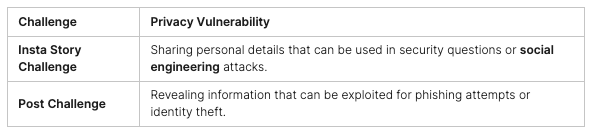
    What are the essential tools in the threat intelligence arsenal?

    Important tools include ways to detect threats, like analyzing network traffic and malware. These methods help analysts keep up with cybercriminals and stop threats.

    How do threat intelligence analysts use artificial intelligence and machine learning?

    They use AI and machine learning to improve security. This includes predicting threats and recognizing patterns. It helps them stay one step ahead of cyber attacks.


    What is the importance of building and maintaining threat intelligence networks?

    Building networks is key for sharing info and working together. It keeps analysts informed and helps them fight cybercrime better.

    How does dark web monitoring and analysis help threat intelligence analysts?

    Monitoring the dark web helps them find and stop threats. It’s a big part of keeping systems safe from cybercrime.

    What is the importance of implementing proactive defense strategies?

    Using proactive strategies is vital for stopping threats. This includes hunting for threats and planning for risks. It keeps organizations safe from cyber attacks.

    How does incident response and real-time analysis help threat intelligence analysts?

    Incident response and real-time analysis help them tackle threats fast. It’s important for keeping systems safe and stopping cyber threats.

    What is the importance of future-proofing threat intelligence operations?

    Keeping operations up-to-date is essential for fighting cybercrime. It involves using new tech and learning constantly. It’s how analysts stay ahead of cyber threats.