APIs are essential for seamless business collaboration and data sharing, but they also present significant security risks. In 2020, 91% of companies experienced API security issues, highlighting the need for vigilant API discovery and monitoring to protect digital assets.
API discovery helps teams identify all active APIs, including hidden or vulnerable ones, allowing them to address issues before they escalate. This approach strengthens API management, keeping them secure and fully functional.
Asset monitoring complements API discovery by overseeing all digital assets, such as APIs and microservices, to detect and prevent threats early. Together, these practices help companies counteract a growing number of cyber threats, which surged by 137% in the past year.
Key Takeaways
API discovery is key for seeing all APIs in use, finding hidden or weak ones.
Asset monitoring works with API discovery to watch over digital assets, like APIs and microservices.
Together, API discovery and asset monitoring help find and fix problems early, keeping APIs safe and in line.
Using API discovery and asset monitoring is vital for fighting off more cyber threats, which have increased a lot.
By focusing on API discovery and asset monitoring, companies can manage their APIs better, keep them up-to-date, and make them secure.
The Importance of API Discovery for Cybersecurity
API discovery is key to better cybersecurity. It helps find and fix old or unwanted APIs, called “zombie APIs,” that might still be used. This makes projects run smoother by preventing teams from doing the same work twice.
API Discovery Uncovers Unmonitored and Vulnerable APIs
Today, most companies use over a thousand apps, a Salesforce survey found. This leads to hidden APIs, or “shadow APIs,” that aren’t listed in the official catalog. A 2022 report shows about 31% of attacks target these hidden APIs. API discovery finds and fixes these hidden dangers.
API Discovery Enables Proactive Risk Assessment and Remediation
Keeping an updated API list helps watch over sensitive data, like user info and API keys. API discovery tools also speed up app development, making things faster and better. Regular and standard API discovery practices are vital for safe and efficient API use.
Using standards like OpenAPI Specification (OAS), REST, and GraphQL makes API discovery better. This way, companies can find and fix problems before hackers do.
“Over a thousand applications are used in modern enterprises on average, according to a Salesforce survey.”
Understanding API Discovery: Internal vs. External Programs
API discovery is key for managing both internal and external APIs. It helps keep digital assets safe and under control. Internal discovery looks at APIs used inside the company. External discovery focuses on APIs shared with others.
Internal API Discovery: Identifying and Managing APIs for Internal Use
Internal API discovery is vital for security and efficiency. With many internal APIs, knowing them well is crucial. It helps in managing risks and ensuring everything runs smoothly.
It involves listing all APIs, knowing their roles, and setting up strong security. This way, companies can keep their internal systems safe and compliant.
External API Discovery: Identifying APIs for Third-Party Integration
External API discovery looks at APIs shared with others. It’s about keeping these APIs secure and compliant. This is important for digital assets shared with the outside world.
It helps spot and fix vulnerabilities. This way, companies can protect their digital assets from outside threats.
“Effective API discovery is the cornerstone of a robust cybersecurity strategy, enabling organizations to maintain control and visibility over their critical digital assets.”
Key Benefits of API Discovery for Organizations
API discovery is key for finding all APIs used in a company. It helps use resources better and makes work more efficient. This method saves money by making IT simpler and making the company more agile.
It also helps keep sensitive data safe, especially with more APIs being used and more attack points. Good API documentation makes it easier for developers to work. This leads to better integration and stronger systems.
Using API discovery helps companies improve security, cut costs, and find new ways to grow and innovate.
API Discovery in Action: Real-World Examples
API Discovery in the Financial Services Industry
Today, companies handle hundreds or thousands of internal APIs. In finance, 81% see APIs as key for business and IT. Major banks spend about 14% of their IT budget on APIs.
API discovery is vital here. It helps find hidden or unused APIs, called “zombie APIs.” These can be big security risks if not managed.
Good API discovery helps fix security issues. This includes not having authentication, exposing sensitive data, and sharing too much data. By checking their APIs, banks can lower risks and follow rules like GDPR and HIPAA.
API Management Platforms and API Discovery
API management platforms are key for managing APIs. They help with development, design, and security. These platforms manage an API’s whole life cycle.
They let companies see both public and internal APIs. This gives a full view of the API world. It helps with risk checks and fixing problems.
In short, API discovery is key for good API management and security, especially in finance. With the right tools, companies can see their API world, check risks, and protect data. This keeps them safe and follows rules.
“Effective API discovery and management are essential for organizations to maintain a strong cybersecurity posture and stay ahead of evolving threats in the digital landscape.”
Why API Discovery and Asset Monitoring Are Essential for Strong Cyber Defense
In today’s digital world, APIs are key for innovation and connection. They are crucial for a strong cybersecurity stance. API vulnerabilities have jumped 30% to 846 instances in 2023, making up 3.44% of all CVEs. This shows APIs are a big security risk, with 29% of CVEs in 2023 being API-related.
API discovery helps find and secure all APIs in an organization. With about 100 APIs on average, leaks from services like MailChimp have put 54 million users at risk. By finding and listing all APIs, companies can spot and fix vulnerabilities, protecting their systems and data.
In summary, API discovery and asset monitoring are vital for strong cyber defense. By actively managing APIs and monitoring their attack surface, companies can reduce risks and protect their digital assets.
“APIs constitute indispensable targets for security breaches, and organizations must prioritize API discovery and asset monitoring to strengthen their cyber defense strategies.”
Differentiating API Discovery and API Management
API discovery and API management are two important parts of the digital world. API management handles the whole API life cycle, from start to finish. API discovery is key in finding and understanding the APIs we have, making sure they don’t repeat each other and are safe and follow rules.
API Discovery Avoids Duplicating Functionality
API discovery helps teams find and avoid making the same thing twice. It keeps track of all APIs in one place. This way, teams can use what’s already there instead of starting over. It makes work more efficient and helps everything work better together.
API Discovery Focuses on Finding and Cataloging APIs
The main job of API discovery is to find and list all APIs in an organization. Knowing all about the APIs helps make better choices and plans. It also makes it easier to keep track of and use APIs safely and well throughout their life.
API Discovery Ensures Security and Compliance
API discovery is also key for keeping things safe and following rules. It makes sure all APIs are secure and follow the rules. This helps avoid problems and keeps everything in line with the law.
“APIs are expected to grow to millions, emphasizing the importance of exploring and testing suitable APIs for developing innovative applications.”
In short, API discovery and API management are two sides of the same coin. They help drive new ideas, keep things safe, and make sure everything works well together. API management looks after the whole API life cycle. API discovery focuses on finding, listing, and keeping APIs safe. This helps make better choices and use APIs more efficiently.
The Role of Asset Monitoring in API Security
Asset monitoring is key to strong API security. It keeps an eye on API assets like endpoints and usage patterns. This way, organizations can spot and fix vulnerabilities and suspicious activity fast.
This proactive method helps in assessing risks better and responding quickly to threats. It also ensures the safety of sensitive data and critical API functions.
Asset monitoring helps security teams fight off major API threats. These include Broken Object-Level Authorization (BOLA) and Broken User Authentication. These threats can cause big data breaches.
It also tackles Excessive Data Exposure and Lack of Resources and Rate Limiting issues. These can lead to huge data breaches and API downtime.
Asset monitoring catches Broken Function Level Authorization (BFLA) threats too. These can let unauthorized access or take over admin privileges.
By keeping a close eye on the API ecosystem, organizations can tackle these risks. This ensures the safety and integrity of their API operations.
Recent studies show 95% of enterprises face security issues in their APIs. And 23% have had a breach because of API security problems. With APIs making up over 71% of web traffic, monitoring them is more crucial than ever.
Asset monitoring helps organizations adopt a “Zero Trust” API security model. This model assumes a breach and grants minimal access privileges. It also uses threat analytics and security policies through an API gateway.
This approach helps defend against many security threats. It makes the API ecosystem safer from malicious actors.
In summary, asset monitoring is essential for a solid API security plan. It helps organizations stay visible, in control, and resilient against API security challenges.
Best Practices for API Discovery and Asset Monitoring
Keeping your cybersecurity strong needs a solid plan for finding and watching APIs. Here are some key steps to help you find, protect, and manage your APIs:
Use automated tools to find all APIs inside and outside your company.
Keep a detailed list of your APIs, including what they do and how they work.
Watch how APIs are used and their security to spot problems early.
Make sure only the right people can use your APIs by setting up strong access controls.
Make API security a part of your overall security plan for better protection.
Following these steps helps you find and fix API problems before they cause trouble. This way, you can keep your data safe and your systems running smoothly.
“API security is a critical component of any organization’s cybersecurity strategy. By implementing robust API discovery and asset monitoring practices, businesses can stay ahead of evolving threats and protect their valuable data and resources.”
API discovery and monitoring are key to a strong cyber defense. By sticking to these best practices, you can protect your APIs, lower the chance of data breaches, and keep your digital assets safe.
Conclusion
A strong cybersecurity strategy hinges on effective API discovery and asset monitoring, enabling security teams to identify and address vulnerabilities before they become major issues. By actively managing assets and monitoring APIs, organizations can significantly reduce risks, reinforce security, and maintain a secure cloud environment.
Proper asset management is essential, especially as overlooked or outdated data can lead to serious financial and compliance risks. API discovery plays a critical role in mitigating potential threats, as shown by high-profile incidents like the 2017 Equifax breach, underscoring the importance of securing APIs and protecting sensitive information.
Asset monitoring, combined with robust API security solutions, offers a comprehensive view of applications and cloud infrastructure. Solutions like CNAPP provide runtime protection, vulnerability management, threat detection, and response, ensuring that cloud-native applications remain secure and resilient against evolving cyber threats.
Enhance your cybersecurity with Peris.ai’s suite of solutions tailored to safeguard your organization. Visit Peris.ai to learn more about our advanced products and services.
FAQ
What is API discovery and why is it crucial for cybersecurity?
API discovery finds and lists all APIs in an organization. It’s key for cybersecurity because it shows all APIs used. This lets security teams find and fix hidden or risky APIs.
What is the difference between internal and external API discovery?
Internal API discovery looks at APIs used inside the company. It helps find and fix security issues and improve work flow. External API discovery looks at APIs used by others, like partners or customers. It helps keep these APIs safe and in line with rules.
What are the key benefits of API discovery for organizations?
API discovery helps save money by making IT simpler and more flexible. It helps systems work better together and keeps data safe. It also makes building new systems easier and more efficient.
How is API discovery used in the real world?
In finance, 81% see APIs as very important. Big banks spend 14% of their IT budget on APIs. API management tools help manage and secure APIs, making the whole system better.
How does API discovery differ from API management?
API discovery finds and lists APIs, while API management handles them from start to finish. Discovery makes sure APIs are safe, which helps the whole company stay secure.
What is the role of asset monitoring in API security?
Asset monitoring keeps an eye on all API parts. It helps spot and fix problems fast. This makes the API system safer and more secure.
What are the best practices for API discovery and asset monitoring?
Use automated tools for discovery and keep API lists current. Watch API use and traffic closely. Use strong access controls and security checks. Make API security part of the company’s overall security plan.
Welcome to our insightful article on the 24/7 Danger Zone of cyber threats in organizations. In today’s digital age, where technology powers businesses’ core functions, cybersecurity vigilance has become an absolute necessity. Organizations must constantly be prepared for the ever-present cyber risks that can strike at any moment. This article explores organizations’ various threats and provides essential strategies to protect against them.
Cyber threats in organizations are a persistent and evolving danger. From sophisticated malware attacks to data breaches and ransomware, the consequences of a cyber incident can be severe, affecting both financial stability and reputational standing. It is crucial for organizations to prioritize cybersecurity measures and develop a proactive defense strategy that encompasses continuous monitoring and maintenance.
In the following sections, we will delve into the specific cyber risks organizations face, uncover factors that increase vulnerability to attacks and present real-world case studies to demonstrate the impact and consequences of cyber incidents. We will also explore tools, technologies, and cybersecurity solutions that can provide real-time protection and strategies for creating a culture of cybersecurity awareness within organizations.
With the ever-changing threat landscape, businesses must align IT and executive goals for effective cyber threat management. We will also discuss cyber incidents’ financial and reputational impact, conduct a cost analysis of major cybersecurity breaches, and examine the long-term consequences for affected organizations.
This article will present key takeaways and actionable insights that organizations can implement to enhance their cybersecurity practices. Join us on this journey into the 24/7 Danger Zone of cyber threats in organizations, and let’s strengthen our defenses against these ever-present risks.
Key Takeaways:
Constant cybersecurity vigilance is essential to protect organizations against evolving cyber threats.
Developing a proactive defense strategy through continuous monitoring and maintenance is crucial.
Factors that increase vulnerability to cyber attacks must be identified and addressed.
Cybersecurity awareness training and education can help build a strong defense against cyber threats.
Alignment between IT and executive goals is necessary for effective cyber threat management.
The Ever-Present Cybersecurity Threat Landscape
In today’s digital age, organizations face an ever-present cybersecurity threat landscape that can have devastating consequences. With the advancement of technology, cyber risks continue to evolve, posing significant challenges to the security and integrity of organizational systems and data.
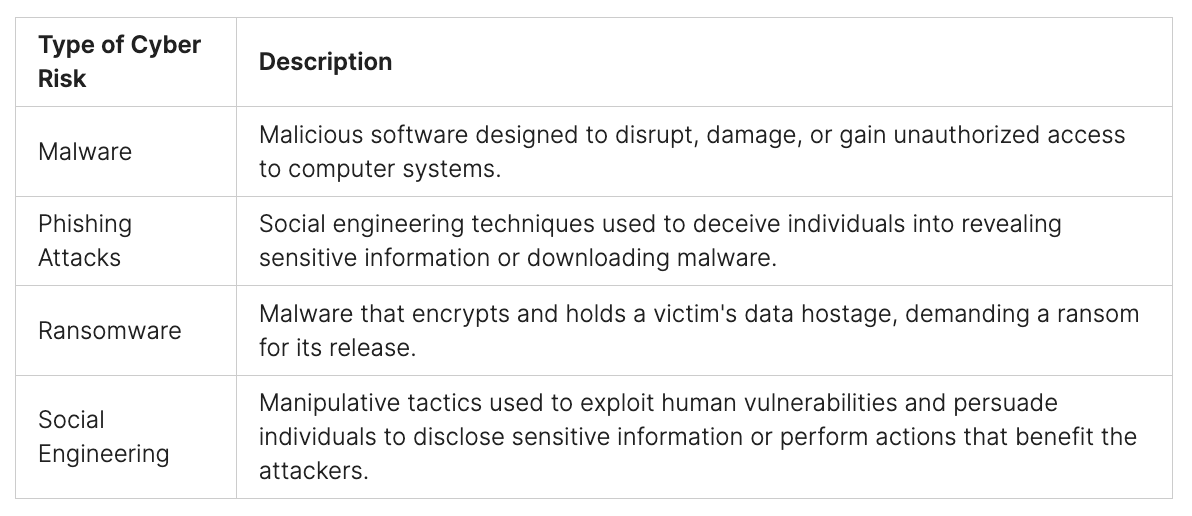
Cyber threats come in various forms, including malware, phishing attacks, ransomware, and social engineering. These threats exploit organizational vulnerabilities, targeting weaknesses in network infrastructure, software, and human behavior.
Organizations must stay vigilant and proactive in their cybersecurity efforts to combat cyber risks effectively. This requires understanding the evolving threat landscape and the potential vulnerabilities that can be exploited. By recognizing the risks, organizations can implement the necessary measures to mitigate and manage these threats.
“The digital era has brought forth a complex and dynamic cybersecurity threat landscape. Organizations must adapt to the evolving nature of cyber threats to protect their systems, data, and reputation.”
Organizational vulnerabilities can arise from outdated software, inadequate security protocols, lack of employee awareness, and limited resources allocated to cybersecurity. These vulnerabilities offer openings for cyber attackers to infiltrate and compromise sensitive information.
Organizations can prioritize investments in robust security measures, employee education and training programs, and ongoing risk assessments by understanding the ever-present cybersecurity threat landscape. This proactive approach enhances their resilience and ability to respond effectively to cyber threats, safeguarding their operations and reputation.
Understanding Organizational Cyber Risks
Cybersecurity is a top concern for organizations in today’s digital landscape. The repercussions of cyber attacks can be devastating, leading to financial losses, operational disruptions, and reputational damage. Organizations must understand the specific cyber risks they face to protect themselves and the factors that increase their vulnerability to cyber attacks.
Factors that Increase Vulnerability to Cyber Attacks
Organizations can be more exposed to cyber threats due to various vulnerability factors. These factors include:
Outdated and Unsupported Systems: Using outdated software and operating systems that no longer receive security updates leaves organizations susceptible to known vulnerabilities.
Weak Security Protocols: Inadequate security measures, such as weak passwords, lack of multifactor authentication, and improper access controls, make it easier for attackers to infiltrate an organization’s networks and systems.
Lack of Employee Awareness: Human error remains a significant contributor to successful cyber attacks. Employees who are unaware of common phishing techniques, malicious links, and social engineering tactics can inadvertently provide cybercriminals with access to sensitive information.
Third-Party Risks: Organizations often collaborate with third-party vendors and partners, creating potential entry points for cyber attackers. Weak security practices by these external entities can compromise the organization’s overall security.
Understanding these vulnerability factors allows organizations to identify their weak points and prioritize cybersecurity measures to mitigate potential risks.
Strengthening Defenses: Identifying Vulnerabilities for Better Security
Proactive Cyber Defense Strategies for Businesses
In today’s evolving cyber threat landscape, organizations must proactively defend against potential attacks. Implementing strong cybersecurity measures, conducting regular risk assessments, and staying up-to-date with the latest technologies are crucial for protecting sensitive data and maintaining business continuity.
Here are some essential proactive defense strategies that businesses can employ:
Secure Network Infrastructure: Organizations should establish secure network infrastructures by implementing firewalls, intrusion detection systems (IDS), and virtual private networks (VPNs) to safeguard against unauthorized access.
Continuous Monitoring: Regular monitoring of network traffic and system logs helps promptly identify any unusual activity or potential security breaches. This proactive approach allows organizations to intervene and mitigate risks before they escalate.
Employee Education and Training: Cybersecurity awareness and training programs for employees play a crucial role in mitigating risks. By educating employees about potential threats, phishing attacks, and safe browsing practices, organizations can significantly reduce the risk of human error leading to breaches.
Data Encryption: Encrypting sensitive data both in transit and at rest adds an extra layer of protection against unauthorized access. Robust encryption methods, such as the Advanced Encryption Standard (AES), should be implemented to secure data across various devices and platforms.
Regular Updates and Patching:Organizations must ensure that all systems, software, and applications are regularly updated with the latest patches and security fixes. Neglecting updates increases the risk of cyber attackers exploiting known vulnerabilities.
By adopting these proactive defense strategies, businesses can enhance their cybersecurity posture, minimize the risk of breaches, and protect valuable assets. Furthermore, organizations should continuously evaluate and refine their cyber defense strategies to adapt to evolving threats in the digital landscape.
24/7 Danger Zone: When Cyber Threats Strike in Organizations!
In today’s digital landscape, organizations face an ever-present and evolving threat to their cybersecurity. Cyber threats can strike at any time, making continuous cybersecurity critical for businesses to protect their sensitive data and safeguard operations. Organizations must maintain constant vigilance and readiness to respond to these threats, as they can have severe consequences when left unchecked.
One of the key challenges in combating cyber threats is the 24/7 nature of the danger. Hackers and malicious actors are constantly probing for vulnerabilities, seeking to exploit any weaknesses in an organization’s defenses. This means that organizations must be prepared to defend against cyber threats around the clock, ensuring that their cybersecurity measures are always up to date and effective.
Continuous cybersecurity is essential for organizations of all sizes and industries. By implementing rigorous security protocols, organizations can reduce their risk of falling victim to cyber threats, preventing disruption to operations, financial loss, and damage to their reputation.
As technology continues to advance and cyber threats become more sophisticated, organizations must prioritize continuous cybersecurity as a core part of their business strategy. Organizations can proactively defend against cyber incidents and safeguard their critical assets by staying ahead of emerging threats and maintaining robust security measures.
“Cybersecurity is not a one-time investment or a temporary fix. It requires constant attention and adaptation to stay ahead of the rapidly evolving threat landscape.”
Continuous cybersecurity encompasses various elements, including regular security assessments, security system and protocol updates, employee training and awareness programs, and advanced threat detection technologies. By combining these measures, organizations can create a robust cyber defense posture that minimizes their vulnerability to cyber threats.
Building Cyber Resilience: The Components of Continuous Cybersecurity
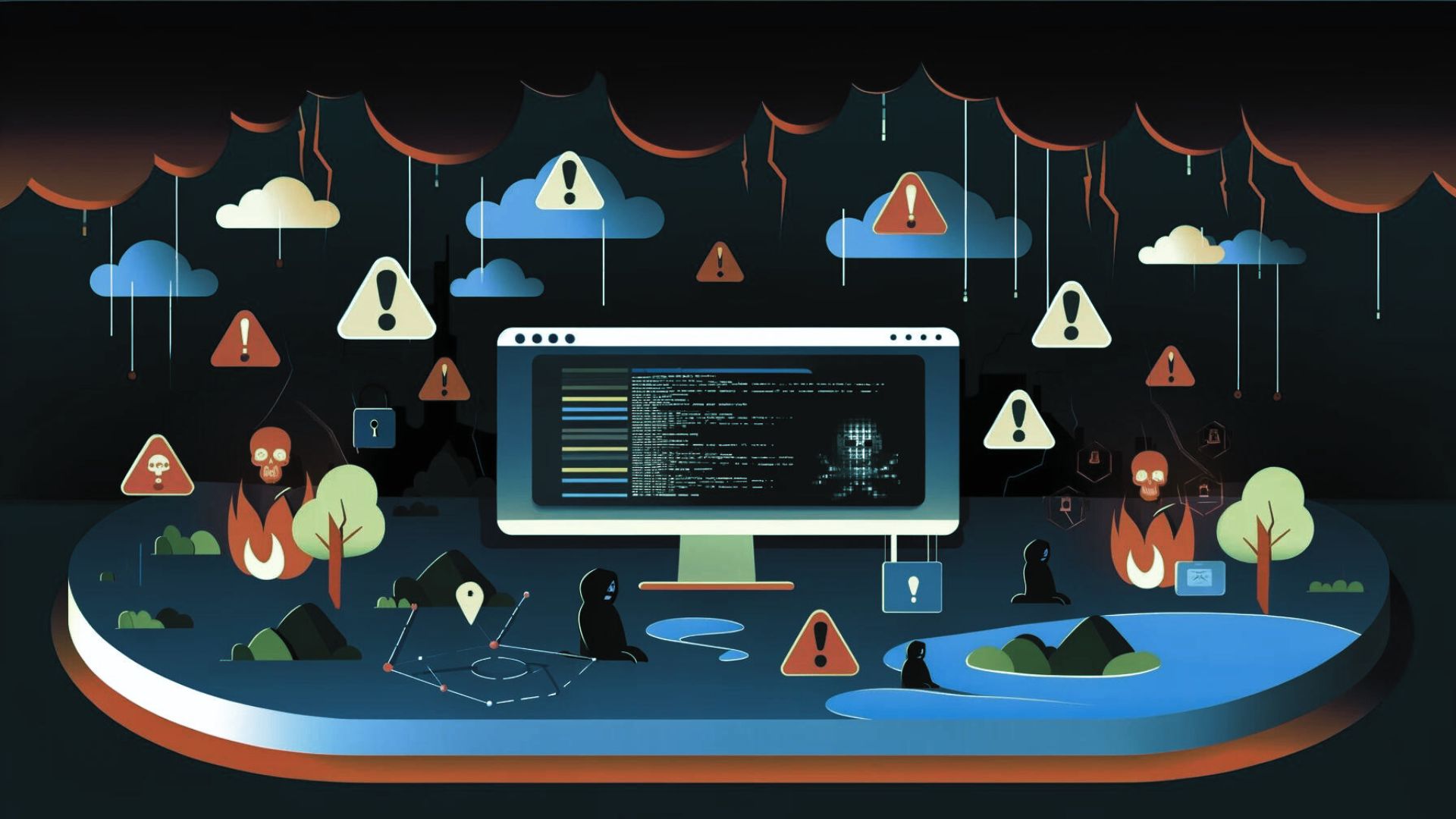
This image represents the continuous nature of cybersecurity, symbolizing the need for organizations to have a 24/7 approach to protecting their digital assets.
The next section will explore the tools and technologies available for always-on cyber protection, highlighting real-time cybersecurity solutions and advancements in threat detection and response capabilities.
Always-On Cyber Protection: Tools and Technologies
In today’s rapidly evolving digital landscape, organizations face constant cyber threats that can disrupt operations, compromise sensitive data, and damage reputations. As the frequency and sophistication of cyber attacks increase, organizations must adopt proactive measures to ensure their cybersecurity defenses are always-on and capable of mitigating emerging threats.
Real-Time Cybersecurity Solutions
One of the key components of always-on cyber protection is the deployment of real-time cybersecurity solutions. These solutions utilize advanced technologies and techniques to detect, analyze, and respond to threats in real time, minimizing the potential damage caused by cyber incidents.
Real-time cybersecurity solutions leverage machine learning algorithms and artificial intelligence (AI) to continuously monitor network traffic, user behavior, and system vulnerabilities. By analyzing vast amounts of data and identifying anomalous activities, these solutions can swiftly detect and neutralize potential threats before they can cause significant harm.
Furthermore, real-time cybersecurity solutions provide organizations with actionable insights, enabling them to make informed decisions and respond effectively to evolving cyber threats. By harnessing the power of automation and threat intelligence, organizations can enhance their incident response capabilities and reduce the time required to detect and mitigate cyber attacks.
Advancements in Threat Detection and Response
Cybersecurity is constantly evolving, driven by technological innovations and an increasingly sophisticated threat landscape. Advancements in threat detection and response capabilities have further empowered organizations to bolster their always-on cyber protection strategies.
AI-driven cybersecurity systems are at the forefront of these advancements. By harnessing the power of machine learning and behavioral analytics, AI-driven systems can detect previously unknown and zero-day threats in real time. These systems continually learn from cyber attack patterns and adapt their defenses accordingly, ensuring organizations remain one step ahead of cybercriminals.
In addition to AI-driven systems, organizations are leveraging technologies such as endpoint detection and response (EDR) tools, security information and event management (SIEM) platforms, and threat intelligence solutions. These technologies provide real-time visibility into network activity, facilitate the correlation of security events, and enable proactive threat hunting.
Organizations can establish robust and resilient always-on cyber protection by harnessing the power of real-time cybersecurity solutions and leveraging advancements in threat detection and response capabilities. These tools and technologies form the backbone of an effective cybersecurity strategy, enabling organizations to stay one step ahead of cyber threats and safeguard their critical assets.
Creating a Culture of Cybersecurity Awareness
Organizations face an ever-increasing number of cyber threats in today’s digital landscape. Fostering a culture of cybersecurity awareness within the organization is crucial to protect against these threats effectively. This involves equipping employees with the necessary knowledge and skills to identify and respond to potential cyber risks.
Employee training and education play a vital role in building a stronger defense against cyber threats. By providing comprehensive cybersecurity training, organizations can empower their employees to become the first line of defense. Training programs should cover topics such as recognizing phishing attempts, creating strong passwords, and understanding the importance of regular software updates.
However, cybersecurity awareness should not be limited to training programs alone. It should be integrated into the organizational culture, becoming a shared responsibility among all employees. This can be achieved by fostering an environment that encourages open communication about potential threats, promoting a sense of collective responsibility for cybersecurity.
Organizations can take several steps to promote cybersecurity awareness throughout the organization:
Conduct regular cybersecurity awareness campaigns to keep employees up to date with the latest trends and threats.
Establish clear policies and procedures for reporting potential security incidents, encouraging a proactive approach to cybersecurity.
Provide ongoing support and resources to employees, such as access to cybersecurity experts or tools.
Encourage employees to share best practices and success stories regarding cybersecurity, fostering a sense of community and collaboration.
By creating a culture of cybersecurity awareness, organizations can significantly reduce the risk of falling victim to cyber threats. It is not only the responsibility of IT departments; it requires the active participation of all employees. With a well-informed and vigilant workforce, organizations can fortify their defenses and mitigate the potential impact of cyber incidents.
Fostering Cybersecurity Culture: A Collective Defense Against Threats
Business Cyber Threat Management: Roles and Responsibilities
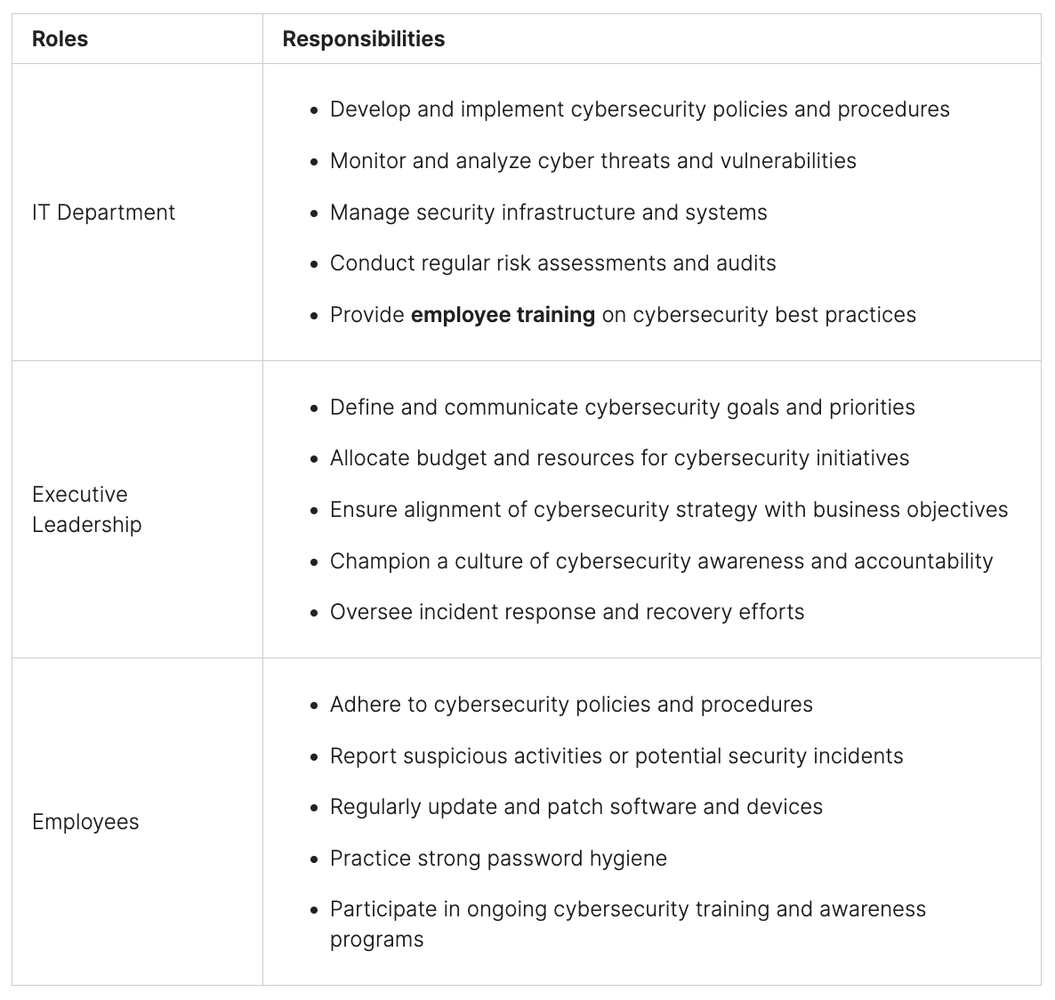
In order to effectively manage cyber threats within organizations, it is essential to understand the roles and responsibilities of the various stakeholders involved. This section explores the key aspects of cyber threat management and highlights the importance of alignment between IT and executive goals. Additionally, the significance of training employees to recognize and respond to cyber threats is emphasized.
Aligning IT and Executive Goals for Cybersecurity
Successfully managing cyber threats requires a strong alignment between the IT department and executive leadership. IT executives must work hand in hand with top management to develop and implement effective cybersecurity strategies. This alignment ensures that cybersecurity goals are in line with the overall business objectives and that the necessary resources are allocated appropriately.
By aligning IT and executive goals, organizations can prioritize cybersecurity initiatives, allocate budget and resources accordingly, and create a culture of cybersecurity awareness throughout the company. This collaboration enables a more cohesive approach to cyber threat management, leading to a stronger defense against potential threats.
Training Employees to Recognize and Respond to Cyber Threats
Employees play a crucial role in safeguarding organizations against cyber threats. By providing comprehensive training on cybersecurity best practices, organizations can empower their employees to be the first line of defense. Training programs should cover topics such as identifying phishing emails, practicing safe browsing habits, and recognizing social engineering techniques.
A well-trained workforce enhances the overall security posture of an organization. It reduces the risk of employees falling victim to cyber attacks and enables them to respond to potential threats promptly. Regular training sessions and ongoing awareness campaigns can significantly improve employees’ ability to mitigate cyber risks and protect sensitive data.
Continuous Cybersecurity: Monitoring and Maintenance
In the ever-evolving landscape of cyber threats, organizations must prioritize continuous monitoring and maintenance of their cybersecurity systems to ensure ongoing protection. Regular assessments, updates, and audits are crucial to identify vulnerabilities, address emerging risks, and maintain the effectiveness of cybersecurity measures.
Staying Vigilant: Continuous Monitoring for Cybersecurity Resilience
By establishing a comprehensive monitoring strategy, organizations can proactively detect and respond to potential security incidents, minimizing the impact of cyber threats. Continuous monitoring allows real-time visibility into network traffic, system behavior, and user activities, enabling rapid threat detection and mitigation.
Additionally, routine maintenance of cybersecurity systems is essential to keep pace with evolving threats and emerging technologies. This includes regular software updates, patch management, and vulnerability remediation. Organizations can significantly reduce their attack surface and enhance their overall cybersecurity posture by staying up-to-date with the latest security patches and ensuring system configurations align with best practices.
“Continuous monitoring and maintenance are the backbone of effective cybersecurity. It’s not enough to implement security measures and assume they will provide ongoing protection. Organizations need to actively monitor their systems, respond to new threats, and ensure their defenses are always up to date.” – Cybersecurity Expert
Moreover, regular audits and assessments help organizations identify potential gaps or weaknesses in their cybersecurity infrastructure. These evaluations provide insights into areas that require improvement, allowing organizations to prioritize resources and implement necessary changes to strengthen their defenses. By embracing a proactive monitoring, maintenance, and auditing approach, organizations can establish a robust cybersecurity framework that adapts to changing threat landscapes.
Continuous cybersecurity monitoring and maintenance are critical for detecting and preventing cyber threats and demonstrating due diligence and compliance with industry regulations. Implementing effective monitoring and maintenance practices ensures organizations remain vigilant and responsive to emerging risks, safeguarding their sensitive data and maintaining the trust of their stakeholders.
The Financial and Reputational Impact of Cyber Incidents
In today’s digital landscape, organizations face increasingly sophisticated cyber threats that can have significant financial and reputational consequences. This section explores the impact of cyber incidents on organizations, including the financial losses incurred and the long-term consequences that can affect their reputation.
Cost Analysis of Major Cybersecurity Breaches
Cybersecurity breaches can result in substantial financial losses for organizations. A cost analysis of major breaches reveals the extent of the financial impact. Organizations often incur expenses related to incident response, investigation, remediation, and legal proceedings. Additionally, there can be indirect costs such as reputational damage, loss of customers, and decreased market value.
These figures highlight the immense financial impact that cybersecurity breaches can have on organizations. The costs go beyond immediate financial losses and extend to long-term damage.
Long-Term Consequences for Affected Organizations
In addition to the immediate financial impact, cyber incidents can have long-term consequences that significantly impact an organization’s reputation and business operations. Some of the long-term consequences include:
Reputational Damage: A cybersecurity breach can erode customer trust and damage an organization’s reputation. It can lead to negative publicity, customer defection, and a decrease in brand value.
Loss of Customer Trust: Customers may lose confidence in an organization’s ability to protect their personal and financial information. This loss of trust can lead to a decline in customer loyalty and retention.
Regulatory Fines and Legal Consequences: Organizations that fail to protect customer data may face regulatory fines and legal actions. These consequences can further exacerbate the financial impact of a cyber incident.
Operational Disruptions: Cybersecurity breaches can disrupt normal business operations, causing system downtime, delays in service delivery, and loss of productivity. These operational disruptions can have significant financial implications.
These long-term consequences highlight cybersecurity breaches’ pervasive and lasting impact on organizations, emphasizing the need for robust preventive measures and incident response strategies.
Case Study Analysis: Cybersecurity in Action
This section will analyze a real-life cybersecurity case study showcasing successful defense strategies and valuable lessons learned. By examining the specific steps taken by an organization to protect against cyber threats, we can gain insights into effective cybersecurity practices that can be applied across industries.
To illustrate our analysis, consider the following scenario:
The cybersecurity team at XYZ Corp recognized the increasing sophistication of cyber threats and the growing risk of APT attacks. To mitigate these risks, they implemented a multi-layered defense system that combined various security measures:
Employee Training: XYZ Corp conducted comprehensive cybersecurity awareness training for all employees, emphasizing the importance of identifying phishing emails and adopting safe browsing habits.
Secure Email Gateway: An advanced secure email gateway was implemented to filter out malicious emails and prevent phishing attempts from reaching employee inboxes.
Endpoint Security:The organization installed robust endpoint security software on all devices, providing real-time protection against malware and other malicious activities.
Network Segmentation:XYZ Corp implemented network segmentation to isolate critical systems and minimize the potential impact of a breach.
Continuous Monitoring: The cybersecurity team established a 24/7 monitoring system to detect any unusual network activity and respond to incidents swiftly.
Incident Response Plan:An effective incident response plan was put in place, outlining the steps to be taken in the event of a cyber attack, ensuring a coordinated and rapid response.
As a result of these proactive defense strategies, XYZ Corp successfully defended against the APT attack, preventing sensitive data breaches and minimizing the impact on their business operations. This case study highlights the effectiveness of a multi-layered defense approach and the critical role of employee training in preventing cyber incidents.
Based on the lessons learned from this case study, organizations can implement the following key practices:
Provide regular cybersecurity awareness training to educate employees about potential threats and safe behaviors.
Implement a multi-layered defense system, combining secure email gateways, endpoint security, and network segmentation measures.
Establish a robust incident response plan to ensure a swift and coordinated response to cyber incidents.
Maintain continuous monitoring of networks to detect and respond to potential threats in real-time.
By adopting these best practices, organizations can strengthen their cybersecurity posture and effectively defend against evolving cyber threats.
Conclusion
In the ever-changing world of cyber threats, vigilance in cybersecurity is not just a recommendation—it’s a necessity. This article has underscored that the landscape of cybersecurity threats is in constant flux, and the fallout from cyber incidents can be severe. To combat these threats effectively, it’s imperative for organizations to adopt proactive defense strategies and foster a culture deeply rooted in cybersecurity awareness.
We’ve highlighted the critical importance of robust security measures, regular risk assessments, and keeping pace with the latest advancements in cybersecurity technology. It’s also vital for organizations to ensure IT and executive teams are in sync and to invest in comprehensive training programs that enable employees to identify and react to cyber threats skillfully.
Continuous monitoring and maintenance of cybersecurity systems are key to preserving their effectiveness over time. Understanding the financial and reputational impact of cyber incidents is crucial, as are the long-term effects they might engender. Learning from successful case studies and integrating these insights can significantly bolster an organization’s defensive posture against potential cyber risks.
In our current reality, where cyber threats loom large 24/7 danger zones, making cybersecurity a top priority is non-negotiable for organizations of all sizes. Adopting a proactive, vigilant stance, staying abreast of evolving threats, and investing in the right tools and technologies are fundamental steps towards enhanced protection against cyber threats and the preservation of valuable assets.
To strengthen your organization’s cybersecurity further, we invite you to explore the solutions offered by Peris.ai Cybersecurity. Our website provides a wealth of resources and innovative tools tailored to meet the unique cybersecurity needs of your organization. Visit us at Peris.aiCybersecurity to discover how we can help you stay one step ahead of cyber threats. Make cybersecurity your stronghold—partner with Peris.ai today.
FAQ
What are the main cybersecurity risks that organizations face?
Organizations face various cybersecurity risks, including data breaches, ransomware attacks, phishing scams, and insider threats. These risks can lead to financial loss, reputational damage, and regulatory penalties.
What factors increase an organization’s vulnerability to cyber attacks?
Outdated systems, weak security protocols, lack of employee awareness, and inadequate cybersecurity measures increase an organization’s vulnerability to cyber attacks. It is crucial to address these factors to minimize the risk of a successful cyber attack.
What are proactive cyber defense strategies?
Proactive cyber defense strategies involve implementing strong security measures, conducting regular risk assessments, staying updated with the latest cybersecurity technologies, and establishing incident response plans. These strategies help organizations effectively prevent, detect, and respond to cyber threats.
Why is continuous cybersecurity important for organizations?
Continuous cybersecurity is important because cyber threats can occur anytime, and organizations must be constantly vigilant and prepared. It ensures that organizations can detect and respond to threats in real-time and minimize potential damages.
What are some tools and technologies available for always-on cyber protection?
Real-time cybersecurity solutions provide instant threat detection and response. These solutions use advanced technologies like artificial intelligence (AI) and machine learning to identify and block threats. They continuously monitor network traffic, endpoints, and cloud environments to ensure comprehensive protection.
How can organizations create a culture of cybersecurity awareness?
Organizations can create a culture of cybersecurity awareness by providing regular employee training and education, promoting a strong security mindset, and encouraging reporting of suspicious activities. This helps employees understand their roles in protecting against cyber threats and fosters a proactive approach to cybersecurity.
What roles and responsibilities do various stakeholders have in managing cyber threats?
IT and executive leaders play crucial roles in managing cyber threats. IT departments are responsible for implementing and maintaining cybersecurity measures, while executives must provide strategic direction, allocate resources, and ensure alignment between IT and business goals. Additionally, all employees have a role in recognizing and reporting potential cyber threats.
Why is continuous monitoring and maintenance important for cybersecurity?
Continuous monitoring and maintenance help ensure the ongoing effectiveness of cybersecurity systems. Regular assessments, updates, and audits are necessary to identify vulnerabilities, address emerging threats, and make improvements to the security infrastructure.
What is the financial and reputational impact of cyber incidents on organizations?
Cyber incidents can have significant financial and reputational impacts on organizations. They can result in financial losses due to stolen funds, regulatory fines, legal expenses, and the cost of remediation. Reputational damage can lead to the loss of customer trust, decreased business opportunities, and long-term harm to the organization’s brand.
Can you provide a case study of a successful cybersecurity defense strategy?
Company X implemented a comprehensive cybersecurity defense strategy that included regular employee training, multi-factor authentication, encrypted communication channels, and continuous monitoring. As a result, they were able to detect and prevent a sophisticated phishing attack, protecting sensitive customer data and maintaining their reputation.
The dark web remains shrouded in mystery and often misunderstood. Part of the internet’s deeper, unindexed layers, poses significant cybersecurity threats. Understanding these risks is crucial for safeguarding your organization’s sensitive data and maintaining robust cybersecurity measures. This article delves into the dark web’s landscape, explores the critical function of dark web monitoring, and offers steps to integrate robust security protocols to protect your business.
Understanding the Dark Web
The Iceberg Analogy: The internet is often depicted as an iceberg. The surface web, accessible through standard search engines, represents only the visible tip. Below the surface lies the deep web, which contains unindexed content such as private databases and archives. Deeper still is the dark web—a secluded part of the internet known for its anonymity and a hotspot for illicit activities.
The Risks Lurking in the Dark Web
Data Marketplaces: The dark web serves as a bustling marketplace for trading stolen data, including breached credentials and credit card information. This open exchange can lead to significant financial losses and severe reputational damage for individuals and businesses alike.
Cybercrime Forums: These forums provide a collaborative space for cybercriminals to exchange hacking techniques and coordinate sophisticated cyberattacks.
Malware Distribution: A central hub for distributing malware, the dark web facilitates the spread of harmful software designed to steal data and disrupt operations.
Targeted Attacks: Information about a company’s vulnerabilities can be purchased to launch targeted attacks, exploiting known weaknesses.
Brand Hijacking: Phishers often create counterfeit versions of official websites to deceive users, damaging the company’s reputation and trust.
️♂️ The Role of Dark Web Monitoring
What is Dark Web Monitoring? This specialized cybersecurity service actively searches the dark web for indications of compromised business data, such as exposed employee credentials, confidential information, and proprietary secrets.
Why It Matters:
Prevention of Data Breaches: Early detection of compromised data can mitigate the risk of broader data breaches.
Reputation Management: Swiftly addressing threats helps maintain your business’s public image.
Compliance: Many industries have legal obligations to protect sensitive data, making dark web monitoring a compliance necessity.
Intellectual Property Protection: Monitoring helps prevent the unauthorized distribution or sale of your intellectual property.
Strategic Security Planning: By understanding potential threats and monitoring competitive intelligence, businesses can better strategize their cybersecurity defenses.
️ Steps to Implement Dark Web Monitoring
Understand the Threat Landscape: Recognize that the dark web is a significant part of the internet where anonymity facilitates illegal activities.
Engage a Monitoring Service: Opt for a reputable cybersecurity service that specializes in dark web monitoring to detect threats specific to your business data.
Conduct Regular Risk Assessments: Regularly assess your digital infrastructure to identify and mitigate potential vulnerabilities.
Develop a Robust Cybersecurity Posture: Update your cybersecurity measures continuously to protect against emerging threats. Integrate dark web monitoring into your overall security strategy to ensure comprehensive protection.
Employee Training and Awareness: Educate your employees about the signs of breach indicators and phishing attempts to fortify the first line of defense.
Proactive Safeguarding with Peris.ai
While the dark web only constitutes a small fraction of the internet, the threats it harbors can undermine even the most robust cybersecurity infrastructures. By proactively integrating dark web monitoring and updating security measures, businesses can shield themselves against the evolving landscape of cyber threats. Stay vigilant and protect your digital realm with cutting-edge solutions from Peris.ai.
For more insights on safeguarding your business and to explore our cybersecurity solutions, visit us at Peris.ai Cybersecurity.
We find ourselves inhabiting an increasingly interconnected world where the looming specter of cyber attacks casts a growing shadow over every facet of society. No longer confined to rogue hackers or isolated incidents, cyber threats have transcended boundaries, threatening individual users, large corporations, and even governments globally. This modern era has witnessed technology’s relentless march forward, and in lockstep with progress, cybercriminals have refined and diversified their tactics. This shifting landscape necessitates a collective response, compelling computer systems and individuals to heighten their readiness in the face of these ever-evolving threats.
Once a harbinger of convenience and innovation, the digital realm has become a battleground where the stakes are higher than ever before. As technology continues to advance at an astonishing pace, so does the ingenuity of those seeking to exploit its vulnerabilities for personal gain, political motives, or sheer malicious pleasure. The ubiquity of interconnected devices, the proliferation of sensitive data, and the intricacies of modern life conducted through online channels have woven a complex tapestry that invites cyber threats at every turn. Consequently, we must delve deep into the heart of this evolving landscape of cyber dangers, understanding the nuances of these threats and equipping ourselves with practical strategies to fortify our cybersecurity defenses at both the organizational and personal levels.
The Evolving Cyber Threat Landscape
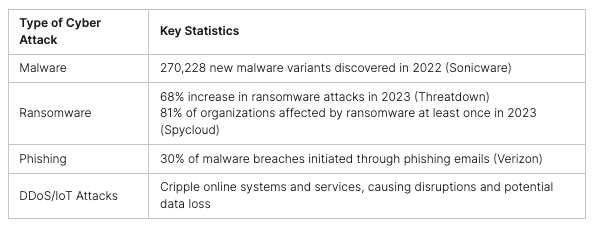
The digital age has ushered in remarkable advancements but has also given rise to a wide array of cyber threats. Cyber attacks come in various forms, including but not limited to malware, phishing, ransomware, and distributed denial of service (DDoS) attacks. These threats have evolved to become more sophisticated, stealthy, and damaging. Let’s delve into some key aspects of the evolving cyber threat landscape.
Ransomware: Ransomware attacks have become increasingly prevalent and financially devastating. Cybercriminals encrypt a victim’s data and demand a ransom for its release. In some cases, even paying the ransom does not guarantee data recovery.
Phishing: Phishing attacks involve deceptive emails or websites that trick individuals into revealing sensitive information, such as login credentials or credit card details. Phishing has become more convincing and difficult to detect.
IoT Vulnerabilities: The proliferation of Internet of Things (IoT) devices has expanded the attack surface. These devices often lack robust security measures, making them attractive targets for cybercriminals.
Supply Chain Attacks: Cybercriminals have shifted their focus to infiltrating supply chains, compromising trusted vendors or partners to gain access to their intended targets.
Advanced Persistent Threats (APTs): APTs are prolonged and targeted cyber attacks typically conducted by nation-state actors. They can remain undetected for extended periods, leading to significant data breaches.
Enhancing Cyber Attack Preparedness for Computer Systems
Organizations must adopt a proactive approach to enhance their cyber attack preparedness. This involves a combination of robust cybersecurity policies, up-to-date technologies, and employee education. Here are some key strategies to consider:
Risk Assessment: Regularly assess and identify vulnerabilities in your computer systems. Conduct thorough penetration testing to understand your system’s weaknesses from an attacker’s perspective.
Cybersecurity Policies: Develop and enforce comprehensive cybersecurity policies and protocols. These should cover data encryption, password management, incident response plans, and employee training.
Access Control: Implement strict access controls to limit the number of individuals with privileged access to critical systems. Regularly review and revoke access for employees who no longer require it.
Patch Management: Keep software and systems updated with the latest security patches. Cybercriminals often exploit known vulnerabilities that have not been patched.
Security Awareness Training: Train employees to recognize and respond to threats like phishing emails. A well-informed workforce can serve as a strong defense against cyber attacks.
Data Backup and Recovery: Regularly back up critical data and test the restoration process. This is crucial in case of ransomware attacks where data recovery without paying the ransom is possible.
Incident Response Plan: Develop a detailed incident response plan that outlines the steps to take in the event of a cyber attack. This plan should include communication procedures, containment strategies, and legal considerations.
Enhancing Cyber Attack Preparedness for Individuals
Cybersecurity isn’t solely the responsibility of organizations; individuals must also take measures to protect themselves online. Here are some practical steps for enhancing cyber attack preparedness at the personal level:
Strong Passwords: Use strong, unique passwords for each online account. Consider using a password manager to store and generate complex passwords securely.
Two-Factor Authentication (2FA): Enable 2FA wherever possible. This adds a layer of security by requiring something you know (password) and something you have (e.g., a smartphone) to access your accounts.
Email Vigilance: Be cautious when opening emails from unknown sources. Verify the legitimacy of links and attachments before clicking on them.
Software Updates: Keep your operating system, software, and apps updated with the latest security patches.
Secure Wi-Fi: Secure your home Wi-Fi network with a strong password and encryption. Avoid using public Wi-Fi for sensitive transactions.
Browsing Safety: Use reputable antivirus and anti-malware software. Be cautious when downloading files or clicking on pop-up ads.
Social Media Privacy: Review and adjust the privacy settings on your social media profiles to limit the information visible to the public.
Data Backups: Regularly back up your important files and documents to an external drive or cloud storage.
Education: Stay informed about current cybersecurity threats and best practices. Online resources and courses are readily available for those who wish to learn more.
Conclusion
It is a duty that extends beyond the boundaries of organizations and infiltrates the lives of individuals, underscoring the critical need to adapt in the face of an ever-evolving threat landscape. This dynamic landscape, where innovation and connectivity drive progress, has also become a fertile ground for cybercriminals to ply their trade with greater sophistication and audacity. As we reflect on the ramifications of these threats, it becomes evident that the adage, “An ounce of prevention is worth a pound of cure,” holds more accurate than ever before.
For organizations, the path forward necessitates a commitment to proactive security measures that span comprehensive cybersecurity policies, stringent access controls, and continuous employee education. Only through these concerted efforts can sensitive data be shielded and reputations fortified against the specter of cyber attacks. Simultaneously, individuals must assume an active role in their cyber defense. Adopting strong passwords, enabling two-factor authentication, and staying abreast of the latest cybersecurity practices are vital in safeguarding personal information and online identities.
When it comes to cybersecurity, it is crucial for organizations to have a dedicated budget separate from other departmental expenses. This ensures that sufficient resources are allocated to protect against cyber threats and maintain the security of sensitive data.
Cybersecurity budgeting requires a strategic approach to separate cybersecurity expenses from other financial obligations. By doing so, organizations can prioritize the protection of their systems and data, mitigating the potential risks associated with cyber threats.
Key Takeaways:
Allocate a separate budget specifically for cybersecurity to ensure adequate resource allocation.
Strategically separate cybersecurity expenses from other departmental expenses to prioritize security.
Effective budgeting for cybersecurity requires a thorough understanding of the organization’s specific needs and risks.
Creating a comprehensive financial plan and projecting future security needs is essential for successful cybersecurity budgeting.
Balancing cybersecurity with other business priorities is crucial for the overall success of the organization.
Understanding the Importance of Dedicated Cybersecurity Funding
Cyber threats are becoming increasingly prevalent, with organizations facing a growing number of data breaches, ransomware attacks, and other malicious activities. To effectively safeguard against these threats, it is crucial to have dedicated funding specifically allocated for cybersecurity. By prioritizing and investing in cybersecurity, organizations can protect their sensitive data, maintain customer trust, and safeguard their overall operations.
The Rising Costs and Implications of Cyber Threats
The cost of cyber threats is on the rise, and the implications of a successful attack can have severe consequences for an organization. From financial losses due to data breaches to reputational damage and legal liabilities, the impact of cyber threats can be devastating. As the sophistication and frequency of cyber attacks continue to escalate, organizations need to stay one step ahead by allocating the necessary financial resources to combat these threats effectively.
Separating Cybersecurity from IT: Strategic Focus on Protection
Traditionally, organizations have viewed cybersecurity as part of their broader IT budget. However, an effective cybersecurity strategy requires a distinct focus and dedicated funding separate from IT expenditures. By separating cybersecurity from IT, organizations can strategically prioritize and allocate resources to proactively address cyber threats. This approach enables a more targeted and comprehensive cybersecurity program that aligns with the organization’s overall risk profile and strategic objectives.
Unveiling Cybersecurity’s Independence: A Strategic Investment for Resilience.
Assessing Your Organization’s Cybersecurity Needs
Before creating a cybersecurity budget, it is important to assess your organization’s specific cybersecurity needs. This involves evaluating your current cybersecurity posture and identifying potential risks. Also, it is crucial to figure out the scope of the cybersecurity measures required to protect your organization effectively. This section will guide you through the process of assessing your cybersecurity needs.
Evaluating Current Cybersecurity Posture and Risks
One of the first steps in assessing your organization’s cybersecurity needs is to evaluate your current cybersecurity posture. This involves examining your existing security infrastructure, policies, and practices to identify any weaknesses or vulnerabilities. Consider conducting a comprehensive security assessment or engaging an external cybersecurity expert to provide an objective evaluation. By understanding your current cybersecurity posture, you can better prioritize and allocate resources to strengthen your defenses.
Furthermore, it is essential to assess the specific risks that your organization faces. This includes identifying potential threats and vulnerabilities that could compromise your systems or data. Conduct a thorough risk analysis to determine the likelihood and potential impact of each risk. This analysis will help you prioritize your cybersecurity efforts and allocate resources to address the most critical areas of concern.
Identifying the Scope of Required Cybersecurity Measures
Once you have evaluated your current cybersecurity posture and identified the risks your organization faces, it is very important to identify the scope of the cybersecurity measures required to take care of these risks. This involves determining the specific actions and controls needed to protect your organization’s assets.
Consider the following areas when identifying cybersecurity measures:
Network security: Evaluate the security of your network infrastructure, including firewalls, intrusion detection systems, and secure remote access.
Endpoint security: Assess the security measures in place for devices such as computers, laptops, smartphones, and tablets.
Data protection: Determine the methods and technologies used to safeguard sensitive data, including encryption, access controls, and backups.
Security awareness training:Evaluate the effectiveness of employee training programs in promoting good security practices and reducing the risk of human error.
Incident response: Establish procedures and protocols for detecting, responding to, and recovering from cybersecurity incidents.
By identifying the scope of required cybersecurity measures, you can develop a comprehensive plan that addresses your organization’s unique security needs and minimizes the risk of cyber threats.
Creating a Comprehensive Financial Plan for Cybersecurity
Building a robust and effective cybersecurity strategy requires more than just implementing security measures. It also entails creating a comprehensive financial plan that considers the projected costs associated with safeguarding your organization’s digital assets. By accurately predicting security costs, you can allocate resources effectively and ensure the long-term sustainability of your cybersecurity initiatives.
Projecting the Budget: Predicting Cost for Future Security Needs
One crucial aspect of creating a financial plan for cybersecurity is predicting the budget needed to address future security needs. This involves assessing the current threat landscape, as well as understanding the potential risks and vulnerabilities that your organization may face in the coming months or years.
To accurately project your cybersecurity budget, consider the following:
Perform a thorough risk assessment: Identify the potential cybersecurity risks that your organization may encounter, both internally and externally. This includes evaluating the likelihood of specific threats and the potential impact they may have on your business operations.
Map out your security roadmap: You can develop a strategic plan that outlines the security measures and initiatives you intend to implement to mitigate identified risks. Determine the associated costs for each initiative, including training, technology solutions, and ongoing monitoring and maintenance.
Please take a look at industry trends and compliance requirements: Stay informed about evolving technology trends and regulatory obligations within your industry. These factors may influence your cybersecurity budget as new threats emerge or compliance standards evolve.
Engage with cybersecurity experts: Seek guidance from cybersecurity professionals who can provide insights into industry best practices and cost projections. They can help you develop a realistic budget based on your organization’s unique requirements.
By considering these factors and engaging in proactive planning, you can create a financial plan that accounts for the predicted security costs and aligns with your organization’s cybersecurity goals.
Allocating Resources: How to Budget Specifically for Cybersecurity Separate from Other Departmental Expenses?
Establishing a separate budget for cybersecurity requires careful resource allocation to ensure adequate funding is available. Allocating resources effectively specifically for cybersecurity is crucial in enhancing the security posture of your organization without compromising other financial obligations. By following these strategies, you can prioritize cybersecurity and protect your organization from potential cyber threats while maintaining a balanced budget.
Balancing Act: Strategically Funding Cybersecurity for Robust Protection.
Examining Cost Allocation Models for Cybersecurity Expenditure
In order to effectively budget for cybersecurity, it is important to understand different cost allocation models. By examining these models, organizations can determine the most suitable approach for allocating funds to cybersecurity initiatives.
Fixed vs. Variable Cybersecurity Costs: Planning Accordingly
When allocating costs for cybersecurity, it is crucial to distinguish between fixed and variable expenses. Fixed costs are those that remain constant regardless of the level of cybersecurity activity, such as the salaries of dedicated cybersecurity staff or the licensing fees for security software. On the other hand, variable costs fluctuate based on the level of cybersecurity activity, such as the costs of incident response services or the expenses incurred during a security breach.
Planning for fixed costs involves accurately forecasting the expenses that will remain constant over time. This requires considering factors such as ongoing investments in cybersecurity personnel, software licenses, and hardware infrastructure. By establishing a baseline for fixed costs, organizations can ensure the continuous availability of essential cybersecurity resources.
Variable costs, on the other hand, can be more challenging to budget for as they can vary based on the severity and frequency of cybersecurity incidents. Organizations must conduct a thorough risk assessment to identify potential vulnerabilities and determine the potential costs associated with incident response, recovery, and mitigation measures. Developing contingency plans and setting aside funds specifically for variable cybersecurity costs can help organizations effectively respond to unforeseen incidents without compromising other financial obligations.
Investment in Cybersecurity as a Percentage of IT Spend
One way to determine the appropriate level of investment in cybersecurity is to consider it as a percentage of the overall IT spend. This approach ensures that organizations allocate a proportional amount of resources to cybersecurity based on their overall technology investments and risk exposure.
Industry benchmarks suggest that organizations should allocate approximately 10% of their IT budget to cybersecurity. However, the specific percentage may vary depending on the organization’s risk profile, industry, and regulatory requirements. Organizations operating in highly regulated sectors, such as healthcare or finance, may need to allocate a higher percentage of their IT spending to cybersecurity to meet compliance standards and protect sensitive data.
It is important for organizations to regularly review and reassess their investment in cybersecurity as a percentage of IT spending, considering changes in the threat landscape, emerging technologies, and evolving business priorities. By consistently monitoring and adjusting the allocation of resources, organizations can ensure that they maintain an appropriate level of cybersecurity investment that aligns with their risk appetite and strategic objectives.
Funding Allocation: Balancing Cybersecurity With Other Business Priorities
When it comes to cybersecurity, organizations often face the challenge of balancing their security needs with other critical business priorities. It is essential to allocate funding in a way that addresses cybersecurity risks while supporting the overall success of the organization.
Prioritizing Allocation Based on Risk Assessment
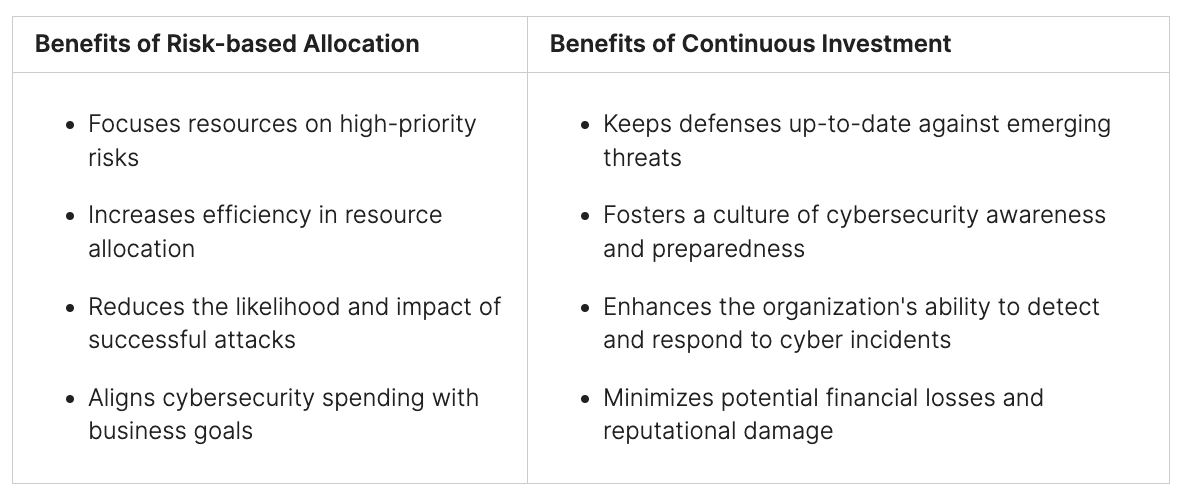
One approach to funding allocation for cybersecurity is based on a risk assessment. By conducting a thorough evaluation of potential risks and vulnerabilities, organizations can identify areas of highest priority. Allocating more resources to these areas helps mitigate the most significant threats and strengthens the organization’s overall security posture.
Targeted Investments: Mitigating Risks through Strategic Cybersecurity Allocation.
Ensuring Continuous Investment in Cyber Defenses
Cybersecurity is an ongoing battle, with new threats emerging regularly. To effectively protect against these evolving risks, organizations must commit to continuous investment in cyber defenses. This includes allocating funds for regular updates to security infrastructure, training and awareness programs, and proactive monitoring systems. By maintaining consistent investment in cyber defenses, organizations can stay one step ahead of cybercriminals and reduce the risk of successful attacks.
By striking a balance between risk-based allocation and continuous investment in cyber defenses, organizations can effectively manage their cybersecurity needs while still addressing other critical business areas. This strategic approach enables organizations to achieve a strong security posture that protects their sensitive data and supports their long-term success.
Incorporating Cybersecurity Budget into Overall Business Strategy
Cybersecurity is not just a standalone department but an integral part of an organization’s overall business strategy. It is essential to recognize that cybersecurity should be considered as a critical component that aligns with the broader strategic plan. By incorporating the cybersecurity budget into the overall business strategy, organizations can ensure that adequate resources are allocated to protect against cyber threats and maintain the security of sensitive data.
Board-Level Engagement and Support for Cybersecurity Initiatives
To successfully incorporate the cybersecurity budget into the overall business strategy, board-level engagement and support are crucial. It is imperative for the board of directors to actively participate in cybersecurity discussions, providing guidance and oversight. By involving the board in cybersecurity initiatives, organizations can demonstrate the importance of cybersecurity and gain the necessary support to implement effective security measures.
Board-level support also ensures that the cybersecurity budget is adequately allocated and aligned with the organization’s risk appetite and overall strategic objectives. Boards should actively review and approve the cybersecurity budget, understanding the potential financial impact of cyber threats and the need for proactive protection.
Integrating Cybersecurity in Business Continuity and Recovery Planning
In addition to board-level support, integrating cybersecurity in business continuity and recovery planning is vital. Cybersecurity should not be seen as a separate entity but as an integral part of the organization’s ability to withstand and recover from cyber incidents. By integrating cybersecurity into business continuity and recovery planning, organizations can ensure a holistic approach to resilience.
When developing business continuity and recovery plans, it is essential to consider the potential impact of cyber threats and include appropriate response measures. This integration ensures that cybersecurity measures are aligned with the organization’s overall recovery objectives and helps minimize disruptions and damages resulting from cyber incidents.
By incorporating the cybersecurity budget into the overall business strategy, gaining board-level engagement and support, and integrating cybersecurity into business continuity and recovery planning, organizations can strengthen their cybersecurity posture and effectively protect against evolving cyber threats.
Fortifying Defenses: Uniting Strategy, Support, and Resilience in Cybersecurity.
Maintaining Financial Flexibility for Unforeseen Cybersecurity Needs
When it comes to cybersecurity, organizations must always be prepared for unexpected incidents that could compromise their security. No matter how well they budget for cybersecurity, emergency security breaches can still occur, requiring swift and effective responses. This is why maintaining financial flexibility is crucial to address unforeseen cybersecurity needs.
Establishing a Reserve Fund for Emergency Security Breaches
One effective strategy for maintaining financial flexibility is to establish a reserve fund specifically for emergency security breaches. This reserve fund serves as a dedicated pool of resources that can be accessed when unforeseen cyber incidents arise.
By setting aside a portion of the cybersecurity budget for this reserve fund, organizations can ensure they have the necessary financial means to respond effectively in the face of emergency security breaches. This includes covering the costs associated with incident response, remediation, and recovery, as well as any potential legal or regulatory obligations that may arise.
Having a reserve fund for emergency security breaches provides peace of mind, allowing organizations to respond swiftly and mitigate potential damages without jeopardizing their overall cybersecurity posture or depleting resources allocated for other essential business operations.
Establishing a reserve fund for emergency security breaches demonstrates a proactive approach to cybersecurity, emphasizing the importance of preparedness and financial readiness. It showcases the organization’s commitment to safeguarding sensitive data and protecting against cyber threats, even in the face of unexpected incidents.
Preparedness Pays Off: Building Reserves for Cybersecurity Emergencies.
Benefits of Establishing a Reserve Fund for Emergency Security Breaches
Financial readiness to address unforeseen cybersecurity incidents
Swift and effective response to mitigate potential damages
Avoidance of depleting resources allocated for other business operations
Demonstrates a proactive approach to cybersecurity
Highlights commitment to safeguarding sensitive data
Measuring the ROI of Cybersecurity Investments
When it comes to cybersecurity, organizations must be able to measure the return on investment (ROI) of their cybersecurity investments. This not only helps justify cybersecurity expenses but also demonstrates the value of these investments to the organization as a whole.
Tracking cybersecurity spending and linking it to measurable business outcomes is crucial for determining the effectiveness of cybersecurity initiatives. By quantifying the benefits of cybersecurity investments, organizations can make informed decisions and optimize their cybersecurity budget.
One effective strategy for tracking cybersecurity spending is to align it with specific business outcomes. By identifying key performance indicators (KPIs) related to cybersecurity, organizations can monitor and evaluate the impact of their investments. This allows for better decision-making and resource allocation, ensuring that cybersecurity initiatives are aligned with business objectives.
Cybersecurity investments should not be seen as purely defensive measures. They can also directly contribute to positive business outcomes. For example, a robust cybersecurity program can enhance customer trust, protect the organization’s reputation, and even open new business opportunities.
By understanding the business outcomes that can be achieved through cybersecurity investments, organizations can strengthen their justification for cybersecurity expenses. This enables them to secure the necessary resources to implement effective cybersecurity measures and safeguard their digital assets.
Overall, measuring the ROI of cybersecurity investments is essential for tracking cybersecurity spending, justifying cybersecurity expenses, and aligning cybersecurity initiatives with business outcomes. It empowers organizations to make informed decisions, optimize their cybersecurity budget, and enhance their overall security posture.
Conclusion
In today’s dynamic cyber landscape, adapting cybersecurity budgets is critical for organizations to effectively combat evolving threats. The realm of cyber risks is ever-changing, introducing new challenges and technologies regularly. Regular budget assessments empower organizations to allocate resources strategically, ensuring readiness to tackle these evolving complexities.
Adapting budget allocations empowers swift resource reallocation to the areas needing immediate attention. It enables proactive measures against emerging threats by investing in vital tools, technology, and training, fortifying the cybersecurity infrastructure. This proactive stance minimizes vulnerabilities, bolstering defenses against cyberattacks.
Investing in cyber resilience is an enduring asset for organizations. A robust cybersecurity framework not only shields sensitive data and vital systems but also upholds the organization’s integrity and customer trust. Prioritizing cyber resilience with dedicated resources minimizes financial and reputational fallout from potential cyber incidents.
As threats evolve, it’s imperative for organizations to recognize cybersecurity as a continuous investment rather than a one-time cost. Constantly evaluating and adjusting cybersecurity budgets enables staying ahead of emerging threats, maintaining robust security measures, and protecting digital assets.
Take the next step in fortifying your cybersecurity. Visit Peris.ai Cybersecurity today to explore innovative solutions that adapt to evolving threats, ensuring your organization’s resilience in the face of cyber challenges.
FAQ
Why is it important to budget specifically for cybersecurity, separate from other departmental expenses?
By having a dedicated budget for cybersecurity, organizations can ensure sufficient resources are allocated to protect against cyber threats and maintain the security of sensitive data.
What are the rising costs and implications of cyber threats?
Cyber threats, such as data breaches and ransomware attacks, are increasing in frequency and sophistication, posing significant financial and reputational risks to organizations.
Why is it necessary to separate cybersecurity from IT?
Separating cybersecurity from IT allows organizations to strategically focus on protection, ensuring that proper resources and attention are devoted specifically to safeguarding against cyber threats.
How can I assess my organization’s cybersecurity needs?
Start by evaluating your current cybersecurity posture and identifying potential risks. Then, determine the scope of the cybersecurity measures required to effectively protect your organization.
How do I create a comprehensive financial plan for cybersecurity?
Project the budget by predicting the costs associated with implementing cybersecurity measures. This will help make sure your organization is adequately prepared to address current and future security needs.
How can I allocate resources specifically for cybersecurity separate from other departmental expenses?
Careful resource allocation is key. By establishing a separate budget for cybersecurity and considering the impact on other departmental expenses, you can ensure adequate funding is available for cybersecurity initiatives.
What are the different cost allocation models for cybersecurity expenditure?
There are fixed and variable cybersecurity costs. Understanding these models allows organizations to plan and budget accordingly for cybersecurity expenses.
How should I prioritize funding allocation for cybersecurity?
Prioritize funding based on risk assessment, ensuring that investments in cyber defenses align with the level of potential threats. Continuously investing in cybersecurity is crucial for ongoing protection.
How can I incorporate the cybersecurity budget into my organization’s overall business strategy?
Ensuring board-level engagement and support for cybersecurity initiatives is essential. Additionally, integrating cybersecurity into business continuity and recovery planning can enhance overall resilience against cyber threats.
Why is it important to maintain financial flexibility for unforeseen cybersecurity needs?
Unexpected cybersecurity incidents can occur at any time. By establishing a reserve fund specifically for emergency security breaches, organizations can respond swiftly and effectively to mitigate potential damages.
How can I measure the return on investment (ROI) of cybersecurity investments?
Track cybersecurity spending and link it to measurable business outcomes. This allows organizations to justify cybersecurity spending and optimize their cybersecurity budget based on quantifiable benefits.
What should I consider when reviewing and adjusting the cybersecurity budget over time?
It is crucial to regularly review and adjust the cybersecurity budget to address evolving risks and technologies. Additionally, investing in cyber resilience can provide long-term value and enhance the overall security posture.
In our hyper-connected world, are your digital assets truly safe? This question looms large as cybercrime escalates, threatening businesses and individuals alike. The digital landscape is fraught with evolving threats, making cybersecurity a critical priority for all.
Cyber attacks have surged by 38% in 2022, underscoring the urgent need for robust cybersecurity measures and awareness training. As we navigate this treacherous digital terrain, understanding the importance of cyber risk mitigation becomes paramount for safeguarding our valuable data and assets.
The stakes are high in this digital battleground. Cyber incidents can lead to significant business disruptions, operational downtime, and financial losses. Cyber insurance has emerged as a crucial tool, offering coverage for various costs associated with cyber incidents, including forensic investigations, data recovery, and legal fees.
To combat these threats, we must adopt a multi-faceted approach to data protection and risk management. This includes implementing strong encryption methods, utilizing two-factor authentication for identity theft prevention, and staying vigilant against phishing attempts. By embracing these cybersecurity best practices, we can build a robust defense against potential threats.
Key Takeaways
Cyber attacks increased by 38% in 2022, highlighting the growing threat landscape
Cybersecurity awareness training is crucial for protecting digital assets
Two-factor authentication is essential for preventing online identity theft
Cyber insurance provides financial coverage for various cyber incident costs
A multi-layered approach to cybersecurity is necessary for effective risk mitigation
Understanding the Current Cyber Threat Landscape
The cyber threat landscape is changing fast, posing new challenges for everyone. With technology advancing, cybercriminals’ tactics are getting smarter. This makes it crucial for businesses and individuals to have strong security plans.
Evolution of Cyber Threats in 2024
In 2024, cyber attacks are on the rise. Since the pandemic, cyber attacks have more than doubled, says the International Monetary Fund (IMF). Also, 75% of U.S. business leaders are very worried about cybersecurity and data privacy.
The use of AI and advanced tech has brought new risks. 52% of business leaders think AI and other tech will create new challenges. AI can expose sensitive info through large language models.
Common Attack Vectors and Vulnerabilities
Ransomware attacks are a big threat, causing financial and operational problems. Different types of malware keep coming, trying to disrupt or steal data. Advanced persistent threats are especially dangerous, often staying hidden for a long time.
To fight these threats, businesses need strong patch and vulnerability management. Training employees is key to avoid security mistakes. Having good incident response plans is vital for fighting cybercrime.
Impact of Cybercrime on Global Economy
Cybercrime’s economic impact is huge. In 2023, there were 2,365 cyber attacks with 343,338,964 victims, a 72% jump from 2021. The financial services sector saw “extreme losses” of $2.5 billion in one year.
These numbers show how important it is to manage cyber risks well. As threats grow, businesses must keep updating their strategies. This is to protect their digital assets and keep their operations safe.
Safeguarding Your Digital Assets: The Importance of Cyber Risk Mitigation
In today’s digital world, keeping your assets safe is key. Cybercrime threats are rising fast. Experts predict cybercrime will cost the world over $20 trillion by 2026, up from $13.2 trillion in 2022.
Protecting your digital world is now a must. As cyber threats grow, so must our defenses. The U.S. economy could lose over $350 billion to cyber theft in 2024.
Using a Network-Attached Storage (NAS) device is a smart move. NAS systems offer safe storage, backup, and encryption. They help control access and work remotely, key for today’s security.
Cyber insurance is also crucial. It covers costs for managing incidents, recovering data, legal fees, and fines. This safety net helps quickly recover from attacks and keeps operations running.
Protecting your digital world is a constant battle. Stay alert, invest in strong security, and keep improving your network’s defenses.
Essential Components of Digital Asset Protection
Protecting digital assets is key in today’s world. Companies use cyber assets to offer products and services. So, keeping data safe is a top goal. Let’s look at the main parts of a strong digital asset protection plan.
Data Encryption and Security Protocols
Data encryption is the base of good data protection. It keeps sensitive info safe, whether it’s stored or moving. It’s crucial to have strong security rules, as 92% of malware comes through email. This shows the need for good endpoint security to stop bad attacks.
Access Control and Authentication Measures
Strong access control and authentication are key for managing risks. These systems make sure only the right people can see sensitive data. Adding multi-factor authentication makes it even harder for unauthorized access.
Network Security Infrastructure
A strong network security setup is vital to stop cyber attacks. Firewalls, IDS, and encryption are the core of a safe system. Regular checks for risks and threats help protect cyber assets.
Adding these key parts can really help protect your digital assets. Remember, cyber threats are getting worse, especially as more businesses go online. By focusing on these areas, you can create a strong defense against cyber threats and keep your digital assets safe.
Implementing Robust Cybersecurity Measures
Protecting digital assets from theft and cyber attacks is key. With data breaches costing $4.88 million on average in 2024, it’s vital to focus on security.
Use strong, unique passwords and enable multi-factor authentication (MFA) for all accounts
Regularly update software to benefit from the latest security patches
Employ firewalls and encryption protocols like HTTPS and VPNs
Conduct frequent network audits to identify vulnerabilities
For those with cryptocurrency, using hardware wallets for offline storage is a good idea. Choose exchanges with strong security, encryption, and servers.
Be careful of phishing scams by checking emails and using filters. Regular audits keep your systems secure and compliant.
Cybersecurity breaches can lead to severe financial losses, legal liabilities, and damage to the company’s reputation.
Comprehensive cybersecurity protects your business from threats and keeps it stable. Investing in security is crucial for success and stability.
The Role of Network-Attached Storage in Asset Protection
In today’s digital world, keeping your data safe is key. Network-Attached Storage (NAS) is vital for protecting your data and keeping your network secure. With cyber-attacks up by 31% and companies facing 270 attacks last year, strong security is a must.
Centralized Storage Benefits
NAS makes data management easier and safer. It gives you one place to manage and secure your data. This is important since 50% of cyber-attacks take months to find out. NAS also has built-in encryption to keep your data safe while it’s moving or stored.
Backup and Recovery Solutions
Regular backups are key for disaster recovery. NAS devices make backups easy and automatic. This is especially important as ransomware attacks are on the rise, causing big problems for businesses. World Backup Day on March 31st reminds us to back up our data regularly to avoid losses from cyber attacks and hardware failures.
Remote Access Security
With more people working from home, secure remote access is more important than ever. NAS systems have VPNs, which create safe paths for data to travel. VPNs encrypt data, keeping it safe from hackers and unauthorized access. This is crucial as attacks through supply chains have jumped from 44% to 61%.
By using NAS with strong security, companies can greatly improve their data and network protection. This helps them stay safe against the growing number of cyber threats.
Risk Assessment and Management Strategies
In today’s digital world, keeping your organization safe is key. You need a plan to spot and deal with risks. This keeps your security strong.
Cybersecurity risk asset valuation helps figure out what digital assets are worth. It shows which ones might be at risk. This helps protect your digital valuables.
Managing risks means using tools like risk scoring and data analysis. These tools help you focus on what’s most important. They make your security better.
Regular risk checks are very important. In 2023, data breaches went up by 72% from 2021. This shows we always need to be watching out.
A good risk assessment includes several steps:
Defining what to check
Getting info about your IT setup
Finding risks and weak spots
Looking at threats
Coming up with plans to fix things
Writing down what you find
Putting in place new security steps
Keeping an eye on things and checking again
Penetration testing is also key. It shows you where your security might be weak. It helps you understand how to improve.
To make risk assessments better, consider using automated tools. Also, focus on the most important things first. Make sure your team is trained well. And, sometimes, get outside help for a fresh look.
By making risk assessments part of your business plan, you can stay safe. This is very important. About 60% of small businesses close after a cyberattack.
Cryptocurrency and Digital Asset Security
The world of digital assets needs strong cybersecurity. As the cryptocurrency market grows, so do threats. In October, investors lost $129 million to hacks and scams, showing the need for better protection.
Wallet Security Best Practices
Keeping your digital wallet safe is key. Use hardware wallets for top security. These devices keep your private keys offline, making them safer from cyber attacks. Make strong, unique passwords and turn on two-factor authentication (2FA) for extra security.
Exchange Protection Measures
Cryptocurrency exchanges are often targeted by hackers. Pick platforms that focus on security. Look for exchanges that store most funds in cold storage and have strict access controls. Regular security checks help find and fix vulnerabilities before they’re used.
Transaction Security Protocols
Every transaction has risks. Always check addresses before sending money. Use multi-signature wallets for big transactions. These need more than one approval, making unauthorized transfers less likely. Watch out for phishing scams that try to get your login details or private keys.
The cryptocurrency world lacks the oversight of traditional finance. Keep up with new rules, especially on anti-money laundering (AML) and know-your-customer (KYC) practices. Your alertness is crucial for safeguarding your digital assets in this fast-changing world.
Employee Training and Security Awareness
In today’s digital world, teaching employees about cybersecurity is key. The fact that 95% of breaches come from human mistakes shows how vital it is. Companies must focus on building a culture that values security to safeguard their digital assets.
Phishing attacks are a big problem, with 88% of companies facing them in 2020. For example, in 2021, a US city’s government fell to a phishing attack, leading to data loss and high costs. These cases show the need for thorough training to fight cyber threats.
Starting a cybersecurity training program can bring big benefits. It makes employees more alert and helps them respond faster to threats. By teaching employees to handle information safely, companies can lower the chance of security breaches.
To create a strong cybersecurity training program, organizations should:
Check what employees know and what risks they face
Set clear goals for the training
Make the training fit the company’s specific needs and threats
Use tools like KnowBe4, Cofense, and LastPass for hands-on learning
Practice safe password use and multi-factor authentication
By focusing on security training, companies can show they are secure and reliable. This can give them an edge in their field. This dedication to protecting data through training can boost customer trust and help companies succeed in a digital age.
Incident Response and Recovery Planning
In today’s digital world, a strong incident response plan is key to protecting your organization. A good plan can cut down on financial losses from cyber attacks. It also helps follow industry rules.
Creating Response Protocols
Good incident response starts with clear steps. Companies should check their security often to find weak spots. This helps make plans that fit the specific risks they face.
Business Continuity Measures
Quick response and recovery mean less lost time. This keeps operations running smoothly. Using extra security checks and changing passwords often are key steps in managing risks. These steps help keep business going, even when threats come up.
Disaster Recovery Strategies
A solid disaster recovery plan is crucial for staying strong. Having plans for data backup and recovery is key to keeping things running after an attack. Keeping software and systems up to date, and training employees, are the core of good disaster recovery.
By adding these parts to your incident response and recovery plans, you build a strong system. This system helps manage cyber risks and keeps your digital assets safe.
The Role of Cyber Insurance in Risk Mitigation
Cyber insurance is key for businesses to manage risks. As cyber threats grow, companies need financial protection against data breaches and network attacks. This insurance helps reduce the financial hit of cyber attacks, letting businesses recover and keep running.
Coverage Types and Benefits
Cyber insurance policies cover many cybersecurity risks. They protect against losses from data breaches and third-party attacks. The main benefits are:
Data breach response costs
Business interruption expenses
Legal fees and settlements
Ransomware attack payments
Data recovery expenses
The healthcare sector benefits a lot from cyber insurance. Breaches in this field cost an average of $10 million a year. Big companies like Sony have also faced huge costs from cyber attacks, with one breach costing over $171 million.
Policy Selection Considerations
Choosing the right cyber insurance policy is important. It depends on your business’s unique risks and threats. The global cyber insurance market is growing fast, valued at $7.8 billion in 2020 and expected to hit $20 billion by 2025. Key things to think about are:
Cyberattacks have jumped by 125% worldwide in 2021 compared to 2020. The average cost of data breaches has also risen to $4.35 million in 2022. Cyber insurance is now a vital part of managing corporate risks. By picking the right coverage, businesses can safeguard their digital and financial health against rising threats.
Conclusion
In today’s fast-evolving digital landscape, safeguarding our digital assets is more crucial than ever. Events like Fraud Prevention Month and World Backup Day remind us to stay vigilant against cyber threats by adopting proactive measures. Regularly backing up data, using strong passwords, updating software, and encrypting sensitive information are essential steps in protecting against cyberattacks and hardware failures.
Cybersecurity awareness among employees is equally vital. Educating teams about phishing scams and insider threats empowers organizations to minimize risks and maintain a secure digital environment. Continuous learning and vigilance are key to staying one step ahead of cybercriminals.
By combining advanced technical solutions, comprehensive training, and consistent risk monitoring, businesses can fortify their defenses and ensure the safety of their valuable digital assets.
Stay ahead of cyber threats. Visit Peris.ai to explore our cutting-edge cybersecurity products and services designed to protect your digital world.
FAQ
What are the key components of digital asset protection?
Digital asset protection includes data encryption and strong authentication. It also has access controls and a secure network. These elements protect digital assets from cyber threats and unauthorized access.
How can Network-Attached Storage (NAS) enhance cybersecurity?
NAS enhances cybersecurity with centralized storage and advanced security. It offers data encryption, access control, and secure remote access. For example, Ciphertex Data Security’s SecureNAS® has FIPS 140-2 level 3 encryption and tamper-proof designs.
What are some best practices for cryptocurrency security?
For cryptocurrency security, use hardware wallets and multi-factor authentication. Be cautious of phishing and follow secure transaction protocols. Update software regularly, use strong passwords, and keep private keys offline.
Why is employee training important in cybersecurity?
Employee training is key because human error often leads to breaches. Educating employees about risks and data protection creates a security-conscious culture. This helps defend against cyber threats.
What should be included in an incident response plan?
An incident response plan should have clear protocols and business continuity measures. It should outline roles, communication, and steps for threat containment. Regular testing and updates are crucial for effectiveness.
How does cyber insurance contribute to risk mitigation?
Cyber insurance provides financial protection against cyber incidents. It covers data breaches, business interruption, and legal liabilities. Choose a policy that fits your risk profile and needs.
What are some common attack vectors in cybersecurity?
Common attacks include phishing, malware, and ransomware. Social engineering and DDoS attacks are also common. Credential stuffing and IoT vulnerabilities are increasing threats.
How can organizations assess and manage cyber risks?
Organizations can manage cyber risks through security audits and vulnerability assessments. Identify vulnerabilities, assess their impact, and implement mitigation measures. Cybersecurity experts can provide valuable insights.
Data breaches can have severe financial and reputational consequences for businesses. Organizations must understand the full scope of data breaches’ financial implications and economic consequences. In this article, we will explore the direct and indirect impacts of a data breach, shed light on the industries most affected, and discuss the factors contributing to the true cost of a data breach.
Unlocking the Hidden Costs: The Far-Reaching Impact of Data Breaches on Businesses
Key Takeaways:
The true cost of a data breach includes both direct and indirect impacts
Direct impacts refer to immediate financial consequences such as investigation expenses, legal fees, and potential fines
Indirect impacts encompass reputational damage, loss of customer trust, and decreased revenue
Industries such as healthcare, finance, and retail are particularly vulnerable to data breaches
Factors contributing to the true cost include breach size, data sensitivity, detection speed, and incident response effectiveness
Understanding the Direct Impacts of a Data Breach
Direct impacts of a data breach refer to the immediate financial consequences that organizations face as a result of a security incident. These impacts can be significant and include various expenses related to the breach. Some of the direct impacts include:
Investigation Costs: Organizations must allocate resources to investigate the breach, determine the extent of the damage, and identify the vulnerabilities that led to the incident.
Notification Expenses: Organizations are often legally required to notify affected individuals when a data breach occurs. This process can involve significant costs, including printing and mailing letters, setting up call centers, and managing customer inquiries.
Credit Monitoring Services: Organizations may offer credit monitoring services to affected individuals to mitigate the potential harm caused by a breach. These services can be expensive, especially if a large number of individuals are impacted.
Legal Fees: Data breaches can lead to legal implications, including potential lawsuits from affected individuals or regulatory fines. Companies may need to hire legal counsel to navigate these legal challenges, which can be costly.
Regulatory Fines: Depending on the industry and location, organizations may face regulatory fines for failing to protect sensitive data. These fines can vary in severity and can have a direct impact on the organization’s financial health.
The cost of a data breach can vary significantly depending on various factors. The size of the breach, the type of data compromised, and the industry sector all play a role in determining the financial impact.
Understanding the direct impacts of a data breach is crucial for organizations to assess the potential financial implications and prepare accordingly. By implementing robust security measures and investing in proactive cybersecurity strategies, businesses can mitigate the risk of data breaches and minimize the direct impacts they may face.
Strategic Preparedness: Mitigating Data Breach Risks with Proactive Cybersecurity
Exploring Indirect Impacts of a Data Breach
The indirect impacts of a data breach can have significant financial consequences for organizations. The repercussions of a data breach go beyond the immediate costs and can result in long-term damage to a company’s reputation, customer trust, brand value, and customer loyalty.
When a data breach occurs, it shakes the confidence of customers and erodes their trust in the affected organization. The loss of trust can lead to a decline in customer loyalty, as individuals may choose to take their business elsewhere, resulting in decreased revenue for the company. Additionally, a data breach’s negative publicity and brand damage can further impact a company’s bottom line.
“The financial impact of data breaches can be devastating,” says a cybersecurity expert. “Businesses that experience a data breach often struggle to regain customer confidence and may suffer from reduced revenue in the aftermath.” cybersecurity expert also emphasizes the importance of proactive measures to mitigate the indirect impacts of a data breach.
“A data breach not only has immediate financial implications but also poses long-term challenges for organizations. The indirect impacts, such as reputational damage and loss of customer trust, can have a lasting effect on a company’s financial health,” warns Cybersecurity Expert. “It is crucial for businesses to prioritize cybersecurity measures and have effective incident response plans in place to minimize the financial impact of data breaches.”
Overall, the indirect impacts of a data breach can have far-reaching financial consequences for organizations. By understanding these repercussions and implementing proactive cybersecurity measures, businesses can better protect themselves against the financial fallout of a data breach.
Beyond the Numbers: The Hidden Toll of Data Breaches on Reputation and Revenue
Table: Financial Impacts of Data Breaches
Financial Impacts of Data Breaches
Note: The table above highlights some of the key financial impacts that organizations may experience in the aftermath of a data breach.
Financial Implications of Data Breaches
Data breaches not only result in immediate financial costs for organizations but can also have long-term economic consequences. Beyond the expenses incurred during breach management, companies may face additional financial burdens associated with cybersecurity improvements and compliance requirements.
Following a data breach, organizations often invest in enhanced security measures and hire additional personnel to strengthen their defense against future attacks. These measures include implementing advanced threat detection systems, upgrading infrastructure, and conducting regular security audits. The costs associated with these initiatives can be substantial, impacting the organization’s overall financial health.
Financial Implications of Data Breaches
“The financial implications of data breaches go beyond the immediate costs. Organizations must be prepared to incur significant expenses in improving their cybersecurity posture and addressing compliance requirements. The impact can extend to insurance premiums and the stock market value of the company.” – Cybersecurity Expert
These financial implications underscore the importance of robust cybersecurity measures and effective incident response plans. By proactively addressing security vulnerabilities and investing in risk mitigation strategies, organizations can minimize the economic consequences of a data breach.
Industries Most Affected by Data Breaches
Data breaches pose a significant threat to businesses across various industries, but certain sectors are more vulnerable to these incidents than others. Understanding which industries are most affected can help organizations prioritize their cybersecurity efforts and allocate resources effectively. The healthcare, finance, and retail sectors are particularly attractive targets for cybercriminals due to the valuable personal information they hold.
In the healthcare industry, the theft of medical records can result in significant financial and reputational damage. These records contain sensitive data such as social security numbers, medical histories, and insurance details, making them valuable on the black market. Additionally, healthcare organizations often have complex IT environments and may face challenges implementing robust cybersecurity measures, making them more susceptible to data breaches.
The finance sector is another high-risk industry, as financial institutions store vast amounts of personal and financial data. Breaches in this sector can result in financial loss for both the organizations and their customers, as stolen financial information can be leveraged for fraudulent activities. The finance industry is also heavily regulated; data breaches can lead to severe penalties and reputational damage.
Retail businesses, particularly those operating online, are prime targets for data breaches. These organizations handle large volumes of customer data, including credit card information and personally identifiable information. A breach in the retail sector can lead to significant financial losses, lawsuits, and damage to brand reputation. Additionally, the interconnected nature of retail supply chains can make it challenging to secure the flow of data and protect against cyber threats.
Prime Targets: Industries at Risk – Cybersecurity Priorities
Table: Industries Most Affected by Data Breaches
Industries Most Affected by Data Breaches
Factors Contributing to the True Cost of a Data Breach
Data breaches can have significant financial implications for organizations, and several factors contribute to the true cost of such incidents. Understanding these cost drivers is essential for businesses to effectively manage the impacts of data breaches and allocate resources accordingly.
The Size and Scope of the Breach
The size and scope of a data breach play a crucial role in determining its financial consequences. Larger breaches that involve a significant number of compromised records and sensitive data can result in higher costs. This is due to the increased expenses associated with notifying affected individuals, providing credit monitoring services, and addressing potential legal and regulatory obligations.
The Sensitivity of Compromised Data
The sensitivity of the data compromised in a breach also impacts the cost. Highly sensitive information, such as financial or healthcare data, may require additional measures to mitigate the risk of identity theft or fraud. This can include offering more extensive credit monitoring services or providing specialized support for affected individuals.
The Number of Individuals Affected
The number of individuals affected by a data breach directly influences the cost: the more individuals involved, the greater the expenses associated with notifying and supporting them. Organizations must allocate resources to communicate effectively with affected parties and provide the necessary assistance to mitigate potential harm.
Impact on Data Breach Cost
Other factors, such as the speed of detection and containment and the effectiveness of the organization’s incident response plan, also play a role in determining the true cost of a data breach. Additionally, regional regulations and industry-specific compliance requirements can further impact the financial implications of these incidents.
By understanding and considering these factors, organizations can better assess their potential exposure to data breach costs, develop appropriate risk management strategies, and allocate resources effectively to prevent and mitigate the impacts of these incidents.
Crucial Factors in Calculating Data Breach Costs: Detection, Response, and Regulatory Compliance
Mitigating the Impact of Data Breaches
When it comes to data breaches, prevention is ideal, but mitigation is essential. While organizations may not be able to avoid data breaches completely, they can take proactive steps to minimize the impact and reduce the consequences. By implementing robust cybersecurity measures, conducting regular security audits, and training employees on best security practices, businesses can strengthen their defenses against potential breaches.
An effective incident response plan is also crucial in mitigating the impact of a data breach. This plan should outline the steps to be taken in the event of a breach, including quick detection and containment of the incident, notifying affected individuals promptly, and providing the necessary support and resources to mitigate further damage. The faster a breach is identified and contained, the less time hackers have to access and exploit sensitive data, minimizing the potential consequences.
Furthermore, organizations should prioritize transparency and communication during and after a data breach. Being open and honest with affected individuals, stakeholders, and the public can help maintain trust and credibility. Providing accurate information and guidance on actions individuals can take to protect themselves can also minimize the long-term impact on individuals and the organization.
By taking these proactive measures and having a well-defined plan, organizations can mitigate the impact of data breaches and minimize the potential consequences to their financial and reputational well-being.
Proactive Planning: Shielding Finances and Reputation from Data Breach Impact
The Importance of Data Breach Preparedness
In today’s digital landscape, data breaches have become a significant concern for businesses across industries. A data breach’s financial and reputational consequences can be severe, making data breach preparedness a critical priority for organizations. By implementing proactive measures and comprehensive security protocols, businesses can minimize the impact of data breaches and better protect sensitive information.
Preparation for data breaches starts with the development of robust data security policies. These policies should outline necessary security measures, such as encryption, access controls, and regular data backups. By encrypting sensitive data, businesses can add an extra layer of protection, ensuring that even if the data is stolen, it remains inaccessible to unauthorized individuals.
In addition to security policies, regular risk assessments are essential in identifying vulnerabilities and potential weak points in a company’s infrastructure. Organizations can proactively identify and address security gaps by conducting regular assessments, minimizing the risk of a data breach. These assessments should encompass network and system vulnerabilities, employee training, and risk mitigation strategies.
Lastly, a well-defined incident response plan is crucial for effective data breach management. This plan should outline the steps to be taken in the event of a breach, including communication protocols, internal and external stakeholders’ responsibilities, and steps to contain and mitigate the breach’s impact. Regular testing and updating of the incident response plan ensure that it remains effective and up to date.
Conclusion
In summary, the true cost of a data breach extends far beyond immediate financial burdens, encompassing enduring consequences that can profoundly affect an organization’s standing and financial stability. The direct ramifications of a data breach involve expenses like investigation costs, legal fees, and regulatory fines. Still, the indirect consequences, including damage to reputation, loss of customer trust, and reduced revenue, can be even more crippling.
It’s imperative for organizations to prioritize data breach preparedness to mitigate these impacts. This entails fortifying cybersecurity measures, conducting regular security assessments, and educating employees on best security practices. An effective incident response plan is vital in swiftly detecting and containing breaches, thereby minimizing direct and indirect repercussions.
Organizations must take proactive steps to safeguard sensitive data and uphold customer trust. They should develop comprehensive data security policies, consistently assess risks, encrypt sensitive data, and establish a well-defined incident response plan. In an era where data breaches are increasingly prevalent, safeguarding against such incidents should be a foremost concern for all businesses. We invite you to explore our website, Peris.ai Cybersecurity, to discover innovative solutions that can help fortify your data security, protect your reputation, and ensure long-term sustainability and success. Visit us today and secure more than just computers; secure society.
FAQ
What are the direct impacts of a data breach?
The direct impacts of a data breach include expenses related to investigating the breach, notifying affected individuals, providing credit monitoring services, legal fees, and potential regulatory fines.
What are the indirect impacts of a data breach?
The indirect impacts of a data breach include reputational damage, loss of customer trust, diminished brand value, and decreased customer loyalty.
How do data breaches affect the financial health of a company?
Data breaches can result in increased expenses for cybersecurity improvements, such as enhanced security measures and hiring additional personnel. They can also lead to higher insurance premiums and decreased stock market value.
Which industries are most vulnerable to data breaches?
Industries such as healthcare, finance, and retail are often targeted due to the valuable personal information they hold. Healthcare organizations, in particular, are attractive targets for cybercriminals because of the high value of medical records on the black market.
What factors contribute to the true cost of a data breach?
The size and scope of the breach, the sensitivity of the data compromised, the number of individuals affected, the speed of detection and containment, and the effectiveness of the organization’s incident response plan all contribute to the true cost of a data breach.
How can organizations mitigate the impact of data breaches?
Organizations can mitigate the impact of data breaches by implementing robust cybersecurity measures, conducting regular security audits and vulnerability assessments, training employees on best security practices, and implementing an effective incident response plan.
Why is data breach preparedness important?
Data breach preparedness is important because it allows organizations to develop comprehensive data security policies, conduct regular risk assessments, encrypt sensitive data, regularly backup data, and have a well-defined incident response plan. Being prepared helps minimize the impact of data breaches and facilitates effective recovery.
What is the overall cost of a data breach?
The overall cost of a data breach includes both direct and indirect impacts, which can have significant financial implications for organizations. Businesses must prioritize data breach preparedness and take proactive steps to protect against data breaches.
A recently uncovered malware campaign, referred to as “Voldemort,” is targeting organizations globally, employing Google Sheets as a Command and Control (C2) server to orchestrate attacks and manage data theft. This briefing provides an overview of the Voldemort malware’s operations and offers guidance on safeguarding your organization against this sophisticated cyber threat.
Overview of the Voldemort Malware Campaign
Campaign Genesis and Scope
Initiation Date: Launched on August 5, 2024, Voldemort has since disseminated over 20,000 phishing emails.
Targeted Sectors: Key targets include the insurance, aerospace, transportation, and education sectors, indicating the malware’s broad reach and potential impact.
Objective: Presumed to be primarily for cyber espionage, the exact identity and motives of the perpetrators remain unclear.
Phishing Attack Strategies
Impersonation Technique: Attackers send phishing emails that impersonate tax authorities to lure recipients into clicking malicious links.
Redirection Method: These links redirect victims through multiple URLs, eventually triggering a malicious Python script that activates the malware.
Malware Functionality and Tactics
Capabilities of Voldemort
Backdoor Access: As a C-based malware, Voldemort can exfiltrate sensitive data, deploy additional malware, execute remote commands, and more.
Utilization of Google Sheets for C2 Operations: Uniquely, it uses Google Sheets to store stolen data and facilitate command execution on compromised machines.
Supported Commands by Voldemort
Ping: Confirms connectivity between the malware and its C2.
Dir: Lists directories on compromised systems.
Download/Upload: Manages file transfers between infected devices and the C2.
Exec: Executes specific commands or software.
Sleep: Temporarily halts malware activity.
Exit: Completely shuts down the malware’s operations.
Exploiting Google Sheets
Command and Control Dynamics: The malware manipulates Google Sheets to both issue commands and conceal stolen data within normal traffic, minimizing detection risks.
API Interaction: Voldemort interfaces with Google Sheets using Google’s API, ensuring sustained communication via embedded credentials.
Protective Measures Against the Voldemort Malware
Restricting Access
File-Sharing Controls: Limit access to external file-sharing services, allowing connections only to verified servers.
Monitoring for Malicious Activities
PowerShell Monitoring: Vigilantly monitor PowerShell executions within your network for anomalies.
Google Sheets Surveillance: Scrutinize network interactions with Google Sheets to identify and mitigate misuse.
Enhancing Employee Cybersecurity Awareness
Phishing Defense Training: Educate your workforce on the dangers of phishing and the importance of verifying the legitimacy of emails, especially those purporting to be from tax authorities.
Regular Cybersecurity Training: Conduct consistent training sessions to equip employees with the skills needed to recognize and respond to phishing and other cyber threats.
️ Conclusion: Proactive Defense Against Sophisticated Cyber Threats
The Voldemort malware exemplifies the evolving complexity of cyber threats, especially those that exploit commonly used business tools to conduct illicit activities. By implementing stringent cybersecurity protocols and ensuring that your team is aware of the latest phishing tactics, your organization can defend against these advanced threats.
For ongoing updates and professional guidance on cybersecurity, visit our website at peris.ai.
Stay vigilant and secure,
Your Peris.ai Cybersecurity Team #YouBuild #WeGuard
Do you know about the big jump in cyber attack statistics? They could harm your organization’s safety and reputation. The world is facing a more dangerous cyber threat landscape. Reports of data breaches and malware trends don’t look good. Get ready to explore the surprising details about ransomware statistics, phishing scams, DDOS attack data, and the huge cybercrime costs. These issues threaten even the best-prepared companies.
Key Takeaways
Cyber attacks are becoming more sophisticated and prevalent, with organizations facing a growing threat landscape.
Malware, ransomware, and phishing scams are among the most common cyber threats, leading to costly data breaches and downtime.
DDOS attacks and IoT vulnerabilities are crippling online systems, while the financial and healthcare sectors are particularly vulnerable.
Cybercrime costs are skyrocketing, with ransomware and insider threats posing a significant challenge for organizations.
Staying informed about the latest cyber attack statistics and vulnerability exploits is crucial for effective incident response and cybersecurity strategy.
The Alarming Rise of Cyber Attacks
Cyber attacks are happening more often, making cybersecurity experts and companies around the globe worried. A recent study showed that both government-backed groups and smart cybercriminals are a big threat. This is true for businesses and government agencies.
Global Cyber Attacks on the Rise
Microsoft found that Russian groups tried to hack Ukraine’s key systems with a dangerous virus, Industroyer2. Luckily, they didn’t do much harm, but it shows cyber threats are getting more advanced. A company named Sonicware also found over 270,000 new types of malware, highlighting the quick growth of cyber dangers.
Record-Breaking Cybercrime Costs
The costs of cyber attacks are rising, according to the 2022 Verizon report. It mentions that about 30% of these attacks start from phishing emails with harmful links or files. This can lead to serious issues like stealing information, stopping systems, and causing big financial hits to companies.
Understanding the Cyber Risk Landscape
Today, dealing with cyber threats is a top concern for many. A PwC report shows that in 2024, this is a big focus for business and tech leaders. It comes next only to worries about digital and technology issues. Shockingly, 41% of groups had three or more big cyber risk events in the last year. And 58% feel they are at a high risk for cyber attacks.
Prioritizing Cyber Risk Management
In a world where cyber threats are growing both in number and complexity, companies need a solid defense plan. They should focus on assessing risks and finding ways to reduce them. This should be combined with using top-notch security tech and making sure everyone in the company knows how to stay secure. Making cyber risk management a priority helps firms protect themselves better.
Cloud Security Risks on the Horizon
Cloud computing is now a powerful tool for businesses. But, it also brings new threats they must be ready for. To stay safe, they need to look closely at the risks that come with the cloud. Gaining control over who has access to data, encrypting important info, and keeping a close watch on the cloud helps fight off new threats.
AI and Emerging Technologies Shaping Cyber Strategies
Artificial intelligence, or AI, and other new technologies are quickly changing how we do business. But, they’re also influencing how we tackle cyber risks. Companies must use these tools wisely to stay ahead of cyber threats. AI and machine learning, for example, can improve how we spot and respond to cyber dangers. By using these new technologies smartly, firms can boost their cybersecurity defenses.
How AI and Emerging Technologies Are Revolutionizing Cybersecurity Strategies
The Insider Threat: A Growing Concern
Insider attacks, where people within a group harm it, are on the rise. This puts important data and operations at risk. Cybersecurity experts warn that organizations are dealing with more insider threats than ever before.
The Cost and Impact of Insider Threats
The dangers of insider threats are both financial and reputational. A Cybersecurity Insiders study found that many felt vulnerable to these attacks. Securonix reported a jump from 66% to 76% of insider attacks between 2019 and 2024.
The Cybersecurity Insiders study also said that 74% of organizations have seen more insider attacks. This shows a worrying trend of increased activity by malicious insiders.
Detecting and Preventing Insider Attacks
Despite this, detecting and preventing insider threats remains a challenge for many. Securonix stated that 76% noticed more insider threat activity in the last five years. But, less than 30% believe they have the right tools to deal with these threats effectively.
Establishing Insider Threat Programs
Organizations need to set up strong insider threat programs to lower their risk. These programs use tools, education for employees, and other strategies. Their goal is to spot and deal with potential insider threats quickly and well.
Cyber Attack Statistics
As we enter a more digital world, keeping secure is key. There are many cyber threats like malware, ransomware, and phishing. Staying alert and taking steps to protect yourself is vital.
Malware is a top threat, letting hackers into systems to steal info or stop work. Sonicware reported finding over 270,228 new types of malware in 2022. Cybercriminals are always creating new, smarter attacks.
Ransomware is on the rise, affecting more and more companies. In 2023, attacks jumped by 68%. 81% of organizations faced at least one ransomware incident.
Phishing tricks people into giving up personal info through fake messages. 30% of these start with phishing emails. It stays a big issue.
DDoS attacks and IoT botnets are also threats. They flood online systems, causing chaos. This messes with more than just the main business, like its customers too.
Knowing about these cyber threats is crucial for organizations. It helps them build stronger defenses. This way, they can lower the dangers these attacks bring.
Understanding Cyber Threats to Build Stronger Organizational Defenses
Ransomware: A Destructive Force
Ransomware has become a huge threat in recent years. It’s a kind of bad software that locks up your files. You have to pay a price to get them back. This is often used to attack places like hospitals and schools. They are left with a tough choice: pay up or lose their important data.
The Alarming Rise of Ransomware Attacks
Recently, ransomware attacks have shot up by 68% from the year before (Threatdown). Shockingly, about 81% of places like schools and businesses were hit at least once last year (Spycloud). This shows how big and constant the problem is.
Costly Consequences of Ransomware Breaches
Ransomware hits hard. It can shut a place down for more than 6 days, says Wipro 2023. Even if a ransom is paid, it still costs over $1 million to get back on track, according to Spycloud 2023. This shows the huge impact it has, not just on data but on money too.
Phishing: A Persistent Threat
Phishing is still a big problem. Attackers send fake emails aimed at stealing your info. These often lead to being hit by ransomware, with about 30% of infections starting from these emails (Verizon 2022).
DDoS and IoT Attacks: Crippling Online Systems
DDoS attacks pose a big danger to businesses and groups around the globe. Cybercriminals use these attacks to flood online systems with too many requests. This overload causes services to crash, making them hard or impossible to use for real users.
The DDoS attack strategy relies on a group of hacked internet-connected devices. These may be computers or IoT gadgets, which are taken over to send lots of traffic at the target. This can lead to big problems like loss of data, stopping of important work, and harm to a company’s finances and reputation.
The number of internet-connected devices is increasing. This means the danger of IoT-based DDoS attacks is also growing. Hackers are now focusing on these weak points to make their attacks more intense. This makes it very important for companies to boost their IoT security and protect against these new threats.
“DDoS attacks are the digital equivalent of a natural disaster, crippling businesses and disrupting critical infrastructure. Staying vigilant and implementing robust countermeasures is essential to safeguarding online operations.”
Organizations need to develop a strong security plan to fight DDoS and IoT attacks. This should include watching the network closely, filtering traffic, and using advanced threat detection. Keeping up with new threats helps companies protect their online space and keep their work going despite these dangerous cyber attacks.
Crafting Robust Security Plans Against DDoS and IoT Cyber Attacks
Healthcare Industry Under Siege
The healthcare industry is now a top target for cybercriminals. They aim to take advantage of the valuable data medical organizations hold. With data breaches becoming more expensive, the healthcare sector faces strong pressure to improve its cyber defenses.
Escalating Healthcare Data Breach Costs
Between 2020 and 2024, the cost of healthcare data breaches rose by 53.3%. This is according to a report by Mordor Intelligence. The increase shows how much strain these cyber attacks put on healthcare organizations.
Hacking and Unauthorized Access in Healthcare
In February 2024, the UnitedHealth Group’s subsidiary, Change Healthcare, experienced a major cyberattack. This was one of the biggest cyberattacks on healthcare to date. It disrupted 94% of hospitals, showing the severe impact these attacks can have on healthcare services.
Financial Sector: A Lucrative Target
The financial industry is a hot target for cybercriminals due to the wealth of sensitive info. Recent reports show 78% of financial organizations have faced a security breach. Meanwhile, one in three Americans has been a victim of financial cybercrime.
Cryptojacking and Cryptocurrency Attacks
The popularity of cryptocurrencies has brought new risks to the finance world. Cryptojacking attacks have increased by 399% year-over-year from 2022 to 2023. Attacks on cryptocurrency companies also jumped by 600% in Q2 2023 alone.
Phishing and Ransomware Threats
Phishing scams and ransomware attacks are still major issues for the finance sector. These threats take advantage of the importance of financial data. They also target the need for businesses to keep running smoothly.
Conclusion
This article provided an in-depth look at the escalating landscape of cyber attacks, highlighting the increasing prevalence of threats such as ransomware and phishing. It underscores the critical need for organizations across all sectors to strengthen their cyber defenses.
The battle against cybercrime is relentless. As hackers become more sophisticated, leveraging new technologies and exploiting vulnerabilities, businesses, healthcare providers, and government agencies face constant threats, risking data breaches and significant financial losses.
The key takeaway is that vigilance in cybersecurity is non-negotiable. It’s essential for everyone to stay aware of emerging threats and ensure their security measures are current and robust. By fostering a strong security culture and maintaining proactive defenses, we can significantly reduce the risk of cyber attacks.
At Peris.ai Cybersecurity, we are committed to helping you stay ahead of these threats. Our comprehensive suite of products and services is designed to bolster your security posture and protect your valuable data. Visit Peris.ai Cybersecurity to learn more about how we can help you safeguard your digital assets and ensure long-term security. Don’t wait—strengthen your defenses with Peris.ai today!
FAQ
What are the most common types of cyber attacks?
Common cyber attacks are malware, ransomware, and phishing. DDoS and IoT attacks are also on the rise. They can lead to data theft, system issues, and financial harm.
How has the cyber threat landscape evolved in recent years?
Cyber threats are now more serious and complex. State groups and hackers use advanced methods. These attacks happen more often and affect many businesses.
What are the key cyber risk management priorities for organizations?
Reducing cyber risk is crucial for many organizations. It’s their number one concern after digital and tech risks. Over 40% of companies have faced three or more major attacks in the past year.
What is the growing concern around insider threats?
Insider threats worry 74% of companies. They think they could be hit hard. The number of insider attacks has grown. Yet, many companies don’t have the right tools to fight this.
What are the latest trends in ransomware attacks?
In 2023, ransomware attacks went up by 68%. 81% of companies were hit by these. They can be very damaging. Some companies lost over a million dollars to these attacks.
How are DDoS and IoT attacks impacting online systems?
DDoS attacks can shut down online services by flooding servers. This leads to a service blackout and possible data leaks.
How has the healthcare industry been impacted by cyber attacks?
Cyber attacks on healthcare grew big. Data breach costs jumped by over 50% in 4 years. In 2024, a major attack hit 94% of hospitals.
What are the key cyber threats facing the financial sector?
The financial world faces many cyber threats. Almost 80% of these businesses had a breach. Attacks on cryptocurrencies are also growing fast.
Cyberspace is growing fast, and so are cyber threats. Cybersecurity protects computer systems and networks from attacks. It includes areas like application security and physical security. Knowing these domains is key to a strong cybersecurity plan.
Cybersecurity domains cover many areas, each with its own challenges. These include security architecture and threat intelligence. By focusing on these areas, companies can better protect their digital world.
Key Takeaways
Cybersecurity domains are the specialized areas within the field of cybersecurity, each with its own unique set of challenges and best practices.
Understanding cybersecurity domains is crucial for implementing effective cybersecurity strategies and building a comprehensive security policy.
The key cybersecurity domains include security architecture, frameworks and standards, enterprise risk management, application security, threat intelligence, user education, and physical security.
Adopting a holistic approach to these domains can help organizations enhance their overall cybersecurity posture and resilience.
The cybersecurity industry is facing a significant talent shortage, with an estimated 3.5 million professionals needed globally.
Introduction to Cybersecurity Domains
What are Cybersecurity Domains?
Cybersecurity domains are the different areas where we can apply cybersecurity methods. They cover things like threat intelligence, risk assessment, and application security. The cyber world has five main parts: the physical, logical, data, application, and user domains. Companies use frameworks like NIST CSF and PCI DSS to make their cybersecurity plans.
Importance of Understanding Cybersecurity Domains
Knowing about cybersecurity domains is key for companies to make strong security plans. It helps them fight off many cyber threats by focusing on each domain’s security needs. For example, application security means making apps safe and secure.
Risk assessment is about finding and managing risks, like doing asset inventories and scanning for vulnerabilities. Enterprise risk management (ERM) includes things like crisis management and cyber insurance.
Threat intelligence is about gathering and analyzing data to lower cybersecurity risks. Teaching employees about security helps protect against data breaches. Security operations cover things like disaster recovery and physical security.
By knowing about all these domains, companies can protect their assets better and reduce risks. This knowledge helps them make good security policies and use the right controls to fight off cyber threats.
This detailed look at cybersecurity domains gives a solid base for understanding the many parts of cybersecurity. By tackling these areas, businesses can improve their security and protect against cyber threats.
“Cybersecurity is no longer just an IT issue; it’s a business issue that requires a comprehensive, cross-functional approach.” –
Frameworks and Standards
Cybersecurity frameworks and standards are key for organizations to build a strong security base. They offer a clear way to handle cybersecurity risks, follow rules, and use the best practices. The NIST Cybersecurity Framework, ISO 27001, and OWASP Top 10 are well-known examples.
NIST Cybersecurity Framework
The NIST Cybersecurity Framework is made by the National Institute of Standards and Technology. It helps organizations understand and manage their cybersecurity risks. It focuses on key sectors and guides on setting up security processes and policies.
In 2024, the NIST Cybersecurity Framework got a big update from its 2018 version.
ISO 27001
ISO 27001 is a global standard for managing information security systems. It offers detailed controls and guidelines to protect information assets. It ensures data stays safe, complete, and accessible.
The ISO 27000 series has 60 standards covering many security topics. These include cloud security, disaster recovery, and healthcare data security.
OWASP Top 10
The OWASP Top 10 is a key standard for web application security. It lists the top security risks for web apps. It helps organizations focus on the most dangerous vulnerabilities, like injection flaws and sensitive data exposure.
Cybersecurity frameworks and standards are vital for managing risks. They offer a structured way to implement security measures and follow rules. By using these, organizations can improve their cybersecurity and protect their important assets from threats.
Risk Assessment
Effective risk assessment is key to a strong cybersecurity plan. It involves looking at threats, weaknesses, and the value of assets. This helps risk analysts and assessors focus on the most critical security issues.
Penetration Testing: Probing for Weaknesses
Penetration testing is a vital part of risk assessment. It mimics real attacks to find vulnerabilities in systems and networks. This helps organizations understand their risks and improve their defenses.
Vulnerability Scanning: Uncovering Weaknesses
Vulnerability scanning is also crucial. It helps find and fix security issues in IT systems. By scanning, analysts can spot problems like outdated software and weak passwords.
Asset Inventory: Knowing What Needs Protection
Keeping an accurate asset inventory is essential. It lists all digital and physical assets, their value, and how critical they are. This lets analysts focus on protecting the most important and vulnerable assets.
By using penetration testing, scanning, and inventory, organizations can better understand their cybersecurity. They can then make smart choices to improve their security.
“Cybersecurity risk assessments are considered invaluable in highly regulated sectors such as finance and healthcare.”
As threats grow, regular risk assessments are vital. They help organizations stay ahead of cyber threats and protect their key assets.
Enterprise Risk Management
In today’s fast-changing digital world, companies face many risks. These include cyber threats, data breaches, and disruptions in operations. Enterprise Risk Management (ERM) helps businesses tackle these risks in a big way. It makes them stronger, protects their reputation, and keeps them going for the long haul.
Risk Appetite: Setting the Boundaries
ERM also involves setting a company’s risk appetite. This is how much risk a business is okay with to reach its goals. Knowing their risk appetite helps companies make smart choices, control risks, and match their cybersecurity plans with their goals. This way, they can manage their cyber risks better.
Proactive Risk Monitoring: Staying Ahead of Threats
Good risk monitoring is key to keeping cybersecurity strong. Companies need to always check their threats, weaknesses, and how well they’re fighting risks. With strong monitoring, they can quickly spot, handle, and bounce back from cyber attacks. This helps avoid big losses, keeps their reputation safe, and keeps operations running smoothly.
By using a full ERM plan, businesses can face the complex world of cybersecurity with confidence. This ensures they can keep going strong and succeed in the long run.
“Effective Enterprise Risk Management Frameworks help banks lower risks, prevent financial losses, and attract more customers and investors.”
Governance
Effective governance is key to a strong cybersecurity strategy. It includes making strategic decisions, setting up accountability, and putting policies into action. This guides how an organization handles digital risks. At the federal level, the Cybersecurity and Infrastructure Security Agency (CISA) looks after information security policies for federal agencies. They create and enforce rules to tackle new threats.
States also play a role, like the Homeland Security Systems Engineering and Development Institute (HSSEDI). They share how states manage cybersecurity as a big issue.
Cybersecurity Policies: Defining the Rules of Engagement
Cybersecurity policies are the base of an organization’s security. They outline how to manage digital assets, reduce risks, and handle incidents. Good policies use industry standards, like the NIST Cybersecurity Framework. It has six main areas: Govern, Identify, Protect, Detect, Respond, and Recover.
Compliance and Regulations: Navigating the Regulatory Landscape
Following laws and rules is crucial for cybersecurity governance. Companies must keep up with data privacy laws and security standards. This ensures they operate legally. Compliance analysts and security auditors are key in this area. They check for gaps and help keep organizations in line with the law.
By focusing on governance, making smart policies, and following rules, companies can build a strong security culture. This approach helps them make smart choices, reduce risks, and protect their digital world in a changing threat environment.
“Cybersecurity governance is the foundation upon which an organization’s security posture is built. It’s not just about implementing security controls, but about aligning digital risk management with strategic business objectives.”
Threat Intelligence
Threat intelligence, or cyber threat intelligence (CTI), is about gathering and analyzing data on cyber threats. It helps organizations prepare for and respond to cyber attacks. This way, they can avoid financial and reputational losses.
Cyber Threat Monitoring
Monitoring cyber threats is key to threat intelligence. Tools like Domain Watch keep an eye on domain registrations. They spot domains that might be used for phishing or malware.
Digital Forensics and Incident Response experts then check these alerts. They decide if a threat is real and pass it on to the security team.
Threat Analysis
Good threat analysis is the heart of a strong threat intelligence program. Security teams use special techniques to understand threats. This helps them fight specific threats more effectively.
They also use this knowledge to train employees. This training helps employees spot and avoid phishing scams.
Adding threat intelligence to a security system makes it stronger. It gives security teams the tools they need to act fast against threats. This way, organizations can protect their important assets.
“Threat intelligence represents a force multiplier for organizations dealing with sophisticated threats.”
User Education
Protecting an organization’s information is a big challenge. User education is key in this fight. It aims to teach employees how to keep data safe from attacks or loss.
The CIA triad is at the core of user education. It stands for confidentiality, integrity, and availability. These three parts are the base of keeping information safe. Employees learn to protect sensitive data, keep information accurate, and ensure systems are always available.
Security Awareness Training: A Crucial Component
Security awareness training is essential. It teaches employees to spot and stop cyber threats. They learn about phishing, password safety, social engineering, and how to report incidents.
More people are looking for ways to learn about cybersecurity. They want to get better at protecting themselves and their companies. By teaching security awareness, companies can make their cybersecurity stronger.
“Cybersecurity is a team effort, and user education is the foundation upon which a resilient organization is built.”
Adding user education to a company’s cybersecurity plan is vital. It helps keep information safe, systems running smoothly, and data available when needed. As cyber threats grow, having good user education programs is crucial. It helps employees fight back against cyber attacks.
Cybersecurity covers many areas where security is key. It’s important for those in the field to know these domains well. This knowledge helps in creating a solid security plan and in career growth. The main areas include security architecture, frameworks, application security, and more.
Security architecture is about designing systems with security in mind from the start. It ensures that security is built into every part of the technology.
Frameworks and standards, like NIST and ISO 27001, offer guidelines for better security. They help professionals follow industry standards and stay compliant with laws.
Application security focuses on making software safe from hackers. It’s vital for keeping data safe in software applications.
Risk assessment involves finding and fixing security risks. Enterprise risk management looks at all risks and how to manage them.
Governance makes sure security practices match business goals and laws.
Threat intelligence helps by gathering and analyzing threat data. It helps defend against new cyber threats.
User education teaches employees to spot and handle security threats.
Security operations keep an eye on and handle security issues as they happen.
Physical security protects places, data centers, and hardware from harm.
Knowing these cybersecurity areas helps professionals plan their careers.
“Understanding the diverse cybersecurity domains is crucial for professionals to build comprehensive security strategies and plan their career development.”
By mastering these areas, professionals can have successful careers in cybersecurity.
Conclusion
Cybersecurity domains are the foundation of a comprehensive defense strategy. Understanding these key areas enables organizations to build effective cybersecurity plans, while helping professionals navigate their career paths and specialize in areas they are passionate about.
This article explored critical cybersecurity domains, including security architecture, frameworks, application security, and more. Each of these domains plays a vital role in defending organizations against diverse cyber threats, offering both protection and growth opportunities for cybersecurity experts.
As the cybersecurity landscape evolves, it’s crucial for businesses to align their strategies with these domains to stay protected. By adopting a proactive approach and leveraging expertise across these key areas, organizations can safeguard their assets and stay resilient against emerging threats.
For expert guidance and advanced solutions to strengthen your cybersecurity strategy, visit Peris.ai Cybersecurity. Let us help you stay ahead in the ever-changing digital security landscape.
FAQ
What are Cybersecurity Domains?
Cybersecurity domains are different areas where security methods are applied. These include application security, physical security, risk assessment, and threat intelligence. Knowing these domains is key to creating a solid cybersecurity plan.
Why is it important to understand Cybersecurity Domains?
It’s vital for companies to grasp cybersecurity domains to craft a strong security plan. For professionals, it helps in focusing on specific areas of interest and career growth.
What are the key Cybersecurity Frameworks and Standards?
Important frameworks and standards include the NIST Cybersecurity Framework, ISO 27001, and OWASP Top 10. They help in setting up a robust security program by defining risk tolerance and controls.
What is Application Security?
Application security involves adding defenses in software and services to protect against threats. It includes API security, security QA, and source code scans.
What is Risk Assessment?
Risk assessment involves analyzing the workplace to identify potential threats. It includes penetration testing, vulnerability scanning, and keeping an inventory of assets.
What is Enterprise Risk Management (ERM)?
ERM is a strategy to manage risks in finances, objectives, and operations. It covers crisis management, cyber insurance, and risk acceptance.
What is Cybersecurity Governance?
Cybersecurity governance provides a strategic view of risk management. It involves making decisions on security policies and ensuring legal compliance.
What is Threat Intelligence?
Threat intelligence is about gathering information on potential attacks. It helps in analyzing and reducing cybersecurity risks.
What is the importance of User Education in Cybersecurity?
User education aims to teach employees how to protect themselves and the company from cyber threats. Security awareness training is a key part of this.