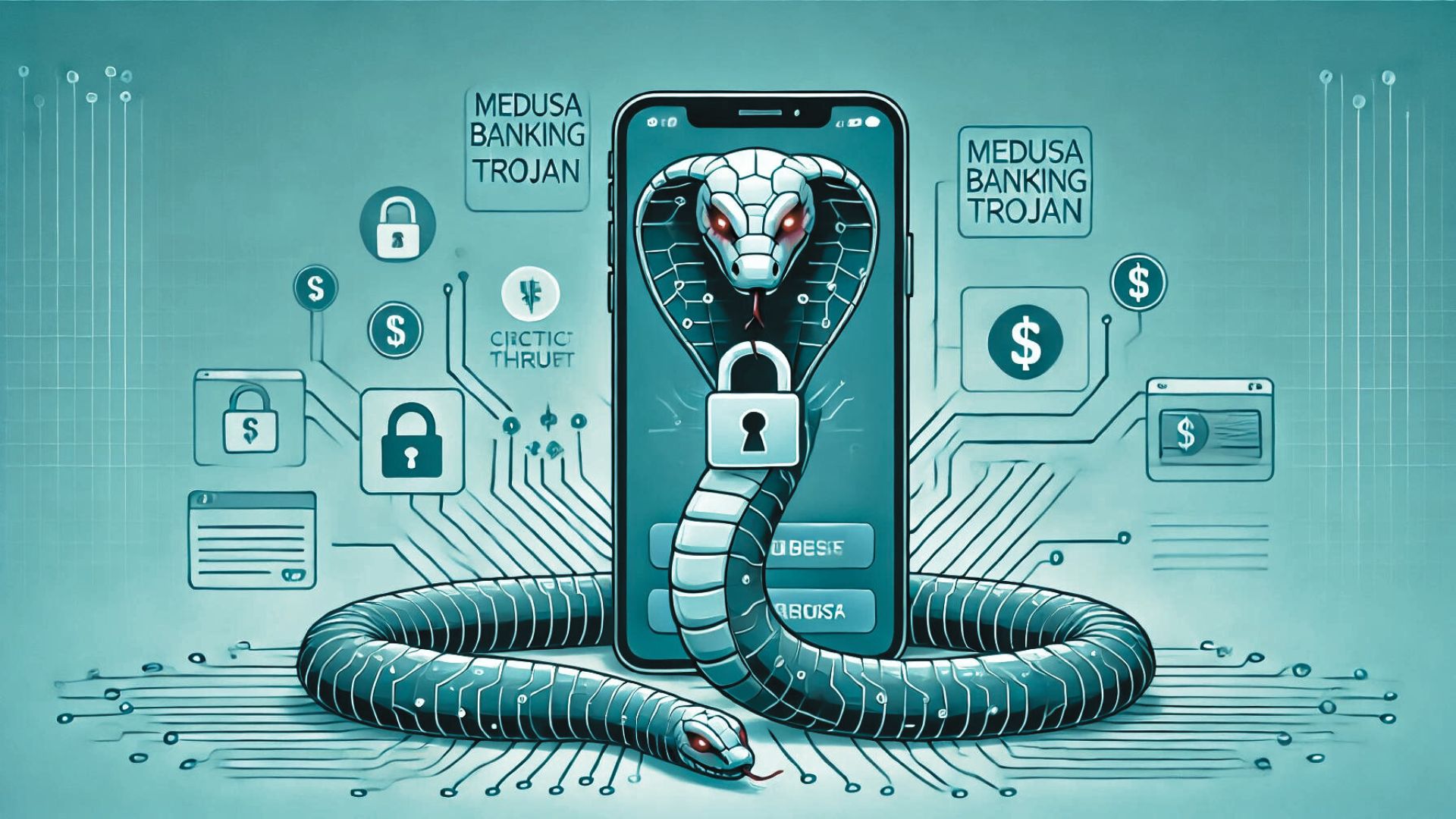
The Medusa banking trojan, known for its disruptive attacks on Android devices, has re-emerged after nearly a year of dormancy. Now rebranded as TangleBot, this Android malware-as-a-service (MaaS) is targeting users across multiple countries with sophisticated new features and operational tactics.
Detailed Examination of Medusa’s Evolution
Medusa Malware Resurgence:
Origin: Initially discovered in 2020, Medusa has evolved into a more sophisticated threat.
Capabilities: Includes keylogging, controlling screens, and manipulating SMS.
Recent Activity: Identified in ongoing campaigns since May 2023, showcasing its persistent threat.
Targeted Regions:
Countries Affected: France, Italy, the United States, Canada, Spain, the United Kingdom, and Turkey are currently in the crosshairs of these renewed attacks.
Enhancements in Medusa’s Arsenal:
Reduced Permissions: The new variants are designed to require fewer permissions, making them less noticeable but equally potent.
Advanced Features: Capabilities such as full-screen overlays, screenshot capturing, and unauthorized SMS sending enhance its intrusiveness.
Operational Shifts: The use of centralized infrastructure to fetch command and control (C2) URLs from social media and the strategic reduction of its footprint on devices underscore a tactical evolution.
Campaign and Malware Details
Recent Campaign Insights:
Timeline: Notable activity has been tracked back to July 2023, indicating a well-planned resurgence.
Smishing Tactics: Predominantly spread through SMS phishing, enticing users to install malware-laden dropper apps.
Botnets and Fake Apps: Attributed to five botnets (UNKN, AFETZEDE, ANAKONDA, PEMBE, and TONY), using deceptive apps mimicking legitimate services like Chrome browser and 5G connectivity.
Notable Malware Functions:
Removed Commands: Streamlining by removing 17 older commands.
New Commands:
'destroyo': Targets and uninstalls specific applications.
'permdrawover': Manipulates system permissions.
'setoverlay': Deploys a black screen overlay to conceal malicious activities.
'take_scr': Captures screenshots.
'update_sec': Manages security settings.
Staying Protected: Tips and Strategies
Vigilance with Links and Downloads:
Avoid unfamiliar links and unsolicited downloads to protect against malware infiltration.
Regular Updates: Keep your device and applications fortified with the latest security patches.
Proactive Security Measures:
Antivirus Software: Employ reputable antivirus solutions tailored for Android devices.
Permission Awareness: Scrutinize app permissions, especially those requesting Accessibility Services, to prevent undue access.
Conclusion: Medusa’s Persistent Threat
The revival of Medusa as TangleBot with enhanced malicious capabilities is a stark reminder of the evolving landscape of cyber threats. By understanding the specifics of these threats and adopting comprehensive cybersecurity measures, users can safeguard their digital lives against such sophisticated malware.
Stay Proactive in Your Cybersecurity Efforts
For ongoing updates and more detailed cybersecurity insights, ensure to visit our website at peris.ai.
Stay vigilant, stay secure.
Your Peris.ai Cybersecurity Team#YouBuild #WeGuard
After a cyber attack, companies are faced with two major concerns: reputation damage and financial losses. The impact of a cyber attack can have far-reaching consequences, affecting a company’s image and bottom line. This article will explore the aftermath of a cyber attack, analyzing the weight of reputation damage and financial costs and discussing strategies to mitigate these risks.
Key Takeaways:
After a cyber attack, reputation damage and financial losses are major concerns for companies.
Effective reputation management strategies are crucial for rebuilding trust and maintaining brand loyalty.
The financial implications of a cyber attack can be extensive, including breach recovery costs and potential legal consequences.
Companies should prioritize proactive cyber security measures to mitigate risks and minimize the impact of a cyber attack.
Cyber insurance plays a vital role in managing the financial risks associated with a cyber attack.
The Importance of Reputation Management after a Cyber Attack
After experiencing a cyber attack, companies must promptly address the impact on their reputation. Reputation management plays a crucial role in mitigating the long-term damage caused by such incidents. Companies can successfully navigate the aftermath of a cyber attack by taking proactive measures to rebuild trust and maintain brand loyalty.
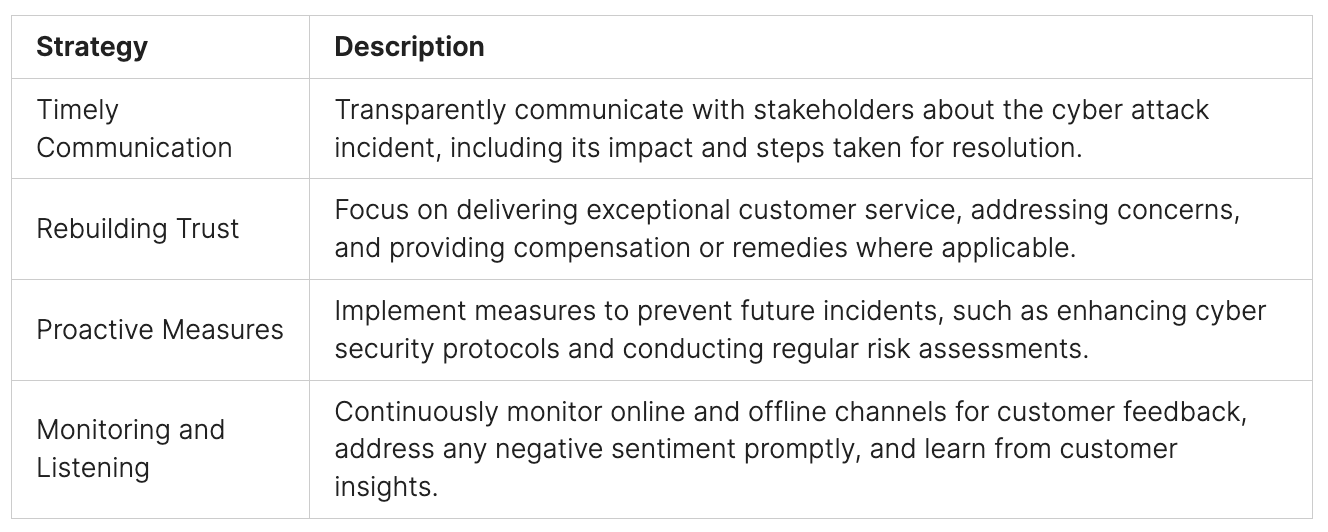
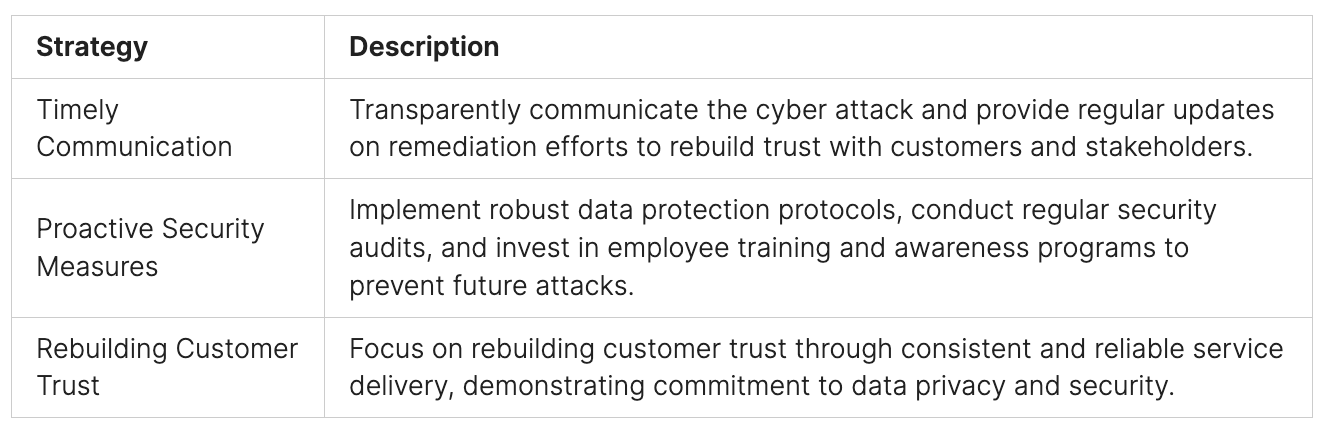
Effective reputation management strategies include timely and transparent communication with stakeholders. By keeping customers, partners, and employees informed about the incident, companies demonstrate transparency and a commitment to resolving the issue. This open communication helps to maintain trust and mitigate potential reputational damage.
“Reputation is everything. Protecting and preserving it should be a top priority for businesses in the aftermath of a cyber attack.”
Additionally, companies should focus on rebuilding trust by delivering on their promises and providing exceptional customer service. This includes addressing customers’ concerns or questions, offering compensation or remedies where appropriate, and ensuring that similar incidents are less likely to occur in the future.
Table: Reputation Management Strategies
In conclusion, reputation management is of utmost importance after a cyber attack. By implementing effective strategies and prioritizing customer trust and loyalty, companies can successfully recover from the impact of a cyber attack and maintain their reputation in the long run.
Rebuilding Trust: Strategies for Effective Reputation Management After a Cyber Attack.
Assessing the Financial Implications of a Cyber Attack
When a company falls victim to a cyber attack, the consequences extend beyond reputation damage. The financial implications can be substantial and significantly impact the organization’s overall stability. It is essential for companies to carefully evaluate the cost of breach recovery and understand the potential financial risks they face.
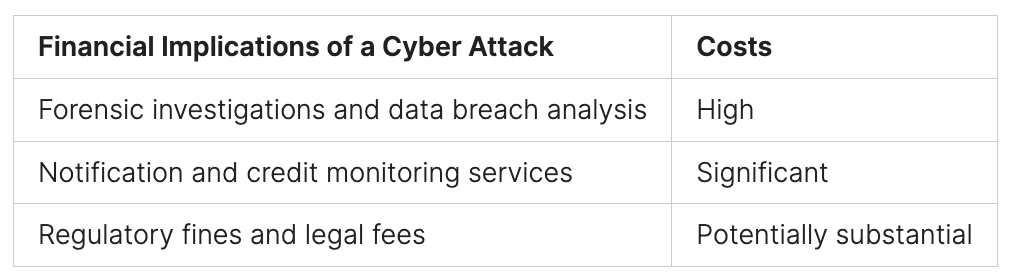
One of the primary financial implications of a cyber attack is the expense associated with breach recovery. Companies often need to allocate resources for forensic investigations to identify the extent of the breach and determine the scope of compromised data. These investigations can be time-consuming and costly, requiring the expertise of specialized professionals.
In addition to investigation costs, companies may incur expenses related to notification and credit monitoring services for affected individuals. These measures are crucial for mitigating the potential harm caused by the breach and ensuring that affected individuals are adequately protected. Moreover, companies may face regulatory fines and legal fees if the breach results in non-compliance with data protection regulations.
Furthermore, a cyber attack can lead to business interruption and loss of revenue. Systems and operations may be disrupted, impacting the company’s ability to serve customers and generate income. The longer the interruption, the greater the financial consequences. Companies may also experience a decline in customer trust and loyalty, resulting in a loss of business and potential long-term revenue reduction.
In summary, the financial implications of a cyber attack are far-reaching. From breach recovery costs to potential regulatory fines and revenue losses, companies must carefully assess the financial risks they face. By understanding these implications, organizations can better allocate resources and implement strategies to mitigate the financial impact of a cyber attack.
Comparing the Impact on Reputation and Financial Costs
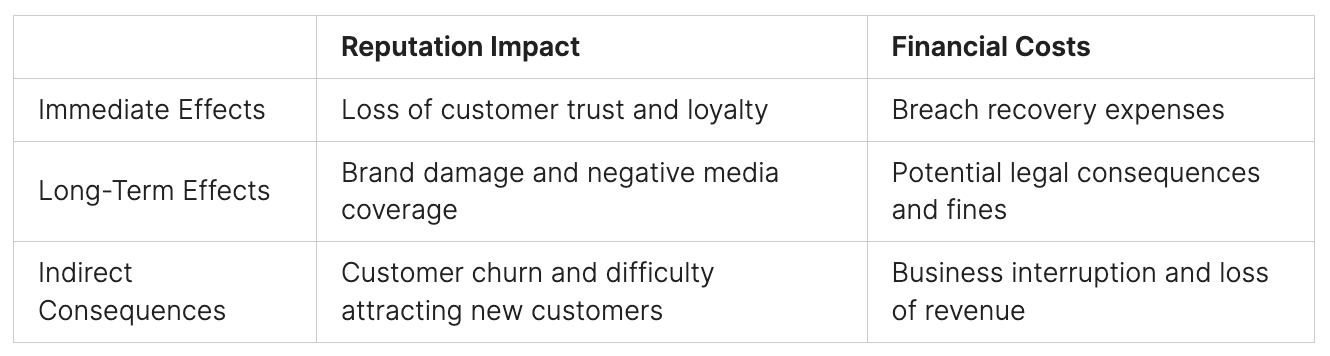
When it comes to the aftermath of a cyber attack, the consequences can be twofold: reputation damage and financial costs. Both of these factors can greatly impact a company’s stability and future prospects. While the immediate financial costs may seem more tangible, the long-term damage to a company’s reputation can be equally, if not more, detrimental.
Reputation damage resulting from a cyber attack can impact a company’s relationship with its customers. Negative media coverage, loss of trust, and a damaged brand image can lead to decreased sales, customer churn, and difficulty attracting new customers. The ripple effect of a tarnished reputation can continue long after the initial attack, leading to financial losses that may not be immediately apparent.
On the other hand, the financial costs of a cyber attack can be substantial. From breach recovery expenses to potential legal consequences, companies may find themselves facing significant financial burdens. Remediation efforts, forensic investigations, notification and credit monitoring services, and even regulatory fines can quickly add up. Business interruption and loss of revenue due to the attack can further compound these costs, making the financial impact of a cyber attack difficult to overlook.
The Importance of Balancing Reputation and Financial Considerations
When assessing the severity of a cyber attack, companies must carefully weigh the impact on their reputation against the immediate financial costs. While the financial implications may be more evident in the short term, neglecting the long-term effects on reputation can have far-reaching consequences. It is crucial for companies to allocate resources and prioritize efforts to address both reputation management and financial recovery.
By finding a balance between reputation management and financial considerations, companies can navigate the aftermath of a cyber attack more effectively. Taking proactive steps to rebuild customer trust, such as timely communication, transparent disclosure, and demonstrating a commitment to cybersecurity, can help mitigate reputation damage. Simultaneously, diligently managing the financial costs through appropriate insurance coverage, legal measures, and cost-effective breach recovery strategies is essential for long-term financial stability.
Case Studies: High Reputation Damage vs High Financial Costs
Examining real-world examples can provide valuable insights into the impact of cyber attacks on reputation and financial costs. The following case studies highlight the consequences of high reputation damage and high financial costs in the aftermath of a cyber attack.
Case Study 1: Reputation Damage
“Company XYZ experienced a significant data breach, resulting in the exposure of sensitive customer information. The incident received extensive media coverage, leading to a loss of trust from customers and damaging the company’s reputation. The negative publicity and customer backlash had a long-lasting impact, with sales plummeting, customer churn increasing, and brand perception severely affected.”
Case Study 2: Financial Costs
“Company ABC fell victim to a sophisticated cyber attack that resulted in extensive financial losses. The company had to bear the expenses of forensic investigations, legal fees, and notifying affected individuals. Additionally, the business interruption caused by the attack led to a significant loss of revenue. The financial strain was further exacerbated by the need for robust security measures to prevent future breaches and comply with regulatory requirements.”
These case studies illustrate the contrasting effects of reputation damage and financial costs in the aftermath of a cyber attack. While both consequences are significant, they manifest in different ways and require tailored strategies for mitigation. Companies must be prepared to address the unique challenges posed by reputation damage and financial burdens to ensure their long-term stability.
Learning from the Front Lines: Case Studies on Cyber Attacks.
By studying these case studies, organizations can gain valuable insights into the potential repercussions of a cyber attack on their reputation and financial stability. It is crucial for businesses to implement robust cyber security measures to prevent and mitigate such attacks. Additionally, proactive reputation management strategies and comprehensive incident response plans can help organizations minimize the impact of a cyber attack on their reputation and navigate the financial costs involved.
Mitigating Reputation Damage and Financial Costs
After a cyber attack, companies must prioritize reputation management strategies and financial risk mitigation to navigate the aftermath effectively. Organizations can minimize the impact on their reputation and financial stability by implementing robust cyber security measures.
One key aspect of reputation management is timely communication with stakeholders. Transparently disclosing the cyber attack and providing regular updates on the remediation efforts can help rebuild trust with customers and stakeholders. Additionally, companies should focus on proactive measures to prevent future attacks. This includes conducting regular security audits, implementing robust data protection protocols, and investing in employee training and awareness programs.
Table: Key Reputation Management Strategies
Alongside reputation management, companies should also consider financial risk mitigation strategies. This involves carefully assessing the financial implications of a cyber attack and taking proactive steps to minimize the costs. Companies can work with cyber insurance providers to ensure adequate coverage for breach recovery expenses, including forensic investigations, legal fees, and regulatory fines.
Companies can mitigate reputation damage and minimize the financial costs associated with a cyber attack by employing comprehensive cyber security measures and partnering with cyber insurance providers. The proactive approach to cyber security and risk management will enable organizations to navigate the aftermath more effectively and ensure long-term stability.
Fortify and Protect: Navigating the Aftermath of Cyber Attacks.
The Role of Cyber Insurance in Managing Financial Risks
Cyber insurance plays a crucial role in managing the financial risks associated with a cyber attack. As companies face the increasing threat of cybercrime, having a comprehensive insurance policy specifically designed to cover cyber risks is essential. Cyber insurance provides coverage for the expenses related to breach recovery, helping companies mitigate the financial impact of a cyber attack.
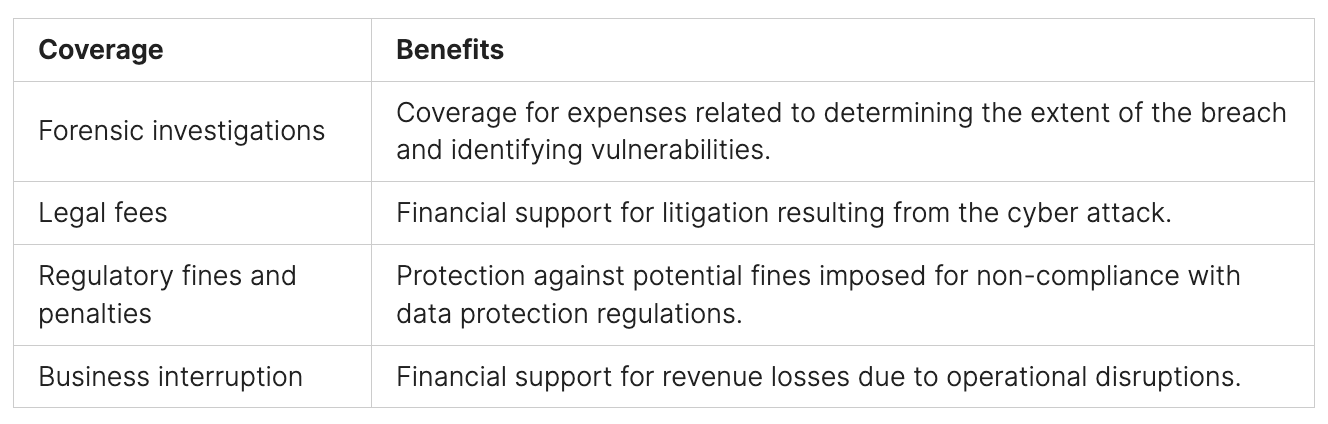
With cyber insurance, companies can access funds to cover various costs incurred after a cyber attack. This includes expenses for forensic investigations to determine the extent of the breach and identify potential vulnerabilities. Additionally, the policy can cover legal fees, which may be necessary if the company faces litigation as a result of the cyber attack. Cyber insurance can also provide financial support for regulatory fines and penalties that may be imposed due to non-compliance with data protection regulations.
Furthermore, cyber insurance can help offset the financial consequences of business interruption and loss of revenue. In the aftermath of a cyber attack, companies may experience disruptions in their operations, leading to financial losses. Cyber insurance policies can provide coverage for these financial setbacks, allowing companies to recover more quickly and effectively.
Overall, cyber insurance provides companies with a valuable tool for managing the financial risks associated with cyber attacks. It allows companies to allocate resources effectively and minimize the impact of a cyber attack on their financial stability. By investing in cyber insurance, companies can protect themselves against the costly consequences of a cyber attack, ensuring they have the necessary financial means to recover and continue operating.
Guarding Finances Against Cyber Storms.
Balancing Reputation and Financial Considerations
After a cyber attack, companies face the challenge of balancing their reputation management efforts against the financial costs incurred. While rebuilding customer trust and maintaining brand reputation is crucial, assessing the financial implications and allocating resources accordingly is equally important.
One way to achieve this balance is by prioritizing reputation management strategies that focus on open and timely communication with stakeholders. This includes transparent disclosure of the cyber attack incident, outlining the steps taken to address the breach, and demonstrating a commitment to enhancing cybersecurity measures. By being proactive in managing their reputation, companies can regain customer trust and minimize the long-term impact of the cyber attack.
Simultaneously, companies must consider the financial costs of a cyber attack. This includes expenses related to breach recovery, such as forensic investigations, legal fees, and potential lawsuits. By accurately assessing the financial implications, companies can allocate resources effectively, prioritize cybersecurity investments, and ensure financial stability in the aftermath of a cyber attack.
To strike the right balance, companies should adopt a strategic approach that takes into account both the short-term and long-term effects on reputation and financial stability. This requires a comprehensive understanding of the cyber attack aftermath and a careful evaluation of the costs involved in reputation management and breach recovery efforts.
The Importance of a Comprehensive Cyber Security Strategy
A comprehensive cyber security strategy is crucial for organizations to mitigate the risks associated with cyber attacks effectively. As the threat landscape continues to evolve, businesses must prioritize the implementation of robust security measures to protect their sensitive data, safeguard customer trust, and minimize the financial implications of a cyber attack.
By adopting a proactive approach to cyber security, companies can reduce the likelihood of successful attacks and protect their reputation. This includes conducting regular risk assessments to identify vulnerabilities, implementing strong access controls and authentication protocols, and staying abreast of the latest security threats and trends. A comprehensive strategy also involves educating employees about cyber security best practices, ensuring they are equipped to recognize and report potential threats.
“A strong cyber security strategy is not a luxury but a necessity in today’s digital landscape. Without a comprehensive approach, organizations expose themselves to a wide range of cyber threats, including data breaches, ransomware attacks, and reputational damage.”
By investing in a comprehensive cyber security strategy, organizations can proactively detect and respond to potential cyber threats, mitigating the risk of reputation damage and financial implications. Furthermore, the adoption of industry-recognized standards and frameworks, such as ISO 27001 or the NIST Cybersecurity Framework, can provide a solid foundation for maintaining a strong security posture.
Achieving a robust cybersecurity strategy requires continuous monitoring, testing, and improvement. Organizations should conduct regular security audits and penetration testing to identify vulnerabilities and implement necessary remediation measures. Additionally, staying informed about emerging cyber threats and industry best practices through information-sharing platforms and industry associations is essential in order to stay ahead of evolving threats.
In conclusion, a comprehensive cyber security strategy is crucial for organizations to protect their reputation, mitigate financial implications, and ensure the overall resilience of their digital infrastructure. By prioritizing cyber security measures, organizations can establish themselves as trusted custodians of data and demonstrate their commitment to safeguarding both customer and corporate assets.
Conclusion
In summary, the aftermath of a cyber attack poses a dual threat to companies, encompassing both reputation damage and financial repercussions. The enduring consequences of such attacks extend to eroding customer trust and brand loyalty, amplifying the importance of safeguarding a company’s standing in the aftermath of a breach. Moreover, the financial toll is considerable, spanning expenses related to recovery efforts and the potential for litigation.
To confront these challenges head-on, companies must adopt a proactive approach that addresses both reputation and financial considerations. A robust reputation management strategy, characterized by transparent communication and a concerted effort to rebuild trust, stands as a pivotal component. Concurrently, the implementation of robust cybersecurity measures is imperative to mitigate risks and curtail potential financial losses.
It is imperative for companies to strike a delicate balance between addressing short-term challenges and planning for long-term resilience against reputation damage and financial costs. This strategic equilibrium ensures the judicious allocation of resources, fostering stability and sustained success. We invite you to explore solutions tailored to your cybersecurity needs on our website (Peris.ai Cybersecurity) to fortify your defenses and effectively navigate the aftermath of a cyber attack. Safeguard your reputation and financial stability – visit us today.
FAQ
What are the major concerns after a cyber attack?
The major concerns after a cyber attack are reputation damage and financial costs.
How does a cyber attack affect a company’s reputation?
A cyber attack can significantly damage a company’s reputation, leading to lost customers, negative media coverage, and long-term brand damage.
What are the financial implications of a cyber attack?
Financial costs can be extensive and may include expenses for breach recovery, forensic investigations, legal fees, regulatory fines, business interruption, and loss of revenue.
How does reputation damage compare to financial costs after a cyber attack?
Both reputation damage and financial costs are major consequences of a cyber attack. Companies must carefully balance the long-term impact on their reputation against the immediate financial costs when assessing the severity of a cyber attack.
Can you provide case studies on reputation damage and financial costs after a cyber attack?
Several high-profile cyber attacks serve as case studies for understanding the impact on reputation and financial costs.
What strategies can companies use to mitigate reputation damage and financial costs after a cyber attack?
Companies should prioritize proactive measures such as timely communication, transparent disclosure, and a focus on rebuilding trust. They should also implement robust cyber security measures and consider cyber insurance for financial protection.
How does cyber insurance help in managing financial risks after a cyber attack?
Cyber insurance provides coverage for expenses related to breach recovery, including forensic investigations, legal fees, regulatory fines, business interruption, and loss of revenue.
How should companies balance reputation and financial considerations after a cyber attack?
Companies should prioritize reputation management while also assessing the financial implications and allocating resources accordingly.
Why is a comprehensive cyber security strategy important in mitigating the risks associated with cyber attacks?
A comprehensive cyber security strategy helps reduce the likelihood of a successful attack, minimize the impact on reputation and financial costs, and ensure long-term stability.
Red team services play a crucial role in today’s evolving cybersecurity landscape. With the ever-increasing sophistication of cyber threats, organizations need to go beyond routine security assessments to fortify their defenses effectively. That’s where red teaming comes in.
Red teaming is a proactive cybersecurity strategy that involves simulating real-world cyber attacks to identify vulnerabilities and weaknesses. By stepping into the shoes of potential adversaries, a red team can provide organizations with a unique perspective on their defenses and help them enhance their overall cyber defense strategy.
Key Takeaways:
Red teaming is a proactive cybersecurity strategy that simulates real-world cyber attacks.
It goes beyond routine security assessments and actively seeks out vulnerabilities.
Red teaming provides organizations with a unique perspective on their defenses.
By identifying weaknesses, organizations can fortify their cyber defense strategy.
Red team services enhance overall cybersecurity posture and incident response preparedness.
What is Red Teaming?
Red-teaming involves a team of experts, known as the red team, simulating cyber attacks to identify vulnerabilities and weaknesses in an organization’s defenses. It goes beyond traditional cybersecurity approaches by emulating the tactics of potential adversaries. This proactive strategy allows organizations to identify and address vulnerabilities before they can be exploited by malicious actors. Red teaming is a comprehensive cybersecurity testing method that includes security vulnerability analysis and helps organizations strengthen their overall defense strategy.
The Evolution of Red Teaming in Cybersecurity
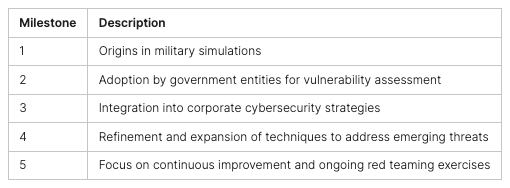
Red teaming has evolved alongside the changing cybersecurity landscape. Originally rooted in military simulations, it has transformed into a dynamic cybersecurity strategy that prepares organizations for cyber attacks. With the rise of sophisticated cyber threats, red teaming has become increasingly crucial. It is not just a one-time exercise but an ongoing process that continually refines its techniques to stay ahead of emerging threats. Red teaming plays a vital role in defensive cybersecurity, equipping organizations with the necessary preparation to combat cyber attacks.
Key Milestones in the Evolution of Red Teaming
The Role of Red Teaming in Defensive Cybersecurity
Defensive cybersecurity requires organizations to anticipate and prepare for cyber attacks. Red teaming offers a proactive approach, enabling organizations to simulate realistic cyber attacks and identify weaknesses in their defenses. By constantly refining their techniques and staying ahead of emerging threats, red teaming helps organizations build a robust cybersecurity posture. It provides invaluable insights into an organization’s vulnerabilities, allowing for targeted improvements in defensive capabilities.
Quotes from Industry Experts
“Red teaming is a critical component of any effective cybersecurity strategy. By simulating real-world attacks, organizations can identify and mitigate vulnerabilities before they are exploited by malicious actors.”
“The evolution of red teaming mirrors the ever-changing cyber threat landscape. Organizations must invest in ongoing red teaming exercises to continuously strengthen their defensive cybersecurity measures.”
Benefits of Red Teaming
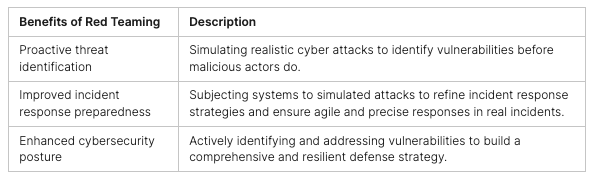
Red teaming provides organizations with numerous benefits that contribute to a robust and proactive cybersecurity strategy. By simulating realistic cyber attacks, proactive threat identification becomes possible, allowing organizations to uncover vulnerabilities before malicious actors do. This early detection enables organizations to take strategic measures to reinforce their defenses, mitigating the risk of potential breaches.
Another significant advantage of red teaming is its ability to enhance incident response preparedness. By subjecting systems to simulated attacks, security teams can refine their incident response strategies. This serves as a valuable dress rehearsal that hones their agility and precision in dealing with real incidents, ensuring a swift and effective response.
Through red teaming, organizations actively identify and address vulnerabilities, leading to an enhanced cybersecurity posture. By staying one step ahead of potential threats, organizations can build a comprehensive defense strategy that is resilient and proactive in addressing emerging cybersecurity challenges.
Proactive threat identification, incident response preparedness, and an enhanced cybersecurity posture are the key benefits that organizations gain from implementing red teaming.
Benefits of Red Teaming:
Proactive threat identification
Improved incident response preparedness
Enhanced cybersecurity posture
Red teaming is not only a valuable exercise in identifying vulnerabilities but also a vital component of a comprehensive cybersecurity defense strategy. The table below briefly summarizes the key benefits of red teaming:
Implementing red teaming empowers organizations to proactively safeguard their critical assets and data, staying ahead in the ever-evolving threat landscape.
Cost-Effectiveness of Red Teaming
Investing in cybersecurity is often considered a significant expenditure for organizations. However, red teaming offers a cost-effective and efficient long-term solution. While there is an initial investment required, the benefits far outweigh the costs. Red teaming acts as an insurance policy, helping organizations avoid the financial and reputational fallout that can occur as a result of a real cyber attack.
By proactively identifying and mitigating threats, red teaming allows organizations to fortify their defenses and minimize the potential impact of a cyber attack. It is comparable to fixing a leaky roof before a storm; the small investment now saves from a major financial downpour later.
“Red teaming acts as an insurance policy, helping organizations avoid the financial and reputational fallout that can occur as a result of a real cyber attack.”
In addition to avoiding the financial and reputational fallout, red teaming provides organizations with several other cost-saving benefits. By identifying vulnerabilities and weaknesses in their defenses, organizations can proactively address them, minimizing the likelihood of a successful cyber attack. This proactive approach helps prevent potential financial losses that can result from data breaches, system downtime, and the need for extensive remediation efforts.
Moreover, red teaming can help organizations reduce their reliance on cyber attack insurance. While insurance coverage is a valuable component of a comprehensive cybersecurity strategy, investing in proactive measures like red teaming can significantly reduce the likelihood and impact of cyber attacks, thereby potentially reducing insurance premiums.
Financial and Reputational Fallout Avoidance through Red Teaming
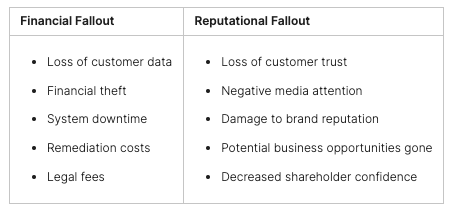
Avoiding the financial and reputational fallout of a real cyber attack is critical for organizations. The cost of recovering from a cyber attack can be substantial, including financial losses from theft, system disruptions, regulatory penalties, and even lawsuits. Additionally, the reputational damage resulting from a cyber attack can lead to a loss of customer trust and decreased business opportunities.
Red teaming helps organizations mitigate these risks by identifying vulnerabilities and strengthening their defenses. By simulating realistic cyber attacks, red teaming reveals weaknesses that can be addressed proactively, minimizing the financial and reputational impact of an actual breach.
An Example of Cost Savings with Red Teaming
Consider a hypothetical organization that invests in red teaming to identify vulnerabilities in its systems and processes. During the red team exercise, several critical vulnerabilities are discovered and promptly addressed. As a result, the organization is able to patch these vulnerabilities and implement safeguards effectively.
If the organization had not undergone red teaming and these vulnerabilities had been exploited by a malicious actor, the financial and reputational fallout could have been significant. The potential costs include:
As this example illustrates, the cost of red teaming is considerably lower than the potential financial and reputational fallout of a successful cyber attack. By investing in proactive measures like red teaming, organizations can minimize risks and safeguard their financial stability and reputation.
Methodologies and Simulation Tools
Red teaming methodologies serve as the foundation for a robust cybersecurity strategy. These methodologies provide organizations with the blueprints to effectively simulate cyber attacks and identify vulnerabilities within their defenses. By tailoring or selecting the appropriate methodologies, organizations can ensure the success of their red teaming initiatives.
One common approach is adversary emulation, which involves mimicking the tactics, techniques, and procedures (TTPs) of potential attackers. This methodology enables organizations to evaluate their defenses against realistic cyber threats and understand their vulnerabilities from an adversary’s perspective.
Another valuable methodology is threat intelligence-driven testing. By incorporating threat intelligence into red teaming exercises, organizations can align their efforts with real-world threats and prioritize areas of vulnerability. This approach ensures that red teaming activities are focused on addressing the most relevant and pressing cyber risks.
In addition to methodologies, the effectiveness of red teaming relies heavily on the use of simulation tools and technologies. The red team’s arsenal includes cutting-edge simulation tools that enable the realistic emulation of cyber threats.
Penetration testing tools, such as Metasploit and Burp Suite, allow red teams to identify and exploit vulnerabilities in a controlled manner. These tools simulate various attack vectors and help uncover weaknesses that could be targeted by real attackers.
“Red teaming methodologies form the foundation of an effective cybersecurity strategy. By selecting the right methodologies and leveraging simulation tools, organizations can simulate realistic cyber threats and identify vulnerabilities in their defenses.”
For advanced threat emulation, red teams utilize sophisticated platforms designed specifically for this purpose. These platforms provide an extensive range of attack scenarios, allowing organizations to evaluate their defenses against complex and evolving threats. With features like automated attack simulations, customizable attack scenarios, and comprehensive reporting, advanced threat emulation platforms offer a realistic and dynamic environment for red teaming exercises.
By leveraging red team methodologies and simulation tools, organizations can gain valuable insights into their cybersecurity posture, identify weaknesses, and implement targeted measures to enhance their defenses.
Key Takeaways
Red teaming methodologies are crucial for simulating cyber attacks and identifying vulnerabilities.
Adversary emulation and threat intelligence-driven testing are common methodologies used in red teaming.
Simulation tools, including penetration testing tools and advanced threat emulation platforms, enable realistic emulation of cyber threats.
The selection and tailoring of methodologies, as well as the quality and relevance of simulation tools, are essential for the success of red teaming initiatives.
Skilled Professionals in Red Teaming
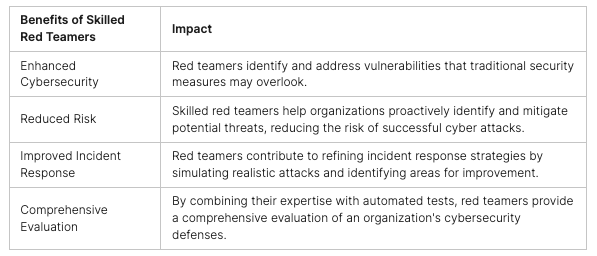
Skilled professionals, often referred to as red teamers, are instrumental in the success of red teaming initiatives. These individuals possess diverse backgrounds in cybersecurity and bring a wealth of expertise to the table. With their deep understanding of the threat landscape and creativity, red teamers play a crucial role in identifying and exploiting vulnerabilities that may go unnoticed by conventional security measures.
One of the key strengths of red teamers is their ability to think like attackers, allowing them to uncover unconventional vulnerabilities that may not be apparent to the organization’s security team. By adopting the mindset of a malicious actor, red teamers can explore different attack vectors, exploit weaknesses, and gain insight into potential areas of compromise.
The training and retention of skilled red teamers are essential for the continued success of red teaming initiatives. These professionals require up-to-date knowledge of the latest cyber threats, attack techniques, and defensive strategies. Additionally, their human touch complements the automated tests conducted during red teaming exercises, ensuring a comprehensive evaluation of an organization’s cybersecurity defenses.
Red teaming requires professionals who possess a combination of technical expertise, critical thinking skills, and a deep understanding of the evolving cybersecurity landscape. The expertise and insights provided by red teamers help organizations identify vulnerabilities and develop effective strategies to strengthen their defenses.
Skilled red teamers bring invaluable knowledge and experience to the table, ensuring that organizations stay ahead of evolving cyber threats. Their role in identifying unconventional vulnerabilities and strengthening cybersecurity defenses plays a crucial part in an organization’s overall security strategy.
Collaboration with Stakeholders
Red teaming is not a solo endeavor but a collaborative effort that involves internal and external stakeholders. By leveraging the collective knowledge and expertise of these individuals, organizations can achieve a more comprehensive assessment of their cybersecurity defenses.
Internal Stakeholders:
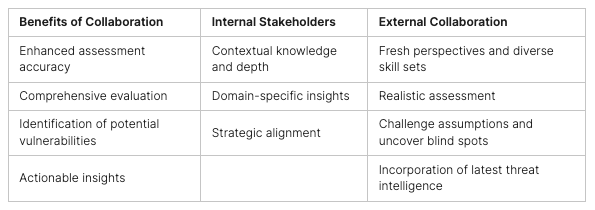
Internal stakeholders, such as IT personnel and executives, play crucial roles in the red teaming process. Their involvement provides context, depth, and domain-specific insights that contribute to a more accurate evaluation. IT personnel possess intricate knowledge of the organization’s systems and infrastructure, enabling them to identify potential vulnerabilities and suggest appropriate remediation measures. Executives bring a strategic perspective, aligning red teaming objectives with the organization’s overall cybersecurity strategy and ensuring buy-in from key decision-makers.
External Collaboration:
Collaborating with external entities brings fresh perspectives and diverse skill sets to the evaluation process. Partnering with external red teams, composed of experienced cybersecurity professionals, brings in expertise and methodologies that may not be readily available within the organization. These teams can challenge assumptions, uncover blind spots, and provide a more realistic assessment of an organization’s defenses. Additionally, engaging with threat intelligence providers enhances the evaluation by incorporating the latest threat intelligence and industry trends.
“Collaboration ensures a comprehensive assessment that considers both internal intricacies and external threat landscapes.”
By collaborating with both internal stakeholders and external partners, organizations simulate the diverse expertise and perspectives of a team of experts. This collaborative approach ensures a more thorough evaluation, identification of potential vulnerabilities, and actionable insights for fortifying cybersecurity defenses.
Overcoming Challenges in Red Teaming
Implementing red teaming often faces resistance as teams comfortable with routine security measures might see it as a disruption or unnecessary shake-up. The key lies in communication and education, making everyone aware that red teaming is about fortifying existing defenses with a proactive layer.
Overcoming resource constraints is another challenge organizations face during red teaming. Prioritization becomes crucial, as organizations strategically allocate resources to focus on critical assets and gradually expand their red-teaming capabilities.
Balancing realism and operational impact is also a challenge, as simulations should mirror potential threats without causing unnecessary disruption. Collaboration with internal stakeholders is paramount to ensure controlled exercises with minimal operational impact.
Conclusion
In the intricate and ever-evolving realm of cybersecurity, Red Team services emerge as a linchpin for bolstering an organization’s defense mechanisms against cyber threats. These services, characterized by their proactive approach, simulate real-world cyber attacks to uncover and address vulnerabilities within an organization’s security framework, thereby significantly enhancing its cybersecurity posture. Furthermore, Red Teaming enriches an organization’s incident response readiness, equipping security teams with the necessary tools and insights to adeptly navigate potential threats.
A notable advantage of Red Teaming lies in its cost-effectiveness. By proactively identifying and rectifying security vulnerabilities, organizations preempt the potentially devastating financial and reputational damages that real cyber attacks could inflict. In essence, Red Teaming functions as a preemptive investment, shielding organizations from the dire consequences of cyber incursions and reinforcing their long-term security.
The efficacy of Red Teaming hinges on a synergistic blend of advanced methodologies, simulation tools, and the expertise of skilled professionals. Employing the most suitable methodologies and leveraging state-of-the-art simulation tools are pivotal for the accurate emulation of threats. The human element, brought forth by seasoned Red Teamers with diverse cybersecurity backgrounds, plays a critical role in unearthing non-traditional vulnerabilities. Furthermore, fostering collaboration among all stakeholders ensures a comprehensive evaluation of the organization’s cybersecurity measures.
For organizations aiming to navigate the dynamic cybersecurity landscape successfully, integrating Red Team services into their security strategy is indispensable. By adopting Red Teaming, organizations not only proactively mitigate cyber threats but also fortify their security defenses and protect their vital assets.
Peris.ai Cybersecurity proudly offers the Peris.ai Pandava Red Team Service, a premium solution designed to simulate real-world threats and go beyond traditional Penetration Testing. Our service aims to provide organizations with an end-to-end, realistic assessment of their defenses, identifying vulnerabilities that could be overlooked by conventional methods. Through our expertly executed Red Team operations, we deliver actionable insights that empower organizations to improve their security posture, incident response capabilities, and resilience against cyber-attacks.
Embrace the future of cybersecurity defense with Peris.ai Pandava Red Team Service. Visit Peris.ai Cybersecurity to explore how our Red Team services can transform your organization’s approach to cybersecurity, ensuring a secure, resilient, and competitive stance in the digital marketplace.
FAQ
What are red team services?
Red team services involve simulating cyber attacks to identify vulnerabilities and weaknesses in an organization’s defenses. It goes beyond routine security assessments and actively seeks out weaknesses by employing the tactics of potential adversaries.
How does red teaming work?
Red teaming involves a team of experts, known as the red team, simulating cyber attacks to identify vulnerabilities and weaknesses in an organization’s defenses. It goes beyond traditional cybersecurity approaches by emulating the tactics of potential adversaries. This proactive strategy allows organizations to identify and address vulnerabilities before they can be exploited by malicious actors.
What are the benefits of red teaming?
Red teaming offers numerous benefits, including proactive threat identification, incident response preparedness, and enhanced overall cybersecurity posture. By simulating realistic cyber attacks, organizations can spot vulnerabilities before malicious actors do, allowing for strategic reinforcement of defenses.
Is red teaming cost-effective?
While there is an upfront investment, red teaming can be considered a cost-effective long-term solution. By proactively identifying and mitigating threats, organizations can avoid the financial and reputational fallout of a real cyber attack. It can be compared to fixing a leaky roof before a storm, as the small investment now saves from a major financial downpour later.
What are the methodologies and simulation tools used in red teaming?
Red teaming methodologies form the blueprints for a cybersecurity strategy. Different methodologies cater to different needs, whether it’s adversary emulation, threat intelligence-driven testing, or a combination of both. The arsenal of a red team includes cutting-edge simulation tools and technologies, such as penetration testing tools and advanced threat emulation platforms.
What is the role of skilled professionals in red teaming?
Skilled professionals, often referred to as red teamers, play a crucial role in red teaming. Their diverse backgrounds in cybersecurity, coupled with creativity and expertise, make them the backbone of red-teaming initiatives. Red teamers possess the ability to think like attackers and identify unconventional vulnerabilities.
How does collaboration with stakeholders contribute to red teaming?
Red teaming is a collaborative effort that involves internal and external stakeholders. Internal stakeholders, such as IT personnel and executives, provide context and depth to the assessment. External collaboration, through partnering with external red teams or engaging with threat intelligence providers, brings fresh perspectives to the evaluation.
What challenges are faced in implementing red teaming?
Implementing red teaming often faces resistance as teams comfortable with routine security measures might see it as a disruption or unnecessary shake-up. Overcoming resource constraints and balancing realism and operational impact are also challenges organizations face during red teaming. Collaboration with internal stakeholders is paramount to ensure controlled exercises with minimal operational impact.
How does red teaming fit into a cybersecurity defense strategy?
Red team services, which involve simulating cyber attacks, are an integral part of a comprehensive cybersecurity defense strategy. By proactively identifying vulnerabilities and weaknesses in defenses, red teaming enhances overall cybersecurity posture and improves incident response preparedness.
Note: For more information about red team services, simulating cyber attacks, and cybersecurity defense strategies, please reach out to our team or visit our website.
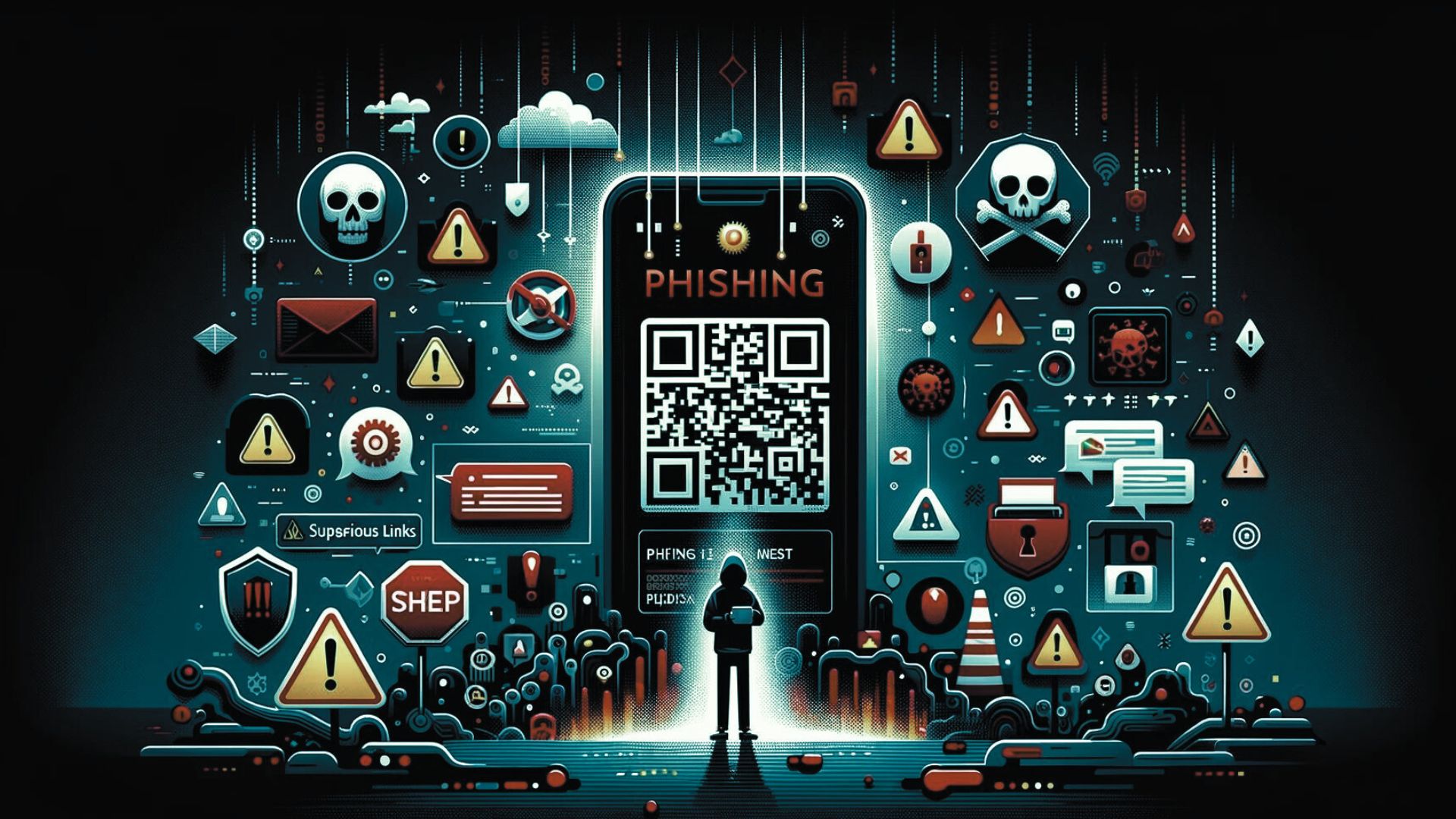
In the ever-evolving realm of digital security, QR codes, a ubiquitous tool for everything from digital payments to restaurant menus, are now being exploited in sophisticated phishing schemes. Concerning the trend in phishing campaigns that utilize QR codes to deceive users. This article explores the mechanics of these QR code phishing attacks, their effectiveness, and provides practical advice on safeguarding against such threats.
Understanding QR Code Phishing Scams
The Convenience and the Risk: QR codes have become a staple in our digital lives, celebrated for their convenience and efficiency. However, this convenience also opens up new avenues for cybercriminals to craft more deceptive phishing attacks.
How QR Code Phishing Works:
Deceptive Emails: Cybercriminals send emails mimicking legitimate communications from well-known companies, complete with logos and personalized details. These emails often warn that the user’s account authentication is expiring and prompt immediate re-authentication to avoid service interruption.
Malicious QR Codes: The emails include a QR code that, when scanned, redirects the user to a fake website designed to harvest personal and financial information.
Urgency as a Tool: By creating a sense of urgency, these emails push the recipient to act swiftly—often bypassing their usual security checks.
Why Are QR Codes Effective for Phishing?
Familiarity Breeds Complacency: The widespread adoption of QR codes, especially in the context of digital payments and public health measures, has normalized their use. Unfortunately, this familiarity can lead users to let their guard down, making QR codes an effective tool for phishing.
Exploiting Digital Payment Trends: In regions like India, where digital payments are prevalent, the use of QR codes is particularly common, further enhancing the effectiveness of QR code phishing attacks.
️ Strategies to Protect Yourself from QR Code Phishing
Critical Vigilance with Urgent Communications:
Treat any communication that instills a sense of urgency with heightened suspicion, especially if it asks you to scan a QR code or provide personal information.
Sender Verification:
Always verify the authenticity of the sender through independent means. Check for any discrepancies in email addresses, grammar, or logo placement that might betray a phishing attempt.
Education and Awareness:
Stay informed about the latest phishing tactics and educate those around you. Awareness is your first line of defense against emerging cyber threats.
Conclusion: Your Defense Against QR Code Phishing
QR code phishing represents a significant and sophisticated threat, leveraging both technology and psychology to ensnare victims. By understanding the nature of these attacks and adopting a cautious and questioning approach to QR code scans, especially from unsolicited sources, you can protect yourself from potential harm.
Visit Peris.ai for more insights and resources on maintaining digital safety in an increasingly connected world.
Stay vigilant, stay informed, and secure your digital presence with Peris.ai Cybersecurity.
In today’s digital world, cybersecurity threats are always changing. Organizations must be proactive to protect their valuable assets. The IBM Security Cost of a Data Breach Report 2024 shows the average cost of a data breach is USD 4.88 million.
Effective risk management is now a must, not just a luxury. A good risk management program helps spot, assess, and manage threats and vulnerabilities. It needs a modern asset inventory for a clear view of all IT assets. This helps in better identifying and controlling risks.
Key Takeaways
Proactive risk management is essential to stay ahead of evolving cyber threats
A comprehensive asset inventory is a critical component of a robust risk management program
Effective asset discovery helps organizations identify and prioritize vulnerabilities based on criticality
Maintaining an accurate asset inventory is crucial for regulatory compliance and efficient incident response
Importance of Effective Risk Management
In today’s digital world, companies face many cyber threats and rising data breach costs. Risk management is key to spotting, checking, and handling these threats. It’s vital to protect against the growing cost and damage of data breaches.
Rising Cyber Threats and Cost of Data Breaches
Cyber threats are getting smarter, and data breaches are causing more financial and reputational harm. Threats like malware, phishing, and ransomware can harm a company’s info, leading to big financial and reputation losses. Following cybersecurity standards and laws is important to avoid fines and show commitment to cyber security to stakeholders.
Robust Risk Management Program as a Necessity
A strong risk management program is crucial for companies to tackle threats and weaknesses. The cybersecurity risk management process includes finding assets, assessing risks, treating risks, and keeping an eye on things. With a solid risk management program, companies can shift from reacting to threats to being proactive, making them more resilient against cyber attacks.
Key Cybersecurity Frameworks Focus Areas NIST Cybersecurity Framework (NIST CSF) Identify, Protect, Detect, Respond, and Recover NIST 800-53 Controls 20 families of security and privacy controls NIST 800-171 Controls 11 families of security requirements for protecting sensitive federal information
By following cybersecurity frameworks and standards, companies show they’re serious about risk management and improve their security.
“Comprehensive asset management is essential for maintaining security, complying with regulations, and enhancing overall risk management in OT environments.”
Modern Asset Inventory: A Critical Component
A detailed asset inventory is key to a strong risk management plan. It gives a clear view of all IT assets, helping to spot and fix cyber threats. With new cyber threats emerging, having a current and accurate asset list is more important than ever.
An asset inventory should list all hardware and software, like servers and smartphones. Knowing what assets you have helps improve security and follow rules.
Old ways of finding assets don’t work well anymore, especially with cloud and remote work. New tools use AI to find and list all assets, giving a full view of risks.
Benefits of Effective Asset Discovery
Improved security controls coverage
Enhanced vulnerability management
Streamlined incident response investigations
Identification and isolation of rogue devices
Compliance with regulatory requirements
A good asset discovery tool should be easy to set up and update. It should also give detailed info and work with other systems.
“Many organizations think they have good asset management capabilities until after an incident reveals the contrary.”
Keeping an asset list up to date is vital for fighting cyber threats. Using modern tools and practices boosts a company’s security and resilience.
Asset Discovery: Identifying All Assets
Asset discovery is key to a good asset inventory solution. It finds and lists all IT assets in an organization, even hidden ones. This is vital in today’s fast-changing IT world, where things change a lot, with 5-15% changes every month.
Limitations of Consolidating Existing Asset Data
Just gathering data from asset systems doesn’t cover it all. It only shows what’s already known, missing hidden devices and shadow IT. This incomplete view can hurt a company’s risk management.
Automated Asset Discovery Tools
Now, companies use automated tools for better asset tracking. These tools scan and monitor to find all digital assets, even hidden ones. They keep the inventory updated, catching even the most hidden assets.
Good asset discovery is essential for strong risk management. It helps understand risks, focus on the most important assets, and improve security.
Comprehensive Risk Identification
Effective risk management starts with identifying all potential threats and vulnerabilities. This helps protect an organization’s assets. The first step is to find and document all digital assets, like devices, software, and data.
Keeping the asset list up to date is key for strong security.
Understanding Potential Threats and Vulnerabilities
Assessing vulnerabilities is vital to find weaknesses in an organization’s setup. This helps decide which threats to tackle first. Regular checks keep the security level high.
Knowing the threats helps organizations protect their digital assets.
Locating Unauthorized and Shadow IT Assets
Finding all assets, including hidden ones, is crucial. This ensures a complete list of IT assets. Knowing what’s important helps focus security efforts.
Knowing the details helps target security checks on the most at-risk assets.
Addressing hidden assets reduces shadow IT risks. Tools for finding assets keep the list current. Working together ensures everyone knows what to do.
“Comprehensive risk identification is the foundation of a robust risk management program. By understanding potential threats and vulnerabilities, organizations can proactively protect their digital assets.”
Identifying risks well is key to fighting cyber threats. It’s the first step in keeping digital assets safe. Regular updates to the asset list keep security strong.
Accurate Risk Assessment with Business Impact
Effective risk management starts with knowing what assets an organization has and how they support its functions. By listing all assets, like hardware, software, data, and people, companies can better understand the risks. This helps them see how cyber threats could affect their work.
Aligning Assets with Business Functions
A good asset inventory shows what technology a company uses and how it helps with business tasks. It helps leaders see how assets support different parts of the business. This makes it easier to figure out the impact of losing an asset, leading to better risk management.
Enhancing Third-Party Risk Management
Today, companies often work with many outside vendors. Knowing the risks of these partnerships is key to managing risks well. By keeping a detailed list of assets and their roles, companies can spot and manage risks from these partners better.
By linking assets to business functions and knowing the risks, companies can make better plans to protect themselves.
“Conducting a thorough cyber risk assessment is complex but vital for understanding and strengthening an organization’s cybersecurity posture.”
Prioritizing Risks Based on Criticality and Resilience
Managing risks well means focusing on the most important things first. This is based on how well an asset can handle threats and its role in the business. Knowing what makes an asset strong and what’s most important for the business helps teams decide where to put their efforts.
Factors Determining Asset Resilience
An asset’s resilience shows how well it can face and bounce back from threats. Its accessibility, hardness, and redundancy are key. How easy it is for threats to get to it, its built-in security, and if there are backups all play a part.
Identifying Critical Business Functions
Knowing what’s most important for the business is also key in managing risks. By linking assets to the business’s core, teams can see the big picture. This helps them decide where to focus to keep the business safe.
Assets that are very important but not very resilient should get the most attention. This way, the biggest threats are tackled first. By focusing on both resilience and importance, businesses can use their resources wisely and stay safe online.
Keeping an eye on how assets do and what’s most critical is essential for good risk management. As technology and threats change, businesses must stay alert and adjust their plans to stay ahead.
Effective Risk Mitigation Strategies
Today’s digital world needs proactive risk management. As technology grows, so does the attack surface. To protect, a mix of technical and non-technical controls is key.
Technical Mitigation Measures
Technical controls defend against cyber threats. External Attack Surface Management (EASM) helps by finding and managing online assets. It offers insights and keeps security up to date.
EASM gives a full view of the attack surface. It helps focus security efforts and finds vulnerabilities early. Key strategies include threat intelligence, testing, and constant monitoring.
Non-Technical Mitigation Measures
Non-technical controls are also vital. They help lower the chance of cyberattacks. Good controls protect data and help recover quickly from attacks.
They build trust and meet legal standards. Non-technical measures include training, planning, and a security-aware culture. They help spot and deal with threats efficiently.
Automating tasks like scanning saves IT time. A good Vulnerability Management program keeps improving security.
Combining technical and non-technical controls boosts cybersecurity. This way, organizations stay ahead of threats.
Continuous Monitoring and Updating
As IT environments change, keeping an up-to-date asset inventory is key. This ensures risk management stays current. Automated systems add new devices and remove old ones, keeping the inventory accurate. This helps the risk management program stay current, reducing the risk of using outdated information.
Maintaining an Accurate Asset Inventory
Keeping up with IT environment changes is crucial. Automated tools help spot new assets and track changes. They give a full view of the digital world, including web apps, cloud services, IoT devices, and network devices. This helps security and IT leaders fight cyber-attacks and manage risks.
Adapting to Changes in the IT Landscape
As the digital world grows, continuous monitoring and asset inventory updates are more important. Automated tools find changes online, helping spot vulnerabilities and apply security controls. Being quick to adapt is key for a strong cyber defense.
“Organizations that adopt the Continuous Threat Exposure Management (CTEM) model will be far less likely to be breached.” – Gartner
The CTEM model helps understand and manage attack surfaces. It includes planning, monitoring, validation, remediation, and response. Asset discovery tools are vital for this, helping organizations stay ahead in the digital world.
Conclusion
In today’s rapidly evolving digital landscape, effective risk management is no longer optional—it’s essential. A robust risk management strategy identifies, evaluates, and mitigates threats while maintaining a dynamic inventory of IT assets. This comprehensive approach empowers organizations to gain full visibility into their infrastructure, enhancing their ability to detect and address vulnerabilities.
The key to strong cybersecurity lies in early action and informed decision-making. By leveraging advanced technologies and maintaining an up-to-date asset inventory, businesses can proactively defend against cyber threats, safeguard critical assets, and build resilience in an increasingly interconnected world.
Take charge of your organization’s cybersecurity today. Visit Peris.ai to discover how our innovative solutions can empower your business to stay ahead of cyber risks and thrive in the digital age.
FAQ
What is the average cost of a data breach?
The IBM Security Cost of a Data Breach Report 2024 shows the average cost is USD 4.88 million.
Why is effective risk management essential for organizations?
Risk management is now a must, not a luxury. Cyber threats are getting smarter, and data breaches are costing more. A good risk management program helps spot and manage threats, keeping operations safe.
What is the role of a modern asset inventory in risk management?
A modern asset inventory gives a clear view of all IT assets. It’s key for identifying and managing risks. It helps organizations understand their security risks and make better decisions.
How does asset discovery differ from consolidating existing asset data?
Consolidating data from old systems doesn’t count as asset discovery. It only shows what’s already known. Automated tools find and document unknown assets, like unauthorized devices.
How does asset discovery support risk identification?
Asset discovery is vital for finding risks. You can’t protect what you don’t know exists. Good asset discovery tools find all assets, including hidden ones, for a solid risk management base.
What is the role of asset inventories in the risk assessment process?
Asset inventories are crucial for risk assessment. They show which assets support business functions and how they connect. This helps evaluate the impact of threats and manage third-party risks.
How do organizations prioritize risks based on asset criticality and resilience?
Risk management focuses on assets’ resilience and criticality. Resilience looks at accessibility and redundancy. Criticality rates an asset’s importance. High criticality and low resilience assets get top risk mitigation focus.
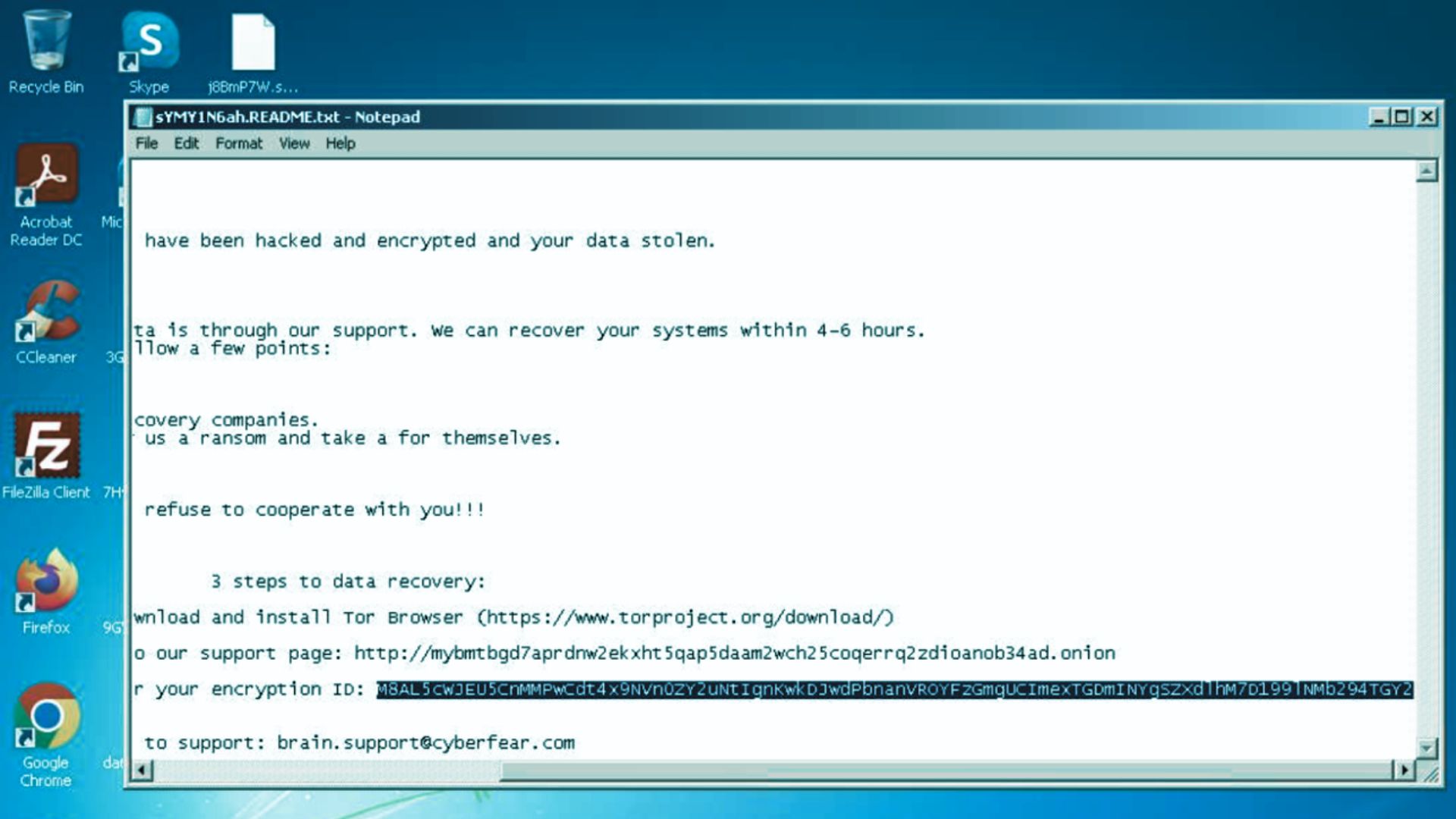
Recently, a shocking incident occurred that resulted in the disruption of immigration services and various other public services. The disruption stemmed from a cyberattack carried out by Brain Cipher Ransomware.
The Pusat Data Nasional (PDN) was the main target of this attack since June 20. The cyberattack has crippled essential services like immigration services, leading to another impact on 210 instantiations. Although some services have been restored, the impact is still felt.
The Badan Siber dan Sandi Negara (BSSN) and related institutions immediately responded to this incident. Emergency measures were taken by sending an assistance team to the data center in Surabaya. The PDNS was built as an alternative because the main Pusat Data Nasional (PDN) is not yet completed.
The responsible party for this attack demanded a ransom of USD 8 million (approximately Rp 131 billion) to restore access to the system.
For context, PDN is managed by Telkom Group through Telkom Sigma. Telkom Indonesia’s Network & IT Solution Director, Herlan Wijanarko, confirmed the ransom demand. However, the compensation process is still under evaluation.
Brain Cipher Ransomware: An Overview
In parallel with the recent events, the Brain Cipher Ransomware is an emerging threat actor currently focusing on organizational targets. The following analysis details the methods, indicators of compromise (IOCs), and tactics used by this ransomware group.
Method of Delivery: Phishing
Brain Cipher Ransomware is delivered primarily through phishing campaigns. These campaigns often use deceptive emails to trick recipients into downloading and executing malicious files.
The Brain Cipher Ransomware employs sophisticated techniques to infiltrate, propagate, and encrypt data within targeted networks. Its primary delivery method is through phishing emails, which often contain malicious attachments or links leading to malware downloads.
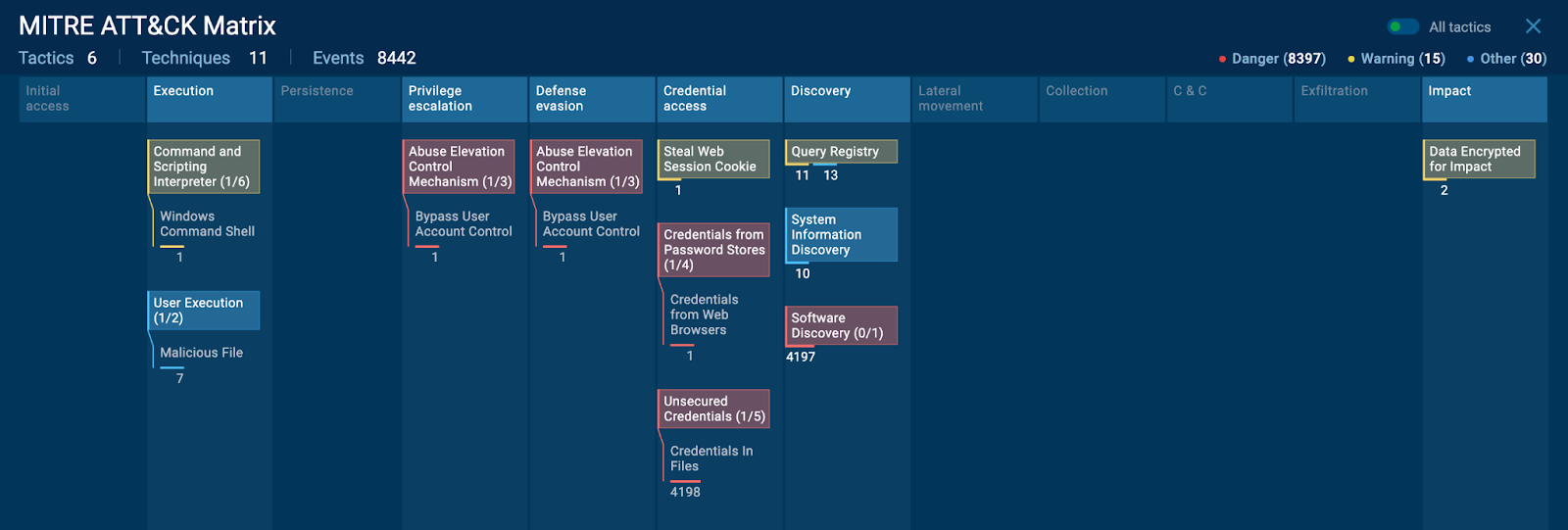
Once inside a network, the ransomware utilizes various tactics to escalate privileges, evade defenses, and gain access to sensitive information. For instance, it uses Windows Command Shell for execution and bypasses user account control for privilege escalation.
The ransomware’s discovery tactics include querying the registry, discovering system information, and software discovery. These actions allow the ransomware to map out the infected environment and identify high-value targets for encryption.
Credential access is a significant aspect of Brain Cipher’s methodology. It steals web session cookies, credentials from web browsers, and credentials stored in files, providing the attackers with the necessary information to further infiltrate the network or exfiltrate data.
Finally, the ransomware’s impact tactic is data encryption, which renders the victim’s data inaccessible until a ransom is paid. This tactic is effective in causing significant disruption to organizational operations, as seen in the recent attack on Indonesia’s National Data Center.
Mitigation and Response
To mitigate the threat posed by Brain Cipher Ransomware and similar attacks, organizations should adopt a multi-layered security approach. This includes:
Email Security: Implementing robust email security solutions to detect and block phishing attempts.
User Training: Regularly training employees to recognize and report phishing emails.
Endpoint Security: Deploying advanced endpoint protection to detect and prevent malware execution.
Network Segmentation: Segregating critical systems and data to limit the spread of ransomware.
Backup Solutions: Maintaining regular backups of critical data and ensuring that backups are stored securely and offline.
Incident Response Planning: Developing and regularly updating incident response plans to ensure a swift and effective response to ransomware attacks.
Enhancing Your Cybersecurity with Peris.ai
As cyber threats continue to evolve, it becomes increasingly important for organizations to stay ahead of potential attacks. Peris.ai offers advanced cybersecurity solutions designed to anticipate and defend against such threats. One such measure is Peris.ai’s Phisland, a sophisticated phishing simulator designed to safeguard your digital frontier.
What is Ganesha – Phisland?
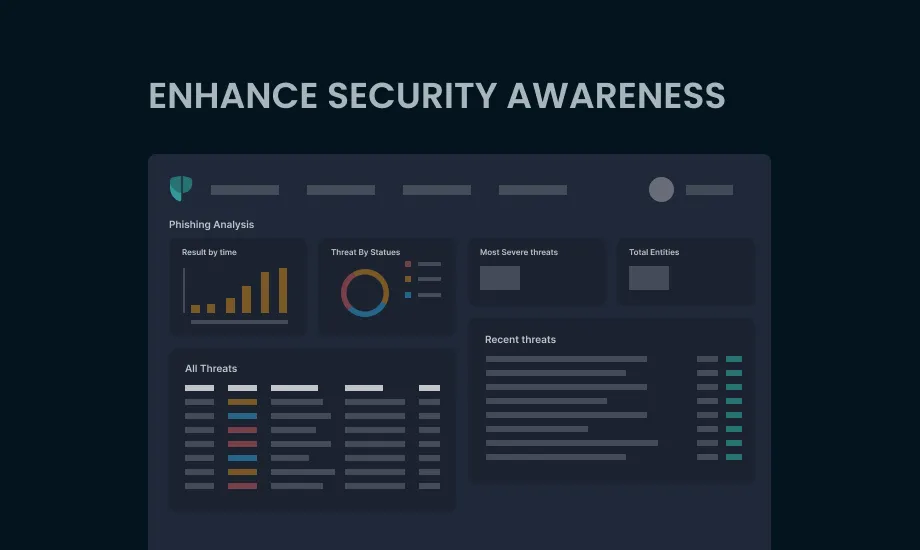
Phisland is a comprehensive phishing simulator that provides your organization with the tools to stay ahead of cyber threats. By simulating phishing attacks via email, websites, and WhatsApp, Phisland helps enhance your team’s security awareness and overall cybersecurity posture.
How does it work?
Realistic Simulations: Phisland offers a suite of realistic phishing simulations that mimic real-world attacks. By tracking user interactions with these simulations, Phisland enables organizations to identify vulnerabilities and opportunities for improvement in real-time.
Enhance Security Awareness: Phisland stands out with its ability to analyze and interpret user responses intelligently. Through advanced algorithms and customizable analytics, Phisland distills vast amounts of data into actionable intelligence, helping organizations create targeted and effective strategies to enhance their security awareness and resilience against cyber threats.
Embrace Phisland to proactively strengthen your cybersecurity measures and protect your organization from potential phishing attacks.
Conclusion
The recent ransomware attack on Indonesia’s National Data Center underscores the escalating threat of ransomware and the profound impact such incidents can have on public services. The emergence of threats like Brain Cipher Ransomware further emphasizes the necessity for robust cybersecurity measures to guard against evolving cyber threats.
Organizations must remain vigilant, continually updating their security practices and staying informed about the latest threat intelligence to effectively combat ransomware attacks.
For comprehensive solutions to enhance your cybersecurity posture and protect against these threats, visit Peris.ai Cybersecurity. Explore our wide range of products and services designed to keep your organization secure in an ever-changing digital landscape. Don’t wait—safeguard your digital assets with Peris.ai today!
***
Authored by Deden Gobel, CTO, and Feri Harjulianto, CISO, from Peris.ai Cybersecurity.
Pentesting, also known as penetration testing, is a crucial practice in the field of cybersecurity. It involves rigorously scrutinizing computer systems, networks, and web applications to identify and expose vulnerabilities that attackers could exploit. By proactively testing and reinforcing the security of digital infrastructures, pentesting plays a vital role in defending against constantly evolving cyber threats.
This article will delve into the intricacies of pentesting, exploring its meaning, a pentester’s career path, and the practice’s technicalities. It will also discuss specialized areas of pentesting, such as network penetration testing and physical penetration testing, highlighting the importance of this proactive approach to cybersecurity.
Key Takeaways:
Pentesting is a proactive approach to cybersecurity, identifying and addressing vulnerabilities before attackers can exploit them.
It involves rigorous testing and reinforcement of computer systems, networks, and web applications.
A career in pentesting requires a strong foundation in IT fundamentals, specialized skills, and continuous learning.
Specialized areas within pentesting, such as network penetration testing and physical penetration testing, further enhance cybersecurity measures.
As social engineering attacks evolve, organizations need to stay vigilant and invest in advanced security tools and awareness programs.
The Essence of Penetration Testing in Cyber Security
Penetration testing, also known as pen testing, is a fundamental practice in the realm of cybersecurity. It involves thoroughly examining computer systems, networks, or web applications to identify vulnerabilities that attackers could potentially exploit. By simulating cyber-attacks and pinpointing weaknesses, penetration testing helps organizations assess the effectiveness of their security measures and fortify their defenses. This proactive approach is essential in an era where cyber threats are constantly evolving, making the role of a pentester indispensable in the ongoing battle against cybercrime.
To better understand the significance of penetration testing, let’s explore some key aspects related to this important field:
The proactive nature: Penetration testing takes a proactive approach to cybersecurity. Instead of waiting for an attack, organizations employ pentesters to actively search for vulnerabilities and address them before they can be exploited. This proactive stance enables businesses to stay one step ahead of cybercriminals, minimizing the potential damage and loss.
Vulnerability assessment: Penetration testing involves thoroughly assessing vulnerabilities within computer systems, networks, or web applications. It encompasses various techniques and methodologies to identify weaknesses and potential entry points for attackers. By conducting vulnerability assessments, organizations can comprehensively understand their security posture and develop effective strategies to enhance their defenses.
Cybersecurity optimization: The primary objective of penetration testing is to optimize cybersecurity measures. Organizations can implement targeted solutions to address these gaps by identifying vulnerabilities and weaknesses. Regular penetration testing allows businesses to measure the effectiveness of their security measures, identify areas that require improvement, and make informed decisions regarding resource allocation for maximum cyber defense.
Overall, penetration testing is crucial in fortifying cybersecurity by identifying vulnerabilities, assessing their potential impact, and implementing proactive measures to mitigate risks. It enables organizations to proactively approach cybersecurity, optimize their defenses, and stay ahead of the ever-evolving cyber threat landscape.
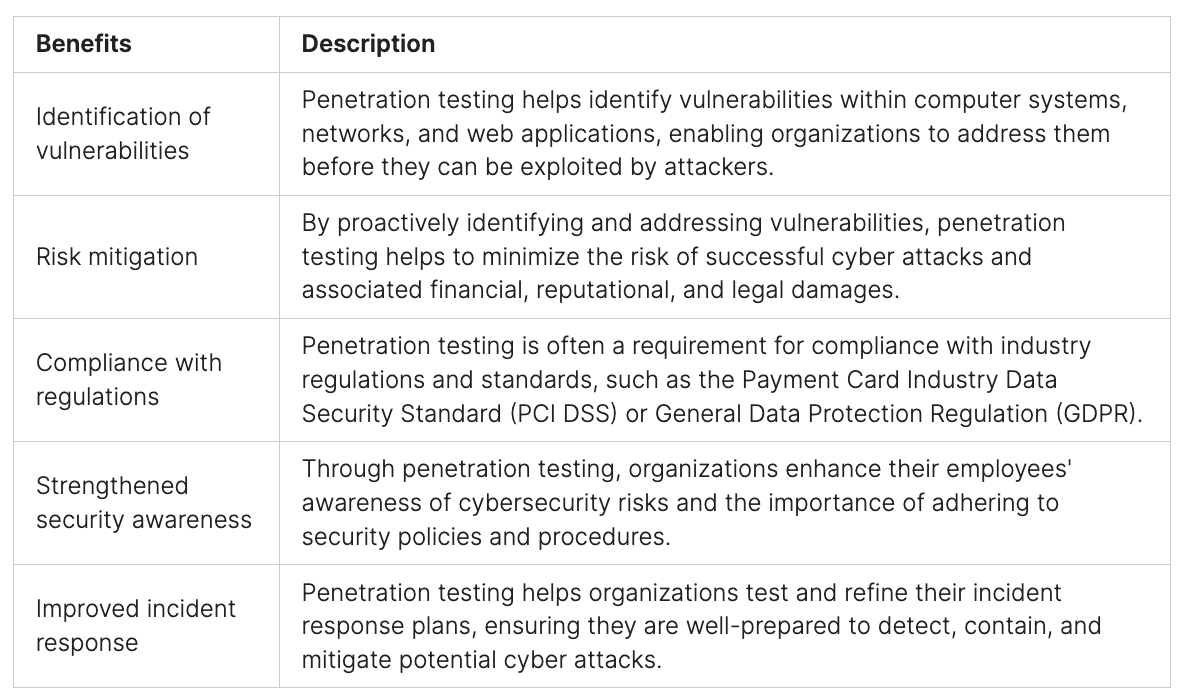
Benefits of Penetration Testing:
The Pentester Career Path
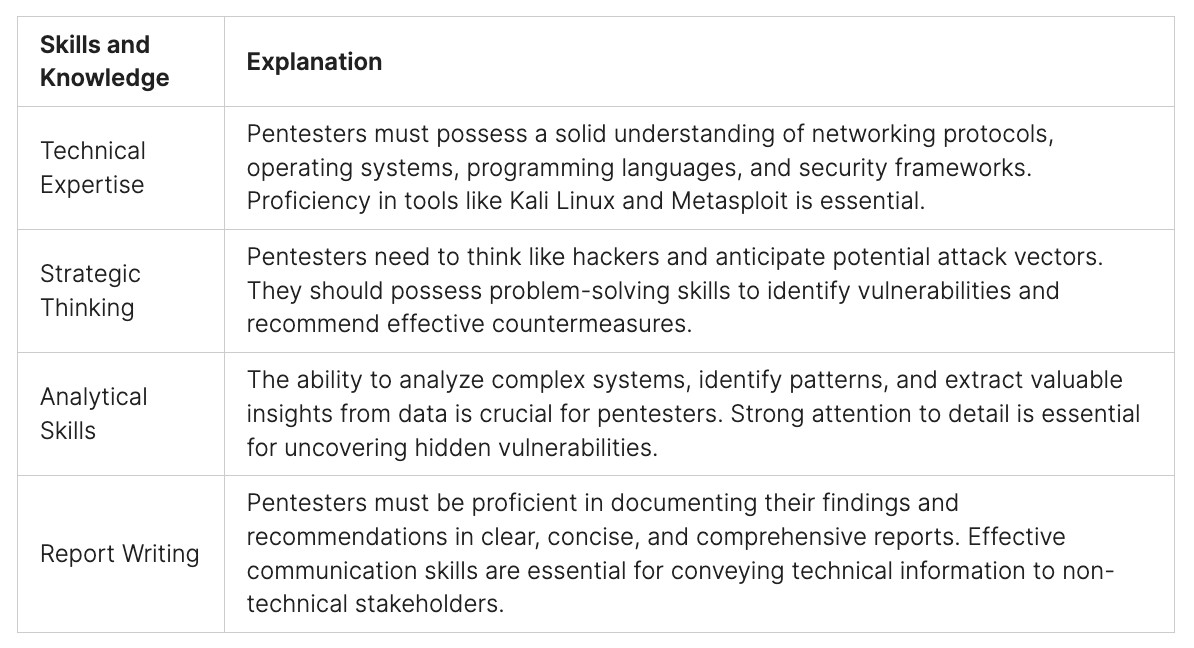
The career path of a pentester is an exciting journey into the dynamic world of cybersecurity. Aspiring pentesters need to develop a strong foundation in IT fundamentals and progressively specialize in security pen and cyber penetration testing. Gaining experience in roles such as network security analyst or IT security consultant can pave the way for advancement.
Continuous learning is crucial in this field, as cybersecurity is ever-evolving. Pentesters must stay current with the latest hacking techniques, defensive strategies, and emerging technologies. Engaging in certifications, such as the Certified Ethical Hacker (CEH) certification, demonstrates a commitment to enhancing skills and knowledge.
Hands-on experience is invaluable for pentesters. Intrusion testing and computer security and penetration testing provide real-world exposure to identify and exploit vulnerabilities in digital systems.
The role of a pentester requires not only technical expertise but also ethical conduct. It is essential to work within legal frameworks and adhere to professional ethics. Pentesters are critical in enhancing cybersecurity by identifying weaknesses and helping organizations strengthen their defenses.
The Technicalities of Penetration Testing
Penetration testing is a systematic approach to identifying and exploiting network, system, and application security vulnerabilities. It plays a crucial role in maintaining network security, evaluating entry points, identifying weaknesses, and simulating cyber-attacks to gauge potential impact. By employing various techniques and methodologies, pentesters uncover vulnerabilities that can be further mitigated through security optimization.
Penetration Testing Techniques
Penetration testing involves a range of techniques tailored to address different security aspects. These techniques include:
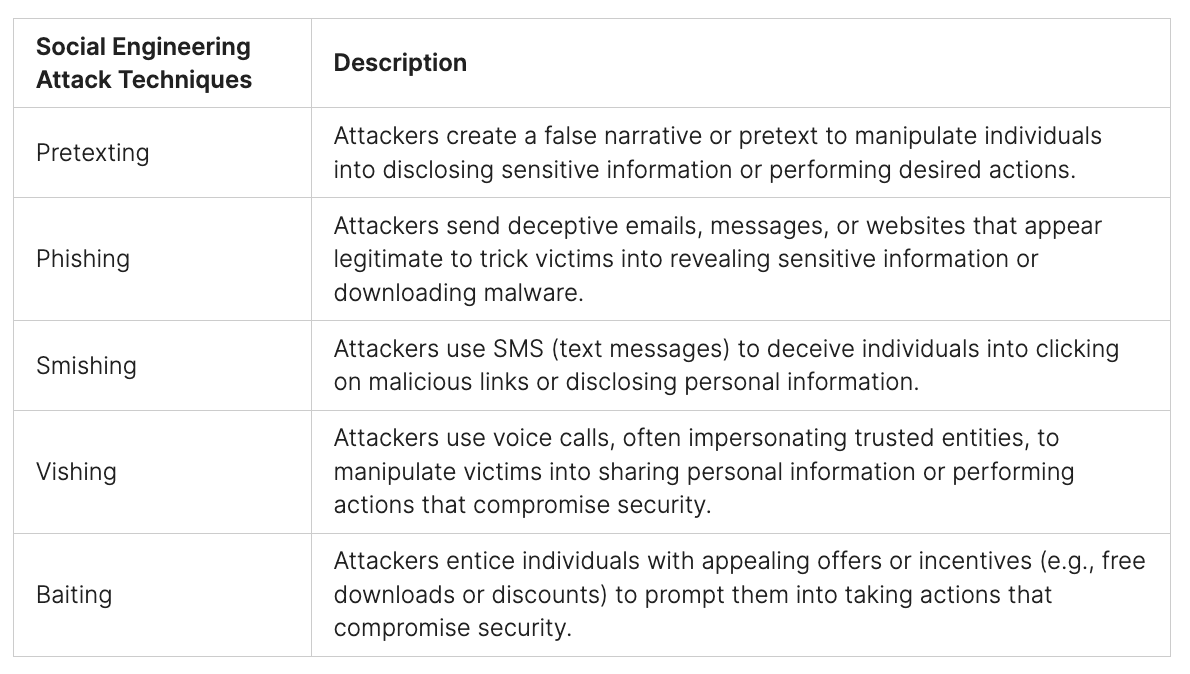
Social Engineering: This technique exploits human vulnerabilities through deception and manipulation.
Technical System Hacking: It involves identifying and exploiting weaknesses in the target system’s infrastructure and software.
Network Sniffing: This technique captures and analyzes network traffic to uncover potential security vulnerabilities.
The Penetration Testing Process
The penetration testing process typically follows a structured methodology, ensuring a comprehensive assessment of security vulnerabilities:
Reconnaissance: Gathering information about the target system to understand its architecture and potential vulnerabilities.
Scanning and Gaining Access: Identifying and exploiting vulnerabilities to access the target system.
Maintaining Access: Sustaining the compromised access to analyze potential impacts and uncover deeper vulnerabilities.
Reporting and Suggesting Improvements: Document findings and provide recommendations to enhance network security and mitigate vulnerabilities.
Network Security and Vulnerability Identification
Network security penetration testing is an essential component of penetration testing, focusing on maintaining the integrity and confidentiality of a network. By evaluating entry points, identifying weaknesses, and simulating cyber-attacks, pentesters play a critical role in fortifying network defenses. Through meticulous vulnerability identification, organizations can proactively address security gaps, optimize security measures, and ensure a robust cyber defense strategy.
Specialized Areas in Penetration Testing
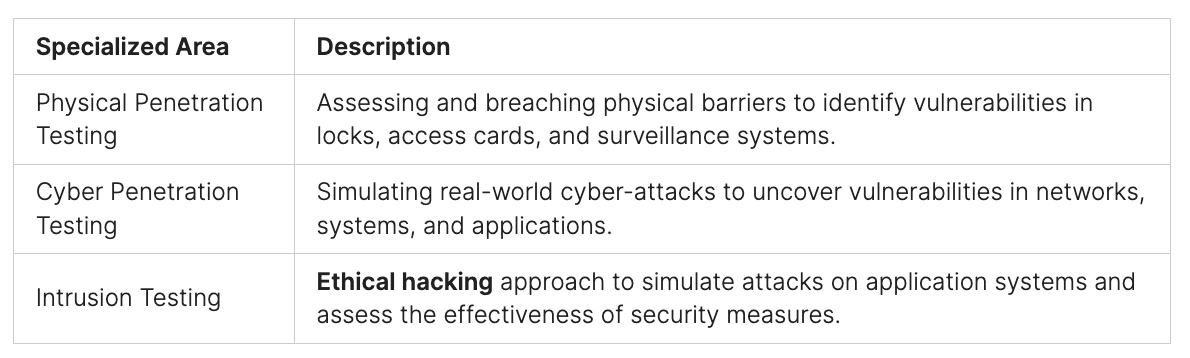
Penetration testing, a vital practice in cybersecurity, extends beyond traditional network testing to specialized areas that further fortify digital defense systems. These specialized areas include physical penetration testing, cyber penetration testing, and intrusion testing, each serving a distinct purpose in ensuring comprehensive security.
Physical Penetration Testing
Physical penetration testing focuses on assessing and breaching physical barriers, such as locks, access cards, and surveillance systems. This branch of penetration testing requires a unique blend of skills and expertise, encompassing familiarity with digital and physical security protocols, social engineering tactics, and knowledge of modern security systems. By scrutinizing physical security measures, organizations can identify vulnerabilities and fortify their physical defenses.
Cyber Penetration Testing
Cyber penetration testing is crucial in safeguarding digital assets against various cyber threats. It involves simulating real-world cyber-attacks to identify network, system, and application vulnerabilities. By thoroughly examining the digital infrastructure, cyber penetration testing enables organizations to identify and address weaknesses, preventing potential breaches, data theft, or system compromise.
Intrusion Testing
Intrusion testing, or ethical hacking, is a branch of penetration testing that simulates attacks on various application systems. By adopting the perspective of a malicious actor, intrusion testers identify vulnerabilities and exploit them to assess the effectiveness of security measures. This testing methodology gives organizations critical insights into their application’s security posture, enabling them to mitigate risks and enhance their overall cybersecurity proactively.
These specialized areas within penetration testing underscore the importance of a comprehensive and proactive approach to cybersecurity. By combining physical penetration testing, cyber penetration testing, and intrusion testing, organizations can build robust defense mechanisms that effectively safeguard their digital assets from ever-evolving threas.
Social Engineering in Cybersecurity
Social engineering is an insidious tactic employed by attackers to exploit psychological vulnerabilities and manipulate individuals into providing sensitive information or performing actions that compromise cybersecurity. These attacks capitalize on human psychology and trust to deceive individuals and gain unauthorized access to sensitive data or systems. In the digital age, social engineering attacks have become increasingly sophisticated, leveraging advanced technologies such as AI-powered attacks to enhance their effectiveness.
The Social Engineering Attack Cycle
Social engineering attacks typically follow a cycle that involves several stages:
Information Gathering: Attackers collect personal, organizational, or technical information about their targets, often using open-source intelligence (OSINT) techniques.
Relationship Establishment: Using the gathered information, attackers build rapport or establish a relationship with the target, exploiting their trust.
Exploitation: Attackers manipulate the target into performing actions that benefit the attacker, such as disclosing sensitive information or clicking on malicious links.
Culmination: The attack reaches its intended goal, which may involve unauthorized access, data theft, financial fraud, or other malicious activities.
An understanding of this attack cycle is crucial for individuals and organizations to recognize and defend against social engineering attacks effectively.
Email Phishing: A Prevalent Form of Social Engineering
One of the most prevalent forms of social engineering is email phishing, where attackers send deceptive emails posing as legitimate entities to trick recipients into disclosing sensitive information, downloading malware, or initiating unauthorized actions. Phishing attacks often exploit psychological factors such as urgency, curiosity, or fear to manipulate victims into taking the desired action.
Email analysis and detection techniques are crucial in identifying and preventing phishing attacks. By analyzing email headers, content, and attachments, security professionals can assess their legitimacy and detect red flags that indicate phishing attempts.
A Role of AI in Social Engineering Attacks
“Artificial intelligence is increasingly being leveraged by attackers to craft convincing messages and enhance the effectiveness of social engineering attacks. Machine learning algorithms can analyze vast amounts of data to create highly personalized and persuasive communications.”
The integration of AI technology in social engineering attacks poses a new level of threat. AI-powered attacks can generate emails, messages, or voice calls that closely mimic human communication styles and patterns, making it more challenging to distinguish between genuine and malicious communications.
Addressing AI-powered social engineering attacks requires a multi-faceted approach that combines advanced security measures with user awareness and education. Organizations should deploy AI-driven tools and solutions to analyze incoming communications and identify potential phishing attempts. Additionally, ongoing training and awareness programs can help individuals recognize and report suspicious activities, mitigating the risks associated with social engineering attacks.
By understanding the tactics employed in social engineering attacks, organizations can implement robust security measures and educate their users to stay vigilant and protect against this constantly evolving threat.
Advanced Social Engineering Tools and Tactics
With the rapid advancement of AI technology, social engineering attacks have become more sophisticated. Attackers are leveraging emerging tools and tactics, including the integration of AI in phishing campaigns, to increase their success rates and evade detection. Organizations must stay informed about these evolving techniques and implement robust prevention measures.
AI-Enhanced Phishing
One of the latest advancements in social engineering attacks is using AI technology to enhance phishing campaigns. Attackers leverage AI-powered chatbots like ChatGPT to create compelling messages that mimic human conversation. These AI-driven phishing attempts can bypass traditional cybersecurity defenses, making it challenging for users to discern between genuine and malicious communications.
To illustrate the potential impact of AI-enhanced phishing, consider the example of a banking phishing attack. Attackers can use AI algorithms to analyze a target’s social media profiles, blog posts, and other publicly available information to craft personalized and plausible phishing emails. These emails may appear to come from a trusted institution, tricking recipients into revealing sensitive information or downloading malicious attachments.
The Dark Web and WormGPT
The dark web is a hidden part of the internet where anonymous activities occur, including buying and selling hacking tools and services. Within this underground economy, a new threat has emerged, and it is known as WormGPT. This AI-powered tool is offered as a paid service on the dark web, providing attackers with automated hacking capabilities.
WormGPT is designed to mimic the behavior of a human hacker, autonomously scanning systems, identifying vulnerabilities, and launching attacks. Its AI capabilities enable it to adapt and evolve its tactics, making detecting and defending against it even more challenging. This tool is a stark reminder of the evolving nature of social engineering attacks and the need to enhance cybersecurity measures continuously.
The Social-Engineer Toolkit (SET)
While the emergence of AI in social engineering attacks raises concerns, ethical hackers and penetration testers can also leverage AI-driven tools to enhance their defensive strategies. One such tool is the Social-Engineer Toolkit (SET) within Kali Linux. With its AI capabilities, the SET empowers security professionals to simulate sophisticated social engineering attacks and identify vulnerabilities within an organization’s defenses.
The SET offers a wide range of features, including email spoofing, spear-phishing attacks, and website cloning, enabling testers to evaluate the effectiveness of an organization’s security awareness and prevention measures. By embracing AI-driven tools like the SET, organizations can better understand their vulnerabilities and take proactive steps to strengthen their cybersecurity defenses.
Prevention Measures
Mitigating the risks associated with advanced social engineering attacks requires a comprehensive approach that combines technical solutions, employee awareness, and stringent prevention measures. Organizations should focus on implementing advanced email filters to detect and block AI-enhanced phishing attempts.
Investing in AI-driven cybersecurity solutions can provide organizations with improved threat intelligence, enabling swift identification and response to emerging social engineering tactics. Regular security awareness and training programs are essential to educate employees about the evolving nature of social engineering attacks and equip them with the knowledge to identify and report potential threats.
By staying vigilant, leveraging advanced prevention measures, and keeping pace with the rapidly evolving social engineering landscape, organizations can enhance their cybersecurity posture and protect themselves against the growing threat of AI-enhanced phishing attacks. Taking a proactive approach to security and embracing AI technology as a defensive tool is crucial in the ongoing fight against social engineering threats.
Conclusion
In today’s digital era, where cyber threats loom larger and more sophisticated than ever, pentesting emerges as a cornerstone practice for preemptive cybersecurity. This critical exercise empowers organizations to uncover and remediate vulnerabilities before they become gateways for malicious actors. Through meticulous evaluation of computer systems, networks, and web applications, pentesting significantly bolsters an organization’s cyber defenses and enhances its security stance.
Delving deeper, specialized domains such as physical and cyber penetration testing amplify the breadth and depth of proactive cybersecurity efforts. These nuanced approaches enable organizations to fortify not only their digital landscapes but also their physical perimeters, thereby securing their essential assets against a spectrum of potential threats.
As attackers increasingly leverage artificial intelligence to sophisticate their social engineering schemes, the imperative for organizations to stay alert and proactive skyrockets. The adoption of cutting-edge security solutions, along with the implementation of exhaustive awareness and training initiatives, is vital for cultivating a pervasive culture of cybersecurity awareness among staff. These measures are instrumental in navigating the complexities of modern cyber threats.
Adopting pentesting as a proactive defense strategy, coupled with a vigilant stance against social engineering tactics, positions organizations to significantly enhance their security frameworks. This forward-looking approach, underpinned by ethical hacking methodologies, equips organizations with the readiness to protect their invaluable data and maintain their reputational integrity amidst the evolving cyber threat landscape.
Peris.ai Cybersecurity introduces Peris.ai Pandava, a service designed with the philosophy that your organization’s security and competitive edge in the market are paramount. Sleep peacefully, knowing that our team of ethical hackers is diligently conducting penetration tests, reminiscent of a “Mission Impossible” scenario, to identify vulnerabilities within your digital and physical infrastructures. With Peris.ai Pandava, the daunting task of securing your digital platform becomes a manageable and reassuring endeavor.
We invite you to explore how Peris.ai Pandava can transform your organization’s approach to cybersecurity. Visit Peris.ai Cybersecurity to learn more about our penetration testing services and how we can help you navigate the complexities of safeguarding your digital and physical assets against the ever-evolving cyber threats. Secure your peace of mind and give your business the protective edge it deserves with Peris.ai Pandava.
FAQ
What is pentesting?
Pentesting, also known as penetration testing, is the practice of rigorously scrutinizing computer systems, networks, and web applications to identify and expose vulnerabilities that attackers could exploit.
Why is pentesting important?
Pentesting plays a vital role in defending against constantly evolving cyber threats. It helps organizations proactively test and reinforce the security of their digital infrastructures, making their defenses stronger and more resilient.
What is the career path of a pentester?
Aspiring pentesters need to develop a strong foundation in IT fundamentals and progressively specialize in security pen and cyber penetration testing. Gaining experience in roles such as network security analyst or IT security consultant can pave the way for advancement.
What are the technicalities of pentesting?
Pentesting involves various techniques, including social engineering, technical system hacking, and network sniffing. These techniques serve the purpose of uncovering different types of vulnerabilities and simulating cyber-attacks to assess the effectiveness of security measures.
What are the specialized areas in pentesting?
Specialized areas in pentesting include physical penetration testing, which assesses and breaches physical barriers, and cyber penetration testing, which safeguards digital assets against a wide range of cyber threats. Intrusion testing focuses explicitly on ethical hacking and simulating attacks on various application systems to identify vulnerabilities.
What is social engineering in cybersecurity?
Social engineering is an insidious tactic employed by attackers to exploit psychological vulnerabilities and manipulate individuals into providing sensitive information or performing actions that compromise cybersecurity.
What are the advanced social engineering tools and tactics?
With the rapid advancement of AI technology, social engineering attacks have become more sophisticated. Attackers are integrating AI in phishing campaigns and leveraging tools like the Social-Engineer Toolkit (SET) within Kali Linux. Organizations must implement advanced email filters, AI cybersecurity solutions, and comprehensive awareness and training programs to mitigate the risks associated with advanced social engineering attacks.
Why is proactive cybersecurity essential?
Proactive cybersecurity practices, such as pentesting, are crucial in identifying and addressing vulnerabilities before attackers can exploit them. Organizations can optimize their security posture and protect their digital assets by constantly fortifying cyber defenses and staying one step ahead of evolving threats.
Your financial well-being hinges on robust cybersecurity solutions in today’s digital landscape. Businesses in Indonesia are increasingly recognizing the imperative nature of data protection and network security, with global data breach costs soaring to alarming figures. A partnership with a cybersecurity company isn’t just optional—it’s a strategic necessity. Cybersecurity extends beyond mere defense against threats; it’s an investment in your company’s continuity and reputation.
Employing comprehensive threat detection, vulnerability management, and security consulting tactics enables your enterprise to confront the complexities of cyber threats head-on. By choosing the right cybersecurity solutions provider, you are safeguarding your organization’s most valuable assets from the perils of the digital age.
Key Takeaways
Understand the imperative role of cybersecurity in protecting your business’s financial health.
Learn why robust data protection and network security are non-negotiable in today’s digital economy.
Recognize the importance of integrated cybersecurity services in preventing costly data breaches.
Discover how vulnerability management contributes to maintaining a strong defense against cyber threats.
Realize the value of security consulting from a reputable cybersecurity solutions provider in shaping security strategy.
Identify how partnering with the right cybersecurity company can ensure the safety and longevity of your business.
The Critical Role of Cybersecurity Solutions
Today’s digital landscape necessitates robust cybersecurity solutions for the well-being of businesses in Indonesia and beyond. As you focus on your company’s growth and success, understanding the intrinsic value of safeguarding your digital assets becomes crucial. This section explores the multifaceted nature of cybersecurity and its financial ramifications for your business.
What Are Cybersecurity Solutions?
When we speak of cybersecurity solutions, we refer to a comprehensive set of tools, strategies, and educational initiatives to protect your organization’s digital infrastructure. These range from basic access control to sophisticated threat detection systems, ensuring your data’s integrity and resilience against unauthorized access.
Why Cybersecurity Is a Financially Wise Strategy
The judicious investment in cybersecurity goes beyond mere risk aversion—it’s a fiscally prudent move. With the growing sophistication of cyber threats, preemptive data protection and network security are crucial. Although implementing these measures incurs expense, failing to do so can lead to far greater financial loss, eroding your fiscal stability and customer trust.
The Staggering Cost of Data Breaches
The consequences of insufficient cybersecurity measures are startlingly evident when one examines the average cost of a data breach: an alarming $4.3 million in losses. Such numbers paint a stark picture of the potential financial devastation, emphasizing how cybersecurity is not merely an operational detail but a critical pillar of your company’s sustainability and profitability.
Implementing Essential Cybersecurity Services
As the cyber threat landscape evolves, it is imperative that organizations in Indonesia strengthen their defenses with key cybersecurity services. These foundational services protect against digital threats and foster an organizational culture of security awareness and vigilance.
Cybersecurity Training for Employees
Fostering a secure environment begins with comprehensive cybersecurity training for your employees. From basic security awareness to advanced technical instruction, equipping your team with the knowledge to identify and respond to cyber threats is critical in safeguarding your company’s digital assets.
Data Protection Measures and Techniques
Data is at the heart of every organization, making data protection an essential practice. With the implementation of secure cloud services, you ensure that sensitive information is encrypted and stored safely, mitigating the risks associated with data breaches and cyber incursions.
Access Control and Multi-Factor Authentication
Implementing stringent access control measures is paramount to maintaining the integrity of your systems. Multi-factor authentication (MFA), a simple yet highly effective security step, requires multiple credentials to verify user identities, offering an additional layer of defense against unauthorized access.
Advanced Cybersecurity Company Solutions for Businesses
As your business grows and the value of your data increases, stepping up your cybersecurity is imperative. Advanced solutions are no longer optional but essential for a robust security posture. These solutions provide a strategic foundation for protecting your enterprise against sophisticated cyber threats and ensure business continuity.
Network Protection and Firewall Implementation
At the core of advanced cybersecurity is network protection. Incorporating firewalls is one of the most fundamental and necessary steps you can take. A well-implemented firewall filters incoming and outgoing network traffic, reducing the risk of cyber attacks. Coupled with Virtual Private Networks (VPNs), which encrypt your data for secure remote access, these measures establish a formidable barrier against unauthorized intrusions, preserving the sanctity of your network.
Innovative Endpoint Protection Strategies
Endpoints are often the front line in the battle against cyber threats. The shift to remote work has only heightened the need for robust endpoint protection. Solutions from cybersecurity leaders like Crowdstrike and Sophos employ advanced algorithms to monitor and analyze endpoint behaviors, flagging any suspicious activity that could indicate a breach. This goes beyond traditional antivirus applications to provide a deeper level of defense, ensuring your endpoints are not the weak link in your security chain.
Adapting to Evolving Threat Detection Techniques
In today’s dynamic cybersecurity landscape, evolving threat detection techniques are crucial. Employing platforms that integrate Endpoint Protection Platforms (EPP), Endpoint Detection and Response (EDR), and Extended Detection and Response (XDR) offer a multi-layered approach. These systems adapt in real time to new threats, enabling your business to remain one step ahead of cybercriminals. Deploying these sophisticated technologies equips you with the capacity to detect, respond to, and recover from cyber incidents more efficiently than ever before.
Choosing the Right Cybersecurity Solutions Provider
When the task at hand is to safeguard your organization against an array of digital threats, selecting a cybersecurity solutions provider becomes pivotal. You are tasked with finding a partner that not only comprehends the intricacies of cybersecurity services but also aligns with the unique contours of your company’s requirements. This means understanding the specific types of data you manage, appreciating the nuances of risk to which you are exposed, gauging the level of protection you aim to achieve, and matching these with the budget you have allocated for cybersecurity defenses.
In Indonesia, where digital advancement rapidly escalates, the prevalence of particular vulnerabilities and cybersecurity certifications can greatly influence your choice of provider. It is essential that they skillfully manage vulnerability management, delivering a system that tracks and prioritizes alerts effectively. Moreover, the solution must be scalable, integrating seamlessly with pre-existing systems and complying with local and international regulations.
Providers of cybersecurity services should also offer continuous, reliable customer support. This goes beyond the provision of defensive tools—it encompasses a guiding hand throughout the process of strengthening your cybersecurity posture. Moving forward, your provider should equip you with an array of tools, including but not limited to antivirus software, firewalls, Intrusion Detection and Prevention Systems (IDPS), Virtual Private Networks (VPNs), and cloud security solutions. These tools form the bedrock of organizational digital defense.
The significance of security consulting cannot be overstressed, as it brings to the table expertise and insights that are integral to crafting a strategic security framework. Hence, a provider skilled in consultancy adds immense value, guiding you through the arduous landscape of cyber threats and solutions. As you consider these pointers, remember that investing in a partnership that encourages a forward-looking approach to cybersecurity is the surest way to protect your organization.
Conclusion
As we navigate through the accelerating digital era, the emphasis on advanced vulnerability management strategies and forming alliances with proficient cybersecurity firms becomes increasingly critical for guiding your business safely into the future. Embracing comprehensive security consulting and state-of-the-art threat detection technologies goes beyond merely addressing current challenges; it’s about fortifying your organization against the unforeseeable twists and turns in the landscape of cyber threats. With a focus on growth and resilience, it’s time to delve into the emerging trends and practices poised to bolster your organization’s defenses.
Looking Ahead: The Evolution of Vulnerability Management
The path forward for vulnerability management is unmistakably geared towards proactive defenses. As the nature of cyber threats becomes more complex, the strategies to counteract these threats must also advance. The integration of artificial intelligence (AI) and machine learning (ML) into security systems heralds a new era where potential breaches can be predicted and prevented before they manifest. This paradigm shift towards anticipatory threat management promises to revolutionize organizational security infrastructures worldwide, including in markets like Indonesia, by offering not just reactive solutions but predictive safeguards.
The Value of Security Consulting for Future-Proofing
Security consulting transcends the traditional boundaries of a service; it represents a crucial investment in your business’s future resilience and success. Partnering with esteemed security consultants grants access to bespoke strategies and insights, tailored to meet the unique security demands of your organization. This collaborative approach lays down a robust groundwork for a defense system that is both comprehensive and attuned to the nuanced threats of the digital age. It’s a proactive step towards not only protecting your current assets but securing a path for sustained growth and defense against the cyber challenges of tomorrow.
Strategies for Maintaining a Competitive Edge in Cybersecurity
Adaptation, innovation, and collaboration are key to maintain a lead in the cybersecurity race. Aligning with a cybersecurity partner that offers cutting-edge threat detection while also staying abreast of technological progress is crucial. Embrace a culture of continuous education and adaptation, creating an environment where security awareness and preventive measures are ingrained in every aspect of your operations. The digital landscape may be relentless, but equipped with the right strategies and the support of a visionary cybersecurity firm, your journey through it can be navigated with assurance and foresight.
For organizations looking to elevate their cybersecurity posture and prepare for the future with confidence, Peris.ai Cybersecurity stands ready to assist. With our Peris.ai Ganesha Workshop & Training, alongside a suite of advanced security solutions, we’re dedicated to enhancing your cyber resilience. Visit Peris.ai Cybersecurity to explore how our expertise can secure your digital journey today and into the future.
FAQ
What Are Cybersecurity Solutions?
Cybersecurity solutions encompass a variety of tools, strategies, and services designed to protect organizations from cyber threats. This includes threat detection, data protection, network security, vulnerability management, and security consulting services, among other things. They provide the necessary defenses to maintain the confidentiality, integrity, and availability of an organization’s information systems.
Why Is Investing in Cybersecurity a Financially Wise Strategy?
Investing in cybersecurity is financially prudent as it helps mitigate risks associated with data breaches, which on average can cost organizations $4.3 million. Cybersecurity measures protect a company’s digital assets, and the expense incurred for data protection and network security is generally far less than the financial implications following a cyber incident. Hence, it is crucial to a business’s strategic planning and operational budget.
How Costly Are Data Breaches, and What Is Their Impact?
Data breaches can have a staggering financial impact on businesses, with global averages reaching $4.3 million in losses. These incidents lead to direct financial damage and can inflict reputational harm, loss of customer trust, legal consequences, and operational disruptions, highlighting the critical role of robust cybersecurity solutions in risk management.
Why Is Cybersecurity Training for Employees Important?
Cybersecurity training for employees is essential because it creates an informed workforce capable of recognizing and responding to cyber threats. Educating employees about phishing, secure coding practices, and other security essentials aids in fortifying the first line of defense against cyberattacks and reducing the risk of human error.
What Data Protection Measures and Techniques Should Be Implemented?
Organizations should implement various data protection measures, such as secure cloud backup solutions that encrypt and store data offsite and robust access control systems. Techniques like using multi-factor authentication (MFA) are fundamental in significantly reducing the risk of unauthorized access and potential breaches.
How Does Multi-Factor Authentication Contribute to Access Control?
Multi-factor authentication enhances access control by requiring users to provide multiple verification forms before accessing sensitive systems or information. This method is effective in preventing unauthorized access and can thwart a significant percentage of cyberattacks that exploit weak or stolen user credentials.
What Entails Network Protection and Firewall Implementation?
Network protection and firewall implementation involve setting up systems that monitor and control incoming and outgoing network traffic based on predetermined security rules. Firewalls are a barrier between secure internal networks and untrusted external networks, whereas network protection strategies ensure safe data exchanges and prevent unauthorized infiltrations.
What Are Innovative Endpoint Protection Strategies?
Innovative endpoint protection strategies include the deployment of sophisticated security software like Endpoint Protection Platforms (EPP), Endpoint Detection and Response (EDR), and Extended Detection and Response (XDR). These solutions monitor endpoint devices for suspicious activities, employ advanced algorithms to detect threats, and provide comprehensive defense mechanisms against cyberattacks.
How Is The Industry Adapting to Evolving Threat Detection Techniques?
The industry adapts to evolving threat detection techniques by integrating cutting-edge technologies such as Artificial Intelligence (AI), machine learning, and behavioral analysis into cybersecurity tools. These advancements enable proactive threat detection, facilitating quicker responses and adaptation to the continuously changing cyber threat landscape.
How Do I Choose the Right Cybersecurity Solutions Provider?
Choosing the right cybersecurity solutions provider involves evaluating your organization’s specific needs, the types of data you handle, your risk profile, your desired level of protection, and your budget. Look for providers that offer scalability, and user-friendly solutions, integrate well with existing systems, aid in compliance with regulations, and provide dependable support. Additionally, verify the providers’ industry certifications and their ability to prioritize and track vulnerability alerts effectively.
What Are the Future Trends in Vulnerability Management?
Future trends in vulnerability management point towards an increased emphasis on proactive strategies that identify and mitigate potential vulnerabilities before they are exploited. This involves more sophisticated vulnerability scanning technologies, greater integration with threat intelligence platforms, and the use of predictive analytics to foresee and prepare for emerging threats.
How Can Investing in Security Consulting Provide Long-Term Benefits?
Investing in security consulting can provide long-term benefits by helping organizations devise strategic, comprehensive cybersecurity plans. Security consultants offer expertise and insights into best practices, evolving threats, and regulatory compliance. They aid in aligning a company’s cybersecurity measures with their business objectives, thus strengthening the overall security posture and resilience against cyber threats.
What Can Organizations Do to Stay Ahead of Cyber Threats?
Organizations can stay ahead of cyber threats by adopting a proactive security stance, regularly updating and patching systems, employing advanced threat detection and response solutions, and continuously educating their workforce on security awareness. Partnering with a reputable cybersecurity company for expert guidance and integrating the latest security technologies are also critical steps in maintaining a robust defense against current and future cyber challenges.
In the rapidly evolving digital landscape, choosing between on-premises and cloud-based cybersecurity is crucial for safeguarding data, infrastructure, and operations. This article breaks down the key differences to help you determine the best fit for your business needs.
On-premises security needs physical servers or digital video recorders in a building. It also uses a lot of energy for power and cooling. Cloud security, on the other hand, doesn’t need on-premises hardware. It’s managed in secure data centers and offers unlimited storage based on your subscription. This change affects your business in many ways, from upkeep and management to disaster recovery and costs.
Key Takeaways
On-premises security solutions require physical infrastructure and energy consumption, while cloud-based systems are managed in secure data centers.
Cloud security offers infinite storage capacity, while on-premises solutions have finite storage that can quickly reach limits.
Reliability and uptime for on-premises solutions depend on internal components, while cloud-based security relies on external factors like the internet and host system.
Cost and pricing models differ between on-premises and cloud-based security, with the latter offering more flexible and scalable options.
Data control, privacy, and compliance are critical factors to consider when choosing between on-premises and cloud-based security solutions.
Key Differences Between On-Premises and Cloud Security
Organizations face a choice between on-premises and cloud-based cybersecurity solutions. Each has its own benefits and drawbacks. It’s important to weigh these carefully to choose the best fit for your business.
On-Premises Security Infrastructure
An on-premises solution needs physical servers, software, and a network. It uses energy and must be sized for your security needs.
Cloud Security Infrastructure
A cloud system doesn’t need physical space. It’s managed by a third-party in the cloud. It sends data over the internet, storing it in the cloud.
Many think cloud security is less safe than on-premises. But, big cloud providers spend a lot on security and have many experts. They offer features like firewalls and encryption, making cloud data as secure as on-premises.
On-premises solutions give more control and customization. They’re good for companies with special compliance needs. It’s key to check a solution’s security, certifications, and cost savings.
When looking at cloud solutions, check the provider’s data centers and disaster plans. For on-premises, focus on the physical security of data centers and backup systems.
Infrastructure and Deployment Considerations
Choosing the right security setup is key for businesses. On-premises solutions need space, resources, and a skilled IT team. Cloud-based options save space and don’t need on-site gear. The choice depends on space, IT skills, and how complex the setup is.
For firms with sensitive data or strict rules, on-premises might be best. In law, 80% choose on-premises for compliance. But, for scalability and cost, cloud is often preferred. In healthcare, 78% use cloud for better security.
Many now mix on-premises and cloud for the best of both. A study shows 70% of big firms use this mix for better security. It lets them control data and use cloud’s benefits.
When picking security, think about costs, upkeep, and how hard it is to set up. On-premises costs a lot upfront, but cloud is more predictable. Cloud also needs less IT help.
The choice between on-premises and cloud depends on the business’s needs. By looking at the pros and cons, companies can pick the right security for their strategy and data protection.
Management, Maintenance, and Connectivity
On-Premises Management and Maintenance
Businesses handle the upkeep of on-premises security solutions. This task falls on the in-house IT team. They need the right skills and time to manage the security and networks. Small to medium-sized businesses might find upfront costs lower if they already have an IT team.
Keeping the system running smoothly is key. But, it can take a lot of time from the IT team.
Cloud Management and Connectivity
Cloud security systems let the hosting company handle management and maintenance. This is part of the subscription cost. The hosting company’s experts manage the cloud, freeing up the in-house team.
But, cloud systems rely on the internet for data. Internet quality can vary, causing issues. On-premise systems use an internal network, while cloud systems send data over the internet.
The debate between on-premise and cloud security solutions is subjective, and choosing between them depends on an organization’s priorities and needs.
“Currently, only 5% of cloud security failures are due to a cloud provider, while 95% of breaches can be attributed to customers.”
Storage Capacity and Data Management
Choosing between on-premises and cloud storage affects a business’s data management. On-premises solutions have limited storage, forcing businesses to manage their data carefully. This might mean deleting old data or adding new storage.
Cloud security systems, on the other hand, offer almost unlimited storage. Businesses can adjust their plans as needed. This makes data management easier, allowing businesses to focus on their main tasks.
Some companies are moving back to on-premises data centers due to cloud regret. Yet, cloud computing is growing fast with new technologies like AI and Blockchain. These advancements give businesses more choices.
The choice between on-premises and cloud storage depends on a business’s needs. Small businesses might prefer cloud storage for its cost and flexibility. Larger companies might choose on-premises for more control and server upgrades.
As cybersecurity changes, businesses must think about their data management. Understanding the differences between on-premises and cloud storage helps make better choices. This ensures the security and access of sensitive information.
Reliability and Uptime
Keeping security systems up and running is key for businesses. Cloud-based solutions are flexible and easy to use. But, on-premises systems give more control and fit specific needs better.
On-Premises Reliability and Redundancy
On-premises systems depend on the reliability of their parts, like servers and network gear, to keep running. To avoid downtime, having backup plans and regular checks are crucial. The in-house IT team keeps the system running smoothly and securely.
One big plus of on-premises systems is the ability to add redundancy, like backup power and failover plans. This control is great for businesses needing high uptime or working in critical areas.
Cloud-based security is good for availability and growing. But, on-premises systems let businesses customize their security. This ensures the best on-premises reliability and on-premises redundancy for their security system uptime.
“On-premises security solutions offer businesses greater control and customization, ensuring high reliability and redundancy to meet their specific security needs.”
Disaster Recovery and Business Continuity
In the world of cybersecurity, surprises can happen anytime. On-premises security gives control but can be a problem in disasters. Cloud security, however, is more reliable and keeps businesses running even in tough times.
When disaster hits on-premises systems, it can really slow down operations. Getting services back up and data accessible takes a lot of time and effort. But, cloud security means no loss of service or data access, as everything is in the cloud.
Cloud services grow easily without needing a lot of money upfront, making it simple to add more storage.
Cloud providers offer quick disaster recovery by mirroring data in the cloud, ready to switch over if needed.
Clouds automate many tasks, like setting up servers, backing them up, and updating them, all without human help.
Clouds keep businesses ready for surprises by backing up data regularly and making it easy to get back.
Clouds offer flexible storage and automated backups, fitting the needs of different businesses well.
When looking for cloud services, it’s smart to compare providers and pick the one that best fits your business.
Cloud disaster recovery is faster than old on-premises methods. It lets IT teams focus on projects that make money. DRaaS meets important recovery goals well.
Businesses must get ready for any event that could stop operations or make recovery hard. Clouds offer quick access to important data from anywhere. DRaaS and IaaS help with fast data recovery and protection. BaaS keeps backups safe from tampering. Clouds help businesses meet recovery goals fast.
“Cloud-based disaster recovery solutions offer a more resilient and reliable solution, ensuring business continuity even when disaster strikes.”
On-Premises or Cloud? Finding the Right Cybersecurity Fit for Your Business
Deciding on the right cybersecurity solution is crucial for your business. You have to choose between on-premises or cloud-based options. Each has its own benefits and drawbacks, depending on your security needs, compliance, budget, and how you operate.
On-premises solutions mean buying hardware like control boards and server licenses. This gives you control and customization, letting your IT team meet specific security needs. But, it also means you have to keep it running and secure yourself.
Cloud-based solutions, on the other hand, offer a pay-as-you-go model. They include services like monitoring and encryption updates. Cloud security is managed remotely and is more affordable, with better ROI through automation.
Choosing between on-premises or cloud security depends on your business needs. Some industries, like government and healthcare, might prefer on-premises for strict rules. But, cloud solutions are better for those who need scalability and cost-effectiveness.
The right choice for your business depends on your unique needs. Consider security, compliance, cost, and how you operate. Knowing the differences between on-premises and cloud security helps you make a decision that fits your business goals.
For businesses in sensitive fields, like government and finance, a mix of on-premises and cloud security might work best.
“The choice between on-premises or cloud-based cybersecurity is not a one-size-fits-all decision. It requires a careful analysis of your organization’s specific needs and priorities.”
Cost and Pricing Considerations
When deciding between on-premises and cloud-based cybersecurity, it’s key to look at costs and pricing models. On-premises solutions need a big upfront investment for hardware, software, and IT maintenance. Cloud security, however, uses a subscription model. This means you only pay for what you use, making it more flexible and cost-effective.
On-premises might be cheaper for some industries, but it can be expensive upfront and ongoing. Cloud providers handle the upkeep, saving your IT team’s time and resources. Plus, cloud services can grow or shrink as needed, which is great for changing demands.
Choosing between on-premises and cloud cybersecurity needs careful thought about cost, scalability, security, and your organization’s needs. The wrong choice can lead to inefficiency, higher costs, lower productivity, and security risks.
“Choosing the right cybersecurity solution is essential for maintaining data security, operational efficiency, and cost-effectiveness. Organizations must carefully weigh the advantages and disadvantages of on-premises and cloud-based options to find the optimal fit for their specific needs.”
Data Control, Privacy, and Compliance
Businesses in finance, healthcare, and government must follow strict data rules. On-premises data control solutions keep data safe because it stays in the company. This reduces the chance of data leaks. On-premises security is better for companies needing strict data security and regulatory compliance rules.
Cloud services also offer strong security, but on-premises data control lets companies tailor their data protection. This is key in finance, healthcare, and government where rules are strict. Keeping data in-house helps protect it and follow rules.
On-Premises Data Control and Compliance
On-premises security lets companies tailor their data and compliance plans. This is crucial for those with sensitive data. They can set up strong access controls and monitoring to meet regulatory compliance needs.
Also, on-premises data control helps companies understand their data fully. This ensures they can handle security issues or audits well. This is harder with cloud services, where the provider manages more of the data.
“On-premises security solutions offer a higher degree of control over sensitive data, as it remains within the company’s premises, reducing the risk of data breaches.”
Scalability and Flexibility
Scalability and adaptability are key in cybersecurity. Cloud-based security solutions are great at scaling up or down as needed. They use a pay-as-you-go model, which saves money by only charging for what you use. On-premises solutions, while customizable, can be slow to scale.
On-premises solutions need a big upfront investment and ongoing maintenance. This can be a problem for businesses with tight budgets. Cloud solutions, on the other hand, don’t require big upfront costs and are easy to maintain.
Cloud solutions are great for businesses with changing needs. They can quickly scale up for big events or busy times. Cloud computing makes it easy to adjust resources as needed.
On-premises solutions need constant upkeep. Cloud solutions, like those from AWS, Azure, or GCP, handle upgrades themselves. On-premises solutions can be tailored, but cloud solutions might have limits.
Choosing between on-premises and cloud-based security depends on your growth plans and flexibility needs. The right choice can make processes more efficient, save money, and improve security. The wrong choice can lead to inefficiencies, higher costs, and security risks.
“The cloud offers businesses unparalleled scalability and flexibility, allowing them to adapt their security solutions to their evolving needs with ease.”
Security and Risk Management
On-Premises Security Advantages
On-premises security gives companies more control over their defenses. They can tailor their security to fit their needs and follow strict standards. This control helps protect sensitive data from breaches, keeping it safe within the company’s walls.
On-premises solutions also use VPN and API tools. These tools grow with the company, ensuring strong threat protection.
Cloud Security Advantages
Cloud security has improved a lot. Now, many cloud providers offer strong security features. Clouds provide flexible security tools that grow with the company.
Clouds also have advanced security teams and technologies like AI. These help detect and fight threats, which can be hard for small companies to do alone.
Using frameworks like NIST CSF and ISO/IEC 27001 helps manage cybersecurity risks. Adding cybersecurity to Enterprise Risk Management makes risks clearer. It’s important to identify and manage risks to stay safe from threats.
Choosing between on-premises or cloud security depends on the company’s needs. A good plan with tailored security and IAM is key. Doing thorough security checks and training can also boost security.
The right security choice depends on the company’s goals and how much risk they can handle. With the right steps, businesses can keep their data safe, whether on-premises or in the cloud.
Conclusion
Choosing the Right Cybersecurity Solution: On-Premises or Cloud? Selecting the best cybersecurity approach is essential for safeguarding your business. Organizations must evaluate their unique needs to decide between on-premises or cloud-based solutions, each offering distinct advantages.
On-premises solutions can provide long-term savings for companies with substantial upfront resources, avoiding recurring subscription costs. On the other hand, cloud-based services leverage a pay-as-you-go model, reducing maintenance and upgrade costs while delivering access to the latest technologies and features.
Understanding these differences allows businesses to align their cybersecurity strategy with their operational goals. Factors such as data control, privacy, scalability, and future growth should guide this critical decision. As the cloud market rapidly expands, making the right choice ensures your business stays competitive and secure.
Explore flexible, cutting-edge cybersecurity solutions tailored to your needs—on-premises or cloud. Visit Peris.ai to learn more.
FAQ
What are the key differences between on-premises and cloud-based security solutions?
On-premises security needs physical servers and networks. Cloud-based security doesn’t need these, as it’s managed online.
How does the management and maintenance differ between the two approaches?
On-premises security is managed by the IT team. Cloud-based security is handled by the hosting company, included in the cost.
How do the storage capacities compare between on-premises and cloud-based security?
On-premises has limited storage that needs to be managed. Cloud-based offers unlimited storage that grows as needed.
How do the cost structures differ between on-premises and cloud-based security?
On-premises requires a big upfront cost for hardware and software. Cloud-based has a flexible, subscription-based model that grows with your needs.
What are the key considerations regarding data control, privacy, and compliance?
On-premises offers more control over data, keeping it safer. Cloud-based might be harder to customize for specific standards.
How do the security and risk management capabilities compare between the two approaches?
On-premises gives more control over security, allowing for custom defenses. Cloud-based uses advanced security technologies, but might be harder for small organizations to maintain.
In our connected world, keeping digital assets safe is key. As cyber threats grow, penetration testing is vital. It finds system weaknesses and helps boost defenses. This piece explores gray box testing. It’s a security check-up. Ethical hackers look for vulnerabilities without causing damage.
Weaknesses can be hard to spot, like in system configurations and access control mechanisms. Penetration testing searches for these issues. It aims to see how well defenses block a cyber-attack. Both manual and automated checks happen, with hackers using different tools.
What sets gray box testing apart from black and white box methods? How does it boost a company’s cybersecurity risk management and vulnerability remediation? This section will answer these questions.
Key Takeaways
Gray box penetration testing combines elements of black box and white box testing to provide a balanced and effective security assessment approach.
It grants testers partial knowledge of the system’s internal workings, allowing for more targeted and user-like interactions compared to black box testing.
Gray box testing can uncover vulnerabilities that may be missed by a purely black box or white box approach, improving the overall security posture.
Techniques like matrix testing, regression testing, and orthogonal array testing are used in gray box testing to thoroughly assess the system.
Gray box penetration testing is particularly useful for evaluating web applications, APIs, and privileged access controls.
Introduction to Penetration Testing
In today’s world, cybersecurity is more important than ever. Penetration testing is a key method. It helps organizations check how well they are protected against attacks. This method uses ethical hackers, also called penetration testers or ethical hackers. They test systems or networks as if they are real bad actors. Their goal is to find weak spots that could be exploited.
What is Penetration Testing?
Penetration testing, or pen testing, is like a pretend cyberattack done in a safe way. Its purpose is to find security holes and fix them. Unlike harmful hackers, penetration testers work for the good. They look closely at systems, networks, or apps. They try to break in but follow strict rules to ensure no real damage is done.
Types of Penetration Testing Techniques
There are different penetration testing techniques to secure systems. They include:
Black Box Testing: The tester doesn’t know anything about the target system’s inside. It’s like a surprise attack from the outside.
White Box Testing: The tester knows all about the target system. This allows for a deep check of its security.
Gray Box Testing: The tester has some but not complete knowledge of the system. This mixes the other two methods.
Mixing these penetration testing techniques gives a thorough check of security. It helps find weaknesses that could be exploited by real threats.
Demystifying Black Box Penetration Testing
Black box testing, also known as external penetration testing, is like simulating a cyberattack. The tester has little information about the company’s IT or security. It’s like being blindfolded in a dark, unknown world, starting from outside the network. The aim is to find vulnerabilities just as a real hacker would. Even though it’s time-consuming, it gives key insights into a company’s external defense.
In black box penetration testing, the tester knows very little about the system they are testing. They act like a real cybersecurity threat actor, trying to break in. Without inside info, the tester has to search for vulnerabilities in a detailed way, much like an ethical hacking mission. They use their skills, knowledge of the industry, and various vulnerability assessment tools to find weaknesses.
Starting from the outside help test the organization’s defense against real cyberattacks. This method truly checks how effective the company’s security measures are. It points out areas that need more care or fixing. In the end, it provides a thorough look at the company’s security from an outsider’s view.
Understanding White Box Penetration Testing
White box testing is like getting a map to a treasure with all the clues. The tester knows everything about the network infrastructure and security systems. With this knowledge, they can fully check the organization’s defenses.
Such tests do not copy real cyberattacks from the outside. Yet, they are great at finding weak spots in the network. They can even fake the danger of insider threats, showing how an attack from inside could harm the company. This kind of testing is fast and open, but big companies might still need to be patient for the full report.
Gray Box Penetration Testing
Gray box penetration testing blends black and white box testing’s best parts. Testers have some info on the network, not all of it. This lets them check things more like a regular user than just guessing.
What is Gray Box Penetration Testing?
It’s a method that mixes white and black box pen testing. Testers know some things about the system. This is unlike the total secrecy of black box testing or the full knowledge of white box testing.
How Does Gray Box Testing Help Secure Your System?
It gives testers a peek at the company’s network. This lets checks focus better on the system’s flaws. Testers can then look at how real users might use the system and find hidden weak spots.
Critical Characteristics of Gray Box Testing
Here are the main points of gray box penetration testing:
Partial knowledge of the system’s structure and functions
Allows simulation of real user tests
Finds hidden flaws not seen in black box tests
Uses time and resources well compared to white box testing
Looks into the system’s reaction after a breach and its effects
Gray Box Penetration Testing Examples
Gray box penetration testing digs deeper than just black box methods. It helps find and tackle specific problems. This type of testing uses a mix of white and black box methods. It gives a full check-up of a company’s cyber defenses.
Website Form Testing
For website form testing, a black box tester uses various email inputs. This is to see how the system handles email confirmations without knowing the system details. In a gray box test, the tester knows email checks are done with JavaScript. They can run tests with and without JavaScript. This finds more about the website’s form security.
Login Functionality Testing
Gray box testing is also useful for checking a system’s login security. Unlike black box testing, it doesn’t stop at just guessing passwords. It uses some system insight to create smarter tests. These tests can check how the system blocks wrong logins, the strength of password rules, and if multi-factor authentication works well. Gray box testing is a powerful mix. It can reveal hidden weak spots not found by other tests.
Gray Box Testing Techniques
Gray box penetration testing is a special kind of test that’s very powerful. It’s between white box testing and black box testing in terms of perspective. Testers know some internal details of the system, helping them find more vulnerabilities effectively. This approach catches security flaws that other methods might miss.
Matrix Testing
Matrix testing looks at different input combos to find edge cases and weaknesses. Testers use what they know about the system to create detailed test plans. They check how the system reacts to different inputs.
Regression Testing
Regression testing is key to make sure old functions still work after updates. In gray box testing, testers use their inside knowledge to focus on these checks. They ensure security measures are still working and find any new problems quickly.
Pattern Testing
Pattern testing focuses on common system sequences. Gray box testers use this to create tests. They look for any mistakes, flaws, or strange actions that attackers might use.
Orthogonal Array Testing (OAT)
OAT is a smart way to test many system inputs efficiently. Testers create tests that cover a lot but with fewer actual tests. This leads to quicker and cheaper security checks.
Authenticated Testing
Authenticated testing is essential in gray box approaches. Testers act like they’re authorized to see how secure the system really is. This lets them find issues that internal attackers or hacked accounts might exploit.
Combining these techniques with inside knowledge makes gray box testing effective. It gives a deep view of system security, helping companies fix issues and improve their defenses.
API Penetration Testing
APIs are often targeted by attackers because they’re open and handle sensitive info. It’s crucial to put up strong security barriers and not just assume they’ll work. To check on these barriers, API penetration testing is key.
Scope of an API Penetration Test
An API penetration test checks all the key security points of an API. This includes how it identifies users, allows use, checks data, and manages its whole life cycle. Looking for weak spots helps make the API security stronger and lowers the risk of bad access or data leaks.
Black Box Penetration Testing of an API
In black box API testing, the tester acts like someone outside trying to break-in. They don’t know how the API works inside. This simulates a real attack. The tester uses things like tips from OWASP and tools to check for flaws in the API’s use, security checks, and how it filters information.
Gray Box Penetration Testing of an API
Gray box API testing mixes both black box and white box testing. Testers get some info about how the API works. This lets them dig deep in a more focused way. Knowing a bit inside and seeing from the outside, gray box penetration testing finds hidden flaws. These might be left out if only black box testing was done.
Exploiting Vulnerabilities with Gray Box Testing
Gray box penetration testing is a powerful method for finding and fixing security issues. It uses some knowledge about the system’s inner workings. This is more effective than black box testing because it’s like having a key to uncover hidden problems. By looking at the system from an insider perspective, testers can find security holes that outsiders might miss.
Exploiting a Mass Assignment Vulnerability
Mass assignment issues happen when a program doesn’t check user input correctly. This lets attackers change parts of the program they shouldn’t. In gray box testing, testers use their inside view of the system to send specific inputs. These can be used to access secret data or do things they’re not supposed to do.
Manipulating Server Requests Using SSRF
SSRF occurs when a web app downloads content from a URL without checking it. In gray box tests, testers’ knowledge helps them find ways to misuse this feature. They can make the app download from places it shouldn’t, leading to data leaks or deeper hacks.
Exploiting a Broken Access Control Vulnerability on GraphQL
Broken access control in a GraphQL app lets users get to data or actions they shouldn’t. Gray box tests leverage this by using a tester’s knowledge of the app’s data structure. They craft special requests to try and get around the security checks.
These instances show the strength of gray box testing. It combines the best of both black and white box testing. This method can root out hidden flaws in a system’s security effectively. This mix gives a clearer look at how secure an organization really is.
White Box Penetration Testing of an API
White box testing gives testers full knowledge of how the system works. This approach, when used on an API, allows them to deeply check its security. They can find issues not seen with other testing methods.
Exploiting an IDOR Vulnerability
In this kind of testing, the tester knows everything about the API’s inside. They can spot IDOR vulnerabilities. These are where the API wrongly lets users access sensitive data without checking their permissions first.
Exploiting a Command Injection
When using a white box approach, the tester checks how the API handles inputs and outputs. They look for spots that might allow a command injection attack. With thorough knowledge of the API’s internal workings, they can create attacks to do things the system shouldn’t allow.
Conclusion
In our increasingly connected world, securing digital assets is paramount. As cyber threats evolve, penetration testing becomes essential in identifying system vulnerabilities and enhancing defenses. Gray box testing, in particular, offers a unique approach by providing a comprehensive security check-up where ethical hackers search for vulnerabilities without causing damage.
Gray box penetration testing is crucial for uncovering hidden weaknesses, such as flaws in system configurations and access control mechanisms. This method assesses the effectiveness of existing defenses against potential cyber-attacks through a combination of manual and automated checks, utilizing various tools and techniques.
What distinguishes gray box testing from black and white box methods? How does it enhance a company’s cybersecurity risk management and vulnerability remediation? By leveraging partial knowledge of the system, gray box testing provides a balanced perspective, combining the internal access of white box testing with the external view of black box testing. This approach allows for more accurate identification of security gaps and more effective remediation strategies.
With Peris.ai Pandava, you can rest assured that your business will stay secure while gaining a competitive edge in the marketplace. Sleep better at night knowing your data is safe. Our ethical hackers will conduct thorough penetration testing and provide detailed reports—like a scene out of Mission Impossible. Identifying vulnerabilities before they’re exploited may sound daunting, but with Peris.ai Pandava Service, it’s something you can rest easy about.
Visit Peris.ai Cybersecurity to learn more about how our comprehensive security solutions can protect your business and keep you ahead of cyber threats. Secure your digital world today with Peris.ai Pandava.
FAQ
What is penetration testing?
Penetration testing checks computer systems or networks for security. Ethical hackers, like black hackers but safe, look for weak spots. The aim is to find vulnerabilities and boost defenses against cyber-attacks.
What are the types of penetration testing techniques?
Penetration testing has various types, including: – Black box testing: This mimics a real attack, knowing very little about the system. – White box testing: The tester knows everything about the network and its security. – Gray box testing: Testers are partially informed, highlighting a mix of black and white methods.
What is gray box penetration testing?
Gray box penetration testing blends both white and black box methods. Testers understand some internal system details, making tests more user-representative than black box tests alone.
How does gray box testing help secure a system?
Gray box testing helps find weaknesses by knowing some system internals. This targeted approach finds vulnerabilities that might be overlooked in black or white box tests.
What are the critical characteristics of gray box testing?
Gray box testing’s key features are: – Knowing part of the network’s information – Deeper testing than black box – Focusing on specific concerns – Mimicking user interactions
What are some examples of gray box penetration testing?
Examples of gray box tests are: – Checking website forms with partial email validation process insight – Testing logins with basic knowledge of the system’s structure
How is gray box penetration testing applied to API security?
In API security, gray box testing means testers know some of the API’s workings. This deep knowledge lets them pinpoint vulnerabilities effectively. It’s better than black box because testers have insight into the API’s structure.
What are some vulnerabilities that can be exploited with gray box testing?
How does white box penetration testing differ from gray box testing for APIs?
White box testing knows all about the API system, unlike gray box, which only has some knowledge. This makes white box testing more thorough, but gray box testing balances insight with testing efficiency from both black and white methods.