Category: Article

  • The Cybersecurity Starting Line: Where Should Your Organization Begin?

    The Cybersecurity Starting Line: Where Should Your Organization Begin?

    Organizations face a complex cybersecurity world. The first step is knowing where to start. This article will guide you through the basics of building a strong cybersecurity foundation. You’ll learn how to start your cybersecurity journey and protect your digital assets.

    Key Takeaways

    • Small and medium-sized enterprises (SMEs) often struggle with the abundance of cybersecurity tools and information available in the market
    • Understanding unique business needs is the crucial first step in implementing effective cybersecurity measures
    • Prioritizing efforts based on identifying the most valuable business information is essential for successful cybersecurity strategies
    • Seeking guidance from cybersecurity professionals can help navigate the complex landscape of online security
    • Building a cybersecurity culture within the organization is a key component of a comprehensive security approach

    Understanding the Importance of Cybersecurity

    In today’s world, cybersecurity is key for all kinds of organizations. Cybersecurity protects internet-connected systems and data from threats. It combines tech, sociology, law, politics, and more. Knowing about cybersecurity helps organizations keep their digital assets safe.

    Definition of Cybersecurity

    Cybersecurity keeps computer systems, networks, and digital info safe from harm. It uses tools like firewalls and encryption to protect against threats. Cybersecurity ensures data stays private, safe, and accessible, helping businesses thrive online.

    Cybersecurity as a Multifaceted Domain

    Cybersecurity covers many areas, including:

    • Information security: Protects data and systems from unauthorized access or damage.
    • Network security: Keeps communication networks safe from threats.
    • Application security: Secures software and web platforms from vulnerabilities.
    • Incident response: Handles cybersecurity incidents and helps recover.
    • Compliance and risk management: Follows rules and manages cyber risks.

    Good cybersecurity needs a complete approach. It must cover tech, people, and organization to protect assets and keep operations strong.

    Developing a Broad Understanding of IT

    To effectively implement robust cybersecurity measures, it is crucial to have a comprehensive understanding of IT. By exploring a diverse range of blogs and resources, individuals and organizations can develop a well-rounded knowledge of technology. This includes areas such as networking, system administration, software development, and data management. This broad IT knowledge is essential for identifying and addressing the various security challenges that organizations may face.

    Recommended Blogs and Resources

    Here are some recommended blogs and resources that can help you expand your IT knowledge and stay up-to-date with the latest cybersecurity trends and best practices:

    These resources cover a wide range of IT and cybersecurity topics. They provide valuable insights, news, and expert analysis to help you stay informed and prepared. By continuously learning and expanding your IT knowledge, you can better understand the security challenges your organization faces. This way, you can implement effective solutions to protect against cyber threats.

    By leveraging these IT knowledge, cybersecurity resources, and cybersecurity learning opportunities, individuals and organizations can develop a comprehensive understanding of IT. This strengthens their cybersecurity posture.

    *Cybersecurity Analyst Part 1 – SOC100 – Windows OS, Architecture, Kernel & User Space, Desktop & GUI: https://youtube.com/watch?v=szQhcE2qXJ8

    Building a Home Lab for Hands-On Learning

    Setting up a cybersecurity home lab is great for learning practical cybersecurity skills through hands-on learning. You can create virtual machines and test different security tools. This helps you understand how systems work and how to fix problems.

    Using a used Lenovo ThinkServer PC is a smart way to save money. The goal was to spend less than $200. The PC has a strong CPU, lots of storage, and RAM, all for a good price. It’s a great deal for a home lab.

    The lab also has tools like Plex and Pi-Hole for managing media and networks. It uses containers for better management and updates.

    Building the lab is a learning experience. One person started with Kali Linux and Windows 10 VMs. They set up the network, installed Splunk, and tried a malware attack. They faced some issues but managed to connect and use Splunk for monitoring.

    Having a cybersecurity home lab lets you practice in a safe space. You can learn and apply practical cybersecurity skills in real situations. This hands-on learning boosts your confidence and skills in cybersecurity.

    “By creating a cybersecurity home lab, individuals and organizations can immerse themselves in a controlled, simulated environment, allowing them to experiment, learn, and develop practical cybersecurity skills that can be directly applied in real-world scenarios.”

    The Cybersecurity Starting Line: Where Should Your Organization Begin?

    Finding the right start for your organization’s cybersecurity is key. It’s about knowing your business’s unique needs and security priorities. This way, you can create a security plan that really works for you.

    First, figure out where your money comes from. Then, see how sensitive your data is. Lastly, think about what could happen if someone hacks you. Knowing these things helps you understand where to start.

    For beginners, learning about IT is a good first step. It helps you understand how to keep your digital world safe. This knowledge is the foundation for strong cybersecurity.

    By focusing on these key areas, you can build a solid cybersecurity foundation. This will help protect your most important digital assets. Getting into cybersecurity can be a rewarding career, but start by figuring out what you’re most interested in.

    *How I Would Learn Cyber Security If I Could Start Over in 2024 (6 Month Plan): https://youtube.com/watch?v=rz0RL4Xue-A

    Getting involved in the cybersecurity world is great for your career. Join open-source projects and go to conferences. Soft skills are just as important as technical ones in this field.

    “Cybersecurity is not just about technical expertise; it’s about understanding the organization’s needs, prioritizing security efforts, and fostering a culture of security awareness.”

    Access Management: The Foundation of Cybersecurity

    Access management is key to a strong cybersecurity plan. It ensures that only the right people or machines get to the resources they need. This keeps everything safe and makes sure users have a good experience. Starting with access management is crucial for protecting important assets and stopping unauthorized access.

    Prioritizing Access Controls and Security Policies

    With more machine identities than human ones, IAM needs to focus on identity security. IAM programs are essential for managing identities well. They help keep identities consistent and secure. AI can also help IAM teams by automating tasks like detecting account takeovers.

    IAM is a first line of defense against security threats. IAM teams should keep identities clean to prevent and detect problems. This includes dealing with the growing number of machine identities. The Australian Essential Eight framework suggests tackling machine identities early, but it’s better to do it sooner.

    IAM teams should watch for misconfigurations and use adaptive access and multi-factor authentication. They should also balance spending on identity hygiene and threat detection. Using an “identity fabric” approach helps manage IAM processes well for the future.

    Identifying Critical Assets and Priorities

    Keeping an organization’s most valuable information safe is key to good cybersecurity. By finding out what’s most important, like customer data or business secrets, companies can focus on protecting it. This way, they use their resources well, making sure the most important parts of their digital world are safe.

    When figuring out what’s most critical, companies should think about laws, what’s important in the market, and who relies on their data. They also need to watch for weak spots like bad settings, old software, and weak passwords. Keeping an eye on these issues is crucial for staying ahead of cyber threats.

    Threats are things that could harm a company by taking advantage of its weak spots. To stay ahead, companies should train their teams, check for compliance, and review their security plans. Making detailed plans for different threats helps them handle problems quickly and well.

    Tools like JupiterOne’s Critical Assets feature help companies keep an eye on their most important assets. Microsoft’s Security Exposure Management also helps by classifying important assets and using advanced tools to find them. These tools give companies a clear view of their security and help them control it better.

    By focusing on protecting key assets, companies can lower the risks of cyber attacks. For example, the healthcare industry loses a lot of money per breach because of the sensitive data. Having a strong cybersecurity plan that fits the company’s needs is vital for keeping its digital treasures safe.

    Simplifying Cybersecurity: Essential Tools and Strategies

    Understanding cybersecurity can feel like a big task. But, focusing on key tools and strategies can make it easier. Starting with antivirus software, firewalls, and two-factor authentication is a good first step. These tools help protect against many cyber threats.

    As you get better at cybersecurity, you can look into more advanced tools. For example, Endpoint Detection and Response (EDR) or Security Information and Event Management (SIEM) systems can boost your security even more.

    Antivirus, Firewalls, and Two-Factor Authentication

    Antivirus software is key in fighting malware and other cyber dangers. It’s important to choose strong antivirus options like Norton 360, Bitdefender Antivirus, Kaspersky Anti-Virus, and McAfee Total Protection to keep your systems safe.

    Firewalls are also crucial. They control who can get in and out of your network. Cybersecurity experts often use Tufin, AlgoSec, FireMon, and RedSeal to manage firewalls.

    Two-factor authentication, or multi-factor authentication, is another strong tool. It can stop almost all account-based attacks, says Microsoft. Make sure to turn it on for all important systems and apps.

    Advanced Security Solutions

    As you grow in cybersecurity, you can try more advanced tools. Endpoint Detection and Response (EDR) and Security Information and Event Management (SIEM) systems offer better visibility and threat detection.

    Some top advanced security tools include SiteLock, SolarWinds Security Event Manager, Heimdal Security, Wireshark, Nagios, Nessus Professional, Acunetix, Snort, Teramind, AxCrypt, Bitdefender Total Security, TotalAV Cyber Security, and Norton LifeLock.

    Using both basic and advanced security tools can strengthen your defenses. This makes your cybersecurity simpler and more effective.,

    “Multi-factor authentication can prevent 99.9% of attacks on accounts according to Microsoft.”

    By using these cybersecurity essentials, you can create a solid defense against cyber threats. This makes your security efforts simpler and more effective.,

    Seeking Guidance from Cybersecurity Experts

    Organizations face a complex world of cybersecurity. Consulting with experts can offer valuable advice and solutions. Cybersecurity experts bring deep knowledge and experience. They help businesses find their most important assets, check for weaknesses, and set up strong security. Companies pay around $150 an hour or more for cybersecurity consultants to guard their systems and networks.

    Looking for cybersecurity guidance from trusted sources is key. This includes industry forums, tech blogs, and professional groups. These places keep businesses updated on new threats, trends, and best ways to stay safe. They also share info on training and certifications to boost a company’s security team.

    Working with cybersecurity experts lets companies create security plans that fit their needs. This ensures their key assets are safe from cyber threats. A 2022 IBM report found the average data breach cost in the U.S. is $9.4 million. This shows why getting proactive security consultations is crucial.

    “Investing in cybersecurity guidance from experts is a critical step in safeguarding an organization’s digital assets and preserving its reputation and financial wellbeing.”

    Smart Investments in Cybersecurity

    Investing in cybersecurity is key for companies to protect their digital assets. It’s a strategic move, not just an expense. By focusing on the most critical areas, companies can secure their future without overspending.

    Managed Security Services

    Managed security services are a smart way to boost cybersecurity. Working with a managed security service provider (MSSP) gives companies access to expert security without the need for a big in-house team. MSSPs keep watch over security 24/7, ensuring businesses stay safe.

    Strong cybersecurity investments give companies a competitive edge and boost customer trust. They also support business growth. By working with managed security services, companies can get expert help without spending too much.

    The cybersecurity skills gap is a challenge, but evaluating cybersecurity investments helps make the most of spending. Viewing cybersecurity as a business enabler, not just tech, helps companies grow and succeed.

    “Cybersecurity is part of the core transformation team in 53% of organizations, indicating integration of cybersecurity in strategic business initiatives.”

    Building a Culture of Security Awareness

    Cybersecurity is everyone’s job, not just the IT team’s. By fostering a culture of security awareness, we can make our workforce part of the defense against cyber threats.

    Teaching employees about security basics is key. This includes spotting phishing, using strong passwords, and keeping software up to date. This boosts an organization’s security posture greatly.

    • 82% of data breaches in 2021 involved a “human element,” showing how crucial employee behavior is in cybersecurity.
    • Executives must promote cybersecurity messages at company events to foster a security-first mindset.
    • Working together, CISOs and HR are vital for security awareness programs to keep employees informed.
    • Getting employees to participate in security training is key. Use incentives and team goals to encourage them.
    • The C-suite and board members need special training to defend against attacks targeting them.
    • Simulating attacks, like phishing drills, helps employees stay alert to threats.
    • Encouraging employees to be proactive, like not leaving devices unattended, is crucial to prevent breaches.

    Creating a culture of security awareness empowers employees to protect the company’s digital assets.

    Human error causes 95% of data breaches, making a cybersecurity culture essential to reduce breaches. Cybercrime costs are expected to hit over $10 trillion annually by 2025, a 15% increase from 2024. Remote work and BYOD policies increase risks by expanding attack surfaces.

    Leaders must understand cyber threats and the need for strong data protection. It’s important to measure how well cybersecurity training works by tracking engagement and behavior changes.

    Cybersecurity training must be ongoing and tailored to different roles within the organization. Engaging employees is key to building a cybersecurity culture. Use incentives, marketing, and a dedicated leader to boost readiness.

    Running cybersecurity drills, like phishing simulations, is vital. It helps assess training, validate learning, and prepare for real threats.

    Conclusion

    Navigating cybersecurity may seem complex, but with a well-thought-out plan, organizations can safeguard their digital assets effectively. Starting with a solid understanding of IT fundamentals, setting up secure systems, and implementing structured security protocols are key steps to strengthening your cybersecurity posture.

    An effective security strategy includes identifying critical assets, using reliable tools, and employing comprehensive security services like Managed Detection and Response (MDR). MDR enhances your organization’s resilience by providing constant monitoring, quick threat detection, and rapid response to potential cyber risks. Equally important is educating employees on security best practices, as they are essential in preventing data breaches.

    A proactive approach, covering both foundational and advanced security practices, helps organizations remain secure in today’s threat landscape. To learn more about boosting your organization’s security with our MDR package and other tailored solutions, visit Peris.ai.

    FAQ

    What is the definition of cybersecurity?

    Cybersecurity protects internet-connected systems and data from threats. It uses many methods. It combines technology, sociology, law, politics, and organizational sciences.

    Why is it important for organizations to develop a broad understanding of IT?

    Knowing IT well is key for organizations in today’s digital world. They need to protect their important assets. Learning about technology helps them do this.

    How can establishing a home lab environment be beneficial for cybersecurity learning?

    A home lab lets you learn by doing. You can create virtual machines and try out security tools. This helps you understand systems and find vulnerabilities.

    How should organizations determine their starting point for cybersecurity?

    First, figure out what’s most important for your business. Look at where you make the most money and what data you handle. Then, think about what could happen if you get hacked.

    Why is access management considered the foundation of a robust cybersecurity strategy?

    Access management controls who gets to what resources. It keeps things secure while still being easy for users. It’s a key step in protecting your digital world.

    How should organizations identify and prioritize their critical assets?

    Find out what’s most valuable to your business. This could be customer data or business secrets. Then, focus on protecting those things first.

    What are the essential cybersecurity tools and strategies that organizations should implement?

    Start with the basics like antivirus and firewalls. As you get better, look into more advanced tools. This will make your security stronger.

    How can organizations benefit from consulting with cybersecurity experts?

    Talking to cybersecurity pros can really help. They can share their knowledge and guide you. Use online forums and blogs to learn more.

    How can organizations balance cybersecurity investments with cost-effectiveness?

    Spend wisely on what’s most important. Use managed security services for extra help. This way, you can save money without sacrificing security.

    What is the importance of building a culture of security awareness within an organization?

    Teach your team about security basics. This includes spotting phishing and using strong passwords. A security-aware team can help protect your digital world.

  • Understanding ‘Malware Cluster Bombs’: A New Cyber Threat

    Understanding ‘Malware Cluster Bombs’: A New Cyber Threat

    Overview of Malware Cluster Bomb Attacks

    Hackers are now employing a new and concerning method in cyber-attacks by deploying what’s being referred to as “malware cluster bombs.” This technique involves attacking computers with up to ten different malware strains simultaneously, significantly increasing the potential damage and control over the infected systems.

    Malware Cluster Bombs Explained

    Origin of the Attack: Security researchers at KrakenLabs have unearthed this tactic, which they attribute to a hacker group named Unfurling Hemlock. These attacks are particularly alarming due to their complexity and the volume of threats they deliver in a single payload.

    Mechanism of the Attack:

    • Delivery Method: These malware payloads are primarily distributed via malicious emails or malware loaders.
    • Execution Strategy: The malware utilizes an executable named “WEXTRACT.EXE”, which contains nested compressed files. Each layer of compression reveals different malware samples or another compressed file, akin to a Russian nesting doll.
    • Malware Varieties: The attacks have included a range of malware types, from info-stealers and botnets to backdoors. Notable strains observed include the Redline stealer among other prevalent malware.

    How to Protect Against Malware Cluster Bomb Attacks

    Preventative Measures:

    • Email Vigilance: Exercise caution with email attachments and links, especially those from unknown or dubious sources.
    • Safe Browsing Practices: Avoid downloading files from untrusted websites and be wary of executing any files that are downloaded unexpectedly.

    Enhanced Security Practices:

    • Utilization of Antivirus Software: It’s crucial to install and update reputable antivirus software that can detect and block the sophisticated layers of malware delivered by these attacks.
    • System Updates: Keep your operating system and all software up to date to mitigate vulnerabilities that could be exploited by such malware.

    Stepping Up Your Cyber Defense

    Given the evolving nature of cyber threats, understanding and preparing for the latest attack methods is essential. The emergence of malware cluster bombs represents a significant escalation in cyber warfare, capable of delivering multiple threats to a system simultaneously.

    Key Recommendations:

    • Robust Antivirus Protection: Ensuring that your antivirus software is capable and up-to-date is more crucial than ever. Tools like Microsoft’s Windows Defender should be enabled as they provide effective baseline protection.
    • Continuous Education: Stay informed about the latest in cyber threats and the best practices for defending against them. Awareness is your first line of defense.

    Conclusion:

    The introduction of malware cluster bombs is a stark reminder of the sophistication and relentless innovation of cybercriminals. By adopting stringent cybersecurity measures, maintaining vigilance, and regularly updating security protocols, organizations can shield themselves from these and other advanced cyber threats.

    For more detailed insights and continuous updates on cybersecurity, visit our website at peris.ai.

    Stay vigilant, stay secure.

  • What Is Security Architecture and Why Does It Matter?

    What Is Security Architecture and Why Does It Matter?

    In today’s world, cyber threats are everywhere. Companies need to move from just reacting to threats to being proactive. But how can they keep up with hackers who find weaknesses in their systems and cause breaches? The key is security architecture – designing systems and technologies to protect against cyber threats.

    Security architecture makes sure cybersecurity fits with a company’s goals and risk level. By building security into systems from the start, companies can lower the number and impact of threats. Also, a strong security architecture helps teams respond quickly to breaches, stopping threats before they get worse.

    Key Takeaways

    • Security architecture is the strategic design of systems, policies, and technologies to protect IT and business assets from cyberthreats.
    • A well-designed security architecture aligns cybersecurity with the organization’s unique business goals and risk management profile.
    • Security architecture ensures organizations have the IT infrastructure to properly prevent, detect, and respond to attacks.
    • Security architecture frameworks like TOGAF, SABSA, and OSA provide structured methodologies for designing and implementing security solutions.
    • Best practices for security architecture include developing a strategy, establishing objectives, training the organization, and staying updated on the latest threats.

    Defining Security Architecture

    Security architecture is about designing systems and technologies to protect IT and business assets from cyber threats. It makes sure cybersecurity fits with the organization’s goals and risk management. This master plan helps create a strong and flexible security posture.

    It focuses on identifying threats and finding weak points in IT systems. Then, it designs solutions and sets priorities for security efforts.

    By matching security investments with the organization’s risk and business goals, it ensures resources are used wisely. This approach reduces costs in deploying and running applications securely. It combines network, identity, data, and application security for a strong defense.

    Security Architecture Frameworks and Standards

    Following standards like COBIT®, SABSA, and TOGAF helps build a security plan that aligns with business goals. These frameworks, along with ISO 27001, NIST Cybersecurity Framework, and OWASP Top Ten, guide in creating secure systems. Certification audits show customers how safe an organization is.

    Using “Security by Design” means building software with security controls from the start. Regular risk assessments and updates are key to keeping systems secure. The ISO27001 standard was updated in 2022, affecting companies’ security programs.

    Security architecture gives a broad view of an organization’s security, unlike point solutions. It simplifies security, reducing complexity and overhead. This makes it easier to design secure solutions at a lower cost.

    Security architecture programs follow 6 steps, from understanding business goals to aligning with needs. Leaders should see security architecture as key to cyber resilience. They should invest in skilled architects and balance preventive measures.

    “Security architecture integrates various security components such as network security, identity and access management (IAM), data protection, and application security to create a unified security ecosystem for protection against potential threats.”

    Key Objectives of Security Architecture

    The main goal of security architecture is to lower cybersecurity risks and protect companies from threats. It involves making security a part of business operations. Security architects look at current processes and technologies to find gaps. They then create a plan to reduce the harm cyber threats can cause.

    Today, CISOs and their teams face challenges in a world where security is everywhere. With the rise of multi-cloud, hybrid work, and digital transformation, attack surfaces grow fast. This makes it easier for attackers to find and exploit weaknesses.

    Security architecture includes network, application, endpoint, identity, and data security. It also involves risk assessment, policy making, control implementation, and regular updates.

    Security architecture is more than just technology; it’s a strategic plan that aligns with business goals. Security architects work with enterprise architects to create security strategies that fit the company’s goals. This ensures the security architecture supports the company’s objectives.

    A well-implemented security architecture improves risk management and compliance, boosts operational efficiency, and supports business goals. It leads to better data protection, compliance with regulations, and a strong defense against cyber threats.

    Security architecture is key for managing risks and ensuring compliance with laws. Industries like healthcare, finance, and e-commerce need strong security to avoid legal and financial losses from data breaches.

    Effective security architecture improves operational efficiency, customer trust, and business resilience. Companies with strong security architecture gain trust from clients, partners, and stakeholders.

    Benefits of Security Architecture

    A solid cybersecurity architecture does more than just react to breaches. It also cuts down on threats, sometimes stopping them before they start. It fills security gaps and has plans for when incidents happen. This way, security teams can act fast and stop threats early, often with the help of automation.

    Reduce Security Breaches

    A good security architecture has fewer tools and vendors. It integrates everything well, making updates and threat responses easier. This setup makes the cyber system more efficient and scalable. It also makes sure the organization follows all the rules and laws.

    “A strong security architecture is essential for organizations to proactively protect their IT assets and ensure business continuity in the face of evolving cyber threats.”

    Frameworks and Standards for Cybersecurity Architecture

    Security architects use established frameworks and standards to build strong cybersecurity architecture. These tools offer a structured way to design and manage security systems. They help align with an organization’s goals and risk level.

    The main frameworks are TOGAF, SABSA, and OSA. TOGAF helps identify security issues in an enterprise. SABSA focuses on policy, answering key questions like what, why, when, and who. OSA gives a detailed look at security components and principles, offering a technical view.

    The NIST Framework also guides security efforts. It outlines cybersecurity activities and outcomes for critical sectors.

    These frameworks are key for security architects. They help design architectures that fight off new threats. By linking security to business goals and watching for new risks, organizations get stronger and more compliant.

    Using TOGAF, SABSA, OSA, or the NIST framework is crucial. It helps architects build strong cybersecurity systems that protect vital assets.

    How to Build an Effective Security Architecture

    Creating a strong security architecture is key for companies to keep their IT and business assets safe from cyber threats. First, they need to understand their current security setup. Then, they must define a future state that fits their risk management and business goals. This plan helps them focus on what needs improvement and how to build a solid security framework.

    A good security architecture includes important parts like orchestration, visibility, and policy enforcement. It also needs automation and compliance management across the whole cyber world. In today’s world, adopting a zero trust architecture is vital. This is because old security models don’t work anymore in a hybrid work and digital transformation setting. Having a unified console for managing security is also beneficial. It helps with network, cloud, endpoint, identity, data, monitoring, and governance.

    The National Institute of Standards and Technology (NIST) Cybersecurity Framework is a great starting point for building a strong security architecture. It covers essential steps like identifying assets, protecting data, and responding to cyber attacks. Following this framework helps companies improve their cybersecurity, meet data privacy rules, and boost their market reputation.

    To create a solid security architecture, companies must be proactive and always improve. By combining old security methods with new ones, they can manage risks better, enhance security, and stay ahead in the digital world.
    “Cybersecurity architecture plays a critical role in protecting an organization’s digital assets and ensuring compliance with industry standards and regulations. By aligning security strategies with business goals, security architects can build a robust and resilient security posture.”

    What Is Security Architecture and Why Does It Matter?

    In the fast-paced world of cybersecurity, companies spend a lot on advanced security tools. These tools help fight off cyber threats and malicious actors. Yet, a more strategic plan is needed to tackle complex threats.

    On average, businesses use over 130 security tools. These tools make managing security harder, require more staff, and take up a big part of the budget.

    Security architecture is like a master plan for security. It helps organizations build a strong and flexible security system. It aligns security efforts with the company’s risk level and goals.

    It combines network security, identity management, data protection, and app security into one framework. This way, companies can design and set up security systems to stop breaches before they happen.

    Using security architecture makes things simpler and lets security teams focus on important tasks. They can work on finding threats and responding to incidents. It also helps companies follow important rules and standards like ISO 27001 and GDPR.

    Security leaders should see security architecture as a key to staying safe online. They should invest in skilled architects and balance their cybersecurity strategy. Following standards like COBIT® and TOGAF helps create a security plan that grows with technology.

    *What Is Security Architecture? https://youtube.com/watch?v=LBuDuAs569M

    By using security architecture, companies can better handle the complex world of cybersecurity. They can make sure their security efforts match their business goals and risk management. This approach helps security teams stay ahead of threats and keep a strong defense against new dangers.

    The Proactive Nature of Security Architecture

    Security architecture teams do more than just react to problems. They use their deep knowledge to anticipate threats and vulnerabilities. They analyze threat intelligence and security trends to help organizations proactively design and implement security systems. This way, they can stay ahead of threats, not just react to them.

    Following industry standards like COBIT and TOGAF helps build a strong security architecture. It’s not just about protecting against current threats. It’s also about designing for the future, improving security continuously. This ensures organizations can use new technologies safely.

    Anticipating Threats and Vulnerabilities

    • Next-generation firewalls (NGFWs) offer advanced security with malware and malicious site blocking.
    • Unified threat management (UTM) combines security functions into one appliance for SMEs.
    • Multi-factor authentication (MFA) uses more than one method to verify users, like biometrics or apps.
    • Honeypots are decoy targets that alert to early attack detection.
    • Cloud firewalls protect cloud networks in IaaS or PaaS environments.

    *The Modern CISO, Proactive Security : Leading through Influence and Empathy: https://youtube.com/watch?v=vz_k3MvSGak

    “Security architecture teams anticipate potential threats and vulnerabilities, enabling organizations to proactively design and implement security systems to avoid security breaches.”

    Benefits of Security Architecture Compared to Point Solutions

    Point solutions focus on specific security needs but miss the bigger picture. On the other hand, a comprehensive security architecture gives a strategic view of an entire security landscape. It boosts security, offering better visibility and awareness for proactive threat prevention.

    This makes it easier to spot and handle threats fast, reducing the risk of big losses from cyber attacks.

    Security architecture also saves money and simplifies things. It helps design secure solutions, streamlines processes, and cuts down on unnecessary steps. This leads to a more agile and affordable defense, which is key as cybercrime costs are expected to hit nearly $13.82 trillion by 2028.

    It also gives cybersecurity experts a clear, strategic plan, especially in cloud environments. Cloud services face disruptions and threats, causing long downtimes that hurt business. A good security architecture can greatly reduce these issues for cloud users.

    By choosing security architecture, organizations can better handle cyber risks, improve how they see and respond to threats, and prevent problems before they start. This boosts their security and resilience.

    Security Architecture Point Solutions Comprehensive view of security landscape Specialized security measures Improved visibility and situational awareness Narrower focus Proactive threat prevention Reactive security measures Cost-effective and streamlined operations Higher complexity and overhead Empowers cybersecurity professionals Limited strategic approach

    *Why Having a Security Reference Architecture Matters!: https://youtube.com/watch?v=1fjXNfIysbg

    In conclusion, security architecture is a strategic and all-encompassing way to handle cybersecurity. It gives organizations the tools and insights to face the changing threat landscape and protect their key assets. By investing in a strong security architecture, businesses can improve their security, work more efficiently, and stay one step ahead of cyber threats.

    Security Architecture Empowers Security Teams

    Security architecture gives cybersecurity pros a clear, strategic plan. It makes things simpler and cheaper. It helps design secure solutions, making processes smoother and cutting down on waste. This makes for a strong, agile defense that’s also cost-effective.

    A good security architecture tackles big problems, letting teams focus on important tasks. It helps design systems and networks to keep digital assets safe from cyber threats.

    Security architects work with IT and developers to spot risks and create security plans. They also make plans to handle security issues quickly and get things back to normal.

    Role Focus Area Cloud Security Architect Designing and implementing security solutions for cloud-based environments Enterprise Security Architect Developing holistic security architectures and strategies to protect an organization’s entire IT infrastructure Information Security Architect Protecting an organization’s sensitive information assets, including intellectual property, customer data, and financial information Network Security Architect Designing and implementing network security architectures, protocols, and configurations to protect against unauthorized access, malware, and other network-based threats Software Security Architect Designing secure software architectures and applications to mitigate vulnerabilities and prevent exploitation by attackers

    Security architecture empowers teams with a clear plan, reducing complexity and boosting efficiency. This helps organizations focus their cybersecurity efforts better, use resources wisely, and improve their security stance.

    Conclusion

    Security architecture is a vital foundation for defending against cyber threats, providing more than just reactive measures—it offers a strategic approach to safeguarding IT systems. By focusing on key risks and leveraging zero trust security principles, security architecture ensures that resources are used efficiently to protect critical assets.

    This proactive strategy helps organizations stay ahead of evolving technologies and threats, reducing cyber risks while enhancing operational efficiency. It also empowers security teams to remain prepared for emerging challenges, strengthening overall cybersecurity posture and enabling business growth.

    A robust security architecture is essential for long-term protection of digital assets. By adopting and implementing strong security measures, companies can minimize the impact of breaches, safeguard their systems, and focus on their core objectives with confidence.

    To learn more about how we can help strengthen your cybersecurity strategy, visit Peris.ai Cybersecurity today.

    FAQ

    What is security architecture?

    Security architecture is about designing systems and policies to protect IT and business assets. It makes sure cybersecurity fits with the company’s goals and risk management.

    What are the key objectives of security architecture?

    The main goal is to lower the risk of security breaches and protect against threats. It’s about making security a part of daily business operations.

    What are the benefits of security architecture?

    It helps cut down on security breaches and makes responding to incidents faster. It also boosts operational efficiency and meets regulatory standards.

    What are the standard frameworks used for cybersecurity architecture?

    Security architects often use TOGAF, SABSA, and OSA frameworks. The NIST Framework for Improving Cybersecurity Infrastructure is also widely followed.

    How do you build an effective security architecture?

    To build a good security architecture, first map the current state. Then, describe the target state that matches the company’s risk profile. Prioritize what needs improvement. It should help with orchestration, visibility, and policy enforcement.

    How does security architecture differ from point solutions?

    Point solutions focus on specific security needs. But, security architecture gives a broad view of an organization’s security. It boosts security measures and offers better visibility for proactive defense and quick response.

    How does security architecture empower security teams?

    Security architecture simplifies things and reduces workloads. It helps design secure solutions and streamlines processes. This lets security teams focus on important tasks like threat hunting and incident response.

  • Beware of Fake Hamster Kombat Apps: Protect Yourself from Malware

    Beware of Fake Hamster Kombat Apps: Protect Yourself from Malware

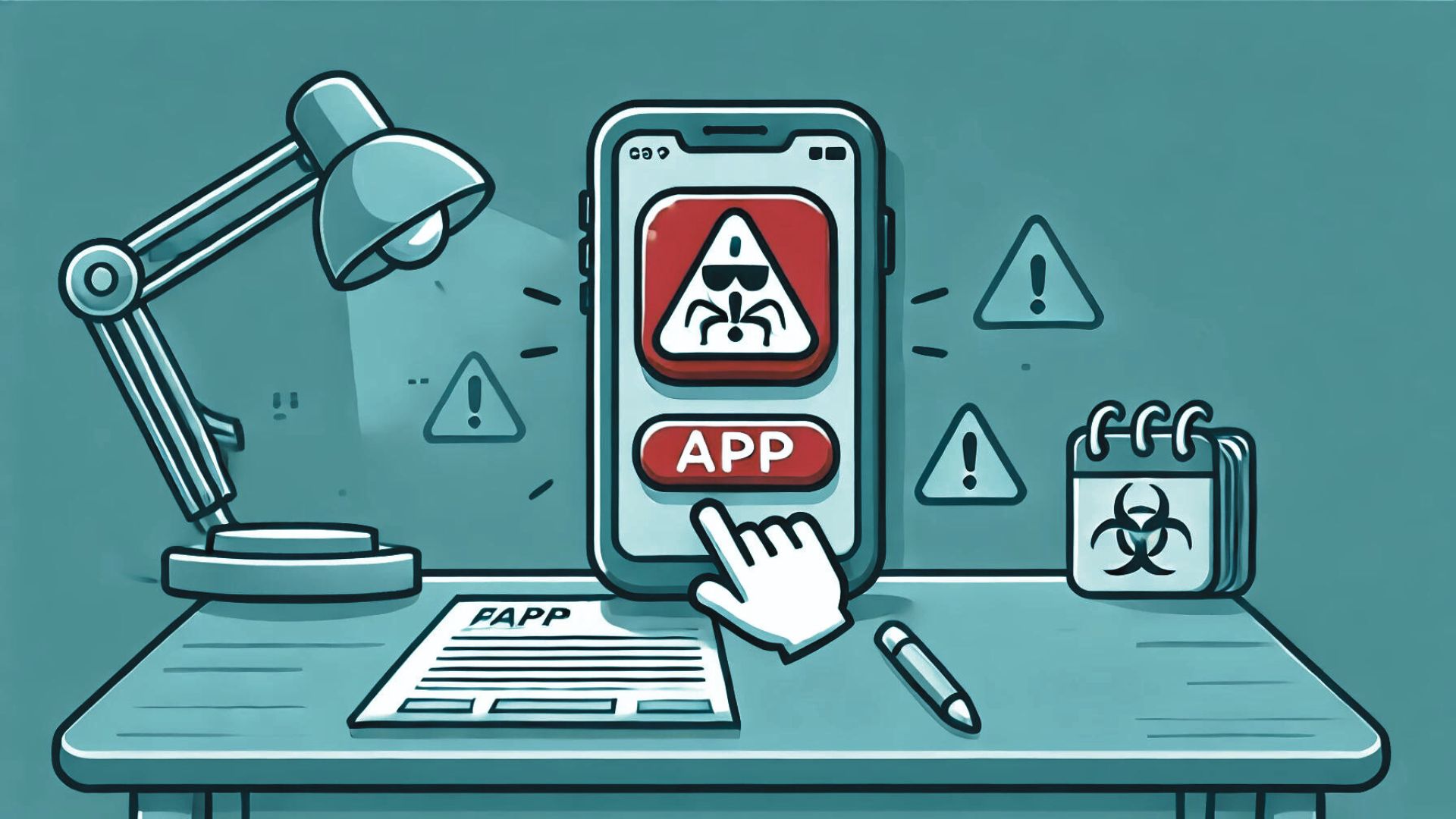
    The explosion in popularity of the mobile game “Hamster Kombat” has unfortunately drawn the attention of cybercriminals. Released in March 2024, the game boasts over 250 million players and maintains a significant presence with 53 million users on its Telegram channel. Cybercriminals are capitalizing on this success by distributing fake Android and Windows applications designed to install spyware and steal personal information.

    ️‍♂️ Targeting Tactics by Threat Actors

    Cybercriminals use various methods to deceive ‘Hamster’ enthusiasts:

    • Fake Apps on Google Play: A cloned app, titled ‘Hamster Kombat – Earn Crypto’, was identified and removed for spreading malware.
    • Telegram Channel Exploits: Several unofficial Telegram channels, like ‘HAMSTER EASY’, have been caught distributing Android malware such as the Ratel spyware through APK files masquerading as genuine game enhancements.

    Malware Employed in These Scams

    The types of malware associated with these fraudulent activities include:

    • Ratel Spyware: This spyware is particularly intrusive, capable of intercepting SMS messages and device notifications to enroll victims in premium services surreptitiously.
    • Fake Websites: Sites like ‘hamsterkombat-ua.pro’ mislead visitors with ads, profiting from unwary traffic.
    • Lumma Stealer: Found on malicious GitHub repositories, this malware purports to offer helpful farming bots for Hamster Kombat but instead steals information. It is available in several programming languages, each tailored to look more convincing, such as a Python version with a graphical installer designed to deceive.

    How to Stay Safe from Hamster Kombat Scams

    To protect yourself from falling victim to these scams, consider the following safety tips:

    1. Download from Official Sources: Always obtain the game directly from the official Telegram channel or the game’s authentic website.
    2. Avoid Clones: Exercise extreme caution with any apps that resemble Hamster Kombat, as they are often scams or malware carriers.
    3. Exercise Caution with Security: The legitimate Hamster Kombat game itself lacks comprehensive security evaluations, as it isn’t hosted on major platforms like Google Play or the App Store.
    4. Heed User Warnings: Pay attention to community reports, especially those highlighting scams involving clone apps that fail to process promised financial transactions.
    5. Explore Safer Alternatives: Consider engaging with other cryptocurrency gaming projects that have established and verified systems.

    Trust but Verify

    In an era where digital recreation can unexpectedly turn into a cybersecurity threat, maintaining vigilance is crucial. Always ensure the authenticity of sources for any download, particularly when financial transactions or sensitive data are involved. By staying informed and cautious, you can enjoy digital entertainment without compromising your security.

    For continuous updates and more in-depth cybersecurity insights, ensure to visit our website at Peris.ai.

  • Container Security Challenges and How to Overcome Them

    Container Security Challenges and How to Overcome Them

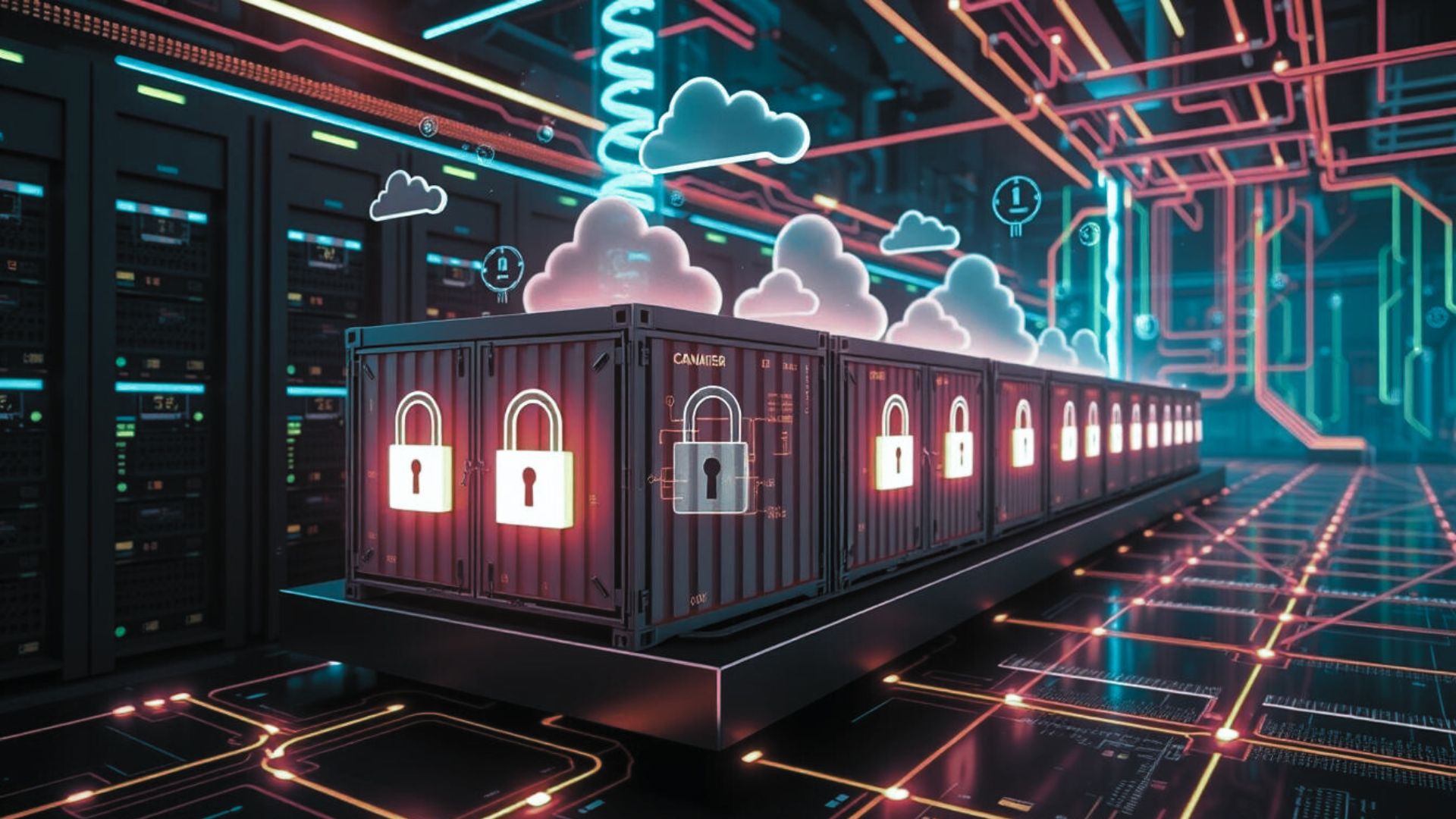
    Did you know the container security market is expected to jump from $1.93 billion in 2023 to $12.61 billion by 2032? This is a 23.4% annual growth rate. This growth shows how vital it is to secure containerized environments. Cybercriminals are targeting these new technologies more and more. So, what makes container security so important, and how can businesses tackle these challenges?

    Containers have changed how we develop, deploy, and scale apps. But they also bring unique security issues. A single flaw in a container image can put all instances at risk, especially in big deployments. The way containers are connected and share operating systems makes them vulnerable to big attacks. To keep container-based systems safe, we need a detailed plan that covers all security layers.

    Key Takeaways:

    • Container security is a rapidly growing field, with the market projected to reach $12.61 billion by 2032.
    • Containers present unique security challenges due to their interconnected nature and shared operating system kernels.
    • Effective container security requires a multi-layered approach to address vulnerabilities, network security, secrets management, and storage protection.
    • Continuous vulnerability scanning, secure container registries, and runtime security monitoring are essential for maintaining a robust container security posture.
    • Integrating security practices into the container development lifecycle, from design to deployment, is crucial for securing containerized workloads.

    Introduction to Container Security

    In today’s fast-paced world, keeping containers secure is crucial for businesses. Containers are great for deploying apps because they’re light and efficient. But, they also bring their own set of security issues that need to be tackled.

    Importance of Container Security

    Container security is vital. More companies are seeing security as a major challenge with containers. Teams must assess risks by evaluating potential impact.

    Also, containers must meet all compliance rules, which can be tricky because they change a lot. Sharing container resources can also pose security risks.

    Key Components of Container Security Architecture

    The core parts of container security include images, registries, deployment, runtime, secrets, network, and storage. Kubernetes helps with security through features like access control and network policies. Docker supports security with scanning and image hardening, and it has a secure registry.

    Containers can run malicious processes, making monitoring hard due to their short lifespans. A lack of skilled experts is also a challenge, leading to potential misconfigurations. Tools for scanning containers are key to keeping workflows secure, checking for vulnerabilities in images.

    Kubernetes is complex and can be vulnerable, making it a target for attacks. It’s important for businesses to take steps to secure it when using it in production.

    “Securing containerized environments is essential to protect the integrity of your applications and data in a dynamic, fast-paced infrastructure.”

    Vulnerability Management for Container Images

    Securing container images is key because flaws in an image can spread to all containers made from it. This can cause big security problems. To tackle this, companies should focus on securing their base images and scanning for vulnerabilities all the time.

    Securing Container Base Images

    Companies should get their base images from trusted places, like official repositories, and keep them updated. This reduces the risk of using old images with known bugs. They should also remove extra software from the images to make them safer.

    To make base images more secure, companies should scan them well for bugs and bad software. Using safe sources and scanning deeply can find and fix problems like bad components and too much access.

    Continuous Vulnerability Scanning

    Scanning for vulnerabilities all the time is key to finding and fixing security issues in container images. This way, companies can spot and fix problems early, keeping their apps safe.

    Tools like Trivy and Calico help find and fix many security problems, like bad images and app bugs. Regular scans and fixing issues help keep security strong and follow rules.

    Good practices for scanning include making it part of the development process, scanning often, and using safe images. Also, scan third-party stuff, automate scanning, and teach developers about security.

    “Continuous vulnerability scanning is essential to detect and address vulnerabilities in container images throughout the development lifecycle.”

    By being proactive about container image security and scanning all the time, companies can lower risks. They can keep their apps safe and make their container setup strong.

    Securing Container Registries and Deployment

    Keeping container registries and deployment safe is key in today’s tech world. These registries hold container images and need strong security to stop unauthorized access. This ensures only trusted images are used. With thousands of images in registries, controlling access and checking image integrity is vital.

    When deploying, it’s important to manage containers securely to avoid vulnerabilities. Breaches can lead to many problems, like malicious code and system compromise. To fight these issues, companies must use strong security steps from start to finish.

    By tackling security in registries and deployment, companies can make their container setup safer. The shared responsibility model in container security is key. Cloud providers handle the cloud’s security, while users protect their apps.

    Runtime Security for Containerized Workloads

    Keeping containerized workloads safe is key for businesses. Docker, containerd, and CRI-O are common runtimes with their own security needs. Containers on the same host can share a kernel, making them vulnerable to attacks.

    Monitoring and Restricting Container Activities

    Good runtime security means watching and controlling what containers do. Mistakes like open ports and weak login checks are big risks. In 2021, about 60% of companies found container mistakes in a year.

    Preventing Lateral Movement and Privilege Escalation

    One-third of companies faced security issues in 2021. Containers face threats like breakouts and data leaks. To stay safe, limit Docker API access and keep software up to date.

    Ignoring security checks and using old software are big no-nos. Handling API keys carefully can stop breaches.

    *Container Security: Only as Strong as its Weakest Link Across the Lifecycle:

    https://youtube.com/watch?v=zQnHJUS8H2k

    “Security researchers found over 1,600 malicious containers on Docker Hub in 2022.”

    Container Security Challenges and How to Overcome Them

    Container technology has brought many benefits, like better app portability and efficiency. But, it also brings unique security challenges that companies must tackle. A recent survey found that 27% of cloud security incidents were due to misconfigurations.

    One big challenge is the large attack surface from many containers. Each container is based on different images, which can have vulnerabilities. Containers also add complexity to IT environments, making things harder. Securing both the host and container configurations is a complex task.

    To tackle these issues, companies need a solid container security plan. This plan should cover image, registry, deployment, runtime, network, secrets, and storage security. Tools like CloudGuard IaaS can help by temporarily fixing vulnerabilities. Agentless solutions like CloudGuard for Container Security offer deep visibility across all containers.

    It’s vital to address compliance risks to avoid damage to reputation and bottom line.

    Enterprises should integrate security tools into the software development lifecycle (SDLC) and CI/CD pipelines. This “shift-left” security approach helps catch threats early. By being proactive, companies can protect their assets and keep their container environments safe.

    “Majority of organizations are embracing DevOps and the ‘shift-left’ approach, but a common misconception exists regarding the security needs of containers and Kubernetes environments.”

    Beating container security challenges needs a multi-faceted strategy. By using the right tools and following best practices, companies can enjoy the benefits of containers while managing risks.

    Secure Container Networking and Communications

    More companies are using containers for apps, making network security key. Containers share the host OS’s kernel, making them vulnerable to attacks. To keep things safe, strong network rules and encryption are essential.

    Implementing Network Policies and Encryption

    Network policies are vital for managing traffic between containers and outside. They help block unwanted access and keep data safe. Encryption, like mTLS, keeps data secure as it moves around the network.

    With good network policies and encryption, companies can boost container network security and container communications security. This helps protect against unauthorized access and data theft.

    Securing containers is a big challenge, but focusing on the network is key. It helps protect container apps and the whole IT setup.

    Managing Secrets and Sensitive Data in Containers

    Keeping sensitive data safe is key in container security. Containers hold apps that deal with private info like API keys and passwords. It’s vital to manage these “secrets” well to keep the data safe and sound.

    Best Practices for Secrets Management

    Good secrets management in containers means a few key steps. First, keep sensitive data in a safe place, like a secrets service or encrypted storage. Only give access to secrets when needed, so only the right containers can see them.

    Changing secrets often helps prevent data leaks or unauthorized access. Using automated systems for secrets updates keeps things secure without stopping container work.

    Managing secrets gets tricky with containers’ dynamic nature. Companies should use container-native secrets solutions that work well with tools like Kubernetes.

    Following these steps helps keep sensitive data safe in containers. This way, apps stay secure and protected. Secrets management is a big part of keeping containers safe.

    Persistent Storage Security for Containerized Applications

    Containerization and microservices are becoming more popular. This makes securing data in containers very important. Persistent storage keeps important data safe even when containers are deleted. This way, valuable information is not lost and can be easily found again.

    Protecting persistent storage means keeping the storage safe and controlling who can access it. Companies must fix security issues and follow rules to keep data safe. Rules like CIS Benchmarks and NIST SP 800-190 help make sure data is secure in containers.

    Kubernetes storage lets users and admins manage storage needs. It’s key for apps that need to remember things from one use to the next. This makes it easier for developers to work on apps.

    LightOS by Lightbits Labs is a fast and secure storage solution for Kubernetes. It works as well as local NVMe® SSDs and keeps data safe. This shows how hard people are working to make storage in containers better.

    *From VMs to Kubernetes: How to Overcome Data Storage Challenges: https://youtube.com/watch?v=UqfsZUeWScM

    Containers have grown a lot in the last ten years because they are easy to use and move around. Docker and Kubernetes help with security, but they need more protection. Containers make security harder because they are more complex than old apps.

    Using open-source in containers can be risky because of bugs in the software. Without a plan, containers often fail security checks. It’s key to follow security rules for containers from the start.

    By tackling the special security needs of containers, companies can keep data safe and follow rules. This lets them use containers fully while avoiding risks.

    Integrating Security into the Container Development Lifecycle

    Securing the container development lifecycle is key for organizations using containers. A shift-left security approach means adding security early on, from the start to the end. DevSecOps practices blend development, security, and operations. They automate security checks and fixes in the container development pipeline, making security a core part of the process.

    Shift-Left Security and DevSecOps Practices

    Security used to be an afterthought, added late in the development cycle. The shift-left security approach changes this, starting with security from the beginning. This way, organizations can find and fix problems early, saving time and money.

    DevSecOps takes this further by automating security tasks in the container CI/CD pipeline. This includes scanning for vulnerabilities, enforcing policies, and managing security settings. By making security a part of the container development cycle, organizations ensure it’s not just an extra step, but a key part of the process.

    By adopting a shift-left security mindset and using DevSecOps, organizations can tackle common container security issues. These include securing container base images, handling secrets and sensitive data, and keeping containerized workloads secure.

    “Shifting security left and integrating it into the DevOps process is crucial for organizations to effectively secure their container environments and achieve a robust container security lifecycle.”

    Conclusion

    With 92% of companies using containers in production, securing these environments has become essential. Organizations face challenges like vulnerabilities in container images and runtime threats, making a strong security strategy crucial.

    To protect applications and data, businesses must adopt comprehensive container security best practices. This includes implementing shift-left security, embracing DevSecOps, and using advanced tools for vulnerability scanning and runtime protection. Staying up-to-date with evolving container security strategies ensures that your organization can harness the full potential of containers while minimizing risks.

    For a proactive approach to container security, visit Peris.ai Cybersecurity and explore our solutions to keep your containerized environments secure and resilient against emerging threats.

    FAQ

    What are the key components of container security architecture?

    The main parts of container security architecture are container images, registries, and how they are deployed. It also includes runtime, secrets, network, and storage.

    Why is securing container images crucial?

    Securing container images is key because problems in an image can spread to all containers made from it. This can cause big issues.

    How can enterprises secure container registries?

    Companies should protect container registries to stop unauthorized access. They should make sure only trusted images are used.

    What is the importance of runtime security for containerized workloads?

    Runtime security is vital for protecting containers when they’re running. It involves watching and limiting what containers can do to stop bad behavior.

    What are the key container security challenges that enterprises need to address?

    Big challenges include the attack surface from many containers and the shared kernel architecture. This means securing both the host and container settings.

    How can enterprises secure container network communications?

    Companies can secure network communications by setting up network policies. They should also use encryption to keep data safe while it’s moving.

    Why is proper secrets management crucial in containerized environments?

    Good secrets management is key to stop unauthorized access. It makes sure sensitive info is only for containers that need it.

    How can enterprises ensure the security of persistent storage for containerized applications?

    Companies should protect the storage infrastructure and set up access controls. This prevents unauthorized data access.

    What is the importance of integrating security into the container development lifecycle?

    Integrating security early in development is crucial. It helps address security challenges by automating checks and fixes in the development pipeline.

  • EDR, NDR, XDR: Protecting Your Digital Realm

    EDR, NDR, XDR: Protecting Your Digital Realm

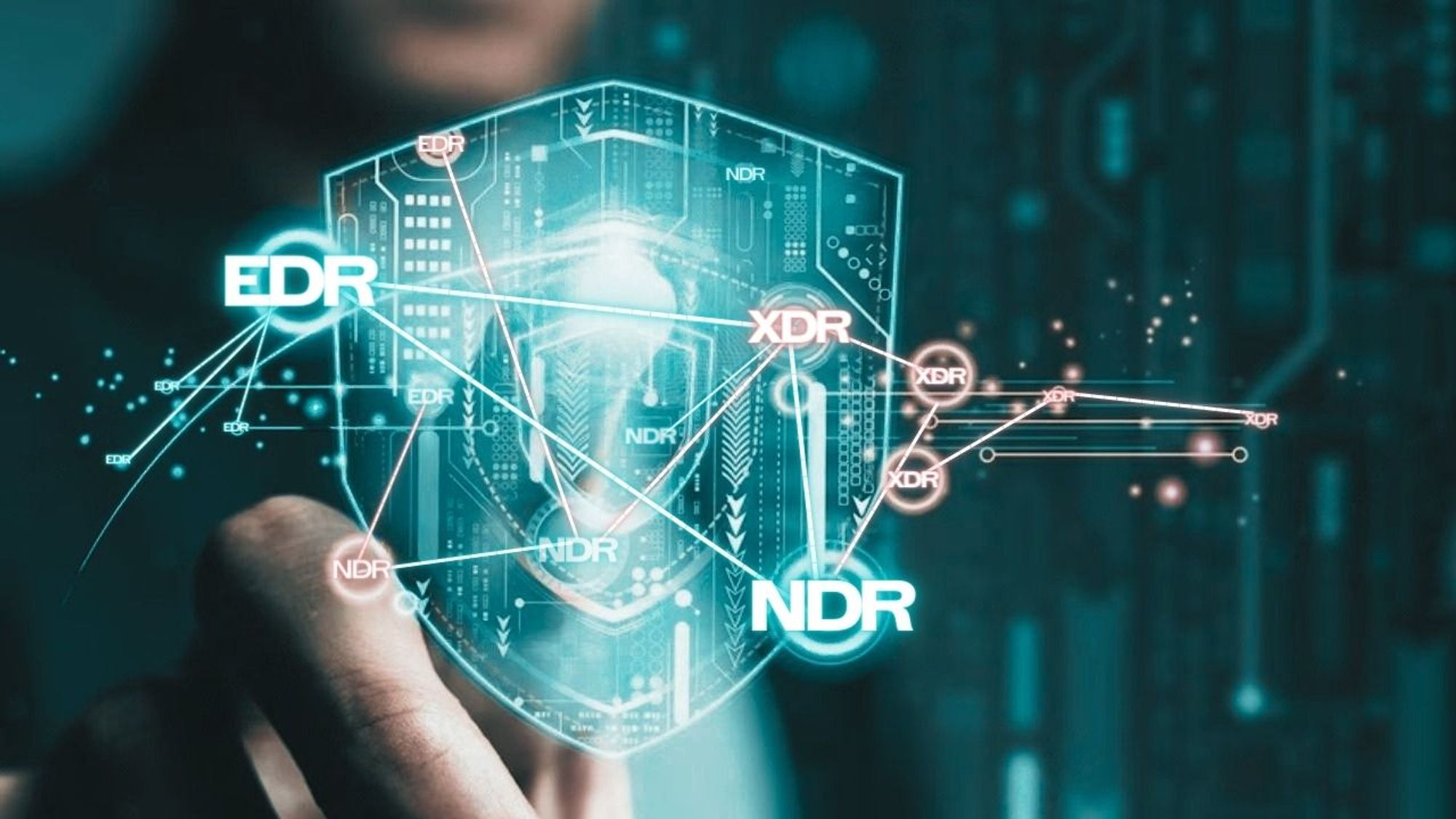
    The rapid evolution of cybersecurity threats has propelled organizations and individuals into a perpetual struggle to safeguard their digital assets. As technology advances, cybercriminals continuously adapt their tactics, necessitating the adoption of robust security measures by businesses. Three essential acronyms have emerged as foundational pillars of modern cybersecurity defense in this ever-changing landscape: EDR, NDR, and XDR. These acronyms represent cutting-edge approaches to threat detection and response, and understanding their significance is crucial for fortifying the digital realm. This article delves into the meanings, distinctions, and indispensable roles of EDR, NDR, and XDR, empowering readers with the knowledge to protect their digital assets effectively.

    Understanding the Acronyms

    1. EDR – Endpoint Detection and Response:

    EDR, or Endpoint Detection and Response, protects individual endpoints, such as workstations, laptops, servers, and mobile devices. The concept revolves around the idea that a strong defense must focus on preventing threats from entering the network and rapidly identifying and responding to incidents that manage to infiltrate it.

    Traditional antivirus solutions primarily rely on signature-based detection, comparing suspicious files against a database of known malware signatures. However, modern threats are often polymorphic, meaning they can change their signatures to evade detection. EDR systems, on the other hand, leverage behavior-based detection, monitoring endpoint activities and network traffic for any unusual or malicious behavior. When suspicious activity is detected, EDR can trigger an immediate response to isolate the threat, limit its impact, and initiate appropriate remediation measures.

    2. NDR – Network Detection and Response:

    NDR, or Network Detection and Response, shifts the focus from individual endpoints to the network as a whole. While EDR protects the devices and servers, NDR examines the traffic between those endpoints and the larger network infrastructure. This allows NDR systems to identify threats that may have evaded endpoint-based detection or are attempting to move laterally within the network.

    NDR employs a combination of deep packet inspection, traffic analysis, and machine learning algorithms to detect suspicious patterns and anomalous behavior in network traffic. It can help uncover hidden threats, such as advanced persistent threats (APTs) and zero-day attacks, that might stealthily spread through the network without triggering any obvious alarms.

    3. XDR – Extended Detection and Response:

    XDR, or Extended Detection and Response, takes a more holistic approach by unifying the capabilities of EDR and NDR, along with additional security data sources like cloud logs, email gateways, and user behavior analytics. By integrating these different security tools and data streams, XDR provides a more comprehensive and correlated view of the security landscape.

    The primary goal of XDR is to break down the silos that often exist between different security solutions, allowing for more efficient threat detection, investigation, and response. This cross-layer visibility enables security analysts to connect the dots between various security incidents, providing a more coherent understanding of the overall threat picture. By understanding how individual threats relate to the broader attack chain, organizations can take more informed and proactive measures to protect against sophisticated cyber threats.

    Key Differences and Benefits

    Now that we have a clearer understanding of what EDR, NDR, and XDR entail, let’s delve into their differences and the unique advantages they bring to the table.

    1. Scope of Protection:

    EDR is highly focused on protecting individual endpoints, making it a crucial layer of defense against endpoint-specific threats. It ensures that devices and servers are fortified against malware, ransomware, and other malicious activities that might attempt to compromise them directly.

    On the other hand, NDR addresses threats that could bypass endpoint defenses altogether. By analyzing network traffic, NDR can catch threats like the lateral movement of malware, data exfiltration, and command-and-control communications, which may not leave many traces on individual endpoints.

    XDR combines endpoint and network visibility to provide a more comprehensive defense posture. By correlating data from both EDR and NDR, XDR offers a more complete understanding of the attack landscape, enabling faster and more accurate incident detection and response.

    2. Detection Approach:

    EDR’s strength lies in behavior-based detection. It continuously monitors and analyzes endpoint activity, looking for patterns that deviate from normal behavior. This proactive approach allows EDR solutions to detect previously unknown threats, making it particularly effective against zero-day attacks.

    NDR excels at traffic analysis, leveraging deep packet inspection and anomaly detection to identify malicious network activity. Since network traffic often reveals crucial information about threats in motion, NDR becomes essential for detecting lateral movement and other network-based threats.

    XDR combines the strengths of both EDR and NDR, leveraging a wider range of data sources for a more accurate and contextualized detection process. This holistic approach helps XDR provide a more in-depth understanding of the complete threat chain, reducing false positives and ensuring more effective responses.

    3. Incident Response:

    EDR’s incident response capabilities focus on endpoints. When a threat is detected on an endpoint, EDR can isolate the device, terminate malicious processes, and initiate remediation actions.

    Being network-centric, NDR can block suspicious network activity, quarantine affected systems, and trace the lateral movement of threats within the network.

    XDR’s integrated view allows for coordinated responses across endpoints and network components. It streamlines the investigation process, allowing security teams to identify the root cause of an incident, assess its impact, and respond effectively across the entire environment.

    4. Integration and Scalability:

    EDR solutions often integrate well with endpoint management systems and other security tools but may have limited visibility beyond the devices they protect. They are designed for scalability to handle a large number of endpoints within an organization.

    NDR solutions integrate with network infrastructure and security tools to comprehensively view network traffic. However, they might not have as much visibility into the specifics of individual endpoints.

    XDR aims to integrate EDR and NDR capabilities and other security data sources. It allows for a more cohesive security architecture, ensuring that different components work together seamlessly.

    The Importance of Adopting EDR, NDR, and XDR

    Traditional security measures are no longer enough to protect organizations from ever-evolving and sophisticated threats in today’s cyber threat landscape. To strengthen cybersecurity defenses and protect against emerging threats, adopting a combination of EDR, NDR, and XDR becomes crucial.

    1. Early Threat Detection:

    EDR, NDR, and XDR solutions excel at early threat detection. By identifying threats in real time, organizations can respond promptly and prevent further damage to their digital assets.

    2. Mitigating Data Breaches:

    Data breaches can lead to severe financial and reputational consequences. EDR, NDR, and XDR play a vital role in minimizing the risk of data breaches by detecting and mitigating threats at different layers of the security infrastructure.

    3. Proactive Incident Response:

    EDR, NDR, and XDR empower organizations to respond proactively to incidents. With enhanced visibility into the entire attack chain, security teams can take more informed actions and limit the damage caused by cyber-attacks.

    4. Compliance and Regulations:

    Compliance with data protection and cybersecurity regulations is essential for modern businesses. EDR, NDR, and XDR help organizations meet these requirements by maintaining a strong security posture and promptly detecting and addressing security incidents.

    5. Business Continuity:

    Cyber-attacks can disrupt business operations, leading to significant financial losses. By adopting EDR, NDR, and XDR, organizations can enhance their resilience against threats and ensure smoother business continuity.

    Conclusion

    In an era of unprecedented digital expansion, escalating cybersecurity threats require innovative solutions to safeguard valuable assets. EDR, NDR, and XDR have emerged as indispensable components of modern cybersecurity defense, each fulfilling a specific role in threat detection and response. While EDR diligently secures individual endpoints, NDR monitors and protects the entire network infrastructure. XDR seamlessly unifies security data from various sources, providing a comprehensive view of the security landscape.

    The synergy among these three pillars of cybersecurity equips organizations with a robust defense against a diverse range of threats. As the cyber landscape evolves, staying one step ahead of adversaries demands a proactive and all-encompassing approach to protecting the digital realm. When combined, EDR, NDR, and XDR technologies establish a formidable security foundation that fortifies organizations against the ever-evolving threat landscape.

    As businesses strive to secure their digital assets and maintain continuity, investing in EDR, NDR, and XDR technologies is no longer a mere option but a critical imperative. Organizations must prioritize adopting these cutting-edge solutions to bolster their defense mechanisms and ensure survival in a cyber world fraught with challenges. Neglecting to implement such security measures leaves businesses vulnerable to cyberattacks that can inflict substantial financial and reputational damage.

    At Peris.ai Brahma, we understand the urgency and complexity of cybersecurity threats. Our innovative suite of EDR, NDR, and XDR solutions is designed to empower organizations with robust protection and swift incident response capabilities. Don’t wait until it’s too late – take charge of your digital security today. Visit our website to explore our comprehensive cybersecurity solutions and safeguard your digital assets against the ever-evolving threat landscape. Together, we can build a safer and more resilient digital future.

  • Exposed: Top SIEM Tactics That Security Experts Don’t Want You to Know

    Exposed: Top SIEM Tactics That Security Experts Don’t Want You to Know

    In today’s world, companies can’t think they’re safe forever. Even the strongest defenses can be broken by smart attackers. To stay safe, you need to use new, secret tactics that experts keep hidden.

    Want to know these secrets? Could you use them to make your company’s security stronger? Are you ready to see the tactics that could save your business from a big attack?

    Key Takeaways

    • Understand the transformative SIEM market landscape and its impact on security operations
    • Discover how to avoid the pitfalls of siloed security and leverage a layered approach
    • Learn how to harness the power of security platforms and AI to enhance detection and response
    • Explore the importance of operationalizing security for holistic cyber resilience
    • Uncover the top SIEM tactics that security experts don’t want you to know

    Mistaking Invisibility for Invincibility

    Many businesses think they’re not a target for cybercriminals, feeling safe. But, every company, big or small, has valuable data that hackers want. It’s important to see your business as a target and focus on security first.

    To protect your business, do regular security checks. You can do this yourself or with the help of security experts. These checks find and fix weak spots in your systems. Being proactive in cybersecurity makes your business safer and lowers the chance of an attack.

    How to Avoid It

    1. Do regular security checks: Check your security often, either by your team or with security experts, to find and fix weak spots.
    2. Use a layered security approach: Use different security tools like firewalls and intrusion detection systems to protect against threats.
    3. Train employees on cybersecurity: Teach your team how to spot and avoid threats like phishing and social engineering.
    4. Keep software and systems updated: Update your software regularly to fix known problems and lower the risk of attacks.
    5. Segment your network: Divide your network to stop attacks from spreading and limit damage if there’s a breach.

    By following these steps, you can avoid the mistake of thinking you’re invisible to hackers. Make sure your business is ready to face the changing world of cybersecurity threats.

    *10 Principles for Secure by Design: Baking Security into Your Systems: https://youtu.be/3l8GwLv2f3E?si=720M97R233JvSQ9_

    “Cybersecurity is not just about technology – it’s about people, processes, and culture. Adopting a security-first mindset is critical for organizations of all sizes.”

    Siloed Security: A Recipe for Disaster

    Cybersecurity is not just for IT; it’s a team effort. When security is seen as solely an IT responsibility, it creates blind spots and leaves the organization exposed. To prevent this, companies need to build a culture of cybersecurity awareness. This means giving all employees regular security training to teach them about threats and how to protect data.

    It’s key to empower employees to report any suspicious activity. Also, investigating all reported incidents is crucial. This helps break down silos and makes sure everyone is working together to keep the company safe. By taking a holistic, company-wide approach to cybersecurity, organizations can greatly reduce their risk and improve their security.

    “Cybersecurity is not just an IT issue; it’s a company-wide concern that requires collaboration between IT, management, and employees.”

    The role of security culture and employee training is huge. Companies that focus on these areas can better spot and handle security threats. This boosts their cybersecurity awareness and makes them more resilient.

    Creating a security-first mindset across the company helps avoid the dangers of siloed security approaches. It ensures the long-term safety of their assets and data.

    The Untamed Network: A Breeding Ground for Threats

    Many companies don’t fully understand their network setup. This makes it easy for hackers to find weaknesses. Old software, unpatched systems, and poor network visibility are big problems. It’s key to have a strong network security plan to fight these threats.

    It’s smart to do regular security checks to find and fix problems before hackers do. Using automated patching keeps software current and reduces risks. Also, breaking down your network into smaller parts can help stop attacks from spreading.

    How to Avoid It

    1. Do regular security checks to find and fix problems before hackers do.
    2. Use automated patching to keep software current and reduce risks.
    3. Use Security Information and Event Management (SIEM) tools for real-time network activity and threat spotting.
    4. Make a detailed network security plan that includes vulnerability scans, patching, and network segmentation.

    By being proactive, companies can make their networks safer. This reduces the chance of being hit by cyber threats.

    “Siloed security, where cybersecurity is seen as solely an IT issue, creates blind spots and leaves organizations exposed.”

    Beyond the Antivirus: A Layered Security Approach

    In today’s fast-changing world of cybersecurity, just using antivirus software isn’t enough. Experts say we need a layered security plan that goes beyond antivirus. This plan includes firewalls, intrusion detection and prevention systems (IDS/IPS), and endpoint detection and response (EDR) solutions. Together, they form a strong defense against cyber threats.

    How to Avoid It

    To create a layered security plan, follow these steps:

    1. Use firewalls to block unwanted traffic and manage network access.
    2. Set up IDS/IPS systems to watch your network for odd behavior and catch intruders.
    3. Use EDR tools to find, check out, and handle advanced threats on your devices.
    4. Integrate SIEM tools to gather and link log data from different sources. This helps spot and tackle security issues better.
    5. Put in place email security, like DNS filtering and anti-phishing, to fight email threats.
    6. Keep your security policies and procedures up to date to stay ahead of threats.
    7. Give your employees solid security training. This helps them spot and handle cyber threats.

    By using a layered security plan, you can greatly improve your organization’s defense against siem tactics, security experts, and many layered security threats. This includes antivirus, firewall, IDS/IPS, and EDR attacks. In today’s complex world, having a strong defense is key. A single weak spot can cause big problems.

    “Cybersecurity is not a one-size-fits-all solution. Organizations need to adopt a layered approach to effectively protect themselves against the ever-evolving threat landscape.”

    Exposed: Top SIEM Tactics That Security Experts Don’t Want You to Know

    The world of cybersecurity is always changing. Security experts are always looking for new ways to stay ahead. But, some of the best SIEM strategies are secret. We’ll share the top SIEM tactics that security experts keep hidden, helping you boost your cybersecurity.

    Old SIEM systems can be pricey because they need many people to run them. As companies grow, it’s hard to keep SIEM costs down. Also, older systems can’t handle the huge number of logs from today’s businesses. They also don’t automate tasks, so analysts have to do everything by hand.

    The attack surface has grown a lot because we rely more on IT and data. Cybercriminals are now organized like real businesses, working on schedules. To fight these threats, experts use smart SIEM platforms. These use data analytics, big data, and AI to find and fix threats faster.

    Smart SIEM platforms cut down on false alarms and focus on real threats. They make the job of security analysts easier and faster. This helps in quickly dealing with cyber threats.

    Using these top SIEM tactics, companies can fight cybercrime better. They can manage security data better, automate threat detection, and use advanced analytics. This way, security experts can keep their organizations safe from new threats.

    Don’t Let Your Guard Down at the Endpoint

    In today’s world, devices like laptops, desktops, and phones are big security risks. With more devices and BYOD policies, attackers find it easier to get in. Also, mistakes from social engineering and unpatched software give hackers a way in.

    To fight these risks, experts suggest using endpoint detection and response (EDR) solutions. EDR tools spot and tackle advanced threats, watching and analyzing what devices do. Also, using strong passwords and MFA boosts security a lot, as most data breaches come from insiders.

    It’s also key to use application whitelisting, encrypt data, and train employees on security. These steps help protect against attacks on devices.

    By using these siem tactics, security experts can make endpoint security stronger and stop EDR breaches. Taking steps ahead and using a layered defense is key to fight off threats to the endpoint.

    The Shifting SIEM Landscape: Market Consolidation and New Approaches

    The SIEM market is changing fast, with big mergers and acquisitions. Soon, many current SIEM solutions will stop being supported. This means customers will need to look at new cloud-based options or managed security services.

    Next-gen SIEMs can handle a lot of data, including logs and identity info. They are great at finding threats in different environments, using AI and machine learning. They also help with meeting rules like HIPAA and GDPR.

    Old SIEMs mainly looked at log outputs from various apps. They often sent out too many alerts, making it hard to keep up. This made it tough for companies to quickly respond to threats.

    SIEM started in the late ’90s to gather log info from devices. Now, it has two main parts: SEM for watching and responding to threats, and SIM for managing logs and meeting rules.

    Today’s SIEMs are cloud-based and can grow with your needs. They should collect and manage lots of data, work well with clouds, and be easy to use.

    As the siem market changes, customers need to think about new siem tactics and managed security services. These can offer more flexibility and help reduce alert fatigue. Moving to an open security data architecture can also help avoid being stuck with one vendor.

    “Next-generation SIEM solutions are cloud-native and offer rapid data source parser and analytics rules development, as well as MITRE ATT&CK framework integration to identify attack tactics, techniques, and procedures.”

    As the siem landscape keeps evolving, security experts suggest keeping up with market trends. Look for solutions that offer more agility and better threat detection.

    Effective SIEM Deployments: Six Tenets for Success

    To make your SIEM (Security Information and Event Management) work well, focus on six key areas: spotting insider threats, finding advanced threats, keeping the cloud safe, stopping data leaks, following rules, and watching over OT (Operational Technology) and IoT (Internet of Things) security.

    Identifying Insider Threats

    SIEM solutions mix Security Information Management (SIM) and Security Event Management (SEM) to link log data from different sources. This helps spot security issues that might be missed. By focusing on insider threats, companies can use their SIEM to find odd user actions and stop data leaks from inside.

    Detecting Advanced Threats

    SIEM tools are great at finding threats before they happen, looking for odd activity in a company and giving important info on an incident. Good SIEM use helps security teams find and handle advanced threats, keeping the company safe from new attacks.

    Securing the Cloud

    As more companies move to the cloud, SIEM solutions are key in keeping cloud data and systems safe. By linking SIEM with cloud security tools, teams get full view and control over their cloud, stopping data leaks and rule breaks.

    Uncovering Data Exfiltration

    SIEM plays a big part in finding and stopping data leaks, a common trick by hackers. By watching network traffic and user actions, SIEM tools spot odd patterns and warn teams of possible data breaches, helping them act fast.

    Managing Compliance

    Rules like HIPAA, GLBA, and GDPR need constant log checks, a job SIEM tools do well. SIEM keeps data for a long time, helping with rules and showing how well security works.

    Monitoring OT and IoT Security

    With more OT and IoT use, SIEM must cover these new threats. By linking SIEM with OT and IoT security, companies can see and control all their tech, reducing risks from connected devices.

    For SIEM to work well, you need a clear plan, knowing your security setup, picking what to watch, and doing it step by step. By focusing on these six areas, companies can use their SIEM to improve security and fight off many cyber threats.

    Conclusion

    In today’s fast-paced digital landscape, a robust cybersecurity strategy is essential. It requires a proactive approach that goes beyond basic security measures. By leveraging advanced SIEM tactics and a comprehensive SIEM framework, organizations can enhance their security posture and stay ahead of evolving cyber threats.

    Building a security-first culture is critical, where cybersecurity is prioritized at every level. Implementing advanced SIEM and XDR solutions allows businesses to detect and mitigate threats early, improving their threat-hunting capabilities and gaining clearer insights into the cyber threat landscape.

    Taking a proactive defense approach, investing in cutting-edge security solutions, and adapting to the ever-changing threat environment will help companies stay one step ahead of cybercriminals.

    To explore how our solutions can strengthen your cybersecurity and help you stay protected, visit Peris.ai Cybersecurity. Let us assist you in safeguarding your business from advanced cyber threats.

    FAQ

    What are the common cybersecurity mistakes that organizations make?

    Many businesses think they’re not at risk for cyberattacks. This can make them feel safe. But, every company has data that hackers want. To stay safe, they should think they’re a target and protect themselves well.

    How can organizations foster a culture of cybersecurity awareness?

    Cybersecurity is everyone’s job, not just IT’s. It needs teamwork from all levels of the company. To stay alert, offer regular security training and teach employees about threats.

    Also, let employees report any strange activity. Always check out these reports.

    What are the key components of a comprehensive network security strategy?

    A good plan includes checking for weaknesses, updating software, and dividing your network. Use tools like SIEM to watch your network and spot threats.

    How can organizations implement a layered security approach?

    Use firewalls, IDS/IPS, and EDR to protect your network. These tools block bad traffic, watch for odd behavior, and catch malware. They work together to keep your network safe.

    What are the six key tenets for effective SIEM deployments?

    Good SIEM setups follow six important steps. They help find insider threats, catch advanced threats, and keep the cloud safe. They also help find data leaks, manage rules, and watch over OT and IoT.

    How is the SIEM market evolving, and what should organizations consider?

    The SIEM market is changing fast, with big companies buying each other. This means old systems might stop working soon. Soon, we’ll see more cloud-based solutions.

    Customers should get ready for changes. They might want to look into managed security services or flexible security systems.

    What are the key steps to improve an organization’s security posture?

    To get better at security, fix common mistakes, teach everyone about cybersecurity, and have a strong plan. Use a layered defense and advanced SIEM tools to fight threats.

  • How Threat Intelligence Analysts Stay Ahead of Cybercriminals

    How Threat Intelligence Analysts Stay Ahead of Cybercriminals

    Cyber threats are getting more complex, making the job of threat intelligence analysts very important. They help prevent attacks by keeping up with the latest threats. So, how do these analysts stay one step ahead, and what strategies do they use?

    Threat intelligence analysts need to know everything about the threat landscape. This includes cybercrime forums and automated shops. They use AI to predict risks and manage risks in the supply chain. They also work with systems like Active Directory to quickly respond to threats.

    Key Takeaways

    • Threat intelligence analysts play a key role in stopping cyber attacks by staying ahead of cybercriminals.
    • They must keep up with the threat landscape, including cybercrime forums and automated shops.
    • AI-powered predictive risk scores help manage third-party risks in the supply chain.
    • Threat intelligence systems need to work with services like Active Directory.
    • Regular training for staff is key to ensure they can understand and act on threat intelligence.
    • Industry-specific threat intelligence groups help understand and prepare for new threats.

    Understanding the Role of Threat Intelligence Analysis

    Threat intelligence analysis is key in cyberthreat prevention and cybersecurity analysis. To analyze threats well, one needs to know about cybersecurity, think analytically, and communicate clearly. This is to make sense of a lot of technical data.

    To succeed, you must know about security, be aware of the cyber world, and understand trends. The cyber threat intelligence lifecycle has six stages: Direction, Collection, Processing, Analysis, Dissemination, and Feedback and Review.

    Good threat intelligence mixes automated tools with human skills. About 90% of data comes from open-source intelligence (OSINT) and technical feeds. The Analysis phase spots new threats, with 78% of firms seeing more attacks in a year.

    *What is Cyber Threat Intelligence? | Threat Intelligence | Cybersecurity Threat Intelligence 2024 https://youtube.com/watch?v=suX59OwGRR0

    Using feedback can make intelligence 40% better, leading to better decisions. Investing in threat intelligence can cut the risk of big security breaches by half.

    The role of cyberthreat prevention and cybersecurity analysis is vital. Cybercrime costs are expected to hit $10.5 trillion by 2025. Knowing about threat intelligence helps organizations fight threats and stay safe.

    Essential Tools in the Threat Intelligence Arsenal

    Threat intelligence analysts use many tools to keep up with cybercriminals. Threat detection techniques are key, helping them spot and act on new threats. The rise of ransomware-as-a-service (RaaS) and AI use by attackers show the need for better threat detection techniques.

    Some important tools for analysts include:

    • Network traffic analysis
    • Malware reverse engineering
    • Behavioral analysis methods

    These tools help analysts watch network devices, find odd behavior, and tackle threats fast.

    With these tools and threat detection techniques, analysts can shield organizations from cyber threats. They keep them ahead of cybercriminals.

    Advanced Threat Detection Techniques

    Cyber threat intelligence is key in fighting threats. Techniques like network traffic analysis, malware reverse engineering, and behavioral analysis are vital. They help us stay one step ahead of cyber threats.

    These methods let us spot and tackle threats as they happen. This cuts down the chance of data breaches and cyber attacks. With cyber threat intelligence, we can strengthen our cybersecurity and keep our data safe.

    Network Traffic Analysis

    Network traffic analysis watches and studies network traffic for threats. It helps us catch and stop cyber attacks, like malware and ransomware. By looking at traffic patterns and spotting oddities, we can prevent attacks.

    Malware Reverse Engineering

    Malware reverse engineering digs into malware to find ways to fight it. It gives us insights into how cyber attackers work. This helps us stay ahead by knowing their tactics and plans.

    Behavioral Analysis Methods

    Behavioral analysis watches how users and networks act for threats. It helps us quickly find and deal with threats. This way, we can lower the risk of data breaches and cyber attacks.

    Using these advanced techniques, we can better protect our data and systems from cyber threats. Cyber threat intelligence is critical in fighting threats. It’s important for organizations to focus on it to stay safe from cyber attacks.

    Leveraging Artificial Intelligence and Machine Learning

    Artificial intelligence (AI) and machine learning (ML) are changing the game in threat intelligence. They help organizations improve their proactive security measures. AI and ML can sift through huge amounts of data, spot patterns, and forecast threats. This keeps them ahead of cybercriminals.

    AI systems are great at speeding up threat response times. They automate tasks like log analysis and vulnerability scanning. This lets security teams focus on more important tasks. AI also looks at past attacks to predict future threats and help prevent them.

    • Automating threat detection and response
    • Identifying anomalies and zero-day threats
    • Prioritizing vulnerabilities based on their impact
    • Assessing IT asset inventory and threat exposure

    By using AI and ML in threat intelligence, organizations can better detect and respond to threats. This improves their overall proactive security measures. As AI and ML in cybersecurity grow, it’s key for organizations to keep up. This way, they can stay ahead of cybercriminals.

    How Threat Intelligence Analysts Stay Ahead of Cybercriminals

    Threat intelligence analysts are key in stopping cyber threats. They give insights that help make smart decisions. To keep up with cybercriminals, they need IT and cybersecurity knowledge. They also must understand the impact of their findings.

    Good cyber threat prevention strategies include predictive analysis and pattern recognition. They also look for new threats. This way, organizations can spot and stop breaches faster, reducing damage.

    • Predictive analysis to identify possible threats
    • Pattern recognition to spot suspicious activities
    • Emerging threat identification to stay ahead of new threats

    Using these cyber threat prevention strategies, companies can lower their risk. They can make their security stronger, reducing the chance of a cyber attack.

    Building and Maintaining Threat Intelligence Networks

    Threat intelligence analysts are key in creating and keeping threat intelligence networks. These networks help organizations share info and best practices. They make it easier to manage and share important intelligence.

    Information sharing frameworks are very important. They let organizations work together and share threat data. This teamwork is vital in today’s world, where cyber threats are getting smarter and more common. Together, they can spot threats faster and respond quicker.

    • Setting up information sharing frameworks
    • Working together across industries
    • Joining global intelligence groups

    These steps help analysts stay one step ahead of cybercriminals. They can then offer strong defense plans to stop cyber threats.

    Using these networks and frameworks helps organizations improve their security plans. This is key today, as a data breach can cost a lot. The average loss is $3.86 million.

    Dark Web Monitoring and Analysis

    Dark web monitoring and analysis are key in cybersecurity. They help organizations spot and stop threats. The dark web, making up about 96% of the web, is full of hidden content. It’s a hot spot for cybercrime.

    Telegram has become a favorite among cybercriminals. It offers strong encryption, anonymity, and is easy to use. Dark web forums, like those in Russia, are used to trade illegal digital goods. Cybersecurity analysis is vital to find and stop these threats.

    Some main benefits of dark web monitoring and analysis are:

    • Early warnings about cyber threats
    • Stronger defenses against attacks
    • Finding stolen login details and personal info
    • Spotting malware and hacking tools

    Using threat detection techniques like AI and NLP tools helps. These tools can scan text in many languages. They find keywords and patterns that show up in bad activities. This lets organizations act fast to stop attacks and data breaches.

    Keeping an eye on the dark web is key. It gives early warnings and boosts defenses. By adding dark web monitoring to their security plans, companies can outsmart cybercriminals. They can keep their data and systems safe.

    Implementing Proactive Defense Strategies

    Organizations can lower their risk of cyber attacks by using proactive defense strategies. This method helps them spot and act on threats early. It also cuts down on data breaches, financial losses, and damage to reputation.

    Key strategies include threat hunting, vulnerability assessment, and risk planning. These help find and fix threats before they happen. With cyber threat intelligence, companies can stay one step ahead of cybercriminals and keep their data safe.

    Studies show that using proactive defense can cut cyber attack success by 70%. Companies with threat intelligence respond 50% faster to incidents than those without. This shows how vital proactive security is today.

    By being proactive, organizations can better face the changing threat world. They need to keep watching and updating to avoid being vulnerable. With the right strategies, they can lower their risk and boost their cybersecurity.

    Incident Response and Real-Time Analysis

    Effective cyber threat prevention strategies need both incident response and real-time analysis. This method helps organizations spot and stop threats fast. It lowers the chance of successful attacks. Studies show, 94% of companies think having an incident response plan is key for good cybersecurity.

    Using cyber threat prevention strategies can greatly lower the risk of successful attacks. Some main benefits include:

    • Quicker incident response, which limits damage and recovery time from security incidents
    • Less time to find a breach, with plans helping cut this time by 50%
    • Better risk mitigation against cyber threats, with 67% of companies saying threat intelligence helps them more

    By using cyber threat prevention strategies, companies can boost their security and cut the cost of attacks. This is very important. The average cost of a data breach can drop by about $1.2 million with good incident response and threat intelligence.

    Future-Proofing Threat Intelligence Operations

    The cyber world is always changing, and threat intelligence analysts must keep up. They need to use new technologies and learn about new threats. By 2025, small and medium-sized businesses will be key in Cyber Threat Intelligence (CTI). About 60% of SMBs have faced cyberattacks in the last year.

    Threat intelligence analysts are vital for keeping organizations safe. They must analyze data, spot patterns, and forecast threats. They need to know the latest tech and threats well. They also have to think critically and make smart choices.

    • Use adaptive defense frameworks to fight new threats
    • Keep learning and updating skills to match new tech and threats
    • Use the newest tools and tech for analysis
    • Work with others to share threat info and best practices

    By being proactive and adaptable, organizations can protect themselves better. Threat intelligence analysts are key to this effort. Their work is vital for the security and success of companies in today’s fast-changing cyber world.

    Conclusion: Staying One Step Ahead in the Cyber Arms Race

    Cyber threats are evolving at an alarming rate, with ransomware attacks surging by over 70% in 2023 and average ransom payments expected to exceed $5.2 million in 2024. As cybercrime damages are projected to reach $10.5 trillion annually by 2025, businesses must adopt proactive security strategies to defend against increasingly sophisticated threats.

    From Advanced Persistent Threats (APTs) to insider risks, the rise of IoT devices has further expanded attack surfaces, making cybersecurity more critical than ever. AI-powered solutions play a key role in identifying anomalies, detecting unauthorized access, and predicting potential breaches before they cause damage.

    Leading-edge AI-driven cybersecurity platforms, such as Darktrace and IBM’s Watson for Cyber Security, have redefined threat detection, analysis, and prevention. By leveraging AI, businesses can stay ahead of cybercriminals, mitigate risks, and protect their digital assets in real time.

    Don’t wait for the next attack—fortify your defenses today. Explore AI-driven cybersecurity solutions at Peris.ai.

    FAQ

    What is the role of threat intelligence analysts in staying ahead of cybercriminals?

    Threat intelligence analysts are key in fighting cybercrime. They look at threats, watch the threat scene, and analyze data. This helps keep organizations safe from cyber threats.

    What are the core responsibilities of threat intelligence analysts?

    Their main jobs are to watch for threats, study data, and give advice. This advice helps organizations fight cybercrime. It’s vital for keeping systems safe.

    What skills are required for threat intelligence analysts to be successful?

    They need to understand cybersecurity, think critically, and communicate well. These skills help them make sense of data and share important insights. This is key for keeping security strong.

    What are the essential tools in the threat intelligence arsenal?

    Important tools include ways to detect threats, like analyzing network traffic and malware. These methods help analysts keep up with cybercriminals and stop threats.

    How do threat intelligence analysts use artificial intelligence and machine learning?

    They use AI and machine learning to improve security. This includes predicting threats and recognizing patterns. It helps them stay one step ahead of cyber attacks.

    What is the importance of building and maintaining threat intelligence networks?

    Building networks is key for sharing info and working together. It keeps analysts informed and helps them fight cybercrime better.

    How does dark web monitoring and analysis help threat intelligence analysts?

    Monitoring the dark web helps them find and stop threats. It’s a big part of keeping systems safe from cybercrime.

    What is the importance of implementing proactive defense strategies?

    Using proactive strategies is vital for stopping threats. This includes hunting for threats and planning for risks. It keeps organizations safe from cyber attacks.

    How does incident response and real-time analysis help threat intelligence analysts?

    Incident response and real-time analysis help them tackle threats fast. It’s important for keeping systems safe and stopping cyber threats.

    What is the importance of future-proofing threat intelligence operations?

    Keeping operations up-to-date is essential for fighting cybercrime. It involves using new tech and learning constantly. It’s how analysts stay ahead of cyber threats.

  • Investing in Cyber Safety? Guide!

    Investing in Cyber Safety? Guide!

    Amidst the ever-changing digital landscape, businesses of all sizes have embraced technology and the internet as essential elements for efficient and effective operations. However, this digital transformation has also exposed them to an ever-increasing risk of cyber threats and attacks. The repercussions of falling victim to such attacks can be devastating, encompassing financial losses and significant harm to a company’s reputation, legal entanglements, and the erosion of customer trust. In light of these menacing risks, investing in cyber safety has transcended the realm of choice and become an absolute necessity for every business. This comprehensive guide aims to underscore the importance of prioritizing cyber safety. It offers actionable steps to fortify your company’s cybersecurity posture, ensuring robust protection of its valuable assets in the face of relentless cyber threats.

    The Growing Cybersecurity Threat Landscape

    The threat landscape for cybersecurity is constantly evolving, with cybercriminals becoming more sophisticated and relentless in their attacks. Businesses are vulnerable to various cybersecurity risks, from data breaches and ransomware attacks to phishing scams and insider threats. The motivations behind these attacks can range from financial gain to corporate espionage or simply causing disruption. Businesses must understand that cyber-attacks are no longer isolated incidents but continuous, targeted efforts to exploit vulnerabilities.

    Understanding the Impact of Cybersecurity Incidents

    Before delving into the measures needed to enhance cyber safety, it is essential to comprehend the potential impact of cybersecurity incidents on a company:

    1. Financial Losses: Cybersecurity breaches can lead to substantial financial losses due to the theft of sensitive data, ransom payments, legal expenses, and system repairs.
    2. Reputation Damage: A cyber-attack can tarnish a company’s reputation, eroding customer trust and loyalty. Recovering from the reputational damage can be an uphill battle.
    3. Legal and Compliance Issues: Depending on the industry and location, companies may be subject to various cybersecurity regulations and data protection laws. Failure to comply with these can result in legal penalties.
    4. Disruption of Operations: A successful cyber-attack can disrupt business operations, leading to downtime, loss of productivity, and missed opportunities.
    5. Loss of Intellectual Property: Intellectual property theft can occur in cyber-attacks, causing a loss of competitive advantage and innovation.
    6. Loss of Customer Data: If customer data is compromised, it can lead to identity theft and fraud, exposing the company and its customers to significant risks.

    The Importance of Investing in Cyber Safety

    Given the potential consequences of cyber-attacks, investing in cyber safety should be a top priority for all businesses. Here are some compelling reasons why your company should allocate resources to bolster its cybersecurity:

    1. Protecting Valuable Assets

    Your company’s data, intellectual property, and proprietary information are invaluable assets that require robust protection. Investing in cybersecurity measures ensures that these assets remain safe from unauthorized access and theft.

    2. Safeguarding Customer Trust

    Customer trust is vital for the success of any business. A robust cybersecurity posture reassures customers that their sensitive information is safe, fostering loyalty and long-term relationships.

    3. Regulatory Compliance

    Many industries have specific cybersecurity regulations that companies must comply with. Investing in cyber safety helps your business meet these requirements and avoids potential legal liabilities.

    4. Competitive Advantage

    In today’s competitive market, demonstrating a commitment to cybersecurity can give your company a significant edge. Clients and partners are likelier to choose a company with a proven track record of safeguarding data and privacy.

    5. Business Continuity

    Cyber-attacks can disrupt operations and lead to prolonged downtime. Investing in cyber safety ensures business continuity by minimizing the risk of costly disruptions.

    Key Steps to Enhance Cyber Safety

    Now that we understand the importance of investing in cyber safety, let’s explore some actionable steps that your company can take to strengthen its cybersecurity posture:

    1. Conduct a Cybersecurity Risk Assessment

    Start by conducting a comprehensive cybersecurity risk assessment. Identify potential threats, vulnerabilities, and risks specific to your organization. Assess the potential impact of these risks on your business and prioritize them based on severity.

    2. Develop a Cybersecurity Policy

    Create a clear and concise cybersecurity policy outlining the rules and guidelines for all employees. The policy should cover password management, data handling, network security, and remote work protocols.

    3. Educate and Train Employees

    Invest in cybersecurity training and awareness programs for all employees. Ensure they understand the latest threats and best practices to avoid falling victim to cyber-attacks like phishing or social engineering.

    4. Implement Strong Access Controls

    Control access to sensitive data and systems by implementing robust authentication mechanisms like multi-factor authentication (MFA). Limit access privileges to only those who need it for their roles.

    5. Regularly Update and Patch Software

    Keep all software, including operating systems, applications, and security tools, updated with the latest patches and updates. Cybercriminals often exploit vulnerabilities in outdated software.

    6. Secure Your Network

    Use firewalls, intrusion detection, and prevention systems (IDPS), and virtual private networks (VPNs) to secure your network. Segment your network to limit the potential impact of a breach.

    7. Back Up Data Regularly

    Frequently back up all critical data and verify the integrity of the backups. In a ransomware attack or data breach, having secure and up-to-date backups can save your company from severe data loss.

    8. Invest in Endpoint Security

    Cybercriminals often target endpoint devices, such as laptops and mobile phones. Invest in robust endpoint security solutions to protect these devices from malware and unauthorized access.

    9. Monitor and Respond to Threats

    Deploy a security operations center (SOC) or partner with a managed security service provider (MSSP) to monitor your network for potential threats 24/7. Implement an incident response plan to respond quickly and effectively to security breaches.

    10. Regularly Test and Improve Security Measures

    Conduct regular penetration tests and security assessments to identify weaknesses in your cybersecurity measures. Use the results to improve your company’s security posture continually.

    Conclusion

    Safeguarding your company from cyber threats requires an unwavering dedication to cyber safety, recognizing it as an ongoing and dynamic commitment. The digital landscape evolves rapidly, and cyber criminals continuously devise new tactics to breach defenses. As a result, constant vigilance and adaptability are essential in the battle against cyber-attacks. By following the guidelines outlined in this comprehensive guide, including conducting regular risk assessments, empowering your employees with cybersecurity education, implementing robust access controls, and regularly testing and improving security measures, your company can build a formidable defense against potential threats.

    Remember that cybersecurity is not solely the responsibility of your IT team; instead, it is a shared responsibility that involves every individual in your organization. Employees play a vital role in safeguarding the company’s digital assets, and fostering a culture of cyber awareness is crucial. Encourage your team members to remain vigilant and report any suspicious activity promptly. Your company can create a resilient and secure environment to protect against cyber-attacks with collective efforts.

    We invite you to visit our website to stay up-to-date with the latest cybersecurity trends, tools, and best practices. Our platform offers many resources, including informative articles, expert insights, and innovative solutions to help fortify your company’s cybersecurity posture. Remember, investing in cyber safety is an investment in your business’s future success and growth. Embrace the challenge of securing your digital assets and forge ahead confidently in this ever-evolving digital age. Together, we can safeguard your company’s data, reputation, and customer trust, ensuring your organization’s resilient and thriving future. Visit our website today and embark on the journey to bolster your cybersecurity defenses.

  • On-Premises or Cloud? Finding the Right Cybersecurity Fit for Your Business

    On-Premises or Cloud? Finding the Right Cybersecurity Fit for Your Business

    In the rapidly evolving digital landscape, choosing between on-premises and cloud-based cybersecurity is crucial for safeguarding data, infrastructure, and operations. This article breaks down the key differences to help you determine the best fit for your business needs.

    On-premises security needs physical servers or digital video recorders in a building. It also uses a lot of energy for power and cooling. Cloud security, on the other hand, doesn’t need on-premises hardware. It’s managed in secure data centers and offers unlimited storage based on your subscription. This change affects your business in many ways, from upkeep and management to disaster recovery and costs.

    Key Takeaways

    • On-premises security solutions require physical infrastructure and energy consumption, while cloud-based systems are managed in secure data centers.
    • Cloud security offers infinite storage capacity, while on-premises solutions have finite storage that can quickly reach limits.
    • Reliability and uptime for on-premises solutions depend on internal components, while cloud-based security relies on external factors like the internet and host system.
    • Cost and pricing models differ between on-premises and cloud-based security, with the latter offering more flexible and scalable options.
    • Data control, privacy, and compliance are critical factors to consider when choosing between on-premises and cloud-based security solutions.

    Key Differences Between On-Premises and Cloud Security

    Organizations face a choice between on-premises and cloud-based cybersecurity solutions. Each has its own benefits and drawbacks. It’s important to weigh these carefully to choose the best fit for your business.

    On-Premises Security Infrastructure

    An on-premises solution needs physical servers, software, and a network. It uses energy and must be sized for your security needs.

    Cloud Security Infrastructure

    A cloud system doesn’t need physical space. It’s managed by a third-party in the cloud. It sends data over the internet, storing it in the cloud.

    Many think cloud security is less safe than on-premises. But, big cloud providers spend a lot on security and have many experts. They offer features like firewalls and encryption, making cloud data as secure as on-premises.

    On-premises solutions give more control and customization. They’re good for companies with special compliance needs. It’s key to check a solution’s security, certifications, and cost savings.

    *How to Grow Your Cybersecurity Protection Along with Your Business: https://youtube.com/watch?v=8gpPpksGUtk

    When looking at cloud solutions, check the provider’s data centers and disaster plans. For on-premises, focus on the physical security of data centers and backup systems.

    Infrastructure and Deployment Considerations

    Choosing the right security setup is key for businesses. On-premises solutions need space, resources, and a skilled IT team. Cloud-based options save space and don’t need on-site gear. The choice depends on space, IT skills, and how complex the setup is.

    For firms with sensitive data or strict rules, on-premises might be best. In law, 80% choose on-premises for compliance. But, for scalability and cost, cloud is often preferred. In healthcare, 78% use cloud for better security.

    Many now mix on-premises and cloud for the best of both. A study shows 70% of big firms use this mix for better security. It lets them control data and use cloud’s benefits.

    When picking security, think about costs, upkeep, and how hard it is to set up. On-premises costs a lot upfront, but cloud is more predictable. Cloud also needs less IT help.

    The choice between on-premises and cloud depends on the business’s needs. By looking at the pros and cons, companies can pick the right security for their strategy and data protection.

    Management, Maintenance, and Connectivity

    On-Premises Management and Maintenance

    Businesses handle the upkeep of on-premises security solutions. This task falls on the in-house IT team. They need the right skills and time to manage the security and networks. Small to medium-sized businesses might find upfront costs lower if they already have an IT team.

    Keeping the system running smoothly is key. But, it can take a lot of time from the IT team.

    Cloud Management and Connectivity

    Cloud security systems let the hosting company handle management and maintenance. This is part of the subscription cost. The hosting company’s experts manage the cloud, freeing up the in-house team.

    But, cloud systems rely on the internet for data. Internet quality can vary, causing issues. On-premise systems use an internal network, while cloud systems send data over the internet.

    The debate between on-premise and cloud security solutions is subjective, and choosing between them depends on an organization’s priorities and needs.

    “Currently, only 5% of cloud security failures are due to a cloud provider, while 95% of breaches can be attributed to customers.”

    Storage Capacity and Data Management

    Choosing between on-premises and cloud storage affects a business’s data management. On-premises solutions have limited storage, forcing businesses to manage their data carefully. This might mean deleting old data or adding new storage.

    Cloud security systems, on the other hand, offer almost unlimited storage. Businesses can adjust their plans as needed. This makes data management easier, allowing businesses to focus on their main tasks.

    Some companies are moving back to on-premises data centers due to cloud regret. Yet, cloud computing is growing fast with new technologies like AI and Blockchain. These advancements give businesses more choices.

    The choice between on-premises and cloud storage depends on a business’s needs. Small businesses might prefer cloud storage for its cost and flexibility. Larger companies might choose on-premises for more control and server upgrades.

    As cybersecurity changes, businesses must think about their data management. Understanding the differences between on-premises and cloud storage helps make better choices. This ensures the security and access of sensitive information.

    Reliability and Uptime

    Keeping security systems up and running is key for businesses. Cloud-based solutions are flexible and easy to use. But, on-premises systems give more control and fit specific needs better.

    On-Premises Reliability and Redundancy

    On-premises systems depend on the reliability of their parts, like servers and network gear, to keep running. To avoid downtime, having backup plans and regular checks are crucial. The in-house IT team keeps the system running smoothly and securely.

    One big plus of on-premises systems is the ability to add redundancy, like backup power and failover plans. This control is great for businesses needing high uptime or working in critical areas.

    Cloud-based security is good for availability and growing. But, on-premises systems let businesses customize their security. This ensures the best on-premises reliability and on-premises redundancy for their security system uptime.

    “On-premises security solutions offer businesses greater control and customization, ensuring high reliability and redundancy to meet their specific security needs.”

    Disaster Recovery and Business Continuity

    In the world of cybersecurity, surprises can happen anytime. On-premises security gives control but can be a problem in disasters. Cloud security, however, is more reliable and keeps businesses running even in tough times.

    When disaster hits on-premises systems, it can really slow down operations. Getting services back up and data accessible takes a lot of time and effort. But, cloud security means no loss of service or data access, as everything is in the cloud.

    • Cloud services grow easily without needing a lot of money upfront, making it simple to add more storage.
    • Cloud providers offer quick disaster recovery by mirroring data in the cloud, ready to switch over if needed.
    • Clouds automate many tasks, like setting up servers, backing them up, and updating them, all without human help.
    • Clouds keep businesses ready for surprises by backing up data regularly and making it easy to get back.
    • Clouds offer flexible storage and automated backups, fitting the needs of different businesses well.
    • When looking for cloud services, it’s smart to compare providers and pick the one that best fits your business.

    Cloud disaster recovery is faster than old on-premises methods. It lets IT teams focus on projects that make money. DRaaS meets important recovery goals well.

    Businesses must get ready for any event that could stop operations or make recovery hard. Clouds offer quick access to important data from anywhere. DRaaS and IaaS help with fast data recovery and protection. BaaS keeps backups safe from tampering. Clouds help businesses meet recovery goals fast.

    “Cloud-based disaster recovery solutions offer a more resilient and reliable solution, ensuring business continuity even when disaster strikes.”

    On-Premises or Cloud? Finding the Right Cybersecurity Fit for Your Business

    Deciding on the right cybersecurity solution is crucial for your business. You have to choose between on-premises or cloud-based options. Each has its own benefits and drawbacks, depending on your security needs, compliance, budget, and how you operate.

    On-premises solutions mean buying hardware like control boards and server licenses. This gives you control and customization, letting your IT team meet specific security needs. But, it also means you have to keep it running and secure yourself.

    Cloud-based solutions, on the other hand, offer a pay-as-you-go model. They include services like monitoring and encryption updates. Cloud security is managed remotely and is more affordable, with better ROI through automation.

    Choosing between on-premises or cloud security depends on your business needs. Some industries, like government and healthcare, might prefer on-premises for strict rules. But, cloud solutions are better for those who need scalability and cost-effectiveness.

    The right choice for your business depends on your unique needs. Consider security, compliance, cost, and how you operate. Knowing the differences between on-premises and cloud security helps you make a decision that fits your business goals.

    The Pros and Cons of SaaS vs On Premise Software: Which is Right for Your Business: https://youtube.com/watch?v=WV0X41ycTzA

    For businesses in sensitive fields, like government and finance, a mix of on-premises and cloud security might work best.

    “The choice between on-premises or cloud-based cybersecurity is not a one-size-fits-all decision. It requires a careful analysis of your organization’s specific needs and priorities.”

    Cost and Pricing Considerations

    When deciding between on-premises and cloud-based cybersecurity, it’s key to look at costs and pricing models. On-premises solutions need a big upfront investment for hardware, software, and IT maintenance. Cloud security, however, uses a subscription model. This means you only pay for what you use, making it more flexible and cost-effective.

    On-premises might be cheaper for some industries, but it can be expensive upfront and ongoing. Cloud providers handle the upkeep, saving your IT team’s time and resources. Plus, cloud services can grow or shrink as needed, which is great for changing demands.

    Choosing between on-premises and cloud cybersecurity needs careful thought about cost, scalability, security, and your organization’s needs. The wrong choice can lead to inefficiency, higher costs, lower productivity, and security risks.

    “Choosing the right cybersecurity solution is essential for maintaining data security, operational efficiency, and cost-effectiveness. Organizations must carefully weigh the advantages and disadvantages of on-premises and cloud-based options to find the optimal fit for their specific needs.”

    Data Control, Privacy, and Compliance

    Businesses in finance, healthcare, and government must follow strict data rules. On-premises data control solutions keep data safe because it stays in the company. This reduces the chance of data leaks. On-premises security is better for companies needing strict data security and regulatory compliance rules.

    Cloud services also offer strong security, but on-premises data control lets companies tailor their data protection. This is key in finance, healthcare, and government where rules are strict. Keeping data in-house helps protect it and follow rules.

    On-Premises Data Control and Compliance

    On-premises security lets companies tailor their data and compliance plans. This is crucial for those with sensitive data. They can set up strong access controls and monitoring to meet regulatory compliance needs.

    Also, on-premises data control helps companies understand their data fully. This ensures they can handle security issues or audits well. This is harder with cloud services, where the provider manages more of the data.

    “On-premises security solutions offer a higher degree of control over sensitive data, as it remains within the company’s premises, reducing the risk of data breaches.”

    Scalability and Flexibility

    Scalability and adaptability are key in cybersecurity. Cloud-based security solutions are great at scaling up or down as needed. They use a pay-as-you-go model, which saves money by only charging for what you use. On-premises solutions, while customizable, can be slow to scale.

    On-premises solutions need a big upfront investment and ongoing maintenance. This can be a problem for businesses with tight budgets. Cloud solutions, on the other hand, don’t require big upfront costs and are easy to maintain.

    Cloud solutions are great for businesses with changing needs. They can quickly scale up for big events or busy times. Cloud computing makes it easy to adjust resources as needed.

    On-premises solutions need constant upkeep. Cloud solutions, like those from AWS, Azure, or GCP, handle upgrades themselves. On-premises solutions can be tailored, but cloud solutions might have limits.

    Choosing between on-premises and cloud-based security depends on your growth plans and flexibility needs. The right choice can make processes more efficient, save money, and improve security. The wrong choice can lead to inefficiencies, higher costs, and security risks.

    “The cloud offers businesses unparalleled scalability and flexibility, allowing them to adapt their security solutions to their evolving needs with ease.”

    Security and Risk Management

    On-Premises Security Advantages

    On-premises security gives companies more control over their defenses. They can tailor their security to fit their needs and follow strict standards. This control helps protect sensitive data from breaches, keeping it safe within the company’s walls.

    On-premises solutions also use VPN and API tools. These tools grow with the company, ensuring strong threat protection.

    Cloud Security Advantages

    Cloud security has improved a lot. Now, many cloud providers offer strong security features. Clouds provide flexible security tools that grow with the company.

    Clouds also have advanced security teams and technologies like AI. These help detect and fight threats, which can be hard for small companies to do alone.

    Using frameworks like NIST CSF and ISO/IEC 27001 helps manage cybersecurity risks. Adding cybersecurity to Enterprise Risk Management makes risks clearer. It’s important to identify and manage risks to stay safe from threats.

    Choosing between on-premises or cloud security depends on the company’s needs. A good plan with tailored security and IAM is key. Doing thorough security checks and training can also boost security.

    The right security choice depends on the company’s goals and how much risk they can handle. With the right steps, businesses can keep their data safe, whether on-premises or in the cloud.

    Conclusion

    Choosing the Right Cybersecurity Solution: On-Premises or Cloud? Selecting the best cybersecurity approach is essential for safeguarding your business. Organizations must evaluate their unique needs to decide between on-premises or cloud-based solutions, each offering distinct advantages.

    On-premises solutions can provide long-term savings for companies with substantial upfront resources, avoiding recurring subscription costs. On the other hand, cloud-based services leverage a pay-as-you-go model, reducing maintenance and upgrade costs while delivering access to the latest technologies and features.

    Understanding these differences allows businesses to align their cybersecurity strategy with their operational goals. Factors such as data control, privacy, scalability, and future growth should guide this critical decision. As the cloud market rapidly expands, making the right choice ensures your business stays competitive and secure.

    Explore flexible, cutting-edge cybersecurity solutions tailored to your needs—on-premises or cloud. Visit Peris.ai to learn more.

    FAQ

    What are the key differences between on-premises and cloud-based security solutions?

    On-premises security needs physical servers and networks. Cloud-based security doesn’t need these, as it’s managed online.

    How does the management and maintenance differ between the two approaches?

    On-premises security is managed by the IT team. Cloud-based security is handled by the hosting company, included in the cost.

    How do the storage capacities compare between on-premises and cloud-based security?

    On-premises has limited storage that needs to be managed. Cloud-based offers unlimited storage that grows as needed.

    How do the cost structures differ between on-premises and cloud-based security?

    On-premises requires a big upfront cost for hardware and software. Cloud-based has a flexible, subscription-based model that grows with your needs.

    What are the key considerations regarding data control, privacy, and compliance?

    On-premises offers more control over data, keeping it safer. Cloud-based might be harder to customize for specific standards.

    How do the security and risk management capabilities compare between the two approaches?

    On-premises gives more control over security, allowing for custom defenses. Cloud-based uses advanced security technologies, but might be harder for small organizations to maintain.