Category: Article

  • Asset-Based vs. Endpoint-Based Licensing: What’s Best for Your Cybersecurity?

    Asset-Based vs. Endpoint-Based Licensing: What’s Best for Your Cybersecurity?

    In today’s fast-changing world of cybersecurity, companies must pick the right software licensing. They need to protect their digital assets and endpoints well. Choosing between asset-based and endpoint-based licensing models is key. It affects their security, cost, and how well they work.

    Understanding these licensing types helps leaders make smart choices. They can pick what fits their security needs and budget best.

    Endpoint security is more important than ever, with breaches starting on endpoints. The cost of a data breach worldwide is million. Companies must use strong endpoint security. This includes antivirus, anti-malware, and advanced EPP and EDR solutions to fight cyber threats.

    When picking a cybersecurity strategy, the licensing choice matters a lot. Asset-based licensing protects specific software or digital assets. Endpoint-based licensing secures each device on the network. Knowing which fits your security needs and setup is key to good cybersecurity and avoiding risks.

    Key Takeaways

    • Endpoint security is critical as 70% of successful data breaches originate on endpoint devices.
    • The average global cost of a data breach is $3.86 million, underscoring the financial implications of inadequate endpoint security.
    • Asset-based and endpoint-based licensing models offer different approaches to securing digital assets and endpoints.
    • Organizations must carefully evaluate their security needs, infrastructure, and budget to determine the optimal licensing model.
    • Comprehensive endpoint security solutions combining EPP and EDR functionalities are essential for mitigating evolving cyber threats.

    Understanding Software Licensing Models

    Managing software licensing well is key to keeping in line with licensing compliance and cutting down on IT spending on unused licenses. There are two main types of software licenses: open-source software and proprietary software.

    Why Software Licensing Matters

    Software licensing is a complex area often overlooked in IT management. Yet, it’s vital for keeping organizations in line with their software agreements and avoiding expensive penalties. Not managing software licenses properly can lead to software audits, which can be a big challenge for companies of all sizes.

    Open-Source vs. Proprietary Software Licenses

    Open-source software licenses give users different levels of access and modification rights. On the other hand, proprietary software licenses from big vendors usually come in perpetual or subscription-based models. They also have user-based or device-based licensing. Knowing about these licensing types is crucial for matching software use with what the organization needs and can afford.

    It’s important for organizations to understand the details of these software licensing models. This knowledge helps make informed decisions and ensures good software asset management.

    “Effective software licensing management is crucial for maintaining compliance with software agreements and reducing wasted IT spending on unused or underutilized licenses.”

    Asset-Based vs. Endpoint-Based Licensing: What’s Best for Your Cybersecurity?

    Choosing the right software licensing model is key for your cybersecurity. You have to decide between asset-based licensing and endpoint-based licensing. This choice depends on your security needs, infrastructure, and risk level.

    Asset-based licensing protects specific software or digital assets. It ensures only authorized users can access them. This is good for companies with a controlled software environment and clear asset priorities.

    On the other hand, endpoint-based licensing secures individual devices on your network. It keeps them safe from threats. This is best for companies with many different devices, like servers, laptops, and smartphones.

    To pick the best licensing model, look at your security needs, infrastructure, and risk management. Matching your cybersecurity investments to your unique needs is key. This helps improve your security and reduce cyber risks.

    “Endpoint devices are the most vulnerable entry points for cyber threats, with up to 70% of successful network breaches originating from these devices.”

    By weighing asset-based and endpoint-based licensing, companies can make smart choices. These choices can boost their cybersecurity and risk management efforts.

    Types of Endpoint Security Solutions

    In today’s digital world, endpoint security is key to keeping data safe. Devices like laptops, smartphones, and servers are at risk of cyber threats. To fight these threats, companies use different endpoint security tools.

    Endpoint Protection Platforms (EPP)

    Endpoint Protection Platforms (EPP) combine many security tools into one. They include antivirus software to find and block malware. EPPs watch for threats and act fast to keep networks safe.

    Endpoint Detection and Response (EDR)

    EDR uses smart tech to find and fight off advanced cyber threats. It watches networks in real-time and responds quickly to attacks.

    XDR is a new tech that uses data from many sources to detect threats better.

    Endpoint security also covers IoT, network access, and encryption. This makes sure all devices on the network are safe.

    Good endpoint security needs a mix of tools to keep data and networks safe.

    “Endpoint security includes the protection and monitoring of all devices connecting to a network, ensuring that both data and network assets are safeguarded from cyber threats.”

    With a strong endpoint security plan, companies can protect their digital world. They can lower the chance of data breaches and keep their business running smoothly.

    Evaluating Cybersecurity Needs and Risks

    Understanding an organization’s cybersecurity needs and risks is key to a strong security plan. This step involves a detailed threat assessment to spot potential attacks and weaknesses. It also helps set security priorities based on the organization’s risk level and goals.

    Conducting a Threat Assessment

    Cyber risk assessments are vital for spotting and ranking security threats. They use standards like NIST SP 800-53 and ISO 27001:2013. Identity-based risk assessments are also important, focusing on human and machine interactions with systems.

    Vulnerability assessments are crucial for reviewing system weaknesses and assigning risk levels. They help fraud and risk teams tackle the most critical vulnerabilities first. Tools like Trivy and Jit with Trivy aid in detecting and managing vulnerabilities.

    Code-based risk assessment tools, such as Spectral’s AI engine, find security gaps in applications. Endpoint risk tools, like BitDefender’s ERA and WatchGuard’s MSSP solutions, are essential for endpoint security.

    Supply chain risk tools, like BitSight’s data-driven measurements, assess third-party risks and security performance.

    Determining Security Priorities

    Thorough threat assessments help align security investments with critical risks. This ensures optimal protection and resource use. It helps develop a tailored security strategy for unique challenges, like endpoint security and supply chain risks.

    Organizations need clear visibility into their critical assets’ security. They should focus on high-risk vulnerabilities on key business assets. Endpoint security is vital, ensuring systems have required security programs and detect unauthorized software.

    Comparing security performance with peers helps identify needed investments. Metrics like Assessment Maturity and Remediation Maturity are key for evaluating vulnerability management.

    “Only 44% of infosec leaders say their organization has good visibility into the security of their most critical assets, according to a commissioned study conducted by Forrester Consulting on behalf of Tenable.”

    Choosing the Right Licensing Model

    Choosing the right software licensing model is key to protecting your digital world. You have to decide between asset-based licensing and endpoint-based licensing. This choice affects your cybersecurity strategy and costs.

    Asset-based licensing protects specific digital assets like servers and databases. It’s good for companies with a clear IT setup.

    Endpoint-based licensing, however, covers all devices on your network. It’s best for companies with many different devices.

    When picking a model, think about your company’s size, IT setup, and security needs.

    By comparing each model’s pros and cons, you can choose wisely. This choice boosts your cybersecurity and saves money.

    “Choosing the right software licensing model can be a game-changer in your organization’s cybersecurity strategy. It’s about finding the balance between protecting your critical assets and ensuring comprehensive coverage across all devices.” – Cybersecurity Analyst

    The secret to good software licensing models is matching them to your business and cybersecurity needs. A smart choice helps you face new threats and keep your digital world safe.

    Balancing Costs and Security Benefits

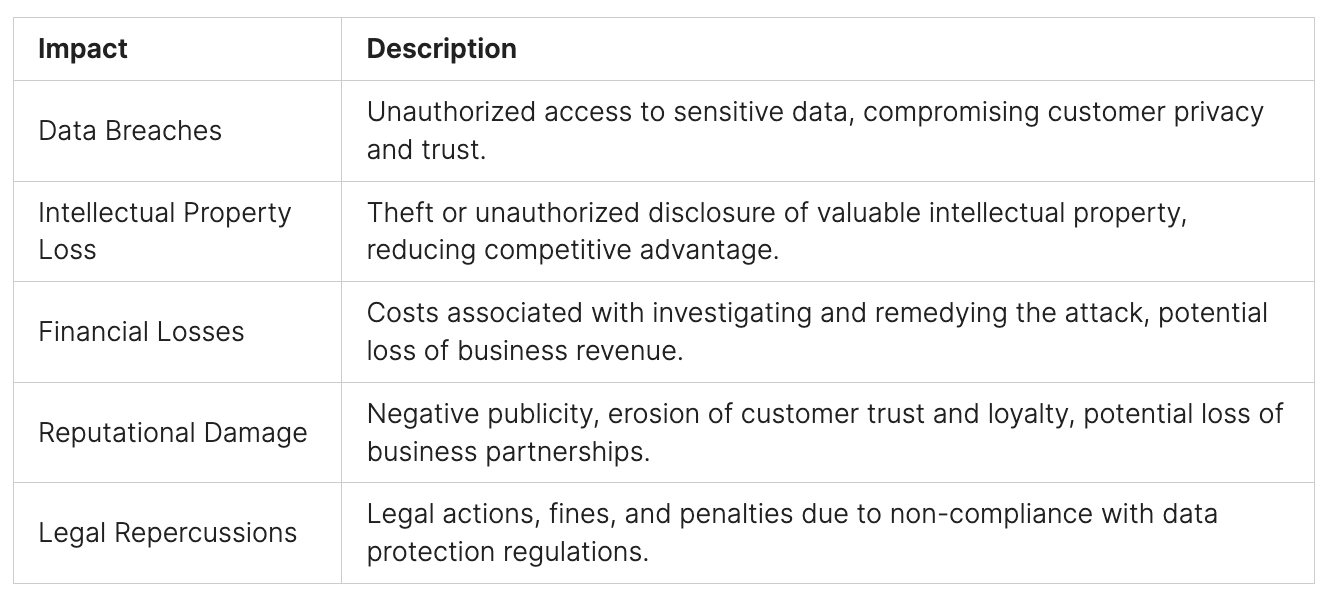
    In today’s world, cyber threats are everywhere. Companies must weigh the costs and benefits of cybersecurity solutions. Threats like ransomware, phishing, and DDoS attacks can hurt finances and operations. Data breaches and insider threats can damage reputation and lead to legal issues.

    It’s important to look at the total cost of owning cybersecurity solutions. This includes costs like licensing, deployment, and ongoing management. This helps understand the financial impact of different options.

    Assessing the return on security investment (ROSI) is key. It helps compare the benefits of security against the costs. This ensures that cybersecurity spending fits within the budget and adds value.

    By involving different departments, companies can understand their cybersecurity needs better. This helps make decisions that balance cost and security well.

    Total Cost of Ownership

    The total cost of owning cybersecurity solutions is more than just the initial cost. Costs like salaries and software licensing must be considered. Variable costs can change based on security activity.

    By analyzing the total cost, companies can see the long-term financial impact. This helps make better decisions about security investments.

    Return on Security Investment

    Calculating the return on security investment (ROSI) is important. It compares the benefits of security against the costs. This helps decide where to spend resources for the best value.

    Using data, companies can make strategic decisions. This improves their cybersecurity while staying within budget and meeting business goals.

    By carefully weighing costs and benefits, companies can make smart cybersecurity choices. This approach ensures that spending aligns with budget and goals. It helps protect valuable assets and improves overall cybersecurity.

    Integrating Endpoint Security with Existing Infrastructure

    It’s key to blend endpoint security solutions with your current cybersecurity infrastructure and security ecosystem. This ensures top-notch performance and boosts the whole IT environment. You need to check if the endpoint security fits with your current tech. It should be easy to set up and manage from one place.

    Having a unified interoperable cybersecurity setup can make things clearer and faster. It helps in dealing with security issues better. Top endpoint security tools like CrowdStrike Falcon and Microsoft Defender for Endpoint are great at this.

    1. Make sure the endpoint security works well with your current tech and fits into your security ecosystem.
    2. Choose solutions that are easy to use and manage from one spot. This makes things more efficient.
    3. Use advanced threat analytics and updates to keep your security strong.
    4. Follow the Zero Trust model to make your endpoint security even better.

    By linking endpoint security with your IT environment, you get a stronger and safer cybersecurity setup. This helps protect your important data and systems.

    In 2023, 68 percent of companies faced endpoint attacks that compromised data or IT systems. It’s vital to integrate endpoint security with your current setup to protect your organization. The average cost of a data breach is $4.88 million, showing why strong endpoint security is crucial.

    “Effective endpoint security solutions must be based on rich threat analytics, with known indicators of compromise (IOCs) and real-time updates on new malicious campaigns and threats.”

    By integrating endpoint security with your current cybersecurity infrastructure, you can boost your security. This makes things clearer and faster, helping you deal with security issues better. It makes your organization stronger against endpoint security threats.

    Ensuring Compliance and Reducing Software Waste

    Keeping software licensing in check and cutting down on unused licenses is key for companies. Not following licensing rules can lead to expensive audits, extra fees, and penalties from vendors. Good software management, like tracking usage and smart license allocation, helps avoid these issues and saves money on IT costs.

    Software Audits and Penalties

    Vendors often do software audits, and not meeting their standards can cost a lot. Companies need to manage their software well to get the most out of their cybersecurity spending and avoid waste.

    Good software management means keeping a detailed list of software and watching how licenses are used. Tools for finding IT assets help manage networks better, leading to better planning and security.

    Key Benefits of Effective Software Asset Management

    • Maintain software licensing compliance
    • Optimize license allocation and utilization
    • Reduce IT spending on unused or underutilized software
    • Enhance visibility and control over software assets
    • Identify opportunities for cost savings and software waste reduction

    By managing software licenses well and using advanced tools, companies can stay compliant and avoid big costs. This approach is vital for improving cybersecurity and getting the most from technology investments.

    Conclusion

    In today’s rapidly evolving cybersecurity landscape, selecting the right licensing model—whether asset-based or endpoint-based—is critical for safeguarding digital assets and infrastructure. With 68% of companies encountering endpoint attacks and 81% of breaches tied to weak passwords, a tailored approach to licensing can make all the difference.

    Understanding these licensing options enables organizations to align their cybersecurity strategies with business objectives, mitigating risks effectively. As remote work continues to grow, integrating endpoint security and IT asset management is vital for reducing vulnerabilities and ensuring compliance.

    By leveraging cloud-based solutions and optimizing software licenses, businesses can protect their IT investments, enhance security, and achieve significant cost savings. Prioritizing cybersecurity licensing not only fortifies defenses but also maximizes the value of digital resources.

    Strengthen your cybersecurity with tailored solutions. Visit Peris.ai to explore our products and services designed to protect your digital assets and optimize your IT investments.

    FAQ

    What is the difference between asset-based and endpoint-based licensing for cybersecurity solutions?

    Asset-based licensing protects specific software or digital assets. Endpoint-based licensing secures individual devices on the network. The right choice depends on the organization’s security needs, infrastructure, and risk level.

    Why is effective software licensing management important?

    Good software licensing management keeps agreements and saves IT money. Knowing about different licensing types helps match software use with needs and budgets.

    What are the key considerations when choosing between asset-based and endpoint-based licensing for cybersecurity?

    Consider the organization’s security needs, infrastructure, and risk. Weighing the pros and cons of each helps align with unique security needs. This optimizes cybersecurity investments and reduces risks.

    What are the different types of endpoint security solutions?

    Endpoint security includes Endpoint Protection Platforms (EPP) for comprehensive security. It also includes Endpoint Detection and Response (EDR) for advanced analysis. Emerging technologies like Extended Detection and Response (XDR) integrate data from various security sources.

    How should an organization evaluate its cybersecurity needs and risks?

    First, do a thorough threat assessment to find vulnerabilities. Then, set security priorities based on risk and business goals. This is key for a strong cybersecurity strategy.

    What factors should organizations consider when choosing the right licensing model?

    Think about the infrastructure, digital assets, device types, and security strategy. Weighing asset-based versus endpoint-based licensing is crucial.

    How can organizations balance the costs and security benefits of cybersecurity solutions?

    Look at the total cost of ownership, including fees and maintenance. Compare the risk benefits to the costs. This helps make smart cybersecurity spending decisions.

    Why is integrating endpoint security solutions with existing infrastructure important?

    Integrating endpoint security with IT infrastructure ensures smooth operation. It boosts the overall cybersecurity posture. This improves visibility, incident response, and security resilience.

    How can organizations ensure compliance and reduce software waste?

    Effective software asset management tracks license usage and optimizes allocation. This avoids non-compliance and saves money on wasted licenses. Managing software licensing ensures value from cybersecurity investments.

  • CEOs and Boards Fortify Security to Thwart Cyberattacks

    CEOs and Boards Fortify Security to Thwart Cyberattacks

    In the fast-paced landscape of today’s digital era, the specter of cyberattacks has grown more ominous than ever. In an interconnected world where businesses depend on technology for virtually every facet of their operations, the repercussions of a successful cyberattack can be catastrophic. The gravity of this threat has yet to escape the attention of CEOs and corporate boards, who are increasingly vigilant about the need to bolster their organizations’ security defenses. This article delves into the intricate realm of cyber threats, shedding light on their evolution, CEOs and boards’ pivotal roles in confronting these challenges head-on, and their ingenious strategies to thwart the relentless tide of cyberattacks.

    The Evolving Landscape of Cyber Threats

    Cyber threats have evolved significantly in recent years. Gone are the days when simple viruses and malware were the primary concerns. Today’s cybercriminals are highly sophisticated, employing advanced techniques to breach security systems and steal sensitive data. Some of the most common and concerning cyber threats include:

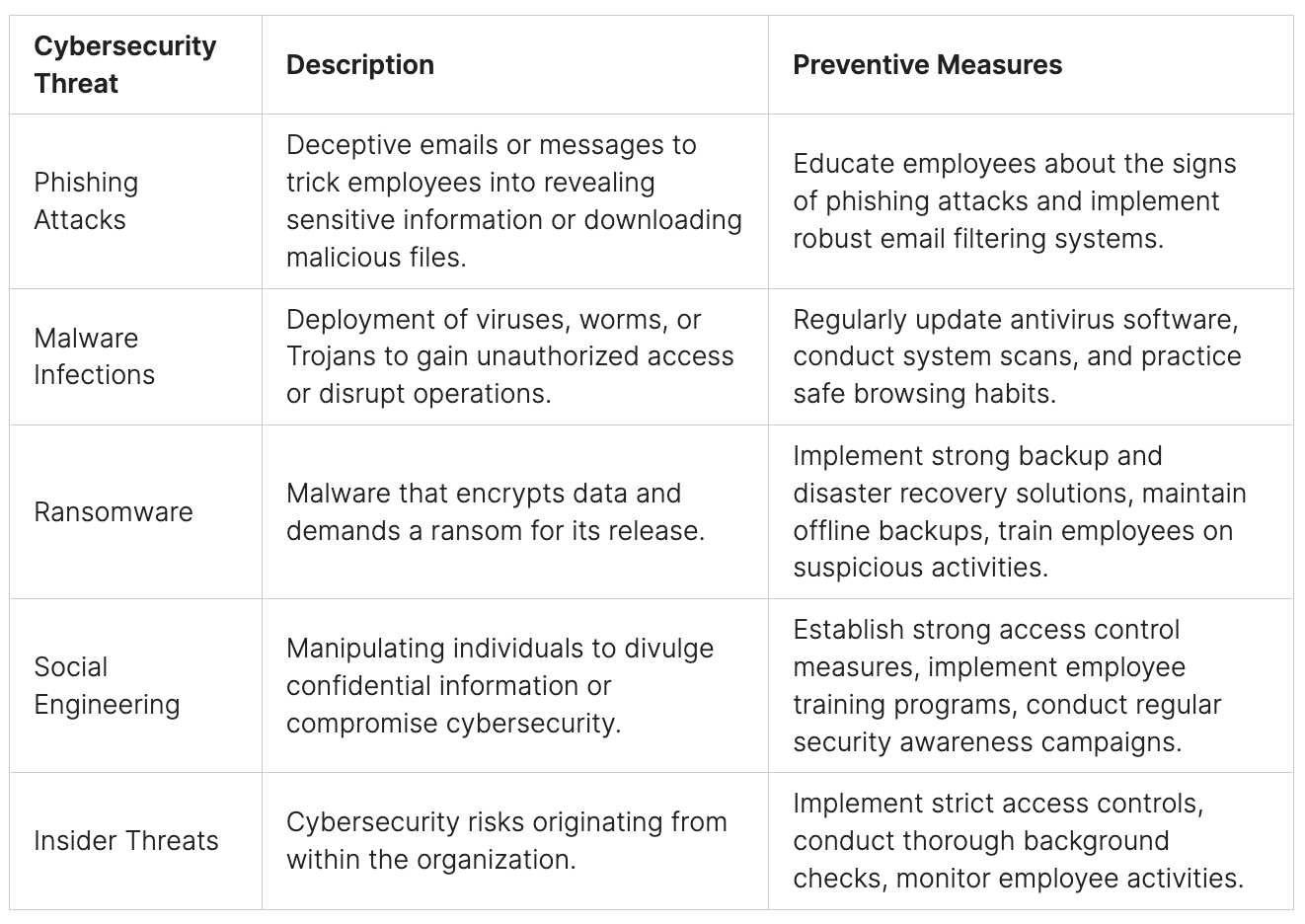
    1. Ransomware Attacks: Ransomware attacks have become increasingly prevalent, with cybercriminals encrypting an organization’s data and demanding a ransom for its release. High-profile incidents like the Colonial Pipeline attack have highlighted the crippling impact of such attacks on critical infrastructure.
    2. Phishing Attacks: Phishing attacks involve deceptive emails or messages that trick employees into divulging sensitive information, such as login credentials or financial details. These attacks can lead to data breaches or unauthorized access to systems.
    3. Zero-Day Exploits: Cybercriminals frequently target vulnerabilities in software or hardware that are not yet known to the vendor, known as zero-day exploits. These attacks can be particularly challenging to defend against because no patches are available to fix the vulnerabilities.
    4. Insider Threats: Insider threats involve current or former employees who misuse their access to compromise an organization’s security. These threats can be intentional or accidental, making them difficult to predict and prevent.
    5. Supply Chain Attacks: Cybercriminals often target an organization’s supply chain partners to gain access to their systems and, eventually, the primary target. Recent supply chain attacks have demonstrated the need for robust security measures throughout the ecosystem.

    The Role of CEOs and Boards in Cybersecurity

    Recognizing the severity of these threats, CEOs and corporate boards have taken on a more active role in cybersecurity. Rather than viewing it as solely the responsibility of the IT department, they now understand that it is a strategic concern that requires a holistic approach. Here’s how CEOs and boards are contributing to cybersecurity efforts:

    1. Setting the Tone: CEOs and boards are setting the tone for cybersecurity within their organizations by emphasizing its importance. They are clarifying that cybersecurity is not just an IT issue but a fundamental aspect of business strategy.
    2. Budget Allocation: Cybersecurity budgets have increased significantly in many organizations. CEOs and boards are allocating resources to implement robust security measures, recognizing that investing in prevention is more cost-effective than dealing with the aftermath of a cyberattack.
    3. Risk Assessment: Boards conduct thorough risk assessments to identify potential vulnerabilities and threats to their industry and organization. This helps in prioritizing security measures and allocating resources effectively.
    4. Board-Level Expertise: Many boards now include members with cybersecurity expertise. Having individuals with a deep understanding of cybersecurity on the board ensures that security is a top-level concern and that the latest threats and best practices inform decisions.
    5. Incident Response Planning: CEOs and boards actively develop and test incident response plans. They understand that a quick and coordinated response is essential in mitigating the damage caused by a cyberattack.

    Strategies to Thwart Cyberattacks

    To fortify their defenses against cyber threats, CEOs and boards are implementing a range of strategies and best practices:

    1. Employee Training: Recognizing that employees can be a weak link in cybersecurity, organizations are investing in comprehensive training programs to educate staff about the dangers of phishing, social engineering, and other common attack vectors.
    2. Multi-Factor Authentication (MFA): MFA adds an extra layer of security by requiring users to provide multiple forms of identification before gaining access to systems or data. It has become a standard practice in many organizations.
    3. Regular Software Updates and Patch Management: To mitigate the risk of zero-day exploits, organizations are diligent about keeping their software and hardware up to date. This includes applying security patches promptly.
    4. Zero Trust Architecture: This approach assumes that no one can be trusted by default, whether inside or outside the organization. Resource access is granted on a need-to-know basis, and continuous verification is required.
    5. Encryption: Data encryption is a fundamental cybersecurity measure. CEOs and boards are implementing encryption protocols to protect sensitive information in transit and at rest.
    6. Cybersecurity Audits and Penetration Testing: Regular audits and penetration testing help organizations identify vulnerabilities and weaknesses in their systems, allowing for proactive remediation.
    7. Collaboration with Law Enforcement: In cases of cyberattacks, organizations are working closely with law enforcement agencies to track down and prosecute cybercriminals. This collaborative effort is crucial in bringing cybercriminals to justice.
    8. Supply Chain Security: Organizations are scrutinizing the security measures of their supply chain partners and implementing stringent requirements to ensure the integrity of their ecosystem.

    In Closing

    The battle against cyberattacks remains a perpetual and dynamically shifting challenge that organizations must navigate. The steadfast commitment of CEOs and corporate boards to adopt a proactive stance in addressing cybersecurity is an encouraging sign of progress. Through their collective leadership, setting the tone for cybersecurity awareness, resource allocation, and the implementation of robust security measures, organizations are actively fortifying their defenses against the ever-evolving threat landscape.

    It is important to emphasize that while there may not be a foolproof defense against cyberattacks, the united efforts of CEOs, boards, and dedicated cybersecurity professionals play a pivotal role in risk reduction and damage mitigation. In a world where digital data holds immeasurable value, the dedication to cybersecurity transcends the realm of corporate responsibility; it represents a fiduciary duty to safeguard stakeholders’ interests and uphold customers’ trust.

    We invite you to visit our website for a deeper dive into cybersecurity and to explore cutting-edge solutions to protect your organization from cyber threats. Here, you will find a wealth of resources, expert insights, and innovative tools to help you stay ahead in the ongoing battle against cyberattacks. By staying informed and proactive, we can collectively fortify our digital defenses and secure the future of our organizations in an increasingly interconnected world. Visit our website today and take the first step towards a more resilient cybersecurity posture. Your organization’s digital safety depends on it.

  • Defense with or without SOC?

    Defense with or without SOC?

    Cybersecurity has emerged as a paramount concern, transcending organizational boundaries and affecting entities of every size and industry. The relentless evolution of cyber threats has rendered them more intricate, unyielding, and ever-present than ever before. In light of these escalating risks, organizations must forge resilient defenses to safeguard their digital assets. A pivotal juncture in this pursuit revolves around investing in establishing a Security Operations Center (SOC) or exploring alternative avenues for fortifying cybersecurity. Within the ensuing discourse, this article delves into the nuanced intricacies of this decision, shedding light on the advantages and disadvantages of adopting a SOC versus charting a course without one. Doing so aims to empower organizations with the insights to make informed choices for securing their invaluable digital assets.

    The Role of a Security Operations Center (SOC)

    A Security Operations Center (SOC) is a centralized unit within an organization responsible for monitoring, detecting, and responding to security incidents. SOC teams are comprised of skilled analysts who continuously monitor network traffic, analyze logs, and investigate potential threats. The primary goal of a SOC is to proactively defend against cyber threats and respond swiftly when incidents occur.

    Advantages of Having a SOC

    1. Proactive Threat Detection: One of the most significant advantages of having a SOC is detecting threats proactively. SOC analysts use advanced tools and techniques to monitor network traffic, detect anomalies, and identify potential threats before they escalate.
    2. Rapid Incident Response: SOC teams are trained to respond quickly and effectively to security incidents. This swift response can minimize damage and reduce downtime, saving an organization time and money.
    3. 24/7 Monitoring: Many SOC operations run 24/7, ensuring an organization is protected around the clock. This constant vigilance is crucial in today’s threat landscape, where attacks can happen anytime.
    4. Threat Intelligence: SOCs have access to valuable threat intelligence sources, allowing them to stay informed about emerging threats and vulnerabilities. This information helps organizations stay one step ahead of cybercriminals.
    5. Incident Analysis and Forensics: SOC analysts are skilled in incident analysis and digital forensics, which are essential for understanding the scope and impact of security incidents. This knowledge can help prevent future attacks.
    6. Compliance and Reporting: SOCs can assist organizations in meeting compliance requirements by providing detailed reports on security incidents and activities. This is particularly important for industries with strict regulatory standards.

    Disadvantages of Having a SOC

    1. Cost: Establishing and maintaining a SOC can be expensive. It requires a significant investment in technology, personnel, and training.
    2. Resource Intensive: Running a SOC demands a dedicated team of skilled professionals, which can be challenging to find and retain.
    3. Complexity: SOC operations can be complex, and organizations must ensure that their SOC is properly configured and maintained to be effective.
    4. False Positives: Overzealous monitoring can lead to many false positives, which can overwhelm the SOC team and divert resources away from genuine threats.

    Operating Without a SOC

    While having a SOC is a robust approach to cybersecurity, it may not be feasible for every organization, especially smaller ones with limited resources. Operating without a SOC does not mean neglecting cybersecurity altogether but adopting alternative strategies to protect digital assets.

    Advantages of Operating Without a SOC

    1. Cost Savings: The most apparent advantage is cost savings. Organizations can allocate resources to other critical areas without the expenses associated with a SOC.
    2. Managed Security Services: Many organizations opt for Managed Security Services (MSS) providers who offer SOC-like services on a subscription basis. This approach provides access to expert security services without needing an in-house SOC.
    3. Simplicity: Operating without a SOC can simplify an organization’s cybersecurity strategy. This can be advantageous for smaller businesses with limited IT resources.
    4. Scalability: Organizations can scale their cybersecurity efforts as needed without the overhead of maintaining a full-time SOC.

    Disadvantages of Operating Without a SOC

    1. Lack of Proactive Monitoring: One of the most significant drawbacks is the absence of proactive monitoring. Organizations without a SOC may rely on reactive measures, resulting in delayed incident response.
    2. Limited Expertise: Managing cybersecurity without a dedicated SOC can be challenging, especially when dealing with advanced threats and sophisticated attacks.
    3. Increased Risk: Operating without a SOC can increase an organization’s exposure to cyber threats, making them more vulnerable to attacks.
    4. Regulatory Compliance Challenges: Industries with strict compliance requirements may struggle to meet these standards without a SOC or equivalent security measures.

    Choosing the Right Approach

    The decision to have a SOC or not should be based on an organization’s specific needs, resources, and risk tolerance. Here are some key considerations when making this decision:

    1. Risk Assessment: Conduct a thorough risk assessment to understand your organization’s vulnerabilities and potential threats. This will help determine the level of security needed.
    2. Budget: Consider your budget constraints and weigh the costs of establishing and maintaining a SOC against other cybersecurity options.
    3. Compliance Requirements: If your industry has strict compliance standards, evaluate whether a SOC or alternative security measures are necessary to meet these requirements.
    4. In-House Expertise: Assess whether your organization has the in-house expertise to manage cybersecurity effectively without a dedicated SOC.
    5. Managed Security Services: Explore the possibility of using Managed Security Services providers as an alternative to a full-scale SOC.

    Conclusion

    The rapidly evolving cyber-threat landscape demands unwavering attention from organizations. Cybersecurity has emerged as an imperative facet of modern business operations, and the decision regarding the establishment of a Security Operations Center (SOC) carries significant weight. While a SOC presents a robust shield against cyber threats, it’s important to acknowledge the accompanying resource demands and costs. For organizations navigating the intricate cybersecurity terrain, understanding the nuances of this choice is paramount.

    Whether to embrace a SOC or seek alternative cybersecurity measures hinges on many factors unique to each organization. Variables like resource availability, risk assessment, and budget constraints are pivotal in shaping this decision. Nevertheless, what remains universally true is the imperative nature of cybersecurity. In today’s digital age, it’s not a matter of ‘if’ but ‘when’ an organization may face a cyber threat. Thus, maintaining a proactive stance and constantly evaluating and adapting security strategies is paramount.

    For organizations seeking tailored solutions to safeguard their digital assets, we invite you to explore SOC 24/7 – our comprehensive security suite designed to fortify your defenses against cyber threats. Our SOC 24/7 offers round-the-clock monitoring, proactive threat detection, and rapid incident response, ensuring your business remains resilient despite evolving threats. Visit our website today to learn more about how SOC 24/7 can secure your business in the digital age. Don’t leave your digital assets vulnerable – take proactive steps towards securing your business today with SOC 24/7. Your peace of mind begins here.

  • Ethical Hacking: Safeguarding Your Business Against Cyber Attacks

    Ethical Hacking: Safeguarding Your Business Against Cyber Attacks

    Cyber attack threats loom more significant than ever. Businesses of all sizes are vulnerable to various threats, from data breaches to ransomware attacks. As a result, companies must take proactive measures to protect their sensitive information and ensure the security of their systems. One of the most effective ways to accomplish this is through ethical hacking.

    Ethical hacking, also known as penetration testing or white-hat hacking, is a proactive approach to cybersecurity. It involves simulating cyber attacks on a system or network to identify vulnerabilities before malicious hackers can exploit them. This article explores the world of ethical hacking and how it can safeguard your business against cyber attacks.

    Understanding Ethical Hacking

    Ethical hacking involves a carefully planned and controlled attempt to identify security weaknesses in an organization’s systems. The key distinction between ethical hackers and their malicious counterparts is consent. Ethical hackers work with the permission of the organization to find and remediate vulnerabilities, ensuring that the security of the systems is improved.

    The primary goals of ethical hacking include:

    1. Identifying vulnerabilities: Ethical hackers aim to discover weaknesses in an organization’s infrastructure, applications, and processes that malicious actors could exploit.
    2. Evaluating the effectiveness of existing security measures: By simulating attacks, ethical hackers can assess the strength of a company’s security systems, including firewalls, intrusion detection systems, and access controls.
    3. Providing recommendations for improvement: Once vulnerabilities are identified, ethical hackers offer recommendations to strengthen security measures and protect the organization’s assets.
    4. Demonstrating real-world risks: Ethical hacking helps organizations understand the potential impact of security breaches, motivating them to invest in cybersecurity measures.

    The Role of Ethical Hackers

    Ethical or “white-hat hackers” are vital in enhancing cybersecurity. They are cybersecurity experts who utilize their knowledge and skills to test an organization’s defenses. These individuals are often certified in cybersecurity and possess a deep understanding of hacking techniques, tools, and vulnerabilities. Ethical hackers typically work independently or as part of a specialized security team. Their responsibilities include:

    1. Scanning and probing: Ethical hackers use various tools and techniques to scan a network or system for potential vulnerabilities, such as open ports, weak passwords, or unpatched software.
    2. Exploiting vulnerabilities: With the organization’s permission, ethical hackers attempt to exploit identified vulnerabilities to demonstrate the potential impact of a real-world cyber-attack.
    3. Reporting findings: Ethical hackers document their findings, including the vulnerabilities they discover and any potential associated risks. They provide detailed reports to the organization’s management and IT teams.
    4. Recommending solutions: Ethical hackers offer recommendations for mitigating vulnerabilities and improving overall security. These recommendations may include patching software, implementing stronger access controls, and enhancing employee training.

    Benefits of Ethical Hacking

    Engaging in ethical hacking provides numerous benefits for businesses looking to protect their assets and sensitive data:

    1. Identifying vulnerabilities before malicious hackers: By proactively discovering and addressing vulnerabilities, organizations can prevent cybercriminals from exploiting them.
    2. Reducing the risk of data breaches: Ethical hacking helps organizations safeguard their sensitive data, including customer information and proprietary business data.
    3. Enhancing brand reputation: Demonstrating a commitment to cybersecurity and protecting customer data can boost a company’s reputation and customer trust.
    4. Regulatory compliance: Many industries have strict cybersecurity regulations. Ethical hacking helps organizations comply with these regulations, avoiding legal issues and fines.
    5. Cost savings: Addressing security issues before a breach can save an organization significant financial and reputational damage.
    6. Increased awareness: Ethical hacking educates organizations about their vulnerabilities and cybercriminals’ exploitation methods.

    Ethical Hacking in Action

    To better understand how ethical hacking works in practice, consider a real-world example:

    XYZ Corporation, a medium-sized e-commerce company, decided to undergo an ethical hacking assessment to strengthen its security measures. The company contracts with ethical hackers to conduct a comprehensive penetration test.

    The ethical hacking process unfolds as follows:

    1. Scanning and reconnaissance: Ethical hackers scan XYZ Corporation’s network to identify potential entry points and vulnerabilities. They discover open ports on several servers and suspect outdated software versions may be present.
    2. Exploiting vulnerabilities: With the company’s permission, the ethical hackers attempt to exploit the open ports and outdated software. They successfully gain access to one of the servers and, from there, escalate their privileges.
    3. Reporting findings: The ethical hackers document their findings and provide a detailed report to XYZ Corporation. They explain how they gained access, the risks involved, and the potential consequences of a malicious hacker exploiting the same vulnerabilities.
    4. Recommending solutions: Ethical hackers suggest solutions based on their findings. These recommendations include applying software patches, implementing stronger firewall rules, and enhancing employee training to prevent future attacks.

    XYZ Corporation implements the recommended solutions, thus enhancing its security posture and reducing the risk of a cyber attack. By investing in ethical hacking, they secured their systems and demonstrated a commitment to their customers’ data security.

    Conclusion

    Ethical hacking serves as the vanguard of modern cybersecurity. It’s an indispensable tool for any organization that values the safety of its digital assets and the trust of its customers. As the cyber threat landscape continues to evolve at an unprecedented pace, businesses can ill afford to be reactive in the face of looming dangers. Instead, they must take the proactive route, much like the ethical hackers who delve into the intricate web of vulnerabilities to fortify defenses.

    For those seeking a proactive solution to safeguard their digital realms, look no further than Peris.ai Cybersecurity. Our platform is designed to connect organizations with a global network of independent IT security researchers dedicated to creating a safer digital environment. Our mission is clear: to unite the power of collective expertise, enabling you to identify and address vulnerabilities before they become a ticking time bomb. By exploring Peris.ai, you’ll discover a world of cybersecurity solutions that align with the principles of ethical hacking, providing a shield against the relentless onslaught of cyber attacks.

    Don’t wait for the next cyber threat to strike. Take action now and explore the comprehensive cybersecurity solutions offered by Peris.ai. Let’s work together to build a safer digital future where your business is fortified against malicious actors, data breaches are a distant concern, and your brand reputation remains untarnished. Visit our website today and journey towards a more secure digital landscape. Your organization’s resilience begins with the proactive steps you take today.

  • How Incident Response Teams Save Businesses in Crisis

    How Incident Response Teams Save Businesses in Crisis

    Benjamin Franklin once said, “An investment in knowledge pays the best interest.” This is true for incident response teams in saving businesses in crisis. In today’s world, cyber attacks can harm businesses a lot. It’s key to have a plan to handle these attacks.

    Incident response teams are vital in lessening damage and shortening recovery time. They also help prevent future attacks. This shows how important they are in saving businesses in crisis.

    With 55% of companies without a plan, the need for incident response teams is urgent. By understanding their role and using crisis management strategies, businesses can lower the risk of cyber attacks. This ensures they can keep going even in tough times.

    Key Takeaways

    • Incident response teams are essential for managing and responding to cybersecurity incidents.
    • Effective incident response actions can prevent cybersecurity incidents from escalating into full-blown crises.
    • Having a Cybersecurity Incident Response Plan (CSIRP) in place is critical for businesses to recover from security incidents and maintain operations.
    • The National Institute of Standards and Technology (NIST) outlines key phases of an incident response plan, including preparation, detection and analysis, containment, eradication, recovery, and post-incident activity.
    • Regularly updating the CSIRP and conducting drills with the response team are recommended practices for ensuring preparedness and highlighting the importance of incident response team benefits and crisis management strategies in how incident response teams save businesses in crisis.
    • Incident response teams can help businesses minimize damage, reduce recovery time, and prevent future incidents, stressing the importance of incident response team benefits and crisis management strategies in how incident response teams save businesses in crisis.

    Understanding the Critical Role of Incident Response Teams

    Incident response teams are key in handling cybersecurity incidents. They help businesses lessen damage and speed up recovery. Their role is to find, stop, and fix threats, and get systems back online.

    These teams are essential for keeping businesses running smoothly. They make sure organizations can quickly and well handle emergencies.

    Important parts of these teams include plans, communication, and training. They have IT experts who deal with many types of cyber threats. By focusing on the most important actions first, they can protect against harm and loss.

    Defining Incident Response in Modern Business

    In today’s business world, incident response means being proactive about cybersecurity. It includes hunting for threats, gathering intelligence, and managing incidents. Good teamwork between these groups is vital for a strong response.

    Companies need a solid incident response plan. It should cover both internal and external processes for dealing with cyber threats. Regular tests against serious cyberattacks help ensure a fast and effective response.

    Key Components of Effective Response Teams

    Good incident response teams need both technical and non-technical skills. They must have communication strategies, incident response plans, and training programs. They should be able to act fast and keep the business running.

    Using machine learning and behavioral analytics can make them even better. This way, they can respond faster and more effectively.

    Building Your Incident Response Framework

    Creating a solid incident response framework is key for businesses to handle cybersecurity incidents well. It should include plans for incident response, crisis communication practices, and training. A recent study found that 72% of companies see an incident response plan as vital. It helps them quickly deal with incidents and get back to normal.

    A good incident response plan should detail how to handle cybersecurity incidents. This includes steps for detection, containment, and eradication. Disaster recovery solutions must also be part of the plan to keep the business running. Here are the main parts of an incident response framework:

    • Incident response plans
    • Communication strategies
    • Training programs
    • Disaster recovery solutions

    By adding these elements and using crisis communication practices, businesses can respond quickly and effectively. This helps protect their operations and reputation from the effects of cybersecurity incidents.

    *Security Incidents: The Technical, Business, and Incident Response: https://youtube.com/watch?v=Lp-3FiaYwHQ

    Essential Components of How Incident Response Teams Save Businesses in Crisis

    Incident response teams are key in saving businesses from cyber attacks. They need immediate threat assessment, resource mobilization, and stakeholder communication plans. These help teams quickly respond, reduce damage, and protect data.

    Immediate Threat Assessment Protocols

    Quickly assessing threats is vital in cyber incidents. These protocols help teams respond fast and minimize damage. This way, they can tackle threats effectively.

    Resource Mobilization Strategies

    Having the right resources is essential in cyber incidents. Teams need to mobilize people, equipment, and technology. This ensures they can respond well to any situation.

    Stakeholder Communication Plans

    Keeping stakeholders informed is critical in cyber incidents. These plans help teams communicate with customers, employees, and partners. This keeps everyone updated and helps protect the business’s reputation.

    With these components, incident response teams can offer valuable cyber incident response tips. They help businesses avoid cyber crises and enjoy the incident response team benefits.

    Crisis Prevention and Early Warning Systems

    Good crisis management starts with being proactive. It’s about planning for business continuity. This way, companies can act fast and well when a crisis hits. Early warning systems help prevent and lessen the effects of crises.

    Monitoring and detection tools are key to spotting threats early. Risk assessment methodologies help figure out what crises might happen and how bad they could be. By taking steps to prevent crises, businesses can keep running smoothly.

    But, many companies aren’t ready for crises. Only 30% have a crisis team. Yet, with the right strategies and plans, businesses can bounce back stronger and less affected by crises.

    *Crisis Management: Strategies When Communicating with Multiple Stakeholders: https://youtube.com/watch?v=M34M08PB2Vk

    Knowing about different crises and having good plans can make a company more resilient. This way, they can handle crises better and keep running smoothly.

    Emergency Response Protocols and Procedures

    Effective emergency response tactics are key for businesses to tackle cybersecurity issues. The 2023 Business Impact Report from the Identity Theft Resource Center shows 73% of small business owners faced a cyberattack in 2023. On average, a ransomware attack can shut down a business for about 20 days.

    The importance of incident response teams is huge. Cybercrime Magazine reports that 60% of small businesses fail within six months after a data breach. Yet, 75% of organizations with a solid emergency response plan can better manage disaster impacts. This reduces damage to facilities, equipment, and other assets.

    Having an emergency response plan offers many benefits:

    • It lowers the risk of fines and penalties for not following rules.
    • It boosts trust and morale among employees and stakeholders.
    • It improves how well teams work together and stay aware of the situation.
    • It makes handling crises more effective overall.

    By investing in ongoing training for emergency teams and adding business continuity to plans, businesses can better face crisis situations. They can also keep key operations running during a crisis.

    Team Training and Preparation Strategies

    Effective incident response teams need good training and preparation. Crisis communication is key to quick and efficient responses. With nearly twenty years of experience, it’s clear that learning, adapting, and commitment are vital.

    Some important parts of team training and preparation include:

    • Simulation exercises and drills to prepare teams for different types of incidents
    • Certification and compliance requirements to ensure teams are trained and certified to respond to incidents
    • Continuous learning programs to keep teams up-to-date with the latest technologies and threats

    With these strategies, incident response teams can handle cybersecurity incidents better. This helps reduce the impact on their operations.

    Measuring Response Team Effectiveness

    It’s key for businesses to check how well their incident response teams work. They can do this by looking at things like how fast they respond, how well they contain incidents, and how well they get rid of them. Good communication skills are also vital for the team to work together smoothly and make quick decisions during security issues.

    Businesses use metrics like Mean Time to Identify (MTTI) and Mean Time to Respond (MTTR) to see how well they’re doing. By looking at these numbers, they can see if their cyber incident response tips are working. A quick response can stop malware from spreading, prevent data theft, and reduce the damage from security breaches.

    To make sure an incident response team is effective, it needs the right people with the right skills. This means having technical know-how, good communication skills, and the ability to handle stress. By being proactive in gathering threat intelligence and having plans ready for when incidents happen, businesses can stay ahead of threats and respond quickly and well.

    Metrics Description

    • MTTI: Mean Time to Identify
    • MTTR Mean Time to Respond

    Integration with Business Continuity Planning

    Effective incident response teams need to work with business continuity planning. This ensures they align with the company’s overall strategy. It helps organizations respond quickly to crises, keeping downtime low and reputation high.

    Business continuity planning is key for handling disruptions, like cyber attacks. It helps organizations bounce back faster and stronger.

    By adding crisis management to their plans, companies can tackle risks better. They can set recovery goals, build long-term strength, and follow rules like GDPR and ISO 27001.

    Alignment with Corporate Strategy

    Linking incident response with business planning is vital. It means identifying key business areas, understanding risks, and finding ways to reduce them. This way, teams are ready to face crises that support the company’s goals.

    Recovery Time Objectives

    Recovery time objectives are key in business planning. They show how fast a company should get back after a problem. Setting achievable goals helps teams focus on the most important tasks first, cutting downtime.

    Long-term Resilience Building

    Building long-term resilience is critical for companies. It means creating a culture of resilience, training employees, and using strong crisis management. This builds trust, keeps reputation strong, and ensures the company’s survival.

    Conclusion: Strengthening Your Business Through Strategic Crisis Response

    In today’s unpredictable digital landscape, having a dedicated incident response team is crucial to protecting your business from unexpected crises. A strong response strategy minimizes damage, ensures continuity, and prevents future threats from escalating.

    Effective incident response and crisis management involve risk assessment, preparation, rapid response, and recovery—all essential for safeguarding your operations, reputation, and financial stability. Integrating these strategies with advanced security solutions enhances resilience and keeps businesses on track, even in the face of cyber threats.

    Stay ahead of potential risks with Peris.ai. Visit Peris.ai to explore our cybersecurity solutions and fortify your organization’s incident response strategy today.

    FAQ

    What is the primary role of an incident response team in a business setting?

    An incident response team’s main job is to find, stop, and fix threats. They also work to get systems and services back up and running. This helps keep the business running smoothly and prevents future problems.

    What are the key components of an effective incident response team?

    A good incident response team needs plans, ways to communicate, and training. These parts help the team deal with big cybersecurity issues and keep the business safe.

    How can incident response teams save businesses in crisis?

    Incident response teams can help by quickly fixing cybersecurity problems. They do this by acting fast and keeping the business running. This helps avoid big losses and keeps data safe.

    What is the importance of immediate threat assessment protocols in incident response teams?

    Quick threat checks are key for incident response teams. They let the team know how to act fast to lessen the damage. This is very important for handling emergencies well.

    How can businesses prevent and respond to cybersecurity incidents more effectively?

    Businesses can do better by using early warning systems. This includes tools to watch for threats, ways to figure out risks, and steps to stop problems before they start. This helps keep the business safe and running.

    What is the role of team training and preparation strategies in incident response teams?

    Training and getting ready are very important for incident response teams. Things like practice drills and learning new skills help the team be ready for any situation. This is key for keeping the business safe.

    How can businesses measure the effectiveness of their incident response teams?

    Businesses can check how well their teams are doing by looking at things like how fast they respond. They should also review and assess the team’s work often. This helps make sure the team is doing a good job.

    Why is integration with business continuity planning important for incident response teams?

    Working with business continuity planning is important for incident response teams. It makes sure the team fits with the business’s overall plan. This helps the business bounce back quickly after a problem.

    What are the benefits of having an incident response team in place?

    Having an incident response team helps in many ways. It reduces the damage from a problem, stops future issues, and keeps the business running. This is done by protecting data and keeping everyone informed during a crisis.

  • Innovative Phishing Strategy Employed by Russian Cyber Group Targets Global Audience via Microsoft Windows Feature

    Innovative Phishing Strategy Employed by Russian Cyber Group Targets Global Audience via Microsoft Windows Feature

    A renowned Russian cyber group, identified by multiple aliases including APT28, Fancy Bear, Forest Blizzard, and ITG05, has recently been spotlighted for exploiting a legitimate feature within Microsoft Windows to disseminate infostealers among other malicious software, affecting users globally. This alarming development was detailed in a recent analysis by the cybersecurity division of IBM, known as X-Force. The analysis covers the group’s activities from November of the previous year to February of the current year.

    This cyber campaign ingeniously impersonates government and non-governmental organizations spanning across Europe, the South Caucasus, Central Asia, and the Americas, engaging victims through seemingly benign emails. These emails are particularly deceptive as they contain weaponized PDF attachments.

    Exploitation of Windows Search Protocols for Malware Deployment

    The malicious PDFs include URLs directing to compromised websites that manipulate the “search-ms:” URI protocol handler and the “search:” application protocol within Windows. These features are designed to facilitate local searches on a device and to invoke the desktop search application, respectively. However, in this nefarious context, they lead victims to perform searches on attacker-controlled servers, presenting malware in the guise of PDF files via Windows Explorer. Victims are then coaxed into downloading and executing these files.

    Compromised Infrastructure and Malware Deployment

    The attack infrastructure relies on WebDAV servers, likely situated on compromised Ubiquiti routers previously linked to a botnet allegedly dismantled by U.S. authorities last month, as reported by The Hacker News. Although the specific targets of these attacks have not been disclosed, the countries of the impersonated government and NGO entities include Argentina, Ukraine, Georgia, Belarus, Kazakhstan, Poland, Armenia, Azerbaijan, and the U.S., suggesting a widespread geographical impact.

    The malware variants identified in these attacks, namely MASEPIE, OCEANMAP, and STEELHOOK, are equipped to steal files, execute commands remotely, and pilfer browser data. The adaptability and evolving nature of ITG05’s tactics underscore a continuous threat landscape, as noted by IBM’s X-Force. The group’s ability to modify its attack methodologies and leverage available commercial infrastructure while enhancing its malware capabilities poses a significant challenge to cybersecurity defenses worldwide.

    At Peris.ai Cybersecurity, we emphasize the importance of vigilance and advanced protective measures against such sophisticated cyber threats. Staying informed about the latest cyberattack strategies is crucial for safeguarding sensitive information and maintaining digital security.

  • New Android Malware Alert: The BingoMod Threat

    New Android Malware Alert: The BingoMod Threat

    The emergence of a new Android malware known as BingoMod is causing alarm among cybersecurity experts. This malware is particularly dangerous as it has capabilities to drain bank accounts and completely wipe devices. Here’s an in-depth look at BingoMod and effective strategies to protect yourself.

    Understanding BingoMod Malware

    Origin and Discovery:

    • Detected by: Security researchers at Cleafy in May 2024.
    • Primary Function: Executes on-device fraud (ODF), drains bank accounts, and can wipe the device clean.

    Distribution Tactics

    BingoMod spreads through deceptive means to gain control over devices:

    • Phishing Messages: It is disseminated via text messages that mimic legitimate Android security software, tricking users into downloading harmful content.
    • Malicious Permissions: The malware requests broad permissions, notably to Android’s Accessibility Service, to gain extensive control over the device.

    Malware Capabilities

    BingoMod is equipped with sophisticated tools that enhance its malicious activities:

    • Data Theft and Control: Captures login credentials, takes screenshots, intercepts text messages, and allows real-time control of the infected device.
    • Fraud Techniques: Conducts manual overlay attacks using real-time screen content, effectively bypassing traditional anti-fraud systems.
    • Propagation: Spreads itself through text messages, infecting additional devices.

    Evasion Techniques

    To remain undetected, BingoMod employs several advanced evasion tactics:

    • Antivirus Evasion: Capable of removing Android antivirus applications and blocking certain app activities.
    • Detection Evasion: Uses code-flattening and string obfuscation to avoid detection by security services like VirusTotal.
    • Device Wiping: Features capabilities to remotely wipe a device’s external storage and reset the phone through system settings.

    How to Protect Against BingoMod

    Avoid Phishing Scams

    • Caution with Messages: Do not click on links or download attachments from unsolicited or suspicious messages.
    • Verify Authenticity: Exercise skepticism towards messages that appear to be from legitimate sources but have unusual requests or appearances.

    Enhance Device Security

    • Permissions Management: Be judicious in granting app permissions, particularly avoiding unnecessary access to critical services like Accessibility.
    • System Updates: Regularly update your device’s operating system and installed apps to benefit from the latest security patches.

    Monitor and Respond

    • Watch for Anomalies: Stay alert to any unusual device behavior, such as unexpected notifications or unfamiliar app activity.
    • Use Antivirus Solutions: While BingoMod can circumvent some antivirus tools, maintaining updated antivirus software and conducting regular scans remains beneficial.

    Backup Your Data

    • Data Safety: Regularly back up important data to external storage or cloud services to reduce potential damage in case of device wiping.

    ️ Conclusion: Stay Vigilant

    The BingoMod malware represents a severe threat to Android users, underscoring the need for heightened vigilance and proactive cybersecurity practices. By understanding the nature of this malware and adopting comprehensive security measures, you can better protect your digital life against such sophisticated threats.

    For ongoing updates and more cybersecurity tips, make sure to visit our website at peris.ai.

  • Risk Mitigation in Cybersecurity: The Role of Threat Exposure and Asset Discovery

    Risk Mitigation in Cybersecurity: The Role of Threat Exposure and Asset Discovery

    Organizations face a constant battle against cyber threats. They must protect their digital assets to keep operations running smoothly. Threat Exposure Management (TEM) is a key strategy to help them stay safe. It gives them a clear view of their security and helps them spot and deal with threats quickly.

    Managing assets well is at the heart of TEM. It boosts threat detection and mitigation, and improves overall cybersecurity. A detailed asset list is vital for understanding what needs protection. It helps in managing risks and responding to security incidents.

    A good asset management system makes it easier to manage risks and assess vulnerabilities. It helps in focusing security efforts on the most critical areas. It also ensures that all assets meet strict data protection and cybersecurity standards.

    Asset management helps in planning and using resources wisely. It gives insights into how assets are performing and when they need updates or replacements. IT asset discovery tools are key in this process. They automatically find and list all network-connected assets, from hardware to IoT devices.

    With a full list of IT assets, administrators can better manage risks. They can do precise vulnerability checks and focus on the most critical security efforts. This control over the IT environment leads to better resource use. It makes operations more efficient and strengthens cybersecurity.

    Key Takeaways

    • Effective asset management enhances threat detection, mitigation, and overall cybersecurity by providing visibility and managing risks.
    • A comprehensive asset inventory offers crucial insights into what is being protected, essential for effective threat detection and asset risk management.
    • Effective asset risk management and vulnerability assessment are facilitated by a well-maintained asset inventory, enabling targeted mitigation measures.
    • Asset management aids in resource planning and optimization, informing decisions about resource allocation, upgrades, and replacements.
    • IT asset discovery tools provide the comprehensive visibility essential for effective threat detection and mitigation.

    Understanding Threat Exposure Management (TEM)

    Threat Exposure Management (TEM) is key to a strong cybersecurity plan. It means always watching an organization’s outside attack surface for weaknesses. This helps spot vulnerabilities and understand the risks they pose.

    This proactive method lets organizations focus on improving security. They can make plans to fix problems and get better at protecting themselves.

    Continuous Monitoring

    Continuous Monitoring is a big part of TEM. It’s about checking the outside attack surface often to find vulnerabilities and risks. This keeps organizations up-to-date with new threats and helps them adjust their defenses.

    Vulnerability Prioritization

    Vulnerability Prioritization is important in TEM. It’s about looking at security controls to see which need work or should be replaced. This helps organizations use their resources wisely and tackle the most urgent security issues first.

    Mobilization & Remediation Planning

    Mobilization and Remediation Planning in TEM means making plans to tackle risks. This includes fixing problems or taking steps to prevent attacks. It’s about being ready to act fast and lessen the damage from threats.

    Risk Communication

    Risk Communication is crucial in TEM. It makes sure everyone in an organization knows about threats and how they affect the attack surface. This knowledge helps everyone work together to keep security strong and makes better decisions about risk.

    Using a full TEM approach helps organizations stay ahead of threats. It improves their security and makes them more resilient against cyber attacks. TEM helps lower the chance of being hit by cyber threats. It scans the whole attack surface to find weaknesses and risks, helping organizations focus on the most important security issues.

    *NYDFS and Third-Party Risk Management: How It Impacts You https://youtube.com/watch?v=S4PQ_w7J-xg

    Good TEM strategies use many steps together. These include always watching, prioritizing vulnerabilities, planning to fix problems, and sharing risk information. With a TEM program, organizations can tackle vulnerabilities, spot and handle threats, and improve their security by making smart choices based on risk and impact.

    The Importance of Threat Intelligence in TEM

    Using the latest threat intelligence is key for good Threat Exposure Management (TEM). It helps by using data from reports, advisories, and online forums. This way, teams can spot new cybercrime methods and tech vulnerabilities early on.

    This info lets security teams prepare for threats before they hit. It’s like knowing the enemy’s plan before they attack.

    Combining threat intelligence with TEM strategies helps focus security efforts. It makes sure resources are used wisely to reduce risks. By 2026, Gartner says companies using Continuous Threat Exposure Management (CTEM) will face fewer breaches.

    CTEM could save a company $1.12 million from a data breach, according to the 2022 report.

    Threat intelligence systems can automatically block threats, easing the load on IT teams. Sharing threat info across industries makes detection and response better. Quick action in cyber threat intelligence can stop attacks and reduce downtime.

    A good cyber threat intelligence system should fit into current security setups easily. It should offer quick access to threat data for fast responses. CTEM changes how we manage risks, moving from reactive to proactive.

    It also improves Vendor Risk Management by keeping risks in check all the time.

    By using threat intelligence in TEM, companies can stay one step ahead. They can prepare for threats and take steps to prevent them. This approach makes them stronger against cyber threats.

    The Role of Continuous Monitoring in Effective TEM

    Keeping your systems safe from cyber threats is a constant battle. Continuous monitoring is key to spotting and handling threats as they happen. This way, you can lower the chance of attacks succeeding. It means checking logs, network traffic, and threat data regularly.

    It also helps you see how well your security controls are working. You can find out where you need to improve or add new security steps. By focusing on the most critical risks, you can use your resources wisely. This makes your security stronger.

    Gartner introduced Continuous Threat Exposure Management (CTEM) in 2022. It’s a five-stage method for checking vulnerabilities in your systems and assets all the time. CTEM looks into why and how vulnerabilities happen, not just what they are.

    High-maturity organizations that use CTEM have fewer security issues. Important tools for CTEM include digital risk protection, vulnerability checks, and simulated attacks.

    CTEM moves you from just stopping threats to actively testing for security. Kroll helps with this by offering services like virtual CISOs and penetration testing.

    Key Benefits of CTEM Description Reduction of blast radius and impact CTEM finds and fixes vulnerabilities before hackers can use them. This lessens the damage from attacks. Stronger security posture By always watching and fixing threats, you build a stronger defense. This makes you more resilient against cyber attacks. Cost reduction in case of breaches Being proactive with threat management saves money and reputation. CTEM is a smart way to spend on security.

    To start a CTEM program, you need to tackle external threats and share goals clearly. You also need a good understanding of your current risks. By always monitoring and being proactive, you can protect your important assets better.

    Gaining Visibility into Your Security Posture

    To manage threats well, organizations need to see their security clearly. Security teams must understand the whole attack surface to protect against attacks. Techniques like vulnerability scanning and digital risk monitoring help achieve this.

    Leveraging Attack Surface Management Platforms

    Platforms like Anomali help find and watch external assets. They match found assets with known threats, helping to fix the most critical issues first. Tenable One focuses on seeing the whole attack surface and sharing cyber risk clearly.

    Cymulate’s platform does advanced monitoring and simulates attacks. Seeing everything about an organization’s security is key to managing threats well.

    Key Roles in Exposure Management Visibility Needs Security Practitioners Full visibility into the attack surface to prioritize software vulnerabilities, misconfigurations, and credential entitlements. Security Managers Insight and context about threats, assets, and privileges to focus resources effectively on security needs. CISOs, BISOs, and other Security Executives Accurate risk assessments to improve investment decisions and meet compliance requirements.

    Exposure management platforms are getting better fast, making cybersecurity more about data and business goals. It’s important for organizations to keep their strategies up to date to fight off new cyber threats.

    “Gaining comprehensive visibility into an organization’s security posture is a crucial aspect of effective threat exposure management, leading to more robust protection against cyber threats.”

    Preventing Cyber Attacks Through Proactive Measures

    Proactive cybersecurity is key for businesses to stay ahead of cyber threats. By focusing on threat exposure management (TEM), companies can find and fix vulnerabilities before hackers can use them.

    Benefits of Proactive vs Reactive Approaches

    A proactive TEM strategy helps detect threats early, lowering the chance of cyber attacks. It boosts an organization’s ability to respond, improves how resources are used, and aids in making smart choices. On the other hand, a reactive approach leaves companies open to attacks, leading to expensive data breaches and business disruptions.

    Using advanced tools like threat intelligence platforms helps businesses see their security clearly. They can then focus on fixing the most critical vulnerabilities first. This proactive way lets security leaders make informed decisions, keeping their businesses safe from cyber threats.

    Statistics show how crucial proactive cybersecurity is. Companies that focus on proactive TEM are more resilient and better protect their assets from cyber threats.

    Risk Mitigation in Cybersecurity: The Role of Threat Exposure and Asset Discovery

    Effective Threat Exposure Management (TEM) strategies are key to tackling cybersecurity risks. They help find, assess, and tackle threats early. This way, organizations can lower their risk exposure and boost their security posture.

    Continuous monitoring is vital in TEM. It lets security teams spot and act on threats fast. This helps make smart decisions on where to focus cybersecurity efforts.

    Using threat intelligence with TEM tools helps organizations focus on the most critical threats. This smart approach makes sure efforts are spent where they matter most.

    Managing exposure means finding and fixing security risks in digital assets. This includes finding web apps, APIs, and cloud resources. It also means understanding their weaknesses.

    Attack surface mapping is key in managing exposure. It helps spot open services and vulnerabilities. This way, organizations can focus on the most critical risks.

    Keeping a close eye on systems and using automation are crucial. They help spot new risks and check if fixes work. Regular checks and training also help reduce digital risks.

    With a solid TEM plan, organizations can tackle vulnerabilities and lower threat exposure. This boosts their cybersecurity overall.

    *How to Identify Assets, Threats and Vulnerabilities https://youtube.com/watch?v=iV-FjzwIY34

    “Effective threat exposure management is essential for addressing cybersecurity risks in today’s dynamic threat landscape.”

    Communicating Risks Effectively Within Your Organization

    Effective risk communication is key for keeping your organization safe from cyber threats. Security teams need to make sure everyone knows about threats and how they impact the company. This teamwork helps everyone play a part in keeping the organization secure.

    Creating a culture where everyone is aware of cybersecurity is also vital. When employees can spot and report security issues, it leads to quicker and better responses. Good risk communication also helps CISOs meet compliance and understand risks better.

    Measuring cyber risks is another important part of sharing information. Cyber risk quantification (CRQ) gives a number to risks, often in dollars, making it easier to manage. Tools like FAIR and NIST 800-30 help figure out the costs of threats and where to focus efforts.

    Using visual tools like heat maps and cost-benefit analysis makes risk talk clearer. This way, everyone gets a better picture of the risks and how to tackle them. By mixing numbers and stories, organizations can share a strong message about cybersecurity risks.

    *How To Manage Cyber Security Risk? https://youtube.com/watch?v=qlCHzYIp-jw

    “Effective risk communication is essential for building a culture of cybersecurity awareness and facilitating a collaborative approach to maintaining robust security practices.”

    The Five Stages of TEM Implementation

    Effective threat exposure management (TEM) needs a structured, cyclical approach with five key stages: Scoping, Discovery, Prioritization, Validation, and Mobilization. This approach includes important parts like External Attack Surface Management (EASM), Cyber Asset Attack Surface Management (CAASM), and Risk-Based Vulnerability Management (RBVM). It also covers Threat Intelligence Platform (TIP), Penetration Testing, Breach and Attack Simulation (BAS), and Security Rating Services (SRS).

    The scoping stage sets the program’s limits, making sure the organization watches and manages risk across its digital attack surface. The discovery phase finds assets and risks, like vulnerabilities and misconfigurations. Then, the prioritization stage has the security team rank risks based on how easy they are to exploit and their impact. The validation stage uses penetration testing to see how well the organization protects against threats. Lastly, the mobilization phase tackles potential attack paths, creating workflows and using automation to fix the most critical vulnerabilities.

    By using this structured method, organizations can manage their threat exposure well and boost their cybersecurity. It’s key to integrate these five stages smoothly. This helps organizations proactively find, prioritize, and tackle cybersecurity risks. It makes them more resilient against new threats.

    “Implementing a comprehensive TEM program is essential for organizations to gain visibility into their security posture and effectively manage cybersecurity risks.” – Cybersecurity Expert

    Cyber Risk Mitigation Strategies and Best Practices

    Effective cyber risk mitigation needs a wide range of strategies and best practices. The National Security Agency (NSA) lists 12 key cybersecurity strategies. These include using multifactor authentication and enforcing signed software execution policies.

    It’s important to regularly scan and inventory network devices and software. This helps reduce the attack surface and control the environment. Organizations should also assume insider threats and use a layered approach to address them. Implementing a zero-trust framework is key, limiting access based on user needs.

    Cybersecurity risk mitigation aims to prevent cyber threats. It involves prevention, detection, and mitigation actions. A cybersecurity risk assessment is vital for identifying IT security gaps.

    Continuous monitoring of IT infrastructure is essential. Developing an incident response plan (IRP) is also crucial for handling data breaches. Physical security measures and minimizing attack surfaces are key to reducing data theft risk.

    By using a wide range of cyber risk mitigation strategies, organizations can protect their systems and data. This helps keep their brand reputation safe from threats.

    Conclusion

    Threat Exposure Management (TEM) is a critical component of modern cybersecurity. By identifying, prioritizing, and addressing vulnerabilities, TEM equips organizations with the tools to defend against emerging cyber threats. Combining real-time risk monitoring, actionable threat intelligence, and robust security measures, TEM creates a proactive shield against attackers.

    With a data-driven TEM strategy, companies can make informed decisions about resource allocation, safeguarding critical assets, and maintaining their reputation. By staying vigilant and ready, businesses can confidently navigate the ever-changing digital landscape and achieve sustainable growth.

    Take the proactive step today. Explore how Peris.ai can enhance your cybersecurity with cutting-edge TEM solutions. Visit Peris.ai to learn more and secure your digital future.

    FAQ

    What is Threat Exposure Management (TEM)?

    Threat Exposure Management (TEM) helps reduce risk by giving clear insights into an organization’s security. It stops attacks and quickly shares threat info. A good TEM strategy keeps businesses and governments safe from cyber threats and makes the most of their security spending.

    What are the key components of a TEM strategy?

    A TEM strategy includes always watching for vulnerabilities, focusing on fixing them first, and taking proactive steps like simulated attacks. It also means sharing threat info well with everyone involved. Using the latest threat intelligence is key for a good TEM.

    How does continuous monitoring contribute to effective TEM?

    Continuous monitoring is vital for spotting and acting on threats quickly. It means checking logs, network traffic, and other data for signs of trouble. Staying up-to-date with the latest threats is also important.

    What techniques can organizations use to gain visibility into their security posture?

    To get a clear view of security, organizations can use vulnerability scanning, penetration testing, and digital risk monitoring. They can also use Attack Surface Management platforms to find and watch external assets. This helps focus on fixing the most critical vulnerabilities first.

    What are the benefits of a proactive TEM strategy?

    A proactive TEM strategy lets organizations spot threats early. This gives them time to set up the right security before an attack. It lowers risk, helps use resources better, and improves response times compared to reacting after an attack.

    How can effective risk communication improve an organization’s cybersecurity?

    Talking about cybersecurity risks and threats clearly is crucial for managing them well. Security teams need to tell all stakeholders about current threats. This helps everyone work together to keep the organization’s cybersecurity strong.

    What are the key stages of a successful TEM program implementation?

    A successful TEM program goes through five stages: Scoping, Discovery, Prioritization, Validation, and Mobilization. These stages help the organization watch and manage risks across its digital attack surface. They identify assets, prioritize fixes, and tackle potential attack paths.

    What are the best practices for effective cyber risk mitigation?

    Good cyber risk mitigation needs a full approach. This includes doing a risk assessment, setting up network access controls, and using firewalls and threat detection software. It also means keeping security patches up to date, training employees, using automated security tools, reducing the attack surface, and having a plan for incidents.

  • The Bug Bounty Edge: Crowdsourcing for Stronger Cybersecurity

    The Bug Bounty Edge: Crowdsourcing for Stronger Cybersecurity

    Bug bounty programs are a game-changer in the world of cybersecurity. By harnessing the power of crowdsourcing, organizations can tap into the collective expertise of security researchers around the globe to strengthen their cyber defenses.

    These programs, also known as vulnerability rewards programs, offer monetary incentives to ethical hackers for uncovering and reporting vulnerabilities in a company’s systems. It’s a win-win situation, where organizations benefit from the knowledge and skills of the broader security community, while researchers are rewarded for their efforts.

    Crowdsourcing cybersecurity through bug bounties allows organizations to access a diverse pool of talent and perspectives. This enables them to identify a wider range of vulnerabilities and potential attack vectors, ultimately leading to stronger defenses against cyber threats.

    Key Takeaways:

    • Bug bounty programs leverage the expertise of security researchers to identify and report vulnerabilities.
    • Ethical hackers are rewarded monetarily for their efforts in finding and disclosing bugs.
    • Crowdsourcing cybersecurity through bug bounties allows organizations to tap into a global talent pool.
    • Bug bounties promote collaboration between organizations and ethical hackers.
    • Bug bounty programs contribute to the strengthening of cybersecurity defenses.

    The Benefits of Bug Bounty Programs

    Bug bounty programs offer several benefits to organizations. Firstly, they provide access to a diverse pool of security researchers who have different backgrounds, perspectives, and expertise. This helps organizations to identify a wider range of vulnerabilities and potential attack vectors.

    Additionally, bug bounties promote collaboration between organizations and ethical hackers, creating a mutually beneficial relationship where both parties work together to improve cybersecurity. By incentivizing researchers with rewards, organizations encourage sustained engagement and build long-term relationships with skilled hackers.

    “Bug bounty programs provide a platform for organizations to collaborate with ethical hackers from around the world, leveraging their collective expertise to strengthen cybersecurity defenses.”

    Bug bounty programs also contribute to the strengthening of cybersecurity defenses by continuously identifying and addressing vulnerabilities. The collaborative nature of bug bounties enables organizations to stay ahead of potential threats and proactively enhance their security posture.

    Enhanced Security Expertise and Perspective

    Bug bounty programs bring together security researchers with diverse backgrounds and expertise, allowing organizations to tap into a broader range of knowledge and skills. This facilitates the identification of vulnerabilities that may have been overlooked by internal security teams. By embracing the collective wisdom of ethical hackers, organizations gain a fresh perspective on their systems and can better understand potential attack vectors.

    Collaboration and Knowledge Sharing

    In bug bounty programs, organizations and ethical hackers collaborate closely to identify and fix vulnerabilities. This partnership fosters knowledge sharing and promotes a culture of cybersecurity awareness. By working together, organizations can gain insights into emerging threats and adopt proactive measures to protect their networks, systems, and data.

    Continuous Improvement of Cybersecurity Defenses

    Bug bounties provide a continuous feedback loop for organizations to strengthen their cybersecurity defenses. As researchers find and report vulnerabilities, organizations can take swift action to address them, making their systems more resilient against potential attacks. Regular engagement with ethical hackers through bug bounty programs allows organizations to stay proactive, adapt to evolving threats, and ensure that their security measures are up to date.

    Selecting Bug Bounty Platforms and Companies

    When implementing a bug bounty program, organizations have the option to choose from various bug bounty platforms and companies. These platforms provide the necessary infrastructure for managing bug bounty programs and offer communication channels for researchers to submit vulnerability reports and interact with organizations. Two popular bug bounty platforms are HackerOne and Bugcrowd, which have built a reputation for their robust services and large communities of ethical hackers.

    In addition to bug bounty platforms, organizations can also run their bug bounty programs independently. This gives them more control over the program structure and requirements. However, running an independent bug bounty program requires dedicated resources and expertise to manage the program effectively.

    Alternatively, organizations can opt to utilize open bug bounty platforms like Open Bug Bounty. These platforms offer bug reporting services without requiring financial compensation. Open Bug Bounty focuses on building a collaborative community and provides opportunities for researchers to contribute to the security of smaller organizations that may not have the resources to run their bug bounty programs.

    Benefits of Bug Bounty Platforms and Companies:

    • Infrastructure for managing bug bounty programs
    • Communication channels for researchers and organizations
    • Diverse communities of ethical hackers
    • Access to a wide range of expertise and perspectives
    • Opportunity for collaboration and knowledge exchange

    Comparison of Bug Bounty Platforms and Open Bug Bounty:

    Challenges and Considerations in Bug Bounty Programs

    Implementing a bug bounty program presents organizations with a unique set of challenges that must be carefully addressed. One of the major considerations is establishing clear rules and boundaries for determining what constitutes an acceptable vulnerability report and how these vulnerabilities will be addressed.

    Organizations must also navigate the legal and compliance implications of bug bounty programs, involving not just technical teams, but also legal, compliance, and PR departments. By involving these stakeholders, organizations can ensure that bug bounty programs align with legal frameworks and comply with regulatory requirements.

    Another challenge arises in the grey areas where the actions of security researchers may be perceived as malicious rather than helpful. It is essential to establish clear communication channels and guidelines to avoid misunderstandings and potential conflicts between organizations and researchers.

    Additionally, bug bounty programs pose legal implications that must be considered. Organizations should adhere to ethical guidelines and respect user privacy while conducting vulnerability testing. By prioritizing responsible disclosure and ensuring that ethical hackers do not exploit identified vulnerabilities, organizations can avoid potential legal ramifications.

    The potential risks associated with bug bounty programs also cannot be ignored. Malicious individuals may exploit bug bounty programs for malicious purposes, such as extortion or unauthorized access. Organizations must implement measures to mitigate these risks and ensure that program activities are closely monitored and audited.

    “Ensuring clear rules, engaging multiple stakeholders, promoting responsible disclosure, and mitigating risks are key considerations in implementing bug bounty programs.”

    To summarize, the challenges and considerations in bug bounty programs revolve around defining rules, addressing legal implications, navigating grey areas, and mitigating potential risks. By proactively addressing these challenges, organizations can create a secure environment for bug bounty programs and effectively harness the collective expertise of ethical hackers to strengthen their cybersecurity defenses.

    Building a Mature Security Culture for Bug Bounties

    To effectively implement bug bounty programs, organizations need to have a mature security culture in place. This involves ensuring that all stakeholders, including management, employees, and third-party suppliers, understand the importance of cybersecurity and are committed to it. By fostering a strong security culture, organizations can strengthen their defenses and collaborate more effectively with ethical hackers.

    Clear Rules and Processes

    Establishing clear rules, boundaries, and processes for vulnerability reporting and handling is essential. This ensures that everyone involved understands their roles and responsibilities, minimizing confusion and streamlining the bug bounty program. Clear guidelines contribute to effective collaboration and help organizations make the most of the expertise offered by ethical hackers.

    Involvement of All Departments

    It’s crucial to involve not just technical teams but also legal, compliance, and PR departments in bug bounty programs. This interdisciplinary approach helps address legal and compliance implications, communicate with ethical hackers effectively, and manage public relations. By engaging all relevant departments, organizations can ensure a comprehensive and well-coordinated response to vulnerabilities.

    Efficient Vulnerability Triage and Resolution

    Organizations must have the capability to triage and fix vulnerabilities efficiently. This requires establishing effective communication channels with the security researcher community and having a structured process in place to prioritize and address reported vulnerabilities. Regular and prompt communication helps build trust and encourages ethical hackers to continue collaborating with the organization.

    Collaboration with Ethical Hackers

    Creating a mature security culture involves fostering collaboration with ethical hackers. Organizations should establish open lines of communication and encourage ethical hackers to provide feedback and suggestions for improving cybersecurity. Recognizing their efforts and offering vulnerability rewards not only incentivizes ethical hackers to participate but also strengthens the relationship between the organization and the wider security community.

    Building a mature security culture sets the foundation for successful bug bounty programs. It ensures that bug bounty initiatives are integrated into the organization’s overall cybersecurity strategy and supported by a collaborative and responsive approach. By embracing a mature security culture, organizations can effectively harness the power of bug bounties to strengthen their cybersecurity defenses.

    Bug Bounty Programs: Are You Ready?

    Bug bounty programs can offer significant benefits to organizations seeking to enhance their cybersecurity defenses by tapping into the expertise of external security researchers. However, these programs may not be suitable for every organization. Before embarking on a bug bounty program, it is crucial to assess your readiness and preparedness.

    Organizations should have existing security measures in place, including robust vulnerability disclosure programs that allow for the responsible reporting of bugs. A culture of security internally is also essential, ensuring that all employees understand the importance of cybersecurity and their roles in maintaining it.

    Furthermore, organizations should be capable of handling and fixing known vulnerabilities before inviting external researchers to identify new ones. Establishing a bug bounty program requires resources and investment, including the potential hiring of security consultants or a Chief Security Officer (CSO).

    Refining and enhancing your vulnerability disclosure program is another key aspect to consider. Clear processes for receiving, evaluating, and addressing vulnerability reports must be established to ensure efficient collaboration between your organization and external researchers.

    It is important to note that bug bounty programs should be seen as a supplementary step to build upon existing security efforts, rather than a replacement for them. Organizations need to have a solid foundation of security practices in place before engaging in bug bounty programs.

    To summarize, before diving into bug bounty programs, assess your organization’s readiness, ensure you have established security measures and a culture of security, and be prepared to refine and enhance your vulnerability disclosure program. By taking these steps, you can maximize the effectiveness of your bug bounty program and leverage the collective expertise of security researchers to strengthen your cybersecurity defenses.

    Key considerations for bug bounty program readiness:

    • Existing security measures, including vulnerability disclosure programs
    • A culture of security internally
    • Capacity to handle and fix known vulnerabilities
    • Resources and investment, including potential hiring of security consultants or a CSO
    • Refinement and enhancement of vulnerability disclosure program

    Implementing a bug bounty program requires careful consideration and preparation. It is not a one-size-fits-all solution, and organizations should evaluate their readiness before diving in.

    Bug Bounty Programs for Beginners

    Bug bounty programs provide not only advanced hackers but also beginners with opportunities to learn and develop their skills in cybersecurity. These programs have designed their public platforms to be beginner-friendly, offering approachable entry points for researchers at any skill level.

    As a beginner, you can start small and gradually work your way up in bug bounty programs. This allows you to gain hands-on experience in probing production systems without causing any damage or legal trouble. By participating in bug bounty programs, you enter a supportive learning environment where you can build your track record and reputation as you submit valid bug reports.

    Successful submissions and eventual recognition in bug bounty programs can open up new opportunities and career advancements in the cybersecurity field. Whether you’re aspiring to become a cybersecurity professional or looking to enhance your existing skills, bug bounty programs provide a platform for learning and growth.

    Bug Bounty Platforms: Overview and Key Details

    Several bug bounty platforms offer opportunities for security researchers to participate in bug bounty programs. These platforms provide a structured environment for organizations to collaborate with ethical hackers and strengthen their cybersecurity defenses. Here, we provide an overview of some popular bug bounty platforms along with their key features and characteristics.

    HackerOne

    HackerOne is a widely recognized bug bounty platform that boasts a large and diverse community of ethical hackers. They offer various programs that cater to different organizations and industries. With their robust platform and comprehensive communication tools, HackerOne facilitates effective collaboration between organizations and researchers.

    Bugcrowd

    Bugcrowd focuses on vulnerability disclosure and bug bounty programs for diverse organizations, ranging from small businesses to large enterprises. Their platform is known for its comprehensive triage and verification processes to ensure high-quality bug submissions. Bugcrowd also emphasizes researcher engagement and offers rewards based on researcher reputation and expertise.

    Intigriti

    Intigriti is a bug bounty platform that specializes in serving European companies. They have a strong focus on responsible disclosure and ethical hacking practices. Intigriti utilizes their extensive network of security researchers to help European organizations identify and address vulnerabilities effectively.

    Open Bug Bounty

    Open Bug Bounty distinguishes itself as a non-profit platform that offers bug reporting services without requiring financial compensation. It provides an accessible option for smaller organizations with limited budgets to engage with the security research community. Open Bug Bounty aims to promote the responsible disclosure of vulnerabilities.

    HackenProof

    HackenProof is a bug bounty platform that focuses on linking ethical hackers to various Web3 projects. With their expertise in blockchain and decentralized technologies, HackenProof enables organizations operating in the Web3 ecosystem to leverage the skills of ethical hackers and enhance their security measures.

    Each bug bounty platform offers its unique set of features and characteristics, catering to the diverse needs of organizations and the security research community. Researchers can choose the platform that aligns with their expertise and preferences, ensuring effective collaboration and the discovery of vulnerabilities.

    In the next section, we will conclude our exploration of bug bounty programs and their role in strengthening cybersecurity.

    Conclusion

    In today’s cyber-centric world, where digital threats loom at every corner, the need for comprehensive vulnerability testing has never been more acute. Peris.ai Korava emerges as the ultimate solution in this domain, offering an unparalleled Bug Bounty Platform that leverages the collective expertise of a global community of ethical hackers. This crowdsourced approach to vulnerability testing not only enhances the security posture of organizations but also introduces a level of customization and efficiency unprecedented in the cybersecurity landscape.

    Peris.ai Korava distinguishes itself by allowing organizations to tailor their bug bounty programs to their specific requirements. With a variety of customization options, clients can define the scope of their programs and set appropriate rewards, ensuring alignment with their cybersecurity goals and budget. This bespoke approach guarantees optimal results, delivering value that far surpasses traditional vulnerability assessment methods.

    At the heart of Korava’s effectiveness is our formidable assembly of guardians—verified ethical hackers from around the globe. Each hacker undergoes a rigorous verification process before participating in any program, ensuring that only the most skilled and ethical professionals contribute to safeguarding your systems. This global network of cybersecurity experts stands ready to identify and report vulnerabilities, providing your organization with the critical insights needed to fortify its defenses.

    A standout feature of Korava is its double review process. Before any vulnerability report reaches a client, it undergoes a thorough review by three other ethical hackers. This meticulous process ensures the highest quality of reporting, virtually eliminating the risk of false positives. Such a level of scrutiny not only saves clients valuable time and resources in addressing security issues but also instills confidence in the remediation process.

    Peris.ai Korava is more than just a platform; it’s a strategic ally in the ongoing battle against cyber threats. By harnessing the collective intelligence and ethical prowess of a worldwide hacker community, Korava empowers organizations to stay one step ahead of potential vulnerabilities, ensuring their digital assets are secure and resilient against attacks.

    To explore how Peris.ai Korava can revolutionize your approach to cybersecurity and vulnerability management, we invite you to visit Peris.ai Cybersecurity. Discover the power of crowdsourced security testing and how our customizable programs, backed by a double review process, can provide your organization with the ultimate in cyber protection. Embrace the future of cybersecurity with Peris.ai Korava and secure your digital landscape today.

    FAQ

    What are bug bounty programs?

    Bug bounty programs are initiatives by companies to enlist the help of security researchers, or ethical hackers, to identify and report vulnerabilities in their systems. Researchers are rewarded with monetary incentives for their efforts.

    What are the benefits of bug bounty programs?

    Bug bounty programs offer access to a diverse pool of security researchers, promote collaboration between organizations and ethical hackers, and help strengthen cybersecurity defenses by identifying vulnerabilities.

    How do I select bug bounty platforms or companies?

    There are various bug bounty platforms available, such as HackerOne and Bugcrowd, which provide the infrastructure for managing bug bounty programs. Open Bug Bounty is a platform that offers bug reporting services without financial compensation.

    What challenges are involved in bug bounty programs?

    Challenges include defining clear rules and boundaries, addressing legal and compliance implications, and navigating potential misunderstandings between organizations and security researchers.

    How do I build a mature security culture for bug bounties?

    Building a mature security culture involves ensuring all stakeholders understand cybersecurity’s importance, establishing clear rules and processes for vulnerability reporting, and maintaining regular communication with the security researcher community.

    Are bug bounty programs suitable for every organization?

    Bug bounty programs require organizations to have existing security measures in place, the capacity to handle and fix known vulnerabilities, and resources and investment for implementation. They should be seen as an enhancement to existing security efforts.

    Can beginners participate in bug bounty programs?

    Bug bounty programs provide opportunities for beginners to learn and develop their skills. Many platforms have designed public programs to be approachable to researchers at any skill level.

    What bug bounty platforms are available?

    Popular bug bounty platforms include HackerOne, Bugcrowd, Intigriti, Open Bug Bounty, and HackenProof. Each platform has its own unique features and characteristics.

    How do bug bounty programs contribute to cybersecurity?

    Bug bounties play a crucial role in enhancing cybersecurity by enabling collaboration between organizations and ethical hackers, leveraging their expertise to fortify defenses, and creating a safer digital landscape.

  • These Small Actions Can Shield You From Hacking

    These Small Actions Can Shield You From Hacking

    In an era of unprecedented digital connectivity, the specter of hacking casts a shadow of unprecedented magnitude. The contemporary landscape is marred by many cyber threats ranging from the clandestine usurpation of personal identities to the grand orchestration of colossal data breaches. The repercussions of a triumphant cyber assault reverberate with a potency that can wreak havoc on both personal lives and entire organizations. Nevertheless, within this intricate interplay of vulnerabilities and virtual predators lie unassuming yet potent measures individuals can adopt to fortify themselves against hacking. Throughout this exposition, we shall delve into the realm of these unobtrusive actions, exploring their profound implications and underscoring their pivotal role in erecting barriers that safeguard our most private and sensitive information.

    1. Strengthen Your Passwords

    It might sound like a broken record, but the importance of strong passwords must be balanced. A strong password is a fundamental defense against hacking attempts. Gone are the days when “123456” or “password” could offer any protection. Hackers use sophisticated tools that can quickly crack weak passwords, potentially granting them access to your accounts and data.

    To shield yourself from hacking attempts, create passwords at least 12 characters long and include a mix of uppercase and lowercase letters, numbers, and symbols. Avoid using easily guessable information such as birthdates, names, or common words. Consider using passphrases, which are longer and easier to remember than complex passwords. Additionally, enable two-factor authentication (2FA) wherever possible to add an extra layer of security.

    2. Regular Software Updates

    Those pop-up notifications urging you to update your software might be annoying, but they are crucial for digital security. Software updates often include patches for known vulnerabilities that hackers could exploit. Cybercriminals are constantly looking for weaknesses in popular software, so keeping your operating system, applications, and antivirus software up to date is a small action that can go a long way in shielding you from hacking attempts.

    3. Beware of Phishing Attempts

    Phishing remains one of the most common and effective tactics hackers use to gain unauthorized access to personal information. Phishing emails, messages, or websites are designed to trick you into revealing sensitive information, such as passwords or credit card numbers. These messages often come from legitimate sources, such as banks or reputable companies.

    To protect yourself from phishing, be cautious when clicking links or downloading attachments from unknown or unexpected sources. Check the sender’s email address carefully, as hackers often use addresses that are very similar to legitimate ones. Avoid providing sensitive information through email or messages, especially if the request seems unusual or urgent. Contact the company or individual directly through official channels to verify the request when in doubt.

    4. Secure Your Wi-Fi Network

    Your home Wi-Fi network can weaken your digital defenses if not correctly secured. A compromised Wi-Fi network can provide hackers a gateway to your devices and data. To shield yourself from potential attacks, follow these steps:

    • Change the default username and password for your router.
    • Use strong encryption (WPA3 is the latest standard) to protect your network.
    • Disable remote management of your router.
    • Regularly update your router’s firmware.

    5. Be Cautious on Public Wi-Fi

    Public Wi-Fi networks, such as coffee shops, airports, and hotels, are convenient but often need proper security. Hackers can exploit vulnerabilities in public Wi-Fi networks to intercept data transmitted between your device and the internet. Avoid accessing sensitive information, such as online banking or shopping, when connected to public Wi-Fi.

    If you need public Wi-Fi, consider using a virtual private network (VPN) to encrypt your internet connection and protect your data from potential eavesdroppers. Additionally, ensure that your device’s firewall is enabled to provide an extra layer of protection.

    6. Regularly Back Up Your Data

    Data breaches or ransomware attacks can result in losing valuable personal information or important files. Regularly backing up your data is a simple yet effective way to ensure that you can recover from such incidents. Use an external hard drive, cloud storage, or both to back up your essential files. Ensure your backups are secure using strong passwords and encryption where possible.

    7. Use Secure Websites

    When browsing or conducting transactions online, ensure you’re on secure websites. Look for “https://” in the website’s URL and a padlock symbol in the address bar. These indicate that the website encrypts the data transmitted between your browser and the server, making it harder for hackers to intercept or manipulate the information.

    8. Monitor Your Financial Statements

    Regularly reviewing your bank and credit card statements can help you detect unauthorized or suspicious transactions early on. If you notice any discrepancies, contact your financial institution immediately. Timely action can prevent further damage and help resolve any issues quickly.

    9. Educate Yourself and Your Family

    Cybersecurity is not just an individual responsibility; it’s a family matter. Educate yourself and your family about the hacking risks and the steps to protect personal information. Teach children about the dangers of sharing personal information online and encourage safe online practices.

    10. Stay Informed

    Cybersecurity is ever-evolving, with new threats and attack methods emerging regularly. Stay informed about the latest trends in hacking and cybersecurity best practices. Follow reputable sources, attend webinars, and consider taking online courses to enhance your knowledge.

    In Summation

    The modern digital terrain may appear perilous, an arena where unseen adversaries wait. Yet, the power to confront and thwart these threats resides within the grasp of every individual. The seemingly modest measures we have explored here bear the potential to exert a profound impact on our digital security landscape. By weaving these small yet formidable threads of action into the fabric of our online existence, we not only shield ourselves from the ever-looming specter of hacking but also actively contribute to the collective resilience of the digital realm.

    Each proactive step emerges as a sentinel against potential cyber onslaughts in this dynamic interplay of vigilance and preparation. Cybercriminals are drawn to vulnerabilities like moths to flame, but a well-fortified digital persona repels their advances. Through the vigorous embrace of robust passwords, the steadfast evasion of phishing attempts, the unwavering commitment to software updates, and the meticulous curation of secure networks, individuals become the architects of their digital citadels. Furthermore, staying attuned to the fluid dynamics of cybersecurity through continuous education and information absorption is akin to keeping one’s sentries perpetually alert, ready to sound the alarm at the slightest sign of intrusion.

    As we navigate this intricate tapestry of interconnectedness, the significance of our actions extends beyond personal security – it resonates throughout the broader digital ecosystem. In this spirit, we invite you to explore further insights and solutions on our website, where a wealth of resources awaits to empower you on your journey toward fortified digital resilience. By arming yourself with knowledge and embracing these small yet mighty actions, you become an agent of change, a sentinel of cybersecurity. Together, we can fortify the digital realm and stand resolute against the tide of hacking threats, for in this digital age, our actions define the landscape we inhabit.