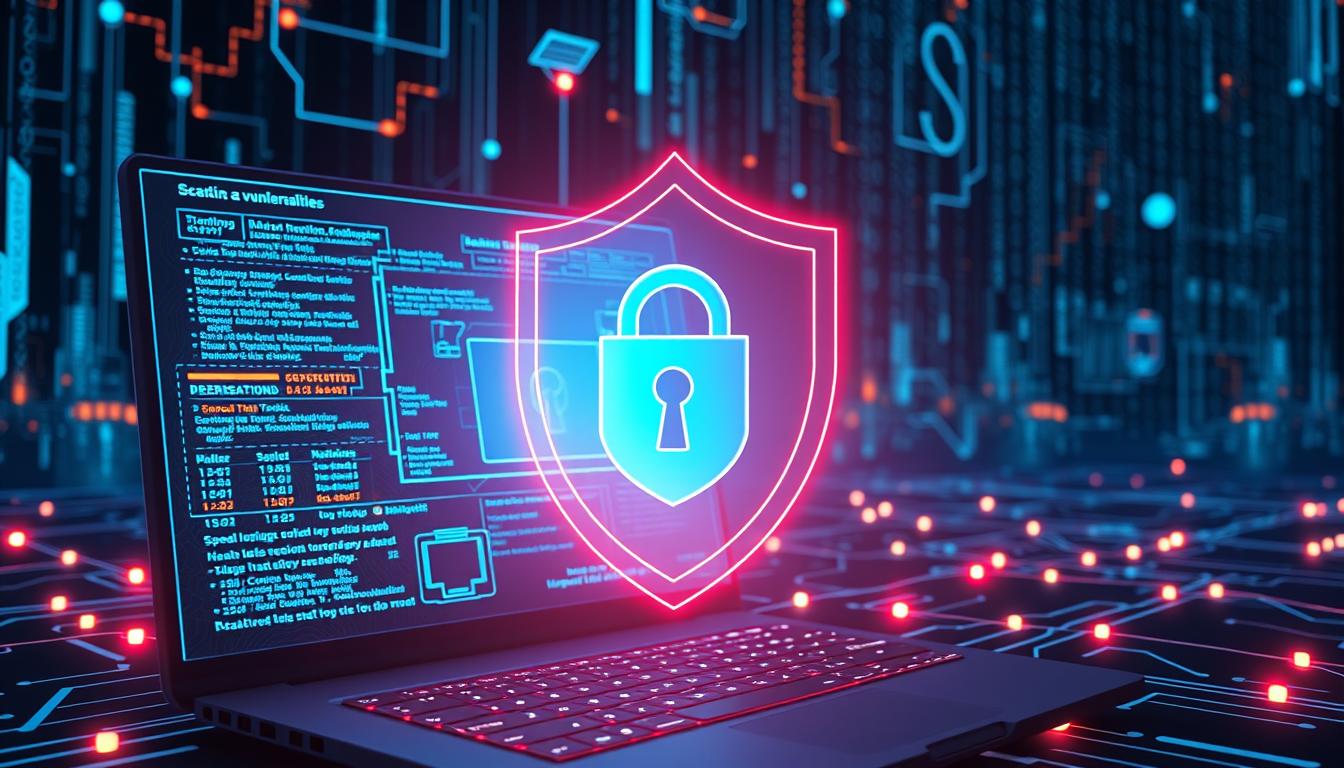
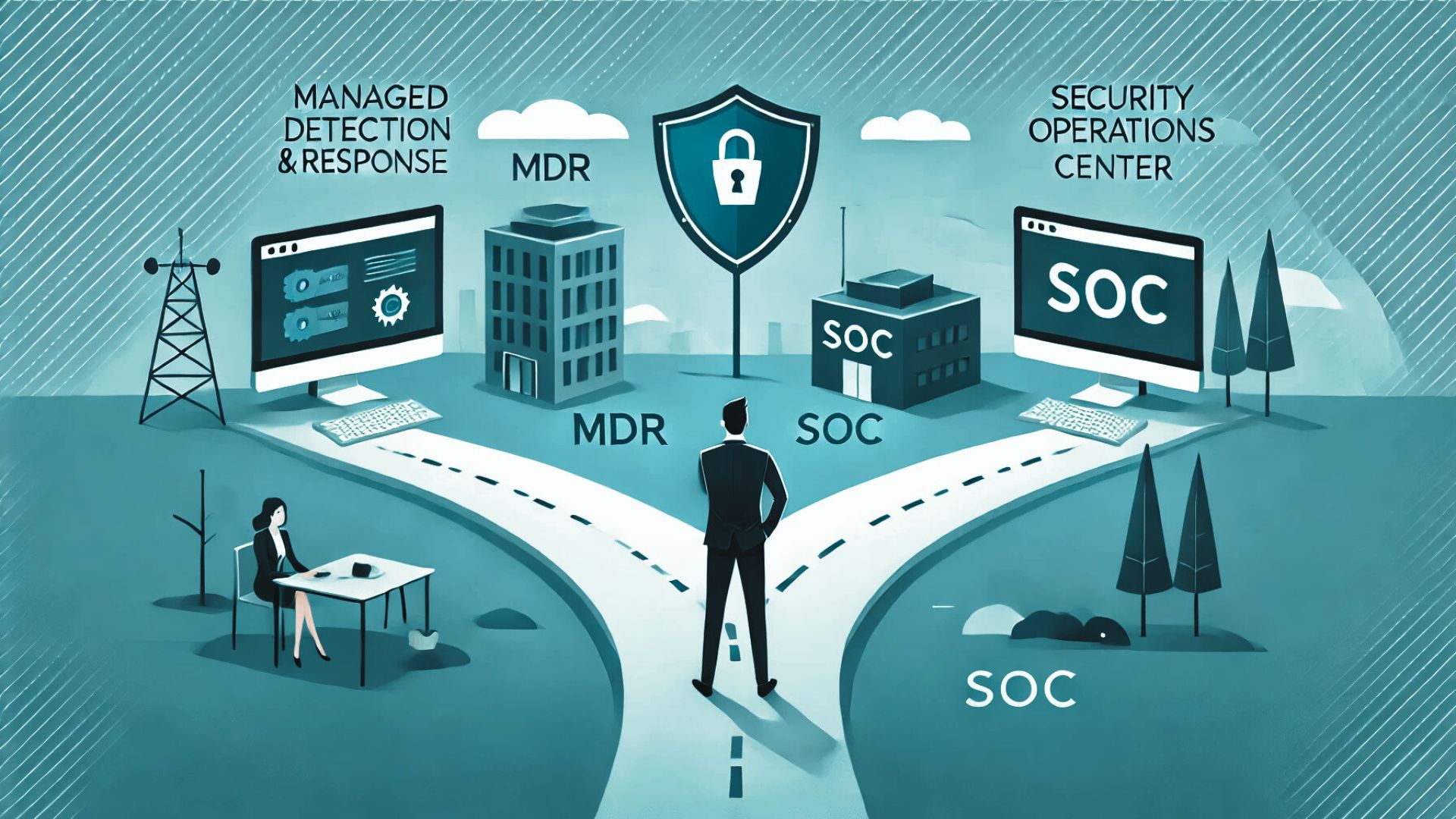
Cyber threats are evolving, making it crucial for businesses to stay ahead. Regular vulnerability scanning is an essential practice that helps identify and address security weaknesses before they can be exploited. By conducting routine scans, organizations can strengthen their defenses, reduce security risks, and maintain compliance with industry regulations.
Understanding the Fundamentals of Vulnerability Scanning
Vulnerability scanning is a proactive security measure designed to detect and mitigate potential risks. It involves systematically assessing systems, networks, and applications for weaknesses that could be leveraged by attackers.
Types of Vulnerability Scans:
Network Scans – Identify vulnerabilities in connected devices and open ports.
Web Application Scans – Detect security flaws in web-based applications, such as injection vulnerabilities.
Database Scans – Analyze database configurations and security settings to prevent unauthorized access.
Key Components of Scanning Systems:
Vulnerability Detection – Identifies security weaknesses in digital assets.
Risk Assessment – Evaluate the severity of detected vulnerabilities.
Remediation Guidance – Provides recommendations to mitigate identified risks.
The Growing Threat Landscape in Modern Cybersecurity
Cyberattacks are becoming more sophisticated, making it imperative for organizations to implement continuous monitoring strategies. Attackers often exploit known vulnerabilities that could have been prevented with regular security assessments.
To effectively combat these risks, businesses should adopt a proactive approach that includes frequent updates, patch management, and regular vulnerability scanning. This ensures that security weaknesses are identified and addressed before they can be exploited.
Why Regular Vulnerability Scanning Is Essential for Business Security
Vulnerability scanning is a key component of an effective cybersecurity strategy. It helps businesses detect security gaps and prevent potential breaches. Regular scans also assist in maintaining compliance with security frameworks such as SOC 2, ISO 27001, and PCI DSS.
Key Benefits:
Proactive Risk Management – Identifies and mitigates security threats before they escalate.
Regulatory Compliance – Ensures adherence to security standards and industry best practices.
Common Vulnerabilities Detected Through Regular Scanning
Routine security scans can uncover a range of vulnerabilities, including:
Weak passwords
Outdated software
Misconfigured systems
Web application vulnerabilities, such as SQL injection and cross-site scripting (XSS)
By addressing these vulnerabilities, organizations can strengthen their security posture and minimize exposure to cyber threats.
Implementing an Effective Vulnerability Scanning Program
A well-structured vulnerability scanning program enhances an organization’s ability to detect and mitigate security risks.
Key Considerations:
Define Scope and Parameters – Ensure all critical systems are included in the scanning process.
Set Scan Frequency – Conduct scans regularly to identify new vulnerabilities.
Choose the Right Tools – Utilize advanced scanning tools to detect and remediate security risks effectively.
Real-World Benefits of Regular Security AssessmentsRegular security assessments contribute to a stronger cybersecurity framework. These assessments help organizations identify security weaknesses, enhance system protection, and comply with regulatory requirements. A proactive approach to security ensures business continuity and customer trust.Best Practices for Vulnerability ManagementAn effective vulnerability management strategy involves:
Prioritizing vulnerabilities based on risk level
Implementing remediation measures promptly
Documenting and analyzing scan results for continuous improvement
By following these practices, businesses can strengthen their security defenses and reduce the likelihood of cyber incidents.
Integration with Existing Security Infrastructure
Integrating vulnerability scanning with existing security measures enhances an organization’s overall security posture.Key Integrations:
SIEM Systems – Enables real-time threat detection and incident response.
Automated Response Tools – Facilitates quick action on identified vulnerabilities.
This integration ensures that security threats are detected and addressed efficiently, reducing overall risk.
Overcoming Common Scanning Challenges
Organizations may face challenges when implementing vulnerability scanning, such as limited resources, false positives, and complex IT environments. To overcome these challenges, businesses should:
Automate scanning processes for efficiency
Focus on high-risk vulnerabilities
Conduct both internal and external assessments for comprehensive coverage
Future Trends in Vulnerability Assessment
The future of cybersecurity will see increased reliance on AI and machine learning for vulnerability assessment. Continuous monitoring will become a standard practice, enabling organizations to detect and address security threats in real time. Staying updated with evolving security technologies is critical to maintaining a strong defense against cyber threats.
Conclusion: Protect Your Digital Assets with Proactive Security
In today’s rapidly evolving cyber landscape, regular vulnerability scanning is essential for safeguarding digital assets. Proactively identifying and addressing security risks helps organizations strengthen defenses, maintain compliance, and prevent costly breaches.
By prioritizing vulnerability management, businesses can:
Detect and remediate security weaknesses before they are exploited
Enhance overall security posture and resilience against cyber threats
Ensure compliance with industry regulations and standards
Build trust with customers and stakeholders
Don’t wait for a breach to expose your vulnerabilities. Stay ahead of threats with continuous security monitoring and proactive defense strategies.
Why is regular vulnerability scanning essential for businesses? It helps identify and mitigate security threats before they can be exploited.
What are the key benefits of vulnerability scanning? It enhances security, ensures regulatory compliance, and reduces risk exposure.
How can businesses implement an effective scanning program? By defining scope, setting scan frequency, and choosing the right tools.
What challenges do organizations face in vulnerability scanning? Limited resources, false positives, and complex environments, which can be addressed through automation and prioritization.
What are the future trends in vulnerability assessment? AI-driven security, continuous monitoring, and real-time threat detection.
Cyber threats are evolving rapidly, and businesses without strong cybersecurity leadership face significant risks. The financial burden of a cyberattack can be devastating, with the average cost of a data breach reaching $4.45 million in 2023. But beyond the immediate financial loss, companies suffer from reputational damage, legal issues, and operational disruptions. Without a cybersecurity leader to navigate these threats, businesses leave themselves exposed.
Why Cybersecurity Leadership is Critical
A robust cybersecurity strategy relies on proactive leadership that ensures risk management, compliance, and alignment with business objectives. Without a dedicated cybersecurity leader, organizations are more likely to face:
Increased vulnerability to cyber threats – Hackers target weak security systems, and without strong leadership, organizations fail to implement the necessary protections.
Regulatory fines and legal consequences – Compliance with industry standards is mandatory. Noncompliance leads to hefty fines and legal battles.
Reputational damage and customer loss – Trust is hard to regain once lost. A cyber breach can push customers to competitors and hurt brand credibility.
Financial setbacks – From recovery costs to downtime losses, poor cybersecurity leadership translates to massive financial damage.
The Hidden Costs of Ignoring Cybersecurity Leadership
Beyond the direct costs of a data breach, organizations suffer long-term setbacks that weaken their competitive edge. Cybersecurity isn’t just about preventing attacks—it’s about ensuring business continuity.
Financial Implications of Poor Cybersecurity Management
Cyberattacks aren’t just technical issues; they have serious financial consequences. The costs associated with inadequate cybersecurity management include:
Incident investigation and forensics.
Legal and compliance fees.
Emergency security updates and patching.
Operational downtime.
These expenses accumulate quickly, making cybersecurity leadership a non-negotiable investment for businesses.
Reputation Damage and Customer Trust Erosion
The impact of a cyberattack extends beyond finances—it directly affects customer trust and brand reputation. Studies show that organizations experiencing a data breach can lose 20-30% of their customer base within a year. A strong cybersecurity posture helps protect against:
Data leaks that expose customer information
Negative media coverage that tarnishes credibility
Loss of partnerships and business opportunities
Declining investor confidence
Once trust is broken, rebuilding it requires significant time and resources. Proactive cybersecurity leadership ensures businesses maintain their credibility and customer loyalty.
Operational Disruptions and Productivity Losses
Cyber incidents cause severe operational disruptions, leading to:
System downtime – IT outages can cost enterprises, causing major losses.
Increased risk of compliance violations – Failing to secure operations can result in regulatory noncompliance penalties.
Organizations with strong cybersecurity leadership implement disaster recovery strategies, minimizing the effects of cyber incidents and maintaining smooth operations.
Legal and Regulatory Risks of Weak Cybersecurity Management
Failing to prioritize cybersecurity leadership leads to regulatory fines and legal consequences. In 2024, organizations worldwide faced stricter data protection laws, making compliance a top priority. The key risks include:
Data protection violations – Failure to safeguard customer data results in multi-million dollar fines.
Lawsuits from affected parties – Companies can face legal action from customers and stakeholders impacted by breaches.
Government-imposed sanctions – Regulatory bodies enforce strict cybersecurity mandates, and noncompliance can result in penalties.
Investing in strong cybersecurity management mitigates these risks and ensures business resilience.
The Role of Cybersecurity in Digital Transformation
In an era of AI, IoT, and cloud computing, cybersecurity is integral to innovation. Businesses that fail to integrate security into their digital transformation strategies face significant setbacks:
Increased exposure to cyber threats due to rapid digital expansion.
Delays in adopting new technology due to security concerns.
Higher costs in breach recovery rather than proactive security investments.
By integrating cybersecurity into digital transformation efforts, businesses can enhance operational efficiency, reduce risks, and stay competitive.
Employee Morale and Organizational Culture
Cybersecurity incidents negatively impact employee morale. Organizations that fail to protect sensitive data risk losing their workforce’s trust. Key concerns include:
Loss of employee confidence – A weak security culture makes employees feel vulnerable.
Higher turnover rates – Employees may leave if they believe their data isn’t protected.
Reduced productivity – Security breaches disrupt workflows and decrease efficiency.
Building a strong cybersecurity culture fosters employee trust and strengthens organizational resilience.
Strategies for Strengthening Cybersecurity Leadership
Investing in cybersecurity leadership ensures long-term security and business success. Organizations should prioritize:
Recruiting top cybersecurity professionals to lead security initiatives.
Developing an incident response plan for rapid attack mitigation.
Conducting regular security training to raise awareness among employees.
Implementing multi-layered security measures to safeguard digital assets.
Companies with strong cybersecurity leadership reduce their cyberattack risks by up to 50%, protecting financial assets and brand reputation.
Conclusion: Investing in Cybersecurity Leadership for Long-Term Success
In today’s digital-first world, cybersecurity is no longer an option—it’s a necessity. With cyber threats evolving rapidly and the cost of breaches rising, organizations must prioritize proactive security measures to safeguard their operations, reputation, and financial stability.Investing in cybersecurity leadership and advanced security solutions helps businesses:
Reduce financial risks associated with cyber threats.
Protect customer trust and brand credibility.
Ensure business continuity and operational resilience.
Stay compliant with regulatory standards and security frameworks.
Is your organization prepared for modern cyber threats?With Peris.ai’s Managed Detection and Response (MDR) services, you get real-time threat monitoring, automated response, and expert-driven cybersecurity solutions to keep your business secure. Stay ahead of cyber threats—partner with Peris.ai today! Visit https://www.peris.ai/ to enhance your security posture.
Vulnerability management is key to protecting against cyber threats. It helps find and fix weaknesses in systems. Over 80% of breaches could have been stopped with better vulnerability management.
Companies need to focus on this area. Good vulnerability management can cut data breach risks by half. It also makes responding to attacks faster and more effective.
Continuous vulnerability management can lower the chance of attacks by up to 70%. Many breaches happen because known vulnerabilities are not fixed. This makes it a critical part of keeping systems safe.
Companies that keep up with vulnerability management can see a 40% boost in security. This shows how important it is to stay secure online.
Key Takeaways
Over 80% of breaches involve a vulnerability that could have been mitigated through proper vulnerability management practices.
Organizations with continuous vulnerability management processes reduce their risk of data breaches by an estimated 50%.
Effective vulnerability management can help organizations respond to incidents more efficiently and reduce the average time to contain a breach.
Vulnerability management is a key component of cybersecurity best practices and can improve an organization’s security efficiency rating.
Continuous monitoring and addressing vulnerabilities can mitigate up to 80% of potential breaches.
Organizations that implement effective vulnerability management can decrease the likelihood of exploitation by up to 70%.
Understanding the Fundamentals of Vulnerability Management
Vulnerability management is key to any company’s cybersecurity plan. It uses vulnerability assessment tools to find and fix vulnerabilities quickly. A good vulnerability management program includes scanning, risk assessment, and fixing issues.
The vulnerability lifecycle is about always watching, finding, checking, and fixing vulnerabilities. Knowing how these steps work together is essential for a strong defense against cyber threats.
Some critical parts of vulnerability management are:
Identify: Finding assets and vulnerabilities
Prioritize: Figuring out how essential assets are and the risks they face
Remediate: Fixing security problems
Continuous Monitoring: Always checking and assessing vulnerabilities
Assessing Your Organization’s Security Posture
It’s key to check your security posture often. This helps spot weak spots and figure out the risk of cyber attacks. You look at your current security steps and vulnerability assessment methods to see how good you are at cyber risk management.
Doing a deep check helps you focus on the biggest risks. This way, you can use your resources wisely. Most importantly, keeps you ready for new threats and strong in cyber defense. Some important facts to remember are:
A good security stance can be essential for cyber attacks, which can range from $3.86 million to $8.64 million per breach.
Having a solid incident response plan can cut down the time to find and fix a data breach. This lowers the cost of a breach a lot.
Cybercriminals use unpatched software to attack 60% of the time. This shows why good vulnerability management is so important.
It’s vital to do security posture assessments often. This helps find gaps in compliance and spot significant vulnerabilities. It helps you act early to stop threats and significantly reduce the chance of security breaches.
Essential Tools for Vulnerability Detection and Assessment
Vulnerability scanning software is key for any company’s cybersecurity plan. It uses automated scanning tools to find weaknesses in systems and networks fast. Continuous monitoring helps spot and fix these issues quickly, keeping attackers out.
Using this software has many benefits:
It cuts down the time to fix vulnerabilities by up to 75%
It finds more vulnerabilities, with credentialed scans spotting 40% more than non-credentialed ones
It helps sort vulnerabilities by how serious they are and their impact
With continuous monitoring and automated scanning tools, companies can improve their security. Keeping the software up to date can also cut the time exposed to serious threats by 50%.
The Critical Role of Vulnerability Management in Cyber Defense: A Strategic Overview
Vulnerability management is key to a strong cyber defense. It helps prevent threats and lowers risk. By focusing on vulnerability management, companies can stay ahead of threats and keep their edge in the digital world.
Good vulnerability management fits with a company’s goals and risk level. This way, companies can focus on the most critical vulnerabilities first. Proactive threat mitigation is essential to stop data breaches and keep systems safe.
Some essential stats show why vulnerability management matters:
Misconfigurations cause crucial data breaches.
85% of attacks on businesses come from unpatched vulnerabilities.
Regular Vulnerability Assessments and Penetration Testing (VAPT) can cut data breach risk by up to 70%.
With a strong vulnerability management program, companies can lower data breach risk. They can also meet regulatory needs and keep their systems and data safe.
Implementing an Effective Vulnerability Scanning Protocol
Creating a strong vulnerability scanning protocol is key to finding and fixing weaknesses. It should have a scanning schedule that finds threats quickly without slowing down systems. It’s also important to scan all critical systems and networks.
The protocol should spot vulnerabilities as they happen so threats can be dealt with quickly. This is done by scanning continuously. This way, companies can see how well their security plans are working.
Some important things to think about when setting up a good vulnerability scanning protocol include:
Choosing a scannisuitablechedule that finds threats fast but doesn’t slow down systems
Deciding what to scan to make sure all key systems and networks are covered
Handling scan results well to focus on the most serious threats first
With a solid vulnerability scanning protocol, companies can keep their online defenses strong. Regular checks of networks and web apps are a must to meet rules like SOC 2 and PCI DSS. The Common Vulnerability Scoring System (CVSS) helps rate threats based on how hard they are to exploit and their impact.
Prioritizing Vulnerabilities Based on Risk Assessment
Risk-based vulnerability management focuses on the most critical vulnerabilities first. This helps organizations manage their resources better. It ensures that the most critical cyber risk management threats are addressed first.
When assessing risks, it’s essential to to look at the impact and likelihood of each vulnerability. Tools like the Common Vulnerability Scoring System (CVSS) help measure this. This way, organizations can prioritize their efforts effectively.
Some benefits of this approach include:
Improved operational efficiency by optimizing resource allocation towards addressing critical risks
Reduced wasted effort on low-risk issues
Enhanced proactive defense by prioritizing fixes for vulnerabilities that could be exploited immediately
Using a risk-based approach to vulnerability prioritization leads to faster response times. It also helps in better resource allocation. This way, organizations can reduce the chance of a security breach.
Developing a Robust Patch Management Strategy
Effective patch management is key to fixing vulnerabilities and stopping cyberattacks. A strong strategy includes a patch testing environment to check patches before they’re used. This makes sure patches don’t cause new problems or slow down systems.
It’s also essential to have clear patch deployment procedures. This helps patches go out smoothly, cutting down on downtime and risk. The Ponemon Institute found that 60% of 2019 data breaches were due to unpatched vulnerabilities.
A good patch management plan can cut breach risk by up to 70%. It involves having a solid policy, focusing on the most critical patches, and always watching for new threats.
18,378 vulnerabilities were reported in 2021, according to the National Institute of Standards and Technology (NIST).
Ransomware attacks rose by 600% during the COVID-19 pandemic.
Organizations fall victim to a cyberattack every 11 seconds.
With a solid patch management plan, companies can lower cyberattack risks and keep their data safe.
Building an Incident Response Framework
A practical incident response framework is key for handling cyber attacks and fixing vulnerabilities. Incident response plans detail how to act when a cyber attack happens. They help organizations quickly stop and fix problems.
This framework should also cover vulnerability remediation. It ensures quick fixes to stop more attacks.
A good incident response shows in quick fixes and fast Recovery. Organizations with firm plans can recover faster. Cyber risk management is also vital for stopping and handling cyber attacks.
Some key parts of an incident response framework include:
Preparation: setting up an incident management team and training staff
Detection and analysis: finding and checking for incidents
Containment: stopping the incident to avoid more damage
Eradication and Recovery: fixing the problem and getting back to normal
Post-incident activity: looking over and improving the response process
With a good incident response plan, organizations can lessen cyber attack damage. They keep a strong cyber risk management strategy. This includes incident response plans and steps for vulnerability remediation.
Measuring and Reporting Vulnerability Management Success
Effective vulnerability management means constantly checking and improving an organization’s security. It’s about tracking important KPIs like Mean Time To Remediation, Risk Score, and Average Vulnerability Age. These metrics help find where to get better and make the program stronger.
It’s key to make reports for executives to show how well the security is doing. These reports should have KPIs like Total Risk Remediated and Asset Inventory/Coverage. This helps everyone make wise choices. It shows how good the security program is and where it can get better.
Some important metrics to watch include:
Mean Time To Remediation
Risk Score
Average Vulnerability Age
Total Risk Remediated
Asset Inventory/Coverage
By keeping an eye on these metrics and making reports for executives, organizations can make their vulnerability management program a success. This helps lower the chance of security breaches.
Integration with Enterprise Risk Management
Effective vulnerability management is key to enterprise risk management. It helps organizations align their vulnerability management with their business objectives. This way, they can use their resources wisely to reduce risks.
Doing a cost-benefit analysis of security measures is vital. It helps organizations see which vulnerabilities to tackle first. This ensures they focus on the most critical ones.
Some crucial steps for integrating vulnerability management with essential risk management include:
Aligning vulnerability management with business objectives to ensure efficient resource allocation
Conducting regular cost-benefit analyses to evaluate the effectiveness of security measures
Prioritizing vulnerabilities based on their impact on business operations
By taking a complete approach to vulnerability and risk management, organizations can boost their cybersecurity. This helps them avoid security breaches.
Common Challenges and Solutions in Vulnerability Management
Organizations face many vulnerability management challenges. These include a huge number of vulnerabilities and not enough resources. Cybersvastity threat analyses show that there are about 1,000 new vulnerabilities every month. To tackle these issues, using solutions like automation, prioritization, and constant monitoring is key.
Another big challenge is the lack of formal vulnerability management policies. This problem affects 60% of organizations. It can lead to more risks and compliance failures, causing fines of about $4 million. Automated vulnerability scanning can help, cutting down the time to find vulnerabilities by up to 80%.
Some essential stats about vulnerability management include the following:
70% of crucial chess comes from unpatched vulnerabilities
More than 50% of cybersecurity pros face a lack of resources
On average, organizations without a patch management plan wait 45 days to deploy patches
By using effective vulnerability management solutions and focusing on cyber risk management, organizations can lower the chance of attacks. They can also keep their cyber defenses strong.
Conclusion: Strengthening Your Cyber Defense Through Effective Vulnerability Management
Effective vulnerability management is essential for building a strong cyber defense. By identifying and addressing weaknesses, organizations can significantly reduce the risk of data breaches and maintain compliance with regulatory requirements—avoiding costly fines and protecting critical assets.
Implementing best practices like automated updates, regular assessments, and prioritizing critical threats ensures that security measures stay robust and adaptive to evolving risks. This proactive approach not only enhances system security but also strengthens overall organizational resilience.
Managing vulnerabilities is an ongoing process that requires vigilance and timely action. By staying proactive, businesses can secure their systems, safeguard sensitive data, and maintain trust in an ever-changing threat landscape.
Take the next step toward stronger cybersecurity. Visit https://www.peris.ai/ to explore our comprehensive vulnerability management solutions and protect your organization today.
FAQ
What is the critical role of vulnerability management in cyber defense?
Vulnerability management is key in cyber defense. It finds and fixes weaknesses in systems and networks. This helps protect against cyber attacks and keeps defenses strong.
What are the key components of a vulnerability management program?
A good program includes tools for scanning and assessing vulnerabilities. It also involves risk assessment and fixing issues. These parts work together to manage risks well.
How do I assess my organization’s security posture?
To check your security, you can just look at your current controls and find vulnerabilities. Use tools and methods to see how likely and harmful a cyber attack could be.
What are the essential tools for vulnerability detection and assessment?
Essential tools include automated scanners and manual checks. Continuous monitoring systems are also key. They help find and fix problems fast.
Why is vulnerability management a strategic component of an organization’s overall cybersecurity strategy?
It’s strategic because it helps prevent threats and keeps defenses strong. This aligns with the business goals and cyber defense plans.
How do I implement an effective vulnerability scanning protocol?
Start by setting a scanning schedule and deciding what to scan. Use software to manage the results. This ensures that scans are effective.
What is the importance of prioritizing vulnerabilities based on risk assessment?
Prioritizing vulnerabilities is key. It lets you tackle the most critical issues first. This way, you use resources wisely to address the most significant risks.
How do I develop a robust patch management strategy?
Create a patch testing area and set up deployment plans. Manage emergency patches, too. This keeps systems secure.
What is the role of incident response in vulnerability management?
Incident response helps handle cyber attacks and fix vulnerabilities. It lets you act fast to contain and fix issues.
How do I measure and report vulnerability management success?
Track essential metrics and make reports for executives. Monitor how well you’re fixing problems. This shows if your program is working.
Why is integration with enterprise risk management essential for vulnerability management?
Integrating with risk management aligns your program with your business strategy. It ensures that resources are used well and effectively.
What are the common challenges in vulnerability management, and how can they be overcome?
Challenges include too many vulnerabilities and limited resources. Use automation, prioritization, and constant monitoring to tackle these. This keeps risks under control.
Cyberattacks are becoming more common, hitting managed service providers, businesses, and home users. These attacks go through several stages, from gathering information to controlling the victim’s system. Knowing how these attacks work is key in today’s digital world. Threat intelligence is a big part of keeping our online world safe.
Threat intelligence helps us understand the complex security threats we face. Cybersecurity analysis is also important for spotting weak spots. The insights from an analyst help us see how attacks unfold. This knowledge helps us build strong defenses and strategies against threats.
By studying each stage of a cyberattack, we learn how attackers work. This knowledge helps us prepare and protect ourselves. Understanding threats is vital for a strong security plan. Threat intelligence, cybersecurity analysis, and the anatomy of a threat are all important for keeping us safe online.
Key Takeaways
Cyberattacks are on the rise, targeting managed service providers, enterprises, and home users.
Threat intelligence is critical to cybersecurity, but quality varies significantly by type.
The anatomy of a threat involves various stages, including reconnaissance, weaponization, delivery, exploitation, installation, command and control, and actions on objectives.
Understanding the key components and vulnerabilities of cyberattacks is critical in today’s digital landscape.
Threat intelligence, cybersecurity analysis, and the anatomy of a threat: insights from an analyst are essential for developing effective defense mechanisms and security strategies.
Well-managed threat intelligence can dramatically influence organizational security outcomes, providing timely insights for proactive measures against vulnerabilities.
Understanding the Modern Threat Landscape
The cyber threat landscape is always changing, with new dangers popping up daily. To keep up, we must do deep security research and digital threat assessments. This means looking at how attackers work to spot patterns and trends. This helps us get ready for what might come next.
Some important stats show why we need to understand this landscape. For example, recent research found that cloud environments now have so many logs and events, manual checks are no longer possible. Also, the link between personal data and cyber threats to employers is a big concern.
To tackle this landscape, staying updated on security research and digital threat assessments is key. We need to know about new risks, like LLMs, and how cookie-stealing malware is used. By focusing on security research and digital threat assessments, companies can shield themselves from the ever-changing cyber threats.
Some key areas to focus on in security research and digital threat assessments are:
Identifying and fixing vulnerabilities in cloud environments
Creating plans to spot and handle attacks across different domains
Keeping up with nation-state actors, like APT29, and their complex attacks
The Role of Threat Intelligence in Analysis
Threat intelligence is key in cybersecurity, giving a big-picture view of threats, actors, and global risks. From an analyst perspective, it’s vital for knowing what threats want and how they plan to get it. This helps companies spot threats early, prepare for attacks, and build strong defenses.
The role of threat intelligence in cybersecurity is huge. It helps companies focus their defenses, use resources wisely, and make smart security choices. Studies show that companies with top-notch threat intelligence can cut their risk of data breaches by 60%.
Some main perks of threat intelligence are:
Quicker incident response
Better threat detection and prevention
Smarter resource use
Wiser decision-making
In summary, threat intelligence is a must-have for cybersecurity analysis. It gives companies the insights they need to stay one step ahead of threats. By using threat intelligence, companies can take a more proactive and effective approach to cybersecurity. This reduces the chance of data breaches and other security issues.
Components of a Complete Threat Assessment
A thorough threat assessment is key to grasping the nature of threats. It looks into the threat actor behavior, like their goals, skills, and methods. This knowledge helps organizations create strong threat detection strategies to stop and handle threats.
The assessment covers several important parts, such as:
Threat actor profiling: studying the goals and abilities of threat actors
Attack vector analysis: finding possible ways for attacks to start
Vulnerability assessment: checking for weak spots in defenses
Impact evaluation: looking at what could happen if an attack succeeds
By putting these parts together, organizations get a full view of the threats they face. They can then build strong defense plans. This includes using threat detection strategies that consider the threat actor behavior and possible attack ways.
The Anatomy of a Threat: Insights from an Analyst
Understanding the anatomy of a threat is key in cybersecurity analysis. It means looking at the different parts of a cyberattack. This includes reconnaissance, weaponization, and more. By studying these parts, companies can build strong defense plans.
Knowing the tactics used by attackers is important. This knowledge helps companies get ready for threats. For example, spear phishing is a tactic that’s getting more common and is 50% more effective than regular phishing.
To fight these threats, companies can use tools like Vectra AI. This tool can cut down the time it takes to respond to spear phishing by 75%. Cybersecurity analysis also helps find weaknesses and understand threats better. This leads to stronger defense strategies.
92% of successful data breaches are linked to spear phishing or other social engineering methods
65% of companies report they have experienced spear phishing attacks in the last year
The average cost of a successful spear phishing attack for businesses can reach up to $1.7 million
Advanced Threat Detection Methodologies
Effective threat detection strategies are key to fighting complex threats. Advanced methods like behavioral analysis, pattern recognition, and predictive analytics are vital. They help improve cybersecurity analysis. This way, organizations can strengthen their defenses against cyber threats.
Some important advanced threat detection methods include:
Behavioral analysis techniques: analyzing the behavior of threat actors to identify possible threats
Pattern recognition: finding patterns and trends in threat data to forecast future threats
Predictive analytics: using machine learning and statistical models to forecast threats
By using these methods together, organizations can boost their cybersecurity analysis. This leads to better threat detection strategies.
By applying these advanced threat detection methods, organizations can enhance their cybersecurity analysis. This improves their overall cybersecurity posture.
Lifecycle of a Security Threat
The lifecycle of a security threat is complex and involves many stages. It’s key to understand this lifecycle to build strong defense strategies. In the changing cyber threat landscape, staying alert and proactive is vital to fight threats.
Through security research, we can learn a lot about security threats. This includes the stages of reconnaissance, exploitation, and post-exploitation. By studying these, we can spot weaknesses and create strong defense plans.
Some important parts of a security threat’s lifecycle are:
Reconnaissance: Finding targets and gathering info
Exploitation: Using weaknesses to get unauthorized access
Post-exploitation: Keeping access and getting what’s needed
Knowing how a security threat works helps us strengthen our cybersecurity.
Strategic Framework for Threat Analysis
A strategic framework for threat analysis is key to strong defense strategies and better cybersecurity. It uses threat intelligence and cybersecurity analysis to spot and stop threats. By mixing risk assessment, mitigation, and response plans, companies can build a solid framework.
Risk assessment models help figure out the risks and what could happen if a threat hits. They look at weaknesses and how likely a threat is. Mitigation strategies are ways to stop or lessen a threat’s damage. Response planning is about having plans ready for when a security issue arises.
Some important parts of a strategic framework for threat analysis are:
Risk assessment models
Mitigation strategies
Response planning
Using a strategic framework for threat analysis helps companies boost their cybersecurity. It’s important to keep up with threat intelligence and cybersecurity analysis to stay safe from new threats.
Common Pitfalls in Threat Analysis
Threat intelligence is key in keeping an organization’s cybersecurity safe. Analysts must watch out for common mistakes like missing context, incomplete data, and not analyzing well enough. These errors can lead to wrong or incomplete threat assessments, which can harm an organization’s security.
Understanding how threat actors work is vital. By studying their tactics, companies can better defend themselves. Threat intelligence helps keep up with new threats. An analyst perspective is important for spotting and focusing on threats.
Some common mistakes in threat analysis include:
Lack of context: Not seeing the bigger picture can lead to wrong conclusions.
Incomplete data: Using bad or missing data can weaken threat analysis.
Inadequate analysis: Not fully checking threats can mean missing chances to protect.
By avoiding these mistakes, companies can make better plans to fight threats.
The threat landscape is always changing. It’s key to keep up with new trends in threat intelligence. This means using artificial intelligence and machine learning to boost cybersecurity analysis. AI systems can spot oddities and threats by looking at network traffic, user actions, and system logs.
Threat actors are getting smarter too. They use phishing-resistant authenticators and exploit business processes to get sensitive info. To fight these threats, companies need to adapt quickly and defend in real-time.
Some major trends in threat intelligence are:
More use of AI and machine learning for better cybersecurity analysis
Threat actors getting more advanced in their tactics
Threat intelligence becoming more critical for cybersecurity
By keeping up with these trends and adding them to their cybersecurity plans, companies can enhance their threat intelligence. This helps lower the risk of cyber attacks. It’s about using what you already have and investing in new threat intelligence solutions. The aim is to have a threat intelligence plan that keeps up with new threats and offers strong cybersecurity analysis.
Conclusion: Mastering the Art of Threat Analysis
In today’s digital landscape, understanding threats is the cornerstone of a strong cybersecurity defense. By uncovering how cybercriminals operate—from reconnaissance to exploitation—organizations can better protect their critical assets and data. Threat intelligence provides invaluable insights into attackers’ methods, helping businesses stay ahead of evolving threats.
The importance of threat analysis is underscored by high-profile incidents like the SolarWinds attack, which highlighted the growing sophistication of cybercrime. Armed with the right intelligence and strategies, businesses can proactively defend against potential risks and build resilience into their operations.
Stay ahead of cyber threats with Peris.ai. Explore our cutting-edge solutions to protect your business. Visit https://www.peris.ai/ to learn more and strengthen your cybersecurity today.
FAQ
What is the anatomy of a threat and how does it relate to cybersecurity analysis?
The anatomy of a threat is the stages of a cyberattack. It includes reconnaissance, weaponization, and delivery. Understanding these stages helps in creating strong defense strategies.
It also improves cybersecurity by using threat intelligence and analysis.
How does the modern threat landscape impact global security and what is the role of cyber threat landscape and security research?
The modern threat landscape is always changing. New threats and vulnerabilities appear daily. This affects cyber threat landscape and security research.
Knowing about digital threats and their impact is key. It helps in making effective defense strategies and improving analysis.
What is the role of threat intelligence in analysis and how does it relate to threat intelligence and analyst perspective?
Threat intelligence is very important in analysis. It gives insights into threat actors’ tactics. This helps organizations identify threats and prepare defenses.
It uses threat intelligence and analyst perspective to stay ahead of threats.
What are the components of a complete threat assessment and how do they relate to threat actor behavior and threat detection strategies?
A complete threat assessment includes profiling threat actors and analyzing attack vectors. It also involves vulnerability assessment and impact evaluation.
By combining these, organizations can understand threats well. They can then develop strong defense strategies, considering threat actor behavior and detection strategies.
How do advanced threat detection methodologies improve cybersecurity posture and what is the role of threat detection strategies and cybersecurity analysis?
Advanced threat detection uses techniques like behavioral analysis and predictive analytics. These methods help identify and mitigate complex threats.
By using these methods, organizations can create effective threat detection strategies. This improves their cybersecurity posture, using threat detection strategies and analysis.
What is the lifecycle of a security threat and how does it relate to cyber threat landscape and security research?
The lifecycle of a security threat is complex. It involves various stages and components. Understanding this lifecycle is key to developing effective defense strategies.
It improves cybersecurity posture, considering the cyber threat landscape and security research.
What is a strategic framework for threat analysis and how does it relate to threat intelligence and cybersecurity analysis?
A strategic framework for threat analysis includes risk assessment and mitigation strategies. It also involves response planning.
By combining these, organizations can create a complete framework for threat analysis. This improves their cybersecurity posture, using threat intelligence and analysis.
What are common pitfalls in threat analysis and how can they be avoided through threat intelligence and analyst perspective?
Common pitfalls in threat analysis can lead to inaccurate assessments. This can harm an organization’s cybersecurity posture.
By avoiding these pitfalls and using threat intelligence and analyst perspective, organizations can improve their threat analysis. This enhances their cybersecurity posture.
What are future trends in threat intelligence and how do they relate to threat intelligence and cybersecurity analysis?
Future trends in threat intelligence include emerging technologies like artificial intelligence. The evolution of threat actors is also a trend.
Understanding these trends and using threat intelligence and analysis helps organizations. They can develop effective strategies and improve their cybersecurity posture.
How can organizations master the art of threat analysis and improve their cybersecurity posture through the anatomy of a threat: insights from an analyst, threat intelligence, and cybersecurity analysis?
Organizations can master threat analysis by understanding the anatomy of a threat. They should develop effective strategies and use threat intelligence.
By combining these, organizations can gain a deep understanding of threats. This improves their cybersecurity posture, considering insights from analysts, threat intelligence, and analysis.
Cybercrimes are on the rise, making cyber forensics, or digital forensics, more important than ever. With more technology use, this field is key in fighting cybercrime. But can it really stop cybercrimes and catch the bad guys?
Cyber forensics uses special tools and methods to find, study, and keep digital evidence safe. It’s all about solving crimes with digital clues. The steps include finding, saving, analyzing, documenting, and showing the evidence. It’s done with care to keep everything real and untouched.
Key Takeaways
Cyber forensics is a critical field in investigating cybercrimes
Cyber forensics involves the use of specialized tools and techniques to extract, analyze, and preserve digital evidence
Forensic investigations are typically independent and occur spontaneously in response to incidents
The phases in a cyber forensics procedure include identification, preservation, analysis, documentation, and presentation
Cyber forensics often involves preserving the integrity of evidence to maintain its admissibility in court
Cyber forensics is essential in combating the growing threat of cybercrimes
Understanding the Fundamentals of Cyber Forensics
Digital forensics is key in forensic investigations. It involves finding, checking, and analyzing digital data. This is done to find evidence for legal cases, criminal investigations, and more. The field of cyber forensic science is always changing, with new tools and methods coming out every day.
The main steps in cyber forensics include finding, keeping safe, analyzing, and showing digital evidence. This is vital for catching cybercriminals. The global cyber forensics market was about $4.2 billion in 2022. It’s expected to grow by 12.5% from 2023 to 2030.
Some important facts about digital forensics are:
43% of small businesses reported experiencing a data breach in 2021
70% of businesses that experienced a cyber attack did not have a formal incident response plan
The average cost of a data breach in 2022 was estimated at $4.35 million
Digital forensics is critical in solving cybercrime cases. Over 70% of cases involving stolen intellectual property are solved with digital forensics. As the need for digital forensics experts grows, it’s important to grasp the basics of cyber forensics. This knowledge is key in forensic investigations and cybercrime analysis.
The Science of Cyber Forensics: What You Need to Know About Evidence Collection
Cyber forensics is about finding, keeping, analyzing, and showing digital evidence. It’s key to know how to collect and keep evidence right. Computer forensics helps by getting data from computers and other digital devices.
Forensic techniques are vital for keeping digital evidence safe. They make sure the evidence isn’t changed or lost. Research shows that 80% of cybercrime cases need good digital evidence to win in court. So, using the right methods to analyze evidence is very important.
Finding where evidence might be
Keeping evidence safe so it doesn’t get changed or lost
Using forensic techniques to analyze the evidence
Showing the evidence in court
By following these steps and using the right forensic techniques, investigators can make sure digital evidence is good for court. This is very important in cybercrime cases, where digital evidence is often all there is.
Digital Investigation Procedures and Protocols
Digital investigation procedures and protocols are key to handling digital evidence right. They help in cybercrime analysis to find out who and what did the crime. They also help in cybersecurity measures to stop more damage.
The first steps in a digital investigation are to find where the evidence came from, secure the area, and collect it. Then, digital evidence analysis is done to look at the important data. Tools like hash analysis and keyword searches are used for this.
Some important steps in digital investigation include:
Identifying where the digital evidence came from
Securing the area to keep the evidence safe
Collecting the evidence with special tools and methods
Digital evidence analysis to look at the important data
By following these steps, digital investigators make sure evidence is handled and analyzed correctly. This is vital for cybercrime analysis and keeping good cybersecurity measures.
Digital investigation procedures and protocols are essential in ensuring that digital evidence is handled and analyzed properly, which is critical in cybercrime analysis and the implementation of effective cybersecurity measures.
Common Types of Cybercrime Analysis
Cybercrime analysis uses digital forensics to investigate cybercrimes. This is key to cybersecurity measures. It involves looking at digital evidence analysis to grasp the crime’s nature and scope. In the past year, cybercrime cost businesses $1,797,945 per minute, showing the need for good cybercrime analysis.
There are several types of cybercrime analysis. Network analysis checks network traffic for threats. Malware analysis studies malware to understand its actions. Cloud forensics looks at cloud data for security threats, a vital part of cybersecurity measures.
93% of company networks can be penetrated by cyber criminals.
The Global Digital Forensics Market is expected to grow at a CAGR of 10.97% from 2021 to 2026.
Cyber crimes in cloud environments are increasing at a rapid rate, necessitating the employment of digital forensics experts.
These stats show how vital digital evidence analysis and cybercrime analysis are in stopping and solving cybercrimes.
Legal and Ethical Considerations in Cyber Forensics
Cyber forensics deals with finding, keeping safe, analyzing, and showing digital evidence. It must follow strict legal and ethical rules. This is vital to keep digital evidence trustworthy and earn stakeholder trust. Regulatory compliance is key, making sure investigations follow laws and rules.
Important points in cyber forensics include:
Keeping the chain of custody of digital evidence intact to avoid changes
Respecting privacy concerns and keeping personal data safe during investigations
Offering expert testimony in court that is correct and dependable
Strong cybersecurity measures are vital to stop cyber attacks. Digital evidence analysis is key in looking into these attacks. Forensic techniques like computer, mobile, and network forensics help analyze evidence and find weaknesses. Using these methods with cybersecurity can cut down incident response time by half and lower data breach risks.
Research shows 75% of companies faced a cyber attack in the last year. This shows the need for strong cyber forensics. Also, 90% of legal cases with digital evidence had problems with the chain of custody. By focusing on legal and ethical aspects in cyber forensics, companies can keep digital evidence reliable and build trust with stakeholders.
Advanced Forensic Techniques and Emerging Technologies
Computer forensics has grown a lot over time. New technologies are key to making it better. Now, thanks to artificial intelligence and machine learning, digital evidence analysis is faster and more accurate. This helps experts spot cyber threats more easily.
Experts use many tools to find and study cyber threats. They look at network traffic analysis to catch intruders. They also use EnCase and FTK to find and restore deleted files, which is vital in many cases.
Some new technologies in computer forensics include:
Blockchain technology, which keeps data safe and tracks it
Cloud computing, which helps in analyzing and keeping digital evidence
Artificial intelligence and machine learning, which make analyzing digital evidence and spotting threats better
These new technologies have greatly improved computer forensics. They help experts find and study cyber threats better. As technology keeps changing, it’s important for digital investigators to keep learning about new tools and methods. This way, they can keep up with analyzing digital evidence and finding cyber threats.
Conclusion
As cyber threats continue to evolve, cyber forensics plays a critical role in detecting, analyzing, and preventing cybercrimes. With the increasing reliance on digital devices and online services, organizations must stay ahead by investing in advanced forensic solutions.
The rise in ransomware attacks and data breaches highlights the urgent need for robust incident response plans. Leveraging AI and machine learning-powered forensic tools enables faster, more accurate investigations, ensuring organizations can identify vulnerabilities, mitigate risks, and secure critical assets.
With cybercrime projected to grow, digital forensics will be essential in tracking, analyzing, and prosecuting cybercriminals. Organizations that prioritize proactive security measures will be better equipped to protect their infrastructure and maintain compliance.
Take control of your cybersecurity today. Explore cutting-edge forensic solutions at Peris.ai.
FAQ
What is cyber forensics and how does it relate to digital forensics?
Cyber forensics, also known as digital forensics, is about finding, analyzing, and keeping digital evidence. It helps solve cybercrimes. Experts use special tools and methods to look at digital data closely.
What are the core principles and methodologies of cyber forensics?
Cyber forensics focuses on finding, keeping, analyzing, and showing digital evidence. These steps are key to handling digital evidence right. They help make sure investigations are fair and complete.
What tools and technologies are used in digital forensics?
Digital forensics uses many tools and technologies. This includes software like EnCase and FTK, and hardware like write blockers. These help investigators get data from devices, study it, and keep it safe for court.
What is the importance of chain of custody procedures in cyber forensics?
Chain of custody procedures are vital in cyber forensics. They make sure digital evidence is handled and kept right. This includes tracking who has the evidence and how it’s moved. It keeps the evidence’s integrity and lets it be used in court.
What are the different types of cybercrime analysis?
Cybercrime analysis includes network, malware, and cloud forensics. These types use special tools and methods to look into cybercrimes. They help find and understand security threats.
What are the legal and ethical considerations in cyber forensics?
Cyber forensics deals with many legal and ethical issues. This includes following laws, respecting privacy, and giving accurate court testimony. Investigators must act ethically and legally.
What are the career paths and certifications available in cyber forensics?
Cyber forensics offers many career paths. You can be a digital forensics investigator, cybersecurity consultant, or incident response specialist. There are also certifications like the Certified Cyber Forensics Professional (CCFP) to show your skills.
How is artificial intelligence and machine learning used in cyber forensics?
Artificial intelligence and machine learning help in cyber forensics. They speed up data analysis and find security threats. These technologies also help create new forensic tools and methods.
What is the importance of cybersecurity measures in cyber forensics?
Cybersecurity is key in cyber forensics. It stops cybercrimes and keeps digital evidence safe. Investigators need strong cybersecurity to protect evidence and prevent threats.
How does cloud computing impact cyber forensics?
Cloud computing changes cyber forensics a lot. It deals with lots of data in remote places. Cloud forensics uses special tools to investigate and analyze cybercrimes in the cloud, finding security threats.
In today’s fast-changing cybersecurity world, companies face a huge increase in cyber threats. Gartner says using Continuous Threat Exposure Management (CTEM) can greatly lower breach risks. The CTEM model has five stages to manage security risks well. It helps by evaluating how likely threats are to be exploited.
The success of CTEM comes from being quick and adaptable, thanks to automation and fast action. It also focuses on always getting better, by constantly updating to new threats and security methods.
Cyber threats are a big worry for businesses, as they use more technology. These threats can lead to data breaches, money loss, and harm to their reputation. Continuous threat management helps the Security Operations Center (SOC) by giving insights and reducing threat impact.
Using threat detection systems can lessen the damage from security incidents and stop big breaches. Penetration testing is key to see how vulnerable a company’s IT is and find dangers from cybercriminals. Having all validation technologies in one place helps turn findings into clear business risks. When security matches business goals, companies can work better and be safer.
Key Takeaways
Continuous monitoring is crucial for identifying and mitigating evolving cyber threats
Adopting a Continuous Threat Exposure Management (CTEM) model can significantly reduce the likelihood of data breaches
CTEM provides a comprehensive approach to security risk management through its five stages: scoping, discovery, prioritization, validation, and mobilization
Aligning security protocols with business goals enhances operations and improves the overall security posture
Integrating threat intelligence and prioritizing vulnerabilities are essential for proactive threat exposure management
Introduction to Threat Exposure Management
In the world of cybersecurity, companies are looking for new ways to stay safe and reduce cyber risks. One method that’s becoming popular is Continuous Threat Exposure Management (CTEM). It’s a detailed plan that focuses on checking an organization’s attack surface all the time.
The Need for Continuous Monitoring
Managing technology risks has become a big job for security teams. Keeping an eye on things in real-time is key to managing threats. This lets teams see their security situation clearly and adjust to new threats fast.
Overview of Threat Exposure Management Process
The process of managing threats has steps like scoping, discovery, and prioritizing. It helps companies improve their security and keep getting better.
CTEM uses tools like Cyber Asset Attack Surface Management (CAASM) to make threat management better. These tools help find new risks and changes in the attack surface.
Using CTEM can help companies in many ways. They can reduce damage from attacks, improve their security, and save money by managing risks well. It can also save a lot of money and protect a company’s reputation if there’s a breach.
To do CTEM well, companies need to tackle external threats and talk about goals early. They also need a clear view of risks to manage their attack surface effectively. By being proactive and always checking for threats, companies can improve their security and fight off cyber threats better.
Discovery Phase: Identifying Attack Surfaces
The discovery phase is key in managing an organization’s growing attack surface. It involves creating a detailed asset inventory and checking for vulnerabilities. It also maps out business context and related exposure risks.
Asset Inventory and Vulnerability Scanning
Monitoring attack surfaces starts with finding and listing all digital assets. This includes networks, devices, apps, and systems that could be attacked.
After listing assets, scanning for vulnerabilities and misconfigurations is next. This helps organizations focus on the most critical security risks and fix them fast.
Mapping Business Context and Exposure Risks
The discovery phase also maps out business context and exposure risks for each asset. This gives a full view of the attack surface and the possible damage from a breach.
Organizations must tackle both internal and external attack surfaces. They need to focus on cloud security, external attack surface management, and use tools like threat intelligence and vulnerability management.
“In a 2022 study by Gartner, the widening of attack surfaces was identified as a critical focus area for Chief Information Security Officers.”
By understanding business context and exposure risks, organizations can focus on protecting the most important assets.
The discovery phase is the base for a strong threat exposure management strategy. It gives insight into the changing attack surface and how to reduce risks.
Validation Phase: Assessing Threats and Attack Paths
The validation phase is key in Continuous Threat Exposure Management (CTEM). It confirms exposure risk by checking attack success likelihood and the impact of attacks. Security programs that test controls and do red teaming should link these to the discovery phase. This ensures exposure validation. It helps confirm risks and understand business impact.
Controls Testing and Red Teaming
Controls testing and red teaming are crucial in the validation phase of CTEM. They help check if security measures work and find weaknesses. By simulating attacks, teams can validate risks and see the impact on assets.
Confirming Exposure Risks and Potential Impact
The validation phase confirms risks found in the discovery phase and assesses attack impact. It helps focus on fixing the most important vulnerabilities. Knowing the threat likelihood and impact helps make smart security decisions.
“Continuous Threat Exposure Management (CTEM) involves five stages: scoping, discovery, prioritization, validation, and mobilization, ensuring organizations continually assess and mitigate cybersecurity risks.”
The validation phase of CTEM is key in confirming exposure risks and understanding attack impact. By using controls testing, red teaming, and other methods, organizations can check their security. They can then focus on fixing the most critical vulnerabilities.
Prioritization Phase: Focusing on Critical Risks
In today’s world, cyber threats are always changing. Organizations must focus on the most important risks to tackle first. The prioritization phase of Continuous Threat Exposure Management (CTEM) is key. It links security controls with business risk, making sure resources go to the biggest threats.
Connecting Controls with Business Risk
To prioritize risks well, you need to understand how security controls fit with your business goals. By seeing how controls affect your business, teams can decide where to act first. This control-risk alignment helps protect your most important assets.
Prioritizing Remediation Based on Likelihood and Impact
Next, you need to look at the likelihood and potential impact of each risk. Security teams analyze threats to find the most likely and severe ones. This remediation prioritization helps focus on the biggest risks first, lowering overall threat exposure.
The prioritization phase of CTEM is a strategic move. It helps organizations make smart risk management choices. By aligning security with business goals and focusing on high-risk areas, teams can tackle the most critical threats. This boosts the organization’s security.
Remediation Phase: Mitigating Exposure Risks
The last step in managing exposure is to reduce the risks found. This might mean fixing vulnerabilities, updating settings, or adding new security control implementation. It could also involve other remediation strategies. After fixing the issues, the company should test again to make sure the risks are really lowered.
A CTEM program has five main stages: Scoping, Discovery, Prioritization, Validation, and Mobilization. Gartner says success in exposure management isn’t just about finding assets and vulnerabilities. It’s about focusing on risks that could really hurt the business. CTEM uses tools like red teaming and penetration testing to find and fix security weaknesses.
Key parts of a CTEM program include digital risk protection, vulnerability checks, and simulated attacks. Companies face pressure to keep their cyber defenses strong while also getting good value from their cybersecurity spending.
Working with experts like Kroll can help businesses improve their CTEM programs. Since 2022, Gartner has supported CTEM, a proactive approach to cybersecurity. The CTEM program has five stages: Scoping, Discovery, Prioritization, Validation, and Mobilization.
Starting a CTEM strategy with IAM can boost a company’s security. CTEM improves IAM practices like Least Privilege and Zero Trust to make cybersecurity stronger.
“CTEM aims to address security vulnerabilities before real attackers can exploit them, resulting in organizations being significantly less likely to experience breaches.”
Why Continuous Monitoring is Essential for Reducing Threat Exposure
In today’s fast-changing digital world, keeping a close eye on your systems is key. The attack surface grows fast, thanks to more IT systems and devices needing network access. This makes security a moving target for threats. To stay safe, companies must always be ready to face new dangers.
Exponential Growth of Attack Surfaces
With more digital assets and connected systems, hackers have more targets than ever. Using Continuous Threat Exposure Management (CTEM), companies can spot and tackle threats as they happen. This approach keeps security up to date and effective.
Rapid Evolution of Cyber Threats
New threats and weaknesses pop up quickly in the cyber world. Continuous monitoring systems are vital for spotting and stopping these issues early. By linking these systems with cyber threat intelligence, companies can catch threats faster and more accurately.
Continuous monitoring is more than just new tools; it’s a complete shift in how we manage security. It lets companies keep up with threats, fix weak spots, and handle problems quickly. This boosts security, builds trust, meets rules, and cuts downtime.
To make continuous monitoring work, you need the right people, processes, and tech. Plus, a commitment to keep improving your strategy for new threats. By focusing on continuous monitoring, companies can safeguard their digital world and fight off many cyber dangers.
Integrating Exposure Management with Existing Security Programs
Exposure management can be easily added to an organization’s current security efforts. This is done through API connections and data sharing. It helps businesses use what they already have and grow their security without starting from scratch. A step-by-step plan is best to make sure everything goes smoothly and works well together.
API Connectivity and Data Sharing
Exposure management tools can link up with other security systems using APIs or data sharing tools. This makes it easier for companies to manage their security data in one place. It helps them see all their risks and manage them better. By combining different security tools, companies can improve their overall security and work more efficiently.
Phased Deployment Approach
Starting an exposure management program needs a careful, step-by-step plan. This slow start lets companies check how things are going and make changes if needed. It leads to a better and lasting security setup. Companies focusing on CTEM will be less likely to get hacked by 2026. And those using CTEM across teams will see their security get 50% better by 2025.
“Exposure management represents a continuous monitoring and assessment program requiring cross-team collaboration.”
By adding exposure management to their security plans, companies can boost their security. They can also make the most of their investments and keep up with new threats. This smart strategy helps companies manage risks better, lowers the chance of attacks, and keeps them running smoothly for a long time.
Benefits of Continuous Threat Exposure Management
Continuous Threat Exposure Management (CTEM) brings many benefits to companies. It helps improve security and lower the impact of cyber threats. With CTEM, businesses can see less damage from cyber attacks, a stronger security stance, and save money over time.
Reduced Blast Radius and Impact
CTEM makes it harder for hackers to get into a network and do harm. It uses identity and access management, network segmentation, and other controls. This way, CTEM reduces the damage that cyber attacks can cause.
Stronger Security Posture
CTEM keeps an eye on vulnerabilities and fixes them, making security stronger. This active approach helps businesses stay one step ahead of cyber threats. It makes them less likely to be attacked and boosts their security.
Cost Reduction
CTEM also saves money for companies in the long run. It finds and fixes vulnerabilities before they cause problems. This way, businesses avoid big costs from cyber attacks and save on security operations.
Having a full CTEM program with Managed Detection and Response (MDR) services helps companies be truly secure. It uses automation to find threats and reduce vulnerability. This focus on security and business goals brings real benefits like less damage, better security, and cost savings.
Best Practices for Implementing CTEM
To get the most out of Continuous Threat Exposure Management (CTEM), it’s important to follow some key steps. First, make sure to scope out your CTEM program well. This means you get to see threats all the time, know which ones to tackle first, and fix problems automatically. It’s also crucial to tackle both inside and outside security risks, like those from third parties.
This way, you can keep up with new threats and the growing attack areas from cloud and DevOps.
Addressing External Threats
CTEM should include plans to manage threats from outside your company. By understanding your external attack surface, you can fix weak spots before hackers find them.
Aligning on Outcomes and Objectives
To do CTEM right, everyone involved needs to agree on what you want to achieve. This means security, IT, DevOps, and development teams all need to be on the same page. This way, your CTEM plan fits your security needs and everyone works together.
Gaining a Clear View of Risk
CTEM should give you a clear picture of your cybersecurity situation. This lets you make smart choices about how to protect yourself. By focusing on the biggest threats first, you can make your security stronger and safer.
Continuous Threat Exposure Management (CTEM) is key for keeping up with security threats. By sticking to these best practices, you can make your cybersecurity stronger.
Integration with Managed Detection and Response (MDR)
In today’s fast-changing cybersecurity world, companies are seeing the benefits of linking their Continuous Threat Exposure Management (CTEM) programs with Managed Detection and Response (MDR) services. MDR solutions, like MaxxMDR, bring a wide range of features that boost CTEM efforts.
Automated Threat Identification
One big plus of combining CTEM with MDR is the automated threat finding it offers. MDR uses cutting-edge tech like Endpoint Detection and Response (EDR) and Next-Generation Antivirus (NGAV) to keep an eye on and check security events across a company’s systems. This way, threats are caught and fixed quickly, saving time and effort compared to old security methods.
Proactive Vulnerability Mitigation
CTEM-enabled MDR services also help fix vulnerabilities before they can be used by hackers. They always check a company’s defenses and find weak spots, fixing them fast. This helps lower the chance of cyber attacks, keeping a company’s data safe and its operations running smoothly.
Putting CTEM and MDR together makes a strong defense against new cyber threats. It not only makes a company’s security better but also makes managing security easier, saving money and making things run better.
“Integrating Continuous Threat Exposure Management (CTEM) with Managed Detection and Response (MDR) services creates a powerful synergy, leveraging the strengths of both to provide a comprehensive and robust defense against evolving cyber threats.”
The Value of Continuous Monitoring
Continuous monitoring is key to a strong cybersecurity plan. It helps keep an eye out for threats all the time. By mixing it with Cyber Threat Exposure Management (CTEM) like threat intelligence and vulnerability checks, companies can stop cyber attacks early.
It lets security teams spot threats early and act fast. This way, they can lower risks and make their systems more secure. Companies using security AI and automation can save over $1.7 million and find breaches 70% faster than others.
Staying Vigilant Against Incoming Threats
The fast growth of attack surfaces and cyber threats make continuous monitoring vital. It helps keep systems and networks safe by spotting threats quickly. This way, cyber attacks have less impact.
Predicting and Preventing Cyber Attacks
By linking continuous monitoring with CTEM, like threat intelligence and vulnerability management, companies can stop cyber attacks before they start. This approach lowers the cost of a data breach and makes security stronger.
A study found 84% of Secureframe users value continuous monitoring for spotting and fixing misconfigurations. It helps find and fix vulnerabilities before attackers can use them.
“Continuous monitoring is essential for reducing threat exposure and building a resilient cybersecurity strategy. It empowers organizations to stay ahead of evolving threats and proactively protect their critical assets.”
Conclusion
Continuous Threat Exposure Management (CTEM) is an essential strategy for maintaining a robust and adaptive cybersecurity posture. By enabling continuous monitoring and assessment of threats, CTEM helps organizations minimize risks and strengthen their overall defenses.
With CTEM, businesses can identify vulnerabilities, prioritize threats, and address critical risks efficiently. This proactive approach not only enhances system security but also reduces long-term costs by preventing potential damages before they occur.
When combined with Managed Detection and Response (MDR) services, CTEM provides even greater protection, offering advanced threat detection and mitigation to safeguard against rising cyber threats.
As the digital landscape grows more complex—with cyberattacks increasing by 38% in 2023—staying ahead of vulnerabilities is more crucial than ever. Proactively managing your security with CTEM positions your organization to minimize breaches and adapt to evolving threats.
Take the next step in securing your business. Explore our cutting-edge solutions at Peris.ai and discover how CTEM and our other services can elevate your cybersecurity strategy today.
FAQ
What is Continuous Threat Exposure Management (CTEM)?
Continuous Threat Exposure Management (CTEM) is a new way to keep your digital world safe. It’s all about watching and checking for threats all the time. This helps lower the chance of getting hacked and makes your online security better.
CTEM finds where hackers might attack, checks if threats are real, and decides which ones to fix first. It also helps fix these problems quickly.
Why is continuous monitoring essential for reducing threat exposure?
Watching your digital world all the time is key to staying safe. It lets you see threats coming and stop them before they harm you. By mixing this with other safety steps, like knowing about threats and checking for weak spots, you can stop cyber attacks before they start.
What are the key phases of the Threat Exposure Management process?
The Threat Exposure Management process has a few main steps. First, you find out where hackers might attack and what’s at risk. Then, you figure out how likely it is for hackers to succeed and how bad it could be.
Next, you decide which threats to tackle first. Finally, you fix these problems by patching up weak spots and making your security stronger.
How can Threat Exposure Management be integrated with existing security initiatives?
You can mix Threat Exposure Management with your current safety plans by using APIs and sharing data. This way, you can use what you already have and add more safety features bit by bit. It’s better to do this step by step to make sure everything works well together.
What are the key benefits of implementing a Continuous Threat Exposure Management (CTEM) program?
A CTEM program has many good points. It makes cyber attacks less damaging and your security stronger. It also saves money in the long run by fixing problems before they get worse.
What are the best practices for implementing a successful CTEM program?
For a CTEM program to work well, follow a few key steps. First, tackle threats from outside by managing your attack surface. Make sure everyone knows what you’re trying to achieve.
Also, get a clear picture of your risks by using digital risk protection tools. This helps you stay on top of your safety game.
How can CTEM be integrated with Managed Detection and Response (MDR) services?
CTEM and MDR services can work together to make your safety even better. MDR can help find threats automatically, so you don’t have to do it all by hand. This means you can deal with threats fast.
Also, MDR with CTEM can fix problems before they become big issues. This makes your digital world safer and reduces the chance of getting hacked.
Asset discovery is key to finding and listing all IT, OT, and IoT devices on a network. It’s vital for following rules and keeping data safe. It helps manage risks and keep records up to date for audits.
It’s also important for following laws like ISO 27001 and Cybersecurity Maturity Model Certification (CMMC). It helps meet the Network and Information Systems Directive 2.0 (NIS 2) and Cyber Essentials UK standards. It makes sure organizations follow NIST and CIS guidelines too.
Key Takeaways
Asset discovery gives a clear view of all IT, OT, and IoT devices, which is key for following rules and managing risks.
It helps meet data protection laws and follow NIST and CIS guidelines.
It’s important for spotting and fixing vulnerabilities, keeping data safe, and keeping records accurate for compliance.
Rules like ISO 27001, CMMC, NIS 2, and Cyber Essentials UK need good asset discovery.
It helps organizations follow NIST and CIS controls for managing assets and vulnerabilities.
What is Asset Discovery?
Asset discovery is key to finding and listing all tech items in a company’s network. It covers everything from phones to servers and cloud apps. Knowing what you have is the first step to better managing IT and keeping things secure.
Inventory Accuracy
Having an accurate list of IT assets is very important. Tools for finding assets use scans and agents to spot devices and software live. They give detailed info on each item, like what it is, what’s on it, and if it’s secure.
Continuous Visibility
Keeping an eye on IT assets all the time is key for security and following rules. New methods use AI to make a full list of assets, known and unknown. This helps manage resources, prevent problems, and keep things safe.
“Asset discovery is a vital first step for optimizing IT Asset Management (ITAM) for security and scalability.”
Key Benefits of Asset Discovery
Asset discovery is key for organizations, helping with compliance and risk management. It keeps an accurate IT asset inventory up to date. This makes risk management better and compliance easier.
Improved Risk Management
Asset discovery finds potential vulnerabilities and risks in IT assets. It gives IT teams a full view of all assets. This lets them tackle security issues early and reduce data breach risks.
This clear view helps spot threats quickly. It makes an organization’s cybersecurity stronger.
Streamlined Compliance
Asset discovery helps meet regulatory standards easily. It keeps an accurate asset list. This makes detailed compliance reports simple, lowering the chance of fines and improving transparency.
It also helps manage software licenses. This ensures agreement compliance and better asset use.
Asset discovery offers more than just better risk management and compliance. It helps businesses understand their IT better. This leads to smarter decisions, better resource use, and stronger cybersecurity.,
Benefit Description Improved Risk Management Asset discovery finds and fixes IT asset risks early, boosting security. Streamlined Compliance It makes detailed compliance reports easy, lowering fines and improving transparency.
“Asset discovery is a critical component of an effective IT asset management strategy, providing organizations with the visibility and control necessary to maintain compliance, reduce risk, and optimize their technology investments.
Regulatory Frameworks Requiring Asset Discovery
Today, companies face big challenges in following rules because of the many and changing rules around the world. Asset discovery helps by giving a clear view of what IT assets a company has. This makes it easier to manage and follow rules.
Rules like ISO 27001, CMMC, NIS 2, and Cyber Essentials UK need companies to know what they own. This includes computers, software, networks, and data. It helps manage risks and follow rules.
The GDPR can fine companies up to 4% of their global income if they don’t follow the rules. HIPAA and PCI DSS also require knowing what assets a company has to protect data and avoid security problems.
Asset discovery helps companies follow rules and manage risks. It gives IT teams a clear list of what they have. This helps keep assets safe and reduces the chance of security issues.
In today’s fast-changing business world, asset discovery is key for keeping up with rules and security. Companies that focus on asset discovery and follow rules well can avoid risks. They can also use resources better and stay strong in the long run.
The Importance of Asset Discovery for Compliance and Regulatory Requirements
Asset discovery is key for managing compliance and regulatory needs. The 2023 Thomson Reuters Risk & Compliance Survey Report shows that risk and compliance teams spend most of their time on risk identification and monitoring. It gives a clear view of the IT environment, helping organizations manage their assets and stay compliant.
Asset discovery helps in accurate compliance reporting. It keeps a detailed list of IT assets, making compliance efforts 80% more effective. This list also boosts data protection and cybersecurity, as it leads to up to 40% fewer security incidents.
It also makes audits easier by giving a single view of all assets. This cuts down the time to respond to security issues by 50%. Regular scans keep the inventory current, avoiding up to 90% of fines and penalties.
Asset discovery also helps in managing compliance proactively. It finds unauthorized assets, known as shadow IT. With a complete asset list, organizations can better plan for vulnerabilities and save up to 15% in costs.
In summary, asset discovery is crucial for compliance and regulatory needs. It supports risk management, data protection, and compliance efforts. This improves an organization’s cybersecurity overall.
Asset Discovery’s Role in Regulatory Compliance
Keeping a detailed list of all digital assets is key for following rules. Asset discovery helps make accurate reports, lowering the chance of fines and improving trust with regulators. It also helps protect data by knowing where it is, which is important for laws like GDPR and HIPAA.
Accurate Compliance Reporting
Asset discovery tools help keep an updated list of IT assets. This makes it easier to create detailed reports. With this visibility, companies can show they follow rules, avoiding big fines and damage to their reputation.
Enhanced Data Protection
Asset discovery is key for keeping data safe. It helps find and list all digital assets, including sensitive ones. This lets companies put the right security in place, which is a must for GDPR and HIPAA.
The benefits of asset discovery are clear: less downtime, lower costs, and a safer network. Keeping a detailed inventory helps with quick updates, focusing on fixing problems, and saving money on security issues.
In today’s digital world, over 87% of leaders see digitization as a top goal. Asset discovery is crucial for staying ahead of security threats. It helps companies keep their digital assets safe, follow rules, and protect sensitive data from harm.
Aligning with NIST and CIS Controls
Asset discovery is key for following rules like the NIST Cybersecurity Framework (NIST CSF) and CIS Controls. The NIST CSF stresses the need to know and manage assets. Asset discovery helps by keeping track of all devices, systems, software, and apps. It also helps in managing vulnerabilities by spotting and reporting issues across all assets, as NIST requires.
Asset Management (ID.AM)
The NIST CSF’s “Identify” part, especially Asset Management (ID.AM), shows how vital it is to know what assets an organization has. This includes their type, where they are, what they do, and how they connect. By doing thorough asset discovery, companies can keep accurate lists. This helps them manage and protect their most important resources.
Vulnerability Management (DE.CM)
The NIST CSF’s “Detect” part, including Vulnerability Management (DE.CM), is about finding and watching for vulnerabilities in assets. Asset discovery helps by showing what the organization is up against. This lets security teams focus on fixing vulnerabilities quickly. This way, organizations can improve their cybersecurity and lower the chance of attacks.
The CIS Controls also highlight the need for good asset and vulnerability management. They show how important asset discovery is for following industry standards. By matching their asset discovery with these frameworks, companies show they’re serious about strong cybersecurity and following the rules.
Best Practices for Effective Asset Discovery
Keeping a detailed list of all assets and regularly checking them is key to following rules and laws. Companies should follow the best ways to handle assets from start to finish.
Start with a solid plan for finding all assets, both physical and digital. Use tools that scan automatically to keep your asset list current and correct.
Automate routine hardware tasks to save up to 60% of time and cut costs by $1.2 million in three years.
Use one platform to manage all assets for a clear view. This makes it easier to find and service devices.
Make sure asset tools fit with your tech stack. This makes things like buying, billing, and checking asset health smoother.
Keeping an eye on assets is vital for following rules and laws. Tools that find and track assets help companies stay in line with data, security, and software rules.
Regulation Key Requirement GDPR, HIPAA, PCI DSS Accurate accounting of technology asset lifecycle costs and risks SEC Final Rule Disclosure of cybersecurity breaches within four days Federal and DoD Policies Use of enterprise-wide or automated software license management systems
By following these asset discovery and management tips, companies can better manage assets. This helps avoid risks and uses asset info to grow the business.
“Effective IT asset discovery and management can help MSPs boost sales opportunities by providing valuable insights to clients, such as hardware replacement needs, software licenses demand, necessary repairs and upgrades, which can lead to contract renewals and expansions.”
Challenges in Implementing Asset Discovery
Starting asset discovery can be tough for companies. It’s hard to keep data accurate and up-to-date, especially in big IT setups.
Data Accuracy and Timeliness
Keeping track of IT assets is hard, especially in big groups. Tools help find devices and software, but keeping data fresh is a big job. You need to check in person to find things like printers and update the database.
Organizational Complexity
Big IT setups are really hard to manage for asset discovery. Old systems and special protocols make it tough to find everything. Many systems are not connected, making it hard to scan them.
Systems that control important things are especially tricky. Any problems during discovery could be dangerous and costly. These systems can’t stop working for long, making discovery even harder
It’s not just tech issues. Lack of info and not enough resources also make it hard to find and check assets. Assets in hard-to-reach places make things even more complicated.
It’s key for companies to keep their asset list up-to-date. This helps with managing risks, following rules, and working better.
Choosing the Right Asset Discovery Solution
When picking an asset discovery solution, look at its ability to find and track many assets. It should also be easy to use and work well with other systems. Important features include automated scans, updates in real-time, detailed reports, and support for compliance.
Passive asset discovery tools have big benefits. They listen for network traffic and use live and past data to build inventories. This makes managing assets more flexible. They’re also great for Industrial Control Systems, keeping data safe while cataloging all OT devices.
Active tools, which scan for new devices and software, offer deeper coverage. The choice between active and passive tools depends on your needs and resources.
It’s key to think about how the tool affects your network. Active tools give quick, detailed asset views but might slow down your network. Passive tools don’t slow down your network but might not find as much.
The best solutions use both active and passive methods. This way, they give a full and accurate list of your assets.
When choosing an asset discovery tool, consider its ability to find all assets and its effect on your network. Also, make sure it fits with your IT setup. The right tool can boost your security, meet compliance needs, and save costs.
Conclusion
Asset discovery is a cornerstone of modern cybersecurity and compliance management. It provides organizations with a comprehensive view of their IT landscape, enabling effective risk management, streamlined compliance reporting, data protection, and smoother audit processes.
Selecting the right asset discovery tool is crucial for adhering to regulatory requirements and industry standards. By following best practices, businesses can proactively identify and address vulnerabilities, manage devices efficiently, and mitigate security risks.
Beyond compliance, asset discovery plays a critical role in detecting unlicensed software, preventing malware, and ensuring proper license management, helping organizations avoid costly fines. It also empowers IT teams with valuable insights for planning, budgeting, and enhancing operational efficiency by quickly identifying and addressing issues.
With robust asset discovery, businesses can focus their security efforts where it matters most, addressing vulnerabilities and strengthening their overall security posture.
Ready to optimize your cybersecurity and compliance efforts? Visit Peris.ai to explore our cutting-edge solutions and take control of your IT assets today.
FAQ
What is asset discovery and why is it crucial for compliance?
Asset discovery finds and lists all hardware and software on a network. It gives a clear view of the IT setup. This is key for following data privacy, security, and regulatory rules.
How does asset discovery benefit organizations in terms of compliance?
It keeps organizations in line by making sure all assets are listed correctly. This makes managing risks easier, reporting simpler, and audits less stressful.
What are the key regulatory frameworks that require asset discovery?
Asset discovery is needed for ISO 27001, CMMC, NIS 2, Cyber Essentials UK, and NIST and CIS controls.
How does asset discovery support the NIST Cybersecurity Framework and CIS Controls?
It matches the NIST Cybersecurity Framework’s need to know and manage assets. It also helps with vulnerability management by giving detailed security info. It meets CIS Controls on asset and vulnerability management.
What are some best practices for effective asset discovery and compliance?
Good practices include having a solid asset discovery plan, scanning regularly, and managing assets well. Use a good IT asset discovery tool with automated scans and real-time updates.
What are the common challenges in implementing asset discovery?
Challenges include keeping data up-to-date and accurate, dealing with complex organizations, and managing budgets. Legacy systems and old software also pose problems.
What should organizations consider when choosing an asset discovery solution?
Look for a tool that can find and track many assets well. It should be easy to use and work with other systems like CMDB and SIEM/SOAR.
As artificial intelligence (AI) becomes increasingly integrated into our digital lives, cybercriminals are capitalizing on the popularity of AI tools to execute sophisticated malware attacks. The emergence of a fake AI video generator called EditPro is a stark reminder of the potential risks. Here’s what you need to know to protect yourself from such threats.
The Danger of Fake AI Software
Overview of the Threat:
Deceptive Practices: Cybercriminals have crafted fake websites that mimic legitimate AI video and image generator platforms. They promote these tools on social media, boasting free access and ease of use to entice unsuspecting users.
Malicious Downloads: Users who fall for these traps might download files like “Edit-ProAI-Setup-newest_release.exe” or “EditProAi_v.4.36.dmg,” which contain malware strains known as Lumma Stealer on Windows and AMOS on macOS.
Impact on Users:
Stolen cryptocurrency credentials and personal login information.
Browsing history and other sensitive data exfiltrated and potentially sold on the dark web.
Recognizing the Signs of a Scam
Warning Indicators:
Ads promoting advanced AI tools for free.
Domains using misleading suffixes such as “.pro” or “.org” that attempt to appear legitimate.
Instant prompts to download software upon visiting a site.
Proactive Measures to Protect Yourself
Before Downloading:
Conduct thorough research on the tool or website.
Verify the legitimacy of the website through reviews and by confirming the official web address.
Using Trusted Sources:
Always download software from reputable sources such as official websites or approved app stores.
Securing Your Data:
Regularly update and strengthen passwords.
Refrain from storing sensitive information like wallet credentials in browsers.
Enhancing Your Cybersecurity:
Utilize reliable antivirus software capable of detecting and blocking malware.
Implement two-factor authentication (2FA) across all critical accounts.
In Case of Infection:
Change all compromised passwords immediately, particularly those linked to financial services.
Conduct a full malware scan and remove any identified threats.
Consider restoring your system from a secure backup if the infection persists.
Conclusion: Don’t Let Your Guard Down
The rise of fake AI software is an alarm for users to remain vigilant and cautious. By applying rigorous security measures and practicing safe browsing and downloading habits, you can significantly reduce the risk of falling victim to these cunning malware attacks.
Visit Peris.ai for further insights on protecting your digital environment and to explore our comprehensive range of cybersecurity solutions.
Your Peris.ai Cybersecurity Team #YouBuild #WeGuard
In an era where cyber threats evolve rapidly and frequently, organizations cannot afford to simply react to attacks; they must anticipate and neutralize them proactively. Proactive cybersecurity strategies, which involve early detection and preventive measures, are crucial for staying ahead of emerging threats. Here’s an overview of how adopting a proactive approach can shield your organization from potential cyberattacks.
Embracing Proactive Threat Detection
Traditional cybersecurity often focuses on responding to incidents after they occur. Proactive threat detection, however, identifies potential threats and vulnerabilities early, preventing them from causing harm. This approach not only minimizes damage but also significantly reduces the costs associated with recovery and strengthens the overall security posture of the organization.
Benefits of proactive threat detection include:
Early Isolation of Threats: Quick identification and isolation minimize potential damage.
Cost-Effective Responses: Addressing threats early can reduce the financial impact of breaches.
Artificial Intelligence (AI) plays a pivotal role in refining threat detection. By analyzing vast amounts of data and learning from ongoing activity in your IT environment, AI can pinpoint genuine threats with greater accuracy, minimizing false positives and optimizing the efficiency of security teams.
Advantages of AI in cybersecurity include:
Precision Alerts: AI enhances the accuracy of threat notifications, ensuring teams focus on real threats.
Behavioral Insights: AI provides deep insights into the behavior of each asset, tailoring security measures to fit specific operational needs.
Streamlined Operations: AI reduces unnecessary alerts, allowing teams to concentrate on significant threats.
Key Features of Advanced Anomaly Detection
To effectively implement proactive threat detection, organizations should ensure their cybersecurity solutions include the following features:
Comprehensive Asset Coverage: Complete visibility across all assets, including IT, IoT, and OT, enables thorough monitoring and swift action.
Behavioral Profiling: Understanding normal behavior for each asset aids in detecting deviations that may indicate a threat.
Adaptive Baselines: Dynamic baselines adjust over time to maintain accuracy in anomaly detection.
Immediate, Contextual Alerts: Fast, contextual alerts enable quick prioritization and response to critical threats.
High Accuracy: Effective anomaly detection relies on contextual understanding to minimize false alarms.
Tailored Detection Models: Specific models for different devices and environments enhance the precision of threat detection.
Insightful Dashboards: Easy-to-navigate dashboards provide ongoing monitoring and instant access to relevant threat information.
Integrated Automation: Automated processes for detection, response, and system segmentation expedite containment and mitigate the spread of attacks.
Compatibility with Existing Systems: Seamless integration with existing security infrastructure enhances effectiveness and maximizes previous technology investments.
Conclusion
Proactive cybersecurity is indispensable in today’s digital landscape. By integrating advanced detection technologies, AI, and automation, organizations can effectively preempt cyber threats. For more resources on building a robust cybersecurity framework and staying ahead of potential cyber risks, visit Peris.ai.
Your Peris.ai Cybersecurity Team #YouBuild #WeGuard
In the complex and ever-evolving world of cybersecurity, understanding the best approach to protect your business is crucial. With cyber threats becoming increasingly sophisticated, many organizations are considering either Managed Detection and Response (MDR) or a Security Operations Center (SOC) to bolster their cybersecurity defenses. This article compares MDR and SOC, detailing their unique benefits and helping you decide which is more suitable for your organization’s needs.
MDR and SOC: Specialized vs. Holistic Security Approaches
MDR Services: MDR is designed to provide rapid threat detection and response. It utilizes advanced tools and strategies to quickly identify and mitigate threats, making it ideal for businesses that require specialized security expertise but lack the resources to manage a comprehensive in-house team.
SOC Services: In contrast, SOC offers a more comprehensive approach to cybersecurity. It provides continuous monitoring, compliance oversight, and vulnerability assessments, akin to a military base coordinating defense strategies. SOC is suitable for larger organizations that require an integrated approach to manage various security aspects.
Scalability and Customization: Adapting to Business Needs
MDR: MDR services are highly adaptable, scaling easily with changing business demands. They allow for customizable service levels, which is beneficial for growing companies that need to scale their security measures without significant capital investment.
SOC: Building a SOC involves a substantial initial investment in technology and personnel but provides a solid foundation for deeply integrated security operations. Although resource-intensive, it offers extensive customization options to address complex security needs.
⏩ Deployment and Response Times: Efficiency at its Core
MDR: MDR is characterized by its rapid deployment capabilities, thanks to service-based delivery with pre-established infrastructures and teams. This setup enables businesses to enjoy immediate protection and quick response to threats.
SOC: Setting up an SOC is a longer process that requires meticulous planning and resource allocation. While it may take time to become fully operational, an SOC can deliver highly efficient security management once established.
Cost Considerations: Budgeting for Security
MDR: MDR is generally more cost-effective for small to medium-sized businesses. Its subscription-based model provides predictable costs and avoids the need for hefty initial investments.
SOC: Though SOC may incur higher upfront costs due to the need for specialized staff and technology, it can be more cost-effective for larger organizations in the long run. It helps prevent expensive breaches and ensures compliance, providing substantial long-term financial benefits.
Tailoring the Choice to Your Organization’s Needs
Choosing between MDR and SOC should be based on your company’s specific requirements:
Business Size and Complexity: MDR is typically more suitable for SMBs due to its cost-effectiveness and scalability, while larger organizations with more complex needs might benefit from the comprehensive capabilities of an SOC.
In-House Capabilities: If your existing IT team lacks specialized security skills, MDR can provide the necessary expertise. Conversely, if your organization already has a robust IT infrastructure, SOC can offer deeper security integration.
Security Objectives: If immediate threat detection and response are priorities, MDR is advantageous. For organizations looking for extensive security management encompassing compliance and ongoing threat intelligence, SOC provides a fuller solution.
Conclusion: Making the Informed Decision
Both MDR and SOC offer significant advantages in defending against cyber threats, with the choice largely depending on your organization’s size, complexity, and specific security needs. For SMBs, MDR offers a quick and cost-effective solution, while larger enterprises may find the comprehensive approach of an SOC more beneficial.
For further insights and to explore tailored cybersecurity solutions like Peris.ai’s BIMA Integrated Security Operation Center and MDR services, visit our website at peris.ai.
Stay informed, stay secure.
Your Peris.ai Cybersecurity Team #YouBuild #WeGuard