Category: Article

  • What Are SCADA Systems and How to Protect Them from Cyber Threats

    What Are SCADA Systems and How to Protect Them from Cyber Threats

    Supervisory Control and Data Acquisition (SCADA) systems are key to running critical infrastructure around the world. They help manage things like energy, water, manufacturing, and transportation. These systems make sure everything runs smoothly and efficiently.

    But, SCADA systems are now more connected, making them easier targets for cyber attacks. With more remote access and internet use, they face more threats. If hacked, SCADA systems could lead to big problems, like messing with water supplies or shutting down power.

    Key Takeaways

    • SCADA systems are vital for managing critical infrastructure in many industries.
    • More connections and remote access have made SCADA systems more vulnerable to cyber threats.
    • Attacks on SCADA systems can cause serious disruptions and even loss of life.
    • Fixing SCADA cybersecurity issues needs a detailed plan, including updates to old systems and better controls.
    • Using the best security measures, like keeping systems visible and integrated, is key to protecting SCADA systems.

    Introduction to SCADA Systems

    SCADA (Supervisory Control and Data Acquisition) systems are key in many critical industries. They help improve how things work and keep systems running smoothly. These systems use computers, networks, and user interfaces to manage processes.

    They also use special controllers to work with machines and plants. This helps companies save money, be more flexible, and work better.

    What is a SCADA System?

    A SCADA system is a network of parts that work together. It includes sensors, control devices, and a central system. This system collects data, analyzes it, and helps operators make good choices.

    SCADA systems are used in many fields. These include food and drink, pharmaceuticals, water management, and more.

    Importance of SCADA Systems in Critical Infrastructure

    SCADA systems are vital for keeping critical infrastructure running well. They help monitor and control things like power grids and water treatment. This ensures services keep running and work better.

    But, SCADA systems can be at risk of cyber attacks. These attacks can harm operations and infrastructure.

    “SCADA security is crucial due to the vulnerabilities that can be exploited by cybercriminals, hackers, insider threats, and even terrorists.”

    It’s very important to protect SCADA systems from cyber threats. A successful attack could harm businesses, communities, and national security.

    Cyber Threats to SCADA Systems

    The threat to Supervisory Control and Data Acquisition (SCADA) systems is growing. Recent attacks on critical infrastructure show how vulnerable and dangerous these systems are.

    Recent Cyber Attacks on SCADA Systems

    In February 2021, hackers hit a water treatment plant in Florida. They got into the system and tried to change the water’s chemical levels, making it unsafe. This shows how serious cyber threats can be for SCADA systems, which are key to our infrastructure.

    Cybercriminals and state actors have been targeting SCADA systems in many areas. This includes manufacturing, energy, water, and commercial facilities. In 2020, the number of ICS vulnerabilities went up by 24.72%, with 449 new ones in the second half of the year.

    More than 70% of ICS vulnerabilities in 2020 were high-risk, with scores of 7.0 or higher. Most of these can be exploited through the network and don’t need special conditions.

    Consequences of Successful Cyber Attacks

    Attacks on SCADA systems can cause big problems. They can disrupt services, change how things work, or mess with data. These issues can lead to safety risks, environmental harm, and big economic losses.

    Groups like Hexane and Xenotime have been targeting sectors like oil and gas, water, and energy. The damage from these attacks can be huge. This shows why we need strong cybersecurity for SCADA systems and the infrastructure they protect.

    Challenges in SCADA Cybersecurity

    SCADA systems are key for managing critical infrastructure but face big cybersecurity challenges. One major issue is their legacy, built decades ago without security in mind. These old systems lack modern security tools like encryption and authentication. This makes them open to threats like hacking, viruses, worms, and denial-of-service attacks.

    Legacy Systems and Outdated Technologies

    SCADA systems rely on old technologies, which is a big cybersecurity challenge. These systems were made for reliability and functionality, not security. They don’t have the security features needed to fight off today’s cyber threats. Upgrading or replacing these systems is hard and expensive, adding to the security challenge.

    IT/OT Convergence and Attack Surface Expansion

    The blending of IT and OT systems in SCADA is another big challenge. This blending adds more ways for cyberattacks, making SCADA systems more at risk. IT security tools don’t work well in OT environments because of their unique needs. This makes it harder to protect SCADA systems.

    To tackle these challenges, we need a wide-ranging approach. Good SCADA cybersecurity plans include thorough risk assessments, strong defense strategies, and regular updates. They also need secure remote access, and training for employees.

    “One of the most complex security challenges in implementing SCADA systems is ensuring that the system is secure against unauthorized access.”

    What Are SCADA Systems and How to Protect Them from Cyber Threats

    Supervisory Control and Data Acquisition (SCADA) systems are key to keeping critical infrastructure running smoothly. They help organizations make better decisions and reduce downtime. But, as they connect more, they face a growing risk of cyber attacks.

    Recent breaches show the need for strong SCADA cybersecurity. It’s important to keep up with the changing cyber threats. By knowing the weaknesses and using the right security steps, we can protect our systems.

    SCADA Cybersecurity Strategies for Critical Infrastructure Protection

    Securing SCADA systems needs a mix of technical and human steps. Here are some key strategies:

    • Use strong network segmentation to keep critical areas safe from outside threats.
    • Keep software up to date with security patches to lower cyber attack risks.
    • Boost SCADA security with firmware updates and secure coding.
    • Do regular security checks to find and fix weaknesses.
    • Use strict access controls and secure encryption to protect against SCADA threats.
    • Train staff well to create a strong defense against cyber threats.

    By taking a proactive and layered approach to SCADA security, we can keep our systems safe from cyber threats.

    “Securing SCADA systems is not a one-time task, but an ongoing process that requires continuous vigilance and adaptation to the evolving threat landscape.”

    SCADA Cybersecurity Best Practices

    Security experts have created best practices to help organizations improve SCADA security. These practices focus on understanding the ICS environment, combining IT and OT security, and applying IT security to ICS. This helps address the unique challenges of industrial control systems and cyber-physical systems.

    Gain Visibility into Your ICS Environment

    Getting a full view of SCADA systems is key to securing them. SCADA systems have hardware like sensors and software for data management. Understanding this complex setup is vital for spotting vulnerabilities and threats.

    Integrate Existing IT Tools and Workflows with OT

    Organizations should link their IT security tools with OT. This can use network segmentation and strong authentication. It helps extend IT security to ICS, giving a better view of cyber-physical systems.

    Extend IT Security Controls and Governance to ICS

    It’s important to apply IT security to ICS. This includes network segmentation and access controls. Regular audits and employee training are also crucial. This way, organizations can protect their industrial infrastructure better.

    “Comprehensive visibility, integrated IT-OT security, and extended governance are the cornerstones of effective SCADA cybersecurity.”

    By following these best practices, organizations can make their industrial control systems more resilient. They can also reduce cyber threats and ensure their critical infrastructure operates securely.

    Identifying and Evaluating SCADA Network Connections

    Securing SCADA systems starts with knowing the network connections that could be at risk. The first step is to do a detailed risk analysis. This helps figure out which connections are necessary and which pose risks to the SCADA network.

    Next, map out all connections, both inside and outside the network. This includes local networks, wide area networks, the internet, wireless devices, and links to business partners or regulatory agencies. By making a detailed list, organizations can focus on the most critical connections.

    Then, use penetration testing and vulnerability analysis to check the security of these connections. This helps find weak spots and plan a strong defense strategy.

    By checking SCADA network connections, organizations can better understand their risks. They can then plan a strong security strategy to protect their critical systems from cyber threats.

    “Securing SCADA systems is a continuous process that requires a proactive and comprehensive approach. Identifying and evaluating network connections is the first crucial step in this journey.”

    Hardening SCADA Networks

    Protecting SCADA systems from cyber threats is key. Hardening SCADA networks is a major strategy. It involves proactive steps to reduce attack surface and enhance security across the SCADA infrastructure.

    Removing Unnecessary Services and Connections

    The first step is to remove unnecessary services and connections. This reduces vulnerabilities. Isolating the SCADA network from the internet lowers the risk of unauthorized access.

    Implementing Security Features and Protocols

    Organizations should implement the latest security features and protocols. This includes secure communication protocols like MQTT with TLS and client authentication. Protocols like DNP3 and Modbus with Security Extensions also offer encryption and data prioritization for secure data transmission.

    Network segmentation and access control are also essential. This divides the SCADA network into subnetworks, limiting entry points for attackers. Role-based access control (RBAC) and multi-factor authentication (MFA) further enhance security by restricting access and verifying user identities.

    Regular patching and updates are vital for SCADA network hardening. They address known vulnerabilities and reduce cyber threats. Intrusion detection systems (IDS) monitor for suspicious activities and provide early warnings.

    Organizations should conduct regular security audits and assessments. These involve simulated scenarios and penetration tests. Assessments provide reports on vulnerabilities and recommendations for improvement, helping organizations enhance SCADA network security.

    By taking a comprehensive approach to SCADA network hardening, organizations can reduce cyber threats. They protect their critical infrastructure and ensure the secure operation of their SCADA systems.

    Risk Management and Defense-in-Depth Approach

    SCADA cybersecurity needs a strong risk management process and a defense-in-depth strategy. It’s important to know what cybersecurity is needed, manage configurations well, and check for risks regularly.

    Using a layered security approach is key. This means having many security controls at different levels to fight off various threats and keep systems cyber resilient. It includes rules, physical barriers, and technical tools to build a strong defense-in-depth strategy.

    • Administrative controls are about policies, procedures, and training to lower risks.
    • Physical controls help by locking down access to IT systems, like server rooms.
    • Technical controls are the tools and services used to tackle security issues.

    By using a defense-in-depth approach, companies can build strong security layers. This protects their vital SCADA systems and keeps them operationally resilient.

    “Implementing a defense-in-depth strategy is crucial for ensuring the cyber resilience of critical SCADA systems and protecting against a wide range of cyber threats.”

    Establishing Policies, Training, and Accountability

    Protecting SCADA systems from cyber threats needs a complete plan. Senior leaders must set clear scada cybersecurity policies and make sure everyone follows them. It’s also key to have security awareness training for all. This training helps everyone know their part in keeping SCADA systems safe and understand the value of protecting sensitive info.

    Having strong organizational accountability is vital for SCADA cybersecurity success. Well-defined roles, clear responsibilities, and strict rules for not following them create a secure culture. Regular checks, tests, and drills are needed to see if security policies work and find ways to get better.

    • Make detailed scada cybersecurity policies that cover access, response to incidents, data safety, and following rules.
    • Start security awareness training to teach people why SCADA system security is important and their roles in it.
    • Put in place organizational accountability steps, like reviews and penalties, to make sure everyone sticks to security rules.

    By having strong policies, good training, and a culture of organizational accountability, companies can greatly improve their SCADA system’s cybersecurity. This helps protect their critical infrastructure.

    Conducting Audits and Assessments

    Keeping SCADA systems safe and reliable is key. Regular security checks and assessments are vital. They should be done with the help of trusted third-party experts.

    Technical Audits and Penetration Testing

    Technical audits and penetration testing are crucial for SCADA security. They check the SCADA network, devices, and systems for vulnerabilities. Penetration testing mimics real attacks to find weaknesses and test security controls.

    Physical Security Surveys and Remote Site Assessments

    It’s also important to check the physical security of SCADA systems and remote sites. Physical security surveys look at access controls and surveillance. Remote sites need to be secure too, as they can be attack points.

    Through these audits and assessments, organizations can understand their SCADA security better. They can find and fix weak spots. This makes their critical systems more secure.

    “Regular security audits, penetration testing, and incident response plans are crucial elements in maintaining the security posture of SCADA systems.”

    Working with skilled security experts for these assessments is very helpful. They offer valuable advice to protect against cyber threats.

    Incident Monitoring and Disaster Recovery

    To keep SCADA systems safe from cyber threats, organizations need strong incident monitoring and disaster recovery plans. Good SCADA incident response starts with constant monitoring. This lets teams quickly spot and fix security problems.

    It’s key to watch SCADA systems all the time. This lets security teams tackle threats as they happen. Adding intrusion detection systems inside and outside helps a lot. It makes sure all bases are covered and responses are fast.

    Organizations should also plan for disaster recovery and business continuity. These plans help lessen the blow of cyber attacks. They make sure important systems and services keep running.

    Regular checks, like vulnerability scans and penetration tests, are very important. They find weak spots that hackers might use. Also, dividing networks and using strong access controls, like two-factor authentication, stop hackers from moving around and getting in where they shouldn’t.

    Keeping software and firmware current is also key. It helps block known weaknesses that hackers might try to use. By always being ready and fixing security issues, organizations can make their SCADA systems stronger. This ensures they can keep delivering vital services.

    “Cybersecurity is not a one-time event, but rather a continuous process of adaptation and improvement. By staying vigilant and implementing robust incident monitoring and disaster recovery strategies, organizations can effectively protect their SCADA systems and the critical infrastructure they support.”

    Conclusion

    SCADA systems are the backbone of many industries, such as manufacturing and energy, playing a vital role in controlling and monitoring critical operations. Since their inception in the 1960s, these systems have become more sophisticated and widely used.

    However, with increased connectivity comes heightened vulnerability. SCADA systems now face more cyber threats than ever, risking disruptions to crucial operations and the integrity of sensitive data. To counter these risks, organizations need robust SCADA cybersecurity strategies.

    Focusing on SCADA cybersecurity, safeguarding critical infrastructure, and proactively addressing cyber threats is essential for maintaining the safety of these vital systems. Staying vigilant and continually enhancing SCADA security measures is key to protecting the systems that support our modern world.

    For tailored solutions and expert guidance on securing your SCADA systems, visit Peris.ai Cybersecurity. Let’s build a safer, more resilient future together.

    FAQ

    What are SCADA systems?

    SCADA (Supervisory Control and Data Acquisition) systems manage and control processes. They use computers, networks, and user interfaces. They also include devices like PLCs and PID controllers to work with machinery.

    Why are SCADA systems important for critical infrastructure?

    SCADA systems are key in managing critical infrastructure like energy and water. They make operations more efficient, reduce downtime, and improve reliability.

    What are the key cyber threats to SCADA systems?

    SCADA systems face new cyber threats due to their increased connectivity. Cyberattacks have grown, causing disruptions and safety concerns. They can manipulate data and control processes.

    What are the main challenges in SCADA cybersecurity?

    SCADA systems are vulnerable due to outdated tech and the blending of IT and OT. Traditional security tools often can’t protect OT environments well.

    What are the best practices for improving SCADA cybersecurity?

    To improve SCADA security, start with a risk analysis. Isolate the network and harden it. Use a defense-in-depth strategy and clear policies. Regularly audit and monitor for incidents.
  • Why Patch Management Matters More Than You Think

    Why Patch Management Matters More Than You Think

    In the ever-evolving landscape of cybersecurity, the importance of patch management cannot be overstated. It serves as a fundamental component in safeguarding IT systems against cyber threats, ensuring system stability, and maintaining compliance with industry regulations. This article delves into why effective patch management is crucial for any organization and outlines best practices to enhance security and performance.

    The Crucial Role of Patch Management

    • Security Enhancements: Patch management is essential for closing security vulnerabilities that could be exploited by cybercriminals. Unpatched systems are a primary target for attacks, making it imperative to apply updates promptly to mitigate risks.
    • Compliance and Regulatory Requirements: Staying compliant with industry standards and regulations often requires up-to-date systems. Failure to adhere to these standards can lead to severe financial penalties and damage to reputation.
    • Optimized System Performance: Beyond security, patches often fix bugs and enhance the functionality of software, contributing to more stable and efficient system performance.

    ️ Steps in the Patch Management Process

    • Comprehensive Asset Management: Organizations must maintain a detailed inventory of all IT assets to manage patches effectively. This inventory helps in identifying critical systems that require immediate attention.
    • Proactive Patch Monitoring: Keeping track of new patches released by software vendors is crucial. Utilizing automated tools can aid in monitoring and applying these patches without delay.
    • Strategic Patch Prioritization and Testing: Prioritize patches based on the severity of the vulnerabilities they address. Testing patches in a controlled environment before full deployment can prevent potential disruptions caused by compatibility issues.
    • Structured Patch Deployment: Plan and execute patch deployment during off-peak hours to minimize impact on business operations. Real-time monitoring during this process is vital to address any issues that arise promptly.
    • Rigorous Patch Documentation: Maintain comprehensive records of all patching activities. This documentation is essential for compliance purposes and aids in troubleshooting future issues.

    Best Practices for Effective Patch Management

    • Automation: Leverage automated systems for patch deployment to reduce the likelihood of human error and ensure timely updates.
    • Risk-Based Patching: Adopt a risk-based approach to focus efforts on patches that mitigate the most critical threats first.
    • Collaboration Across Departments: Encourage ongoing communication between IT and security teams to align strategies and share critical updates regarding potential vulnerabilities.

    Real-World Impact of Neglecting Patch Management

    The repercussions of inadequate patch management are starkly highlighted by incidents like the WannaCry ransomware attack, which exploited unpatched Windows systems and caused extensive global damage. Such examples underscore the necessity of maintaining a vigilant and proactive patch management strategy.

    Ensuring Robust Digital Defense

    Implementing a thorough patch management strategy is indispensable for protecting against cyber threats, complying with regulations, and ensuring uninterrupted business operations. By understanding the critical nature of patch management and adhering to best practices, organizations can significantly enhance their cybersecurity posture.

    For more insights on effective cybersecurity practices and the latest updates, visit our website at peris.ai.

    Stay vigilant, stay protected.

    Your Peris.ai Cybersecurity Team #YouBuild #WeGuard

  • What Is the Role of Malware Analysis in Security Operations?

    What Is the Role of Malware Analysis in Security Operations?

    The security operations center (SOC) is key in fighting cyber threats. It identifies, investigates, and fixes security issues. But, as threats grow more complex, the SOC must keep up. Understanding malware helps analysts uncover its purpose, guiding the investigation and response.

    Malware analysis gives analysts the tools to find crucial details. This knowledge helps security teams understand threats better. It lets them make informed decisions to protect their organization.

    Key Takeaways

    • Malware analysis is vital for a strong security strategy, offering insights into new threats.
    • By analyzing malware, security teams can better detect and handle cyber threats. This improves an organization’s security.
    • Experts in malware analysis are crucial for deep insights into today’s threats.
    • Using open-source intelligence (OSINT) and advanced techniques gives security teams an edge against complex threats.
    • Automating and integrating malware analysis into security workflows boosts efficiency and effectiveness.

    Understanding Malware Analysis

    In the world of cybersecurity, malware analysis is key to protecting organizations from digital threats. It involves studying suspicious files to learn about their behavior and impact. This helps security analysts to detect and handle security issues effectively.

    What is Malware Analysis?

    Malware analysis is about studying malicious software to understand its functions and goals. It uses special tools to examine files and figure out their effects on systems. This knowledge helps security experts to improve their defenses and respond to threats.

    Why Malware Analysis is Critical for a Strong Cybersecurity Posture

    Malware analysis is essential for strong cybersecurity. With more and more cyberattacks happening, knowing how to analyze malware is vital. It gives security teams the tools to quickly respond to threats and prevent them from spreading.

    It also helps in creating better security measures. This makes an organization’s cybersecurity stronger overall.

    https://youtube.com/watch?v=qA0YcYMRWyI

    Malware analysis uses many techniques to understand threats. It includes automated analysis and studying how malware behaves. By combining these methods, known as hybrid analysis, organizations can better protect themselves against cyber threats.

    The role of malware analysis in cybersecurity is growing. It helps security experts to develop better ways to protect against cyberattacks. By focusing on malware analysis, organizations can build a strong and flexible cybersecurity system.

    Types of Malware Analysis

    Malware analysis is key to a strong cybersecurity plan. It helps experts spot, understand, and fight off harmful software. There are mainly three ways to analyze malware: static malware analysis, dynamic malware analysis, and hybrid malware analysis.

    Static analysis looks at a malware’s code and structure without running it. Tools like disassemblers and virus scanners check for bad signs in the file. Dynamic analysis, on the other hand, runs the malware in a safe space to see how it acts.

    The hybrid method uses both static and dynamic analysis. This way, experts get a full picture of the malware’s features and actions. It combines the best of both worlds, giving insights into the malware’s code and how it works.

    Every malware analysis method has key steps. First, experts collect suspicious files or network traffic. Then, they use static, dynamic, or hybrid methods to understand the malware. Next, they extract important info like malware signatures. Finally, they share their findings to help improve security.

    Using static, dynamic, and hybrid analysis, security teams can better understand threats. This helps them strengthen their defenses and protect their organizations.

    Stages of Malware Analysis

    Malware analysis is a detailed process. It helps security experts understand how malicious software works. This is key to fighting automated malware analysis, malware sandboxing, and malware detection models.

    Automated Analysis

    The first step is automated analysis. It uses malware behavior monitoring and models from past samples. This helps teams quickly see how a malware might affect systems, including static malware analysis and malware sandboxing.

    Static Properties Analysis

    The next step is static malware analysis. Here, the file’s metadata and properties are checked without running the sample. This gives insights into the malware’s nature through malware metadata and malware header information.

    Dynamic Analysis

    The third stage is dynamic malware analysis. The malware is run in a safe space to see how it acts. This helps spot malicious activity detection, like file changes or server connections.

    Manual Code Reversing

    The last step is manual malware reverse engineering and malicious code analysis. Experts use tools to decode the malware. This deep dive helps understand the malware’s logic and how to stop it.

    By going through these stages, security teams get a full picture of the malware. This lets them detect and prevent attacks.

    “Malware analysis is a critical process that allows us to stay ahead of the ever-evolving threat landscape. By understanding the inner workings of malicious code, we can develop more effective countermeasures and protect our organizations from the devastating impact of cyber attacks.”

    The malware analyst may switch between these different analysis phases until a sufficient understanding of the specimen is reached.

    Malware Analysis Use Cases

    Malware analysis is key in many security tasks. It helps teams fight new threats. It’s used for threat hunting, malware detection, and incident response. This analysis is vital for keeping an organization’s security strong.

    Threat Hunting

    Malware analysis uncovers how malware works. It shows what and how it attacks. This info helps find similar threats on the network.

    Security teams can then scan for these threats. They look at system logs and network traffic. This helps block future attacks.

    Malware Detection

    Malware analysis uses methods like behavioral analysis. It helps tell good code from bad. This makes malware detection more accurate.

    It finds the bad parts of malware and its signs. This helps protect against new threats. It also stops security breaches.

    Incident Response

    In incident response, malware analysis is very helpful. It shows what happened and how it affected things.

    Knowing how the malware works helps fix the problem. It also improves how to handle future threats.

    “Malware analysis is a critical component of a robust cybersecurity strategy, empowering security teams to proactively detect, respond to, and mitigate evolving threats.”

    The Role of Malware Analysis in Security Operations

    Malware analysis is key in today’s security world. It gives teams the tools to fight cyber threats. By studying malware, teams can better find and stop threats. This makes their security stronger and more effective.

    Adding malware analysis to security efforts helps keep organizations safe. It helps them stay one step ahead of new threats.

    Malware analysis uncovers important details. Static analysis finds clues like filenames and IP addresses. Dynamic analysis shows how malware acts, revealing up to 90% of its functions. Network and memory analysis spot hidden malware activities.

    Getting Indicators of Compromise (IOCs) from analysis helps teams respond faster. They can cut down detection and mitigation time by 50%. Also, teams that analyze malware well can stop threats 60% more often than others.

    As threats grow, so does the need for better analysis. More teams are using advanced methods like code reversing. This shows the importance of detailed malware analysis.

    Malware analysis helps teams improve their security. It makes incident response smoother and keeps them ready for new threats. In short, malware analysis is vital for protecting assets and keeping security strong.

    Leveraging Open Source Intelligence (OSINT) for Malware Analysis

    In today’s fast-changing world of cybersecurity, open source intelligence (OSINT) is key for analyzing malware. The 2024 CrowdStrike Global Threat Report shows a big jump in secret activities. It also points out a rise in data theft, cloud breaches, and attacks without malware. To keep up, experts use OSINT to understand malware better and defend against it.

    Cryptographic and Fuzzy Hashing

    OSINT uses cryptographic hashing, like SHA256, to create a unique file fingerprint. This fingerprint helps match the file with databases like VirusTotal and Malshare for initial threat insights. Fuzzy hashing also helps find similar malware, even with different hash values.

    VirusTotal and Malshare Databases

    VirusTotal and Malshare are big open-source databases for quick file insights. By checking a file’s hash or metadata, analysts can see if it’s harmful and what malware family it might belong to. But, it’s crucial to do more research to make sure the file is safe for your specific environment.

    Using OSINT with cryptographic hashing and databases like VirusTotal and Malshare helps security teams start malware analysis and malware identification easily. This way, organizations can improve their threat intelligence and boost their cybersecurity.

    Advanced Malware Analysis Techniques

    Security analysts use tools like CyberChef to uncover malware’s secrets. They decode and decompress payloads to understand the malicious code’s purpose. This helps in incident response and threat hunting.

    Security teams use various analysis techniques to identify malware families and behaviors. This knowledge is key for incident response, helping to assess impact and create mitigation strategies. It also enriches threat intelligence by revealing the tactics of threat actors.

    Decoding and Deobfuscating Malicious Payloads

    Advanced techniques like payload decoding and deobfuscation are crucial. Tools like CyberChef help analysts remove encryption and obfuscation. This reveals the malicious payload’s true function.

    Identifying Malware Families and Behaviors

    Malware analysis goes beyond technical details. It involves identifying malware families and understanding their behaviors. Security teams use various analysis methods to gain insights into threat actors’ tactics. This knowledge is essential for effective incident response.

    Advanced malware analysis techniques help security professionals understand threats better. This empowers them to respond more effectively to incidents and improve their cybersecurity posture.

    “Cybersecurity Ventures forecasts the worldwide expense of cybercrime to reach $10.5 trillion per year by 2025, driven primarily by advanced malware assaults.”

    “Gartner’s research indicates that organizations incorporating malware analysis into security procedures are 30% more likely to identify and mitigate sophisticated threats before significant harm occurs.”

    By using these advanced techniques, security professionals can better understand threats. This enhances their cybersecurity posture.

    Automating Malware Analysis

    Security teams face a huge challenge in analyzing the vast number of potentially harmful files. Malware analysts can only look at a tiny fraction of these files due to the sheer volume. By automating this process, teams can quickly analyze many samples and respond to threats more swiftly. This also saves money, as manual analysis is costly and time-consuming.

    Automated analysis ensures consistency and accuracy, reducing human mistakes. Tools like Swimlane Turbine make automating malware analysis easier with user-friendly interfaces. Teams can use both internal and external tools to quickly sort through alerts. These tools also give detailed scores on threats, helping teams make informed decisions.

    Automating malware analysis is key to a strong security strategy. Dynamic analysis can spot unknown malware by running code in a safe environment. This approach helps teams respond fast, understand threats, and fix problems quickly. Sandboxes are essential for this, saving time and providing insight into malware.

    Integrating tools like Cortex XSOAR helps teams manage security better. Automated playbooks make it easier to handle data from various sources, improving efficiency. A good playbook is simple and easy to use, making it accessible for all analysts.

    Automating malware analysis boosts an organization’s security efforts. It lets teams analyze more, respond faster, and strengthen their cybersecurity.

    “Automating malware analysis through security orchestration playbooks can reduce response time effectively, allowing security teams to focus on decision-making and control, with significant time savings.”

    What Is the Role of Malware Analysis in Security Operations?

    Malware analysis is key in today’s security world. It helps detect and fight cyber threats. By studying malware, teams can improve their threat hunting and incident response. This keeps organizations safe from new threats.

    Malware analysis helps find and stop threats by creating Indicators of Compromise (IoCs). It’s hard to get these IoCs from other methods. This makes malware analysis very important in finding hidden threats.

    It also plays a big part in handling incidents. When a threat is found, teams use malware analysis to understand it. This helps them stop the threat and fix the damage.

    Malware analysis is also key in threat hunting. It helps teams find and stop threats before they happen. This is done by understanding how attackers work.

    Lastly, it helps make better security systems. By studying malware, teams can make systems that catch threats without false alarms. This makes the whole security system stronger.

    In short, malware analysis is very important in security. It helps with threat detection, incident response, and making better security systems. By using malware analysis, organizations can stay safe from cyber threats.

    The table above shows the different roles in a Security Operations Center (SOC). It highlights how important malware analysis and reverse engineering are in fighting threats.

    “Deep malware analysis coupled with response methodology can enable stopping breaches successfully.”

    The right tools and skills in the SOC are crucial during a breach. By using open source intelligence and advanced malware analysis, teams can keep up with cyber threats. This keeps organizations safe.

    Conclusion

    Malware analysis is a critical part of a robust cybersecurity strategy. It allows security teams to detect, understand, and mitigate cyber threats effectively. By leveraging both automated scans and in-depth manual code analysis, teams gain valuable insights into malware behavior, which strengthens overall security measures.

    Integrating malware analysis into daily operations enables teams to detect threats early, respond swiftly, and reduce the impact of malware attacks. Effective malware detection is the first line of defense against hackers and data breaches. Advanced tools like AI-driven platforms quickly identify and block threats, ensuring that businesses stay protected.

    As malware threats continue to evolve, staying vigilant and using cutting-edge analysis tools is essential. This proactive approach helps safeguard critical data and maintain seamless operations. For more on how to enhance your cybersecurity with the latest tools and expertise, visit Peris.ai Cybersecurity.

    FAQ

    What is the role of malware analysis in security operations?

    Malware analysis is key in security operations. It helps teams spot, study, and tackle cyber threats. By learning about malware, organizations can better find threats, improve detection, and handle incidents more effectively.

    What is malware analysis?

    Malware analysis uses tools and methods to understand suspicious files. It aims to find and stop threats. Analysts learn about the malware’s actions, goals, and risks.

    Why is malware analysis critical for a strong cybersecurity posture?

    Malware analysis is vital for a strong cybersecurity plan. It gives teams the tools to find, study, and tackle threats. This knowledge helps in hunting threats, improving detection, and enhancing incident response.

    What are the main types of malware analysis?

    There are three main types: static, dynamic, and hybrid. Static analysis looks at code without running it. Dynamic analysis runs the malware to see its actions. Hybrid uses both methods.

    What are the stages of malware analysis?

    Malware analysis has four stages. First, automated analysis uses models. Then, static analysis looks at file metadata. Next, dynamic analysis runs the malware in a safe space. Finally, manual reversing decodes the malware’s logic.

    How is malware analysis used in threat hunting?

    Malware analysis reveals malware behavior. This info helps build a malware profile. The profile can then detect and block future threats by matching indicators in logs and traffic.

    How does malware analysis support incident response?

    Incident response teams use malware analysis to quickly grasp the cause and impact of malware. The insights guide the cleanup and recovery. They also help improve future response efforts.

    How can open-source intelligence (OSINT) be used for malware analysis?

    OSINT offers a starting point for malware analysis. It uses tools and databases like VirusTotal to quickly understand threats. This helps in initial threat assessment.

    What advanced malware analysis techniques are available?

    Advanced techniques include decoding malicious payloads with CyberChef. They also involve identifying malware families and their behaviors. This enhances incident response and threat hunting.

    How can malware analysis be automated?

    Automation simplifies and scales malware analysis. It quickly checks files and memory for threats. This frees teams to focus on deeper analysis and response. These tools often work with threat intelligence platforms.

  • This One Mistake Could Expose Your Systems to Hackers

    This One Mistake Could Expose Your Systems to Hackers

    In today’s digital world, cybercriminals are always coming up with new ways to get into systems. One wrong move can leave your business open to big attacks. But what’s this one big mistake that hackers look for? Knowing it could help keep your data safe and your business secure.

    Key Takeaways

    • Hackers exploit similar vulnerabilities in 95% of cases, despite the unique features of each system.
    • Changing all passwords after a security breach is a critical step to prevent further intrusions.
    • Businesses must inform affected individuals of data breaches to comply with privacy laws.
    • Failing to understand the nature of an attack can lead to repeated intrusions.
    • Rebuilding compromised systems is more secure than simply repairing the exploit.

    The Importance of Cybersecurity Awareness

    Technology is now a big part of our lives, making us more vulnerable to cyber attacks. Hackers aim to make money, push political views, or just cause trouble. They keep finding new ways to get into our systems and steal our data. It’s key to stay aware of cybersecurity to fight these threats.

    Understanding the Threat of Hackers

    Hackers are a big danger for everyone, from individuals to big companies. Verizon’s 2022 report shows that most breaches happen because of people, not just technology. Over 80% of breaches are due to social engineering, mistakes, or stolen passwords.

    Most malware gets into systems through email, and phishing attacks are a big part of that.

    The Consequences of Cyber Attacks

    Getting hacked can lead to big problems, like losing money, damaging your reputation, or losing important data. The Ninth Annual Cost of Cybercrime Study found that cybercrime costs a lot, including money for fixing systems and legal fees.

    Knowing about hackers and cyber attacks helps us protect ourselves and our businesses. In 2022, the average data breach cost was over $4 million, and 70% of breaches in 2023 were caused by people. Good cybersecurity and training can help avoid these problems.

    This One Mistake Could Expose Your Systems to Hackers

    One big mistake that can make your systems easy for hackers to get into is not having good cybersecurity. This includes not updating software, using weak passwords, falling for phishing scams, and sharing too much on social media. By fixing these problems, you can lower the chance of a big data breach or system problem.

    Showing error messages the wrong way can tell hackers too much about your system. This can help them find and use security weaknesses. If your website shows too much about how it works, hackers can use that info to their advantage. Also, if your error messages are not clear, you might accidentally share important info. It’s important to make simple error messages and log them for later review.

    Not keeping software up to date can make your systems an easy target for hackers. The U.S. Cyber Safety Review Board found that one department spent 33,000 hours fixing the Log4j problem. Companies that don’t update fast are more likely to get hit by ransomware. Keeping your software current helps protect against new cyber threats.

    Having strong passwords, avoiding phishing scams, and being careful on social media are key to keeping your systems safe. If you ignore these important steps, you risk letting hackers in and facing big security problems.

    By fixing these common cybersecurity mistakes, you can make your systems much safer. It’s important to always be ready and have a strong cybersecurity plan to protect your data and systems.

    *These SCAMMERS Panic After Finding Hackers In Their CCTV Cameras!: https://youtube.com/watch?v=tyEoOfSECp0

    The Dangers of Weak Passwords

    Using weak passwords is a big mistake in cybersecurity. Hackers can guess or crack simple passwords easily. To keep your systems safe, use strong, unique passwords for each account. Mix letters, numbers, and symbols to make your passwords harder to guess.

    What Constitutes a Strong Password?

    Strong passwords protect your digital world. They should be at least eight characters long and not easy to guess. Many people still use weak passwords because they’re hard to remember or don’t know better.

    The Risks of Password Reuse

    Using the same password for many accounts is risky. If one account is hacked, all your data can be at risk. This can lead to identity theft and financial loss.

    Websites and businesses also face big risks with weak passwords. Hackers can damage your site, steal data, or redirect traffic. Weak passwords can hurt your reputation and even lead to legal trouble.

    Hackers use many tricks to guess weak passwords. To stay safe, use long, complex passwords and avoid common words. Adding extra security steps, like multifactor authentication, can help a lot.

    “Weak passwords can tarnish a business’s reputation, leading to lost customer trust and potential irreversible brand damage.”

    Neglecting Software Updates

    Not updating your software can make your systems easy targets for hackers. Software updates often fix new security issues. If you don’t update, you leave your systems open to attacks, letting hackers in without permission.

    It’s key to keep your software current and set updates to happen automatically. This keeps your systems safe from new threats. Ignoring updates can lead to big problems, like the 2017 WannaCry attack that hit over 150 countries.

    Updates not only fix security holes but also add new features to improve protection. Skipping these updates weakens your defenses and lets threats catch up. Always stay on top of updates to manage vulnerabilities and protect your systems.

    In conclusion, ignoring software updates is a big mistake that can put your systems at risk. By focusing on updates and setting them to auto, you can dodge new threats and keep your systems safe. This simple step is key to protecting your systems and keeping them safe from hackers.

    “Up to 95% of data breaches involve human error according to an IBM report.”

    Falling for Phishing Scams

    Phishing scams are when hackers try to get you to give out personal info or download bad stuff. They look like they’re from real places, like banks or government offices. In 2019, phishing scams cost businesses $1.7 billion, the FBI said.

    These scams can ruin your life, like stealing money or your identity. They can also hit big companies or government groups.

    Identifying Phishing Attempts

    To stay safe from phishing scams, you need to know how to spot them. Phishing emails look real, with fake logos and fonts. They try to scare you into acting fast, like clicking on bad links or sharing secrets.

    Best Practices to Avoid Phishing

    • Check the email address to make sure it’s real.
    • Don’t click on links or open attachments from unknown senders.
    • Use two-factor authentication (2FA) for extra security.
    • Teach your team about phishing and how to stay safe.

    By being careful and following these tips, you can lower your chances of getting caught in a phishing scam. This helps keep your business safe from these sneaky attacks.

    Public WiFi Vulnerabilities

    Public WiFi networks can be risky. Hackers can easily get your internet traffic and steal important info like passwords or financial details. About 50% of Americans use public WiFi for financial tasks, and 18% use it for work. This puts their data at risk.

    The Importance of VPNs

    It’s smart to avoid sensitive tasks on public WiFi. Using a VPN can encrypt your traffic and keep your online activities safe. 40% of people use a VPN on public WiFi, with 35% always doing so, 26% often, and 34% sometimes.

    Public WiFi can face man-in-the-middle attacks and network sniffing. These attacks let hackers listen in on your online actions. 40% of users have had their info stolen on public WiFi, and 43% have had their security breached. A VPN can protect your privacy and data from cyber threats.

    https://youtube.com/watch?v=QPNdOok2t3A

    Businesses must also protect public WiFi users by using strong security and teaching users how to stay safe. With cybercrime on the rise, it’s key for individuals to protect their online activities, especially on public WiFi. The 80% jump in ransomware attacks in 2022 and the $6.9 billion lost to Business Email Compromise scams in 2021 show why internet privacy and security are crucial.

    Clicking on Malicious Links and Attachments

    In today’s world, hackers often use malicious links and attachments to get into systems. Just one click on a risky link can harm your devices, privacy, and identity. These links can be found in phishing emails, texts, social media, and on risky websites.

    Malicious links can take you to fake login pages to steal your info. Viruses or malware from these links can slow down your devices or steal your data. With tools like ChatGPT and Bard making phishing emails seem real, it’s more important than ever to be careful.

    To avoid risky links, always check them first, be wary of too-good-to-be-true offers, and stay away from suspicious websites. Tools like McAfee WebAdvisor can warn you about dangerous sites, and Text Scam Detector uses AI to protect you. Learning to spot and block risky links can make your online experience safer.

    Hackers also use malicious file attachments to exploit vulnerabilities. Filippo Bernardini has registered over 160 fake website domains since 2016, showing the ongoing threat. Clicking on phishing links can download malware that steals your personal info.

    Be cautious when opening links or attachments you don’t know, even if they seem to come from someone you trust. Scammers often pretend to be known entities to get your personal info. Leaving tabs open can also be risky, as it makes you vulnerable to attacks. Downloading files without checking them first can lead to drive-by download attacks, where malware is installed without your consent.

    Always check if the sender is real, look at the URL or file extension, and avoid anything that seems off to protect your systems. Most phishing links come via email, trying to trick you into downloading viruses or sharing sensitive info. By hovering over a link, you can see where it goes, helping you spot phishing attempts.

    If you click on a phishing link, act fast. Close all browsers, delete any automatic downloads, and scan your devices. Never give out personal info to scammers who claim to be someone they’re not. Aura’s safe browsing feature can warn you about dangerous websites, adding an extra layer of security.

    Following cybersecurity best practices, like updating antivirus and educating users, can help protect against phishing attacks and data breaches.

    Oversharing on Social Media

    Social media is a big part of our lives today. It helps us connect with others but also risks our privacy. Sharing too much online can let hackers get into our accounts or steal our identity.

    Protecting Your Privacy Online

    It’s key to think about what we share online. Hackers look for any weakness, big or small. They might use our posts to trick us or steal our identity. We should set our privacy settings to keep our info safe and not share things that could harm us.

    Using strong passwords and two-factor authentication is also important. Strong passwords help avoid breaches, and two-factor adds extra security.

    Being careful about what we share is crucial. Recent stats show many people got hacked on Instagram and Facebook. It’s wise to choose what we share carefully to avoid risks.

    By being careful online, using strong security, and sharing less, we can lower our risk of cyber attacks and identity theft.

    “Cybersecurity is no longer just an IT issue, it’s a business imperative. Protecting our personal information online is crucial in today’s digital landscape.”

    In summary, sharing too much on social media can lead to serious cyber threats. By following best practices for online security, we can keep our privacy safe and avoid identity theft and cyber attacks.

    Lack of Data Backups

    Without a reliable data backup strategy, your organization is vulnerable to severe risks from cyber attacks and system failures. Data loss costs businesses $1.7 trillion annually, making data protection a critical priority. Surprisingly, nearly one-third of people have never backed up their data, highlighting a widespread issue in digital security.

    Establishing a robust data backup plan is essential. This can include using secure external hard drives, cloud storage, and other methods to safeguard your data. However, 23% of businesses never test their backups, and 77% of those who do find issues during testing. Regularly testing your backups, ideally each quarter, ensures their reliability when you need them most.

    Partnering with a Managed Security Service Provider (MSSP) can greatly enhance your backup and disaster recovery strategy. MSSPs like Peris.ai offer tailored solutions, continuous monitoring, and rapid response to backup issues, providing peace of mind and minimizing potential data loss.

    For a custom data backup and disaster recovery solution that protects your business, visit Peris.ai Cybersecurity. Secure your digital assets with confidence and keep your business resilient against data loss.

    FAQ

    What are the common cybersecurity mistakes that can expose systems to hackers?

    Common mistakes include weak passwords and not updating software. Falling for phishing scams and using public Wi-Fi without protection are also risks. Clicking on malicious links and attachments, and oversharing personal info on social media are other mistakes. Lastly, neglecting to maintain proper data backups is a big error.

    Why is cybersecurity awareness so important?

    Cybersecurity awareness is key because hackers are always finding new ways to breach systems. Knowing the threats and the risks of a cyber attack helps protect systems and data. It’s about understanding the dangers and taking steps to safeguard against them.

    What makes weak passwords a significant cybersecurity risk?

    Weak passwords are easy for hackers to guess, giving them access to your systems and data. It’s important to use strong, unique passwords for each account. This means combining letters, numbers, and special characters. Reusing passwords is a big no-no if one is compromised.

    How can neglecting software updates expose systems to hackers?

    Not updating software leaves systems open to known security weaknesses. Hackers can exploit these to gain access. Keeping software up-to-date is crucial for strong cybersecurity. Enable automatic updates whenever possible.

    What are the dangers of falling for phishing scams?

    Phishing scams trick users into revealing sensitive info or downloading malware. They often seem to come from trusted sources. Learning to spot phishing attempts and avoiding suspicious links or attachments can help.

    How can using public Wi-Fi networks expose systems to cyber threats?

    Public Wi-Fi is often unsecured, making it easy for hackers to steal your data. Avoid sensitive activities on public Wi-Fi. Use a VPN to encrypt your traffic and protect your online activities.

    What are the risks of clicking on malicious links and attachments?

    Malicious links and attachments can infect systems with malware. This malware can steal data or gain unauthorized access. Be cautious with unfamiliar links and attachments, even from trusted sources.

    How can oversharing on social media leave systems vulnerable to cyber attacks?

    Hackers can use your social media info to craft phishing scams or steal your identity. Be careful about what you share online. Adjust your privacy settings and avoid posting sensitive details.

    Why is maintaining proper data backups important for cybersecurity?

    Without backups, a cyber attack or system failure can be devastating. Losing critical data can have severe consequences. Use external hard drives, cloud storage, or other secure options for backups.

  • What Risk Assessments Can Reveal About Your Security Posture

    What Risk Assessments Can Reveal About Your Security Posture

    Risk assessments reveal critical insights into your organization’s security posture by identifying vulnerabilities and gaps in security controls. They help prioritize protection measures, improve incident response, and embed security into company culture. Regular evaluations of assets, risks, and security practices ensure resilience against evolving cyber threats while enhancing overall cybersecurity strategies.

    Key Takeaways

    • Comprehensive risk assessments help organizations prioritize security measures based on business criticality.
    • Implementing a well-designed cyber-risk management plan can improve an organization’s ability to recover from a security incident.
    • Ongoing adjustments to risk posture are essential to maintain optimal security levels in the face of an evolving cyber landscape.
    • Disseminating security policies and procedures can help embed security practices into a company’s culture.
    • Evaluating network security through attack simulations provides valuable insights for improving resilience against potential cyber threats.

    Understanding Security Posture

    An organization’s security posture is the overall security level of its software, hardware, services, networks, and more. It covers many areas like infosec, data security, and network security. It also includes things like preventing social engineering attacks and managing risks from vendors.

    What is Security Posture?

    The NIST Special Publication 800-128 says security posture is how secure an enterprise is. It looks at the security resources and capabilities an organization has.

    Key Components of Security Posture

    A strong security posture has several key parts:

    • Strong security policies for things like passwords, data handling, and how to respond to incidents.
    • A detailed list of all IT assets to know what could be at risk.
    • Good access controls to keep track of who can see what in the system.
    • A solid risk management system to watch over resources and find potential risks.
    • An incident response plan to handle cyber attacks and prevent future ones.

    Having a strong security posture is key for organizations to fight cyber risks and keep their assets safe.

    *What is Security Posture?: https://youtu.be/dnAizGuxbbM?si=5-rddcUh_mpYE1M5

    The Importance of Risk Assessments

    Regular security risk assessments are key for companies to know their security level and handle cybersecurity risks. These checks spot the most important IT assets and look at possible threats. This lets companies focus on risks that could hit the hardest and are most likely to happen. By using a detailed IT risk assessment, companies can find issues like unpatched software and unsecured data. Then, they can fix these problems.

    Doing a full security risk assessment brings big benefits to a company. It helps lower the costs of data breaches and makes sure security budgets are used well. Also, these assessments help follow data security rules like HIPAA and PCI DSS, avoiding big fines. Showing you care about security through these assessments can also make customers trust you more and stay with you.

    Security risk assessments give deep insights for smart choices on security, setup, and staff. Companies that handle personal info or health data must do these checks often for legal reasons.

    The process of security risk assessment includes finding and ranking IT assets, spotting threats and weak spots, and checking current controls to see how likely and big potential incidents could be. Experts say to do these checks every two years to keep up with strong security and fight new threats.

    Conducting a Comprehensive Risk Assessment

    Doing a thorough risk assessment is key to improving your organization’s security. It starts by listing all IT assets like systems, apps, devices, data, processes, and users. This list helps spot risks to those assets, including how likely a breach is and the damage it could cause.

    Identifying Assets and Risks

    After making the asset list, it’s time to sort risks by how important they are to your business. This helps you see your whole attack surface and understand your cybersecurity risks clearly. Laws like HIPAA and PCI-DSS require these risk assessments, showing how vital they are.

    Evaluating Security Controls

    Once risks are known, check how well your security controls work against them. You need to see if controls are good or bad and find any gaps. Using automated GRC tools can make this easier by tracking how well controls work and how they’re improving. The aim is to make sure your controls protect your organization well.

    By doing a full risk assessment, companies can see where they stand on security and focus on the biggest risks to fix. This is crucial against cyber threats, with 23% of small businesses hit by cyber attacks in 2020 and costs over $25,000 a year.

    *Cybersecurity Risk Assessment Common Findings: CIS Framework 7 – Continuous Vulnerability Management: https://youtu.be/EEqJnmpZpmQ?si=bo_mT52y0F-ZW6lv

    Risk Posture Best Practices

    Keeping your security strong is key to fighting off cyber threats. By using top security tips, you can make your security better and protect your important stuff.

    1. Keep a detailed list of all your IT stuff and how they work together.
    2. Do regular checks to find and fix weak spots in your defenses.
    3. Have a solid plan for security that covers all parts of keeping your data safe.
    4. Keep an eye on your security level and change your plans as threats change.
    5. Make security a part of your company’s culture by sharing rules, steps, and training on security.
    6. Test your network security with fake attacks and use what you learn to get better.
    7. Manage risks from third parties well to deal with problems from vendors and suppliers.

    By following these tips, you can make your security stronger, lower risks, and keep up with new threats.

    Using these security tips, companies can make their cybersecurity stronger, reduce weak spots, and be more resilient against new threats. Being proactive and always checking your security is key to staying safe.

    What Risk Assessments Can Reveal About Your Security Posture

    Risk assessments give deep insights into your organization’s security strengths and weaknesses. They find vulnerabilities and show where security controls don’t work well. This helps you see where cyber threats could hit you. By looking at your assets, risks, and security steps, you can fix problems, use resources better, and make smart choices to boost your cybersecurity.

    These assessments also guide you in making a strong security plan and improving it over time. You should do them often, like every six months to two years, based on what laws say. There are many types of risk assessments, like for information, data, apps, physical security, and insider threats.

    Laws like HIPAA, PCI DSS, GDPR, and others need security risk assessments. Because cyber insurance costs are going up, insurers want these assessments before they cover you. A full security risk check looks at servers, networks, data security, app scans, policies, and physical setup.

    Doing risk assessments often can prevent big problems like losing customers and money from cyber attacks. They focus on policies and how things work, showing where you need to get better. This helps make plans for when something goes wrong. Regular checks keep your data safe, help with budgeting, and catch weak spots before hackers do.

    *Incorporating Threat Modeling into Cybersecurity Risk Assessments: https://youtu.be/gXc123GbxVs?si=m3r1H7D2boM8N7mk

    “Comprehensive risk assessments are the foundation for building a robust security posture and defending against evolving cyber threats.”

    Continuous Monitoring and Adjustment

    Keeping your security strong is an ongoing task. Continuous security monitoring helps spot and fix new threats fast. Real-time security visibility through security ratings and automation tools gives you the info to adjust your security on time.

    The threat scene is always changing, with new threats popping up all the time. It’s key to keep updating your security to stay safe. Regular checks on your assets and risks help spot any gaps. By keeping an eye on these changes, you keep your security posture optimization strong against cyber threats. Adaptability is crucial to outsmart attackers and protect your important stuff and data.

    Real-Time Visibility

    Real-time security visibility is vital for making smart security choices. By always watching your security, you can spot and fix problems fast. This keeps you ahead of attackers and makes sure your security is doing its job.

    Adapting to Changes

    Your security needs to change as your business grows and threats evolve. Regular checks and constant monitoring help you see what needs to change in your security posture optimization. This flexible way of handling vulnerability management keeps you ready for new threats and keeps your security strong over time.

    “Continuous monitoring is more comprehensive and has better results for security compliance and overall data security compared to point-in-time monitoring.”

    Integrating Security into Company Culture

    Good cybersecurity is more than just tech. It needs a strong security culture that gets everyone involved. By making security awareness, rules, and steps part of your company, you help your team protect your assets.

    Offering detailed security training teaches employees how to act right, builds a security-focused mindset, and gets them to report odd stuff. When everyone sees security as a team effort, your company can handle new threats better and get stronger in security.

    Building a solid security culture is key to a full cybersecurity plan. It takes strong leadership, good communication, and staff who know their security roles. A culture that values employee engagement in security helps protect your assets and keeps a strong defense against cyber threats.

    “A strong security culture is the foundation for an effective cybersecurity strategy. It empowers employees to be active participants in safeguarding the organization’s assets.”

    1. Put together detailed security training programs to teach employees the right ways to act and their security roles.
    2. Build a culture of open talk, where staff feel safe to report security issues without worry.
    3. Give praise and rewards to employees who show great security awareness and actions, inspiring others to do the same.
    4. Make security a team effort, with clear roles and expectations for everyone.

    By putting security culture at your company’s core, you make your team strong supporters of your cybersecurity work. This makes your security posture stronger.

    Vendor Risk Management

    More and more, companies rely on third-party vendors and service providers. Managing the risks from these vendors is now key to cybersecurity. It’s vital to check these vendors thoroughly to find any weaknesses in your supply chain. This ensures they meet your security standards.

    When assessing vendor risk, we look at their security controls, policies, and how they follow the rules. A strong vendor risk management plan helps protect against data breaches and cyber attacks from third parties.

    Uncovering Third-Party Risks

    Assessing vendors can reveal many risks, like cybersecurity and data privacy issues. These assessments help find and fix risks at every stage of working with a vendor.

    This process includes checking on a vendor’s security, privacy, finances, and policies. It’s important to look at risks during different stages, from picking a vendor to ending the partnership.

    Risks from vendors can be broken down into several types. Scoring these risks helps us understand the level of danger.

    For a successful risk assessment, a team from various departments is needed. Setting a risk limit before picking vendors makes the process easier.

    Companies can use standard questionnaires or their own to learn about a vendor’s controls and compliance. Many use the NIST Cybersecurity Framework for their questionnaires.

    A good vendor risk management plan protects your supply chain and reduces the effect of third-party issues. It also helps follow industry rules.

    By actively managing vendor risks, companies can make their supply chain safer. They can keep up with rules and protect their important assets from threats.

    *What is a Vendor Risk Assessment | Centraleyes: https://youtu.be/I41ErTOC8OU?si=9sJonej3KLQc9WxB

    Quantifying and Reporting Cyber Risk

    Telling your team about your organization’s security is key to getting support from top leaders. By putting a number on your cyber risk, you make it easy for business leaders to understand. This means creating important metrics that show how well your security works, the money lost from possible breaches, and how much risk you face. Sharing these updates often helps justify spending, improve security, and keep your organization safe from cyber threats.

    To figure out cyber risk, use the formula: Cyber risk = Threat x Vulnerability x Information Value. With more tech use, the risk of cyber threats grows. Cyber risk assessments spot and rank risks to your operations, people, and other groups. These assessments give a clear summary to help leaders make smart security choices. They help spot threats and weaknesses to stop or lessen security issues, saving money and protecting your reputation.

    Cyber Risk Quantification helps align security with business goals, moving talks from tech to the top level. Quantifying cyber risk means better use of resources, focusing on the most critical risks, and improving talks between security and top leaders. It also lets you see how well your cybersecurity program is doing. But, it can be hard to get all the data, make it all fit together, and spot new threats fast.

    Putting a dollar value on cyber risk means looking at how likely a breach is and how much it could cost. You consider things like how bad a vulnerability is, the threat level, and how exposed your assets are. Using AI and special tools makes this process more accurate and gives clear advice on what to fix. Showing cyber risk in a way that’s easy to understand helps leaders make better choices. This way, you can show why cybersecurity spending is important by proving how it lowers the risk of breaches and shows the value of your security work.

    “Cyber risks are categorized from zero, low, medium, to high-risks. UpGuard’s risk profile feature categorizes discovered risks by impact factor.”

    Leveraging Security Ratings

    Security ratings are a key tool for checking and keeping track of your cybersecurity. They work like credit scores but for how secure you are. This lets you see how secure you and your partners are in a clear way.

    These ratings help you focus on fixing security issues, compare your security with others, and choose the right vendors. Adding security ratings to your plan makes it easier to follow rules, lessen the work of checking vendors, and improve your security by always watching and making it better.

    Services like FortifyData give ongoing checks of your security risks and threats. They use the NIST Cybersecurity Framework to help manage risks in a structured way. The NIST CSF score helps you see what risks you have, plan how to fix them, and track how your security is getting better.

    When picking a tool for checking cybersecurity risks, think about your company’s size, what you do, what you need, your budget, and how much you can do. The best tool covers all risks and threats to help you make smart choices.

    Security ratings show how secure an organization is with numbers or letters. They look at things like software bugs, how you handle patches, your network setup, and past breaches. FortifyData shares how it figures out its security ratings, making it clear what risks and vulnerabilities affect the score.

    *Cyber Risk Management: Essentials for the Practical CISO: https://youtu.be/3xUC5xhLshw?si=QDu9-j-BpQ4xKYeE

    Using security ratings helps improve your cybersecurity, makes checking vendors easier, and helps you make choices based on data to fight new threats.

    Conclusion

    Protecting your organization from cyber threats is essential, and conducting thorough risk assessments is the foundation for identifying vulnerabilities and strengthening your security posture. By regularly evaluating your systems, you can enhance your cybersecurity and prepare for evolving threats.

    Adopting best practices such as continuous monitoring and fostering a security-conscious culture within your organization significantly improves your defenses. It also ensures that you remain adaptable to new cyber risks.

    Communicating your cyber risks effectively to leadership emphasizes the importance of cybersecurity, helping secure the resources needed to maintain strong protections. Regular assessments, paired with tools like Nessus, allow you to detect and address security gaps before they become major issues.

    Building a strong security posture requires a proactive approach—through risk assessments, adherence to best practices, and vigilant monitoring, you can safeguard your critical assets and maintain a resilient cybersecurity framework.

    To explore our full range of cybersecurity solutions and services, visit Peris.ai Cybersecurity. Let us help you fortify your defenses and protect your organization from today’s ever-evolving threats.

    FAQ

    What is risk posture?

    Risk posture is how well an organization protects itself from cyber threats. It covers all aspects of cybersecurity, like software, hardware, and data protection.

    What is a risk assessment?

    Risk assessment is about finding and evaluating cyber risks. It helps protect your network and data by checking its security level and finding weaknesses.

    What is security posture?

    Security posture is how secure an organization is across all its systems and data. It includes many areas like network security and training employees on security.

    What are the key components of a robust security posture?

    A strong security posture needs good security policies, a detailed list of IT assets, strong access controls, a good risk management system, and a plan for handling incidents.

    Why is security posture important?

    Security posture is key because it lowers the risk of cyber attacks. With better security, your data stays safe, thanks to laws protecting data privacy.

    What are the steps in the risk assessment process?

    First, list all your IT assets. Then, find the risks to them. Next, sort the risks and check how well your security controls work.

    What are some best practices for improving security posture?

    Improve your security by keeping an updated list of assets, doing regular risk assessments, and having a clear security plan. Also, keep an eye on your security, make security a part of your culture, and manage risks from third parties well.

    How can risk assessments reveal insights about security posture?

    Risk assessments find weaknesses, spot bad security controls, and show where you’re open to cyber threats. This gives you ways to make your security better.

    Why is continuous monitoring of security posture important?

    Watching your security closely helps you spot and fix threats fast. It gives you the info you need to update your security plans and controls.

    How does integrating security into company culture help strengthen security posture?

    Making security a part of your company makes everyone help protect your assets. This builds a strong security culture and makes your organization more resilient against cyber threats.

    Why is vendor risk management important for security posture?

    Checking on your vendors’ security is key to keeping your supply chain safe. It helps stop data breaches and cyber attacks from third parties.

    How can quantifying and reporting cyber risk improve security posture?

    Talking about your security in numbers gets executives on board and gets you the resources you need. It means setting up KPIs and metrics to show how well your security works and what risks you face.

    How can security ratings help improve security posture?

    Security ratings give a score on how secure you are, helping you focus on what needs fixing. They let you compare with others and choose the right vendors.

  • Why Threat Hunting Is the Next Big Thing in Cybersecurity

    Why Threat Hunting Is the Next Big Thing in Cybersecurity

    In today’s world, cyber threats are getting more complex. Just relying on automated security isn’t enough anymore. With cybercrime costs expected to hit over $10 trillion by 2025 and 72% of companies facing ransomware attacks in 2023, we need a new approach. Threat hunting is this new strategy that’s changing how we fight cyber threats.

    Key Takeaways

    • Threat hunting is a proactive way to find and stop advanced cyber threats that traditional security can’t catch.
    • For effective threat hunting, you need full network visibility, detailed endpoint data, and tools like SIEM with strong search features.
    • Threat hunters use threat intelligence, the MITRE ATT&CK framework, and a focused investigation to find hidden attackers.
    • Doing threat hunting all the time helps companies stay ahead of complex attackers and reduce how long threats last.
    • Threat hunting needs a mix of security knowledge, data analysis, and skills in handling incidents.
    What Is Threat Hunting?

    Threat hunting is a proactive way to find threats that are new or still not fixed in a network. It’s key for keeping safe against threats that automated security can’t catch.

    Definition and Importance

    It’s about skilled IT security folks looking for and stopping threats in a network. Automated tools and SOC analysts can tackle about 80% of threats, but the rest are tougher and can do a lot of damage. These threats can hide for up to 280 days before being found. Good threat hunting cuts down the time it takes to spot an attack, lessening the damage. The Cost of a Data Breach report says a breach can cost a company almost USD 4 million on average.

    Proactive Approach to Cybersecurity

    Threat hunting is key to a strong defense plan because attackers can hide in a network for months. Hunters work to find threats faster, which helps lessen the damage from attacks. There’s a big shortage of skills in cybersecurity, making experienced threat hunters very valuable. A top threat hunting service needs skilled people, lots of data, and strong analytics to work well.

    *Out of the Woods: The Threat Hunting Podcast | Ep. 8: https://youtube.com/watch?v=H3c3toLJvTU

    Threat hunters look at data to spot trends, fix weaknesses, and make security better. Managed security services offer deep knowledge and constant watch for a lower cost than having a team in-house. Keeping security data for a long time helps find hidden threats and focus on the most important weaknesses. CrowdStrike Falcon OverWatch is a 24/7 security solution that actively hunts, checks out, and gives advice on threats in a company’s setup.

    Why Threat Hunting Is Essential

    As cyberthreats get more complex, the need for threat hunting is clear. Automated systems help, but cyber threat hunting is key to fully protect assets by finding threats that automated systems miss.

    These threats can evade automated security, staying hidden for up to 280 days on average. In this time, attackers can gather data and plan a big attack. This can cost millions and hurt a company’s reputation. Threat hunting cuts down the time it takes to find these threats, reducing the damage they can do.

    Sophisticated Threats Evading Automated Security

    Security systems often don’t alert us to every sign of trouble to avoid false alarms. This lets attackers hide. Threat hunters must know their network well to spot unusual signs and guess where attacks might come from.

    Reducing Dwell Time and Mitigating Damages

    Threat hunting is not just guessing; it’s using data to make educated guesses. By actively looking for threats, companies can stop damage before it starts. This is key against the growing threat of sophisticated cyberthreats.

    “Threat hunting is structured and disciplined, involving the formulation of hypotheses, investigating data, and specific identification and remediation steps.”

    How Threat Hunting Works

    Threat hunting is a way to use data to keep systems safe. It depends on an organization’s “data fertility” – the amount of data its security tools collect. This data helps skilled hunters find and stop complex cyber threats that others might miss.

    Data Fertility and Enterprise Security Systems

    Threat hunters look at a lot of data from tools like SIEM systems, network traffic analyzers, and EDR solutions. They use this data to find hidden malware and spot suspicious patterns. This helps them catch threats that automated systems might overlook.

    The Human Element Complementing Automated Systems

    Cyberthreat hunting adds a human touch to security, working alongside automated tools. Threat hunters are experts who actively search for and investigate threats. They use their skills and knowledge to find and stop threats early.

    *Fundamentals: 11 Strategies of a World-Class SOC | SANS Blueprint Podcast Season 4 Intro: https://youtube.com/watch?v=6PRmCvRCKTQ

    “Threat hunting is the process of proactively and methodically searching through networks and datasets to detect and isolate advanced threats that have evaded traditional security solutions.” – Cybersecurity & Infrastructure Security Agency (CISA)

    Types of Threat Hunting

    Threat hunting is a proactive way to find and stop advanced threats before they happen. It comes in three main types: structured, unstructured, and situational or entity-driven.

    Structured Threat Hunting

    Structured threat hunting looks for signs of attacks using indicators of attack (IoA) and known threat behaviors. It uses the MITRE ATT&CK framework, a detailed guide on how attackers act. This method helps find complex threats like APTs and zero-day attacks.

    Unstructured Threat Hunting

    Unstructured threat hunting starts when something unusual is found, like an indicator of compromise (IoC). It digs into past and present data to find hidden dangers and understand an attack’s full extent. Tools like proxy logs and network data help guide this search.

    Situational or Entity-Driven Hunting

    This type of hunting looks at what’s most at risk in a network, like important accounts or assets. It focuses on these areas to catch threats that could really hurt the organization. This way, it’s more effective at stopping threats that matter the most.

    Good threat hunting mixes different methods, using threat intelligence and insights to find and stop advanced threats.

    Threat Hunting Models

    In the world of cybersecurity, threat hunting is a key way to find and stop advanced threats early. There are two main ways to do this: intel-based threat hunting and hypothesis-based threat hunting.

    Intel-Based Hunting

    Intel-based threat hunting uses indicators of compromise (IoCs) from threat intelligence to find and stop bad activity. This helps security teams keep up with new threats and act fast when they find something suspicious.

    Hypothesis Hunting

    Hypothesis-based threat hunting is more forward-thinking. It uses a threat hunting library based on the MITRE ATT&CK framework to spot advanced threats. This method looks for signs of attacks and tactics to catch threats before they can do harm.

    Both methods aim to stop threats before they can hurt an organization. Using both, security teams can get better at finding threats early, making their cybersecurity stronger.

    *Threat Hunting with Data Science, Machine Learning, and Artificial Intelligence: https://youtube.com/watch?v=fdqFdnkf9I4

    “Threat hunting is not just about finding the needle in the haystack, but about understanding the whole ecosystem and being able to anticipate the next move of the adversary.”

    Knowing about these threat hunting models helps organizations protect their assets and stay ahead in the fight against threats.

    Why Threat Hunting Is the Next Big Thing in Cybersecurity

    Threat hunting is becoming key in modern cybersecurity. As cyber threats get more complex, old security methods can’t keep up. Threat hunting is a proactive way that helps find and stop threats that others miss.

    It’s not just about waiting for threats to show up. Threat hunters actively look for signs of bad activity. They check data from many places, like network traffic and system logs, to find clues. This proactive method cuts down the time it takes to spot an attack, reducing the harm it can do.

    Threat hunting is vital for catching the 20% of threats that automated tools miss. These attacks are smart and tricky, making them hard to catch. By finding these threats, companies can make their cybersecurity stronger.

    It also helps teams learn about security risks. By looking at data and patterns, they can understand how attackers work. This helps them improve their defenses and stay ahead in cybersecurity innovation.

    As cybersecurity changes, threat hunting will play a big role in staying ahead. It works with automated tools and traditional responses to keep companies safe from complex threats.

    “Threat hunting is essential in low-maturity, vulnerable, and consequential OT environments where novel human-operated attacks pose a serious threat.”

    Threat Hunting Techniques

    Threat hunters use various methods to find hidden threats in a company’s network. They focus on baselining and attack-specific hunting.

    Baselining and Attack-Specific Hunting

    Baselining sets a standard for normal system and user actions. This makes it easier to spot unusual activities that might signal a threat. It helps companies stay ahead of threats that automated systems might miss, often staying hidden for up to 280 days.

    Attack-specific hunting targets certain threat actors or malware. It uses threat intelligence and data to find signs of compromise and tactics used by attackers. This method can cut down the time it takes to find an intrusion, reducing the harm caused by cyber attacks.

    Validation and Testing

    Threat hunters must check and test their methods regularly. This ensures they keep up with new attacker strategies and avoid false alarms. It’s vital, as a data breach can cost a company almost $4 million.

    Using different threat hunting techniques helps companies catch and stop threats early. This reduces the risk of expensive data breaches. Skilled IT security experts, or threat hunters, are key in this effort. They use their knowledge to find and stop threats in the network.

    As threats change, threat hunting is more crucial for a strong cybersecurity plan. By using these methods, companies can stay ahead of complex attackers. This helps protect their important data and assets.

    Threat Hunting Tools

    Threat hunters use special tools to help with their work. These include Managed Detection and Response (MDR), Security Information and Event Management (SIEM), and Security Analytics. These tools help teams find, investigate, and act on complex cyber threats.

    Managed Detection and Response (MDR)

    MDR services use threat intelligence and proactive hunting to find and act on advanced threats. This helps lower the time an attack goes unnoticed. It’s a cost-effective way for companies to get skilled threat hunters and the latest security tech without building their own team.

    Security Information and Event Management (SIEM)

    SIEM systems watch and analyze security events in real-time, finding oddities that might signal threats. While basic SIEM tools might not be good enough for hunting threats, some like Splunk and Exabeam support more advanced hunting.

    Security Analytics

    Security Analytics uses big data, machine learning, and AI for deeper insights and faster threat investigations. Tools like SecBI’s machine learning look at network traffic to spot signs of a breach. EDR products, such as Endgame and CrowdStrike, now have “Hunting Modules” to help with their main tasks.

    These tools, along with security experts, help companies stay ahead in the fight against cyber threats.

    The Threat Hunting Process

    Threat hunting is a proactive way to keep an eye on cybersecurity. It means looking for and checking out possible threats in an organization’s networks and systems. This process has three main steps: trigger, investigation, and resolution.

    Trigger

    The trigger stage starts when something unusual happens that makes a threat hunter look into it. This could be a security alert, strange activity, or anything that seems off. Teams of threat hunters usually include experts from the security operations center or other skilled security folks.

    Investigation

    In the investigation phase, the threat hunter digs deeper into the possible threat. They use different tools and methods to collect data, look for patterns, and figure out where the threat comes from and what it is. This can take a lot of time because there’s so much data to go through. Tools like clustering, grouping, and stack counting help spot potential threats.

    Resolution

    The resolution stage is when the threat hunter shares their findings with security teams. Then, they start working on fixing the threat. This might mean adding security controls, updating rules, or doing other things to fix the problem. Threat hunting can be done in a planned way or more by instinct, based on what the organization needs and the hunter’s skills.

    Good threat hunting mixes data analysis, security knowledge, and always getting better. By actively looking for threats, companies can cut down on how long threats stay around and lessen the damage from security breaches.

    Conclusion

    Threat hunting has become a crucial component of a strong cybersecurity strategy. By leveraging human expertise, advanced tools, and data analysis, threat hunting helps identify and address sophisticated threats that traditional methods may miss. Its proactive approach significantly reduces the time it takes to detect threats, minimizing the potential damage from cyberattacks.

    In today’s fast-evolving threat landscape, with increasingly cunning attackers, threat hunting is essential. It provides companies with the ability to stay ahead of hidden dangers and protect themselves from major cyber risks.

    Looking forward, the importance of threat hunting will continue to grow in digital defense. With the integration of automation and advanced threat intelligence, threat hunting will become even more effective at detecting and neutralizing cyber threats. By enhancing their threat hunting capabilities, companies can safeguard their digital assets with greater confidence.

    To learn more about how threat hunting and other advanced security solutions can protect your business, visit Peris.ai Cybersecurity. Let us help you stay ahead of emerging threats and strengthen your digital defenses today.

    FAQ

    What is threat hunting?

    Threat hunting is a proactive way to find threats that are new or still active in a network. It’s crucial because some threats can slip past automated security tools.

    Why is threat hunting essential?

    Automated tools and security teams can catch about 80% of threats. But the other 20% are often advanced threats that can do a lot of damage. Threat hunting helps find these threats faster, reducing the damage they can cause.

    How does threat hunting work?

    Threat hunting uses an organization’s data to find clues for hunters. It adds a human touch to security, working with automated tools to find and stop threats early.

    What are the different types of threat hunting?

    There are three main types of threat hunting: structured, unstructured, and situational. Each type uses different methods to find and investigate threats.

    What are the threat hunting models?

    The main threat hunting models are intel-based and hypothesis-based. Intel-based hunting looks for signs of past attacks. Hypothesis-based hunting uses specific signs and tactics to find threats before they strike.

    What techniques do threat hunters use?

    Hunters use techniques like baselining to spot unusual activity. They also focus on specific threats or malware. It’s important to keep testing and refining these methods.

    What tools do threat hunters use?

    Hunters use tools like Managed Detection and Response (MDR) and Security Analytics. These tools help them find and analyze threats.

    What is the threat hunting process?

    The process starts with a trigger that sets off the hunt. Then, the investigation collects and analyzes data. Finally, the resolution steps are taken to fix the issue and prevent future threats.

  • What External Threats Mean for Your Security

    What External Threats Mean for Your Security

    In today’s digital world, the number and complexity of threats against companies are growing fast. Hackers, from lone wolves to organized groups, are using new tactics to target businesses. These threats come from outside and can be cyberattacks, natural disasters, economic problems, or competition. They can cause big problems, like disrupting work, losing sensitive data, and costing a lot of money.

    So, what do these threats mean for your security, and how can you protect your business? This article looks at what external threats are, how they’re different from internal ones, and ways to protect against them. By understanding these risks and taking steps to secure your business, you can keep your operations safe and running smoothly.

    Key Takeaways

    • External threats are getting more common and complex, putting companies at risk
    • These threats can be many things, like cyberattacks, natural disasters, economic issues, and competition
    • External threats can cause big problems, like stopping work, losing data, and costing money
    • It’s important to know about external threats and how they’re different from internal ones for good security plans
    • Actively using strong security steps is key to protecting against threats and keeping your business going

    Understanding External Threats

    External threats come from outside an organization’s network or perimeter. They include things like phishing attacks, brute-force attempts, and malware infections. Physical threats like device tampering or network disruption are also part of this. People behind these threats can be cybercriminals, hacktivists, nation-state actors, or those fighting against a government.

    Definition and Examples

    External threats are hard to predict and can really hurt organizations. They can cause data breaches, financial losses, damage to a brand, and even harm people. It’s important to know about these threats to make good security plans.

    Impact on Organizations

    External threats can be very dangerous, targeting public places and using big events. Tools like XDR, SIEM, firewalls, and SOAR might not stop all threats. Companies need to know that threats from inside, like ransomware and malware, can also cause big problems. It’s important to have a good mix of security to deal with both inside and outside threats.

    *Internal and External Threats: https://youtube.com/watch?v=K0ecPuiFQno

    To balance security, companies can use their own XDR solutions, get help from outside security experts, or use managed services. Teaching employees well and building a strong security culture helps fight external threats, especially with remote work and bringing your own device policies.

    Common Types of External Threats

    External threats can be many things, like cyberattacks, hacking, malware, and ransomware. These threats can really hurt organizations. They can mess up operations, steal sensitive data, and cause big financial and reputational losses.

    Cyberattacks and Hacking

    Cyberattacks, like phishing and brute-force attacks, aim to get into systems and steal data. Hackers and groups use these methods to break into organizations and cause trouble. Hacking is when someone uses system weaknesses to get in without permission. It can be done by people, companies, or governments for different reasons.

    One way hackers attack is with DDoS attacks, flooding a website with too many requests to make it crash. Brute force attacks try to get in by using stolen login info from the dark web.

    Malware and Ransomware

    Malware, including spyware and ransomware, are big threats too. Malware is harmful software that steals data and spreads across networks. Ransomware locks files and devices, then asks for money to unlock them, while also stealing data. Malware includes many types of harmful software, like spyware and viruses.

    Phishing is another threat that tricks people into doing things that put security at risk, often through fake emails. This can lead to losing money, identity theft, or giving away system access.

    Threat actors can be many things, from organized criminals to nation-states, each with their own goals.

    Knowing about different external threats is key to keeping an organization safe. To fight these threats, companies can use things like EDR, scanning for vulnerabilities, training people, encrypting data, and watching the dark web. Tools like Flare help by monitoring the dark web and making security better by using threat intelligence.

    Understanding external threats and their effects helps organizations make strong security plans.

    What External Threats Mean for Your Security

    In today’s digital world, external threats are a big risk for all kinds of organizations. These threats come from cybercriminals, hacktivists, and even nation-states. They can mess up operations, steal sensitive data, and cause big financial losses and harm to a company’s reputation.

    As these threats get more complex, it’s hard for companies to stay ahead. They need to protect against both inside and outside threats. Not doing so can make them an easy target.

    Threats like cyberattacks and hacking can really hurt an organization’s security. They can find and use weaknesses in systems, leading to stolen data or system crashes.

    To fight these threats, companies need to act early and strongly. This means using strong security tools like encryption, VPNs, and two-factor authentication. Also, teaching employees about security is key. By tackling both inside and outside threats, companies can make their security stronger and stay safe from cyber threats.

    “External threats pose a constant and evolving challenge for organizations, requiring a comprehensive approach to security that addresses both internal and external risks.”

    Differentiating External and Internal Threats

    Internal threats come from inside the company and aim for personal gain or harm. They can be from unhappy employees or bad use of personal devices at work. External threats are from outside and have many reasons, like making money, political goals, or social issues.

    Origins and Motives

    Internal threats often come from people inside who know a lot about the company. They might want money, revenge, or just to get noticed. External threats are usually from cybercriminals or groups with big goals. They might want money, to make a point, or for their beliefs.

    Methods and Risks

    Internal and external threats use different ways to attack. Internal threats might steal data or mess with systems. External threats use things like fake emails, strong guesses, and viruses. These threats can cause big problems, like losing data, money, or a good name.

    Knowing the differences helps companies make strong security plans. This way, they can fight both internal and external threats well.

    “Effective security measures must consider the unique origins, motives, and methods of both internal and external threats to protect an organization’s assets and reputation.”

    Balancing External and Internal Threat Protection

    Creating a strong security plan means protecting against both outside and inside threats. If a company ignores one side, it risks attacks from many angles. Hackers send thousands of attacks every second, using tactics like phishing and malware. They also go after customer data for money, or to upset governments. Meanwhile, some insiders might try to get to sensitive info for their own reasons, like two GE workers who stole secrets.

    To fight this, companies need to use both inside and outside security steps. IBM says 60% of cyber attacks come from inside, with most being on purpose and some by mistake. This shows how key it is to have strong inside controls, like firewalls and cloud security, along with outside tools like dark web watching.

    Using both inside and outside security tools and advice helps stop threats before they get in, no matter where they come from. Sometimes, outside attacks can be helped by inside people who don’t mean to weaken security. So, having a balanced plan is key to staying safe from all kinds of threats.

    A good security plan must cover both outside and inside threats to keep an organization safe.

    “Cybersecurity is not just a technical issue, it’s a strategic business imperative that requires a balanced approach to protect against both external and internal threats.”

    Emerging External Security Threats

    As technology grows, so do the threats to our security. Cybercriminals are now using artificial intelligence (AI) and machine learning (ML) to make their attacks smarter. These tools help them crack passwords, create malware, and trick people, making old security methods less effective.

    AI and Machine Learning Threats

    Cybercriminals use AI and ML for more complex attacks. AI can make fake emails that look real and get past security checks. ML can find weak spots in systems and create malware that hides from detection. As these technologies get better, we must always be on the lookout for new threats.

    To fight AI and ML attacks, companies need to use advanced analytics and threat intelligence. Training employees and having a strong security culture are also key to defending against these threats.

    “The use of AI and machine learning by cybercriminals is a growing concern for organizations. These advanced technologies can be used to automate and optimize attack methods, making it increasingly difficult for traditional security measures to keep up.”

    With new threats coming up, staying alert and proactive in cybersecurity is crucial. Using the latest tech and keeping a strong security culture helps protect against cybercriminals’ new tricks.

    Mitigating External Security Risks

    Protecting against external security threats needs a mix of tech and people-focused strategies. Important steps include encrypting data, using VPNs on public Wi-Fi, and adding two-factor authentication. Teaching employees about new threats and building a strong security culture also helps lower the risk of attacks.

    Data Encryption and VPNs

    Data encryption is key to keeping sensitive info safe from hackers. It turns data into a code that’s unreadable without the right key. Using VPNs on public Wi-Fi adds more protection by encrypting your internet use.

    Two-Factor Authentication

    Two-factor authentication (2FA) makes logging in more secure by asking for a second verification step. This could be a code on your phone or a biometric scan. It greatly lowers the chance of someone else getting into your account, even if they have your login details.

    Employee Education and Security Culture

    Creating a strong security culture is vital. Training employees on how to stay safe online, spotting phishing scams, and reporting odd behavior helps them protect the company. When everyone is alert and security-aware, they’re less likely to fall for scams.

    *Threat modelling with OWASP Threat Dragon: https://youtube.com/watch?v=mL5G8HeI8zI

    With a solid set of security measures and a focus on awareness, companies can greatly reduce their risk from outside threats. This makes their cybersecurity stronger.

    Special Considerations for Remote Work and BYOD

    The COVID-19 pandemic made remote work and using personal devices (BYOD) more common in the workplace. This change brought new security risks. Remote workers might not follow the company’s security rules as closely. This makes them more at risk from phishing, unsafe Wi-Fi, and malware. BYOD policies can also let in threats since personal devices might not be as secure as company ones.

    Companies need to tackle these issues to keep remote work safe from threats. They should give remote workers secure tools to access the company, have strong BYOD policies, and teach employees about security.

    • Phishing attacks are a big risk, with emails getting trickier to spot, even when they get past filters.
    • Working from home means less security, like no firewall or cybersecurity team watching over you.
    • New remote work setups bring more cyber threats, like more brute force and DDoS attacks.
    • Using unsafe Wi-Fi at home can let hackers get to company data easily.
    • BYOD and personal devices increase security risks, like not updating software, which can lead to data breaches.
    • Weak passwords make it easy for hackers to get into systems, using simple passwords or ones used on many accounts.
    • Cloud misconfigurations can be a big risk for remote work, especially with access controls and giving users too much permission.
    • Webcam hacking can be a threat to privacy during video calls or meetings.
    • Remote work has its own security challenges, like physical security issues, sharing data without encryption, and problems with video conferencing tech.

    To keep remote workers and systems safe, companies should use multi-factor authentication, password managers, and VPNs.

    As remote work changes, companies must stay ahead of security issues from outside threats. With most workers now working remotely or in a mix of settings, strong security steps are more important than ever.

    Key Statistic Impact Attempted attacks detected by cybersecurity software vendor Armis increased 104% year to year in 2023. This shows the growing threat level for remote and BYOD setups, making strong security steps key. In a 2023 survey, 71% of ISSA members said their organization was being somewhat or significantly affected by the ongoing shortage of skilled cybersecurity professionals. The lack of skilled cybersecurity workers makes it hard for companies to keep remote work safe, showing the need for more security training and education.

    By focusing on the special security needs of remote work and BYOD, companies can protect their assets and keep their systems safe from new threats.

    “The shift to remote work has created new security vulnerabilities that organizations must address to safeguard their data and systems. Implementing robust security measures and educating employees is crucial in this new work environment.”

    Conclusion

    External threats pose significant risks to companies, highlighting the importance of a robust security strategy that addresses both internal and external vulnerabilities. Understanding the landscape of threats—from careless insiders to sophisticated external attacks—helps businesses safeguard their assets, data, and reputation.

    As cybersecurity continues to evolve with emerging threats like AI-driven attacks, companies must remain vigilant and proactive. Implementing strong security measures, such as mobile device management and compliance with internal policies, is essential for defending against these risks.

    A comprehensive approach that blends internal and external security efforts is crucial for navigating today’s complex threat environment. By developing a solid security plan, companies can effectively mitigate risks, protect their operations, and secure their data against the ever-evolving landscape of cyber threats.

    For more insights and to explore our range of cybersecurity solutions, visit Peris.ai Cybersecurity. Let us help you strengthen your defenses and safeguard your business from both internal and external security challenges.

    FAQ

    What are external security threats?

    External security threats are risks that come from outside an organization. They include cyberattacks, natural disasters, economic downturns, and threats from competitors.

    How do external threats differ from internal threats?

    Internal threats come from inside the organization and are often for personal gain or with bad intent. External threats are from outside and can be for money, political reasons, or social issues.

    What are some common types of external security threats?

    Common threats include cyberattacks like phishing and brute-force attacks. They also include malware like spyware and ransomware, and physical threats like device tampering.

    How can external security threats impact an organization?

    These threats can disrupt operations, compromise data, cause financial losses, and harm a company’s reputation. The effects can be severe, like data breaches and system disruptions.

    What strategies are effective for balancing external and internal threat protection?

    Good strategies combine internal controls like firewalls with external measures. These include dark web monitoring, brand protection, and social media surveillance.

    How are emerging threats like AI and machine learning affecting external security?

    Cybercriminals use AI and machine learning to improve their attacks. This makes it hard for traditional security to keep up. Organizations must be proactive in addressing these threats.

    What are some key measures for mitigating external security risks?

    Key measures include encrypting data, using VPNs, and two-factor authentication. Also, educating employees helps build a strong security culture.

    What are the special considerations for remote work and BYOD when it comes to external threats?

    Remote work and BYOD bring risks like phishing and malware. Organizations need secure remote tools, BYOD policies, and security training to protect against these threats.

  • How to Use Threat Intelligence Effectively

    How to Use Threat Intelligence Effectively

    Threat Intelligence (TI) has become indispensable in the cybersecurity landscape, with its adoption growing significantly among companies. To leverage TI effectively, organizations must understand its nature, sources, and practical application. Despite its widespread use, many teams are still refining their TI programs, highlighting the need for a robust strategy. A well-implemented TI program enhances threat detection, response speed, and overall security posture, turning raw data into actionable insights that strengthen an organization’s defenses against cyber threats. Continuous learning and adaptation are essential for maximizing the value of threat intelligence.

    Key Takeaways

    • Threat intelligence (TI) is now a must for good cybersecurity, with more companies using it.
    • To use TI well, teams need to understand what it is, how to get it, and how to act on it.
    • Many teams are still working on their TI, showing the need for a strong strategy in using TI.
    • Adding TI programs helps in catching and stopping threats early, making security better overall.
    • Keeping up with learning and getting better is key to making TI valuable in a company.

    Understanding Threat Intelligence

    What is Threat Intelligence?

    Threat intelligence is about getting information from various sources about threats to our systems. It’s not just about knowing threats exist, but also about understanding them well enough to make smart decisions. Knowing what threats your organization might face is key to making good cybersecurity plans.

    It covers a lot of threats, like malware, phishing, and even physical attacks. By knowing these threats, security teams can plan better to stop them. This means they can cut down on mistakes and focus on real security issues.

    Security teams find threat intelligence very helpful. It helps them deal with threats more effectively. It also makes it easier for analysts to sort through alerts, making them more efficient.

    Threat intelligence also helps in managing vulnerabilities by focusing on the most risky ones. It makes fixing vulnerabilities more efficient. Plus, it helps in preventing fraud by giving insights into criminal plans and actions.

    *Zero to CTI: A Novice’s Journey into Threat Intelligence: https://youtube.com/watch?v=cINxmGOfnio

    The Importance of Threat Intelligence

    More and more, executives see threat intelligence as a key tool. This shows that info security leaders are making progress in making stakeholders aware of threats. They know breaches are likely to happen, so they’re investing in TI to understand attackers and their methods.

    Threat Intelligence Platforms (TIPs) combine external threat feeds with internal data. This improves threat identification and response, showing the need for advanced tech in cybersecurity maturity. Plus, machine learning is now used for automated threat analysis, highlighting the role of AI in improving efficiency.

    Strategic threat intelligence looks at long-term trends and risks, helping predict future attacks. This approach is key for staying ahead in cybersecurity and making smart decisions. It’s vital for protecting assets and improving incident response efforts.

    “The more raw data from a variety of sources utilized in a threat intelligence solution, the stronger the defenses against cybersecurity threats.”

    Threat intelligence isn’t just about collecting data; it’s about making that data useful. By using advanced analytics and machine learning, organizations can spot threats like APTs and malware. This makes their threat intelligence efforts more effective.

    Automation in cyber threat intelligence can speed up responses and free up IT teams. This lets them focus on bigger tasks. Sharing threat info across industries can also boost threat intelligence, as groups learn from each other’s experiences.

    To get the most from threat intelligence, organizations need to work on a few things. They should focus on response speed, integration ease, and getting everyone on board. By tackling these issues, they can fully benefit from threat intelligence. This will strengthen their cybersecurity maturity and incident response abilities.

    Sourcing Threat Intelligence

    Internal Threat Intelligence

    It’s key to gather and organize internal threat intelligence to build a strong security profile for a company. This includes data from within the company like malware infections and daily security incidents. By looking at this data, security teams can turn simple events into valuable insights that help them understand threats better.

    Internal threat intelligence gives real-time info to support incident response. It helps find where attacks come from and suggests ways to stop them. It’s a big part of keeping a company safe, helping security teams plan and use their resources well.

    While getting info from outside is important, internal threat intelligence is crucial too. Using data from their own systems, companies can understand their unique threats better. This helps them make their security plans fit their specific needs.

    Using both internal and external threat intelligence helps companies understand their security better. This approach is key to making smart decisions to protect against threats. It’s vital for tackling risks and dealing with new threats.

    “Useful threat intelligence must be evidence-based, create utility, and be actionable.”

    *Intelligent Hunting: Using Threat Intelligence to Guide Your Hunts – SANS CTI Summit 2018: https://youtube.com/watch?v=-QlaOX5w8G8

    Aggregating Threat Intelligence

    Combining all cyber threat intelligence into one place is key to having a single truth and making threat intelligence easier to use. By bringing together both internal and external threat data, companies can better understand threats and improve their security. This means picking the right data sources, making all data the same, and using smart tools to find important insights.

    When setting up threat intelligence, companies need to think about what matters most. This includes countries, industries, important assets, possible enemies, and who will use the intelligence. Choosing the best threat data sources and tailoring them to fit the company’s needs is vital for good threat intelligence.

    It’s important to organize threat data well since it comes in many formats. Making all data the same helps in quickly gathering and organizing it. Automated systems can make this process smoother, letting security teams focus on making decisions.

    Putting threat intelligence from different places into one spot helps companies see better, focus on risks, and improve how they find and deal with threats. Adding this data to tools like SIEM systems can make finding and responding to threats even better.

    Threat Intelligence Services are also key in gathering and making threat data better. Working with a cybersecurity expert can speed up threat detection, improve how you respond, and make your defenses stronger against cyber threats and rules.

    “Security teams rely on threat intelligence like a ship’s captain relies on a lighthouse.”

    Contextualizing Threat Intelligence

    Threat intelligence is a powerful tool, but its true value comes from how well it’s used. Threat intelligence contextualization means understanding how threat data fits into an organization’s world. It’s about knowing what threats mean for our specific setup and how they might affect us. By looking into the reasons, goals, and actions of attackers, we can see what the threat really means and make smart choices to protect ourselves.

    Getting the most out of data enrichment is key. It helps us grasp the importance of threat data. By combining different kinds of data, like our own security checks, what we own, and outside threat info, we get a full picture of what threats we face.

    Figuring out threat relevance is also vital. We need to think about how likely a threat is, how big the impact could be, and if we can stop it. This helps us focus on the biggest threats and use our resources well, making sure our decisions are based on solid, relevant info.

    *Microsoft and KPMG webinar – Critical capabilities to deliver effective MDR: https://youtube.com/watch?v=nIuXPoU_kBY

    When we put threat intelligence into context, we turn data into useful insights. This lets us make smart, proactive decisions to boost our cybersecurity. It helps security teams stay ahead of threats, reducing the chance of cyber attacks.

    How to Use Threat Intelligence Effectively

    Collecting and analyzing cyber threat intelligence is key. But it’s even more valuable when used well in an organization. Threat intelligence helps turn data into better protection and ways to fix problems. It helps sort alerts, find threats, and clear up false alarms. This makes it easier for security operations teams to work.

    It also helps with vulnerability management by giving details on how attackers work. This helps decide which fixes are most important.

    To make the most of threat intelligence, set clear goals and keep checking how well it works. This makes finding and stopping new threats faster. Using new solutions that match the changing threats can make the program better.

    It’s important to keep security rules and plans up-to-date with the latest threat intelligence. The main people in a threat intelligence program are the security team, IT staff, and others who need the info.

    Sharing threat intelligence can be through emails, reports, or dashboards for different people. Things like firewalls and security software are key to protect against threats.

    Checking how well a threat intelligence program works means seeing if it meets its goals and finding ways to get better. Always learning and improving is key to having a strong threat intelligence program.

    “A well-designed threat intelligence program can improve speed and effectiveness in responding to threats.”

    Using threat intelligence well can make security operations better, improve incident response, and make vulnerability management stronger. This helps protect an organization’s cybersecurity.

    Continuous Learning and Improvement

    Keeping up with a good threat intelligence program means always learning and getting better. The world of cyber threats changes fast, so it’s key for organizations to keep up and adjust their security plans. By always learning, security teams can get better at threat intelligence, improve their threat library, and make smarter, data-based choices.

    Adding threat intelligence can cut down response times a lot in urgent situations. It can also turn security from just a cost into a key strategic asset by improving risk management. It makes sure resources are used well by giving focused and relevant threat data. In a world where rules change often, threat intelligence helps keep organizations in line.

    Companies that focus on threat intelligence switch from just reacting to being proactive. The finance sector uses it to predict cyber attacks and boost their defenses. Retail uses it to stop big data breaches. Using threat intelligence leads to spotting and stopping security threats before they happen.

    Always learning is key because threats are always changing, with new ones popping up every day. With new tech like cloud computing, IoT, and AI, security experts need to keep up with the security side of these technologies. Rules on data protection and privacy, like GDPR and CCPA, are getting stricter, making continuous learning vital for following these rules.

    Investing in training and getting certifications helps employees get better and shows the company cares about security. Sharing knowledge among security engineers through tools like wikis or team chats helps the whole team get smarter. Having workshops and hackathons lets engineers use what they know in real projects, encouraging creativity and new ideas.

    Recognizing and rewarding learning pushes employees to keep learning and builds a culture of ongoing learning in companies. Cyber threats are getting more complex, so always learning in cybersecurity is a must.

    Threat intelligence is about gathering, analyzing, and sharing info on cyber threats like malware, phishing, or denial-of-service attacks. There are different types of threat intelligence, each with its own role in security. Learning frameworks and standards like MITRE ATT&CK are key for organizing and sharing threat info.

    Knowing about models like the Cyber Kill Chain helps understand how attackers work and how attacks unfold. Getting education and certifications in cybersecurity is important for threat intelligence skills. Being part of cybersecurity groups, talking with experts, and getting hands-on experience are great for learning and improving skills.

    Reading blogs, articles, and research on cybersecurity keeps you informed and up-to-date. Threat intelligence analysis involves things like threat modeling and malware reverse engineering to spot patterns and oddities.

    Using a Threat Intelligence Platform (TIP) can boost threat intelligence by automating the process of gathering and checking threat data. TIPs help in seeing and tracking threats, making reports, alerts, and checking how well threat intelligence works for companies. Picking the right TIP that fits your needs and budget is key for using threat intelligence well.

    *Applying Threat Intelligence Practically to Meet the Needs of an Evolving Regulatory Environment https://youtube.com/watch?v=ZneUyNceklY

    Key Considerations for Continuous Learning and Improvement

    • Invest in employee training and certification programs
    • Implement knowledge sharing platforms and collaboration tools
    • Organize internal workshops, hackathons, and learning events
    • Recognize and reward continuous learning efforts
    • Engage with cybersecurity communities and industry experts
    • Stay updated on emerging threats, vulnerabilities, and best practices
    • Leverage Threat Intelligence Platforms (TIPs) for enhanced capabilities

    “Continuous learning is the key to staying ahead in the ever-evolving cybersecurity landscape. Organizations that embrace a culture of lifelong learning will be better equipped to anticipate and mitigate emerging threats.”

    Utilizing Threat Intelligence

    Threat intelligence is a key tool that boosts an organization’s ability to handle incidents. It gives deep insights into the actions of threat actors and their methods. This helps security teams cut down on false alarms, sort alerts by risk level, and analyze security incidents better.

    Incident Response

    Threat intelligence plays a big role in incident response. It helps security experts check if an incident is real, cutting down on false alarms. It also helps sort alerts by how risky they are and their possible impact on the organization. This way, security teams can use their resources wisely on the most critical incidents.

    Threat intelligence also improves how security teams analyze incidents. By comparing their data with outside threat intelligence, they learn more about the incident and the tactics used by attackers. This helps them make better decisions and prepare for future incidents.

    Using threat intelligence in incident response improves an organization’s security. It helps protect against new threats. Integrating threat intelligence leads to better prevention, detection, and handling of security incidents.
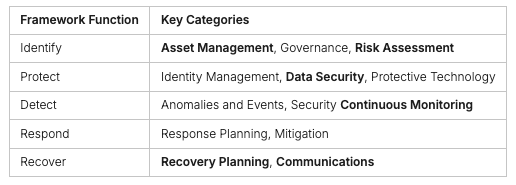
    “Threat intelligence is not just about gathering data; it’s about turning that data into insights that guide better security decisions and incident response.”

    Integration with Security Operations

    Integrating threat intelligence into your Security Operations Center (SOC) significantly enhances the efficiency and effectiveness of your security teams. By providing critical insights, threat intelligence helps prioritize alerts, understand emerging threats, reduce false positives, and streamline incident analysis. With accurate and timely threat intelligence, your team can make informed decisions and respond to cyber threats more effectively.

    Many organizations struggle with “alert fatigue,” where SOC teams are overwhelmed by a high volume of alerts. Threat intelligence alleviates this burden by adding context and setting priorities, enabling security teams to focus on the most critical threats. Incorporating threat intelligence into security operations also improves situational awareness, detection capabilities, and proactive defense measures.

    Consolidating threat intelligence within a unified platform reduces response times and strengthens your organization’s overall cybersecurity posture. By adhering to best practices and leveraging tools like threat intelligence platforms and automation, you can effectively manage data overload, improve the quality of insights, and ensure relevance in your threat response strategies.

    To explore how integrating threat intelligence can enhance your cybersecurity operations, visit Peris.ai Cybersecurity. Discover our wide range of products and services designed to keep your organization secure and resilient in the face of evolving threats.

    FAQ

    What is threat intelligence?

    Threat intelligence is about getting information from many sources about threats to an area. It includes facts and advice to help make decisions about threats.

    Why is threat intelligence important?

    More companies are using threat intelligence to understand attackers and their methods. It helps executives see the big picture of threats and connect security teams with cyber threats.

    What are the sources of threat intelligence?

    Threat intelligence comes from inside and outside the company. Inside, it’s from data within the company like malware and daily issues. Outside, it comes from public and paid sources.

    How do you aggregate threat intelligence effectively?

    Combining all threat intelligence from inside and outside into one place is key. This should be done through a system like a SIEM to make it easy to manage. The system must handle different types of data well.

    How do you contextualize threat intelligence?

    Making sense of threat intelligence helps understand threats better. It involves looking at why attackers act, who they target, and how they attack. This helps see how threats affect the company.

    How can threat intelligence be used effectively?

    Using threat intelligence well means applying it to protect and improve the company. It helps sort alerts, find threats, and reduce false alarms. It also helps manage vulnerabilities by giving insights on attackers’ methods.

    How can threat intelligence improve incident response?

    Threat intelligence cuts down on false alarms and helps sort alerts by risk level. It compares internal and external data to analyze incidents better. This gives insights on attackers and their methods, making responses more effective.

    How can threat intelligence integrate with security operations?

    Integrating threat intelligence with security operations makes security teams work better. It helps them sort alerts, find threats early, and reduce false alarms. This makes analyzing incidents easier.

  • Why Security UX Matters More Than You Think

    Why Security UX Matters More Than You Think

    In today’s digital world, we share our personal and work info online. It’s key to make online places both safe and easy to use. Many think security and ease can’t go together, but that’s changing. If we ignore security for ease, it can lead to big problems for both companies and people, with many attacks going unnoticed.

    What if making things secure is as important as making them easy to use? Designers must focus on creating safe online experiences. These experiences should protect our data and meet our needs. By finding the right balance between security and ease, we can build trust, empower users, and make the digital world better for everyone.

    Key Takeaways

    • Security is a basic need that should be a top priority in digital design.
    • Ignoring security can lead to big problems for companies and people.
    • Designers must aim to make online experiences both secure and easy.
    • Finding the right balance between security and ease is key to trust and empowerment.
    • Putting security and privacy first can give you an edge online.

    The Importance of Balancing Security and User Experience

    Designers face a big challenge in making digital products secure and easy to use. Many think security and ease of use can’t go together, but studies show they can. Security is a basic need for everyone, and people are okay with secure sites if they’re easy to use.

    Overcoming the Myth of Security vs. Usability Trade-off

    There’s no need to choose between security and ease of use. In fact, making things secure can make them easier to use. For example, secure identity solutions make things smoother and faster. By asking for less information at first, companies can make things easier from the start. Security also makes talking to customers easier, which keeps them coming back.

    Security as a Fundamental Human Need

    We all do things every day to keep ourselves and our stuff safe. The digital world is different, though, and it’s harder to stay safe. Designers should make digital places safe and easy to use. Security helps stop bad things from happening, like data theft, and keeps users and companies safe.

    By making things easy to use and secure, we can make digital things better for everyone. Making security easy to set up helps make things run smoothly and keeps data safe. A single security solution can handle many tasks, making things better for customers and companies.

    “Incorporating cybersecurity measures into UX design can increase user trust in the system.”

    Working together, UX designers and cybersecurity experts can make things better for users. Things like extra login steps can make things safer without being hard to use. Finding the right balance is something we’re always learning about.

    When companies get hacked, it can make people lose trust. Being clear about how they use data helps build trust. Finding the right mix of design and security makes things easy and safe, building trust and loyalty.

    *How Micro-Effort Is Killing Your Website’s User Experience: https://youtube.com/watch?v=OmfKeq1mUVE

    The Consequences of Security Failures

    Security failures can cause big problems for both companies and people. They lead to big financial losses and harm a company’s good name. This makes customers lose trust.

    Organizational Costs and Reputational Damage

    Businesses hit by security failures face big challenges. They have to pay fines, legal fees, and the cost of fixing the breach. Also, losing trust can hurt a lot, as most people share bad experiences online. This can make a company lose customers, with many not wanting to deal with a brand that had a breach.

    Security failures don’t just stop there. Companies that get hit by a breach often get hit again by more cyber attacks.

    The Human Cost of Data Breaches

    The effects of security failures are huge for people too. When personal info gets stolen, people face identity theft and fraud risks. This can really mess up their lives, causing stress and financial problems.

    This can also make people wary of using the internet, which hurts trust in technology and online services.

    Security failures have big effects on both companies and people. It’s important to deal with these issues to build trust and keep digital services going strong.

    Common Design Mistakes Compromising Security

    Designers aim to make user experiences smooth but often forget about security. This leads to possible weaknesses and risks. A big mistake is making passwords too hard, changing them too often, and using hard security questions. This makes users pick easy, reused passwords or leave the system, hurting the security meant to protect them.

    Designers also put up technical barriers like stopping password managers or using CAPTCHAs, which frustrates users and makes them find other ways. Thinking users will make smart security choices is another error. People often don’t see or understand the digital risks.

    Overloading User Memory with Complex Requirements

    Asking users to remember hard passwords, change them often, and answer tricky security questions overloads their memory. This makes users pick weak, reused passwords or leave the system, which weakens the security.

    Technically Driven Barriers Causing User Frustration

    Designers sometimes add technical hurdles like blocking password managers or using CAPTCHAs, causing extra trouble and frustration. These actions make users look for other ways, which could increase their security risks.

    *Flutter Course for Beginners – 37-hour Cross Platform App Development Tutorial:

    https://youtube.com/watch?v=VPvVD8t02U8

    “Designers often make the mistake of prioritizing security over usability, leading to frustrating experiences that push users away from the very systems intended to protect them.”

    To balance security with user experience, designers need a complete approach that looks at what users need and feel. By seeing how design affects security and satisfaction, they can make solutions that are safe and easy to use.

    Designing for Both Security and Seamless User Experience

    Finding the right balance between strong security and a smooth user experience is key for designers. By using multi-factor authentication, designers add an extra security layer without making things hard for users. Also, using third-party identity and payment services helps with both security and ease of use. These services are known for being secure and easy to use, making the overall experience better.

    Implementing and Promoting Multi-Factor Authentication

    Multi-factor authentication (MFA) adds an extra layer of security. It makes digital products safer without making things hard for users. Designers should aim to make MFA easy and straightforward. They should guide users through it and give clear instructions to encourage its use.

    Leveraging Third-Party Identity and Payment Services

    Using third-party identity and payment services can make things easier for users while keeping them safe. These services focus a lot on security, so designers don’t have to worry about making things secure from scratch. By using these services, designers can make their products more secure and easy to use.

    Color can also make a digital product better for users. For instance, red is great for alerts, and orange works well for buttons that tell users to take action. Designers can use color in a way that makes things easy to understand and fun to use.

    By using multi-factor authentication, third-party services, and smart color choices, designers can make digital products that are both secure and easy to use. This approach helps users, makes the brand more trusted, and leads to more engagement and loyalty.

    Why Security UX Matters More Than You Think

    In today’s digital world, security UX is key to building trust and preventing security issues. It helps users feel safe and supports following the law. Designers who focus on security and privacy not only keep data safe but also gain a competitive edge and ensure their work lasts.

    Designers have a big responsibility to use security and UX principles ethically. They must protect users and their online safety. Studies show that users are often alert to security risks, even when they seem distracted. Also, apps like WhatsApp remind users about end-to-end encryption, showing how security measures are being highlighted.

    Good user experience design can greatly improve security. For example, clear messages about strong passwords help keep data safe and private. Companies are also slowing down their sites and apps to match what users expect, building trust, like Facebook’s security checks and Wells Fargo’s retinal scanner.

    The link between UX and security is vital for making products that are easy to use and secure. By focusing on security UX, designers can gain a competitive edge and build lasting trust with their users. This is key for success online.

    “Integrating security and UX principles is an ethical responsibility, as designers have a duty to protect users and their digital well-being.”

    Building Trust and Empowering Users

    Designing with privacy and security in mind can give a big edge, making users trust and feel in control of their data. When people feel their info is safe, they’re more likely to use a product or service for a long time. Also, showing you care about privacy and security can make you stand out, as more people look for products that do.

    Designing for Privacy and Security as a Competitive Advantage

    Creating a strong security culture in a company helps employees follow good security habits and think security-first. This makes sure security goals match business goals, building trust with customers and their security teams. It’s important to teach users their role in security, working with asset owners to spread the word about security.

    Security plans should focus on the most critical assets, with extra care for the most sensitive ones. The security team advises, but the final say goes to the asset or data owner, aiming for a place where owners know their stuff and can ask for help if needed. Activities like hackathons and coding challenges help improve code security, and phishing tests teach employees about cybersecurity in real-life scenarios.

    Keeping employees informed through newsletters and listening to their feedback helps keep improving. Putting people first means colleagues think of ways to make security better and ask for advice. Keeping an eye on things, measuring, and getting feedback helps track progress and make things better, with a big welcome for new ideas.

    By using these methods, companies can make sure their privacy and security designs empower users and build trust, giving them a leg up in the market.

    *What is UI vs UX Design: https://youtube.com/watch?v=S78RV4zN7PI

    “Security culture refers to a set of security-related values, customs, and norms integrated into the behaviors of everyone within an organization.”

    Regulatory Compliance and Legal Considerations

    As digital designers, we face a complex legal world when dealing with personal data. Laws like the GDPR and CCPA set strict rules for handling personal info. Not following these laws can lead to big fines.

    Adding privacy and security to our designs is a must, not just a good idea. Since the 2000s, the number of rules has grown a lot. Now, companies have teams focused on following these rules, like compliance officers.

    Being in line with the law can give us an edge. Showing we follow data protection laws can attract clients and build trust. Also, strong compliance policies reduce the risks of data breaches, avoiding big fines and losing customer trust.

    It’s key to keep up with legal changes and learn about compliance. By making privacy and security part of our design, we protect our clients and boost their reputation.

    “Compliance with data laws helps protect companies from reputational harm and financial losses.”

    Future-Proofing Your Design with Privacy and Security

    Designing with privacy and security means more than just meeting today’s needs. It’s about building a strong base that can change and grow with technology and threats. By adding strong privacy and security to the design process, designers make their work last longer and stay ahead of risks.

    The Ethical Responsibility of Designers

    Designers have a big responsibility to protect users and their online safety. With more people worrying about data privacy now than before, and 81% ready to leave a FinTech app if it’s not secure, designers must focus on privacy and security.

    Security and user experience are becoming more important in digital products. Companies like Twitter, Facebook, and Google use Multi-Factor Authentication (MFA) to keep things safe without making it hard for users. Companies moving online must also focus on security and user experience to gain trust.

    As we move from physical to digital, like from SIM cards to eSIMs, designers must make sure these new digital experiences are safe and private. They need to know the latest security tech and follow ethical design practices that put users first.

    By focusing on privacy and security in design, designers can protect their users and set their products up for success. As the digital world changes, this ethical duty will grow, pushing designers to innovate without losing user trust and safety.

    “The convergence of security and user experience is highlighted by the increasing importance of security in digital products, even in commercially-oriented decisions.”

    Conclusion

    Security UX is more crucial than you might realize. It’s about striking the right balance between security and user experience, fostering trust, preventing security breaches, and empowering users while ensuring compliance with legal standards.

    Integrating privacy and security features into the design process is both smart and necessary. As technology evolves and threats become more sophisticated, designers must be proactive in creating secure yet user-friendly digital experiences for everyone.

    Designers who prioritize security UX craft seamless experiences that build user trust and enable informed decisions about data privacy. By adhering to accessibility and usability best practices, they ensure that digital products are inclusive and accessible to all.

    As the digital landscape continues to evolve, the importance of security UX will only increase. Staying ahead by incorporating security best practices into design is essential for maintaining robust and competitive digital products. Security UX isn’t just a detail—it’s a fundamental component of successful digital experiences.

    For more insights and to explore our range of cybersecurity products and services, visit Peris.ai Cybersecurity. Elevate your digital experiences by making security a core part of your design strategy with Peris.ai.

    FAQ

    Why is balancing security and user experience important?

    Security and usability don’t have to be at odds. Designers should aim to make digital experiences safe and user-friendly. Ignoring security for ease can lead to big problems for companies and users.

    How are safety and security basic human needs?

    Studies show safety and security are key human needs. People change their habits daily to protect their stuff and themselves. Designers must tackle these digital challenges.

    What are the consequences of security failures?

    Security lapses can cause fines, lost customers, and harm to a brand’s image. They can also lead to legal probes and the misuse of personal info. These issues can make people doubt technology and stay offline.

    What common design mistakes compromise security and user experience?

    Design flaws include asking for too many passwords, creating barriers that annoy users, and expecting users to make smart security choices. These choices are often hard for people.

    How can designers create secure and seamless user experiences?

    Designers can use multi-factor authentication for more security without making things hard for users. Using third-party services for identity and payments can also help with both security and ease of use.

    Why does security UX matter more than you think?

    Security UX builds trust, prevents failures, empowers users, and follows the law. By focusing on security and privacy, designers protect data and systems. This approach gives a competitive edge and supports long-term success.

    How does designing for privacy and security benefit users and organizations?

    Designing for privacy and security builds trust and gives users control over their data. It also shows a commitment to these values, which can attract more customers. Users want products that respect their privacy and security.

    What legal and regulatory considerations do designers need to keep in mind?

    Laws like the GDPR and CCPA set strict rules for handling personal data. Adding privacy and security to design is both a smart business move and a legal must.

    Why is it important to take a future-focused approach to security UX?

    Thinking ahead with privacy and security is crucial. It’s not just about current needs but also preparing for the future. By building strong privacy and security into designs, designers protect their work and stay ahead of risks. This is an ethical duty.

  • What the NIST Cybersecurity Framework Is All About

    What the NIST Cybersecurity Framework Is All About

    In today’s world, cybersecurity threats are a big concern for all kinds of organizations. Imagine having a detailed, adaptable, and widely used framework to help manage these risks. That’s what the NIST Cybersecurity Framework (NIST CSF) offers. It’s a set of guidelines created by the National Institute of Standards and Technology (NIST) to simplify cybersecurity for organizations.

    But you might wonder: What is the NIST Cybersecurity Framework, and how can it help your business? Let’s explore the NIST CSF’s main parts, how to put it into action, and its big impact on cybersecurity.

    Key Takeaways

    • The NIST Cybersecurity Framework offers a flexible, voluntary, and repeatable way to handle cybersecurity risks.
    • It has five core functions: Identify, Protect, Detect, Respond, and Recover.
    • The Identify function is key, focusing on managing assets, assessing risks, and setting policies.
    • This framework matches up with other top security standards, making it a full solution.
    • Using the NIST CSF can boost your organization’s security and resilience.

    Introduction to the NIST Cybersecurity Framework

    Definition and Overview

    The NIST Cybersecurity Framework is a set of guidelines that helps organizations improve their cybersecurity. It’s made by the National Institute of Standards and Technology (NIST). This framework fills the gap of missing standards in cybersecurity, offering a common set of advice for all kinds of organizations. It’s seen as the top choice for boosting an organization’s cybersecurity skills, no matter its size or type.

    Importance and Relevance

    This framework is key for making organizations more secure against cyber threats. It helps them spot, protect, detect, respond to, and bounce back from cyber attacks. By setting a cybersecurity policy, using security steps like access control and encryption, watching for unauthorized actions, and having clear response and recovery plans, companies can lessen the damage from cyber attacks. With cyber threats on the rise, the NIST Cybersecurity Framework is vital for businesses and groups in many fields to handle and lower their cybersecurity risks.

    The framework is optional and uses current standards, guidelines, and practices. It has three main parts: the Core, Implementation Tiers, and Profiles. The Core lists what cybersecurity activities and results are wanted, in simple language. The Implementation Tiers and Profiles help organizations see and focus on areas to improve their cybersecurity.

    *CertMike Explains NIST Cybersecurity Framework: https://youtube.com/watch?v=_KXqDNVmpu8

    “The NIST Cybersecurity Framework is a voluntary tool designed to help businesses manage and reduce cybersecurity risks.”

    Core Structure of the NIST Cybersecurity Framework

    The NIST Cybersecurity Framework has five core functions. These functions help an organization manage its cybersecurity risks. The functions are: Identify, Protect, Detect, Respond, and Recover. Each function has categories and subcategories that detail specific security practices and controls.

    Five Core Functions

    The Identify function helps understand and manage cybersecurity risks. It includes Asset Management, Governance, and Risk Assessment. The Protect function focuses on safeguarding critical infrastructure. It includes Identity Management, Data Security, and Protective Technology. The Detect function is about finding cybersecurity events quickly. It covers Anomalies and Events and Security Continuous Monitoring. The Respond function is about reacting to cybersecurity incidents. It includes Response Planning and Mitigation. The Recover function helps restore capabilities or services after an incident. It includes Recovery Planning and Communications.

    Categories and Subcategories

    The NIST Cybersecurity Framework has 108 Subcategories in the Core. These help create or improve a cybersecurity program. They let organizations customize the framework to fit their needs. This ensures a thorough and coordinated approach to cybersecurity.

    Edit imageDelete imageMinimize image

    The NIST Cybersecurity Framework is focused on outcomes. It helps organizations build a strong base for following new rules. Using the NIST Framework helps organizations deal with cybersecurity issues quickly.

    “The NIST Cybersecurity Framework 2.0 provides guidance to industry, government agencies, and other organizations to manage cybersecurity risks.”

    Identify Function

    The Identify function of the NIST Cybersecurity Framework (NIST CSF) helps organizations understand how to manage cybersecurity risks. It covers systems, people, assets, data, and capabilities. This includes managing assets and assessing risks to find ways to reduce them. By focusing on this, organizations can protect their most important resources.

    Asset Management

    Asset management is crucial in the Identify function of the NIST CSF. It means listing all the assets an organization has, like hardware and software. Knowing what they have helps organizations see where they might be vulnerable and focus on securing those areas.

    Risk Assessment and Management

    Risk assessment and management are also key parts of the Identify function. They help spot potential weaknesses and threats, and plan how to deal with them. This way, organizations can plan how to use their resources wisely and keep their software safe.

    *NIST CSF – Identify Function ((Asset Management)) Implementation: https://youtube.com/watch?v=VcC_KabV_Ho

    “The NIST Cybersecurity Framework provides a comprehensive approach to enhance an organization’s cybersecurity posture, with the Identify function serving as the foundational first step in this process.”

    Protect Function

    The Protect function of the NIST Cybersecurity Framework helps keep critical infrastructure safe. It also helps limit the damage from cyber threats. This includes steps for managing identities, securing data, and training staff on security. It also means keeping information systems and assets safe.

    By focusing on the Protect function, companies can lower the risk of cyber attacks. This makes it easier to handle security issues.

    The NIST Cybersecurity Framework gives detailed advice for better data security and managing access. It suggests ways to create secure keys, protect networks, and keep web servers safe. It also talks about using smart cards for access control and secure ways to send data.

    It also has tips on recovering from data breaches and securing email systems. By following these protect function nist csf, cybersecurity controls, and data security steps, companies can better protect their important assets.

    “The Protect function of the NIST Cybersecurity Framework is essential for organizations to develop and implement the necessary security measures to reduce the likelihood and impact of cyber threats.”

    Detect Function

    The Detect function of the NIST Cybersecurity Framework (NIST CSF) is key to spotting and tackling cybersecurity threats fast. It helps in creating and using the right steps to notice when cybersecurity events happen. This way, organizations can lessen their effects and get better at handling cybersecurity.

    Anomaly and Event Detection

    This function is about finding odd or suspicious actions in an organization’s systems and networks. It means setting up what’s normal for data, looking into cybersecurity events, linking event data, and figuring out how big the impact is. By setting clear alert levels, companies can spot and act on threats quickly, lowering the chance of attacks.

    Continuous Monitoring

    Continuous monitoring is key to the Detect function, making sure to always find security problems. It means watching the network, the physical place, how people work, and who they work with, and finding bad code and weaknesses. By keeping and testing how you find these issues, companies can share info on finding events and keep getting better at cybersecurity.

    Having a strong Detect function is vital for companies to find and deal with cyber threats fast. By using the advice and best practices from the NIST CSF, businesses can make their cybersecurity stronger and fight off new cyber threats.

    *NIST CSF Identify Function: https://youtube.com/watch?v=XGZyrWcUrJQ

    “Detecting cybersecurity events quickly can help lessen their effects and is key for a strong cybersecurity program.”

    Respond Function

    The Respond function of the NIST Cybersecurity Framework helps when a cybersecurity incident is detected. It includes planning for responses, communicating with others, and analyzing the incident to help recover. This way, organizations can limit the damage from a cyber attack and get back to normal.

    Response Planning

    Response Planning means having a plan ready for when a cyber attack happens. It includes knowing who to notify and what steps to take quickly.

    Communications and Analysis

    Good communication is key during a cyber attack. It’s important to talk to the right people fast, following the law or company rules. Analysis helps figure out what was hit, how bad it is, and gathers evidence for legal cases. Stopping the attack quickly is vital, and learning from it helps improve how we handle risks. After an attack, looking back to see what worked and what didn’t helps us get better. Practicing with exercises helps us be ready for real attacks, like ransomware.

    “The Respond function of the NIST Cybersecurity Framework is crucial for effectively containing the impact of a cybersecurity event and restoring normal operations.”

    Recover Function

    The Recover function of the NIST Cybersecurity Framework is key to an organization’s cybersecurity plan. It focuses on how to get back to normal after a security issue. This includes making plans, improving things, and talking to people – all important for staying strong and keeping business going.

    Recovery Planning

    Recovery planning is a big part of the Recover function. It’s about fixing systems and assets hit by a cyber attack. You need to know what depends on each other, who’s key people, and how to talk and work from other places. Also, having a plan for cyber events is a must. Doing recovery tests helps find and fix problems before they hit hard.

    Improvements and Communications

    Improving and talking with others are big parts of the Recover function too. By learning from past events and working with others, companies can get better at bouncing back. This makes them stronger against future attacks. Talking well with teams, customers, and groups that make rules is key to being open and trusted during recovery.

    The Recover function of the NIST Cybersecurity Framework is super important for a company’s cybersecurity plan. It helps fix important stuff, lessen the blow of incidents, and make things stronger overall.

    What the NIST Cybersecurity Framework Is All About

    The NIST Cybersecurity Framework offers guidelines and best practices for all types of organizations. It helps them manage their cybersecurity risks and improve their security. This framework focuses on five core functions: Identify, Protect, Detect, Respond, and Recover.

    It’s flexible and matches well with other security standards. This makes it a great tool for improving cybersecurity and lowering the risk of cyber threats. It helps organizations make smart choices about cybersecurity investments and talk about their security with leaders and the board.

    The framework stresses the importance of knowing the business and its risks. It guides organizations to focus on what’s most important for their risk management and business goals. This ensures their cybersecurity efforts match their overall goals.

    It also offers advice on how to protect identities, control access, and secure data. Plus, it helps set up strong detection and response plans for cybersecurity incidents. By following these five core functions, organizations can boost their cybersecurity and aim for higher levels of security, like the Adaptive tier.

    In summary, the NIST Cybersecurity Framework is a key resource for all kinds of organizations. It helps them improve their cybersecurity, lower risks, and stay strong against new cyber threats.

    Implementation Tiers and Maturity Levels

    The NIST Cybersecurity Framework (NIST CSF) helps organizations track their cybersecurity progress. It has four implementation tiers that show how well an organization does in cybersecurity. These tiers also show the cybersecurity maturity.

    At the lowest tier, Partial, organizations react to threats without a plan. They don’t really think about risks. Moving up to the Risk-Informed tier, they start to understand cybersecurity risks better. But, they don’t have a standard way to manage these risks across the company.

    The Repeatable tier means organizations have a plan for managing risks. They update this plan as needed to keep up with threats. At the top, the Adaptive tier, organizations keep getting better. They use new tech and learn from past experiences.

    The NIST CSF also talks about maturity levels. These levels help organizations improve their cybersecurity maturity. They go from basic security knowledge to a full, automated, and growing security program.

    Knowing where they stand in tiers and levels helps organizations see what they need to work on. They can make a plan to get better at security. This way, businesses can check their cybersecurity maturity and make smart choices about their risk management program.

    Using the NIST Cybersecurity Framework and moving up in maturity levels is a big job. But, it’s key for organizations wanting to boost their nist csf implementation tiers and handle cybersecurity risks.

    Getting Started with the NIST Cybersecurity Framework

    Using the NIST Cybersecurity Framework is a smart move for companies wanting to boost their cybersecurity and manage risks better. First, set clear goals and figure out what risks you can take. Then, check where you stand in cybersecurity, find laws that apply to you, and do a deep risk check.

    After that, make a plan for the security level you want to reach and see where you’re short. Then, make a plan to fix those gaps. This way, you can improve your cybersecurity and get safer, following the NIST Framework.

    The NIST Cybersecurity Framework has five main parts: Identify, Protect, Detect, Respond, and Recover. Here’s how to start:

    1. Set your project goals and risk limits.
    2. Check your current cybersecurity and find laws that apply.
    3. Do a full risk check to see what threats you face.
    4. Make a target profile for your risk goals.
    5. Plan and act on what you need to improve.

    This step-by-step plan helps you use the NIST Cybersecurity Framework well. It makes your cybersecurity and risk management better.

    Follow these tips and use the NIST Cybersecurity Framework to make your cybersecurity and risk management better.

    “The NIST Cybersecurity Framework provides a common language and structure for managing and reducing cybersecurity risk – a critical component of any successful business strategy.”

    Conclusion

    The NIST Cybersecurity Framework has become the leading standard for managing cybersecurity risks across various industries and organization sizes. It provides a structured approach for developing and implementing a robust cybersecurity strategy, protecting critical assets, identifying and mitigating cyber threats, and recovering swiftly and resiliently from security incidents.

    In today’s complex and ever-evolving threat landscape, the NIST Cybersecurity Framework exemplifies the power of collaboration and unified goals. Developed with input from over 3,000 industry professionals and cybersecurity experts, it serves as an essential tool for organizations looking to enhance their cybersecurity best practices, risk management, and information security measures. As the framework continues to evolve to address new challenges, it remains crucial for businesses striving to lead in the fight against cyber threats.

    For more information on how to strengthen your cybersecurity posture using the NIST Cybersecurity Framework and other best practices, visit Peris.ai Cybersecurity. Explore our wide range of products and services designed to help you navigate and mitigate the complexities of today’s digital threats. Secure your business with Peris.ai today!

    FAQ

    What is the NIST Cybersecurity Framework?

    The NIST Cybersecurity Framework is a set of guidelines from the National Institute of Standards and Technology (NIST). It helps organizations of all sizes manage and reduce their cybersecurity risk. It offers a clear way to understand and handle cybersecurity threats.

    What are the core functions of the NIST Cybersecurity Framework?

    The framework has five core functions: Identify, Protect, Detect, Respond, and Recover. These functions outline the main cybersecurity tasks an organization should do. They help manage risk effectively.

    How does the Identify function of the NIST Cybersecurity Framework work?

    The Identify function helps an organization understand its cybersecurity risk. It focuses on managing risks to systems, people, assets, data, and capabilities. This includes managing assets and assessing risks.

    What is the purpose of the Protect function in the NIST Cybersecurity Framework?

    The Protect function ensures critical infrastructure services are safe. It helps limit the impact of a cybersecurity event. This includes controls for identity management, access control, data security, and system security.

    How does the Detect function of the NIST Cybersecurity Framework help organizations?

    The Detect function helps spot cybersecurity events quickly. It includes detecting anomalies and monitoring continuously. This ensures protective measures work well and finds potential security issues.

    What is the purpose of the Respond function in the NIST Cybersecurity Framework?

    The Respond function is about taking action when a cybersecurity incident happens. It includes planning for responses, communicating, and analyzing to help with recovery.

    How does the Recover function of the NIST Cybersecurity Framework help organizations?

    The Recover function helps restore services or capabilities lost due to a cybersecurity incident. It includes planning for recovery and improving resilience to ensure business continuity.

    What are the implementation tiers of the NIST Cybersecurity Framework?

    The framework has four implementation tiers: Partial, Risk Informed, Repeatable, and Adaptive. These tiers show an organization’s level of cybersecurity risk management. Partial is the least mature, and Adaptive is the most advanced.

    How can organizations get started with the NIST Cybersecurity Framework?

    To start, organizations should set priorities and scope their project. They should assess their current cybersecurity, identify relevant regulations, and conduct a risk assessment. Then, create a target profile and develop an action plan to fill the gaps.