In the era of escalating cyber threats, the strength of your password plays a crucial role in safeguarding your data. Cybercriminals are employing increasingly sophisticated methods to crack passwords, making the need for robust security measures more important than ever.
Understanding Password Vulnerability
The speed at which a password can be cracked depends largely on its complexity and length:
Simple Eight-Character Passwords: A basic password of just eight characters can be compromised in as little as 37 seconds using brute force techniques.
Complex Eight-Character Passwords: By incorporating a mix of numbers, upper and lower case letters, and symbols, an eight-character password’s security can be enhanced, potentially taking up to seven years to crack.
Sixteen-Character Numeric Passwords: Extending a password to 16 characters composed only of numbers can significantly increase its security, potentially taking up to 119 years for hackers to crack.
The Importance of Password Length
Increasing the length of a password greatly expands the number of possible combinations, making it exponentially more difficult for cybercriminals to crack. This demonstrates why length can often be more impactful than complexity in securing your accounts.
Managing Strong Passwords Effectively
While crafting longer and more complex passwords provides greater security, managing them can become challenging. This is where password managers play a crucial role. These tools not only securely store your passwords but also assist in generating strong, random passwords for each of your accounts, ensuring uniqueness and strength.
️ Enhancing Security with Multi-Factor Authentication
Adding layers of security through methods like two-factor authentication (2FA) significantly bolsters your defense against unauthorized access. This additional verification step is essential in protecting sensitive data and personal information.
Adopting Modern Password Practices
Stable Strong Passwords: Instead of changing your passwords frequently, focus on creating strong, unique passwords and maintain them unless you suspect they have been compromised.
Unique Passwords for Each Account: Avoid using the same password across multiple sites and services. Ensuring each account has a unique password is vital in preventing a single breach from jeopardizing multiple accounts.
Staying Ahead: The Future of Password Security
As technology evolves, so does the potential for existing encryption methods to become less effective. It is critical to stay updated with the latest advancements in cybersecurity and continuously refine your security practices.
Stay Protected with Peris.ai Cybersecurity
Navigating the complexities of digital security can be daunting. At Peris.ai Cybersecurity, we provide the expertise and tools necessary to protect your digital presence effectively. Visit our website for more insights into creating robust passwords and implementing effective cybersecurity strategies.
Embrace enhanced security measures and ensure your data remains protected with Peris.ai Cybersecurity, your expert partner in navigating the digital landscape.
Understanding Malicious Email Attachments and How to Protect Yourself
Emails are a crucial communication tool both in personal and professional contexts, but they are also common vectors for cyberattacks. Malicious email attachments are files sent via email designed to compromise security or damage a system. Daily, around 560,000 new malware threats are discovered, demonstrating the pervasive threat of these malicious attachments.
How Malicious Email Attachments Operate
Malicious email attachments can compromise systems through various methods:
Exploiting Vulnerabilities: Attachments may contain scripts that exploit weaknesses in software or operating systems to install malware.
Social Engineering: These attachments often appear as legitimate documents (e.g., invoices or urgent notices) to trick users into opening them.
Payload Delivery: Opening or executing the attachment triggers the malware, leading to potential data theft, system disruption, or integration into a botnet.
Propagation: Some malware tries to spread further by replicating itself through a victim’s contact list or local network.
Common Origins of Malicious Attachments
Malicious attachments can come from several sources:
Phishing Emails: These are crafted to look like they’re from legitimate sources, using urgency or fear to motivate the recipient to open the attachment.
Spoofed Email Addresses: Emails may appear to be sent from a known contact, increasing the likelihood that a recipient will trust and open the attachment.
Compromised Accounts: An attacker might hijack a legitimate email account and use it to distribute malware.
Business Email Compromise (BEC): This involves using a compromised business email account to send convincing malicious emails within or outside the organization.
Malware Distribution Campaigns: Attackers send emails with malicious attachments to large numbers of potential victims, often targeting specific industries or organizations.
Strategies to Defend Against Malicious Email Attachments
Protecting against malicious email attachments requires a multi-faceted approach:
Email Filtering: Utilize solutions that detect and block emails containing malicious attachments before they reach the inbox.
User Education: Train users to recognize phishing attempts and to be skeptical of unsolicited attachments, especially from unknown sources.
Sender Authentication: Implement protocols like SPF, DKIM, and DMARC to help verify that emails are from legitimate sources.
Attachment Scanning: Regularly scan attachments with updated antivirus and anti-malware software.
Restrict File Types: Limit the types of files that can be received via email, such as executables or script files, which are often used in malware attacks.
Keep Systems Updated: Ensure that all software, especially email clients and operating systems, are up to date with the latest security patches.
Sandboxing and Content Analysis: Analyze attachments in a controlled environment to identify malicious behavior without risking the primary system.
Incident Response: Have a plan in place for responding to incidents involving malicious attachments to minimize damage and recover more quickly.
Stay Protected with Peris.ai Cybersecurity
Navigating the complexities of email threats requires vigilance and effective security measures. At Peris.ai Cybersecurity, we are dedicated to providing the tools and expertise needed to safeguard your digital communications. Visit our website for more information and support in protecting against cyber threats.
Enhance your email security and maintain your peace of mind with Peris.ai Cybersecurity, your trusted cybersecurity partner.
Continuous Vulnerability Management refers to the process of identifying, prioritizing, documenting, and remediating weak points in an IT environment. It involves continuously assessing and tracking vulnerabilities on all enterprise assets, monitoring threat and vulnerability information from various sources, and taking proactive measures to minimize the window of opportunity for attackers. Continuous Vulnerability Management is a crucial component of an effective cyber defense strategy, as it helps organizations reduce their exposure to potential attacks and strengthen their overall security posture.
Key Takeaways:
Continuous Vulnerability Management is the process of identifying and addressing weaknesses in an IT environment.
It involves assessing vulnerabilities, monitoring threat information, and taking proactive measures to minimize the risk of attacks.
Continuous Vulnerability Management is an essential component of a robust cyber defense strategy.
It helps organizations reduce their exposure to potential attacks and strengthen their overall security posture.
By implementing Continuous Vulnerability Management practices, organizations can enhance their cybersecurity defenses and mitigate cyber risks.
The Components of Continuous Vulnerability Management
Continuous Vulnerability Management consists of four main components that work together to ensure an effective cybersecurity posture for organizations. These components include Identification, Evaluation, Remediation, and Reporting.
1. Identification
The identification component is the first step in Continuous Vulnerability Management. It involves identifying all digital assets and weaknesses within an organization’s IT environment. To accomplish this, organizations can utilize assessment tools and scanners to scan their infrastructure regularly. The frequency of these scans depends on the organization’s risk tolerance and the complexity of their IT environment. By identifying vulnerabilities, organizations can gain a comprehensive understanding of potential security risks.
2. Evaluation
The evaluation component is crucial for prioritizing vulnerabilities and determining the appropriate course of action. During this phase, vulnerabilities are assessed based on various factors such as severity, ease of exploitation, and financial impact. By evaluating vulnerabilities, organizations can allocate resources effectively and focus on addressing the most critical risks. This risk-based approach ensures that remediation efforts are prioritized for maximum impact.
3. Remediation
The remediation component involves taking action to address identified vulnerabilities. Organizations can employ a range of techniques, including patching software, applying updates, and implementing other security measures. Timely remediation is vital to minimize the window of opportunity for attackers. By effectively addressing weaknesses, organizations can strengthen their cybersecurity defenses and reduce the likelihood of successful cyberattacks.
4. Reporting
The reporting component is essential for documenting the progress and outcomes of vulnerability management efforts. By documenting vulnerabilities and their remediation status, organizations can track their cybersecurity efforts over time. This documentation also facilitates compliance requirements and future security audits. It provides valuable insights into the effectiveness of vulnerability management strategies and helps organizations make data-driven decisions to enhance their cybersecurity defenses.
Implementing the components of Continuous Vulnerability Management in a coordinated and systematic manner is crucial for organizations to stay proactive in their cybersecurity efforts. By effectively identifying, evaluating, remediating, and reporting vulnerabilities, organizations can significantly reduce their risk exposure and enhance their overall security posture.
The Importance of a Remediation Process
Establishing and maintaining a remediation process is a critical aspect of Continuous Vulnerability Management. This process involves developing a risk-based strategy to address vulnerabilities, with regular reviews to ensure effectiveness. Remediation can involve various measures, such as patch management solutions, automated updates, and manual techniques. It’s essential to have a comprehensive and efficient remediation process to minimize the time between vulnerability detection and resolution. This helps organizations stay on top of their security posture and reduce the potential impact of attacks.
When it comes to addressing vulnerabilities, organizations need to take a risk-based strategy. This means prioritizing remediation efforts based on the level of risk posed by each vulnerability. By focusing on the vulnerabilities with the highest risk, organizations can allocate their resources effectively and address the most critical weaknesses first.
Patch management is a key aspect of the remediation process. It involves regularly applying patches and updates to software, firmware, and operating systems to fix known vulnerabilities. Patch management solutions automate this process, ensuring that organizations stay up to date with the latest security patches. This is crucial because cyber attackers often target known vulnerabilities, making regular patching essential for maintaining a strong defense.
A well-defined and efficient remediation process not only helps organizations address vulnerabilities promptly but also contributes to ongoing improvement and risk reduction. By continuously reviewing and refining their remediation approach, organizations can identify trends, assess the effectiveness of their strategies, and make informed decisions regarding resource allocation.
Effective remediation is not a one-time activity. It requires regular monitoring, evaluation, and adjustment to keep pace with evolving threats and IT environments. By adhering to a robust remediation process, organizations can enhance their security posture, reduce the window of opportunity for attackers, and protect their critical assets.
The Role of Automated Scans and Patch Management
Automated scans and patch management are crucial components of an effective Continuous Vulnerability Management strategy. These practices help organizations identify vulnerabilities, assess their impact, and address them promptly to reduce the risk of exploitation by threat actors.
Organizations should conduct both internal and external automated scans on a regular basis. These scans enable the identification of weaknesses and vulnerabilities in IT assets, networks, applications, and databases. By performing in-depth vulnerability assessments, organizations can gain a comprehensive understanding of their security posture and prioritize remediation efforts.
Authenticated and unauthenticated scans are equally important in vulnerability assessment. Authenticated scans utilize valid credentials to assess vulnerabilities from an insider’s perspective, while unauthenticated scans simulate attacks from external sources. The combination of both types of scans provides a holistic view of an organization’s vulnerabilities, ensuring comprehensive coverage.
“Automated scans play a significant role in Continuous Vulnerability Management.”
In addition to automated scans, organizations must have robust patch management processes in place. Patch management involves systematically applying software updates, including security patches, to operating systems and applications. These updates address known vulnerabilities and protect against potential exploitation.
Automated patch management processes facilitate the timely deployment of updates, reducing the window of opportunity for attackers to exploit vulnerabilities. By automating these processes, organizations can ensure that critical security patches are applied promptly and consistently across their IT infrastructure, without relying on manual interventions.
“Organizations should have automated patch management processes in place to ensure timely updates.”
To illustrate the effectiveness of automated scans and patch management, consider the following table:
This table demonstrates the status of vulnerabilities identified through automated scans and the corresponding patch management actions. By promptly patching critical and high-severity vulnerabilities, organizations can significantly mitigate their risk exposure.
By integrating automated scans and patch management into their Continuous Vulnerability Management processes, organizations can proactively identify and address vulnerabilities across their IT environment. This proactive approach reduces the potential impact of attacks and strengthens an organization’s overall security posture.
Conclusion
Continuous Vulnerability Management is a critical component of a robust cybersecurity strategy. It empowers organizations to actively monitor, identify, and address security vulnerabilities before they can be exploited. By engaging in continuous assessment and remediation, organizations not only protect their systems and data but also significantly shrink the window of opportunity for potential cyber attacks.
The implementation of a comprehensive and mature Continuous Vulnerability Management program is vital for enhancing the efficiency of vulnerability management processes. Such a program helps in minimizing the impact of attacks and elevates the overall effectiveness of an organization’s cybersecurity defenses. This proactive approach to cybersecurity ensures that organizations can swiftly adapt to new threats and maintain a strong defense against the dynamic challenges posed by the digital landscape.
Regular vulnerability assessments enable organizations to remain vigilant against emerging threats, ensuring continuous protection and resilience. By promptly addressing detected vulnerabilities, organizations can markedly decrease their cyber risk and safeguard their most valuable assets from potential breaches.
At Peris.ai Cybersecurity, we understand the importance of fortifying your cyber defenses through Continuous Vulnerability Management. Our advanced tools and expert guidance are designed to help your organization implement a robust vulnerability management strategy that keeps pace with the rapidly evolving cyber threats. Visit us at Peris.ai Cybersecurity to explore how we can assist you in enhancing your cybersecurity posture, reducing risks, and ensuring the ongoing protection of your digital environment. Let us help you stay one step ahead in your cybersecurity efforts.
FAQ
What is Continuous Vulnerability Management?
Continuous Vulnerability Management refers to the process of identifying, prioritizing, documenting, and remediating weak points in an IT environment. It is a crucial component of an effective cyber defense strategy, helping organizations reduce their exposure to potential attacks and strengthen their overall security posture.
What are the components of Continuous Vulnerability Management?
Continuous Vulnerability Management consists of four main components: identification, evaluation, remediation, and reporting. These components involve identifying digital assets and weaknesses, assessing and prioritizing vulnerabilities, addressing weaknesses through patching and updates, and documenting vulnerabilities and their progress towards remediation.
Why is a remediation process important in Continuous Vulnerability Management?
Establishing and maintaining a remediation process is critical in Continuous Vulnerability Management. It involves developing a risk-based strategy to address vulnerabilities and ensuring timely resolution. A comprehensive remediation process helps organizations stay on top of their security posture and reduce the potential impact of attacks.
What is the role of automated scans and patch management in Continuous Vulnerability Management?
Automated scans play a significant role in Continuous Vulnerability Management. Organizations should perform regular internal and external vulnerability scans to identify weaknesses in IT assets, networks, applications, and databases. Patch management processes also help address known vulnerabilities and reduce the risk of exploitation by threat actors.
Why is Continuous Vulnerability Management important?
Continuous Vulnerability Management is a critical practice for organizations to enhance their cybersecurity defenses and reduce cyber risk. By continuously identifying, evaluating, remediating, and reporting vulnerabilities, organizations can stay proactive in their security efforts and minimize the window of opportunity for attacks. Implementing a mature and comprehensive Continuous Vulnerability Management program can streamline vulnerability management activities, reduce the impact of potential attacks, and improve the overall effectiveness of an organization’s cyber defense strategy.
Shadow IT has become a growing concern for organizations in recent years. It refers to the use of unauthorized software, applications, and services by employees within an organization, often without the knowledge or approval of the IT department. While employees may use shadow IT to work more efficiently, it can pose significant risks to an organization’s security, data privacy, and regulatory compliance.
The use of shadow IT can create security vulnerabilities that can be exploited by cybercriminals, putting sensitive data and systems at risk. It can also make it difficult for organizations to monitor and control access to data, leading to data privacy concerns. Shadow IT can result in costly fines and legal action for regulatory violations in highly regulated industries, such as healthcare or finance.
In this article, we will delve deeper into the risks associated with shadow IT and provide practical tips on mitigating these risks. Organizations must understand and proactively address the risks, such as creating clear IT policies, educating employees, and implementing security tools and controls. By taking a proactive approach to shadow IT, organizations can protect their data and ensure compliance with regulatory requirements.
Risks of Shadow IT
Security Threats: Shadow IT can pose significant security threats to an organization. Employees using unauthorized applications and software can create security vulnerabilities that cybercriminals can exploit.
Data Privacy: Shadow IT can also risk an organization’s data privacy. When employees use unapproved applications and services, they often store sensitive information outside the organization’s secure systems, making monitoring and controlling access difficult.
Compliance Risks: Shadow IT can lead to compliance risks, especially in highly regulated industries such as healthcare or finance. Employees using unauthorized software may inadvertently violate regulatory requirements, which can result in costly fines and legal action.
Integration Issues: Shadow IT can also create integration issues with the organization’s existing systems, leading to inefficiencies and additional costs.
How to Mitigate the Risks of Shadow IT
Create a Clear IT Policy: Organizations should create a clear IT policy outlining the approved applications, software, and services employees can use. This policy should be communicated clearly to all employees, and violations should be enforced.
Educate Employees: Educating employees on the risks of shadow IT is essential. They should understand the security, privacy, and compliance risks of using unauthorized applications and services. Employees should also be trained to recognize and report suspicious activities or applications.
Monitor Network Traffic: Organizations should monitor network traffic to detect unauthorized applications and services. This can be done using network monitoring tools to identify and block suspicious activity.
Implement Access Controls: Access controls can help mitigate the risks of shadow IT. Access controls should be implemented at various levels, including the network, application, and data.
Implement Data Loss Prevention: Implementing data loss prevention (DLP) tools can help prevent data loss and mitigate the risks of shadow IT. DLP tools can detect and prevent the transfer of sensitive data outside of the organization’s secure systems.
Use Cloud Access Security Brokers (CASBs): CASBs are security tools that can help organizations monitor and control access to cloud-based applications and services. CASBs can also detect and prevent unauthorized access to data in the cloud.
Regularly Assess and Update IT Policies: IT policies should be regularly assessed and updated to ensure they remain relevant and effective. As technology and threats evolve, policies should be revised to address new risks and vulnerabilities.
Conclusion
While shadow IT may seem like a sneaky way for employees to get things done more efficiently, it’s a double-edged sword that can harm an organization in multiple ways. From cybersecurity threats to data privacy breaches, the risks of shadow IT are not to be taken lightly. Fortunately, there are practical solutions to help mitigate these risks.
Organizations should implement clear IT policies, educate their employees on the dangers of shadow IT, and implement security tools and controls. By doing so, they can proactively protect their data and ensure compliance with regulations. In short, don’t let shadow IT cast a dark cloud over your organization’s operations.
If you still need to figure out how to tackle shadow IT in your organization, don’t fret! Plenty of resources are available to help you on your journey to cybersecurity and compliance. Check out our website for more information and solutions to help you stay ahead of the game.
Remember, the risks of shadow IT are not going away anytime soon, so it’s best to be prepared and take action now. Protect your organization’s data and ensure compliance with regulations by implementing the right tools and strategies today.
JAKARTA, 1 February 2023 — Peris.ai, Indonesian-based cybersecurity as a service startup, today announced the new funding led by East Ventures, the leading and pioneering sector-agnostic venture capital firm in Indonesia. Magic Fund also participated in this funding. Peris.ai will allocate the fresh fund mainly to further build and enhance its cybersecurity platform, train machine learning and AI capabilities, and nurture the ethical hacker community.
“We are glad to receive this funding in supporting our mission to provide a comprehensive solution to protect every organization from cyber attacks. With constantly evolving cybersecurity threats and how there has been a significant increase in reliance on technology and connected devices, the potential for cyber attacks is more significant than ever. We believe Peris.ai is at the forefront in providing the right data protection solutions for every business and individual,” said David Samuel, Co-Founder and Chief Executive Officer of Peris.ai
Peris.ai was co-founded by David Samuel (Chief Executive Officer), the former Co-Founder and Chief Technology Officer of Ritase.com, and Deden Gobel (Chief Technology Officer), the former Cybersecurity Head of Ritase.com. Both of them bring extensive and proven experiences in the tech industry, especially in cybersecurity.
Peris.ai Team
Cyber attacks and data breaches can lead to severe consequences for businesses and individuals, including the loss of sensitive information, financial damage, and reputational harm. Peris.ai provides a solution to help these businesses and individuals in securing and strengthening their cybersecurity through comprehensive services, such as a bounty platform powered by ethical hackers, ongoing monitoring and protection of networks, systems, and data, as well as incident response and recovery services.
Peris.ai Bima – Cybersecurity as a Service Solution
Peris.ai has also created a robust innovation in its product by integrating artificial intelligence and machine learning capabilities to augment human efforts in securing IT infrastructures. By doing so, it allows more efficient and effective protection against attacks, as the system can continuously learn and adapt to new threats. The usage of AI and machine learning enables the analysis and interpretation of a large amount of data, providing insights and recommendations that would not be possible through manual efforts alone.
Currently, Peris.ai offers its solution as a subscription-based service with different pricing tiers based on the organization’s needs. Peris.ai also provides a specialized SaaS-based platform for high-risk industries and companies with complex IT infrastructures. All of the services are performed with the advanced technologies and the expertise of Peris.ai’ cybersecurity consultants and software engineers, ensuring that all clients receive maximum protection.
“We welcome Peris.ai into East Ventures’ family. The advancement of technology should be followed by strong data protection. An organization’s security level is no stronger than its weakest spot. It requires a holistic approach, including local relevancy. We believe Peris.ai is building cyber security solutions based on what the local and regional needs,” said Willson Cuaca, Co-Founder and Managing Partner at East Ventures.
Peris.ai has recorded a minimum of 20% month-over-month growth in Monthly Recurring Revenue (MRR). Peris.ai comprises 13 highly skilled individuals with in-depth knowledge and expertise in cybersecurity and software engineering. Moreover, Peris.ai is supported by a community of more than 1,200 ethical hackers who help the Team stay up-to-date with the latest threats and vulnerabilities.
As you embrace the convenience of online shopping in Indonesia, it’s essential to prioritize your digital security. Every click and transaction you make can either safeguard your personal information or put it at risk. In light of this, understanding and implementing secure online transactions and online shopping practices is not just advisable but imperative. From selecting reputable secure online transaction services to scrutinizing the security features of online retailers, your vigilance ensures your financial safety and peace of mind. Whether you’re purchasing the latest tech gadgets, indulging in fashion finds, or ordering daily essentials, adhering to security measures is your digital armor against the ever-present threats of hacking and fraud.
Key Takeaways
Opt for private internet connections over public Wi-Fi to prevent unauthorized access to your data.
Ensure payment pages display HTTPS and a lock symbol, signaling encrypted transactions.
Research sellers for legitimacy by reading reviews and verifying contact information.
Choose secure payment options like credit cards or reputable services like PayPal for additional safeguards.
Record all transaction details and follow your instincts to avoid deals that appear too good to be true.
Prioritize your privacy and security by being cautious with your online personal information.
Understanding the Importance of Secure Online Shopping
As eCommerce grows rapidly in Indonesia, the security of online transactions becomes not just a convenience but a necessity. By recognizing the risks and taking proactive steps to secure personal and financial details, you can protect yourself from the increasing threat of cybercrime. Ensuring online transaction security is a collaborative effort between consumers, retailers, and technology providers, all working towards a safer eCommerce environment.
Assessing Risks and Potential Threats in Online Shopping
When engaging in online shopping, being aware of potential threats such as identity theft, phishing scams, and fraudulent websites is imperative. These risks can lead to non-payment, non-delivery of goods, or unauthorized use of your financial information. The foundation of secure eCommerce transactions lies in understanding these risks and taking assertive steps to mitigate them.
Securing Personal Information and Purchase Details
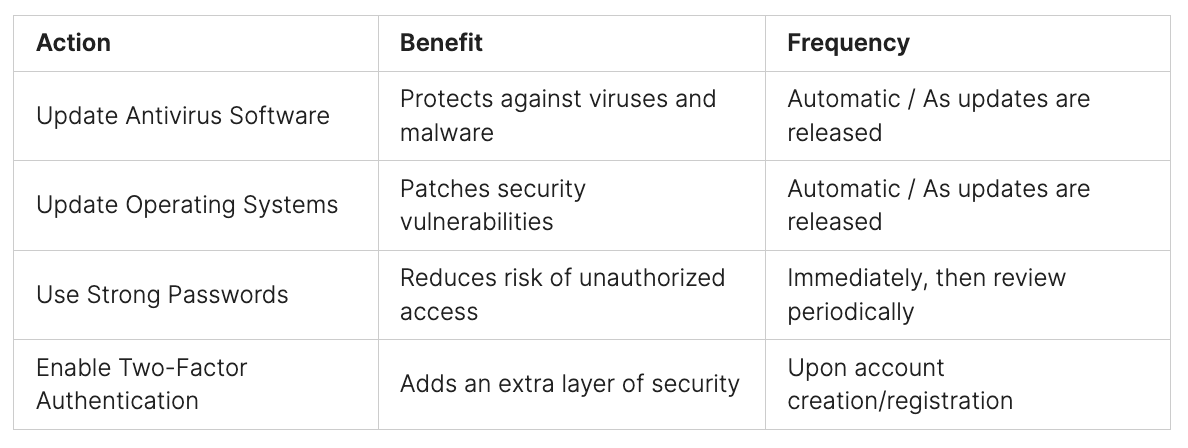
To fortify your online transaction security, start by steering clear of public WiFi when purchasing. Instead, opt for a Virtual Private Network (VPN) or reliable mobile data connections. Strong, unique passwords are your first defense against unauthorized access, and using a password manager can greatly enhance security. Additionally, keeping your operating system updated prevents attackers from exploiting known vulnerabilities, thus safeguarding your personal and purchase details.
Use secure connections for all online purchasing activities
Invest in robust password management tools for enhanced security
Regularly update your systems to protect against the latest threats
Identifying Secure Online Transactions Platforms
The importance of using a secure platform cannot be overstated when engaging in online transactions. It is the cornerstone of a safe online shopping experience, and in Indonesia, where digital economic growth is expanding, ensuring your transactional details are protected is essential. Below, let’s explore how to identify a secure online transaction platform, focusing on the technology and protocols that safeguard your data.
How Secure Sockets Layer (SSL) Protects Your Data
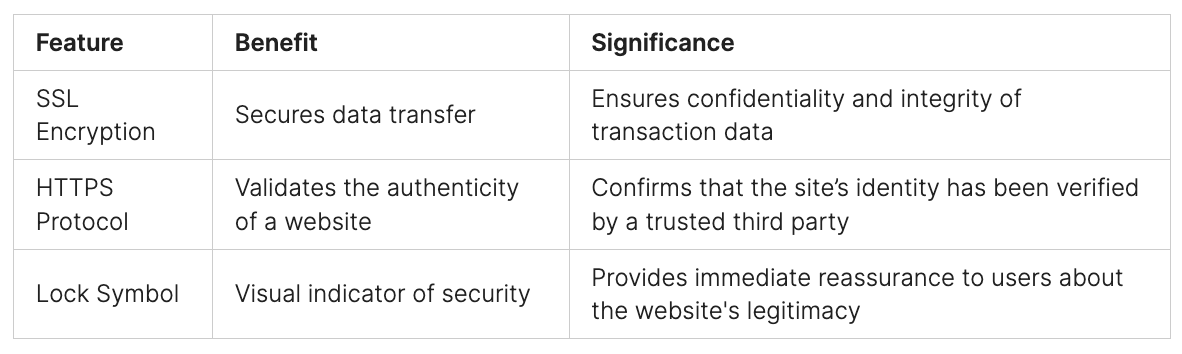
One of the primary defenses against data breaches during online transactions is the Secure Sockets Layer, commonly known as SSL. This security protocol creates an encrypted link between a web server and a browser. This means that any information shared between you and the secure transaction solutions is kept confidential and protected from prying eyes. An SSL-secured website is easily identifiable by the lock symbol displayed in the browser’s URL field, signaling that the platform is guarding your data vigilantly.
Recognizing the HTTPS Protocol and Its Significance
Beyond the lock symbol, the presence of HTTPS in a web address is another key indicator of security. The ‘s’ in ‘https’ stands for ‘secure’ and signifies that the secure online transactions platform has an SSL certificate in place, assuring you of a secure connection. This is particularly crucial when entering sensitive information, such as credit card details or personal identifiers. Recognizing these signs of a secure connection helps you confidently navigate the online marketplace, understanding that your transactions are safe.
Remember, in the world of online shopping, taking a proactive stance toward your security is always better than being reactive to potential threats. Ensure that you conduct your transactions on platforms acknowledged for their secure transaction solutions. Through vigilance and informed decision-making, your online shopping experiences in Indonesia can be both enjoyable and secure.
Methods to Ensure Secure Payment Processing
Modern consumers value the assurance that their online transactions are safeguarded against fraud. As a shopper in Indonesia, you have several strategies at your disposal to ensure secure payment processing and maintain the integrity of secure online transaction services.
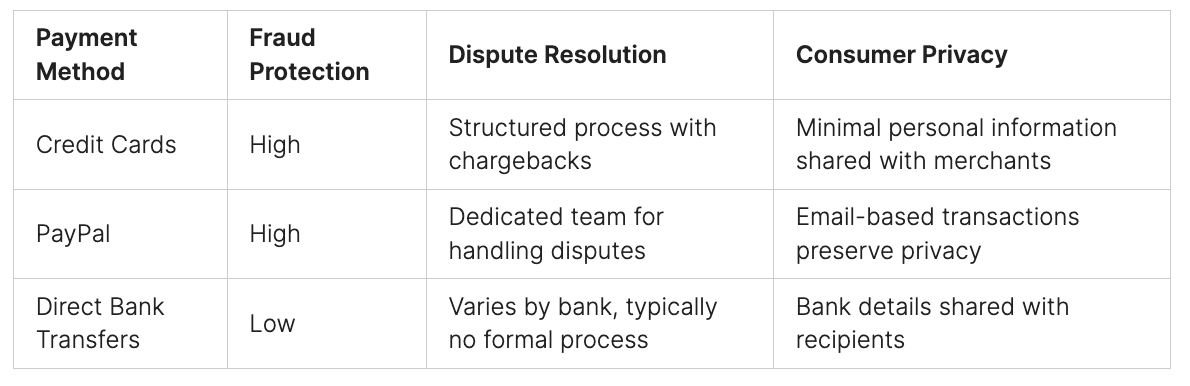
Credit Cards: Utilize credit cards for purchases as they often provide robust consumer protection measures against unauthorized transactions.
Prestigious Payment Gateways: Employ established online payment services like PayPal, offering additional security layers and purchase protection.
Monitor Account Activity: Regularly check your bank statements to spot and report any unfamiliar charges swiftly.
Avoid Direct Transfers: Don’t acquiesce to requests for direct wire transfers or bank transfers, as these methods offer less recourse in case of fraud.
Implementing these methods is a significant step towards minimizing the risk of fraudulent activities. Below, we compare popular payment methods and their features that contribute to secure payment processing.
By favoring the use of protective and secure options, you fortify the wall between your finances and potential online threats, thereby eradicating many of the vulnerabilities associated with less secure payment methods. Practicing such due diligence contributes significantly to the landscape of secure online transaction services.
Best Practices for Secure Online Banking
In the digital age, secure online banking is not just a convenience but a necessity. As you navigate the world of e-finance, it’s important to establish a strong foundation of online transaction security. By embracing a few essential practices, you can significantly lower the risk of compromising your financial data and protect your hard-earned money.
Creating and Managing Strong Passwords
The first line of defense in securing your online banking is to use strong, unique passwords. A robust password should be a complex blend of letters, numbers, and special characters. Here are some guidelines for password creation:
Make sure the password is at least 12 characters long.
Use a mix of upper and lower case letters.
Include numbers and symbols to increase complexity.
Avoid using personal information such as birthdays or names.
Never repeat passwords across different accounts.
Consider using a reputable password manager to keep track of your passwords securely. This will allow you to create and store different complex passwords for all your accounts without the risk of forgetting them.
The Role of Two-Factor Authentication in Protecting Your Accounts
Two-factor authentication (2FA) adds an additional layer of security beyond your password. With 2FA, even if someone can obtain your password, they still need a second piece of information—usually a one-time code sent to your phone or email—to access your account. Make sure to enable this feature on all financial accounts offering it. The importance of 2FA cannot be overstated regarding online transaction security.
Maintaining Software and Operating System Security
Finally, keeping your software, including your operating system and antivirus programs, up to date is crucial to safeguard against online threats. Regular updates often include patches for security vulnerabilities that, if unaddressed, could be exploited by hackers. Set your systems to update automatically where possible, or develop a habit of manual regular checks.
By diligently applying these best practices, you will greatly enhance the security of your online banking activities, giving you peace of mind as you manage your finances in Indonesia’s growing digital marketplace.
Secure Online Transactions: How to Verify and Shop Safely
When engaging in secure online transaction services, your ability to verify and shop safely is fundamental. It’s not just about making a purchase; it’s about ensuring that every step of the process protects your personal and financial information, bolstering online transaction security. Here’s a guide to help you navigate the digital marketplace with confidence.
Check for SSL Locks: Always look for the SSL (Secure Sockets Layer) lock symbol in your browser’s address bar before entering any sensitive information. This indicates that the site has a secure encryption layer to protect your data.
Use Trusted Wi-Fi Connections: Public Wi-Fi can be a hotbed for hackers. Ensure you use a secure and trusted Wi-Fi connection when shopping online to prevent unauthorized access to your data.
Scrutinize Privacy Policies: Before purchasing, read the website’s privacy policy. It should clearly state how your data will be used and protected.
Review Ratings and Seller Feedback: Utilize customer reviews and seller ratings to gauge the reliability of the store or seller. High ratings usually indicate a trustworthy vendor.
Keep Detailed Records: Save all receipts, order confirmations, and emails related to your transactions. These records are crucial if you ever need to dispute charges or resolve issues with your order.
Monitor Your Financial Statements: Regularly checking your credit card and bank statements helps you catch any unauthorized transactions early, preventing potential fraud.
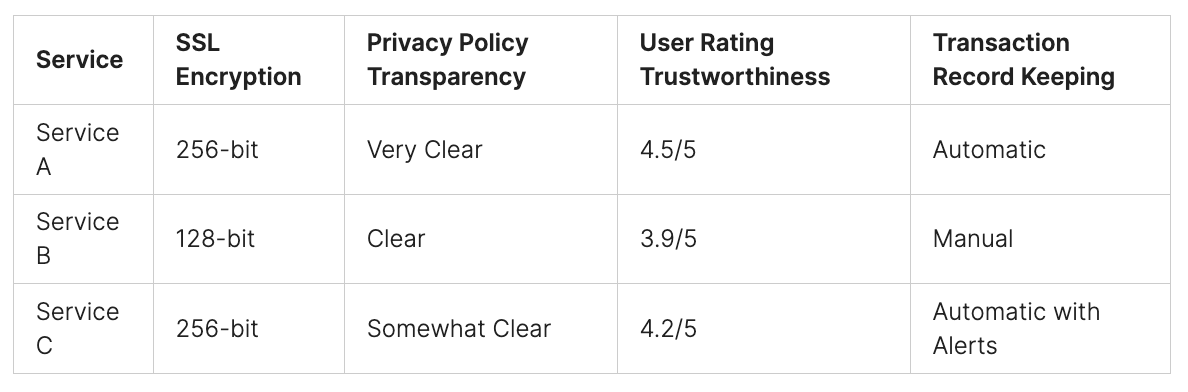
Incorporating these actions into your shopping routine enhances your security with every online purchase. Below is a table comparing features of various secure online transaction services to help you make informed decisions:
Your vigilance in adopting these practices and choosing trustworthy services is the cornerstone of maintaining online transaction security. Remember, no detail is too small regarding the safety of your online activities.
Conclusion
In today’s increasingly digital world, particularly within the bustling e-commerce landscape of Indonesia, the importance of protecting your financial transactions cannot be overstated. Navigating this vast online marketplace safely is not solely about the items you purchase but fundamentally about the manner in which you conduct these transactions. Opting for secure transaction methods is not just advisable; it is essential for safeguarding your financial well-being online.
Key Practices for Safe Online Shopping
The journey to secure online transactions starts with adhering to basic security measures. Ensuring a website is secured with HTTPS and possesses visible SSL certificates offers a primary shield against digital threats. Employing complex passwords and enabling two-factor authentication further bolsters the security of your online financial activities, from banking to shopping.
The Importance of Vigilance and Ongoing Security Education
However, security doesn’t stop at these initial steps. Avoiding public Wi-Fi networks during financial transactions and regularly updating your devices are critical practices safeguarding against emerging threats. Committing to ongoing education about the latest in online transaction security positions you to navigate the e-commerce space safely and confidently. This proactive approach to cybersecurity ensures a secure and seamless shopping experience, safeguarding you from potential risks today and in the future.
For those seeking to enhance their online transaction security further, we invite you to explore the solutions offered by Peris.ai Cybersecurity. Our platform is dedicated to providing advanced security measures tailored to the unique challenges of the digital age, including specialized resources for secure e-commerce activities in Indonesia. Visit Peris.ai Cybersecurity to discover how our innovative solutions can protect your online transactions and elevate your digital security strategy.
FAQ
How can I ensure my online shopping experience is secure?
To ensure a secure online shopping experience, shop using a private internet connection instead of public Wi-Fi, only purchase from websites with HTTPS and the lock symbol in the payment page, use credit cards or trusted services like PayPal for secure online transaction services, and keep records of all your transactions.
What are the risks associated with insecure online transactions?
The risks include hacking, identity theft, non-delivery of goods, non-payment issues, and fraud. Securing your personal information and purchase details is integral to avoiding these risks, which entails using strong passwords, avoiding public WiFi during transactions, and regularly updating your devices’ security features.
How do SSL and HTTPS provide security for online transactions?
SSL (Secure Sockets Layer) encrypts data sent between the user and the server, protecting sensitive information from being intercepted. The presence of HTTPS in the URL and the padlock icon signifies that the connection to the site is secure, employing SSL technology to safeguard your data during transactions.
What methods should I use for secure payment processing online?
It’s best to use credit cards or secure online payment services like PayPal, which offers buyer protection features. Avoid direct wire transfers or using bank account details, and regularly monitor your bank statements for unauthorized charges to maintain secure payment processing.
What are the best practices for secure online banking?
Key practices include creating strong, unique passwords for each banking account, enabling two-factor authentication (2FA) for extra security, and keeping your software, operating systems, and antivirus programs up to date to protect against security breaches.
How can I verify and ensure safety when shopping online?
Verify that the website uses SSL by checking for the padlock symbol, using a secure and trusted Wi-Fi connection, reading the privacy policy, checking reviews and seller ratings, limiting the personal information you share, and regularly checking financial statements to prevent fraud and ensure a secure online transaction service.
What are the habits of safe online shopping?
Safe online shopping habits include using a secure internet connection, looking for HTTPS on websites, creating strong passwords, using two-factor authentication, avoiding public WiFi for transactions, and keeping software and devices updated. Vigilance in these behaviors ensures a secure shopping and banking experience online.
Why is continuous security education important for online transactions?
Continuous security education is important because it informs you about the latest security threats and the best practices to avoid them. Staying educated helps you remain vigilant and adaptable, improving your overall security when conducting online transactions.
In today’s interconnected world, your business’s data and digital assets in Indonesia are constantly at risk from cyber threats. Whether you’re combating phishing attacks, DDoS disruptions, or unauthorized intrusions, the necessity of reliable network security services and robust data protection services cannot be overstated. Tailoring cybersecurity solutions to safeguard your enterprise can make the difference between thriving unscathed and suffering catastrophic data breaches. It’s not just about defense—it’s about ensuring resilience in a landscape of ever-evolving digital perils. Arm yourself with the top-line network security servicesIndonesia has to offer, and shield your business from the unseen dangers lurking in the depths of the digital realm.
Key Takeaways
Comprehensive network security services are vital to protect your business from emerging cyber threats.
Data protection services ensure the sanctity and integrity of your sensitive information.
In the face of increasing cyber attacks, Indonesian businesses must prioritize robust cybersecurity solutions.
Deploying advanced defenses preserves operational continuity and maintains corporate reputation.
Network security in Indonesia is not just a technical requirement, but a strategic one aligning with your business goals.
Understanding the Importance of Network Security Services
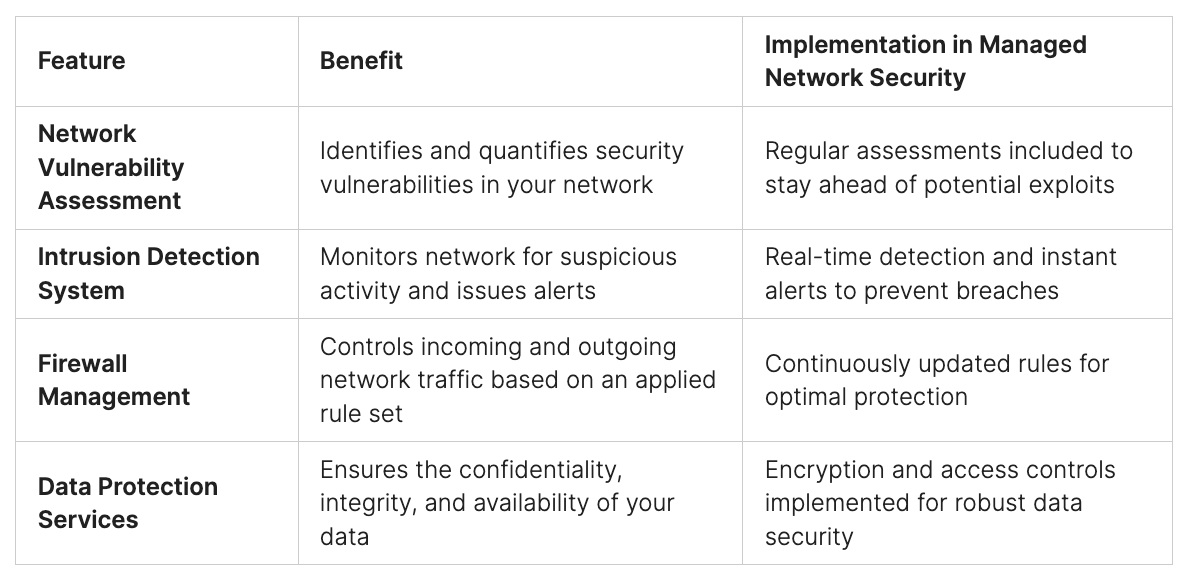
In today’s digital age, securing your business’s network infrastructure is not just an option—it’s a crucial aspect of safeguarding your enterprise’s future. With a comprehensive understanding of network security services, you can effectively protect your organization’s sensitive information and maintain operational continuity. These services encompass network vulnerability assessment, firewall management, and intrusion detection systems, providing a robust defense against emerging cyber threats.
Defining Network Security Services and Their Role
Network security services form an integral component of corporate defense mechanisms. They involve a variety of strategic actions, from deploying firewalls that filter traffic to employing intrusion detection systems that alert you to suspicious activities. A well-formulated plan for network vulnerability assessment reveals potential weaknesses that could be exploited by cybercriminals. As you delve into cybersecurity solutions, consider engaging in network security consulting to tailor your defenses to your specific needs. Quality data protection services and managed network security are vital for maintaining the integrity of your network.
Statistics Highlighting Network Insecurity Among Small Businesses
Shockingly, more than half of small businesses in Indonesia face the threat of cyber attacks due to a lack of cybersecurity measures. This startling truth underscores the urgent need for enterprises to invest in effective network security services. Without these protections, businesses expose themselves to incalculable risks that can result in devastating financial repercussions and irreparable harm to their reputation.
The Potential Impact of Cyber Threats on Operations and Reputation
Cyber threats are a formidable enemy that can disrupt your day-to-day operations and tarnish your market reputation. Ignoring the necessity for firewall management or sidelining the importance of an intrusion detection system can leave your business vulnerable to data breaches. Securing your network with comprehensive cybersecurity solutions and engaging in network security consulting lays the foundation for a resilient infrastructure, allowing you to maintain customer trust and operational stability despite the evolving landscape of cyber threats.
Implementing Essential Network Security Measures
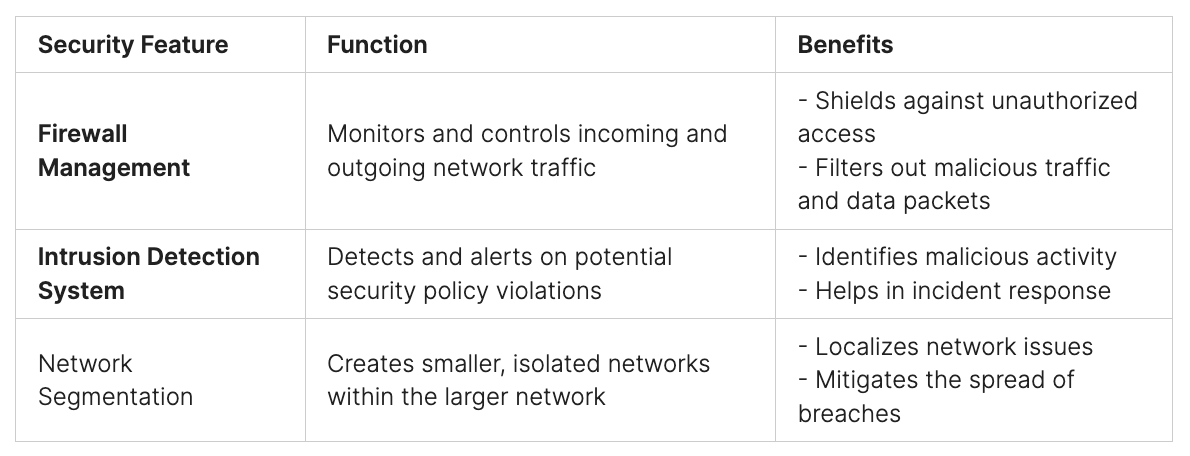
As you navigate the complex world of network security, several pivotal measures must be at the core of your strategy. Foremost among these is firewall management, which acts as a robust barrier between your trusted internal network and untrusted external networks, such as the internet. A well-configured firewall can discern and block threats, preventing unauthorized access to your network resources.
However, not all threats can be barred at the perimeter. That’s where an intrusion detection system (IDS) comes into play. An IDS meticulously monitors network traffic, searching for suspicious activity and known threats, instantly alerting you to potential breaches. By integrating network security monitoring, you ensure that vigilant eyes are always assessing the safety of your digital environment.
To further reinforce your network’s defenses, consider the practice of network segmentation. This technique divides your network into multiple segments or subnetworks, which can limit an intruder’s access even if they manage to penetrate your outer defenses. Each segment can enforce its own unique access controls, adding layers of security and isolating sensitive data.
Data Loss Prevention (DLP) strategies also form an indispensable part of safeguarding your assets. DLP systems monitor, detect, and block data breaches and exfiltration from within your organization, ensuring that sensitive data remains within the corporate boundaries. By implementing these layered security measures, you place yourself in an excellent position to protect your network against a diverse range of threats.
Network Security Services: Detection, Prevention, and Response Strategies
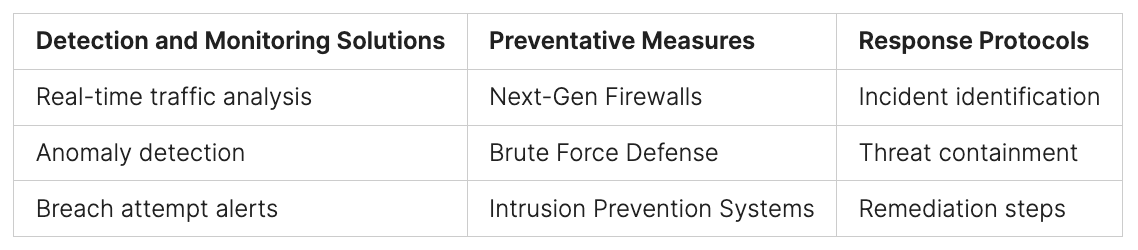
Your vigilance in managing network security is crucial for safeguarding your business’s critical assets. This section delves into the sophisticated frameworks that enable early threat detection, the advanced prevention techniques that protect your network infrastructure, and the robust response protocols that ensure swift action is taken when threats are identified.
Proactive Threat Identification and Real-Time Monitoring
Utilizing network security monitoring tools, your organization can gain the upper hand against potential cyber threats. The continuous surveillance performed by these systems enables you to detect anomalies and intrusion attempts in their infancy, thereby preserving the integrity of your network operations. These proactive measures, encompassing network security auditing and an intrusion detection system, are the first line of defense, offering peace of mind through constant vigilance.
Advanced Prevention Techniques Utilizing Firewalls and Intrusion Prevention Systems
The cornerstone of any solid network defense strategy is an advanced firewall management program, working in conjunction with an intrusion prevention system (IPS). Together, they form a robust barrier, preventing unauthorized access and stopping malicious activities in their tracks. These technologies are adept at identifying and thwarting a multitude of threats, from brute force attacks to the exploitation of network vulnerabilities, thereby ensuring your network remains uncompromised.
Effective Response Protocols to Contain and Neutralize Threats
When a security breach is detected, the efficacy of your network’s response protocols becomes apparent. Utilizing a tailored approach, network security services swiftly contain and neutralize ongoing threats. This rapid response reduces downtime and minimizes potential damage, reinforcing your business’s resilience in the face of cyber challenges. A thorough network vulnerability assessment post-incident ensures that your security posture is reinforced against future attacks.
Protecting Your Cloud Data: Encryption and Access Control
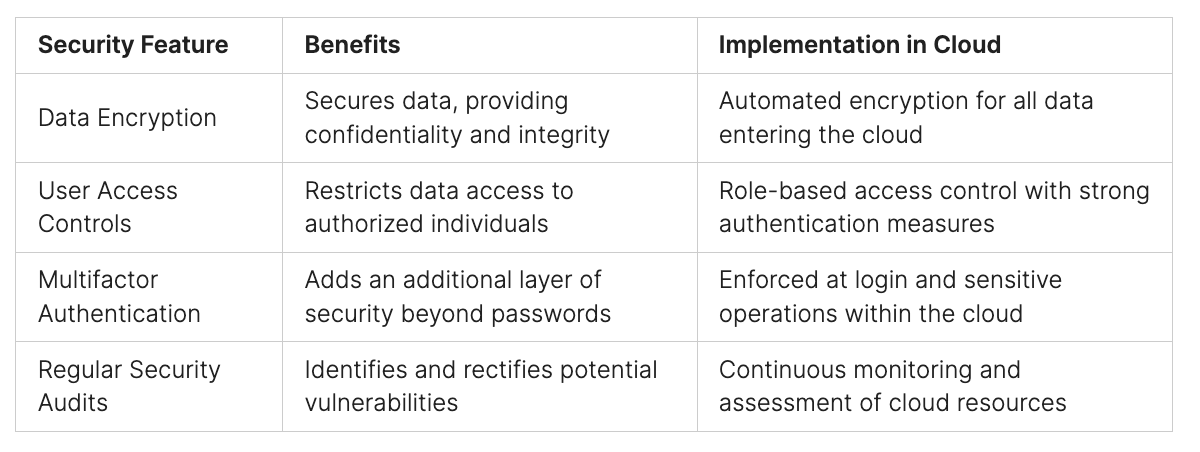
When it comes to cloud network security, encryption is the cornerstone that ensures your sensitive data remains confidential and intact. It transforms readable data into an encrypted format that is incomprehensible without the corresponding decryption key, providing a robust level of security, particularly critical for data in transit or stored remotely in the cloud. Employing advanced encryption standards is a prime directive among leading data protection services.
Equally important to encryption is the implementation of strict access control mechanisms. These policies are governed by the least privilege principle, which advocates for minimal user access rights to perform necessary operations. Such an approach minimizes potential internal and external breaches, ensuring users can access only what they need and nothing more. This principle is instrumental to maintaining a secure cloud environment.
Encryption: Essential for safeguarding data at rest and in transit
Access Control: Critical for defining who can and cannot access your cloud data
Understanding and implementing these advanced data protection services are vital for any organization wishing to safeguard their information within a cloud network security paradigm in Indonesia. It’s not just about deploying resources but aligning with a security concept that evolves with emerging threats and regulatory requirements.
Choosing the Right Service Provider for Managed Network Security
In today’s digital era, the stakes have never been higher when it comes to network security. With businesses pivoting towards digital-first strategies, the importance of robust network defense mechanisms cannot be overstated. But how do you select a partner that’s equipped to protect your network infrastructure? Let’s delve into the essential aspects to consider when opting for a managed network security provider.
Evaluating Provider Expertise and Experience
When it comes to network security consulting, the first factor to assess is a service provider’s expertise and experience. The credentials of a seasoned provider are reflected not just in the tenure but in their approach to tailoring cybersecurity solutions to your specific needs. Review case studies or testimonials demonstrating their prowess in scenarios similar to your organizational structure and industry. It’s not merely about the number of years in service but also the quality and relevance of the experience.
Assessing the Breadth of Cybersecurity Solutions Offered
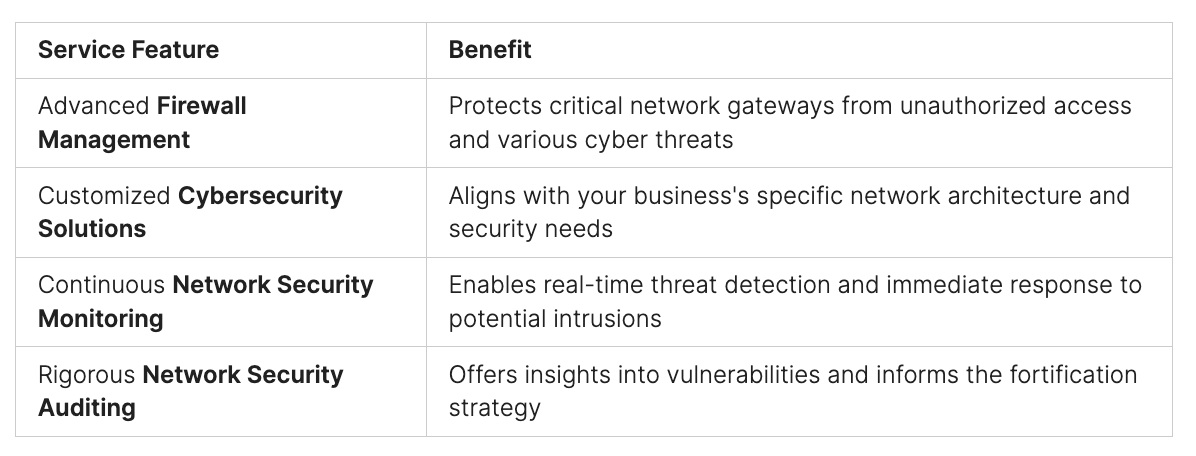
Adequate defense against cyber threats requires a comprehensive suite of solutions. From firewall management to advanced intrusion detection measures, the right service provider should offer a robust array of tools to secure your network infrastructure. Ensure that they provide end-to-end data protection services, addressing your unique requirements and seamlessly integrating with your existing systems.
Key Offerings of Competent Network Security Providers
Responsiveness and Support Capabilities
Finally, the efficacy of a provider’s responsiveness and support capabilities often determines the difference between a minor security incident and a catastrophic breach. Evaluate their support infrastructure, including the availability of experts to handle crises and the agility of their network security monitoring systems. Their capacity to rapidly respond and adapt to evolving threats is paramount, thus ensuring the resilience and continuity of your business operations.
Selecting the right managed network security partner is a strategic decision that requires meticulous consideration of their expertise, range of cybersecurity solutions, and their ability to provide timely support. By prioritizing these factors, you can build a collaborative relationship with a provider that will strengthen your defenses and contribute to your company’s sustained success in the digital realm.
Conclusion
In the face of an ever-evolving digital arena, the imperative of bolstering your business’s network security in Indonesia is undeniable. The complexities and sophistications of cyber threats today require a robust line of defense, one that is often provided by comprehensive network security services. As your business grows and adapts to the changing online ecosystem, the protection of your data assets against potential cyber attacks becomes paramount.
By engaging with a provider skilled in delivering advanced cybersecurity solutions and managed network security, you place your trust in a partnership geared towards enhancing your organization’s safety. Such a provider will not only monitor threats but is also equipped to execute strategic defense mechanisms catered to the unique needs of your operational landscape. They stand as a bulwark against the tides of cyber risks, safeguarding the continuity of your business processes and the integrity of your digital data.
Ultimately, the choice of a network security expert should align with your industry’s demands and scalability requirements. Prioritize managed network security services that offer a strategic combination of monitoring, prevention, and rapid response solutions. Your vigilance in choosing the right cybersecurity solutions will be a decisive factor in upholding the resilience of your network infrastructure now and in the future.
FAQ
What are network security services and how do they protect my data?
Network security services consist of a myriad of tools and strategies designed to protect your business’s digital assets from cyber threats. This includes firewalls, intrusion detection systems, network vulnerability assessments, data protection services, and continuous monitoring, all focused on safeguarding your systems and data in Indonesia against unauthorized access, malware, and various cyberattacks.
Why is it particularly important for small businesses in Indonesia to implement network security services?
Small businesses are often at risk due to the lack of robust cybersecurity solutions. With alarming statistics indicating that more than half operate without any cybersecurity measures, these businesses are vulnerable to data breaches, financial losses, and reputational harm. Implementing network security services ensures they can defend themselves against attacks and maintain their operations and reputation.
How can cyber threats impact my business operations and its reputation?
Cyber threats can lead to unauthorized data access, operational disruptions, and financial losses. For businesses without effective network security services and managed network security, these risks can result in severe damage to credibility and the bottom line. Cybersecurity solutions are thereby essential to maintain data integrity, operational stability, and business resilience.
What essential network security measures should be implemented to secure my network environment?
Essential network security measures include deploying firewalls for traffic control, network segmentation for protecting sensitive data, and data loss prevention strategies. Additionally, network security monitoring and firewall management are crucial for preventing unauthorized access and monitoring for potential threats.
How do network security services proactively identify threats and monitor network activity?
Network security services use sophisticated detection algorithms and continuous monitoring frameworks to watch for suspicious activities and potential breaches. Real-time network security monitoring allows for vigilant oversight, helping to maintain the integrity and availability of network operations and data.
What advanced prevention techniques are employed in network security?
Advanced prevention techniques include next-generation firewalls and intrusion prevention systems that are designed to block threats like brute force and DoS attacks or exploitation of vulnerabilities. These tools work proactively, offering robust network protection even in the interim between a vulnerability’s disclosure and the application of security patches.
What are effective response protocols in network security services?
Effective response protocols involve rapidly identifying, containing, and neutralizing cyber threats as soon as they’re detected. This includes pinpointing the source of an attack, deploying countermeasures, and implementing preventive steps to safeguard against future threats, thus improving an organization’s ability to manage cyber incidents.
How are encryption and access control used to protect my cloud data?
Encryption masks your data, rendering it undecipherable to unauthorized parties, while access control policies limit user access to sensitive information based on their role, employing the least privilege principle and strong user authentication methods. Both are vital for enhancing the security of your cloud network and maintaining the confidentiality and integrity of your data.
How do I choose the right service provider for managed network security?
Choosing the right service provider involves evaluating their expertise in cybersecurity solutions, experience in the field, responsiveness to threats, and the range of security offerings. It is important to vet potential providers to ensure they can protect your network efficiently and adequately against cyber threats.
What should I consider when assessing the breadth of cybersecurity solutions a provider offers?
When assessing providers, consider the variety in their offerings, which should include advanced firewall management, data protection services, and hyperscale network security that adapts to changing demands. Providers should offer comprehensive strategies designed to secure various environments, from on-premise networks to cloud-based systems.
Why is responsiveness an important factor in network security service providers?
The ability of a network security service provider to respond swiftly to network intrusions or cyber threats is critical in minimizing potential damages. A provider’s support capabilities and rapid reaction are key to maintaining proactive defenses and ensuring the continuous operation of your business.
“Cybersecurity is not just about protecting computers, it’s about protecting lives,”. This quote is key to our talk about network security and ransomware. Ransomware locks your files and demands money to unlock them. A data breach can cost up to $4.35 million, showing the need for strong network security.
Creating a network security policy is vital. It outlines how to protect your network and who is responsible for security.
Stopping ransomware requires a complete approach. This includes understanding network security, preventing ransomware, and how network security stops it. Ransomware hits all kinds of places, from small towns to big companies.
Training your team on network security is key. It makes them aware of security rules and helps them follow them. This reduces the chance of data loss.
Key Takeaways
Network security is key in stopping ransomware and protecting businesses from big losses.
Ransomware can shut down a business, causing lost productivity and revenue.
Having a network security policy and training staff can prevent ransomware attacks.
Backing up data is the best way to recover from ransomware.
Keeping your systems and software up to date is critical to avoid security holes.
Network security is vital in fighting ransomware, combining importance, prevention, and response.
Network security is the first defense against ransomware attacks.
Understanding the Ransomware Threat Landscape
Ransomware attacks are a big threat to businesses of all sizes today. It’s key to know the current ransomware threats, including new trends and common ways attacks happen. Using strong cybersecurity tactics, like network security and ways to fight ransomware, helps protect companies.
Recent data shows healthcare was hit by 21% of ransomware attacks in 2023-2024, up from 18% the year before. This shows the importance of strong cybersecurity, even more so in healthcare. By using advanced tech, teaching employees, and having strict security rules, companies can lower their risk of ransomware attacks.
Some important ways to stop ransomware attacks include:
Using strong and unique passwords
Keeping software up to date
Using antivirus and anti-malware software
Teaching employees about security best practices
By focusing on these steps and keeping up with new ransomware threats, companies can improve their cybersecurity. This helps protect against these harmful attacks.
The Role of Network Security in Stopping Ransomware: A Comprehensive Overview
Stopping ransomware attacks needs a strong plan. This plan includes good cybersecurity and strong network security. Studies show that it takes 204 days to find a breach and 73 days to fix it. This shows we must act fast when ransomware hits.
We can do this by making good policies, keeping backups, knowing our weak spots, and making our network strong. Also, training our team is key.
Some important steps to stop ransomware include:
Using a strong defense-in-depth approach for network security
Doing regular security checks and tests
Keeping all software and systems updated with the latest security fixes
Ransomware attacks have changed with the Ransomware-as-a-Service (RaaS) model. This has made attackers more skilled and work together. To fight back, we must keep up with the latest ransomware trends and threats.
By being proactive and covering all bases in network security, we can lower the risk of ransomware attacks. This means using strong cybersecurity, improving network security, and stopping ransomware attacks. We need technology, policies, and training our employees to stay safe.
Essential Network Security Components for Ransomware Defense
It’s vital to have strong network security importance to stop ransomware attacks. Firewalls and intrusion prevention systems help block bad traffic. Also, using ransomware prevention strategies like network segmentation and access control is key. Keeping software and systems up to date is also important to fix security holes.
A solid plan for dealing with ransomware attacks is a must. This plan should cover prevention, detection, and recovery steps. It helps lessen damage and gets things back to normal faster. Teaching employees about security is also important to prevent attacks.
Some important cybersecurity defense tactics are:
Using a layered security approach, or “defense in depth”
Setting up strong security from the start
Having a solid backup plan with regular backups and offsite storage
By using these strategies, companies can lower the chance of ransomware attacks. This makes sure their network security importance is strong.
Building a Robust Network Security Architecture
To stop ransomware attacks, it’s key to follow network security best practices. This includes using ransomware mitigation techniques and strategies to prevent attacks. By doing this, organizations can lower the chance of a successful attack. A strong network security architecture is vital in stopping ransomware. It offers a detailed plan to fight off different cyber threats.
Important parts of a strong network security architecture include using Zero Trust Network Access (ZTNA), next-generation firewalls, and advanced threat detection systems. Also, keeping up with security audits, updates, and employee access controls is important to prevent ransomware attacks. By sticking to these network security best practices, organizations can boost their security and lower the risk of a ransomware attack.
Also, using established frameworks and standards, like the NIST Cybersecurity Framework, helps organizations meet regulatory and industry standards. Combining these steps with ongoing employee training makes a strong defense against ransomware attacks. This protects sensitive data.
Creating a robust network security architecture needs a proactive approach. This includes regular assessments and audits to keep up with new cyber threats. By focusing on network security and following best practices, organizations can stop ransomware attacks and safeguard their assets.
Implementing Advanced Threat Detection Systems
To protect against ransomware, it’s key to use advanced threat detection systems. These include real-time monitoring, behavioral analysis, and machine learning-based detection. These tools help organizations strengthen their cybersecurity, lowering the risk of ransomware attacks.
Preventing ransomware involves several steps. These include watching network activities, training employees, and using ATP tools. Also, keeping systems updated and backing up files can lessen damage from attacks.
To implement these steps, a mix of technology and best practices is needed. This includes:
Real-time monitoring to quickly spot and act on threats
Behavioral analysis to catch and stop odd activities
Machine learning to keep up with new threats
By using these advanced systems and strategies, organizations can boost their network security. This helps protect against ransomware attacks.
It’s important to remember that these systems work best when they’re up to date. They must be regularly updated to fight off new threats.
Network Security Best Practices for Ransomware Prevention
To stop ransomware attacks, it’s key to follow network security best practices. This includes regular security checks, keeping software up to date, and controlling who can access the network. These steps help find and fix weaknesses that hackers might use. By focusing on network security, companies can lower the chance of ransomware attacks and lessen their damage.
Good ways to fight ransomware include using multi-factor authentication (MFA), dividing the network into parts, and setting up intrusion detection systems (IDS). These methods help spot and stop ransomware, and also slow down malware spread. Teaching employees about online dangers and how to stay safe is also important.
To make your network even safer, try these strategies:
Use strong security to catch and stop ransomware attacks early
Make sure antivirus software and other security tools are current
Turn off ports in firewalls that you don’t need, like port 3389 for Remote Desktop Protocol
By sticking to these best practices and using good ransomware fight methods, companies can avoid ransomware attacks and keep their networks safe from cyber threats.
Incident Response and Recovery Strategies
Having a strong plan for dealing with ransomware attacks is key. It helps reduce damage and keeps your business running. First, you need to identify the type of malware and act fast to isolate affected systems to stop it from spreading. Recent data shows that industries like manufacturing and legal services are hit hard by ransomware.
A good plan includes cybersecurity defense tactics like regular checks and keeping software up to date. It also involves network security best practices like dividing your network and controlling who can access it. Plus, teaching employees about phishing and other scams is vital.
Important steps in handling a ransomware attack include:
Isolating affected systems to prevent malware spread
Identifying and patching vulnerabilities that allowed the breach
Restoring data from backups and ensuring no infections in restored files
Continuously monitoring systems post-recovery to identify any remaining vulnerabilities
These actions help organizations bounce back from ransomware attacks quickly. They reduce downtime and keep customers’ trust.
Integration of Security Tools and Protocols
Today, protecting networks from ransomware is more important than ever. Organizations can lower their risk by using strong cybersecurity measures. This includes using security tools and protocols to fight ransomware.
Recent data shows that 65% of financial organizations worldwide faced ransomware attacks in 2024. This is a big jump from 34% in 2021. This shows how critical it is to have good ransomware protection. Some important tools and protocols include:
Security Information and Event Management (SIEM) systems, which help spot ransomware patterns.
Zero Trust Architecture Implementation, which makes attacks less likely and less damaging.
Cloud Security Integration, which uses access controls, encryption, and monitoring to keep cloud data safe.
Using these tools and protocols can make networks stronger against ransomware. This helps protect assets and keeps stakeholders’ trust.
Digital technologies are more important than ever, making network security key. It’s vital to stop ransomware attacks to keep data safe and businesses running. Cybercrime damages are expected to hit $10.5 trillion by 2025, showing the urgent need for strong ransomware defense.
To keep your network safe, you must stay one step ahead of threats. This means using smart security systems and always improving. Important steps include:
Using AI and machine learning to spot threats better
Working together with other industries and governments to create strong cybersecurity plans
Setting up a zero-trust system for network access, cutting down on unauthorized access by up to 30%
By focusing on network security and using strong ransomware defense, you can shield your business from ransomware harm. This ensures your business keeps running smoothly.
Conclusion: Strengthening Your Defense Against Ransomware
Ransomware attacks are a growing threat, costing businesses millions in damages. Protecting your organization requires a proactive cybersecurity strategy that combines advanced security measures, regular backups, and employee training. Implementing Zero Trust Network Access (ZTNA) and keeping software up to date are essential steps in reducing vulnerabilities.
Leveraging cutting-edge technologies like AI-driven threat detection can enhance security defenses, enabling businesses to detect and neutralize threats before they cause damage. A strong cybersecurity framework—built on network security best practices, employee awareness, and proactive risk management—is key to preventing ransomware attacks and securing sensitive data.
Stay ahead of cyber threats with Peris.ai. Visit Peris.ai to explore our cybersecurity solutions and safeguard your business from ransomware today.
FAQ
What is the role of network security in stopping ransomware attacks?
Network security is key in stopping ransomware attacks. It prevents unauthorized access and detects threats quickly. It also helps minimize damage to systems. By following best practices, like having policies and training, you can prevent these attacks.
What are the current ransomware attack trends and common attack vectors?
Today, ransomware attacks often start with phishing emails or exploited vulnerabilities. They also use unpatched software. Knowing these tactics helps organizations protect themselves better.
How can organizations enhance their network security for ransomware protection?
To protect against ransomware, use Zero Trust Network Access and firewalls. Network segmentation and access controls are also important. Regular updates and security audits help keep your network safe.
What are the essential network security components for ransomware defense?
Key components for ransomware defense include firewalls and intrusion prevention systems. Network segmentation and access controls are also vital. These tools help detect and prevent attacks, showing the importance of cybersecurity.
How can organizations build a robust network security architecture for ransomware protection?
A strong network security architecture starts with Zero Trust Network Access and segmentation. Access controls are also essential. This architecture boosts security and helps recover faster from attacks.
What are the benefits of implementing advanced threat detection systems for ransomware defense?
Advanced threat detection systems offer real-time monitoring and behavioral analysis. They use machine learning to detect threats. These systems are critical in preventing and responding to ransomware attacks.
What are the network security best practices for ransomware prevention?
To prevent ransomware, conduct regular security audits and keep software updated. Employee access controls are also important. These practices reduce the risk of attacks and protect systems.
How can organizations respond to and recover from ransomware attacks?
To respond to ransomware attacks, have an incident response plan ready. Identify the malware and minimize damage. Regular backups and disaster recovery plans speed up recovery.
What is the importance of integrating security tools and protocols for ransomware defense?
Integrating security tools like SIEM and Zero Trust Architecture is vital. Cloud security integration also plays a key role. These tools enhance security and help recover faster from attacks.
How can organizations future-proof their network security against ransomware attacks?
To stay ahead of ransomware, use emerging security technologies and adaptive architecture. Continuous improvement is also important. These steps help protect against evolving threats and improve overall security.
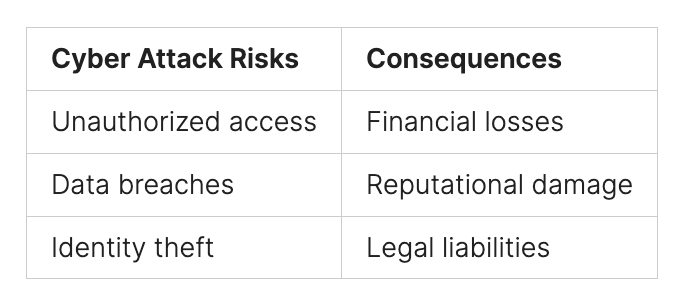
As our lives become increasingly digitized, the security of our financial data is paramount. Cyber attacks pose a significant threat to the confidentiality and integrity of financial information, making it crucial to implement effective measures to safeguard our assets. This section will explore strategies and techniques to protect financial data from cyber-attacks and ensure secure online transactions.
Fortifying Financial Security: Unveiling Key Strategies to Safeguard Your Finances Online.
Key Takeaways:
Implementing robust cybersecurity measures is essential to protect financial data from cyber attacks.
Secure online transactions by using encryption protocols and verifying the security of online platforms.
Educating users about cybersecurity awareness is vital in promoting data security in financial institutions.
Regular security assessments help identify vulnerabilities and strengthen defenses against cyber threats.
Implementing multi-factor authentication adds an extra layer of security to financial systems.
Understanding the Risks: The Impact of Cyber Attacks on Financial Data
Cyber attacks pose significant risks to financial data security, making it crucial for individuals and organizations to understand the potential impact. Data breaches resulting from cyber-attacks can have severe consequences, including financial losses, reputational damage, and legal liabilities. It is essential to proactively address these risks by implementing robust cybersecurity measures and preventing data breaches in the finance sector.
Individuals and organizations can prioritize protecting sensitive information by recognizing the potential consequences of cyber attacks on financial data. This involves implementing strong authentication mechanisms, encrypting sensitive data, and securely storing financial records. These cybersecurity measures reduce the risk of unauthorized access and data breaches and demonstrate a commitment to safeguarding financial information.
Preventing data breaches in finance requires a comprehensive approach that includes ongoing monitoring, incident response plans, and collaboration. Continuous monitoring allows for the timely detection and response to cyber threats, while incident response plans ensure a swift and effective reaction when breaches occur. Collaborating with cybersecurity professionals and sharing information on emerging threats strengthens the collective defense against cyber attacks, promoting data security across the financial sector.
Understanding the risks associated with cyber attacks on financial data is paramount in developing effective cybersecurity strategies. Individuals and organizations can better protect sensitive information from cyber threats by taking proactive measures to prevent data breaches, implementing robust cybersecurity measures, and engaging in collaborative efforts.
Strengthening Security: Best Practices for Protecting Financial Data
When it comes to protecting financial data, following best practices is essential. Individuals and organizations can significantly reduce the risk of unauthorized access and data breaches by implementing secure storage measures and utilizing data encryption technologies. Here are some key strategies to enhance the security of financial data:
Secure Storage of Financial Records
One of the fundamental practices for protecting financial data is securely storing financial records. This involves storing physical records in locked cabinets or secure off-site facilities and ensuring that digital records are stored on secure servers. Implementing access controls, such as granting permissions only to authorized personnel, can further enhance the security of stored financial records.
Data Encryption in the Financial Industry
Data encryption is a crucial technique in the financial industry to protect sensitive information. By encrypting financial data, it becomes unreadable to unauthorized individuals, even if they manage to access it. This is particularly important when transmitting data over networks or storing it in the cloud. Utilizing strong encryption algorithms and regularly updating encryption keys helps maintain the integrity and confidentiality of financial data.
Secure storage practices and data encryption measures are vital to safeguarding financial data. By prioritizing security and following industry best practices, individuals and organizations can minimize the risk of data breaches and protect sensitive financial information.
Securing Online Transactions: Ensuring the Safety of Financial Transactions
When it comes to online transactions, the safety and security of sensitive financial data is of paramount importance. Cyber attacks targeting online transactions are becoming increasingly sophisticated, making it vital for individuals and businesses to implement robust security measures to protect against potential threats. By adopting secure payment gateways, utilizing encryption protocols, and verifying the security of online platforms, the risk of financial fraud and unauthorized access to confidential information can be significantly reduced.
One effective measure to ensure the safety of online transactions is the implementation of secure payment gateways. These gateways act as a secure bridge between the buyer, seller, and financial institutions, facilitating the transfer of funds in a protected environment. By working with trusted and reputable payment gateway providers, individuals and businesses can enhance the security of their online transactions, giving customers peace of mind when conducting financial activities.
Benefits of Secure Payment Gateways
Encryption of sensitive information: Secure payment gateways utilize encryption protocols to safeguard the transmission of sensitive financial data, ensuring that unauthorized parties cannot intercept or access it.
Authentication mechanisms: These gateways often incorporate strong authentication mechanisms, such as two-factor authentication, to verify the identity of users before allowing transactions to take place.
Fraud detection and prevention: Many secure payment gateways employ advanced fraud detection systems to identify and prevent fraudulent transactions, providing an added layer of security.
Compliance with industry standards: Reputable payment gateway providers comply with industry standards and regulations, ensuring that transactions adhere to the necessary security protocols.
In addition, encryption protocols are imperative in protecting sensitive financial data during online transactions to secure payment gateways. Encryption converts data into a coded form, which can only be deciphered with the proper encryption key. By encrypting financial information such as credit card numbers, passwords, and personal identification details, individuals and businesses can ensure that even if the data is intercepted, it remains unreadable and unusable to unauthorized individuals.
Verifying the Security of Online Platforms
Before conducting online transactions, verifying the security of the platforms being used is essential. Look for secure connection indicators, such as a padlock icon in the web address bar, an “https” instead of “http” in the URL, and valid security certificates. These indicators signal that the website has taken steps to protect data transmission and uses encryption to secure the connection between the user and the platform.
Ensuring Financial Safety
By implementing secure payment gateways, using encryption protocols, and verifying the security of online platforms, individuals and businesses can safeguard sensitive financial data during online transactions. Protecting the integrity and confidentiality of financial information reduces the risk of fraud and identity theft and enhances customer trust and confidence in conducting online transactions.
Educating Users: Promoting Cybersecurity Awareness in Financial Institutions
One of the key elements in protecting financial data from cyber attacks is promoting cybersecurity awareness in financial institutions. By educating users about the common threats and best practices for data security, organizations can empower their employees and customers to play an active role in safeguarding sensitive information. Cybersecurity awareness programs aim to instill a culture of data security, where every individual understands their responsibilities and takes proactive measures to prevent cyber threats.
To promote cybersecurity awareness, financial institutions can conduct training sessions and workshops to educate their employees about the latest cyber threats, phishing scams, and social engineering techniques. These sessions should emphasize the importance of strong passwords, secure authentication practices, and safe browsing habits. Organizations can significantly reduce the risk of data breaches and unauthorized access to financial systems by providing employees with the knowledge and tools to identify potential threats.
In addition to internal training programs, financial institutions can collaborate with cybersecurity experts and industry associations to organize webinars, conferences, and seminars on cybersecurity awareness. These events can provide valuable insights into emerging cyber threats, industry best practices, and effective security strategies. By sharing information and experiences, financial institutions can stay updated on the latest trends and technologies in cybersecurity, enabling them to enhance their defenses and protect financial data from evolving threats.
Furthermore, financial institutions can establish a dedicated cybersecurity awareness team responsible for designing and implementing awareness campaigns. This team can create engaging and informative materials, such as newsletters, posters, and infographics, to communicate key cybersecurity concepts to employees and customers. Through regular communication and reminders, financial institutions can ensure that cybersecurity remains a top priority for everyone involved.
By promoting cybersecurity awareness in financial institutions, organizations can strengthen their overall security posture and reduce the risk of cyber attacks. Educating users about potential threats, providing training on secure practices, and fostering a culture of data security are essential steps in protecting financial data from malicious actors. With the increasing sophistication of cyber threats, continuous cybersecurity awareness efforts are crucial to stay one step ahead and ensure the safety of sensitive financial information.
Regular Security Assessments: Identifying Vulnerabilities and Strengthening Defenses
Regular security assessments are crucial for ensuring the robustness of financial systems and protecting against cyber attacks. By conducting thorough assessments, organizations can identify potential vulnerabilities and take proactive measures to strengthen their defenses. Security assessments involve various techniques such as penetration testing, vulnerability scans, and risk assessments to assess the security posture of financial systems.
One of the primary goals of security assessments is to identify any weaknesses or vulnerabilities that cybercriminals could exploit. This includes evaluating the effectiveness of existing security controls, identifying potential gaps in security protocols, and assessing the readiness of incident response plans. By conducting these assessments regularly, financial institutions can stay ahead of emerging threats and ensure their defenses are up-to-date.
During a security assessment, penetration testing is commonly employed to simulate real-world attacks and identify vulnerabilities in financial systems. This involves exploiting potential weaknesses in network infrastructure, applications, and user access controls. By uncovering these vulnerabilities, organizations can patch them promptly and prevent potential breaches.
Vulnerability scans are another essential component of security assessments. These scans involve using specialized tools to identify vulnerabilities in the software, operating systems, and network devices used within financial systems. By scanning for known vulnerabilities and applying patches or updates, organizations can significantly reduce the risk of exploitation by cybercriminals.
Overall, regular security assessments are key to identifying vulnerabilities, strengthening defenses, and ensuring financial data security. By taking a proactive approach and conducting these assessments regularly, financial institutions can stay one step ahead of cyber attackers and continue to safeguard sensitive information.
Proactive Security Assessments Bolster Financial Data Defenses
Implementing Multi-Factor Authentication: Adding an Extra Layer of Security
Multi-factor authentication (MFA) is crucial in protecting financial data from cyber attacks. MFA adds an extra layer of security to financial systems by requiring users to provide multiple unique identifiers. This authentication method combines something the user knows (such as a password), something the user has (such as a mobile device), and something the user is (such as a fingerprint), significantly enhancing the security of financial data.
Strong authentication mechanisms, such as MFA, help prevent unauthorized access to sensitive financial information. By implementing MFA, financial institutions can mitigate the risk of breaches caused by stolen credentials or weak passwords. This additional layer of security makes it significantly more difficult for cybercriminals to infiltrate financial systems, reducing the likelihood of data breaches.
MFA is particularly effective in safeguarding online transactions. When users are required to provide multiple authentication factors during a financial transaction, it significantly decreases the risk of financial fraud. This extra layer of protection ensures that only authorized individuals can access sensitive financial data and conduct secure online transactions.
Benefits of Implementing Multi-Factor Authentication:
Enhances security by adding multiple layers of authentication
Reduces the risk of data breaches caused by stolen credentials
Increases the difficulty for cybercriminals to gain unauthorized access
Protects sensitive financial information during online transactions
By implementing multi-factor authentication, financial institutions, and individuals can strengthen the security of their financial data and protect against cyber threats. Requiring users to provide multiple unique identifiers significantly reduces the risk of unauthorized access and ensures the integrity of financial transactions.
The Power of Multi-Factor Authentication
Continuous Monitoring and Incident Response: Detecting and Responding to Cyber Threats
In today’s digital landscape, continuous monitoring and effective incident response are critical components of a robust cybersecurity strategy. The ever-evolving nature of cyber threats requires organizations to adopt proactive measures to detect and respond to potential breaches in real time. By leveraging advanced monitoring technology and implementing a well-defined incident response plan, financial institutions can safeguard their valuable assets and mitigate the impact of cyber attacks.
Cyber threat detection is the first line of defense in protecting financial data. Continuous monitoring involves systematically scrutinizing network traffic, system logs, and user activities to identify suspicious or unauthorized behavior. Leveraging artificial intelligence and machine learning algorithms, monitoring solutions can detect patterns indicative of potential threats and alert security teams for immediate action.
Additionally, incident response plays a crucial role in minimizing the impact of cyber attacks. An incident response plan outlines the step-by-step procedures and responsibilities that should be followed during a security breach. This includes identifying and containing the incident, evidence collection for forensic analysis, system restoration, and communication with stakeholders.
How Continuous Monitoring and Incident Response Shield Against Cyber Threats
Financial institutions can effectively protect their financial data from cyber threats by implementing continuous monitoring and incident response strategies. Timely detection and response help mitigate the impact of attacks and enable organizations to stay one step ahead of cybercriminals.
Conclusion
Safeguarding financial data from cyber threats is paramount for both individuals and organizations. By adopting resilient cybersecurity measures, adhering to industry best practices, and maintaining a vigilant stance, we can effectively mitigate the risks associated with potential cyber attacks. Upholding the security of sensitive financial information not only fosters trust but also guarantees regulatory compliance, ultimately securing the financial well-being of individuals and businesses alike. To explore comprehensive cybersecurity solutions addressing these concerns, visit our website at Peris.ai. Take proactive steps towards securing your financial future – visit us today!
FAQ
Why is financial data security important?
Financial data security is crucial because cyber attacks can result in financial losses, reputational damage, and legal liabilities. Protecting financial data helps prevent data breaches and safeguards sensitive information.
What are some best practices for protecting financial data?
Best practices include securely storing financial records, implementing strong authentication mechanisms, and encrypting sensitive data. These measures help reduce the risk of unauthorized access and data breaches.
How can I ensure the safety of online financial transactions?
To ensure safe online transactions, you should implement secure payment gateways, use encryption protocols, and verify the security of online platforms. These measures help protect sensitive financial data from fraud and unauthorized access.
How can cybersecurity awareness be promoted in financial institutions?
Cybersecurity awareness can be promoted by raising awareness about common threats, training on secure practices, and implementing robust security protocols. Awareness programs empower employees and customers to identify and mitigate cyber risks.
Why are regular security assessments important for financial institutions?
Regular security assessments help identify vulnerabilities in financial systems and strengthen defenses against cyber attacks. Conducting penetration testing, vulnerability scans, and risk assessments allows proactive measures to be taken to address weaknesses.
What is multi-factor authentication, and how does it enhance security?
Multi-factor authentication (MFA) requires users to provide multiple unique identifiers before accessing sensitive data or conducting financial transactions. It enhances security by combining knowledge-based (password), possession-based (device), and biometric (fingerprint) factors, reducing the risk of unauthorized access.
Why is continuous monitoring and incident response important in cybersecurity?
Continuous monitoring and incident response allows financial institutions to detect and respond to cyber threats in real time. Rapid identification and mitigation of attacks minimize the impact on financial data security and prevent further compromise.
Cybersecurity threats are becoming increasingly sophisticated, and businesses are under constant pressure to ensure their digital assets are secured and protected from online attacks. Cybersecurity consulting plays a crucial role in safeguarding your business from potential threats and mitigating the risks of cyberattacks.
These consulting services provide businesses with the tools and expertise they need to identify vulnerabilities, develop robust security strategies, and maintain ongoing protection against online threats.
Key Takeaways:
Cybersecurity consulting is essential for protecting digital assets from potential threats.
Expert consultants identify weaknesses in your security measures and provide solutions to mitigate risks.
Implementing cybersecurity best practices and performing regular audits can help detect and prevent security breaches.
Cybersecurity consulting can help businesses develop and implement effective incident response plans.
Continuous monitoring is vital for maintaining robust cybersecurity and protecting digital assets in real time.
Understanding Cybersecurity Consulting Services
Cybersecurity consulting services are designed to provide businesses with tailored solutions to protect their digital assets from potential online threats. With the rise in cyberattacks, it has become essential for businesses to adopt robust cybersecurity measures to safeguard sensitive information and prevent unauthorized access to their systems.
A range of cybersecurity services are available, each designed to address specific security concerns and ensure comprehensive protection of digital assets. These services include:
Cybersecurity Services
By working with a cybersecurity consultant, businesses can customize a combination of these services based on their unique needs and level of risk. Cybersecurity consulting solutions offer peace of mind and protect businesses proactively against potential security threats.
Conducting a Cybersecurity Risk Assessment
Cybersecurity risk assessment is a critical process that enables organizations to identify potential vulnerabilities and threats to their digital assets, including sensitive information, financial data, and intellectual property.
Conducting a risk assessment involves several steps, including identifying assets to be protected, evaluating potential threats, assessing vulnerabilities, and determining the likelihood and impact of a successful attack.
To begin a cybersecurity risk assessment, an organization should compile an inventory of its digital assets, including hardware, software, and data, and identify the individuals responsible for their management and protection.
Cybersecurity Risk Assessment
Once potential threats and vulnerabilities have been identified, an organization can prioritize security measures to mitigate the risks. Common solutions include implementing firewalls and intrusion detection systems, encrypting sensitive data, and conducting regular security audits to identify and address new threats.
Conducting a cybersecurity risk assessment is essential in protecting digital assets against online threats. Organizations can minimize the risk of cybersecurity incidents by identifying potential vulnerabilities, implementing effective security measures, and safeguarding their business operations.
Implementing Cybersecurity Best Practices
As businesses become increasingly reliant on technology, cybersecurity risks continue to grow. Cybersecurity threats can lead to costly data breaches, loss of sensitive information, and damage to reputation. To mitigate these risks, implementing strong cybersecurity best practices is essential.
Here are some essential cybersecurity best practices that businesses should consider:
Create Strong Password Policies: Passwords should be complex and changed regularly. Implementing Multi-Factor Authentication (MFA) can also provide added security.
Regularly Update Software: Cybercriminals often exploit vulnerabilities in outdated software. Regularly updating software can help eliminate these vulnerabilities and strengthen security.
Employee Training: Ensure that employees know cybersecurity risks and how to detect and prevent potential threats. Investing in regular cybersecurity training can significantly reduce the likelihood of cyberattacks caused by human error.
Network Segmentation: Segregating the network can help prevent sensitive data from being easily accessed in the event of a breach.
Encryption: Encrypting sensitive data can provide an extra layer of protection, ensuring that data cannot be accessed or read without authorization.
Intrusion Detection Systems: Implementing intrusion detection systems can detect potential threats and alert administrators to take action before any damage is done.
Implementing these best practices can strengthen cybersecurity and reduce the risk of a successful cyberattack. However, it is important to note that cybersecurity threats are continuously evolving, and businesses must stay vigilant in their efforts to protect their digital assets.
Performing Cybersecurity Audits
Cybersecurity audits are critical in identifying vulnerabilities and assessing the effectiveness of existing security controls in protecting digital assets. These audits are conducted using various methods, including vulnerability assessments, penetration testing, and compliance audits.
Vulnerability assessments involve identifying potential weaknesses in a network or system by scanning for security gaps in software, hardware, and configurations. Penetration testing involves simulating an attack to identify how a system’s defenses respond to potential security threats. Compliance audits, on the other hand, assess a company’s adherence to regulatory standards and industry best practices.
Benefits of Conducting Cybersecurity Audits
Cybersecurity audits provide several benefits to businesses, including:
Identifying potential risks and vulnerabilities before hackers exploit them.
Providing a comprehensive view of the organization’s security posture.
Ensuring compliance with industry regulations and standards.
Improving the overall security of the organization.
What to Expect from a Cybersecurity Audit
During a cybersecurity audit, the auditors will typically follow a structured approach, including:
Collecting information about the organization’s infrastructure, policies, and procedures.
Identifying potential risks and vulnerabilities.
Assessing the effectiveness of existing security controls.
Providing recommendations to address any identified weaknesses or gaps in security.
Providing a detailed report summarizing the findings and recommendations.
Businesses should ensure that a reputable and experienced cybersecurity consultant or service provider conducts their cybersecurity audit. The audit should be conducted regularly to ensure ongoing protection of digital assets and compliance with industry regulations and standards.
Detecting Cybersecurity Threats
Proactive cybersecurity threat detection is crucial in safeguarding your digital assets. Cybercriminals continually adapt their strategies to exploit vulnerabilities, making early detection critical to prevent security breaches. Cybersecurity consultants use a range of techniques to identify potential threats, including:
Active monitoring: This involves real-time analysis of system and network activities to identify unusual behavior that may indicate a security threat. Anomalies such as repeated login failures or unusual data requests can signal a cyberattack.
Penetration testing involves simulating a cyberattack to evaluate the effectiveness of existing security measures. It can identify areas of weakness that require urgent attention.
Threat hunting: This involves actively searching for signs of a security breach, including unusual traffic patterns, unauthorized access attempts, or data exfiltration attempts.
Cybersecurity consultants also leverage advanced technologies to enhance threat detection capabilities. These technologies include:
Cybersecurity Technology
By employing a combination of techniques and technologies, cybersecurity consultants can help businesses identify and respond to potential security threats before they cause significant damage.
Responding to Cybersecurity Incidents
A well-defined incident response plan is critical in minimizing damage in a cybersecurity breach. A quick and efficient response can prevent sensitive information from being compromised and ensure swift resumption of business operations.
As part of the incident response plan, all employees must be trained on the proper procedures to follow in case of a security incident. Designated individuals must execute the plan and coordinate with relevant authorities if necessary.
Key Steps for Incident Response
Identification: The first step in incident response is to identify that a security incident has occurred. This can be through automated tools or manual observation.
Containment: Once the incident has been identified, it must be contained to prevent further damage. This can involve isolating affected systems, blocking access to certain areas, or shutting down parts of the network.
Evaluation: This step involves analyzing the incident to determine its scope and impact. It also includes identifying the source of the incident and whether sensitive information has been compromised.
Response: The incident response team must develop an appropriate response plan based on the evaluation. This can involve restoring affected systems, notifying relevant parties, and taking steps to prevent similar incidents in the future.
Recovery: Once the incident has been resolved, the focus shifts to recovery. This can involve restoring affected systems and ensuring that they are secure before resuming business operations.
Lessons Learned: After the incident has been resolved, it is important to conduct a thorough review to identify any weaknesses in the incident response plan and improve it for the future.
Overall, having a solid incident response plan is crucial in minimizing the impact of a cybersecurity incident. By identifying the incident quickly, containing it, and responding appropriately, businesses can reduce the damage caused by security breaches and maintain the integrity of their digital assets.
Leveraging Cybersecurity Strategies
As businesses increasingly rely on digital technologies to store and process sensitive data, the need for effective cybersecurity strategies becomes paramount. Cybersecurity strategies refer to the set of measures and processes designed to protect digital assets from unauthorized access, theft, or damage. Implementing these strategies can significantly reduce the risk of cyberattacks and ensure businesses can operate safely and securely.
One essential cybersecurity strategy is network segmentation. This technique involves dividing a computer network into smaller subnetworks, each with security protocols and policies. Network segmentation can help contain the spread of cyberattacks and prevent them from affecting the entire network.
Encryption is another crucial cybersecurity strategy that can protect digital assets from unauthorized access. Encryption involves converting sensitive data into a code that can only be deciphered by authorized users. This technique can effectively shield data from cybercriminals and minimize the impact of a security breach.
Intrusion detection and prevention systems (IDPS) are another valuable cybersecurity strategy. These systems can detect and block potential threats in real time, providing businesses with an added layer of protection against cyberattacks. IDPS can be configured to monitor different types of network traffic, including email, web traffic, and file transfers.
Benefits of Cybersecurity Strategies
Implementing robust cybersecurity strategies offers several benefits to businesses, including:
Reduced risk of cyberattacks and data breaches
Enhanced protection of sensitive data and intellectual property
Improved compliance with regulatory requirements
Increased productivity and operational efficiency
Enhanced customer trust and loyalty
While there is no one-size-fits-all approach to cybersecurity, businesses can effectively leverage different strategies to protect their digital assets. By partnering with cybersecurity consulting firms, businesses can gain access to expert guidance and customized solutions tailored to their specific needs and budgets.
Strengthening Cybersecurity with Continuous Monitoring
Continuous monitoring is a critical aspect of maintaining robust cybersecurity. By monitoring network activities in real-time, businesses can detect potential threats and respond proactively, minimizing damage to digital assets.
The benefits of continuous monitoring include:
Timely Threat Detection: Continuous monitoring allows for real-time threat detection, enabling prompt response to potential attacks.
Preventing Data Loss: Continuous monitoring can help prevent data loss by detecting vulnerabilities and addressing them before they are exploited.
Minimizing Downtime: Continuous monitoring can help minimize downtime resulting from security breaches by detecting and responding quickly to potential threats.
Improved Compliance: Continuous monitoring is essential for ensuring compliance with industry regulations and protecting sensitive information.
Implementing Continuous Monitoring
Continuous monitoring can be implemented through various methods, including:
Various Methods
The Importance of Ongoing Monitoring
Cybersecurity threats are continuously evolving, and it is essential to maintain ongoing monitoring to keep up with the latest risks. Regular assessments and updates to monitoring systems should be carried out to ensure ongoing protection of digital assets.
By implementing continuous monitoring, businesses can stay ahead of potential threats and protect their digital assets effectively. It is crucial to maintain robust cybersecurity and safeguard against online attacks.
Conclusion
In today’s fast-evolving digital landscape, safeguarding your digital assets is of paramount importance. As cyber threats persist and mutate, it is imperative for businesses to remain vigilant and resilient in the face of potential financial losses and reputational harm.
Cybersecurity consultation stands as a critical pillar in the defense of your digital assets. Implementing robust cybersecurity measures empowers organizations to thwart potential threats and forestall security breaches proactively. Routine cybersecurity risk assessments, audits, and incident response plans are indispensable for upholding a strong cybersecurity posture.
Moreover, embracing cybersecurity best practices like enforcing stringent password policies, staying up-to-date with software patches, and providing comprehensive employee training can significantly bolster your defenses against cyberattacks. The integration of these practices with advanced cybersecurity strategies such as network segmentation, encryption, and intrusion detection systems equips you with a comprehensive shield against online threats.
Sustained monitoring is equally vital to ensure enduring cybersecurity resilience. Real-time threat detection and swift response mechanisms are the guardians of substantial damage prevention and data security.
Businesses should prioritize cybersecurity and invest in consulting services to safeguard their digital assets. By doing so, they fortify themselves against substantial financial loss, and reputational damage and maintain the trust of their customers. For a solution tailored to your needs, visit our website at Peris.ai today and take the first step towards a safer digital environment.
FAQ
What is cybersecurity consulting?
Cybersecurity consulting is a service that helps businesses protect their digital assets from potential online threats and cyberattacks. It involves assessing vulnerabilities, developing security strategies, and implementing best practices to safeguard sensitive information.
What services do cybersecurity consultants offer?
Cybersecurity consultants offer a range of services, including risk assessments, incident response planning, security audits, and implementation of cybersecurity best practices. They provide guidance on security technologies, policies, and procedures to enhance overall cybersecurity posture.
Why is conducting a cybersecurity risk assessment important?
Conducting a cybersecurity risk assessment is crucial as it helps identify vulnerabilities and potential threats to your digital assets. It allows businesses to prioritize security measures, allocate resources effectively, and develop strategies to mitigate risks.
What are some cybersecurity best practices that businesses should adopt?
Some cybersecurity best practices include implementing strong password policies, regularly updating software and systems, conducting employee training on cybersecurity awareness, and restricting access to sensitive information. These practices help minimize the risk of security breaches.
What is the purpose of cybersecurity audits?
Cybersecurity audits are essential for evaluating the effectiveness of existing security measures. They help identify any vulnerabilities or weaknesses in the system and ensure adequate controls are in place to protect digital assets. Regular audits help maintain a strong cybersecurity posture.
How can cybersecurity threat detection be enhanced?
Proactive cybersecurity threat detection can be enhanced through the use of advanced technologies, such as intrusion detection systems and network monitoring tools. Regular monitoring of network activities and implementing threat intelligence can help identify potential threats and prevent security breaches.
Why is incident response important in cybersecurity?
Incident response is crucial in cybersecurity as it defines the actions to be taken in case of a security breach. A well-defined incident response plan helps minimize damage, contain incidents, and facilitate recovery. It ensures a swift and effective response to cybersecurity incidents.
What are some cybersecurity strategies that businesses can leverage?
Businesses can leverage various cybersecurity strategies, such as network segmentation, encryption, multi-factor authentication, and regular vulnerability scanning. These strategies enhance the overall security of digital assets and help mitigate potential risks.
Why is continuous monitoring important in cybersecurity?
Continuous monitoring is important in cybersecurity, enabling real-time threat detection and response. It allows businesses to promptly identify and respond to security incidents, minimizing potential breaches’ impact. Active monitoring of network activities helps maintain a strong cybersecurity posture.
How does cybersecurity consulting help in protecting digital assets?
Cybersecurity consulting helps businesses protect their digital assets by providing expert guidance on risk assessment, implementing security measures, conducting audits, and developing incident response plans. It helps businesses stay proactive and prepared against online threats.
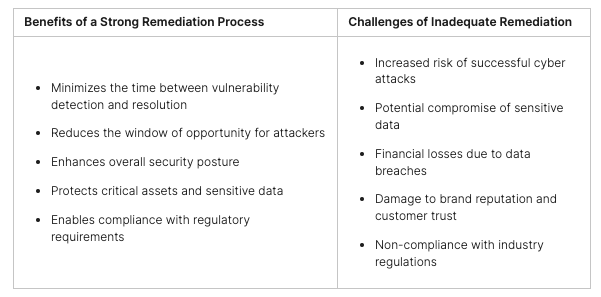
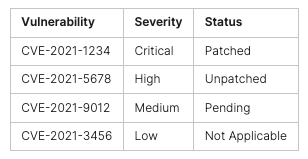



.jpg)