Category: Article

  • Ransomware in 2025: Key Trends, Predictions & How to Stay Protected

    Ransomware in 2025: Key Trends, Predictions & How to Stay Protected

    Ransomware attacks are rapidly evolving, becoming more sophisticated and damaging than ever before. Cybercriminals are no longer just encrypting files; they are also stealing sensitive data, launching distributed denial-of-service (DDoS) attacks, and exploiting zero-day vulnerabilities to maximize their impact.

    With the rise of Ransomware-as-a-Service (RaaS) making it easier for attackers to deploy ransomware without technical expertise, organizations of all sizes are at risk. The past year has seen major ransomware incidents targeting healthcare, finance, manufacturing, and energy sectors, causing widespread disruptions and financial losses.

    Understanding Ransomware: How Does It Work?

    Ransomware is a type of malware designed to encrypt files or block access to systems until a ransom is paid. Attackers use various methods to deploy ransomware, including:

    • Phishing Emails – Fake emails tricking employees into downloading malicious attachments or clicking fraudulent links.
    • Exploited Vulnerabilities – Cybercriminals take advantage of unpatched software and security flaws.
    • Remote Access Breaches – Weak remote desktop protocol (RDP) credentials allow attackers unauthorized entry.
    • Double & Triple Extortion – Beyond encrypting files, attackers steal data and threaten to leak it unless a ransom is paid.

    Organizations that fail to implement strong security practices are at higher risk of falling victim to these attacks.

    Top Ransomware Trends to Watch in 2025

    As cybercriminals refine their techniques, the ransomware landscape continues to evolve. Here are the key trends shaping 2025:

    1. Rise of Ransomware-as-a-Service (RaaS)

    Low-skilled attackers can now rent ransomware tools from criminal groups, making advanced cyber threats accessible to anyone. Groups like LockBit and BlackCat continue to refine their ransomware models, increasing the frequency of attacks against businesses of all sizes.

    2. Data Theft Before Encryption

    Modern ransomware attacks prioritize stealing sensitive data before encrypting files. This tactic increases legal, financial, and reputational risks for victims.

    3. AI-Enhanced Phishing & Zero-Day Exploits

    AI-generated phishing emails have become more convincing and harder to detect. Attackers are also leveraging zero-day vulnerabilities to infiltrate systems before companies can patch them.

    4. Critical Infrastructure Under Attack

    Healthcare, energy, and government sectors are prime targets due to their reliance on outdated systems and slow response times. Ransomware incidents affecting these industries could result in severe disruptions and public safety risks.

    ⚠️ 5. Manufacturing and Logistics Disruptions

    Cybercriminals recognize that manufacturing, automotive, and logistics industries cannot afford downtime. By holding critical operations hostage, attackers can demand higher ransom payments.

    Ransomware Predictions for 2025

    Cybercriminals will continue evolving their tactics, making ransomware even more dangerous. Here’s what businesses should expect:

    1. AI-Powered Social Engineering Attacks

    Deepfake voice phishing (vishing) and AI-generated scams will trick employees into granting access. Attackers will exploit accents and dialects to bypass traditional fraud detection measures.

    2. More Targeted, Low-Volume Attacks

    Instead of launching mass ransomware campaigns, cybercriminals will focus on high-value targets after conducting thorough reconnaissance and stealing valuable data.

    3. Continued Attacks on Critical Infrastructure

    Healthcare, energy, education, and manufacturing sectors will remain top ransomware targets. Cybercriminals will exploit outdated systems and operational dependencies to pressure victims into paying ransoms quickly.

    4. New SEC Cyber Regulations Increase Transparency

    Government regulations will require organizations to publicly report ransomware attacks, increasing legal and reputational risks for affected companies.

    5. Shift Toward Data-Exfiltration-Only Attacks

    Some cybercriminals may skip encryption altogether, focusing solely on stealing and selling sensitive data.

    6. Increased Law Enforcement Crackdowns

    Governments and law enforcement agencies will intensify efforts to disrupt ransomware gangs, recovering ransom payments and dismantling cybercrime networks.

    ️ How to Protect Your Business from Ransomware

    Organizations must adopt a proactive cybersecurity approach to mitigate ransomware risks. Implementing the following best practices can significantly reduce the chances of an attack:

    ✅ Ransomware Prevention Best Practices

    • Implement Strong Backups – Store secure, offline backups and regularly test data recovery processes.
    • Apply Security Patches ASAP – Keep software, operating systems, and firmware updated to close security gaps.
    • Enable Multi-Factor Authentication (MFA) – Protect critical accounts and prevent unauthorized access.
    • Restrict Admin Privileges – Use the principle of least privilege (PoLP) to limit user access.
    • Enhance Email & Endpoint Security – Deploy advanced phishing detection and endpoint protection solutions.
    • Segment Networks – Prevent ransomware spread by isolating critical systems from the rest of the network.
    • Conduct Cybersecurity Awareness Training – Regularly train employees on security best practices and conduct phishing simulations.
    • Disable Unnecessary Remote Access – Restrict RDP access and use secure VPNs for remote work.
    • Deploy AI-Powered Threat Intelligence – Use real-time monitoring tools to detect anomalies and threats before they escalate.
    • Develop a Ransomware Incident Response Plan – Test your response strategy through cybersecurity drills to ensure rapid recovery in case of an attack.

    ⚡ Ransomware Defense Starts Now!

    With AI-driven cybercrime and Ransomware-as-a-Service (RaaS) on the rise, businesses must act fast. Waiting until an attack happens is too late—the time to strengthen your cybersecurity defenses is now.

    Take Action Now:

    – Adopt AI-powered security tools to detect and respond to threats in real time.

    – Strengthen access controls with MFA, endpoint protection, and network segmentation.

    – Stay informed on emerging ransomware trends and cyber threats.

    Protect your business before it’s too late! Visit Peris.ai for expert cybersecurity solutions and threat intelligence.

    #PerisAI #Cybersecurity #YouBuild #WeGuard

  • How SOC Analysts Protect Your Data While You Sleep

    How SOC Analysts Protect Your Data While You Sleep

    As businesses become more digital, cyber threats continue to evolve, making cybersecurity a top priority. A Security Operations Center (SOC) plays a critical role in protecting sensitive data, and SOC analysts are the frontline defenders who work around the clock to ensure digital safety.

    Cybercriminals are constantly developing advanced attack methods, increasing the need for 24/7 monitoring and incident response. Managed Detection and Response (MDR) services have become essential in helping organizations stay ahead of these threats. But how exactly do SOC analysts safeguard your data while you sleep?

    The Vital Role of SOC Analysts

    SOC analysts are responsible for monitoring, detecting, and responding to cyber threats. Their work involves continuously analyzing security event logs, identifying potential breaches, and implementing countermeasures to mitigate risks. They use advanced threat detection tools to analyze patterns and prevent attacks before they cause damage.

    Key Responsibilities of SOC Analysts:

    • Real-Time Monitoring: They constantly analyze logs from networks, endpoints, and cloud environments to detect suspicious activity.
    • Threat Intelligence & Detection: Utilizing AI-driven tools and behavior analytics, SOC analysts identify anomalies that may indicate cyber threats.
    • Incident Response & Management: In case of an attack, they quickly respond, contain, and eliminate threats to minimize damage.
    • Security Audits & Compliance: Ensuring that organizations meet cybersecurity compliance regulations such as GDPR, HIPAA, and ISO 27001.
    • Continuous Improvement: SOC teams continuously refine their processes and enhance cybersecurity defenses to keep up with evolving threats.

    Why SOC Analysts Are Critical to Your Business

    A well-managed SOC team can reduce the average breach detection time from 280 days to just 30 days, drastically limiting potential financial and reputational losses. Without SOC analysts, organizations risk falling victim to cyber threats that can compromise sensitive information, disrupt operations, and lead to costly legal consequences.

    Advanced Monitoring Systems and Security Tools

    SOC analysts rely on advanced tools to detect and prevent cyber threats. Some of the most effective cybersecurity tools include:

    • Security Information and Event Management (SIEM): Collects and analyzes security logs to detect unusual activity in real time.
    • Intrusion Detection & Prevention Systems (IDS/IPS): Identifies and blocks malicious traffic before it infiltrates an organization’s network.
    • Endpoint Detection and Response (EDR): Monitors endpoints like computers and mobile devices for potential threats.
    • User and Entity Behavior Analytics (UEBA): Uses AI to detect abnormal user activities that may indicate insider threats.
    • Dark Web Monitoring: Tracks stolen credentials and sensitive data that may appear on underground hacking forums.

    By integrating these tools, SOC analysts can proactively prevent attacks before they escalate into full-scale data breaches.

    The Incident Response Lifecycle: How SOC Analysts Mitigate Risks

    When a security breach occurs, a structured incident response plan is essential to minimize damage. SOC analysts follow a detailed response cycle to contain and neutralize threats efficiently.

    1. Identification: SOC analysts detect and classify threats based on severity and impact.
    2. Containment: Immediate action is taken to prevent further damage by isolating affected systems.
    3. Eradication: Analysts remove malicious files, unauthorized access points, and potential vulnerabilities.
    4. Recovery: The organization restores affected systems and ensures that security patches are implemented.
    5. Post-Incident Review: Analysts analyze the attack to strengthen cybersecurity defenses and prevent future incidents.

    A well-defined incident response protocol can significantly reduce financial losses and downtime, protecting an organization’s operations and reputation.

    Real-Time Threat Detection: The Future of Cybersecurity

    With cyberattacks happening every 39 seconds, rapid threat detection is crucial. Organizations implementing AI-powered SOC operations can reduce breach detection time by 50% and cut security costs significantly.

    Benefits of Real-Time Threat Detection:

    • Faster Identification: AI-driven analytics detect potential threats instantly.
    • Reduced Incident Response Time: Automated systems enable analysts to act quickly.
    • Improved Cyber Resilience: Organizations with proactive monitoring suffer fewer financial losses from breaches.

    As cybersecurity threats grow more complex, SOC analysts are essential in preventing unauthorized access, data theft, and network disruptions.

    The Human Element in Cybersecurity

    While technology plays a crucial role, human expertise remains vital in cybersecurity. Trained professionals are needed to interpret security alerts, identify false positives, and strategize long-term defense measures.

    How Human Intelligence Enhances Cybersecurity:

    • Behavioral Analysis: Analysts understand context better than AI, making decisions that machines cannot.
    • Ethical Hacking & Penetration Testing: Simulated attacks help organizations strengthen weak spots before real threats exploit them.
    • Continuous Training: SOC analysts undergo rigorous cybersecurity training to stay ahead of emerging threats.

    Cybersecurity awareness training for employees also plays a crucial role in preventing social engineering attacks like phishing, which account for 90% of successful breaches.

    Building a Resilient Cybersecurity Infrastructure

    Organizations must take proactive steps to strengthen cybersecurity defenses. SOC analysts recommend the following best practices:

    • Zero-Trust Security Model: Never trust, always verify access permissions.
    • Multi-Factor Authentication (MFA): Adds an extra layer of security to user accounts.
    • Regular Security Audits: Identify vulnerabilities before attackers exploit them.
    • Data Encryption: Ensures sensitive information remains unreadable if intercepted.
    • Cybersecurity Awareness Training: Educates employees on recognizing and reporting threats.

    A well-designed cybersecurity framework not only prevents attacks but also ensures compliance with data protection regulations, avoiding hefty fines and legal consequences.

    Final Thoughts: Why SOC Analysts Matter More Than Ever

    Cyber threats are more dangerous than ever, and organizations must stay vigilant. SOC analysts work tirelessly to safeguard networks, detect threats, and respond to incidents, ensuring that your data remains secure even while you sleep. Investing in a well-equipped SOC team is not just an option—it is a necessity for businesses looking to protect their assets and reputation.

    Take Action Today

    Peris.ai Cybersecurity offers expert SOC services to help businesses stay secure. Protect your organization with 24/7 threat monitoring and a dedicated team of security professionals. Contact us today to learn how we can strengthen your cybersecurity defenses!

  • The Cost of Cybersecurity vs. The Cost of a Breach – Guess Which is Cheaper?

    The Cost of Cybersecurity vs. The Cost of a Breach – Guess Which is Cheaper?

    Why Businesses Must Choose Between Prevention and Recovery

    Cybersecurity has become a fundamental business necessity rather than an optional IT expenditure. Every organization faces a critical decision: invest in proactive cybersecurity measures or deal with the financial and reputational devastation of a data breach. The question is no longer if a business will be targeted but when. Understanding the balance between cybersecurity investment and the cost of a breach is essential for making informed security decisions.

    The Real Cost of a Cyber Breach

    A cyber breach is not just an IT issue—it impacts a company’s financial stability, regulatory compliance, customer trust, and overall reputation. Businesses that experience data breaches often face multiple layers of costs, including:

    • Financial Losses: Cyberattacks can result in direct financial losses due to fraud, theft, or operational downtime.
    • Legal Penalties and Compliance Violations: Failure to secure sensitive customer data can lead to fines under regulations.
    • Brand Damage and Loss of Trust: Customers are less likely to do business with organizations that fail to protect their information.
    • Operational Downtime and Recovery Expenses: Restoring systems after a breach can take weeks or months, leading to significant productivity losses.

    Breaking Down Cybersecurity Investment Costs

    Investing in cybersecurity may seem costly initially, but it is a strategic expense that pays for itself in risk mitigation. Some key areas of cybersecurity investment include:

    • Security Software and Tools: Firewalls, anti-malware software, and intrusion detection systems help protect against threats.
    • Incident Response Planning: Proactively preparing for cyber incidents minimizes the impact of attacks.
    • Employee Training Programs: Human error is one of the leading causes of breaches, making regular cybersecurity training a must.
    • Regular Security Audits and Risk Assessments: Identifying vulnerabilities before they are exploited saves money and prevents crises.
    • Advanced Threat Intelligence and Monitoring: Real-time security monitoring allows businesses to detect and respond to threats faster.

    The Cost Comparison: Prevention vs. Recovery

    A common misconception is that cybersecurity is an unnecessary expense when, in reality, the cost of prevention is far lower than the cost of dealing with a breach. Consider the following comparisons:

    • Preventive cybersecurity measures cost a fraction of the financial losses caused by data breaches. Investing in cybersecurity helps reduce the likelihood of attacks that could cost businesses millions.
    • Companies that invest in cybersecurity recover faster from cyber threats. Organizations with strong security measures in place can identify and contain breaches more effectively, reducing downtime and losses.
    • Cybersecurity investment protects long-term business growth. Security breaches can lead to lawsuits, regulatory penalties, and loss of customer trust, all of which can permanently damage a business.

    Implementing a Cost-Effective Security Strategy

    To maximize cybersecurity ROI, businesses should adopt a strategic approach to security spending:

    • Assess Current Risks: Conduct regular security audits to identify weak points in the system.
    • Prioritize High-Impact Security Investments: Focus on essential areas like endpoint protection, network security, and multi-factor authentication.
    • Leverage Automation and AI-Driven Threat Detection: These tools enhance response times and minimize manual security efforts.
    • Train Employees on Cyber Hygiene: Educate staff on recognizing phishing attacks, using strong passwords, and reporting suspicious activities.
    • Develop an Incident Response Plan: A clear plan ensures a swift response to security incidents, minimizing damage and costs.

    Conclusion: Prevention is the Smart Business Decision

    While cybersecurity investments may seem like a large upfront cost, the price of dealing with a breach is significantly higher. Businesses that prioritize security measures, conduct regular risk assessments, and invest in employee training are better positioned to prevent cyberattacks and minimize their impact. The choice is clear—spend wisely on cybersecurity now or pay the price later.

    Stay Secure with Peris.ai

    At Peris.ai, we provide cutting-edge cybersecurity solutions that help businesses stay ahead of threats. Our expertise in security risk management ensures that your business remains protected without overspending. Don’t wait for a breach to take action—secure your organization today.

    #PerisAI #Cybersecurity #DataProtection #YouBuild #WeGuard

  • Cybersecurity is No Longer an IT Problem – It’s a Business Problem

    Cybersecurity is No Longer an IT Problem – It’s a Business Problem

    Cybersecurity is no longer just an IT concern; it has become a critical business issue. With cyber threats evolving rapidly, businesses must recognize that a single breach can lead to financial loss, reputational damage, and legal consequences. Organizations that still view cybersecurity as an isolated IT responsibility risk falling behind in today’s digital landscape.

    Every business, regardless of size, must adopt a proactive security strategy. From startups to large enterprises, cyber threats target vulnerabilities at every level. Organizations that integrate cybersecurity into their business model can better protect their digital assets, maintain customer trust, and ensure operational continuity.

    The Growing Impact of Cyber Threats on Business Operations

    Cyber threats today go beyond data breaches. Ransomware, phishing, supply chain attacks, and insider threats are just a few of the sophisticated methods hackers use to exploit businesses. These attacks can:

    • Disrupt business operations
    • Compromise customer and employee data
    • Result in legal penalties due to non-compliance
    • Damage brand reputation and customer trust

    To mitigate these risks, businesses must invest in robust security measures, continuous employee training, and proactive risk management strategies.

    Cybersecurity Governance: A Responsibility Beyond IT

    A strong cybersecurity governance framework is essential for modern businesses. It ensures that cybersecurity is integrated across all departments, from executive leadership to frontline employees. Key steps include:

    • Developing a Cybersecurity Policy: Clearly defining roles, responsibilities, and security protocols.
    • Executive Involvement: Business leaders must prioritize cybersecurity investments and decision-making.
    • Risk Assessment and Management: Identifying vulnerabilities and implementing mitigation strategies.
    • Compliance with Industry Regulations: Adhering to laws.
    • Continuous Monitoring: Using real-time threat detection tools to prevent security breaches.

    When cybersecurity is embedded in the company culture, employees become active participants in risk prevention, reducing human errors that could lead to breaches.

    The Cost of Cybersecurity Neglect

    Ignoring cybersecurity can have severe financial implications. The consequences of data breaches go beyond direct financial losses:

    • Regulatory Fines and Legal Actions: Businesses failing to comply with data protection laws can face hefty fines.
    • Operational Downtime: A cyberattack can halt business operations, leading to lost revenue.
    • Loss of Customer Trust: Data breaches erode consumer confidence, causing long-term reputational damage.

    Investing in cybersecurity is not an expense; it is a necessary strategy to safeguard business continuity and financial stability.

    Implementing Enterprise-Wide Cybersecurity Solutions

    A holistic cybersecurity approach requires a combination of:

    • Technical Measures: Firewalls, intrusion detection systems, and endpoint protection tools.
    • Administrative Controls: Cybersecurity policies, incident response plans, and risk assessments.
    • Employee Awareness Training: Ensuring all employees recognize and respond to cybersecurity threats effectively.

    Business leaders should work closely with cybersecurity experts to deploy advanced security frameworks that safeguard their operations from emerging threats.

    Creating a Culture of Cybersecurity Awareness

    Cybersecurity is a shared responsibility. Organizations should implement company-wide awareness programs to educate employees on:

    • Recognizing phishing attempts and social engineering attacks.
    • Using strong, unique passwords and multi-factor authentication.
    • Reporting suspicious activity to IT teams immediately.
    • Following best practices for data handling and secure communication.

    A well-trained workforce significantly reduces the risk of cyber threats caused by human error.

    Business Continuity and Incident Response Planning

    Cybersecurity strategies must include:

    • Incident Response Plans: Clear procedures to follow in the event of a cyberattack.
    • Regular Security Audits: Assessing the effectiveness of security measures.
    • Data Backup Strategies: Ensuring quick recovery in case of data loss.
    • Collaboration with Cybersecurity Experts: Engaging professionals to strengthen security postures.

    A strong incident response plan minimizes damage and accelerates recovery, reducing downtime and financial losses.

    Measuring ROI on Cybersecurity Investments

    To justify cybersecurity spending, businesses must track key performance indicators (KPIs), including:

    • Incident Response Time: How quickly security teams neutralize threats.
    • Reduction in Security Breaches: Measuring improvements in security effectiveness.
    • Cost Savings from Prevented Attacks: Comparing losses from past breaches versus the cost of cybersecurity measures.
    • Employee Cybersecurity Awareness Scores: Assessing training effectiveness.

    Investing in cybersecurity leads to long-term financial benefits by preventing costly attacks and ensuring regulatory compliance.

    Conclusion: Cybersecurity as a Business Priority

    Cybersecurity is no longer a technical issue confined to IT departments. It is a critical business priority that affects every level of an organization. Business leaders must:

    • Recognize cybersecurity as a strategic necessity.
    • Integrate security frameworks across all business operations.
    • Foster a culture of awareness and proactive risk management.
    • Partner with cybersecurity experts to stay ahead of evolving threats.

    Ignoring cybersecurity is a gamble businesses cannot afford to take. By treating cybersecurity as a core business function, organizations can safeguard their assets, maintain customer trust, and ensure long-term success.

    Strengthen Your Business Security with Peris.ai

    Cyber threats are evolving rapidly. Don’t wait for a breach to take action. Secure your business with Peris.ai’s advanced cybersecurity solutions today.

    Visit Peris.ai to learn more about how we can help protect your organization from cyber threats.

  • Cybersecurity is the New Compliance – Ignore It at Your Own Risk

    Cybersecurity is the New Compliance – Ignore It at Your Own Risk

    Cyber threats are evolving at an alarming rate, making cybersecurity compliance a necessity rather than an option. Organizations that fail to prioritize security put their sensitive data, customer trust, and financial stability at risk. Today’s businesses must acknowledge that cybersecurity is no longer just about protecting data—it’s about adhering to compliance regulations that dictate security standards across industries.

    Ignoring cybersecurity can lead to massive financial losses, legal consequences, and reputational damage. Organizations that do not comply with industry regulations can face hefty fines, lawsuits, and even operational shutdowns. With cybercrime becoming a multibillion-dollar industry, businesses must take proactive steps to integrate cybersecurity into their compliance frameworks.

    The Evolution of Cybersecurity: From Optional to Mandatory

    In the past, cybersecurity was an IT concern. Today, it is a boardroom priority. Governments and regulatory bodies worldwide have introduced strict cybersecurity regulations to mitigate risks. Companies must now comply with laws, or they risk severe penalties.

    • Cybersecurity is now a compliance requirement – Data protection laws mandate security measures to safeguard personal and financial data.
    • Legal liability is increasing – Non-compliance can result in lawsuits and regulatory actions that damage a company’s reputation.
    • Customers demand security – Businesses that fail to protect customer data risk losing consumer trust and credibility.

    The Compliance-Cybersecurity Nexus: Why They Are Inseparable

    Cybersecurity compliance is about implementing policies, procedures, and controls to secure sensitive data. Compliance frameworks vary by industry but share common security principles, such as data encryption, access control, and continuous monitoring.

    Real-World Consequences: The Cost of Non-Compliance

    Failing to comply with cybersecurity regulations can have devastating consequences. Beyond financial penalties, businesses face data breaches, operational downtime, and reputational harm.

    The True Cost of Non-Compliance:

    • Legal penalties and fines for failing to meet security standards.
    • Loss of customer trust following a data breach.
    • Operational disruptions due to security failures.
    • Long-term reputational damage that affects investor confidence and business growth.

    Building a Future-Proof Cybersecurity Compliance Strategy

    Organizations need a structured and proactive approach to cybersecurity compliance. Implementing a comprehensive security framework can help businesses stay ahead of threats while ensuring regulatory adherence.

    Key Components of an Effective Cybersecurity Compliance Strategy:

    • Risk Assessment Framework – Identify vulnerabilities before cybercriminals do.
    • Security Control Implementation – Deploy firewalls, multi-factor authentication (MFA), and endpoint protection.
    • Continuous Monitoring & Incident Response – Detect and respond to threats in real time.
    • Employee Cybersecurity Training – Human error is one of the biggest risks; regular training mitigates potential security gaps.
    • Regulatory Compliance Audits – Ensure ongoing adherence to cybersecurity laws and standards.

    The Role of Technology in Compliance & Security

    Modern organizations need advanced cybersecurity tools to comply with regulations and mitigate risks effectively. Investing in AI-powered threat detection, automated compliance monitoring, and cloud security solutions can improve security while simplifying compliance efforts.

    Technology Solutions for Cybersecurity Compliance:

    • AI and Machine Learning – Enhance threat detection and automate response.
    • Dark Web Monitoring – Track if stolen credentials are being sold online.
    • Automated Compliance Dashboards – Provide real-time security status updates.
    • Cloud Security Solutions – Secure remote workforces and data storage.

    Final Thoughts: The Future of Cybersecurity Compliance

    As cyber threats evolve, businesses cannot afford to ignore cybersecurity compliance. Proactively investing in security measures, adopting compliance best practices, and leveraging technology-driven solutions will help organizations stay ahead of regulatory demands and cyber criminals.

    Cybersecurity isn’t just about avoiding penalties—it’s about protecting your business, customers, and reputation.

    Ready to Secure Your Business?

    Partner with Peris.ai to strengthen your cybersecurity framework. Visit Peris.ai today to explore cutting-edge cybersecurity solutions tailored to your industry needs.

    #PerisAI #Cybersecurity #YouBuild #WeGuard

  • If Your Credentials Are on the Dark Web, It’s Already Too Late

    If Your Credentials Are on the Dark Web, It’s Already Too Late

    The dark web is a hidden part of the internet where cybercriminals trade stolen data, including login credentials, financial details, and personal information. If your credentials end up on the dark web, it means hackers have already accessed your accounts, making you highly vulnerable to identity theft and financial fraud.

    With millions of data breaches occurring annually, organizations and individuals must adopt strong cybersecurity measures to safeguard sensitive information. Being reactive is not enough; proactive protection is the only way to stay ahead.

    How Credentials End Up on the Dark Web

    Your credentials can be compromised in multiple ways, making it easier for cybercriminals to exploit them. Here are the most common entry points:

    • Phishing & Social Engineering: Attackers trick users into revealing their credentials through fake login pages or fraudulent emails.
    • Data Breaches: Hackers infiltrate company databases and leak customer credentials.
    • Malware & Keyloggers: Malicious software records keystrokes to steal login information.
    • Brute-Force Attacks: Automated bots attempt millions of password combinations until they find the correct one.
    • Credential Reuse: If you use the same password for multiple accounts, one breach can compromise all your accounts.

    Warning Signs That Your Credentials Are Compromised

    Being aware of early warning signs can help you act before cybercriminals cause significant harm:

    • Unauthorized financial transactions (e.g., unknown charges on credit cards or cryptocurrency activity).
    • Unexplained credit inquiries or new accounts opened in your name.
    • Receiving password reset requests that you didn’t initiate.
    • Strange emails or messages are sent from your account without your knowledge.
    • Alerts from companies about a data breach affecting your account.

    What To Do If Your Credentials Are Found on the Dark Web

    1. Immediate Actions Within the First Hour

    • Change your passwords immediately for all affected accounts.
    • Enable Two-Factor Authentication (2FA) to add an extra layer of security.
    • Monitor your financial accounts for unauthorized transactions.
    • Check if other accounts use the same password and update them as well.

    2. Report & Secure Your Identity

    • Inform your bank and freeze your credit if financial data was exposed.
    • Report the breach to authorities and cybersecurity monitoring services.
    • Use a password manager to create unique, complex passwords for each account.

    3. Ongoing Security Measures

    • Enable dark web monitoring services to alert you if your credentials appear online.
    • Regularly update your software and security patches to minimize vulnerabilities.
    • Educate yourself and your employees about phishing scams and security best practices.

    Proactive Defense: Preventing Credential Theft

    1. Dark Web Monitoring

    Using dark web monitoring services can help detect stolen credentials before they are misused. Companies that use such services have seen a 30% reduction in identity theft cases.

    2. Strong Authentication Measures

    • Use Multi-Factor Authentication (MFA) for all accounts.
    • Avoid using predictable passwords and instead opt for passphrases.
    • Regularly rotate and update passwords.

    3. Employee Awareness Training

    • Conduct simulated phishing exercises to test security awareness.
    • Educate employees on how to recognize scams and avoid credential sharing.
    • Encourage immediate reporting of suspicious activities.

    The Role of Businesses in Credential Security

    Companies must take responsibility for protecting employee and customer credentials. Implementing strong access control measures, regular security audits, and incident response plans can drastically reduce the risk of data breaches.

    Corporate Security Best Practices

    • Use enterprise password managers to securely store login credentials.
    • Enforce least privilege access to minimize exposure risks.
    • Implement continuous monitoring to detect unauthorized access in real time.
    • Encourage regular security training to build a cyber-aware culture.

    Future Trends in Credential Protection

    With AI-driven cyberattacks increasing, the future of credential protection will involve advanced machine-learning security models to detect and mitigate credential theft. Organizations must adopt zero-trust frameworks, use biometric authentication, and integrate automated threat intelligence systems.

    Key Takeaways for the Future

    • 79% of web application breaches occur due to compromised credentials.
    • Infostealer malware usage has increased by 266%, capturing credentials in real-time.
    • AI-powered cybersecurity solutions will become a necessity in preventing attacks.

    Conclusion: Don’t Wait Until It’s Too Late

    If your credentials appear on the dark web, the damage has already begun. The best defense is a proactive cybersecurity approach that includes dark web monitoring, strong authentication, and continuous security awareness.

    Take action now to protect your credentials!

    Visit Peris.ai for cutting-edge cybersecurity solutions and expert guidance.

    #PerisAI #Cybersecurity #CredentialProtection #DataBreach #DarkWeb #YouBuild #WeGuard

  • One Attack Can Take Your Website Down – Protect It Now

    One Attack Can Take Your Website Down – Protect It Now

    Cyberattacks are no longer a matter of “if” but “when.” Every day, thousands of websites fall victim to hacking attempts, leading to financial losses, damaged reputations, and compromised customer data. One breach is enough to take your entire website offline, and the longer an attack remains undetected, the greater the damage.

    Businesses must proactively defend their websites with strong security measures. Waiting until an attack happens is no longer an option.

    The Day Everything Went Dark: A Cyberattack Nightmare

    Imagine waking up to find your website completely down. Customers can’t access your services, sensitive business data is at risk, and your brand credibility is on the line. This is the harsh reality of a website attack, which can happen to any business—big or small.

    Early Warning Signs of an Attack

    • Unusual spikes in website traffic.
    • Slow loading speeds and frequent crashes.
    • Unrecognized login attempts from different locations.
    • Unauthorized changes to website content.

    This real-world example highlights the importance of a fast and well-prepared incident response plan to minimize business disruption.

    Understanding the Weak Points: How Attacks Succeed

    Common Website Vulnerabilities

    • Outdated plugins and software – Unpatched security flaws give hackers an easy entry point.
    • Weak passwords & authentication – Simple or reused passwords are easily cracked.
    • Lack of security patches – Delayed updates leave websites open to known exploits.
    • Unsecured connections – Sites without SSL certificates make data transmissions vulnerable.

    Did You Know?

    • 40,000 admin accounts used the password “admin.”
    • 1.4 million breached accounts used “123456” as their password.
    • The median time for hackers to exploit a vulnerability is just one day after it’s disclosed.

    Types of Cyberattacks That Can Shut Down Your Website

    • DDoS Attacks – Overwhelm servers with traffic, causing websites to crash.
    • SQL Injection – Hackers insert malicious code to steal database information.
    • Cross-Site Scripting (XSS) – Injects harmful scripts into web applications.
    • Phishing Attacks – Tricking users into revealing credentials through fake websites.

    The True Cost of a Website Breach

    A single cyberattack doesn’t just disrupt operations—it comes with lasting financial and reputational damage.

    Consequences of a Cyberattack

    Financial Losses – The cost of a data breach increases by 10% annually.

    Loss of Customer Trust – 70% of customers leave businesses that experience a breach.

    Brand Damage – Negative press can impact your company’s credibility for years.

    How Much Can a Website Downtime Cost?

    Downtime due to breaches increased by 11% in 2023.

    ⚠️ For large enterprises, one hour of downtime costs over $1 million.

    The average company takes 197 days to detect a breach and another 69 days to contain it.

    Fact: Businesses with strong website security recover from attacks 60% faster than those without.

    How to Protect Your Website from Cyberattacks

    1️⃣ Strengthen Your Authentication & Access Controls

    • Use strong passwords with at least 14+ characters (uppercase, lowercase, symbols).
    • Implement Two-Factor Authentication (2FA) to prevent unauthorized access.
    • Limit admin access to only essential personnel.

    2️⃣ Keep Your Website Updated

    • Install security patches immediately when updates are available.
    • Regularly update CMS, plugins, and third-party integrations.

    3️⃣ Secure Your Website with Advanced Security Measures

    • Use SSL certificates for encrypted data transmission. Install firewalls to block suspicious traffic.
    • Deploy DDoS protection to prevent traffic overloads.

    4️⃣ Monitor & Detect Threats in Real-Time

    • Set up Intrusion Detection Systems (IDS) to monitor suspicious activity.
    • Conduct regular vulnerability scans to identify weaknesses.
    • The track failed login attempts to spot brute-force attacks.

    5️⃣ Backup & Disaster Recovery Planning

    • Maintain daily backups of your website data.
    • Store backups off-site or on secure cloud platforms.
    • Develop an incident response plan to recover from attacks quickly.

    Proactive Cybersecurity: The Best Defense Strategy

    Many website owners wait until after an attack to invest in security, but proactive protection is far more effective than damage control.

    Proactive Security Strategies to Safeguard Your Website

    • Conduct regular security audits to find and fix vulnerabilities.
    • Use Web Application Firewalls (WAFs) to block malicious traffic.
    • Monitor login logs to identify unusual activities.
    • Implement AI-powered security to detect threats before they escalate.

    Did You Know? Companies that use proactive security strategies reduce their breach recovery time by 50%.

    Final Thoughts: Protect Your Website Before It’s Too Late

    Cyber threats are relentless, with websites being targeted every 39 seconds. A single attack can lead to data breaches, financial losses, and operational disruptions, putting your entire business at risk. Don’t wait for an attack—take action now.

    Why Website Security Matters:

    • Websites face constant threats—proactive defense is essential.
    • A strong cybersecurity strategy can prevent millions in potential losses.
    • AI-powered security solutions reduce the impact of breaches by 60%.
    • Regular security audits and updates ensure ongoing protection.

    Stay ahead of cyber threats! Protect your business with Peris.ai’s advanced cybersecurity solutions and secure your website before it’s too late.

    Visit Peris.ai today and safeguard your digital assets!

  • Zero-Click Hacks: The Silent Cyber Threat Targeting WhatsApp Users

    Zero-Click Hacks: The Silent Cyber Threat Targeting WhatsApp Users

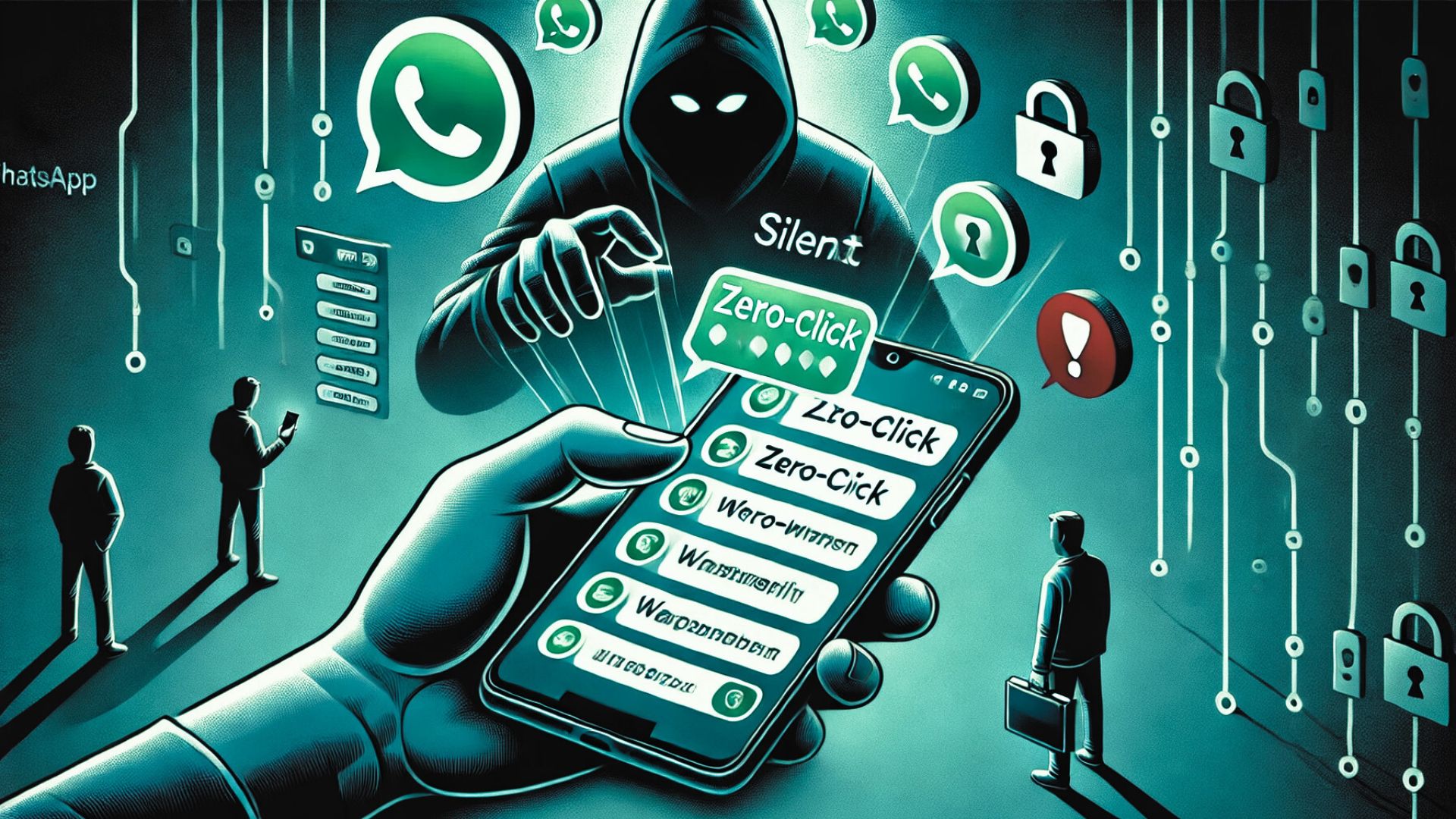
    Cyber threats are evolving rapidly, and Zero-Click Hacks have emerged as one of the most dangerous attack methods, particularly targeting WhatsApp users worldwide. Unlike traditional phishing scams, these attacks require no user interaction—meaning you don’t have to click a link, download a file, or install malware for hackers to gain access. This makes them extremely difficult to detect and prevent.

    Recent reports confirm that nearly 90 WhatsApp users across multiple countries have already been targeted, raising serious concerns about privacy, device security, and the sophistication of cybercriminals.

    What is a Zero-Click Hack?

    Zero-Click Hacks exploit software vulnerabilities in messaging apps, operating systems, and multimedia processing frameworks.

    How Do These Attacks Work?

    • Hackers identify flaws in WhatsApp or other apps that allow them to execute malicious code remotely.
    • A seemingly harmless message, call, or media file is sent to the target.
    • The device processes the message without any user interaction, giving the hacker access to:Private messages and call logsMicrophone and cameraStored passwords and sensitive dataLocation and browsing history
    • Since the victim never clicks on anything, traditional cybersecurity awareness—like avoiding suspicious links—does not prevent these attacks.

    Why is This So Dangerous?

    • These attacks are stealthy and nearly undetectable by conventional security tools.
    • No visible signs—the user does not realize they have been hacked until after damage is done.
    • Hackers can remain hidden inside a device for long periods, collecting sensitive information.

    The WhatsApp Security Breach

    WhatsApp recently revealed that hackers exploited vulnerabilities in the app to infiltrate users’ devices without their knowledge.

    Key Facts About the Breach

    • Attackers used spyware from an Israeli firm, Paragon Solutions, to target journalists, activists, and high-profile individuals.
    • No user interaction was required—victims were compromised the moment they received a malicious WhatsApp message.
    • WhatsApp has since taken legal action against spyware developers and pledged to strengthen its security measures.

    Even though WhatsApp has addressed the issue, zero-click vulnerabilities continue to exist, making it crucial for users to take their own security precautions.

    How to Stay Safe from Zero-Click Attacks

    Zero-click attacks are difficult to detect, but you can minimize risk by taking proactive security measures.

    Update Your Apps and Operating System

    • Always install the latest security patches for WhatsApp, iOS, and Android to prevent hackers from exploiting known vulnerabilities.
    • Enable automatic updates so that critical security fixes are installed as soon as they become available.

    Monitor Device Behavior for Unusual Activity

    • Watch for unexpected battery drain—a common sign of spyware running in the background.
    • Be cautious if your apps crash frequently or if your phone slows down without explanation.
    • Look for strange messages or calls from unknown numbers, as these could be attempts to trigger a vulnerability.

    Restrict App Permissions

    • Limit WhatsApp’s access to your microphone, camera, and storage unless necessary.
    • Regularly review and adjust app permissions to minimize the risk of unauthorized access.

    Use Additional Security Features

    • Enable two-factor authentication (2FA) on WhatsApp for an added layer of security.
    • Consider using encrypted messaging alternatives that offer stronger privacy protection.

    Report Suspicious Activity

    • If you suspect an attack, report it to WhatsApp support and your local cybersecurity authorities.
    • Be cautious of unexpected messages, video calls, or media files from unknown contacts.

    The Fight Against Cyber Threats

    As cybercriminals refine their methods, staying informed and adopting stronger security practices is critical. Zero-click hacks are just one example of how hackers are evolving their tactics to bypass traditional defenses.

    What’s Next in Cybersecurity?

    • Tech companies must continually update and patch vulnerabilities.
    • Users must take proactive steps to secure their accounts and devices.
    • Cybersecurity experts must develop advanced detection and response systems to mitigate threats like zero-click exploits.

    Final Thoughts: Strengthen Your Security with Peris.ai

    Zero-click hacks prove that traditional cybersecurity awareness is no longer enough. Even the most cautious users can fall victim to attacks that require no interaction. Taking proactive steps today can save you from major security risks in the future.

    At Peris.ai, we provide cutting-edge cybersecurity solutions to help individuals and businesses stay ahead of evolving threats.

    Stay protected against the latest cyber threats—visit Peris.ai today.

    #PerisAI #Cybersecurity #ZeroClickHacks #WhatsAppSecurity #YouBuild #WeGuard

  • Protecting Your Business on Autopilot – AI Security is Here

    Protecting Your Business on Autopilot – AI Security is Here

    As a business owner, you know how vital it is to protect your business from threats. AI-driven cybersecurity offers a new way to do this automatically. It saves you time and resources by automating security tasks.

    By using AI security, your IT team can focus on strategic tasks. This means you can protect your business without constant effort. AI security is here to make your business safer on autopilot.

    AI-driven cybersecurity keeps your business data safe and secure. It reduces the risk of data breaches and cyber attacks. This way, you can protect your business from many threats.

    Using AI security also boosts your productivity and efficiency. It streamlines your security processes, allowing you to focus on more critical tasks. AI security helps you achieve your business goals and offers a good return on investment.

    Key Takeaways

    • AI security solutions can help you automate many security tasks, freeing up your IT team to focus on more strategic initiatives.
    • Protecting your business on autopilot – AI security is here to provide automated business security solutions that can help you save time and resources.
    • AI-driven cybersecurity can help you reduce the risk of data breaches and cyber attacks and protect your business from various threats.
    • Implementing AI security solutions can improve productivity and efficiency and streamline your security processes.
    • AI security solutions can help you achieve your business goals and provide a high return on investment.
    • With AI security, you can ensure the security and integrity of your business data and protect your business from various threats.
    • Automated business security solutions can help you reduce manual IT labor and improve user satisfaction.

    Understanding the Evolution of AI-Driven Security Solutions

    Artificial intelligence has changed how businesses protect themselves online. Now, thanks to AI, companies can fight off threats better. Understanding AI security systems, like machine learning and predictive analytics, is key.

    Tools like IBM Watson can look through vast amounts of data. This helps find things humans can’t. AI tools, like Darktrace, also spot unusual network activities. This means they catch threats that old methods miss.

    Using AI for security has many benefits. For example, it helps find and deal with threats faster. It also uses data to predict problems before they happen. Plus, it works well with what businesses already have.

    • Improved threat detection and response
    • Enhanced predictive analytics capabilities
    • Automated incident response protocols
    • Integration with existing security infrastructure

    As more businesses use AI for security, they’ll see significant improvements. AI helps keep data safe from cyber threats. Using AI, companies can avoid new dangers and keep their data secure.

    The Business Case for Automated Security Systems

    Using business protection and AI is key for companies to fight off threats. A recent study found that 80% of businesses aim to boost their cybersecurity spending in 2024. This move towards automated security solutions can reduce manual work, better detect threats, and increase security.

    There are many perks to automated security systems. They can speed up responses, reducing the time it takes to spot and fix issues. Also, automated security solutions can make the initial handling of incidents faster, getting companies ready for any event. Some main benefits of business protection using AI are:

    • Improved threat detection and response
    • Reduced manual effort and increased efficiency
    • Enhanced security posture and incident preparedness

    With cyberattacks on the rise and a 23% jump in successful attacks in 2023, the need for automated security solutions is urgent. By using

    In summary, the case for automated security systems is substantial. Companies can lower cyberattack risks by adopting business protection using AI, better handling incidents, and strengthening their security. As threats grow, businesses must invest in automated security solutions to stay safe.

    Core Features of AI Security Platforms

    AI security solutions can protect your business from threats. They offer real-time threat detection and response. This is thanks to AI technology for business security, which analyzes lots of data to find threats.

    Predictive analysis is another essential feature. It helps businesses stay ahead of new threats. By adding AI security to their current systems, companies can improve their security and handling of incidents.

    • Real-time threat detection and response
    • Predictive analysis capabilities
    • Automated incident response protocols
    • Integration with existing security infrastructure

    These features help businesses fight off threats and boost their security. They use the power of AI technology for business security and auto-piloted cybersecurity.

    Implementing AI Security Solutions in Your Organization

    AI security is changing how we protect businesses. With more cyber threats, using AI for defense is key. Studies show that 76% of cybersecurity experts feel overwhelmed by AI hype, but 55% are tired of all the buzz.

    Despite this, AI’s benefits are clear. Webb’s SOC team has solved over 5,000 cases with Swimlane’s AI. This is a big jump from their old system. Swimlane Hero AI has also boosted SecOps by 20%.

    To use AI security well, clear rules must be set for employees. Also, keep an eye on and improve automated processes.

    Some essential steps for AI security include:

    • Regularly update AI models to keep them fresh
    • Follow standards for AI management, like ISO/IEC 5338
    • Make sure AI systems work well with current security tools

    By following these steps and using AI, businesses can protect themselves automatically. This way, they can stay safe from new threats.

    Protecting Your Business on Autopilot – AI Security is Here: A Strategic Framework

    Businesses need a plan to use AI security solutions well. This plan includes steps like assessment, planning, and monitoring. It’s key to keep businesses safe from threats and ensure automated business security. With artificial intelligence protection, companies can boost security and lower cyber attack risks.

    The first part is assessing and planning. Here, businesses figure out their security needs and plan for AI solutions. This step ensures that the AI solutions fit the company’s security strategy. The plan should include using AI tools like intrusion detection systems and SIEM platforms.

    It’s essential to keep an eye on security all the time. Tools like IDS and SIEM platforms help with this. They catch threats in real time and help respond quickly. This way, businesses can improve their automated business security and fight off cyber attacks better. Also, artificial intelligence protection can automate some security tasks, saving time for more critical security work.

    When using AI security, businesses should remember a few things:

    • Do regular tests, like penetration tests and scans for vulnerabilities
    • Make a clear Incident Response Plan (IRP) for quick action during security issues
    • Please focus on the most critical systems first to get them back up and running

    Overcoming Common Implementation Challenges

    Starting AI security solutions can be challenging. Many hurdles may pop up. Tack these issues head-on to keep your business safe with business protection using AI. A big problem is getting AI to work with your current systems smoothly.

    Some common challenges include:

    • Technical integration issues with existing systems
    • Staff training and adoption to ensure effective use of AI security solutions
    • Budget considerations to allocate sufficient resources for implementation and maintenance

    Studies show that 74% of companies don’t get enough value from AI. This shows the importance of careful planning and execution. Businesses can make automated security solutions work well by knowing these challenges and finding ways to beat them. This boosts their business protection using AI.

    Investing in good training and enough resources helps. This ensures a smooth move to AI security. It strengthens your business protection using AI and keeps you safe from new threats.

    Measuring the Success of Your AI Security Implementation

    You need to track the success of your AI security to ensure it works well. Look at things like how well it finds threats, how fast it responds, and how it handles incidents. Using auto-piloted cybersecurity can boost your security and lower the chance of cyber attacks.

    Some good things about AI security for businesses include:

    • Improved threat detection and response rates
    • Enhanced incident management capabilities
    • Reduced risk of cyber breaches
    • Increased efficiency and productivity

    A study showed that using AI security can cut cyber breach incidents by up to 50%. Also, deception technology can stop up to 80% of unauthorized access attempts.

    Businesses can significantly improve their security by using AI security and auto-piloted cybersecurity. It’s essential to monitor how well it’s working and make changes as needed to stay safe from new threats.

    Future-Proofing Your Business with AI Security

    Businesses must keep up with new AI security trends to stay safe. Using AI for defense can make your business smoother and keep it safe from hackers.

    Significant AI security trends include Generative AI for keeping systems safe and growing your security setup. Knowing about these trends helps your business get ready for new threats. It makes sure your security can grow and stay strong.

    • Invest in AI-powered business defense solutions to enhance operational efficiency and reduce security risks.
    • Stay informed about emerging trends in AI security, such as Generative AI for cybersecurity.
    • Scale your security infrastructure to ensure it’s effective and efficient. You can keep your business safe without much effort by following these steps. It will be ready for any new AI security challenges.

    Best Practices for Maintaining Your AI Security System

    To keep your business safe, taking care of your AI security system is key. This means using automated business security and adopting new artificial intelligence protection tech.

    Keeping an eye on your AI system is essential. Do regular security checks like penetration tests and look for weak spots. Also, ensure your data is handled well to keep everyone’s trust and follow rules.

    Here are some tips to keep your AI system safe:

    • Do regular security checks to find weak spots
    • Use firm data handling to keep trust and follow rules
    • Stay current with the latest artificial intelligence protection tech
    • Teach your team about AI security to boost compliance and lower risks

    Your business will stay safe by following these tips and using automated business security. And you’ll be at the forefront of artificial intelligence protection.

    Conclusion: Embracing the Future of Business Security

    In today’s evolving threat landscape, automation and AI-driven security solutions are no longer optional—they’re essential. Businesses face increasingly sophisticated cyber threats, making real-time response, seamless integration, and automated security workflows critical to staying protected.

    Brahma Fusion redefines cybersecurity by integrating diverse security tools, reducing manual effort, and streamlining threat response. With its customizable security responses, drag-and-drop workflow automation, and precision-driven custom coding, organizations can strengthen their security posture while improving operational efficiency.

    By adopting AI-powered orchestration and automation, businesses can stay ahead of cyber threats, optimize security operations, and reduce response times—all while cutting costs and minimizing human errors.

    Secure your future with Brahma Fusion. Learn how AI-driven automation can revolutionize your security operations at https://www.peris.ai/.

    FAQ

    What is AI security, and how can it protect my business on autopilot?

    AI security uses artificial intelligence to protect your business. It automates many security tasks. This lets your IT team focus on essential tasks.

    It helps keep your business safe from threats. This includes automated security risks.

    What are the key components of modern AI security systems?

    Modern AI security systems have machine learning, natural language processing, and predictive analytics. These work together. They provide security that can handle threats in real time.

    What are the benefits of automated security systems for my business?

    Automated security systems save time and improve threat detection. They also boost your security. Your IT team can then focus on strategic tasks.

    What are the core features of AI security platforms?

    AI security platforms have real-time threat detection and predictive analysis. They also have automated incident response and integration with security systems. These features help protect your business with AI.

    How do I implement AI security solutions in my organization?

    Start by setting guidelines for using AI tools. Then, keep monitoring and improving your automated processes. This ensures your business is safe and uses AI security effectively.

    What are the typical implementation challenges of AI security solutions?

    Challenges include technical issues, staff training, and budget issues. Knowing these challenges helps you plan for a successful AI security implementation.

    How do I measure the success of my AI security implementation?

    Track KPIs like threat detection rates and incident response times. This shows how well your AI security is working.

    How can I future-proof my business with AI security?

    Stay updated with trends and prepare for new threats. Invest in AI solutions that can handle evolving threats.

    What are the best practices for maintaining my AI security system?

    Keep monitoring and refining your processes. Regularly update software and train employees. This keeps your AI security effective and current.


  • Speed is Everything in Incident Response – Are You Ready?

    Speed is Everything in Incident Response – Are You Ready?

    In today’s fast-paced digital environment, quick incident response is crucial to minimizing the impact of cyberattacks. With cyber threats emerging every 39 seconds on average, the ability to detect, respond, and contain an attack in real time can mean the difference between a minor disruption and a catastrophic data breach.

    Organizations that prioritize incident response readiness are better equipped to protect sensitive data, maintain business continuity, and mitigate financial losses. But how can companies ensure they are prepared to act swiftly when an attack occurs?

    Why Speed Matters in Cybersecurity Incidents

    Every second counts in cyber incident response. The longer it takes to identify and neutralize a threat, the greater the risk of data theft, system compromise, and reputational damage.

    Key Facts About Incident Response Speed:

    • 74% of data breaches involve human error, making proactive defenses essential.
    • A 30-minute delay in responding to a ransomware attack can lead to widespread network infections.
    • Organizations that respond swiftly save an average of $1 million compared to those with delayed responses.

    Without a well-structured response strategy, companies lose valuable time to confusion, inefficient communication, and manual investigation—giving attackers more room to exploit vulnerabilities.

    Building a High-Performance Incident Response Team

    An effective incident response team ensures a company can act decisively and efficiently during a cyber crisis. However, common bottlenecks—such as communication gaps, tool inefficiencies, and lack of clear processes—often slow response times.

    How to Build a Strong Incident Response Team:

    • Clearly Define Roles & Responsibilities – Ensure each team member knows their role in the event of an attack.
    • Ongoing Training & Drills – Conduct regular cybersecurity exercises to improve response times and decision-making under pressure.
    • Implement Automated Threat Detection – AI-driven monitoring systems can identify and contain threats in real time, reducing human intervention delays.
    • Centralized Incident Management – Use security dashboards and automation to streamline communication and reduce confusion during a breach.

    Did you know? Organizations that regularly train their security teams see a 40% improvement in response times.

    Identifying & Eliminating Response Bottlenecks

    Incident response teams often struggle with delayed containment and mitigation due to internal inefficiencies. Studies show that while the average time to resolve a security incident is 4 hours, it could be reduced to 2 hours with better optimization.

    Common Causes of Delayed Responses:

    • Manual Investigation Processes – Cyber threats evolve rapidly, making manual responses ineffective.
    • Siloed Security Operations – Lack of collaboration between IT, security, and executive teams leads to slower decision-making.
    • Inconsistent Use of Security Tools – Failure to integrate AI-driven threat intelligence results in missed warning signs.

    ✅ Solutions for Faster Incident Response:

    • Automate threat detection and mitigation to eliminate human delays.
    • Standardize security procedures to ensure quick, repeatable response actions.
    • Run real-world attack simulations to identify gaps in communication and execution.

    A Framework for Incident Response Success

    To stay ahead of cyber threats, organizations need a structured response plan that enables faster detection, containment, and recovery.

    Key Components of an Effective Incident Response Plan:

    1. Detection & IdentificationUse AI-driven threat intelligence to recognize security breaches immediately.
    2. Containment & EradicationIsolate infected systems and remove malicious activity before it spreads.
    3. Recovery & System Restoration – Restore operations without reintroducing vulnerabilities.
    4. Post-Incident Analysis – Conduct forensic investigations to prevent future attacks.

    Tracking Incident Response Metrics:

    • Mean Time to Detect (MTTD) – Measures how quickly threats are identified.
    • Mean Time to Respond (MTTR) – Tracks the time taken to contain and mitigate an attack.
    • Mean Time to Normal (MTTN) – Determines how fast systems recover after an incident.

    The Role of Automation in Incident Response

    Manually responding to cyber incidents is no longer practical. Automated security systems can analyze attack patterns, isolate infected systems, and block malicious activity in seconds—reducing the burden on human responders.

    Benefits of Automated Incident Response:

    • Faster Detection & Containment – AI-powered monitoring tools identify unusual activity in real time.
    • Reduced Human Error – Automation eliminates slow, manual decision-making.
    • Stronger Regulatory Compliance – Automated logs and reports streamline cybersecurity audits.

    Case Study: AI-Driven Security Response A leading hospital network deployed automated incident response tools to counter ransomware attacks. Within 48 hours, 80% of critical systems were restored, preventing millions in potential damages.

    Pro Tip: Companies that integrate AI-driven security can cut response times in half and reduce breach costs by 50%.

    Conclusion: Strengthen Your Cyber Resilience with AI-Driven Incident Response

    Cyber threats are evolving faster than ever, and organizations must be prepared to detect, respond, and mitigate attacks in real time. Traditional security measures are no longer enough—automation and AI-powered incident response are now essential to reducing breach impact and ensuring business continuity.

    Brahma Incident Response Platform delivers cutting-edge XDR, EDR, and NDR solutions to secure your endpoints, networks, and extended systems with intelligent, hyperautomated defense mechanisms. With advanced machine learning, rapid automation, and AI-driven threat detection, Brahma provides unparalleled protection against sophisticated cyber threats.

    Don’t wait for a breach to test your defenses! Protect your business with Brahma’s AI-driven incident response solutions today.

    Request a Demo and take control of your cybersecurity now!