In the digital era, QR codes have become a ubiquitous tool for the seamless exchange of information, heralded for their convenience and efficiency. However, this rapid adoption has also presented cyber-criminals with a new avenue for phishing attacks, introducing the concept of QR code phishing, or “quishing.”
The Surge of Quishing Attacks
Recent advisories, including a notable warning from the NCSC, highlight a significant increase in quishing attempts, targeting unsuspecting users with malicious QR codes designed to compromise sensitive information. These attacks exploit the general trust in QR codes, luring individuals into scanning codes that redirect them to fraudulent websites where their credentials are at risk.
Targeted Industries and Leadership
Quishing tactics have notably been directed at sectors like construction and engineering, as well as professional services, including legal and accounting firms, due to their valuable data and prevalent remote working practices. Moreover, individuals holding high-ranking positions within organizations, such as C-suite executives, are disproportionately targeted, given their extensive system access and the potential bounty their credentials represent.
Innovative Attack Vectors
Attackers employing quishing commonly disguise their schemes within notifications for multi-factor authentication (MFA) activities or document sharing services like DocuSign, capitalizing on the urgency and authenticity these contexts convey. This approach underscores the critical need for vigilance when responding to requests for authentication or access to confidential documents.
Combatting QR Code Phishing
The inherent novelty of QR codes as a phishing vector presents a unique challenge, bypassing conventional email security measures and exploiting a lack of public awareness. Education and training emerge as vital components in fortifying defenses against these attacks. Organizations are urged to cultivate a culture of skepticism and caution, akin to the scrutiny applied to traditional phishing emails.
AI-Driven Solutions for Enhanced Protection
Given the limitations of standard email security gateways (SEGs) in detecting quishing threats, a shift towards AI-native detection tools is imperative. These advanced solutions excel in identifying malicious QR codes within emails, analyzing their destinations, and employing behavioral analytics to unveil social engineering tactics. By leveraging AI technology, businesses can achieve a more dynamic and effective security posture capable of adapting to the evolving landscape of cyber threats.
Future Outlook and Preparedness
As QR codes continue to embed themselves in business operations, the expectation is that cyber-criminals will persist in exploiting them for malicious purposes. It is, therefore, paramount for organizations to embrace continuous security awareness training and integrate cutting-edge detection technologies into their cybersecurity frameworks. By doing so, they can safeguard against not only the current wave of quishing attacks but also future innovations in phishing tactics.
Peris.ai Cybersecurity remains dedicated to guiding businesses through the complexities of digital security, offering insights and solutions tailored to navigate the threats of today and tomorrow. Embracing a proactive stance and equipping teams with the knowledge and tools necessary for defense will ensure that organizations can continue to leverage QR codes without compromising their security integrity.
In an unsettling development, Gmail, a platform trusted globally, has become a vector for cybercriminals aiming to steal private keys from Solana crypto wallets. A detailed report reveals how attackers are exploiting Gmail to bypass traditional security measures, posing a significant risk to cryptocurrency security.
Understanding the Gmail Cyber Attack
Cybercriminals have cleverly utilized Gmail’s SMTP servers to exfiltrate private keys discreetly. This technique leverages the inherent trust users and security systems place in Gmail, allowing malicious activities to fly under the radar.
Private Key Interception: Once integrated, this malware siphons private keys during wallet transactions.
Exfiltration via Gmail: The stolen data is then sent through Gmail, exploiting its trusted status to avoid detection.
The choice of Gmail for this purpose is strategic; many security tools perceive Gmail traffic as safe, thus not subjecting it to rigorous checks.
The Rise of AI in Cybercrime
AI technology, while a boon for cybersecurity defenses, is also enhancing the capabilities of cyber attackers:
AI-Generated Phishing: Cybercriminals use AI to create convincing phishing campaigns.
Automated Social Engineering: AI tools enable large-scale social engineering attacks, including sophisticated scam operations and deepfake frauds.
Malicious AI Summaries: In repositories like npm, attackers use AI-generated summaries to mask the nefarious nature of packages.
The sophistication of AI-driven attacks presents a growing challenge to traditional cybersecurity measures, which are increasingly unable to detect such advanced threats effectively.
Google’s Countermeasures
In response to these threats, Google has implemented robust security measures:
Account Hijacking Protections: Google may prompt reauthentication in response to unusual activities, aiming to thwart unauthorized access.
Advanced Threat Detection: Google’s algorithms actively seek out and block suspicious exfiltration patterns and prevent improper email forwarding.
Continuous Security Enhancements: Google’s AI-driven security models are persistently updated to identify and mitigate emerging threats.
Despite these efforts, the ingenuity of cyber attackers means that vigilance remains crucial.
️ Proactive Defense Strategies
To safeguard against these sophisticated cyber threats, individuals and organizations must adopt proactive security practices:
Enhanced Authentication: Utilize Two-Factor Authentication (2FA) for all sensitive accounts, including email and cryptocurrency wallets.
Vigilance with npm Packages: Carefully verify the legitimacy of npm packages before their integration.
Email Traffic Monitoring: Regularly monitor for any signs of unauthorized email forwarding or other suspicious activities.
Advanced Threat Detection Tools: Implement AI-powered tools capable of detecting and responding to AI-driven threats.
Education on AI Threats: Continuously educate all team members about the nuances of AI-driven phishing and social engineering attacks.
Adapting to AI-Driven Cybersecurity
As AI shapes the future of both cyber threats and defenses, a dynamic approach is required:
Evolution of Cybercrime-as-a-Service (CaaS): CaaS platforms are enabling attackers to automate and scale their operations.
Development of AI-Driven Security: Security solutions must evolve rapidly to detect and neutralize AI-powered threats.
Investment in Advanced Cybersecurity: Organizations need to prioritize comprehensive, AI-responsive security frameworks to stay ahead of threats.
Conclusion
The integration of AI in cyber attacks like the Gmail-based private key thefts illustrates a critical pivot in cybercrime, necessitating equally advanced defensive strategies. As the landscape evolves, staying informed and prepared is more vital than ever.
For the latest in AI-driven cybersecurity solutions and expert guidance, visit Peris.ai. Stay one step ahead of cyber threats.
Your Peris.ai Cybersecurity Team #YouBuild #WeGuard
In the digital age, the rapid advancement of artificial intelligence (AI) has not only revolutionized various industries but also provided potent tools for cybercriminals. This evolution in cybercrime necessitates a sophisticated approach to cybersecurity. Let’s delve into how criminals are harnessing AI to commit crimes more efficiently and intelligently.
AI-Powered Cyber Threats: An Overview
AI technologies have transcended traditional boundaries, infiltrating the cybercriminal toolkit with alarming effectiveness. Here are some prominent ways AI is being used in cybercrime:
Deepfake Scams:
Deepfake technology has significantly evolved, becoming a tool for complex cybercrimes, especially in scams involving identity impersonation. Cybercriminals utilize deepfake tech to create convincing fake identities or videos, often targeting vulnerable individuals with romance or sextortion scams. Notably, criminal groups like the “Yahoo Boys” are leveraging this technology to exploit minors, resulting in devastating emotional and financial consequences for the victims.
Business Email Compromise (BEC):
In BEC scams, AI is employed to manipulate communications subtly. Scammers use AI to alter invoices and redirect financial transactions by modifying PDF documents or swapping bank details seamlessly. These sophisticated AI tools are now being offered on a subscription basis, broadening their accessibility among cybercriminals.
The Ongoing Evolution of AI-Driven Cybercrime Tools
AI’s integration into cybercrime is profound, encompassing several tools that automate and refine criminal operations:
Hacking Tools and Automation:
AI is extensively used to automate the generation of malicious scripts and the exploration of network vulnerabilities. Some AI tools are designed to autonomously scan networks, identify security gaps, and even craft custom malware, reducing the need for continuous human oversight in cyber attacks.
The Future Trajectory of AI in Cybercrime
As AI technology advances, its application in cybercrime is expected to expand significantly, encompassing more sophisticated deepfake productions, phishing operations, and BEC activities. The cybersecurity landscape is poised for dramatic changes as AI tools increasingly gain the capability to autonomously discover and exploit vulnerabilities.
Strategies for Mitigating AI-Enhanced Cyber Threats
To protect against the rising wave of AI-driven cybercrime, it is crucial to adopt robust and proactive cybersecurity measures:
Software Updates:
Regularly updating your software is vital to defend against the latest AI-driven attacks. Ensuring that all systems, from operating systems to application software, are up-to-date helps close security loopholes that could be exploited by AI-enhanced threats.
️ Robust Security Solutions:
Protect your devices with state-of-the-art antivirus software tailored to various platforms:
Windows: Use top-rated antivirus solutions for Windows PCs.
Mac: Employ comprehensive antivirus software designed for Mac systems.
Android: Install the best antivirus applications available for Android devices.
iOS/iPadOS: Due to Apple’s restrictions, use Mac antivirus software to scan iPhones and iPads via a USB connection.
Vigilance in Communications:
Maintain a high level of caution with emails and messages, particularly those from unknown sources. Avoid engaging with or responding to unsolicited attachments and links. Be especially wary of messages that invoke a sense of urgency, as these are often designed to precipitate hasty decisions conducive to phishing attacks.
Conclusion
As AI continues to evolve, so too do the tactics employed by cybercriminals. At Peris.ai Cybersecurity, we are dedicated to staying ahead of these advanced threats with our hyperautomated, modular cybersecurity solutions. By integrating AI-driven capabilities for threat detection, automated response, and comprehensive asset monitoring, we ensure robust protection for your digital endeavors.
Stay proactive in your cybersecurity efforts with Peris.ai and ensure your defenses are as advanced as the threats they aim to counter. Visit our website at peris.ai for more insights and robust cybersecurity solutions.
Your Peris.ai Cybersecurity Team #YouBuild #WeGuard
A sophisticated malware, known as Sign1, has been identified as the culprit behind a series of unauthorized redirects and popup ads on numerous WordPress sites. This alarming cybersecurity breach was uncovered by the team at Sucuri, following a report from a client experiencing unusual website behavior, according to BleepingComputer.
Innovative Attack Strategies and Wide Impact
Unlike traditional WordPress attacks that often involve tampering with site files, the perpetrators behind Sign1 opted for a more clandestine approach. They gained initial access through brute-force attacks, tirelessly testing username and password combinations until successful. Subsequently, the malware was either directly injected into existing HTML widgets and plugins or facilitated via the installation of the Simple Custom CSS and JS plugin, allowing attackers to embed malicious JavaScript code seamlessly.
This method of attack has proven effective on a grand scale, with over 39,000 websites reported to be afflicted by the same malware. The exact method of compromise for these sites remains speculative, with Sucuri suggesting a mix of brute-force entry and exploitation of vulnerabilities within various plugins and themes as the likely tactics.
Evasive Measures and Ongoing Development
Sign1 exhibits sophisticated evasion techniques to remain under the radar. One notable method is its use of time-based randomization, which generates dynamic URLs that refresh every 10 minutes. This ensures that the malicious domains remain unlisted by blocklists. Moreover, by hosting these domains on services like HETZNER and Cloudflare, the attackers effectively mask both the hosting and IP addresses. The malware further complicates detection through XOR encoding and the use of randomly generated variable names.
The campaign, identified to have been active for approximately six months, is characterized by its continuous evolution. Sucuri’s findings indicate that the malware is still in development, with new versions leading to a spike in infections. The most recent wave of attacks commenced in January 2024, compromising around 2,500 websites to date.
Preventive Measures for Website Owners
In light of these findings, cybersecurity experts stress the importance of robust security practices to mitigate the risk of compromise. Website owners are urged to employ strong username and password combinations to thwart brute-force attacks effectively. Additionally, conducting regular audits to remove or update any unnecessary or outdated plugins and themes is essential for minimizing vulnerabilities that could serve as gateways for attackers.
Peris.ai Cybersecurity remains committed to providing the latest insights and recommendations to protect against such sophisticated threats. Staying informed and proactive in cybersecurity hygiene is key to safeguarding your online presence against the evolving landscape of cyber threats.
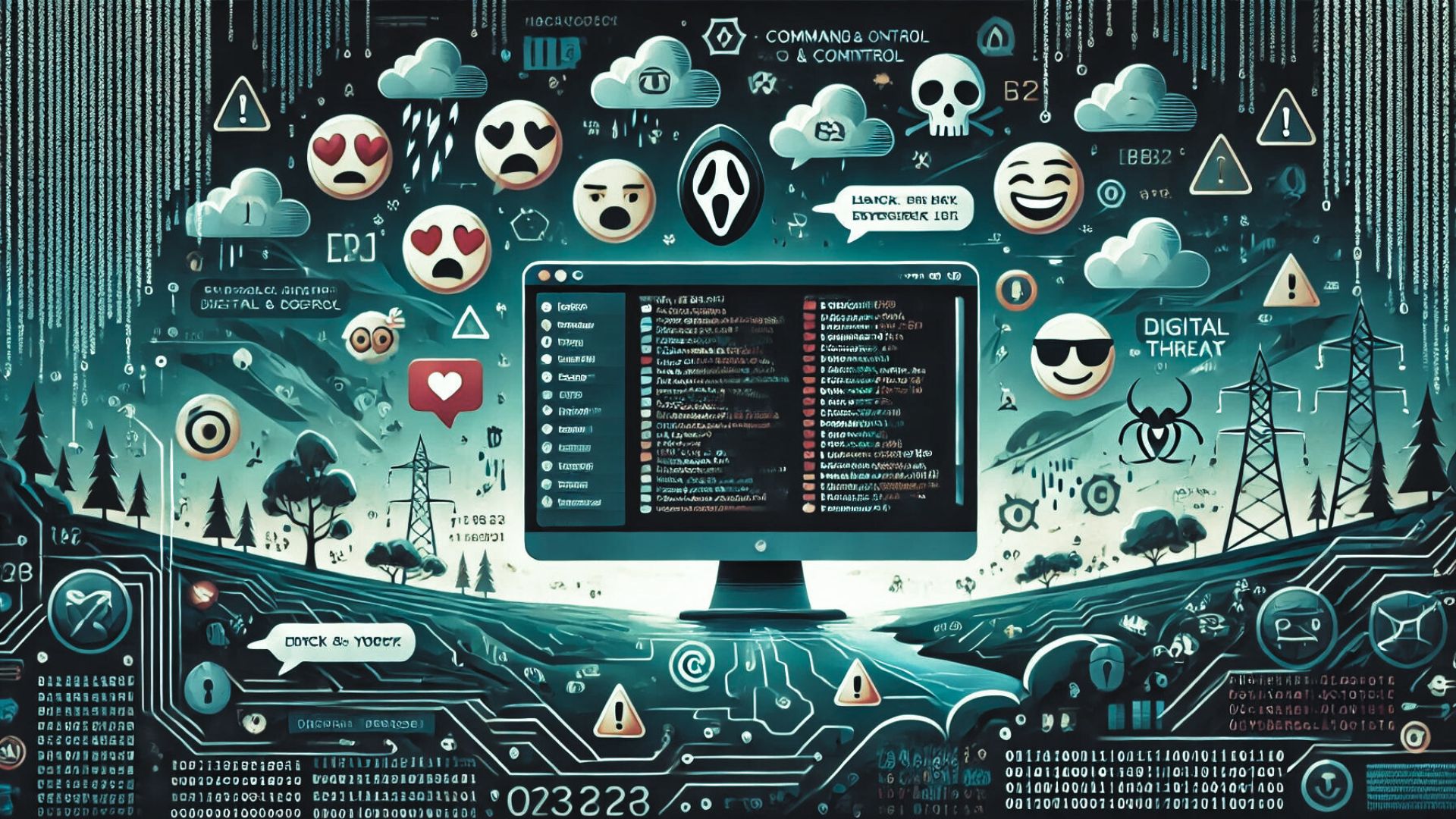
In an innovative twist to cyberattacks, hackers have started exploiting emojis, symbols pervasive in digital communication, to conduct command and control (C2) operations. This method, which uses emojis to execute malicious commands, represents a significant evolution in how cybercriminals can manipulate seemingly innocuous characters to breach security protocols.
Understanding Emoji-Based Command and Control
Emojis have transcended their original purpose of enhancing digital conversations to become tools in the hands of cybercriminals. A recent investigation by Volexity uncovered that a hacking group repurposed Discord, a popular communication platform, to orchestrate cyberattacks using emojis. This technique was employed in multiple espionage campaigns, effectively masking malicious activities behind everyday symbols.
Case Study: Digomoji Malware Attack
The Digomoji malware incident serves as a prime example of this new cyber threat. Originating from Pakistan, this malware targeted the Indian government through phishing emails and malicious documents. Once installed, Digomoji set up a unique Discord channel for each victim to funnel sensitive information back to the attackers.
How It Works:
Emoji Commands: Hackers utilize specific emojis to issue commands to the malware, simplifying the process of directing malicious activities remotely.
Operational Emojis: ♂️ (Man Running): Executes commands on the infected device. (Camera with Flash): Captures and sends screenshots.⏰ (Clock): Signals a processed command.✅ (Check Mark Button): Confirms successful execution.
Extended Commands: (Pointing Down): Downloads files.☝️ (Pointing Up): Uploads files to the infected device. (Pointing Right): Transfers files to external storage. (Pointing Left): Moves files to another sharing service. (Fire): Searches for files with specific extensions. (Fox): Compresses browser profiles. (Skull): Terminates the malware process.
Defending Against Emoji-Based Cyberattacks
Despite ongoing efforts to mitigate such threats, including Discord’s actions against malicious servers, Digomoji showcases resilience by continually updating its mechanisms to evade detection. Its capabilities extend to network scanning, data tunneling, and masquerading as legitimate software updates to exfiltrate passwords.
Proactive Measures to Enhance Security
Regular Software Updates: Maintaining the latest software versions is crucial in protecting against vulnerabilities that could be exploited by such sophisticated attacks.
Robust Antivirus Solutions: Employ comprehensive antivirus software across all devices, including specialized solutions for platforms with specific restrictions, like iOS.
Email and Communication Vigilance: Exercise caution with incoming emails and messages, particularly those that press for urgent actions or contain unexpected links and attachments.
Conclusion
The advent of using emojis in cyberattacks is a testament to the adaptability and ingenuity of cybercriminals. It highlights the necessity for continuous vigilance and updated security measures in an ever-evolving digital threat landscape. By staying informed and proactive, organizations can safeguard against not just current but also future cybersecurity challenges.
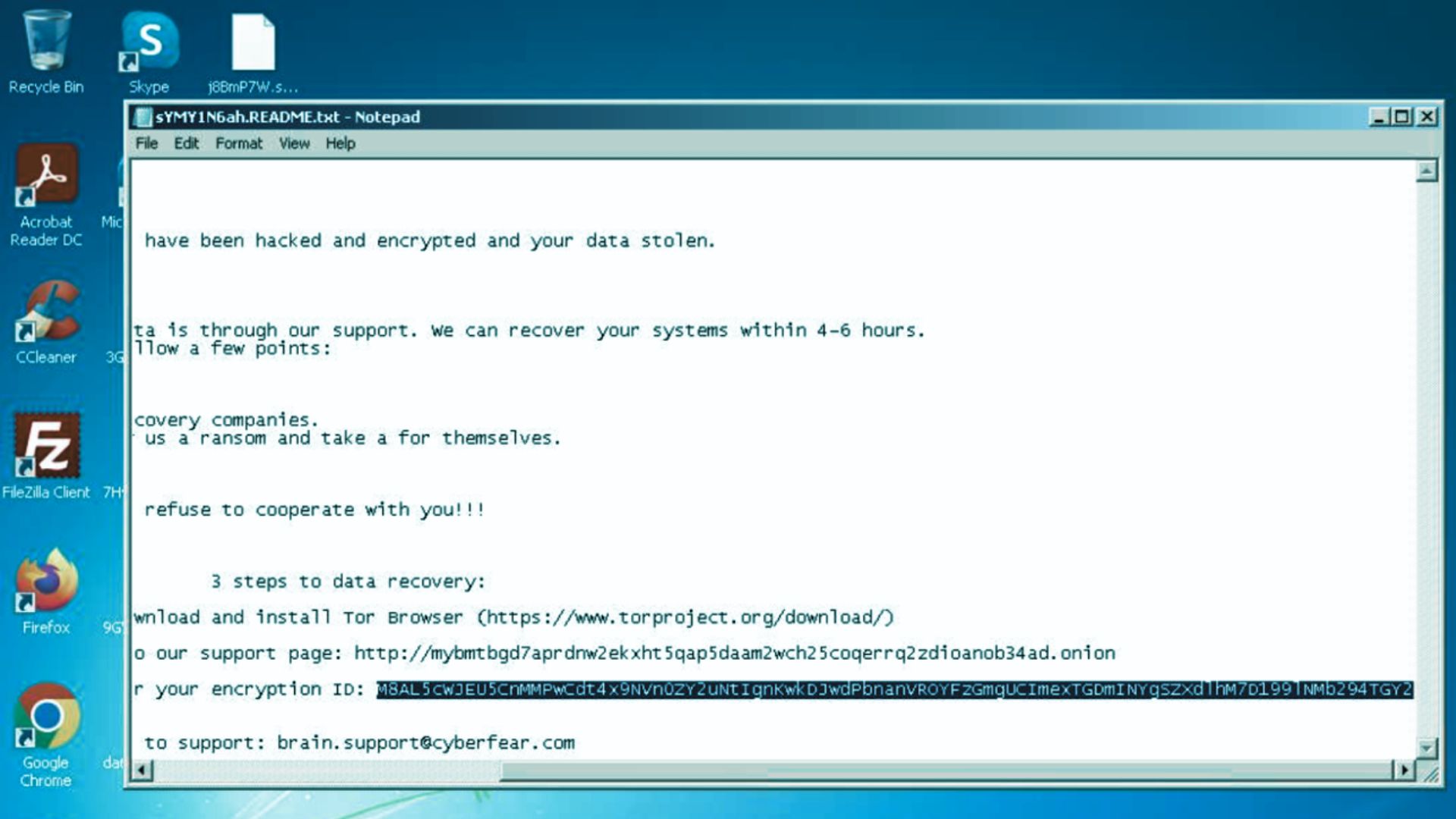
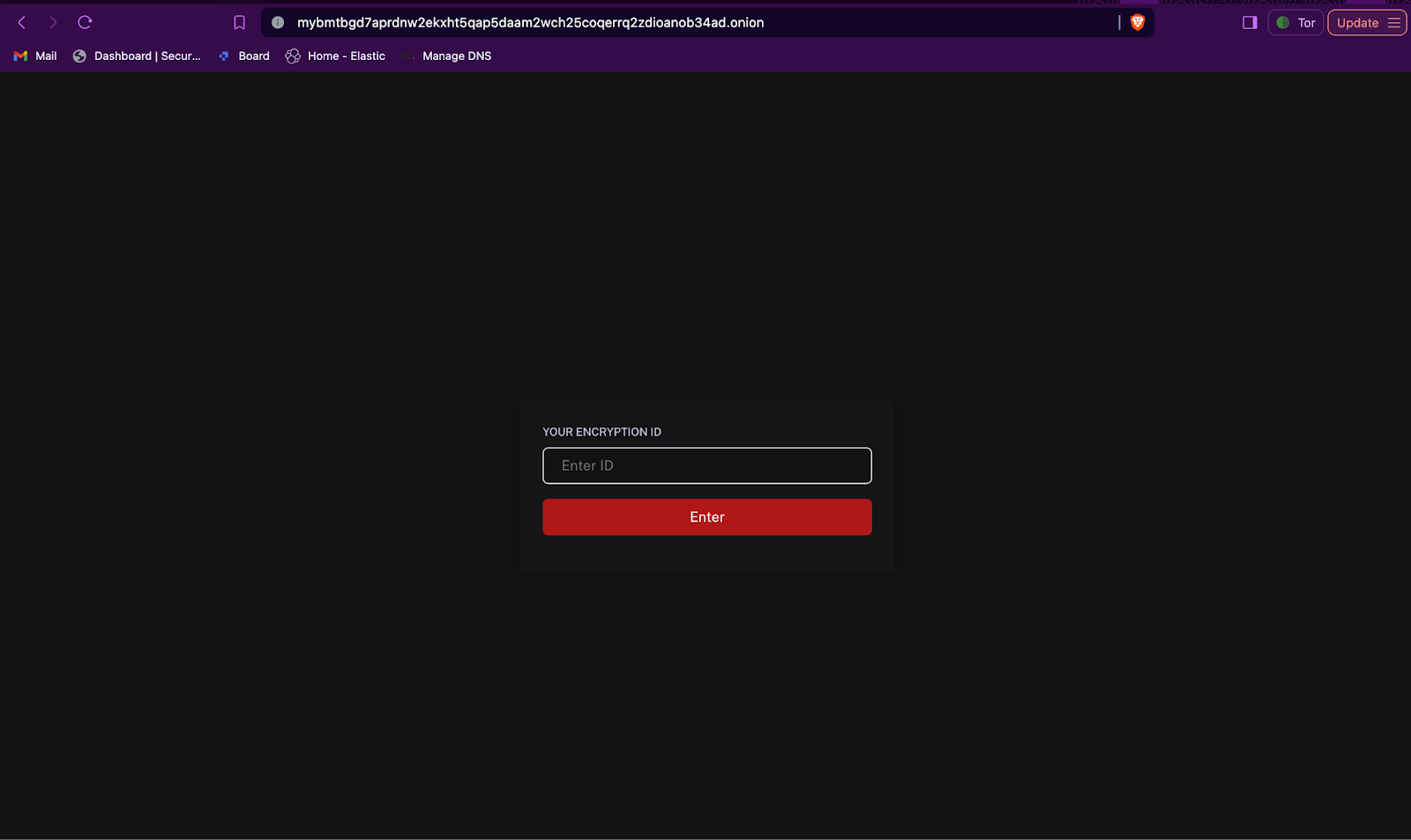
Recently, a shocking incident occurred that resulted in the disruption of immigration services and various other public services. The disruption stemmed from a cyberattack carried out by Brain Cipher Ransomware.
The Pusat Data Nasional (PDN) was the main target of this attack since June 20. The cyberattack has crippled essential services like immigration services, leading to another impact on 210 instantiations. Although some services have been restored, the impact is still felt.
The Badan Siber dan Sandi Negara (BSSN) and related institutions immediately responded to this incident. Emergency measures were taken by sending an assistance team to the data center in Surabaya. The PDNS was built as an alternative because the main Pusat Data Nasional (PDN) is not yet completed.
The responsible party for this attack demanded a ransom of USD 8 million (approximately Rp 131 billion) to restore access to the system.
For context, PDN is managed by Telkom Group through Telkom Sigma. Telkom Indonesia’s Network & IT Solution Director, Herlan Wijanarko, confirmed the ransom demand. However, the compensation process is still under evaluation.
Brain Cipher Ransomware: An Overview
In parallel with the recent events, the Brain Cipher Ransomware is an emerging threat actor currently focusing on organizational targets. The following analysis details the methods, indicators of compromise (IOCs), and tactics used by this ransomware group.
Method of Delivery: Phishing
Brain Cipher Ransomware is delivered primarily through phishing campaigns. These campaigns often use deceptive emails to trick recipients into downloading and executing malicious files.
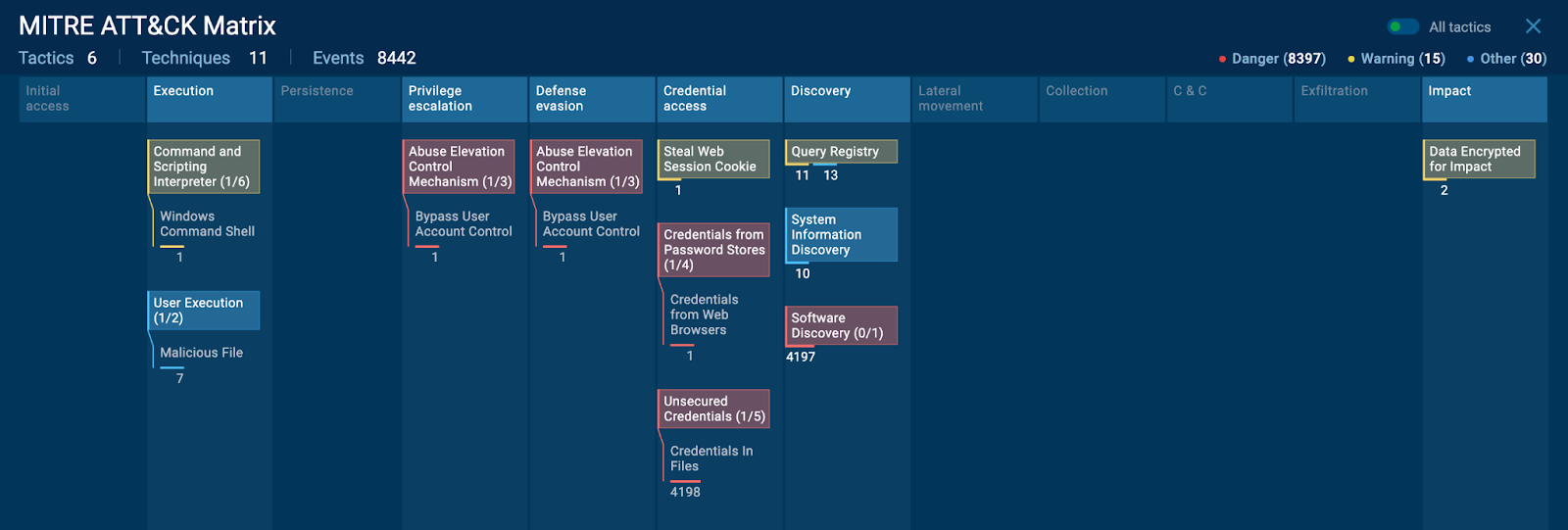
The Brain Cipher Ransomware employs sophisticated techniques to infiltrate, propagate, and encrypt data within targeted networks. Its primary delivery method is through phishing emails, which often contain malicious attachments or links leading to malware downloads.
Once inside a network, the ransomware utilizes various tactics to escalate privileges, evade defenses, and gain access to sensitive information. For instance, it uses Windows Command Shell for execution and bypasses user account control for privilege escalation.
The ransomware’s discovery tactics include querying the registry, discovering system information, and software discovery. These actions allow the ransomware to map out the infected environment and identify high-value targets for encryption.
Credential access is a significant aspect of Brain Cipher’s methodology. It steals web session cookies, credentials from web browsers, and credentials stored in files, providing the attackers with the necessary information to further infiltrate the network or exfiltrate data.
Finally, the ransomware’s impact tactic is data encryption, which renders the victim’s data inaccessible until a ransom is paid. This tactic is effective in causing significant disruption to organizational operations, as seen in the recent attack on Indonesia’s National Data Center.
Mitigation and Response
To mitigate the threat posed by Brain Cipher Ransomware and similar attacks, organizations should adopt a multi-layered security approach. This includes:
Email Security: Implementing robust email security solutions to detect and block phishing attempts.
User Training: Regularly training employees to recognize and report phishing emails.
Endpoint Security: Deploying advanced endpoint protection to detect and prevent malware execution.
Network Segmentation: Segregating critical systems and data to limit the spread of ransomware.
Backup Solutions: Maintaining regular backups of critical data and ensuring that backups are stored securely and offline.
Incident Response Planning: Developing and regularly updating incident response plans to ensure a swift and effective response to ransomware attacks.
Enhancing Your Cybersecurity with Peris.ai
As cyber threats continue to evolve, it becomes increasingly important for organizations to stay ahead of potential attacks. Peris.ai offers advanced cybersecurity solutions designed to anticipate and defend against such threats. One such measure is Peris.ai’s Phisland, a sophisticated phishing simulator designed to safeguard your digital frontier.
What is Ganesha – Phisland?
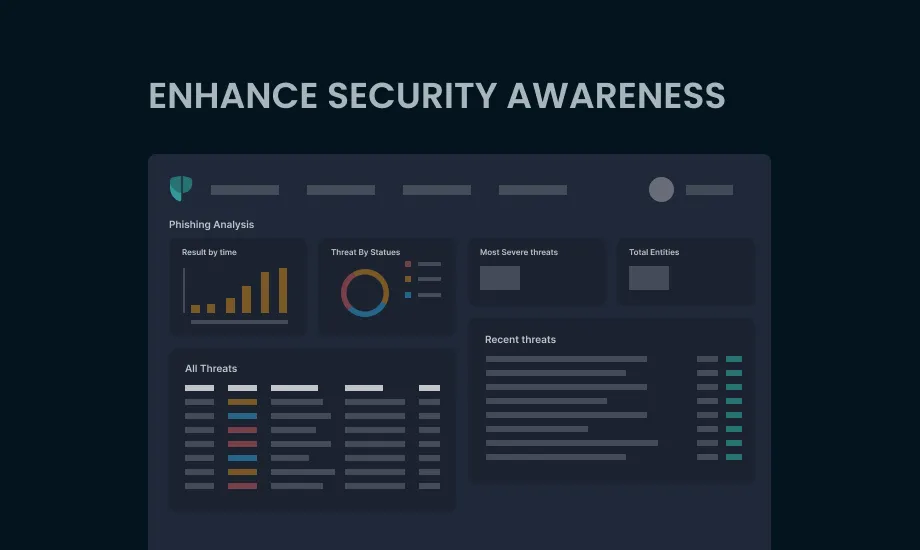
Phisland is a comprehensive phishing simulator that provides your organization with the tools to stay ahead of cyber threats. By simulating phishing attacks via email, websites, and WhatsApp, Phisland helps enhance your team’s security awareness and overall cybersecurity posture.
How does it work?
Realistic Simulations: Phisland offers a suite of realistic phishing simulations that mimic real-world attacks. By tracking user interactions with these simulations, Phisland enables organizations to identify vulnerabilities and opportunities for improvement in real-time.
Enhance Security Awareness: Phisland stands out with its ability to analyze and interpret user responses intelligently. Through advanced algorithms and customizable analytics, Phisland distills vast amounts of data into actionable intelligence, helping organizations create targeted and effective strategies to enhance their security awareness and resilience against cyber threats.
Embrace Phisland to proactively strengthen your cybersecurity measures and protect your organization from potential phishing attacks.
Conclusion
The recent ransomware attack on Indonesia’s National Data Center underscores the escalating threat of ransomware and the profound impact such incidents can have on public services. The emergence of threats like Brain Cipher Ransomware further emphasizes the necessity for robust cybersecurity measures to guard against evolving cyber threats.
Organizations must remain vigilant, continually updating their security practices and staying informed about the latest threat intelligence to effectively combat ransomware attacks.
For comprehensive solutions to enhance your cybersecurity posture and protect against these threats, visit Peris.ai Cybersecurity. Explore our wide range of products and services designed to keep your organization secure in an ever-changing digital landscape. Don’t wait—safeguard your digital assets with Peris.ai today!
***
Authored by Deden Gobel, CTO, and Feri Harjulianto, CISO, from Peris.ai Cybersecurity.
In the dynamic realm of digital security, Singapore stands out as a bastion of innovation and reliability. The 2024 rankings of top cybersecurity firms by GoodFirms spotlight the critical role these entities play in fortifying digital assets—from personal blogs to expansive eCommerce sites. As enterprises and governmental agencies alike strive for cutting-edge defenses, the importance of choosing a trusted cybersecurity partner has never been more apparent.
Peris.ai Cybersecurity is proud to be recognized by GoodFirms in their latest review of elite cybersecurity providers in Singapore. This acknowledgment is a testament to our commitment to delivering state-of-the-art security solutions tailored to our clients’ unique needs.
Featured at the Forefront: Peris.ai Cybersecurity
At Peris.ai Cybersecurity, we’re not just participants in the industry; we lead by innovation. Our Security-as-a-Service platform, BIMA, integrates advanced technologies like EDR (Endpoint Detection and Response), NDR (Network Detection and Response), XDR (Extended Detection and Response), and SIEM (Security Information and Event Management) to provide a comprehensive security posture that’s both proactive and reactive.
Our solutions are designed for scalability and flexibility, ensuring they meet the demands of both burgeoning startups and established enterprises. With Peris.ai, clients gain more than a service provider—they gain a partner dedicated to their security and success.
Why Choose Peris.ai?
Advanced Integration: BIMA is built to seamlessly integrate into existing IT environments, enhancing both security and performance without disrupting ongoing operations.
Proactive Defense: Our tools are designed to predict, prevent, and mitigate risks before they impact your business.
Expertise and Experience: Our team comprises seasoned experts in cybersecurity, constantly evolving with the landscape to thwart even the most sophisticated threats.
Learn More About Our Peers
The GoodFirms article also highlights other distinguished firms, such as IT Block Pte. Ltd., known for its robust IT support, and Connectivity Global Pte. Ltd., which specializes in AI-driven email security solutions. Each firm brings unique strengths to the table, contributing to Singapore’s reputation as a cybersecurity hub.
For those interested in a comprehensive overview of the top cybersecurity providers in Singapore, we recommend reading the detailed reviews on the GoodFirms website.
Conclusion
Choosing the right cybersecurity partner is crucial in today’s digital age. At Peris.ai Cybersecurity, we are dedicated to providing unparalleled security solutions that safeguard your digital assets while empowering your business growth. Trust us to be your guide in navigating the complexities of cybersecurity.
Stay secure with Peris.ai, a leader in cybersecurity innovation.
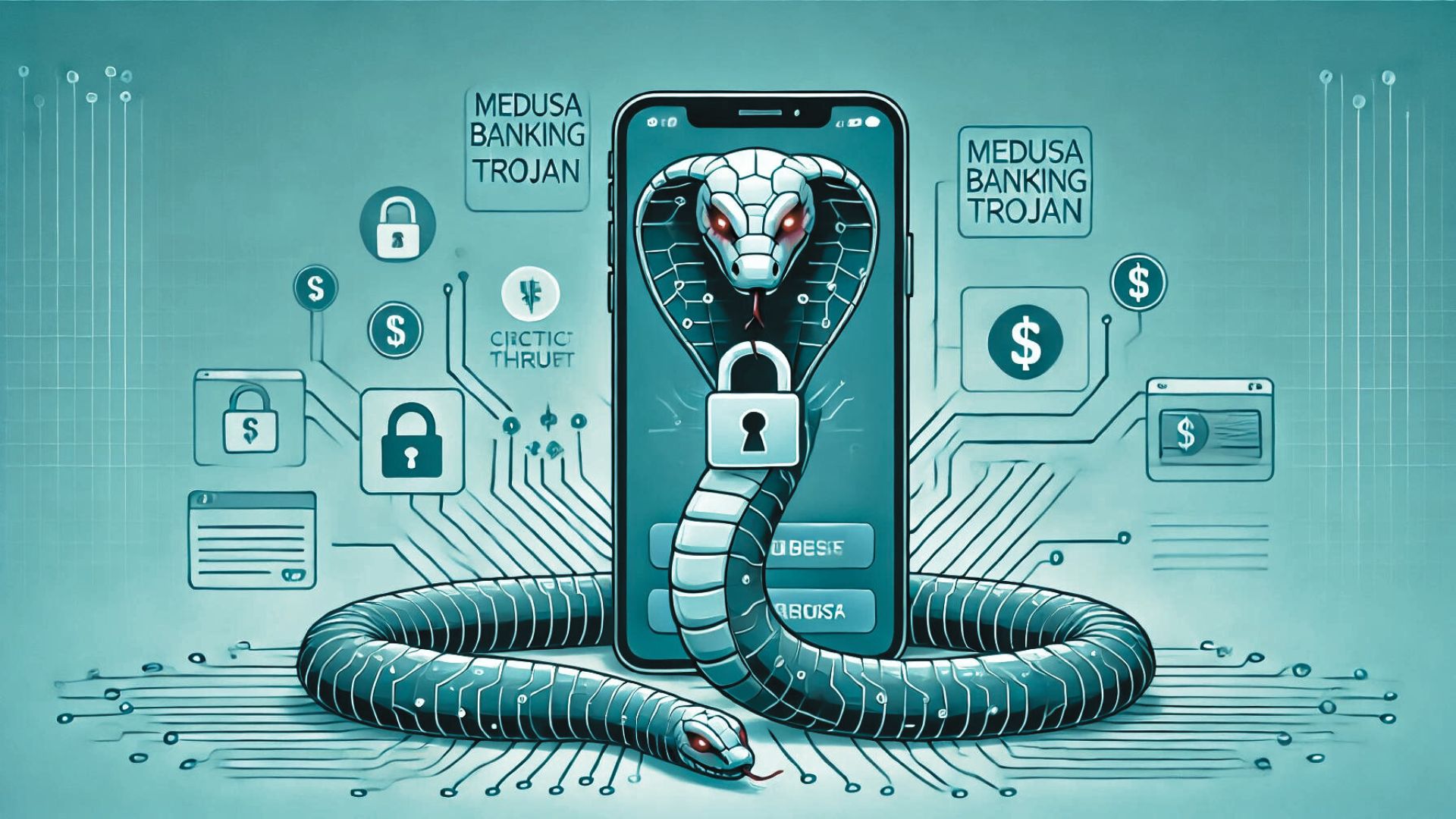
The Medusa banking trojan, known for its disruptive attacks on Android devices, has re-emerged after nearly a year of dormancy. Now rebranded as TangleBot, this Android malware-as-a-service (MaaS) is targeting users across multiple countries with sophisticated new features and operational tactics.
Detailed Examination of Medusa’s Evolution
Medusa Malware Resurgence:
Origin: Initially discovered in 2020, Medusa has evolved into a more sophisticated threat.
Capabilities: Includes keylogging, controlling screens, and manipulating SMS.
Recent Activity: Identified in ongoing campaigns since May 2023, showcasing its persistent threat.
Targeted Regions:
Countries Affected: France, Italy, the United States, Canada, Spain, the United Kingdom, and Turkey are currently in the crosshairs of these renewed attacks.
Enhancements in Medusa’s Arsenal:
Reduced Permissions: The new variants are designed to require fewer permissions, making them less noticeable but equally potent.
Advanced Features: Capabilities such as full-screen overlays, screenshot capturing, and unauthorized SMS sending enhance its intrusiveness.
Operational Shifts: The use of centralized infrastructure to fetch command and control (C2) URLs from social media and the strategic reduction of its footprint on devices underscore a tactical evolution.
Campaign and Malware Details
Recent Campaign Insights:
Timeline: Notable activity has been tracked back to July 2023, indicating a well-planned resurgence.
Smishing Tactics: Predominantly spread through SMS phishing, enticing users to install malware-laden dropper apps.
Botnets and Fake Apps: Attributed to five botnets (UNKN, AFETZEDE, ANAKONDA, PEMBE, and TONY), using deceptive apps mimicking legitimate services like Chrome browser and 5G connectivity.
Notable Malware Functions:
Removed Commands: Streamlining by removing 17 older commands.
New Commands:
'destroyo': Targets and uninstalls specific applications.
'permdrawover': Manipulates system permissions.
'setoverlay': Deploys a black screen overlay to conceal malicious activities.
'take_scr': Captures screenshots.
'update_sec': Manages security settings.
Staying Protected: Tips and Strategies
Vigilance with Links and Downloads:
Avoid unfamiliar links and unsolicited downloads to protect against malware infiltration.
Regular Updates: Keep your device and applications fortified with the latest security patches.
Proactive Security Measures:
Antivirus Software: Employ reputable antivirus solutions tailored for Android devices.
Permission Awareness: Scrutinize app permissions, especially those requesting Accessibility Services, to prevent undue access.
Conclusion: Medusa’s Persistent Threat
The revival of Medusa as TangleBot with enhanced malicious capabilities is a stark reminder of the evolving landscape of cyber threats. By understanding the specifics of these threats and adopting comprehensive cybersecurity measures, users can safeguard their digital lives against such sophisticated malware.
Stay Proactive in Your Cybersecurity Efforts
For ongoing updates and more detailed cybersecurity insights, ensure to visit our website at peris.ai.
Stay vigilant, stay secure.
Your Peris.ai Cybersecurity Team#YouBuild #WeGuard
Google’s latest innovation in search technology, the Search Generative Experience (SGE), has introduced AI-generated quick summaries and site recommendations to streamline user queries. However, recent observations by SEO consultant Lily Ray, backed by findings from BleepingComputer, have raised serious concerns. The SGE is inadvertently promoting websites involved in malware distribution and various online scams, including fake giveaways and tech support fraud.
The Unintended Consequences of AI-Enhanced Search Results
Earlier this month, Google began integrating SGE into its search mechanisms, aiming to enhance the user experience by providing concise AI-driven responses to queries. However, it soon became apparent that this feature might be suggesting sites that lead users into traps set by cybercriminals. The domains often share similarities such as the .online TLD, identical HTML templates, and a pattern of redirects, indicating their role in a coordinated SEO poisoning campaign designed to manipulate search engine results.
How Scammers Exploit SGE Recommendations
When users follow links recommended by SGE, they are often taken through a series of redirects, ending up on sites that deploy aggressive tactics such as fake captchas or misleading YouTube pages. These sites typically coax users into enabling browser notifications, which then serve as a conduit for delivering incessant spam directly to their desktops.
The Dangers of Browser Notification Spam
Once enabled, these notifications bombard users with misleading ads promoting tech support scams, counterfeit giveaways, and other dubious content. For instance, alerts claiming to be from McAfee may warn users of non-existent viruses, urging them to download software that is actually just a ploy to generate affiliate revenue for the fraudsters.
Complex Web of Deception and Financial Motives
Some of the scams further exploit user trust by promising high-value items like an Apple iPhone 15 Pro through fake Amazon loyalty programs. These schemes are particularly insidious as they harvest personal information for sale to other scammers or direct marketers, amplifying the victim’s risk exposure.
SGE’s Challenges and Google’s Response
Google has acknowledged the issue, noting that while they continuously enhance their spam-fighting capabilities, spammers are also evolving their strategies. This ongoing “cat and mouse” game makes it difficult to completely safeguard SGE from being manipulated. Despite this, Google has taken steps to remove known malicious entries and continues to refine its systems to better detect and exclude harmful content.
Protecting Yourself from Malicious Search Results
As users navigate this new AI-enhanced search landscape, vigilance is essential. Users should be wary of unsolicited browser notifications and suspicious links, even if they appear in Google’s search results. Here’s how you can manage unwanted notifications in Google Chrome:
Open Chrome and go to Settings > Content > Notifications.
Under “Allowed to send notifications,” review the list of sites.
Click the three dots next to any suspicious URLs and select ‘Remove’ to stop the notifications.
In light of these developments, Peris.ai Cybersecurity encourages users to exercise increased caution and to critically evaluate the credibility of websites and the legitimacy of online offers. As AI continues to reshape how we interact with digital content, staying informed about potential security threats and understanding how to mitigate them is crucial. By doing so, users can safeguard their digital experience against the evolving tactics of cybercriminals.
In a concerning development for digital security, a sophisticated phishing kit, known as Tycoon 2FA, is making waves in the cybercrime underworld for its ability to circumvent the protective measures of two-factor authentication (2FA). The security community, led by insights from cybersecurity specialists at Sekoia, has raised alarms over this Phishing-as-a-Service (PhaaS) platform’s recent advancements.
Tycoon 2FA: A Growing Concern for Email Security
Initially detected in the latter half of 2023, Tycoon 2FA has undergone significant enhancements entering 2024. The toolkit now encompasses over 1,100 domains and has been implicated in numerous phishing campaigns targeting users of prominent email services like Gmail and Microsoft. This escalation in activity underscores the evolving threat landscape and the increasing sophistication of cybercriminal techniques.
The Financial Footprint and Sophistication of Tycoon 2FA
A closer look at the financial transactions associated with Tycoon 2FA reveals a disturbing trend. Since its inception in August of the previous year, the Bitcoin wallet connected to the phishing service has processed over 500 transactions. These transactions, typically amounting to about $120 for a 10-day phishing campaign access, highlight the commercial viability of phishing kits in the cybercriminal ecosystem. By March, the revenue generated from these activities had soared to nearly $400,000 in cryptocurrency.
Bypassing Two-Factor Authentication
The recent upgrades to Tycoon 2FA present significant challenges to cybersecurity efforts. Notably, the kit has been engineered to evade detection by security analysts through intricate modifications to its codebase and operational tactics. Enhanced script obfuscation, refined resource loading sequences, and advanced traffic filtering mechanisms make analysis and identification more arduous.
More alarmingly, Tycoon 2FA now boasts the capability to sidestep 2FA measures effectively. Leveraging a reverse proxy server to host phishing sites, the attackers can intercept and capture critical authentication data, including session cookies and 2FA codes, from unsuspecting victims. This interception occurs seamlessly as users navigate the authentication process, undermining the security assurances of multi-factor authentication.
Redefining the Security Paradigm Against Sophisticated Phishing Attacks
The emergence of phishing kits like Tycoon 2FA that can bypass additional authentication layers signifies a pivotal moment in cyber defense. The assumption that multi-factor authentication provides an impenetrable security layer is being challenged, necessitating a reevaluation of defense strategies.
Peris.ai Cybersecurity emphasizes the importance of continuous vigilance and the adoption of advanced security solutions capable of counteracting the evolving threats posed by sophisticated phishing operations. As the cybercriminal arsenal becomes more refined, so too must the cybersecurity measures deployed by individuals and organizations to protect sensitive information and maintain the integrity of digital infrastructures.
This situation underscores the urgent need for a concerted effort to enhance cybersecurity awareness and implement more robust protective mechanisms that can adapt to the complexities of modern phishing tactics.