A recently uncovered malware campaign, referred to as “Voldemort,” is targeting organizations globally, employing Google Sheets as a Command and Control (C2) server to orchestrate attacks and manage data theft. This briefing provides an overview of the Voldemort malware’s operations and offers guidance on safeguarding your organization against this sophisticated cyber threat.
Overview of the Voldemort Malware Campaign
Campaign Genesis and Scope
Initiation Date: Launched on August 5, 2024, Voldemort has since disseminated over 20,000 phishing emails.
Targeted Sectors: Key targets include the insurance, aerospace, transportation, and education sectors, indicating the malware’s broad reach and potential impact.
Objective: Presumed to be primarily for cyber espionage, the exact identity and motives of the perpetrators remain unclear.
Phishing Attack Strategies
Impersonation Technique: Attackers send phishing emails that impersonate tax authorities to lure recipients into clicking malicious links.
Redirection Method: These links redirect victims through multiple URLs, eventually triggering a malicious Python script that activates the malware.
Malware Functionality and Tactics
Capabilities of Voldemort
Backdoor Access: As a C-based malware, Voldemort can exfiltrate sensitive data, deploy additional malware, execute remote commands, and more.
Utilization of Google Sheets for C2 Operations: Uniquely, it uses Google Sheets to store stolen data and facilitate command execution on compromised machines.
Supported Commands by Voldemort
Ping: Confirms connectivity between the malware and its C2.
Dir: Lists directories on compromised systems.
Download/Upload: Manages file transfers between infected devices and the C2.
Exec: Executes specific commands or software.
Sleep: Temporarily halts malware activity.
Exit: Completely shuts down the malware’s operations.
Exploiting Google Sheets
Command and Control Dynamics: The malware manipulates Google Sheets to both issue commands and conceal stolen data within normal traffic, minimizing detection risks.
API Interaction: Voldemort interfaces with Google Sheets using Google’s API, ensuring sustained communication via embedded credentials.
Protective Measures Against the Voldemort Malware
Restricting Access
File-Sharing Controls: Limit access to external file-sharing services, allowing connections only to verified servers.
Monitoring for Malicious Activities
PowerShell Monitoring: Vigilantly monitor PowerShell executions within your network for anomalies.
Google Sheets Surveillance: Scrutinize network interactions with Google Sheets to identify and mitigate misuse.
Enhancing Employee Cybersecurity Awareness
Phishing Defense Training: Educate your workforce on the dangers of phishing and the importance of verifying the legitimacy of emails, especially those purporting to be from tax authorities.
Regular Cybersecurity Training: Conduct consistent training sessions to equip employees with the skills needed to recognize and respond to phishing and other cyber threats.
️ Conclusion: Proactive Defense Against Sophisticated Cyber Threats
The Voldemort malware exemplifies the evolving complexity of cyber threats, especially those that exploit commonly used business tools to conduct illicit activities. By implementing stringent cybersecurity protocols and ensuring that your team is aware of the latest phishing tactics, your organization can defend against these advanced threats.
For ongoing updates and professional guidance on cybersecurity, visit our website at peris.ai.
Stay vigilant and secure,
Your Peris.ai Cybersecurity Team #YouBuild #WeGuard
In today’s digital world, keeping data safe is crucial for all sorts of businesses. Cyberattacks are always a risk. So, how can companies protect their valuable info and avoid big losses? The key is having regular cybersecurity audits.
Cybersecurity audits help keep companies and their data secure. These checks look at how strong a company’s security is, find any weak spots, and show how to get better. By doing these audits often, companies can find and fix security risks. This makes info safer, helps follow the rules, and makes their security processes better.
Cybersecurity audits are very important in today’s world of growing cyber dangers. For instance, someone could try to attack your company’s systems about every 39 seconds. And if they succeed, it might cost around $2.6 million. That’s why doing cybersecurity audits regularly is a smart way for businesses to stay strong and flexible in a changing digital landscape.
Key Takeaways:
Cybersecurity audits provide a comprehensive evaluation of an organization’s security measures and uncover vulnerabilities.
Regular cybersecurity audits allow for proactive identification and mitigation of security risks.
Cybersecurity audits enhance the protection of sensitive data, ensure compliance, and improve security processes.
Cybersecurity audits are essential in the face of increasing cyber threats, such as cyberattacks and malware incidents.
Investing in regular cybersecurity audits is a strategic move to safeguard businesses and maintain resilience in the digital age.
Understanding Cybersecurity Audits
In today’s world, keeping an organization’s digital info safe is super important. A cybersecurity audit checks an organization’s info systems, rules, and setups to see if they’re safe. It looks for weak spots and threats to the data and suggests ways to fix them.
What is a Cybersecurity Audit?
A cybersecurity audit carefully checks how secure an organization’s info is. It looks at the control measures used to protect data, spots any vulnerabilities, and tells how to make things safer. This check reviews an organization’s tech, policies, and responses to security events to meet top standards.
Objectives of a Cybersecurity Audit
The main goals of a cybersecurity audit are to:
Find vulnerabilities and weaknesses in the organization’s info systems.
Check if the current security controls can stop risks.
Ensure the organization follows regulatory requirements and standards.
Suggest ways to reduce risks and make data and response systems better.
Benefits of Cybersecurity Audits
Doing regular cybersecurity audits offers many pluses for organizations:
Identification and mitigation of vulnerabilities help avoid attacks.
Prioritization and management of risks make security plans better.
Following industry rules and legal needs avoid fines and bad press.
Improving security and response plans prepares for incidents better.
Better data protection and privacy keep sensitive info safe.
Improved control on who gets access protects important data.
Teaching employees about security helps them protect themselves better.
Saving money by finding issues early avoids big costly surprises.
Boosting trust from customers and partners shows they’re serious about security.
Cybersecurity Audits for Cloud Computing
The rise of cloud computing has changed how we store and handle data. This shift has made cloud security auditing crucial. It ensures that data is safe, private, and easy to get to.
Importance of Cloud Security Auditing
Cloud security audits look at how safe cloud systems are. They check on data storage, user access control, networks, and systems, and how threats are handled. These checks find weaknesses, make sure rules are followed, and earn trust.
Challenges in Cloud Security Auditing
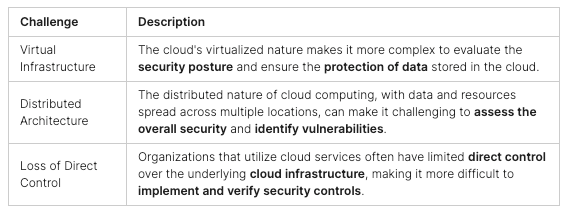
Evaluating cloud security has its own set of issues. The nature of being virtualspread out, and having less control over tech can be tough. This makes protecting and checking cloud systems hard.
Dealing with these issues needs a group effort. It involves working with cloud providers and using special tools. This way, businesses keep their data safe and meet rules in cloud computing.
The Cybersecurity Audit Process
Conducting a thorough cybersecurity audit is key to keeping an organization safe from cyber threats. The process looks closely at how secure the organization’s digital assets are. It finds areas that need to get better.
Step 1: Determine Audit Range and Goals
The first step is setting the audit’s objectives and scope. This means picking the rules and goals to follow. It helps in focusing the audit on areas that need attention.
Step 2: Collect Pertinent Data
To understand the security setup, we need to gather lots of data. This includes info on the IT systems, network, and security policies. This step gives the auditor a full picture to find and fix weaknesses.
Step 3: Review Existing Safeguards
After collecting data, the auditor looks at the security controls in place. They check if these are working well. They aim to spot areas for improvement or extra protection.
Step 4: Document Findings
Now, the auditor shares their findings in a detailed report. The report talks about the threats, weaknesses, and recommendations. It helps the organization understand and act on these security issues.
Step 5: Put Recommendations into Action
The last step is acting on the audit’s results. A plan is made to fix the security problems. This plan might involve adding security measures, updating staff, or training employees. Following this plan well strengthens the organization’s security.
Key Areas Covered in a Cybersecurity Audit
A cybersecurity audit looks closely at an organization’s security setup. It aims to keep the company safe in every way. Here are the main points that get checked:
Information Security Policies and Procedures
The auditor checks the organization’s security rules and steps. They make sure these are recent, complete, and working well. It makes sure the right security policies are there to keep important data safe, guide how workers act, and deal with security events.
Physical Security
The auditor looks into how the company keeps its spaces safe. They see if the right steps are taken to control who gets in, to protect the borders, and to watch over areas with cameras. This makes sure that the company’s places and things are well-guarded.
Network Security
The auditor checks how well the organization protects its network. They look at systems like firewalls and tools that spot if someone’s trying to break in. This work aims to find and fix any security holes in the company’s network.
Application Security
The auditor reviews how the organization’s software is guarded. They check that good practices are used like making sure data put in the app is safe. This step helps protect important software from threats and weak spots.
User Security
The auditor examines how the organization makes its users safe. They look at how passwords are handled, how security is taught to employees, and how important data is only accessible by the right people. This check makes sure that people working for the company also help keep it safe.
Cybersecurity Audits for Regulatory Compliance
Today’s businesses face the challenge of meeting various laws to keep data safe and trust. They use cybersecurity audits to check their compliance with rules and protect their work.
PCI DSS Compliance
Companies dealing with credit card payments must pass cybersecurity audits to follow PCI DSS rules. These checks look at their security, data safety, and how they respond to problems. They ensure customer payment info stays safe and that rules are met.
HIPAA Compliance
In healthcare, these audits help meet HIPAA rules that protect patient info. They review security, who can access data and handling procedures. This keeps health details private and follows the law.
GDPR Compliance
Companies handling EU people’s data must do these audits to align with GDPR. They check how data is protected, if people agree to use their data, and what to do if there’s a problem. This proves the company follows strict privacy standards.
Conducting audits often helps lower the risks of breaking the law and facing penalties. It shows a company cares about keeping data safe, which builds trust with customers and protects its image.
Cybersecurity Audits
Cybersecurity audits are key for organizations to hit major goals. They help in finding and lessening risks. This protects important info and makes the organization’s security better.
Identifying and Mitigating Risk
These audits are critical. They help find security holes and dangers. This way, businesses can focus on fixing the most important risks. It helps make their systems safer from cyber dangers.
Protecting Sensitive Information
Keeping security controls updated is the job of cybersecurity audits. They check that important data is safe. This means using tools like encryption, access rules, and strong data backup. These steps are vital for keeping critical info private, safe, and available.
Improving Security Posture
After an audit finds weaknesses, organizations work on them. This makes their security stronger. A better defense against cyber threats is the result. Plus, customers and partners trust them more.
Conducting a Cybersecurity Audit
A cybersecurity audit is a thorough check of an organization’s digital security. It helps find weak points, review safety measures, and suggest how to get better. This process ensures the organization’s tech setup and risks are carefully looked at. The goal is to offer tips that can help.
Planning and Scoping the Audit
The first task is to understand the IT setup, the goals, and the risks of the organization. This insight shapes the audit’s focus and methods. It ensures the audit meets the specific needs of the company. Through planning, the audit offers valuable insights that are on point.
Gathering Information and Data
Next, it’s time to gather info. This includes checking for risks, finding flaws, and testing how easy it is to break in. By looking at this data, the auditor can figure out where to focus and suggest improvements.
Evaluating Cybersecurity Controls
The auditor then checks the security controls in place. They look at how well the organization manages who can access their system, how they encrypt data and their response to incidents. The goal is to see if these measures are enough to stay safe.
Reviewing Data and Identifying Vulnerabilities
The auditor reviews all data to find weaknesses in the organization’s defenses. This step is crucial to understanding the whole security picture. It points out what needs fixing right away.
Documenting Findings and Recommendations
The last part involves creating a detailed report. It lists what was found, what needs to change, and how to improve. This document gives a clear guide for making the organization’s digital space safer and stronger.
Benefits of Regular Cybersecurity Audits
Doing regular checks on cybersecurity helps many aspects of a business. It makes the business safer, keeps it in line with the law, builds trust with customers, and ensures the business keeps running smoothly. Now, let’s look into these benefits more closely:
Enhanced Security
Cybersecurity audits find and fix weak spots in a company’s tech and networks. By looking for these issues early, a company can add extra layers of protection. This helps lower the chance of getting hit by hackers or losing important data. So, checking risks and fixing them is key for a strong, safe tech setup.
Compliance Assurance
Many areas of business are now closely watched to make sure they are following the rules. This includes things like protecting people’s private info (HIPAA, GDPR) or handling credit card data safely (PCI DSS). Regular checks ensure a company is following these rules. Avoiding fines and other problems linked to rule-breaking is a big plus.
Customer Confidence
Showing that cybersecurity is a top priority through scheduled checks can do wonders for trust. In today’s world, where a data breach can shake things up, having your customers’ trust is gold. It keeps a company’s reputation and business strong, even if something bad happens.
Business Continuity
Strong cybersecurity and the ability to quickly react to threats, highlighted by these audits, are vital. They help a business keep running, even in tough times. This is how a company weathers through cyberattacks and stays in business in the long run.
In wrapping up, cybersecurity checks bring big benefits. They make a business more secure, help it stay on the right side of the law, boost customer trust, and ensure the business keeps going. Being proactive about security is crucial for businesses to protect what they’ve built, facing future digital challenges with confidence.
Choosing the Right Cybersecurity Audit Provider
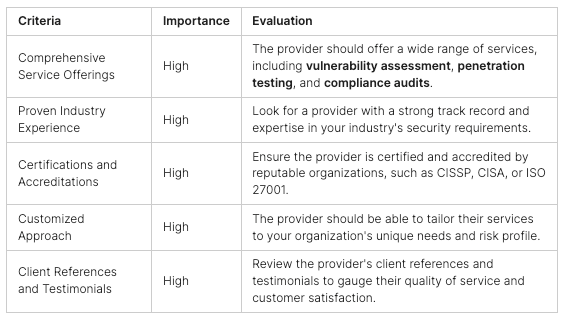
It’s key to pick a cybersecurity audit provider with the right skills and background. They should be good at cybersecurity audits, network security assessments, and vulnerability scanning. Make sure they offer lots of services like penetration testing, risk management, and compliance audits. This ensures they can meet all your data protection and ethical hacking needs.
The best provider should know a lot about the security needs of your industry and how to respond to incidents. Check their success stories, recommendations from other clients, and certificates. This will confirm they have what it takes to give you great cybersecurity audits.
By looking at these points, you can ensure your organization works with experts. They should be able to do great security assessments that keep your important data safe and meet rules.
Conclusion
In today’s digital age, cybersecurity audits are essential for safeguarding organizations against the increasing threats in the online world. These audits provide a thorough examination of security measures, ensuring that risks are mitigated, regulatory requirements are met, and overall safety is enhanced.
As businesses increasingly rely on technology and the internet, robust cybersecurity practices become even more critical. Cybersecurity audits are a wise investment, identifying and addressing vulnerabilities, protecting sensitive data, and instilling confidence in customers.
In summary, cybersecurity audits play a pivotal role in combating online threats. By adhering to their recommendations, organizations can stay ahead of cyber threats, protect their digital assets, and maintain customer trust and safety.
For comprehensive cybersecurity solutions, including audits, penetration testing, and more, visit Peris.ai Cybersecurity. Explore our wide range of products and services designed to keep your business secure in an ever-evolving digital landscape. Secure your business today with Peris.ai.
FAQ
What is a cybersecurity audit?
A cybersecurity audit deeply looks into an organization’s info systems. It checks policies, procedures, and technology used. The aim is to make sure these systems are effectively keeping data safe.
What are the objectives of a cybersecurity audit?
The goal of a cybersecurity audit is to find and fix weak spots. It wants to make sure an organization’s data is secure from every possible threat. This includes suggesting ways to upgrade and protect data better.
What are the key benefits of cybersecurity audits?
These audits are helpful in many ways. They find and fix security gaps. They help companies follow laws and rules. Audits make security policies and responses to problems better. They also improve how well data is kept safe and private.
Why is cloud security auditing crucial?
Cloud security audits are key for keeping cloud-stored data safe. They check how secure the cloud’s systems are. This includes looking at how data is stored, who can access it, and how threats are handled.
What are the challenges in cloud security auditing?
The main challenge in auditing cloud security is the unique nature of cloud services. Their virtual setup and wide-reaching structure make control hard. This can make it tough to check and ensure full security.
What are the key steps in the cybersecurity audit process?
The main steps in a cybersecurity audit start with planning. They go on to collect important info and then review what’s already in place. Finally, after noting down any issues, the audit makes recommendations to fix problems.
What key areas does a comprehensive cybersecurity audit typically cover?
A broad cybersecurity audit usually looks into several important aspects. This includes policy and procedure checks, site and data security, protecting digital networks, securing software, and making sure users are safe.
How do cybersecurity audits help with regulatory compliance?
Cybersecurity audits are important for meeting legal rules and data standards. They ensure that an organization’s security measures satisfy required laws, like PCI DSS, HIPAA, and GDPR.
What are the key objectives of conducting cybersecurity audits?
The main goals of cybersecurity audits are to lower risks, protect important data, and make security measures stronger. They aim to keep businesses and their customers safe from cyber threats and data risks.
What are the steps in conducting a comprehensive cybersecurity audit?
To carry out a deep cybersecurity audit, planning comes first. It’s followed by information collection and a full check of security setups. After identifying any weak points, the audit reports its findings and provides solutions.
What are the key benefits of regular cybersecurity audits?
Having cybersecurity audits often brings several advantages. It tightens security, ensures rule compliance, boosts customer trust, and keeps business operations running smoothly. This is why regular check-ups are important.
In today’s digital age, small and medium-sized businesses (SMBs) often find themselves particularly vulnerable to cyberattacks. While resource limitations can pose challenges, effective cybersecurity is still within reach. Here are practical, cost-effective measures SMBs can implement to enhance their cybersecurity posture without substantial investments.
️ Employee Cybersecurity Training
Empower Your Team: Employees can act as your first line of defense against cyber threats. Regular training sessions can enhance their ability to recognize and respond to security threats like phishing and social engineering.
Actions: Conduct routine training workshops, disseminate updates on the latest threats, and establish a clear protocol for reporting suspicious activities.
Strong Password Policies
Secure Access Control: Enforcing robust password policies is crucial for safeguarding your business from unauthorized access.
Strategies: Mandate complex passwords that include a mix of characters, implement multi-factor authentication (MFA), promote the use of password managers, and require regular password changes for sensitive accounts.
Regular System Updates
Patch and Protect: Keeping software and operating systems up to date is one of the simplest yet most effective defenses against cyber threats.
Implementation: Activate automatic updates for software and hardware, conduct periodic checks for updates, and phase out unsupported systems that might be vulnerable to attacks.
Data Backup and Recovery
Prepare for the Worst: Regular backups can mitigate the impact of data loss due to cyber incidents like ransomware.
Backup Protocol: Automate data backups, ensure backups are stored in multiple, secure locations (including cloud storage), regularly test backup integrity, and encrypt backups to secure sensitive data from unauthorized access.
️ Cost-Effective Cybersecurity Tools
Leverage Affordable Solutions: Protecting your network need not be prohibitively expensive. Various budget-friendly tools can significantly fortify your defenses.
Tools to Consider: Utilize reliable antivirus software, deploy firewalls to monitor and control incoming and outgoing network traffic, set up email filtering to curb phishing threats, and use a virtual private network (VPN) for secure remote access.
Conclusion: Maximizing Cyber Resilience on a Budget
For SMBs, robust cybersecurity doesn’t require extravagant spending. By prioritizing key protective measures—employee education, strong password policies, regular updates, secure backups, and strategic tool deployment—you can effectively shield your business from a range of cyber threats.
For ongoing tips and personalized guidance on safeguarding your operations, visit Peris.ai. Protect your enterprise with tailored solutions that ensure you stay secure in the evolving threat landscape.
Your Peris.ai Cybersecurity Team #YouBuild #WeGuard
The digital landscape is a vibrant tapestry of innovation, interconnection, and interdependence. Within this intricate weave, cybersecurity is an ever-watchful guardian, safeguarding the integrity and confidentiality of digital realms. While propelling technological progress, the expanding network of systems, devices, and applications has opened Pandora’s box of potential security vulnerabilities and breaches. Navigating this intricate terrain demands a proactive stance, compelling organizations to seek and implement methods that efficiently unearth and mitigate vulnerabilities before malicious entities can leverage them. Two distinct yet interrelated strategies have gained prominence in this pursuit: Bug Bounty programs and Vulnerability Disclosure Programs (VDPs). Our expedition through this article will be a comprehensive exploration of the inner workings of these strategies, unraveling their unique characteristics, advantages, and pertinent considerations. By undertaking this comparative voyage, we aim to equip you with the knowledge necessary to make a judicious and well-informed choice between Bug Bounty programs and VDPs, per your specific needs and aspirations.
Bug Bounty Programs: Harnessing the Power of Crowdsourcing
Bug Bounty programs have gained significant popularity for organizations to leverage the collective expertise of ethical hackers, also known as white hat hackers, in identifying and reporting security vulnerabilities. These programs essentially provide a financial incentive for ethical hackers to discover and report vulnerabilities to the organization. The fundamental idea behind Bug Bounty programs is to create a competitive environment that encourages skilled hackers to search for vulnerabilities and report them responsibly and actively.
One of the primary advantages of Bug Bounty programs is their ability to tap into a global talent pool. Ethical hackers from various backgrounds and expertise levels can participate, leading to a diverse range of perspectives that can uncover vulnerabilities that might otherwise go unnoticed. This approach can result in a more comprehensive security assessment of an organization’s digital assets.
Bug Bounty programs also provide a structured framework for vulnerability reporting and management. Organizations define the scope of the program, including the assets in scope, the types of vulnerabilities sought, and the reward structure. This clarity helps both the organization and the hackers involved, ensuring that efforts are focused on areas of critical concern.
Moreover, the financial rewards offered by Bug Bounty programs can be attractive to skilled hackers. Depending on the severity of the reported vulnerability, rewards can range from a few hundred to several thousand dollars or even more in some cases. This can motivate hackers to dedicate their time and skills to uncovering vulnerabilities malicious actors might otherwise exploit.
However, Bug Bounty programs also come with some considerations. The financial commitment can be substantial, especially for organizations with limited resources. Additionally, managing a Bug Bounty program requires a robust infrastructure to handle vulnerability reports, verify their authenticity, and coordinate with the ethical hackers involved. Organizations must also be prepared to respond promptly to reported vulnerabilities and communicate effectively with the researchers.
Vulnerability Disclosure Programs (VDPs): Collaboration and Transparency
Vulnerability Disclosure Programs (VDPs) take a different approach to cybersecurity. Unlike Bug Bounty programs, VDPs focus on establishing a transparent and collaborative relationship between organizations and the security research community. In a VDP, organizations invite researchers to disclose vulnerabilities without the promise of monetary rewards responsibly. Instead, the emphasis is on improving security and protecting user data.
The main advantage of VDPs lies in their commitment to open communication and cooperation. Organizations foster an environment of goodwill and shared responsibility by inviting security researchers to report vulnerabilities without a financial incentive. This can lead to a more ethical and principled approach to vulnerability disclosure, as researchers are driven by a genuine desire to contribute to the greater good.
VDPs also help organizations build a positive reputation within the security community. A transparent and responsive approach to vulnerability disclosure can enhance an organization’s credibility and trustworthiness. Researchers are more likely to engage with organizations that are committed to promptly and responsibly addressing security issues.
Furthermore, VDPs can be a cost-effective alternative to Bug Bounty programs. While organizations may not offer monetary rewards, the resources required to manage a VDP are generally lower. This makes VDPs an attractive option for organizations with limited budgets or those seeking to establish a security culture without the financial burdens associated with Bug Bounty programs.
However, VDPs also have their considerations. Without the allure of monetary rewards, organizations may receive fewer reports, and researchers might prioritize programs that offer financial incentives. Additionally, the lack of financial motivation could lead to less engagement and effort from researchers, potentially affecting the quality and depth of vulnerability discoveries.
Choosing the Right Approach: Factors to Consider
When deciding between a Bug Bounty program and a Vulnerability Disclosure Program, organizations should carefully consider several key factors:
Budget and Resources: Bug Bounty programs require financial rewards and infrastructure commitments, while VDPs are generally more cost-effective. Evaluate your organization’s financial capacity and available resources.
Scope and Assets: Define the scope of the program and the assets you want to protect. Bug Bounty programs are more suited for targeted assessments, while VDPs encourage broad engagement.
Expertise and Diversity: Bug Bounty programs attract a wide range of expertise, potentially leading to diverse vulnerability discoveries. VDPs, on the other hand, emphasize collaboration and transparency.
Engagement Level: Consider the level of engagement you expect from security researchers. Bug Bounty programs may attract more dedicated efforts due to financial incentives.
Reputation and Trust: VDPs can help build a positive reputation among the security community and users. Bug Bounty programs showcase a commitment to security and reward responsible disclosure.
Time Sensitivity: Bug Bounty programs can provide rapid results due to the competitive nature of the approach. VDPs might require more time for researchers to contribute voluntarily.
Long-Term Strategy: Consider whether you want a one-time assessment (Bug Bounty) or an ongoing, collaborative relationship (VDP) with the security community.
Conclusion
In the dynamic cybersecurity arena, the strategic deployment of Bug Bounty programs and Vulnerability Disclosure Programs (VDPs) assumes pivotal significance in the relentless pursuit of identifying and remedying vulnerabilities. The dual facets of this digital coin hold unique roles in the intricate choreography of safeguarding digital landscapes. Like a symphony of collective expertise, Bug Bounty programs orchestrate the harmonious collaboration of ethical hackers fueled by financial incentives. This dynamic orchestration propels laser-focused and competitive vulnerability discovery, an approach underscored by its undeniable efficacy.
Conversely, the narrative shifts with Vulnerability Disclosure Programs (VDPs), a paradigm rooted in openness, cooperation, and transparency. Within VDPs, the orchestra gives way to an ensemble of principled researchers driven not by monetary rewards but by an unwavering commitment to elevating digital security. This ensemble cultivates an environment where shared responsibility flourishes, enabling organizations to cultivate an untarnished reputation and foster trust within the security community.
In the labyrinthine decision-making process, organizations stand at the crossroads of Bug Bounty programs and VDPs, each path illuminated by its own set of luminous beacons. The choice, a reflection of an organization’s aspirations, financial standing, resource allocation, and engagement expectations, can chart the trajectory of its cybersecurity journey. The discerning few might embark on a voyage that seamlessly fuses the merits of both methodologies, forging a hybrid approach that capitalizes on the strengths of Bug Bounty programs and VDPs alike.
As the digital symphony of vulnerabilities and countermeasures continues to evolve, one principle remains immutable: the pursuit of safeguarding digital assets and user data. Here, Peris.ai’s groundbreaking solution, the “Korava Bug Bounty Platform,” emerges as a beacon of promise. Born from the crucible of frustration and forged by the crucible of necessity, Peris.ai Korava is a testament to the commitment to resolving critical vulnerabilities in their infancy, long before they unfurl their malicious intent to the public eye. This platform embodies a balanced equation, offering incentives that resonate equally with organizations and independent IT researchers. A harmony of interests, it weaves a narrative of collaborative security, transcending the confines of traditional paradigms. As you stand on the precipice of your cybersecurity journey, we invite you to explore the realms of Peris.ai Korava, a solution designed to mitigate threats and orchestrate a harmonious synergy between security, assurance, and recognition. Visit our website and embark on a voyage toward a more resilient and secure digital future.
Embracing a culture of cybersecurity transparency is crucial in today’s digital landscape. Transparency not only differentiates businesses but also strengthens trust with customers, the C-Suite, the media, and other stakeholders. By openly sharing information about cybersecurity practices, organizations can foster trust and demonstrate their commitment to protecting sensitive data.
In addition to building trust, transparency in cybersecurity reporting promotes clear procedures for incident response and enhances the collective security of industries. When organizations proactively disclose cybersecurity challenges, it allows them to learn from each other’s experiences, preventing future attacks and improving overall resilience.
Key Takeaways:
Cybersecurity transparency builds trust with stakeholders and differentiates businesses.
Transparency promotes clear incident response procedures and industry-wide security improvement.
Transparency is crucial for fostering trust and demonstrating commitment to protecting sensitive data.
The Benefits of Cybersecurity Transparency
Transparency and accountability are critical in the field of cybersecurity. Organizations that prioritize transparency not only build trust with their stakeholders but also gain a competitive edge in the industry. By providing clear visibility into their vulnerability management, disclosures, and reporting procedures, businesses can demonstrate their commitment to robust security practices.
Embracing transparency allows organizations to not only react quickly to breaches but also enhance their resilience. By promptly disclosing security incidents and vulnerabilities, companies can address them more effectively and prevent further damage. This proactive approach decreases the impact of cyberattacks, safeguarding the organization and its stakeholders.
Furthermore, transparency promotes communication and collaboration between organizations. When businesses openly share their cybersecurity challenges and best practices, it creates an environment of collective learning and improvement. By engaging in collaborative efforts, companies can strengthen the overall security posture of the industry, making it more difficult for cybercriminals to exploit vulnerabilities.
“Transparency is the foundation of trust and creates a positive perception of an organization’s commitment to cybersecurity.”
Building trust through transparency is not only crucial for maintaining positive relationships with customers and partners, but it also attracts new opportunities. Customers are more likely to engage with companies that are transparent about their security practices and prioritize the protection of their data. Increased trust leads to increased customer loyalty and market reputation, giving organizations a significant competitive advantage.
As the threat landscape continues to evolve, organizations cannot afford to ignore the importance of cybersecurity transparency. By embracing transparency, businesses can demonstrate their commitment to protecting their stakeholders’ interests, foster collaboration across the industry, and build a strong foundation of trust.
The Role of Cybersecurity Reporting
Cybersecurity reporting plays a pivotal role in fostering transparency within organizations. It enables businesses to document and share relevant information about their security practices, incident responses, and vulnerability management. Through detailed cybersecurity reports, organizations can provide stakeholders with a comprehensive understanding of their security posture and demonstrate their commitment to risk management.
The Challenges of Cybersecurity Reporting
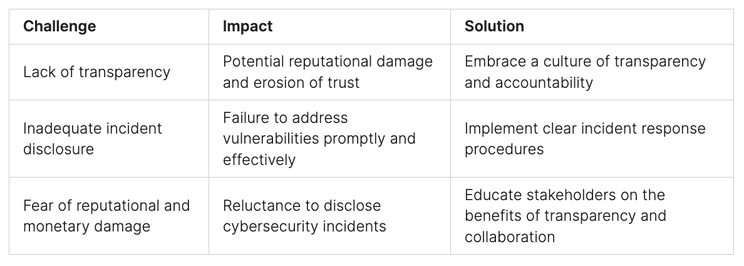
Despite the growing importance of cybersecurity reporting, many organizations continue to grapple with significant challenges in this area. One obstacle that persists is the culture of security through obscurity, where businesses keep their cybersecurity activities secretive. This approach stems from the fear of reputational and monetary damage that could result from disclosing cybersecurity incidents.
However, organizations must recognize that maintaining secrecy can actually harm their reputation in the long run. By concealing cybersecurity incidents, businesses risk losing the trust of their customers, partners, and stakeholders. When breaches or vulnerabilities are eventually exposed, the reputational damage can be significant and difficult to mitigate.
“Transparency is crucial in cybersecurity reporting. Concealing incidents may lead to even greater reputational damage when exposed.”
To illustrate the importance of addressing this challenge, consider the following table:
This table highlights the challenges organizations face in cybersecurity reporting, their potential impact, and suggested solutions to overcome them.
By addressing the challenges and embracing cybersecurity reporting transparency, businesses can foster a culture of trust, strengthen their security practices, and proactively protect themselves against potential threats.
Trust Starts with Transparency
The regulatory landscape and industry trends point towards a fundamental shift in the approach to cybersecurity, with an increasing emphasis on transparency. Organizations that embrace this culture of openness not only enhance their own security posture but also contribute to the overall security of the digital world.
Transparency in security fosters trust through the sharing of knowledge, reporting of attacks, disclosing vulnerabilities, and even leveraging ethical hacking. By adopting these practices, organizations establish themselves as trustworthy security partners, encouraging collaboration and communication within the cybersecurity ecosystem.
The Power of Sharing Knowledge
Transparency begins with sharing knowledge. Organizations should proactively communicate their cybersecurity practices, protocols, and incident response procedures. This open dialogue ensures that stakeholders have a clear understanding of the steps taken to protect sensitive data and systems.
By openly discussing their security measures, organizations can build confidence and strengthen customer trust. Transparency eliminates the mystery surrounding security practices and fosters a sense of shared responsibility.
Reporting Attacks and Disclosing Vulnerabilities
In the event of a cyber attack, organizations should prioritize timely and transparent reporting. This open communication not only allows affected parties to take necessary precautions but also demonstrates a commitment to addressing security challenges promptly.
Similarly, disclosing vulnerabilities is crucial in maintaining transparency. By sharing information about known vulnerabilities and actively seeking ways to address them, organizations contribute to the collective security of the digital ecosystem.
Putting Developers at the Heart of Security
Another essential aspect of transparency is embedding security into the development process. By prioritizing security during the software development lifecycle, organizations can uncover vulnerabilities early on and mitigate potential risks.
Empowering developers with the necessary tools, training, and resources helps create a security-first mindset, leading to more secure applications and systems. Transparent collaboration between developers and security teams ensures that security concerns are addressed efficiently and effectively.
The Role of the Entire Cybersecurity Ecosystem
Transparency extends beyond individual organizations to encompass the entire cybersecurity ecosystem. Collaboration among different stakeholders, including vendors, researchers, policymakers, and end-users, is key to combating evolving threats.
By actively participating in industry collaborations, organizations can contribute to the development and dissemination of best practices, threat intelligence sharing, and the establishment of common security standards. This collaborative approach enhances the overall security posture and strengthens trust across the digital landscape.
Embracing transparency in security is not without its challenges, but the benefits far outweigh the risks. By prioritizing openness, organizations can foster a culture of trust, promote effective security practices, and contribute to the collective security of our interconnected word.
Disclosing Complete and Accurate Cybersecurity Information
Transparency in cybersecurity reporting is crucial for organizations to maintain trust and demonstrate their commitment to security. When disclosing information about their security posture, organizations must ensure that the information provided is complete and accurate. This ensures that stakeholders have a clear understanding of the organization’s cybersecurity practices and the associated risks.
Cybersecurity documentation plays a vital role in providing a comprehensive overview of an organization’s security measures and risk management strategies. By documenting security processes, procedures, and controls, organizations can establish a solid foundation for transparency and accountability.
In many cases, CISOs (Chief Information Security Officers) face immense pressure to present a mature cybersecurity risk management process, even when controls may be insufficient. To meet these demands, it is essential for organizations to have rigorous risk management frameworks in place. This includes periodic risk assessments, vulnerability management programs, incident response plans, and ongoing monitoring and testing of security controls.
Board oversight is a critical component of cybersecurity reporting and transparency. Boards of directors should be actively involved in understanding the organization’s cybersecurity risks and asking granular questions to ensure accurate disclosures. By having a full appreciation of the cybersecurity landscape, boards can provide valuable guidance and support in mitigating security risks.
One effective way to enhance transparency is by maintaining a dynamic repository of cybersecurity questionnaire responses. This allows organizations to quickly and efficiently respond to requests for information from stakeholders, such as regulators, investors, or customers. By having readily available and up-to-date information, organizations can demonstrate their commitment to transparency and proactive risk management.
Furthermore, organizations can consider engaging third-party professionals for independent assessments of their cybersecurity practices. These assessments provide an objective evaluation of an organization’s security posture and can help identify areas for improvement. Sharing the results of these assessments can further enhance transparency and build trust among stakeholders.
“Transparency in cybersecurity reporting is not just about sharing positive outcomes, but also acknowledging weaknesses and vulnerabilities. By openly discussing challenges and demonstrating a commitment to improvement, organizations can foster a culture of continuous learning and improvement.”
The Benefits of Disclosing Complete and Accurate Cybersecurity Information
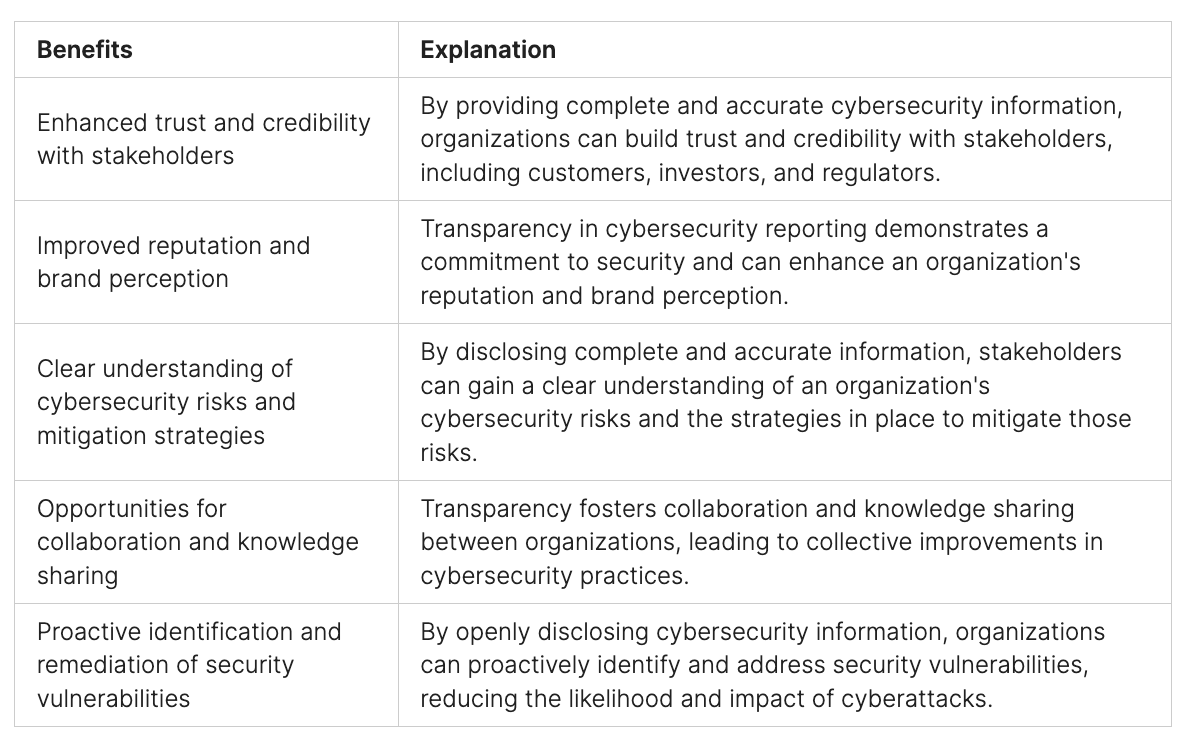
Enhanced trust and credibility with stakeholders
Improved reputation and brand perception
Clear understanding of cybersecurity risks and mitigation strategies
Opportunities for collaboration and knowledge sharing
Proactive identification and remediation of security vulnerabilities
The Role of a Trust Center in AI Cybersecurity Transparency
As AI-enabled technologies continue to advance, concerns about cybersecurity become increasingly significant. Building and maintaining customer trust requires transparency in AI cybersecurity. To facilitate this transparency, organizations can leverage the power of a Trust Center.
A Trust Center serves as a central hub for organizing and displaying security documentation related to AI cybersecurity. It acts as a repository of valuable information, providing clear visibility into the security measures implemented in AI systems.
One of the primary functions of a Trust Center is to control access to sensitive information. By managing access permissions, organizations ensure that only authorized individuals can view and retrieve sensitive cybersecurity documentation.
“A Trust Center simplifies transparency in AI cybersecurity by organizing and displaying security documentation, controlling access to sensitive information, and automating responses to security questionnaires.”
Furthermore, a Trust Center plays a crucial role in automating responses to security questionnaires. This automation streamlines the process of sharing security information with stakeholders, such as customers, partners, and regulatory bodies. By automating the response process, organizations can ensure consistency and accuracy in their information sharing, saving time and resources in the process.
In addition to its organizational and automation capabilities, a Trust Center enables companies to keep their cybersecurity documentation updated in real time. This ensures that stakeholders have access to the most current and accurate information regarding AI security practices.
By providing a single location for buyers and customers to access AI security information, a Trust Center promotes trust and transparency. It instills confidence in the security measures implemented within AI systems and demonstrates a commitment to maintaining high cybersecurity standards.
The Benefits of a Trust Center
The implementation of a Trust Center in AI cybersecurity offers several benefits:
Enhanced transparency: A centralized platform ensures that security documentation is easily accessible, promoting transparency and open communication about AI cybersecurity practices.
Streamlined information sharing: Automating responses to security questionnaires reduces manual effort, allowing organizations to efficiently provide accurate and consistent information to stakeholders.
Real-time updates: The Trust Center keeps cybersecurity documentation up to date, ensuring that stakeholders have access to the most current information.
Building trust: A Trust Center demonstrates a commitment to cybersecurity transparency, helping to build and maintain trust with customers, partners, and regulatory bodies.
Overall, a Trust Center serves as a critical component in achieving transparency in AI cybersecurity. By organizing and displaying security documentation, controlling access to sensitive information, and automating responses to security questionnaires, companies can foster trust and confidence in their AI systems.
How a Trust Center Works
A Trust Center is a critical component in enabling transparency and enhancing the buyer security review process for AI-enabled technologies. It serves as a centralized platform where organizations can provide comprehensive security documentation to buyers, including essential AI cybersecurity information such as AI fact sheets and FAQs.
By offering a buyer-facing home for security documentation, a Trust Center helps reduce friction in the buyer security review process. Buyers can access the necessary information at their convenience, enabling a self-service approach that saves time and effort for both parties involved.
One of the key features of a Trust Center is the control over access to sensitive information. Organizations can ensure that specific information is accessed only by those who need to know, providing an additional layer of security and confidentiality.
Additionally, a Trust Center includes a Knowledge Base of AI-related questionnaire responses. This streamlines the information exchange with buyers and customers, as it provides a repository of pre-approved responses to commonly asked AI security questions. This saves time for both parties and ensures consistent and accurate information is communicated.
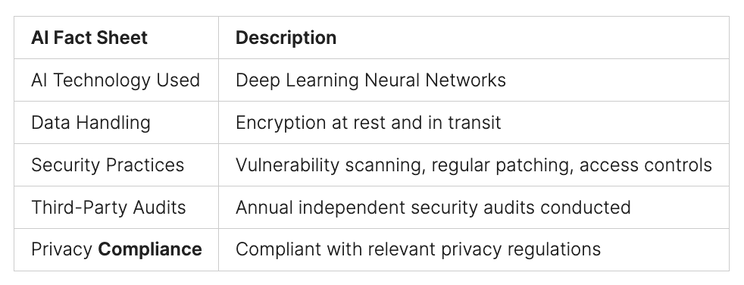
Example: AI Fact Sheet
Table: Example AI Fact Sheet showcasing key information about AI security practices.
Overall, a Trust Center provides organizations with a robust platform to showcase their commitment to AI security transparency. It enhances the buyer security review process, streamlines information exchange, and ensures the dissemination of accurate and up-to-date AI security information.
Ensuring Up-to-date AI Security Information
As AI technology continues to advance and cybersecurity risks evolve, it is crucial for organizations to provide buyers and customers with the most accurate and up-to-date AI security information. Keeping AI-related documentation current and accessible is essential in maintaining transparency and ensuring the highest level of security.
A Trust Center plays a vital role in this process, allowing companies to keep their AI-related documentation updated in real time. By leveraging the capabilities of the Trust Center, organizations can ensure that buyers and customers only access the most recent information, reducing any potential confusion or misinformation.
Furthermore, the Trust Center’s notification and email capabilities enable proactive communication with buyers and customers regarding AI policies and procedure changes. This ensures that all stakeholders are aware of any updates or shifts in cybersecurity practices, enhancing transparency and establishing trust.
With real-time updates of AI-related documentation through the Trust Center, organizations can address the ever-changing landscape of cybersecurity shifts. This helps companies stay ahead of potential threats and vulnerabilities, providing buyers and customers with the confidence that their AI technology is being protected by the latest security measures.
The image above represents the intersection between AI technology and cybersecurity, showcasing the importance of keeping AI security information up to date in today’s digital landscape.
Automating Responses to Security Questionnaires
A Trust Center can be a game-changer when it comes to automating responses to security questionnaires. By leveraging the information and documentation stored in the Trust Center, organizations can streamline the process of completing security questionnaires, saving time and resources while ensuring consistent and accurate responses.
With the ability to automate responses, organizations no longer need to manually fill out each security questionnaire they receive. Instead, they can rely on the Trust Center to provide pre-populated answers based on the stored information. This not only improves efficiency but also reduces the risk of human error that may occur when completing questionnaires manually.
Furthermore, by having a centralized repository of AI-related questionnaire responses, organizations can enhance their communication with customers and investors. They can quickly provide accurate and comprehensive information about AI cybersecurity risks, demonstrating their commitment to cybersecurity and building trust with stakeholders.
The automation of security questionnaire responses through a Trust Center offers several benefits:
Improved efficiency: Automating the process saves time and resources, allowing organizations to focus on other critical cybersecurity tasks.
Consistent and accurate responses: The Trust Center ensures that responses to questionnaires are consistent and based on up-to-date information, reducing the risk of discrepancies or outdated information.
Enhanced communication: Organizations can effectively communicate their cybersecurity measures and AI-related risks to customers and investors, fostering transparency and trust.
In summary, automating responses to security questionnaires through a Trust Center simplifies the buyer security review process, streamlines information exchange, and enables organizations to provide accurate and complete information about AI cybersecurity risks. By leveraging this automation, organizations can prioritize their cybersecurity efforts while building trust and confidence among their stakeholders.
Benefits of Automating Responses to Security Questionnaires
Improved efficiency
Consistent and accurate responses
Enhanced communication
Conclusion
In today’s digital ecosystem, the significance of transparency in cybersecurity cannot be overstated. It not only cultivates trust but also elevates the integrity of security practices within organizations. The implementation of a Trust Center is instrumental in championing this transparency, serving as a robust platform for organizing and disseminating crucial security information, managing access to sensitive data, and streamlining the response mechanism for security inquiries. Utilizing a Trust Center ensures that organizations can keep their AI security data promptly updated, thereby enriching the customer experience and positioning security as a catalyst for revenue growth while solidifying customer confidence.
The essence of transparency in cybersecurity reporting is foundational for forging trust with both stakeholders and customers. Establishing a culture rooted in openness and proactive sharing empowers organizations to stand out and fortify their connections with essential partners and clientele. A Trust Center, acting as a unified repository for security documentation, facilitates effortless access to and management of sensitive information. The automation of responses to security questionnaires not only conserves time but also guarantees the delivery of consistent and precise information. In essence, the adoption of transparency practices and the integration of a Trust Center yield mutual benefits for both the organization and its clientele.
As cybersecurity threats continue to evolve with increasing sophistication, the urgency for organizations to maintain contemporary AI security information becomes paramount. A Trust Center equips companies with the agility to update their AI-centric documentation dynamically, enabling real-time adaptability. Proactive dissemination of updates regarding policies and procedures to customers and buyers fosters a transparent culture and underscores an organization’s dedication to stringent cybersecurity measures. By embracing a Trust Center and placing a premium on transparency, organizations can not only refine their security protocols but also cultivate enduring trust among stakeholders.
Peris.ai Cybersecurity recognizes the transformative impact of transparency in strengthening cybersecurity measures and building trust. Our solutions, designed with this ethos at their core, provide organizations with the tools necessary to establish a comprehensive Trust Center, ensuring the management, accessibility, and update of critical security information. We invite you to explore how Peris.ai Cybersecurity can enhance your organization’s cybersecurity transparency and practices. Visit us at Peris.ai Cybersecurity to discover how our innovative approaches can fortify your cybersecurity framework, promoting trust and security as pivotal elements of your business strategy.
FAQ
What are the benefits of cybersecurity transparency?
Cybersecurity transparency allows organizations to differentiate themselves, strengthen trust with stakeholders, and enhance their overall security. It leads to clear incident response procedures and promotes collaboration within industries.
What challenges do organizations face in cybersecurity reporting?
Many organizations struggle to proactively disclose cybersecurity challenges due to fear of reputational damage. The culture of security through obscurity often hinders transparent reporting.
How does trust start with transparency in cybersecurity?
Transparency in cybersecurity builds trust by providing clear visibility into vulnerability management, reporting procedures, and overall security posture. Effective communication and collaboration foster trust and reduce the reoccurrence of cyberattacks.
How can organizations disclose complete and accurate cybersecurity information?
CISOs face pressure to present a mature cybersecurity risk management process, even when controls are insufficient. Boards should ask granular questions and have a full appreciation of cybersecurity risks to ensure accurate disclosures. Maintaining a dynamic repository of cybersecurity questionnaire responses and engaging third-party professionals can enhance transparency.
What is the role of a Trust Center in AI cybersecurity transparency?
A Trust Center serves as a central location for organizing and displaying security documentation related to AI cybersecurity. It ensures controlled access to sensitive information and automates responses to security questionnaires, simplifying the transparency process.
How does a Trust Center work?
A Trust Center provides a home for security documentation, such as fact sheets and FAQs, allowing self-service access to buyers and customers. It controls access to sensitive information and includes a Knowledge Base of AI-related questionnaire responses. The Trust Center also enables real-time updates and proactive communication with buyers and customers regarding AI policies and procedure changes.
How does a Trust Center ensure up-to-date AI security information?
A Trust Center allows organizations to keep their AI-related documentation updated in real time, ensuring that buyers and customers always access the most recent information. It also facilitates effective communication and transparency during shifts in cybersecurity risks.
How can a Trust Center automate responses to security questionnaires?
By leveraging the information and documentation stored in a Trust Center, organizations can automate responses to security questionnaires. This automation reduces time spent on completing questionnaires and ensures consistent and accurate responses. The centralized repository of AI-related questionnaire responses enables effective communication with customers and investors, providing comprehensive information about AI cybersecurity risks.
In today’s fast-paced digital world, the ability to respond swiftly and effectively to IT incidents is more crucial than ever. Robust incident management software plays a pivotal role in helping organizations handle crises with finesse rather than frenzy. This guide delves into the top six incident management software choices for 2024, tailored for DevOps and SRE teams across various business stages, from nimble startups to mature enterprises.
Top Incident Management Solutions
Explore the standout features, pros, and cons of each leading platform to find the best fit for your organizational needs.
Overview: Integrates on-call scheduling, incident response, and reliability workflows into a unified platform, aiming to enhance system uptime and simplify operations.
Pros: Offers a comprehensive feature set including AI-driven noise reduction, automated incident response workflows, and real-time performance tracking.
Cons: Continuous updates require teams to stay updated on new features and functionalities.
Overview: Combines intelligent alert routing, AIOps for noise reduction, and detailed incident response workflows, designed for high-stakes environments.
Overview: Known for its comprehensive alerting and on-call management capabilities, Opsgenie offers a centralized approach to incident management.
Pros: Efficient central management of alerts and communications, coupled with robust scheduling tools.
Cons: Some users have reported stability issues and infrequent updates since its acquisition by Atlassian.
Key Considerations for Incident Management Software
When choosing the appropriate incident management software, it’s essential to assess these vital features that bolster response effectiveness:
On-Call Scheduling & Management:
Ensures efficient scheduling of the right personnel.
Reduces downtime and streamlines response efforts.
Alerting and Notifications:
Provides timely, severity-based alerts via various communication channels.
Ensures that alerts capture the immediate attention of necessary team members.
Incident Response Workflows:
Utilizes structured workflows to guide teams through predefined steps.
Reduces confusion and speeds up the recovery process.
Integrations:
Achieves seamless integration with existing tools and systems.
Enhances operational visibility and aids in faster incident resolution.
Pricing Flexibility:
Offers cost-effective solutions that align with organizational budgets and needs.
Helps maintain high security levels without imposing financial burdens.
Conclusion: Peris.ai Brahma as Your Go-To Incident Management Solution
Discover Brahma by Peris.ai Cybersecurity, a powerful alternative to conventional incident management systems. Designed to optimize operational resilience, Brahma combines the best of AI technology with user-centric features:
AI-Powered Incident Management: Brahma utilizes advanced AI algorithms to anticipate, identify, and resolve IT issues before they escalate, significantly reducing potential disruptions.
Integrated On-Call Scheduling and Response: It ensures that the right personnel are alerted and ready to act swiftly and effectively, thereby minimizing downtime and enhancing operational continuity.
Customizable Workflows: Unlike some platforms that offer rigid solutions, Brahma allows for high customization, enabling you to tailor incident response workflows to meet your specific operational needs.
Comprehensive Integration Capability: With Brahma, integration isn’t just an option; it’s a priority. It supports a wide array of tools and systems, ensuring that all aspects of your IT environment are interconnected for smoother, faster incident resolution.
Cost-Effective Solution: Offering scalable pricing models, Brahma ensures that you can maintain high security and operational efficiency without overstretching your budget.
Brahma by Peris.ai Cybersecurity stands out not just for its technological prowess but for its adaptability to diverse business environments, ensuring that every organization, regardless of size, can achieve top-tier incident management capabilities. For a deeper dive into what Brahma can offer, visit our product page.
FAQ
Q: What is incident management software?
A: Incident management software helps organizations prepare for, respond to, and recover from IT incidents efficiently. It includes features for alert management, task coordination, and post-incident analysis.
Q: Why is on-call management important in incident response?
A: On-call management ensures that the right personnel are available to respond to an incident as soon as it occurs, which is crucial for minimizing downtime and resolving issues quickly.
Q: Can these tools integrate with existing IT systems?
A: Yes, most modern incident management tools offer extensive integration capabilities with popular IT systems and applications to provide a centralized management experience.
In an unsettling revelation for digital security, researchers have recently discovered that hackers now possess an astonishing collection of nearly 10 billion unique passwords. This massive breach underscores the growing challenges and risks in today’s cybersecurity landscape. Here’s an in-depth look at the implications of this development and the critical measures you can take to safeguard your information.
Unveiling the Depth of the Data Breach
Discovery of rockyou2024.txt: Cybersecurity researchers stumbled upon a staggering repository named rockyou2024.txt, which contains almost 10 billion unique passwords. These passwords, gathered over the last two decades from various data breaches and cybersecurity incidents, highlight the extensive nature of digital vulnerabilities. In just the past two years, this file has been enriched with an additional 1.5 billion passwords, reflecting the accelerating pace of data compromise.
Understanding the Risks
Why Is This Significant? The vast accumulation of compromised passwords poses several serious threats:
Brute Force Attacks: With access to billions of passwords, hackers can automate attempts to breach accounts, testing thousands of passwords per second.
Credential Stuffing: The common habit of reusing passwords across multiple accounts can turn a single compromised password into a master key, allowing attackers to unlock multiple accounts belonging to the same user.
Proactive Measures to Enhance Your Cybersecurity
Steps to Safeguard Your Digital Identity:
Check for Leaked Passwords: Regularly use services that check if your credentials have been compromised. Change any exposed passwords without delay.
Strong, Unique Passwords: Make sure that each of your accounts is secured with a robust and unique password. This simple step can significantly hinder cross-account attacks from credential stuffing.
Two-Factor Authentication (2FA): Implementing 2FA adds an essential layer of security, ensuring that possessing a password alone is not enough to breach your account.
Adopt Passkeys When Available: Modern security standards are moving towards passkeys which, unlike traditional passwords, cannot be leaked since they are not stored or transferred in a way that is accessible to hackers.
Password Managers: Utilizing a password manager not only helps in generating and storing complex passwords but also in monitoring and alerting you about any potential leaks of your passwords.
Conclusion: A Call for Enhanced Vigilance
The discovery of the rockyou2024.txt file is a stark reminder of the persistent threats in the digital world. It is more crucial than ever to stay ahead of these threats by adopting advanced and proactive cybersecurity measures. By integrating robust security practices, you can protect your sensitive information and maintain control over your digital identity.
For continuous updates and in-depth insights into safeguarding your digital presence, make sure to visit Peris.ai.
In today’s digital era, where technological advancements like artificial intelligence (AI) are revolutionizing industries, the importance of cybersecurity has never been more critical. As devices become smarter, so do the methods employed by cybercriminals aiming to exploit them. Recognizing the signs of a security breach can help protect not only your data but also maintain the integrity of your organization’s digital assets.
Indicators of a Compromised Device
Understanding the red flags associated with a compromised work device is essential for timely and effective response. Here are several indicators that may suggest your device has been breached:
1. Decreased Performance Speed
If your device suddenly becomes sluggish, takes longer to open applications, or frequently freezes, it could be running unauthorized programs in the background. These could be malware attempting to steal sensitive information such as financial details and personal identification.
2. Presence of Unknown Programs
Unexpected or unfamiliar programs appearing on your device can be a sign of a security breach. If new applications launch on startup or unknown programs are running in the background, your device may be compromised. Difficulty in uninstalling these programs further indicates a potential breach.
3. Traffic Redirection
Being redirected to unfamiliar websites, especially those not secured by HTTPS, is a common tactic used by hackers. This redirection can lead to sites laden with malware, such as keyloggers and Trojan horses, aiming to exploit further vulnerabilities in your system.
4. Suspicious Pop-Up Messages
Frequent pop-up messages, especially those mimicking antivirus warnings and asking you to take immediate action, can be deceptive tactics employed by malware. Always verify such messages with your installed security software before taking any action.
5. Unauthorised Emails
Receiving reports from colleagues about spam or unusual emails sent from your account can indicate that your email has been hacked. This not only compromises your security but can also be used to propagate the attack within and beyond your organization.
Protective Measures Against Cyber Threats
Enhancing your device’s security involves more than just recognizing signs of a breach. Here are proactive steps you can take to fortify your defenses:
Regular Software Updates: Keep your operating system, applications, and security software up to date to protect against known vulnerabilities.
Use Strong, Unique Passwords: Implement robust passwords and change them regularly to secure your accounts.
Enable Multi-Factor Authentication: Adding an extra layer of security can significantly decrease the risk of unauthorized access.
Educate and Train: Regular training on cybersecurity best practices can empower you and your colleagues to identify and respond to security threats effectively.
Employ Comprehensive Security Solutions: Utilize reputable antivirus and anti-malware solutions, and consider adopting advanced cybersecurity measures like Security Orchestration, Automation, and Response (SOAR) systems.
Conclusion
As cyber threats evolve, so must our strategies to combat them. By staying vigilant and informed, you can significantly reduce the risk of a security breach and protect the digital infrastructure of your workplace.
For more insights on maintaining cybersecurity and protecting your organizational assets, visit Peris.ai Cybersecurity. Stay updated with the latest in cybersecurity and ensure your digital safety with expert guidance and advanced security solutions from Peris.ai Cybersecurity. Follow us on social media for more useful tips and updates.
Cybersecurity researchers have sounded the alarm over a sophisticated campaign deploying stealer malware, including Atomic Stealer, targeting Apple macOS users through malicious advertisements and counterfeit websites. The operation, aimed at pilfering sensitive data from unsuspecting victims, underscores the growing concerns over macOS security vulnerabilities.
Sneaky Infection Methods and Malware Delivery
The attack exploits users’ trust in search engines, directing them to fake ads that lead to look-alike websites crafted to distribute malware. One such instance involves individuals searching for Arc Browser, only to be misled by sponsored links to a malicious site (“airci[.]net”) that cannot be accessed directly, hinting at tactics designed to skirt detection mechanisms. This site is responsible for disseminating a disk image file (“ArcSetup.dmg”) that harbors the Atomic Stealer malware, tricking users into entering system passwords via a fraudulent prompt to facilitate data theft.
Another vector identified by Jamf Threat Labs involves a bogus website (“meethub[.]gg”), purportedly offering free group meeting scheduling software. Instead, it deploys stealer malware capable of extracting keychain data, web browser credentials, and cryptocurrency wallet information. This malware, bearing similarities to the Realst Rust-based stealer family, employs AppleScript to deceive users into surrendering their macOS login credentials for malicious purposes.
Exploiting Professional Engagements for Malware Spread
The attackers have employed creative pretexts, such as job opportunity discussions or podcast interview invitations, to coax targets into downloading malicious applications under the guise of joining video conferences. This approach appears particularly aimed at individuals within the cryptocurrency sector, exploiting their public visibility to orchestrate high-reward attacks.
Emerging Trends and Sophisticated Evasion Techniques
Recent disclosures by Moonlock Lab, MacPaw’s cybersecurity division, reveal another method involving malicious DMG files (“App_v1.0.4.dmg”) that leverage obfuscated AppleScript and bash payloads fetched from a Russian IP. This technique deceives users into bypassing macOS’s Gatekeeper security, emphasizing the stealth and sophistication of these malware campaigns.
Additionally, malvertising campaigns distributing the FakeBat loader (aka EugenLoader) and other information-stealing malware through decoy sites mimic popular software like Notion and PuTTY, further illustrating the expansive threat landscape.
The Increasing Threat to macOS Environments
These findings starkly illustrate that macOS environments are no longer immune to the rising tide of cyber threats. With stealer malware evolving to incorporate advanced anti-virtualization techniques and self-destruct mechanisms, the urgency for heightened vigilance and robust cybersecurity defenses has never been more pronounced.
Peris.ai Cybersecurity advises macOS users to exercise extreme caution with online advertisements and downloads, especially from unverified sources. As the sophistication of cyberattacks continues to evolve, maintaining an informed and proactive stance is essential for safeguarding sensitive information against these insidious threats.
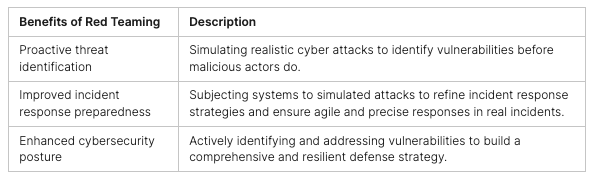
Red team services play a crucial role in today’s evolving cybersecurity landscape. With the ever-increasing sophistication of cyber threats, organizations need to go beyond routine security assessments to fortify their defenses effectively. That’s where red teaming comes in.
Red teaming is a proactive cybersecurity strategy that involves simulating real-world cyber attacks to identify vulnerabilities and weaknesses. By stepping into the shoes of potential adversaries, a red team can provide organizations with a unique perspective on their defenses and help them enhance their overall cyber defense strategy.
Key Takeaways:
Red teaming is a proactive cybersecurity strategy that simulates real-world cyber attacks.
It goes beyond routine security assessments and actively seeks out vulnerabilities.
Red teaming provides organizations with a unique perspective on their defenses.
By identifying weaknesses, organizations can fortify their cyber defense strategy.
Red team services enhance overall cybersecurity posture and incident response preparedness.
What is Red Teaming?
Red-teaming involves a team of experts, known as the red team, simulating cyber attacks to identify vulnerabilities and weaknesses in an organization’s defenses. It goes beyond traditional cybersecurity approaches by emulating the tactics of potential adversaries. This proactive strategy allows organizations to identify and address vulnerabilities before they can be exploited by malicious actors. Red teaming is a comprehensive cybersecurity testing method that includes security vulnerability analysis and helps organizations strengthen their overall defense strategy.
The Evolution of Red Teaming in Cybersecurity
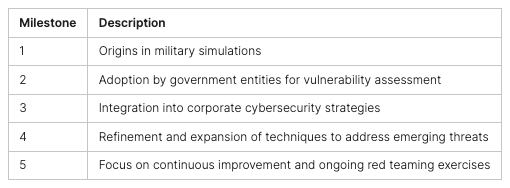
Red teaming has evolved alongside the changing cybersecurity landscape. Originally rooted in military simulations, it has transformed into a dynamic cybersecurity strategy that prepares organizations for cyber attacks. With the rise of sophisticated cyber threats, red teaming has become increasingly crucial. It is not just a one-time exercise but an ongoing process that continually refines its techniques to stay ahead of emerging threats. Red teaming plays a vital role in defensive cybersecurity, equipping organizations with the necessary preparation to combat cyber attacks.
Key Milestones in the Evolution of Red Teaming
The Role of Red Teaming in Defensive Cybersecurity
Defensive cybersecurity requires organizations to anticipate and prepare for cyber attacks. Red teaming offers a proactive approach, enabling organizations to simulate realistic cyber attacks and identify weaknesses in their defenses. By constantly refining their techniques and staying ahead of emerging threats, red teaming helps organizations build a robust cybersecurity posture. It provides invaluable insights into an organization’s vulnerabilities, allowing for targeted improvements in defensive capabilities.
Quotes from Industry Experts
“Red teaming is a critical component of any effective cybersecurity strategy. By simulating real-world attacks, organizations can identify and mitigate vulnerabilities before they are exploited by malicious actors.”
“The evolution of red teaming mirrors the ever-changing cyber threat landscape. Organizations must invest in ongoing red teaming exercises to continuously strengthen their defensive cybersecurity measures.”
Benefits of Red Teaming
Red teaming provides organizations with numerous benefits that contribute to a robust and proactive cybersecurity strategy. By simulating realistic cyber attacks, proactive threat identification becomes possible, allowing organizations to uncover vulnerabilities before malicious actors do. This early detection enables organizations to take strategic measures to reinforce their defenses, mitigating the risk of potential breaches.
Another significant advantage of red teaming is its ability to enhance incident response preparedness. By subjecting systems to simulated attacks, security teams can refine their incident response strategies. This serves as a valuable dress rehearsal that hones their agility and precision in dealing with real incidents, ensuring a swift and effective response.
Through red teaming, organizations actively identify and address vulnerabilities, leading to an enhanced cybersecurity posture. By staying one step ahead of potential threats, organizations can build a comprehensive defense strategy that is resilient and proactive in addressing emerging cybersecurity challenges.
Proactive threat identification, incident response preparedness, and an enhanced cybersecurity posture are the key benefits that organizations gain from implementing red teaming.
Benefits of Red Teaming:
Proactive threat identification
Improved incident response preparedness
Enhanced cybersecurity posture
Red teaming is not only a valuable exercise in identifying vulnerabilities but also a vital component of a comprehensive cybersecurity defense strategy. The table below briefly summarizes the key benefits of red teaming:
Implementing red teaming empowers organizations to proactively safeguard their critical assets and data, staying ahead in the ever-evolving threat landscape.
Cost-Effectiveness of Red Teaming
Investing in cybersecurity is often considered a significant expenditure for organizations. However, red teaming offers a cost-effective and efficient long-term solution. While there is an initial investment required, the benefits far outweigh the costs. Red teaming acts as an insurance policy, helping organizations avoid the financial and reputational fallout that can occur as a result of a real cyber attack.
By proactively identifying and mitigating threats, red teaming allows organizations to fortify their defenses and minimize the potential impact of a cyber attack. It is comparable to fixing a leaky roof before a storm; the small investment now saves from a major financial downpour later.
“Red teaming acts as an insurance policy, helping organizations avoid the financial and reputational fallout that can occur as a result of a real cyber attack.”
In addition to avoiding the financial and reputational fallout, red teaming provides organizations with several other cost-saving benefits. By identifying vulnerabilities and weaknesses in their defenses, organizations can proactively address them, minimizing the likelihood of a successful cyber attack. This proactive approach helps prevent potential financial losses that can result from data breaches, system downtime, and the need for extensive remediation efforts.
Moreover, red teaming can help organizations reduce their reliance on cyber attack insurance. While insurance coverage is a valuable component of a comprehensive cybersecurity strategy, investing in proactive measures like red teaming can significantly reduce the likelihood and impact of cyber attacks, thereby potentially reducing insurance premiums.
Financial and Reputational Fallout Avoidance through Red Teaming
Avoiding the financial and reputational fallout of a real cyber attack is critical for organizations. The cost of recovering from a cyber attack can be substantial, including financial losses from theft, system disruptions, regulatory penalties, and even lawsuits. Additionally, the reputational damage resulting from a cyber attack can lead to a loss of customer trust and decreased business opportunities.
Red teaming helps organizations mitigate these risks by identifying vulnerabilities and strengthening their defenses. By simulating realistic cyber attacks, red teaming reveals weaknesses that can be addressed proactively, minimizing the financial and reputational impact of an actual breach.
An Example of Cost Savings with Red Teaming
Consider a hypothetical organization that invests in red teaming to identify vulnerabilities in its systems and processes. During the red team exercise, several critical vulnerabilities are discovered and promptly addressed. As a result, the organization is able to patch these vulnerabilities and implement safeguards effectively.
If the organization had not undergone red teaming and these vulnerabilities had been exploited by a malicious actor, the financial and reputational fallout could have been significant. The potential costs include:
As this example illustrates, the cost of red teaming is considerably lower than the potential financial and reputational fallout of a successful cyber attack. By investing in proactive measures like red teaming, organizations can minimize risks and safeguard their financial stability and reputation.
Methodologies and Simulation Tools
Red teaming methodologies serve as the foundation for a robust cybersecurity strategy. These methodologies provide organizations with the blueprints to effectively simulate cyber attacks and identify vulnerabilities within their defenses. By tailoring or selecting the appropriate methodologies, organizations can ensure the success of their red teaming initiatives.
One common approach is adversary emulation, which involves mimicking the tactics, techniques, and procedures (TTPs) of potential attackers. This methodology enables organizations to evaluate their defenses against realistic cyber threats and understand their vulnerabilities from an adversary’s perspective.
Another valuable methodology is threat intelligence-driven testing. By incorporating threat intelligence into red teaming exercises, organizations can align their efforts with real-world threats and prioritize areas of vulnerability. This approach ensures that red teaming activities are focused on addressing the most relevant and pressing cyber risks.
In addition to methodologies, the effectiveness of red teaming relies heavily on the use of simulation tools and technologies. The red team’s arsenal includes cutting-edge simulation tools that enable the realistic emulation of cyber threats.
Penetration testing tools, such as Metasploit and Burp Suite, allow red teams to identify and exploit vulnerabilities in a controlled manner. These tools simulate various attack vectors and help uncover weaknesses that could be targeted by real attackers.
“Red teaming methodologies form the foundation of an effective cybersecurity strategy. By selecting the right methodologies and leveraging simulation tools, organizations can simulate realistic cyber threats and identify vulnerabilities in their defenses.”
For advanced threat emulation, red teams utilize sophisticated platforms designed specifically for this purpose. These platforms provide an extensive range of attack scenarios, allowing organizations to evaluate their defenses against complex and evolving threats. With features like automated attack simulations, customizable attack scenarios, and comprehensive reporting, advanced threat emulation platforms offer a realistic and dynamic environment for red teaming exercises.
By leveraging red team methodologies and simulation tools, organizations can gain valuable insights into their cybersecurity posture, identify weaknesses, and implement targeted measures to enhance their defenses.
Key Takeaways
Red teaming methodologies are crucial for simulating cyber attacks and identifying vulnerabilities.
Adversary emulation and threat intelligence-driven testing are common methodologies used in red teaming.
Simulation tools, including penetration testing tools and advanced threat emulation platforms, enable realistic emulation of cyber threats.
The selection and tailoring of methodologies, as well as the quality and relevance of simulation tools, are essential for the success of red teaming initiatives.
Skilled Professionals in Red Teaming
Skilled professionals, often referred to as red teamers, are instrumental in the success of red teaming initiatives. These individuals possess diverse backgrounds in cybersecurity and bring a wealth of expertise to the table. With their deep understanding of the threat landscape and creativity, red teamers play a crucial role in identifying and exploiting vulnerabilities that may go unnoticed by conventional security measures.
One of the key strengths of red teamers is their ability to think like attackers, allowing them to uncover unconventional vulnerabilities that may not be apparent to the organization’s security team. By adopting the mindset of a malicious actor, red teamers can explore different attack vectors, exploit weaknesses, and gain insight into potential areas of compromise.
The training and retention of skilled red teamers are essential for the continued success of red teaming initiatives. These professionals require up-to-date knowledge of the latest cyber threats, attack techniques, and defensive strategies. Additionally, their human touch complements the automated tests conducted during red teaming exercises, ensuring a comprehensive evaluation of an organization’s cybersecurity defenses.
Red teaming requires professionals who possess a combination of technical expertise, critical thinking skills, and a deep understanding of the evolving cybersecurity landscape. The expertise and insights provided by red teamers help organizations identify vulnerabilities and develop effective strategies to strengthen their defenses.
Skilled red teamers bring invaluable knowledge and experience to the table, ensuring that organizations stay ahead of evolving cyber threats. Their role in identifying unconventional vulnerabilities and strengthening cybersecurity defenses plays a crucial part in an organization’s overall security strategy.
Collaboration with Stakeholders
Red teaming is not a solo endeavor but a collaborative effort that involves internal and external stakeholders. By leveraging the collective knowledge and expertise of these individuals, organizations can achieve a more comprehensive assessment of their cybersecurity defenses.
Internal Stakeholders:
Internal stakeholders, such as IT personnel and executives, play crucial roles in the red teaming process. Their involvement provides context, depth, and domain-specific insights that contribute to a more accurate evaluation. IT personnel possess intricate knowledge of the organization’s systems and infrastructure, enabling them to identify potential vulnerabilities and suggest appropriate remediation measures. Executives bring a strategic perspective, aligning red teaming objectives with the organization’s overall cybersecurity strategy and ensuring buy-in from key decision-makers.
External Collaboration:
Collaborating with external entities brings fresh perspectives and diverse skill sets to the evaluation process. Partnering with external red teams, composed of experienced cybersecurity professionals, brings in expertise and methodologies that may not be readily available within the organization. These teams can challenge assumptions, uncover blind spots, and provide a more realistic assessment of an organization’s defenses. Additionally, engaging with threat intelligence providers enhances the evaluation by incorporating the latest threat intelligence and industry trends.
“Collaboration ensures a comprehensive assessment that considers both internal intricacies and external threat landscapes.”
By collaborating with both internal stakeholders and external partners, organizations simulate the diverse expertise and perspectives of a team of experts. This collaborative approach ensures a more thorough evaluation, identification of potential vulnerabilities, and actionable insights for fortifying cybersecurity defenses.
Overcoming Challenges in Red Teaming
Implementing red teaming often faces resistance as teams comfortable with routine security measures might see it as a disruption or unnecessary shake-up. The key lies in communication and education, making everyone aware that red teaming is about fortifying existing defenses with a proactive layer.
Overcoming resource constraints is another challenge organizations face during red teaming. Prioritization becomes crucial, as organizations strategically allocate resources to focus on critical assets and gradually expand their red-teaming capabilities.
Balancing realism and operational impact is also a challenge, as simulations should mirror potential threats without causing unnecessary disruption. Collaboration with internal stakeholders is paramount to ensure controlled exercises with minimal operational impact.
Conclusion
In the intricate and ever-evolving realm of cybersecurity, Red Team services emerge as a linchpin for bolstering an organization’s defense mechanisms against cyber threats. These services, characterized by their proactive approach, simulate real-world cyber attacks to uncover and address vulnerabilities within an organization’s security framework, thereby significantly enhancing its cybersecurity posture. Furthermore, Red Teaming enriches an organization’s incident response readiness, equipping security teams with the necessary tools and insights to adeptly navigate potential threats.
A notable advantage of Red Teaming lies in its cost-effectiveness. By proactively identifying and rectifying security vulnerabilities, organizations preempt the potentially devastating financial and reputational damages that real cyber attacks could inflict. In essence, Red Teaming functions as a preemptive investment, shielding organizations from the dire consequences of cyber incursions and reinforcing their long-term security.
The efficacy of Red Teaming hinges on a synergistic blend of advanced methodologies, simulation tools, and the expertise of skilled professionals. Employing the most suitable methodologies and leveraging state-of-the-art simulation tools are pivotal for the accurate emulation of threats. The human element, brought forth by seasoned Red Teamers with diverse cybersecurity backgrounds, plays a critical role in unearthing non-traditional vulnerabilities. Furthermore, fostering collaboration among all stakeholders ensures a comprehensive evaluation of the organization’s cybersecurity measures.
For organizations aiming to navigate the dynamic cybersecurity landscape successfully, integrating Red Team services into their security strategy is indispensable. By adopting Red Teaming, organizations not only proactively mitigate cyber threats but also fortify their security defenses and protect their vital assets.
Peris.ai Cybersecurity proudly offers the Peris.ai Pandava Red Team Service, a premium solution designed to simulate real-world threats and go beyond traditional Penetration Testing. Our service aims to provide organizations with an end-to-end, realistic assessment of their defenses, identifying vulnerabilities that could be overlooked by conventional methods. Through our expertly executed Red Team operations, we deliver actionable insights that empower organizations to improve their security posture, incident response capabilities, and resilience against cyber-attacks.
Embrace the future of cybersecurity defense with Peris.ai Pandava Red Team Service. Visit Peris.ai Cybersecurity to explore how our Red Team services can transform your organization’s approach to cybersecurity, ensuring a secure, resilient, and competitive stance in the digital marketplace.
FAQ
What are red team services?
Red team services involve simulating cyber attacks to identify vulnerabilities and weaknesses in an organization’s defenses. It goes beyond routine security assessments and actively seeks out weaknesses by employing the tactics of potential adversaries.
How does red teaming work?
Red teaming involves a team of experts, known as the red team, simulating cyber attacks to identify vulnerabilities and weaknesses in an organization’s defenses. It goes beyond traditional cybersecurity approaches by emulating the tactics of potential adversaries. This proactive strategy allows organizations to identify and address vulnerabilities before they can be exploited by malicious actors.
What are the benefits of red teaming?
Red teaming offers numerous benefits, including proactive threat identification, incident response preparedness, and enhanced overall cybersecurity posture. By simulating realistic cyber attacks, organizations can spot vulnerabilities before malicious actors do, allowing for strategic reinforcement of defenses.
Is red teaming cost-effective?
While there is an upfront investment, red teaming can be considered a cost-effective long-term solution. By proactively identifying and mitigating threats, organizations can avoid the financial and reputational fallout of a real cyber attack. It can be compared to fixing a leaky roof before a storm, as the small investment now saves from a major financial downpour later.
What are the methodologies and simulation tools used in red teaming?
Red teaming methodologies form the blueprints for a cybersecurity strategy. Different methodologies cater to different needs, whether it’s adversary emulation, threat intelligence-driven testing, or a combination of both. The arsenal of a red team includes cutting-edge simulation tools and technologies, such as penetration testing tools and advanced threat emulation platforms.
What is the role of skilled professionals in red teaming?
Skilled professionals, often referred to as red teamers, play a crucial role in red teaming. Their diverse backgrounds in cybersecurity, coupled with creativity and expertise, make them the backbone of red-teaming initiatives. Red teamers possess the ability to think like attackers and identify unconventional vulnerabilities.
How does collaboration with stakeholders contribute to red teaming?
Red teaming is a collaborative effort that involves internal and external stakeholders. Internal stakeholders, such as IT personnel and executives, provide context and depth to the assessment. External collaboration, through partnering with external red teams or engaging with threat intelligence providers, brings fresh perspectives to the evaluation.
What challenges are faced in implementing red teaming?
Implementing red teaming often faces resistance as teams comfortable with routine security measures might see it as a disruption or unnecessary shake-up. Overcoming resource constraints and balancing realism and operational impact are also challenges organizations face during red teaming. Collaboration with internal stakeholders is paramount to ensure controlled exercises with minimal operational impact.
How does red teaming fit into a cybersecurity defense strategy?
Red team services, which involve simulating cyber attacks, are an integral part of a comprehensive cybersecurity defense strategy. By proactively identifying vulnerabilities and weaknesses in defenses, red teaming enhances overall cybersecurity posture and improves incident response preparedness.
Note: For more information about red team services, simulating cyber attacks, and cybersecurity defense strategies, please reach out to our team or visit our website.