The world of cybersecurity is changing fast, with new threats popping up all the time. Artificial intelligence (AI) is becoming a key tool for blue teams, the cybersecurity experts who protect us from cyber attacks. Almost 80% of cybersecurity leaders think AI will make attacks bigger and faster. And 66% believe AI will come up with attacks we can’t even imagine.
To fight these new threats, blue teams are using AI to help them find, analyze, and tackle cyber threats better.
AI tools are key to blue team success, but human smarts are also vital. By combining AI and human know-how, blue teams can build a strong defense against the toughest cyber threats.
Key Takeaways
AI-powered solutions are changing how blue teams fight cyber threats.
AI tools help find threats, make security work smoother, and help prevent risks.
Secure AI and AI Visual Security use advanced analytics to spot odd behaviors and hidden malware, aiding blue teams.
Using AI and human skills together is key to making strong, proactive cybersecurity strategies against advanced threats.
The Role of AI in Cybersecurity SOC Operations
Artificial intelligence (AI) is changing how organizations fight cyber threats. AI systems can spot anomalies in real-time, catching attacks humans might miss. They also automate tasks like log analysis, letting teams focus on tough problems.
Predictive Analytics
Predictive analytics with machine learning help SOCs stop threats before they happen. AI gives deeper insights into cyber threats, helping SOCs make better decisions and plan ahead.
Enhanced Threat Analysis
AI makes threat analysis better by handling huge data sets in real-time. This gives security teams a clear view of threats, helping them respond faster and focus on real threats.
Adding AI to SOC operations is key to better cybersecurity. AI helps SOCs detect threats better, automate tasks, and predict attacks.
How AI Enhances SOC Capabilities
Artificial intelligence (AI) has greatly improved how Security Operations Centers (SOCs) work. AI systems watch network traffic and user actions. They use smart algorithms to spot unusual patterns that might mean trouble.
These systems give SOCs a clear view of threats as they happen. This lets them act fast and well.
Unsupervised Learning for Anomaly Detection
Unsupervised learning is key in AI for cybersecurity. It helps SOCs find new threats by looking for odd patterns in data. This is super useful against sneaky, hard-to-spot cyber attacks.
AI-Driven Cyber Threat Analytics
AI helps SOCs understand threats better. This means they can make smarter choices and plan better defenses. AI makes data analysis faster and more accurate, helping SOCs stay ahead of threats.
AI in SOCs brings many benefits, like better threat finding and more efficient work. But, it also brings challenges like making things more complex and worrying about data safety.
The future of AI in SOCs looks bright. We can expect better threat handling, smarter analytics, and better security across different systems. By using AI, SOCs can keep up with the fast-changing cyber world and protect against the toughest threats.
Machine Learning for SOC Automation
Machine learning is key in automating SOC tasks like log analysis and threat hunting. It frees up human analysts to tackle complex security issues. This way, AI tools handle the routine tasks, allowing humans to be more creative and skilled.
SOAR platforms are a big step forward in using machine learning for SOC. They integrate with many security tools, like SIEM and firewalls. This gives a complete view of security by combining data from different sources.
SOAR platforms can quickly isolate threats and alert the team. They use AI to predict threats, making detection and response faster and more accurate.
Machine learning also changes other SOC automation areas. AI tools spot unusual activity that might be threats. Generative AI makes security tasks easier for teams with different skills.
Using machine learning in SOC brings real benefits. It cuts down on false alarms and speeds up response times. As machine learning in cybersecurity grows, security teams will stay ahead of threats.
“AI and ML enable SOAR platforms to analyze vast amounts of data in real-time, identifying patterns and anomalies that might indicate a security threat.”
Predictive Threat Intelligence
Artificial intelligence (AI) is changing how we fight cyber threats. It helps organizations find and stop threats before they happen. This is thanks to machine-learning algorithms.
AI can spot patterns in big data that traditional security might miss. This means it can catch threats that others might not see. By focusing on prevention, AI helps stop threats early and respond quickly.
A good threat intelligence platform gathers and shares threat data. It helps teams work together and respond faster to threats. The first step is planning well, so the whole operation can succeed.
Collecting different types of data is key to good threat intelligence. This includes open-source info, internal alerts, and special monitoring services.
AI makes cybersecurity faster and more effective. It analyzes threats in real-time and responds automatically. AI gets better over time, making it a powerful tool against cyber threats.
AI has made processing threat data much faster. It adds value to alerts and finds patterns in big datasets.
AI deception technology tricks attackers and keeps important assets safe. It uses fake systems to confuse attackers. Using threat intelligence across the whole organization makes security stronger.
Working with AI will change cybersecurity for the better. It will help teams make faster decisions and automate routine tasks. Understanding attackers’ tactics helps defend against future threats.
Proactive strategies like threat hunting are key to staying ahead of threats.
Microminder CS uses AI to improve cybersecurity. It offers services like MDR, threat intelligence, and AI-based threat analysis. These services help detect threats early and respond quickly.
Getting help from experts can make security stronger. They can protect against complex threats and improve an organization’s defenses.
Benefits of AI in SOC Operations
AI in Security Operations Center (SOC) operations brings many benefits. It helps improve cybersecurity by detecting threats faster and more accurately than old methods. AI can find anomalies and cyber threats quicker than usual security. It also automates boring tasks, making SOC teams more efficient.
AI’s predictive analytics and threat intelligence help SOCs stop attacks before they start, making security more proactive. AI’s incident response is faster and more effective, lessening the damage of security incidents. It also cuts down on mistakes in threat detection and response.
Improved Threat Detection
AI and machine learning (ML) are great at analyzing big data to improve threat intelligence. They watch network activity and user behavior, spotting anomalies and threats better than old security.
Increased Efficiency
AI and ML make automating threat detection easier, making SOC work more efficient. This lets security analysts do more important tasks, like looking at complex threats and taking proactive steps.
Proactive Security Posture
AI-powered SOCs use predictive analytics and threat intelligence to stop attacks before they happen. This proactive approach helps organizations stay ahead of cyber threats, reducing breach impact.
Enhanced Incident Response
AI’s automation in incident response speeds up reaction to security incidents and breaches, lessening their impact. AI can find the incident’s cause, suggest fixes, and automate the response.
Reduced Human Error
AI in SOC operations cuts down on human mistakes in threat detection and response. It automates tasks and gives deeper insights, making security operations more accurate and consistent.
Challenges of Integrating AI in SOC Operations
Integrating AI in Security Operations Center (SOC) operations is promising but comes with challenges. AI can greatly improve threat detection and make operations more efficient. However, setting up and managing AI systems is complex.
One big challenge is making AI tools work well with current SOC systems and processes. It takes a lot of effort and time to make sure AI systems and old security tools work together smoothly. Also, there are ethical and legal issues to consider when using AI with sensitive data, adding to the complexity.
There’s also a lack of people with the right skills in AI and cybersecurity. Finding and training these experts is key to running AI-enhanced SOC operations well. They need to know both AI technology and security well.
Lastly, the cost of using AI for security can be a big problem for some companies, especially smaller ones. The money needed to buy, set up, and keep AI tools up to date can be hard to handle.
Even with these challenges, AI can greatly improve SOC capabilities and protect against cyber threats. To use AI effectively, organizations must tackle the integration issues, find skilled people, and manage costs.
The Future of AI in SOC Operations
The future of AI in security operations centers (SOCs) looks bright. Experts say we’ll see more autonomous SOCs soon. These AI systems will watch, detect, and act on threats with little human help.
Real-time threat intelligence and advanced analytics will help SOCs fight threats faster and better. AI will also link security systems across different environments. This will make cyber defense stronger and more unified.
AI-powered SOCs will be key in fighting advanced threats. Already, 91% of security teams use generative AI in their work. These tools automate tasks, improve threat detection, and offer insights. This lets security teams focus on big-picture tasks.
With AI SOCs, organizations will see better threat detection, more efficiency, and a stronger security stance. They’ll also handle incidents better.
But, using AI in SOCs comes with challenges. Finding the right mix of AI, automation, and human skills is crucial for effective security. As AI in cybersecurity grows, teams must adapt to use it fully.
The future of AI in SOCs is full of promise, leading to a new era of autonomous security operations and better cyber defense. By using AI, organizations can tackle talent shortages, complex threats, and the changing cybersecurity scene. As AI gets better, it will change how we protect our assets and stay safe from new cyber threats.
How AI Is Orchestrating Blue Team Success Against Advanced Threats
In the world of cybersecurity, blue teams face new and complex threats every day. AI tools are changing how they defend against these threats. AI helps blue teams spot threats faster, respond quicker, and prevent problems before they start.
AI uses analytics, automation, and predictive tools to help blue teams fight advanced threats. A study compared two cybersecurity competitions to show how AI improves blue team skills. This helps blue teams make better decisions and stay ahead of cyber threats.
The future of blue team success depends on using AI tools. With AI, blue teams can defend against advanced threats and keep their organizations safe.
Conclusion
Artificial Intelligence (AI) is transforming cybersecurity, giving blue teams the tools to detect and respond to advanced threats with unprecedented speed and accuracy. Through AI-driven threat detection, automated response, and seamless integration with existing security systems, organizations can strengthen their defenses and proactively combat cyber risks.
By leveraging AI for analytics, automation, and predictive intelligence, blue teams can prevent threats before they escalate, stay ahead of evolving cybersecurity challenges, and achieve significant cost savings in their security operations. Organizations using AI-driven cybersecurity solutions report average savings of $3.05 million in security costs, a testament to the power of advanced technology in reducing risk and enhancing protection.
As cyber threats continue to grow more sophisticated, AI will remain essential to a strong security strategy. Embrace AI-powered solutions with Peris.ai’s Brahma platform to fortify your defenses, streamline security operations, and stay resilient against the latest threats. Discover more at Peris.ai.
FAQ
How is AI transforming the way cybersecurity blue teams defend against advanced threats?
AI is changing how blue teams fight cyber threats. It brings new tools to Security Operations Centers (SOCs). This helps teams find threats faster and work more efficiently.
AI helps teams see threats coming and stop them before they happen. It makes them better at facing new challenges in cybersecurity.
What are the key roles of AI in enhancing cybersecurity SOC operations?
AI is key in making SOCs better. It helps find threats by looking at data in real-time. It also spots things that might look like threats.
AI does the boring tasks so teams can focus on the hard stuff. It also helps predict and stop attacks before they start. This gives teams a chance to act before it’s too late.
How does AI enhance the overall capabilities of cybersecurity teams in SOC operations?
Adding AI to SOCs makes teams stronger. It watches over networks and user actions, looking for anything out of the ordinary. This means teams can find threats faster.
AI also looks at data in new ways, finding threats that humans might miss. This helps teams make better decisions and defend against threats more effectively.
What role does machine learning play in automating SOC processes?
Machine learning is big in automating SOC tasks. It handles things like checking logs and looking for threats. This lets human analysts focus on the tough stuff.
How does AI provide predictive threat intelligence to SOCs?
AI uses past data to guess future threats. This lets SOCs get ready for attacks before they happen. It makes them safer overall.
What are the key benefits of integrating AI in SOC operations?
AI brings many good things to SOCs. It finds threats quicker and more accurately. This means fewer breaches go unnoticed.
It also makes teams more efficient by doing the easy tasks. This lets them handle more incidents and focus on big-picture stuff. AI helps teams see threats coming and stop them before they start. It also makes responses faster and more effective.
What are the key challenges in integrating AI in SOC operations?
While AI is great, there are challenges. Adding AI to SOCs can be hard and take a lot of resources. It needs careful planning and execution.
It’s also important to make sure AI handles data responsibly and follows privacy rules. Finding people who know both AI and cybersecurity can be tough. The cost of AI solutions can also be a big hurdle for some.
What is the future outlook for AI in SOC operations?
The future of AI in SOCs looks bright. Experts think we’ll see SOCs that can work on their own more. This means less human help needed.
AI will also get better at understanding threats in real-time. It will help SOCs stay ahead of threats. AI will work across different security systems, making defense stronger and more unified.
Cybersecurity is a big deal for businesses and people. The risk of cyberattacks keeps getting bigger. If you don’t check your security, hackers will find a way in. This can cause huge problems.
Social engineering is behind 70% – 90% of hacking successes. This shows how important it is to be proactive about security. Testing your cyber security, including your website, is key to fighting off hackers.
Testing your security helps find weak spots before hackers do. This is very important. Most companies only train their staff once a year on security. Some don’t train at all.
Only a small part of IT budgets goes to reducing human risk. This leaves many businesses vulnerable. If you don’t test your security, hackers will find a way in. The average cost of a data breach is over $4 million as of 2023.
Key Takeaways
Cyber security testing is key to staying ahead of hackers and protecting your business from cyberattacks.
Website security assessment is a must in cybersecurity testing.
If you don’t test your security, hackers will find a way in, and the consequences can be huge.
Social engineering is behind 70% – 90% of all successful hacking incidents.
Investing in cybersecurity testing can help find and fix vulnerabilities before hackers exploit them.
The average cost of a data breach is over $4 million as of 2023.
60% of SMEs will leave business within 6 months of a data breach.
The $5 Million Breach: A Cautionary Tale
A recent breach cost a company $5 million. It shows why businesses need to be careful. The hackers found weak spots and took advantage of them, causing big trouble. This story teaches us the value of penetration testing services and online security evaluation.
It’s clear that regular vulnerability scanning is key. This helps find and fix problems before hackers can. By doing this, companies can avoid big losses and keep their reputation safe. In 2024, the average cost of a data breach was $4.88 million, with healthcare breaches costing $9.77 million on average.
Some important facts about security testing are:
68% of breaches involved a non-malicious human element
45% of global organizations are expected to be affected by a supply chain attack by 2025
The annual average cost of cybercrime is predicted to exceed $23 trillion by 2027
By focusing on security testing, companies can avoid big problems. Investing in penetration testing services, online security evaluation, and vulnerability scanning helps keep data safe. This way, businesses can protect themselves from costly breaches.
Why Organizations Neglect Security Testing
Many organizations don’t focus on security testing. This might be because they lack resources or don’t fully understand the risks. Cybersecurity auditing is key to keeping systems and data safe. Without security testing, companies are open to cyber threats, which can be very harmful.
Some companies, like Wells Fargo, use ethical hackers to test their defenses. This shows how vital network security tests are in finding and fixing weaknesses. Data breach prevention is also critical to keep information safe and trustworthy with customers.
To make security testing a priority, organizations should:
Do regular cybersecurity auditing to find and fix weaknesses
Use network security tests to mimic real attacks and check defenses
Invest in data breach prevention to safeguard important data
By focusing on security testing and investing in cybersecurity auditing, network security tests, and data breach prevention, companies can lower cyberattack risks. This helps protect their sensitive information.
Security Testing Measure
Cybersecurity Auditing Identifies vulnerabilities and weaknesses
Network Security Tests Simulate real-world attacks and assess defenses
Data Breach Prevention Protects sensitive information and maintains customer trust
If You Don’t Test Your Security, Hackers Will: Understanding the Threat Landscape
The world of cyber threats is always changing. New ways for hackers to attack and common entry points keep popping up. To fight these threats, companies need to use hacker prevention techniques and invest in security testing solutions, like cyber security testing.
Current Cyber Attack Trends
Recent numbers show that the average cost of a data breach worldwide hit $4.88 million in 2024. This is a 10 percent jump from the year before. It shows how vital cyber security testing is to find and fix weaknesses before hackers can use them.
Common Entry Points for Hackers
Some common ways hackers get in include:
Phishing attacks
Weak passwords
Outdated software
These can be fixed with security testing solutions and hacker prevention techniques. For example, updating passwords and training employees are key steps.
The growing costs of data breaches highlight the need for cyber security testing and security testing solutions. Companies that test their systems regularly can lower the chance of financial losses from cyber attacks.
Essential Components of Security Testing
Security testing is key for any company’s cybersecurity plan. A website security assessment finds weak spots in systems and data. This lets companies fix problems before they happen. Penetration testing services mimic cyberattacks to show where systems are at risk.
An online security evaluation spots issues like cross-site scripting and SQL injections. Regular security checks are vital for companies handling credit card info to meet PCI DSS rules. Security tests can save a lot of money by stopping big losses. Companies might face fines or have to stop working if they don’t follow security rules like HIPAA and PCI-DSS.
Some main benefits of security testing are:
It finds problems that automated tools might miss
It cuts the risk of a cyberattack by about 80%
It helps meet rules like PCI DSS, HIPAA, and GDPR
By focusing on security testing, companies can fight off cyber threats. With more data breaches, regular security checks are a must. They keep an organization’s data safe and sound.
Security Testing Method
Penetration Testing Identifies vulnerabilities, reduces risk of cyberattack
Vulnerability Scanning Detects issues such as cross-site scripting and SQL injections
Online Security Evaluation Provides detailed insights into security weaknesses
Understanding Penetration Testing Methodology
Penetration testing is key to security testing. It helps find weaknesses in systems and data. This is done through vulnerability scanning, cybersecurity auditing, and network security tests. It’s a way to fix problems before hackers can find them.
There are different types of penetration testing. For example, Wells Fargo uses ethical hackers to test its defenses. This shows how important it is in the financial world.
Identifying vulnerabilities and assessing existing security measures
Simulating real-world attacks to test incident response capabilities
Providing thorough security advice for different application layers
Adding penetration testing to a security plan can reduce the risk of breaches. It shows a company is serious about protecting its systems and data. This keeps them safe from threats.
Implementing a Comprehensive Security Testing Program
To keep an organization safe from cyber threats, a detailed security testing plan is key. This plan includes data breach prevention, security testing solutions, and cyber security testing. Companies can spot and fix weaknesses in their systems and data by focusing on security testing. This helps lower the chance of a data breach.
It’s important to do cyber security testing often to stay one step ahead of hackers. Studies show that ongoing cybersecurity checks and penetration tests are essential to find vulnerabilities. A good security testing program should have:
Regular vulnerability scanning
Penetration testing
Cybersecurity auditing
Creating a strong security testing program needs a forward-thinking approach. It should include data breach prevention and security testing solutions to reduce risks and keep the organization safe.
The Role of Automated Vulnerability Scanning
Automated vulnerability scanning is key for keeping systems and data safe. It helps find and fix weaknesses in an organization’s defenses. This is vital for small businesses, as they face more cyber threats due to limited resources.
Regular scanning catches problems early, helping organizations stay ahead of threats. It’s important to keep security strong and to meet rules like SOC 2 and PCI DSS. Scanners watch for new risks, making systems safer.
Reduced time required for manual vulnerability identification, leading to cost savings
Real-time detection and addressing of vulnerabilities as they emerge
Improved security posture and reduced risk of data breaches
Compliance with regulatory requirements
Adding automated scanning to security plans helps find weaknesses before they’re used by hackers. It’s a big step in keeping data safe. For a full website security check, scanning is a must.
Building a Security-First Culture
Creating a security-first culture is key to protecting your organization from cyber threats. It means doing cybersecurity auditing and network security tests to find and fix weaknesses. Wells Fargo says using ethical hackers to test defenses is a smart move.
Some important parts of a security-first culture are:
Training programs for employees on cybersecurity best practices
Security awareness efforts to foster a culture of safety
Plans for handling cyberattacks to prepare your team
Employee Training Programs
Training programs for employees are vital. They should cover topics like spotting phishing and using strong passwords. This keeps everyone informed and ready to protect your organization.
Security Awareness Initiatives
Security awareness campaigns are essential. They help create a culture of safety. These campaigns and rewards for reporting security issues encourage everyone to stay vigilant.
Regulatory Compliance and Security Testing
Regulatory compliance is key in security testing. Organizations must follow all relevant rules. Security testing solutions
Organizations must follow rules; These rules require specific steps to protect data. This includes risk assessments, testing, and encryption.
A website security assessment is important for following these rules. It helps find and fix web app vulnerabilities. Regular cyber security testing lowers data breach risks and boosts security.
The benefits of following these rules and testing include:
Less chance of data breaches
Better security
More customer trust
Following the law
In summary, following rules and testing are key to protect against cyber threats. By using security testing solutions and testing regularly, organizations can lower breach risks. This improves their overall security.
The Cost of Prevention vs. The Price of Recovery
When it comes to cyberattacks, stopping them early is much cheaper than fixing the damage later. Penetration testing services and online security evaluation help find and fix weak spots in systems and data. This way, companies can lower the chance of data breaches and boost their security.
Preventing attacks costs less, mainly because of the price of security tests like vulnerability scanning. On the other hand, fixing a breach costs a lot, including paying for notifications, fixing the problem, and legal fees. A recent study found that the average cost of a cyberattack worldwide is $4.88 million. Strong security steps, like penetration testing services and online security evaluation, can help avoid these big costs.
Some important things for companies to think about include:
Regular vulnerability scanning to find and fix weak spots
Strong security training and awareness programs
Doing penetration testing services to mimic real attacks
By focusing on these steps, companies can lower the risk of data breaches and strengthen their security. This saves money in the long run.
Conclusion: Proactive Security Testing is Non-Negotiable
In today’s complex cybersecurity landscape, proactive security testing is essential to prevent data breaches and safeguard critical information. Regular cybersecurity audits and network security tests are vital in identifying and addressing vulnerabilities before attackers can exploit them.
Industry leaders, like Wells Fargo, leverage ethical hackers to simulate real-world threats and fortify their defenses—a strategy proven to enhance security and reduce the financial risks of cyberattacks. Investing in proactive testing solutions not only mitigates threats but also strengthens organizational resilience and compliance with regulatory standards.
Prioritizing proactive security testing demonstrates a commitment to robust cybersecurity, fostering trust with customers and partners. In a digital-first world, proactive testing is no longer a luxury; it’s necessary to stay ahead of evolving threats.
Stay ahead of cyber risks—visit https://www.peris.ai/ to explore our cutting-edge security testing solutions and protect your organization today.
FAQ
What happens if I don’t test my security?
If you don’t test your security, hackers will find your weaknesses. Hackers are always looking for ways to get in. Testing your security helps keep your business safe.
What is the importance of penetration testing services?
Penetration testing finds and fixes security gaps. A big breach that cost $5 million shows why it’s key. It helps keep your systems and data safe.
Why do organizations neglect security testing?
Some ignore security testing because they think they’re safe. They might not have the resources or know the risks. But, it’s vital for keeping your data safe.
What is the current threat landscape?
The threat world is always changing. New attacks and ways for hackers to get in are common. The high cost of breaches shows how important security testing is.
What are the essential components of security testing?
Key parts of security testing are checking your website, using penetration testing, and online security checks. These help find and fix security issues.
What is penetration testing methodology?
Penetration testing is a big part of security testing. It involves different tests to find and fix security problems. This helps keep your systems and data safe.
How can I implement a complete security testing program?
A good security testing program is key to fighting cyberattacks. It includes preventing data breaches and testing your security. This helps find and fix security issues before they become big problems.
What is the role of automated vulnerability scanning?
Automated scanning is very important for finding security issues. It helps keep your systems and data safe. It also helps meet security rules.
How can I build a security-first culture?
Creating a security-focused culture is vital. It means training employees and planning for security issues. This helps keep your data safe and your security strong.
What is the importance of regulatory compliance and security testing?
Following security rules is very important. It means your security testing meets all the necessary standards. This keeps your business safe from cyber threats.
What is the cost of prevention vs. the price of recovery?
Preventing cyberattacks is much cheaper than fixing them. Testing your security helps find and fix problems before they happen. This keeps your data safe and your business secure.
Keeping organizations secure in an increasingly digital world is a complex challenge, and cybersecurity incidents can have devastating consequences. In these times of crisis, communicators play a crucial role in helping organizations navigate through the storm. By mastering the art of crisis communication and developing effective strategies, communicators can help organizations weather the storm and emerge stronger.
Strategies and principles for communicators to successfully navigate cybersecurity crises.
This article will explore the key principles and strategies communicators can employ to navigate cybersecurity crises successfully. From crisis management and communication planning to reputation management, we will delve into the essential elements that can make a significant difference in effectively managing and mitigating the impact of cyber attacks and data breaches.
Key Takeaways:
Communicators play a vital role in navigating organizations through cybersecurity crises.
Effective crisis management and communication planning are essential in mitigating the impact of cyber attacks and data breaches.
Reputation management is crucial before, during, and after a cybersecurity incident.
Collaboration with IT and security teams is essential for a comprehensive and coordinated response.
Continuous monitoring and intelligence gathering help in proactively identifying and mitigating cybersecurity risks.
The Importance of Cybersecurity in Today’s Digital Landscape
In today’s digital landscape, organizations face an ever-growing threat of cyber threats and attacks. The rise in data breaches and cyber attacks highlights the critical importance of cybersecurity in protecting sensitive information and maintaining stakeholders’ trust. As key players in crisis management and communication, Communicators play a vital role in navigating these cybersecurity crises.
Cyber threats come in various forms, from sophisticated hacking attempts to malware and phishing attacks. Organizations need robust strategies to handle data breaches and effectively respond to and mitigate the impact of cyber attacks. Communicators must be prepared to navigate the complexities of managing public relations during a cyber crisis, ensuring transparency and maintaining the trust and confidence of stakeholders.
As organizations increasingly rely on digital platforms and technologies, the potential consequences of a cybersecurity breach can be severe. The loss of customer data, financial implications, and reputational damage can be devastating. Therefore, communicators must be well-versed in navigating PR in a cyber crisis and be equipped with the necessary knowledge and skills to communicate effectively with various stakeholders during such incidents.
Key Points
Cyber threats: Organizations face diverse cyber threats, necessitating robust cybersecurity measures.
Handling data breaches: Communicators must have strategies in place to handle data breaches effectively.
Navigating PR in a cyber crisis: Communicators play a crucial role in managing public relations during a cyber crisis, ensuring transparency, and maintaining stakeholder trust.
By recognizing the importance of cybersecurity and building the necessary expertise in handling cyber threats and data breaches, communicators can effectively support organizations in navigating through crises and safeguarding their reputations. With proper crisis management plans, crisis communication strategies, and a focus on stakeholder engagement, communicators can contribute to minimizing the impact of cybersecurity incidents and maintaining trust in an increasingly vulnerable digital landscape.
Developing a Comprehensive Crisis Management Plan
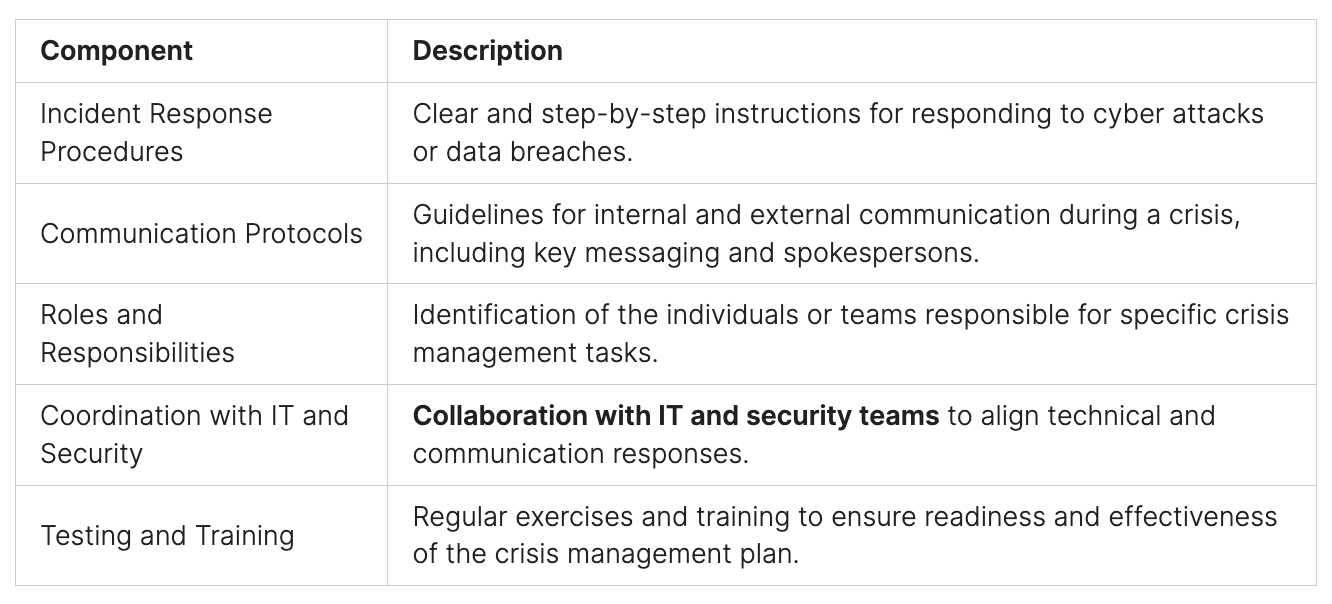
When it comes to cybersecurity crises, having a comprehensive crisis management plan is essential. This plan should include clear protocols and procedures for responding to cyber attacks and data breaches, allowing organizations to navigate these crises effectively. Communicators play a crucial role in developing and implementing such plans, collaborating closely with IT and security teams to address the crisis’s technical and communication aspects.
One key aspect of a comprehensive crisis management plan is cybersecurity incident response. This involves outlining the steps to be taken during a cyber attack or data breach, including how to contain the incident, investigate the cause, and restore systems or data. By having well-defined incident response procedures in place, organizations can minimize the impact of the crisis and ensure a swift recovery.
Table: Key Components of a Comprehensive Crisis Management Plan
In addition to incident response procedures, a comprehensive crisis management plan should include clear communication protocols. This involves defining the channels and methods of communication to be used during a crisis, as well as the key messaging and spokespersons. Communicators should work closely with internal stakeholders, such as executives and legal teams, to ensure consistent and timely communication that maintains stakeholder trust.
Organizations can effectively navigate cybersecurity crises by developing a comprehensive crisis management plan, minimizing damage, and maintaining stakeholder trust. This plan should be regularly reviewed and updated to adapt to evolving cyber threats and industry best practices. Incorporating the insights gained from past incidents can strengthen their crisis management strategies and enhance cybersecurity readiness.
Crisis Communication Planning: Navigating Public Relations During Cyber Attacks
In today’s digital landscape, organizations face the constant threat of cyber attacks, making crisis communication planning a crucial aspect of cybersecurity preparedness. Effective communication becomes paramount in managing public relations and maintaining stakeholder trust when a cyber attack occurs. A well-developed crisis communication plan ensures that organizations can respond quickly and efficiently, mitigating the damage caused by cyber attacks and protecting their reputation.
In a crisis communication plan, key messaging is critical in conveying accurate and transparent information to stakeholders. The plan should outline the specific messages to be delivered during a cyber attack and identify designated spokespersons responsible for disseminating information. Organizations can effectively manage public perception and minimize potential reputational damage by providing timely updates and addressing stakeholder concerns. Additionally, the plan should detail the various communication channels, such as press releases, social media, and website updates, ensuring consistent and coordinated messaging across all platforms.
Amid a cyber attack, protecting sensitive information is of utmost importance. While transparency is crucial, organizations must balance providing necessary information and safeguarding sensitive data. The crisis communication plan should include protocols for handling data breaches, outlining measures to prevent further compromise of information. Organizations can instill confidence in stakeholders and preserve their reputation by prioritizing data protection and demonstrating a commitment to security.
Benefits of Crisis Communication Planning
Ensures timely and accurate information dissemination
Provides a consistent and coordinated approach to communication
Minimizes reputational damage through transparency and stakeholder engagement
Protects sensitive information while maintaining a strong stance on cybersecurity
By prioritizing crisis communication planning, organizations can effectively navigate public relations challenges during cyber attacks and safeguard their reputation. By establishing clear protocols, defining key messaging, and protecting sensitive information, communicators can play a vital role in managing the fallout of a cyber attack and instilling confidence in stakeholders.
Building and Maintaining Reputation in Cybersecurity
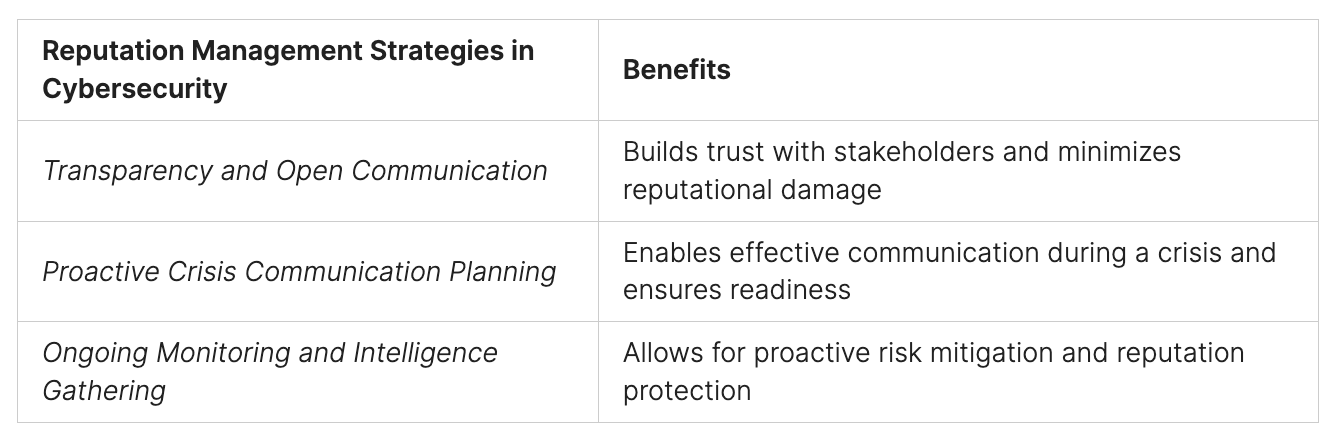
Reputation management plays a critical role in navigating through cybersecurity crises. In the face of cyber attacks and data breaches, organizations must proactively manage and protect their reputation to maintain stakeholder trust. Communicators are at the forefront of these efforts, implementing crisis communication strategies that prioritize transparency, address stakeholder concerns, and demonstrate the organization’s commitment to resolving the crisis and preventing future incidents.
One of the key challenges in reputation management during a cyber crisis is effectively navigating public relations. Communicators must strike a delicate balance between providing timely and transparent updates to stakeholders and ensuring that sensitive information is protected and not further compromised. By maintaining open lines of communication and consistently sharing accurate information, organizations can build trust with stakeholders and minimize reputational damage.
Furthermore, reputation management in cybersecurity requires a proactive approach. Communicators should develop a comprehensive crisis communication plan that outlines key messaging, spokespersons, and communication channels for a crisis. This plan should be regularly tested and updated to ensure its effectiveness and relevance. Additionally, organizations should invest in ongoing monitoring and intelligence gathering to stay informed about the latest cyber threats and vulnerabilities. Organizations can proactively mitigate damage and protect their reputation by staying ahead of potential risks.
In conclusion, building and maintaining a reputation in cybersecurity requires a proactive and strategic approach from communicators. By implementing effective reputation management strategies, navigating public relations during a cyber crisis, and staying ahead of potential risks, organizations can protect their reputation and mitigate the damage caused by cyber attacks and data breaches.
Engaging Stakeholders and Managing Expectations
Effective communication with stakeholders is essential in cybersecurity crises. As communicators, engaging with internal and external stakeholders, including employees, customers, partners, and regulators is crucial. By providing regular updates, addressing concerns, and managing expectations, communicators can maintain trust and confidence in the organization’s ability to navigate the crisis.
Internally, communicators should ensure that employees are informed about the cyber crisis and its potential impact on the organization. Clear and transparent communication can help alleviate anxiety and foster a sense of unity and collaboration in addressing the situation. Providing employees with the necessary information and resources to support them during this challenging time is important.
Externally, communicators must contact customers, partners, and regulators to address any concerns and provide reassurance. Efforts should be made to explain the steps to mitigate the crisis and prevent future incidents. By demonstrating transparency and a commitment to resolving the situation, communicators can help maintain positive relationships with key stakeholders.
Key Strategies for Stakeholder Engagement:
Regular communication updates that provide accurate and timely information.
Addressing concerns and questions promptly to maintain stakeholder trust.
Proactively reaching out to stakeholders with relevant updates and reassurances.
Ensuring clear and consistent messaging across all communication channels.
Providing resources and support to internal stakeholders during the crisis.
“Effective stakeholder engagement is crucial in cybersecurity crises. By maintaining open lines of communication and addressing concerns, organizations can foster trust and collaboration, ultimately overcoming the challenges presented by cyber threats and crises.”
In conclusion, managing stakeholder expectations and engaging with key stakeholders is vital in navigating cybersecurity crises. By developing a comprehensive stakeholder communication strategy and implementing key strategies for engagement, communicators can contribute to the organization’s ability to manage the crisis and protect its reputation effectively.
Coordinating with IT and Security Teams
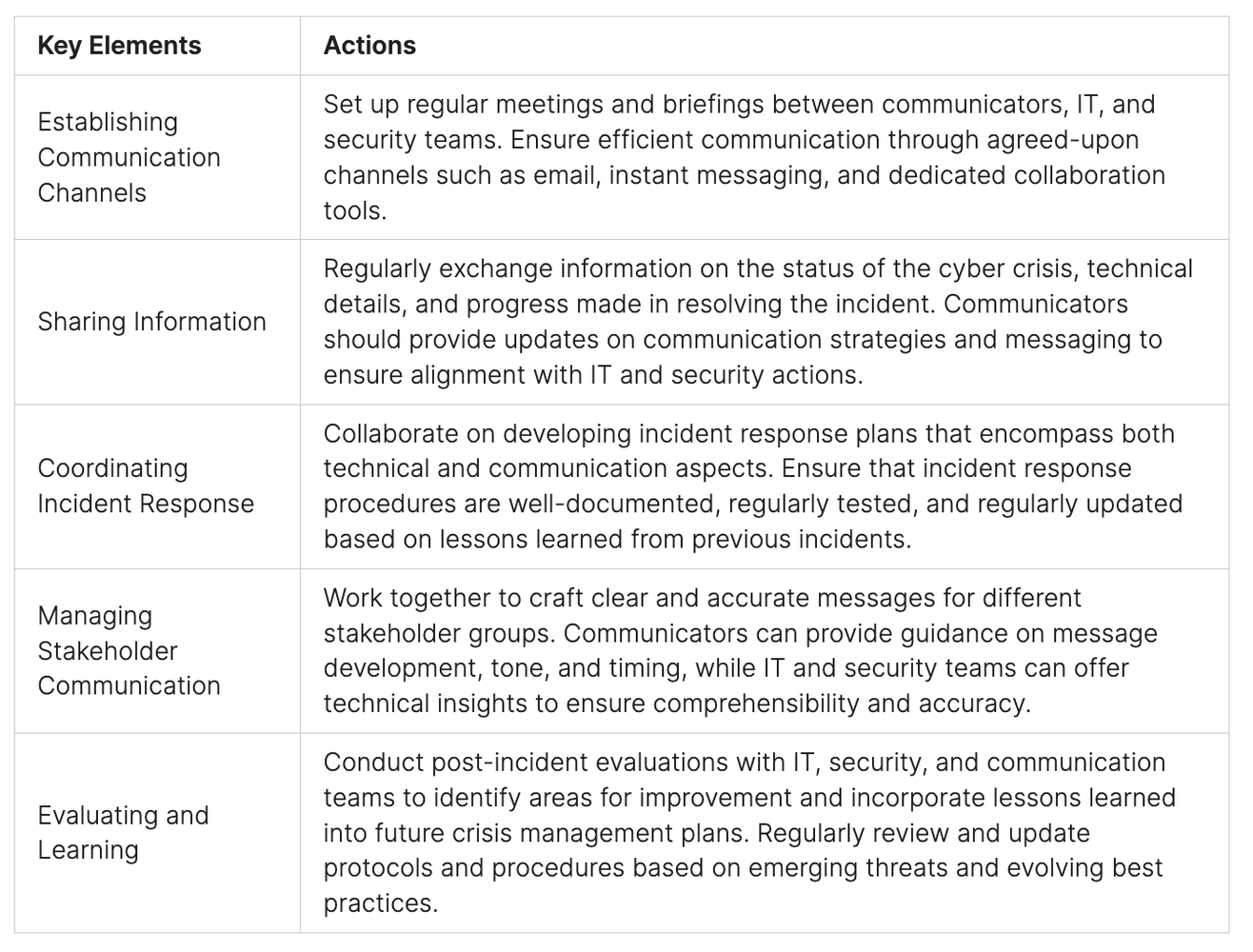
Effective communication and collaboration with IT and security teams are crucial during a cybersecurity crisis. By working closely with these teams, communicators can ensure a coordinated and comprehensive response that addresses the crisis’s technical aspects and the communication strategies required to mitigate its impact.
“Collaboration with IT and security teams is essential for understanding the technical aspects of the crisis, developing incident response procedures, and ensuring that communication is aligned with the actions being taken to address the cyber attack or data breach,” “By actively engaging with these teams, communicators can gain valuable insights into the nature of the incident, its potential implications, and the progress being made in resolving it.”
“During a cyber crisis, the IT and security teams work tirelessly to investigate the breach, contain the damage, and restore systems,” “Collaboration with communicators helps us ensure that the right information is shared with stakeholders in a timely and accurate manner, which is crucial for maintaining trust and minimizing reputational damage.”
Effective communication in a cyber crisis involves regular briefings and updates between communicators, IT, and security teams. It is essential to establish clear lines of communication, designate key points of contact, and ensure that roles and responsibilities are clearly defined. This collaborative approach allows for the timely dissemination of accurate information, helps manage stakeholder expectations, and ensures a unified effort to resolve the crisis.
The crucial role of effective communication in cybersecurity crises.
Table: Key Elements of Collaborating with IT and Security Teams
Training and Preparedness for Cybersecurity Crises
In today’s digital landscape, where cyber threats are becoming increasingly sophisticated and widespread, organizations must prioritize training and preparedness to navigate cybersecurity crises effectively. Communicators play a vital role in this process by ensuring they have the knowledge, skills, and resources to respond quickly and effectively to cyber attacks and data breaches.
Training for cyber crises should be an ongoing effort, involving regular exercises and simulations to test response capabilities and identify areas for improvement. These exercises should encompass a range of scenarios, allowing communicators to practice crisis communication, incident response procedures, and coordination with IT and security teams. By regularly engaging in these training exercises, communicators can enhance their readiness and ability to mitigate the impact of cybersecurity incidents.
Preparedness for cybersecurity incidents goes hand in hand with training. It involves staying current with the latest cybersecurity best practices, monitoring emerging threats, and gathering intelligence to anticipate potential risks. Communicators should also ensure they have comprehensive crisis management plans and crisis communication strategies, outlining clear protocols, messaging, and communication channels to use during a cyber crisis.
Training and Preparedness Tips for Communicators:
Conduct regular training exercises and simulations to practice crisis response and improve capabilities.
Stay current with cybersecurity trends, best practices, and emerging threats.
Develop comprehensive crisis management plans and crisis communication strategies.
Collaborate with IT and security teams to align communication efforts with technical actions.
Monitor cyber threats and gather intelligence to anticipate potential risks.
By investing in training and preparedness, communicators can effectively navigate cybersecurity crises and help organizations protect their reputations, maintain stakeholder trust, and minimize the damage caused by cyber attacks and data breaches.
Monitoring Cyber Threats and Gathering Intelligence in Cybersecurity
In the ever-evolving landscape of cybersecurity, it is crucial for organizations to consistently monitor cyber threats and gather intelligence to stay one step ahead of potential risks. By proactively identifying and analyzing cyber threats, communicators can play a vital role in mitigating cybersecurity incidents and safeguarding the reputation and security of their organizations.
Continuous Monitoring:
Continuous monitoring of cyber threats allows for early detection of potential vulnerabilities and malicious activities. By leveraging advanced tools and technologies, organizations can gather real-time data on emerging threats like malware, phishing attacks, or data breaches. Communicators can work closely with IT and security teams to establish robust monitoring systems that provide valuable insights into potential risks and enable prompt responses to mitigate the impact of cybersecurity incidents.
Gathering Intelligence:
Gathering intelligence in cybersecurity involves collecting and analyzing relevant information to understand threat actors’ motives, techniques, and tactics. This includes monitoring online forums, dark web marketplaces, and other sources to identify potential threats and vulnerabilities specific to the organization’s industry or sector. Communicators can collaborate with intelligence experts and security professionals to gain valuable insights that inform strategic decision-making and enhance the organization’s overall cybersecurity posture.
“Effective monitoring and intelligence gathering are integral components of a robust cybersecurity strategy. By staying informed about emerging threats and understanding the evolving tactics of cybercriminals, organizations can proactively protect their systems, data, and reputation.”
Evaluating and Responding:
Monitoring cyber threats and gathering intelligence is only valuable if organizations take appropriate action based on the insights gained. Communicators can work closely with IT and security teams to evaluate the severity and potential impact of identified threats, enabling them to prioritize response efforts accordingly. This may involve implementing security patches, strengthening defenses, or developing targeted communication strategies to address potential reputational risks arising from the specific threat.
In conclusion, monitoring cyber threats and gathering intelligence is critical in maintaining effective cybersecurity. Organizations can better protect themselves from cyber attacks and safeguard their most valuable assets by continuously monitoring for potential risks, collecting relevant intelligence, and evaluating and responding to emerging threats. With their expertise in crisis management and communication strategies, communicators are well-positioned to collaborate with IT and security teams in these efforts, ensuring a comprehensive and proactive approach to cybersecurity.
Learning from Past Cybersecurity Crises
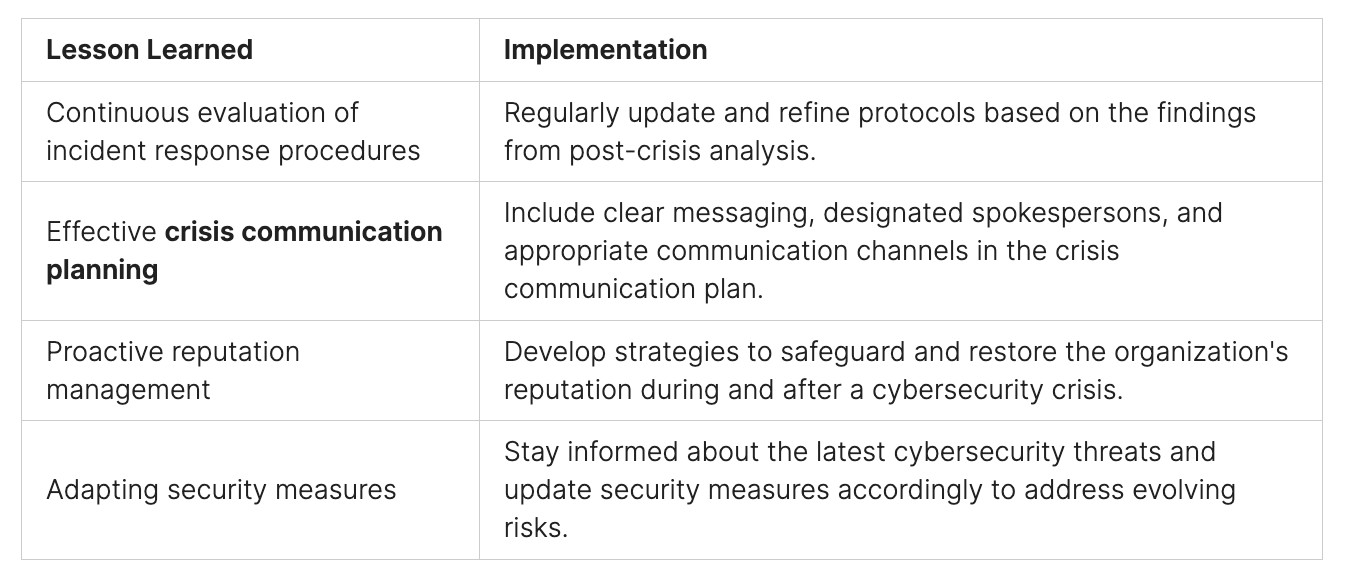
Communicators must examine past incidents and conduct post-crisis analysis to navigate these crises effectively. By closely analyzing these events, organizations can gain valuable insights and identify lessons learned to enhance their crisis management and communication strategies.
Post-crisis analysis offers an opportunity to evaluate the effectiveness of incident response procedures, crisis communication plans, and reputation management efforts. This analysis comprehensively explains the organization’s strengths and weaknesses in dealing with cybersecurity incidents. It allows communicators to identify areas for improvement and implement necessary changes to enhance future cybersecurity readiness.
Organizations can proactively address vulnerabilities and strengthen their defense against future attacks by learning from past cybersecurity crises. This includes refining incident response protocols, strengthening communication channels, and continuously updating security measures to adapt to evolving threats. Additionally, post-crisis analysis helps organizations demonstrate a commitment to improving cybersecurity practices, instilling confidence in stakeholders, and enhancing the organization’s reputation.
Strengthening cybersecurity defenses through proactive measures and continuous improvement.
Key Takeaways:
Post-crisis analysis allows organizations to learn from past cybersecurity incidents and improve crisis management and communication strategies.
Examining the effectiveness of incident response procedures, crisis communication plans, and reputation management efforts helps identify areas for improvement.
Learning from past crises strengthens an organization’s defense against future cyber attacks and enhances its cybersecurity readiness.
Post-crisis analysis demonstrates a commitment to cybersecurity improvement, instilling stakeholder confidence, and enhancing the organization’s reputation.
Collaboration and Partnerships in Cybersecurity
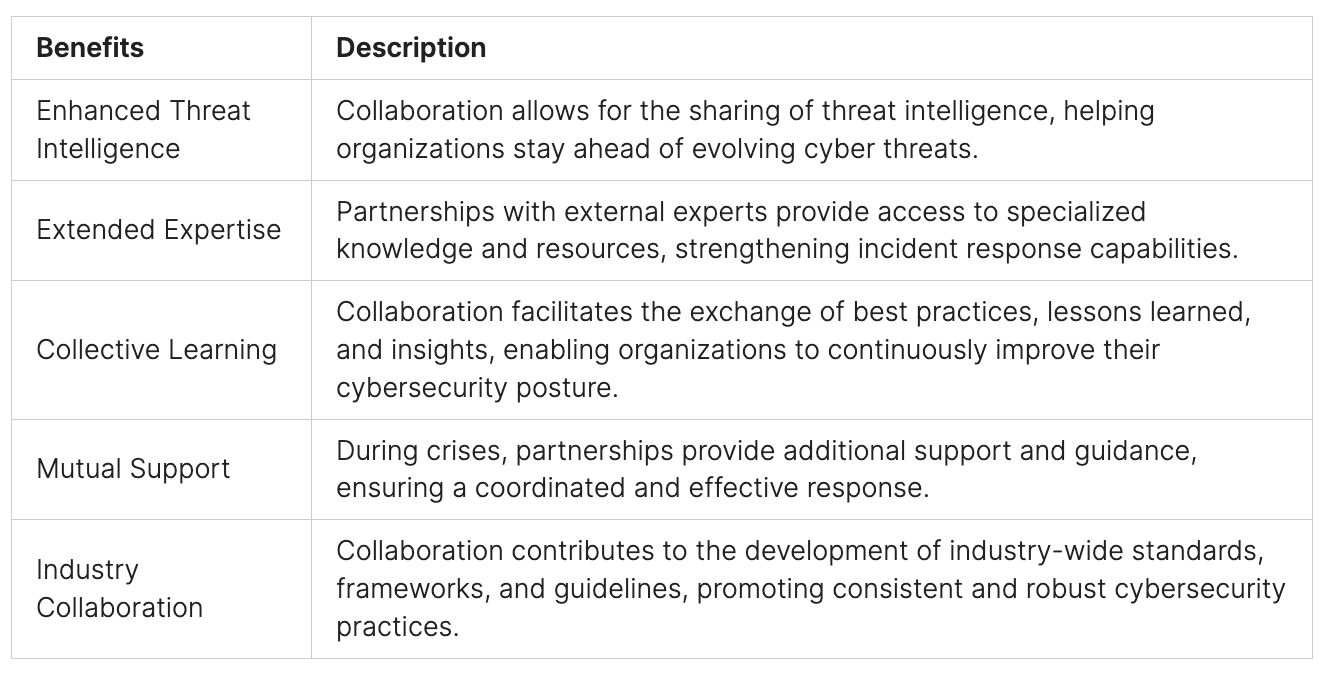
Collaboration and partnerships are critical in navigating crises in today’s complex and rapidly evolving cybersecurity landscape. By joining forces with industry peers, government agencies, law enforcement, and other stakeholders, organizations can leverage collective expertise and resources to strengthen their cybersecurity defenses and response capabilities. Collaborative efforts foster information
Sharing, best practices exchange, and mutual learning enable organizations to stay one step ahead of cyber threats.
Partnerships in crisis management are especially valuable when it comes to cyber incidents. Organizations can access specialized knowledge and guidance during crises by establishing relationships with external experts, such as incident response firms and forensic investigators. These partnerships provide a valuable extension to internal capabilities, ensuring a more comprehensive and effective response to cyber threats. Collaboration with communication and public relations professionals can also help navigate the complexities of crisis communication and reputation management.
One of the key benefits of collaboration and partnerships in cybersecurity is the ability to share threat intelligence. Organizations can collectively enhance their understanding of the threat landscape by pooling information on emerging threats, attack patterns, and vulnerabilities. This shared intelligence enables proactive threat detection and response, allowing organizations to mitigate cyber risks and prevent potential breaches preemptively. Moreover, collaborative efforts contribute to developing industry-wide standards, frameworks, and guidelines that promote consistent and effective cybersecurity practices.
In the face of sophisticated cyber threats, no organization can afford to work in isolation. Collaboration and partnerships foster resilience, enabling organizations to respond swiftly to cyber incidents, minimize damages, and protect critical assets. By building strong relationships and leveraging collective expertise, organizations can form a united front against cyber threats, ensuring a safer digital ecosystem for all.
Table: Benefits of Collaboration and Partnerships in Cybersecurity
Through collaboration and partnerships, organizations can harness the collective power of the cybersecurity community to protect their assets better, respond to incidents, and mitigate risks. By embracing a collaborative mindset and seeking meaningful partnerships, organizations can proactively defend against cyber threats and safeguard their digital infrastructure.
Conclusion
In conclusion, effective cybersecurity crisis management must be considered in today’s digitally driven environment. Communicators stand at the forefront of safeguarding organizational safety and reputation during such crises. Developing comprehensive crisis management plans encompassing incident response procedures and crisis communication strategies is paramount to proactively minimizing the repercussions of cyber attacks and data breaches.
Communicators must emphasize reputation management by upholding transparency and addressing stakeholder concerns. Building trust and confidence amidst a cyber crisis requires active stakeholder engagement and effective collaboration with IT and security teams. Seamless communication and coordination are pivotal in mounting a thorough and cohesive response.
Training and preparedness emerge as critical elements for successfully navigating cybersecurity crises. Communicators must possess the knowledge and skills to respond swiftly, staying abreast of the latest cybersecurity best practices. Continuous monitoring of cyber threats and gathering intelligence enables communicators to promptly anticipate and counter potential risks.
In summary, implementing these strategies and a commitment to ongoing learning from past incidents empowers communicators to enhance their readiness and response to cybersecurity challenges. Through proactive and strategic communication, they become instrumental in helping organizations effectively manage and mitigate the impact of cyber attacks and data breaches, safeguarding the organization’s reputation and ensuring its enduring success.
For a comprehensive solution tailored to your organization’s cybersecurity needs, we invite you to explore our website at Peris.ai Cybersecurity. Stay informed, stay secure.
FAQ
What is the role of communicators in cybersecurity crises?
Communicators are vital in navigating cybersecurity crises by developing and implementing comprehensive crisis management plans and communication strategies.
Why is cybersecurity a top priority for organizations?
The digital landscape is becoming increasingly vulnerable to cyber threats, making cybersecurity a critical concern for organizations.
What should be included in a comprehensive crisis management plan for cybersecurity crises?
A comprehensive crisis management plan should include clear protocols and procedures for responding to cyber attacks and data breaches.
How can communicators effectively manage communication during a cybersecurity crisis?
Communicators can effectively manage communication during a cybersecurity crisis by developing a communication plan outlining key messaging, spokespersons, and communication channels.
Why is reputation management important in cybersecurity crises?
Reputation management is crucial in cybersecurity crises to maintain the trust and confidence of stakeholders and demonstrate the organization’s commitment to resolving the crisis.
How can communicators engage with stakeholders during a cybersecurity crisis?
Communicators can engage with stakeholders by providing timely updates, addressing concerns, and managing expectations.
How should communicators collaborate with IT and security teams during a cybersecurity crisis?
Communicators should work closely with IT and security teams to understand the technical aspects of the crisis and align communication with the actions being taken to address the cyber attack or data breach.
What is the importance of training and preparedness in cybersecurity crises?
Training and preparedness are key factors in effectively navigating cybersecurity crises, as communicators must have the knowledge, skills, and resources to respond quickly and effectively.
Why is continuous monitoring of cyber threats important in cybersecurity?
Continuous monitoring of cyber threats allows communicators to identify and mitigate cybersecurity risks proactively, minimizing potential damage and maintaining organizational reputation.
How can organizations learn from past cybersecurity crises?
Organizations can learn from past cybersecurity crises by conducting post-crisis analyses to identify strengths, weaknesses, and areas for improvement in their crisis management and communication strategies.
Why are collaboration and partnerships important in cybersecurity?
Collaboration and partnerships in cybersecurity allow for sharing information, best practices, and learning from each other’s experiences to improve the overall response to cyber-attacks and data breaches.
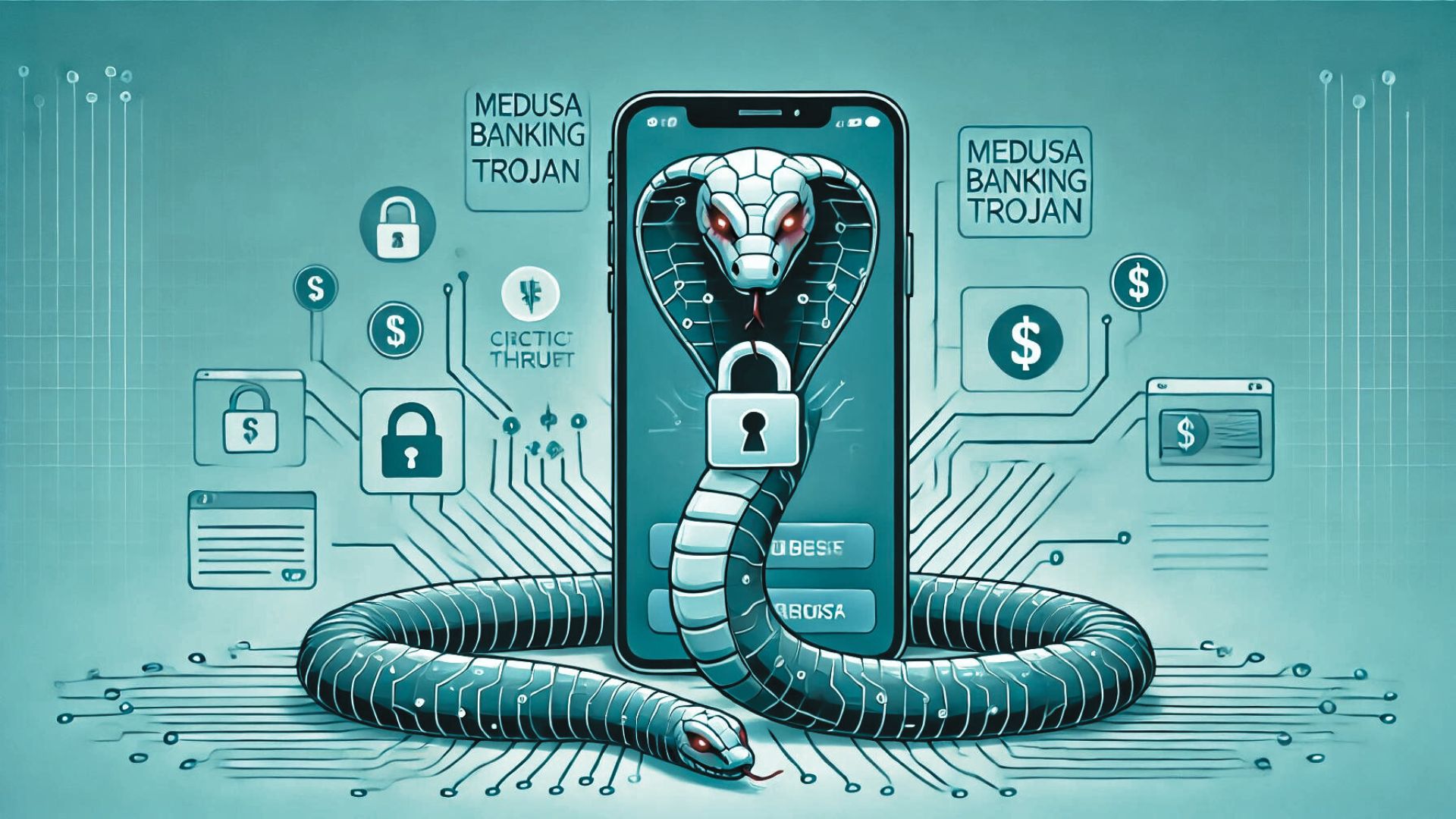
The Medusa banking trojan, known for its disruptive attacks on Android devices, has re-emerged after nearly a year of dormancy. Now rebranded as TangleBot, this Android malware-as-a-service (MaaS) is targeting users across multiple countries with sophisticated new features and operational tactics.
Detailed Examination of Medusa’s Evolution
Medusa Malware Resurgence:
Origin: Initially discovered in 2020, Medusa has evolved into a more sophisticated threat.
Capabilities: Includes keylogging, controlling screens, and manipulating SMS.
Recent Activity: Identified in ongoing campaigns since May 2023, showcasing its persistent threat.
Targeted Regions:
Countries Affected: France, Italy, the United States, Canada, Spain, the United Kingdom, and Turkey are currently in the crosshairs of these renewed attacks.
Enhancements in Medusa’s Arsenal:
Reduced Permissions: The new variants are designed to require fewer permissions, making them less noticeable but equally potent.
Advanced Features: Capabilities such as full-screen overlays, screenshot capturing, and unauthorized SMS sending enhance its intrusiveness.
Operational Shifts: The use of centralized infrastructure to fetch command and control (C2) URLs from social media and the strategic reduction of its footprint on devices underscore a tactical evolution.
Campaign and Malware Details
Recent Campaign Insights:
Timeline: Notable activity has been tracked back to July 2023, indicating a well-planned resurgence.
Smishing Tactics: Predominantly spread through SMS phishing, enticing users to install malware-laden dropper apps.
Botnets and Fake Apps: Attributed to five botnets (UNKN, AFETZEDE, ANAKONDA, PEMBE, and TONY), using deceptive apps mimicking legitimate services like Chrome browser and 5G connectivity.
Notable Malware Functions:
Removed Commands: Streamlining by removing 17 older commands.
New Commands:
'destroyo': Targets and uninstalls specific applications.
'permdrawover': Manipulates system permissions.
'setoverlay': Deploys a black screen overlay to conceal malicious activities.
'take_scr': Captures screenshots.
'update_sec': Manages security settings.
Staying Protected: Tips and Strategies
Vigilance with Links and Downloads:
Avoid unfamiliar links and unsolicited downloads to protect against malware infiltration.
Regular Updates: Keep your device and applications fortified with the latest security patches.
Proactive Security Measures:
Antivirus Software: Employ reputable antivirus solutions tailored for Android devices.
Permission Awareness: Scrutinize app permissions, especially those requesting Accessibility Services, to prevent undue access.
Conclusion: Medusa’s Persistent Threat
The revival of Medusa as TangleBot with enhanced malicious capabilities is a stark reminder of the evolving landscape of cyber threats. By understanding the specifics of these threats and adopting comprehensive cybersecurity measures, users can safeguard their digital lives against such sophisticated malware.
Stay Proactive in Your Cybersecurity Efforts
For ongoing updates and more detailed cybersecurity insights, ensure to visit our website at peris.ai.
Stay vigilant, stay secure.
Your Peris.ai Cybersecurity Team#YouBuild #WeGuard
In a recent disclosure, cybersecurity expert Jérôme Segura from Malwarebytes has uncovered a malicious ad campaign on Bing that mimics the official site of NordVPN. This sophisticated scam redirects unsuspecting users to a fraudulent website designed to install the SecTopRAT malware on their devices. While the total number of successful attacks remains unclear, the potential impact is significant.
Understanding Malvertising and Its Impact
Malvertising, or the use of online advertisements to spread malware, is a growing concern, especially with the integration of AI in chatbots enhancing the sophistication of these campaigns. Cybercriminals either purchase ad space or compromise existing ad campaigns to push malicious content, exploiting platforms like Google and Microsoft Bing. The latter is particularly vulnerable due to its integration with the Windows ecosystem and the Edge browser.
The Perpetual Threat of VPN Scams
NordVPN, a widely recognized name in the VPN industry, is often impersonated due to its popularity. Cybercriminals exploit the brand to launch attacks, taking advantage of the public’s increasing interest in privacy tools. Laura Tyrylytė, Head of Public Relations at Nord Security, highlights that malicious actors utilize the reputation of well-known brands to orchestrate these attacks, which are not exclusive to the VPN industry.
In 2020, NordVPN’s security team addressed a similar threat by taking down a fake website distributing malware. Moreover, a 2021 report by Zscaler ThreatLabZ revealed that cybercriminals were distributing infostealer malware, such as Raccoon stealer, through counterfeit VPN apps posing as reputable services like NordVPN, Hotspot Shield, and F-Secure Freedom VPN.
Strategies to Combat VPN Scams
Despite the challenges, there are effective ways to identify and avoid falling victim to VPN scams:
Beware of URL Shorteners: Shortened URLs can obscure the actual destination, hiding malicious links. Tools like Link Checker can verify the safety of these links.
Check Domain Age: Newly created domains, like those registered only days before being used in campaigns, are suspicious.
Secure Connection Signs: Look for a padlock symbol next to the URL in your browser or ensure the URL is highlighted in green. Absence of these or a ‘Not secure’ warning is a cautionary sign.
Download Sources: Always download software from reputable app stores or directly from the provider’s official website.
Use an Ad-Blocker: Ad-blockers can prevent malicious ads from rendering in your browser, providing an additional layer of protection.
NordVPN’s Proactive Measures and the Role of Search Engines
NordVPN actively monitors various platforms to detect and report malicious ads quickly. However, the effectiveness of these efforts is partly dependent on the cooperation of platforms like Google and Microsoft, which must diligently manage and filter the ads they allow. Tyrylytė emphasizes the need for these search engines to allocate more resources to prevent malicious ads from appearing and causing harm to users.
Partner with Peris.ai Cybersecurity for Enhanced Protection
Understanding the mechanics behind VPN scams and the tactics used by cybercriminals is crucial for digital safety. Peris.ai Cybersecurity is dedicated to providing the knowledge and tools necessary to protect against these sophisticated threats. Visit our website to stay updated with the latest cybersecurity trends and safeguard your digital life with effective strategies and solutions.
Protect yourself and your organization by staying informed and prepared. Partner with Peris.ai Cybersecurity to navigate the complex landscape of cyber threats confidently.
Automated response is essential for blue teams in cybersecurity to combat threats effectively. Tasked with safeguarding networks and systems, blue teams leverage automation to quickly detect, analyze, and resolve security issues, minimizing the risk of major breaches.
This guide delves into the role of automated response in enhancing blue team operations. It explains what automated response is, its advantages, and best practices for implementation. By accelerating threat detection and resolution, automated response strengthens a company’s overall defense strategy.
Key Takeaways
Automated response is a critical component of effective blue team operations in modern cybersecurity.
Blue teams play a vital role in proactive defense, leveraging automated solutions to enhance their ability to mitigate threats.
Automated response can significantly reduce the time and resources required for incident detection and response, lowering an organization’s overall risk exposure.
Implementing a comprehensive automated response strategy requires careful planning, integration, and ongoing optimization to maximize its benefits.
Balancing automation with human oversight is essential to ensure the effectiveness and reliability of automated response systems.
What is a Blue Team?
In the world of cybersecurity, blue teams are key in finding weaknesses and threats to an organization’s assets. They work with red teams in simulated battles. This helps them share information and spot dangers. Blue teams also handle incident response, using tools like IDS and SIEM to catch and analyze threats as they happen.
Roles and Responsibilities of a Blue Team
Blue team members have many skills, like network management and threat detection. They fix security issues, manage updates, and set up new security measures. Through exercises and management, they help organizations stay ahead of cyber threats.
Importance of Blue Teams in Proactive Cybersecurity Defense
Blue teams are vital for keeping ahead of cyber threats. They help organizations react faster to security issues, following the “1-10-60 rule”. Regular exercises with red teams make an organization’s security stronger by finding weaknesses.
Blue teams use many security tools to keep watch against threats. They ensure quick response to incidents, follow rules, and promote a security-aware culture.
“Blue teams play a critical role in proactive cybersecurity defense, working to identify vulnerabilities and threats before they can be exploited.”
Understanding Automated Response in Cybersecurity
In the fast-changing world of cybersecurity, automated response is key in fighting new cyber threats. It uses technology to quickly find, analyze, and fix threats. This helps security teams act fast and well when threats arise.
The main goal of automated response is to spot threats early and stop them before they cause harm. It starts by gathering data from networks, logs, and security tools like firewalls. Then, it uses threat intelligence and machine learning algorithms to find any odd behavior that might be a threat.
When a threat is found, the system acts fast, following set workflows and playbooks to stop it. This might mean blocking bad traffic, isolating infected systems, or starting incident response.
Automation makes security teams respond quicker, lowering the risk for the company. Cybersecurity automation makes incident response better and lets teams do more important work. This makes the company’s security stronger.
As threats keep changing, automated response in cybersecurity will become even more important. By using this technology, security teams can stay ahead of threats. This protects important assets and lessens the damage from cyber attacks.
Benefits of Automated Response for Blue Teams
Automated response in cybersecurity is a big win for blue teams. It helps them find and fix security issues faster. This reduces the risk and exposure to threats. With cyberattacks happening every 39 seconds and downtime costing $200,000 per hour, blue teams need quick solutions.
Faster Incident Detection and Response
Advanced threat intelligence and machine learning spot patterns and anomalies in big data. This helps blue teams catch threats that others might miss. They can then quickly respond to attacks, reducing damage and fixing vulnerabilities fast.
Automation is key for blue teams. It lets them handle security tasks, incident responses, and alerts more efficiently.
Reduced Risk and Exposure to Threats
Automated response cuts down on risk and exposure by quickly fixing vulnerabilities. AI and ML analyze huge data sets to find unknown threats. Blue teams can then act fast to stop and fix these threats.
This keeps data and systems safe. It also helps keep customer trust and meet compliance.
In short, automated response is a big plus for blue teams. It means faster detection and response, less risk, and better defense against cyber attacks. With these tools, blue teams can improve their cybersecurity and protect their organizations.
Key Components of an Automated Response Strategy
To create a strong automated response strategy, you need a mix of threat intelligence and advanced analytics. These tools help spot and fight cyber threats fast. You also need automated workflows and incident response playbooks. These ensure your response is quick, efficient, and can grow with your needs.
Threat Intelligence and Analytics
Good automated response plans use strong threat intelligence to watch and analyze threat data. This data comes from network logs, security feeds, and malware reports. Advanced analytics and machine learning help find patterns and threats quickly. This lets you act fast.
Automated Workflows and Playbooks
Having workflows and incident response playbooks is key to a good plan. They guide your actions to stop threats, isolate systems, and fix vulnerabilities. This makes fighting cyber threats faster and uses less resources.
Metric Description Time between incident occurrence and detection The time from when an incident happens to when the security team finds out. Time between incident detection and acceptance for diagnosis The time it takes for the security team to start investigating an incident. Time of diagnosis The time it takes to figure out the cause and effect of an incident. Percentage of waiting time in the overall incident handling time The part of the time spent waiting for help or info during an incident. First-time resolution rate The rate of incidents fixed right away, without needing more work. Meeting the agreed resolution time Whether incidents are fixed within the set time.
For data breaches with personal info, your plan should cover notice to people or other groups. It should also check for harm and follow privacy rules.
Also, your plan should say who talks to whom about the breach. This includes staff, media, customers, government, and partners. It’s smart to have many people check messages before they go out to make sure they’re right and clear.
“Effective automated response strategies leverage the power of threat intelligence, analytics, and predefined workflows to enable organizations to respond to security incidents with speed, precision, and consistency.”
Integrating Automated Response into Blue Team Operations
Adding automated response to blue team operations boosts an organization’s cybersecurity operations. It combines automated systems with blue team expertise. This mix makes security stronger and more effective.
Blue teams can then focus on big-picture tasks. Automated systems quickly find, stop, and fix threats. This speeds up incident response and lowers the risk of data breaches.
Using security control validation is key in this mix. It checks security controls all the time, not just once. This is better than traditional pen tests, which only show what’s wrong at one point in time.
It lets blue teams keep up with new threats. This way, their security always gets better.
Breach and attack simulation (BAS) tools are also important. They test security controls by pretending to be different kinds of attacks. This helps find weak spots in security controls.
This testing is a big deal, but it’s essential for keeping security controls working right.
Key Benefits of Automated Response Integration Metrics Faster incident detection and response 94% of BAS Reviewers Recommend Cymulate Continuous Automated Red Teaming Reduced risk and exposure to threats Cymulate has received a 4.7/5 Rating for Breach and Attack Simulation (BAS) Tools Continuous improvement of security controls Cymulate recognized as a top innovation leader in Frost RadarTM Global BAS, 2022 report
By adding automated response to blue team operations, teams can do more strategic work. Automated systems take care of the day-to-day tasks. This mix of human smarts and machine power is key to better cybersecurity operations and less risk of cyber attacks.
“Automated control testing is a significant investment but critical for ensuring security controls are functioning properly.”
The Role of Automated Response in Reducing Threat Exposure: A Blue Team’s Guide
Automated response is key for blue teams to fight cyber threats. It helps them find and fix problems fast, reducing risk. Automated systems watch networks and apps for odd behavior, alerting blue teams to threats. This lets blue teams act quickly to stop threats and fix vulnerabilities.
Using automated response makes blue teams more efficient and effective. It supports them 24/7, giving them the tools to handle threats fast. This proactive approach helps protect against cyber attacks better.
Automated systems also use advanced analytics to guide blue teams. This helps them focus on the most important threats. By doing so, they can lower the risk of cyber attacks.
Benefit Description Statistical Data Faster Incident Detection and Response Automated systems can quickly identify anomalies and alert blue teams, enabling prompt action to contain threats and mitigate damage. , Reduced Risk and Exposure to Threats Advanced analytics and threat intelligence help blue teams focus on the most critical vulnerabilities, reducing the organization’s overall exposure to cyber risks. Improved Efficiency and Effectiveness The integration of automated response with blue team operations enhances the overall cybersecurity defense, enabling a more proactive and resilient approach.
Automated response boosts blue teams’ ability to fight cyber threats. It makes them more proactive and effective in defending against threats.
“Automated response is a game-changer for blue teams, enabling them to be more proactive, efficient, and effective in defending against cyber threats.”
Challenges in Implementing Automated Response
Adding automated response to a company’s security plan comes with its own set of challenges. Teams face change management and cultural shifts to get everyone on board. It’s important to talk to employees and train them well to build trust.
Also, finding the right mix of automation and human oversight is key. Automated tools can make things faster and more efficient, but humans are still needed for tough decisions. Planning, integrating, and keeping an eye on things is vital for success.
Change Management and Culture
Bringing in automated response means a big change for a company. People might worry about losing their say in decisions. Good change management, like training and talking openly, helps ease these worries.
Balancing Automation and Human Oversight
Automated response speeds up finding and fixing problems, but it’s important to keep humans involved. Automated systems can sometimes flag false alarms, which can be overwhelming. It’s key to have clear rules and ways for humans and machines to work together.
“Effective communication is essential for Blue and Red Teams, but can be hindered by conflicting priorities. Red Teams may focus on detailed reports, while Blue Teams need clear actions to reduce risks. Purple Teams play a crucial role in aligning communication and objectives between the two teams.”
To tackle these issues, companies need a full plan for automated response. They should work on teamwork, learning, and finding the right balance in automation. This way, security teams can make the most of automated response and improve their cybersecurity.
Best Practices for Effective Automated Response
Creating a strong automated response plan is key for companies to fight cyber threats. Cyber attacks are getting more common, complex, and expensive to fix. Many attackers use automation to launch multiple attacks at once.
To tackle this, companies need to follow some important steps. First, they must have clear plans and communication rules for handling incidents. With the rise of remote work, having detailed procedures is more important than ever.
It’s also good to test and update these plans regularly through drills. This helps improve how fast and well teams can handle incidents. Regular drills prepare teams to act quickly and effectively in real situations.
Training employees is another key part of a good automated response plan. Automated tools can spot threats faster and more accurately. They also help contain and fix security issues automatically. It’s important for employees to know their roles in responding to incidents.
Companies should also work fast to stop threats, fix vulnerabilities, and keep improving their automated response. Automation can make response times quicker. It also helps with routine security tasks and keeps security policies consistent.
By following these steps, companies can make the most of automated response and boost their cybersecurity. Using automation can also save money and make following rules easier. Tools like SOAR, SIEM, and XDR are important for strengthening cybersecurity.
Best Practices for Effective Automated Response
Establish clear incident response plans and communication protocols
Regularly test and update incident response plans through simulated exercises
Ensure employee training on roles and responsibilities during incident response
Quickly isolate and contain threats, remediate vulnerabilities, and continuously monitor and improve automated response capabilities
Leverage security automation platforms, SOAR, SIEM, and XDR tools to enhance cybersecurity posture
“Automated response is a game-changer in the fight against sophisticated cyber threats. By adopting these best practices, organizations can dramatically improve their ability to detect, respond, and recover from incidents, ultimately reducing their overall risk exposure.”
Following these best practices for automated response is vital for companies to keep up with cybersecurity threats. It helps protect their important assets from cyber attacks.
Use Cases and Real-World Examples
Automated response has shown to cut down on threats and boost cybersecurity in many companies. It helps by breaking down cyberattacks into seven stages, making it easier to stop them. But, if not done right, it can also increase risks.
A big bank cut its response time to malware attacks by using automated tools. A healthcare company also used advanced tech to quickly stop a data breach, keeping patient info safe. These stories show how automated response can help other companies improve their security.
The Gartner® 2023 Hype Cycle™ for Security Operations report says looking at risks first helps in choosing the right security tools. Security teams only use about 30% of their tools often, showing room for improvement.
Breach and Attack Simulation (BAS) tools are now key in fighting cyber threats. They help check if security measures are working and show how to improve. BAS tools give clear views of security improvements, helping leaders show the company’s safety level.
In summary, the examples and cases in this section show the real benefits of using automated response. It helps blue teams fight threats better and improve their cybersecurity.
Future Trends in Automated Response and Blue Team Operations
The world of cybersecurity is changing fast. Automated response and blue team operations will become even more key. New tech like artificial intelligence, machine learning, and threat intelligence will make detection and response smarter.
Blue teams will focus more on big-picture thinking and making decisions. They will also work to improve automated systems. Adding automated response to other security tools, like extended detection and response (XDR), will help fight cyber threats better.
The threat landscape is getting more complex. Combining automated response with blue team skills is vital for staying ahead. Cybersecurity innovation will lead the way, making automated response trends and blue team operations even better.
“The future of cybersecurity lies in the symbiotic relationship between automated response systems and the strategic guidance of blue teams. Together, they will shape the landscape of proactive and effective defense against evolving cyber threats.”
Conclusion
The ever-changing cyber threat landscape demands proactive defense strategies. Peris.ai’s Blue Team Service combines real-time threat mitigation, advanced threat intelligence, and continuous monitoring to ensure your organization stays one step ahead of attackers.
Our Blue Team experts not only identify and respond to threats quickly but also provide simulations, employee training, and robust incident response planning. With automated tools and human expertise, we streamline detection and response, enabling your organization to maintain a strong security posture while minimizing risks.
By integrating advanced machine learning and threat intelligence, our Blue Team Service ensures your assets remain protected against even the most sophisticated cyberattacks. From vulnerability management to continuous threat exposure assessments, we provide comprehensive defense solutions that build resilience and foster confidence.
Don’t wait to secure your organization—partner with Peris.ai Bima Blue Team Service today. Visit Peris.ai to learn more about how we can protect your business around the clock.
FAQ
What is a blue team?
A blue team is a group of cybersecurity experts. They work to protect an organization’s networks or systems. They are part of the security team and work against red teams, which simulate attacks to find weaknesses.
What are the roles and responsibilities of a blue team?
Blue teams take part in simulated attacks with red teams. They share threat information, find vulnerabilities, and handle security incidents. They also fix security issues through management and patching.
Why are blue teams important in proactive cybersecurity defense?
Blue teams are key for proactive security. They help organizations respond faster to security threats. By working with red teams, they improve an organization’s security.
What is automated response in cybersecurity?
Automated response helps protect against cyber attacks. It uses advanced tools to watch networks for threats and act quickly. This includes using threat intelligence and machine learning to spot threats.
How does automated response benefit blue teams?
Automated response helps blue teams detect and respond to threats faster. It reduces risk and lets blue teams focus on strategy and analysis. Automated systems handle the quick response to threats.
What are the key components of an effective automated response strategy?
A good automated response strategy needs advanced threat intelligence. It also needs automated workflows and playbooks for quick actions. These actions help contain threats and fix vulnerabilities.
What are the challenges in implementing automated response?
Starting automated response can be hard. It requires managing changes, getting everyone on board, and balancing automation with human oversight. This ensures decisions are made and problems are solved.
What are the best practices for effective automated response?
For effective automated response, have clear plans and test them often. Train employees, act fast to contain threats, and fix vulnerabilities. Always keep improving your automated response.
Can you provide examples of organizations successfully implementing automated response?
Yes, many organizations have done well with automated response. For example, a big bank cut down its response time and stopped a malware attack. A healthcare company also quickly found and fixed a data breach thanks to advanced tools.
How will the role of automated response and blue team operations evolve in the future?
Automated response and blue teams will become even more crucial. New technologies like AI and machine learning will make detection and response better. Blue teams will focus more on strategy and improving automated systems.
Rootkits are among the most insidious forms of malware, capable of deeply embedding themselves within the operating system to provide unauthorized access and control, all while remaining undetected. The recent discovery of Snapekit, a new rootkit targeting Arch Linux systems, highlights the ongoing evolution and sophistication of cybersecurity threats. This article delves into Snapekit’s capabilities, its implications for cybersecurity, and offers strategic recommendations for combating such advanced threats.
⚠️ Understanding Snapekit
Advanced Targeting and Stealth Capabilities: Snapekit specifically targets Arch Linux systems running version 6.10.2-arch1-1 on x86_64 architecture. It distinguishes itself through its ability to intercept and modify 21 different system calls, allowing it unprecedented control over system operations.
Stealth and Evasion Techniques: This rootkit utilizes a user-space dropper, enhancing its stealth by operating in areas typically under-monitored by standard security tools. Furthermore, it actively avoids detection by evading leading security analysis tools such as Cuckoo Sandbox, JoeSandbox, and others, altering its behavior if such tools are detected.
Anti-Analysis Features: Snapekit is equipped with PTrace detection mechanisms to thwart debugging attempts and employs multiple layers of evasion, resisting both automated analysis tools and manual reverse engineering efforts.
Implications of the Snapekit Rootkit
Threat to the Cybersecurity Landscape: Snapekit’s advanced capabilities make it a formidable threat, particularly concerning its potential release as open-source software on GitHub, as indicated by its creator, Humzak711. While this move could foster enhanced defensive tactics among security professionals, it also risks aiding malicious actors in crafting similar threats.
Challenges for Security Defenses: The rootkit’s robust defense mechanisms, including code obfuscation and anti-debugging routines, present significant challenges for current detection methodologies. Security teams are compelled to innovate, employing advanced tools and collaborative strategies to detect and neutralize such threats.
️ Proactive Defense Strategies
Enhanced Detection and Analysis: Security teams must enhance their capability to detect and analyze sophisticated malware like Snapekit by:
Establishing advanced sandboxing environments to isolate and analyze the behavior of potential malware.
Utilizing collaborative frameworks that facilitate the sharing of insights and strategies within the cybersecurity community.
Developing techniques to bypass anti-debugging and obfuscation measures employed by malware, enabling deeper analysis and understanding of its underlying mechanisms.
Staying Ahead of Emerging Threats
The emergence of Snapekit underscores the critical need for vigilance and adaptability in cybersecurity practices. As cyber threats continue to evolve, maintaining an edge requires ongoing education, the use of cutting-edge analytical tools, and a collaborative approach to cybersecurity.
For ongoing updates and expert insights into managing the latest cybersecurity challenges, visit our website at peris.ai.
In today’s digital world, we often overlook a big threat – internal threats. These come from employees, contractors, or others inside the company. They can be very dangerous. But do we really understand and deal with these threats well? The answer might surprise you.
While we hear a lot about cyber threats from outside, insider threats can be just as bad. These insiders know a lot about how the company works and can get to sensitive info. They can cause big data breaches, financial losses, and harm the company’s reputation. In fact, many people in business and IT are very worried about these threats, rating them very high.
Key Takeaways
Internal threats are a big risk for companies, coming from employees, contractors, or others inside.
These threats can lead to big problems like data breaches, financial losses, and damage to the company’s reputation.
Many people in business and IT are very concerned about the risk of insider cyber attacks.
Companies need to act to reduce these risks, as ignoring them can hurt the company’s security and health.
Creating strong security plans, promoting a culture of security awareness, and using good access controls and monitoring are important to fight internal threats.
The Gravity of Insider Cybersecurity Threats
Insider threats are a big worry for healthcare groups. A recent survey by HIMSS Media showed many in the industry are very concerned. Most people in business and clinical roles worry a lot about these threats, giving them a score of 8.2 out of 10. Over half of them think these threats are very serious.
Also, 42% of IT experts share the same big worry. This shows how serious insiders are seen as in healthcare.
Insights from the Healthcare Industry
Many in healthcare now focus more on insider threats than on threats from outside. This shows how big of a deal insider risks are for healthcare. They can really hurt the trust patients have in these places.
Healthcare is getting more aware of how bad insider threats can be. This includes data breaches or misuse by people who are supposed to be trusted.
“Data breaches and cyber incidents have a profound effect on businesses, reputations, and livelihoods.”
Most insider threats don’t get caught, which makes the problem even bigger. This means healthcare groups need strong security and training for their staff. If they don’t, they could lose patient data, face big financial losses, and damage their reputation.
Types of Internal Threats to Customer Data
Organizations face many internal threats that can harm customer data security. These threats come from insiders who steal or misuse data on purpose, and from employees who accidentally expose data. In fact, 60% of data breaches are from insiders, and small companies spend about $8.13 million on these incidents. Insider threats have jumped by 44% from 2020 to 2022.
Most insider threats, about 56%, are due to employee or contractor carelessness. The FBI got nearly 20,000 Business Email Compromise (BEC) complaints in 2021, showing how insiders can be a big risk. To fight these risks, companies should watch who can see their data. They should also train employees regularly to keep up with new threats. Using tools from managed security providers can also help spot insider attacks.
Malicious insiders who intentionally steal or misuse sensitive information
Careless or negligent employees who inadvertently expose data through improper handling, unauthorized access, or weak security practices
Contractors or other insiders with legitimate access to the organization’s systems and data
Type of Internal Threat Percentage of Insider Threats Malicious insider attacks 26% Employee or contractor negligence 56%
Insider threats can come from many places, like current or past employees, contractors, and others with access to the company’s data. These threats can be intentional data theft or accidental data exposure. Verizon found that 82% of data breaches involve people, showing how big a risk insiders are.
Recent big data breaches at Uber, Cash App Investing, and the city of Calgary show how serious insider threats are. Companies need to watch insiders closely and have strong security to protect customer data.
“Insider threats affect over 34% of businesses every year, and 66% think insider attacks are more likely. Insider incidents have gone up by 47% in the last two years.”
Why Internal Threats Shouldn’t Be Ignored
Organizations often focus on fighting external cyber threats. But, they shouldn’t ignore the growing issue of insider risk. These threats come from within and can seriously harm data protection and cybersecurity. Studies show that the average loss from an insider data breach is $15 million. Also, 55% of data breaches are caused by insiders. Since 2021, there’s been a 28% jump in insider-driven data leaks.
The Growing Problem of Insider Risk
Many organizations find it hard to tackle internal threats. Even though 99% of companies say they have data leakage prevention, 78% have lost valuable data. This shows we need a better way to handle insider risks. In fact, 60% of cyber attacks involve trusted insiders. Only 7% of companies feel they have good insider threat protection.
Dealing with internal threats needs a strategy that includes more than just tech. Good Insider Threat Programs need support from top management, enough money, and teamwork from IT, HR, Legal, and Security. It’s also key to know what data is critical, set clear rules, and build a security-aware culture.
New tech like ChatGPT makes insider threats worse. 87% of security leaders worry about employees not following the rules with tools like ChatGPT. We need a strong, proactive security plan to tackle these new threats.
Ignoring internal threats can lead to big problems like data breaches and financial losses. To avoid these risks, companies must focus on managing insider threats. This means using tech, having strong processes, and building a security culture. By tackling insider risk, organizations can improve their cybersecurity and protect their valuable assets.
Vulnerabilities in Data Protection Measures
Protecting customer data is crucial for companies, but many don’t fully cover their data protection gaps. These gaps can come from poor access controls, not training employees enough, not watching user actions closely, and missing key data protection steps. It’s vital to fix these issues to stop insider threats from leaking customer info.
Human mistakes cause most data breaches, with 85% of them coming from this. This shows how important it is for companies to teach employees about cybersecurity. They need to know how to spot and stop phishing attacks to keep data safe. Also, new quantum computing tech could break into data, so companies must check how it affects their encrypted data.
Insider threats, like employees leaving or moving, are big risks for data. To fight this, companies need to have strict controls, like telling HR about changes and watching user actions closely. They also need to pay attention to IoT devices, which can be a weak spot in security.
Many companies don’t protect their data backups well, leaving sensitive info at risk. Using tokenization services can help keep data safe. Also, making sure data is encrypted when moving it is key, but often ignored.
Having too much data makes a company more vulnerable, making it harder to keep data safe. Companies should only collect and keep the data they really need to lessen this risk. They should also avoid using too much anonymized data, as it can be traced back to real people, and use data masking instead.
By fixing these data protection weaknesses, companies can protect customer data better and reduce risks from inside threats. This ensures the safety and privacy of important information.
Third-Party Risks and Regulatory Compliance
Companies face big risks from third-party vendors who can see sensitive customer data. Last year, 57% of manufacturers had a data breach because of these vendors. With an average of 67 vendors per company, each with many people accessing the network, the risk is high. Also, 44% of companies faced a breach due to too much access given to third parties. Not checking the security of these partners can lead to data breaches and legal problems.
Addressing Vendor Security and Legal Requirements
To lower these risks, companies need strong vendor management. Gartner says 60% of companies work with over 1,000 third parties, showing how big these networks are. It’s key to check their security regularly and make sure they follow data privacy laws. ProcessUnity is a leader in Third-Party Risk Management, showing its top performance in this area.
A big part of managing third-party risks is looking at more than just cybersecurity risks. This includes things like reputation, location, politics, strategy, money, operations, privacy, following the law, ethics, keeping business running, performance, and environmental risks. Using automation in TPRM helps with tasks like figuring out risks, picking risk owners, and sending updates.
The Third-Party Risk Management Lifecycle has steps like finding vendors, checking and picking them, assessing risks, fixing problems, making contracts, reporting, and keeping an eye on vendors. It also includes ending vendor relationships.
“Businesses today operate within extensive networks of third-party relationships, making vendor security and regulatory compliance critical priorities.”
Healthcare is often a target for cyber attacks, showing how vulnerable it is to security threats. The cost of cybercrime is expected to hit $24 trillion, showing the big financial hit from these risks. Manufacturing is a top target for cyber threats, as the World Economic Forum points out, making it a high-risk sector. Financial services and insurance were also big targets in 2022, showing the wide reach of cyber risks. The US hospitality market’s $4.1 trillion value in 2022 highlights its economic importance and the danger of cyber breaches.
Overlooked Physical Security Threats
Many organizations focus on fighting digital threats but often ignore physical security risks. Things like unsecured devices, throwing away sensitive papers, and not controlling who goes where can let insiders get to customer data and important assets.
A report pointed out the danger of water heaters near server rooms, which could cause water damage and data loss. Nathan Whittacre, CEO of Stimulus Technologies, told of a client whose office was broken into by former workers who went straight for the server room. This shows how easy it is for insiders to breach physical security. Companies often keep access and passwords for ex-employees too long, making it easier for them to cause trouble.
To fix these security gaps, simple steps like environmental monitoring systems can protect against fires, floods, or overheating. Using access control systems with keycards and cameras can also help keep offices and server rooms safe. It’s important to have a checklist for when employees leave to make sure they’re fully removed from the system.
Working together between physical security and IT teams is key to making sure both physical and cybersecurity work well together. Most organizations find moving systems and apps to the cloud hard and expensive. IT experts can make sure physical security gear works well with cloud systems and help choose the right physical security systems to keep everything secure.
It’s crucial to tackle physical security threats since most IT leaders worry about data breaches and 53% of breaches come from inside, like unauthorized access or throwing away papers the wrong way. By looking at both physical and digital security together, companies can lower the risk of insider threats and keep their important stuff safe.
Findings Percentage Organizations that suffered a data breach in the last 12 months 68% Data breaches in the healthcare sector caused by loss or stolen paper documents or devices 71% Data breaches caused by internal factors like unauthorized access or improper disposal 53% IT managers who stated that physical security isn’t optimized in their companies 77% Reported workplace injuries and fatalities due to violence in 2018 20,790 injuries and 453 fatalities
“Collaboration between physical security and IT teams leads to more effective converged security protections.”
Access Management and User Behavior Monitoring
Keeping an eye on who can access what is key to stopping insider threats. Companies need strong access controls like multi-factor authentication and specific roles to keep sensitive info safe. Watching how users act, what they access, and what they do with data can spot odd behavior and insider threats.
Implementing Robust Access Controls and Analytics
Knowing what’s normal for each employee and watching for changes is vital to catch insider threats early. Deep analysis of user behavior gives insights to tackle insider risks.
Every company should focus on managing insider threats to reduce risks from both intentional and accidental insiders. To stop insider threats, companies should check new hires well, set clear rules, limit access to key info, use the least privilege model, and train employees on cybersecurity.
Training employees is key to stopping accidental insider threats. Topics can include spotting phishing emails, secure remote access, and how to act in a cyber attack. Watching for unusual actions, like unauthorized file sharing or odd network logins, can catch insider threats early.
Fostering a Culture of Security Awareness
Creating a strong security culture in the workplace is key to fighting internal threats. It’s all about employee training programs, security awareness campaigns, and sharing security policies and best practices. By teaching employees how to protect data, we make a security-conscious workforce. This team can spot and stop insider risks.
Many companies are not doing enough in this area. 40% of people said they don’t want to take security steps, and 53% haven’t had any cybersecurity training. Without security awareness, companies are open to insider threats. 41% of top leaders say their security efforts can’t keep up with new technology.
To build a strong security awareness culture, we need to make employees key players in protecting data and assets. This means regular training, fun learning activities, and clear info on security risks. By sharing the importance of security, we turn our team into a strong defense against cyber-attacks.
Building a security culture is a constant effort. It means working together and giving employees the power to act. This way, companies can improve their risk management and keep sensitive data safe.
Key Insights Statistics Motivation is the primary obstacle to employee security actions 40% of respondents identified motivation as the primary obstacle Lack of cybersecurity training for employees 53% of employees have not undergone any cybersecurity training Security initiatives not keeping pace with digital transformation 41% of executives stated that their security initiatives have not kept pace Employees unsure of reporting security incidents 45% of employees are unsure who they should report security incidents to Employees do not think they have a role in maintaining security Almost a third of employees do not think they have a role in maintaining security
“Employees should be seen as a line of defense (human firewall) against cyber-attacks, not the weakest link.”
Conclusion
Internal threats pose significant risks to companies, and overlooking them can lead to severe consequences. Malicious insiders or careless employees can expose sensitive customer data, resulting in substantial financial losses and damage to a company’s reputation.
To combat these threats, companies need a robust strategy that includes enhanced access controls, user behavior monitoring, and comprehensive employee security training. It’s equally important to assess third-party relationships and maintain strong physical security measures.
By addressing internal threats proactively, companies can better protect customer data and maintain trust with stakeholders. A clear understanding of risks allows organizations to focus on the most critical issues and avoid unnecessary disruptions.
Implementing strong security measures and adhering to cybersecurity best practices are essential in mitigating insider risks. Insider threat programs play a crucial role in detecting and preventing potential threats before they materialize, ensuring the safety of company assets.
For more insights and to explore our range of cybersecurity solutions, visit Peris.ai Cybersecurity. Safeguard your organization against internal and external threats with Peris.ai‘s comprehensive services and expertise.
FAQ
What are internal threats and why are they a significant concern for organizations?
Internal threats come from people inside an organization who act maliciously or carelessly. These actions can lead to data breaches and harm the company’s reputation. It’s vital for companies to understand and tackle these threats.
How concerned are healthcare organizations about insider cybersecurity threats?
Healthcare organizations are very worried about insider threats, scoring an 8.2 out of 10. A survey showed 52% of those in business and clinical roles are very concerned. Also, 43% think insider threats are a bigger worry than external ones.
What are the different types of internal threats that can compromise customer data?
There are many internal threats, like malicious insiders who steal data on purpose. Others are careless employees who accidentally expose data. These threats can come from current or former staff, contractors, and others with access to the company’s systems.
Why is the growing problem of insider risk often overlooked by organizations?
Companies often focus more on threats from outside. But insider threats are hard to spot and stop because they come from within. This makes them a big risk for organizations.
What are some common vulnerabilities in data protection measures that leave organizations susceptible to insider threats?
Many companies don’t protect their data well. They might not control access properly, train employees enough, or watch user behavior closely. They also might not have a strong plan to protect data. Fixing these issues is key to keeping customer data safe.
How can third-party relationships and physical security vulnerabilities contribute to insider threats?
Working with third-party vendors can be risky if they don’t protect data well. Not checking their security can lead to breaches. Also, not securing devices, throwing away documents wrong, and not controlling access to certain areas can be dangers from within.
What are the key measures organizations can take to mitigate insider threats?
To fight insider threats, managing access and watching user behavior is key. Use strong access controls and watch for unusual actions. Teaching employees about security is also important to stop threats from within.
With the rise of digital threats in a connected world, organizations are increasingly recognizing the importance of API security in safeguarding their digital assets. In this article, we will explore the key reasons why API security is crucial in 2024 and how organizations can mitigate the risks associated with APIs. By understanding the evolving cybersecurity norms, emerging API vulnerabilities, and the financial and reputational impacts of API security failures, organizations can develop comprehensive security strategies to protect their systems and data. Additionally, we will discuss the role of AI in enhancing API security and the predictions for the surge of AI integration in 2024. Overall, investing in API security is a must for modern enterprises to maintain trust, protect sensitive information, and mitigate the potential consequences of security breaches.
Key Takeaways:
API security is crucial for organizations in 2024 due to the rise of digital threats and the reliance on APIs.
Understanding evolving cybersecurity norms and emerging API vulnerabilities is essential for developing comprehensive security strategies.
API security failures can have significant financial and reputational impacts on organizations.
The integration of AI in API security can enhance threat detection and response capabilities.
Investing in API security is crucial for maintaining trust, protecting sensitive information, and navigating the complex cybersecurity landscape of 2024.
The Rise of Digital Threats in a Connected World
In a progressively connected world, the rise of digital threats poses significant challenges to organizations. Hackers and bad actors target vulnerabilities in Application Programming Interfaces (APIs) to gain unauthorized access to sensitive data. As more people and devices go online, the risk of API attacks increases. This section will explore the evolving landscape of digital threats, emphasizing the need for robust API security measures to protect organizations from cyber attacks. By understanding the nature and scale of these threats, organizations can develop effective strategies to mitigate risks and secure their digital assets.
Innovative Strategies to Mitigate API Risks
Effective API risk mitigation requires organizations to employ innovative strategies and leverage advanced technologies. In this section, we will explore the role of AI in enhancing API security and the importance of employing advanced security frameworks specifically tailored for APIs.
The Role of AI in Enhancing API Security
With its ability to analyze vast amounts of data and detect patterns, AI plays a crucial role in enhancing API security. Machine learning algorithms can continuously analyze API traffic, identify anomalies, and alert organizations about potential security threats. Organizations can strengthen their API security posture by leveraging AI-powered threat detection and response capabilities and proactively defend against emerging threats.
Furthermore, AI can assist in automating security processes, reducing manual effort, and enabling rapid incident response. With real-time threat intelligence and automated remediation, organizations can efficiently mitigate API risks and minimize the impact of security breaches.
Employing Advanced Security Frameworks for APIs
APIs require specific security measures beyond traditional network security protocols. Organizations should adopt advanced security frameworks designed explicitly for API environments to address the unique risks associated with APIs.
These advanced frameworks provide comprehensive security controls, including secure authentication and authorization mechanisms, robust access controls, and thorough data validation. By implementing these frameworks, organizations can ensure that only authorized entities can access APIs and that sensitive data is protected against unauthorized access and tampering.
Moreover, advanced security frameworks offer encryption capabilities to safeguard data in transit and at rest. This ensures the confidentiality and integrity of API communications, protecting sensitive information from interception or manipulation.
The table below provides examples of some advanced security frameworks for APIs:
By incorporating advanced security frameworks into their API security strategy, organizations can proactively mitigate risks, protect sensitive data, and ensure the integrity of their APIs.
Emerging API Vulnerabilities and How to Prevent Them
As the adoption of APIs continues to grow, organizations must be vigilant of the emerging vulnerabilities that come with it. Failure to address these vulnerabilities can potentially lead to data breaches and cyber attacks. This section will discuss the key API vulnerabilities that organizations need to be aware of and provide preventive measures to mitigate these risks.
One of the primary emerging API vulnerabilities is insecure authentication. Malicious actors can exploit weak or improper authentication mechanisms to gain unauthorized access to sensitive data. Organizations must implement strong authentication protocols, such as multi-factor authentication and secure token-based authentication, to prevent unauthorized access.
In addition, insufficient access controls pose a significant risk to API security. Organizations must ensure that only authorized users have access to the necessary resources and restrict privileges based on roles and responsibilities. Implementing proper access control mechanisms, such as role-based access control (RBAC) and attribute-based access control (ABAC), can help prevent unauthorized access and data breaches.
Inadequate data validation is another critical API vulnerability. If input data is not validated properly, it can lead to security breaches, such as injection attacks or cross-site scripting (XSS) attacks. Organizations should implement thorough input validation techniques, including regular expression matching and input filtering, to ensure that only the API processes valid and safe data.
By proactively addressing these emerging API vulnerabilities through robust security measures, organizations can strengthen their defenses and reduce the risk of data breaches and cyber attacks. It is essential to keep API security up to date and regularly review and update security protocols to mitigate the evolving risks associated with APIs.
The Evolution of Cybersecurity Norms: Integrating API Safety
As cyber threats continue to evolve, organizations are faced with the challenge of adapting their security practices to protect their digital assets. This section explores the evolution of cybersecurity norms and the growing importance of integrating API safety into organizational security strategies.
Legal Implications of API Security Breaches
API security breaches can have severe legal consequences for organizations. In the event of a breach, companies may face regulatory fines, lawsuits from affected parties, and long-term reputational damage. It is crucial for organizations to understand the legal implications associated with API security breaches and take proactive measures to mitigate these risks.
Developing a Culture of Cyber Defense within Organizations
Developing a culture of cyber defense is essential for organizations to protect against cyber threats effectively. This involves fostering a security-conscious mindset among employees and implementing proactive security measures. By actively involving employees in maintaining a secure environment, organizations can minimize the risk of security breaches and ensure a strong defense against evolving cyber threats.
Why API Security is Important in 2024
We live in a digital era where organizations heavily rely on Application Programming Interfaces (APIs) to facilitate seamless communication and integration between systems and applications. While APIs offer numerous benefits, it is crucial to recognize the importance of API security in this ever-evolving cybersecurity landscape of 2024.
Organizations must prioritize API security to safeguard their digital operations from potential threats and vulnerabilities. Failure to secure APIs can have severe consequences, including financial losses, data breaches, reputational damage, and loss of customer trust. In a world where data breaches and cyber attacks are becoming increasingly common, investing in robust API security measures is essential to mitigate risks and protect valuable assets.
API security failures can lead to significant financial repercussions for organizations. Companies may incur costs associated with recovering from a breach, including forensic investigations, legal fees, customer notification, and potential regulatory fines. These financial impacts can strain resources and disrupt normal business operations, affecting profitability and sustainability.
In addition to financial implications, API security failures can also damage an organization’s reputation. A data breach can tarnish a company’s brand image, erode customer trust, and result in the loss of existing and potential customers. Rebuilding a damaged reputation is a challenging and time-consuming process that can have long-term negative effects on the success of an organization.
Organizations must implement comprehensive API security measures to mitigate these risks and protect their systems, data, and overall business operations. These measures may include secure authentication and authorization processes, encryption of sensitive data, regular security assessments and audits, and the adoption of industry best practices.
With the increasing sophistication of cyber threats, organizations must stay vigilant and adapt their API security strategies accordingly. It is crucial to stay updated with emerging security technologies and trends to address the evolving nature of API vulnerabilities. By prioritizing API security and investing in the necessary resources, organizations can enhance their overall cybersecurity posture, reduce the risk of breaches, and build trust with their stakeholders.
The Increasing Relevance of APIs in Daily Operations
APIs have become essential components of modern digital ecosystems, enabling seamless integration and collaboration between different software systems. As organizations strive for operational efficiency, scalability, and innovation, APIs play a vital role in facilitating these objectives. Across various industries, APIs are increasingly being utilized in daily operations to streamline processes, enhance communication between systems, and drive productivity.
One of the key reasons for the growing relevance of APIs in daily operations is their ability to connect disparate systems and applications. With APIs, organizations can integrate their CRM systems with their marketing automation platforms, allowing for seamless data transfer and real-time synchronization. This integration leads to more efficient customer relationship management, improved lead generation and nurturing, and enhanced overall business performance.
Furthermore, APIs enable organizations to leverage the capabilities of third-party applications and services, amplifying their product offerings. By incorporating APIs from popular platforms such as Google Maps, social media sites, and payment gateways, businesses can enhance their products with location-based services, social media sharing functionalities, and secure payment processing respectively. This integration enhances the user experience and expands the range of services a business can provide its customers.
Operational scalability is another significant advantage offered by APIs. As organizations grow and expand, APIs provide the flexibility to easily integrate new systems and adapt to changing business needs. A scalable API architecture allows for the seamless addition of new functionalities, services, and data sources, enabling organizations to respond to evolving market demands rapidly. This scalability ensures that businesses can sustain growth without compromising the efficiency and effectiveness of their daily operations.
Lastly, APIs foster innovation by enabling organizations to develop new products, services, and business models. With the increasing prevalence of digital transformation, businesses must constantly innovate to stay competitive. APIs provide the necessary building blocks for creating innovative solutions by allowing organizations to combine and reconfigure existing functionalities and data sources in new and unique ways. This fosters creativity, encourages experimentation, and ultimately drives innovation within organizations.
However, with the increasing usage and integration of APIs in daily operations, organizations must prioritize the security of their APIs. As APIs become more interconnected and handle sensitive data, the risk of security breaches and data leaks also increases. Hence, implementing robust API security measures is crucial to protect the integrity and reliability of these daily operations.
In conclusion, APIs have become indispensable in modern daily operations, offering operational efficiency, scalability, and innovation. They enable seamless integration, enhance product offerings, and promote business growth. However, organizations must ensure the security of their APIs to safeguard their systems, data, and overall business operations.
The Financial and Reputational Impacts of API Security Failures
When it comes to API security, the consequences of failures can be significant, both in financial terms, and damage to a company’s reputation. Real-world case studies of API breaches shed light on the potential fallout organizations may face due to inadequate API security measures.
Case Studies of API Breaches and Organizational Consequences
“Company X, a leading e-commerce platform, suffered a major API security breach that resulted in sensitive customer data being exposed. As a result, the company faced not only financial losses due to legal fees, customer compensation, and business disruption but also severe damage to its brand reputation. The breach eroded customer trust, leading to a decline in sales and a loss of market share.”
“In another case, a financial institution experienced an API security failure that led to unauthorized access to customer accounts. This breach not only resulted in financial losses in the form of stolen funds but also caused irreparable damage to the institution’s reputation. Customers lost confidence in the security of the institution’s services, leading to a wave of account closures and a loss of customer loyalty.”
These are just a few examples highlighting API security failures’ potential financial and reputational impacts. The loss of customer trust, negative publicity, legal consequences, and customer churn can have long-lasting effects on an organization’s bottom line and market position.
By examining these real-world case studies, organizations can gain valuable insights into the consequences of inadequate API security practices. This understanding can catalyze organizations to prioritize API security, invest in robust protective measures, and implement comprehensive security strategies.
Security Trends: Adapting to the Dynamics of API Threats
The threat landscape is constantly evolving, and organizations need to adapt to stay ahead of cybercriminals. In the context of API security, understanding the latest security trends and leveraging emerging technologies are crucial to countering API threats effectively.
One of the key security trends is the adoption of zero-trust architecture. Unlike traditional perimeter-based security models, a zero-trust approach assumes that every API request is potentially malicious, requiring continuous authentication and authorization. By implementing zero-trust principles, organizations can better mitigate API threats and reduce the risk of unauthorized access to sensitive data.
Another trend is the use of threat intelligence to enhance API security. Threat intelligence involves collecting, analyzing, and sharing information about potential threats and vulnerabilities. By leveraging threat intelligence feeds and platforms, organizations can stay informed about the latest trends in API attacks and proactively implement countermeasures.
Continuous monitoring is also an essential trend in API security. Organizations should develop robust monitoring systems that provide real-time visibility into API activity and detect any suspicious behavior. By monitoring API traffic and analyzing logs, organizations can identify potential threats and take immediate actions to mitigate them.
“Staying informed about the latest security trends and leveraging cutting-edge technologies is crucial for organizations to proactively address API threats and maintain a strong security posture.”
In conclusion, adapting to the dynamics of API threats requires organizations to stay ahead of the evolving threat landscape. By embracing security trends such as zero-trust architecture, threat intelligence, and continuous monitoring, organizations can effectively mitigate API threats and ensure the integrity and security of their digital assets.
Enhancing Digital Protection through Comprehensive API Security Strategies
To ensure robust digital protection, organizations must develop comprehensive API security strategies. Organizations can effectively mitigate the evolving threats in the digital landscape by implementing proactive security measures and continuously improving their security infrastructure.
Key components of comprehensive API security strategies include:
Risk assessment: Organizations should conduct regular risk assessments to identify potential vulnerabilities in their APIs and prioritize security measures accordingly.
Access control mechanisms: Implementing strong access controls ensures that only authorized parties can interact with the APIs, reducing the risk of unauthorized access and data breaches.
Encryption: Encrypting API data during transmission and storage adds protection, making it more difficult for hackers to intercept and exploit sensitive information.
Security testing: Regular security testing, including penetration testing and vulnerability assessments, helps organizations identify and address potential weaknesses in their API security.
By adopting these comprehensive API security strategies, organizations can enhance their overall digital protection and minimize the risk of security breaches. It is essential for organizations to prioritize API security as part of their broader cybersecurity initiatives to safeguard their systems, protect sensitive data, and maintain the trust of their customers.
Predictions on API Usage: The Surge of AI Integration in 2024
The integration of AI into various applications is on the rise, and APIs play a central role in enabling this integration. This section will discuss predictions on the surge of AI integration in 2024, with a focus on the role of APIs in next-generation AI applications. It will also highlight the risks associated with AI-driven APIs, such as data privacy and ethical concerns, and provide countermeasures to mitigate those risks. By understanding the intersection of APIs and AI, organizations can harness the power of AI while ensuring the security and integrity of their systems and data.
APIs at the Core of Next-Gen AI Applications
The utilization of APIs will significantly influence the development of next-generation AI applications in 2024. With the increased adoption of AI technologies, organizations are increasingly seeking ways to integrate AI capabilities into their existing systems and workflows. APIs serve as the bridge between AI models and applications, allowing for seamless interaction and exchange of information.
APIs enable developers to access and leverage pre-trained AI models, allowing for faster and more efficient development of AI-driven applications. By integrating with AI APIs, developers can tap into advanced capabilities such as natural language processing, image recognition, and predictive analytics without having to develop these models from scratch. This expedites the development process while ensuring high accuracy and performance.
Furthermore, APIs empower organizations to leverage the collective intelligence of AI by accessing and integrating with AI platforms and ecosystems. This collaboration between different AI systems through APIs enables organizations to combine the strengths and capabilities of multiple AI models, creating more robust and comprehensive AI applications.
Risks Associated with AI-driven APIs and Countermeasures
While the integration of AI and APIs offers numerous benefits, it also introduces certain risks that organizations need to address. Some of the key risks associated with AI-driven APIs include:
Data privacy concerns: AI models require large amounts of data for training and continuous improvement. Organizations must ensure that the data accessed and processed through AI-driven APIs are adequately protected and comply with privacy regulations.
Ethical considerations: AI models are capable of making autonomous decisions and predictions that can have profound ethical implications. It is crucial for organizations to develop ethical frameworks and guidelines for the responsible use of AI-driven APIs to prevent biased or discriminatory outcomes.
Security vulnerabilities: The integration of AI-driven APIs introduces potential security vulnerabilities, such as malicious attacks targeting AI models or unauthorized access to sensitive data. Organizations must implement robust security measures to protect both the AI models and the data processed through the APIs.
Transparency and explainability: As AI-driven APIs become more complex, ensuring transparency and explainability becomes critical. Organizations need to understand how AI models make decisions and ensure that they can provide clear explanations when required.
To mitigate the risks associated with AI-driven APIs, organizations should consider implementing the following countermeasures:
Implement strong data protection measures, including encryption, access controls, and anonymization techniques.
Develop and enforce ethical guidelines for AI applications to prevent biased or unfair outcomes.
Regularly assess and update the security measures in place to identify and address vulnerabilities.
Ensure transparency and explainability by implementing techniques such as model interpretability and auditing processes.
By integrating AI-driven APIs while addressing the associated risks, organizations can fully leverage the power of AI to drive innovation and achieve their business objectives in a secure and responsible manner.
Investing in API Security: A Must for Modern Enterprises
Investing in API security is crucial for modern enterprises to safeguard their digital assets and maintain the trust of their customers. In today’s interconnected world, where cyber threats are on the rise, organizations cannot afford to overlook the importance of API security.
There are several key reasons why organizations should prioritize API security and allocate resources to establish robust security measures.
Regulatory Compliance: With the increasing number of data protection and privacy regulations, organizations must ensure that their APIs are secure and comply to avoid hefty fines and legal consequences.
Customer Trust: API security plays a critical role in building and maintaining customer trust. Customers expect their personal and sensitive information to be protected when interacting with an organization’s APIs. By investing in API security, organizations can demonstrate their commitment to safeguarding customer data and protect their brand reputation.
Competitive Advantage: In today’s competitive landscape, organizations that prioritize API security gain a competitive edge. Organizations can position themselves as reliable and trustworthy partners in the digital ecosystem by offering secure APIs that customers and partners trust.
Organizations can proactively protect their systems, data, and reputation by recognizing the importance of investing in API security. Advanced security measures, such as encryption, access controls, and continuous monitoring, can help organizations mitigate the risks associated with API vulnerabilities and ensure the integrity of their digital operations.
Conclusion
In summary, the significance of API security for organizations in 2024 cannot be overstated. With digital threats on the rise and APIs increasingly becoming a core element of business operations, it’s imperative for organizations to adopt thorough security strategies and proactive measures to defend their digital assets.
Staying abreast of the evolving cybersecurity environment allows organizations to anticipate and mitigate potential risks and vulnerabilities associated with APIs. Effectively managing API risks involves a multifaceted approach, incorporating sophisticated security frameworks and integrating AI technology to bolster threat detection and response capabilities.
Investing in API security transcends the mere safeguarding of sensitive information; it is also crucial for maintaining financial stability and upholding reputational integrity. Organizations that prioritize API security will not only gain a competitive advantage but also establish trust with their customers and diminish the impact of any security breaches.
The essential insights from this discussion underscore the need to comprehend the risks associated with API security, embrace cutting-edge technologies, and forge comprehensive security strategies. By applying the knowledge and insights from this article, organizations can adeptly navigate the intricate cybersecurity environment of 2024, ensuring robust protection for their digital infrastructure, data, and overall business health.
For expert guidance and bespoke solutions in API security, we invite you to visit Peris.ai Cybersecurity. Our expertise and resources are tailored to help you secure your APIs against the sophisticated cyber threats of today’s digital landscape. Join us in fortifying your cybersecurity posture and safeguarding your organization’s future.
FAQ
Why is API security important in 2024?
API security is crucial in 2024 due to the rising digital threats and the increased reliance on APIs for digital operations. Organizations need to prioritize API security to safeguard their systems, data, and overall business operations.
What are the key reasons for organizations to invest in API security?
Organizations should invest in API security to comply with cybersecurity norms, maintain customer trust, gain a competitive advantage, and mitigate API security failures’ potential financial and reputational impacts.
What are the emerging API vulnerabilities that organizations need to be aware of?
Organizations need to be aware of emerging API vulnerabilities, such as insecure authentication, insufficient access controls, and inadequate data validation. These vulnerabilities can expose systems to unauthorized access and data breaches.
How can organizations prevent API vulnerabilities?
Organizations can prevent API vulnerabilities by implementing best practices such as strong authentication mechanisms, robust access controls, thorough data validation, and regular security testing. Proactive measures can significantly reduce the risk of API vulnerabilities.
What is the role of AI in enhancing API security?
AI plays a crucial role in enhancing API security by enabling advanced threat detection and response capabilities. Machine learning and automation can identify and mitigate potential API attacks in real-time, strengthening overall security defenses.
How can organizations employ advanced security frameworks for APIs?
Organizations can employ advanced security frameworks specifically tailored for APIs. These frameworks focus on API-specific security controls, including encryption, secure communication protocols, and effective access control mechanisms.
What are the legal implications of API security breaches?
API security breaches can have legal implications, including potential fines, lawsuits, and reputational damage. Organizations need to ensure compliance with regulations and implement robust security measures to mitigate the risk of legal consequences.
How can organizations develop a culture of cyber defense within their organizations?
Organizations can develop a culture of cyber defense by actively involving employees in maintaining a secure environment. This includes regular cybersecurity training, promoting awareness of security practices, and encouraging a sense of responsibility towards cyber defense.
What are the financial and reputational impacts of API security failures?
API security failures can result in significant financial losses, data breaches, brand damage, and erosion of customer trust. These impacts can have long-term consequences on an organization’s financial stability and reputation.
What security trends should organizations be aware of to counter the dynamics of API threats?
Organizations should stay informed about security trends such as zero-trust architecture, threat intelligence, and continuous monitoring. These trends can help them effectively counter the evolving dynamics of API threats.
How can organizations enhance their digital protection through comprehensive API security strategies?
Organizations can enhance their digital protection by developing comprehensive API security strategies that include risk assessment, access control mechanisms, encryption, and regular security testing. Proactive measures and continuous improvement are essential to mitigate evolving threats.
What are the predictions for API usage and AI integration in 2024?
It is predicted that AI integration will surge in 2024, with APIs playing a central role in next-generation AI applications. However, organizations need to be aware of the risks associated with AI-driven APIs, such as data privacy and ethical concerns, and implement suitable countermeasures.
Why is investing in API security a must for modern enterprises?
Investing in API security is essential for modern enterprises to safeguard their digital assets, maintain customer trust, and mitigate the potential consequences of security breaches. It ensures the integrity and reliability of systems and data in an interconnected world.
As technology continues to advance, so do the tactics and techniques of malicious actors looking to exploit vulnerabilities in software, hardware, and systems. To stay one step ahead of cyber threats, organizations must not only invest in robust security measures but also foster an environment of trust and collaboration with the broader cybersecurity community. One effective way to achieve this is by implementing a robust Vulnerability Disclosure Program (VDP). In this article, we will delve into the importance of VDPs, their key components, and how they can help build trust between organizations and the cybersecurity community.
The Growing Significance of Vulnerability Disclosure Programs
A Vulnerability Disclosure Program (VDP) is a structured process through which individuals or organizations can report security vulnerabilities they discover in a company’s products, services, or infrastructure. The primary goal of a VDP is to encourage ethical hackers, security researchers, and concerned citizens to report vulnerabilities to the organization instead of exploiting them or sharing them on the black market. A well-designed VDP serves as a vital bridge between an organization’s cybersecurity efforts and the wider community interested in improving online safety.
Several factors highlight the growing significance of VDPs:
Rising Cyber Threats: Cyber threats are constantly evolving and becoming more sophisticated. Vulnerabilities in software and systems are a goldmine for attackers. By identifying and addressing these weaknesses proactively, organizations can reduce their attack surface and enhance their cybersecurity posture.
Regulatory Requirements: Many countries and industries now have regulations that mandate the implementation of VDPs. For example, the regulation encourages organizations to adopt appropriate security measures, which include having mechanisms for reporting security breaches.
Reputation and Trust: Public trust is a valuable asset for any organization. When companies demonstrate their commitment to security and transparency through VDPs, they build trust with their customers, partners, and the cybersecurity community.
Collaboration with Ethical Hackers: Ethical hackers and security researchers play a crucial role in identifying vulnerabilities and helping organizations mitigate them. A VDP provides a structured channel for collaboration, ensuring that security issues are addressed promptly and responsibly.
Key Components of an Effective VDP
To build trust through a VDP, organizations should focus on key components that make the program effective and transparent:
Clear Policies and Procedures: A well-documented VDP should outline the process for reporting vulnerabilities, including contact information, preferred communication methods, and any relevant legal protections for the reporter. Transparency is key to building trust.
Responsive Team: Designate a dedicated team within the organization responsible for receiving, evaluating, and mitigating reported vulnerabilities. Timely responses demonstrate commitment to security.
Legal Protections: Ensure that the VDP provides legal protections for security researchers who act in good faith. Clear terms should specify that the organization will not pursue legal action against those who report vulnerabilities responsibly.
Communication Channels: Offer multiple channels for reporting vulnerabilities, such as email, web forms, and encrypted messaging. This makes it easier for reporters to reach out.
Acknowledgment and Tracking: Acknowledge receipt of vulnerability reports and provide a tracking mechanism so reporters can follow the progress of their submissions.
Escalation and Remediation: Define a process for escalating critical vulnerabilities and outline how remediation will occur. A clear timeline for addressing issues is essential.
Public Disclosure Policy: Specify the conditions under which the organization will publicly disclose the vulnerability. Transparency in this regard is vital for all parties involved.
Educational Outreach: Conduct outreach and awareness campaigns to inform the security community about the existence and details of your VDP. This encourages more individuals to participate.
Benefits of a Strong VDP
A well-implemented VDP offers numerous benefits to organizations and the broader cybersecurity community:
Mitigation of Security Risks: By proactively identifying and addressing vulnerabilities, organizations can reduce the risk of cyberattacks and data breaches, protecting their reputation and customer trust.
Enhanced Collaboration: A VDP encourages ethical hackers and security researchers to work collaboratively with organizations to improve cybersecurity. This partnership can lead to more secure products and services.
Compliance with Regulations: Implementing a VDP can help organizations comply with regulatory requirements related to cybersecurity and data protection, potentially avoiding hefty fines.
Positive Public Relations: Demonstrating a commitment to security and transparency through a VDP can enhance an organization’s public image and foster goodwill among customers, partners, and stakeholders.
Continuous Improvement: VDPs create a feedback loop that enables organizations to continually improve their security measures and reduce the likelihood of recurring vulnerabilities.
Conclusion
In a digital landscape where the only constant is change, the significance of cybersecurity cannot be overstated. As the relentless march of technology brings new opportunities, it also presents a continuously shifting battleground for malicious actors seeking to exploit vulnerabilities in software, hardware, and systems. In response to this ever-growing challenge, organizations of all sizes must not merely invest in advanced security measures but also actively cultivate a culture of trust and collaboration with the broader cybersecurity community. One particularly effective avenue for achieving this equilibrium is through the establishment of a robust Vulnerability Disclosure Program (VDP).
Throughout this article, we have delved deep into the pivotal role VDPs play in modern cybersecurity, examining their essential components and how they serve as a bridge between organizations and the dynamic cybersecurity landscape. As the digital sphere evolves, the need for VDPs has become more pronounced, offering not only a means to identify and mitigate vulnerabilities proactively but also an avenue to foster genuine cooperation and trust within the cybersecurity community. In an era where the consequences of data breaches and cyberattacks can be catastrophic, implementing an effective VDP is not merely a choice but a strategic necessity for safeguarding an organization’s digital assets and bolstering its reputation.
The path to cybersecurity excellence begins with a well-structured VDP. It is a proactive step that not only protects your organization but also contributes to the broader digital community’s safety. If you’re inspired to enhance your organization’s cybersecurity posture and build trust with the cybersecurity community, we invite you to take action today. Visit our website to explore resources, guidance, and support that will empower you to create a robust Vulnerability Disclosure Program tailored to your organization’s unique needs. Together, we can fortify our digital world against emerging threats and work towards a safer, more secure digital future. Your journey to cybersecurity resilience begins now – visit our website and take the first step towards a safer tomorrow.